
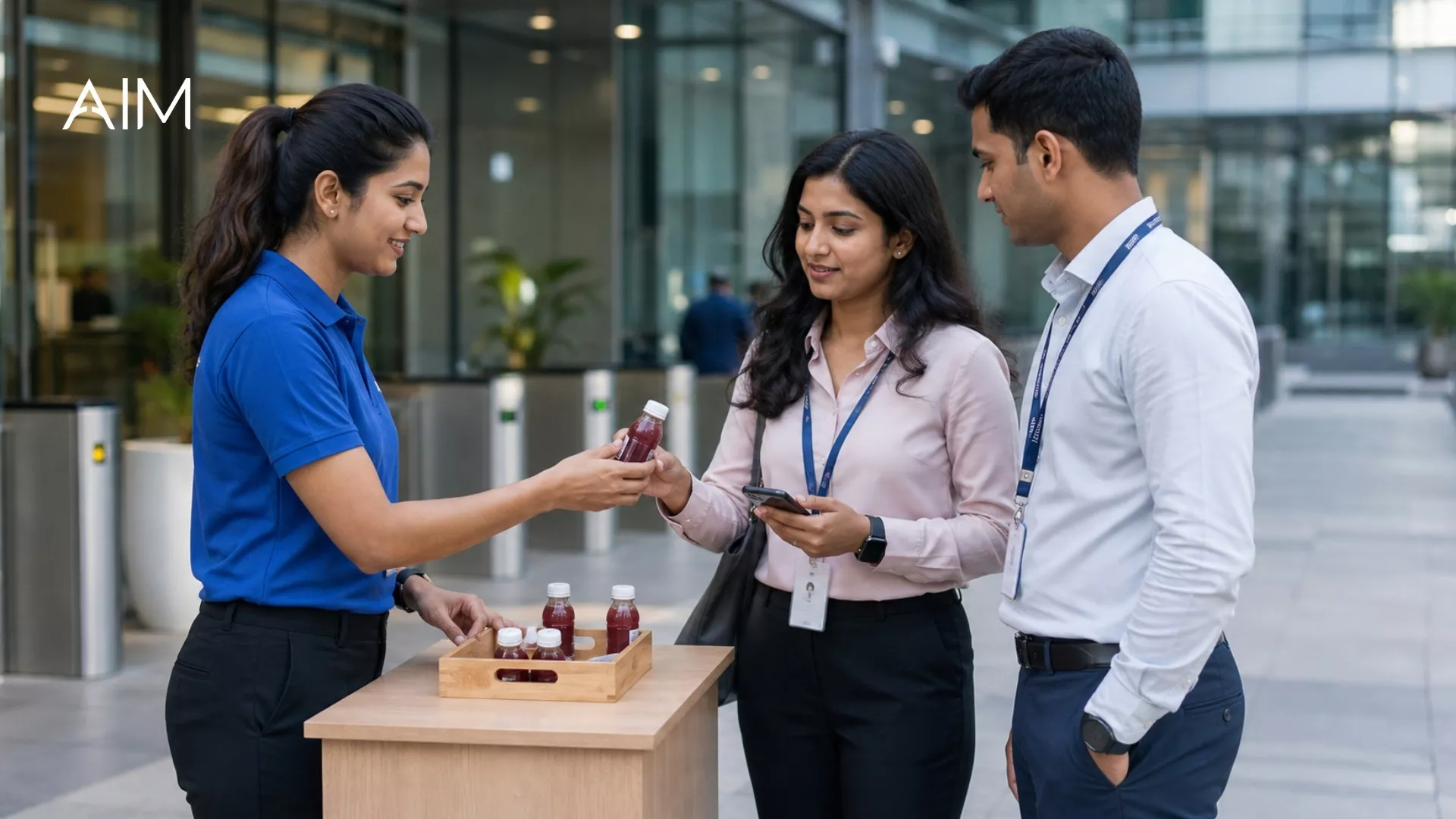


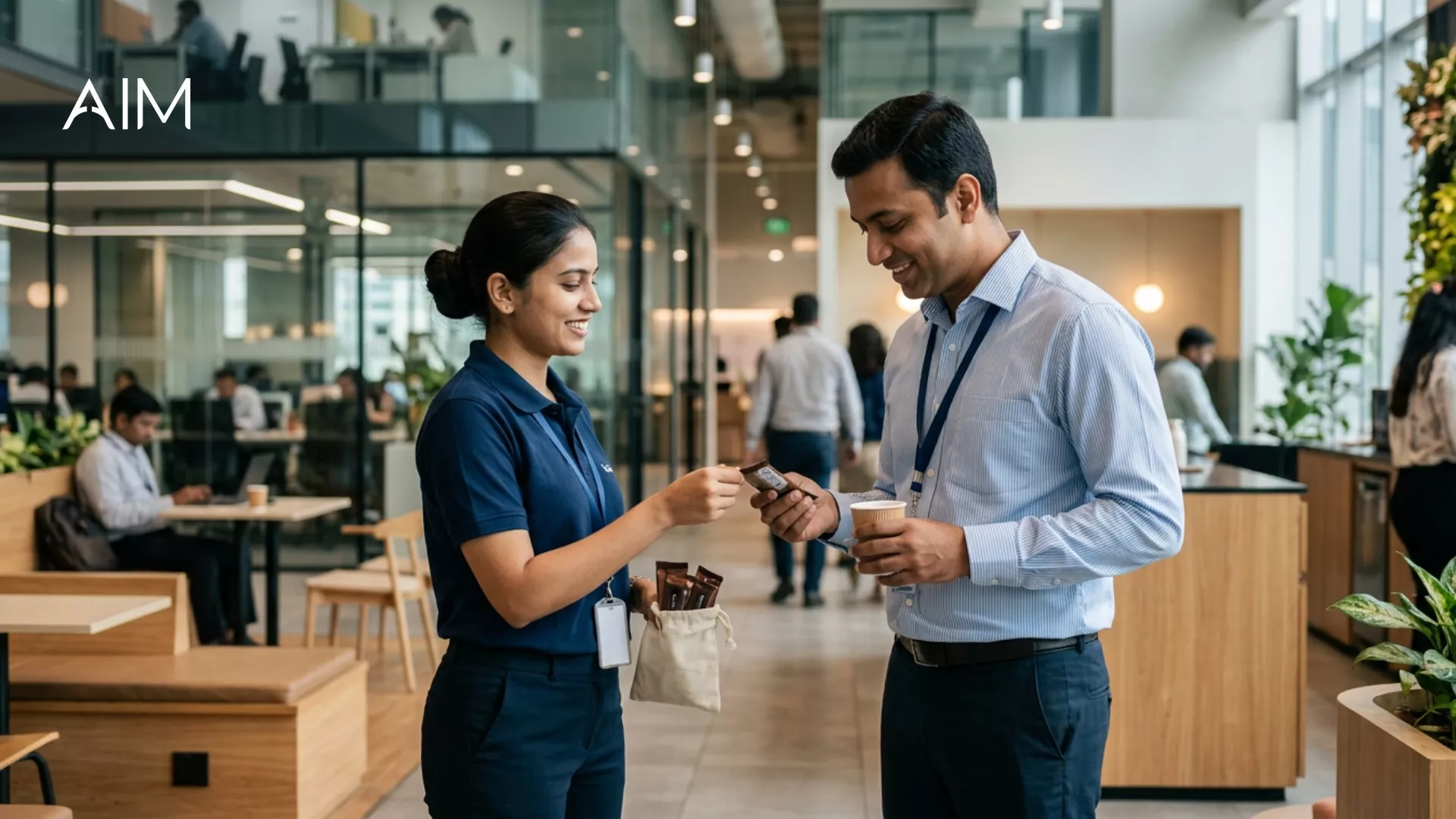
There are really only two ways to sample inside a tech park, and they could not be more different. One is the desk drop, where the sample is waiting on the employee's workstation before they arrive, quiet and personal. The other is the cafeteria table, a staffed stall at lunch or the tea break, loud and social and immediate. Brands tend to pick whichever their agency defaults to, and then wonder why the numbers disappoint. The format is not a logistics choice. It shapes who tries the product, in what mood, and whether they convert, and the right answer depends entirely on what you are sampling and the behaviour you want to trigger.
Quick answer: Desk drops convert best for personal, considered, and take-home products, because they reach the individual privately and give them time and space to try without an audience. Cafeteria tables convert best for food, beverages, and impulse products, because they catch people in a social, in-the-moment mood where a live demo or a fresh taste lands immediately. The right format depends on whether your product is consumed on the spot or taken home, whether it needs a demonstration, and how private the trial needs to feel. Many strong IT park sampling campaigns use both, in sequence.
What each format actually is
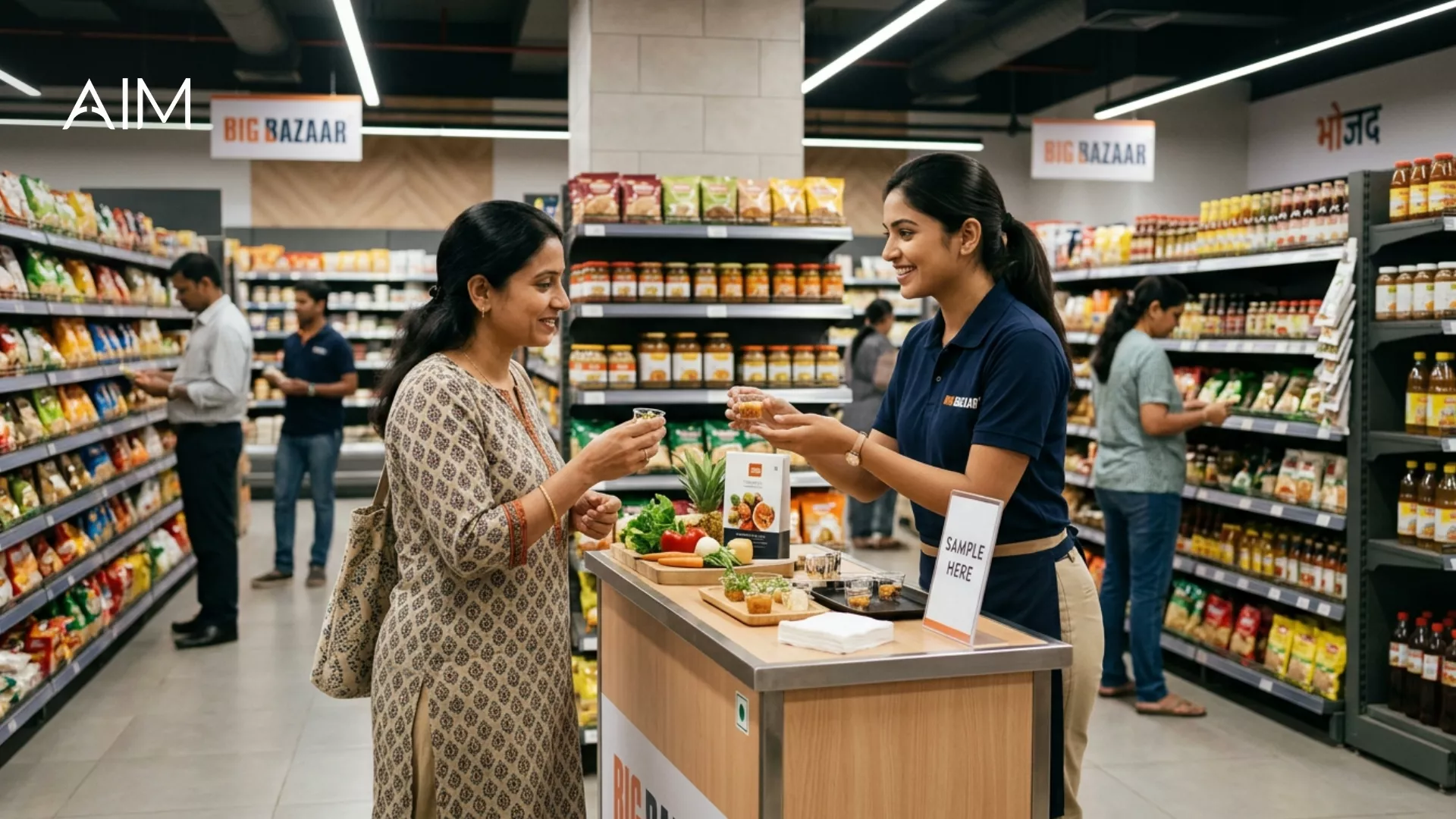
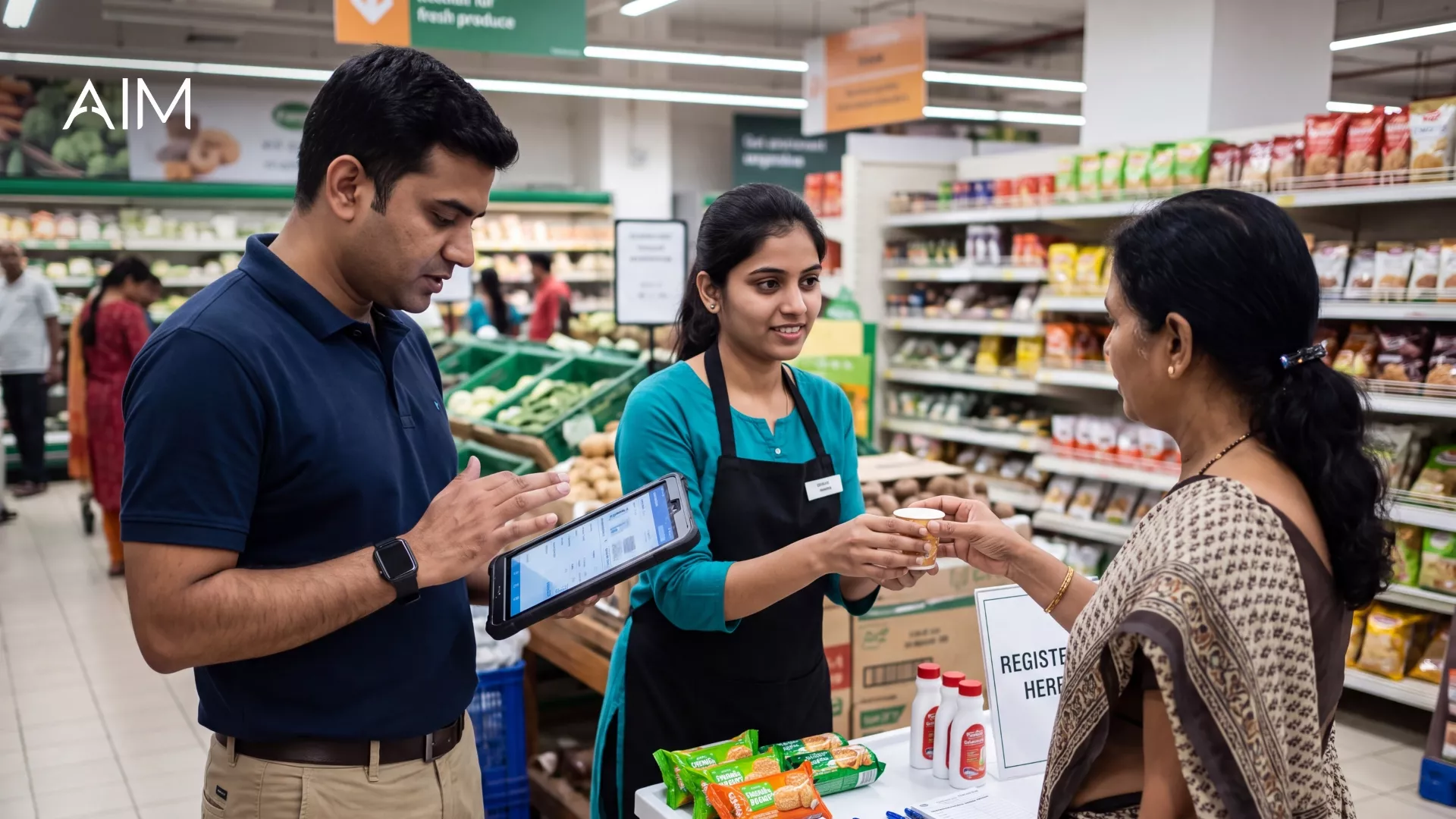
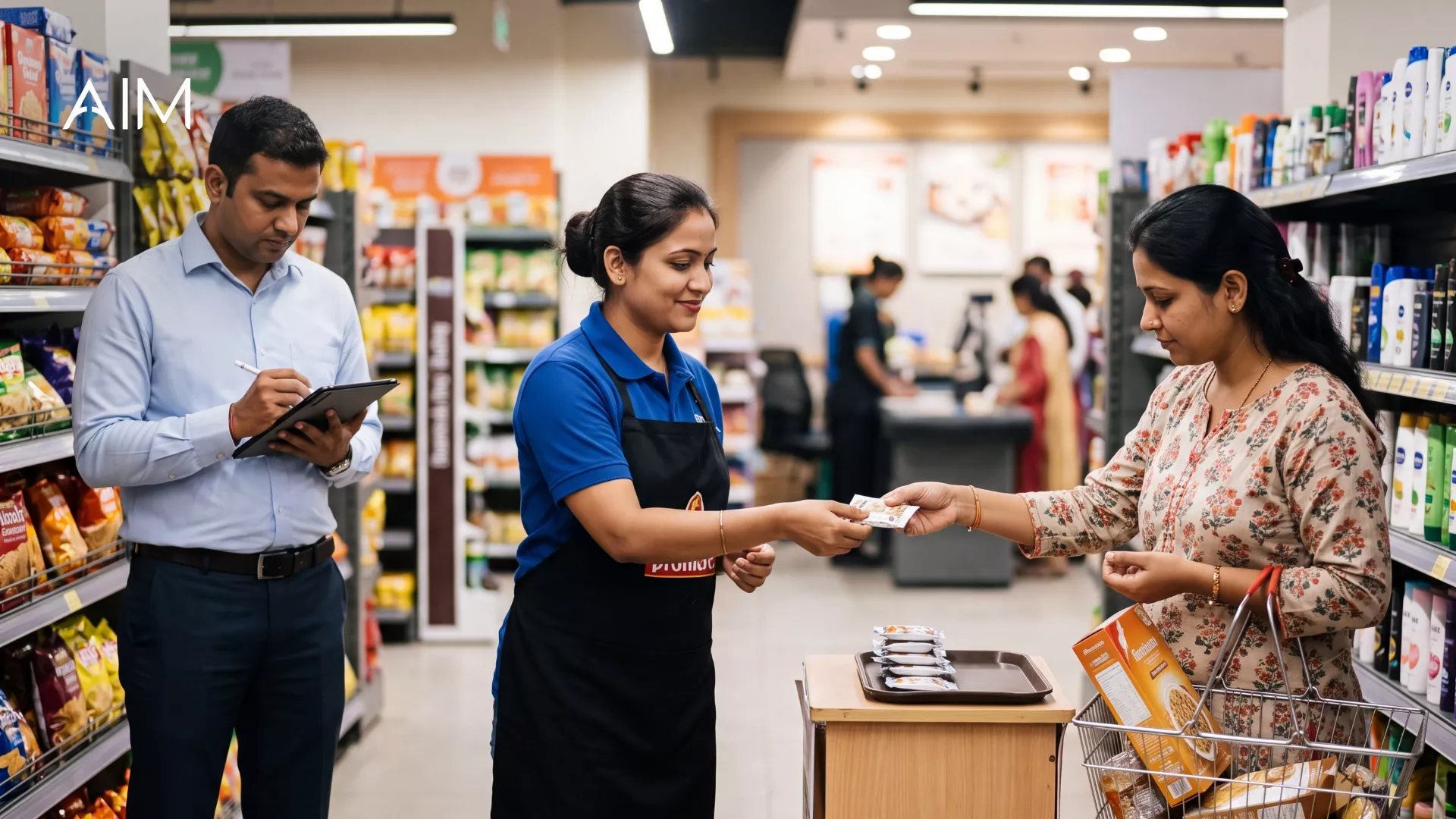
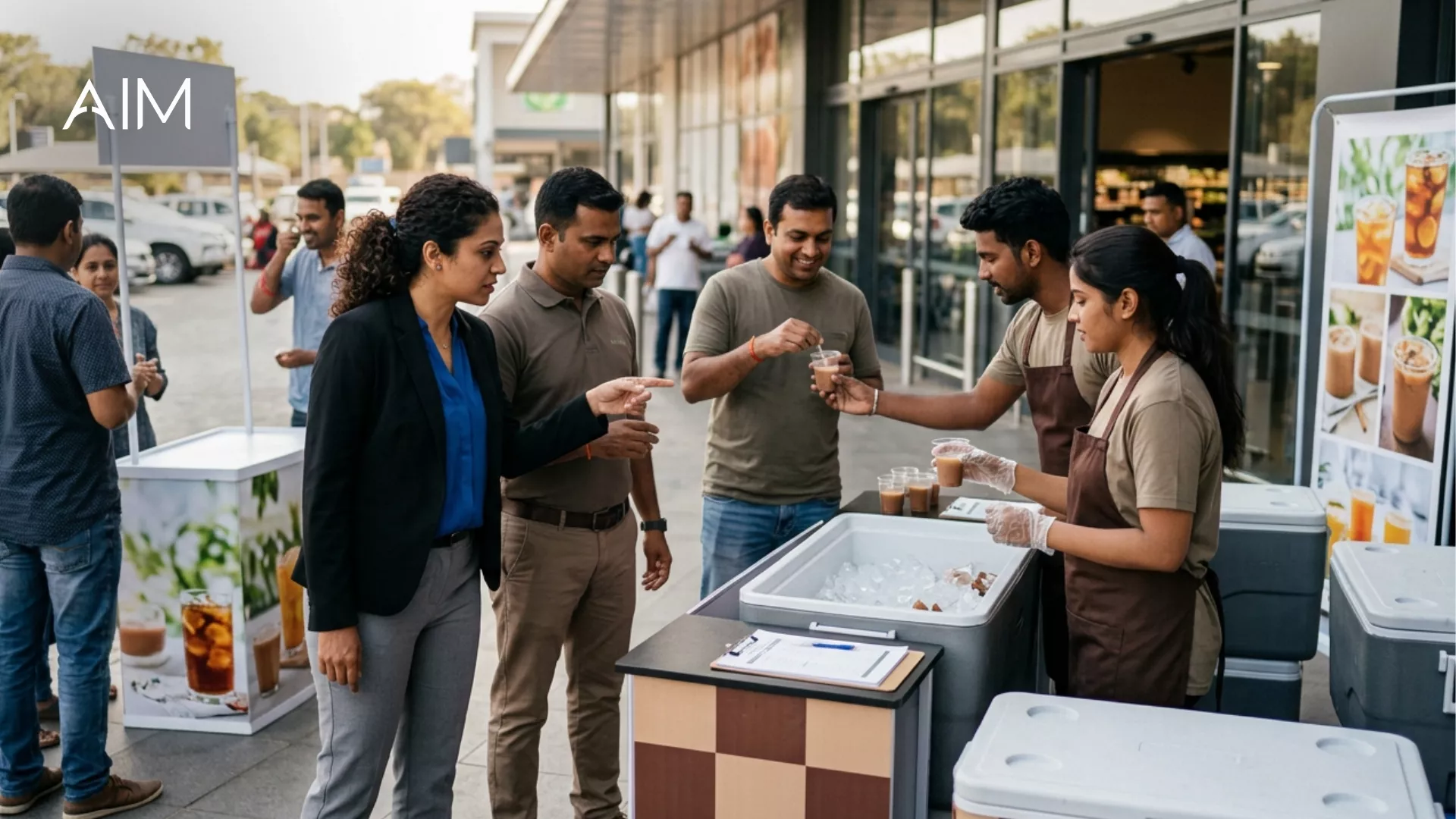
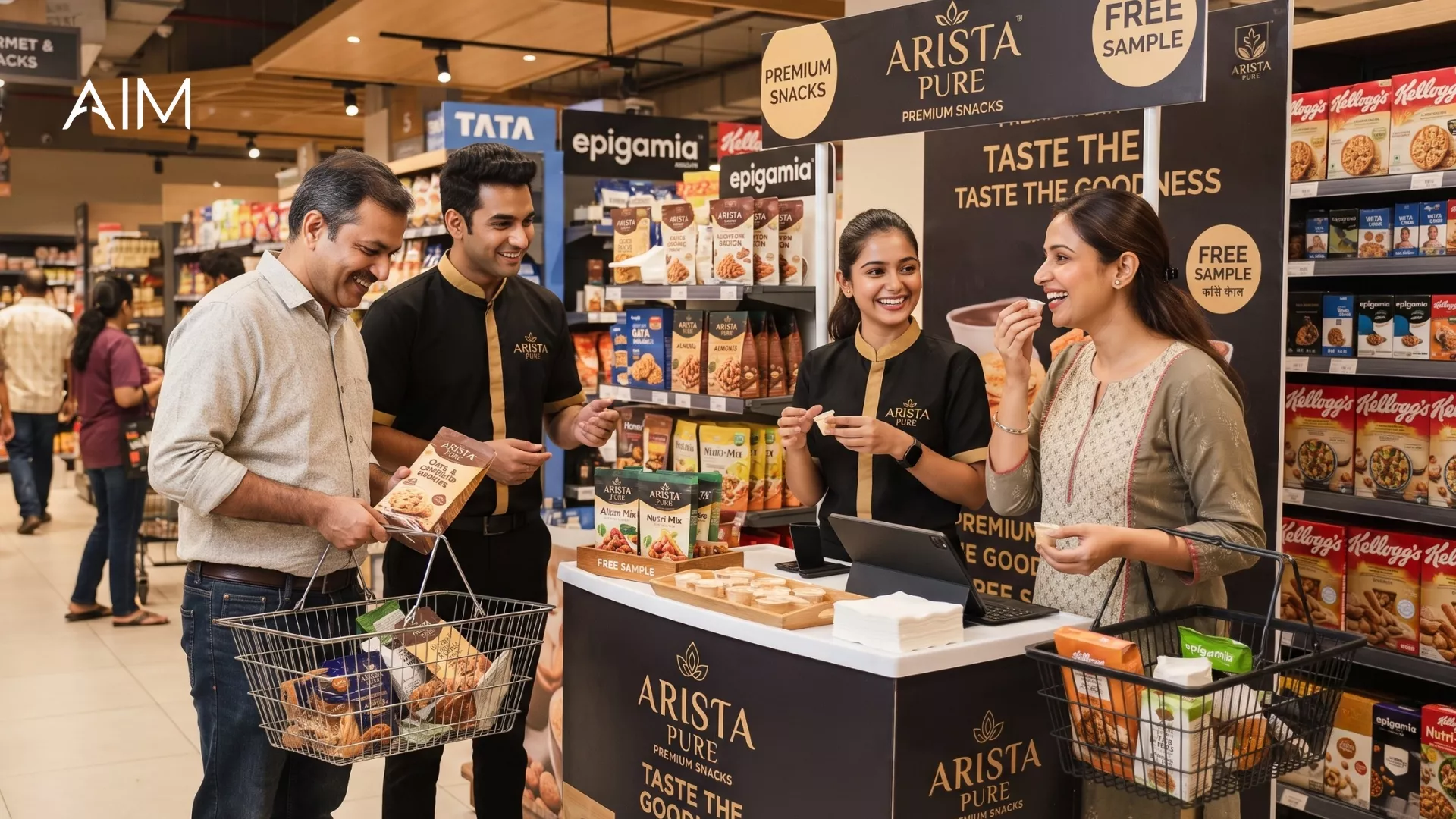
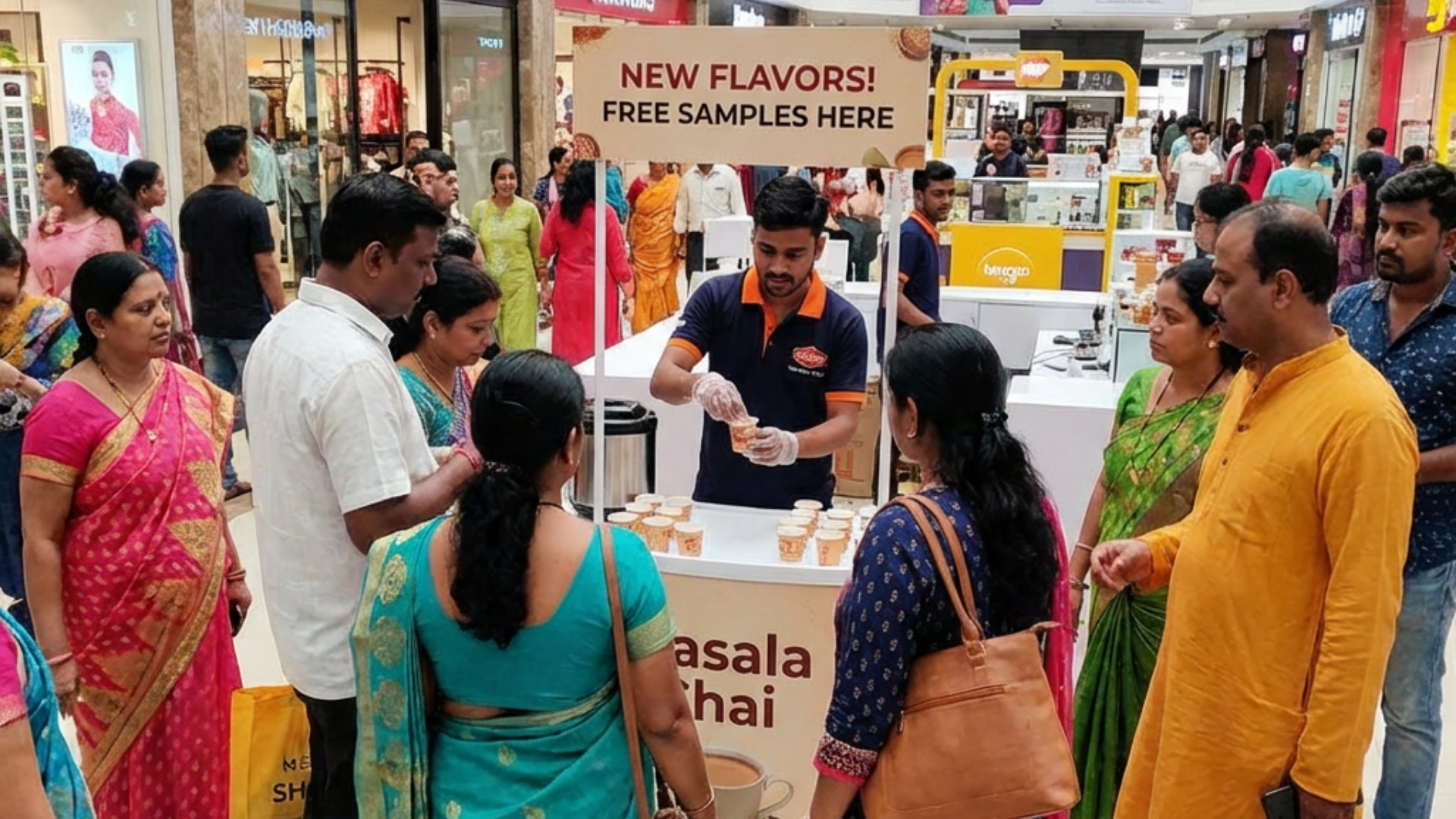
A desk drop places the sample directly at an employee's workstation, usually before they arrive or during a break, arranged with the facility team and often with HR or admin permission. It is unattended and personal, the product simply appears where the person works. A cafeteria table is the opposite: a promoter-staffed stall set up in the dining area or a high-traffic corridor during lunch or the tea break, where the brand hands out samples, often demonstrates or serves them, and talks to people directly. One is quiet and passive, the other is live and social, and that single difference drives almost everything about how they perform.
Where desk drops convert
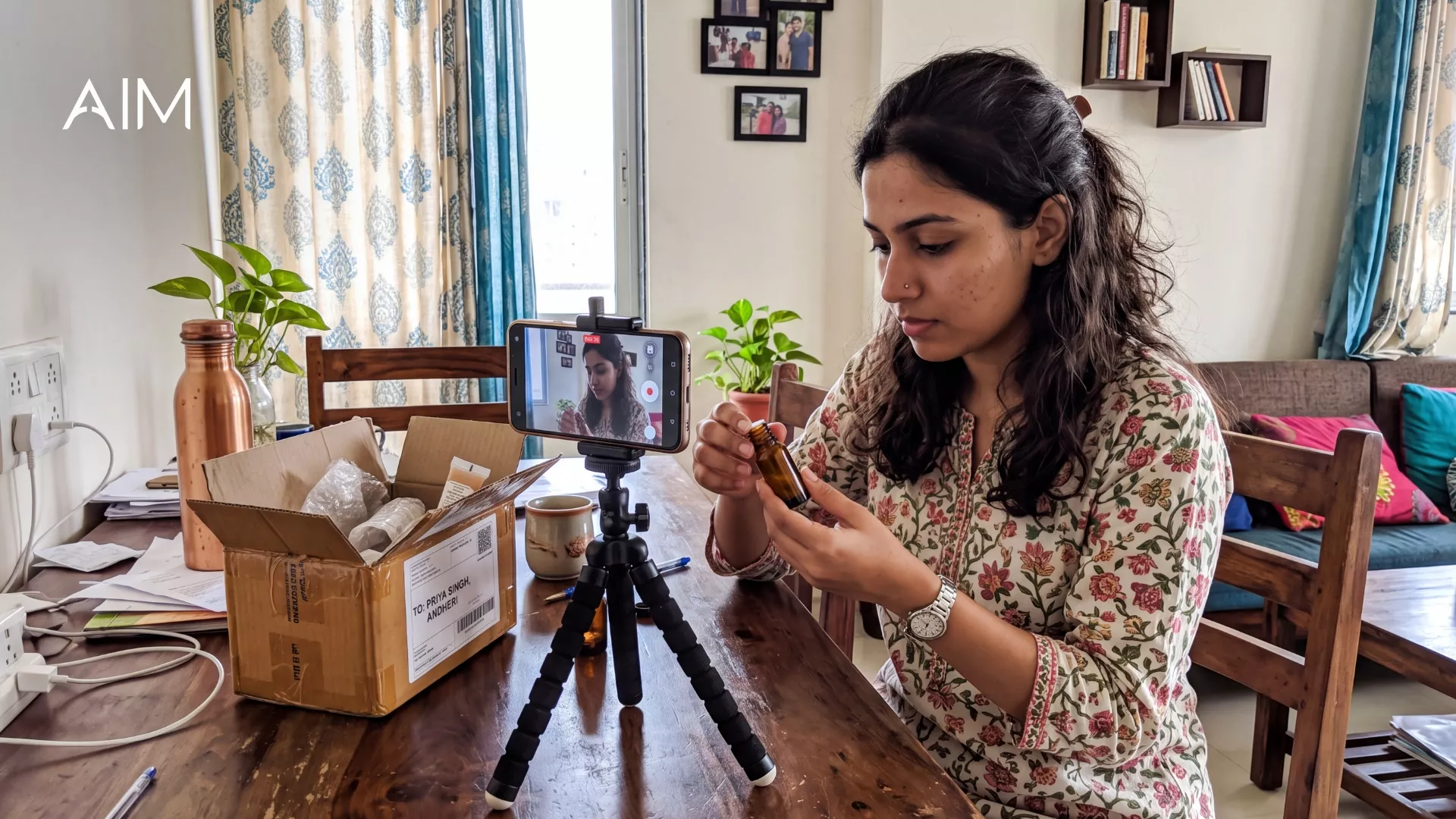
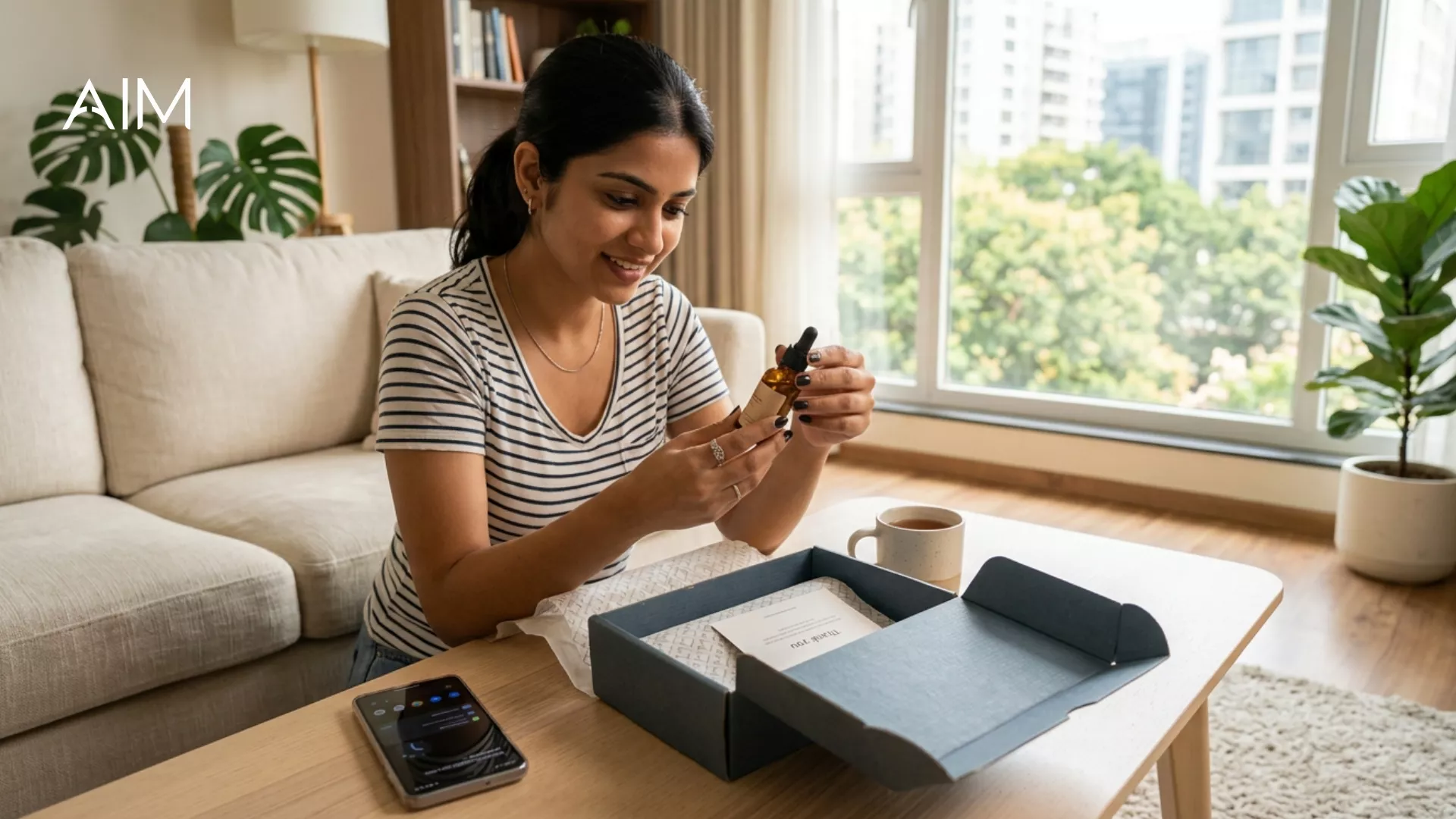
Desk drops win when the product is personal, considered, or meant to be taken home. A skincare sample, a health or wellness product, a supplement, a personal-care item, a D2C product someone would want to research before buying, all of these benefit from landing privately at a desk, where the employee can pick it up, read it, and try it on their own terms without a stranger watching. The privacy matters, because people will engage with a personal product alone that they would walk past at a public stall. The take-home quality matters too, because a desk drop naturally travels with the person rather than being consumed and forgotten in five minutes. Pair the drop with a QR or insert and the private trial still becomes a captured, trackable buyer.
Where cafeteria tables convert
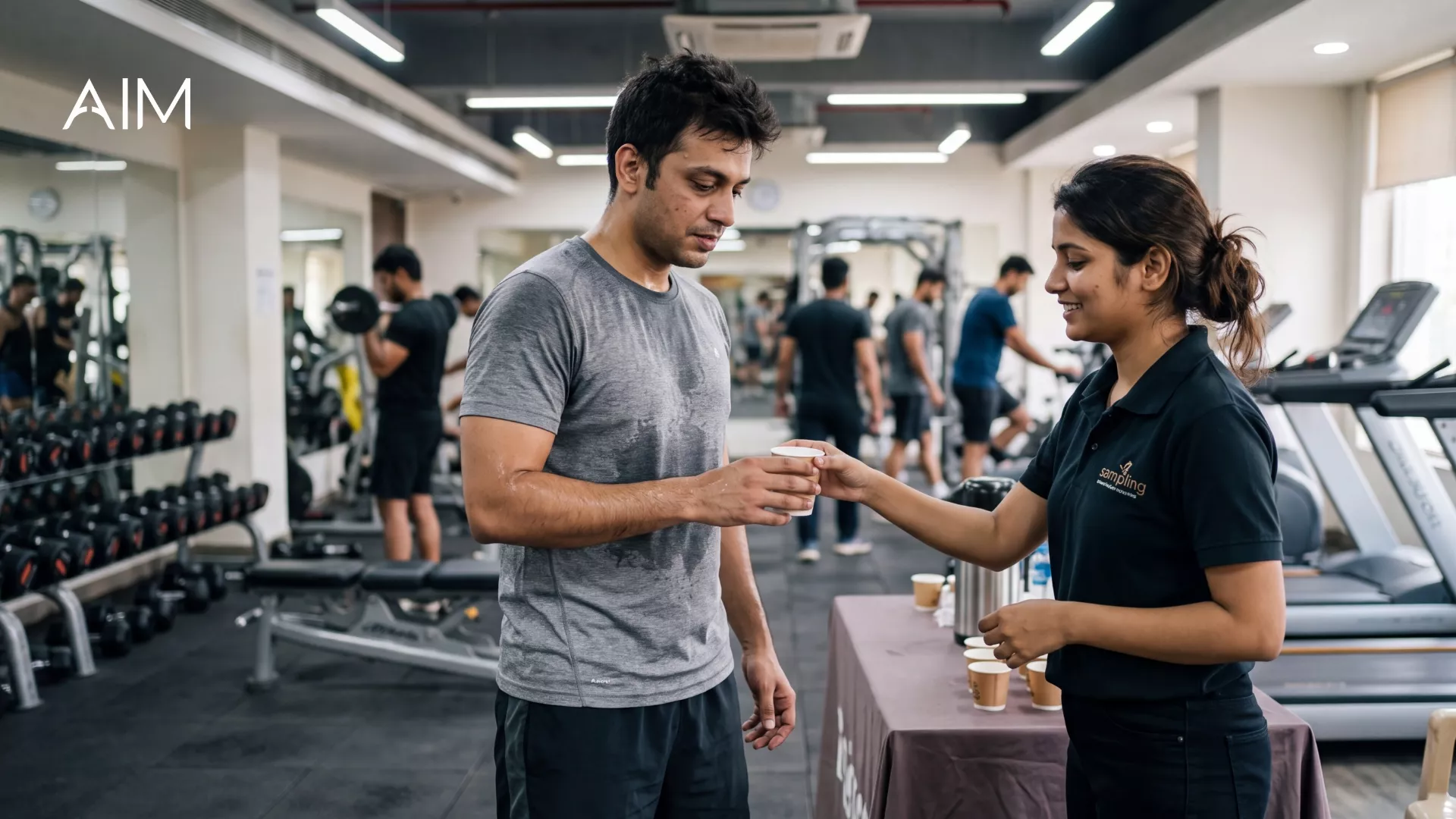
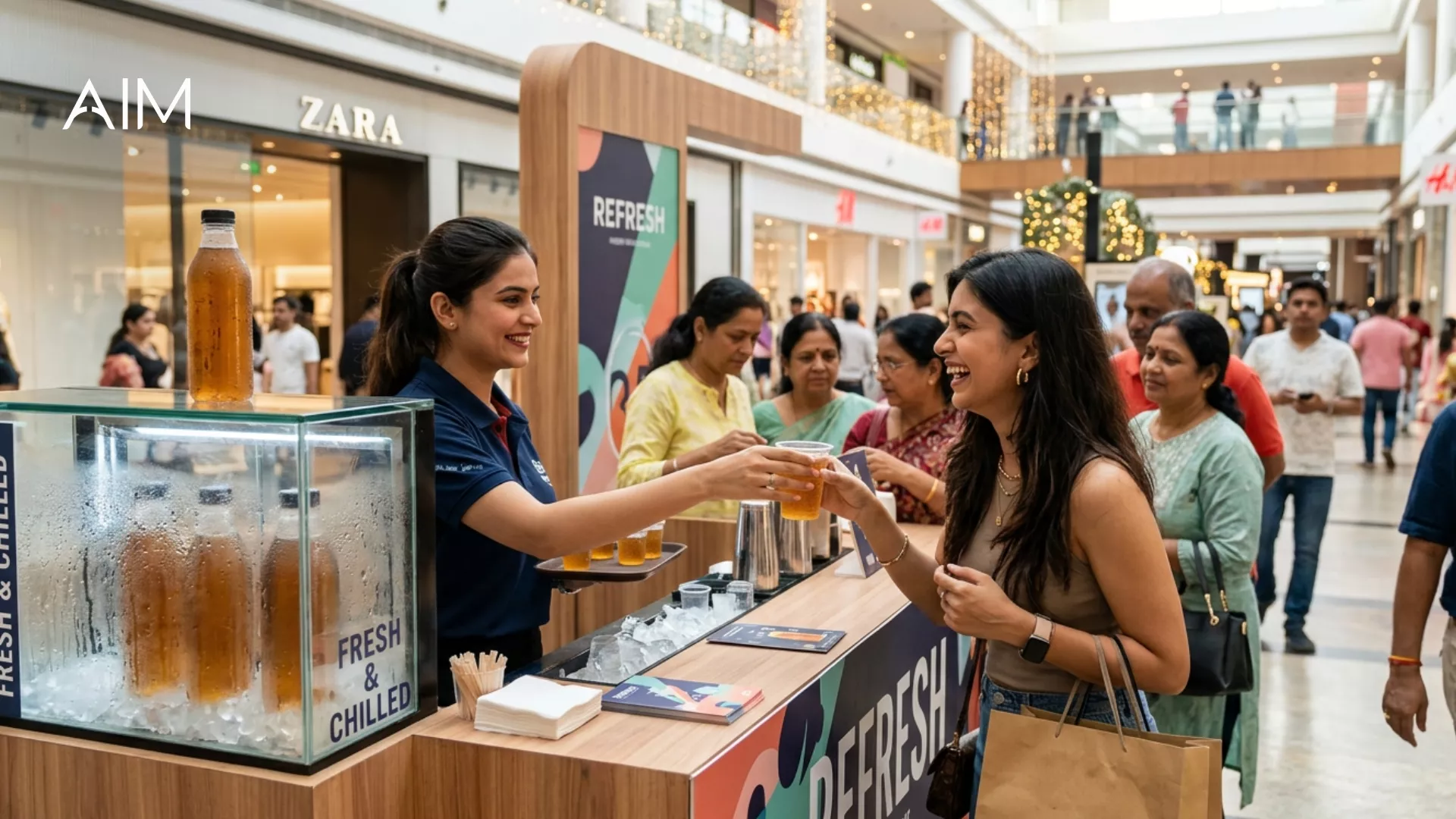
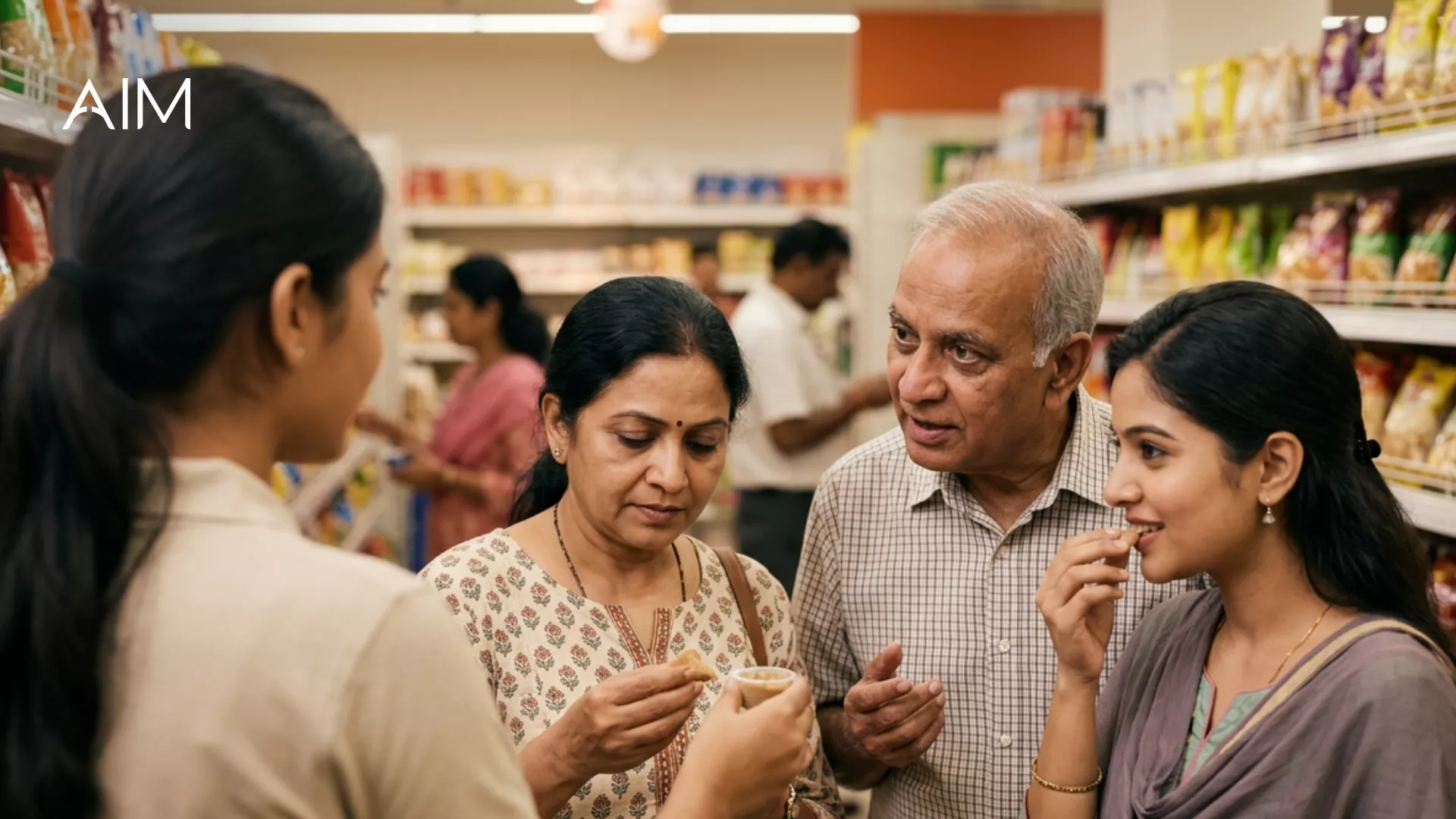
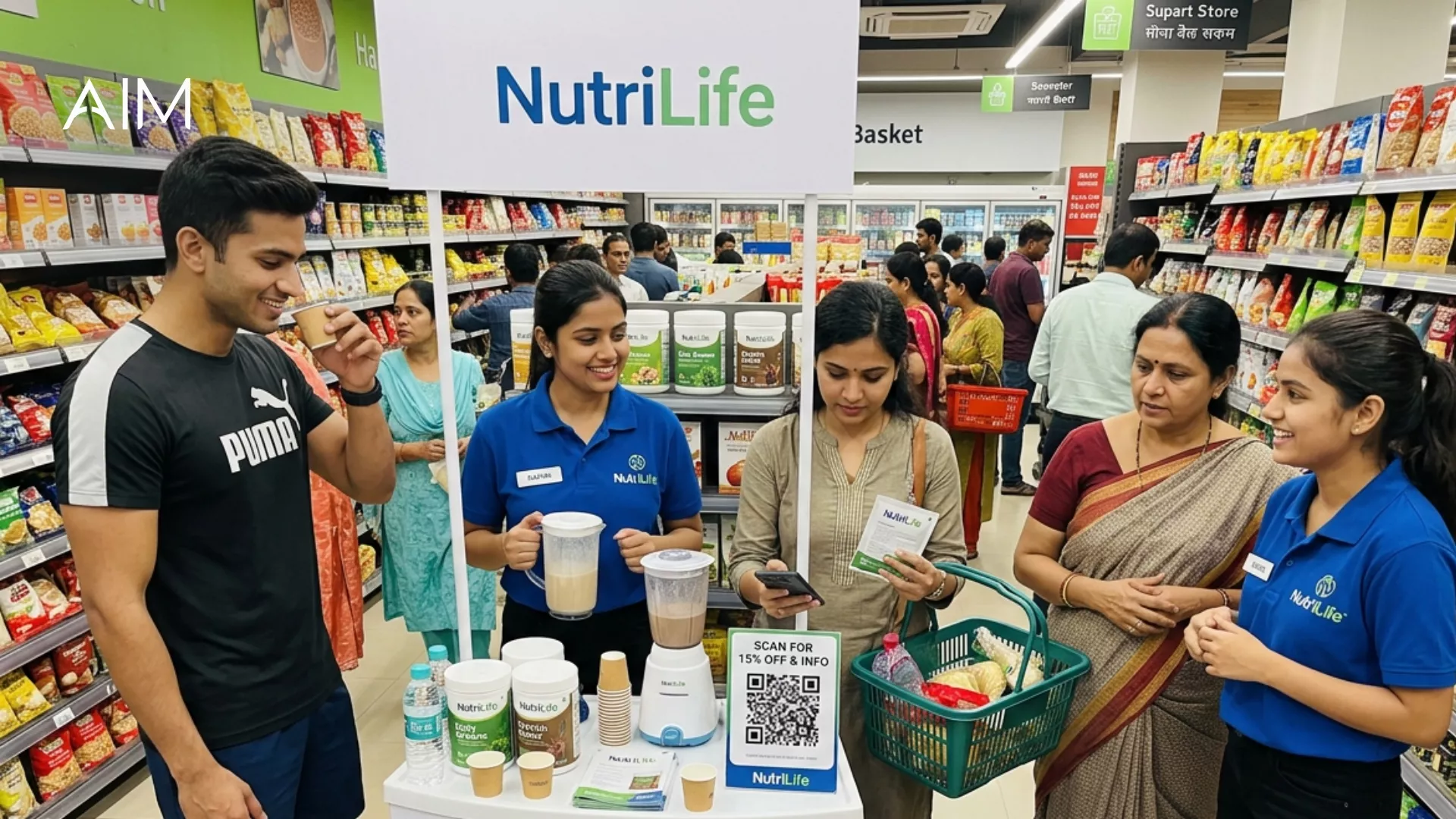
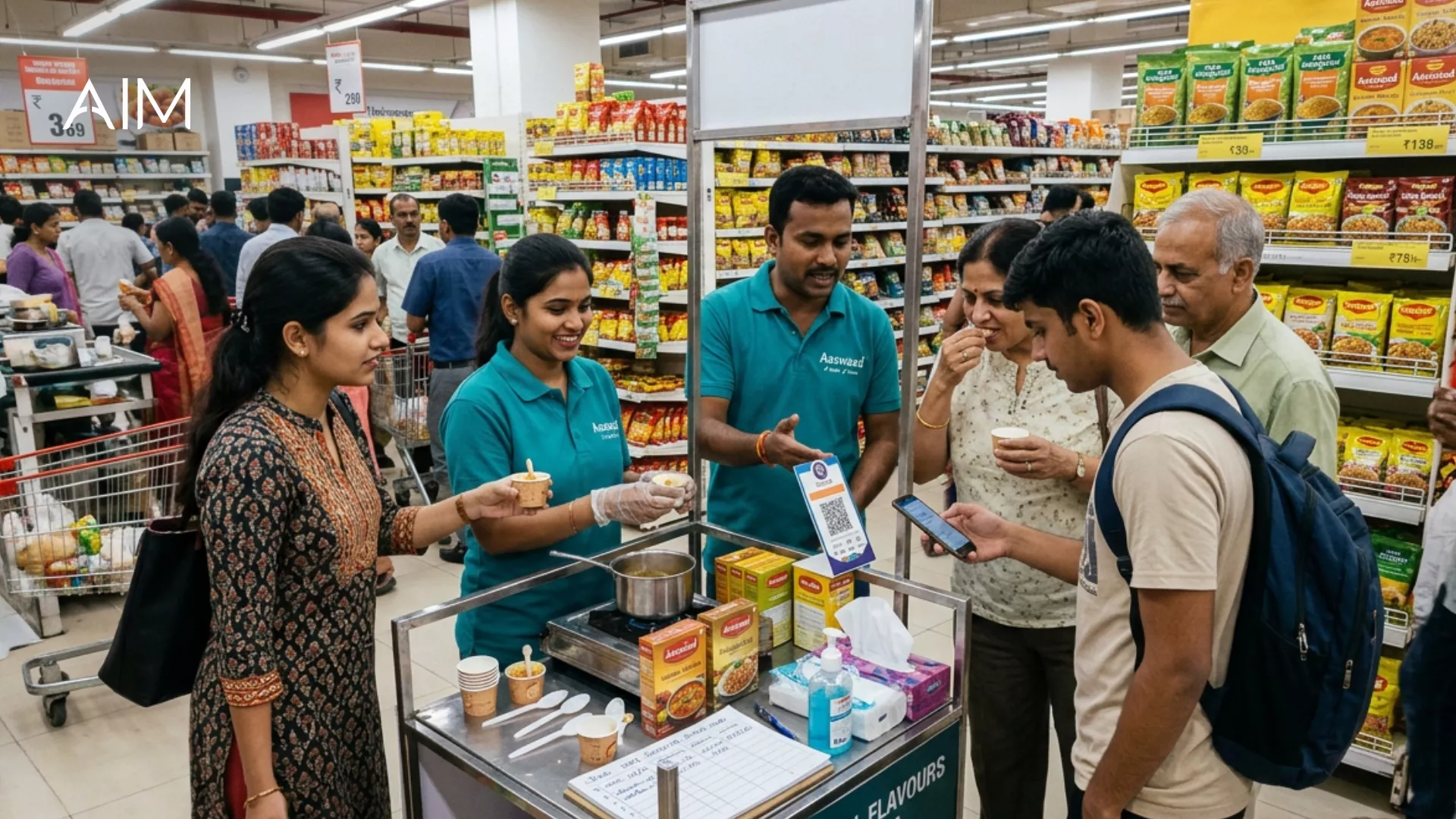
Cafeteria tables win when the product is best experienced immediately and socially. Food, beverages, snacks, anything that can be tasted or demonstrated on the spot, thrives at a lunchtime stall, because the buyer is hungry or thirsty, in a break-time mood, and surrounded by colleagues doing the same thing. The live demo is the whole advantage: a promoter can serve a drink at the right temperature, explain a product, answer a question, and let social proof do its work as a crowd gathers. That energy is exactly what an unattended desk drop cannot create. For impulse and consumable products, the cafeteria captures the moment of appetite and turns it straight into trial.
The head-to-head
Laid side by side, the two formats trade off along a few clear lines:
- Reach versus depth. Desk drops can blanket an entire floor passively, reaching everyone but engaging lightly. Cafeteria tables reach fewer people but engage them far more deeply, with a real interaction.
- Privacy versus energy. Desk drops give the private space that personal products need. Cafeteria tables give the social energy and crowd effect that impulse products feed on.
- Demo versus no demo. A cafeteria stall can serve, demonstrate, and explain in real time. A desk drop cannot, so it relies on the product and its packaging to do the talking.
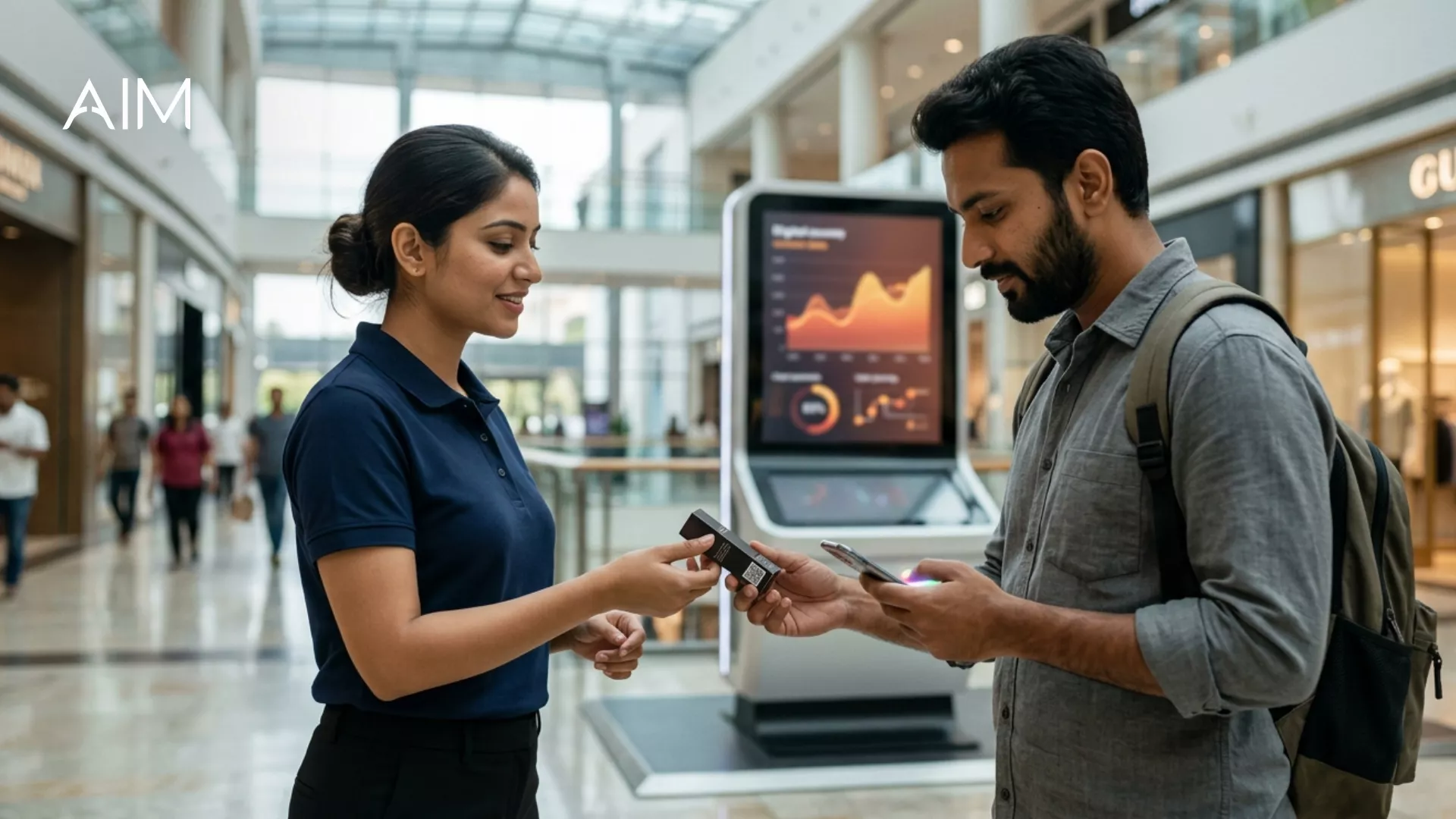
- Different capture paths. A desk drop captures through an insert, QR, or code the employee scans in their own time. A cafeteria table captures live, with a quick opt-in at the stall. Both work, but they are set up differently.
The access problem both formats share
Neither format works without getting inside, and getting inside a tech park is its own challenge. Facility managers, building security, and HR all guard access, and campus rules vary widely from one park to the next. A desk drop needs permission to enter workspaces and place items at desks, which some companies allow readily and others refuse outright. A cafeteria table needs a slot in a managed dining space that often has its own vendors and restrictions. This gatekeeping is exactly where many IT park campaigns stall, and it is why the relationships and permissions matter as much as the creative. The best format in the world does not convert if you cannot get through the door to run it.
How to choose
The decision comes down to a few honest questions about the product. Is it consumed on the spot or taken home? Does it need a demonstration or a served experience to make its case, or does it sell itself once someone tries it privately? How personal is it, would people rather engage with it alone than at a public stall? And how do you plan to capture the trial? A drink that needs to be served cold belongs at a cafeteria table. A skincare serum someone will want to try in private belongs on a desk. Answer those questions first, and the format usually chooses itself, rather than defaulting to whatever is easiest to set up.
Why most brands should use both
The two formats are not rivals so much as a pair, and the strongest IT park campaigns often use them together. A desk drop can seed a product widely and privately, and a cafeteria presence a few days later can convert the interest into a live trial and a conversation, or the other way round. A brand with both a take-home product and a consumable moment can cover both behaviours. Sequencing them, seed first, demo second, or demo first and follow up with a take-home drop, tends to beat leaning on either one alone, because it reaches the employee in more than one mood and gives the trial more than one chance to land. It also lets the two formats cover each other's weakness, the desk drop supplying reach and privacy, the cafeteria supplying demonstration and energy, so a product with more than one selling angle is never forced to choose which angle to sacrifice.
What to measure
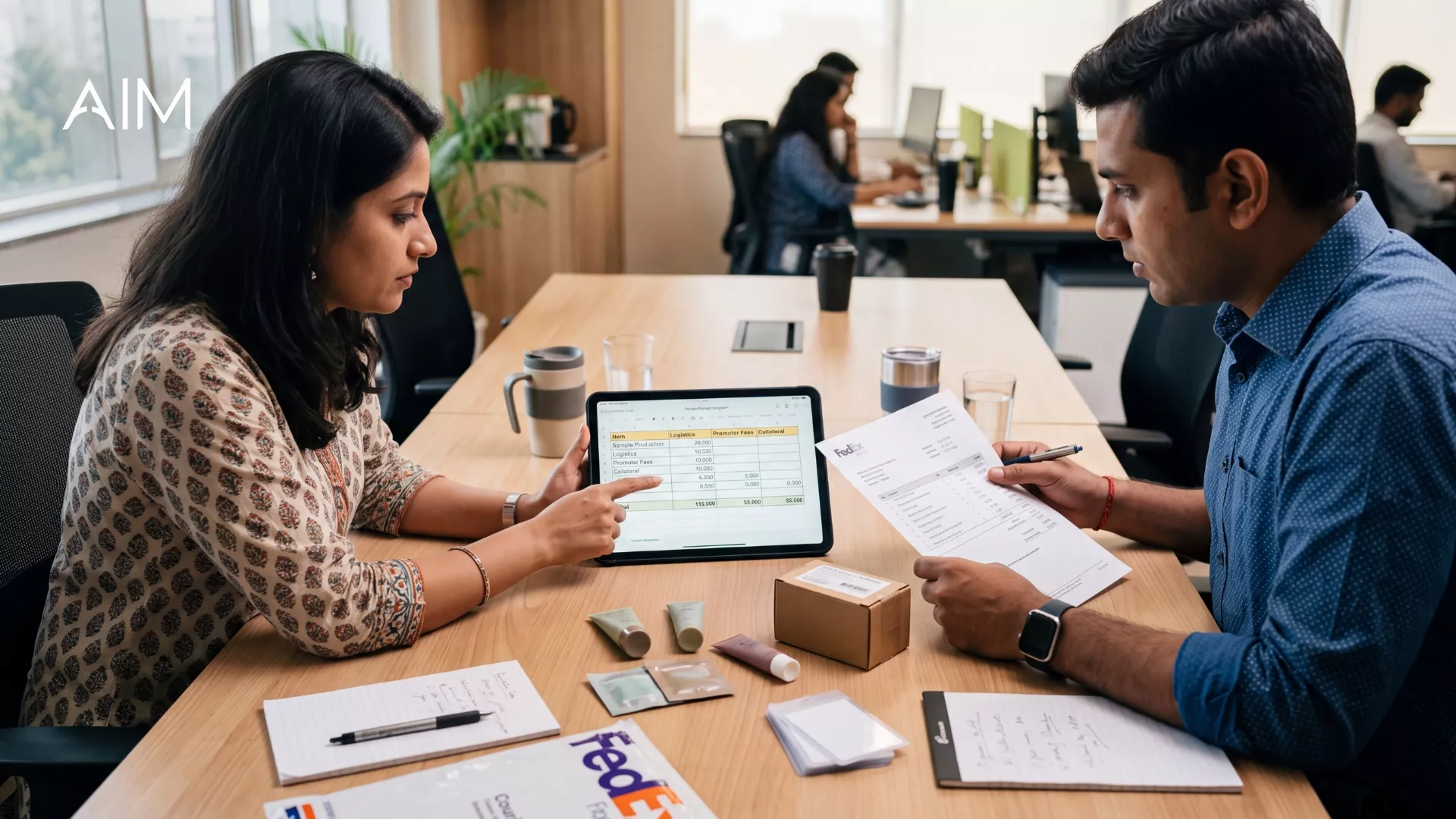
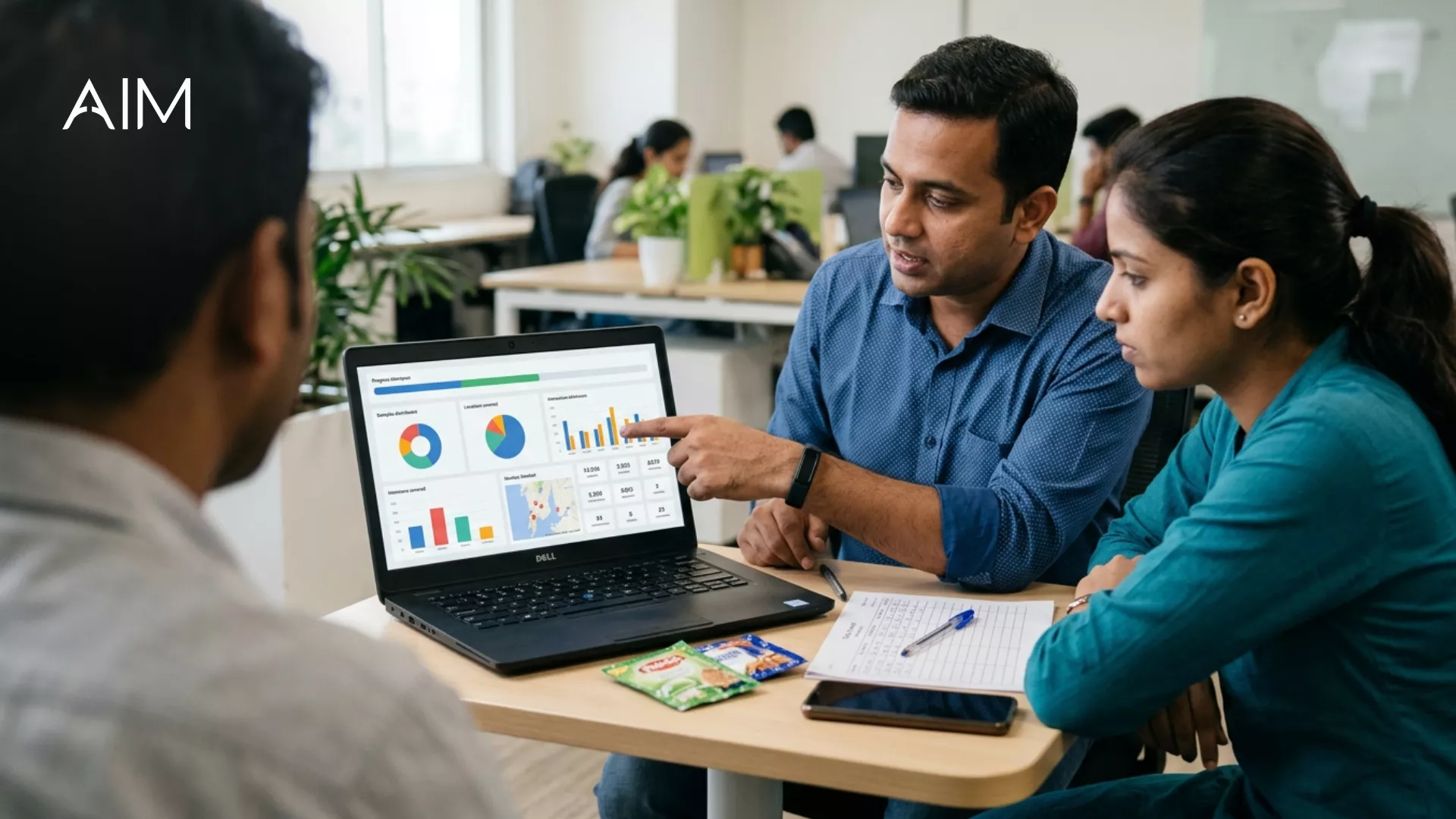
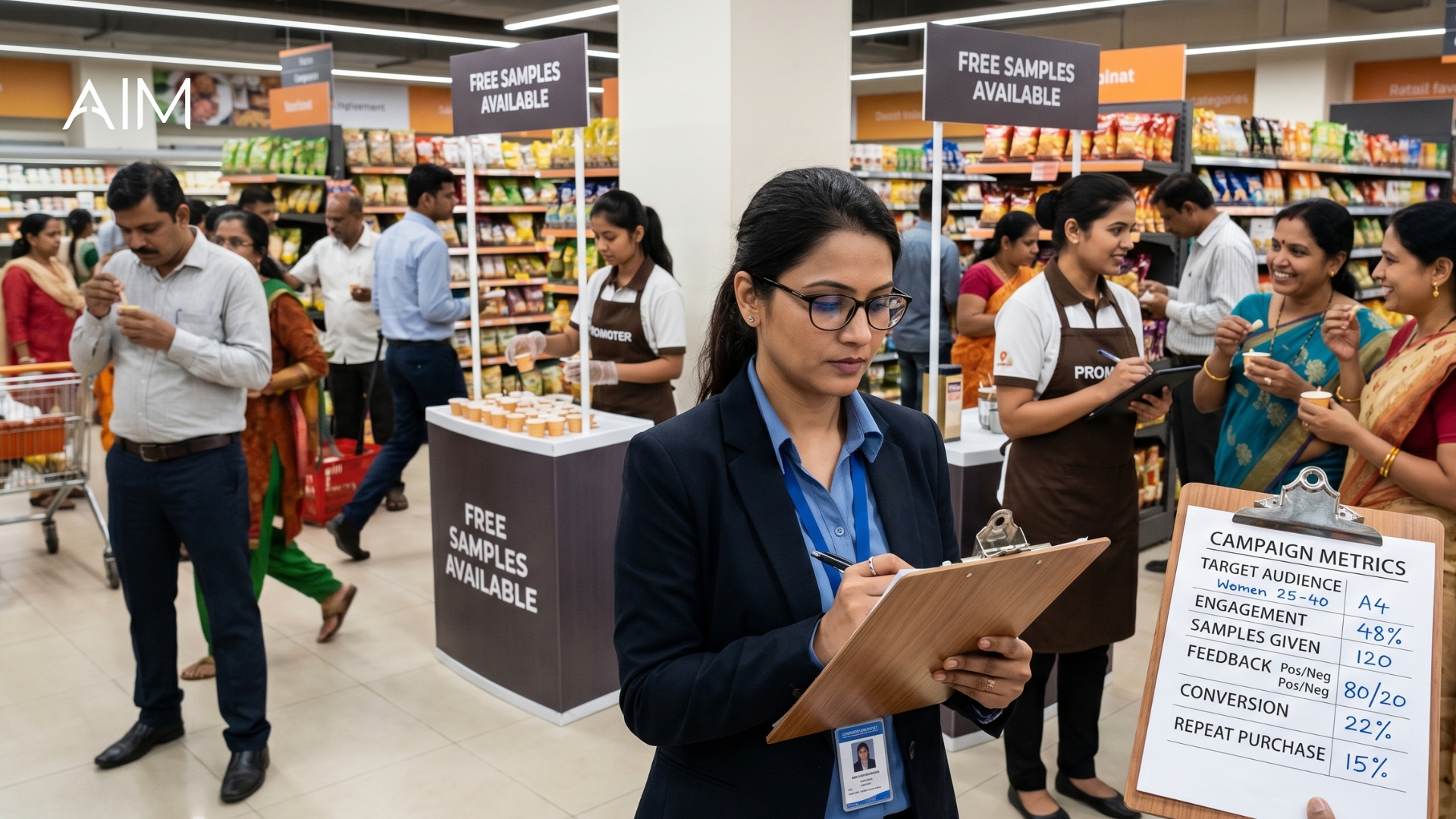
Whichever format you use, the measurement is what separates a real campaign from a busy day on a campus. Track redemption by format, so you learn whether the desk drops or the cafeteria stall actually drove purchases, and capture rate, the share of triers you turned into known, contactable people. Then follow conversion and repeat, and note which format's buyers came back, because a format that produces a burst of first trials but no repeat is worth less than one that produces fewer, stickier buyers. Over a few campaigns this tells you exactly how to split effort between desks and cafeterias for your specific product, instead of guessing.
A quick example of getting it wrong
Consider a cold beverage brand that books a week of desk drops across a large tech park, leaving a bottle at every workstation before people arrive. By mid-morning the bottles are warm, half of them are pushed aside unopened, and the ones people do try taste flat, so a campaign built for a cafeteria table quietly fails on a desk. Now flip it. A skincare brand sets up a loud cafeteria stall at lunch and tries to get busy, hungry employees to consider a serum in front of their colleagues, and most walk past, because a private, considered product is wrong for a public, in-the-moment setting. Both brands did real work and spent real money. Both chose the format that fought their product instead of helping it. The lesson is not that one format is better, it is that the format has to match the product and the behaviour, or the campaign undermines itself before a single number is counted.
This is how AIM approaches IT park and corporate product sampling: matching the format to the product and the behaviour you want, desk drops for the personal and take-home, cafeteria tables for the social and consumable, often both in sequence, with the access handled and every trial captured and tracked to a purchase. Done this way, sampling to urban professionals stops being a box of samples left in a lobby and becomes a measured choice about where your specific product actually converts, on the desk or at the table, backed by the numbers to prove which one earned its place.








.webp)









.png)