



Two brands can run the same sampling campaign and come away believing completely different things about it, because they measured it at completely different levels. One counts how many samples went out and calls it a success. Another tracks how many of those triers are still buying six months later. Same activity, two different universes of understanding. Most of the gap between brands that waste money on sampling and brands that compound returns from it is not budget or creativity. It is where they sit on the measurement ladder. Here is that ladder, rung by rung, and why climbing it changes everything.
Quick answer: what is the sampling metrics maturity ladder?
The sampling metrics maturity ladder is the progression of what a brand measures, from the weakest signal to the strongest. The lowest rung is samples handed out, a pure activity count that says nothing about results. Above it come samples actually tried, then triers captured, then trial-to-first-purchase conversion, then cost per acquired buyer, and at the top, repeat purchase and cost per retained customer. Each rung up ties the spend closer to real business value. Most brands sit on the bottom rung and wonder why sampling feels unaccountable. Climbing the ladder is how sampling turns from a cost nobody can justify into a channel finance trusts.
Rung one: samples handed out
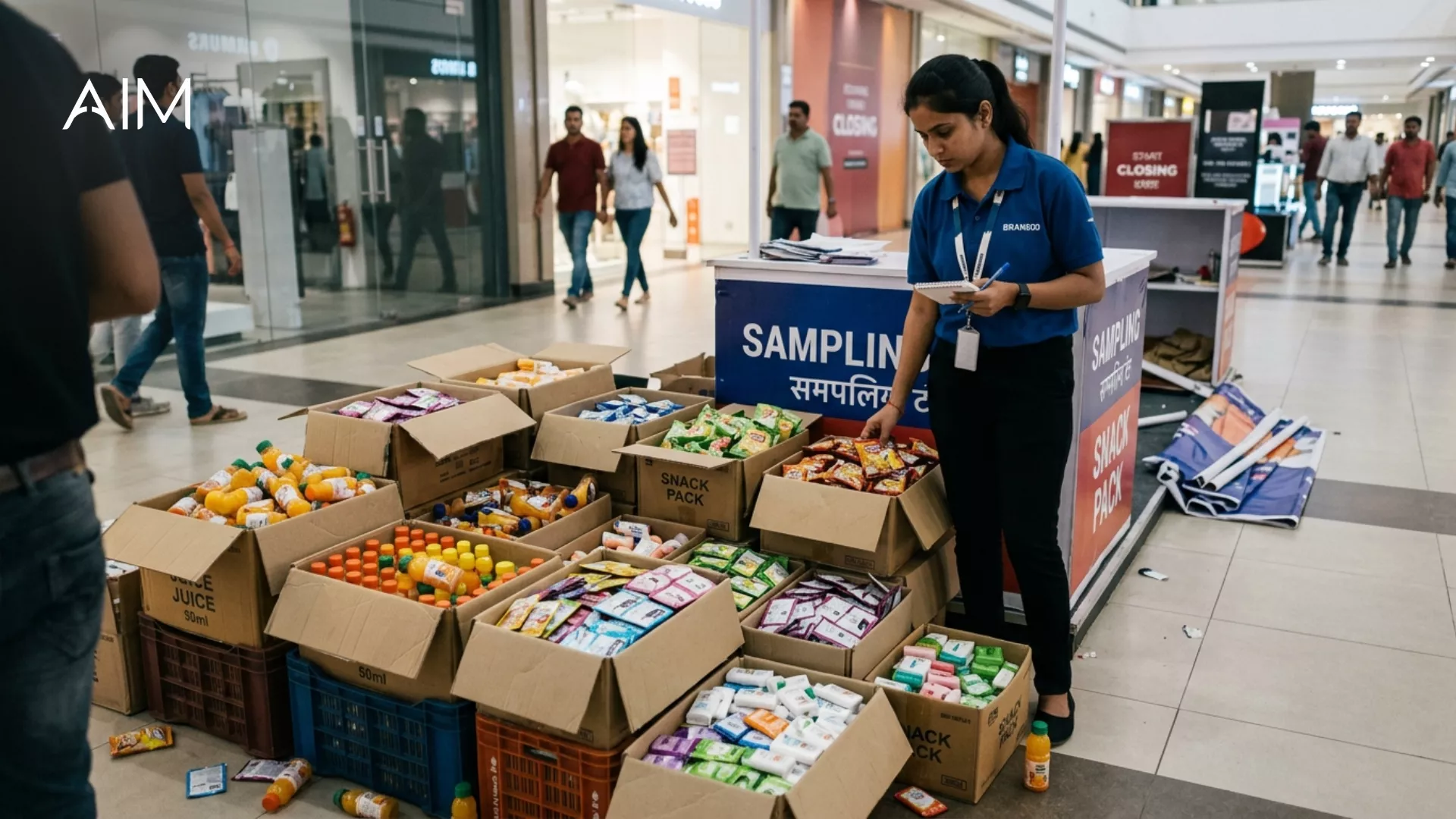
The lowest rung, and the one most product sampling campaigns never leave, is counting distribution. Fifty thousand samples given away, a tray emptied, a stack of activation photos. It feels like a result because the number is big and the effort was visible. It is not a result. Samples handed out measures how much product you gave away, not whether it reached the right person, got tried, or sold anything. It goes up whether the campaign worked or failed, which is the clearest sign a metric is worthless. A brand living on this rung is flying blind, mistaking motion for progress, and it will keep repeating campaigns it cannot actually evaluate because the only number it has always looks fine.
Rung two: samples actually tried
The first real step up is knowing how many samples were genuinely used, actually used, rather than taken. This matters more in some categories than others. For a snack or a drink, taken and tried are close. For a wellness product that sits in a drawer, or a pet sample a cautious owner never opens, the gap between distributed and tried is huge. Measuring trial rather than distribution starts to separate a campaign that created experiences from one that merely created giveaways. It is a modest rung, but it is the moment a brand stops counting its own effort and starts counting something that happened to the consumer.
Rung three: triers captured
The next rung changes the economics entirely, because it turns an anonymous crowd into a known audience. Capturing who tried the product, even lightly, means the campaign produces a list of real prospects you can follow up, remarket to, and track, rather than a memory of a busy day. This is the rung where sampling stops being a one-time event and becomes the start of a relationship. A brand that captures triers owns an asset after the campaign ends. A brand that does not has nothing to show once the samples are gone, no matter how many it handed out. Capture is the hinge the whole ladder turns on.
Rung four: trial-to-purchase conversion
Above capture sits the rung most brands think of as the goal: how many triers went on to buy. This is where sampling finally connects to revenue, where a trial becomes a sale you can point to. Measuring conversion forces every earlier decision to sharpen, because you can now see whether the people you reached actually bought, which exposes bad targeting, weak follow-up, or a product that samples poorly. Conversion is a strong rung, but it is not the top, because a conversion number without a cost attached can still flatter a campaign that was expensive to run. It tells you the campaign worked. It does not yet tell you whether it was worth it.
Rung five: cost per acquired buyer
This is the rung where sampling becomes a channel the finance team respects, because it speaks their language. Cost per acquired buyer divides what you spent by the customers the sampling actually created, and that single figure is comparable to the cost of acquiring a customer through any other channel. Now sampling can be weighed against paid ads, promotions, or anything else competing for the budget, on equal terms. A brand on this rung is no longer defending sampling as a vague good thing, it is presenting it as a measured acquisition channel with a known cost. That is a completely different conversation with the people who control the money.
Rung six: repeat purchase and cost per retained customer
The top rung is the one almost nobody reaches, and it is where sampling proves its real worth. It is not enough that a trier bought once, because a single purchase can still lose money after the cost of acquiring it. The question that matters is whether they kept buying, and what it cost to acquire a customer who stays. Cost per retained customer folds in the entire value of the relationship the sample started, rather than the first transaction alone. A brand measuring at this level knows whether sampling is building durable customers or renting one-time triers, which is the difference between a channel that compounds and one that merely spends. This is the rung where sampling stops being a marketing line item and becomes a growth engine.
Why most brands stay on the bottom rung
If the top of the ladder is so much more valuable, why do most brands never leave the bottom? Because the lower rungs are effortless and the higher ones take design. Counting samples handed out requires nothing. Capturing triers, tracking conversion, and measuring retention require the campaign to be built for measurement from the start, with capture mechanisms, tracking, and follow-up planned in rather than bolted on. The bottom rung is also comfortable, because its number always looks good and nobody gets blamed. Climbing means risking a smaller, truer number in exchange for actually knowing what works. The brands that take that trade are the ones that stop wasting sampling budget, because you cannot improve what you refuse to measure honestly.
How AIM climbs the ladder with brands
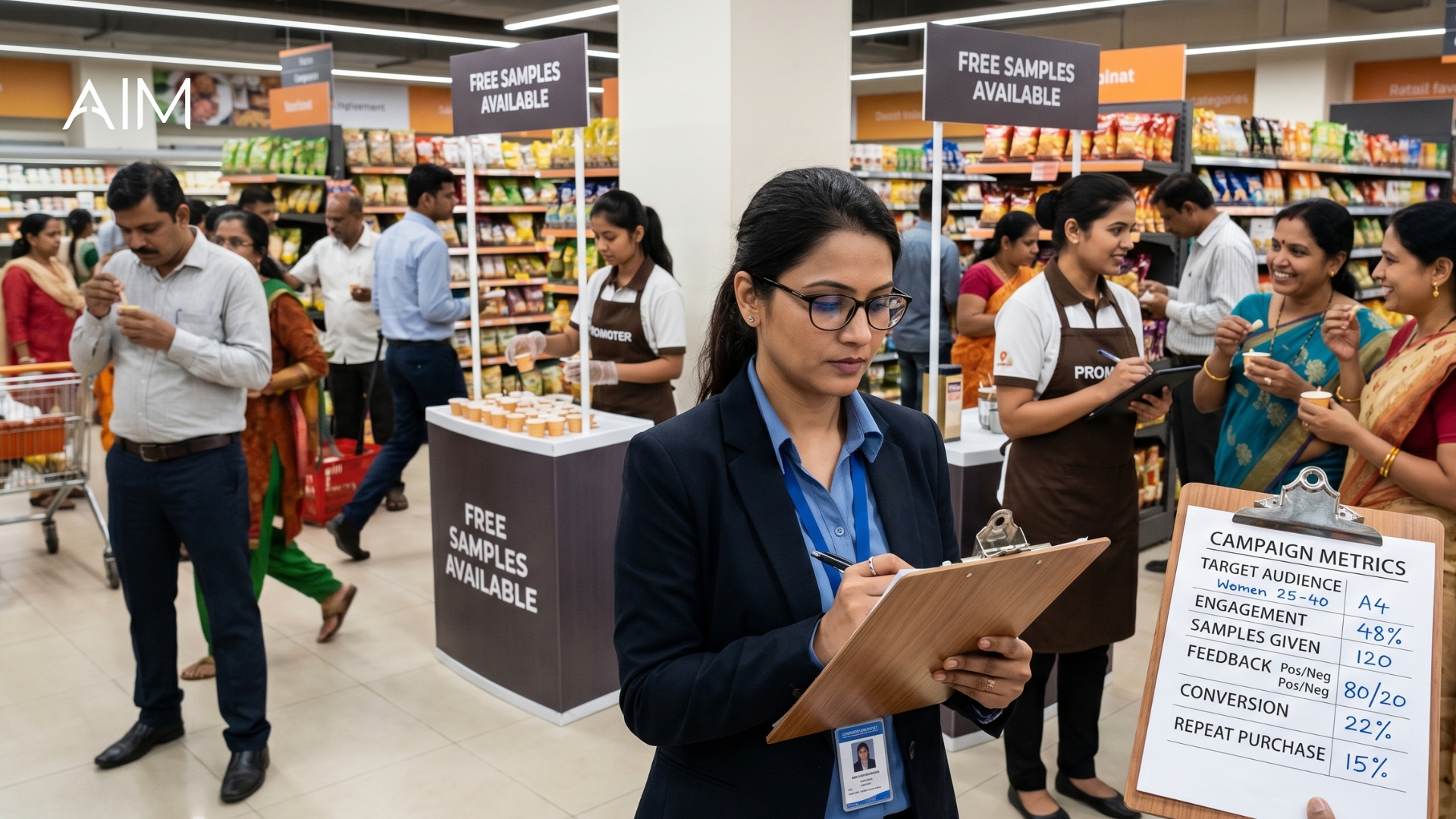
AIM's product sampling services, the ladder is the point. A campaign is built from the start to measure trial, capture who tried, track conversion to purchase, report cost per acquired buyer, and, where the product allows, follow repeat purchase so the brand can see cost per retained customer. The aim is to move every brand up from counting giveaways to understanding real, durable returns, because that is what turns sampling from an unaccountable expense into a channel worth scaling. The ladder is not academic. Each rung a brand climbs is a step from guessing toward knowing, and knowing is what lets you spend more on sampling with confidence instead of cutting it in the next budget review.
Know which rung you are on
The most useful thing a brand can do with sampling this year is not run a bigger campaign, it is find out which rung of the ladder it is standing on. If the honest answer is samples handed out, that is no failure, it is a starting point, and every rung above it is available with better campaign design rather than a bigger budget. Climb one rung at a time, capture before you track, track before you cost, cost before you measure retention, and sampling stops being the channel you cannot justify and becomes the one you can prove. The ladder is the difference between spending on sampling and investing in it.



















.webp)




















.png)