
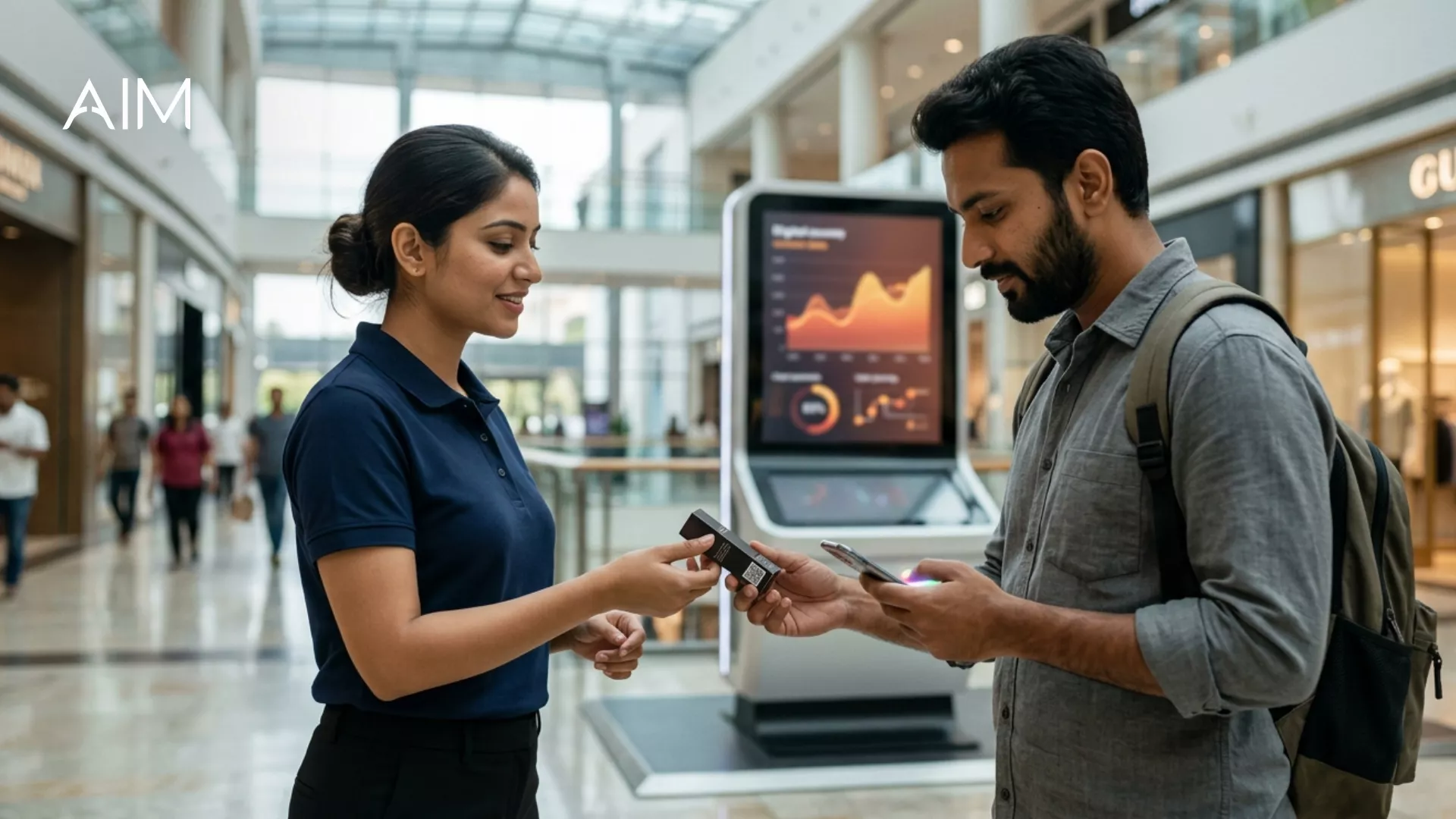


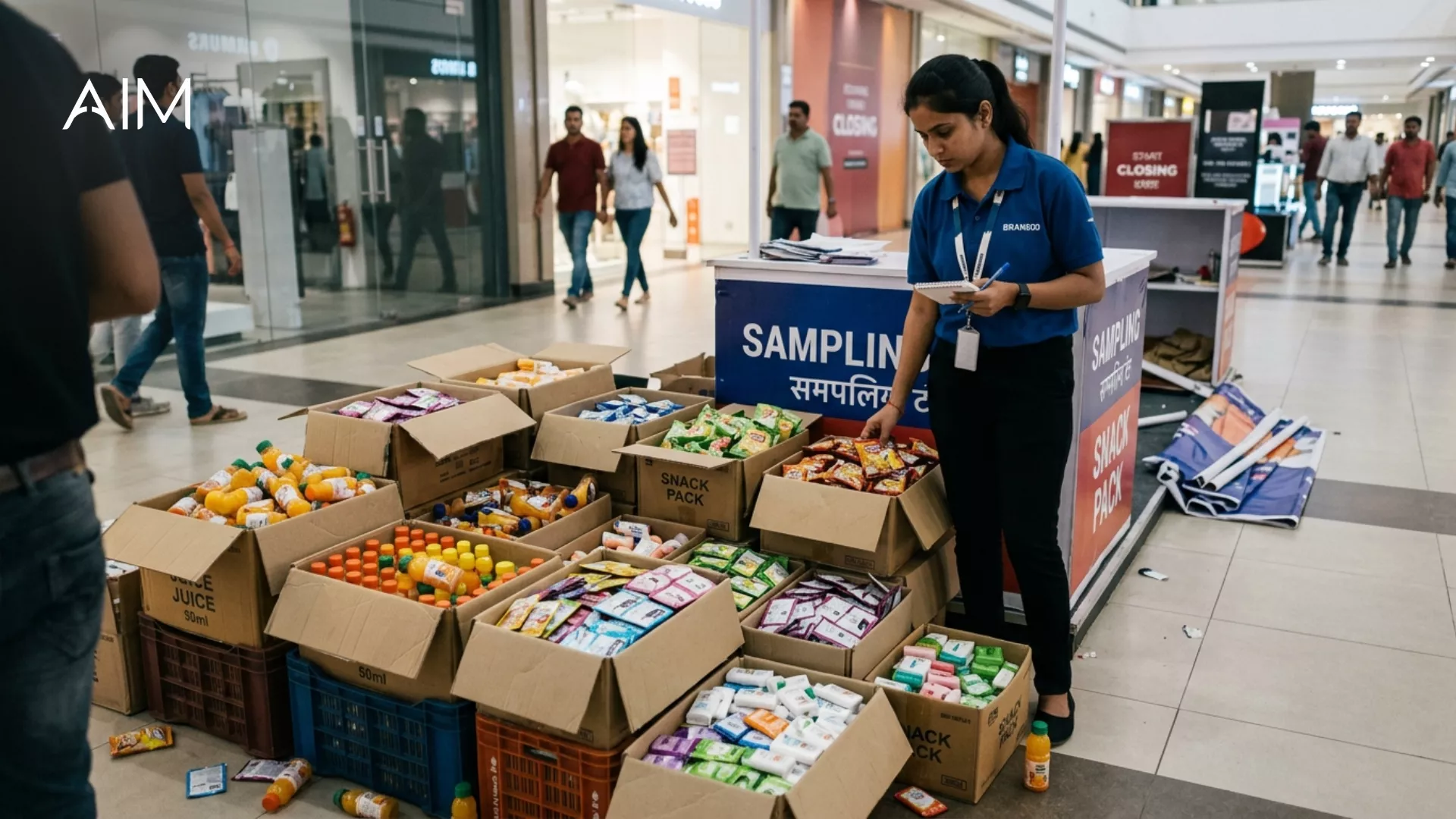
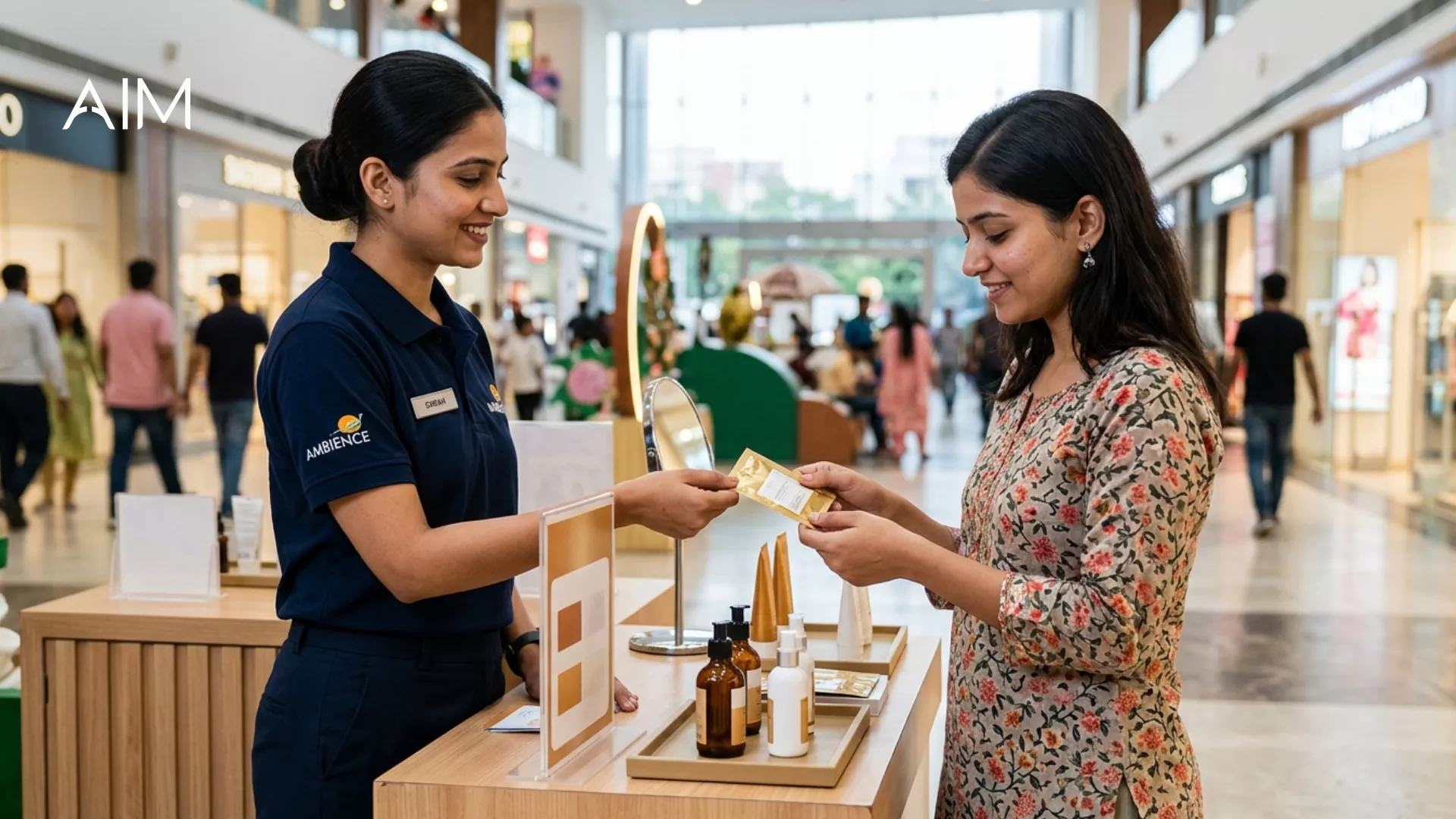
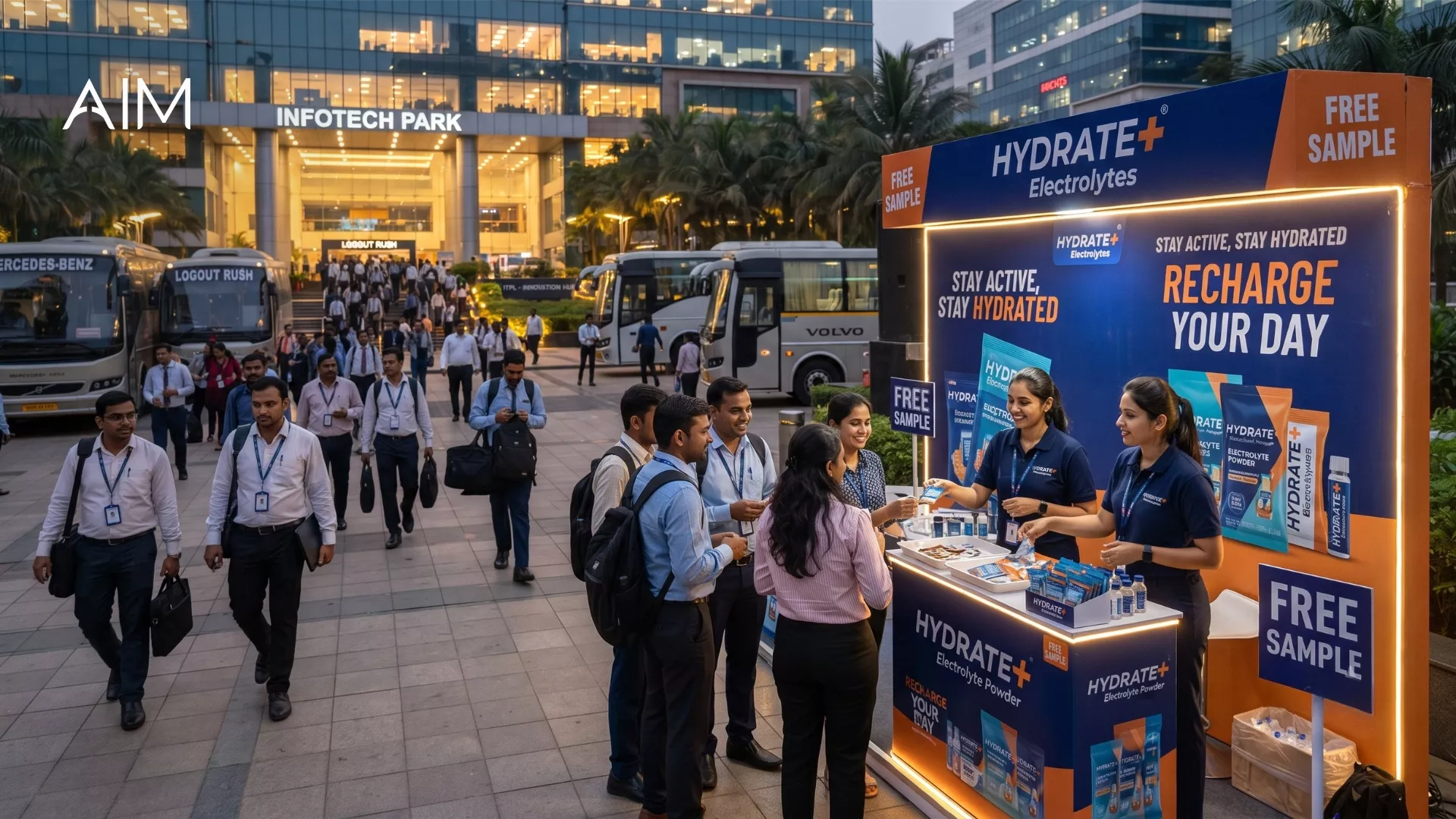
For most of its history, product sampling barely changed. You made a product, hired a team, picked a busy spot, and handed samples to whoever walked past. The tools got slicker, the tables got prettier, but the core act stayed the same and so did its blind spot: you never really knew who you reached or what they did next. That is the part now changing fastest, and by 2027 the product sampling campaign that cannot answer those two questions will look as dated as an ad you cannot track. Here is where product sampling is heading, and what it means for the brands that rely on it. It is worth saying plainly that most of what follows is already underway. 2027 is less a prediction than a description of where the leading edge sits now and where the middle of the market is heading next. The brands treating sampling as a measurable channel today are not adopting some future tool, they are simply a step ahead on a path the whole category is already walking, and the gap between them and everyone else is what the next couple of years will widen.
Quick answer: By 2027, product sampling becomes targeted, captured, and measured by default rather than as a premium extra. The free sample stays exactly what it was, a physical trial, but everything around it, who receives it, whether they are captured, and whether the trial is tracked to a sale, becomes standard. Quick commerce turns the delivery bag into a sampling channel, data decides who gets sampled, and the campaign report shifts from a distribution number to a funnel a brand can actually defend.
What is changing, and why now
Three forces are pushing sampling forward at once. Buyers moved online and onto quick commerce, so the old footfall spots reach a smaller share of them than they used to. Finance grew less tolerant of marketing spend that cannot show a return, which puts the unmeasured sampling campaign under pressure. And the tools to capture and track a physical trial, QR codes, simple opt-ins, quick-commerce data, got cheap and easy enough that there is no longer an excuse not to use them. None of this is exotic. It is the same accountability that reshaped digital marketing finally arriving at the sampling table. What took so long is simply that sampling was physical, and physical things felt un-trackable in a way digital never did. That assumption is now wrong, and once an assumption like that breaks, the change tends to come faster than anyone expects.
The shifts defining product sampling in 2027
Six changes separate the sampling of 2027 from the sampling most brands still run.
- From distribution to conversion. The measure of a campaign stops being how many samples went out and becomes how many buyers it created. Distribution becomes an input, not the result.
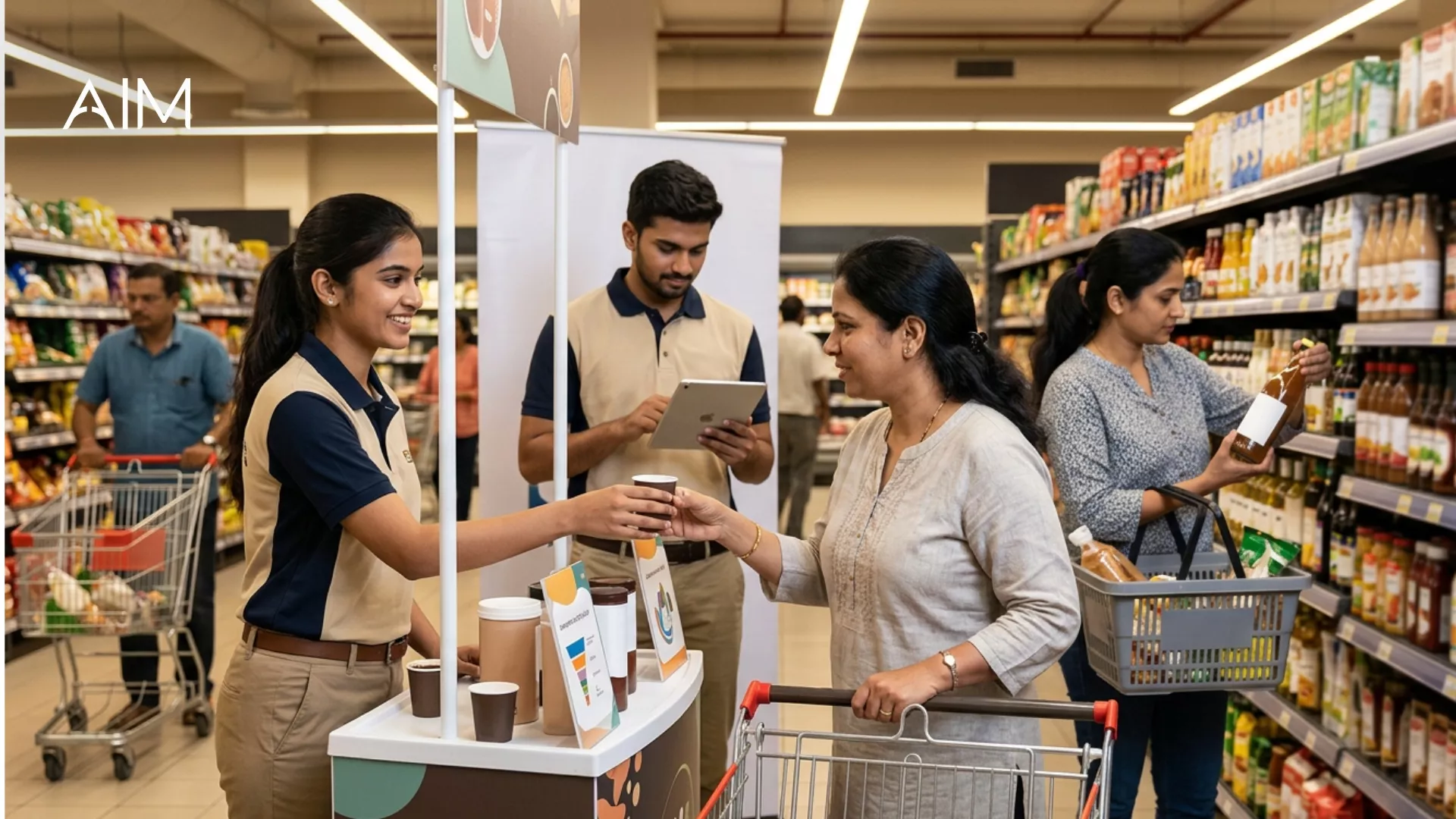
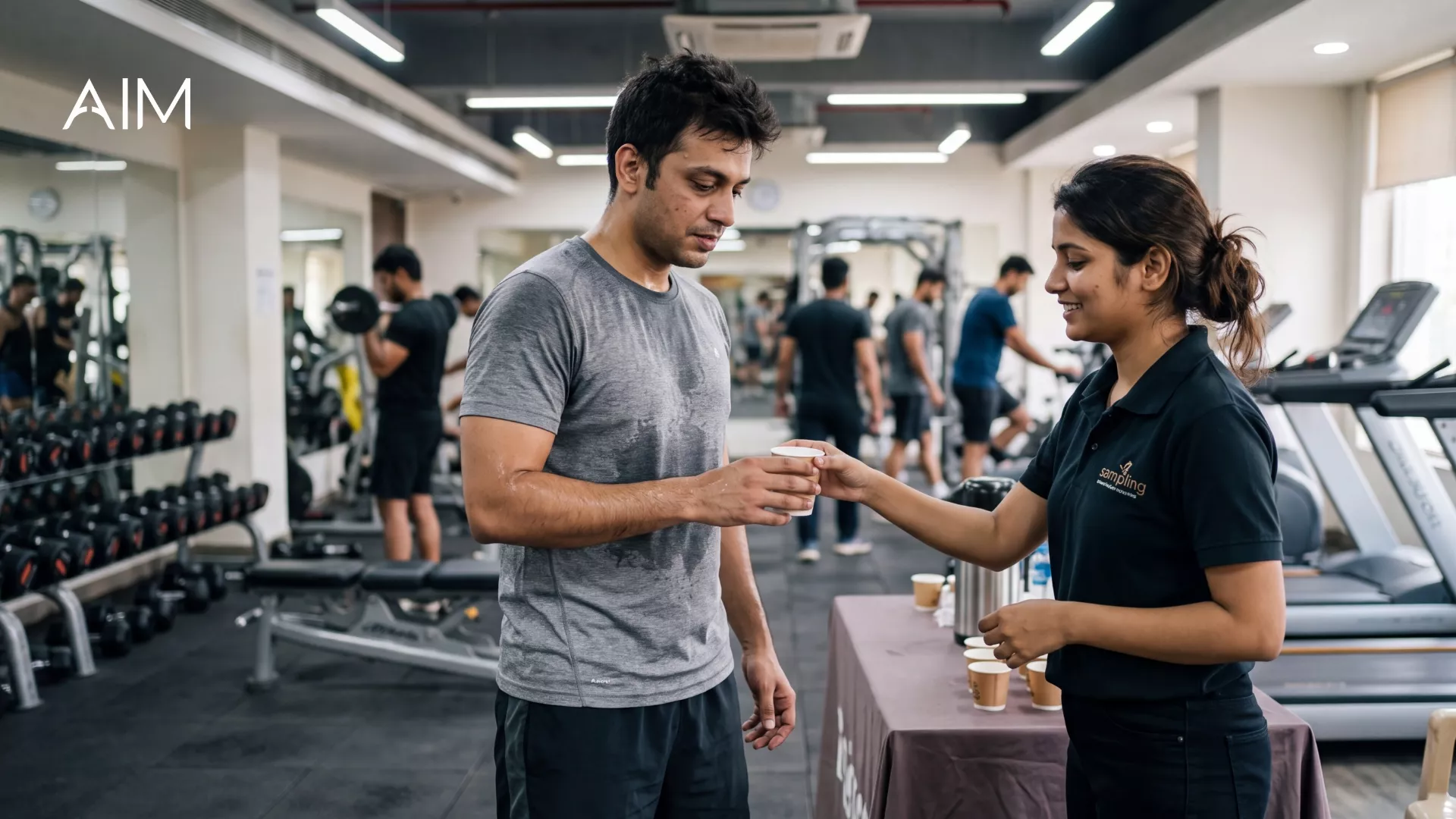
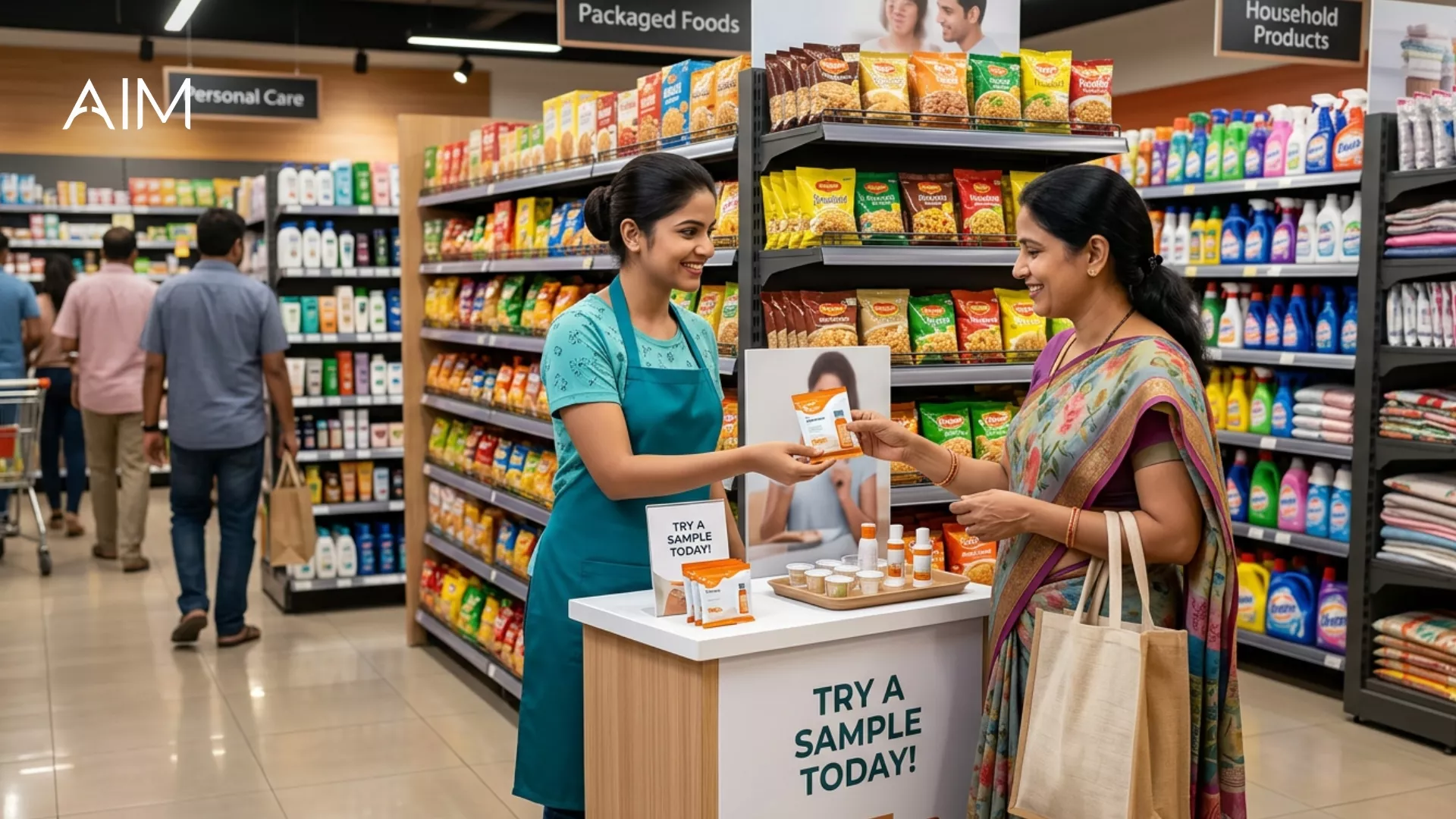
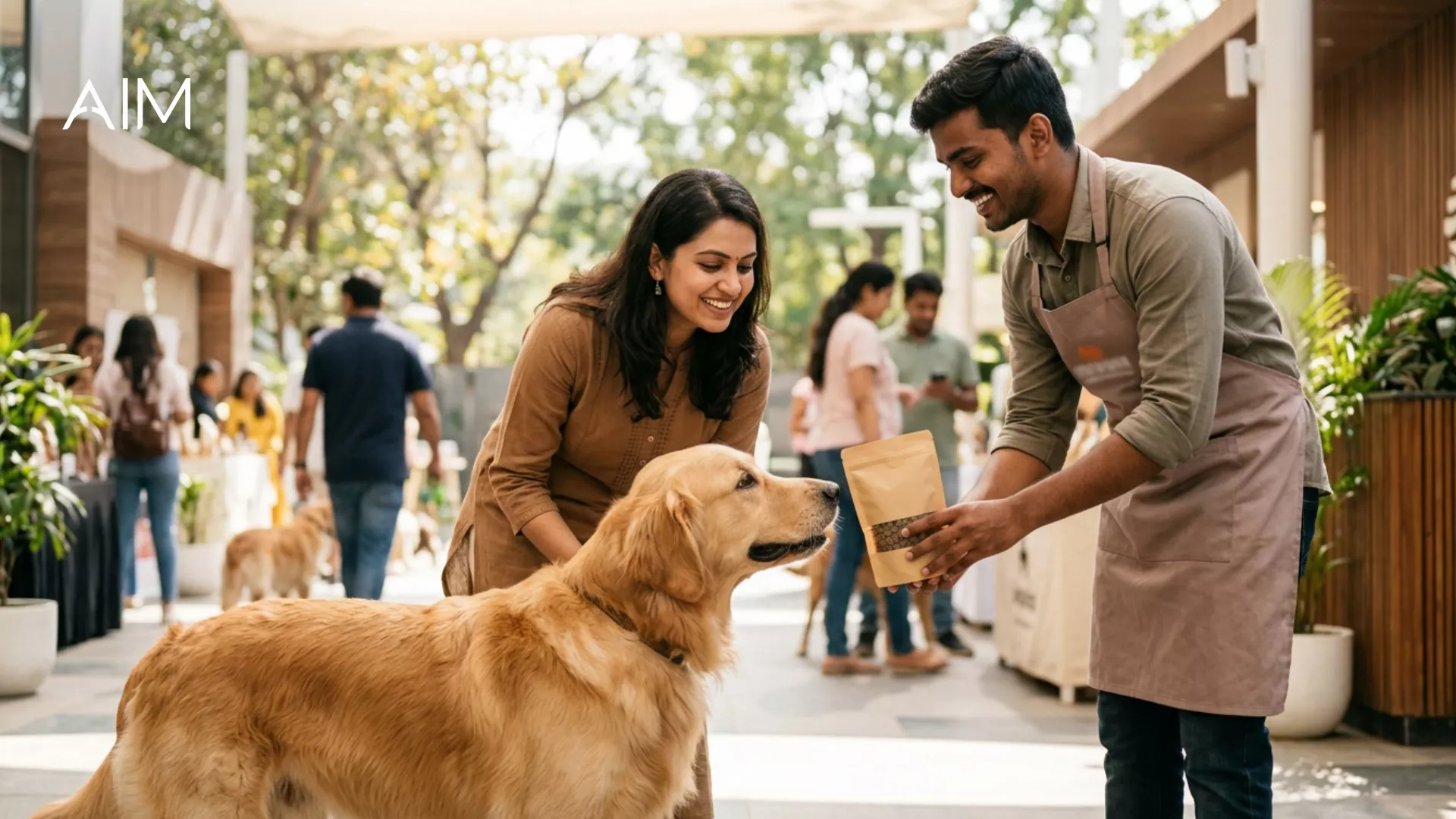
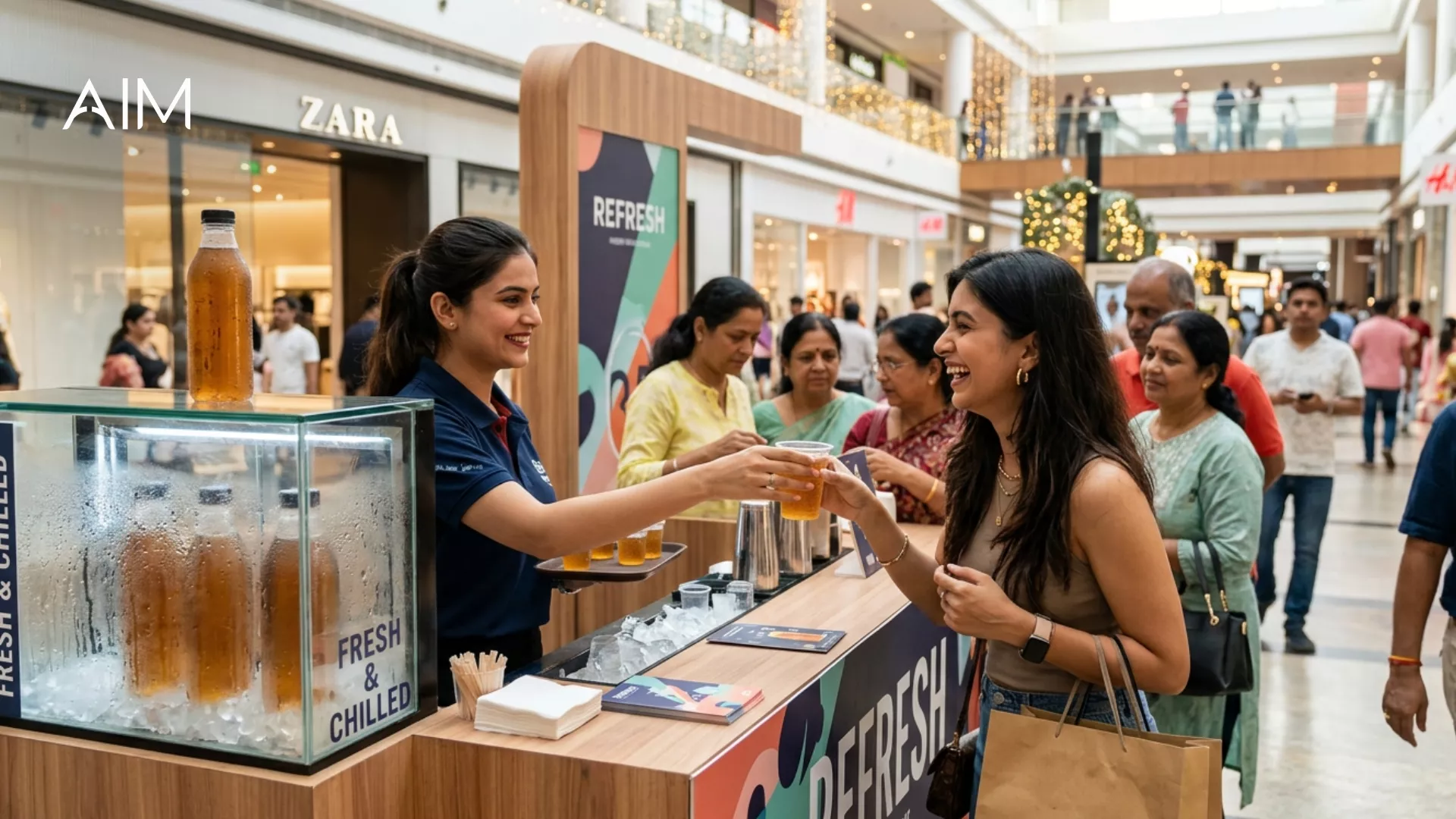
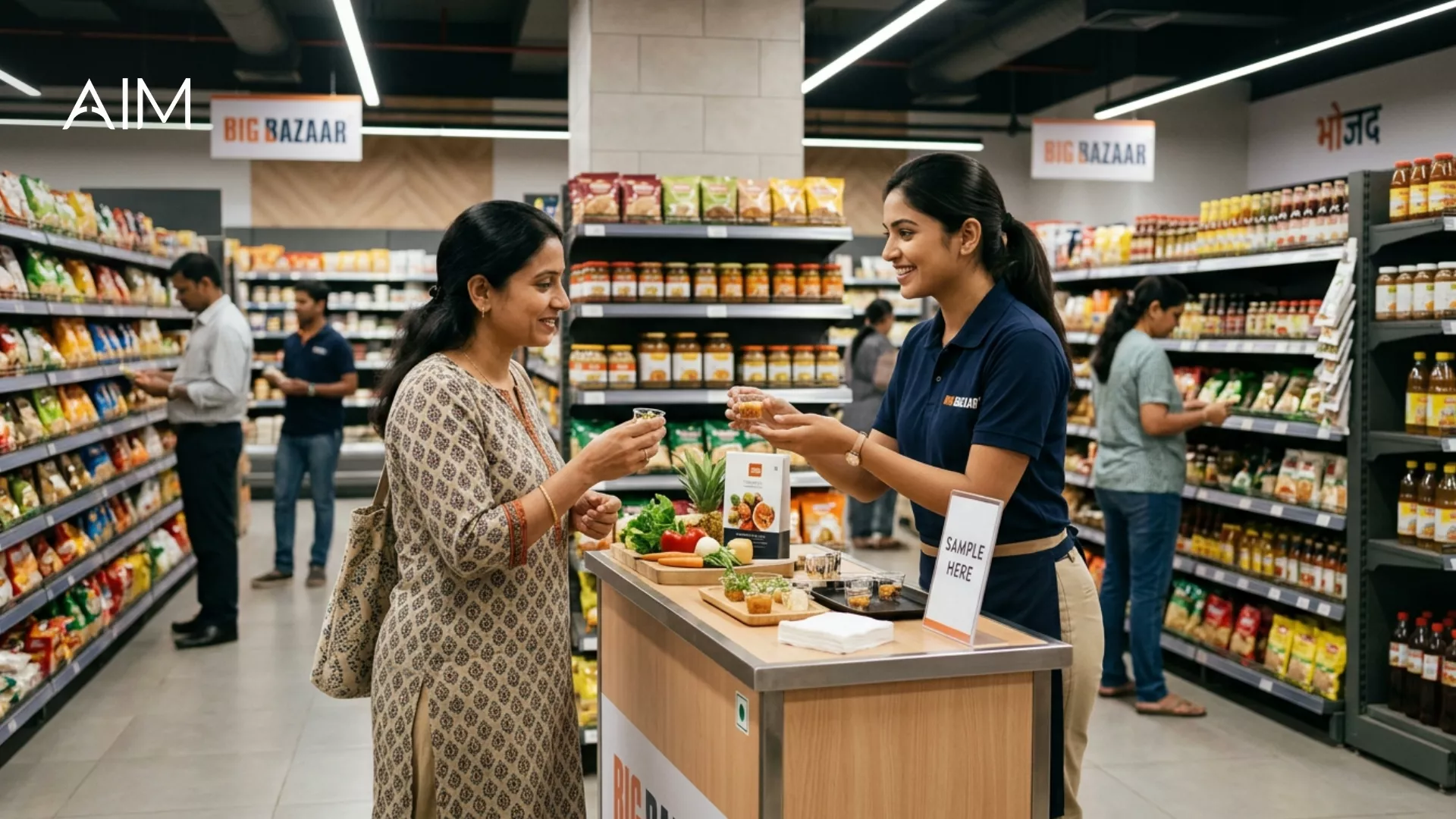
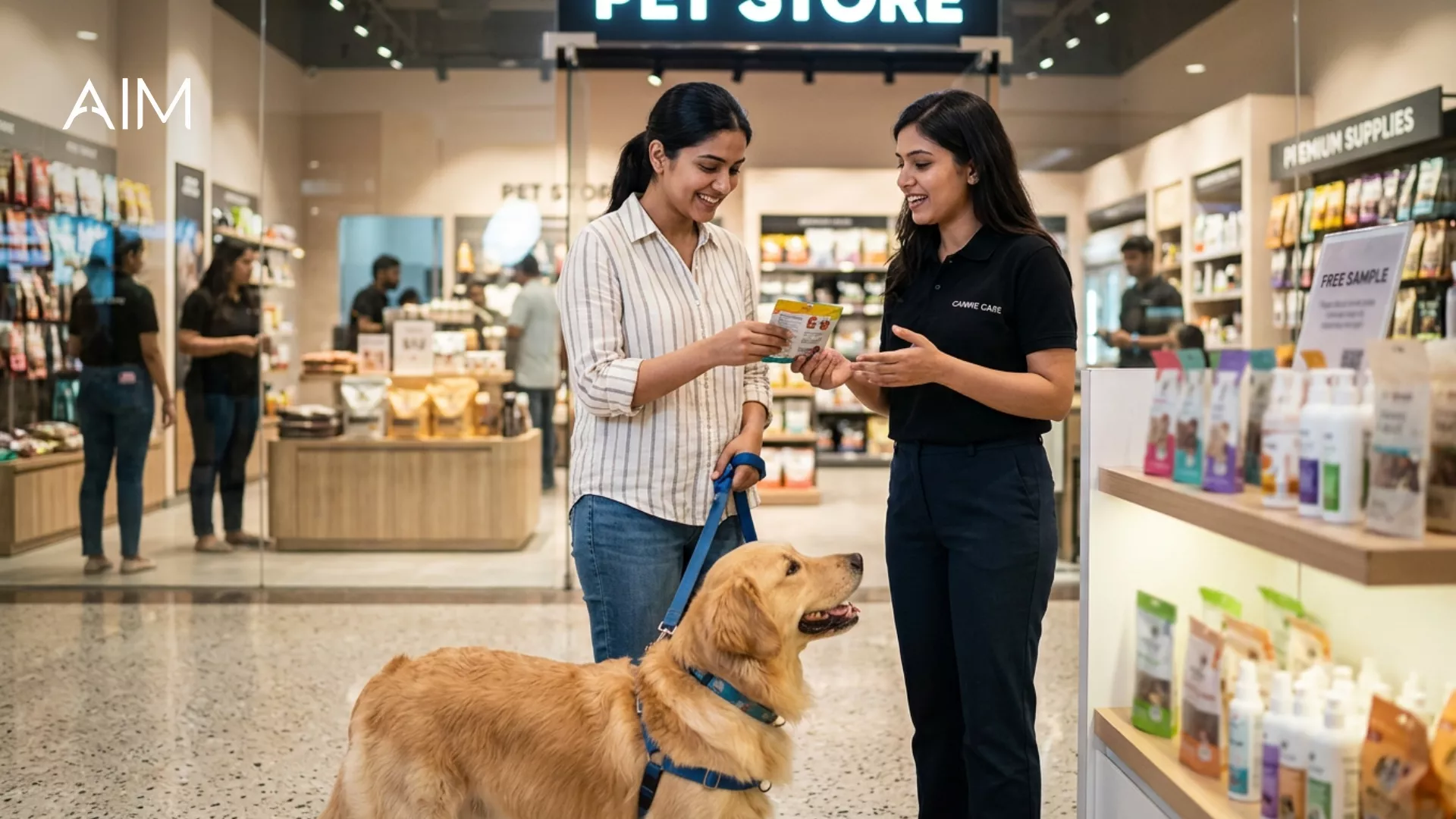
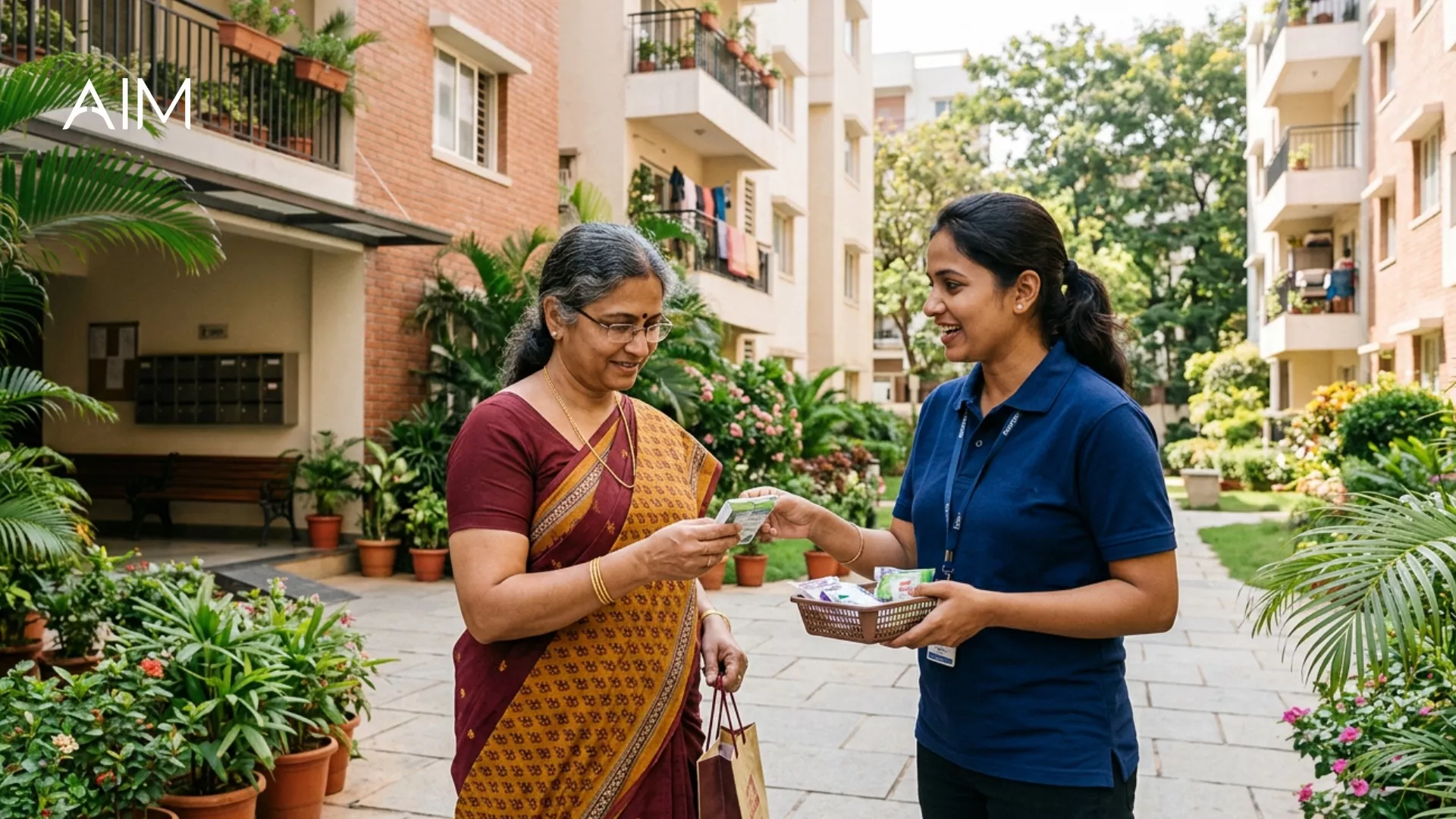
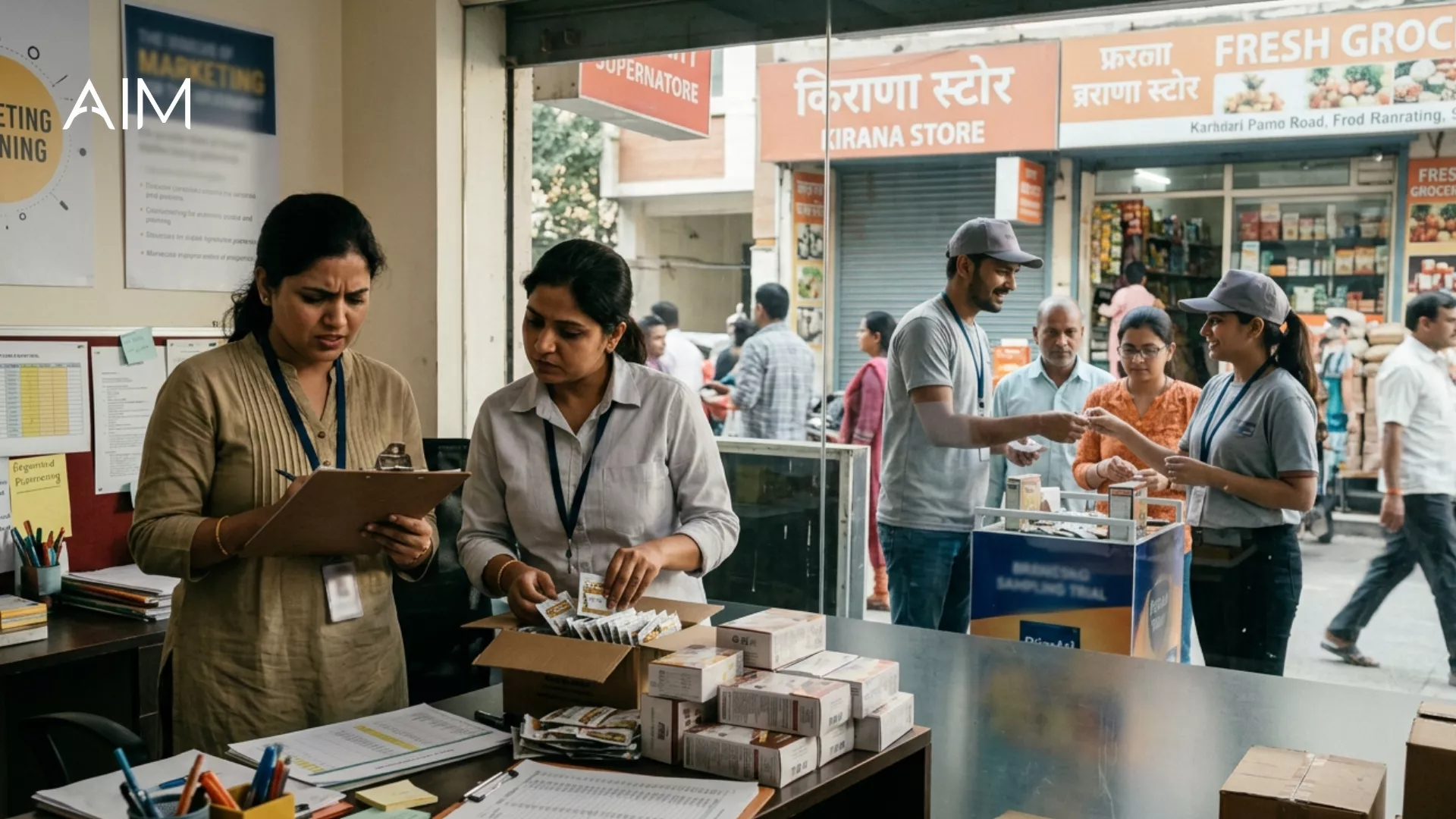
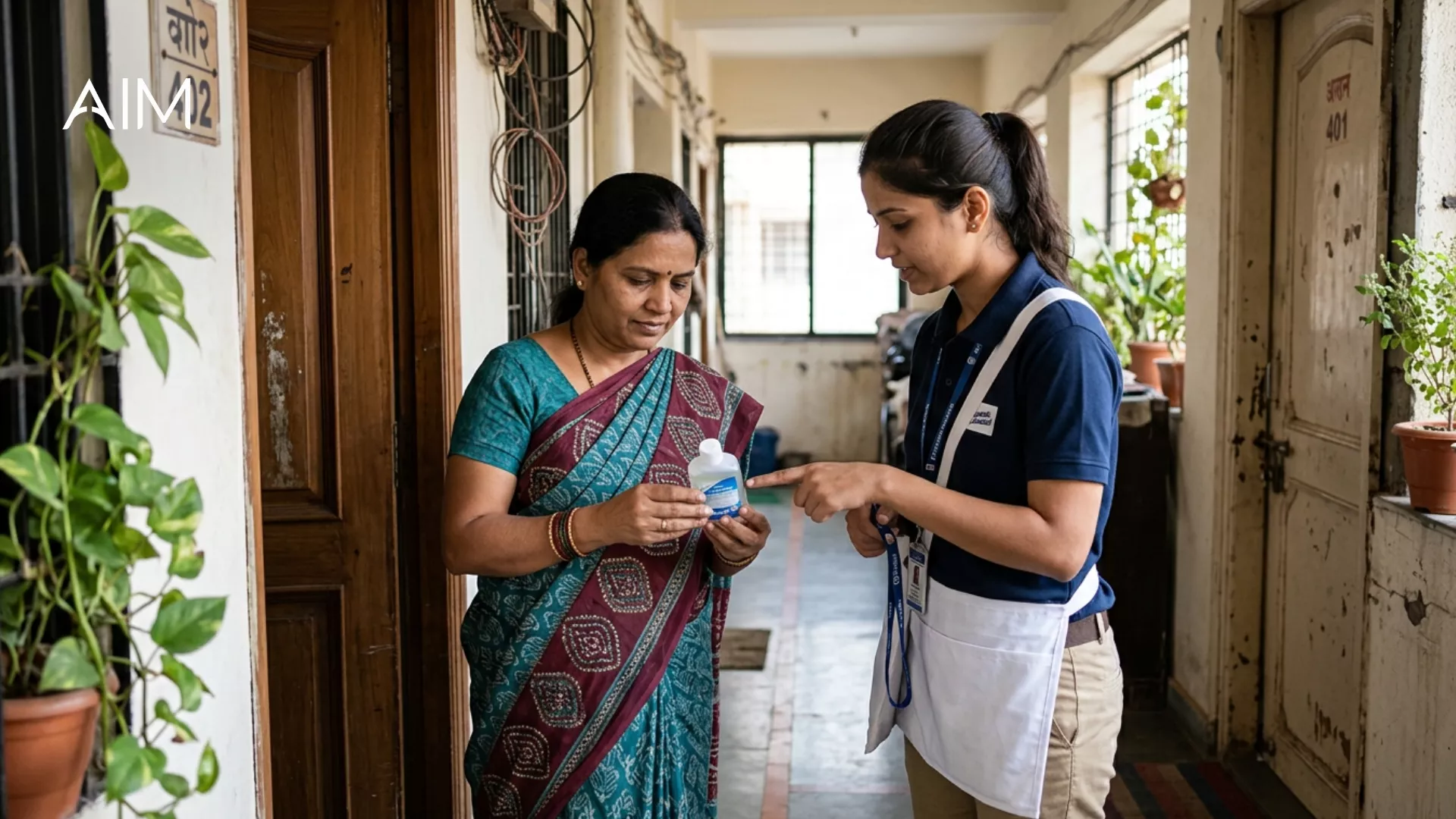
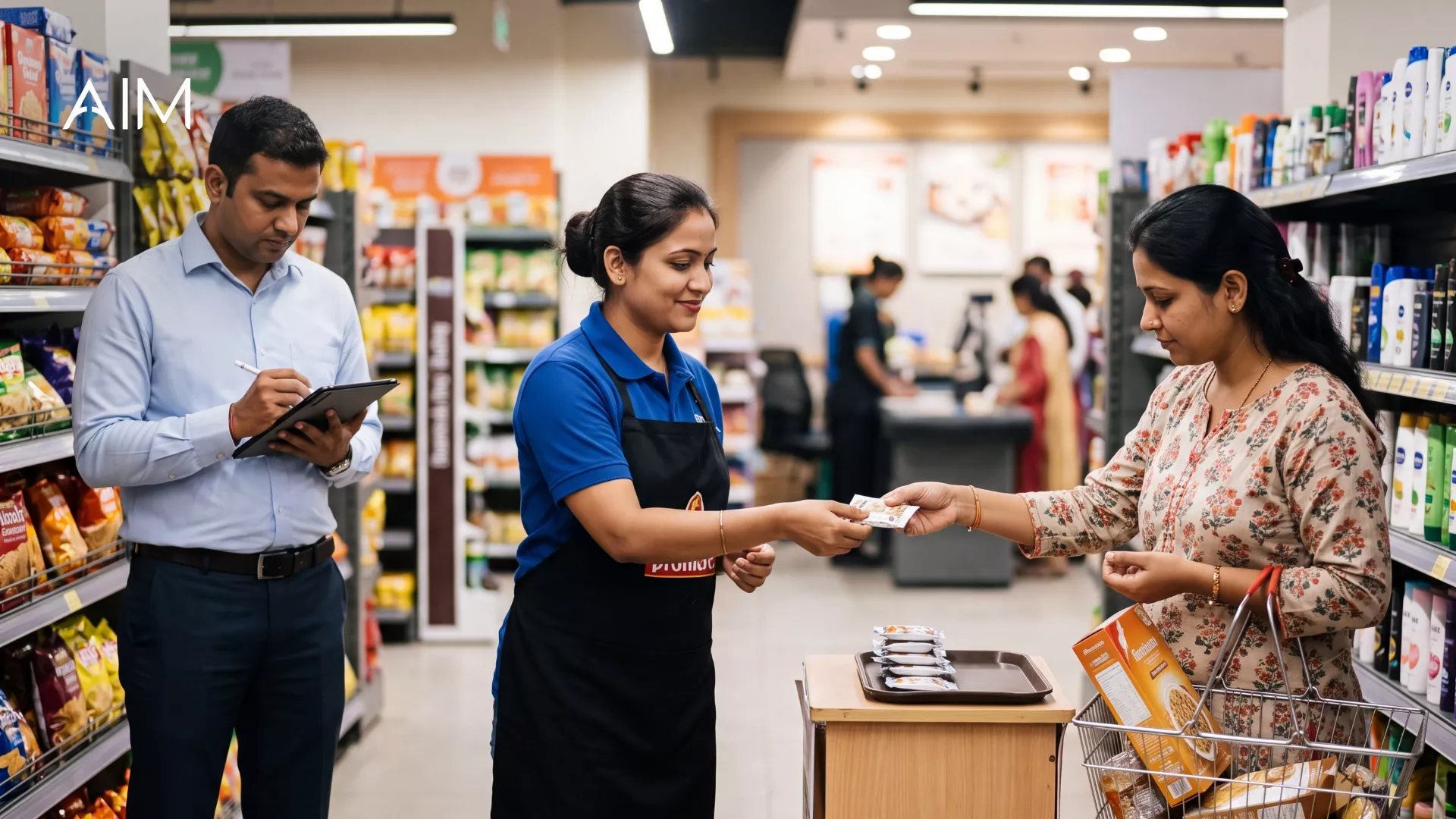
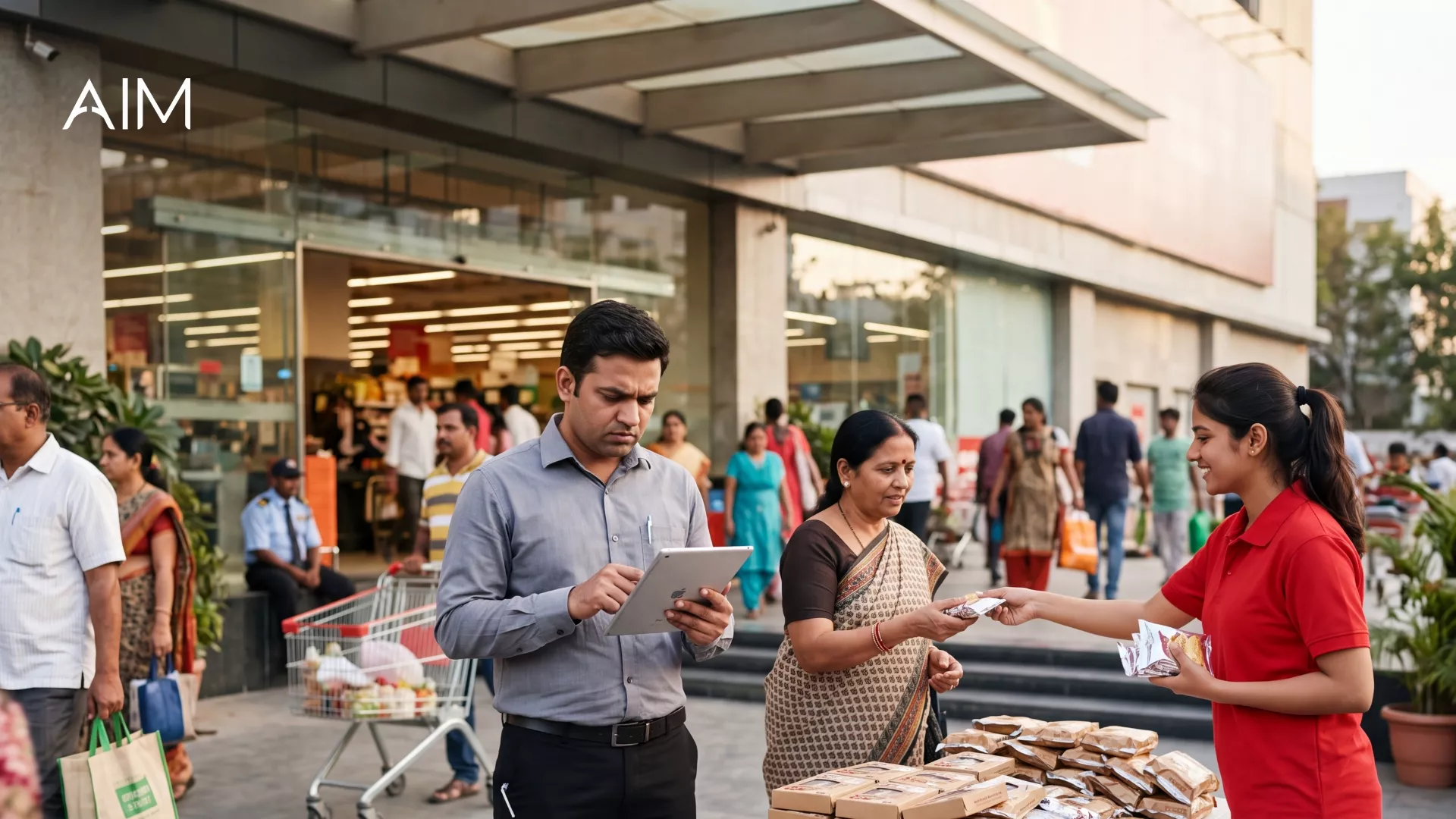
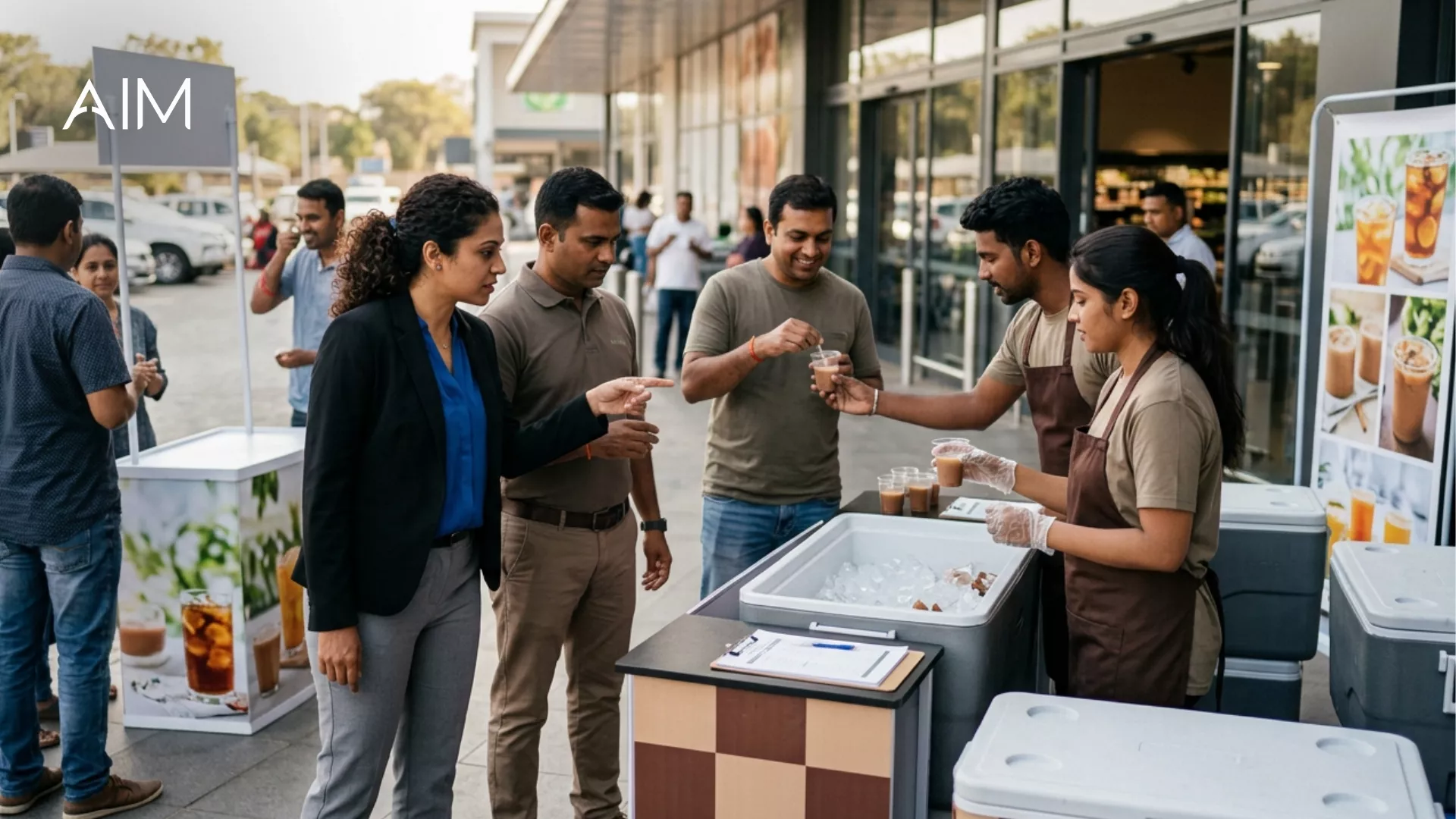
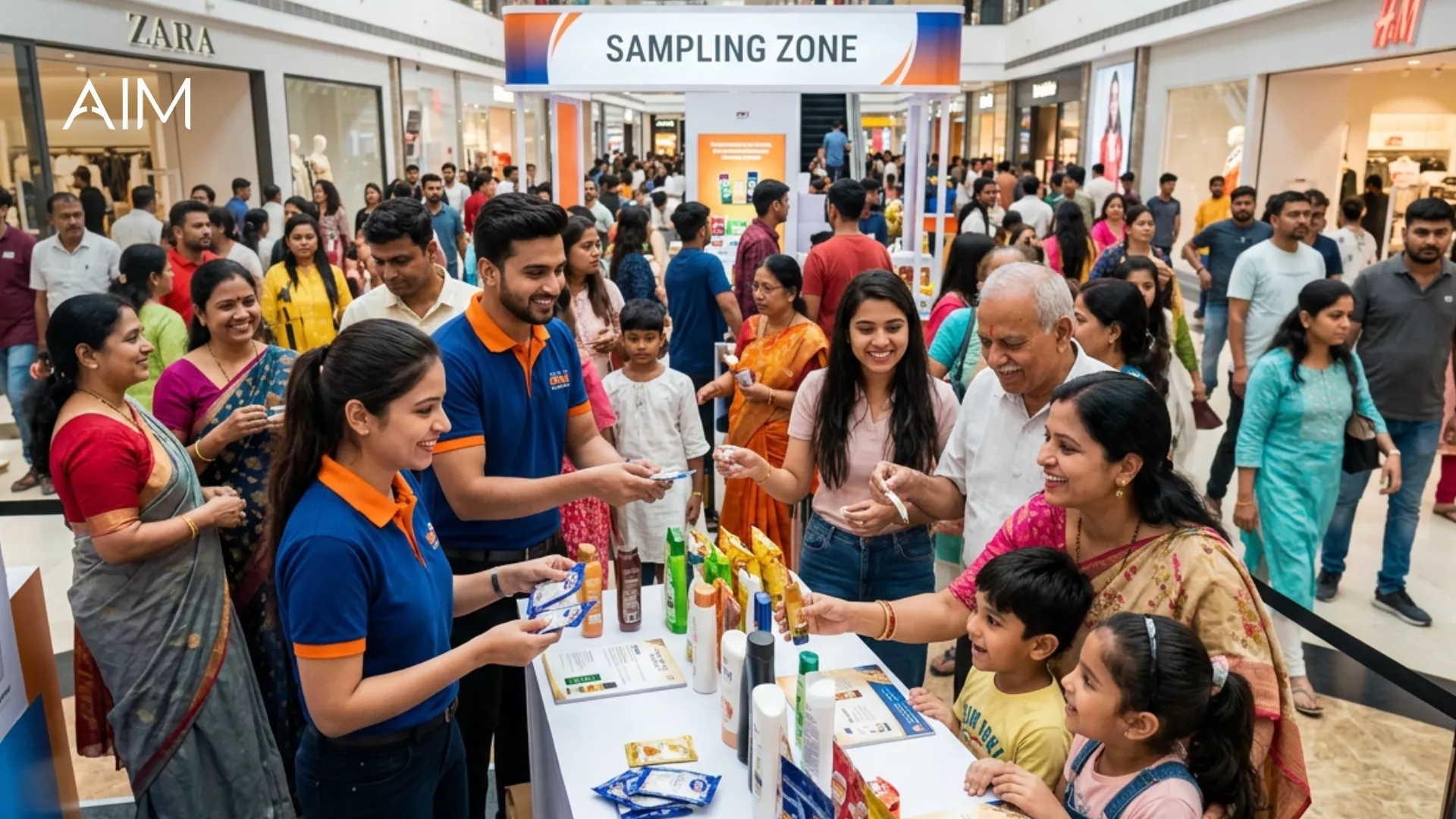
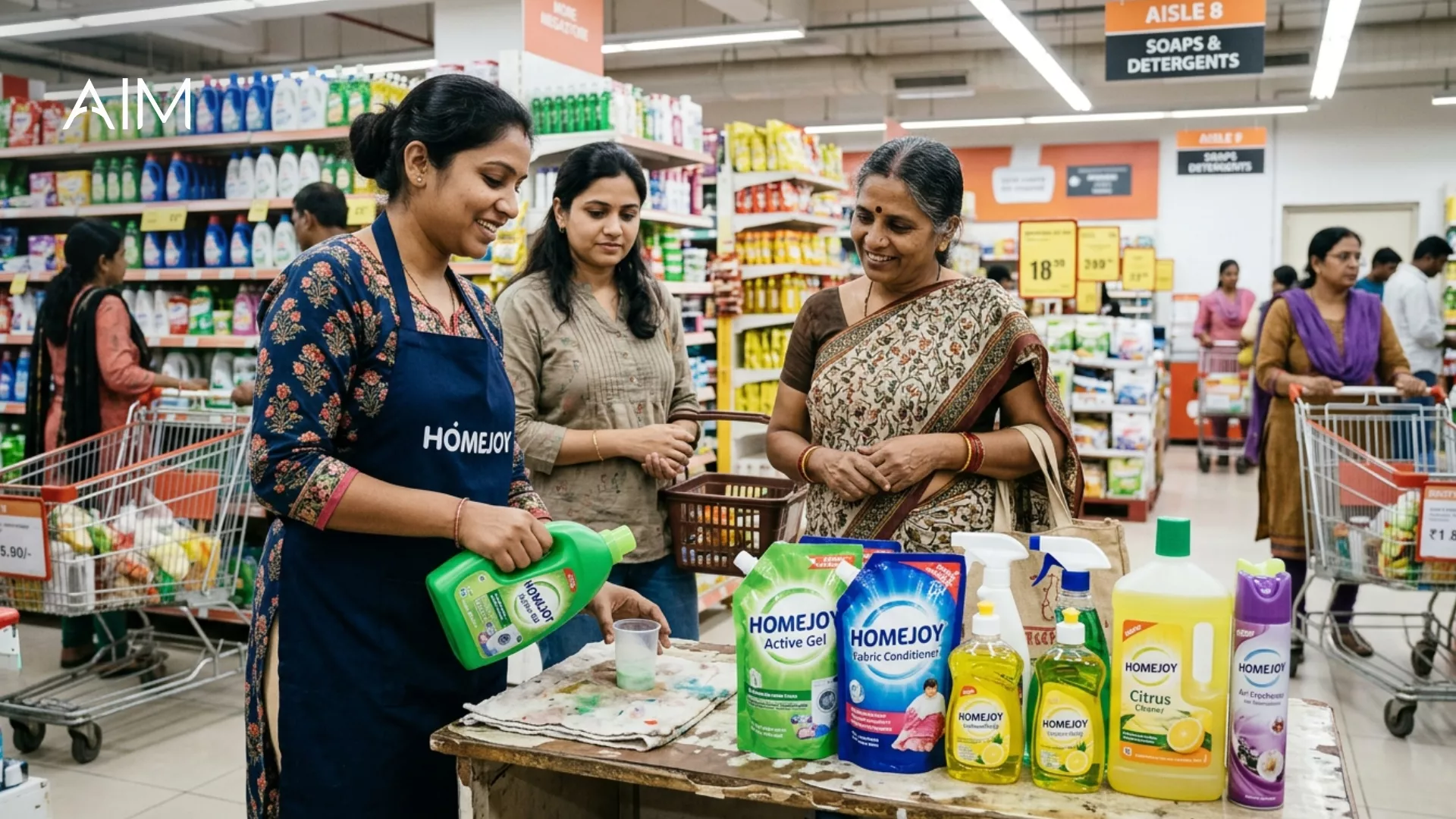
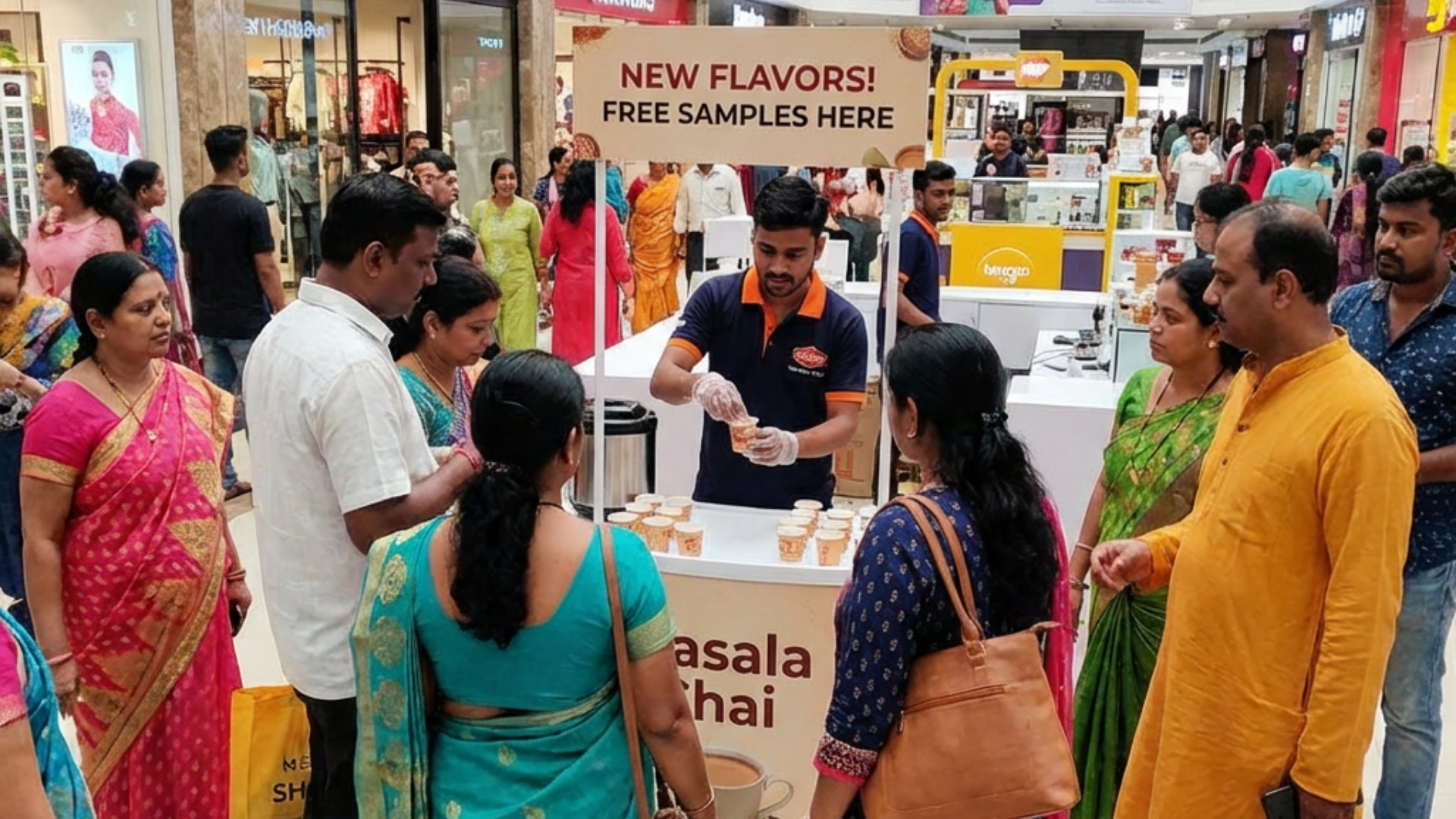
- From footfall to profiled targeting. Samples increasingly go to a defined buyer, matched by profile, household, or category habit, rather than to whoever happens to pass a table.
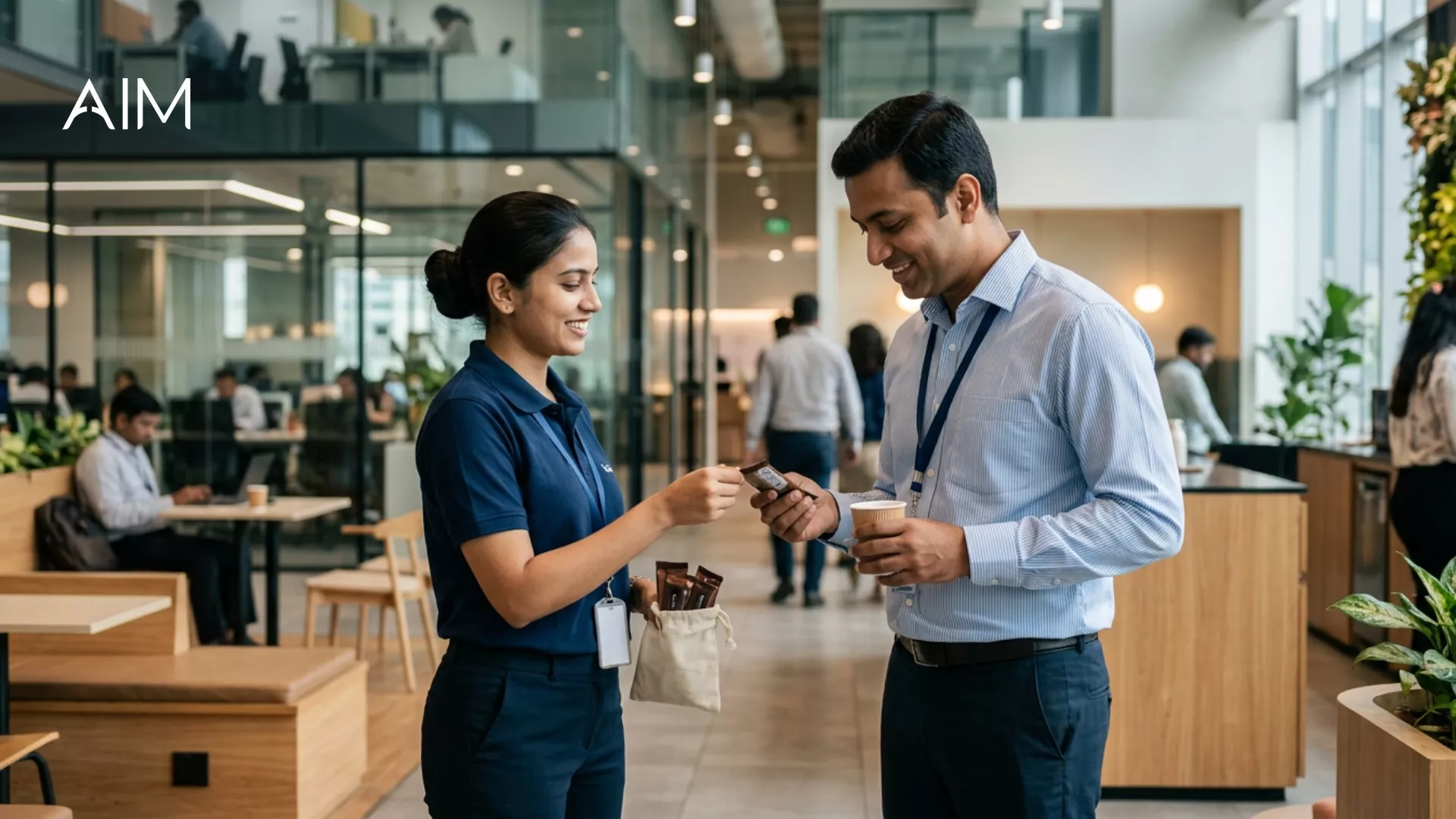
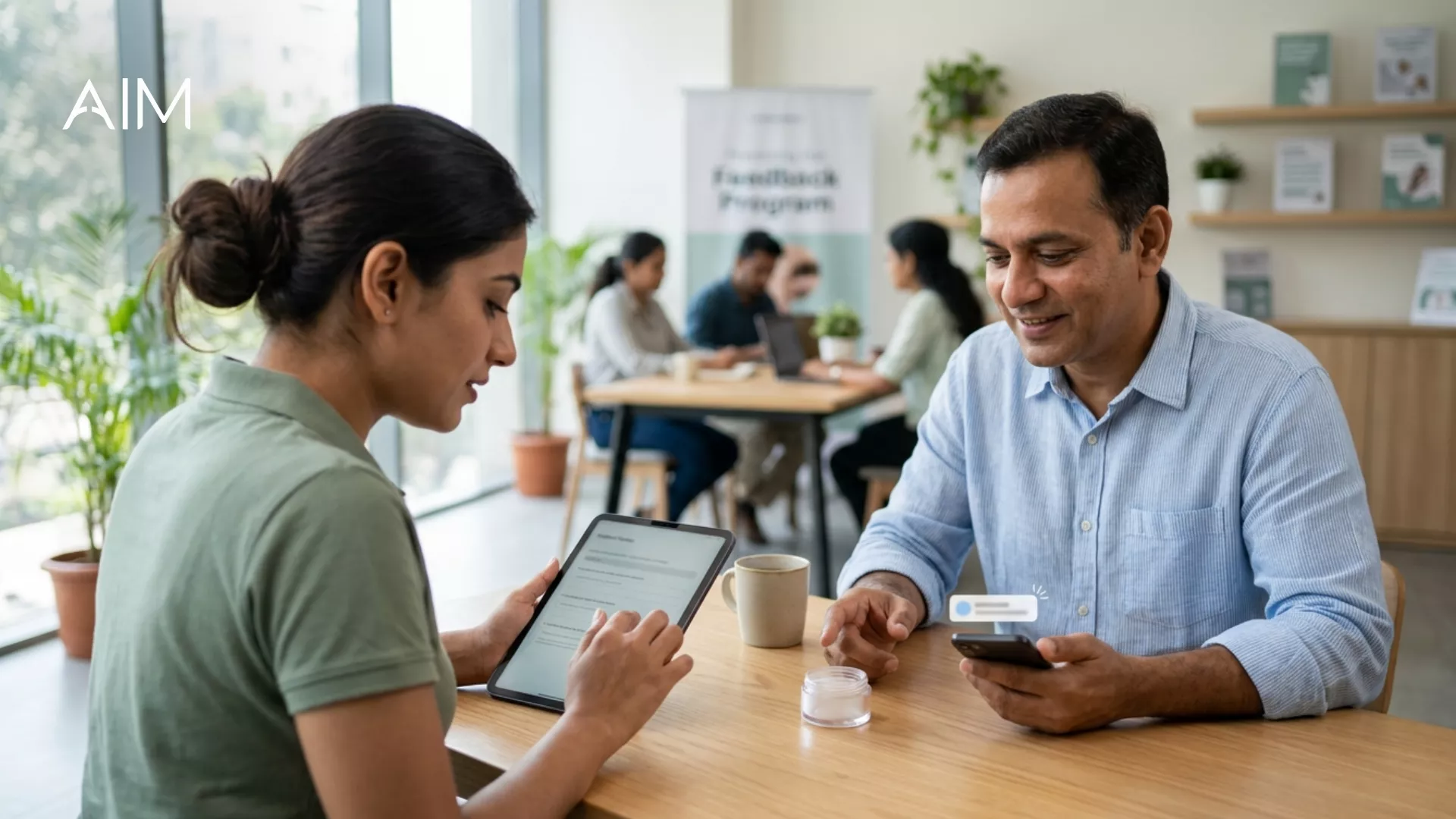
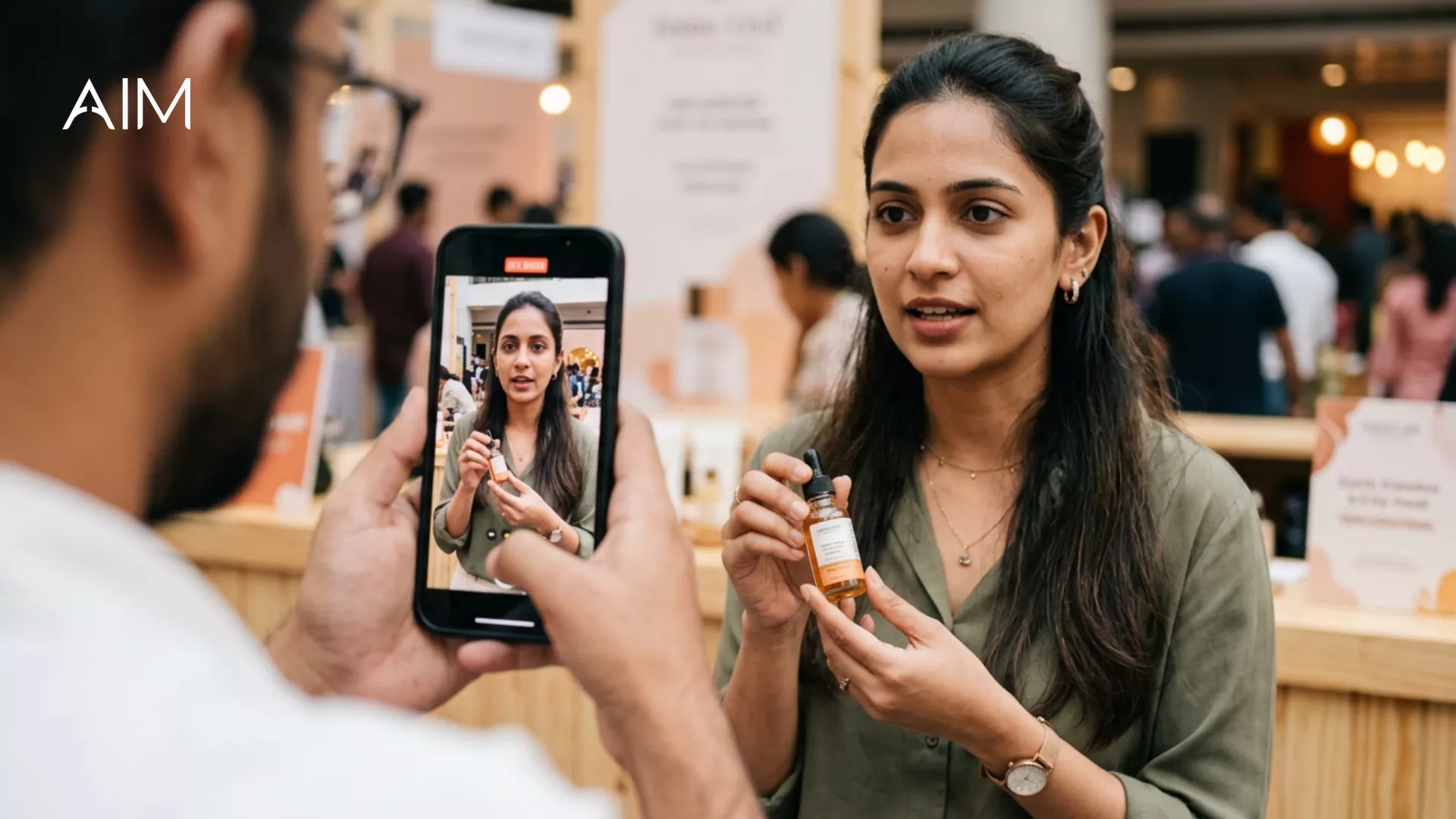
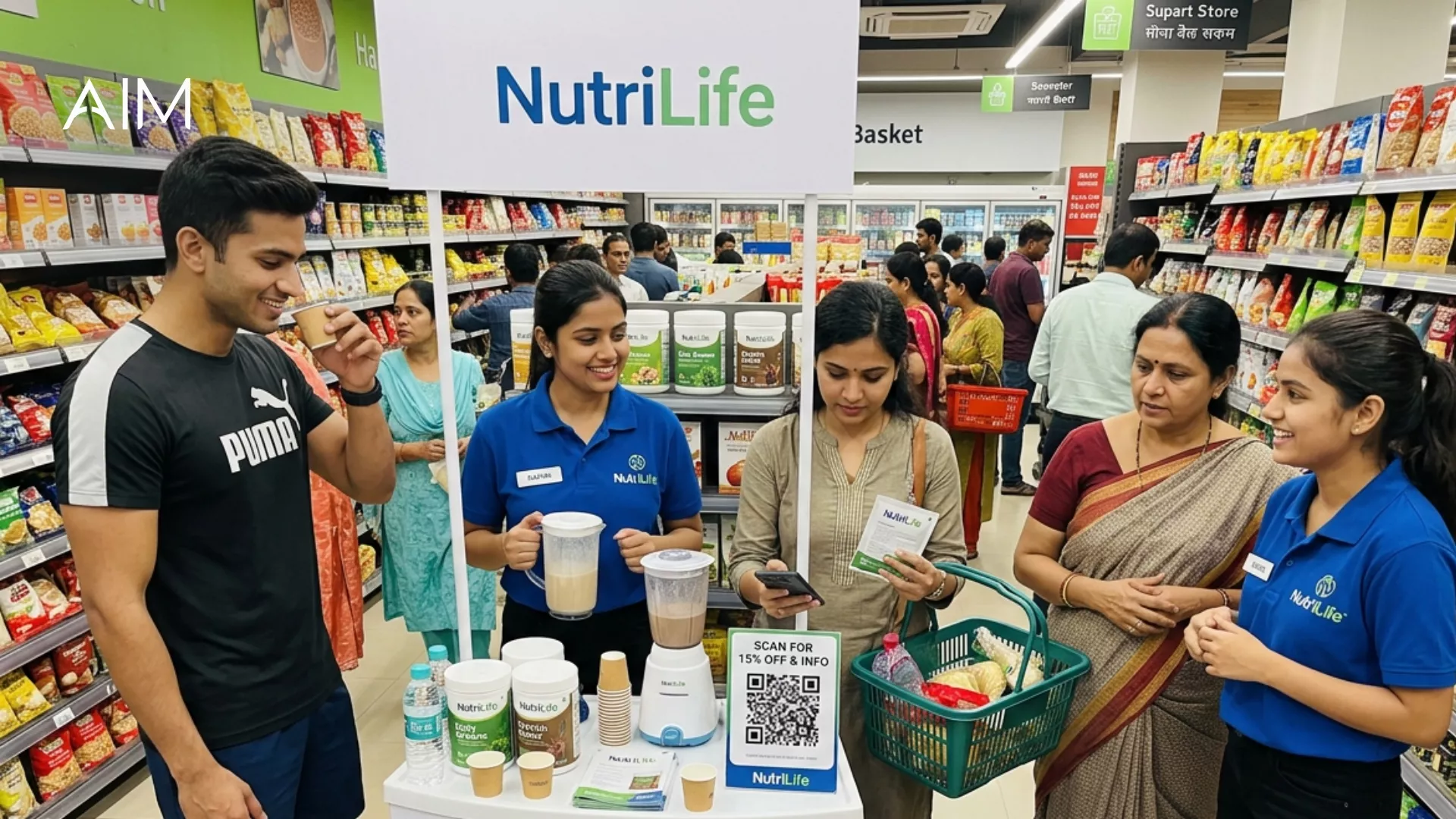
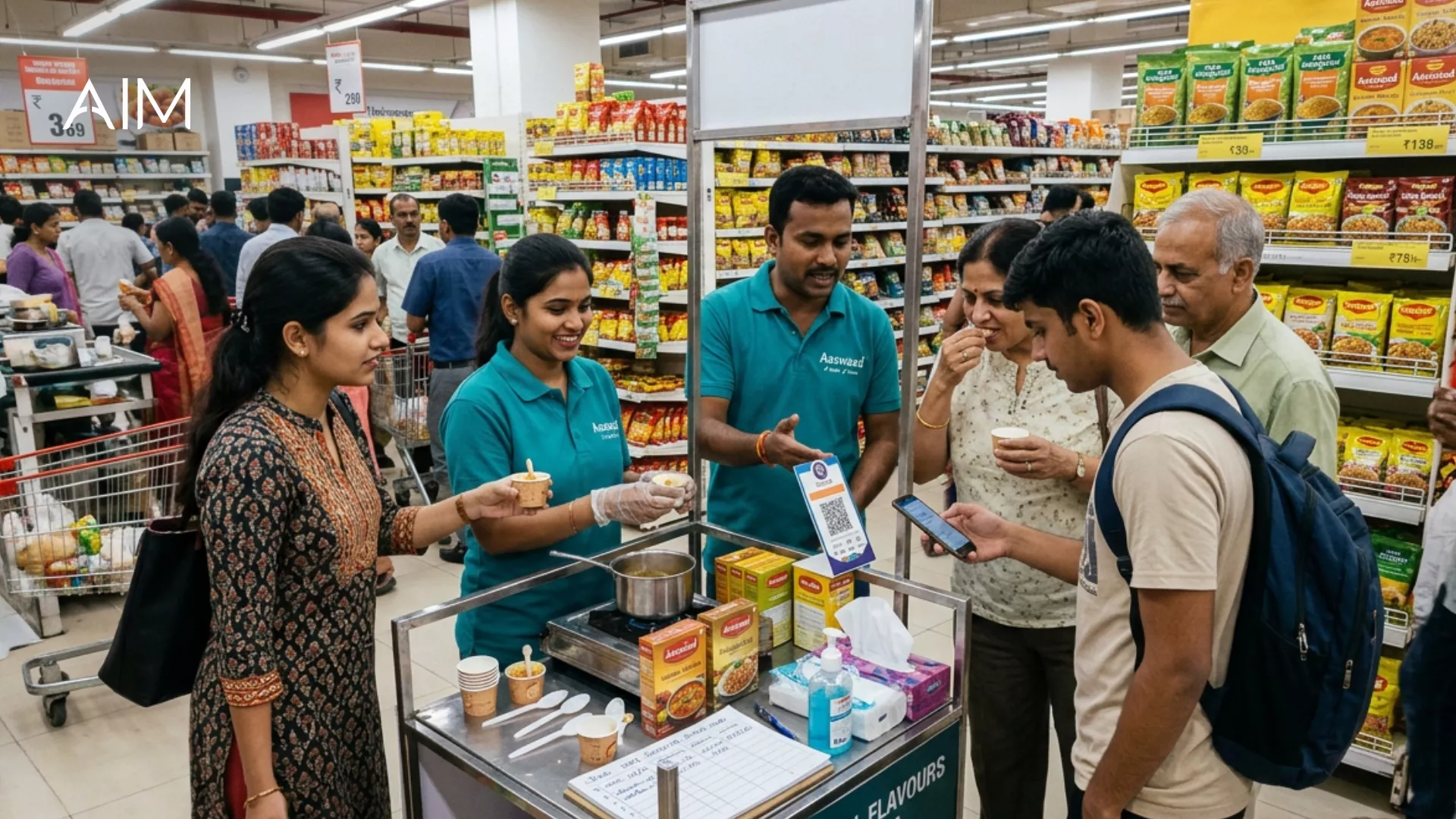
- From anonymous to captured. Capturing the trier at the point of sampling becomes routine, so a handout turns into a known, contactable person the brand can follow and re-engage.
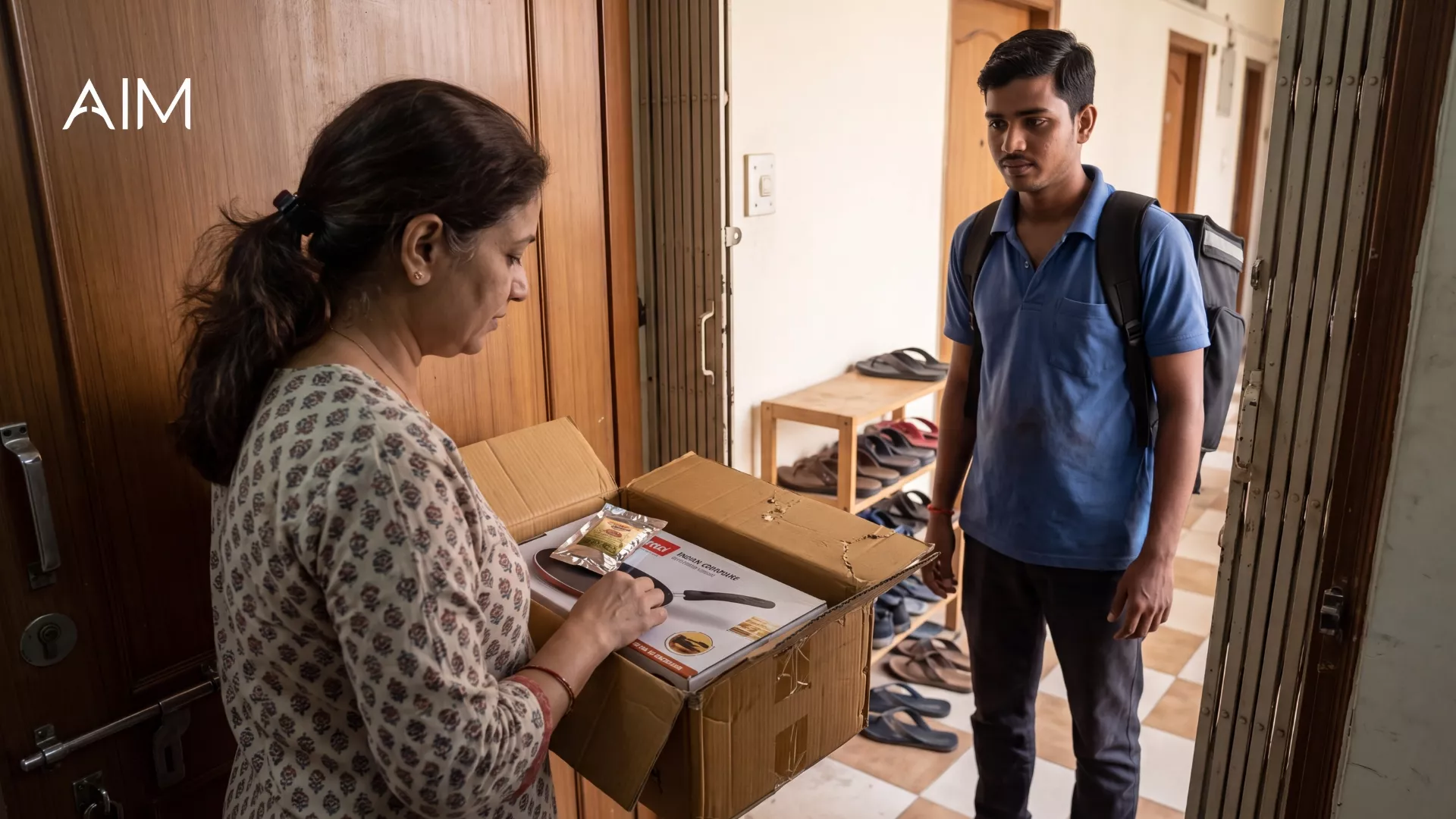
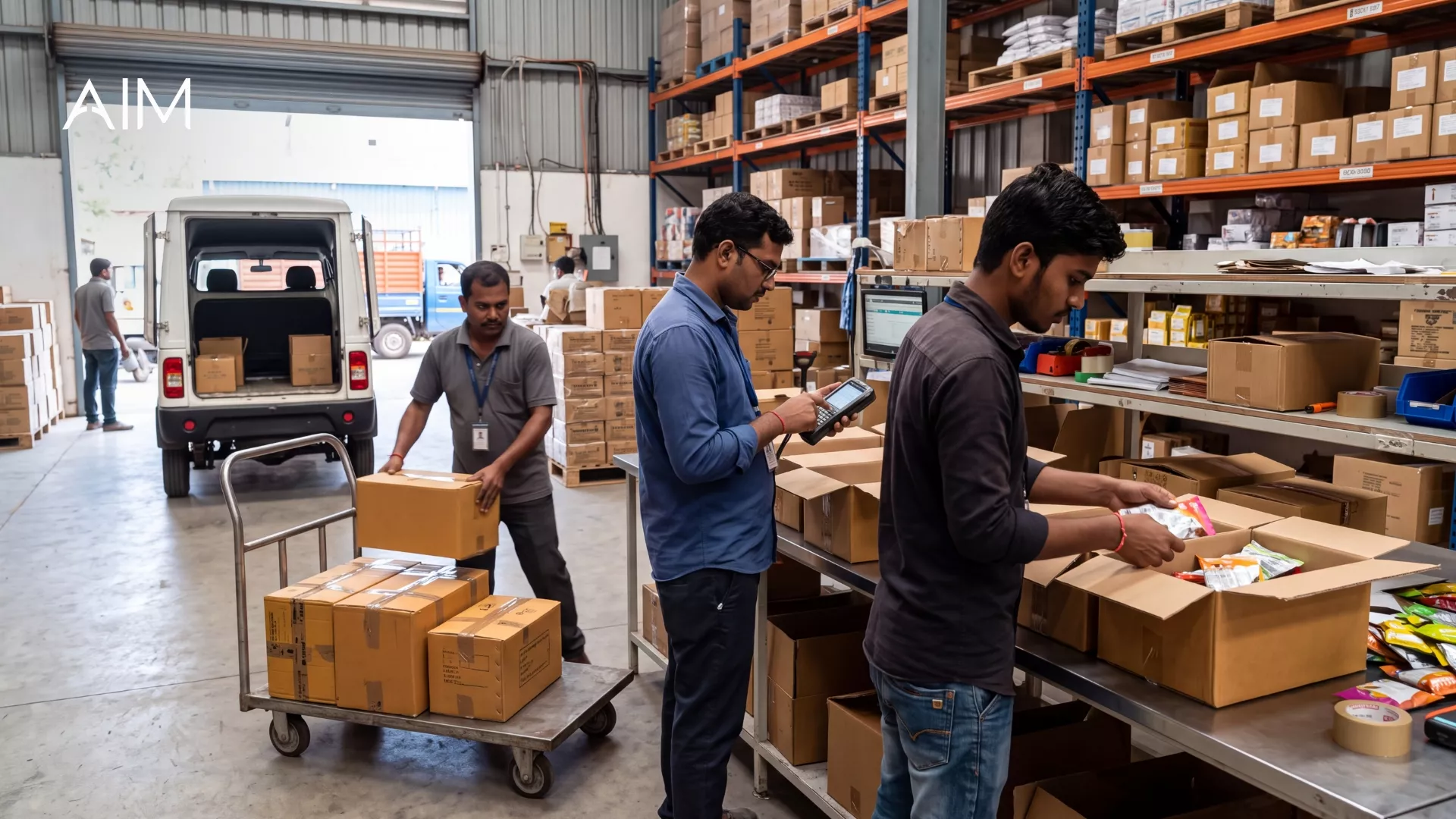
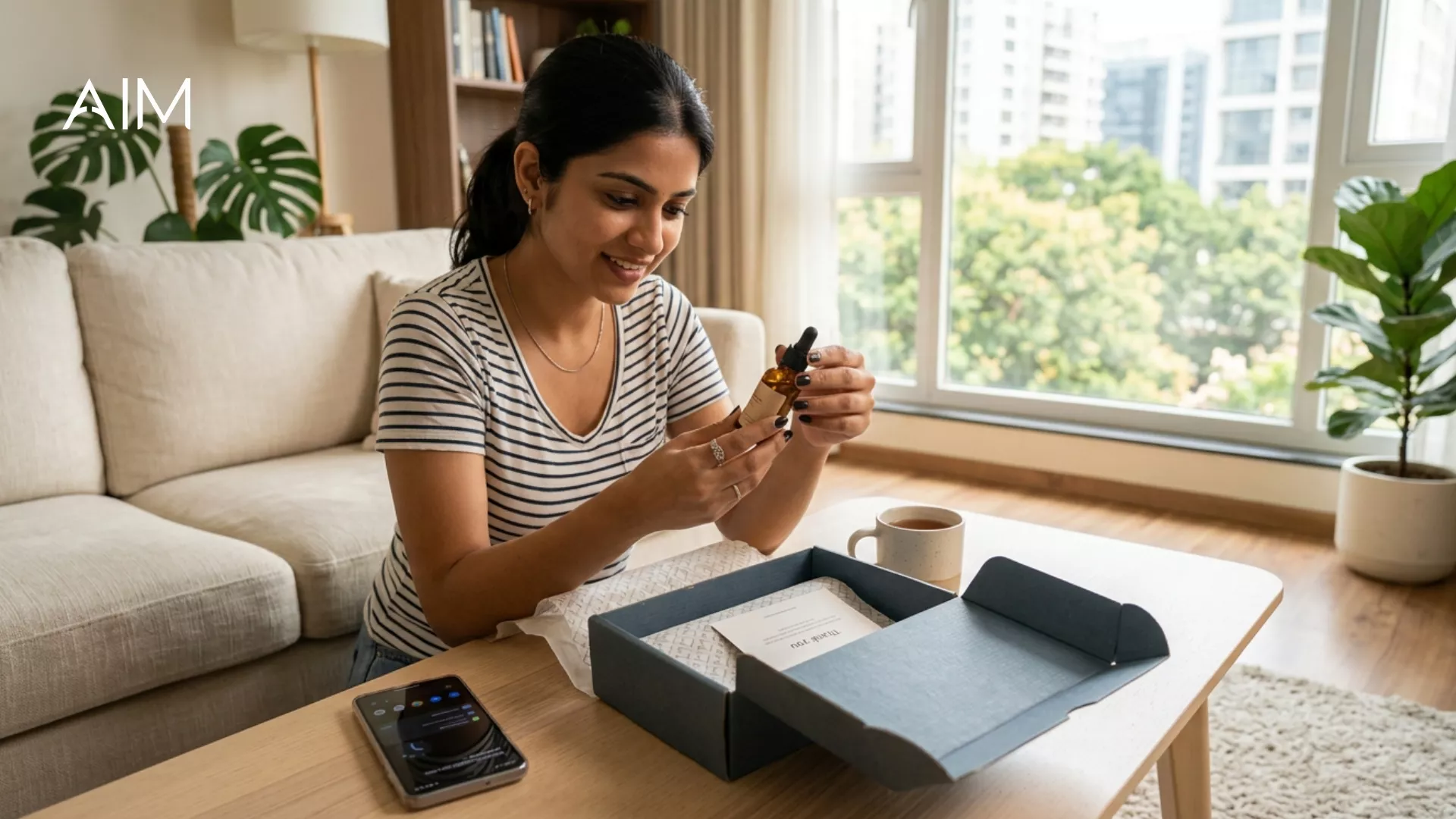
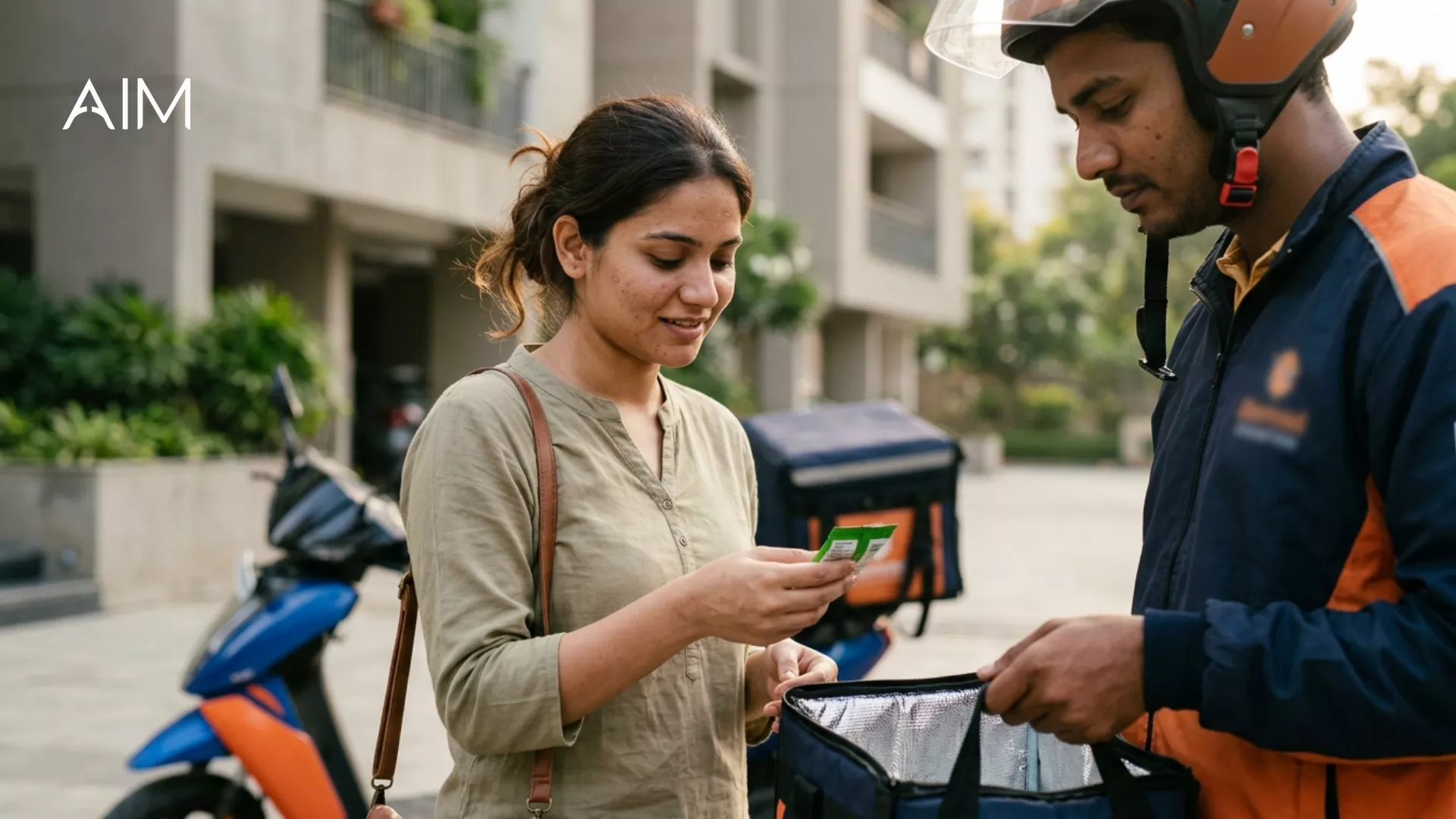
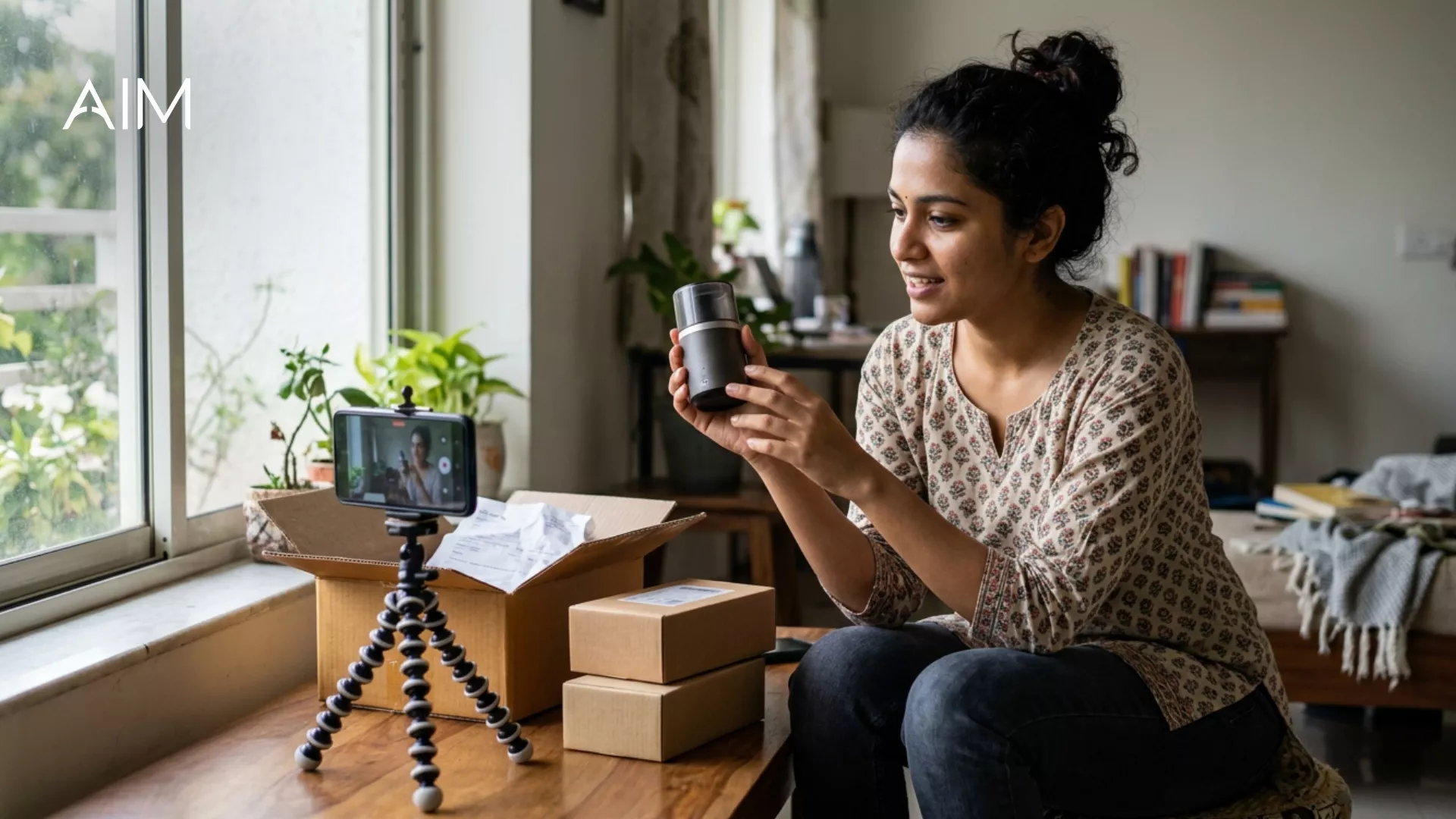
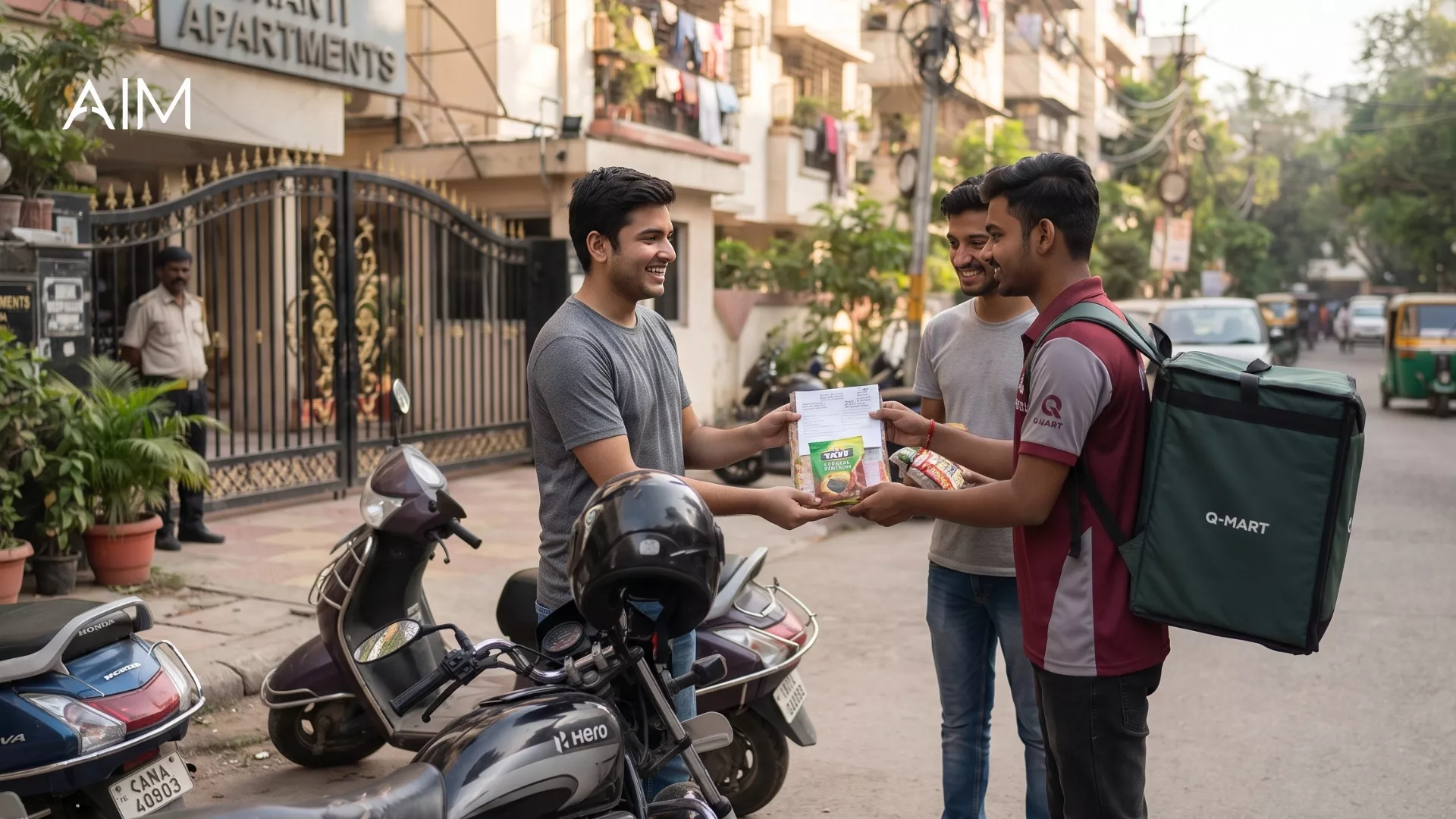
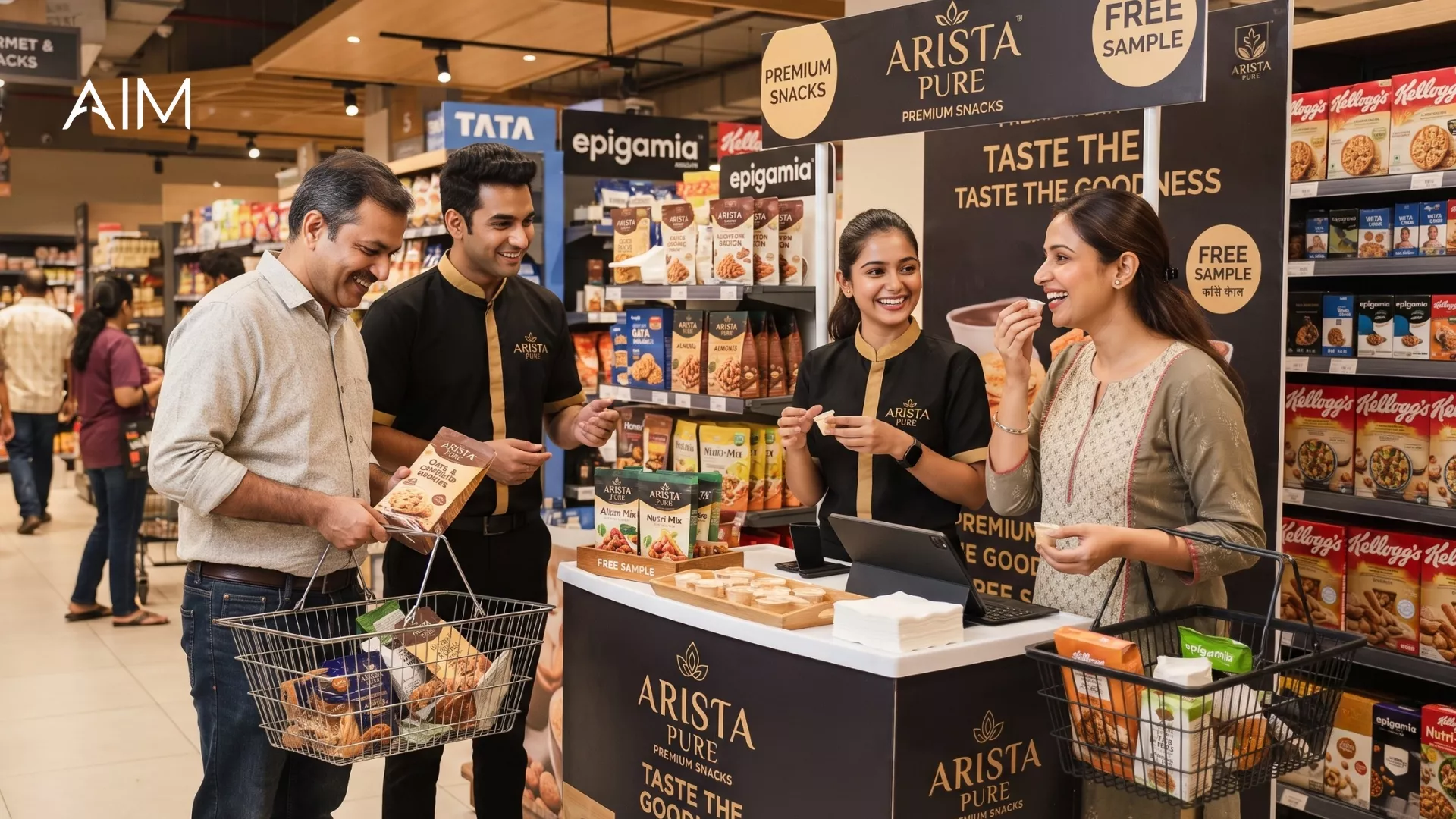
- From offline-only to quick-commerce inserts. The delivery bag becomes a serious sampling channel, placing trials into the orders of proven category buyers, matched to what they already purchase.
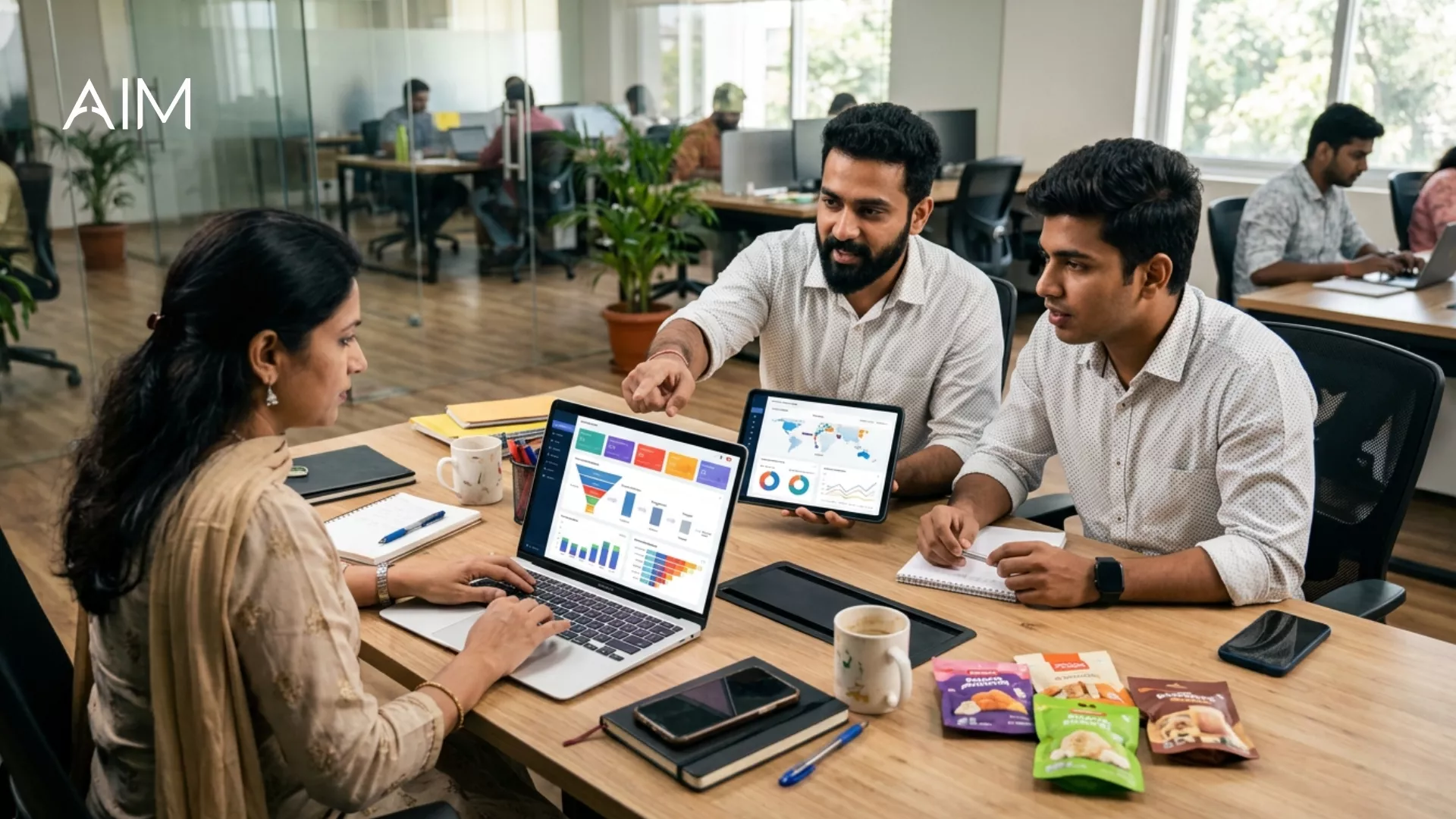
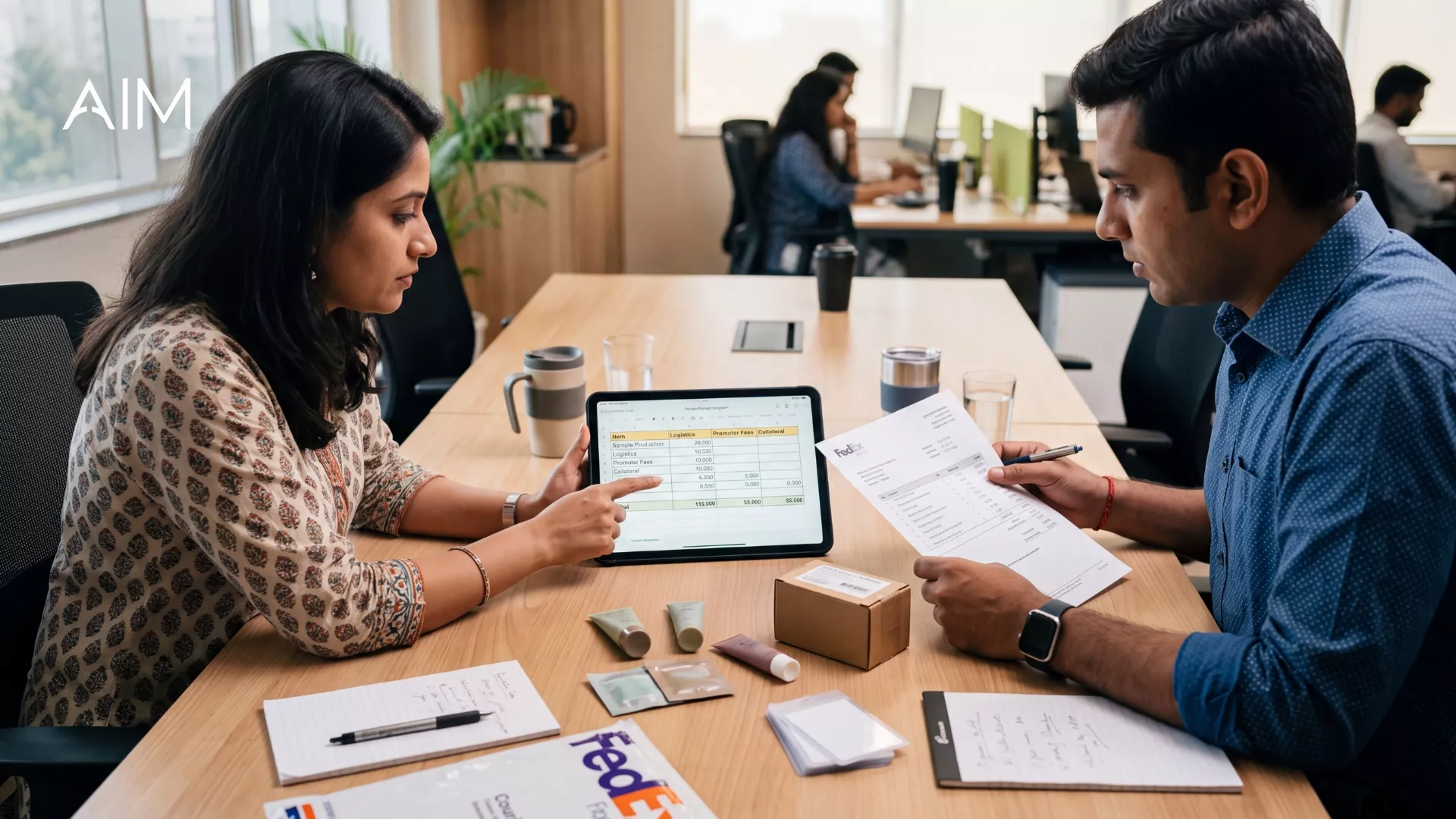
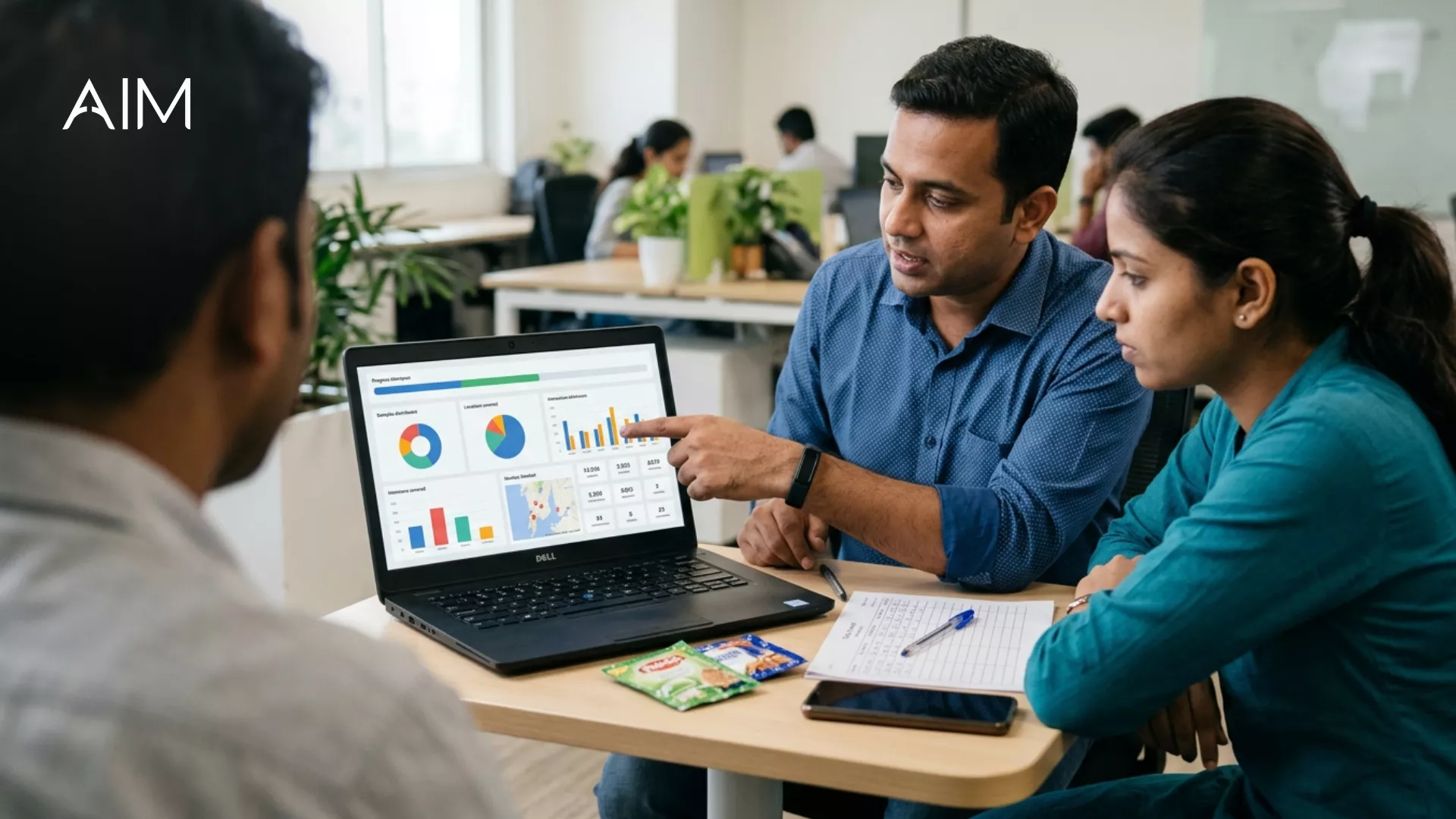
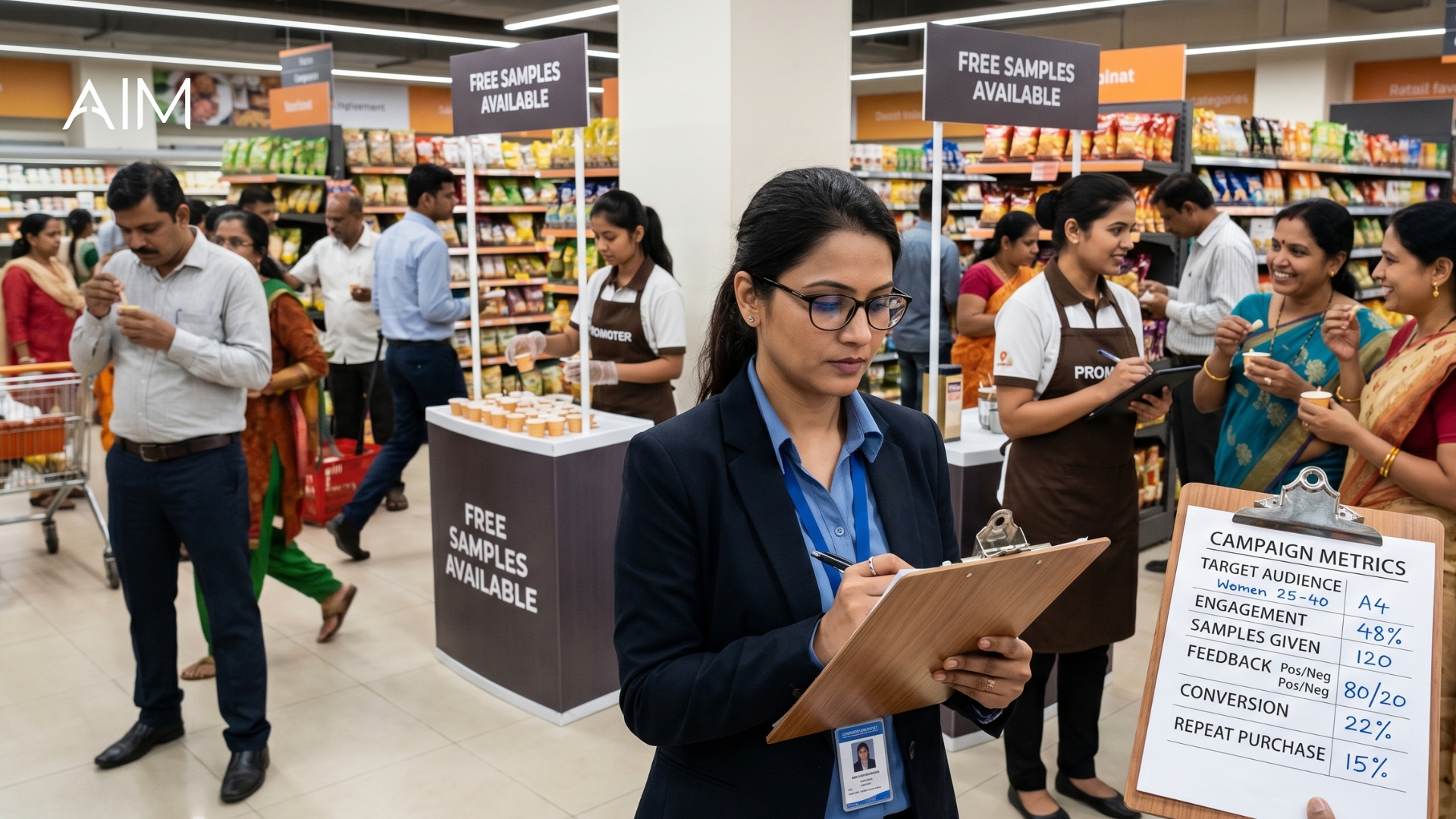
- From a photo report to a funnel. The campaign report becomes reached, tried, bought, repeated, a funnel a brand can take to finance, rather than a deck of photographs and a big number.
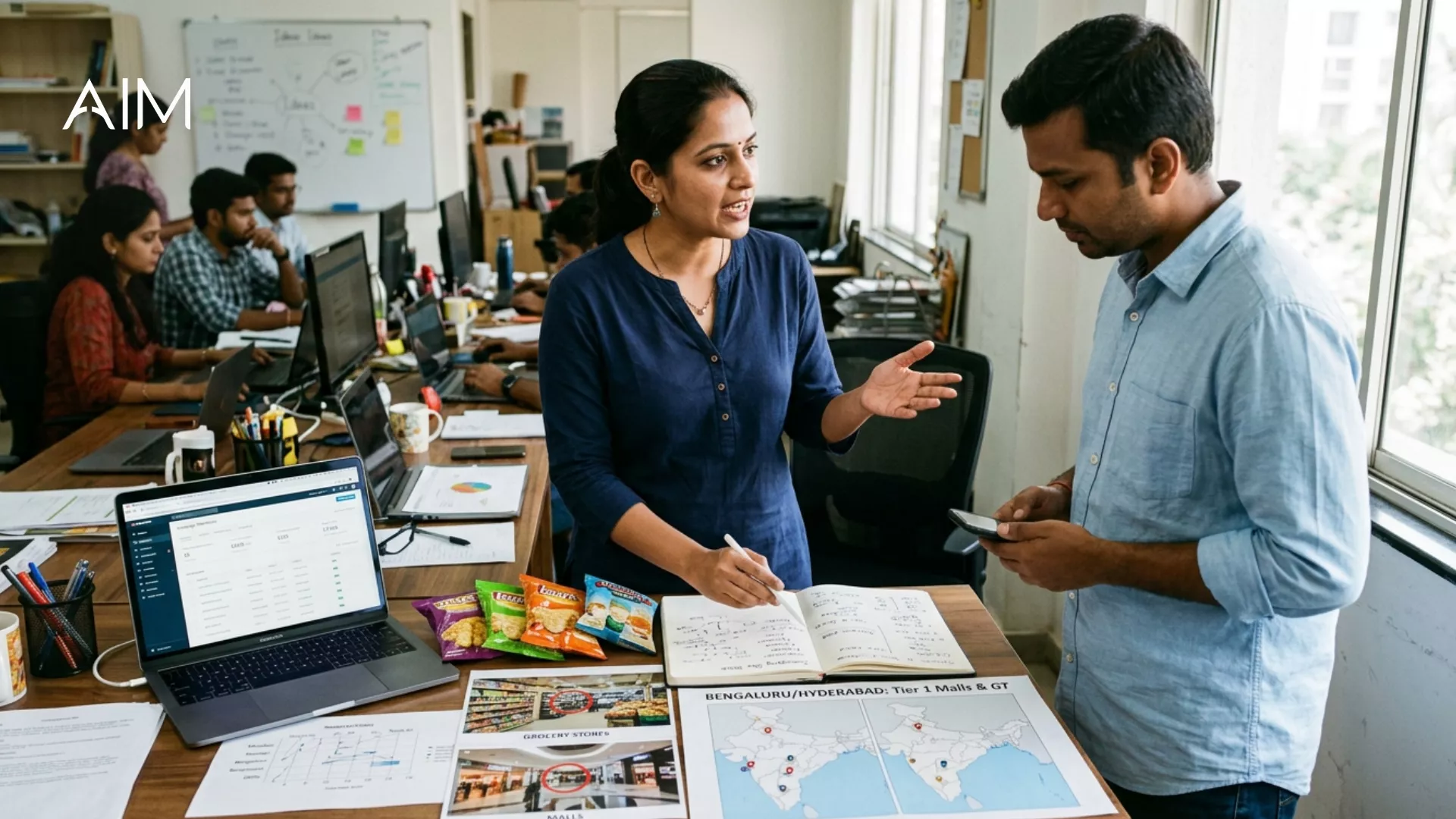
- From gut to data-assisted planning. Where to sample, how much to give, and who to target increasingly get decided with data and, over time, AI-assisted analysis, rather than by habit and instinct.
What the shift asks of brands right now
None of these changes arrive on a fixed date, and that is exactly what catches brands out. 2027 is not a switch that flips; it is the direction the channel is already moving, which means the work of getting ready has to start well before then. In practice that means treating capture and tracking as standard on the next campaign, not a someday upgrade, so the base of profiled triers and the habit of measuring conversion are already in place when the expectation becomes universal. It means experimenting with quick-commerce sampling now, while it is still an edge rather than the baseline. And it means learning to read a sampling funnel instead of a distribution number, because the brands that can already answer who did we reach and what did they buy will set the standard the rest get measured against.
The brands that wait will not find the door closed, but they will find it more expensive to walk through. Capturing and measuring from the start compounds, because each campaign adds to a base of known triers and a body of learning about which buyers convert and where, so an early mover keeps getting sharper and cheaper while a late one starts from zero every time. The future of sampling rewards the same discipline good marketing always has, applied at last to a channel that spent decades exempt from it. The exemption is ending, and 2027 is simply when that becomes obvious to everyone. The brands that see it coming get to prepare on their own terms; the ones that do not will be pushed into it by a finance team asking harder questions than a distribution number can answer.
What will not change
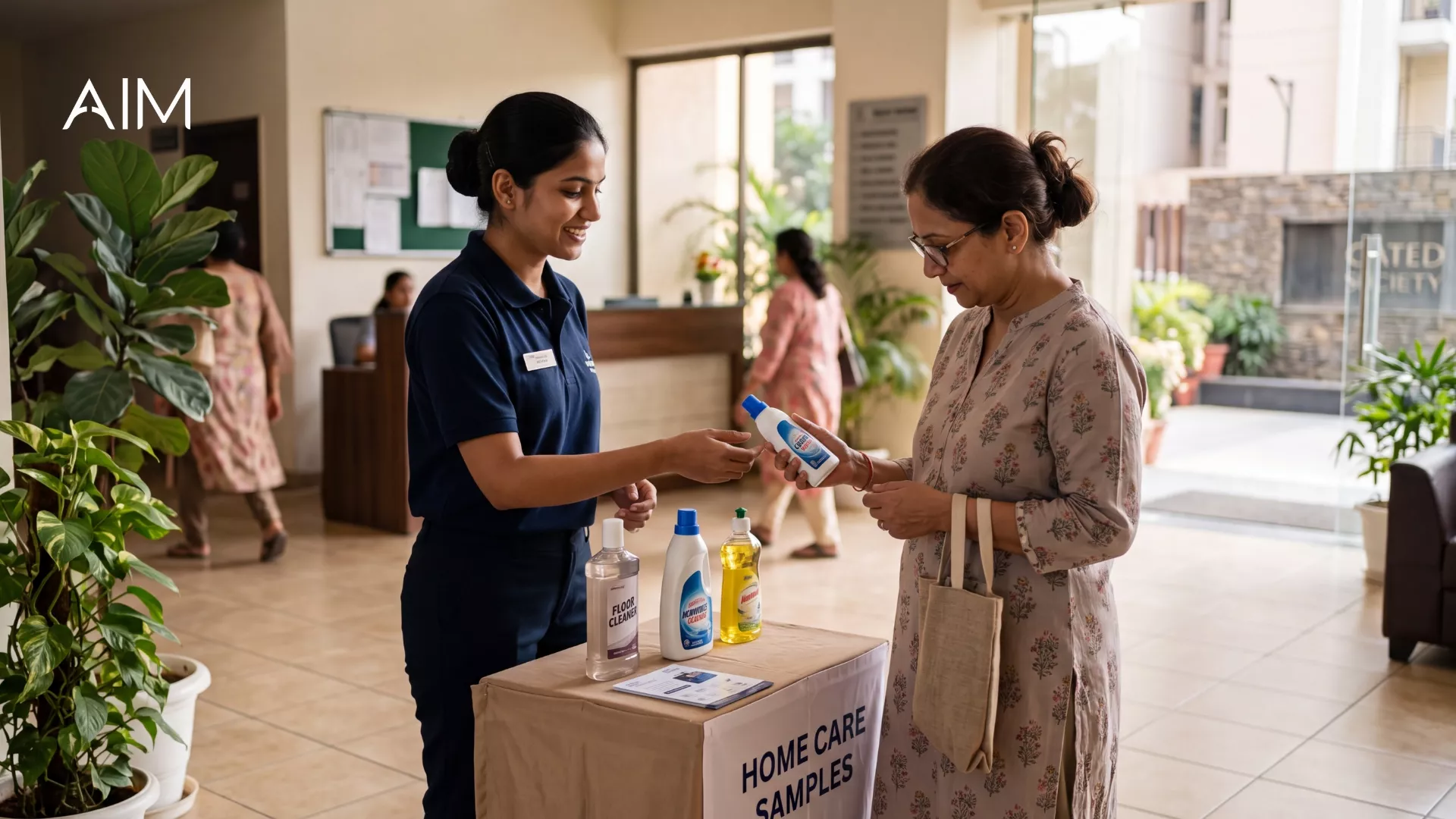
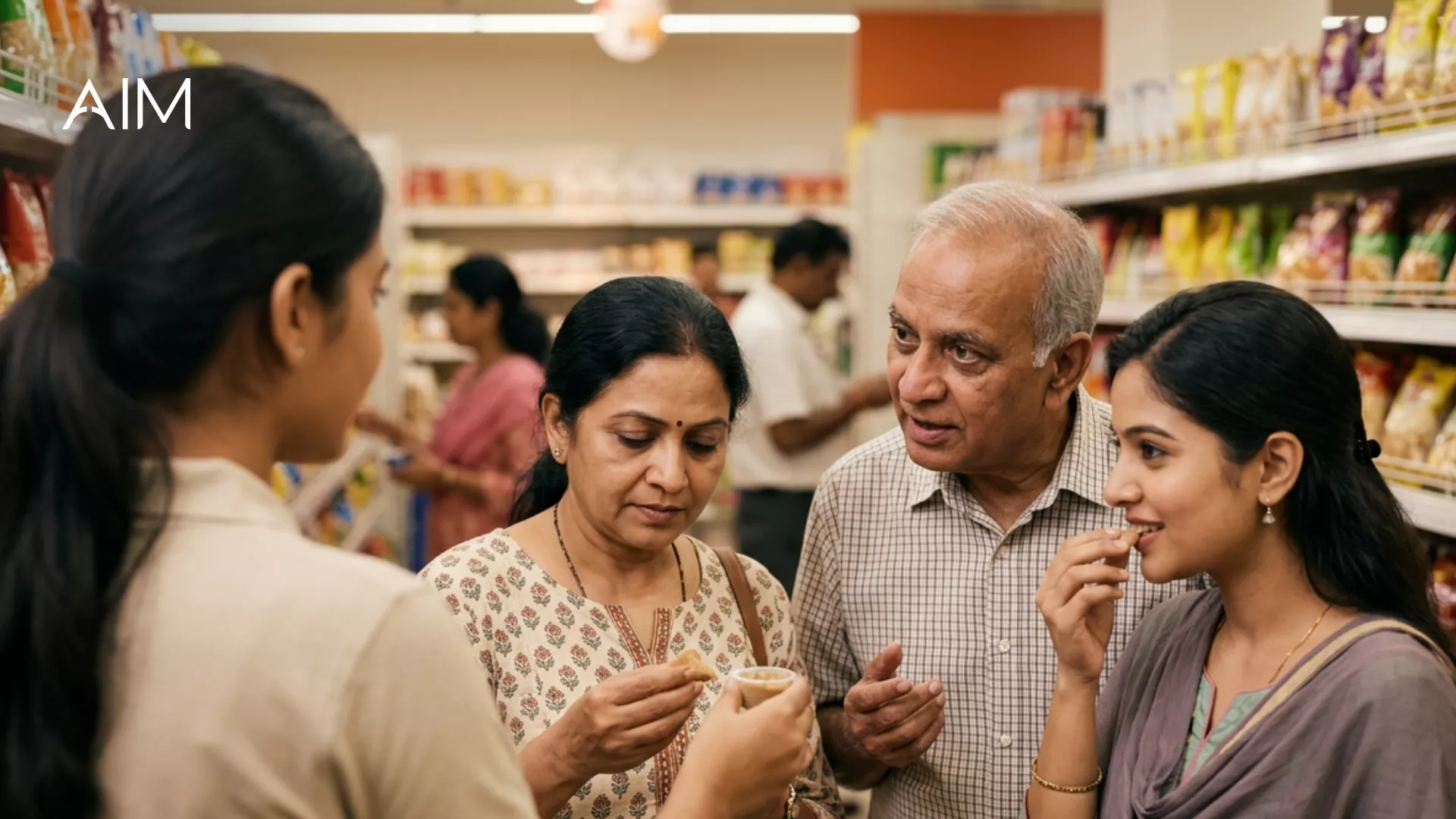
It is worth being clear about what 2027 does not kill, because the hype usually overreaches. The physical sample itself is not going anywhere, because trial still sells better than any claim, and letting a person taste, feel, or use a product remains the most persuasive thing a brand can do. On-ground human execution still matters, because a real person handing over a sample in the right moment converts in a way a screen cannot. And the fundamentals of a good campaign, the right product, a genuine reason to switch, a buyer who actually wants it, are timeless. The future of sampling is not a different act. It is the same act, finally made visible.
What it means for brands
The practical takeaway is that the bar is rising, and it is rising quietly. Within a couple of years, being able to say who your sampling reached and what it sold will move from a competitive advantage to a basic expectation, the way conversion tracking did in digital. Brands that make the shift early build a compounding asset, a growing base of captured, profiled triers they can measure and re-reach, while brands that keep running blind campaigns will find it harder each year to defend the budget.
The future of product sampling in 2027 rewards the same thing every serious channel now rewards: not how loud the activity looked, but what it can prove it returned. For a brand planning its next campaign, the practical move is to stop asking only how many samples the budget will buy and start asking how many buyers it can prove, and to choose partners and formats on that basis. That single change in the question reshapes everything downstream: it favours targeting over volume, capture over anonymity, and a funnel over a photograph. It also quietly changes who a brand trusts with its sampling, away from whoever promises the biggest distribution number and toward whoever can show what past campaigns actually returned. The brands that adopt that lens now will spend the next few years compounding an advantage; the ones that wait will spend those same years explaining a distribution number to a finance team that has already stopped believing in it. This is the future AIM is building toward with every campaign: sampling planned around a defined buyer, captured at the point of trial, and tracked to the sale, so a brand walks into 2027 with a channel it can measure rather than one it has to defend on faith.





.webp)




.png)