
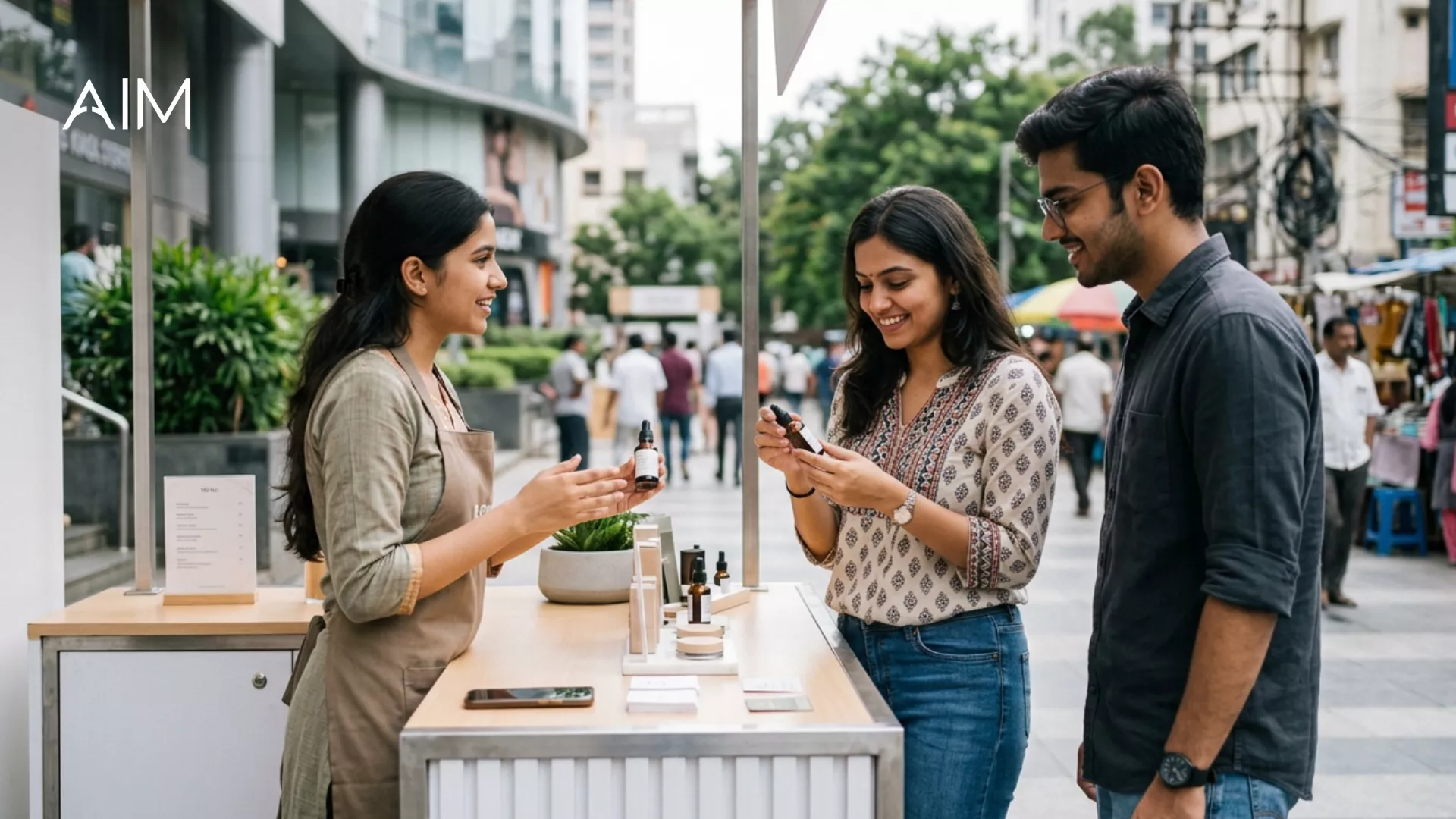


Every D2C founder is watching the same number climb. Customer acquisition cost, the price of buying one new customer through ads, keeps rising, and it rises a little more each year as the big platforms fill up, privacy changes blunt targeting, and everyone bids for the same eyeballs. The model that built D2C, cheap performance traffic, is quietly getting expensive, and margins are paying for it. So brands are hunting for acquisition that is cheaper, more durable, and less dependent on renting attention from an ad auction. One of the strongest answers is also one of the oldest: putting the actual product in the right hands. Here is how D2C brands can use sampling to beat rising customer acquisition costs.
Quick answer: D2C brands beat rising CAC with sampling by putting the product into the hands of proven category buyers, through sample inserts, targeted physical sampling, and quick commerce, capturing each trier as first-party data, and tracking trial to first order and repeat. Because trial converts on experience rather than on a rented ad impression, the acquisition it creates is often cheaper, more durable, and fully measurable, and it builds the owned audience and lifetime value that paid ads, by nature, never leave behind.
Why is D2C customer acquisition cost rising?
The rise is structural, not a bad quarter. The big ad platforms that D2C was built on have matured, so there is less cheap inventory and more competition bidding for it, which pushes prices up. Privacy changes and the fading of third-party cookies have made targeting and attribution weaker, so the same spend works less precisely. Audiences are fatigued by a decade of performance ads and convert at lower rates. And every new D2C brand is chasing the same customers through the same channels, bidding each other's costs higher. The result is a treadmill: brands spend more each year to stand still, and because paid traffic is rented, the moment you stop paying, the customers stop coming. That is the trap sampling is well suited to break.
How does sampling lower customer acquisition cost?
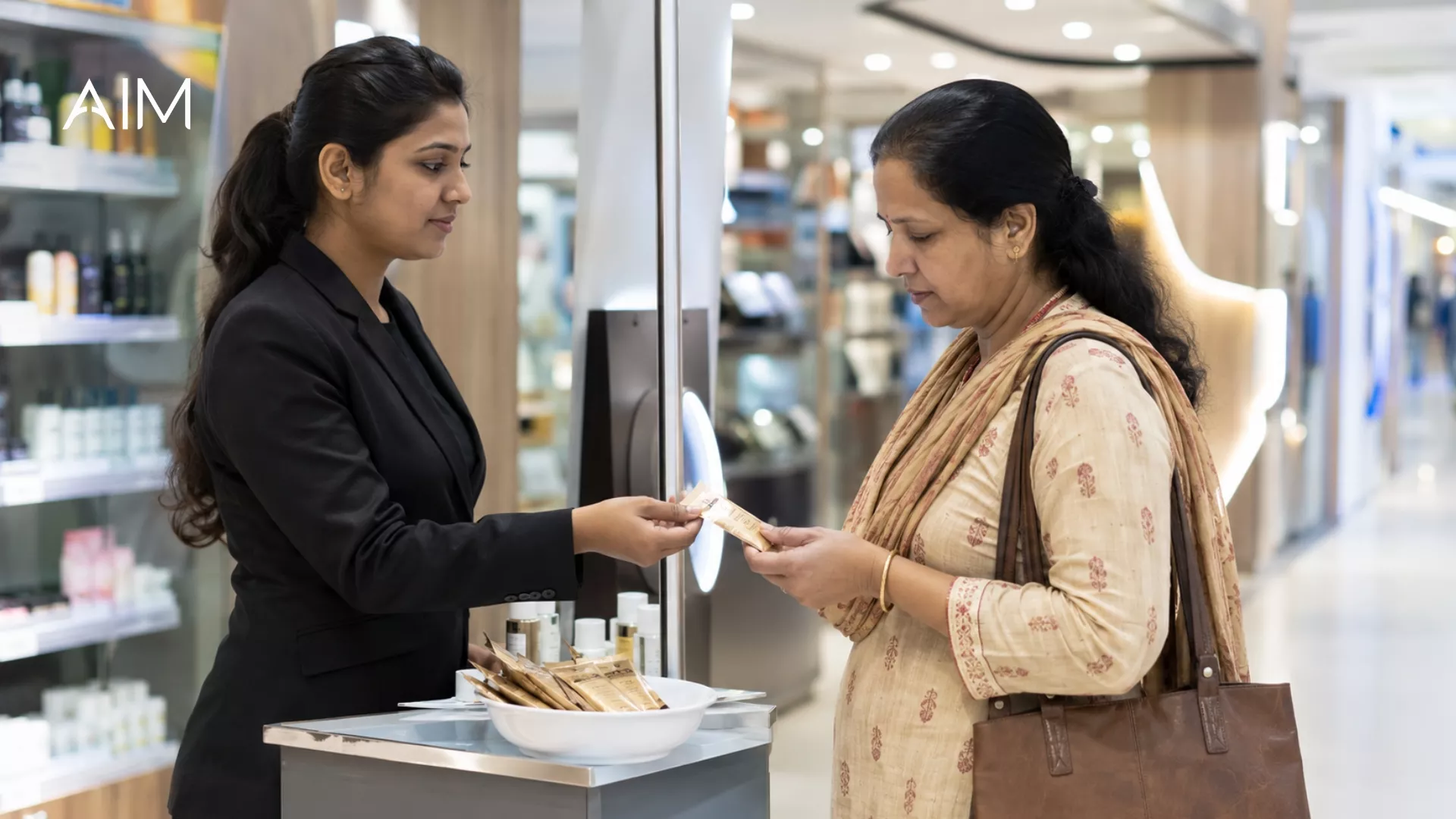
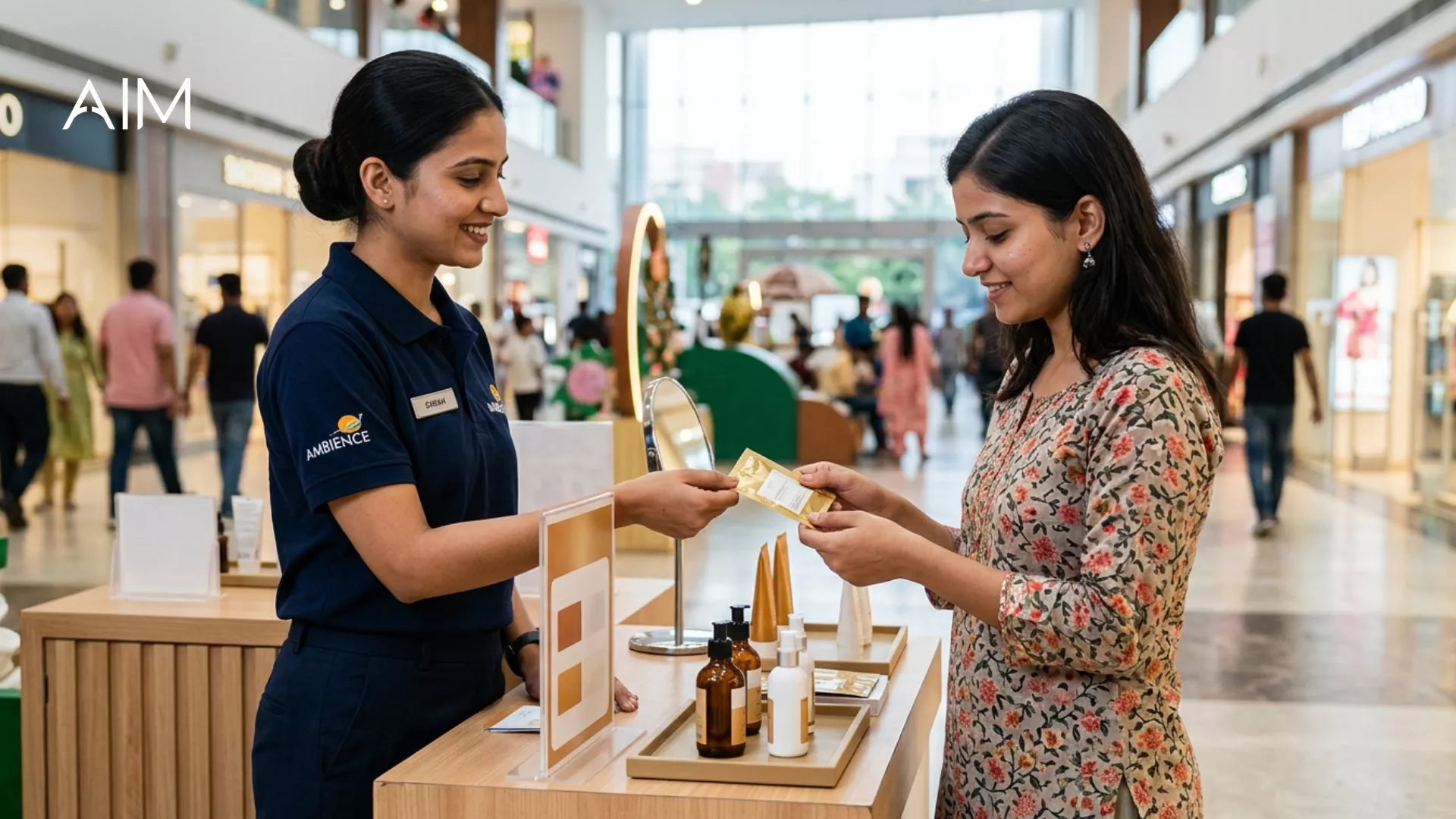
Sampling lowers CAC by changing what you are paying for. An ad pays for an impression and hopes it leads to a click, a visit, and eventually a purchase, with drop-off at every step. A sample pays to put the actual product in a hand, which removes the biggest barrier to a first purchase, doubt, in the most direct way possible. When the trial reaches someone who already buys the category, and the product is good, the conversion from trial to purchase can be far stronger than from an ad impression, because the buyer has experienced the thing rather than seen a claim about it. Add that a converted trier often becomes a repeat buyer, and the true acquisition cost, spread across their lifetime value, drops further. Sampling is not free, but it buys conviction rather than attention alone, and conviction converts.
The first-party data advantage
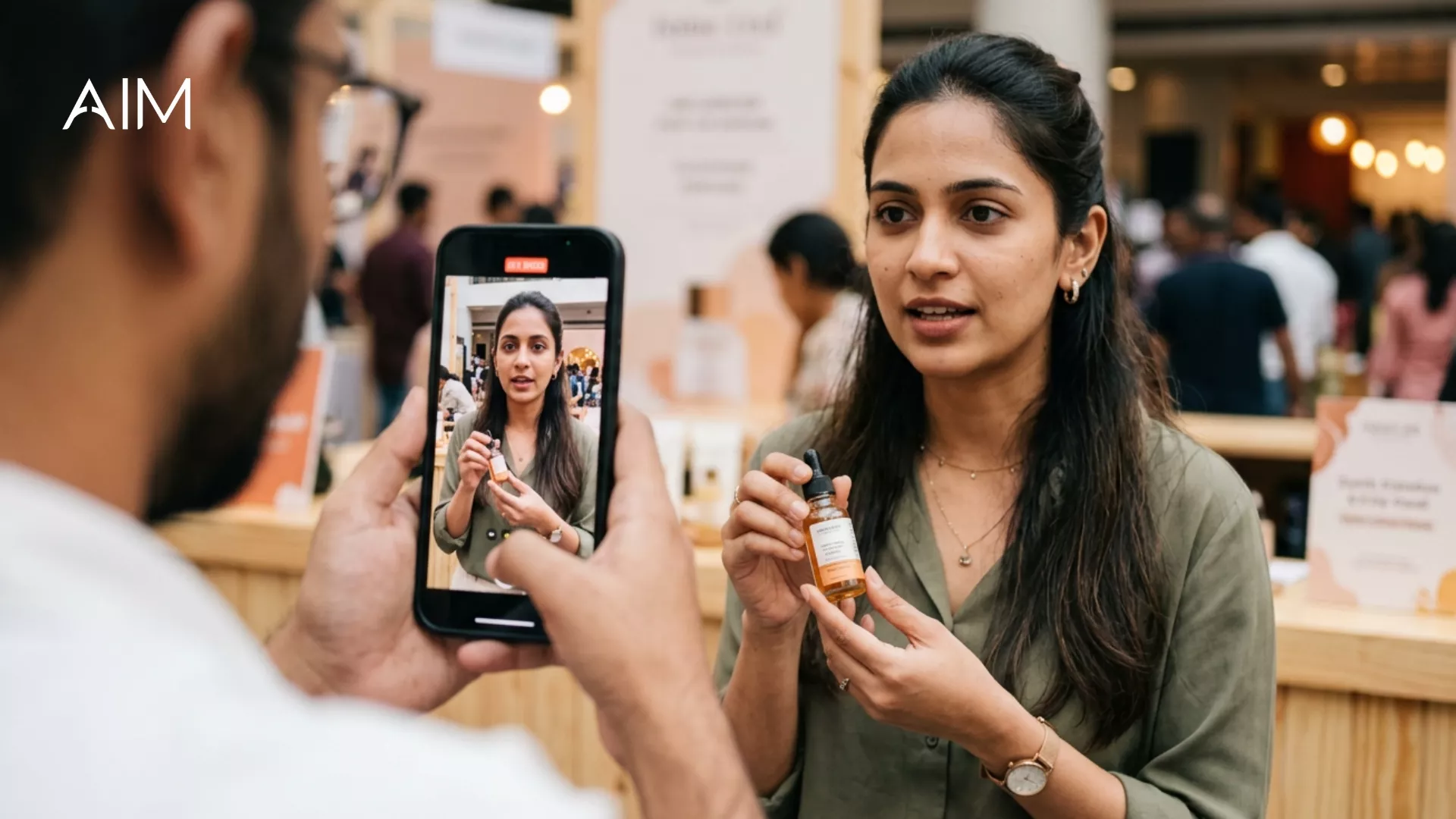
There is a second win that matters even more in a post-cookie world. A paid ad rarely leaves you anything you own; the platform keeps the audience, and when the budget stops, so does the access. A well-run sampling campaign does the opposite: by capturing each trier at the point of trial, a quick opt-in, a QR, a code, it builds a base of first-party data, real, consenting, contactable people who have used your product. That owned audience is an appreciating asset. You can re-market to them without paying a platform, learn who converts and why, and build lookalikes from real customers rather than rented signals. In an environment where third-party targeting is decaying, first-party data collected through sampling is one of the most valuable things a D2C brand can build, and sampling produces it as a by-product of trial.
How should a D2C brand run sampling to beat CAC?
The approach is to treat sampling like a performance channel, not a giveaway. Five moves:
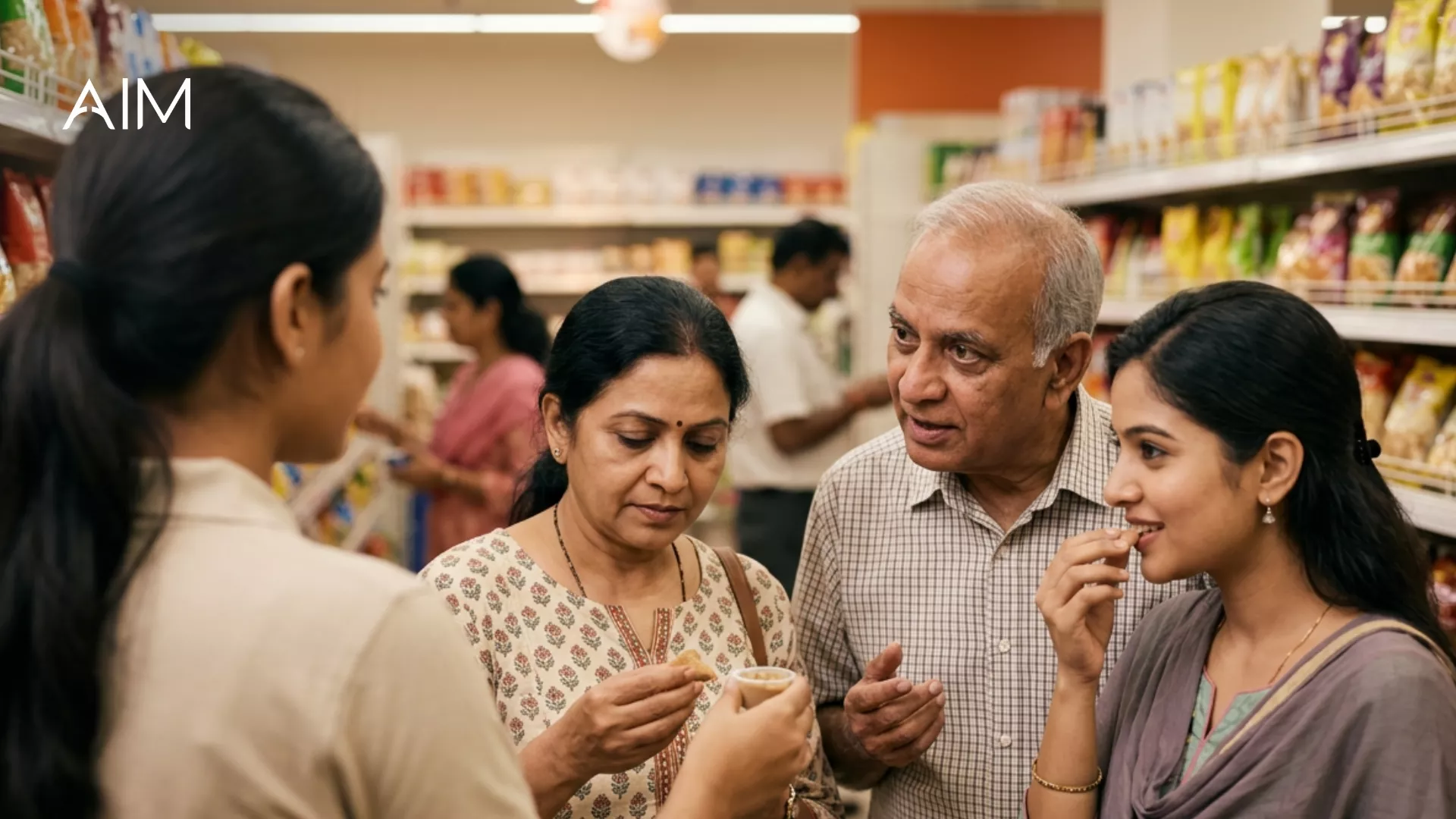
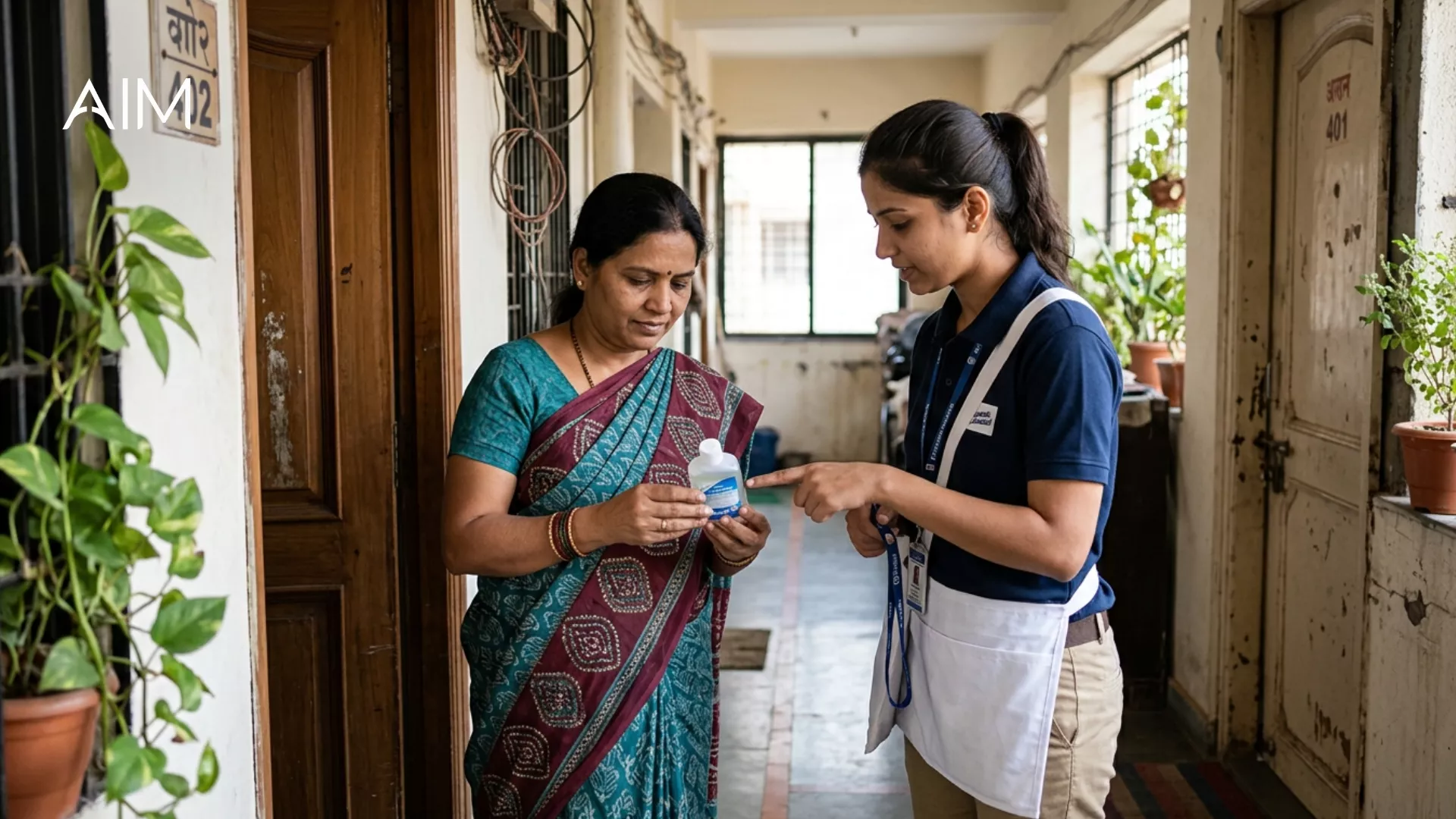
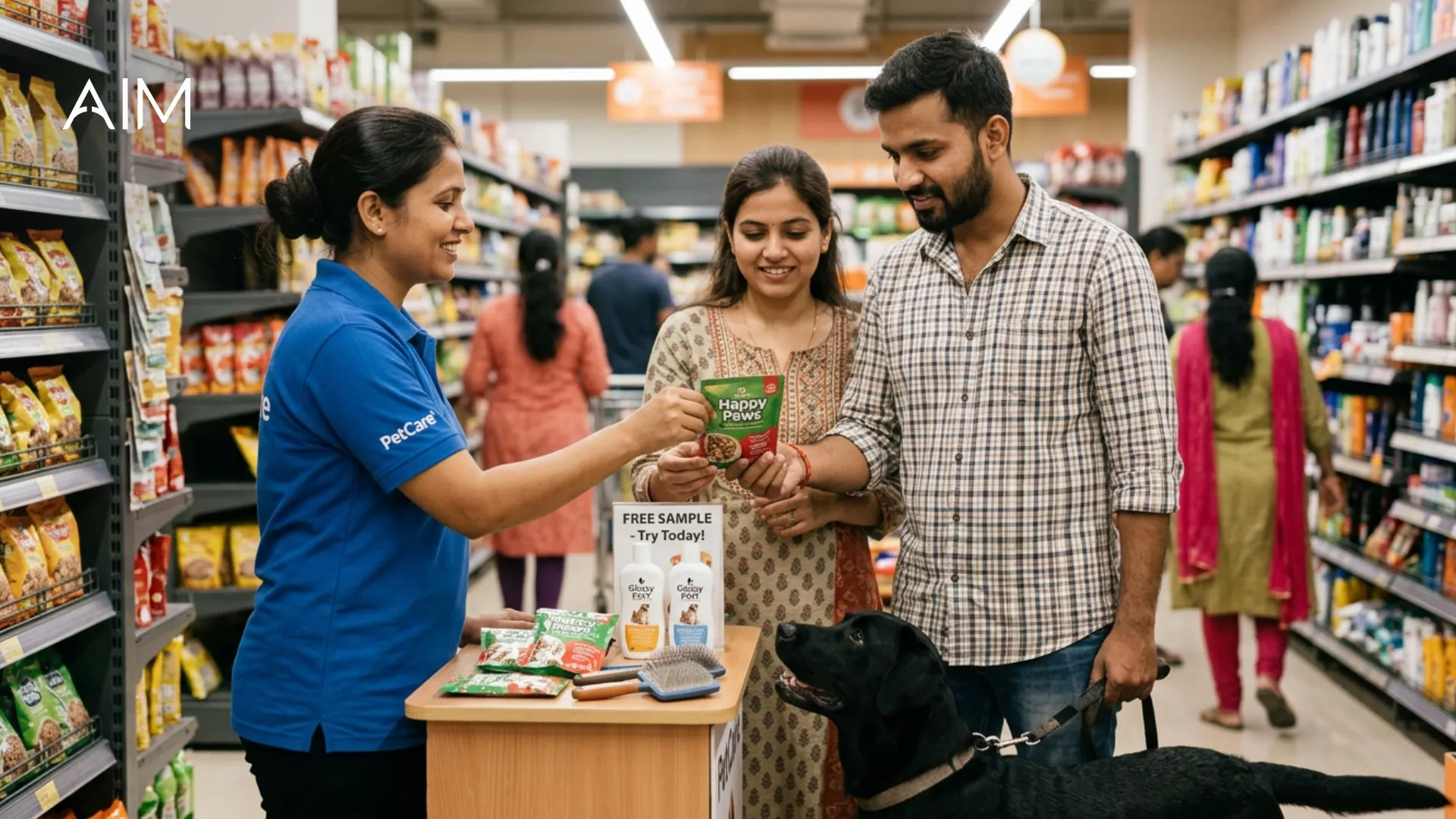
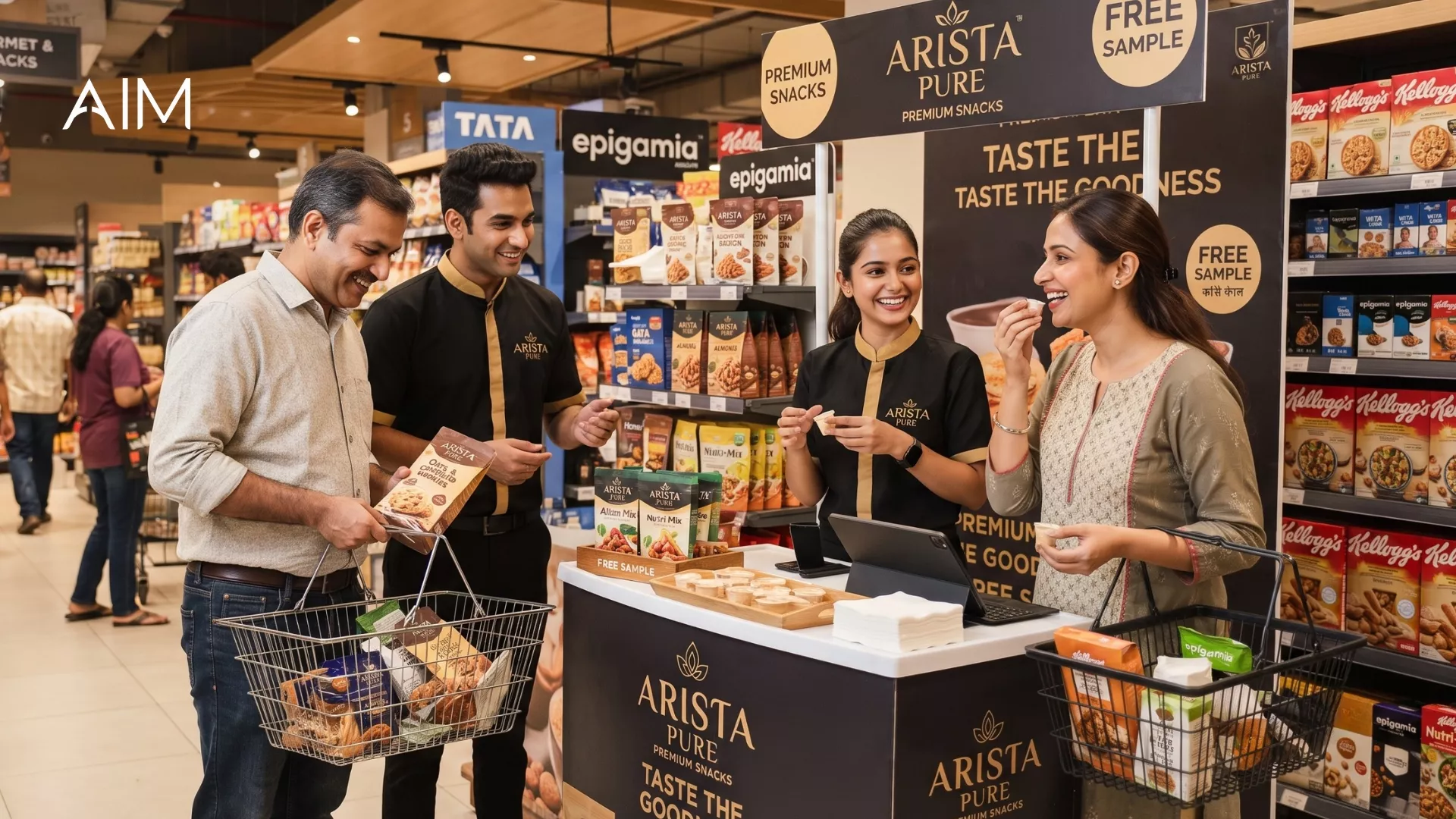
- Sample into proven category buyers. Use sample inserts in relevant orders and targeted placements so the trial reaches people who already buy the category, not a random crowd, which is what makes conversion strong.
- Capture every trier as first-party data. Build a quick opt-in or QR into every sample, so a trial becomes an owned, contactable lead rather than an anonymous handout.
- Make the first purchase frictionless. Pair the trial with a compelling first-order offer and a one-tap route to buy, so warm interest converts before it fades.
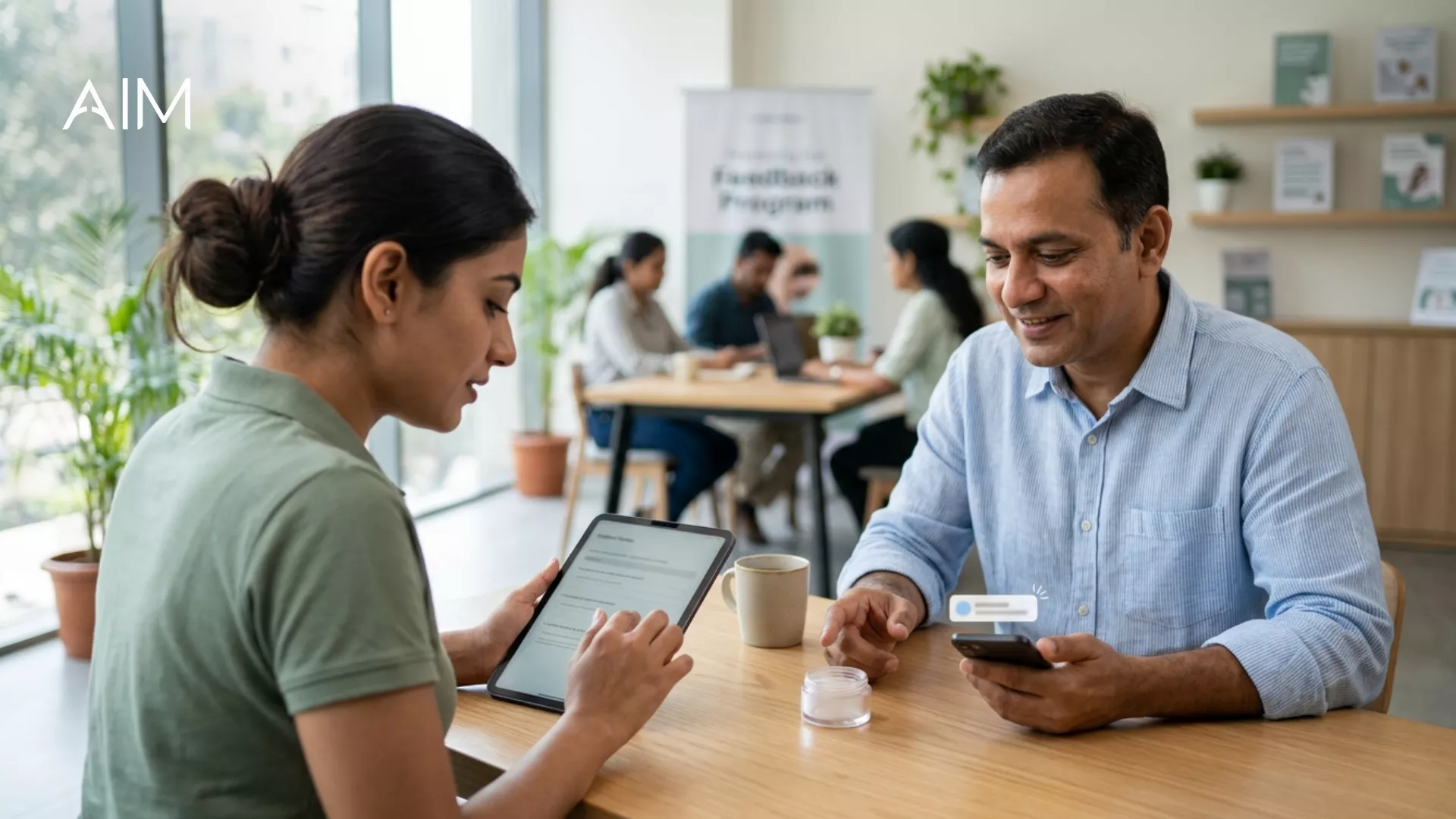
- Retarget the captured audience. Follow up with the people who tried but have not yet bought, using the owned data, so you recover conversions without paying an ad auction each time.
- Track CAC and LTV from sampling. Measure what each converted buyer cost and what they are worth over time, so sampling can be compared against paid ads on the same terms and scaled where it wins.
Sampling versus paid ads for acquisition
It helps to be clear-eyed about how the two compare rather than pretend sampling replaces everything. Paid ads are fast, instantly scalable, and precise to set up, but they are rented, increasingly expensive, and leave you no owned audience, so you pay again for every customer. Sampling is slower to set up and less instantly scalable, but it converts on real experience, builds first-party data you keep, and tends to produce more durable, higher-repeat customers, so its cost amortises over a lifetime rather than a click. The smartest D2C brands do not choose one, they rebalance: they keep paid for speed and reach, and they add sampling as the channel that lowers blended CAC, builds the owned audience, and reduces the dependence on an ad auction that only gets pricier. Sampling is the acquisition channel you own, which is exactly what rising CAC makes valuable.
Why sampling builds lifetime value, not only a first sale
The CAC conversation usually stops at the first purchase, but for D2C the real prize is what comes after it, and this is where sampling quietly outperforms a paid click. A customer won through a discount-led ad often came for the discount and leaves when a cheaper one appears elsewhere. A customer won through trial came because the product itself convinced them, which is a stickier reason to stay, so trial-acquired buyers tend to repeat and to hold higher lifetime value. Sampling also opens the door to the relationship that grows that value: because you captured the trier, you can onboard them, gather feedback, invite them into a subscription, and turn a first order into a habit. Rising CAC is only unbearable when each expensive customer buys once and disappears. When acquisition is paired with retention, and trial is a strong start to retention, the maths changes, because a slightly higher cost to acquire a loyal, repeating customer beats a cheaper cost to rent a one-time one.
How do you measure sampling as an acquisition channel?
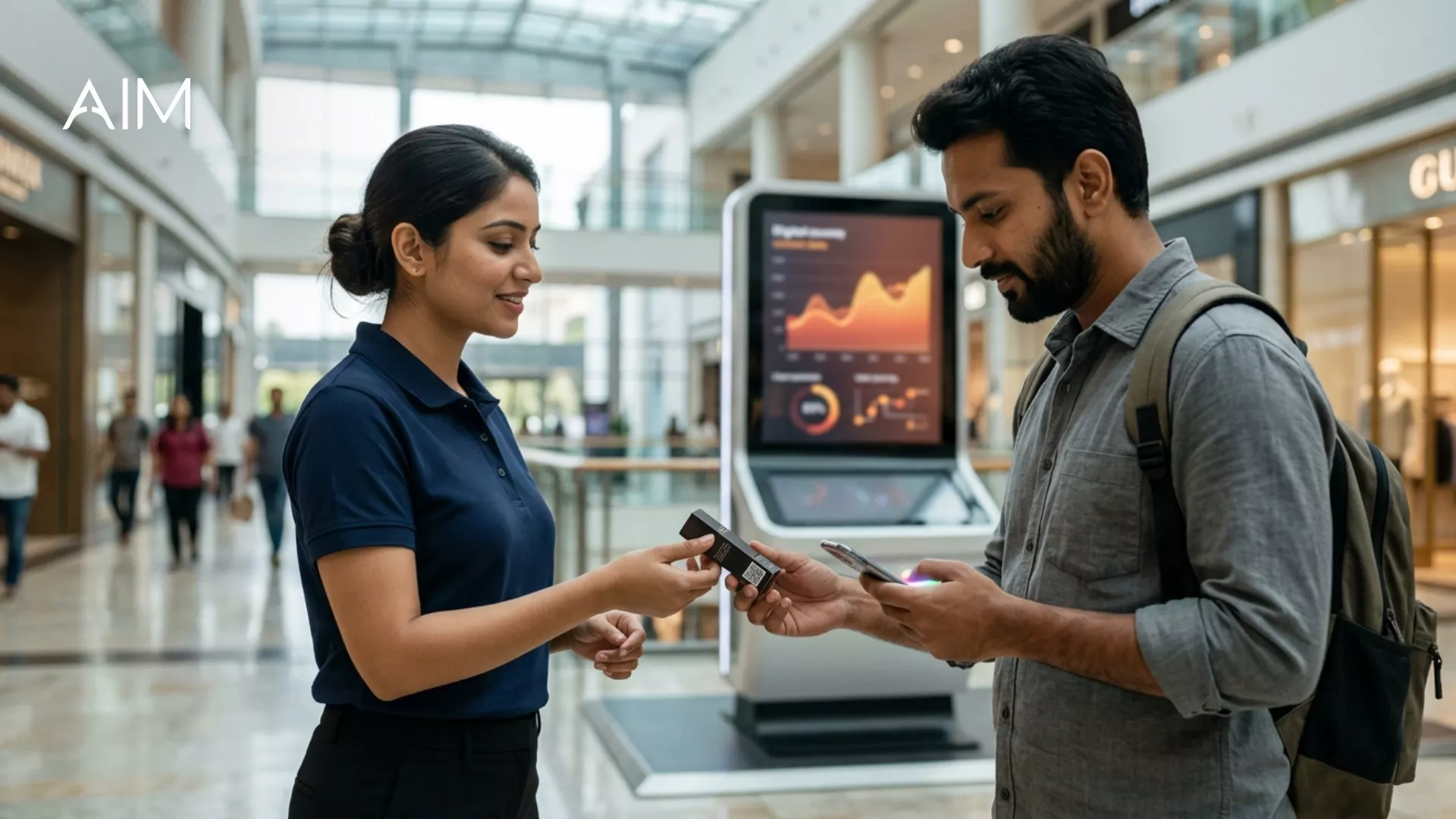
To beat CAC with sampling, you have to measure it like acquisition, and that is entirely possible when trial is captured and tracked. Follow each captured trier to a first purchase, and divide the campaign cost by the buyers it created to get a real cost per acquired customer you can set beside your paid CAC. Then follow those buyers into repeat, so you can compare not only acquisition cost but the lifetime value each channel brings, which is where sampling's durable, high-repeat customers often pull ahead. Watch how much the first-party audience you built is worth in re-marketing you no longer pay a platform for. This is how AIM helps D2C brands use sampling against CAC: trial placed with proven buyers, captured as owned data, converted with a frictionless first order, and measured on cost per buyer and lifetime value, so a brand can prove sampling is not a soft brand exercise but a hard acquisition channel that gets cheaper as paid ads get dearer.








.webp)














.png)