
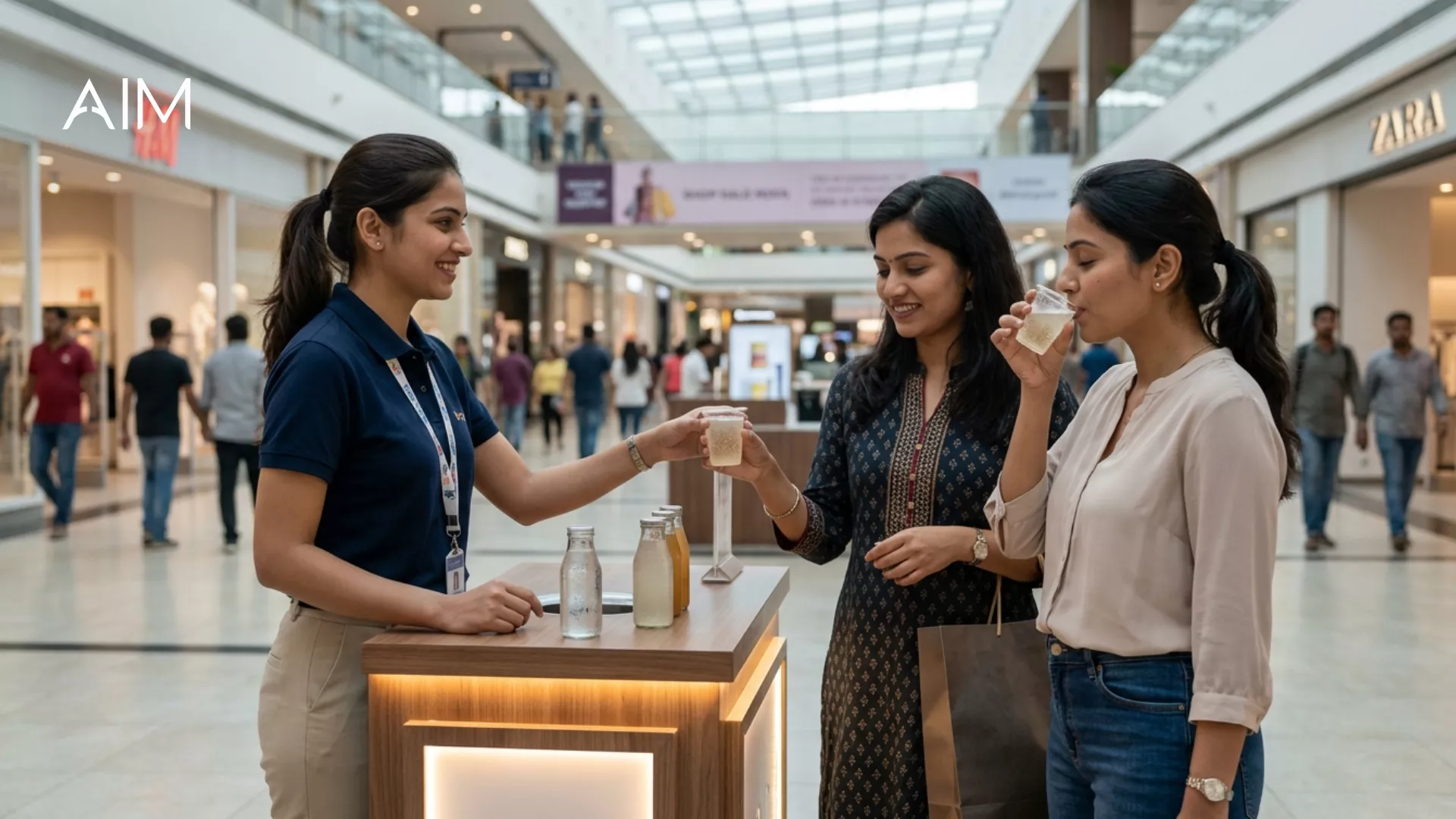


A cola served warm at a society gate on a May afternoon. An iced tea poured an hour ago, now sitting flat and tepid in a paper cup. A cold coffee sampled at room temperature because the ice ran out. In every one of these, the buyer takes a sip, makes a face, and hands the cup back, and the brand records another person who tried the drink and did not buy. The verdict was not about the recipe. It was about the temperature. In beverage sampling, the drink is judged almost entirely on the sip, and the sip is only right when the drink is served the way it was designed to be enjoyed.
Quick answer: temperature decides whether a beverage sample converts because a drink is judged on a single sip, and that sip only delivers the intended taste at the right temperature. A warm carbonated drink goes flat and cloying, an iced beverage served lukewarm tastes watery and dull, and a hot drink gone cold tastes stale. Each of these reads to the buyer as the product being bad, when the formula was never the problem. In Indian conditions, where sampling often happens without a cold chain at the point of trial, controlling temperature is the difference between a sample that sells and one that quietly kills the product in the buyer's mind.
Why the sip is the whole sale in beverages
Beverages convert on taste, and taste in a sampling context comes down to one or two sips. There is no time for the buyer to warm to it, no second session, no chance to judge it against a meal or a mood. Whatever that first sip delivers is the verdict, and it sticks. This is what makes beverage sampling so unforgiving and so powerful at the same time. Get the sip right and you have made the sale in a way no advertisement can match, because the buyer has literally tasted the promise. Get it wrong and you have done the opposite, convincing someone the product is not for them, and that impression is very hard to reverse.
What the wrong temperature actually does
Temperature is not a finishing touch on a beverage, it is part of the recipe as the buyer experiences it. A carbonated soft drink served warm loses its bite and tastes heavy and over-sweet, because the fizz and the chill are doing half the work of the flavour. An iced tea or a cold coffee served lukewarm tastes thin and watered down, especially once melting ice has diluted it. A hot beverage sampled cold tastes stale and unappealing. In each case the drink is performing exactly as designed, but at the wrong temperature, so it delivers a taste the product team never intended anyone to have. The buyer cannot tell the difference between a bad recipe and a good recipe served wrong. They just know it did not taste good.
The Indian reality: heat, and no cold chain at the table
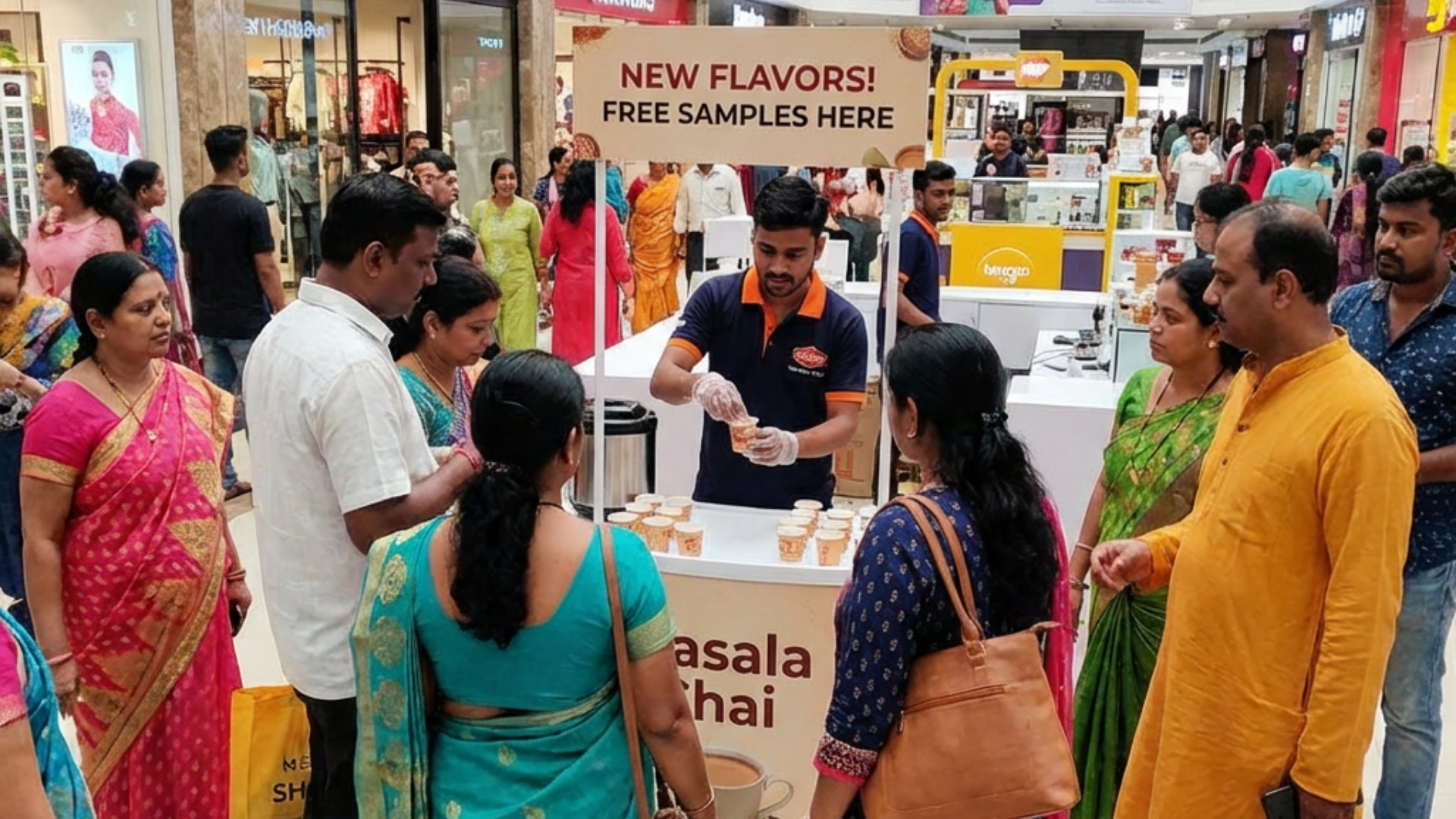
This would be a manageable problem in a temperate market. In India it is the central challenge of beverage sampling. Summer temperatures well above forty degrees mean a cold drink starts warming the instant it leaves the cooler. Sampling often happens at society gates, transit points, and open stalls where there is no reliable power, no chiller, and ice that melts faster than you can use it. Pre-poured cups sitting on a table in the sun are warm within minutes. The monsoon brings its own issues of humidity and storage. None of this is exotic, it is the everyday condition most Indian beverage sampling operates in, and a campaign that ignores it is planning to serve warm drinks and call the results a product problem.
What temperature-right sampling takes
Serving a beverage at its intended temperature, in Indian conditions, takes deliberate planning that most footfall-driven sampling skips. The essentials:
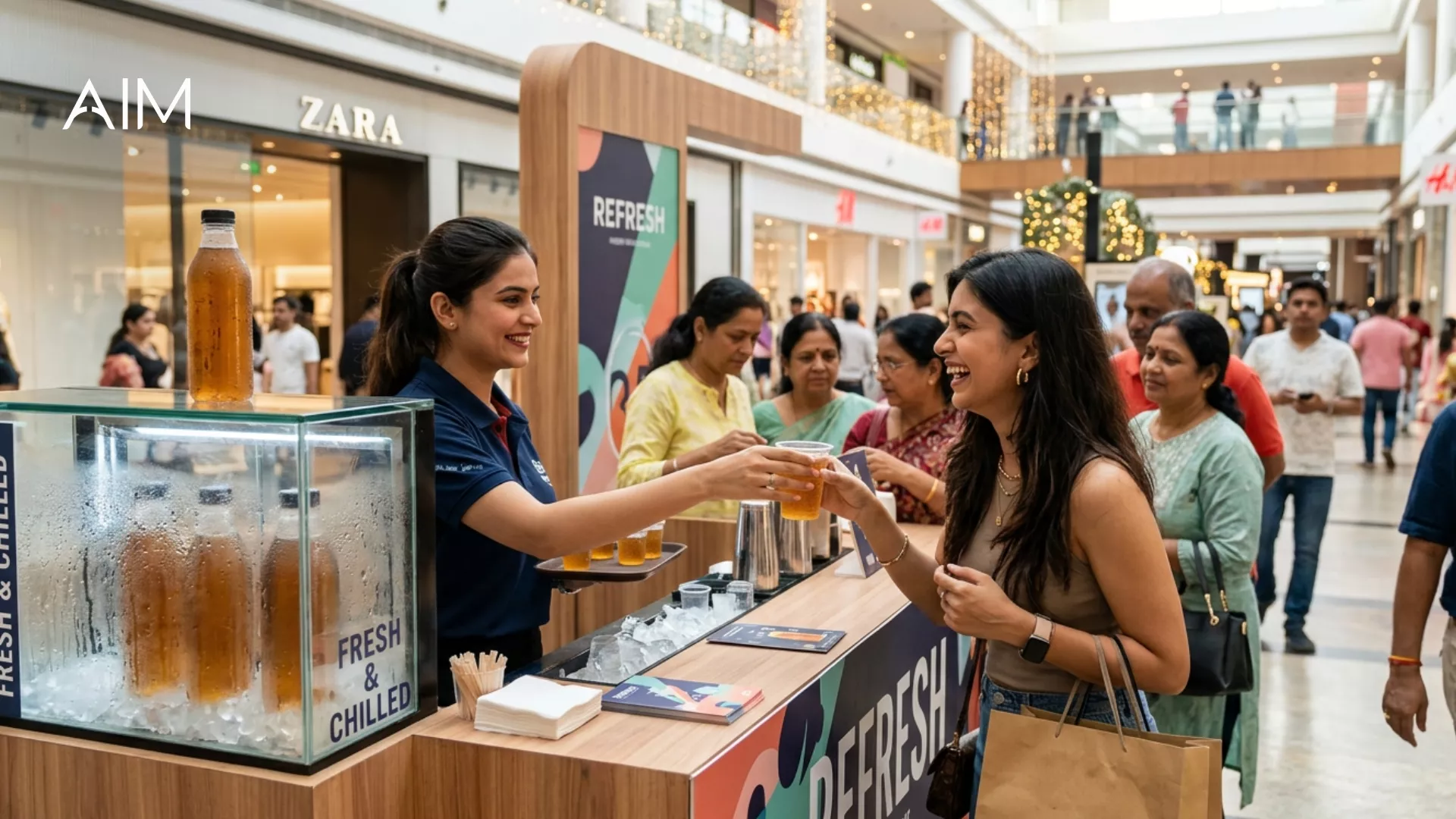
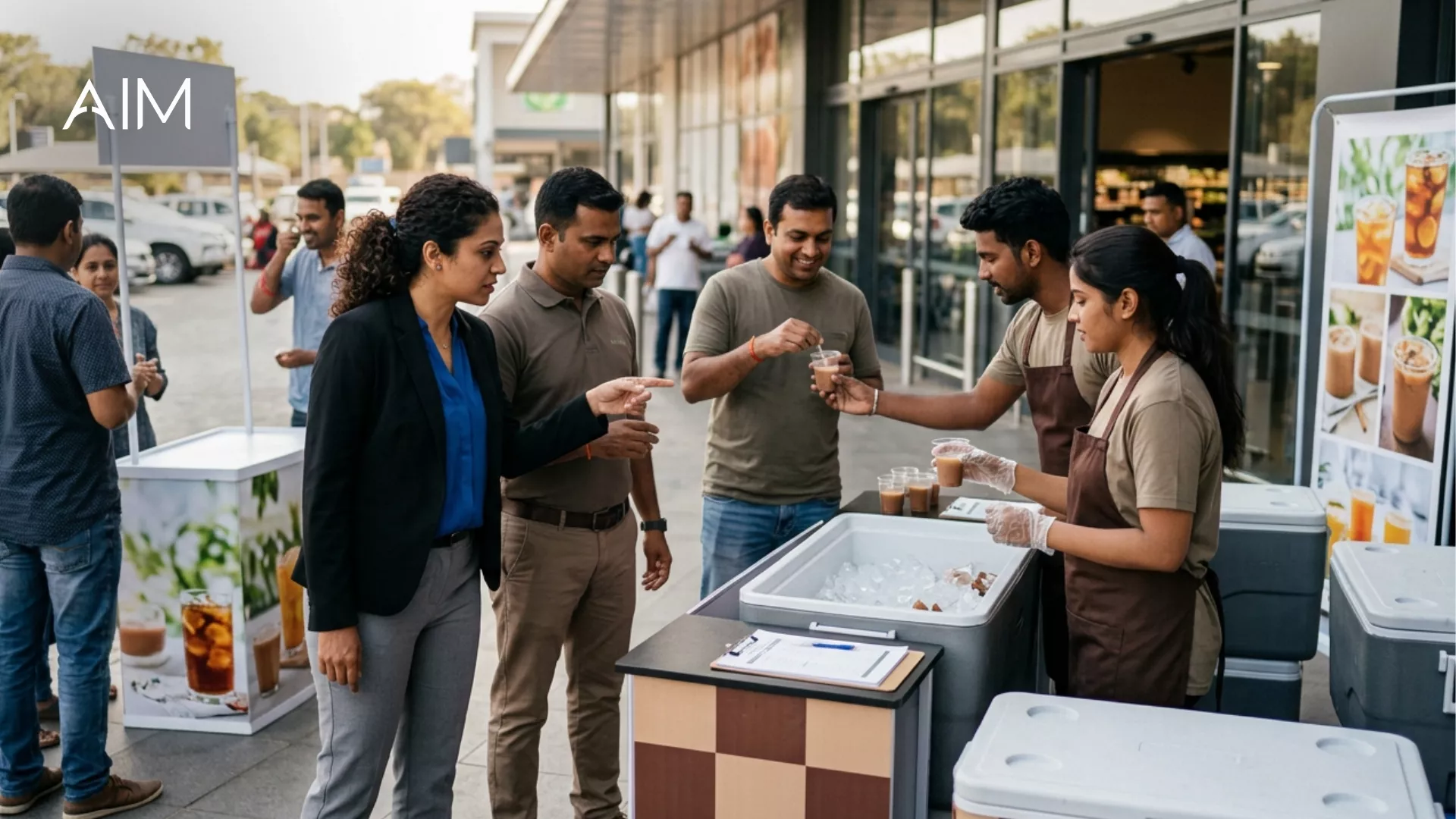
- Real cooling at the point of trial. Chillers, ice boxes, and a genuine cold source at the table, not a crate of bottles left in the sun with the samples warming beside the promoter. The cold has to be where the pour happens.
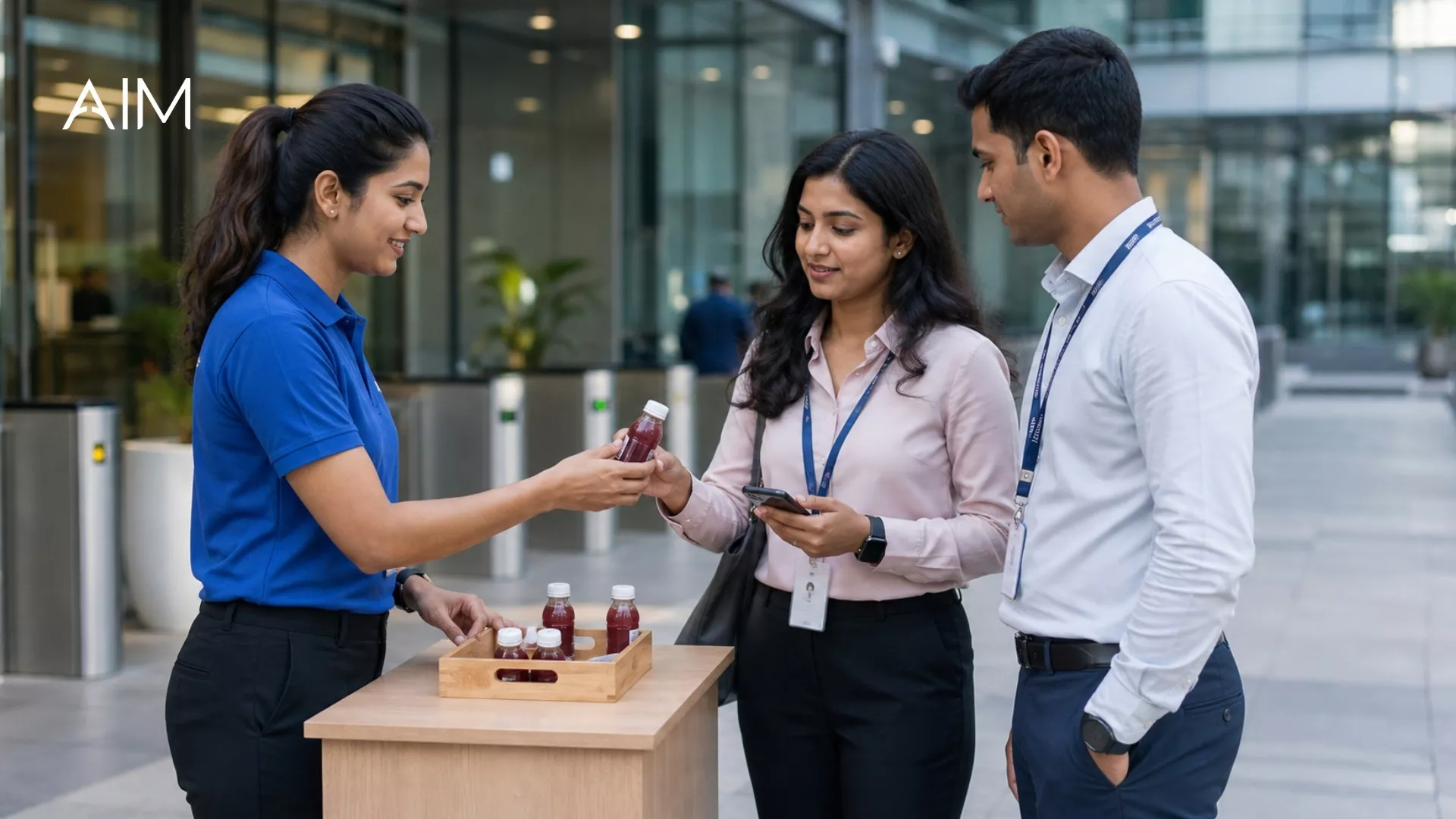
- Pour fresh, portion on the spot. Serve each sample the moment it is handed over rather than pre-pouring dozens of cups that go warm and flat while they wait. A fresh pour from a cold source is the whole point.
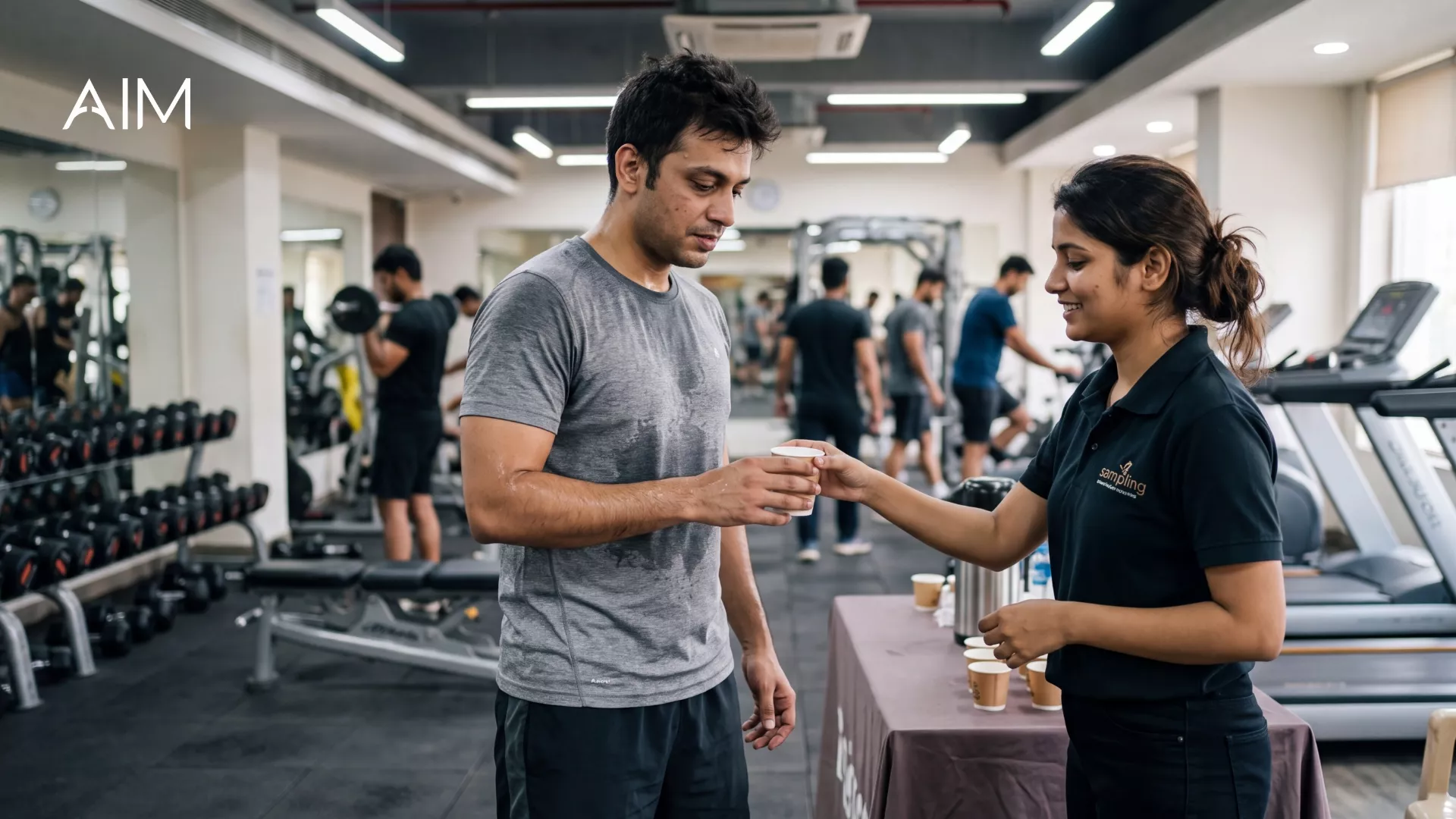
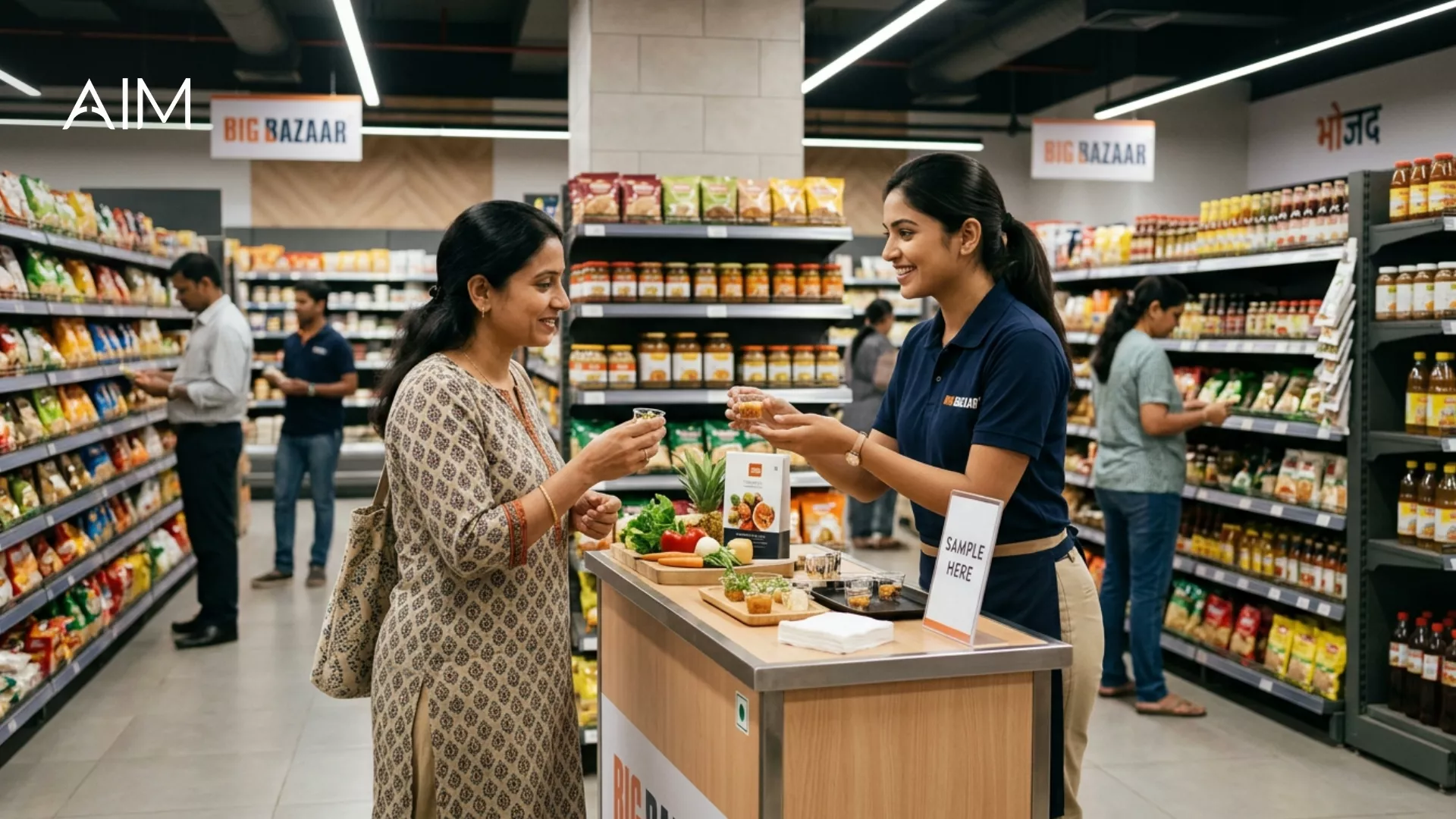
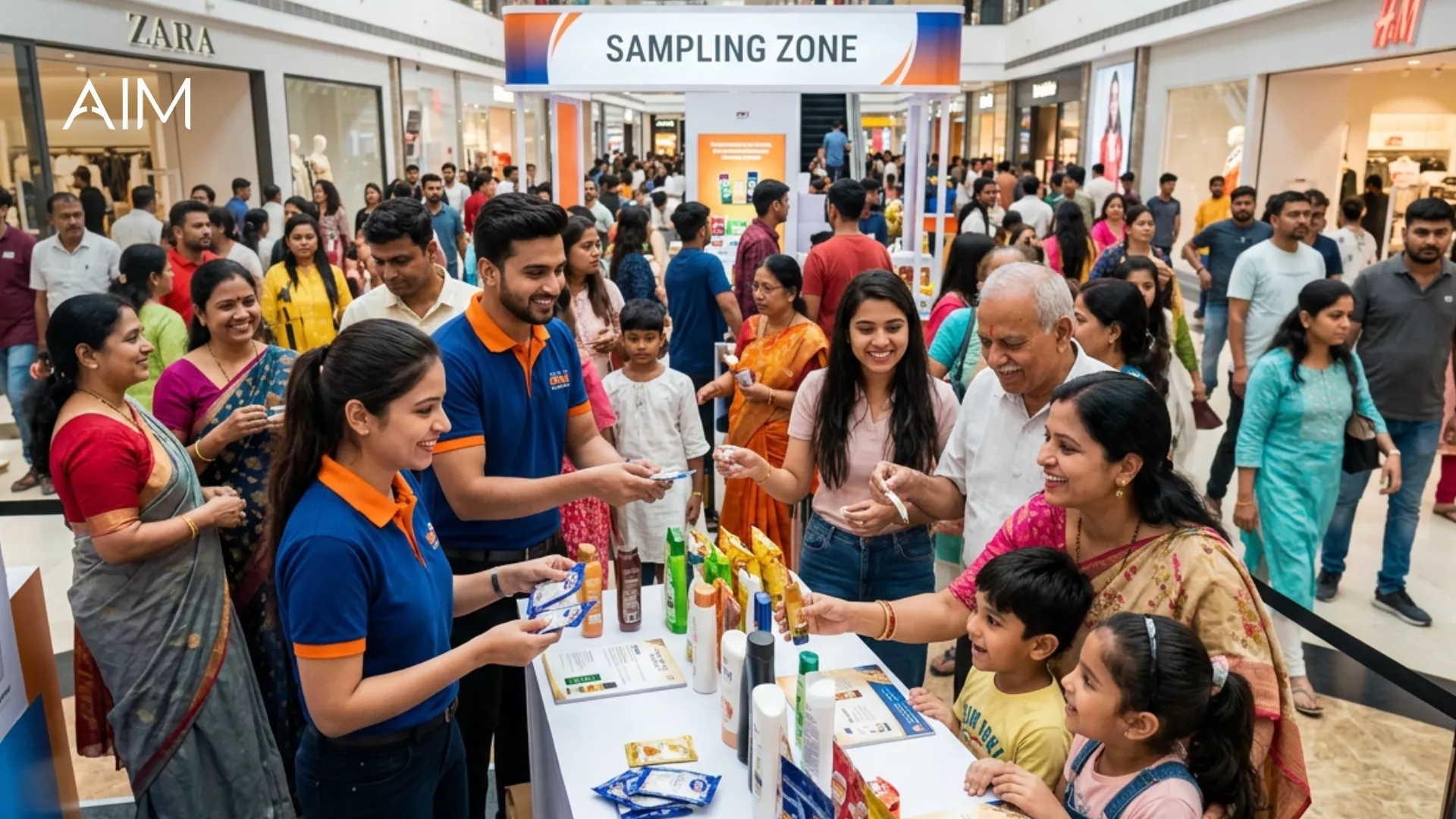
- Locations with power and cold access. Malls, gyms, modern trade, and organised spaces make temperature control far easier than an open gate. Where the drink is temperature-sensitive, the location choice is a taste decision, not only a footfall decision.
- Time-of-day planning. Avoid sampling a warm-sensitive drink at the peak of the afternoon heat if the setup cannot hold temperature. Matching the schedule to conditions protects the sip.
- The right format from a cold source. A can or bottle handed cold from a cooler often holds temperature and taste far better than an open cup, and it also travels with the buyer, which an open cup cannot.
Match temperature to the product's real moment
Temperature is not only about keeping cold drinks cold. It is about serving each product at the temperature that shows it at its best, which cuts both ways. A hot beverage, a soup, or a warm functional drink needs the opposite discipline, served genuinely hot, not lukewarm from a flask that has been open for an hour. A wellness shot or a functional drink may have its own ideal serving state. The principle is the same across all of them: find the temperature at which the product was designed to be enjoyed, and build the sampling operation around holding it, because that is the only state in which the sip tells the truth about the product.
The cost of getting it wrong
A beverage sample served at the wrong temperature is worse than a wasted sample, it is an actively harmful one. You have paid the full cost of the unit, the manpower, and the location, and in return you have manufactured a bad-taste verdict in the mind of exactly the buyer you were trying to win. That person now believes your drink does not taste good, and they will carry that belief past the shelf. It would have been cheaper to not sample them at all. This is why temperature is not a logistics footnote to be sorted out on the day. It is a decision that determines whether the entire campaign builds buyers or quietly destroys them. Treated seriously, temperature is planned in the brief, budgeted into the setup, and checked through the day, the same way a good campaign plans its locations and its capture, because a warm sample is not a small slip, it is the whole trial going wrong.
What to capture besides taste
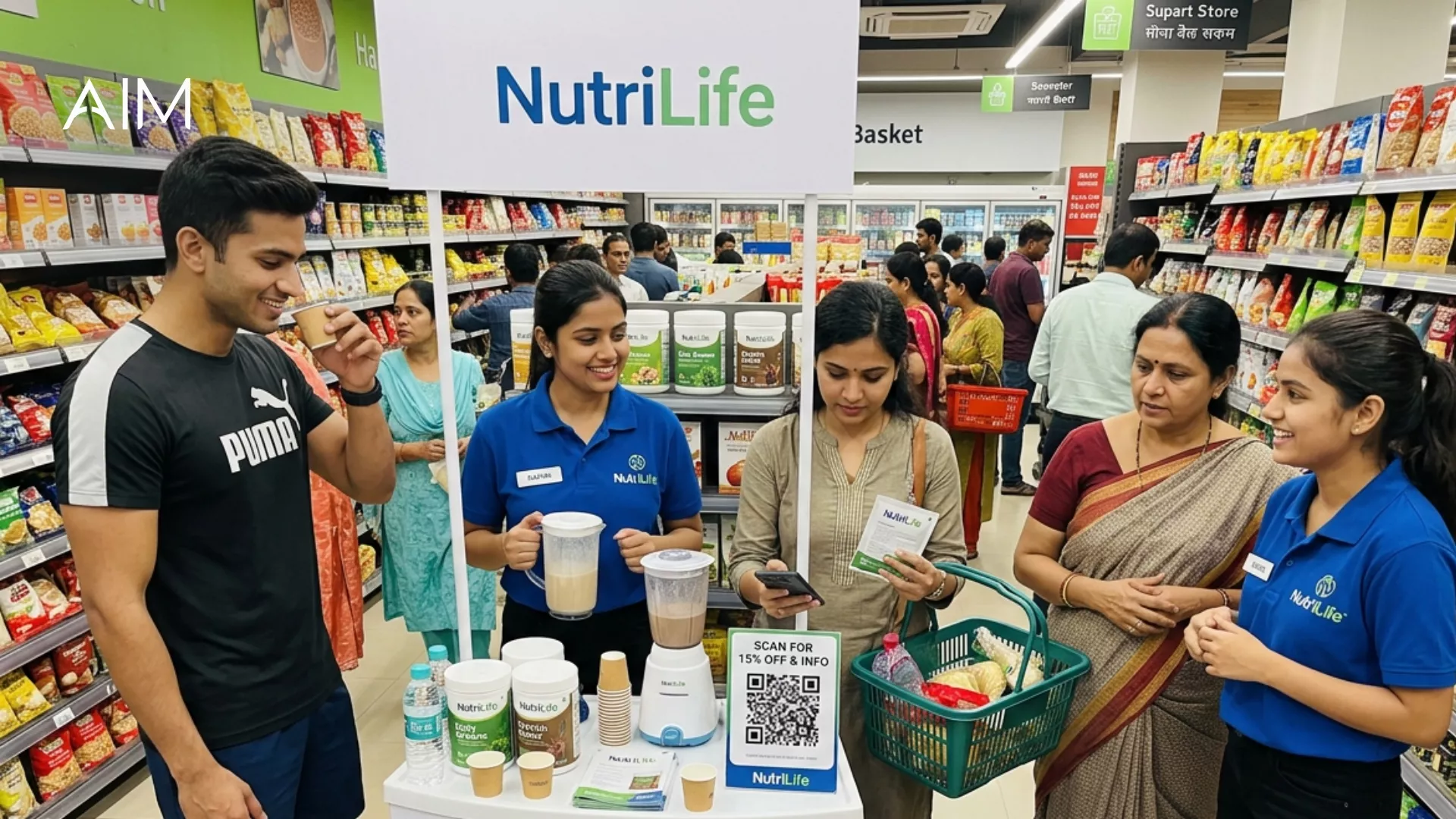
Getting temperature right earns the honest sip, but the sip alone is not a tracked buyer. Everything the category needs still applies: capture who tried the drink and liked it, tie the trial to a purchase with a code or a quick-commerce link, and follow who came back. Temperature is what makes the trial fair, the necessary condition for the sample to represent the product properly. Capture and tracking are what turn that fair trial into a measurable result. Do the first without the second and you have served a perfect sample to a stranger you will never hear from again. Beverage sampling needs both: the right sip, and a way to count who it converted.
Which drinks are most temperature-sensitive
Not every beverage is equally fragile, and knowing where the risk is highest helps you plan. Carbonated soft drinks are among the least forgiving, because warmth flattens the fizz and exposes the sweetness, so a warm cola is a genuinely different, worse drink. Cold coffees and iced teas are close behind, since melting ice dilutes them and lukewarm serving makes them taste thin. Freshly squeezed and dairy-based drinks add a safety dimension, because heat does not only hurt the taste, it can spoil the product, which is a far bigger problem than a bad sip. Plain water and shelf-stable drinks meant to be had at room temperature are the easy cases. The more a product depends on being cold to taste right, and the more perishable it is, the more the entire sampling plan has to be built around holding temperature, rather than treating it as something to sort out on the day.
At AIM beverage product sampling, the product is served at the temperature it was built for, with real cooling and fresh pours at the point of trial, in locations and at times that protect the sip, and every trial captured and tracked to a purchase. Done this way, beverage sampling lets the drink do what it does best, win people over in a single honest sip. Done without regard for temperature, it pays full price to convince buyers the product is not for them. In this category, the temperature is not a detail around the campaign. It is the campaign.





.webp)






.png)