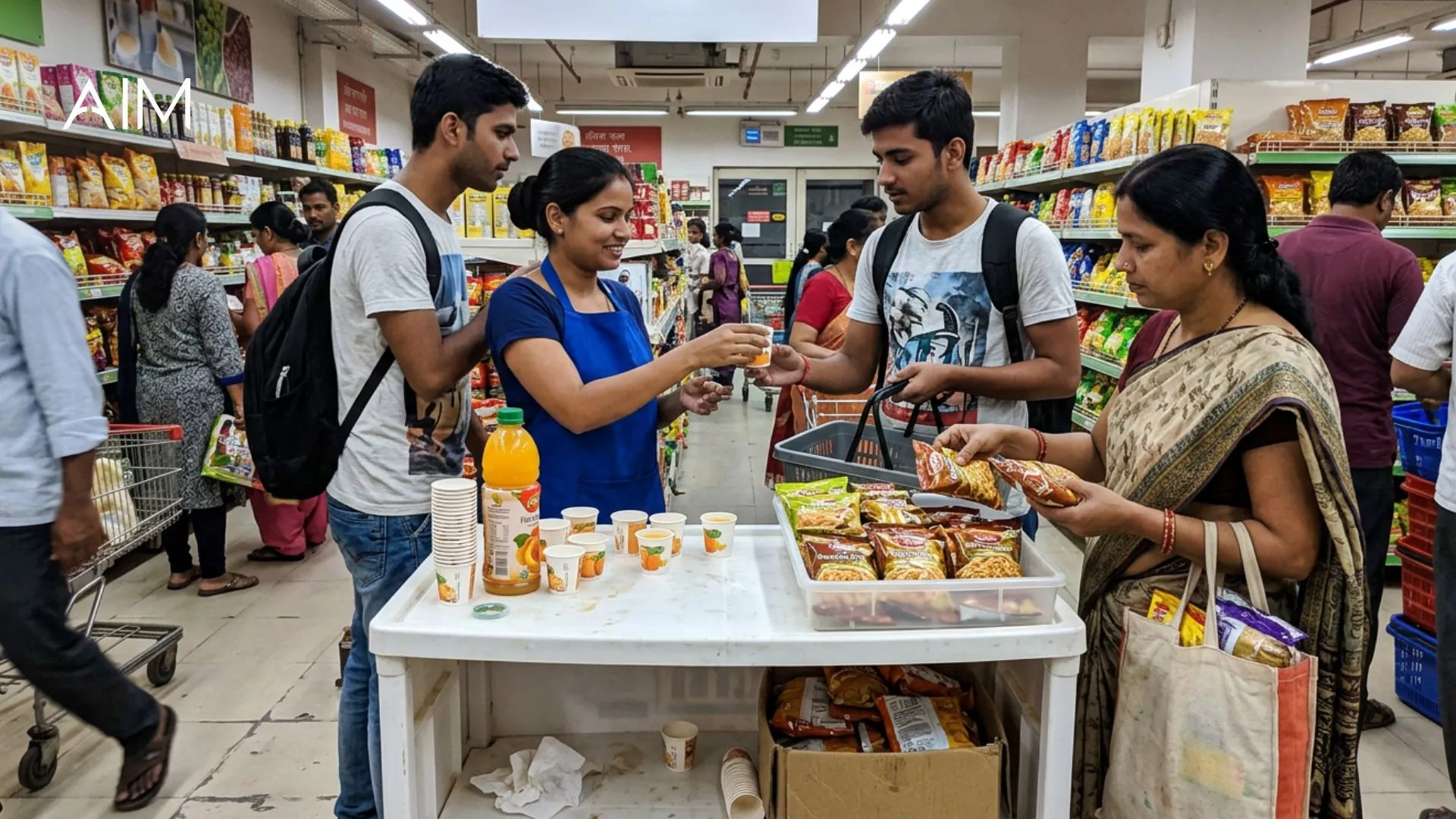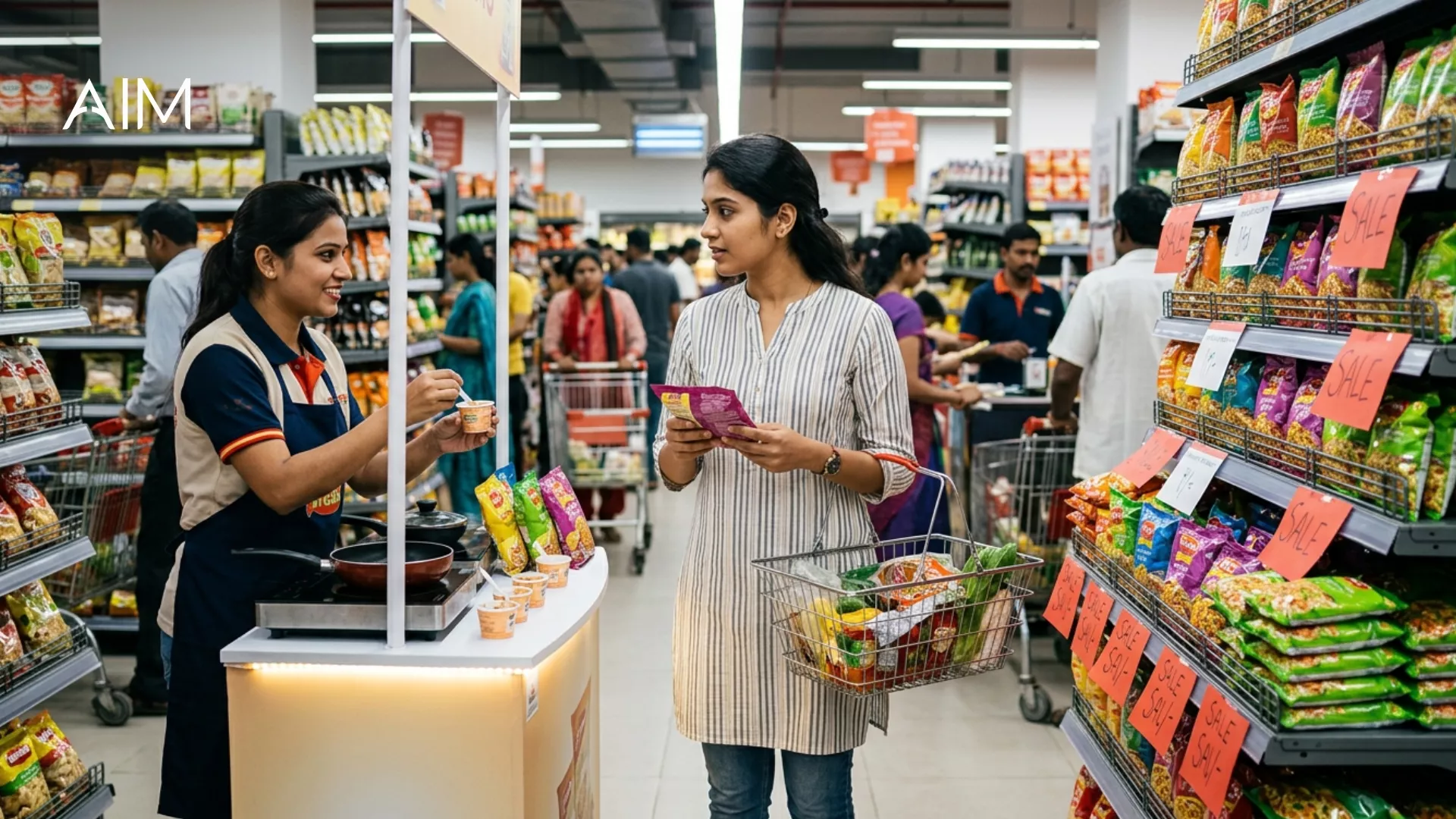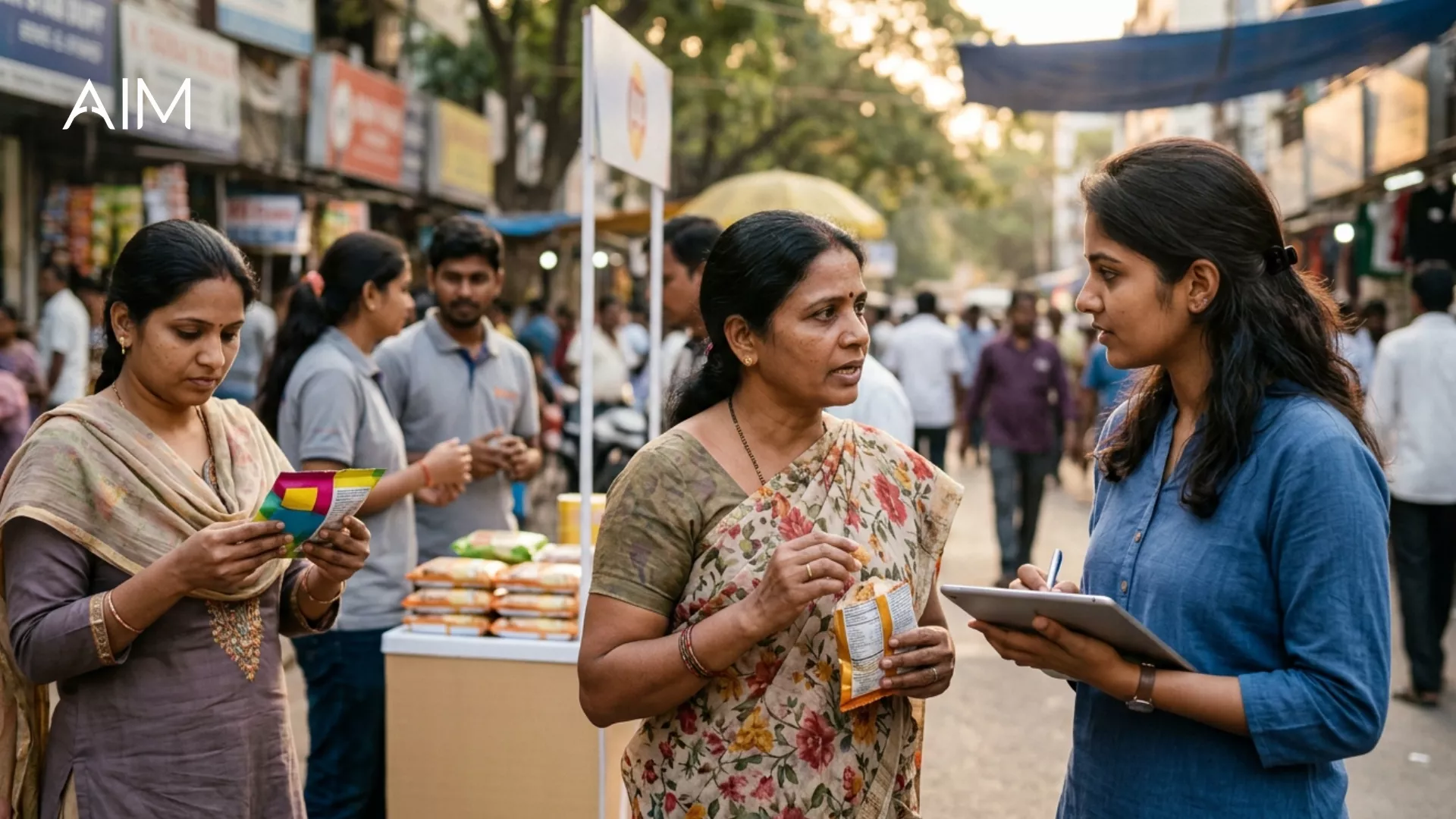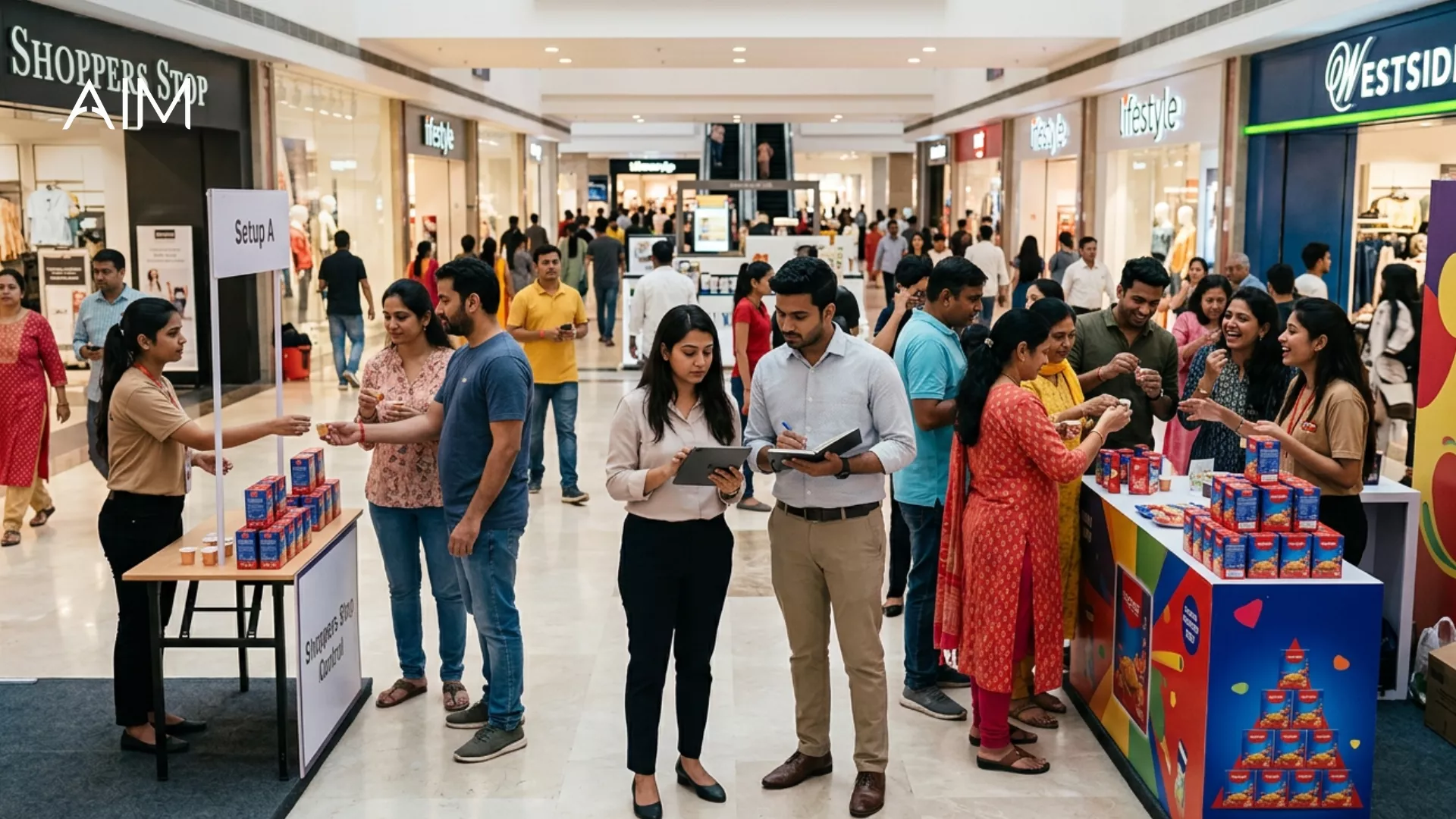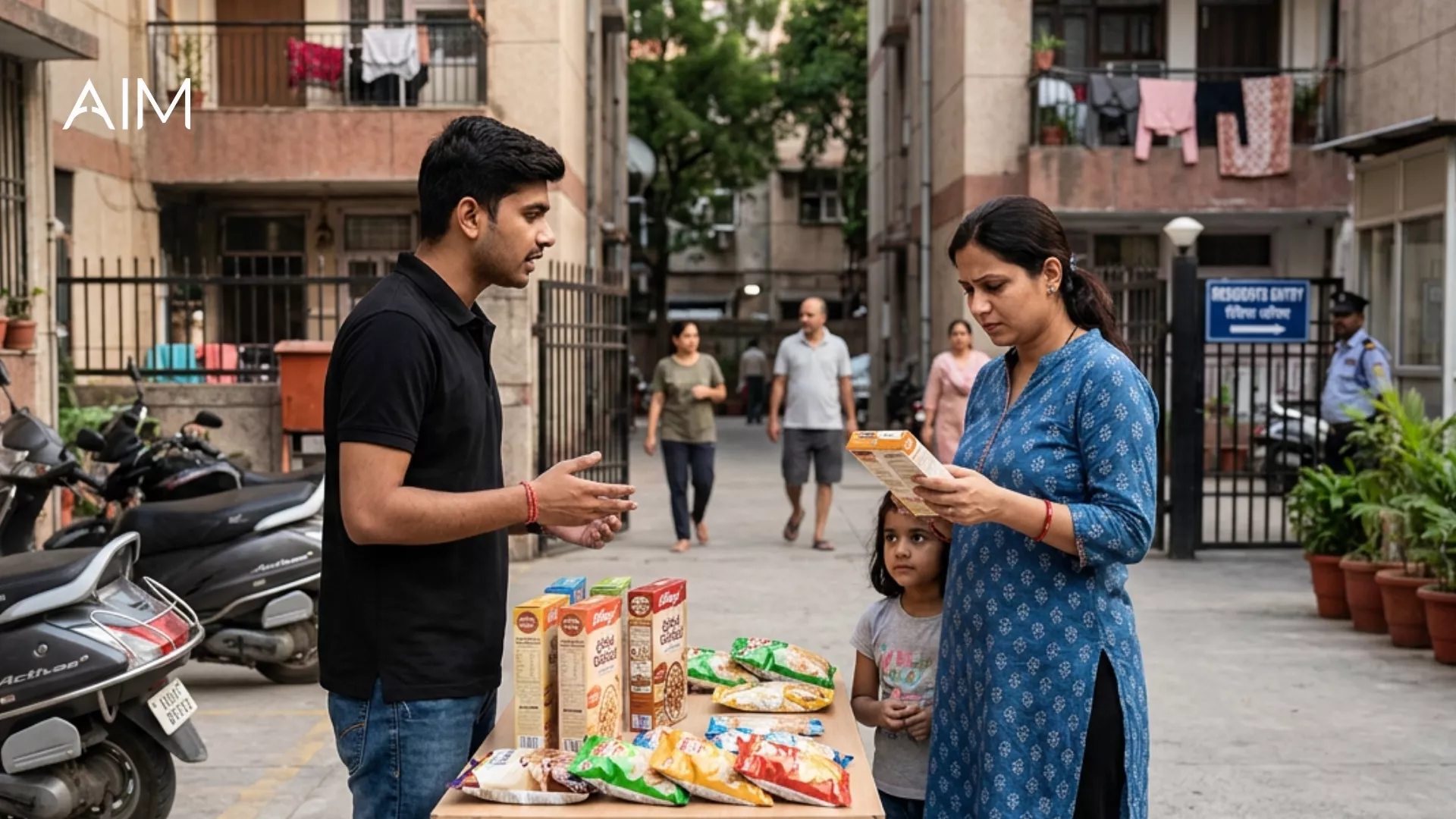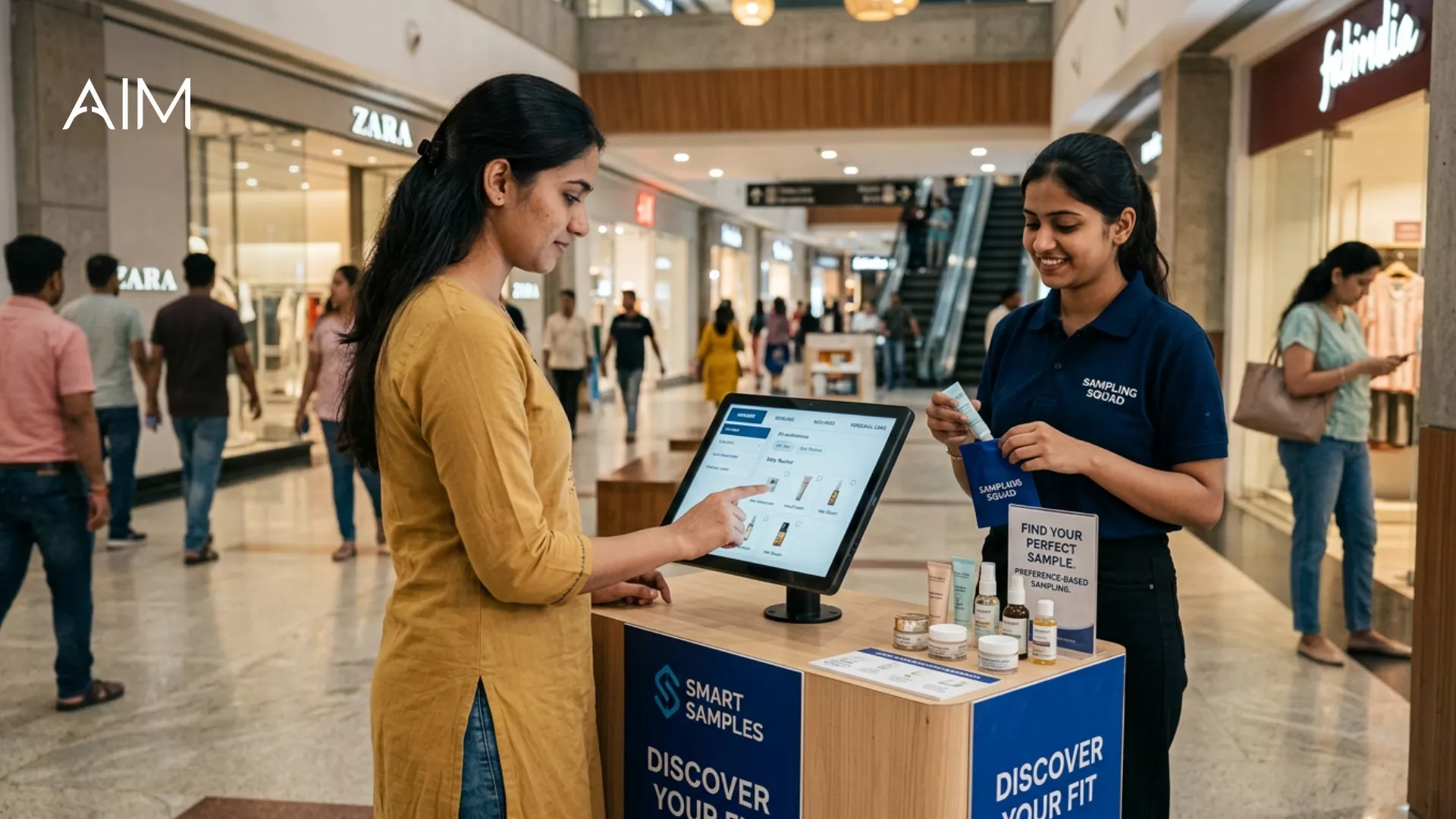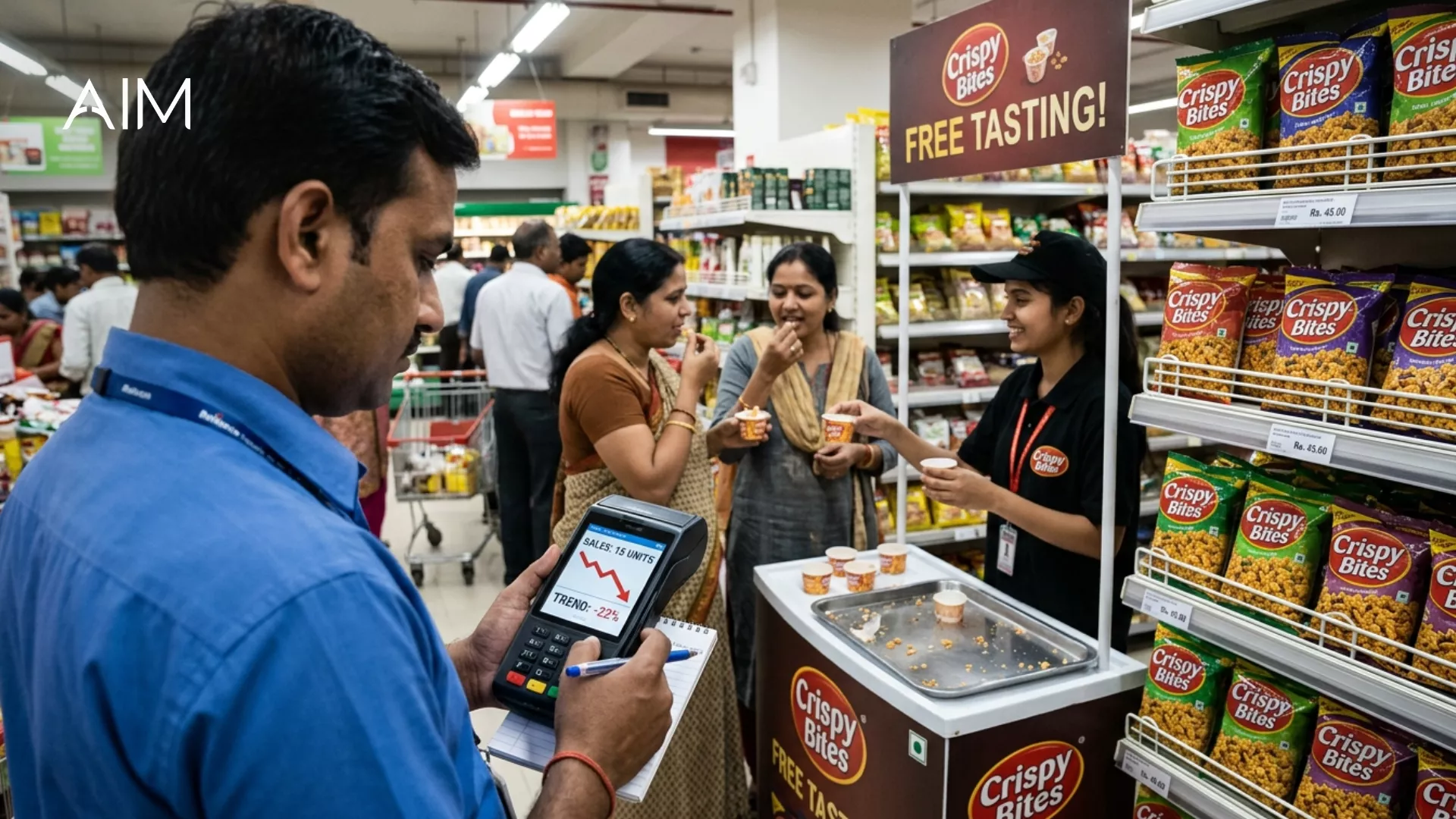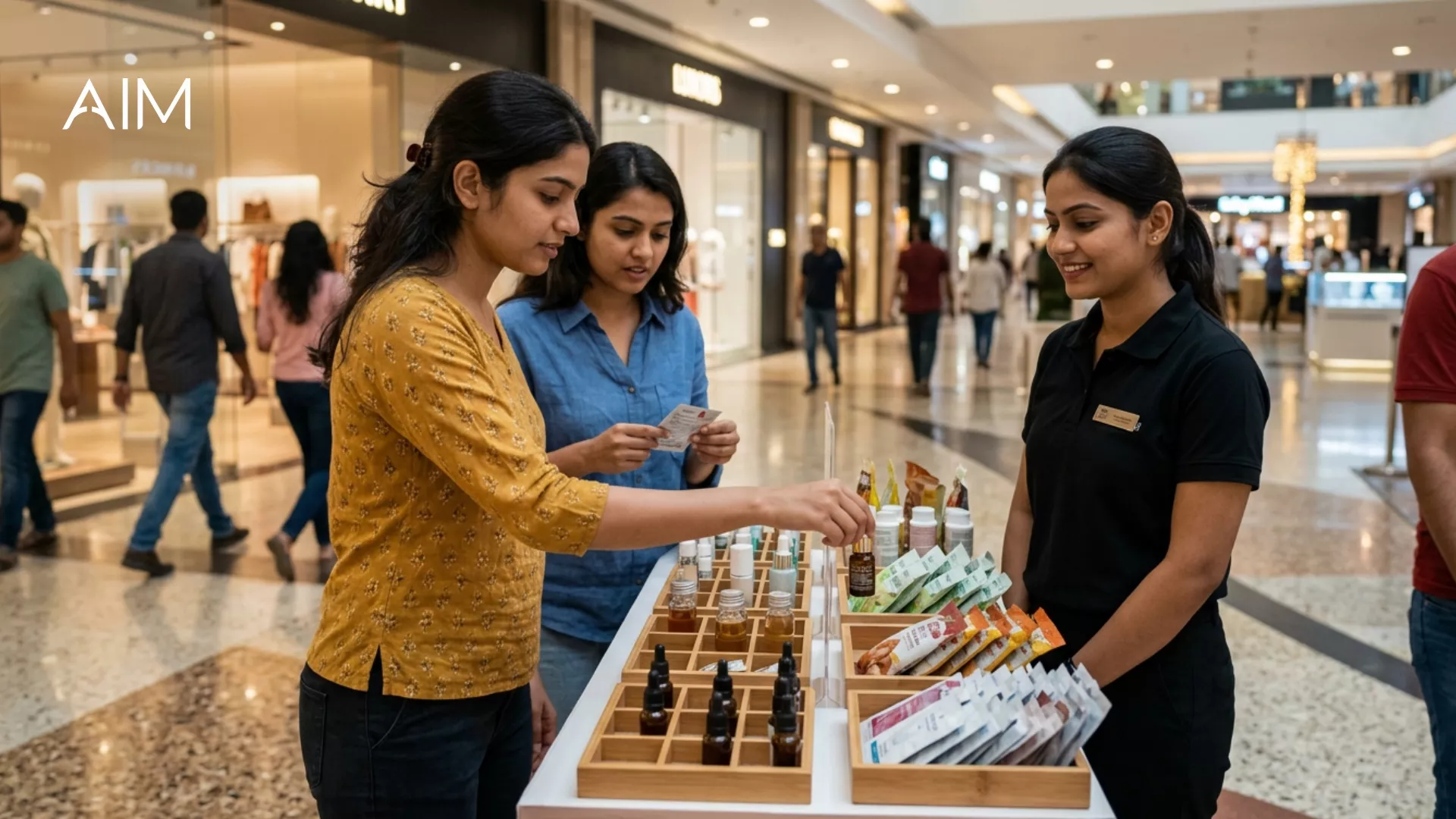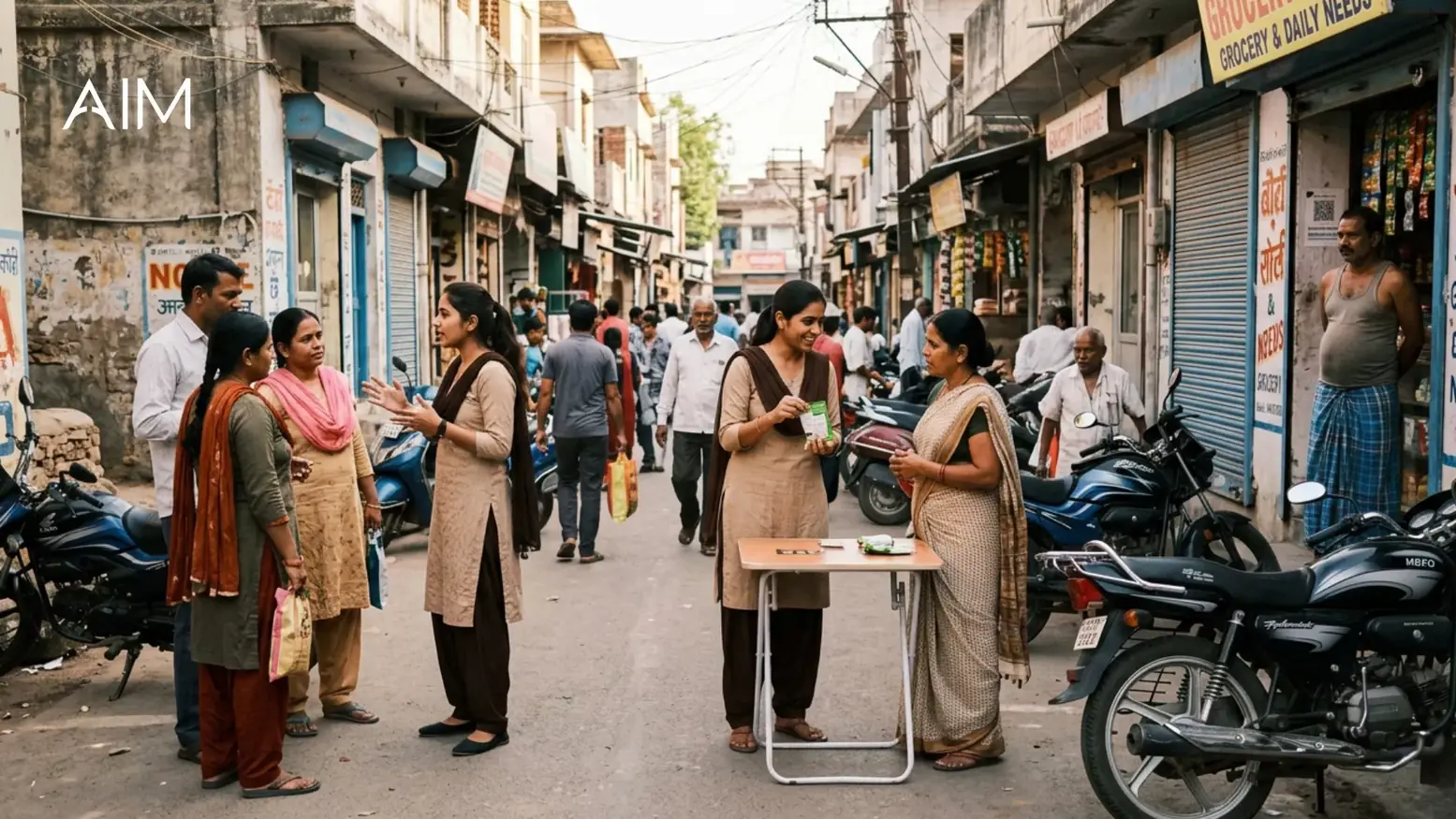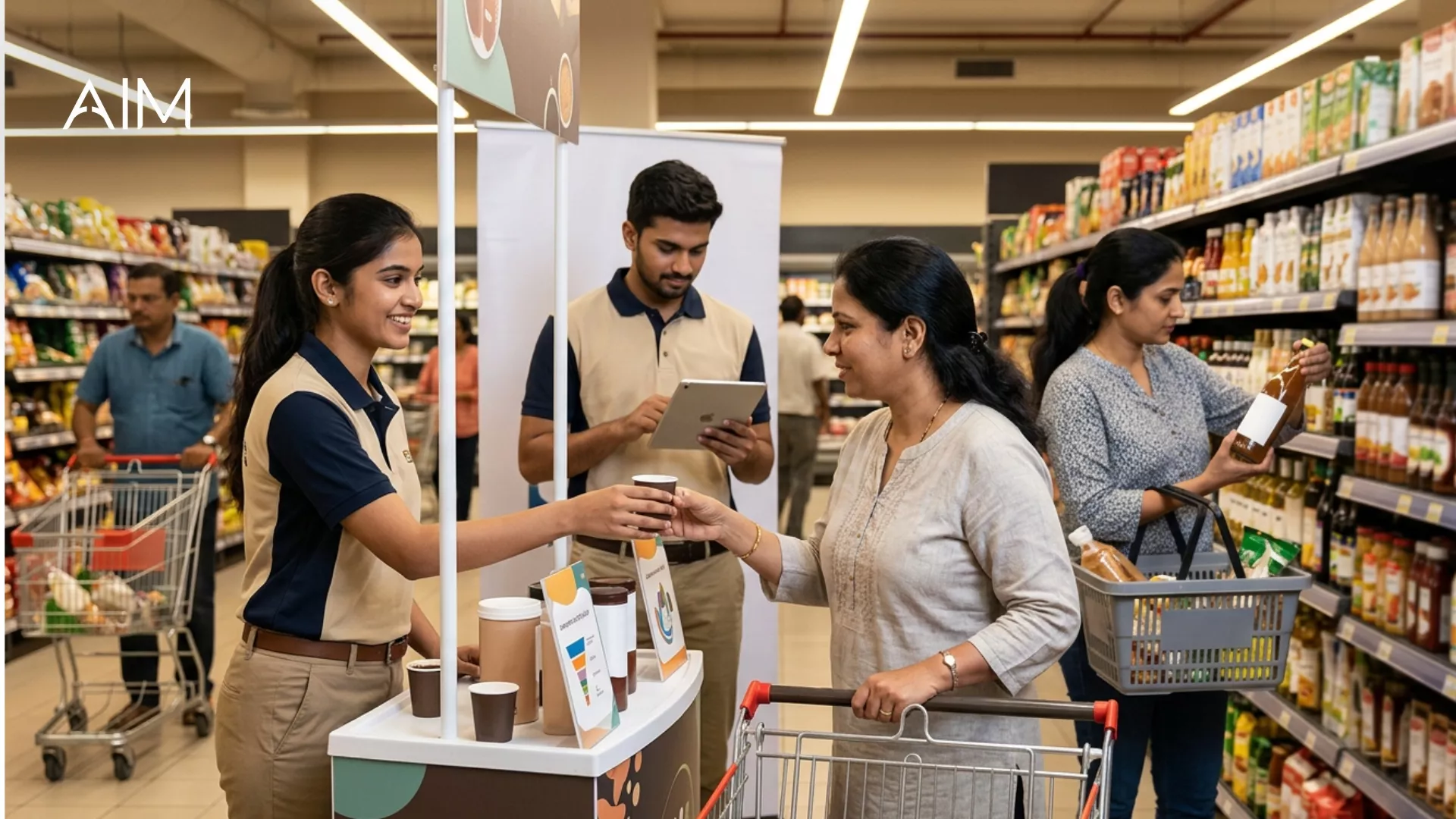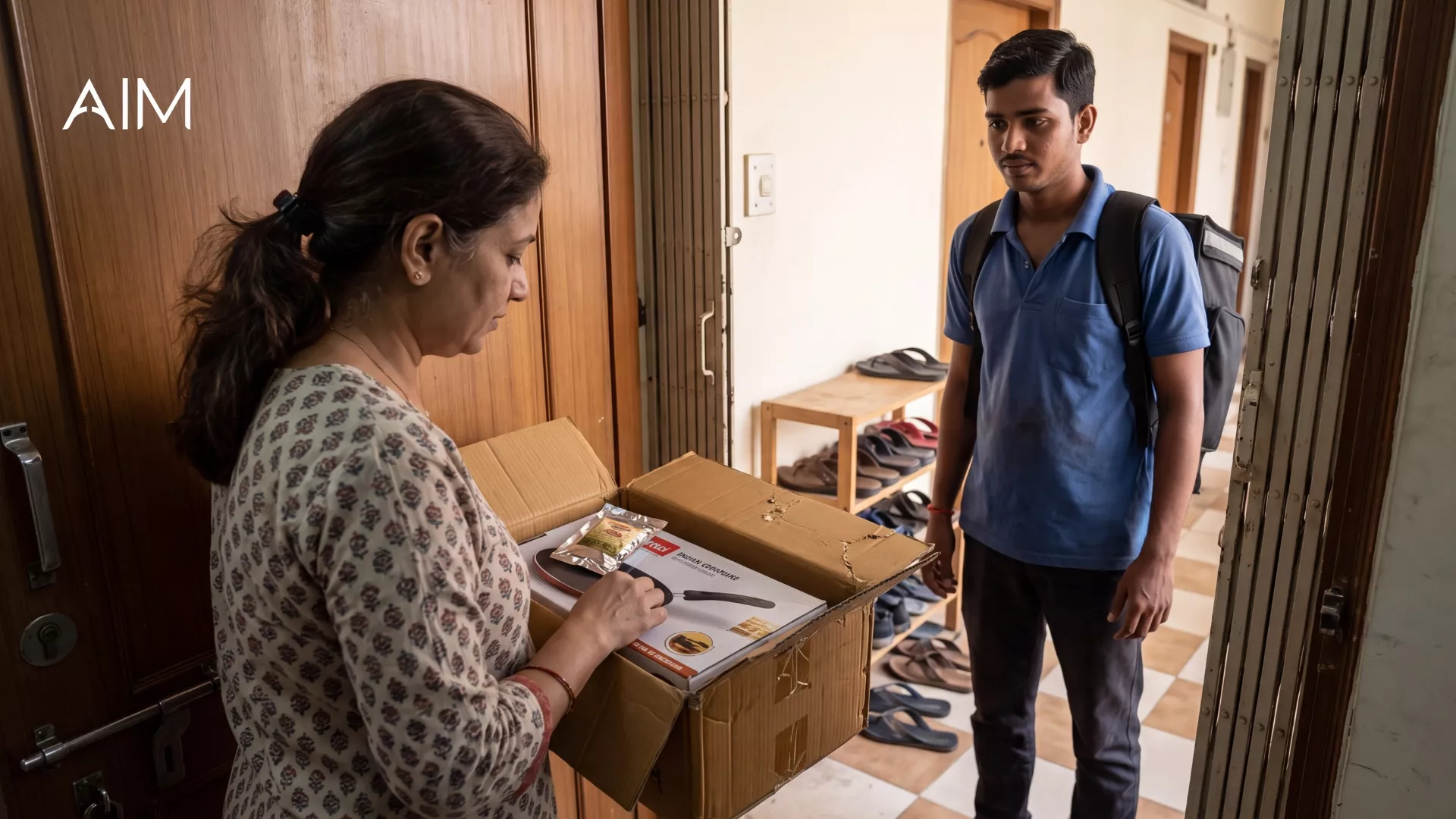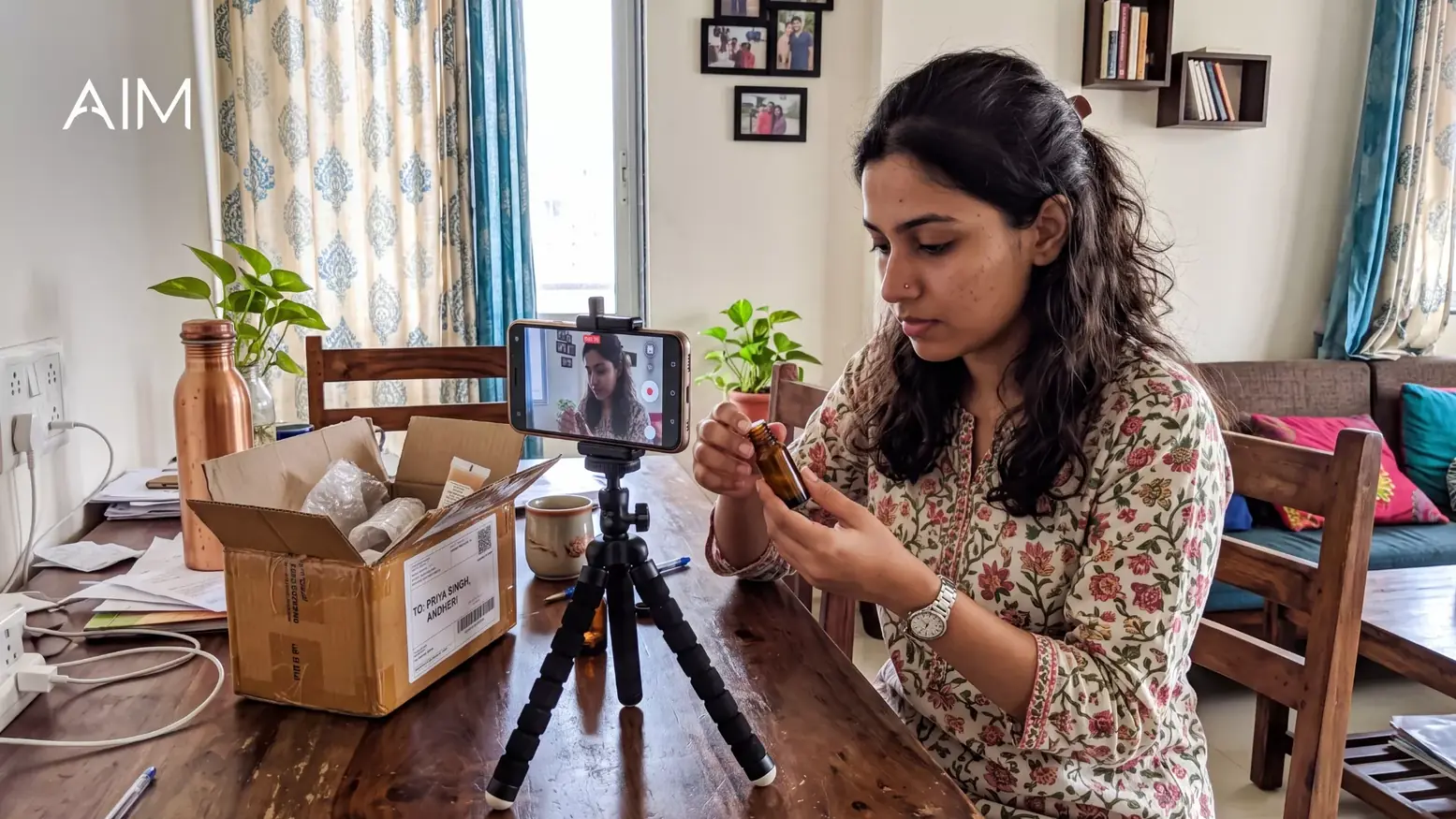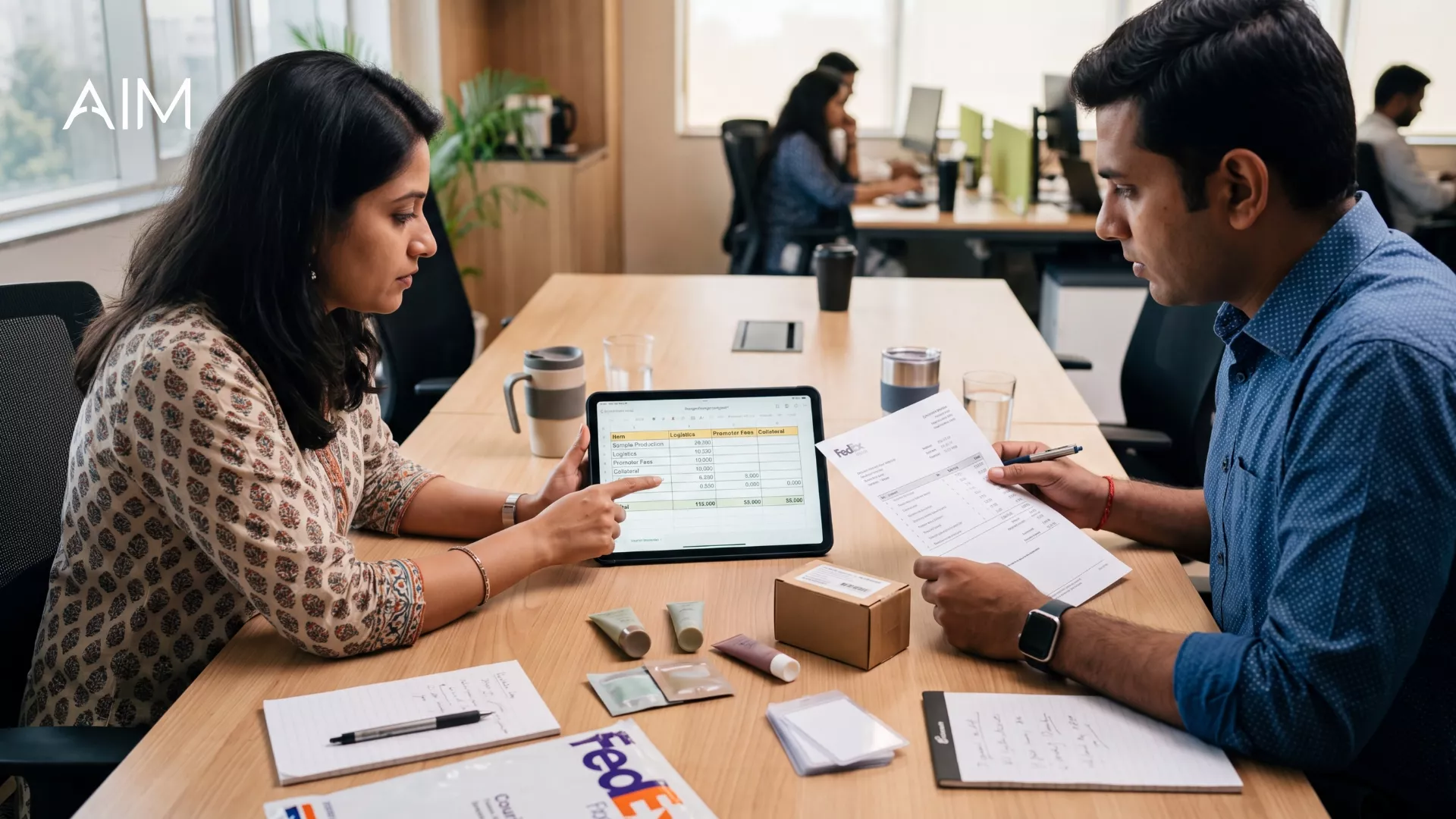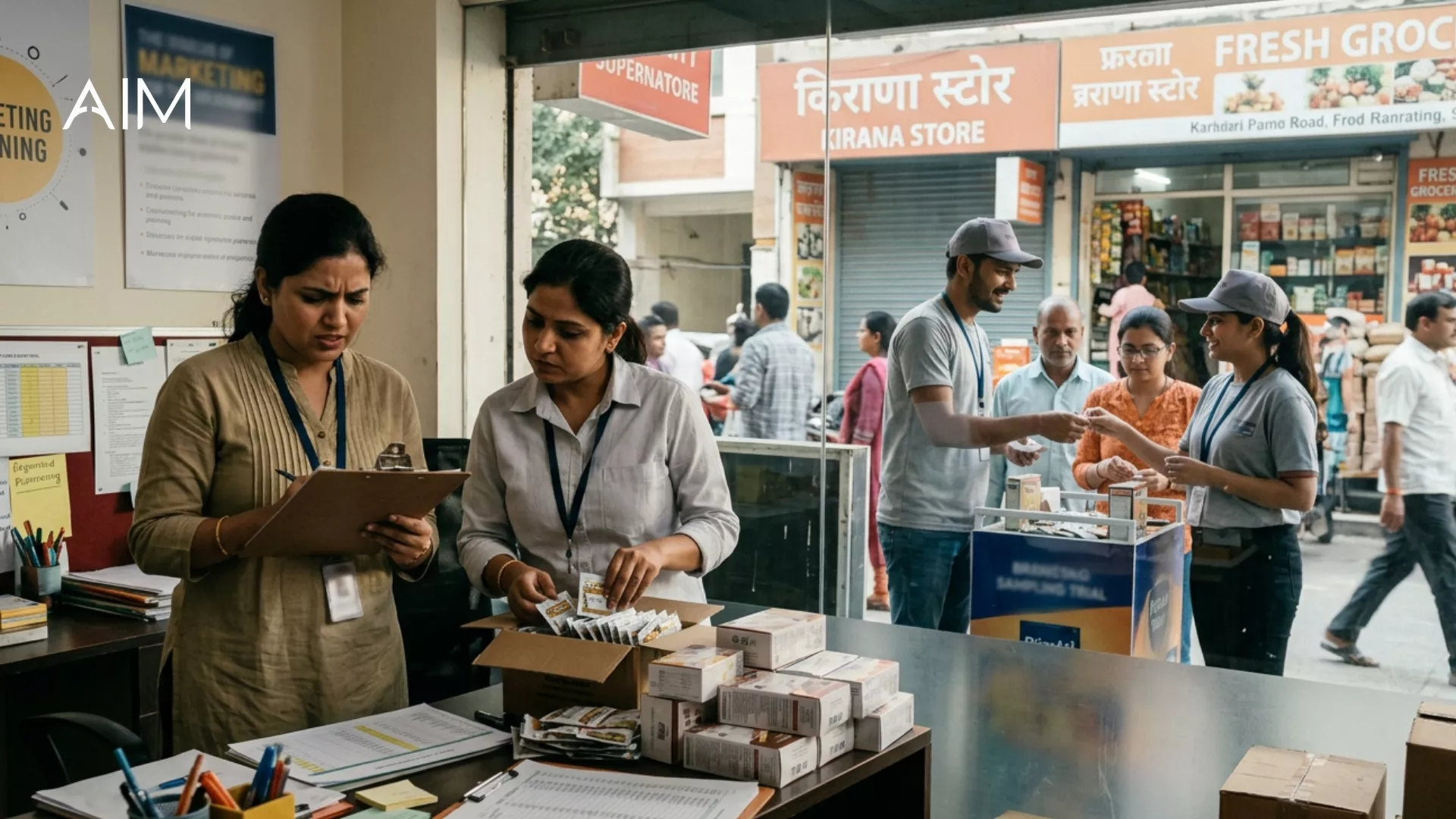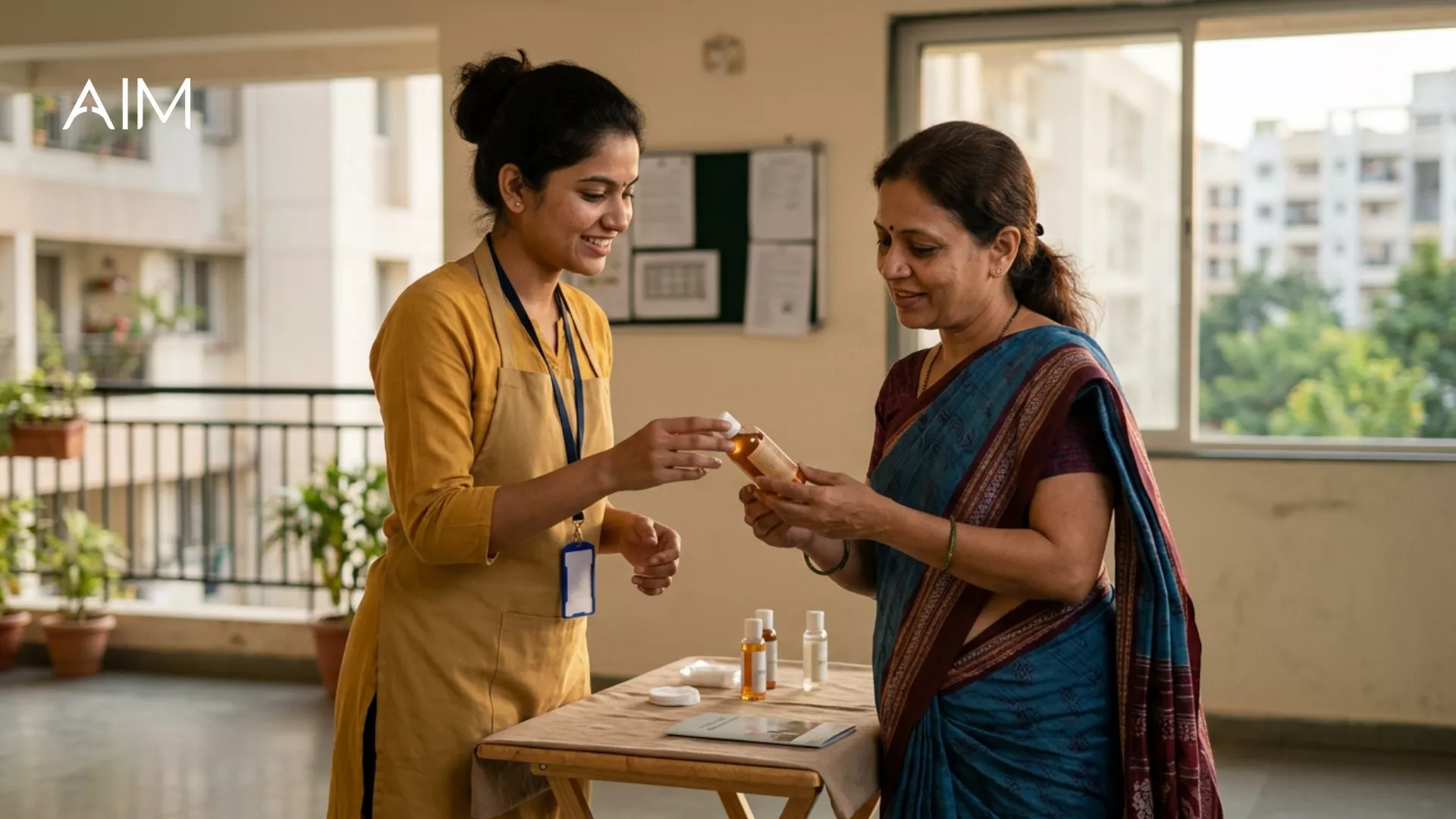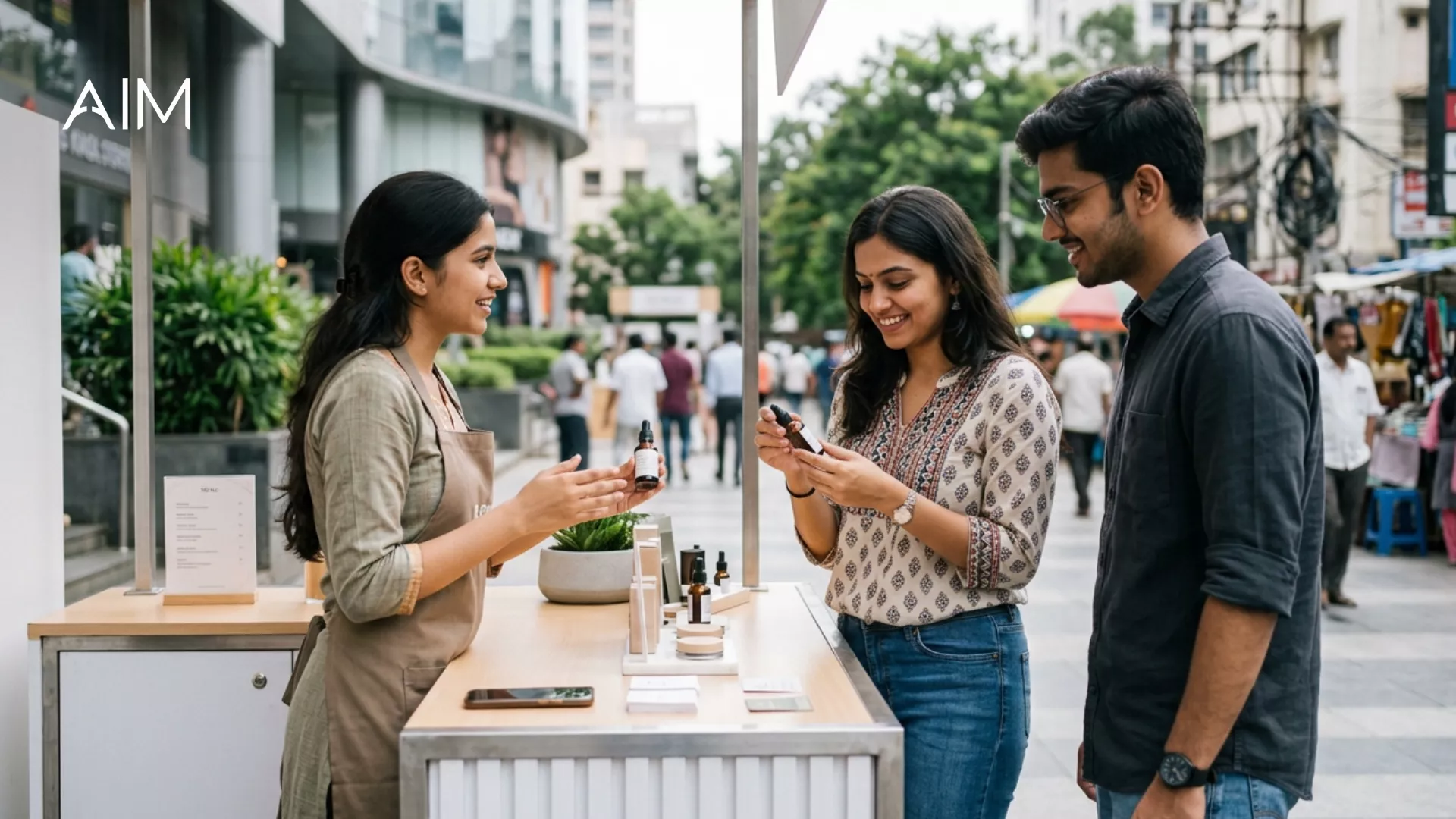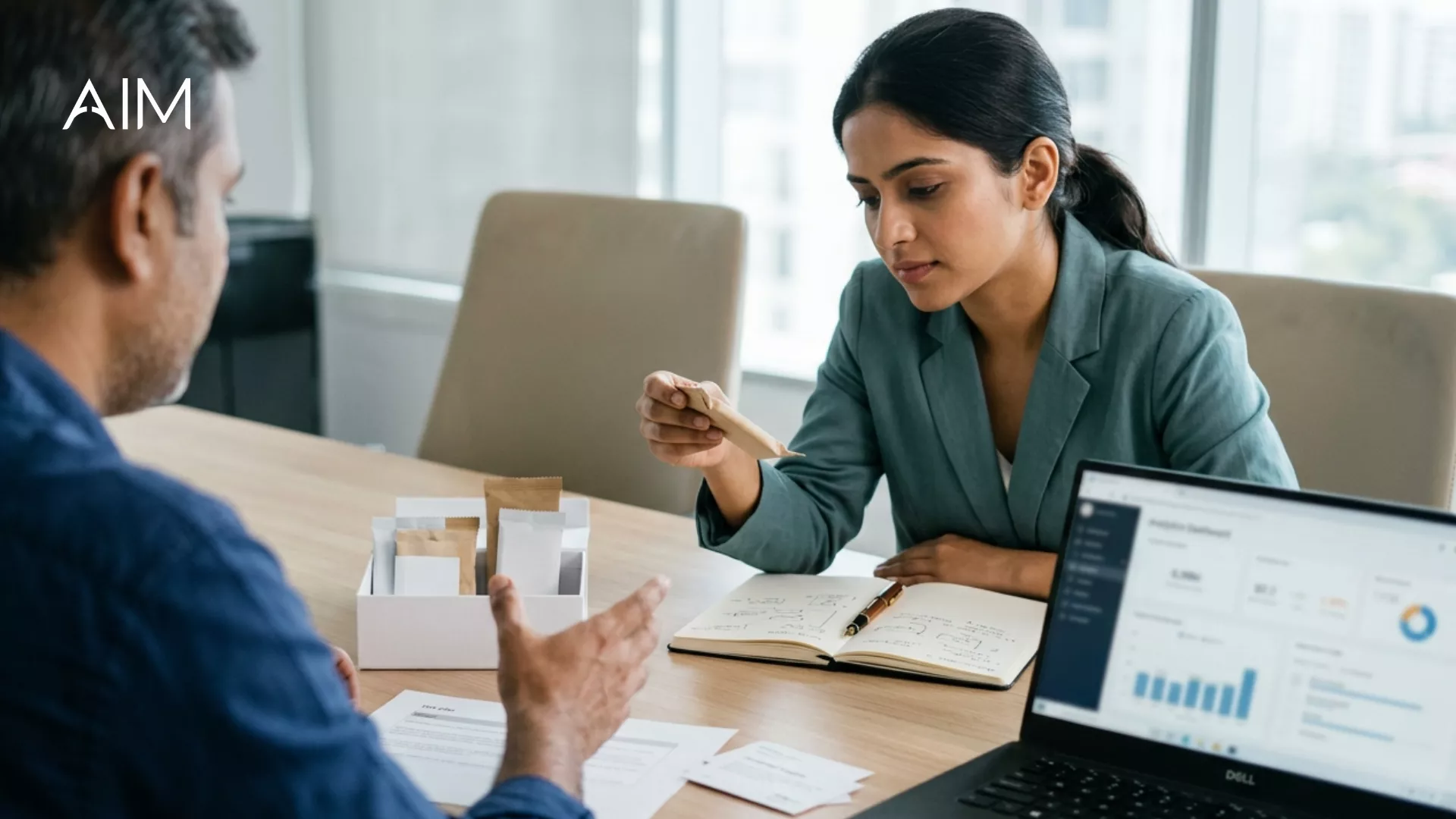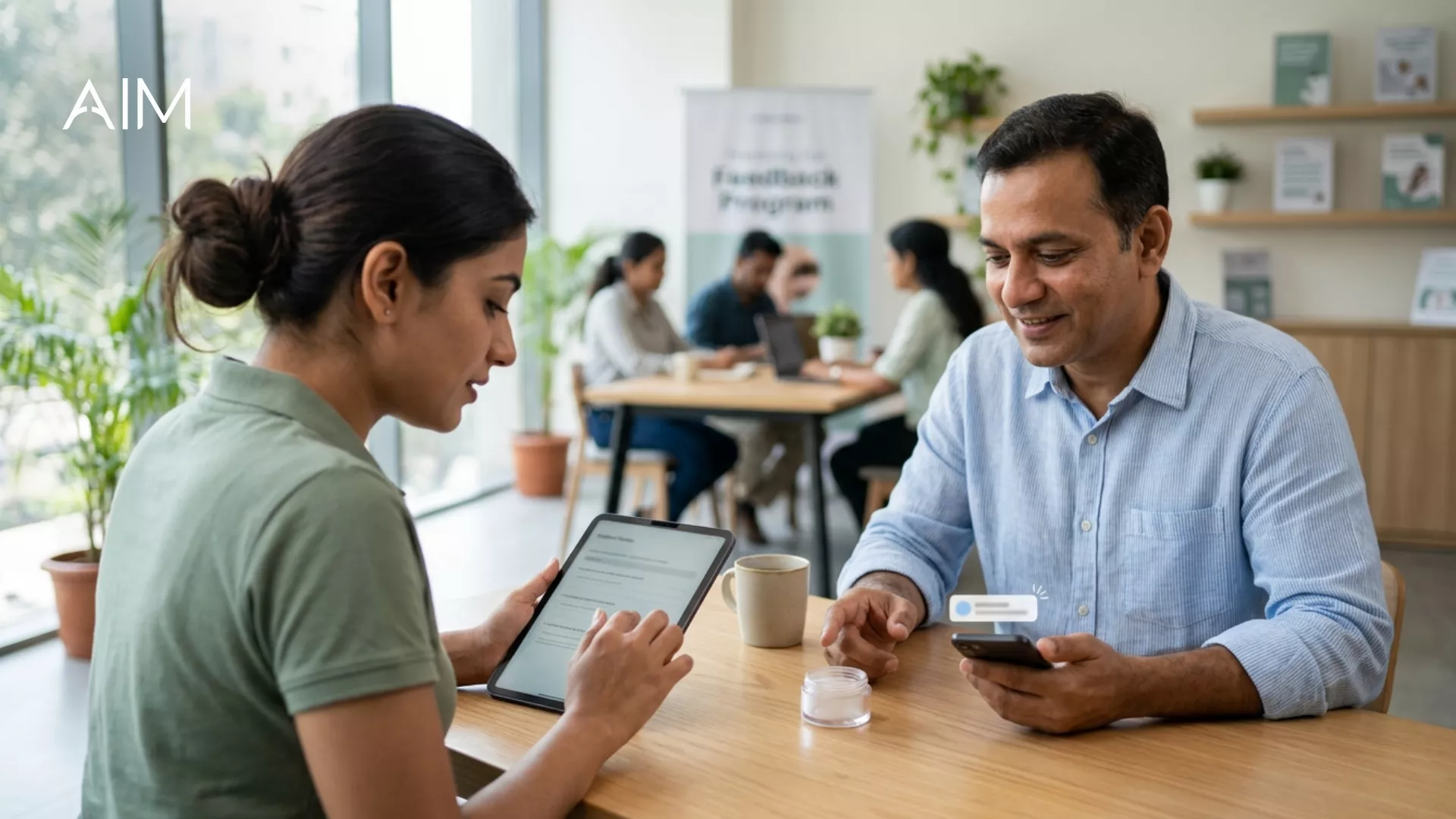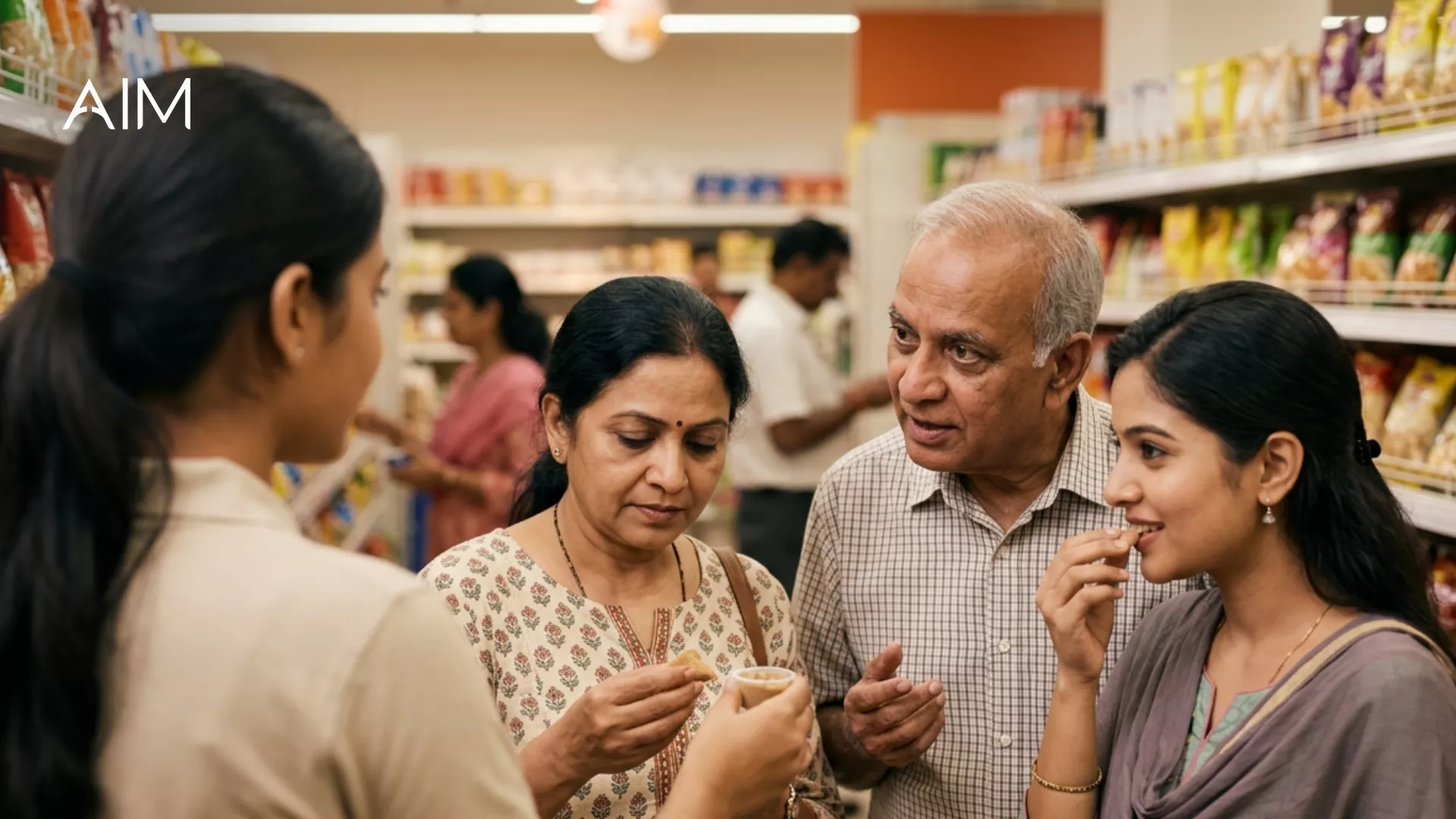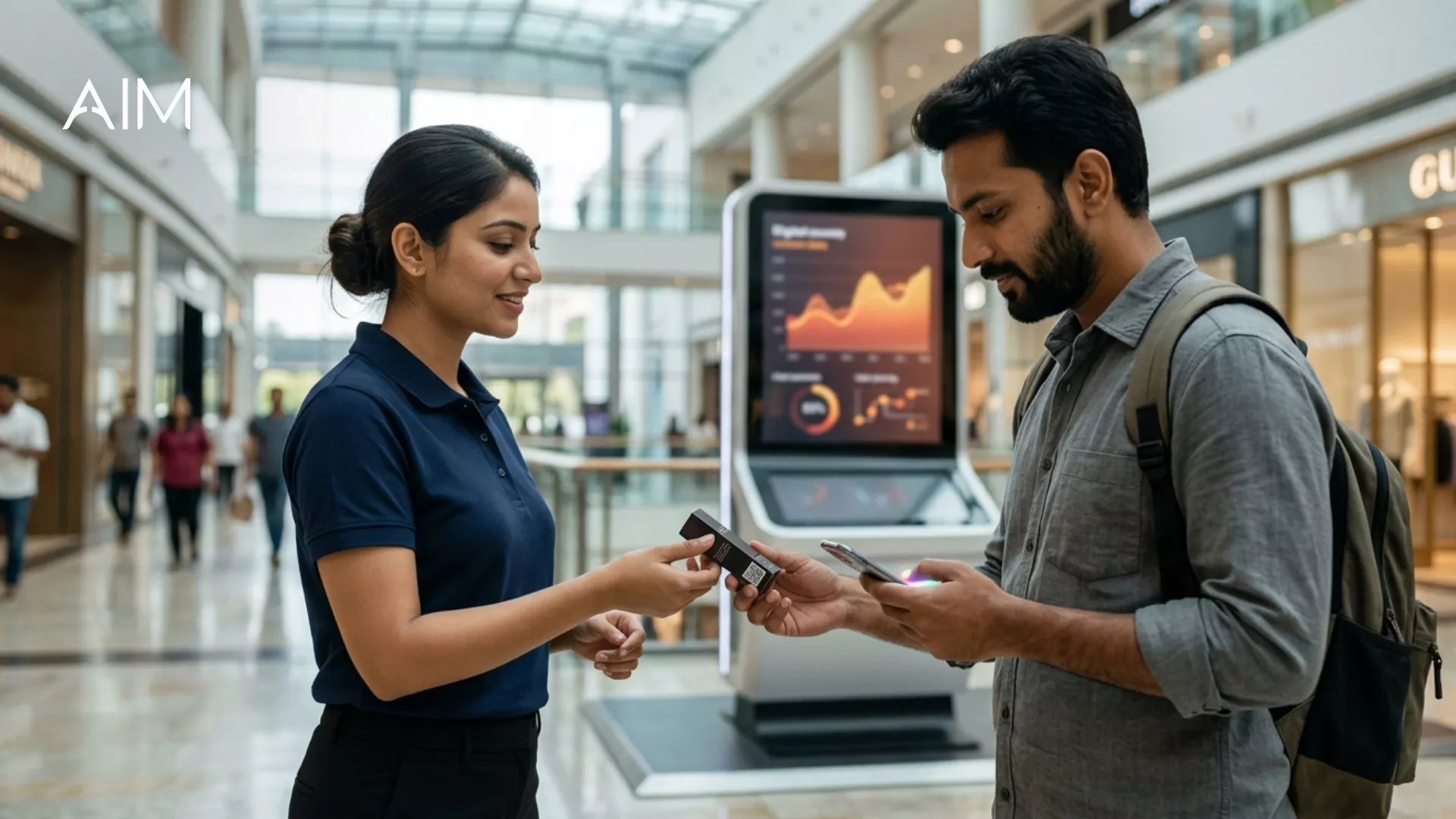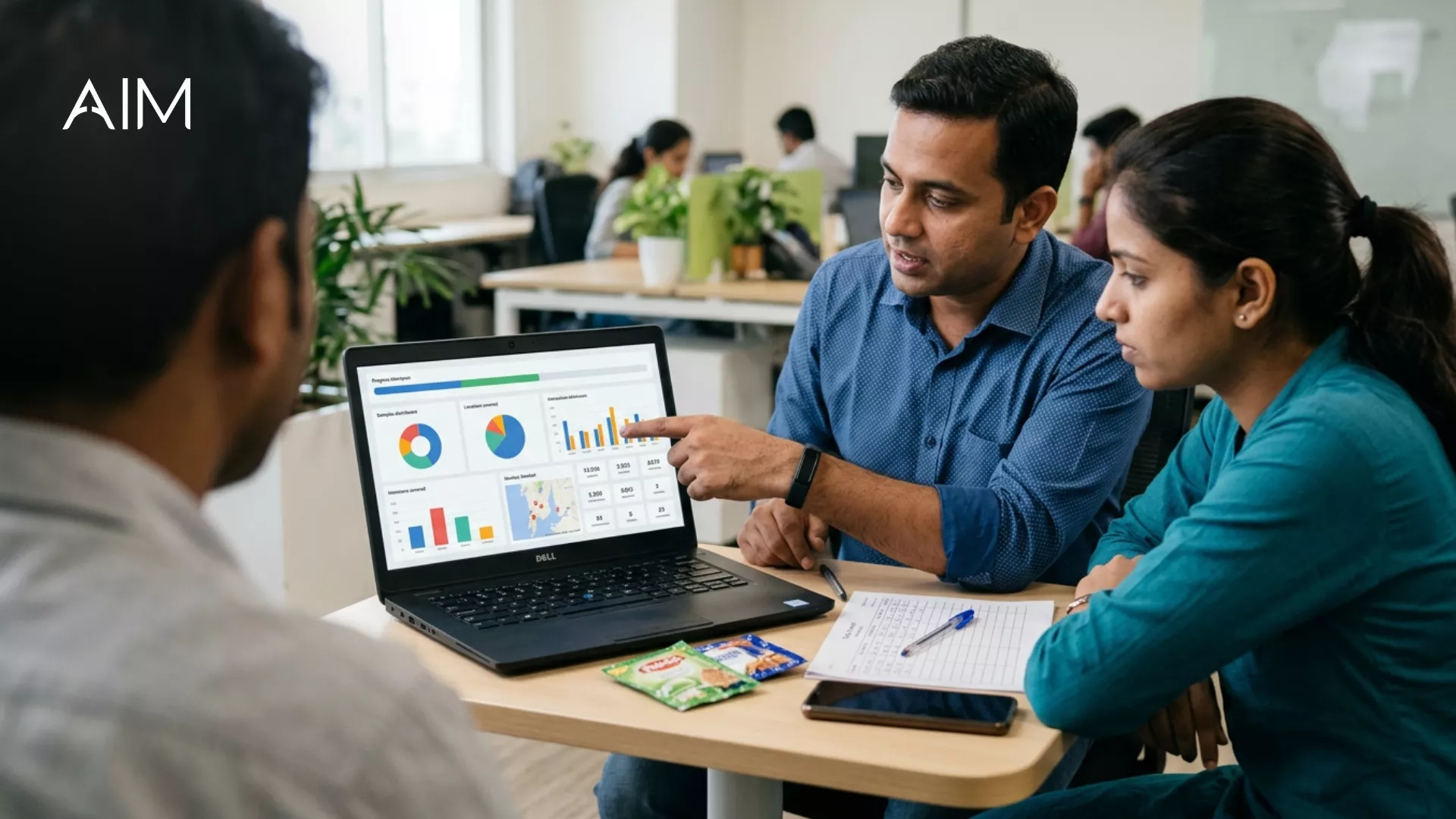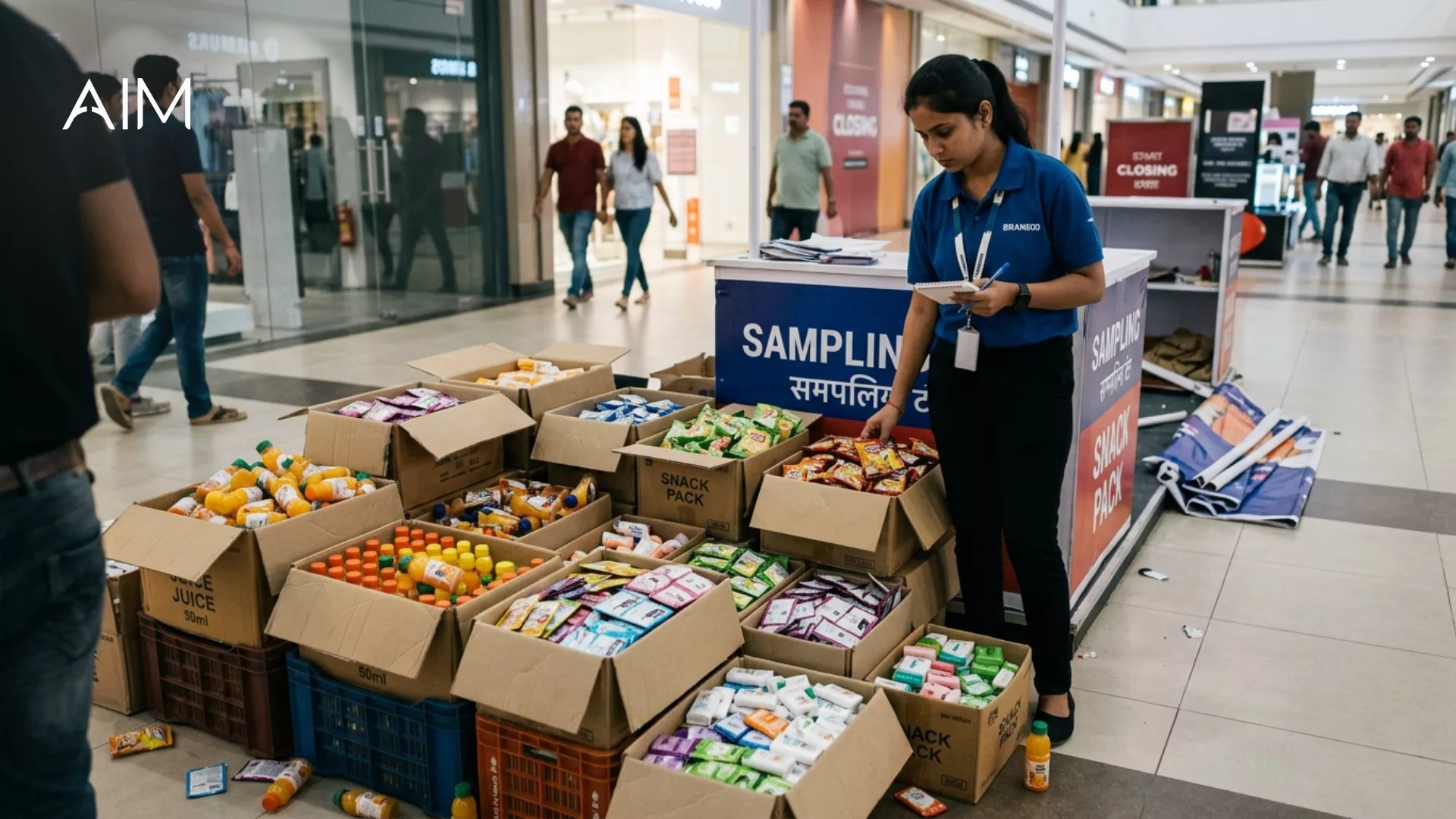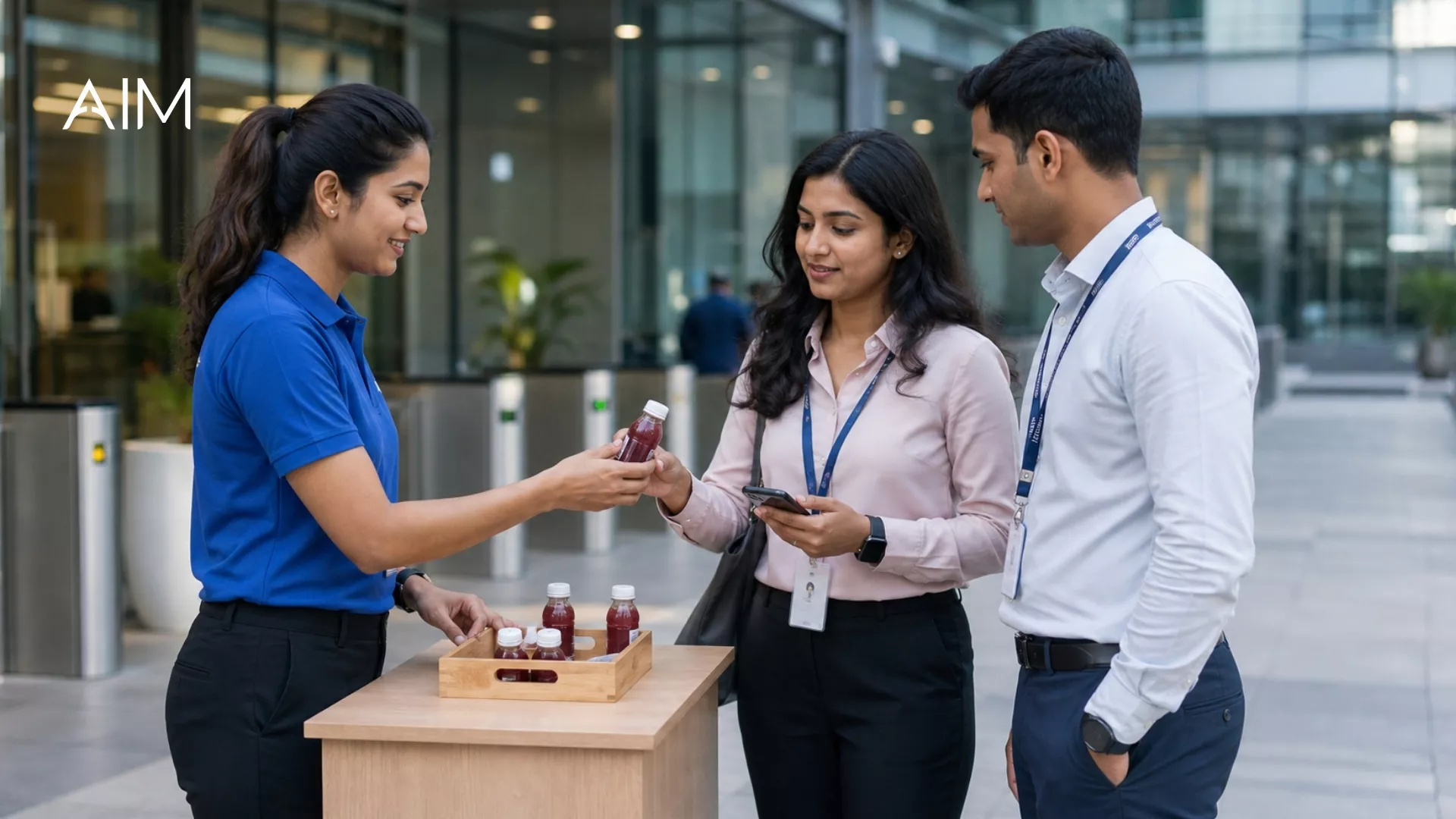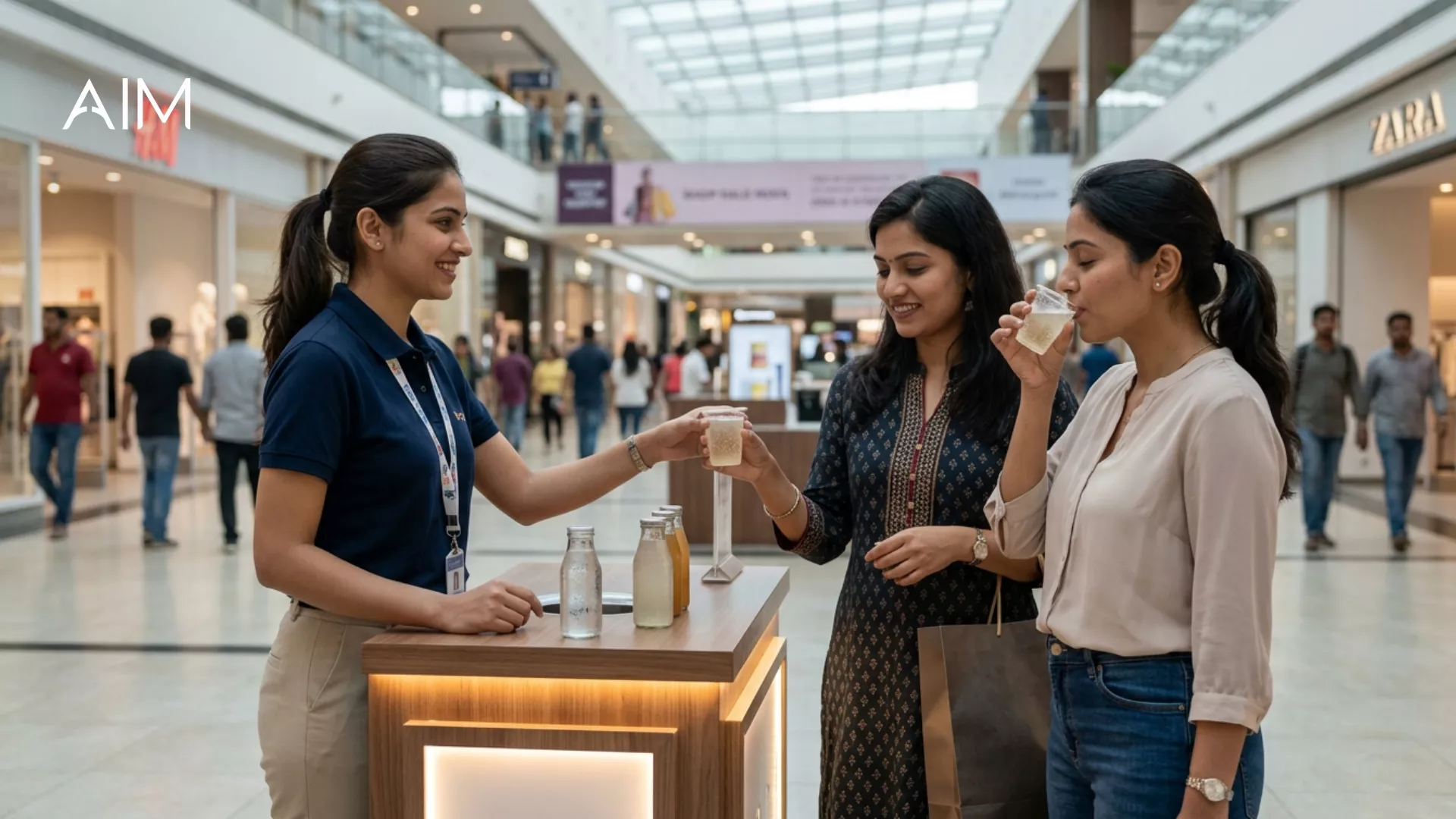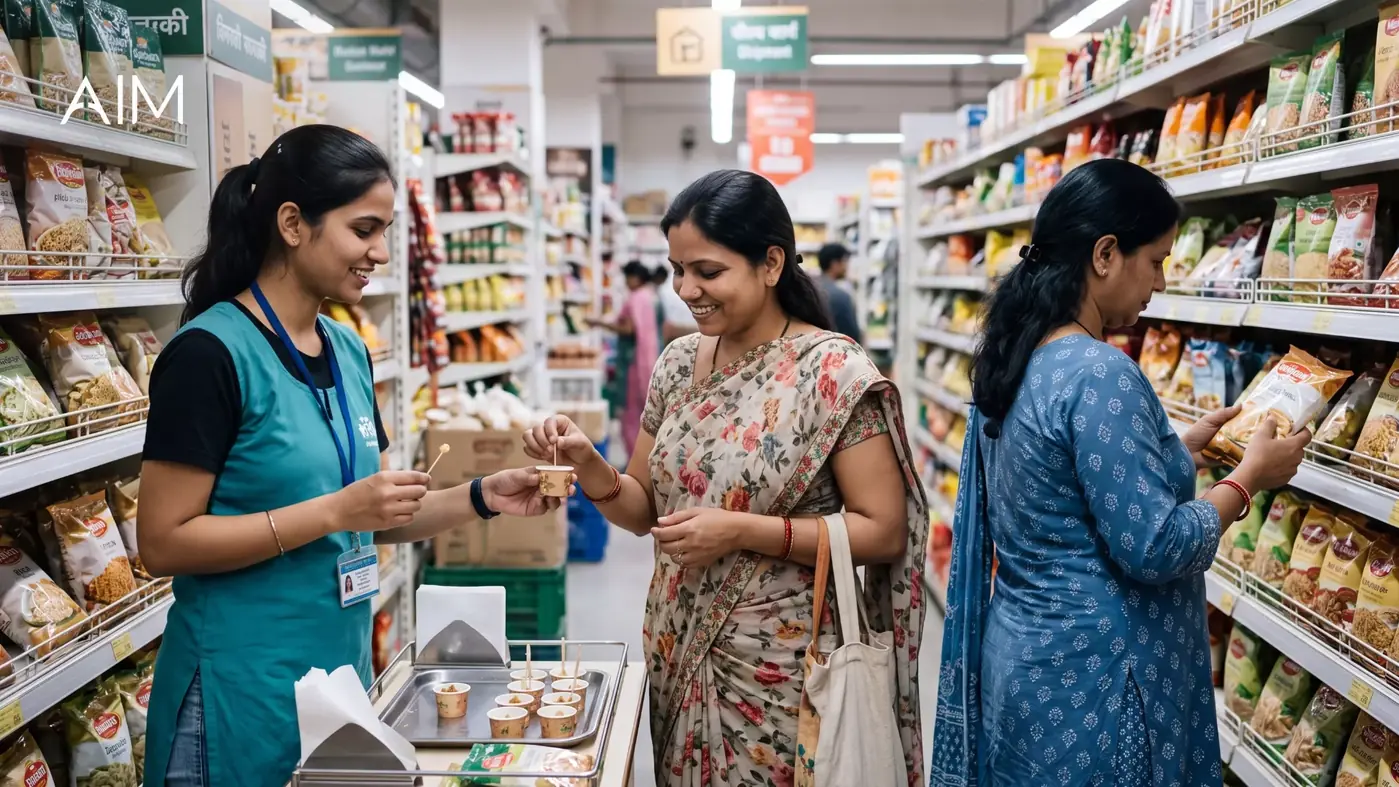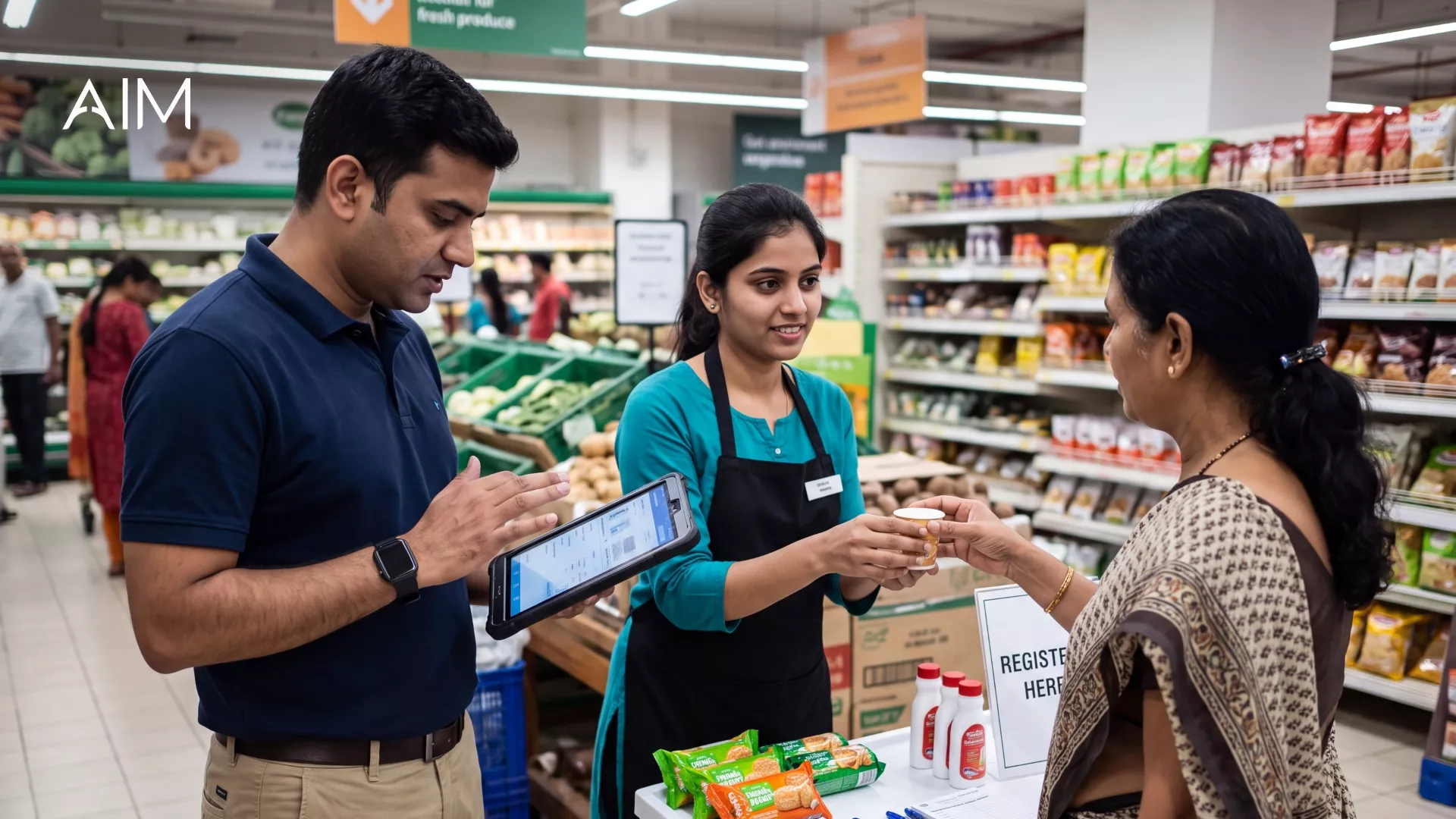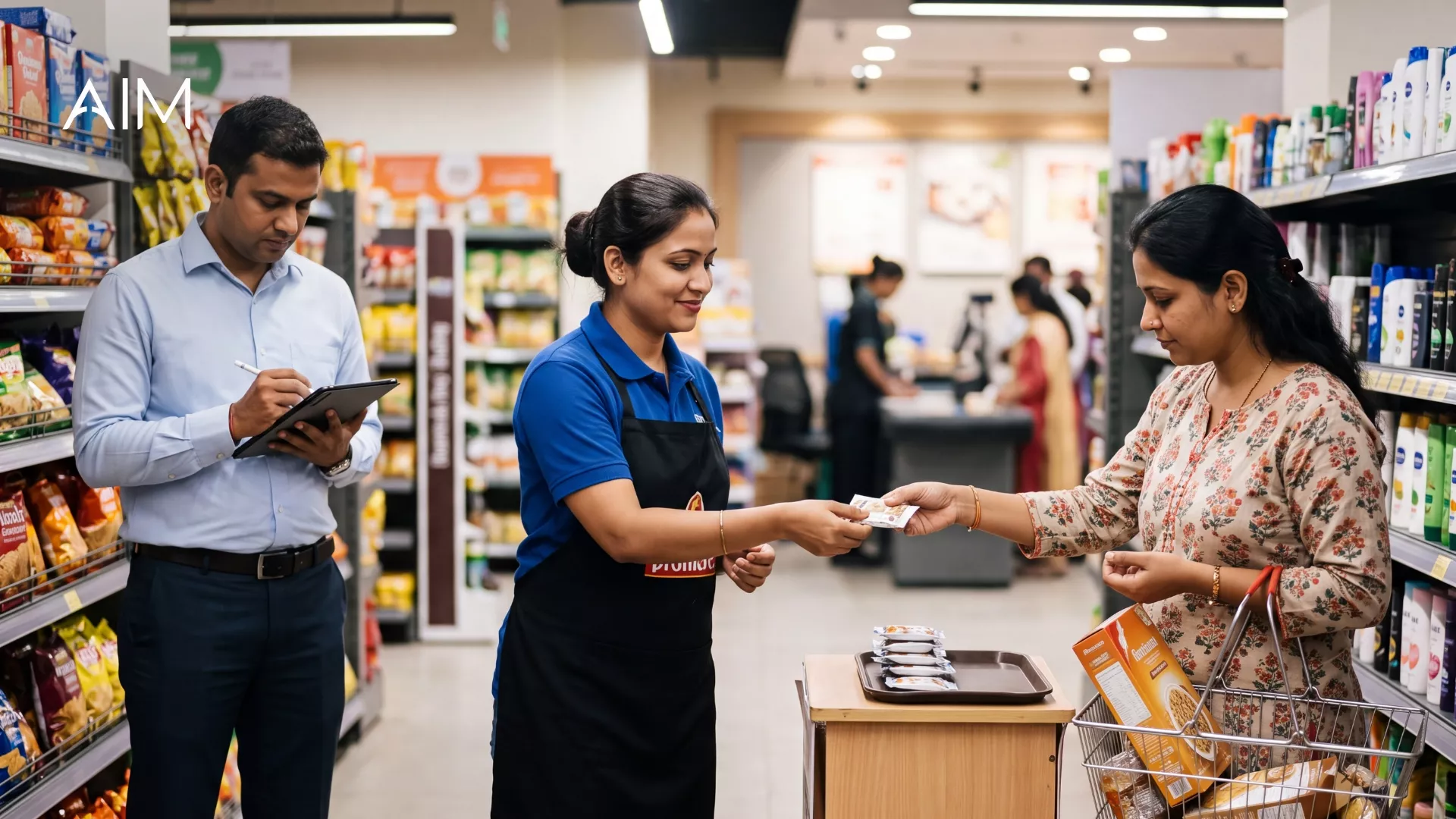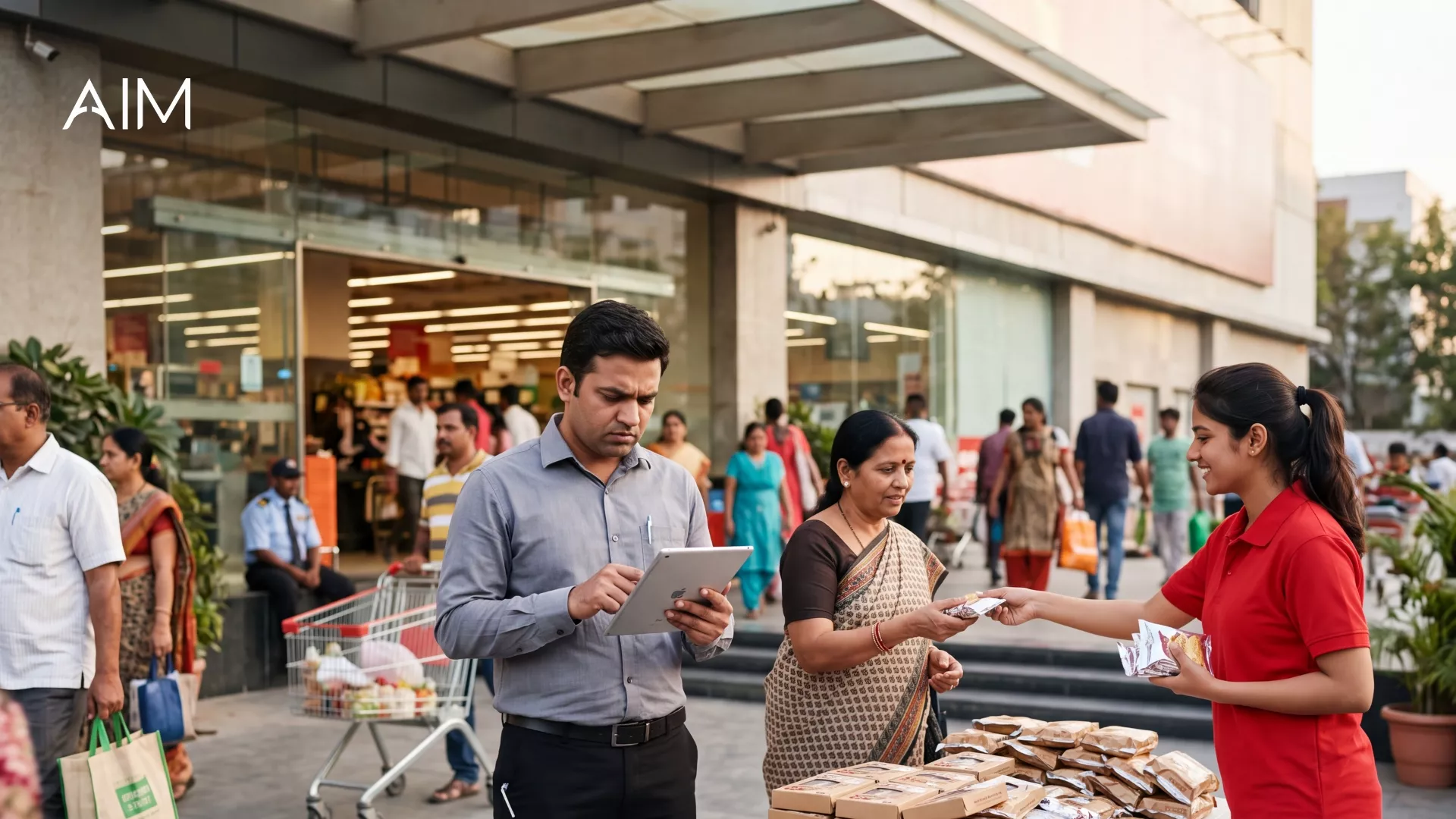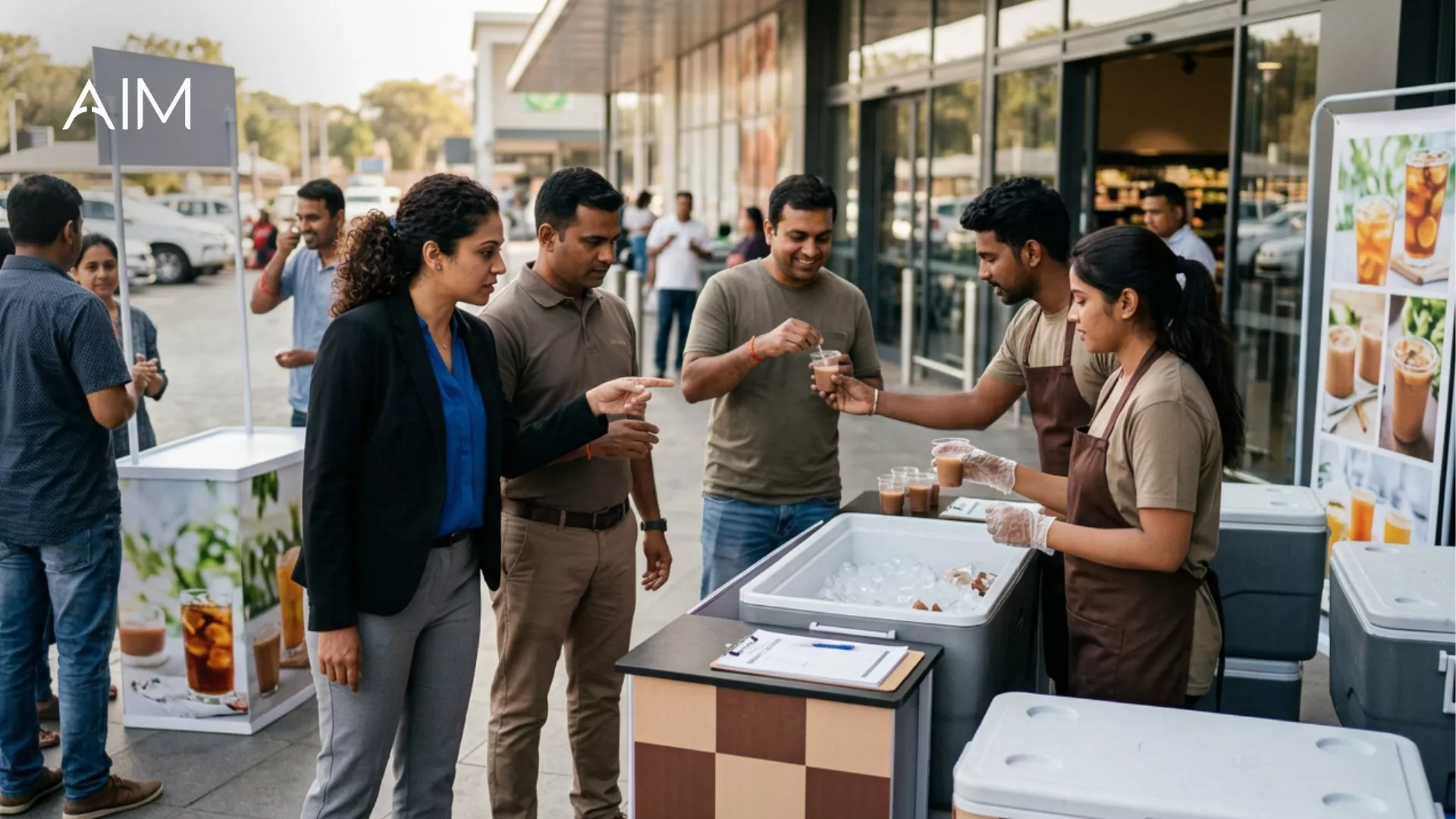


A sip sells a cola. One cold mouthful and the decision is made, because the product is the taste and the taste is the whole pitch. Now try the same trick with a gut-health drink, an electrolyte mix, a protein shake, a sleep tonic. The sip tells the customer it is pleasant, or that it is not, and then it stops, because the reason to buy a functional beverage was never only the taste. It was the benefit, and a benefit cannot be tasted in ten seconds. This is why so much functional beverage sampling underperforms: it borrows the cola playbook for a product the cola playbook was never built for.
Functional drinks are sold on what they do, not just how they taste, and that changes how you have to sample them. Here is why they are harder, and what a sample has to carry to actually convert.
Why functional drinks are harder to sample
A regular beverage makes its entire case on the tongue. A functional beverage makes most of its case somewhere the tongue cannot reach: better digestion, steadier energy, faster recovery, calmer sleep. The benefit is the product, and the benefit is invisible and often delayed. So a customer handed a sip is being asked to judge a drink on the one dimension, taste, that is not the main reason to buy it. If the drink happens to taste great, you got lucky. If it tastes merely fine, or has the slightly odd note that functional ingredients sometimes carry, the sip can actively talk the customer out of a product that would have worked for them.
That is the trap. For a functional drink, taste is a gate, not the goal. The sample has to clear the taste gate, yes, but then it has to do the thing a cola never needs to: explain what the drink is for and why it works, because the customer cannot discover that from the sip alone.
The sip is necessary but not enough
None of this means skip the taste. A functional drink still has to pass the mouth, and if it is unpleasant no amount of explanation will save it, so serving it at its best, at the right temperature, in a fair portion, still matters. The point is that passing the taste test is the floor, not the ceiling. Once the drink tastes acceptable, the sample's real job begins, and that job is to connect the pleasant-enough sip to a benefit the customer actually wants.
Think of it as two sales in one trial. The sip sells that the drink is nice to consume. The message around the sip sells that the drink is worth buying for what it does. A functional beverage sample that delivers only the first has done half the job and will convert like it did half the job.
What the sample has to carry beyond the taste
Because the benefit is invisible, it has to travel with the sample as a clear, honest message. A few things the sample needs to communicate at the point of trial:
- What it is for, in one line a normal person recognises: steadier energy, easier digestion, better recovery, calmer sleep. Tie it to a goal the customer already has.
- Why it works, briefly and honestly, enough to make trying it feel sensible rather than a leap of faith, without a wall of pharmacology.
- How and when to use it, because a functional drink used at the wrong time, or once when it needed a few days, gives a false read and reads as a failed product.
- What to expect and when, so a customer trying it for a slow-building benefit does not judge a week-long product by a single serving and quietly decide it did nothing.
That last point is where functional sampling quietly dies. A customer tries once, feels no dramatic change, and concludes it does not work, when the drink was never meant to do anything dramatic in one go. If the sample does not set the timeline, the customer sets their own, and theirs is almost always too short.
Where functional beverage sampling works
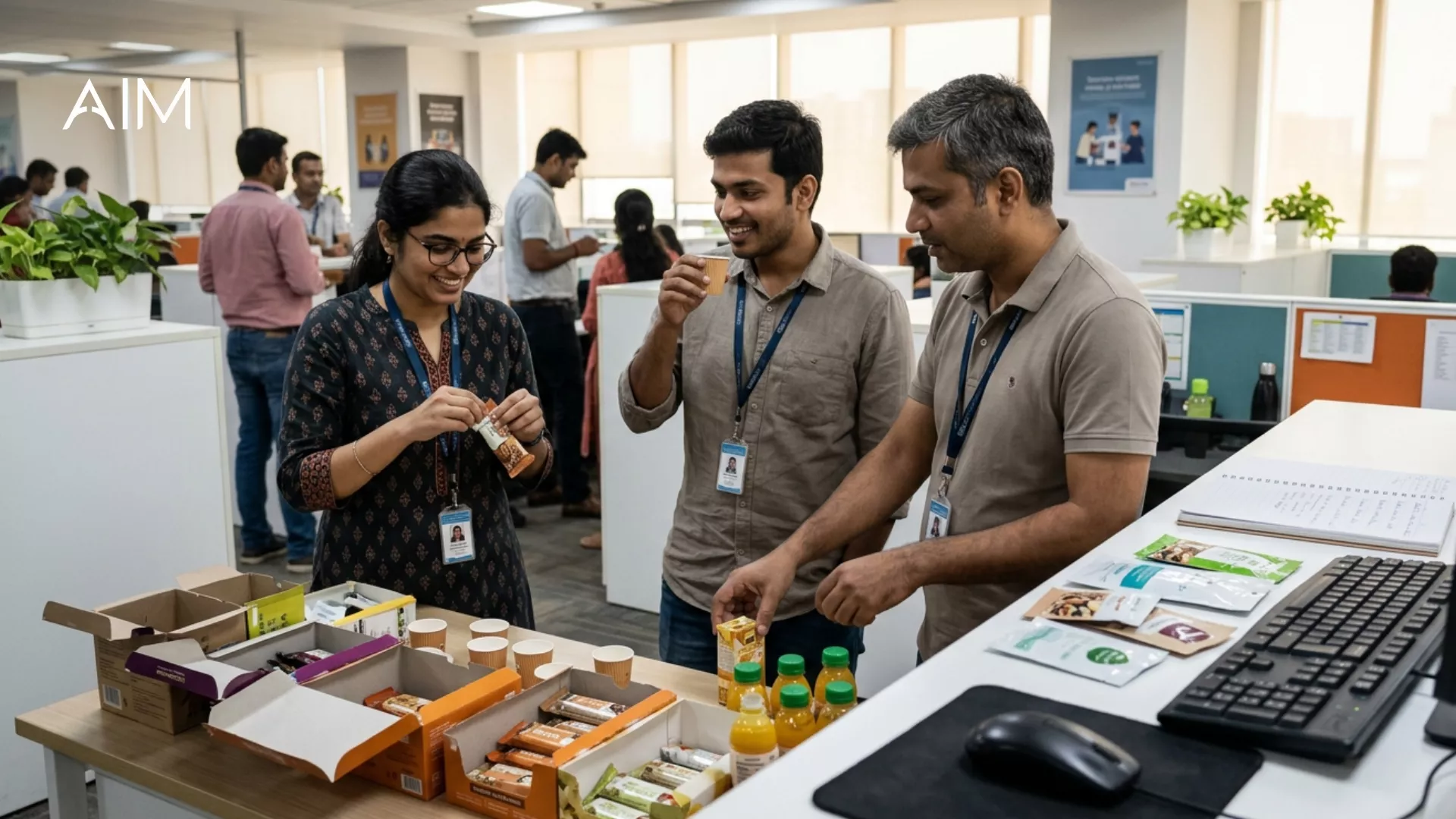
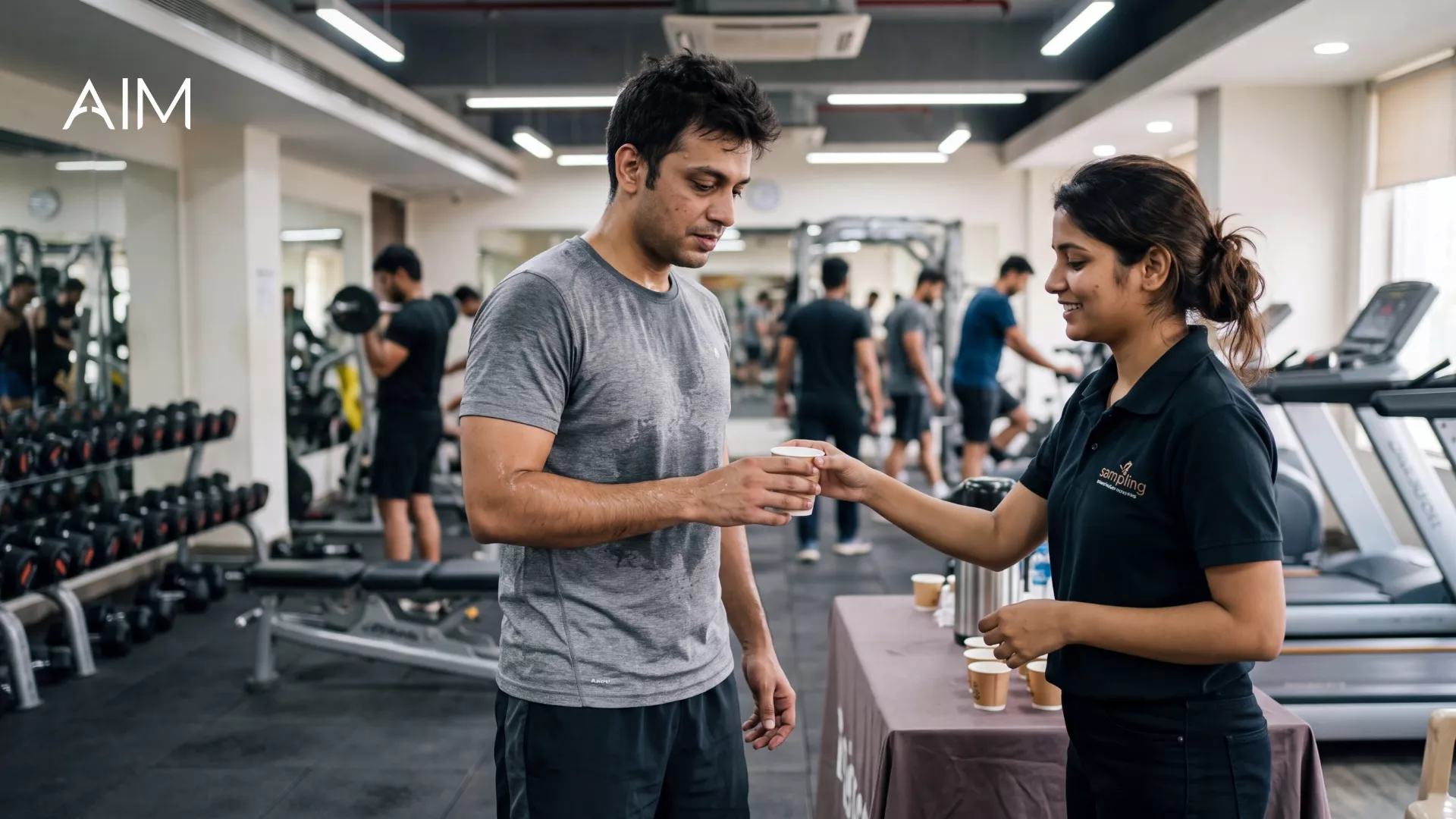
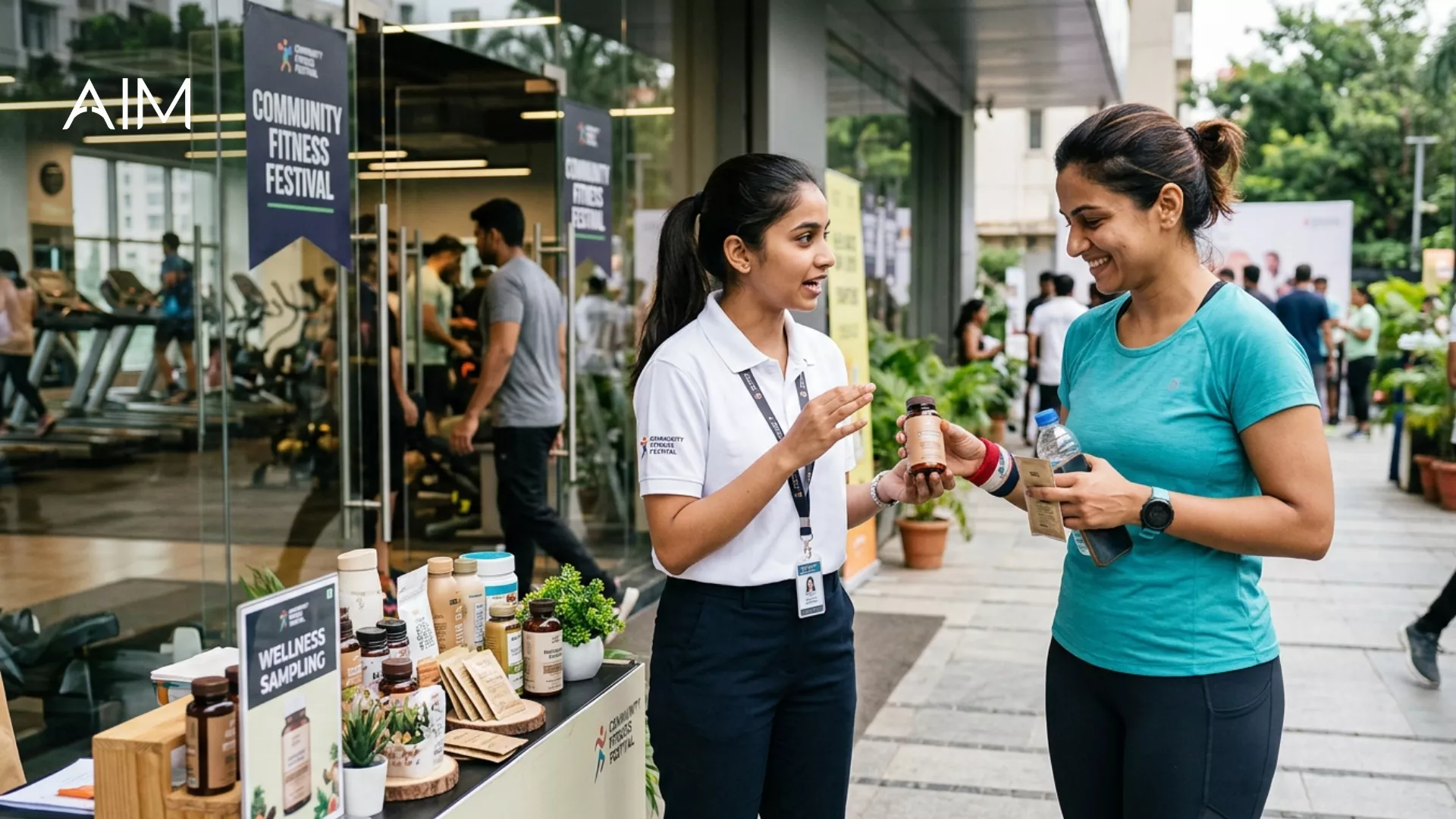
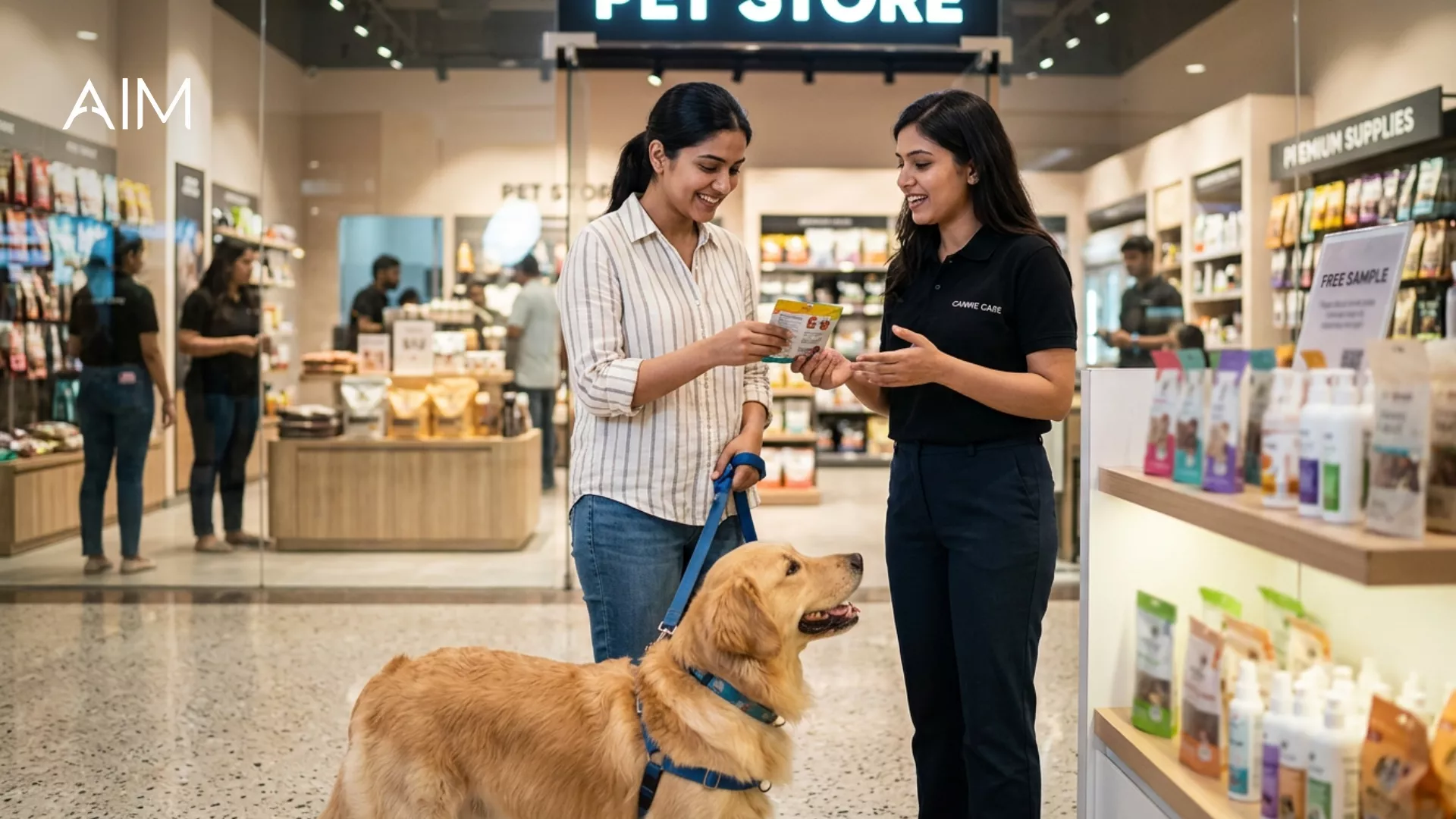
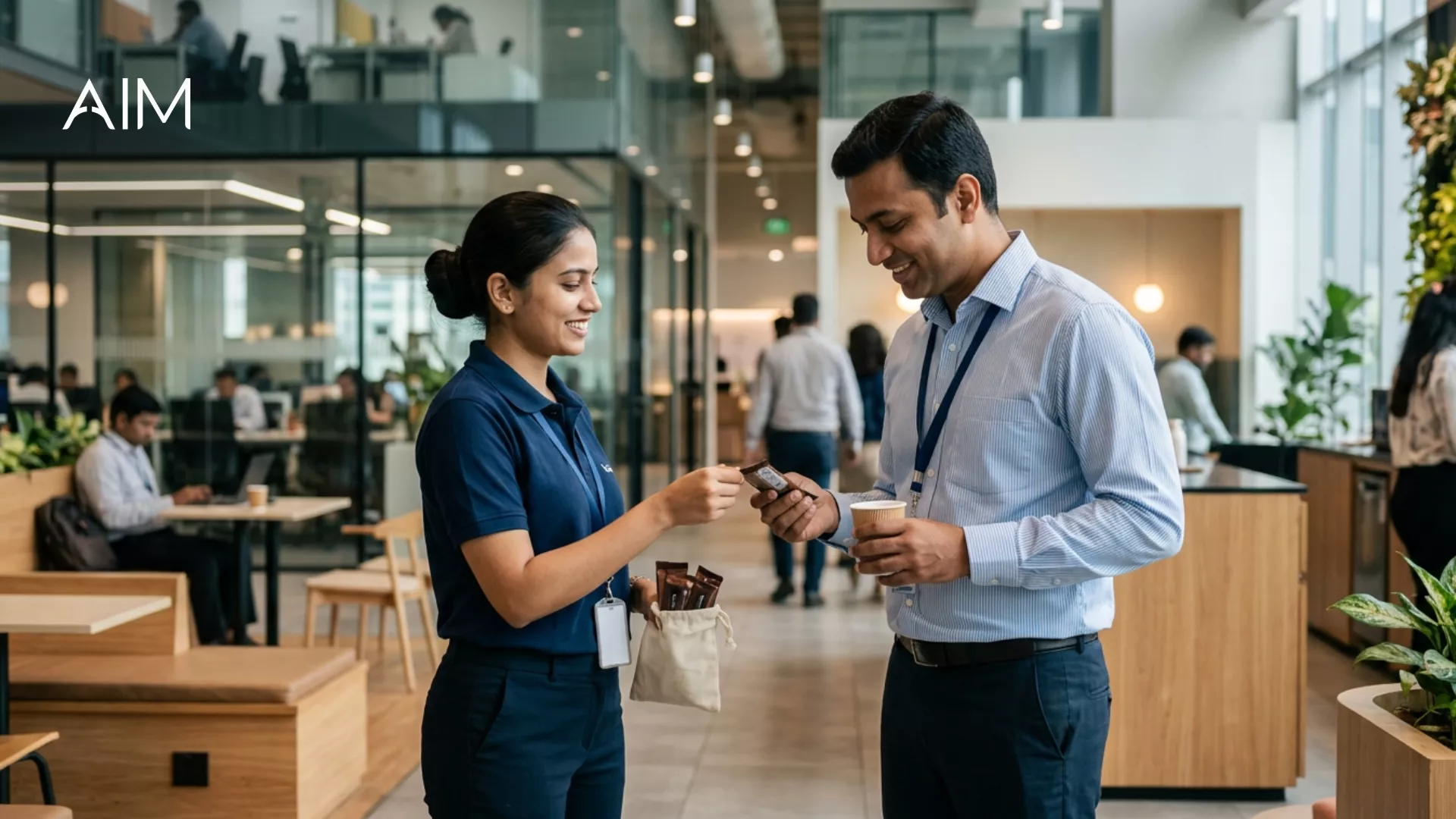
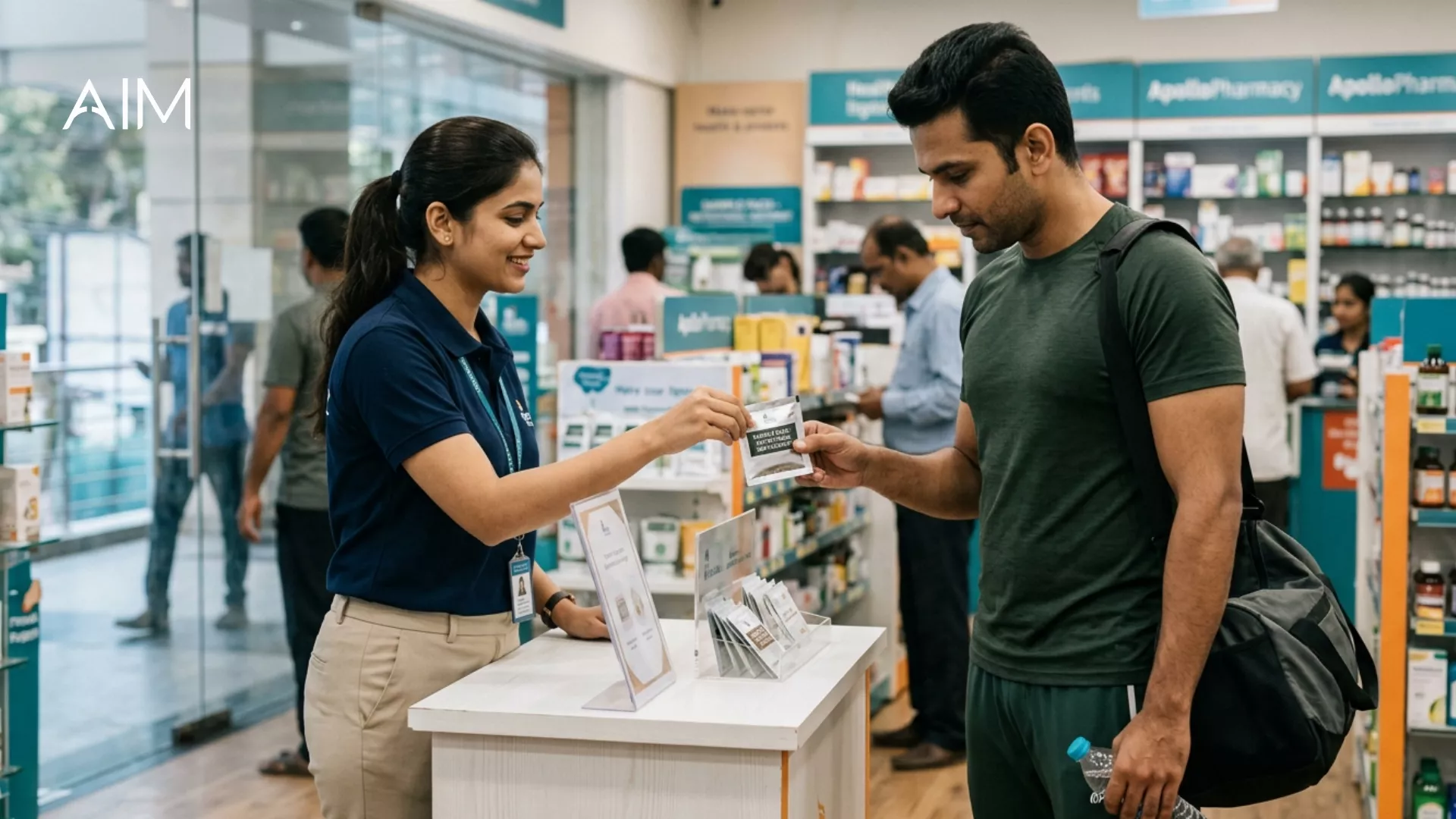
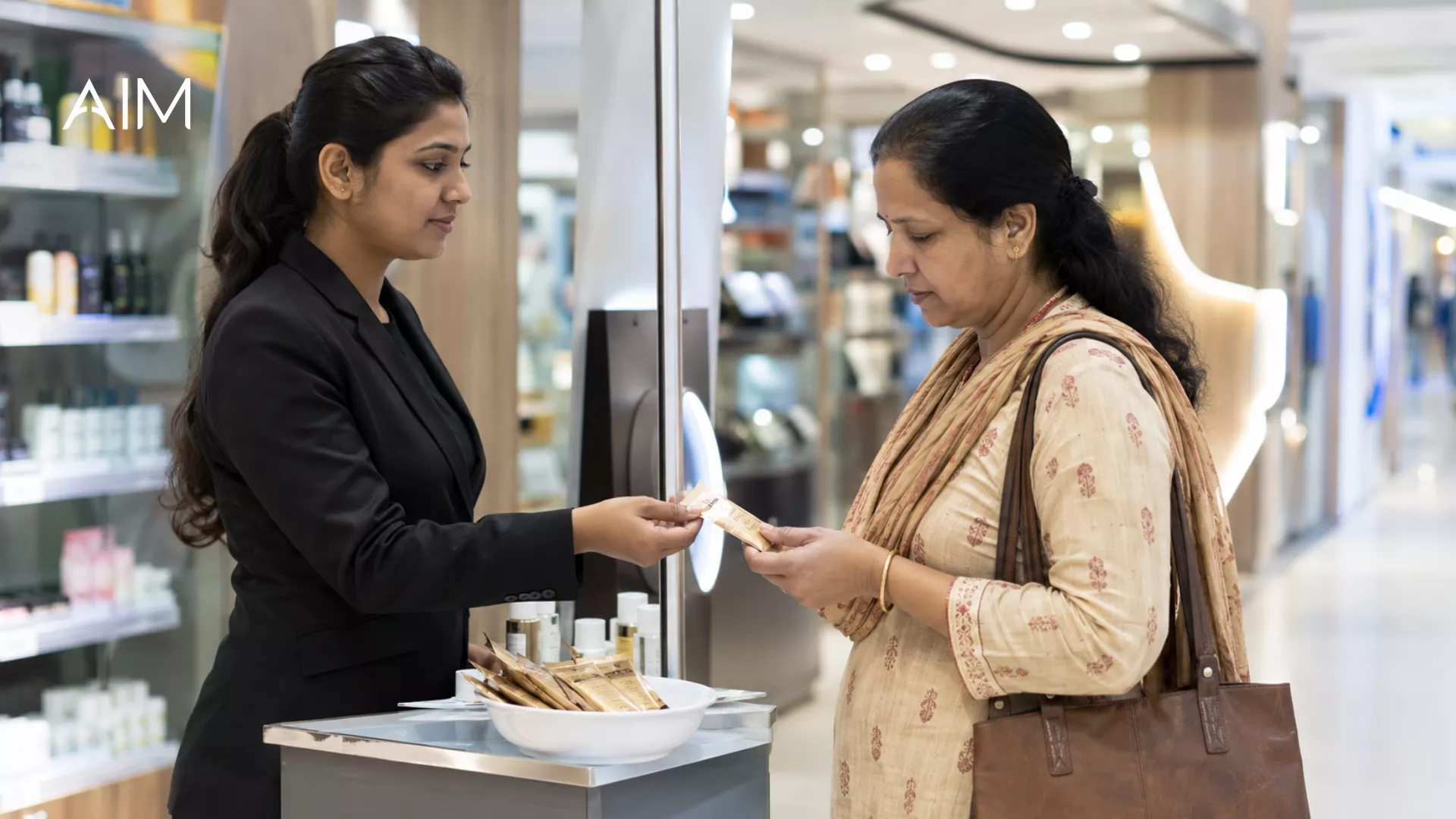
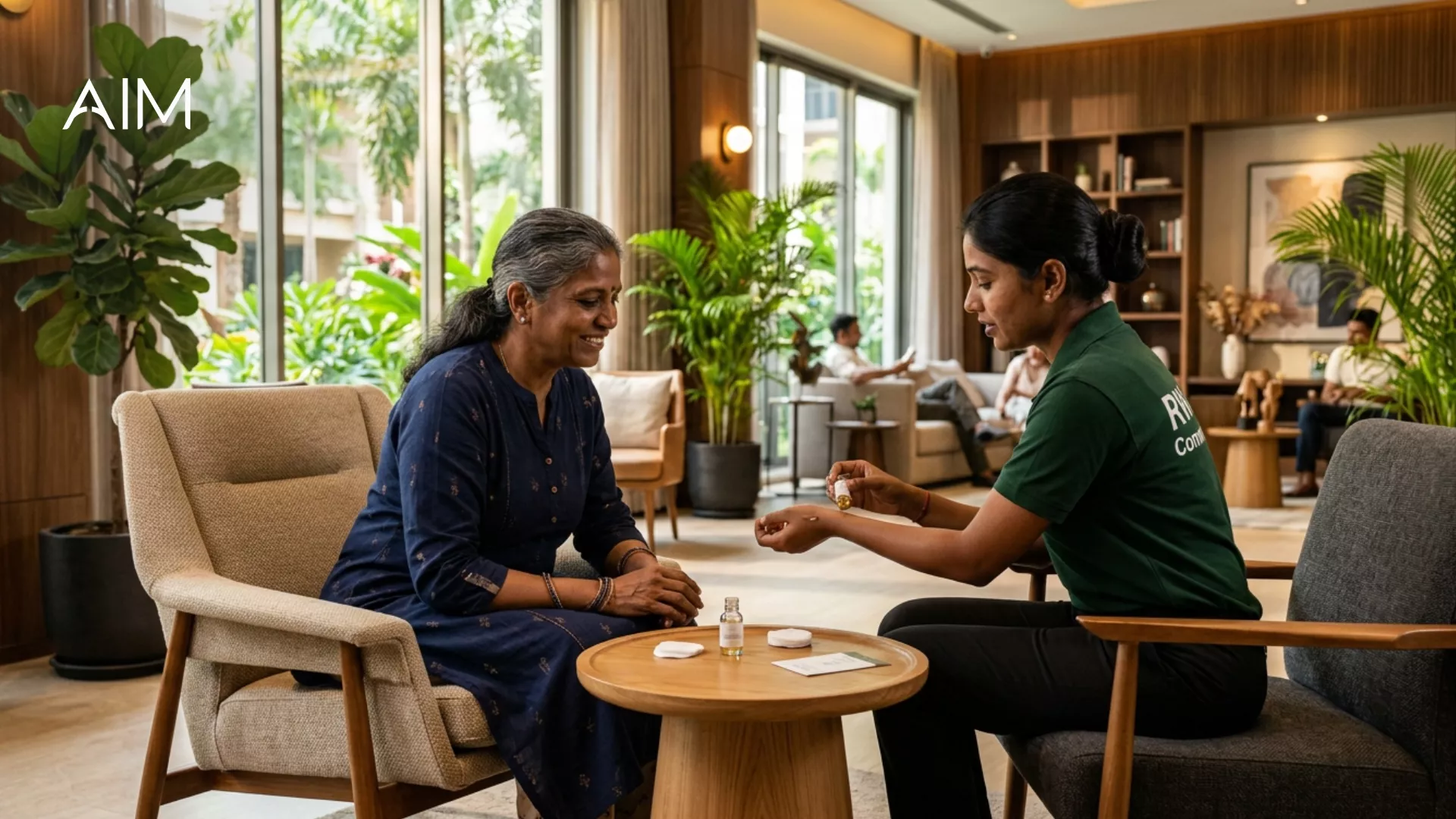
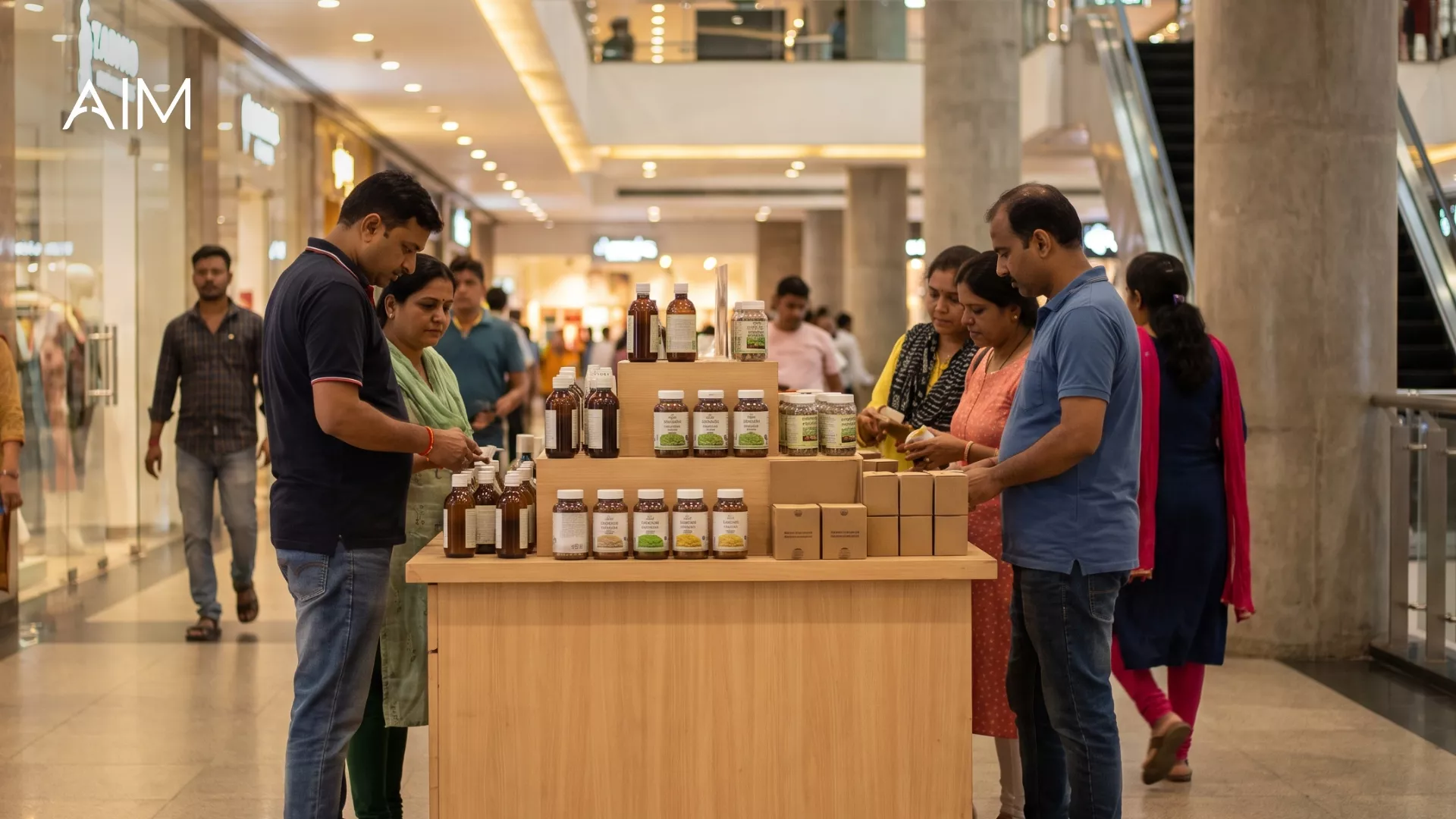
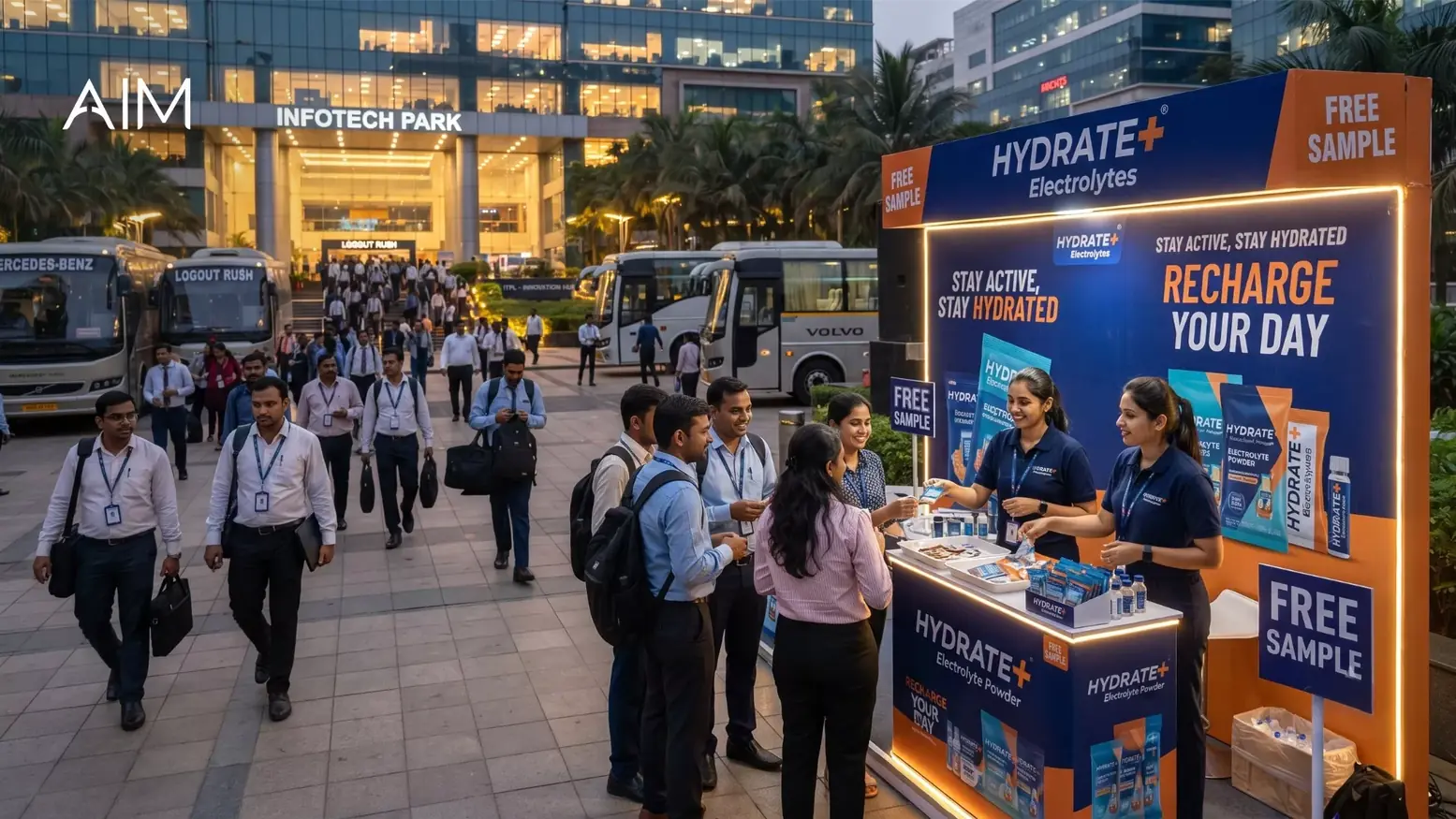
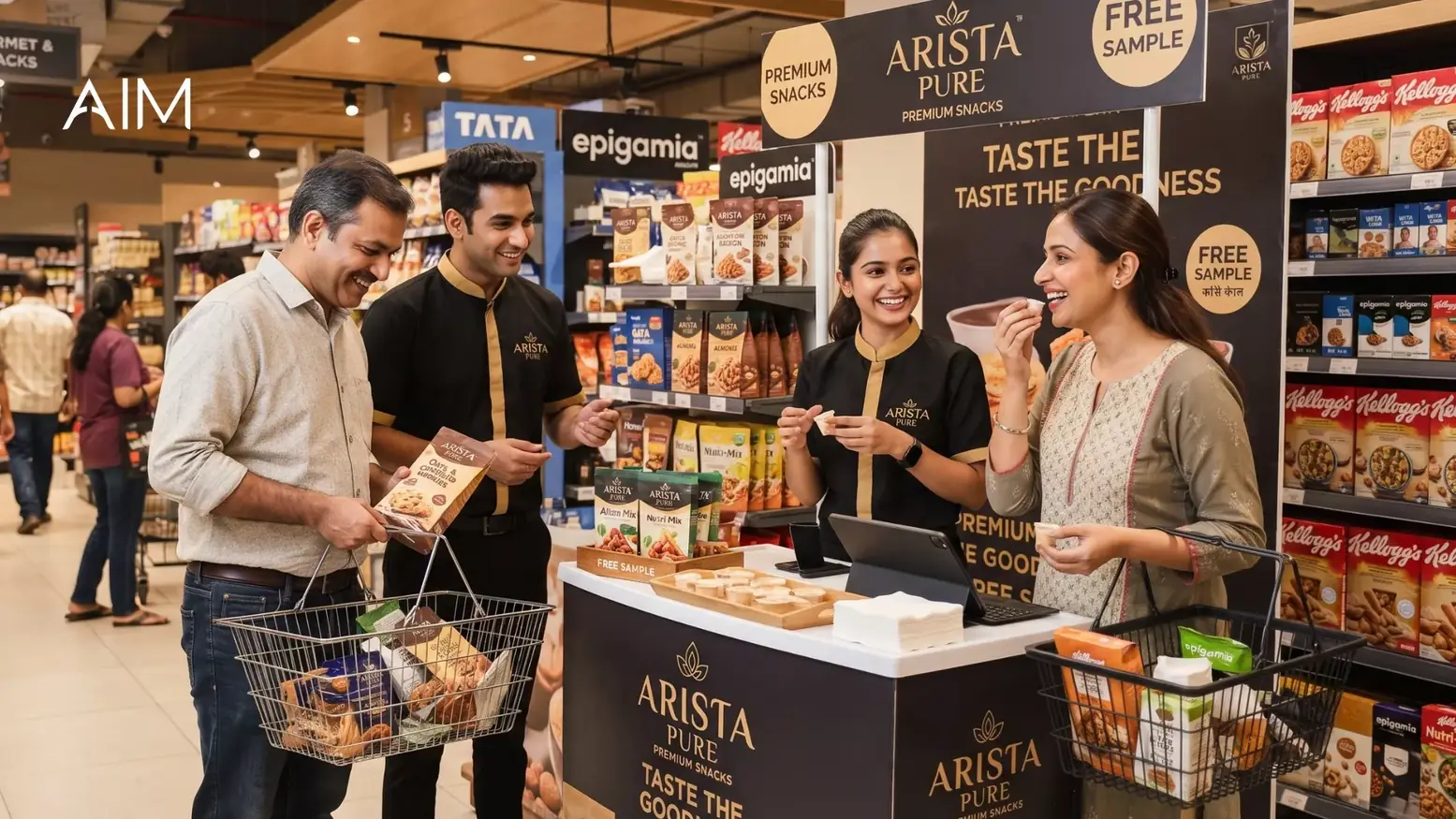
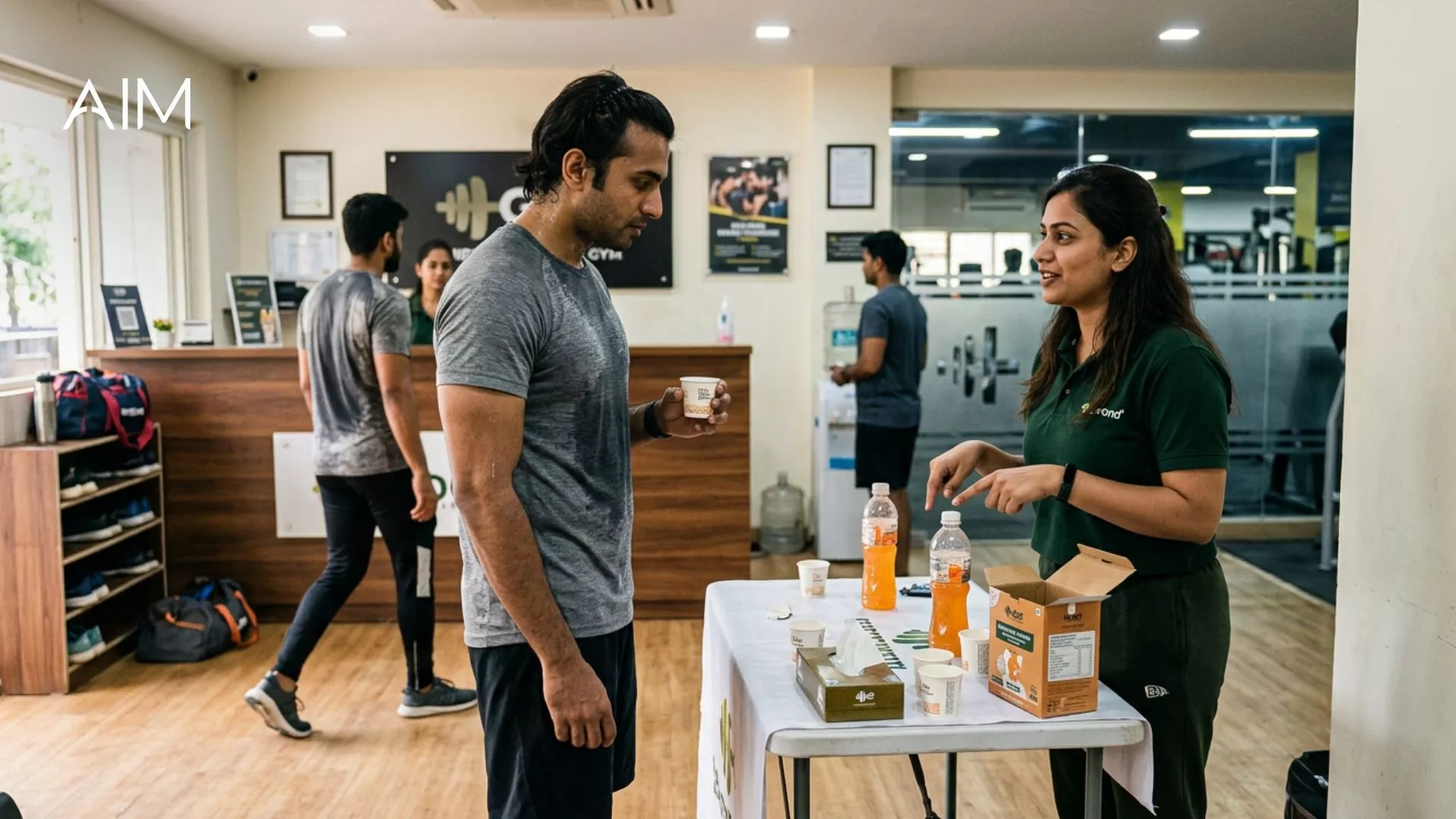
Place matters more here than for an everyday drink, because you want to reach someone who already has the need the drink serves and the headspace to take in a message. A gym or a fitness studio for recovery and protein drinks, where the need is immediate and the mindset is right. A corporate or IT park for energy and focus drinks, reaching tired professionals mid-day. A wellness store, a clinic, or a pharmacy for health-led functional products, where the context lends credibility. And online inserts for brands whose buyer already shops the category, where the sample can carry its message on an insert and link to more.
The thread is that a functional drink sampled to a random crowd in a random place wastes the message, because most of them do not have the need and will not read the why. Sampled where the need already lives, the same drink reaches people primed to care what it does, and the benefit message lands instead of bouncing off.
Measure past the sip
A functional beverage is bought on repeat, if it works, so the number that matters is not how many sips were served but how many triers understood the benefit, bought, and came back. That means capturing who tried it, tying the trial to a first purchase with a code or an online link, and watching for the reorder, because a functional product proves itself over the second and third purchase, not the first sip. A campaign that counts samples poured has measured the gate and ignored the goal.
The brands that get functional sampling right stop treating it as a taste test and start treating it as a short, honest lesson with a drink attached. The sip earns a fair hearing. The message earns the sale. And the tracking tells you whether the people who understood the benefit actually stayed, which, for a functional beverage, is the only result worth the name.
Which functional drinks are hardest to sample
Not all functional beverages are equally hard, and knowing where on the scale yours sits helps you plan. The hardest are the ones whose benefit is slow and invisible: gut health, sleep, long-term immunity, anything that works over days or weeks and cannot be felt in a single serving. For these, the sip proves almost nothing about the benefit, so the message and the expectation-setting have to do nearly all the work. Slightly easier are drinks with a quicker, more noticeable effect, an energy or hydration drink someone can feel within the session, where the trial can at least begin to demonstrate what the product does. Easiest of all are functional drinks that also happen to taste genuinely great, because then the sip and the benefit pull in the same direction.
The point is to be honest with yourself about which one you are sampling. A fast, feelable benefit lets the trial carry more of the load. A slow, invisible one puts the weight on the message and the follow-up, and a sampling plan that ignores that difference will under-deliver on exactly the products that needed the most explaining.
The format of the sample itself matters
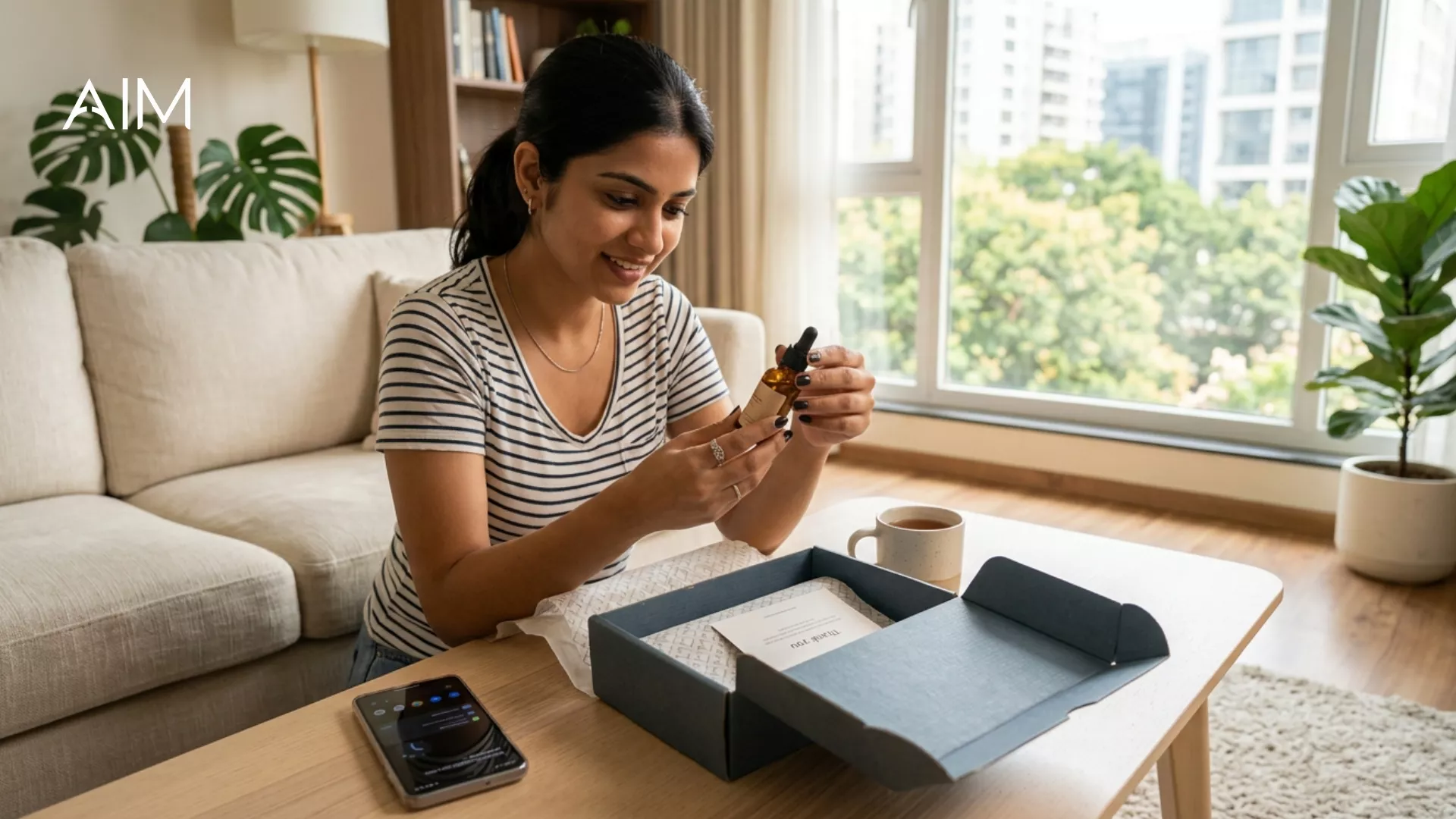
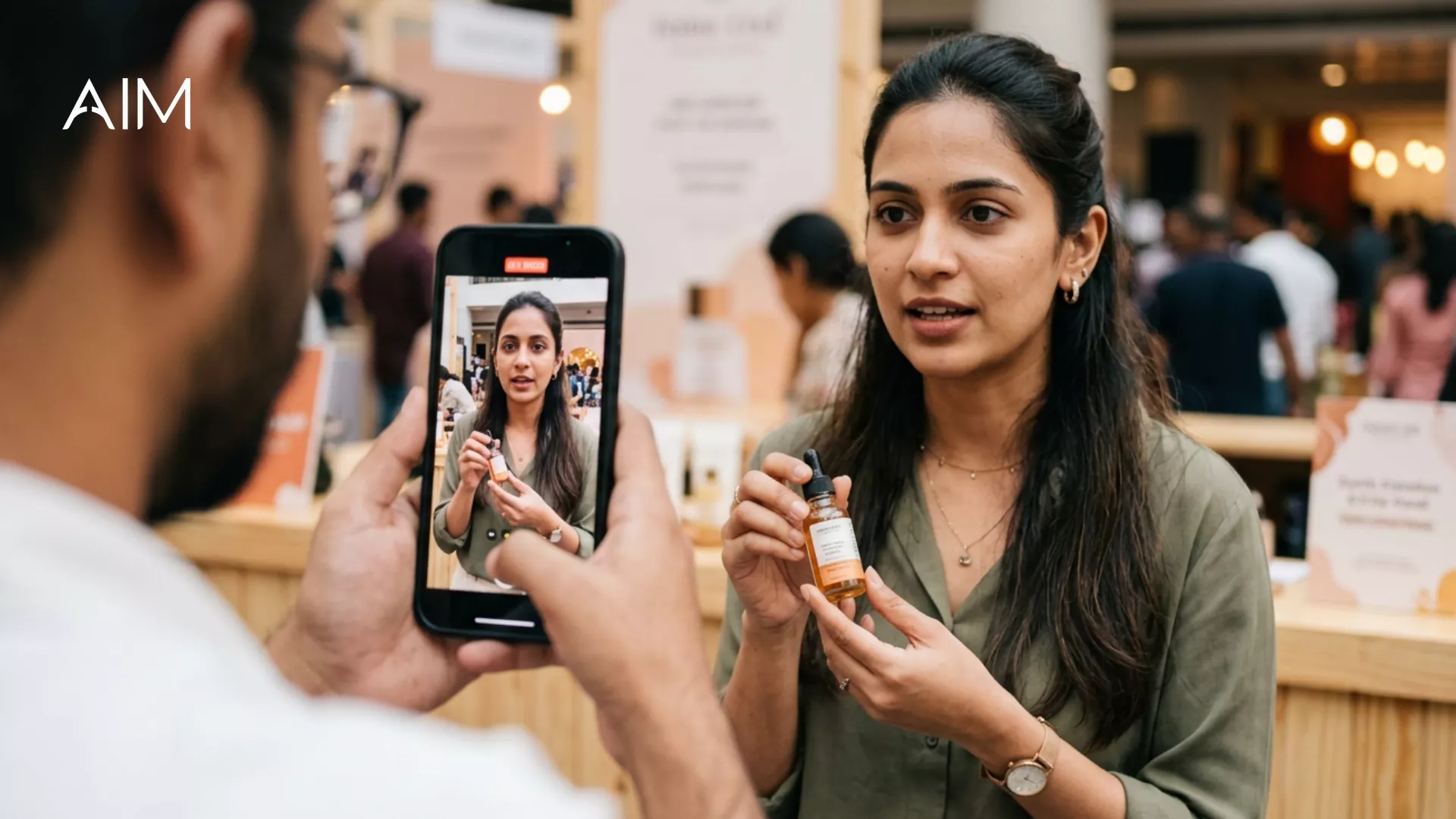
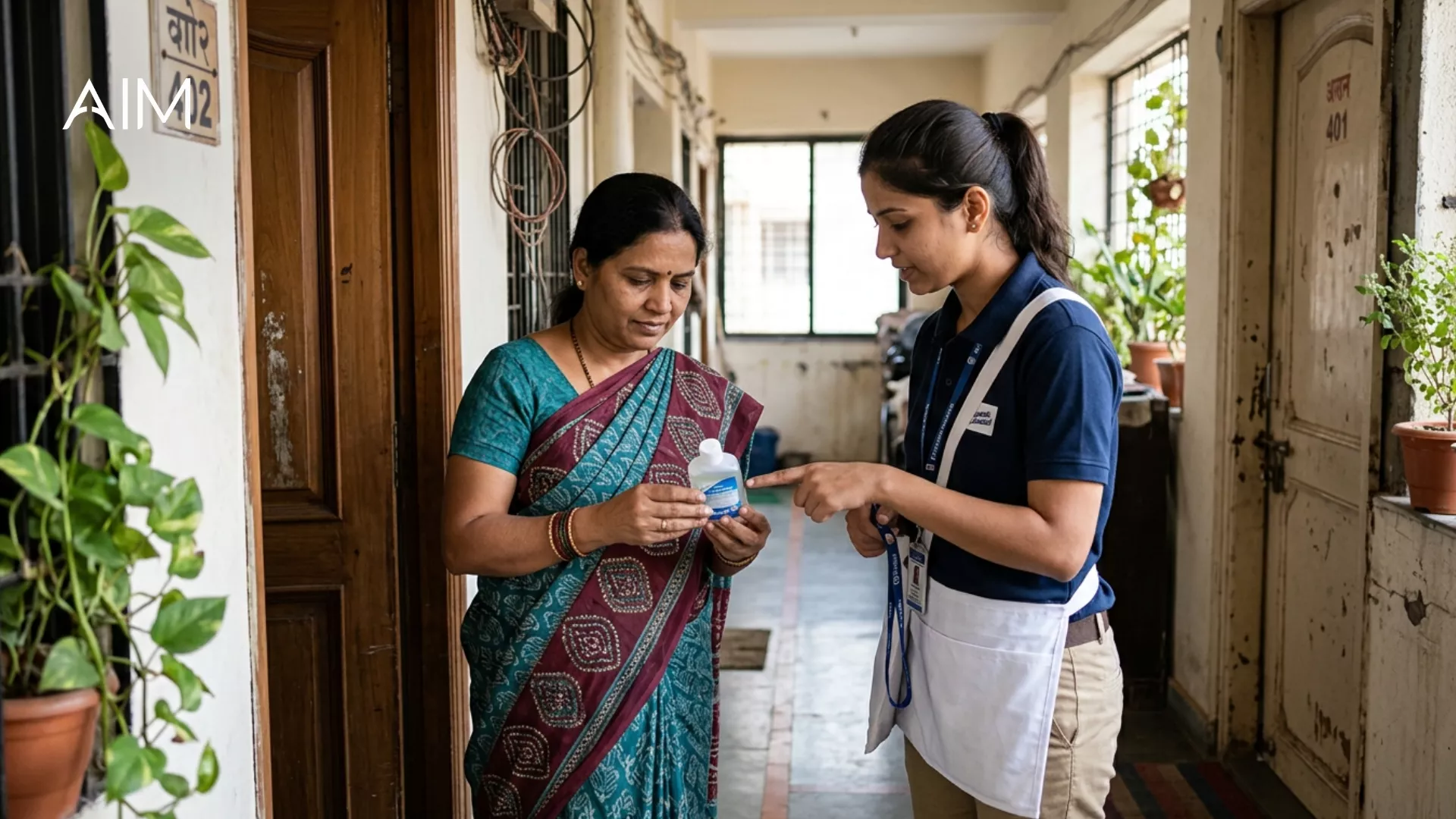
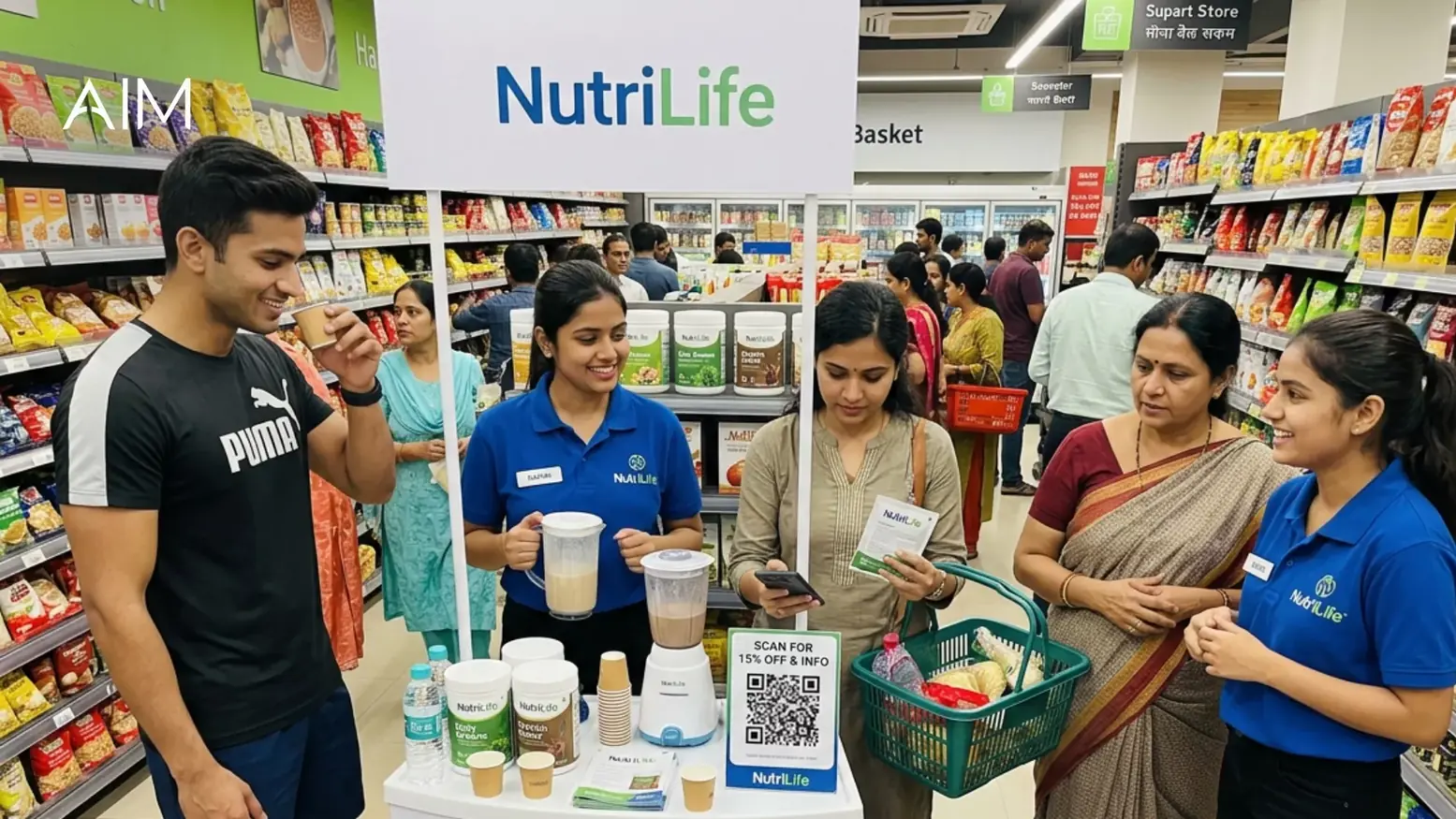
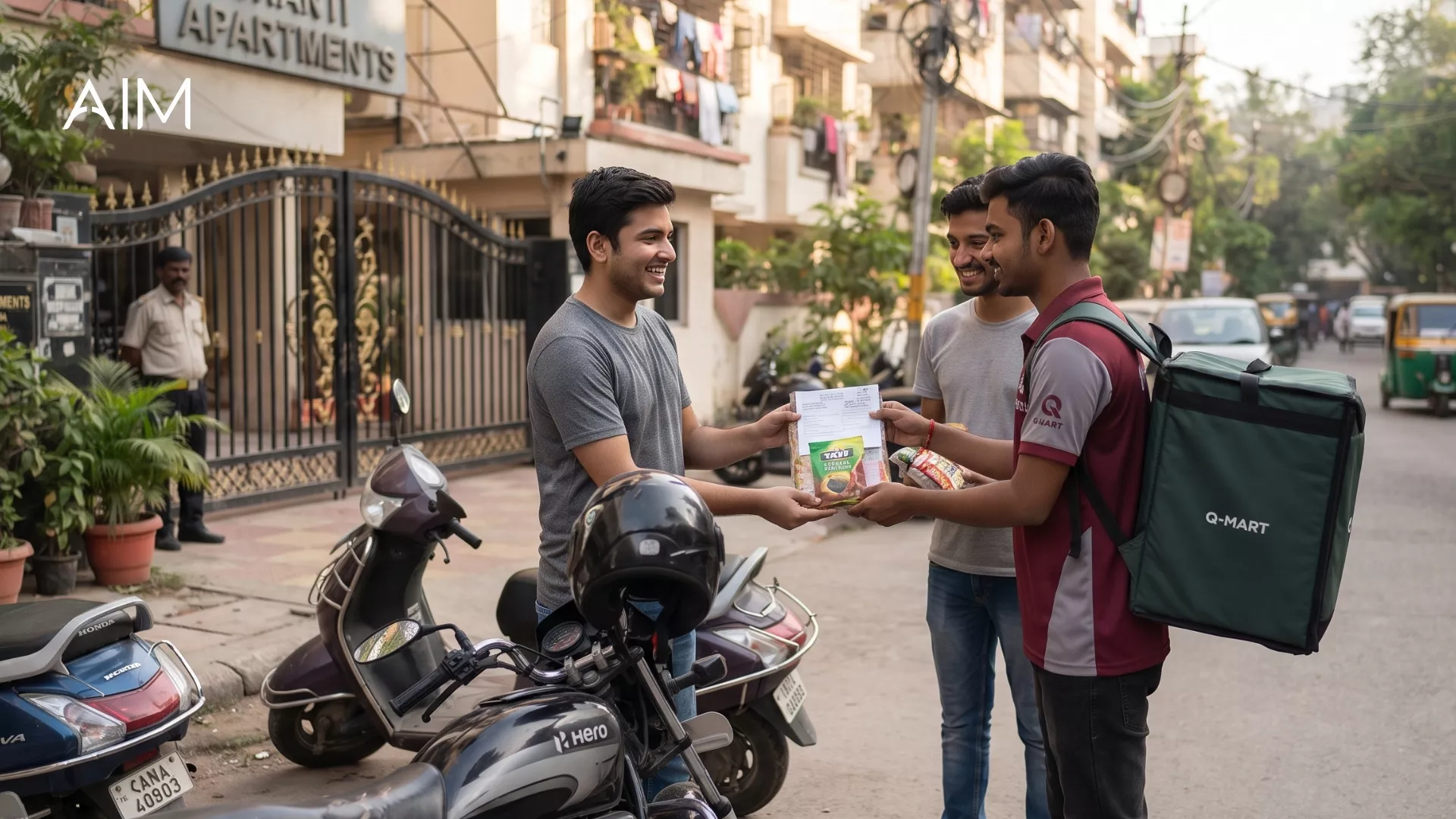
Because the message has to travel with the drink, the sample's physical form is part of the job. A single-serve that is too small to give a fair taste undersells a good product, while one generous enough to deliver a real, satisfying experience earns a fairer hearing. The pack or the insert should carry the one-line purpose and the how-to-use, so the basics travel even when no promoter is present. A QR code can open a short explanation or a reorder link for the customer who wants more, and double as the point where you capture who tried it. For a functional drink, the sample is not just liquid in a cup, it is a small delivery system for a benefit the customer cannot otherwise see, and designing it that way is what separates a trial that converts from one that only refreshes.
Two ways the same drink gets sampled
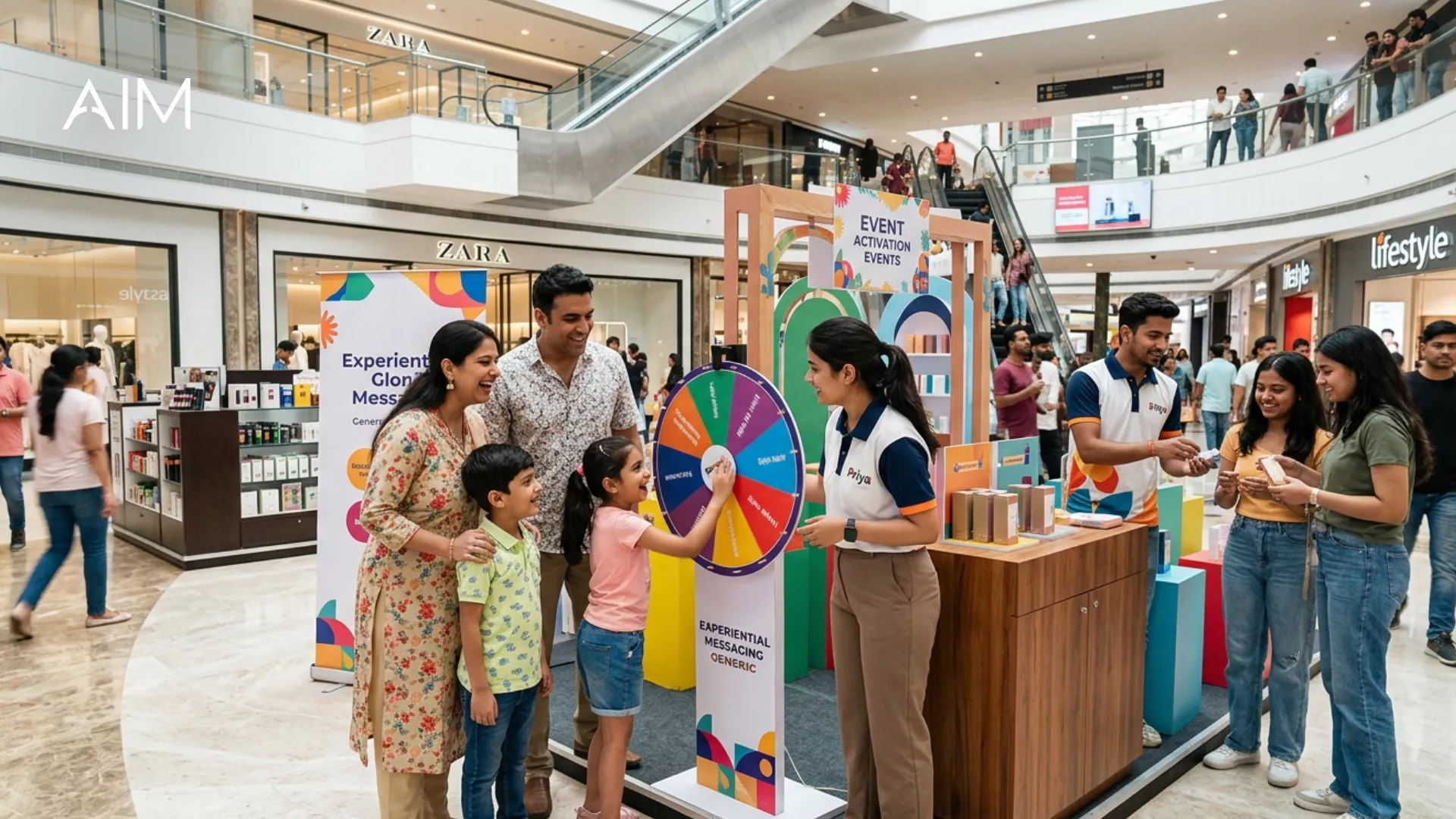
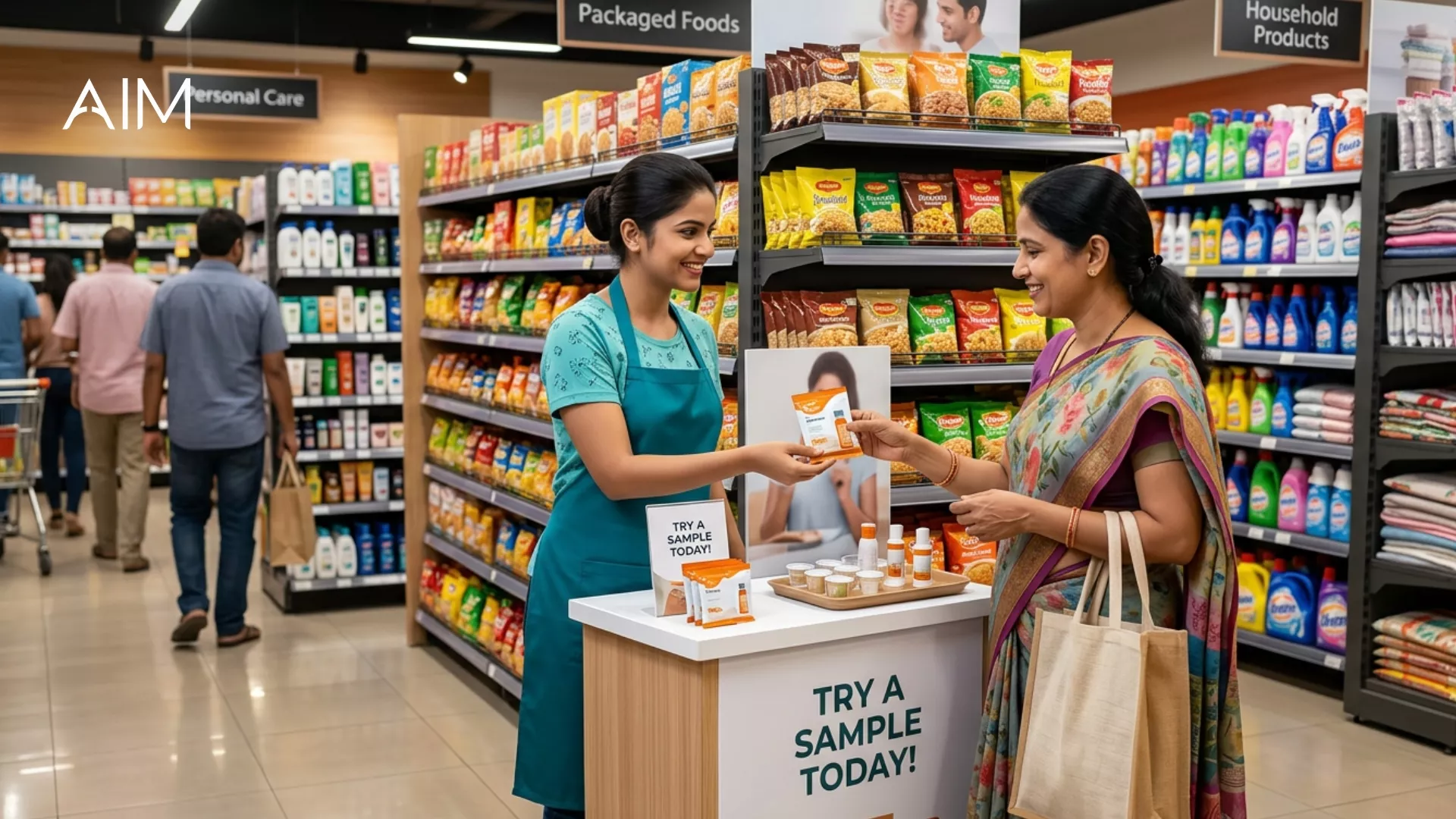
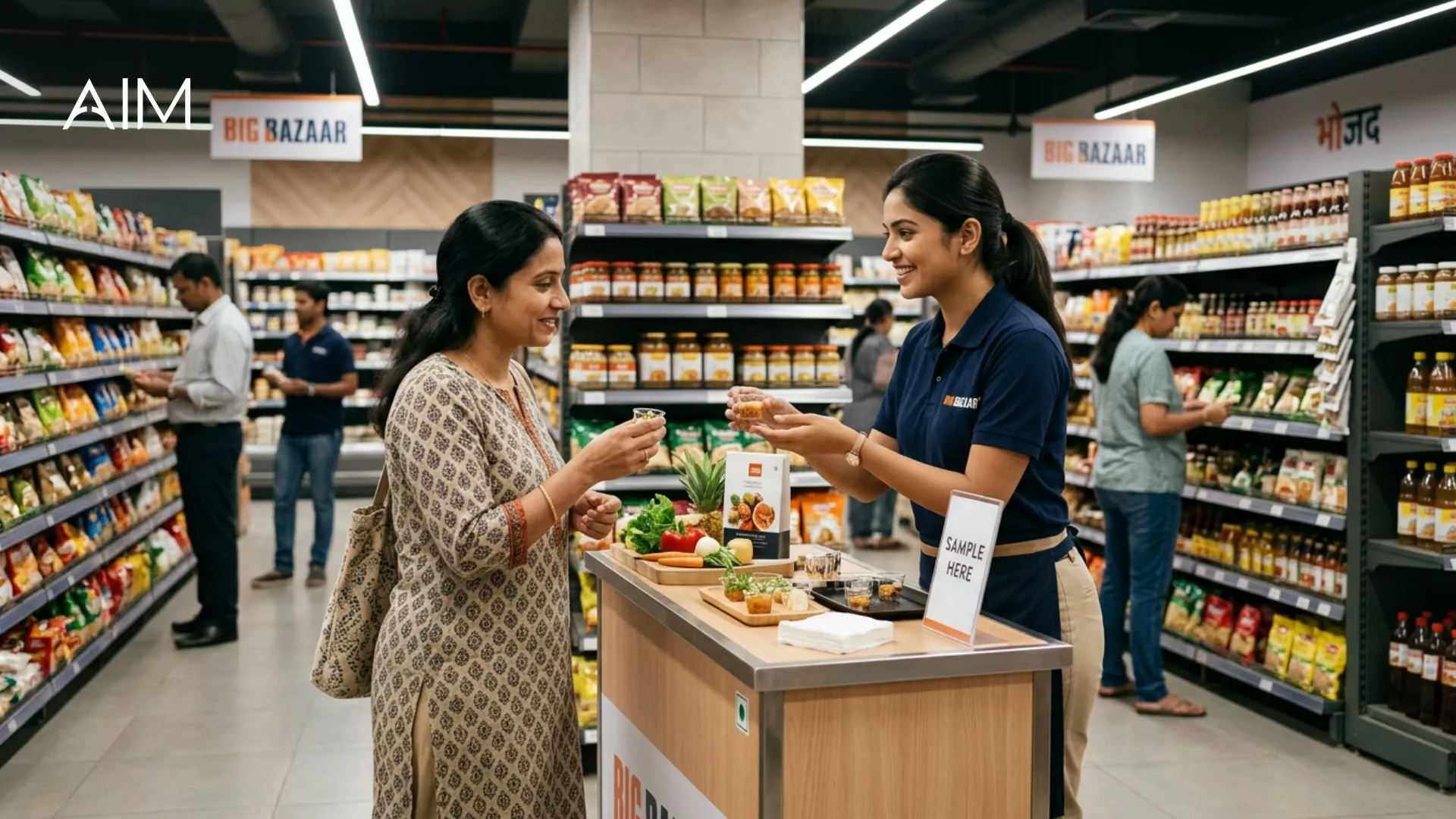
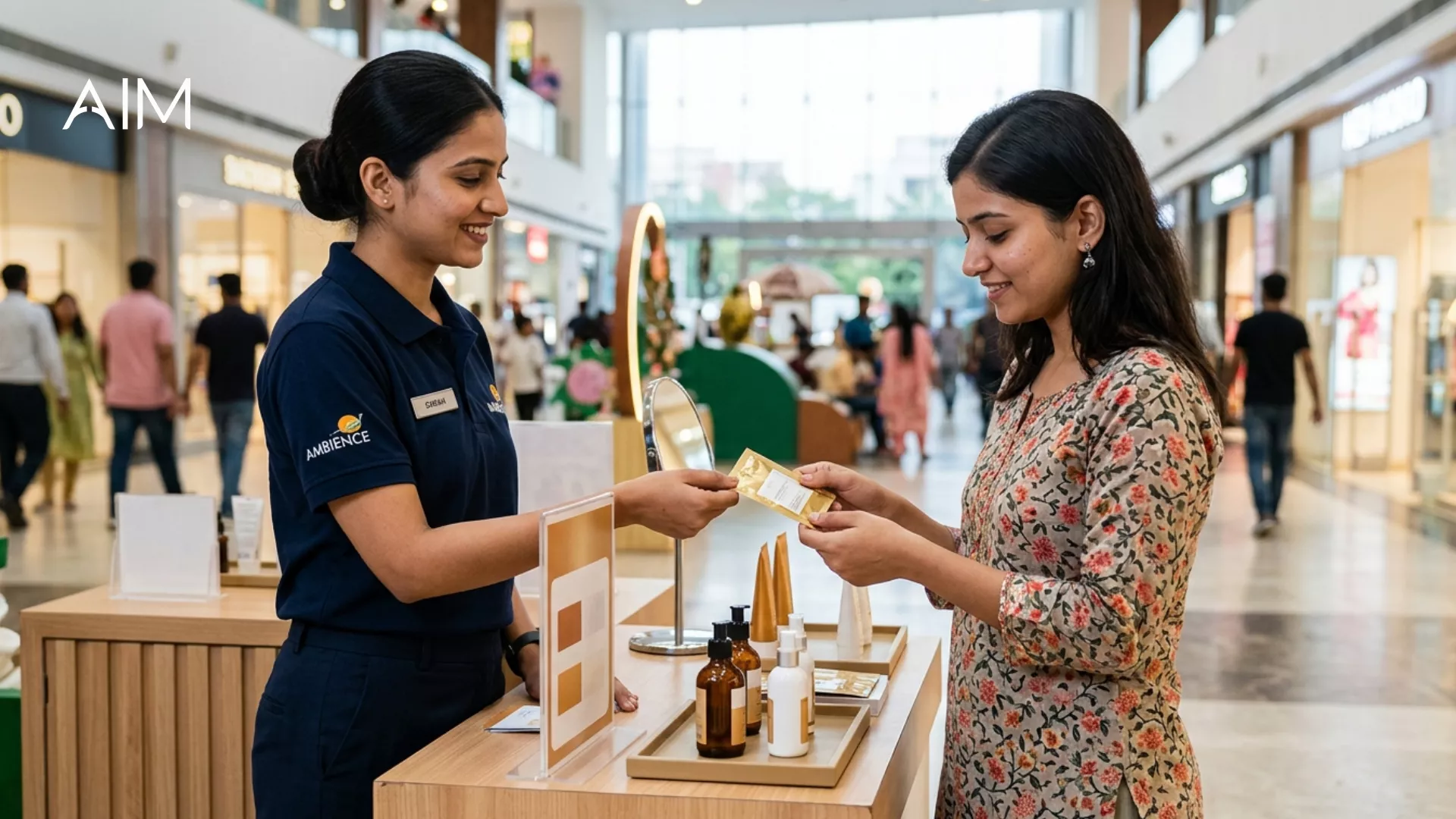
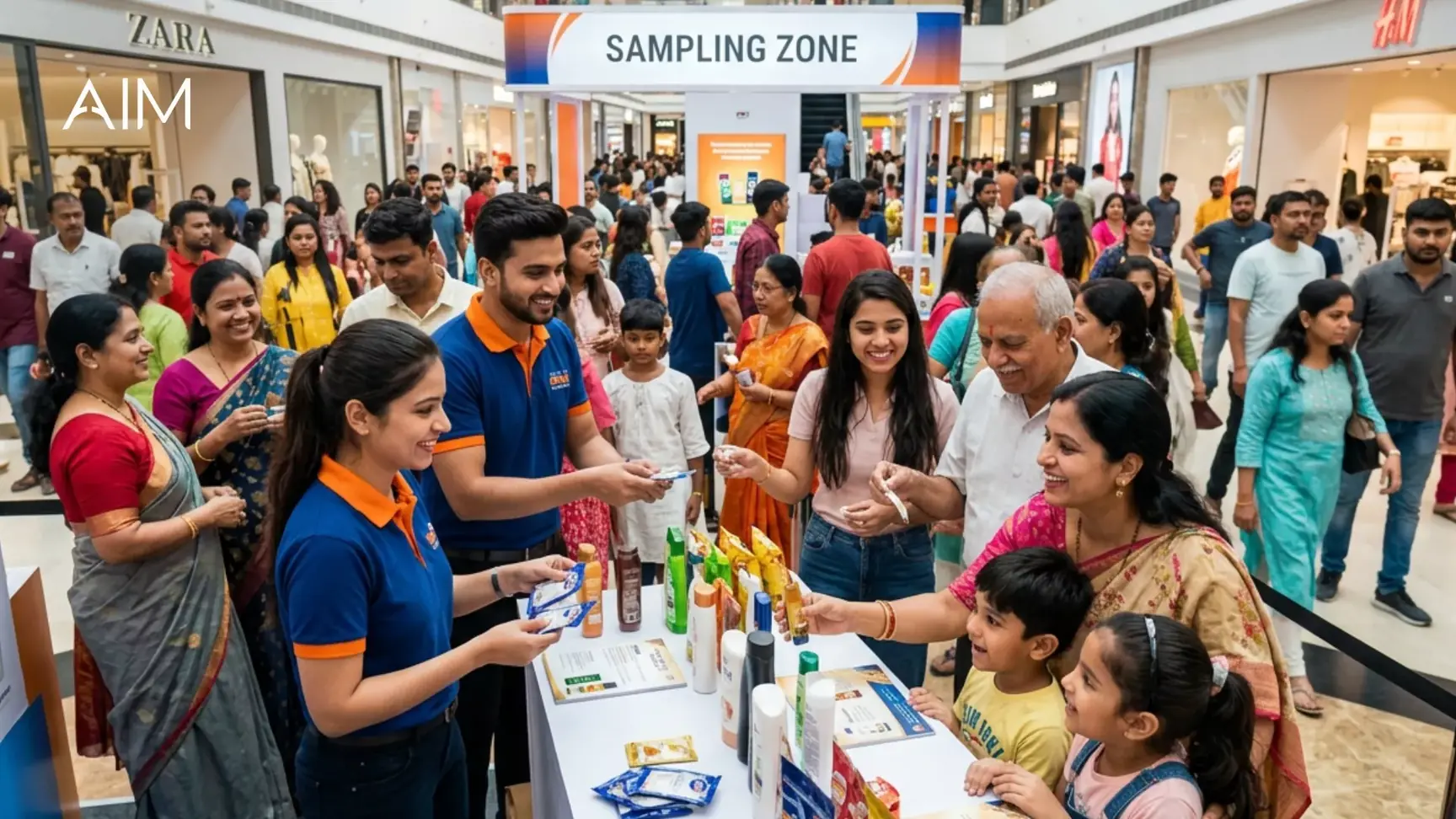
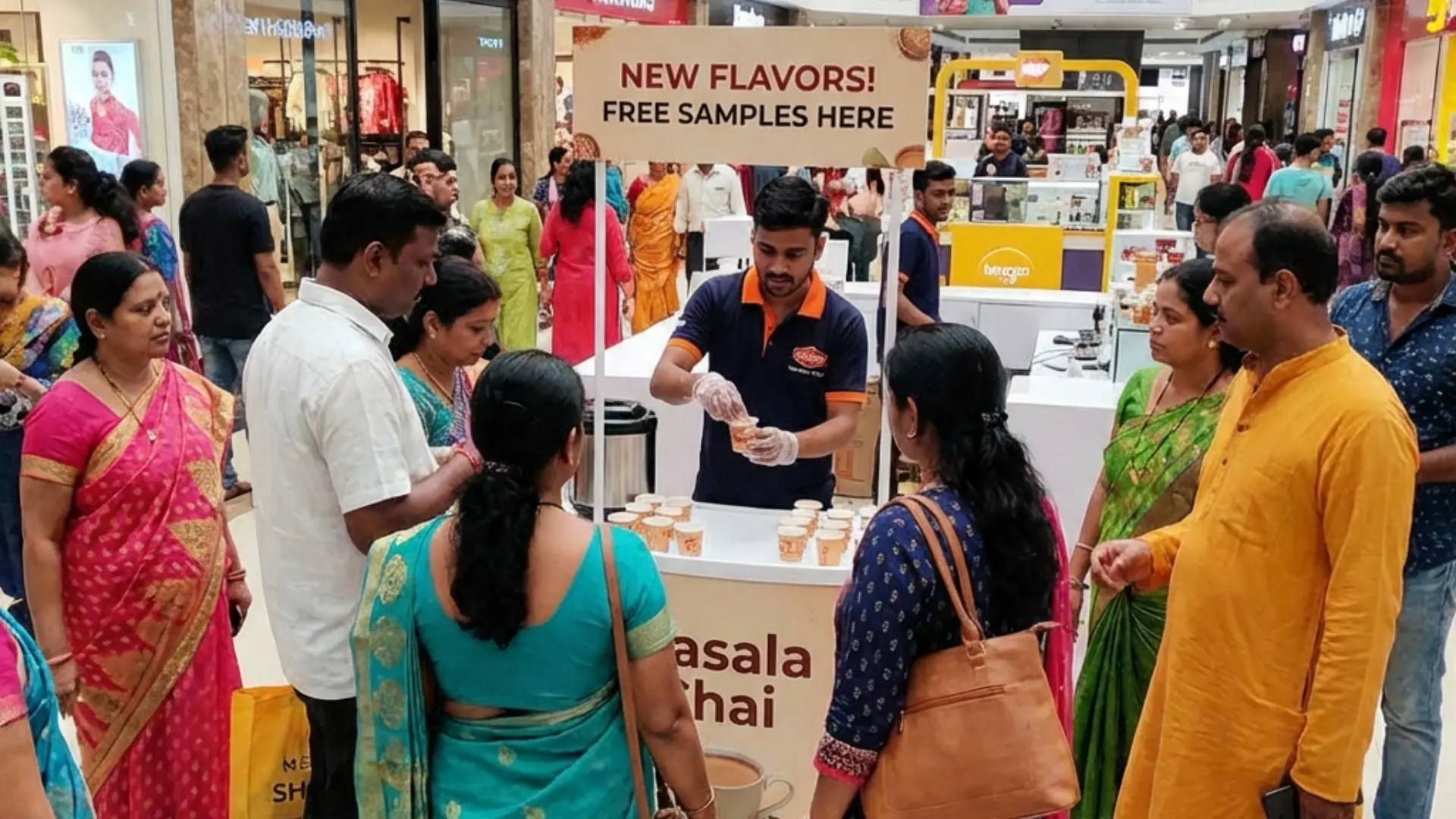
Picture a gut-health drink sampled two ways. In the first, a promoter pours a small cup at a mall, the shopper sips it, finds it pleasant enough, and walks on with no idea what it was for or why it might matter to them. A trial happened, and it sold nothing, because the sip was the whole interaction. In the second, the same drink is sampled at a wellness store to someone already thinking about digestion, with one clear line on what it does, a word on how to use it over a few days, and a code to reorder. Same drink, same sip, completely different outcome, because the second version treated the benefit as the thing being sold and the taste as the gate it had to pass. The drink did not change. The sampling did.
In the end, sampling a functional drink is less like offering a taste and more like making a small, honest promise and giving the customer the means to test it. Get that right and the trial sells the benefit, which is the only thing the customer was ever buying.