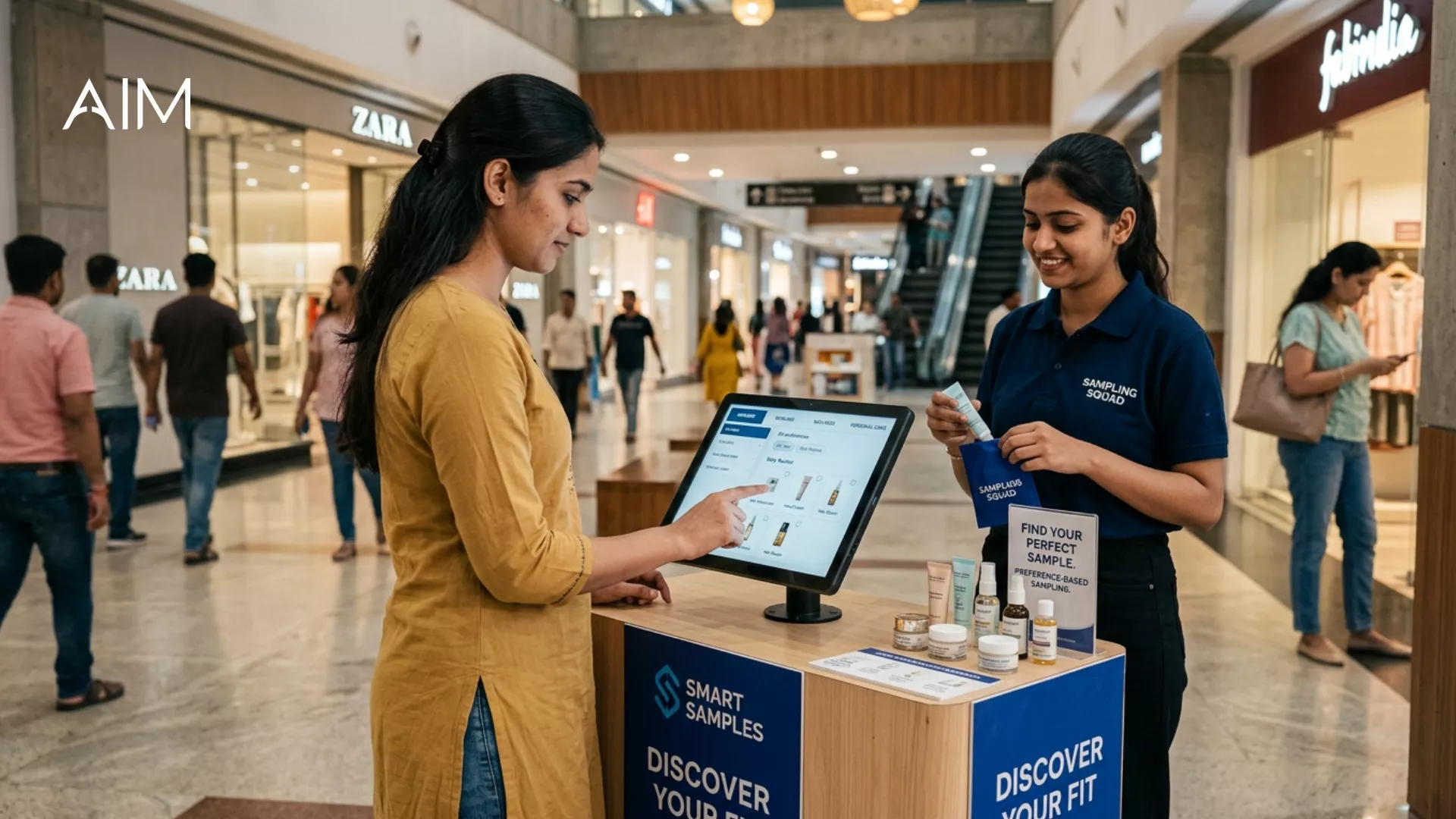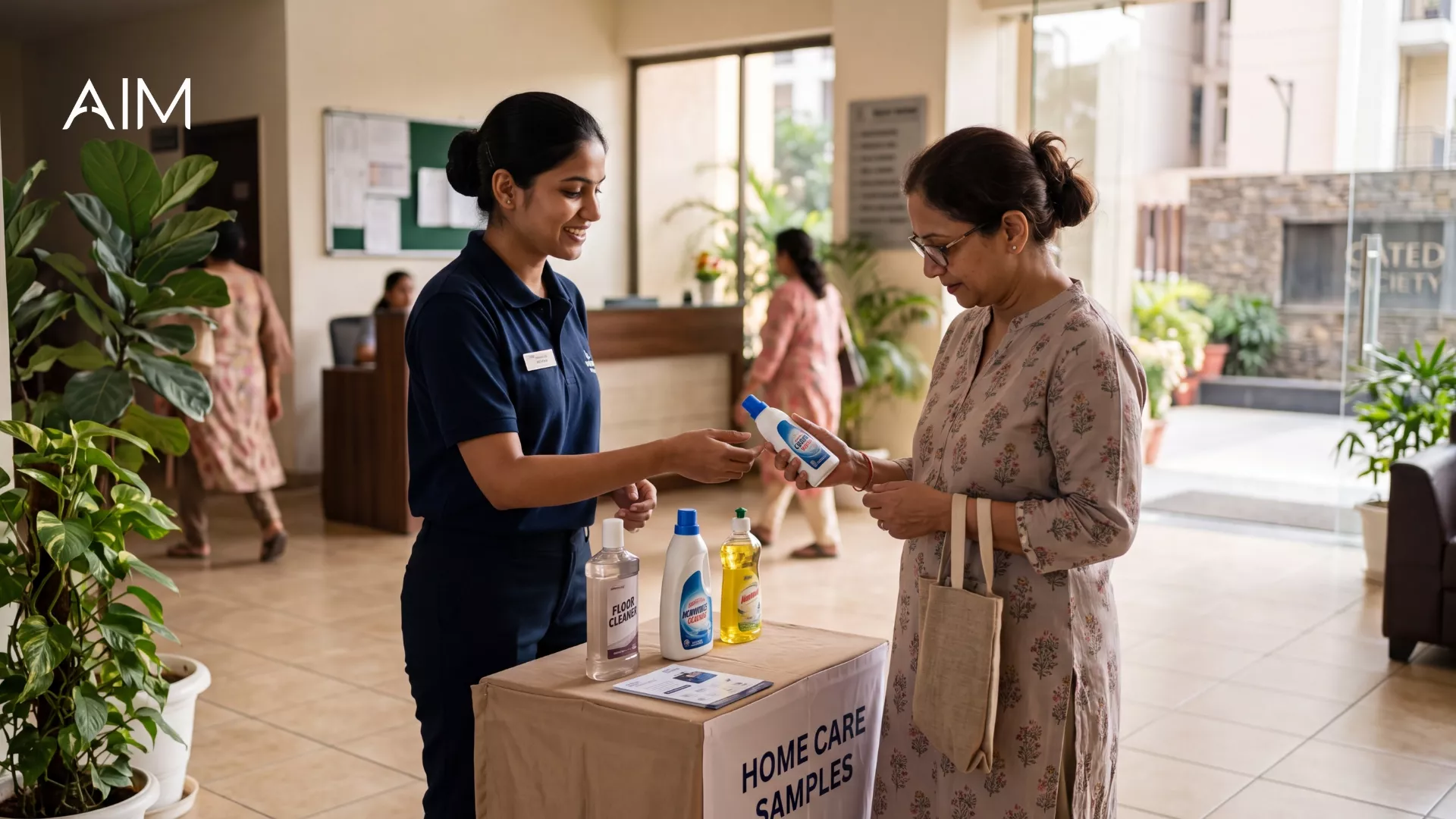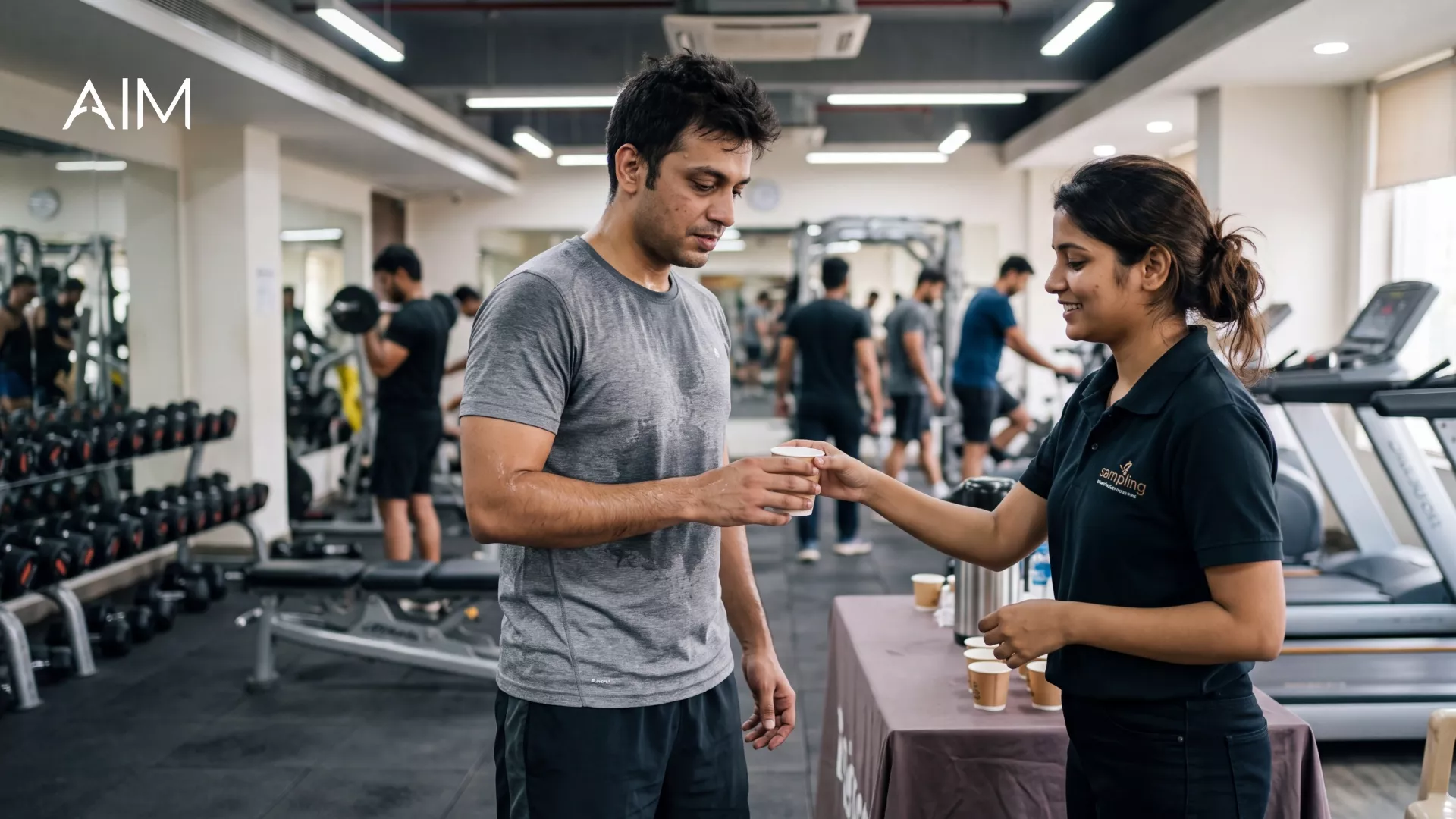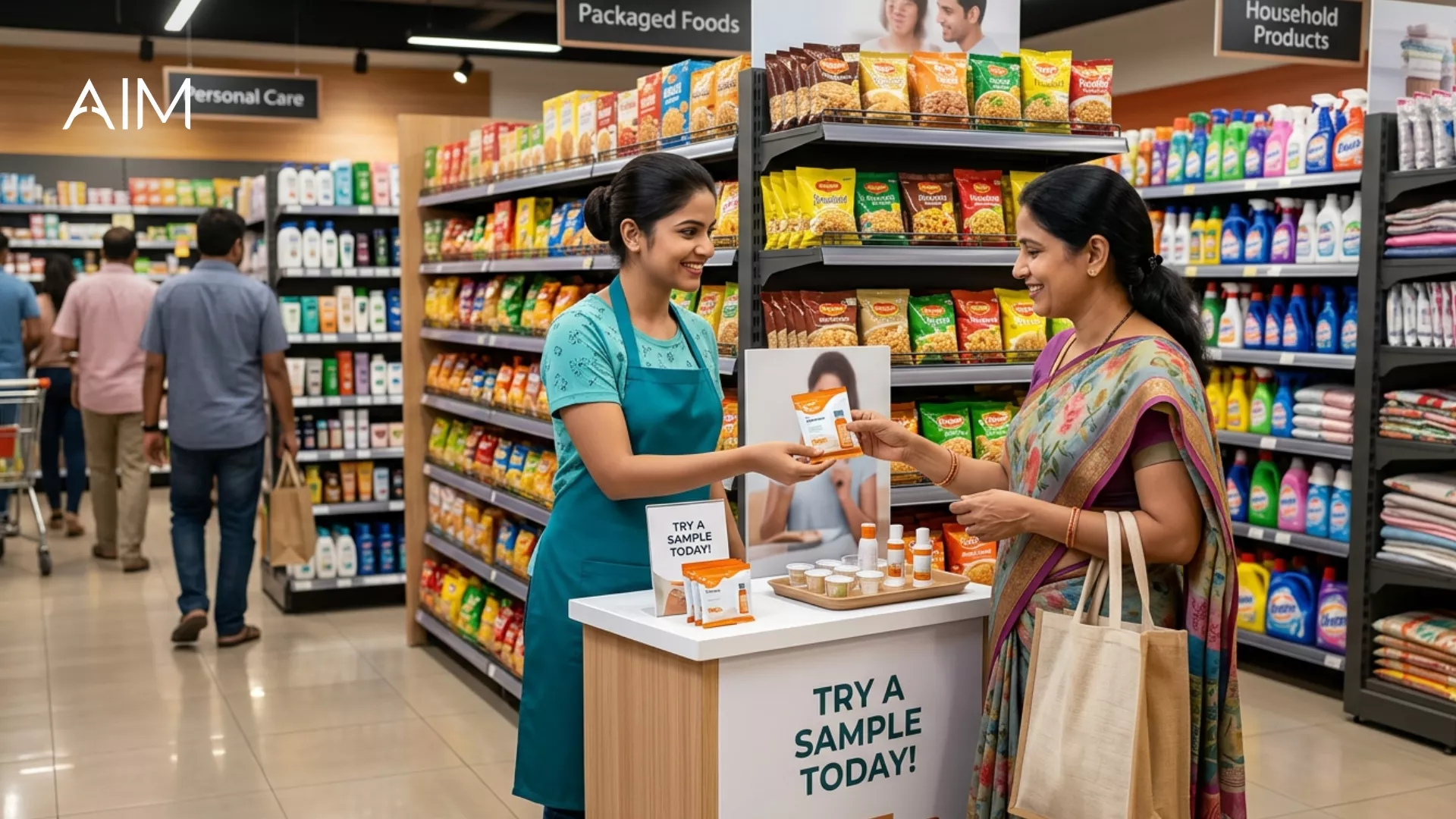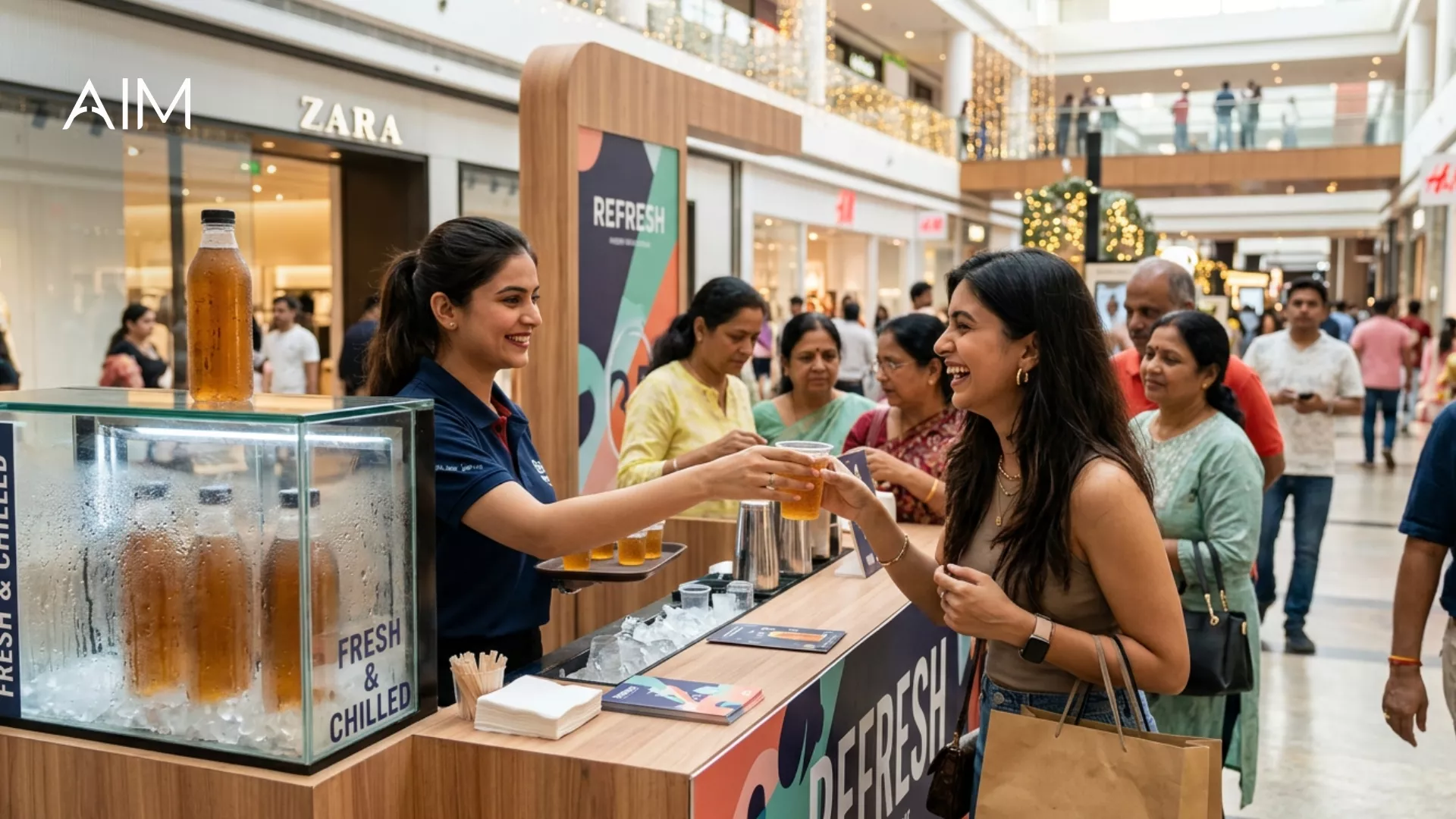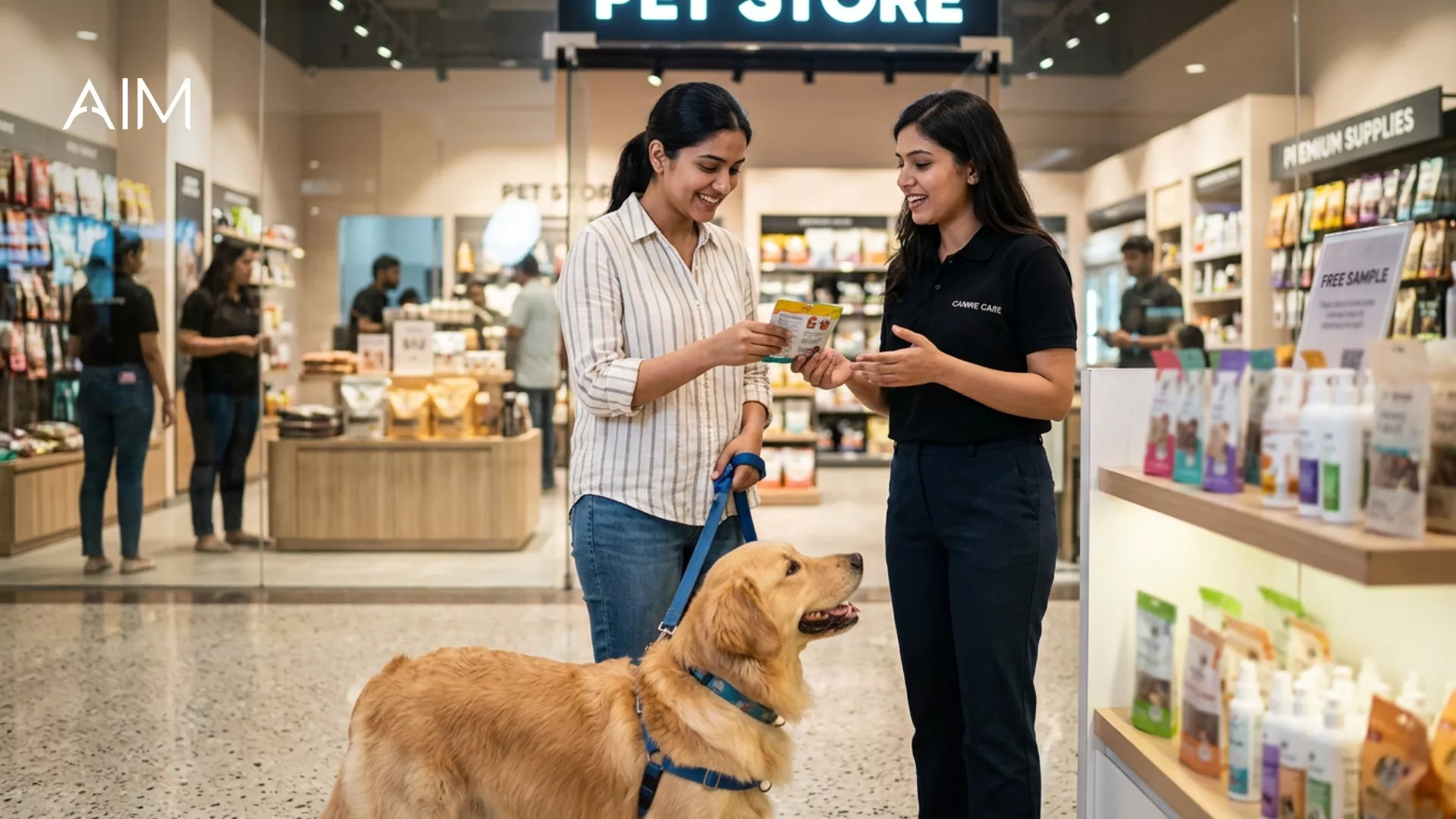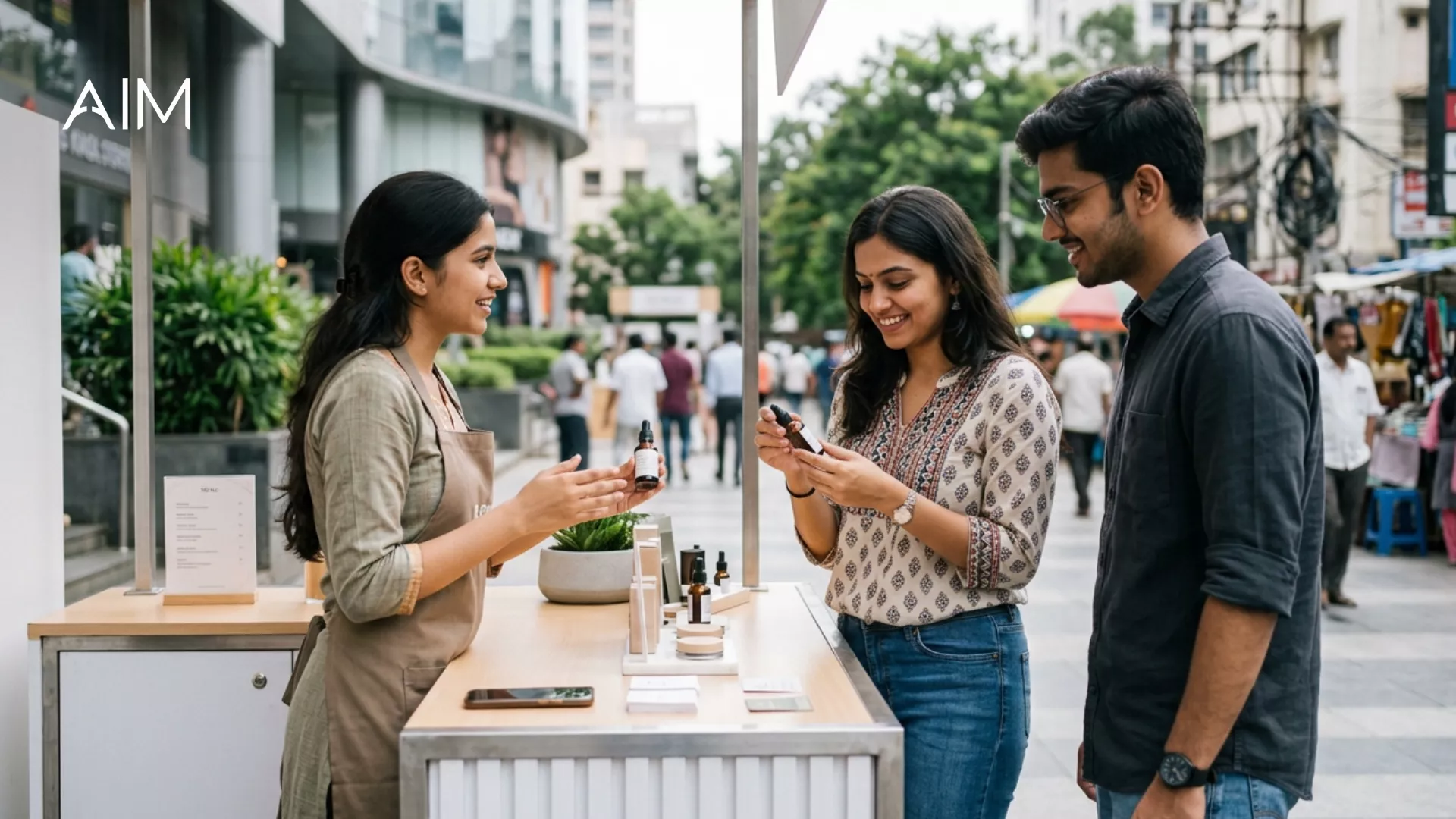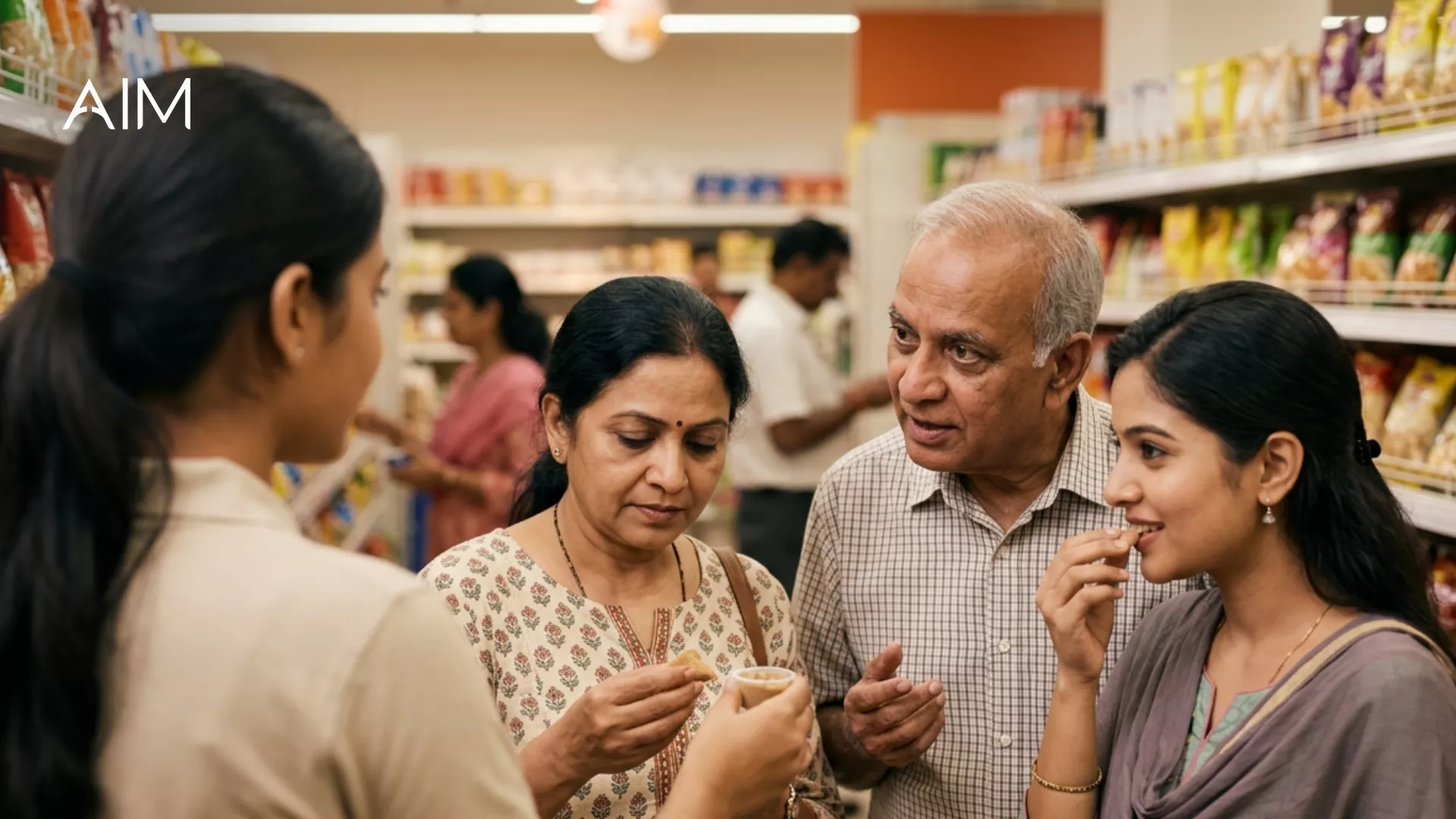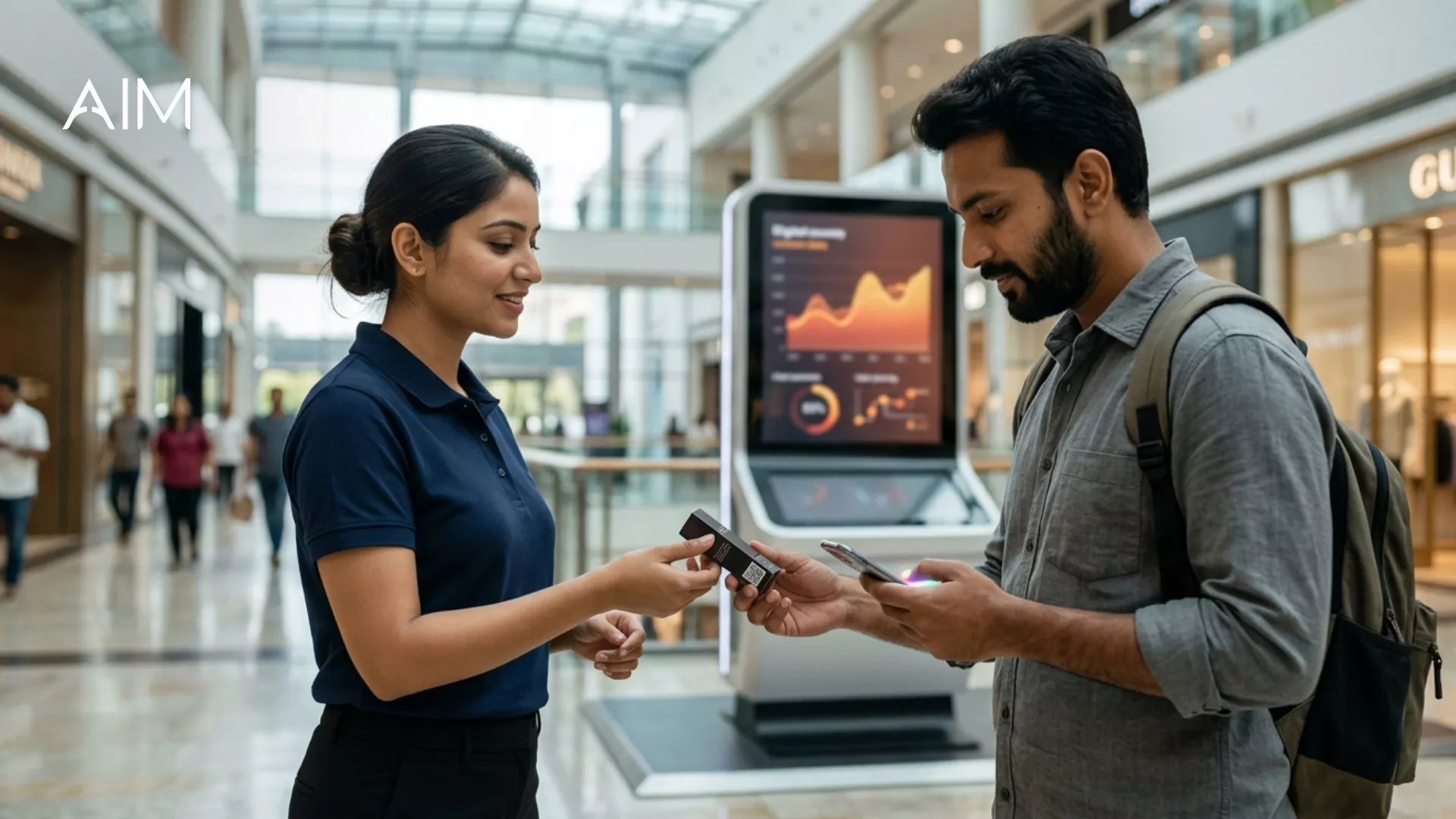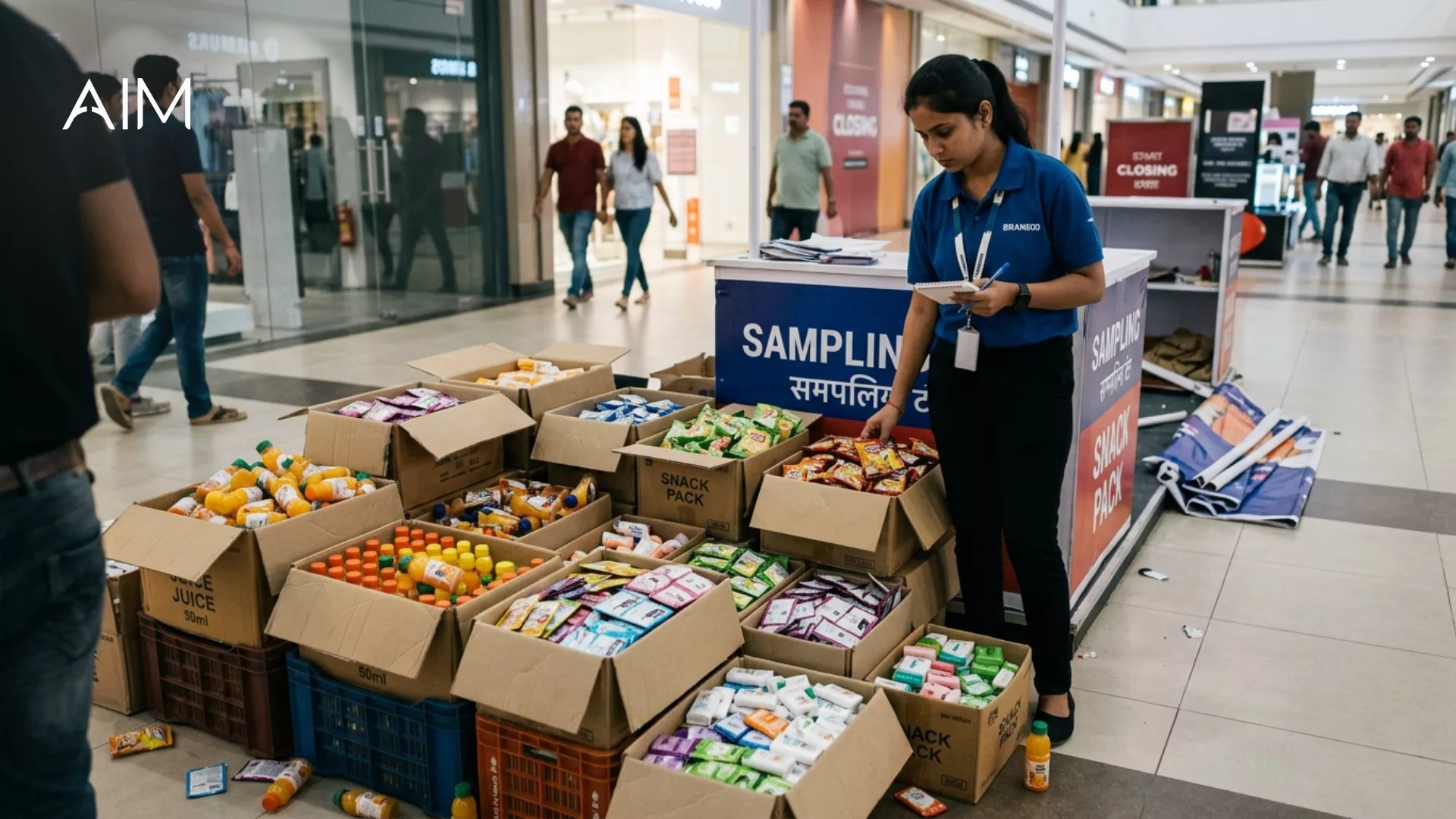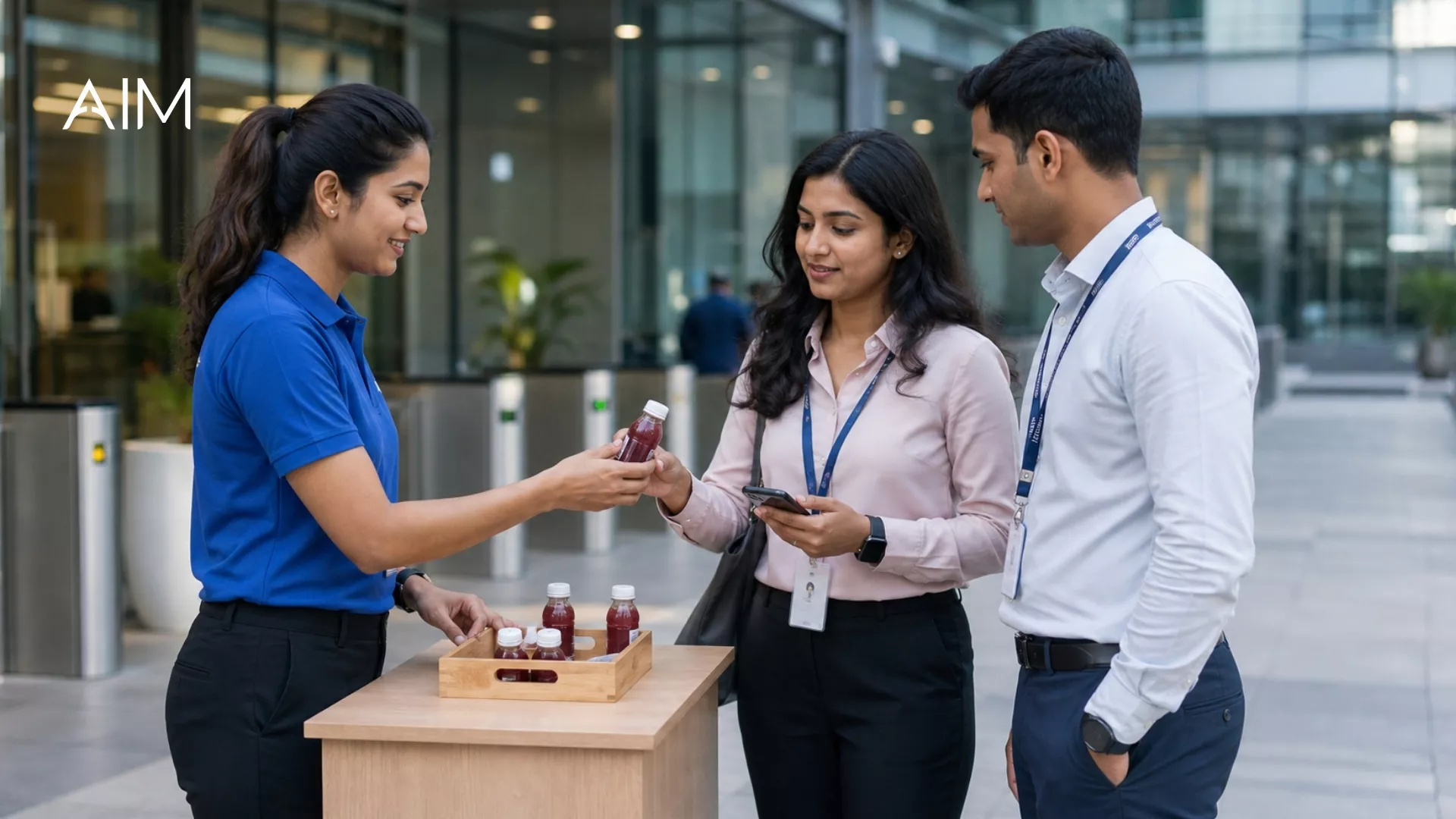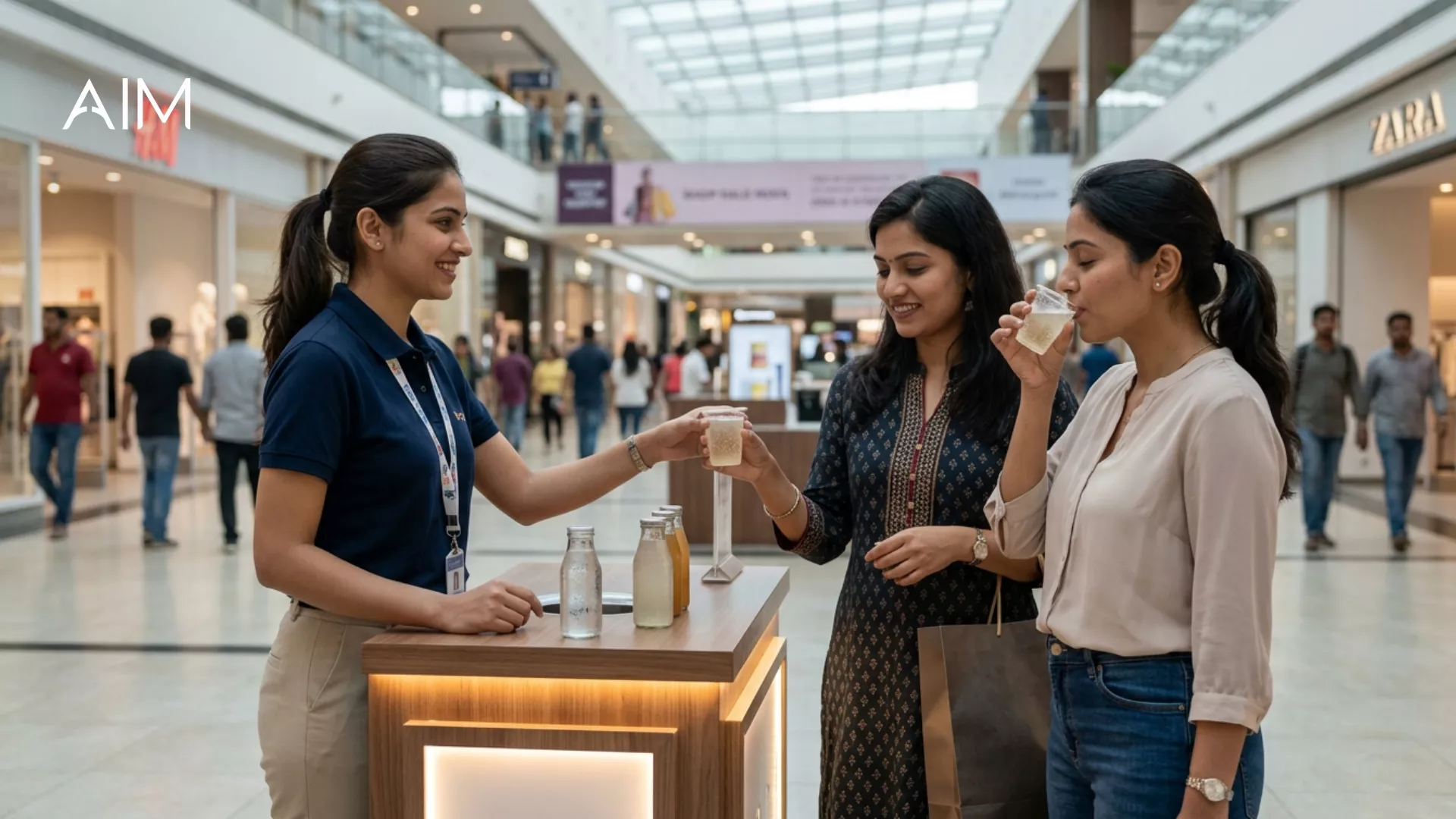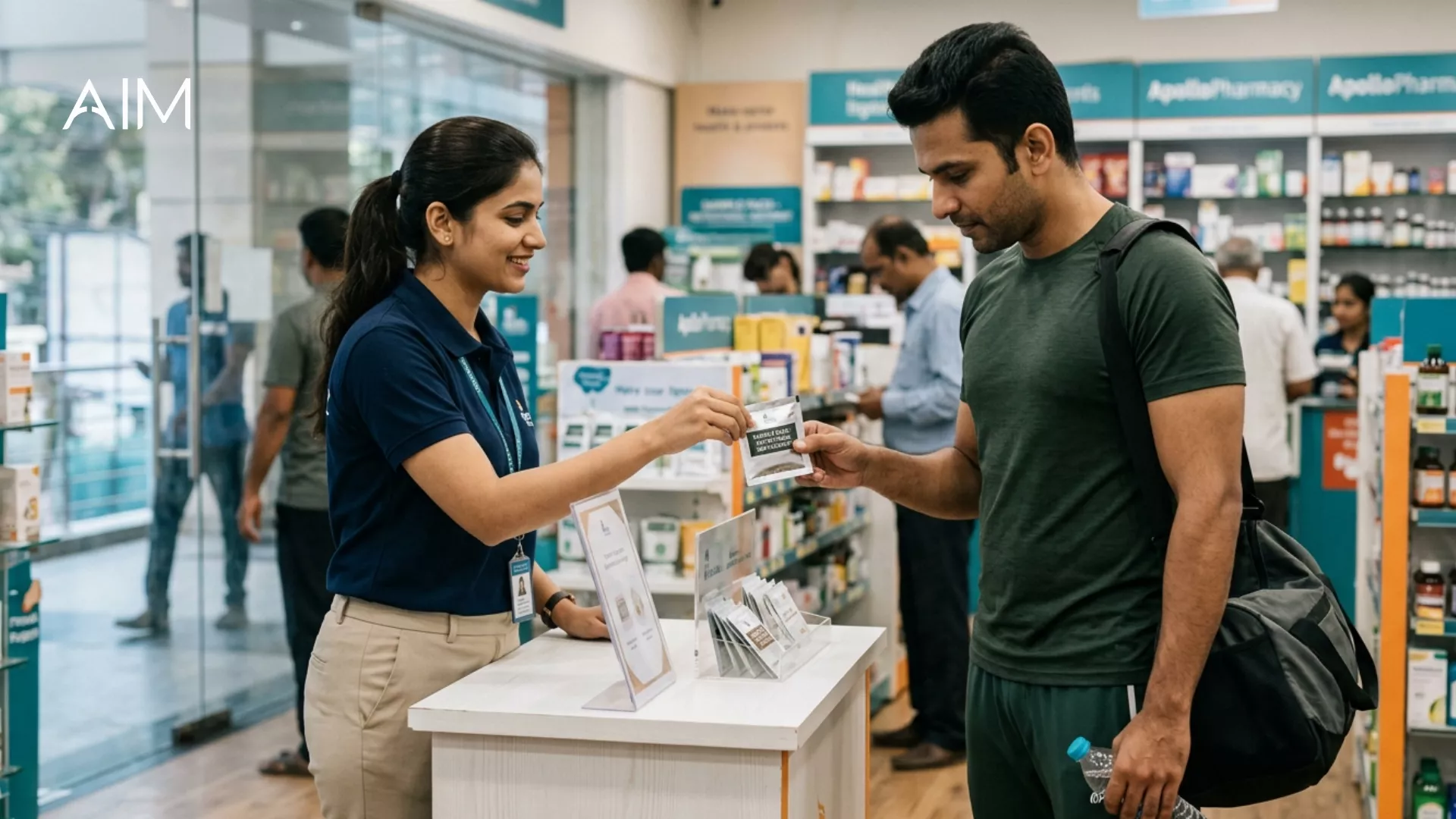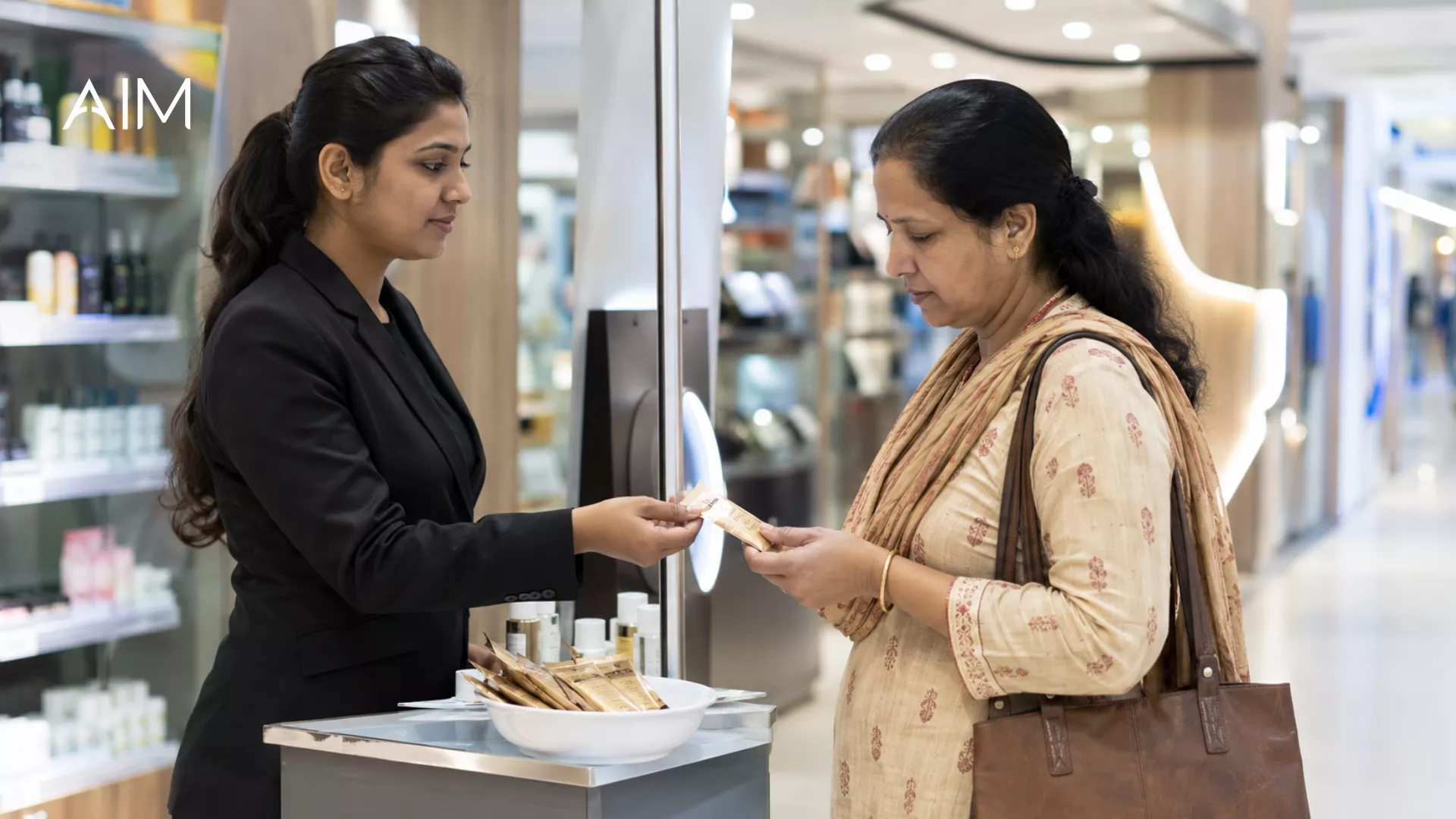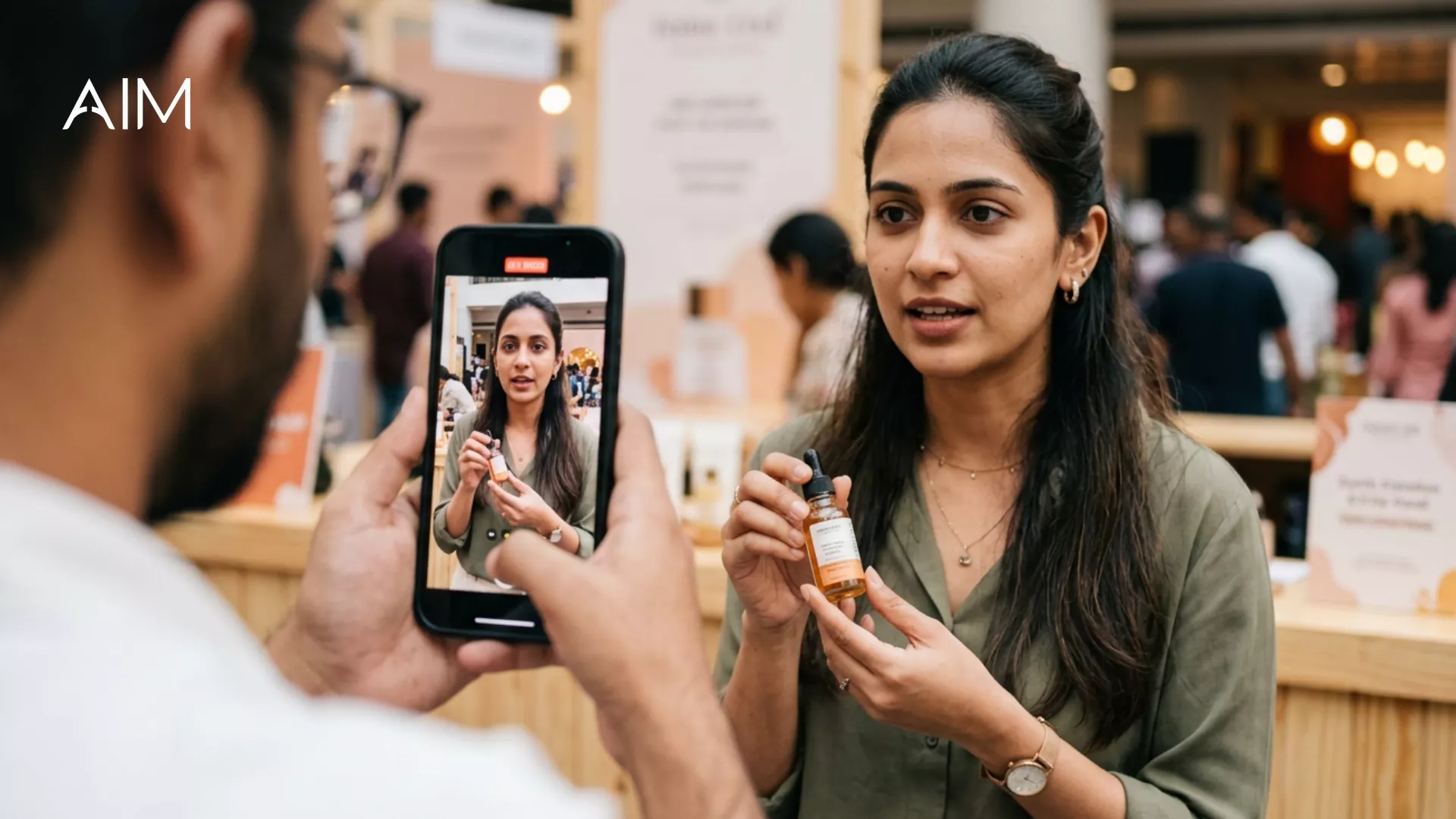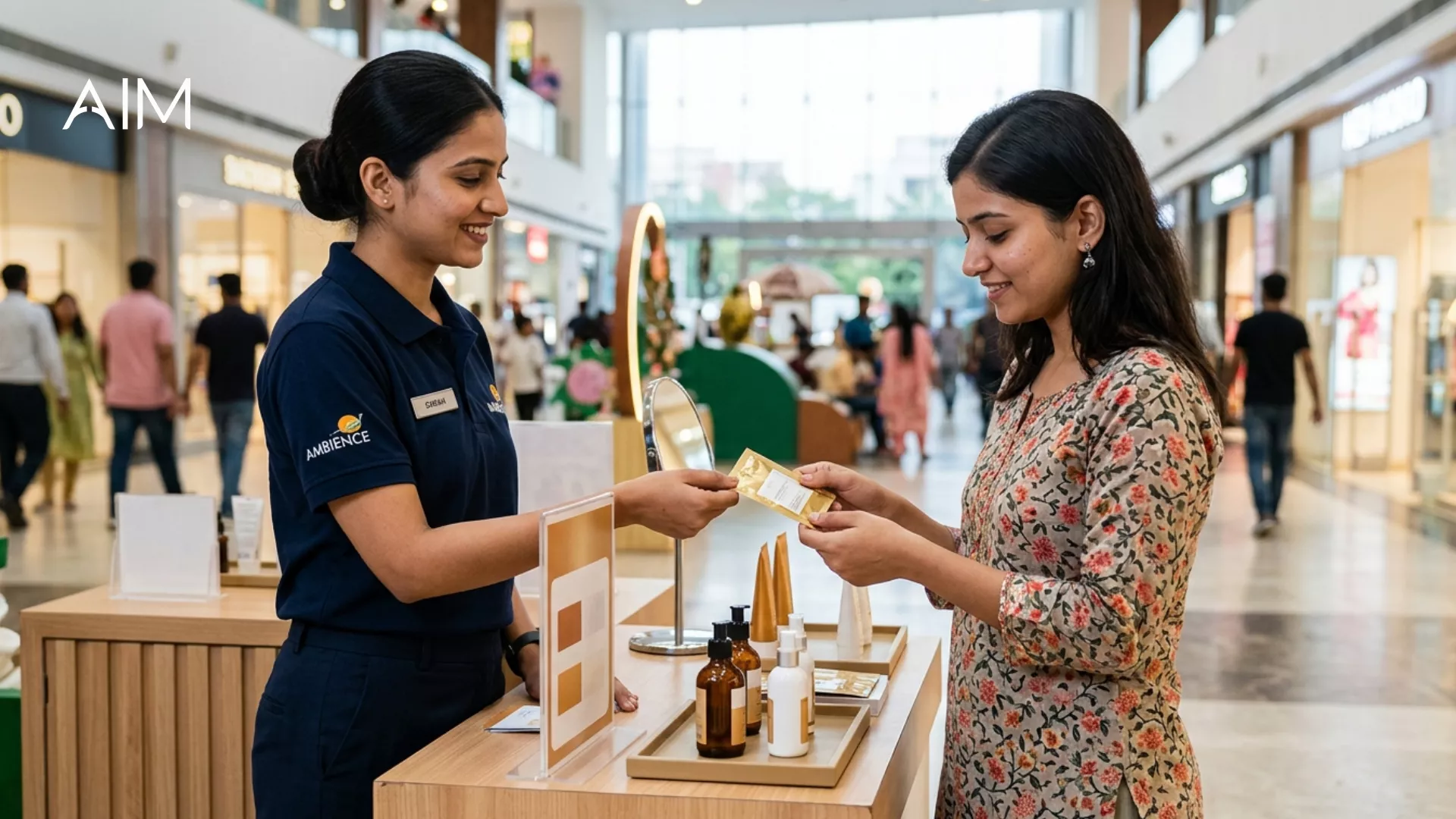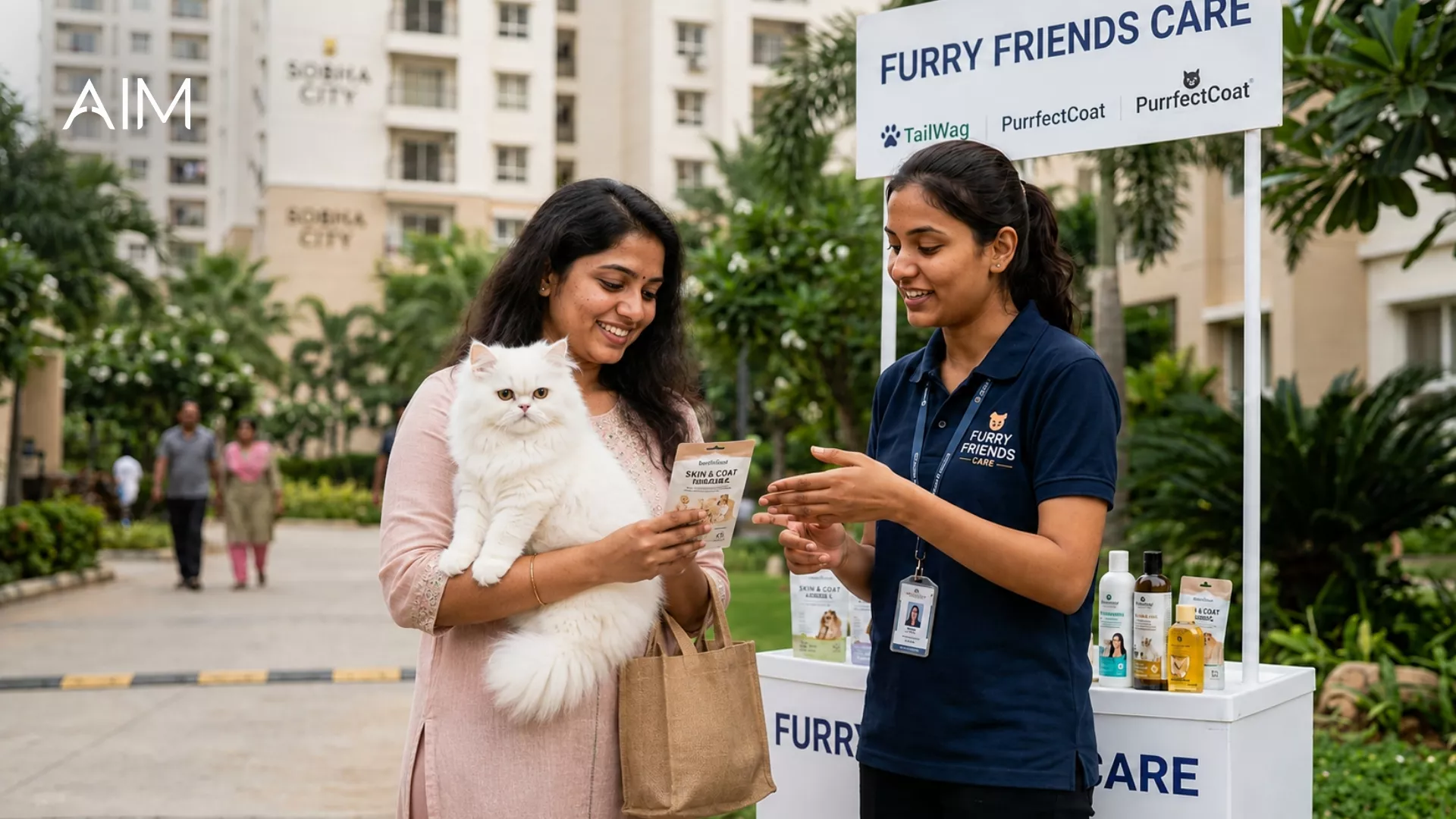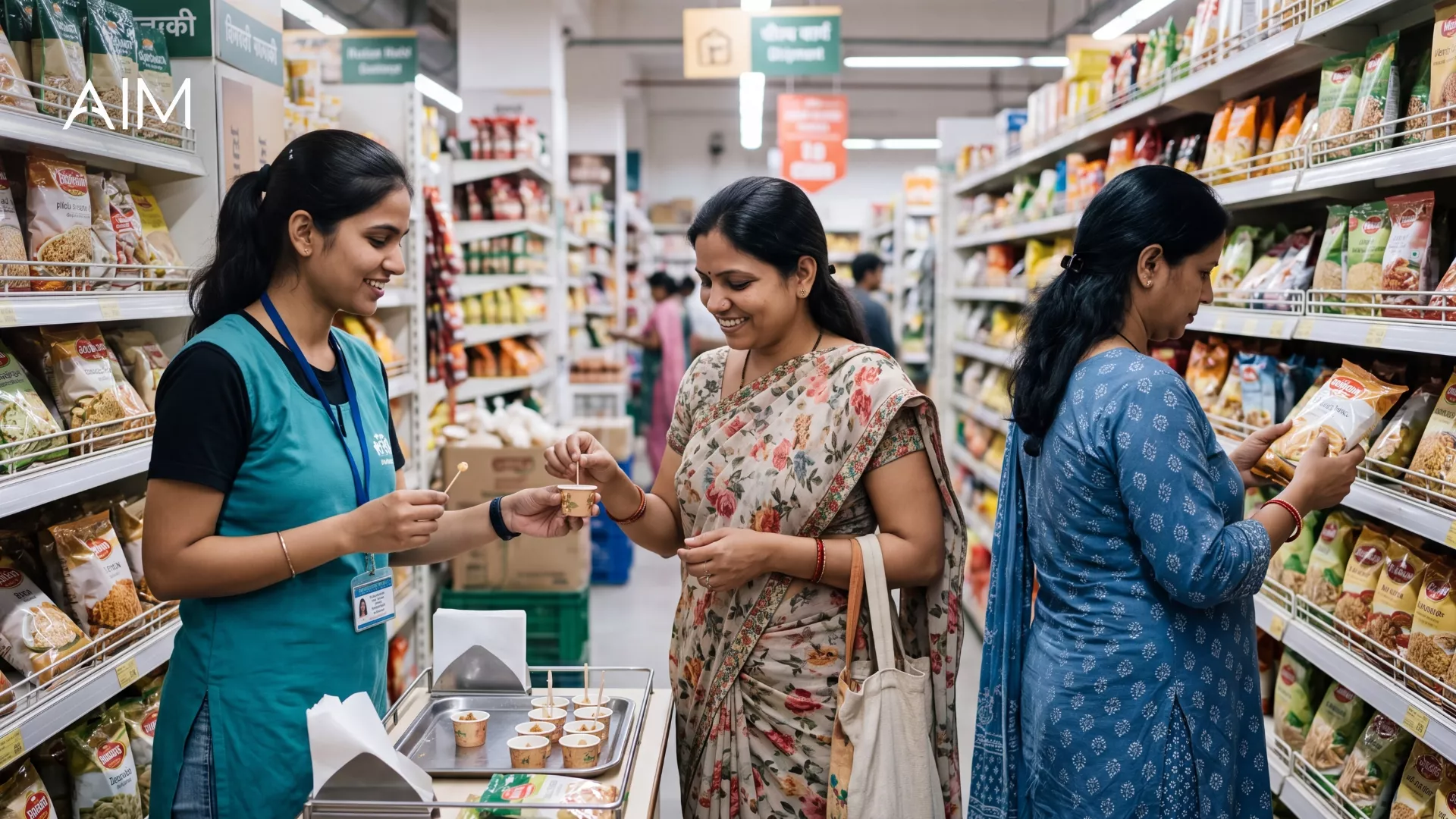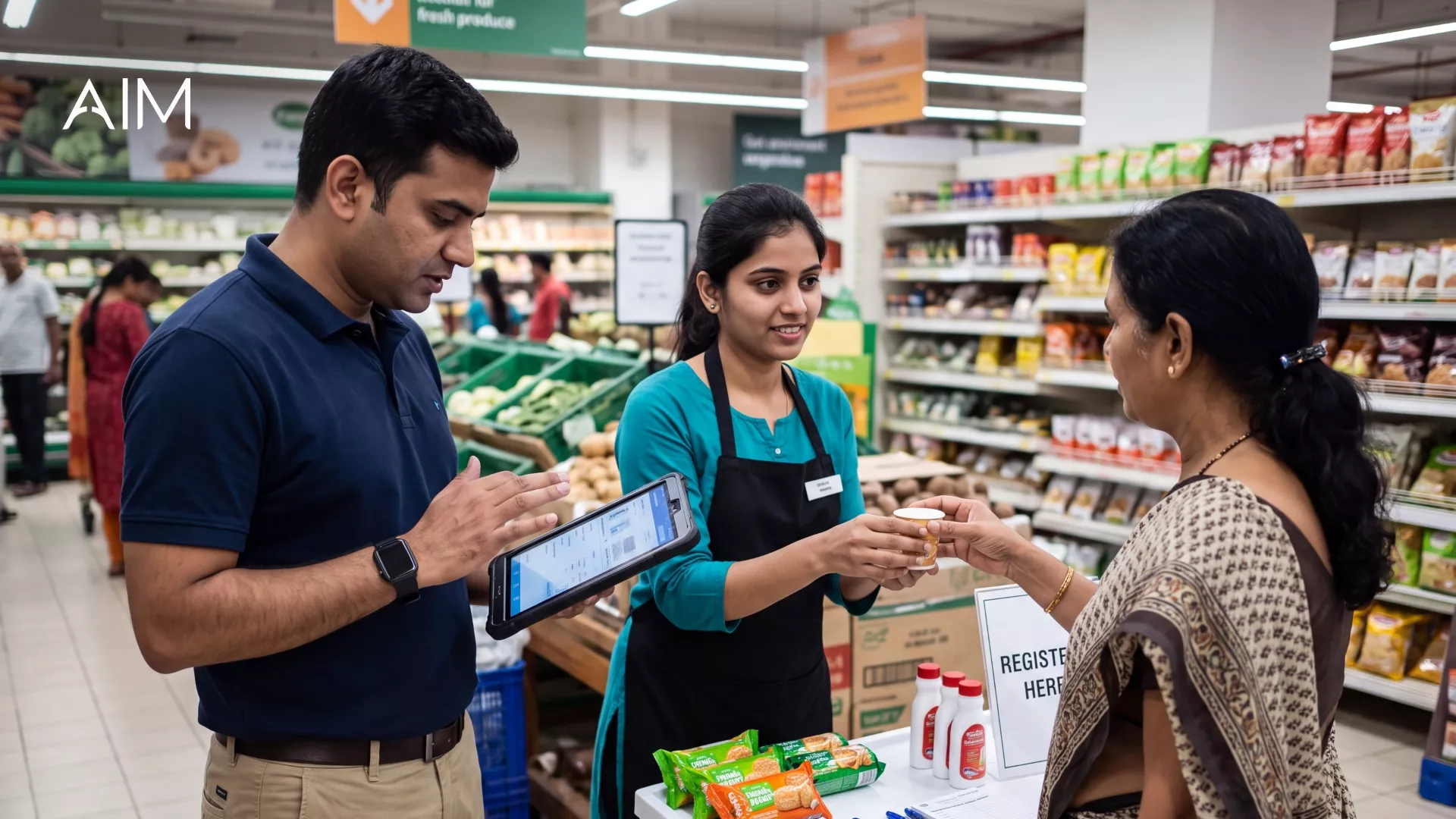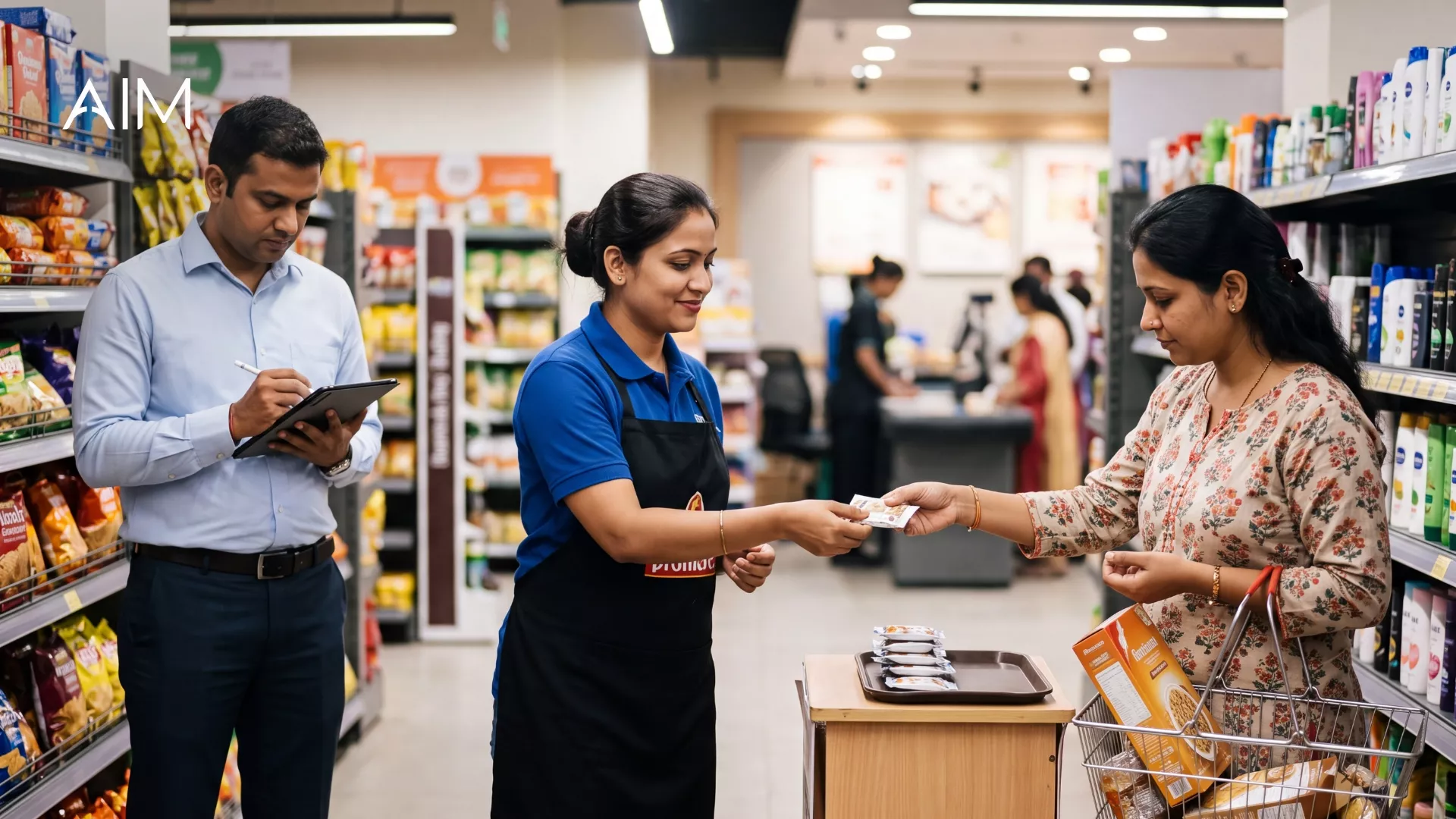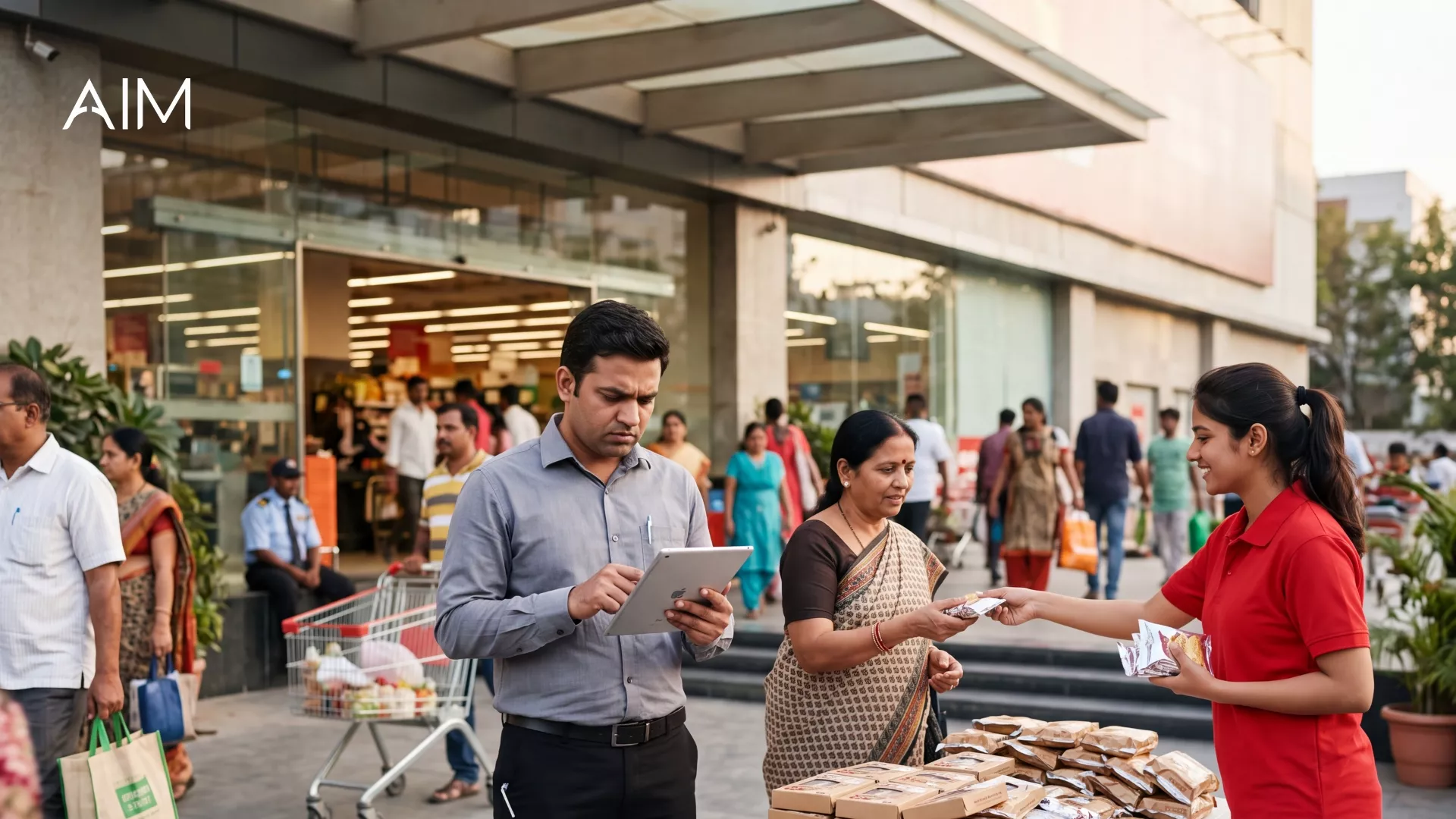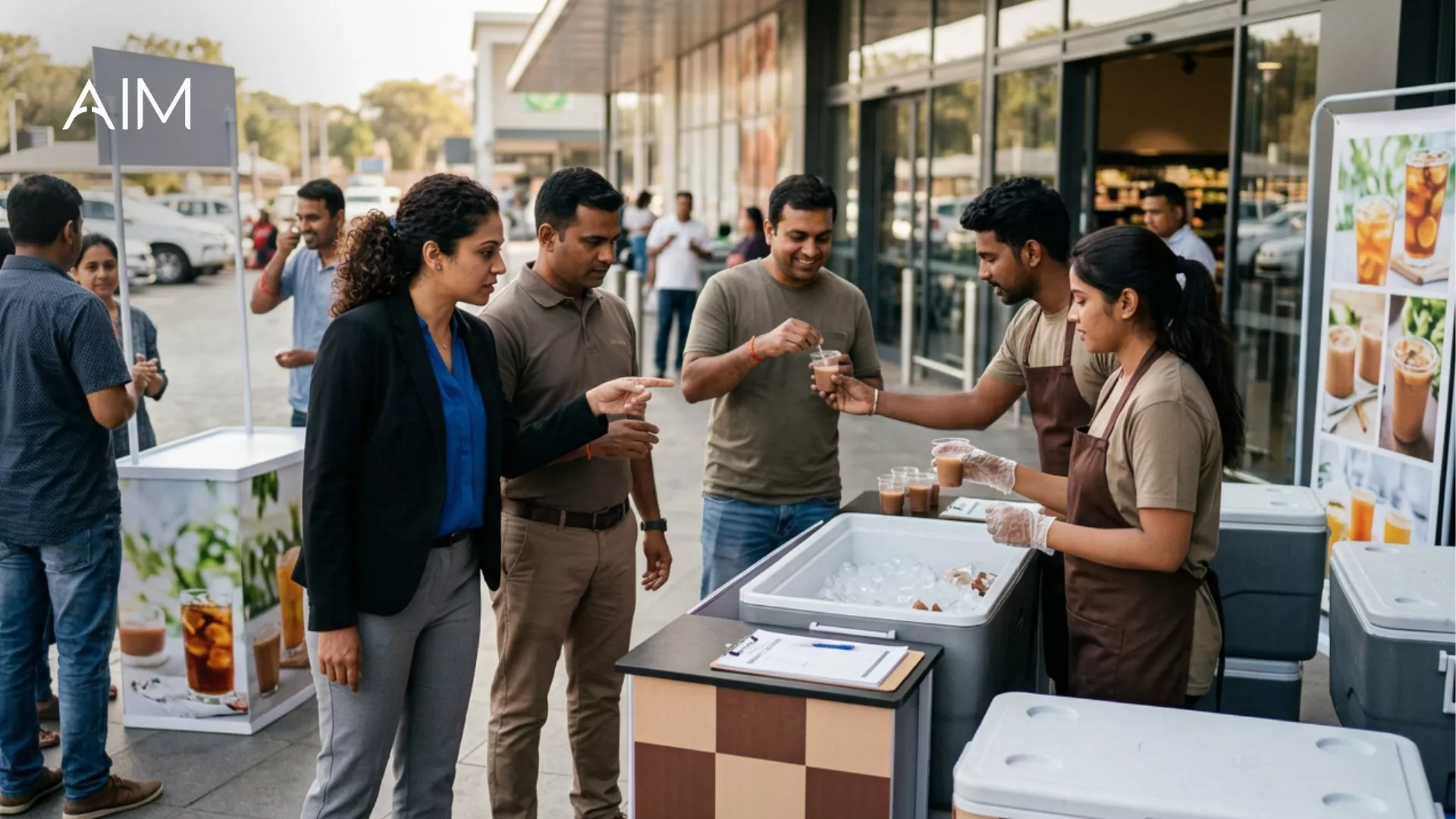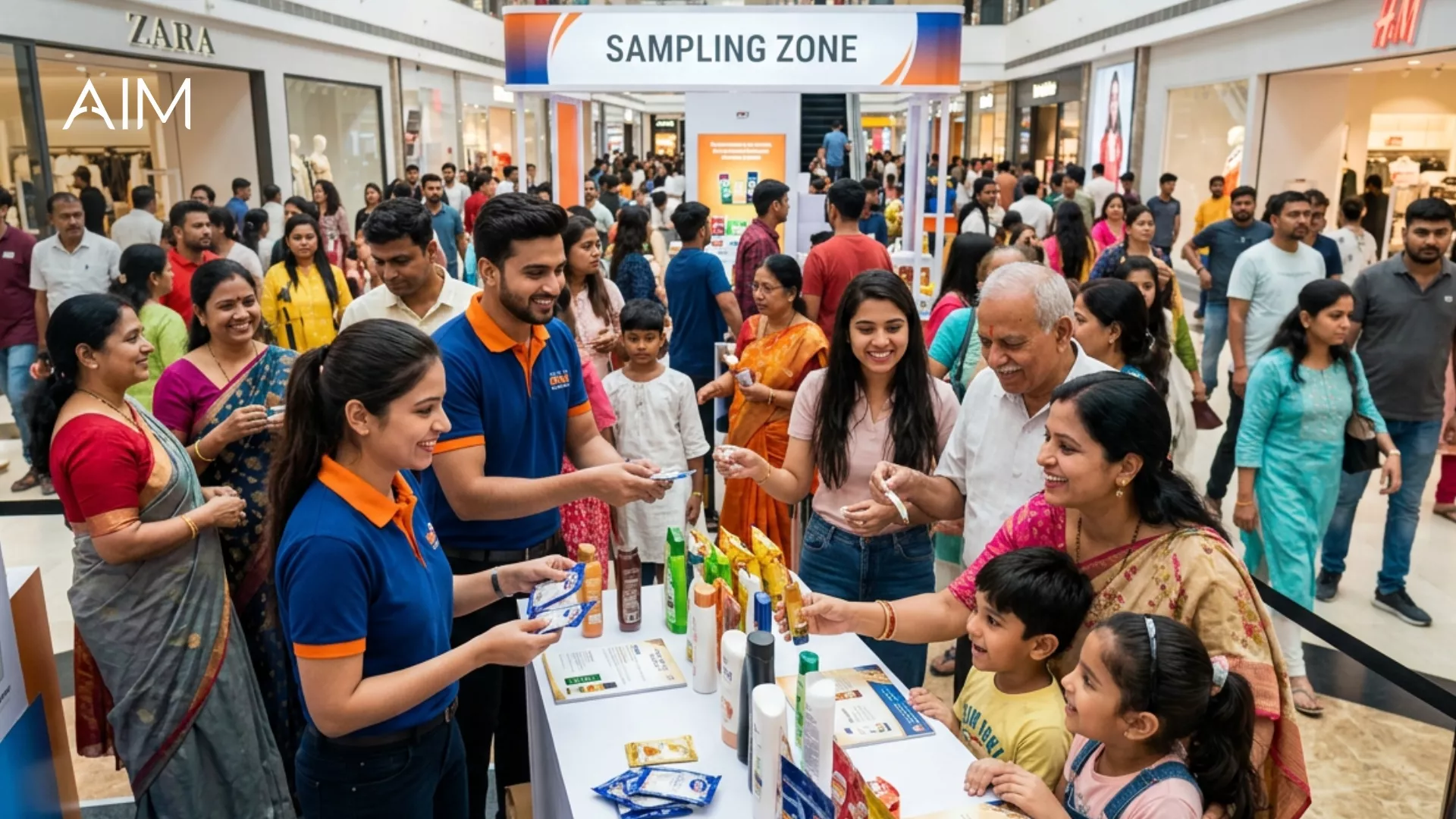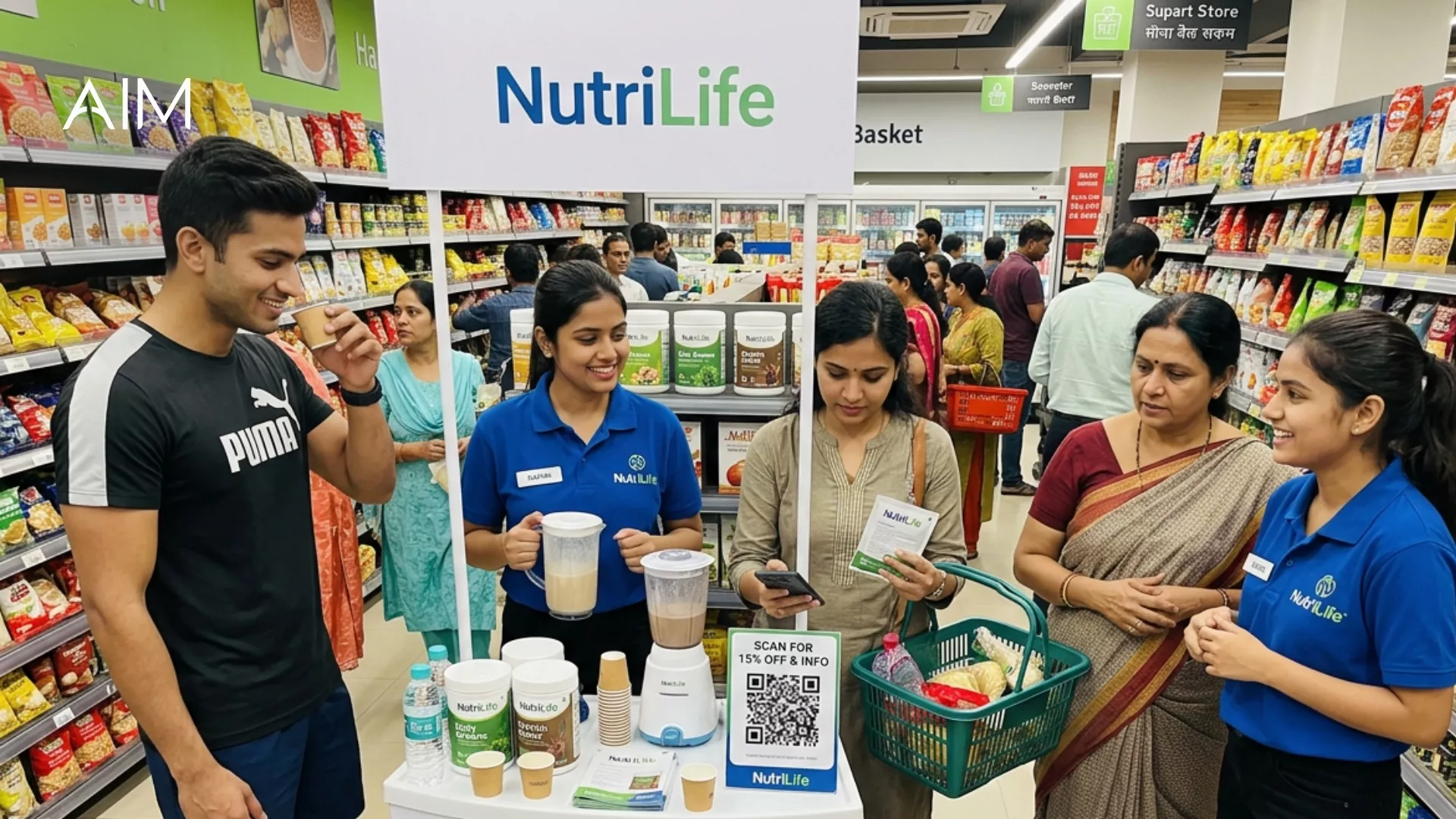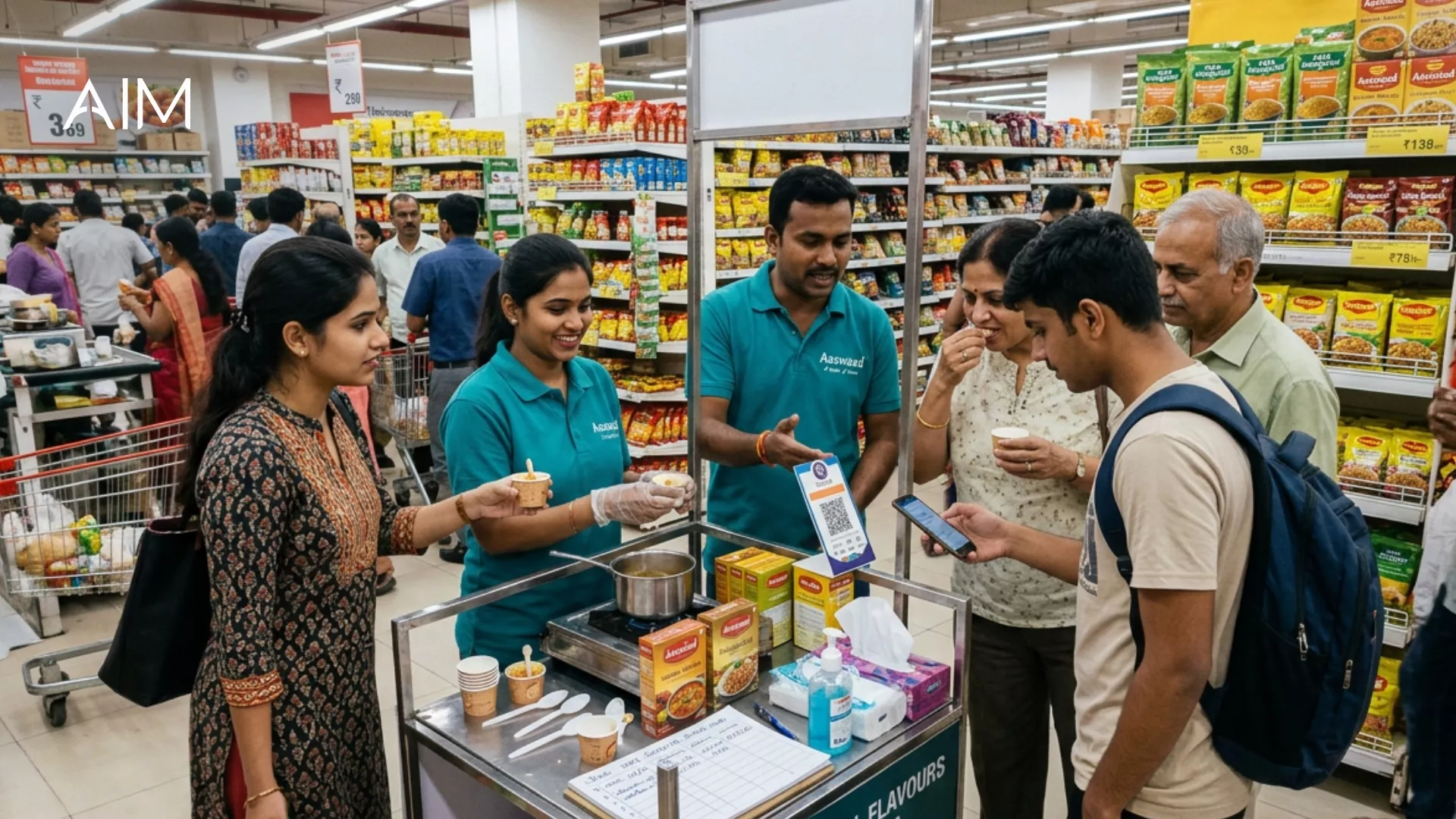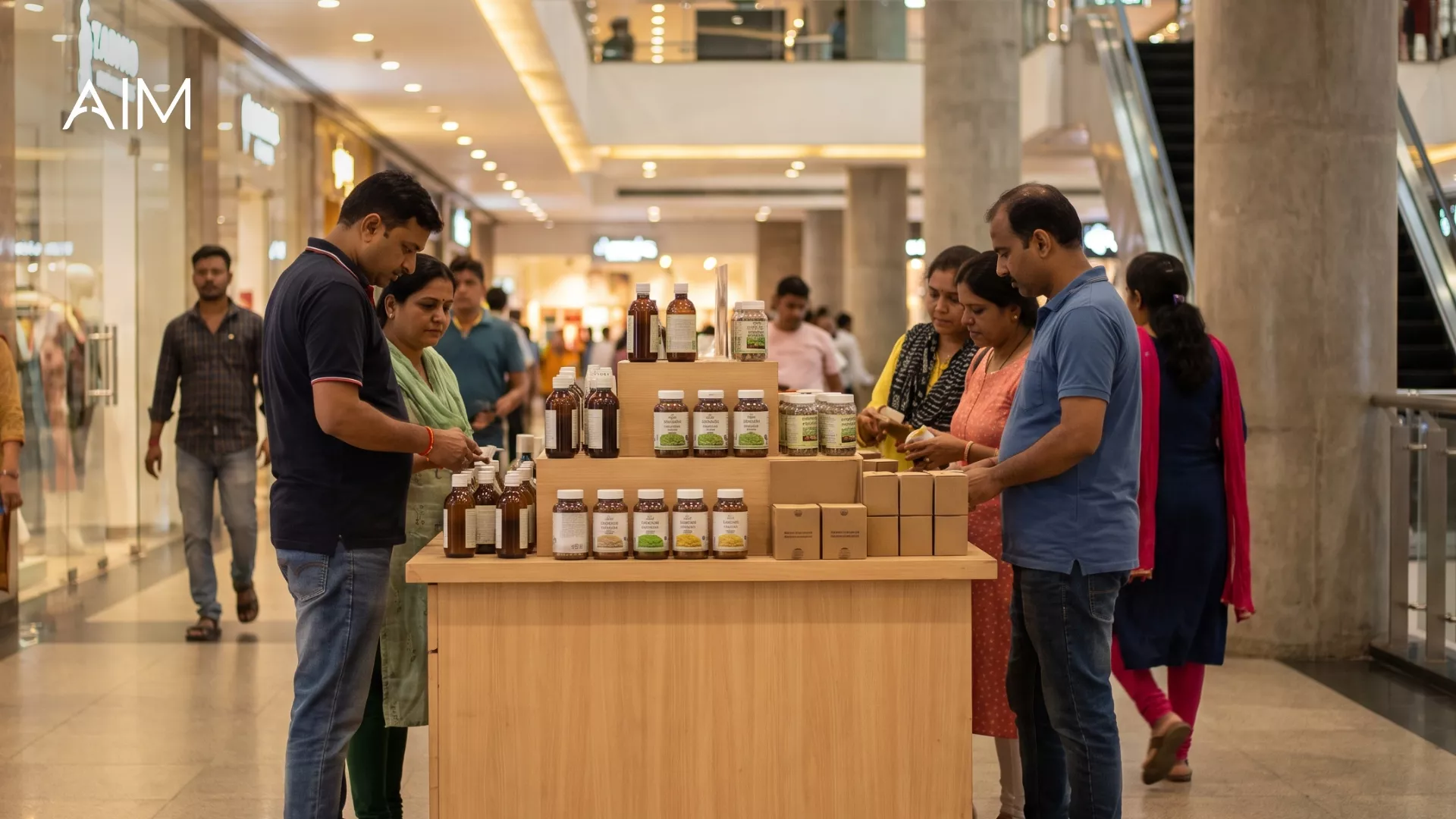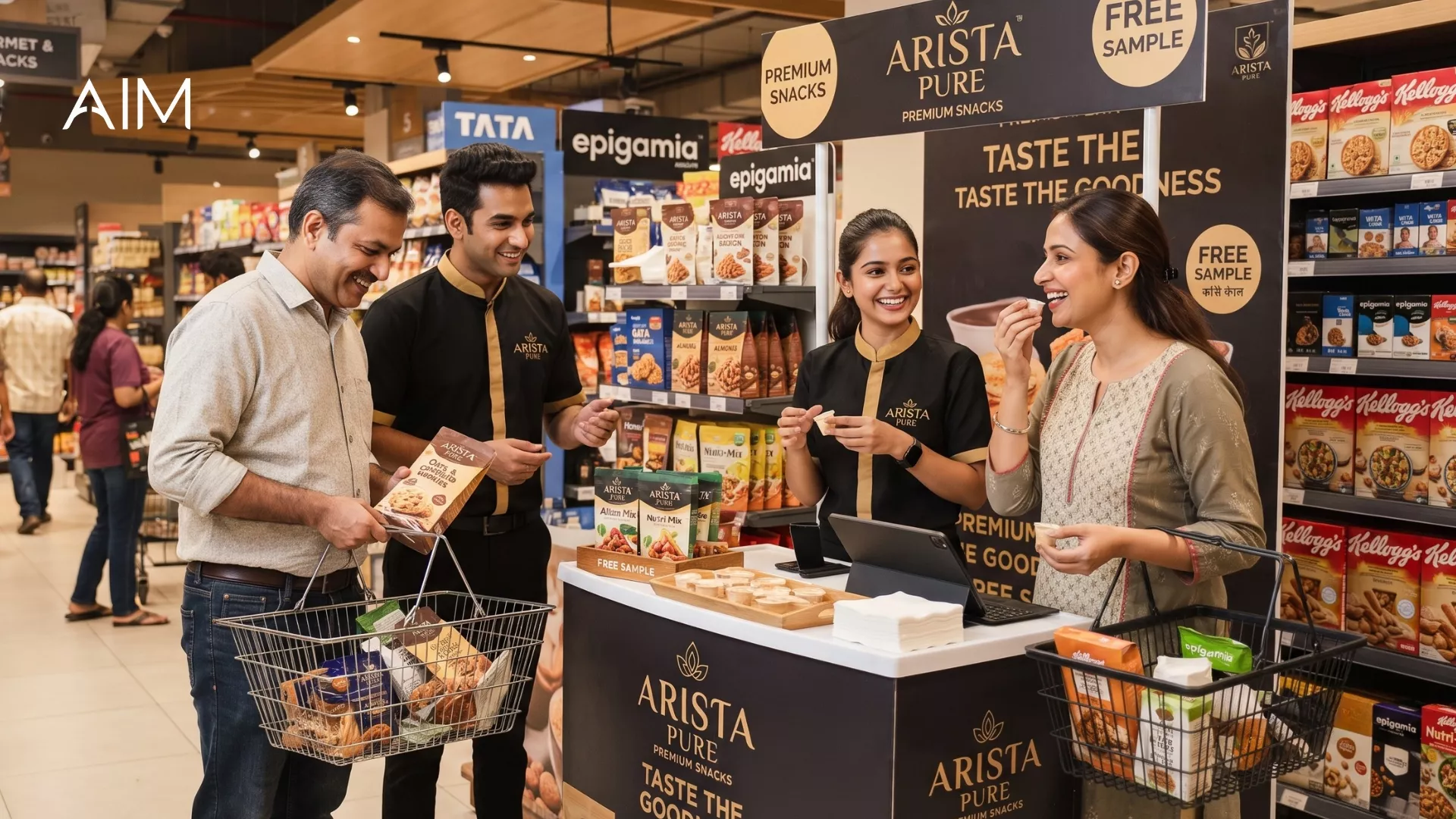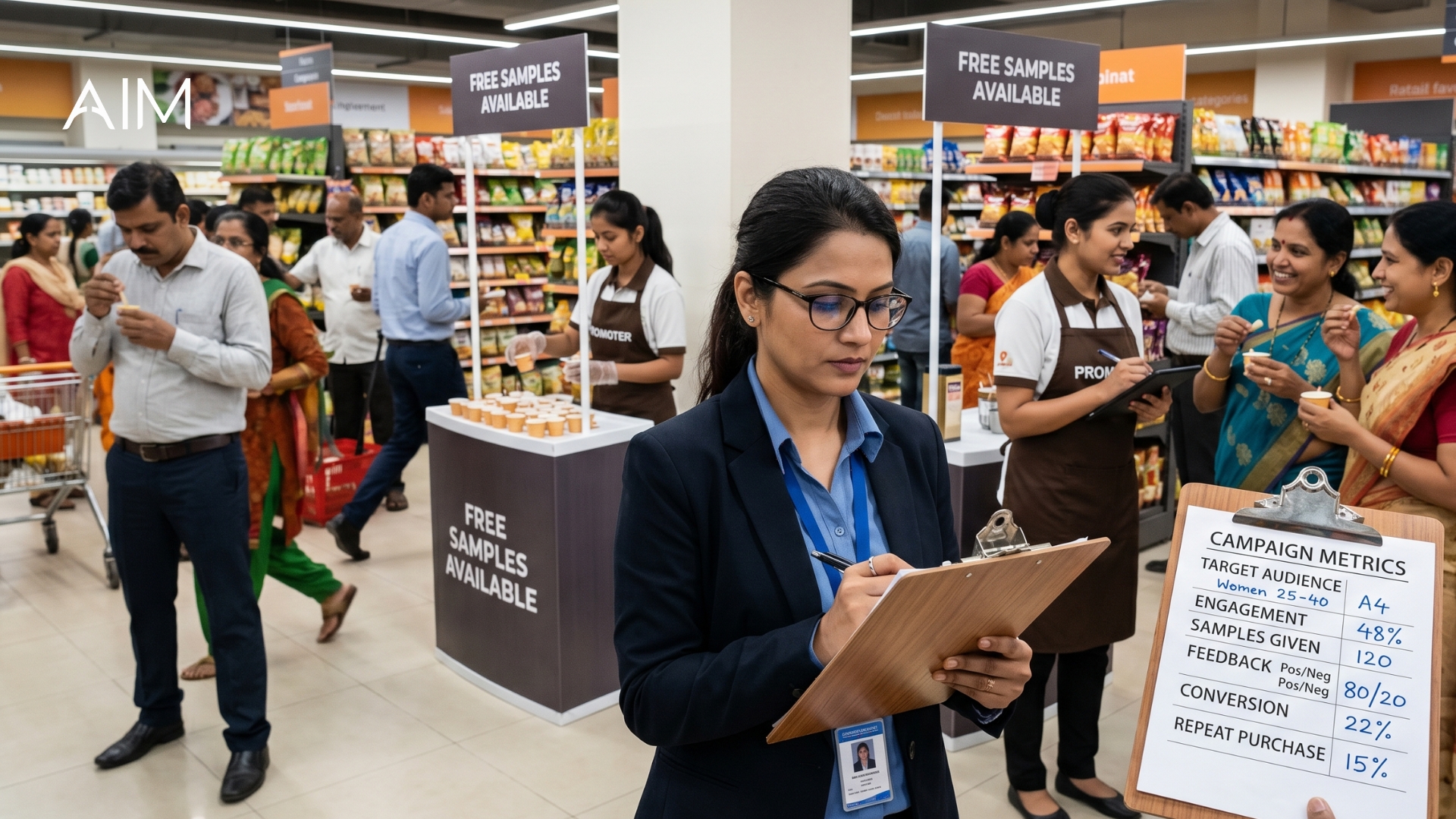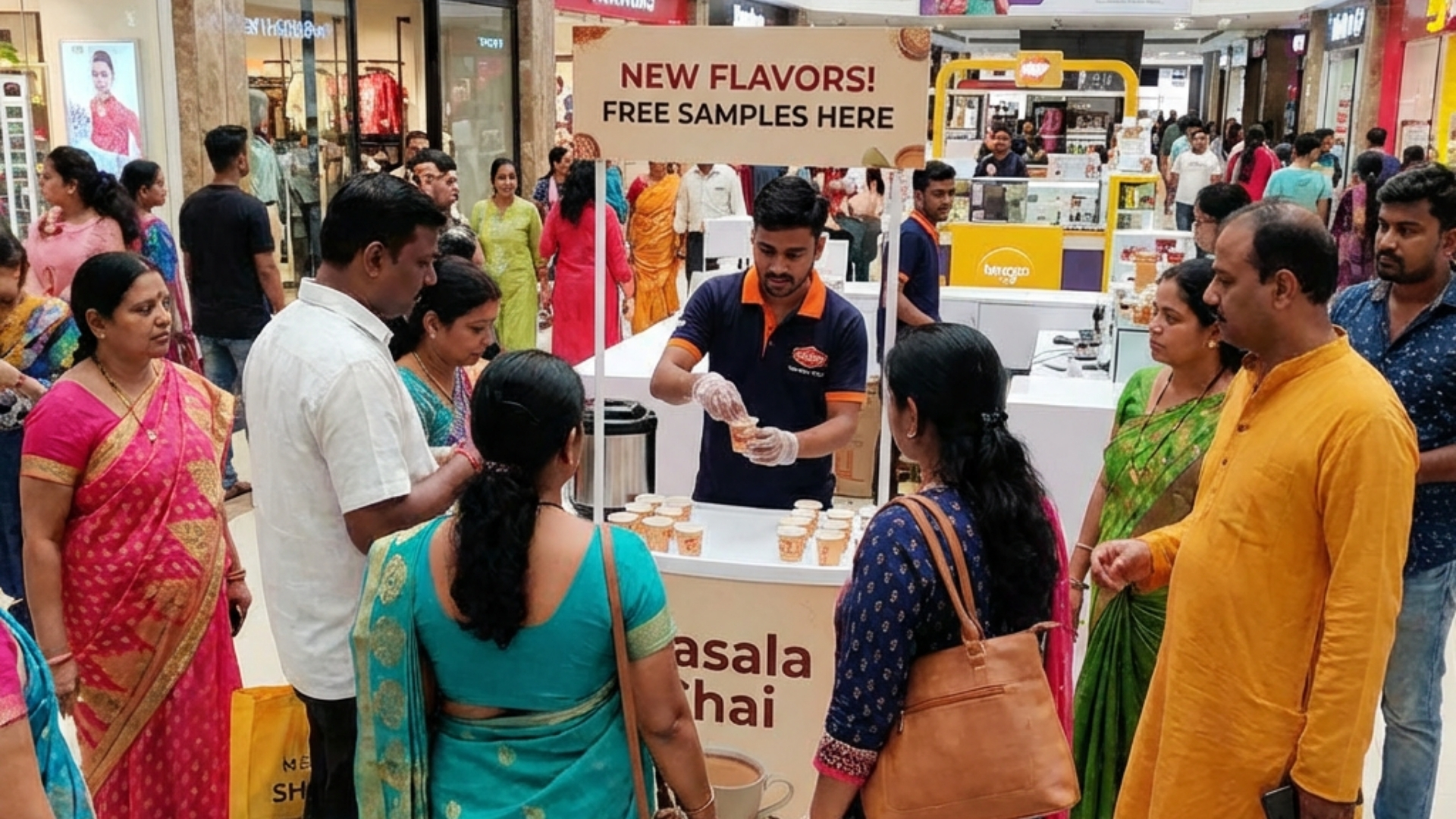
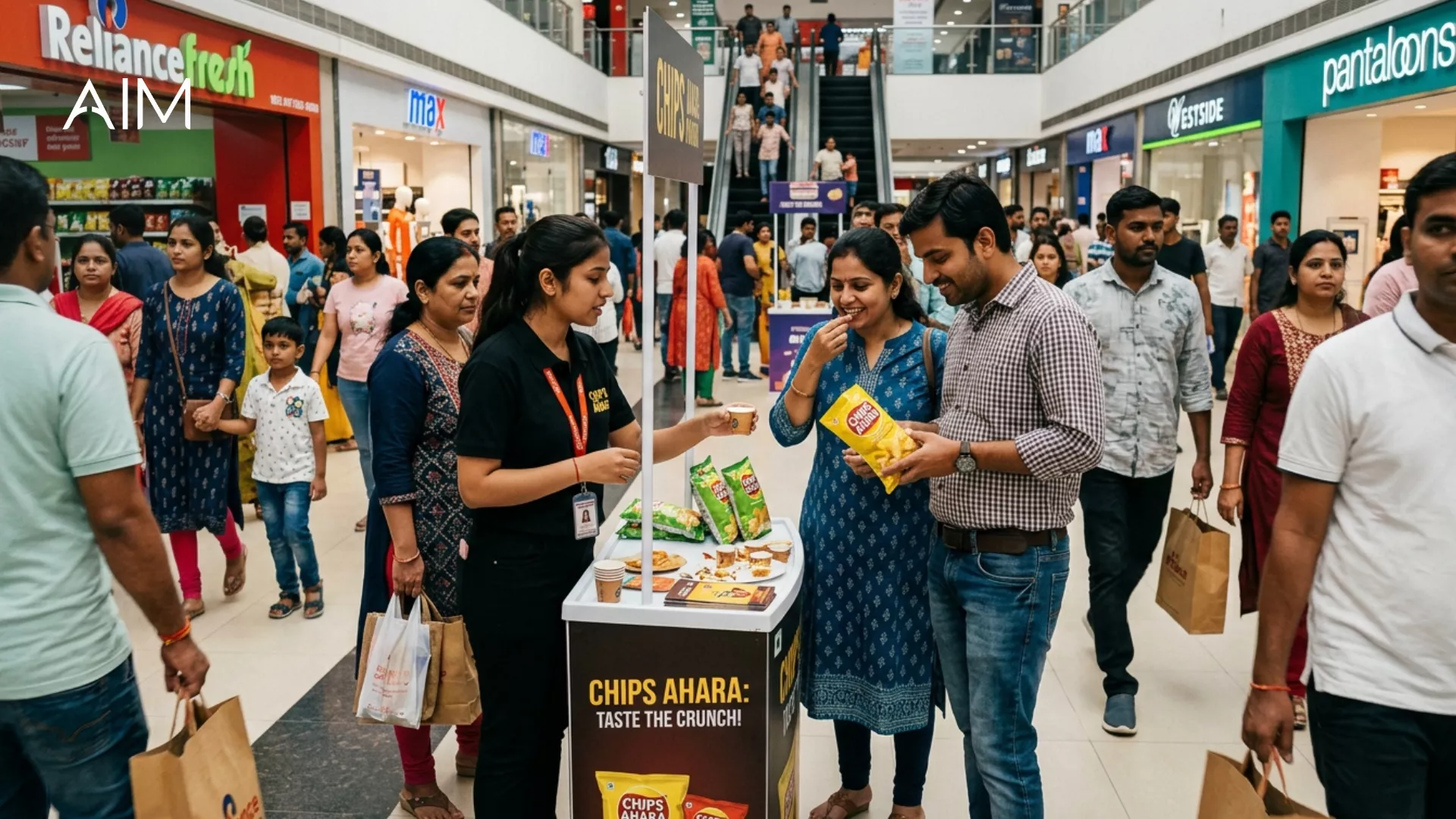


A mall on a weekend is one of the few places left where thousands of people with money to spend walk past you in a few hours, relaxed, unhurried and open to trying something. For a brand, that is a rare concentration of exactly the right conditions for a trial. And yet a lot of mall sampling wastes it, because standing in a busy atrium with a tray of product is not the same as running a campaign that converts. The footfall is the easy part. Turning it into trials that actually lead somewhere is the work, and it is mostly decided before the first sample is handed out. A mall is an expensive place to stand. If the plan is just to empty a box into a crowd, the brand would get the same result cheaper almost anywhere else. The reason to be there is everything a mall makes possible beyond the crowd, and a campaign that does not reach for it is paying for a stage it never uses.
Why malls are good for sampling in the first place
It helps to be clear about what a mall actually offers, because the advantages are specific. The people there are in a spending frame of mind, not rushing to work. They have time to stop. The environment is controlled and pleasant, which makes them more willing to engage than they would be on a street. And importantly, in many malls there is a store nearby that sells the very product being sampled, which means the distance between trial and purchase can be minutes rather than weeks. Few other sampling locations combine a receptive audience, time, comfort and immediate availability the way a weekend mall does. That combination is why malls are worth the higher cost of sampling in them, but only if the campaign is built to use all four. Pay mall rates and then run a street-style giveaway, and the brand has bought a premium location and used none of what makes it premium. The cost is justified by the conversion the setting makes possible, not by the footfall number alone.
The footfall is not the audience
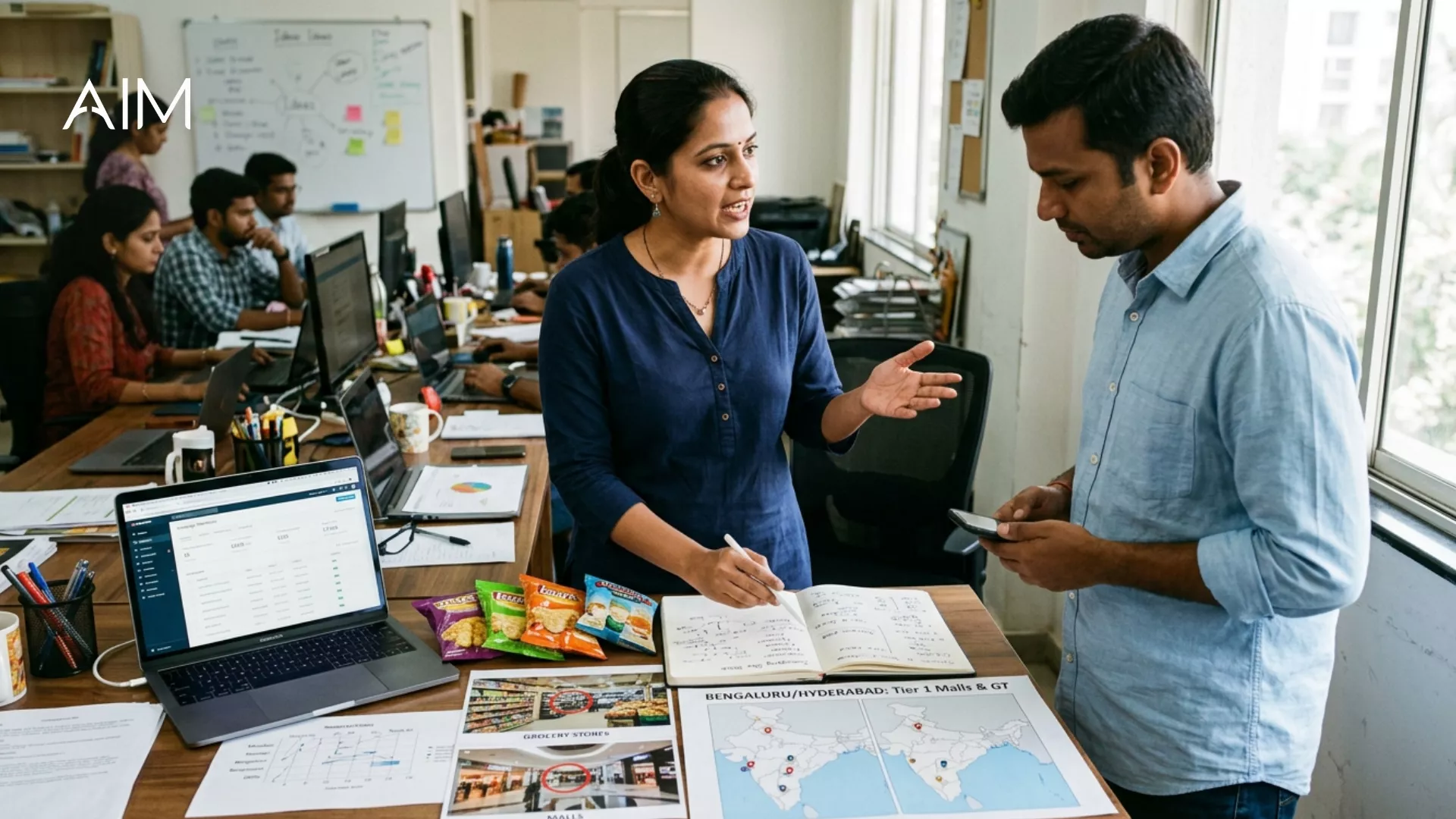
The first mistake is treating everyone in the mall as the target. A weekend crowd is large but mixed, and a sample given to someone who will never buy the product is a sample wasted, however busy the atrium looks. The brands that convert decide in advance who their trier is and position to reach them: the right entrance, the right floor, the right time of day, near the stores their likely buyer already visits. A premium skincare brand and a kids' snack want different spots in the same mall at different hours. Converting footfall starts with refusing to sample all of it and choosing the slice that matches the product. This feels counterintuitive in a place so full of people, where the instinct is to reach as many as possible. But a sample has a cost, and spending it on someone outside the target is the same waste in a mall as anywhere else, just dressed up in impressive traffic. Fewer, better-matched trials beat a larger scattered count every time.
Placement decides half the result
Where the sampling stands within the mall quietly determines how well it does. A spot near the relevant category of stores reaches people already in a buying mindset for that kind of product. A spot in the path between the entrance and the anchor stores catches people while they still have time and attention. A poorly chosen spot, high traffic but wrong context, produces lots of samples handed out and few that convert, which is exactly the trap that makes brands think mall sampling does not work. It usually does; the placement just fought the campaign. Choosing the position by who passes it and in what frame of mind, not by raw traffic, is one of the decisions that most changes the outcome of the whole exercise.
The trial has to point at a purchase
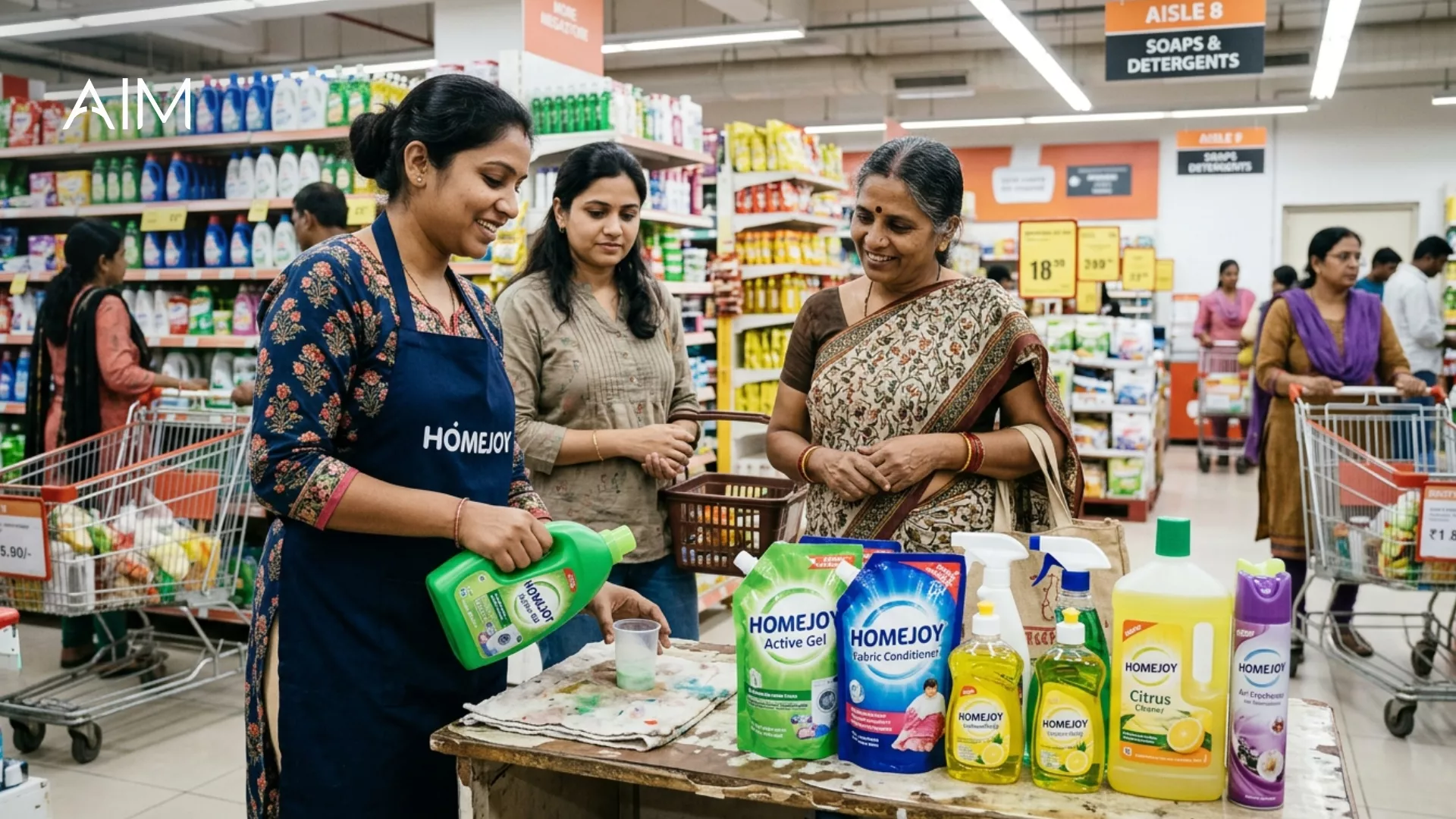
This is where mall sampling earns its advantage or throws it away. Because the store is often right there, the trial can convert on the spot, but only if the product sampling campaign builds the bridge. A sample handed over with nothing attached produces a nice moment and no purchase. A sample paired with a reason and a route, a same-day offer valid at the store upstairs, a simple prompt to buy now while the experience is fresh, turns the trial into a transaction while the person is still in the mall and still interested. The entire reason to pay mall rates for sampling is this short distance to purchase, and a campaign that does not exploit it is sampling in an expensive place for no extra return. The bridge can be simple. What matters is that the person leaves the table with both a reason to buy and a clear, nearby way to act on it before the moment cools. On a street that moment has to survive days; in a mall it only has to survive a walk to the next floor, which is why the mall is worth it in the first place.
Capture who tried, even here
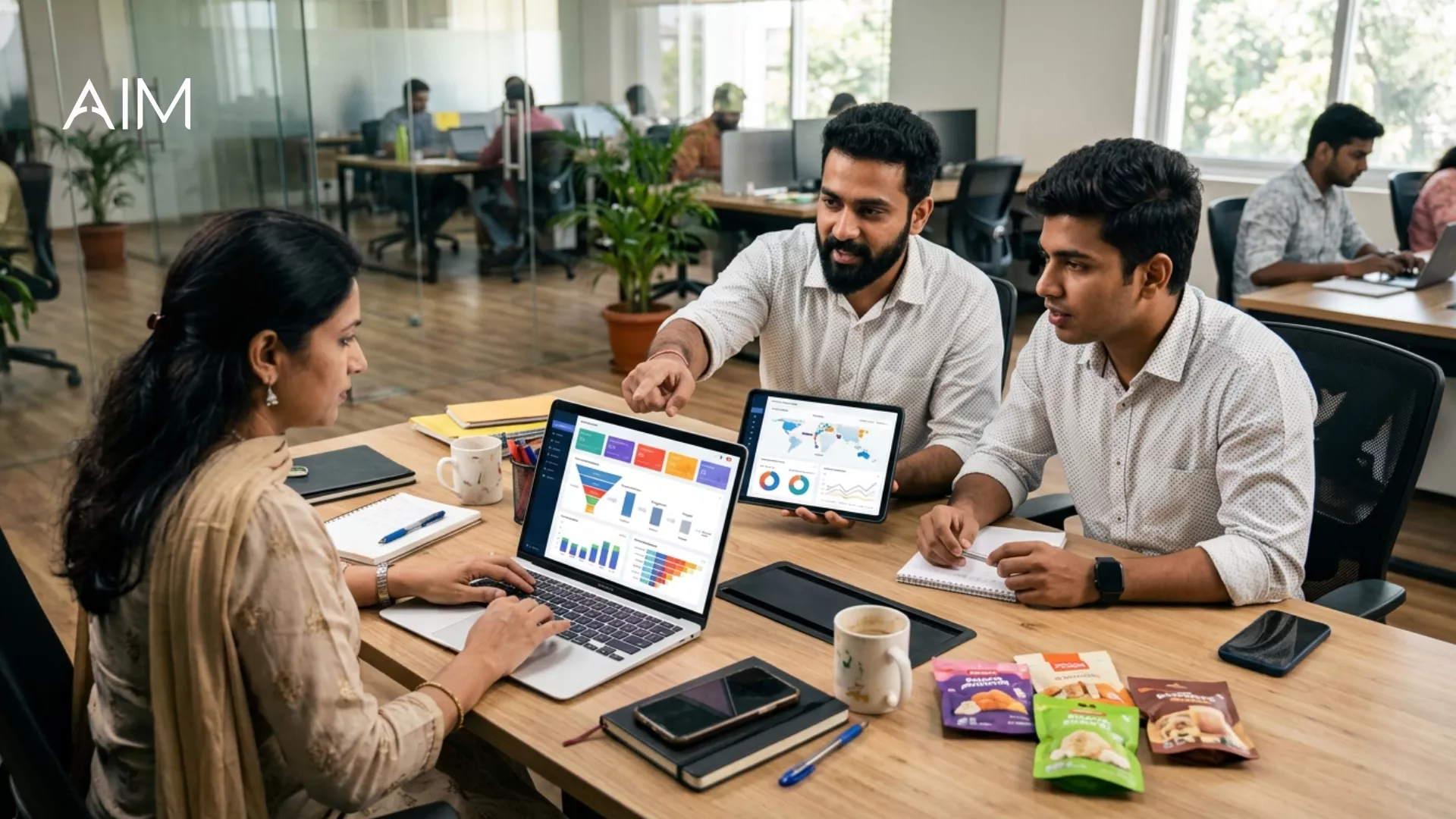
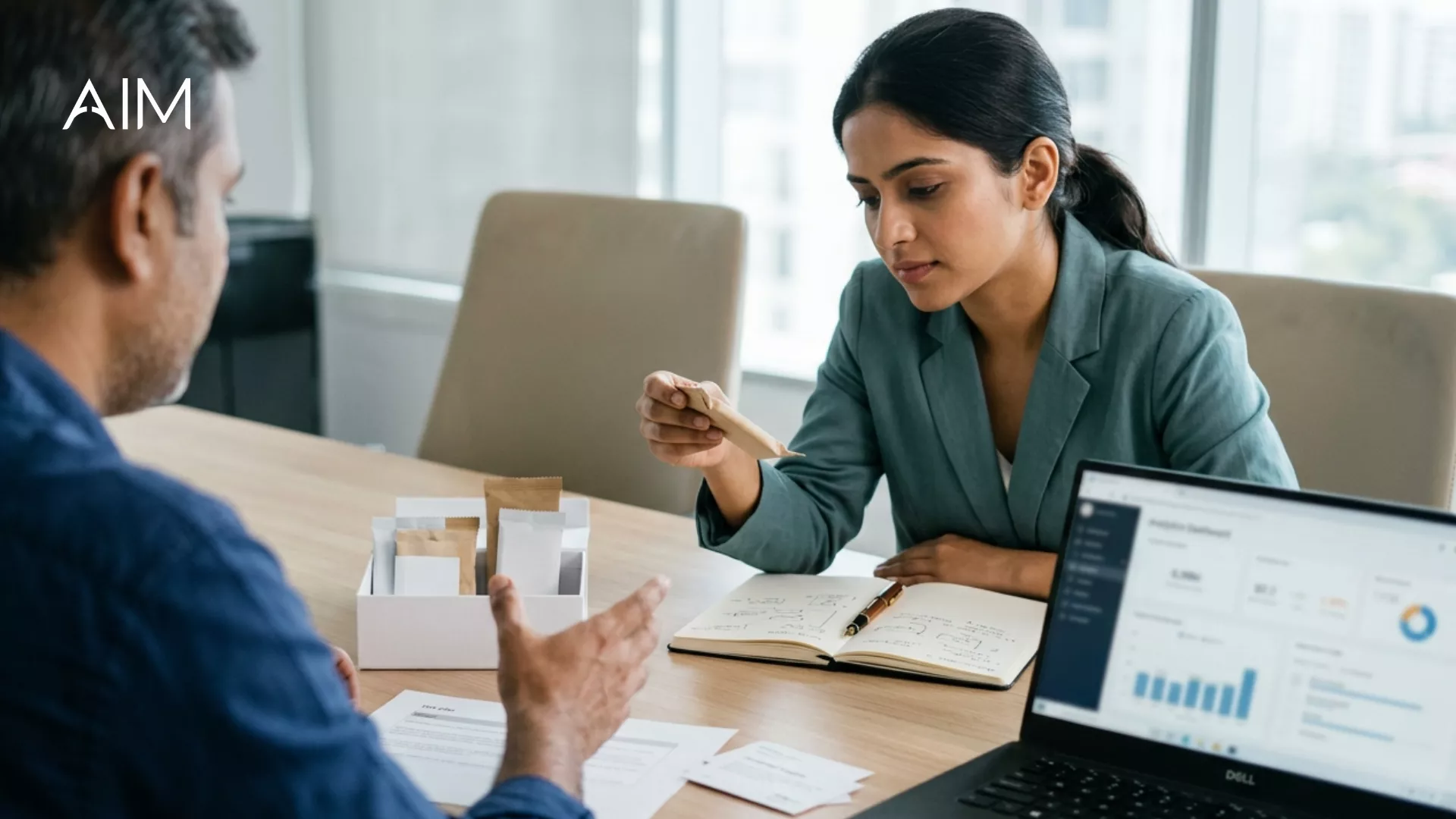
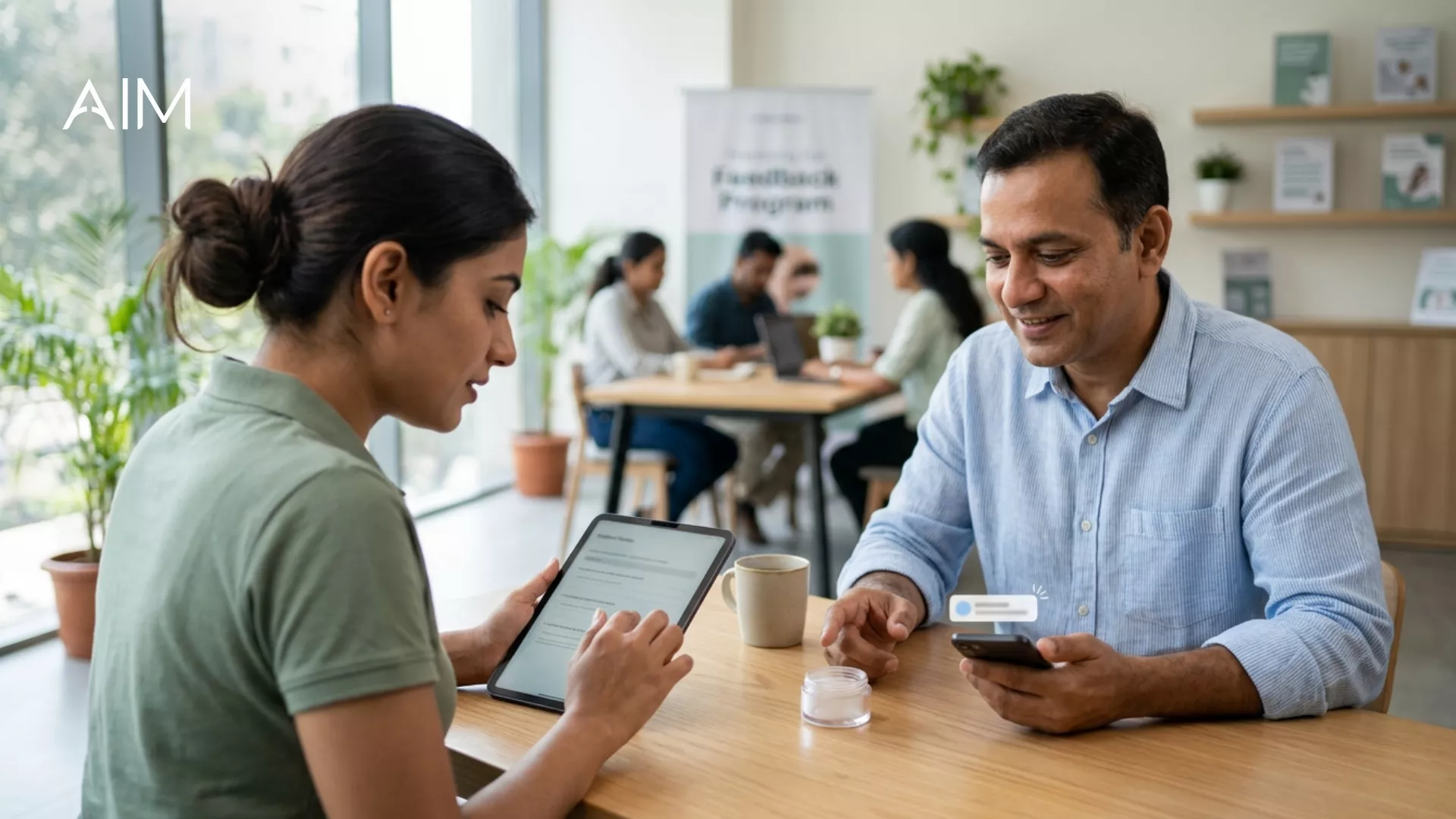
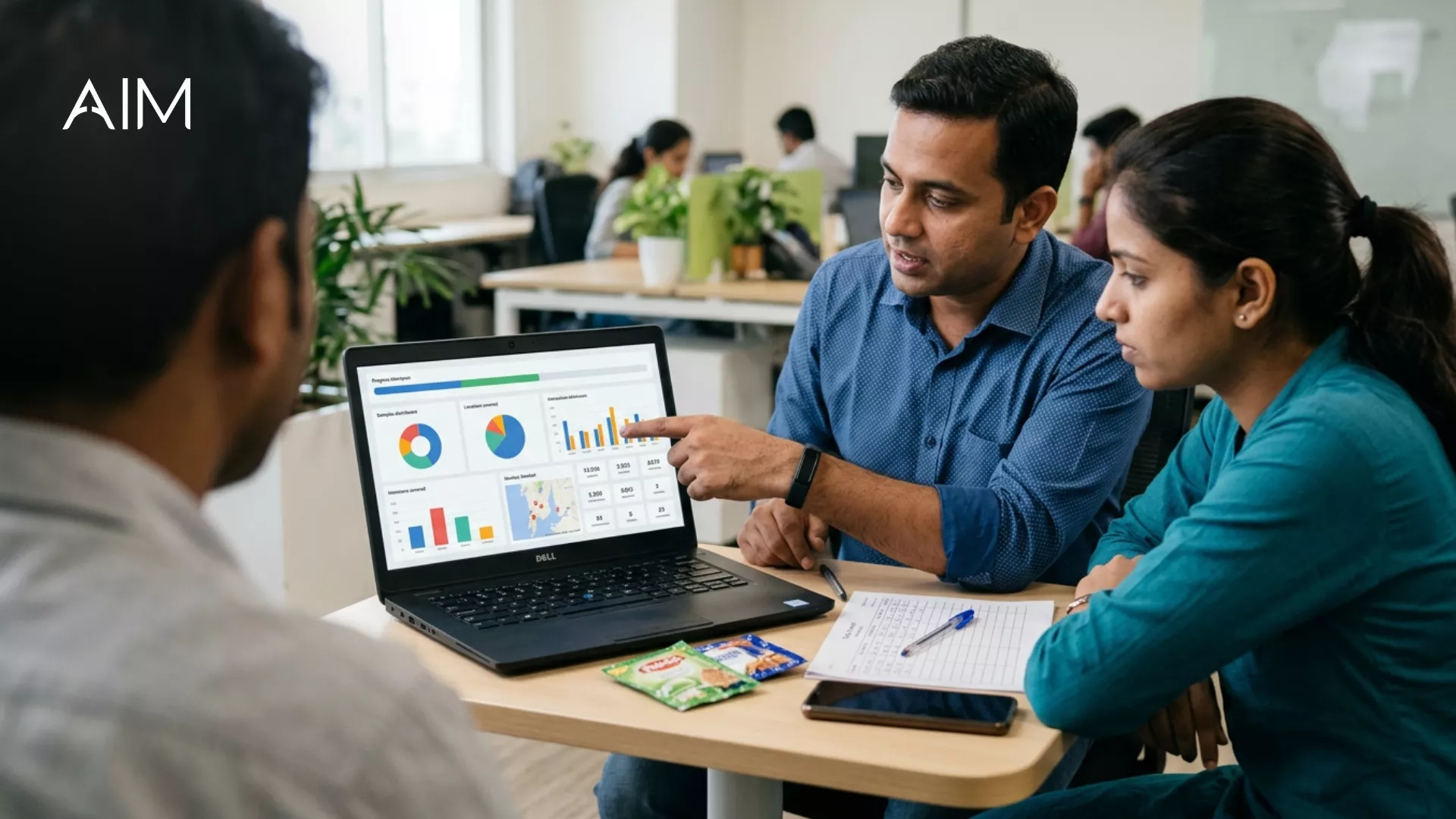
Mall sampling can feel so immediate that brands skip measurement, which is a mistake that keeps the channel from improving. Even in a busy atrium, capturing a simple identifier from the trier, through the offer they redeem, a quick opt-in, a code, means the campaign can later tell how many trials converted and at what cost. Without it, the brand is back to judging the day by how many samples went out, which tells it nothing about whether the expensive mall location paid off. A trial that is counted can be learned from. A trial that is merely handed over disappears the moment the person walks away. The capture does not have to interrupt the experience; it can ride along with the same offer that drives the purchase, so the brand measures and converts in one motion rather than choosing between them.
Staff and experience matter more in a mall
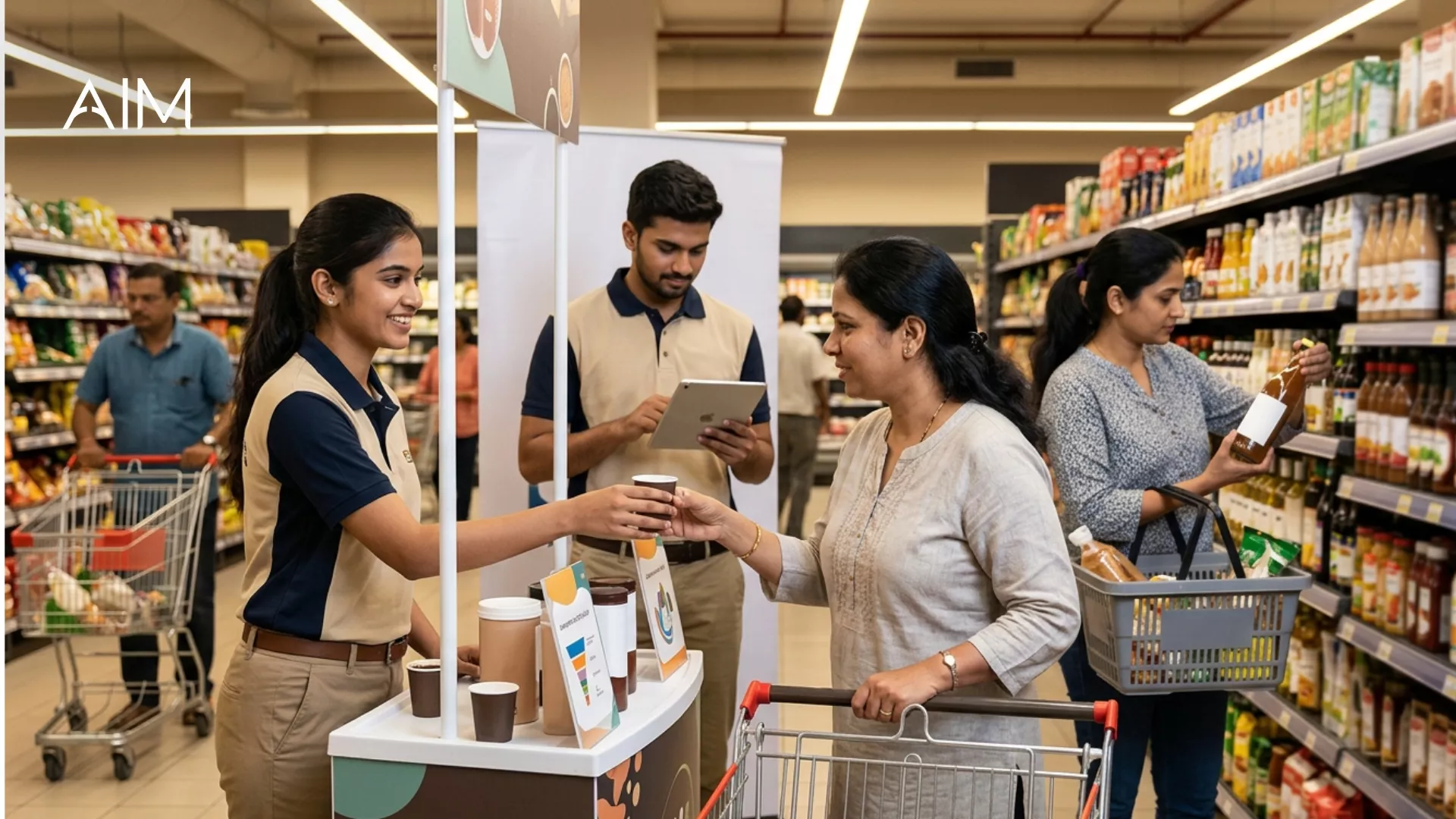
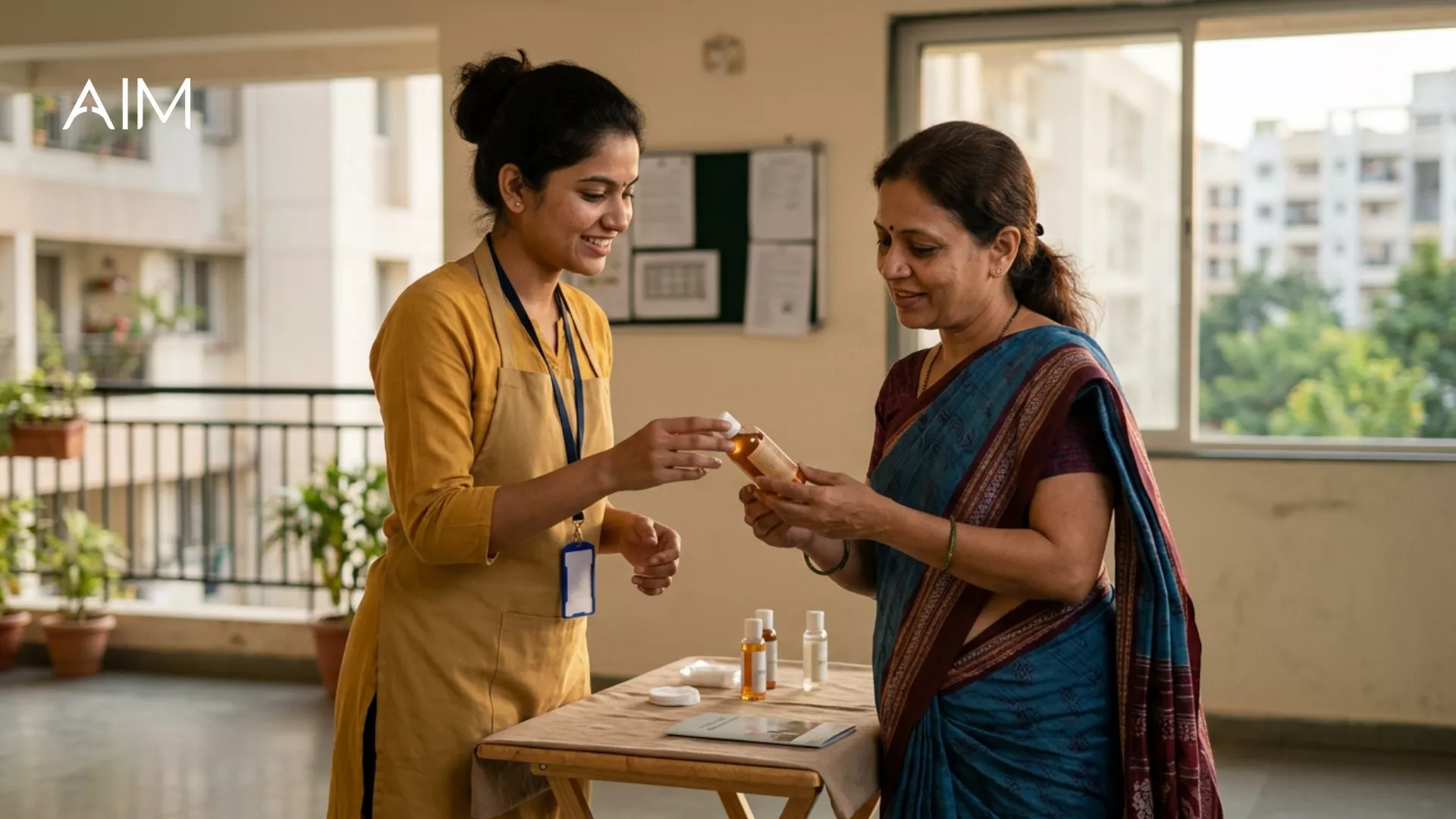
In a mall, the person handing out the sample is part of the product experience in a way they are not on a street. A relaxed shopper who stops will judge the brand partly by that interaction. A confident, informed person who can answer a question and make the trial feel worth stopping for converts far better than a bored one going through the motions. The environment raises the expectation, and a campaign that invests in who represents it at the table, not only in the product on the table, gets more from the same footfall. In a setting this receptive, a weak interaction wastes a strong opportunity. The shopper has given the brand something scarce, their time and attention, and the quality of the person across the table decides whether that goodwill turns into a trial worth having or a polite sample taken and forgotten.
What turning footfall into trials actually requires
Put together, converting weekend mall footfall is less about the crowd and more about a handful of decisions made beforehand. Choose the slice of the footfall that matches the product rather than sampling everyone. Place the activity by context and mindset, not raw traffic. Build a same-day bridge from the trial to the nearby store so the short distance to purchase is actually used. Capture who tried so the campaign can be measured and improved. And staff it with people who make the trial worth stopping for. Do those five things and a weekend in a mall becomes one of the most efficient trial-to-purchase environments a brand can buy. Skip them and you have paid a premium to hand product to a crowd.
How AIM runs mall sampling that converts
AIM plans a mall product sampling campaign around conversion, not footfall. That starts with defining who the trier is and choosing the entrance, floor, position and hours that put the activity in front of them in a buying frame of mind. It builds a same-day path from the trial to the store that sells the product, so the mall's short distance to purchase is used rather than wasted. It captures who tried so the campaign can be measured by trials converted and cost per acquired buyer, not units distributed. And it staffs the activity with people who make the trial worth stopping for. The weekend crowd is the opportunity; the planning is what turns it into sales. A mall gives a brand a rare few hours with the right people in the right mood near the right store. The job is to be ready to convert that, not simply to show up and distribute into it. Every brand that leaves a mall campaign disappointed usually did the second thing. Every brand that finds it one of its best channels did the first. The crowd was the same for both. The preparation was not.