



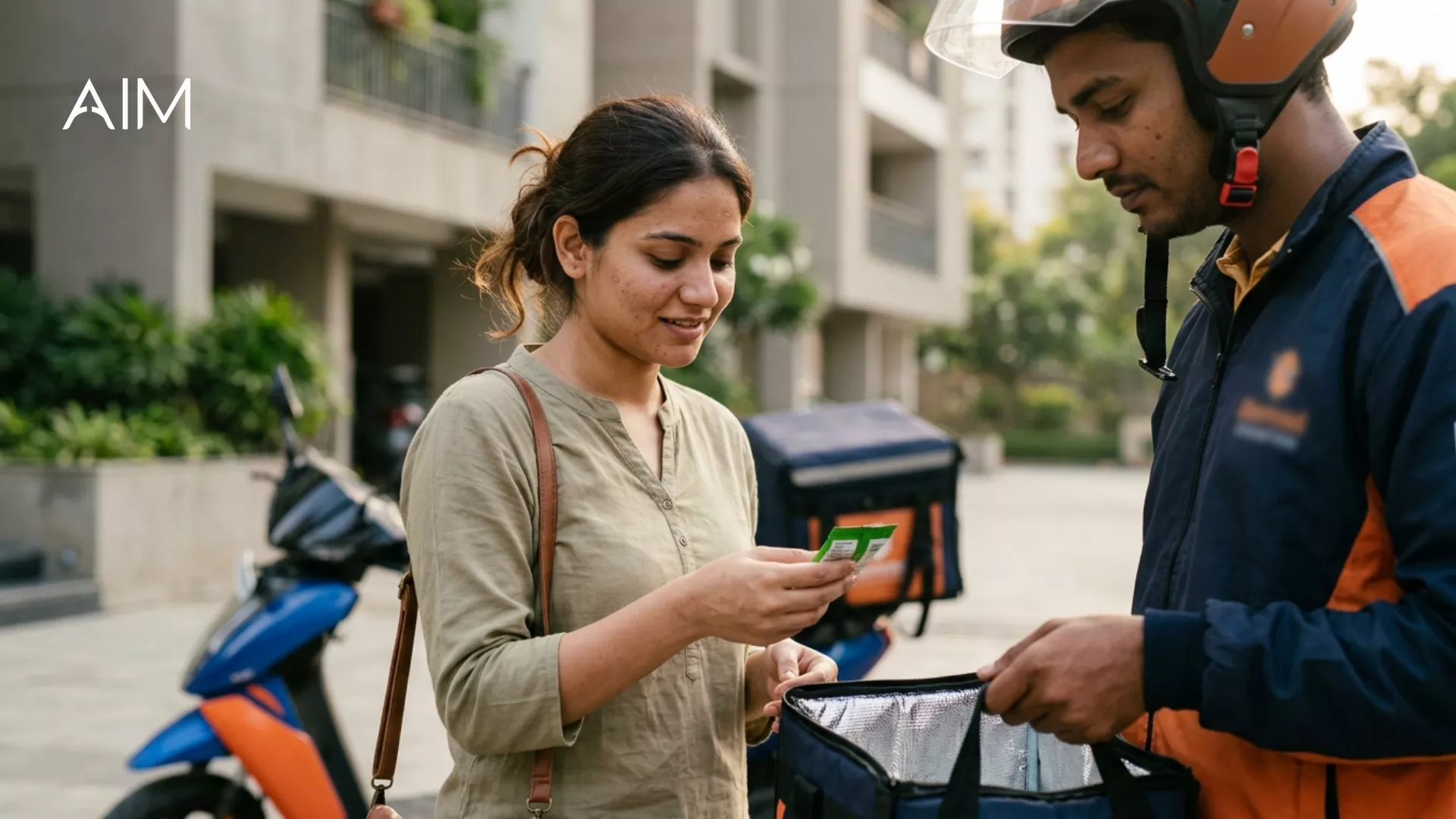
A sample tucked into an e-commerce order looks like free marketing. The box is already shipping, so why not drop a sample in and reach the customer at no extra delivery cost? It is one of the smartest sampling channels there is, and also one of the easiest to get wrong, because the same insert that delights one customer makes another feel their order was used as an advertising vehicle. The difference is in the details most brands never think about. Here is how to put a sample in an e-commerce box without annoying the buyer.
Why is e-commerce sample insertion such a good channel?
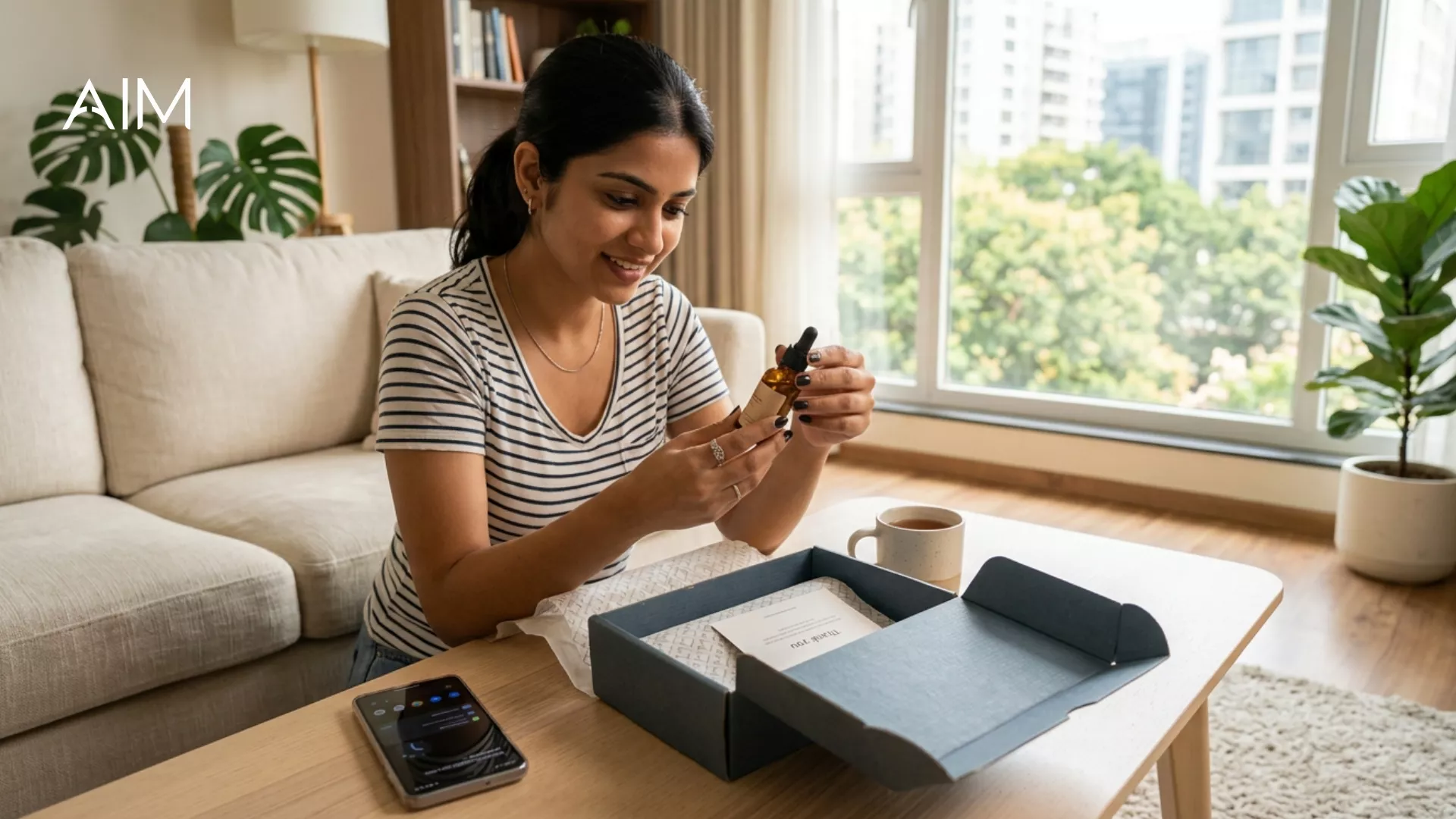
Because it reaches a real buyer, at home, in a trusted moment, at almost no incremental delivery cost. The customer already chose to purchase, so they are warm toward the brand or the platform, and the box is a private, welcome delivery rather than an interruption. A sample that rides along meets them when they are in the mood to open and try things, with their attention on the parcel. That combination, a confirmed buyer, a trusted moment, and shared shipping, is why insert sampling can deliver trial far more efficiently than handing product to strangers on a street. The channel is strong. What decides the outcome is how the insert is done.
Why do e-commerce sample inserts annoy some customers?
Because an insert done carelessly feels like the customer and their order were used, which sours the very goodwill the channel depends on. The common irritations are predictable. A sample that has nothing to do with the customer or their purchase feels like junk. Too many inserts crammed in make the order look like a flyer drop. An insert that is really a thinly disguised ad, with no actual product to try, disappoints. And anything that makes the unboxing feel cluttered or cheap drags down the premium feeling a good delivery should have. The annoyance is rarely the sample itself. It is the sense that the brand prioritised its own promotion over the customer's experience.
What makes an e-commerce sample insert feel welcome instead?
A welcome insert feels like a thoughtful gift rather than a piece of marketing, and that comes down to relevance and restraint. It is relevant to the customer or to what they bought, so it reads as a considerate addition rather than random clutter. It is a real sample they can actually try, rather than a coupon pretending to be one. It is presented cleanly, so it adds to the unboxing rather than cheapening it. And it is singular or at least restrained, one good sample lands far better than a fistful of flyers. Done this way, the insert does the opposite of annoy: it makes the customer feel the brand gave them a little extra, which deepens goodwill instead of spending it.
Why does relevance decide whether an insert works?
Relevance is the whole game, because it is what separates a gift from junk in the customer's mind. A sample matched to what they bought or to who they are feels like the brand understood them: buy a skincare product and receive a complementary skincare sample, and it feels helpful. Receive something unrelated and it feels like landfill. Relevance also drives conversion, because a sample that fits the customer's existing interest reaches someone already predisposed to want it. The brands that win at insert sampling treat matching as the first decision, not an afterthought, because the same physical sample is either a welcome suggestion or an annoyance depending entirely on whether it fits the person who opened the box.
How many samples should go in one e-commerce order?
Fewer than most brands want to include. The temptation is to maximise every box, stuffing in multiple samples and offers to get the most from the shipping already paid for. That temptation is exactly what turns a nice surprise into a cluttered flyer drop. One well-matched sample, presented cleanly, almost always outperforms a handful, because it reads as a chosen gift rather than a dumping ground, and the customer actually notices and tries it. If more than one insert is used, restraint and relevance still rule: each should earn its place by fitting the customer. The goal is a considered addition to the unboxing, not the maximum payload the box can carry.
When should the sample reach the customer, before or after their order?
Insertion is not the only option, and the timing shapes the effect. A sample dropped into the order the customer is already receiving rides on an existing, welcome delivery, which is efficient and feels like a bonus. A post-purchase sample sent after a first order reaches someone who has just decided to trust the brand, which can be the ideal moment to introduce a second product. A sample offered as a reward for a repeat purchase ties the trial to loyalty. Each timing meets the customer in a slightly different frame of mind, and the strongest programs choose it deliberately rather than defaulting to whatever is operationally easiest, because when the sample arrives changes how it is received.
How do you make e-commerce insert sampling measurable?
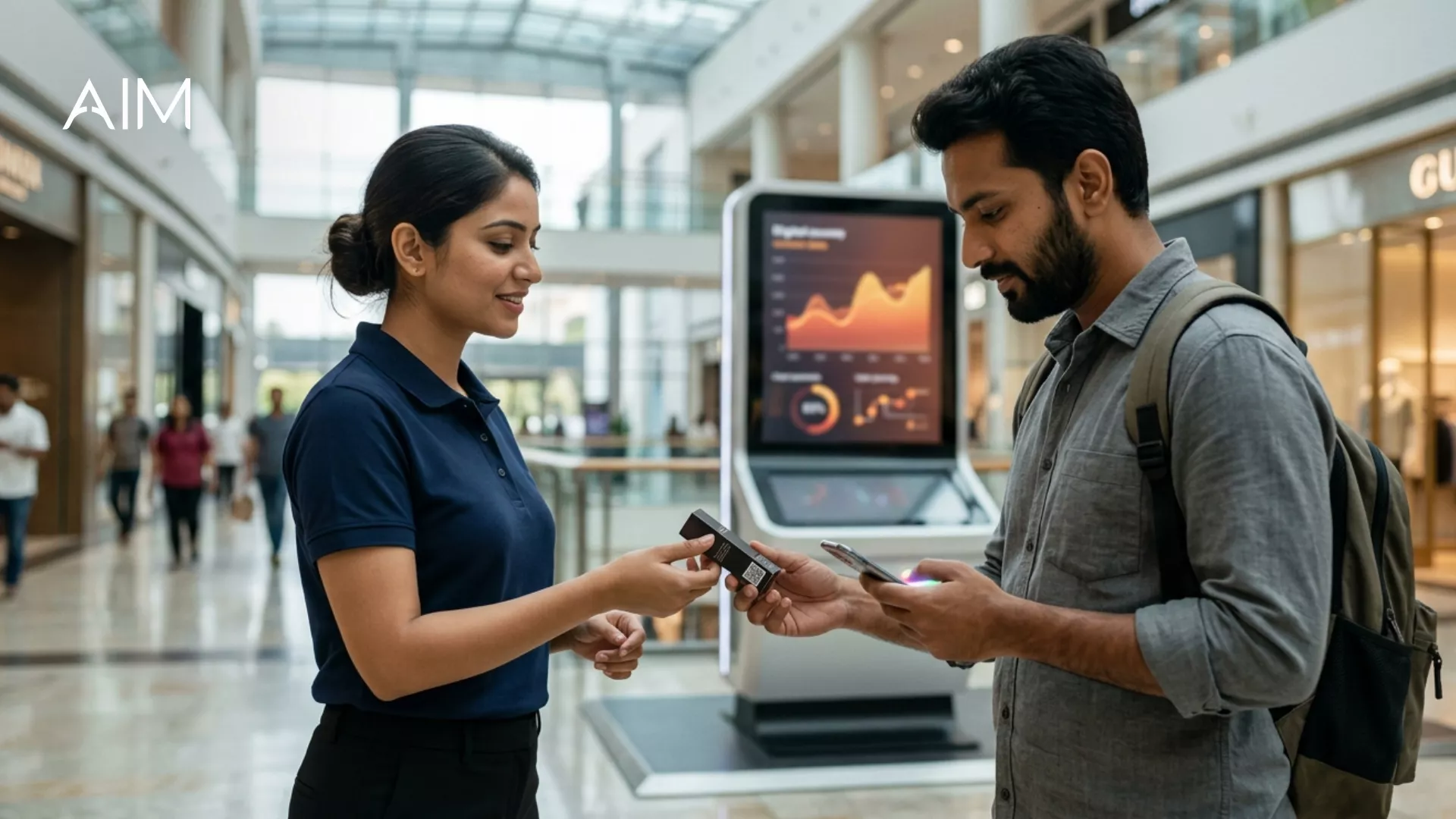
The channel's efficiency is only real if you can see what the inserts produced, so tracking has to be built into the sample itself. A code, a QR, or a dedicated link on the insert lets you count how many recipients went on to try and buy, and ties the response back to the insert program. Matching inserts to customer or order types lets you compare which pairings converted best, so the next batch is matched more sharply. Measured this way, insert sampling stops being a hopeful add-on and becomes a channel with a known cost per buyer, which is what justifies scaling it. Without tracking, you are giving away product into boxes and guessing whether it did anything.
How we approach e-commerce sample insertion?
AIM treats insert sampling as a relevance and measurement exercise, not a box-stuffing one. That means matching each sample to the customer or their purchase so it feels like a gift, keeping the insert clean and restrained so it lifts the unboxing rather than cluttering it, giving it a real product to try rather than a disguised ad, and building in a code or link so the trial can be tracked through to a sale. The principle is the same one AIM applies across sampling: reach the right person with a relevant trial and measure what it produced, so the efficiency of the channel shows up as buyers, rather than samples shipped inside other people's orders.
The insert is a gift or an intrusion, and you decide which
The same sample, in the same box, is either a small delight or a mild offence depending entirely on choices the brand makes before it ships. Match it to the customer, give them something real to try, keep it clean, and show restraint, and the insert deepens the relationship the purchase began. Stuff the box with irrelevant flyers and disguised ads, and you have used your customer's order against them and spent goodwill you worked hard to earn. E-commerce insert sampling is one of the most efficient trial channels there is, but only for the brands that remember whose box it is, and treat the insert as a gift to the buyer rather than a billboard for themselves.
















.webp)




















.png)