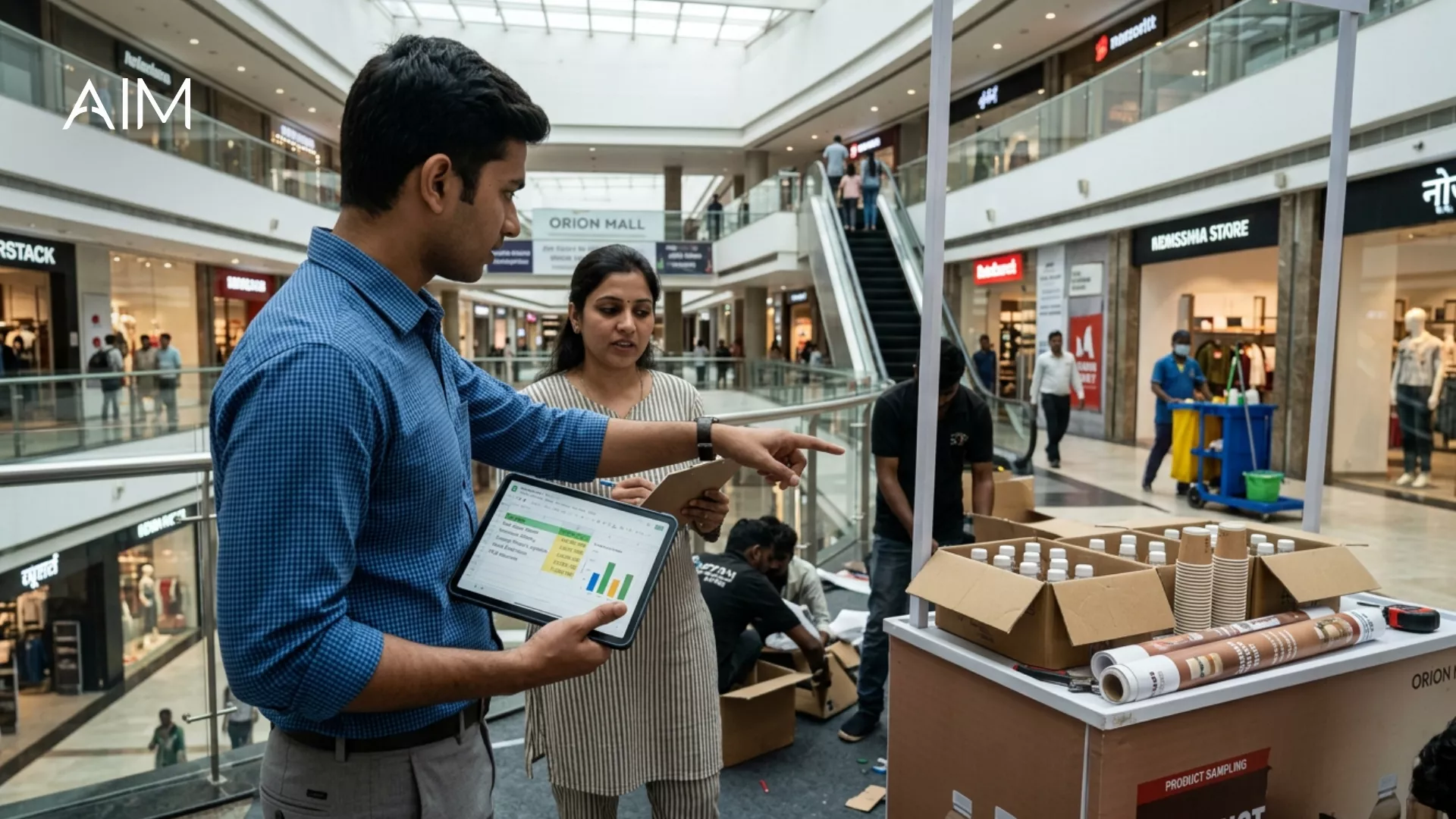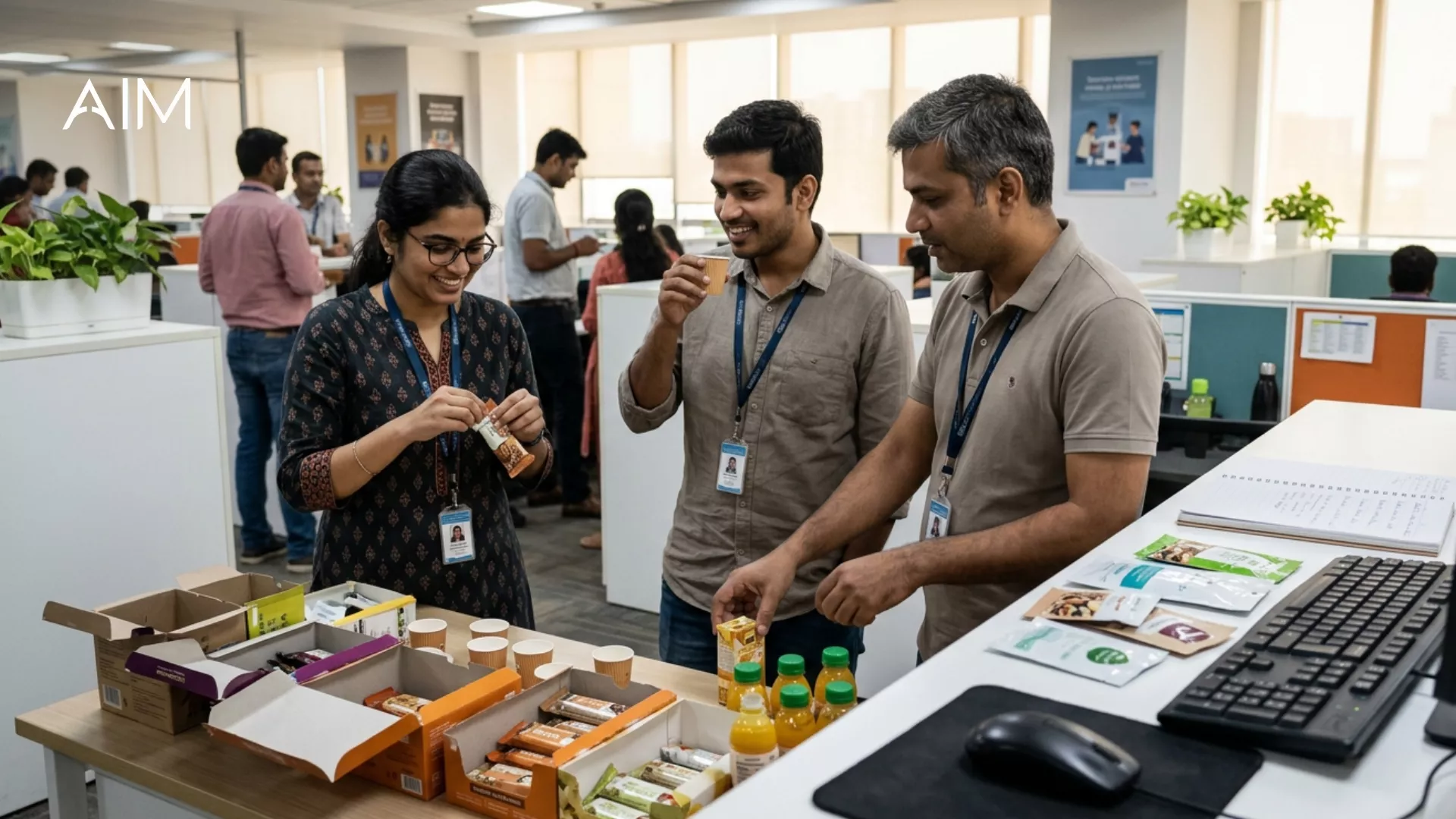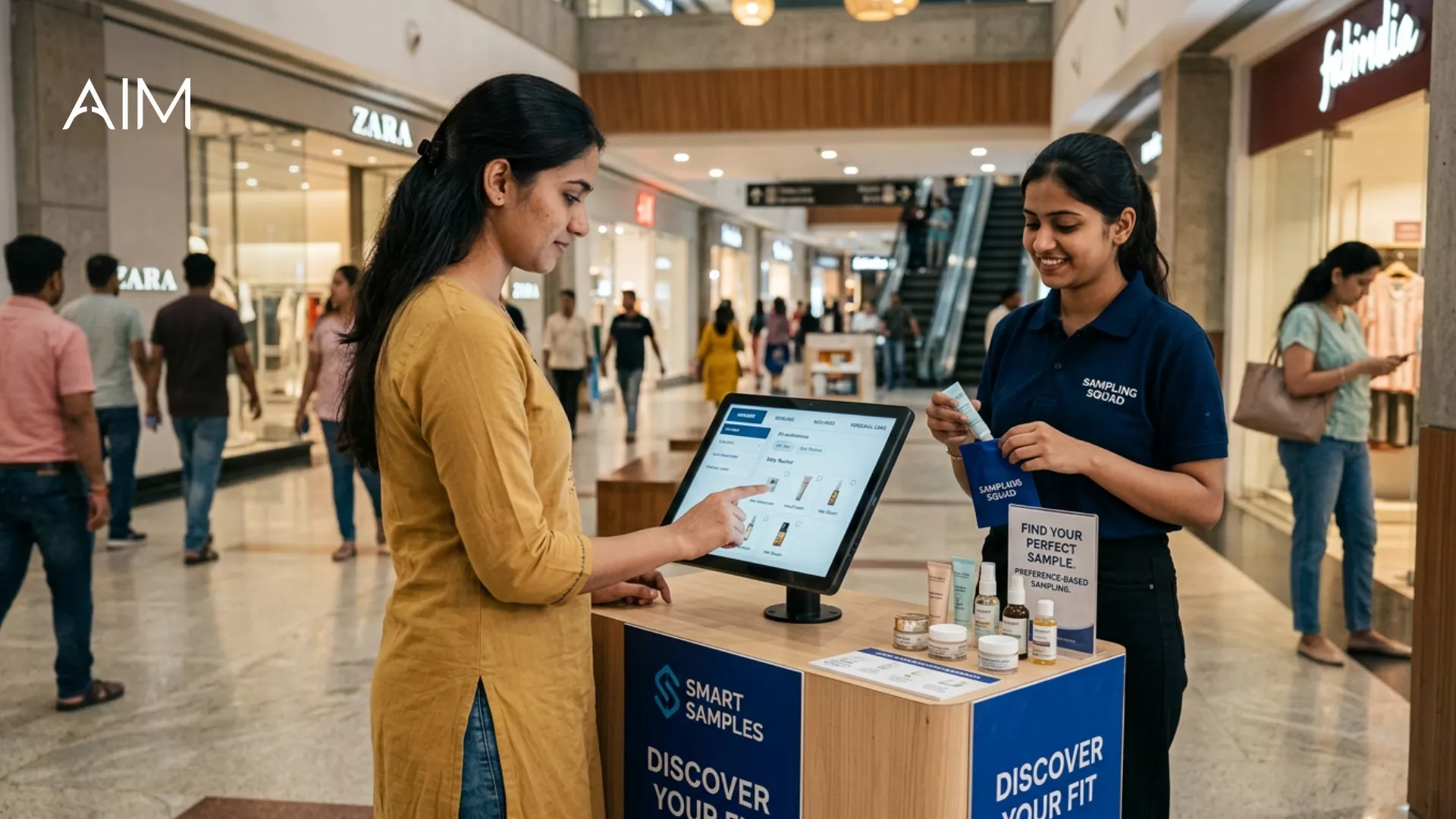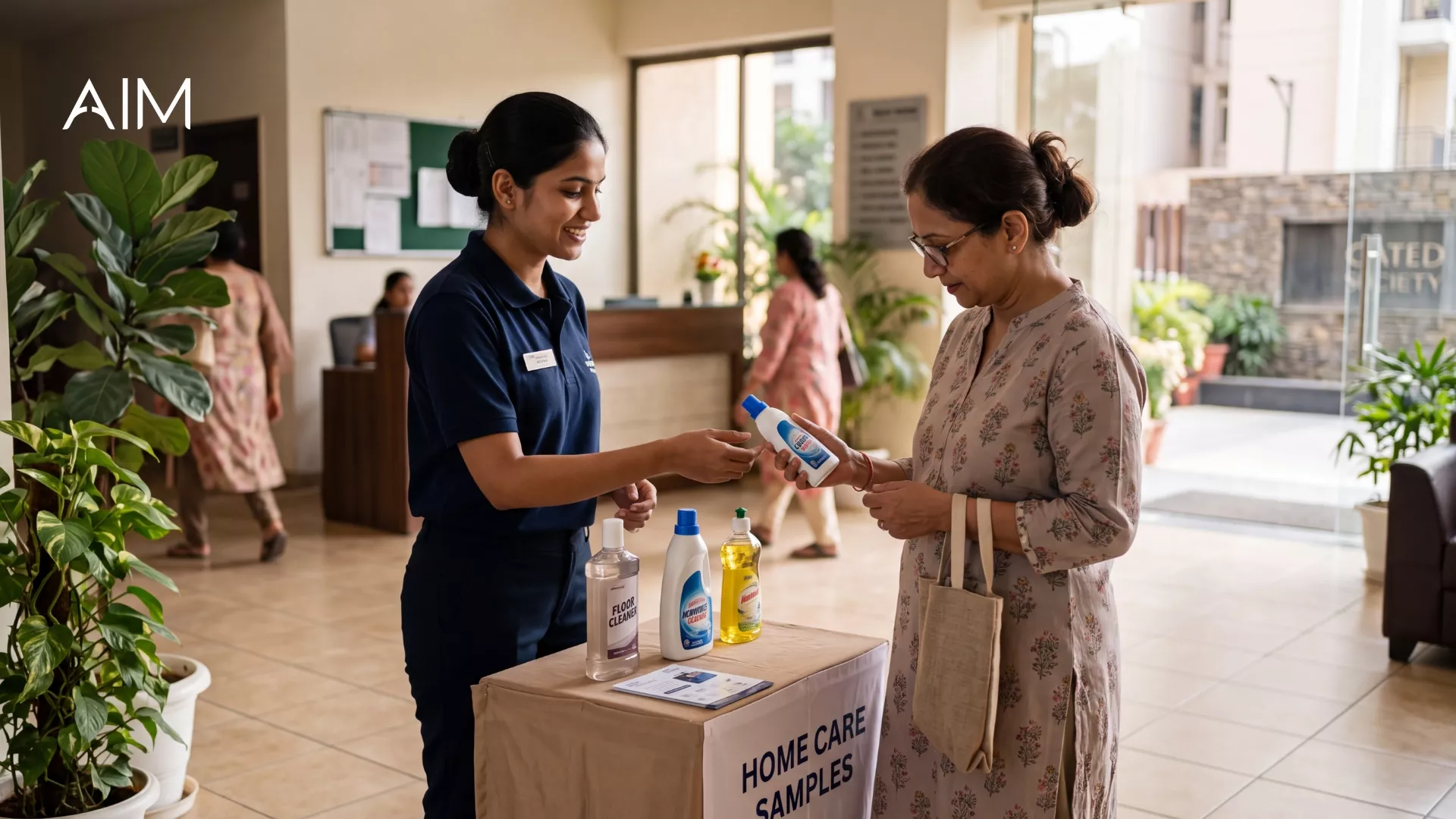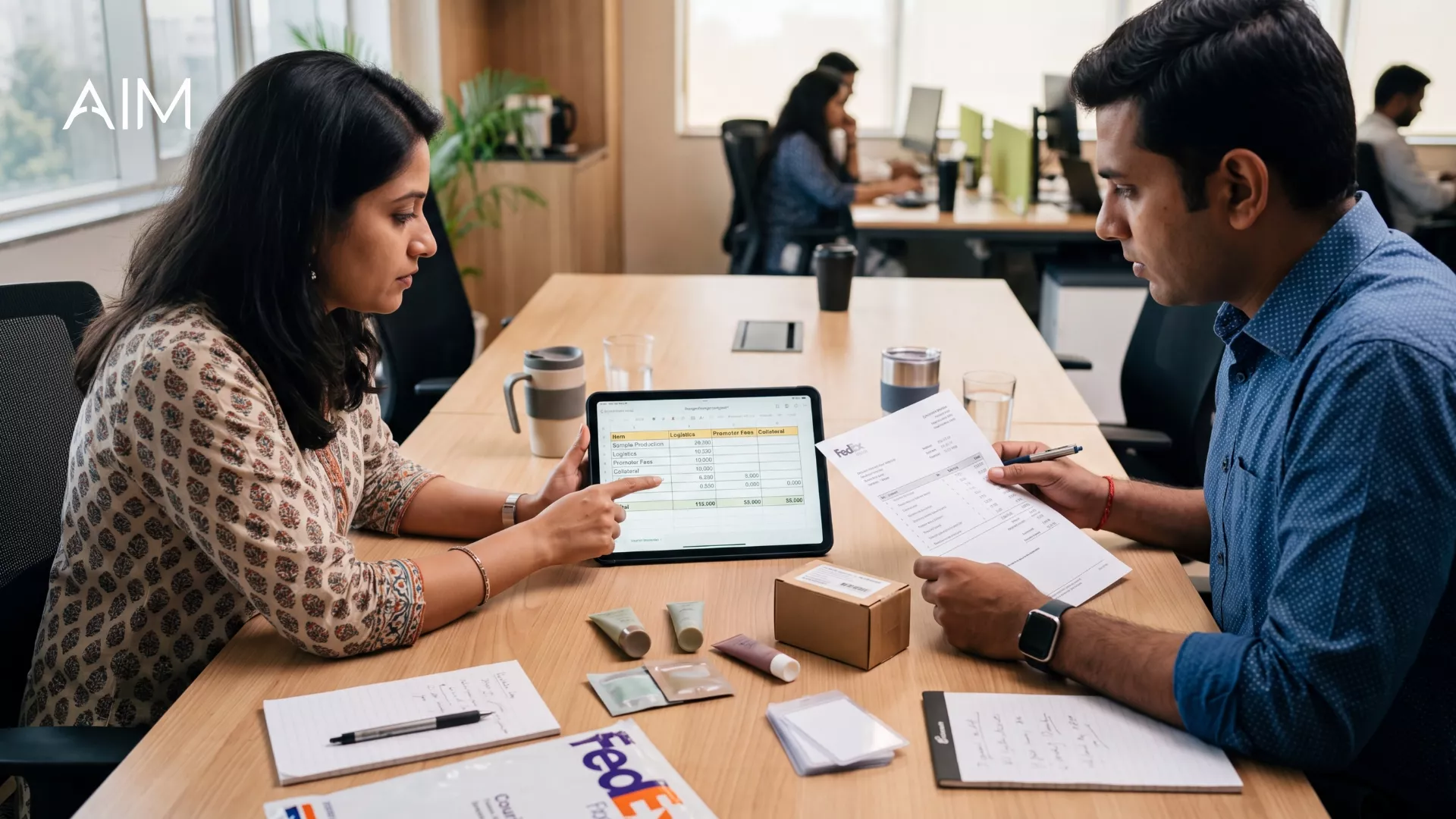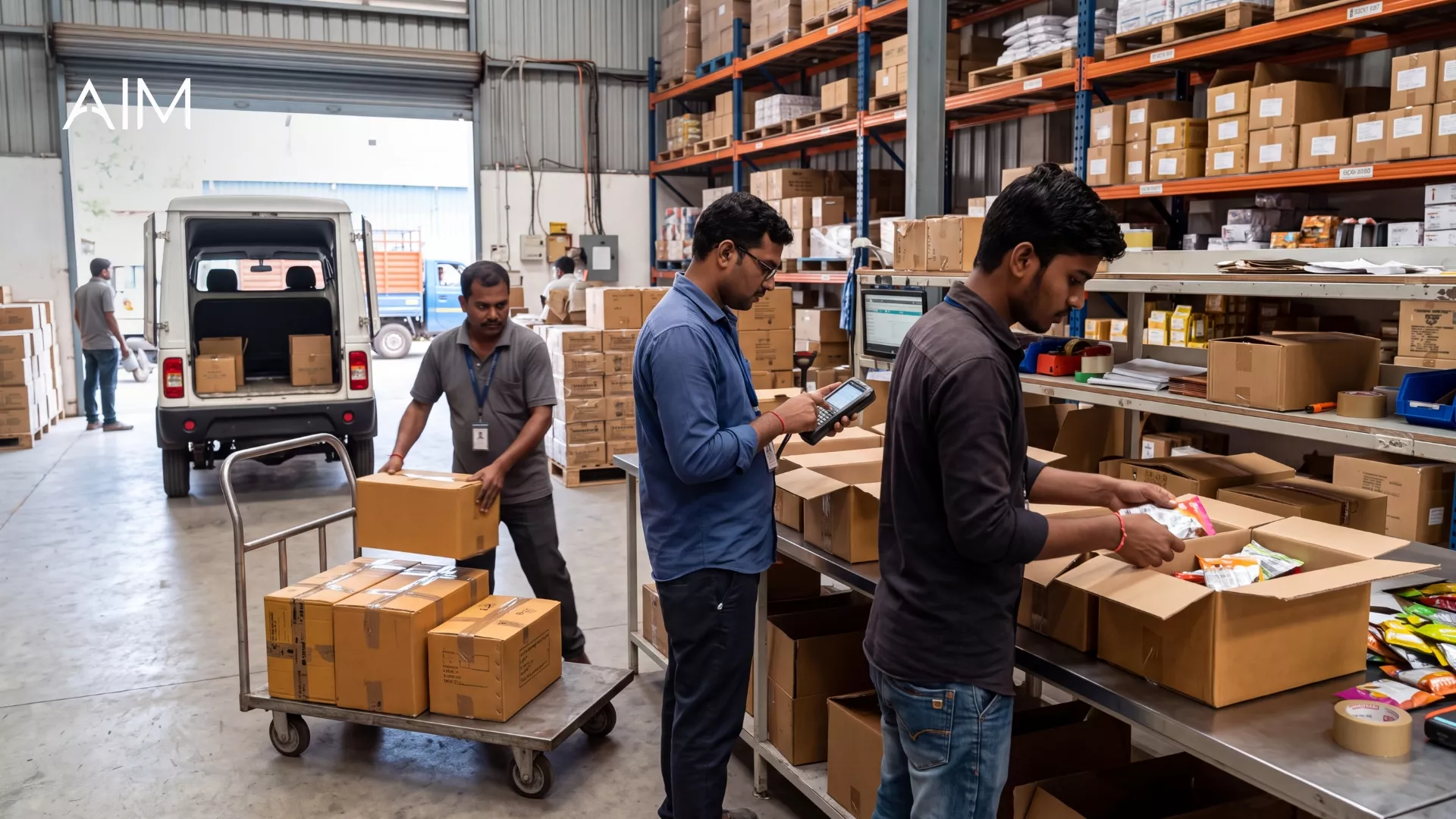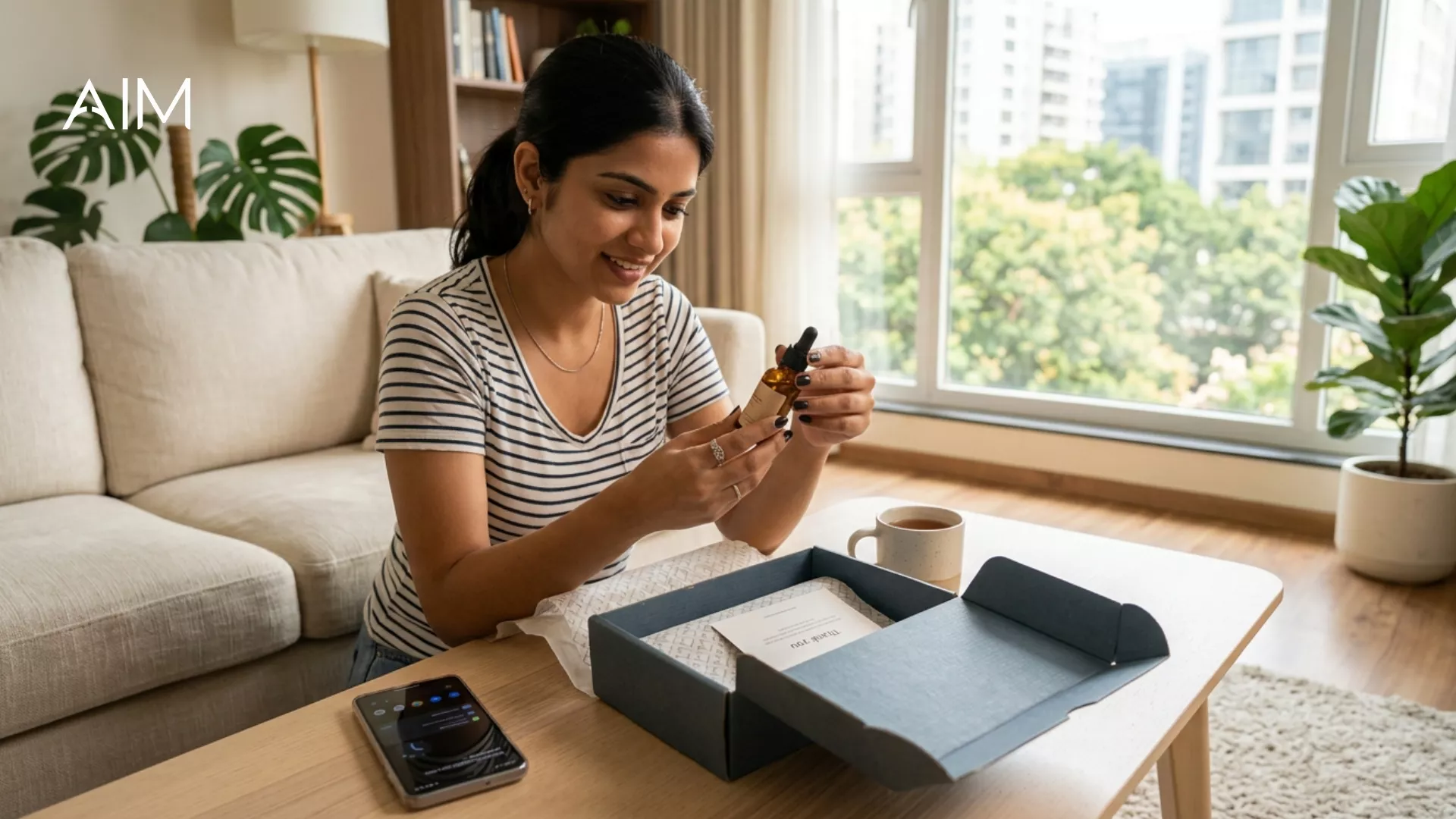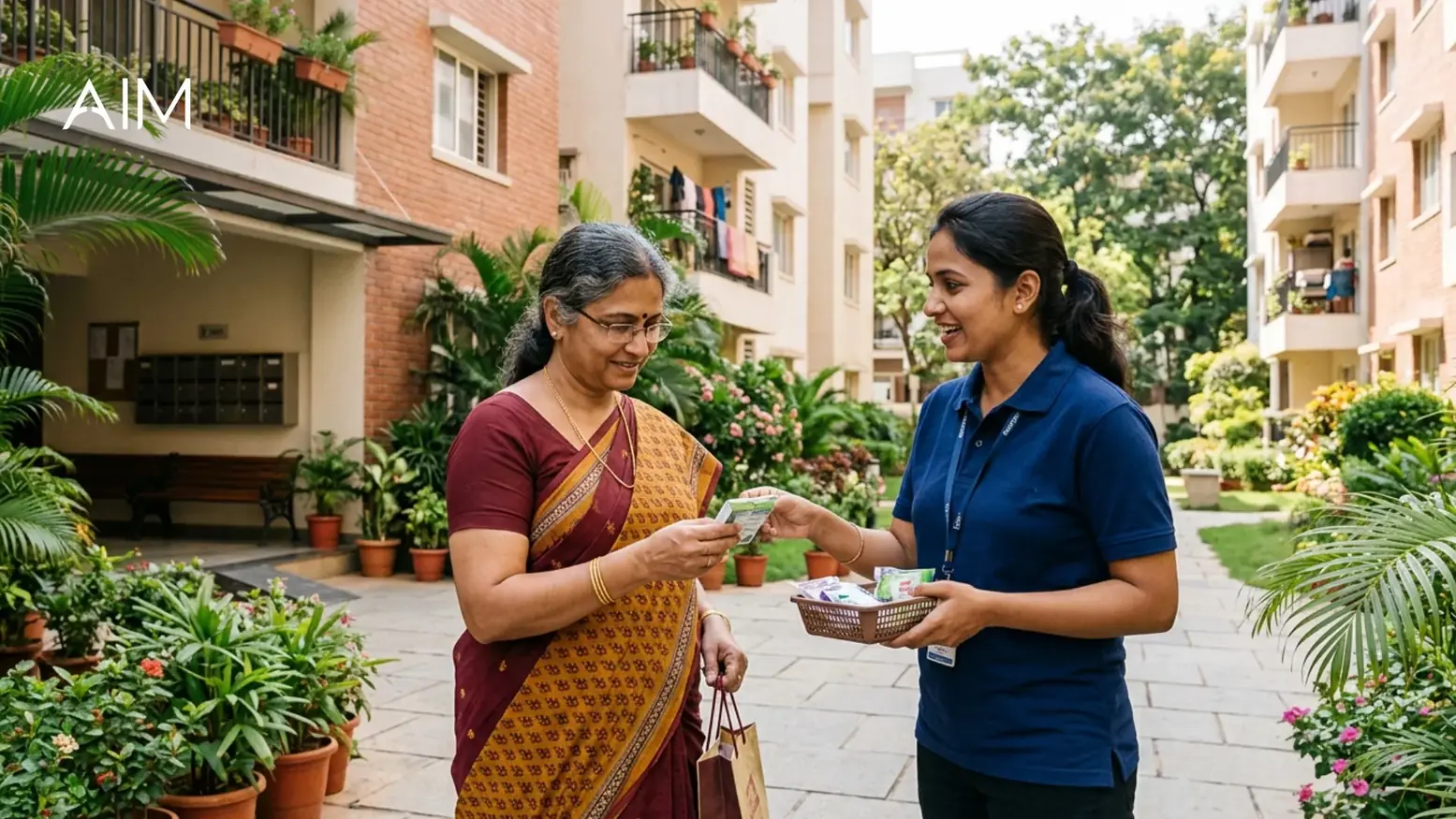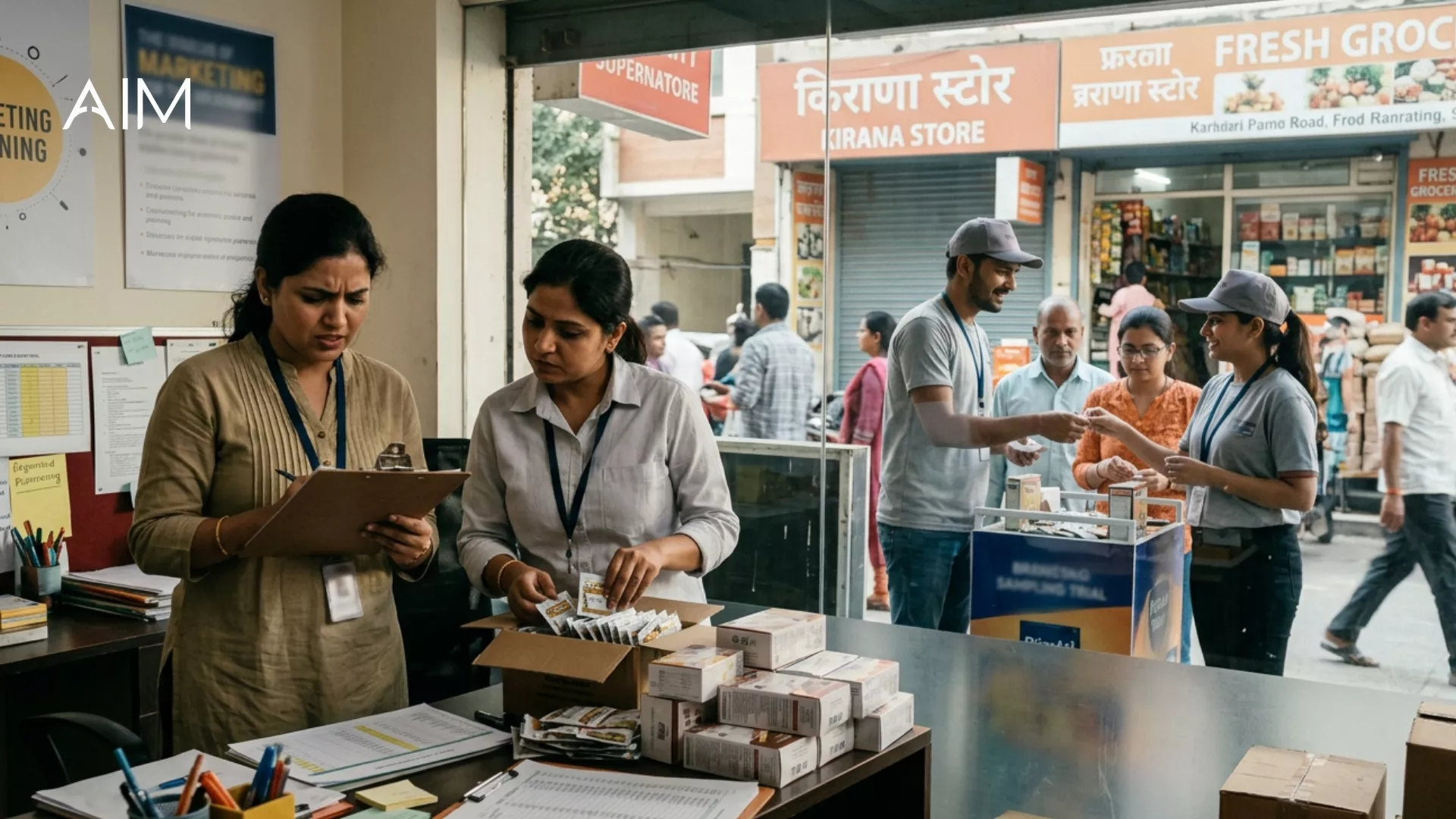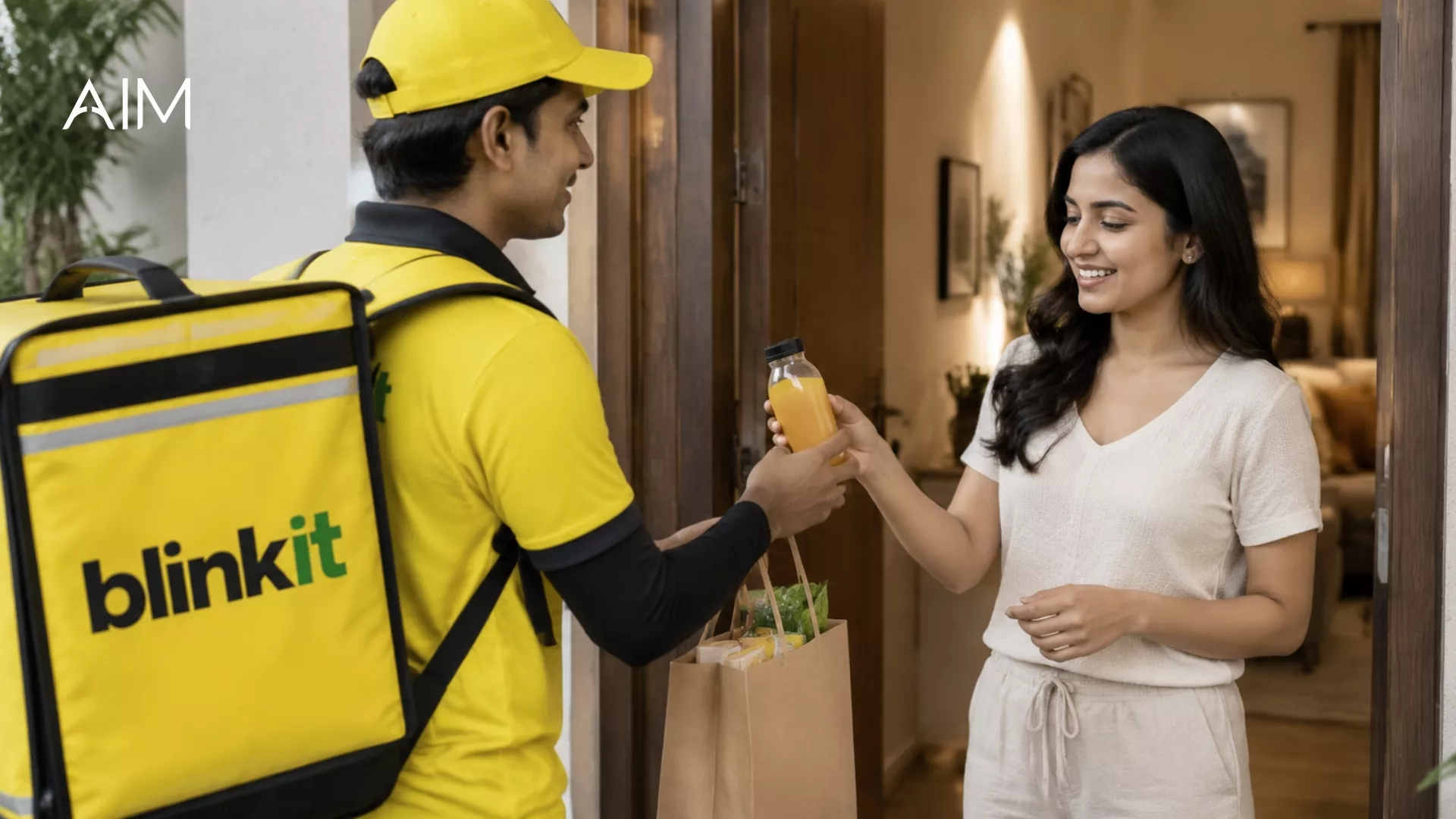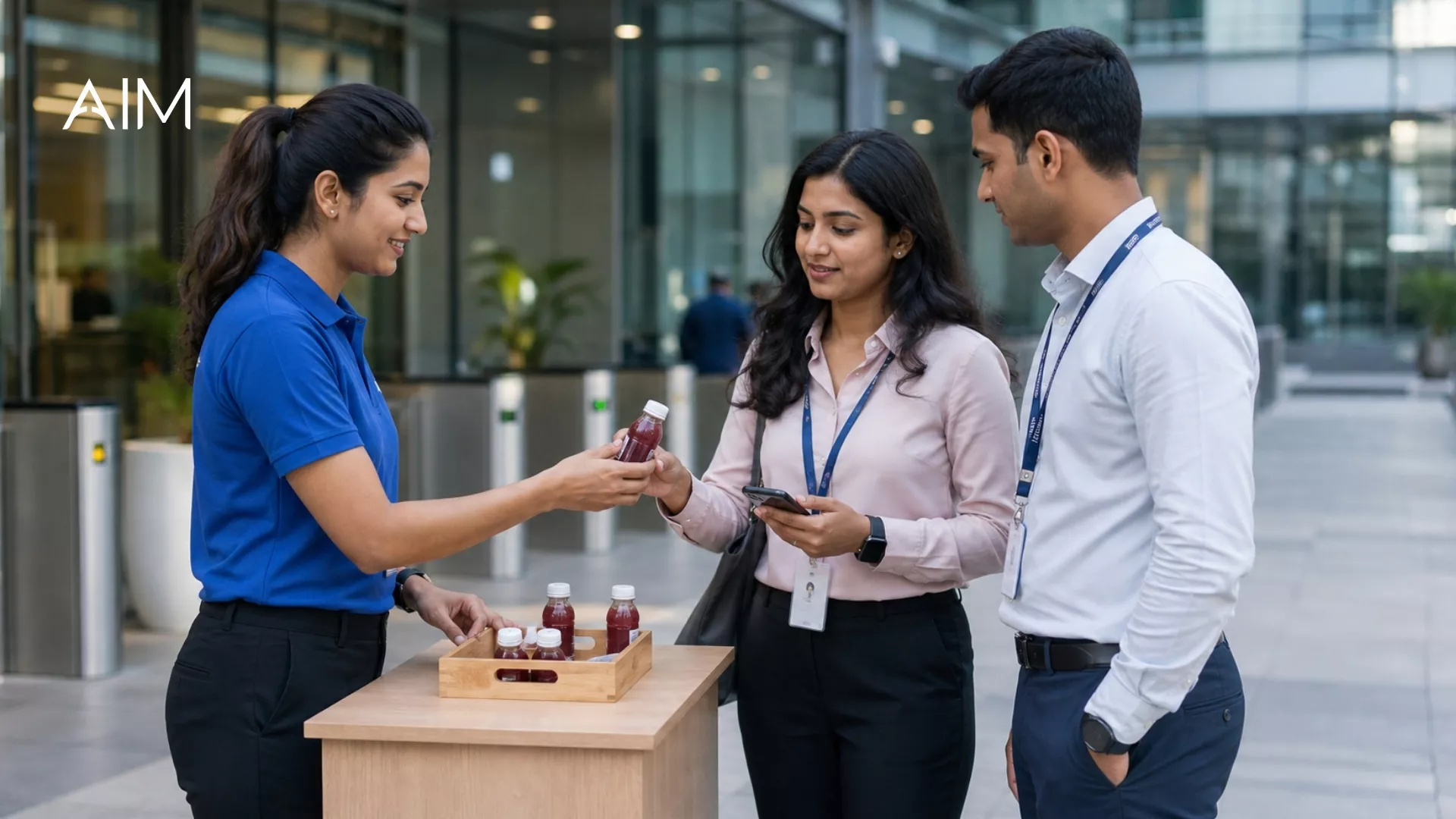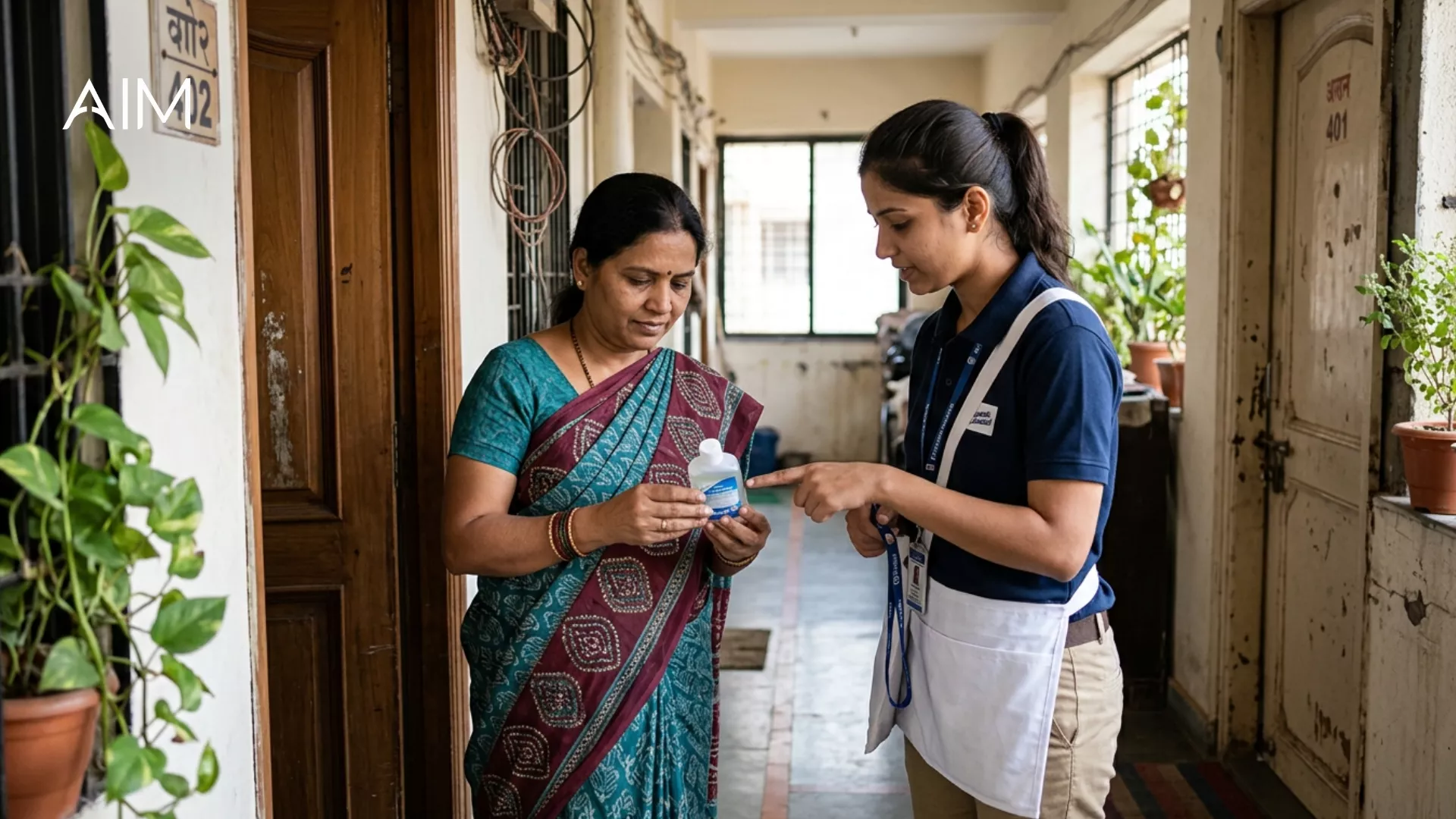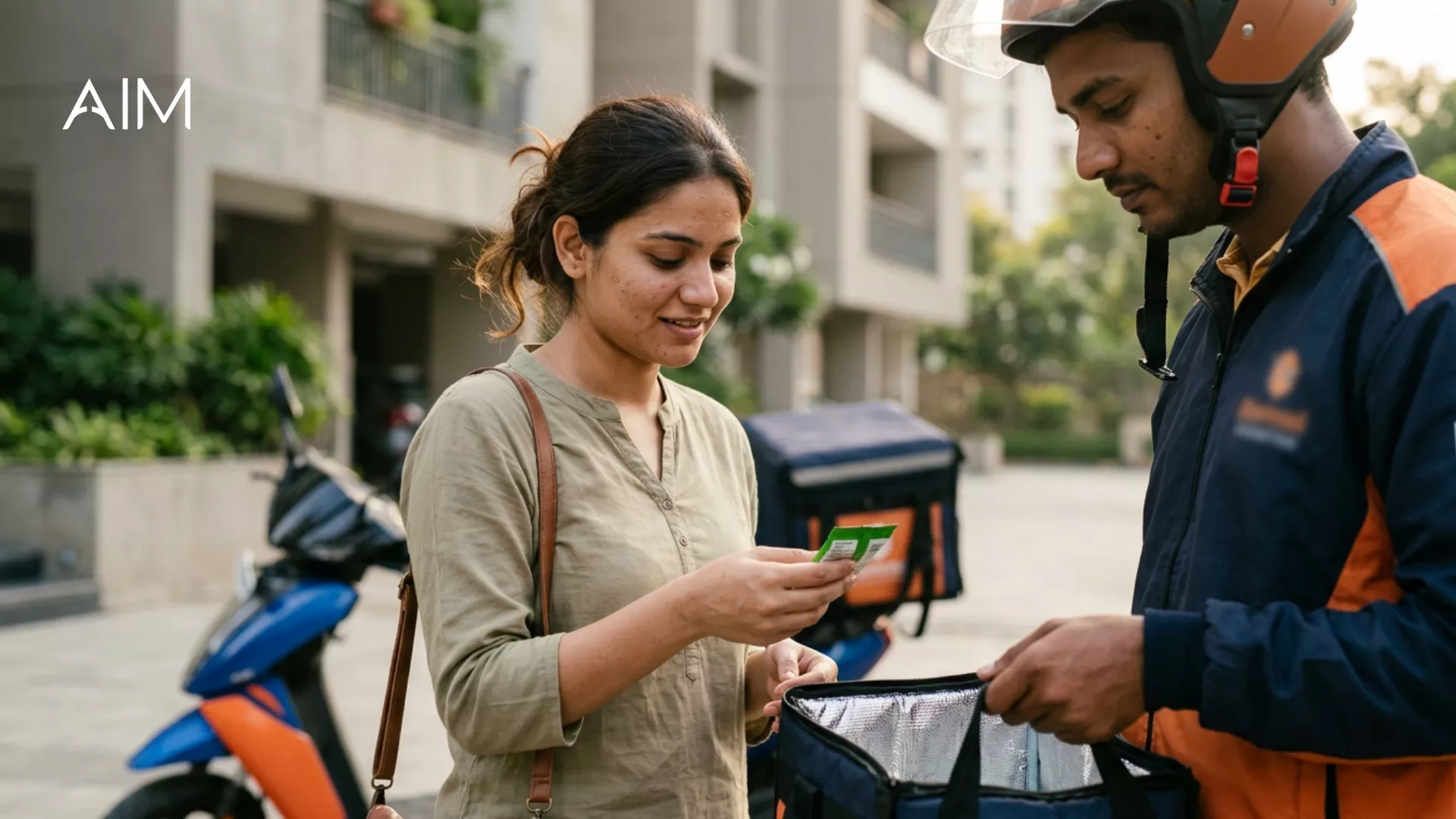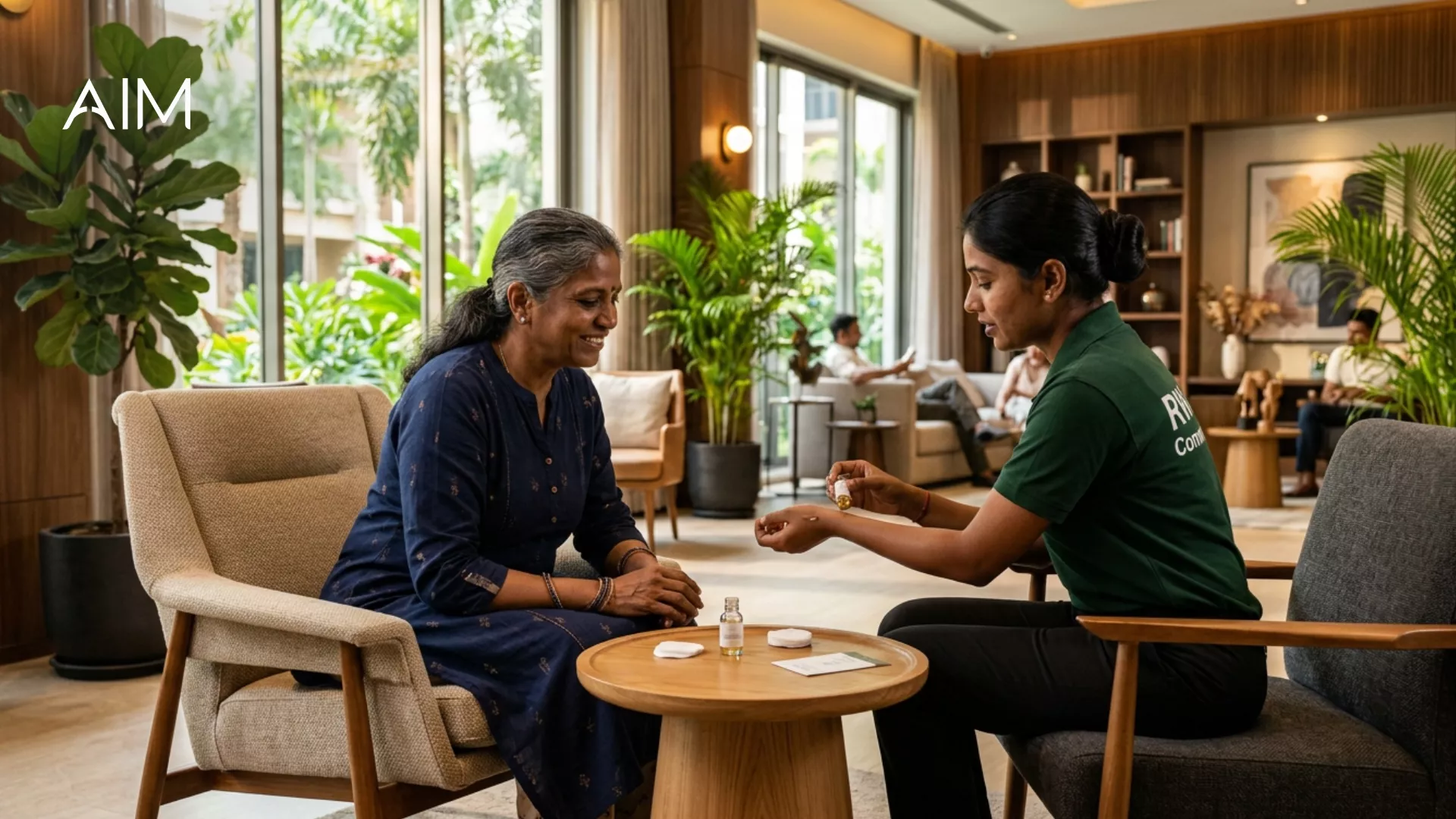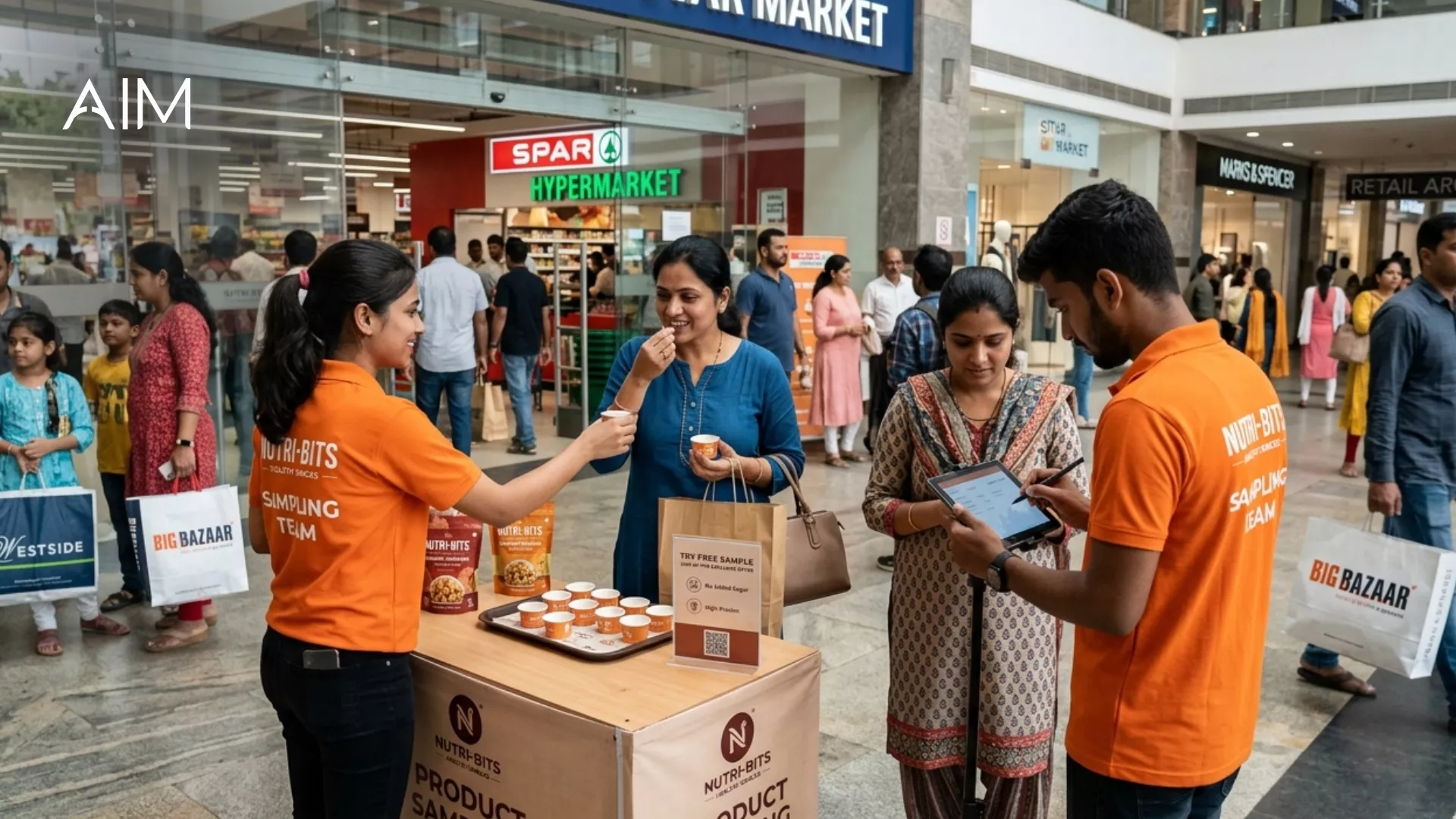


Corporate and IT park sampling has an obvious appeal. You reach working professionals, concentrated, with money to spend, in a setting you can plan around. Then a brand tries to actually run it and hits the wall that stops most campaigns before they start: you cannot just walk into an office park and set up a table. Someone has to let you in, and that someone is cautious by default, because they are protecting a secured, private workplace full of busy people. So the real question in IT park sampling is not about the samples at all. It is how you get permission to be there.
Here is how access to a corporate campus or IT park actually works, who grants it, how long it takes, and why the permission, not the plan, usually decides whether the campaign happens.
Quick answer: To sample inside an IT park or corporate campus you need approval from the facility or admin team that runs the premises, and sometimes the individual company's HR or admin as well. You approach them with a clear written proposal, frame the activity as something of value to employees, agree any space or access fee and the terms, give enough notice, and commit to clean, safe, non-disruptive execution. The premises grant access, not a public body, so the permission is a relationship with the facility and admin teams, and an agency with existing campus relationships secures it far faster than a brand approaching cold.
Why access is the hard part of corporate sampling
An office park is private, secured property, and the people who run it answer to the companies and employees inside, not to a brand that wants footfall. Letting an outside team in means vetting them, managing disruption, and taking on a small risk, all for an activity that benefits the brand more than the building. So the default answer is caution, and often no, unless the brand makes saying yes easy and low-risk.
This is why so many corporate campaigns stall. The targeting is sound, the product fits the audience, the plan is good, and none of it matters because nobody secured the ground. In IT park sampling, access is not a formality you sort out at the end. It is the first and hardest part, and it belongs at the start of planning.
Who actually approves it
Permission usually runs through a small set of gatekeepers, and knowing which one you need saves weeks. The facility management company or estate team that runs a multi-tenant park controls the common areas, the entrances, the atriums and food courts, and is often the primary approver for anything in shared space. The individual company's admin or HR team controls access to its own floors and its own employees, and may need to approve anything aimed directly at its staff. Security handles entry and movement on the day once approval exists. In a single-tenant campus, the company's own admin is usually the whole decision.
The mistake is approaching the wrong one, or the guard at the gate, who cannot approve anything. Start with the facility or admin team that actually controls the space you want, and you are talking to someone who can say yes.
How to get permission to sample in an IT park
Getting a yes is a process, and the order matters:
- Identify and approach the right gatekeeper first, the facility or estate team for shared space, the company admin or HR for a specific employer's staff, not the security desk.
- Submit a clear written proposal: what you will do, where, when, for how long, how many people, and what the setup looks like.
- Frame it around employee value, a useful trial, a convenient service, a welcome break, because the facility and admin teams care about their people, not your reach.
- Agree the space or access fee and the terms upfront, and get them documented, since most campuses charge for brand activity in their space.
- Give real notice, because a rushed request to a cautious team is an easy no, and large organisations move slowly.
- Confirm the practical reassurances: hygiene, safety, clean setup and teardown, and no disruption to the working day.
Handled this way the request is easy to approve, and easy to approve is what gets you in.
What facility and admin teams want to see
The teams that approve these activities are weighing one thing: is this low-risk and good for our people? So they look for a clear benefit to employees, something that makes the activity feel like a plus rather than an intrusion. They look for a professional, reputable brand and team they can trust on secured premises. They look for assurance that the working day will not be disrupted and the space will be left clean. And they usually expect a fair access charge for the use of their space. Meet those, and permission stops feeling like a favour you are asking and becomes a straightforward, mutually acceptable yes.
How long it takes, and why to start early
This is the detail that catches brands out. Corporate and campus approvals take time, often weeks, and longer in large organisations or multi-tenant parks where more than one party has to sign off. A brand that locks the creative and the logistics first and leaves permissions to the last minute routinely misses its window, because the approval simply does not come in time. The practical sequence is the opposite of what most brands do: start the permission conversation early, before the campaign is fully built, and plan the activity around the window you are actually granted. Timing the approval is as important as timing the activation, because access is what decides whether the campaign happens at all.
One more thing worth settling early is who owns securing the access, you or your agency, because the assumption gap causes real delay. Brands often assume the agency will arrange the campus permissions, while the agency assumes the brand's own contacts will open the door. When neither owns it, the campaign stalls at the gate. Decide it upfront and put it in writing.
Why brands get refused
Most refusals are avoidable and trace back to a few mistakes. Approaching the wrong person, so the request never reaches a decision-maker. Offering no clear value to employees, so the premises see only disruption. Giving too little notice, which reads as risk. Appearing likely to disturb the working day or leave a mess. And failing to agree the terms and the fee, which stalls the conversation. Fix those, right gatekeeper, real employee value, enough notice, a clean plan, and agreed terms, and most no's turn into yes.
What to actually sample inside an office
Access is the hard part, but what you sample once you are in decides whether the access was worth it, and the two are connected, because a facility team is far more likely to approve an activity that genuinely suits its people. The products that work in a corporate setting fit the working moment: food and beverages for a mid-day break, coffee and energy drinks, healthy snacks, quick personal-care or grooming products someone can use at their desk or before a meeting, wellness and de-stress products that speak to a long workday. Products that need space, privacy, or a home setting to try tend to be accepted politely and set aside, because the office is the wrong place to use them. Matching the product to how a professional actually behaves at work is part of earning both the approval and the conversion, and it is worth deciding before you even approach the facility team, because a well-fitted activity is an easier yes.
Timing the activity within the workday
Once you are in, when you run matters as much as where. The lunch break is the strongest window, because employees are relaxed, away from their screens, and open to a trial. Mid-morning and mid-afternoon tea breaks are the next best, short predictable pauses when people are moving around. Entry and exit windows work for take-home products the employee can carry home. The hours to avoid are the heads-down work stretches, when a sample is an unwelcome interruption and conversion is low. The facility team will often have its own view on which windows disrupt the workday least, and aligning with that both protects the approval and puts the activity in front of employees when they are actually receptive.
What access and space cost
Corporate and IT park access is rarely free, and it helps to budget for that from the start. Most campuses and facility teams charge a space or access fee for brand activity on their premises, and the amount varies with the park, the location within it, the footfall it offers, and the duration of the activity. A food court or an atrium in a busy multi-tenant park commands more than a quieter corner, and prime slots get booked ahead. Treat this as part of the campaign cost rather than a surprise, and get the fee and what it includes documented alongside the permission, so there is no confusion on the day.
The number worth watching is not the access fee alone but the cost per real prospect the activity reaches. A premium campus full of exactly your buyer can justify a higher fee, while a cheaper park whose employees are not your audience is not a saving. Price the access against the audience it actually puts in front of you, the same way you would judge any other channel.