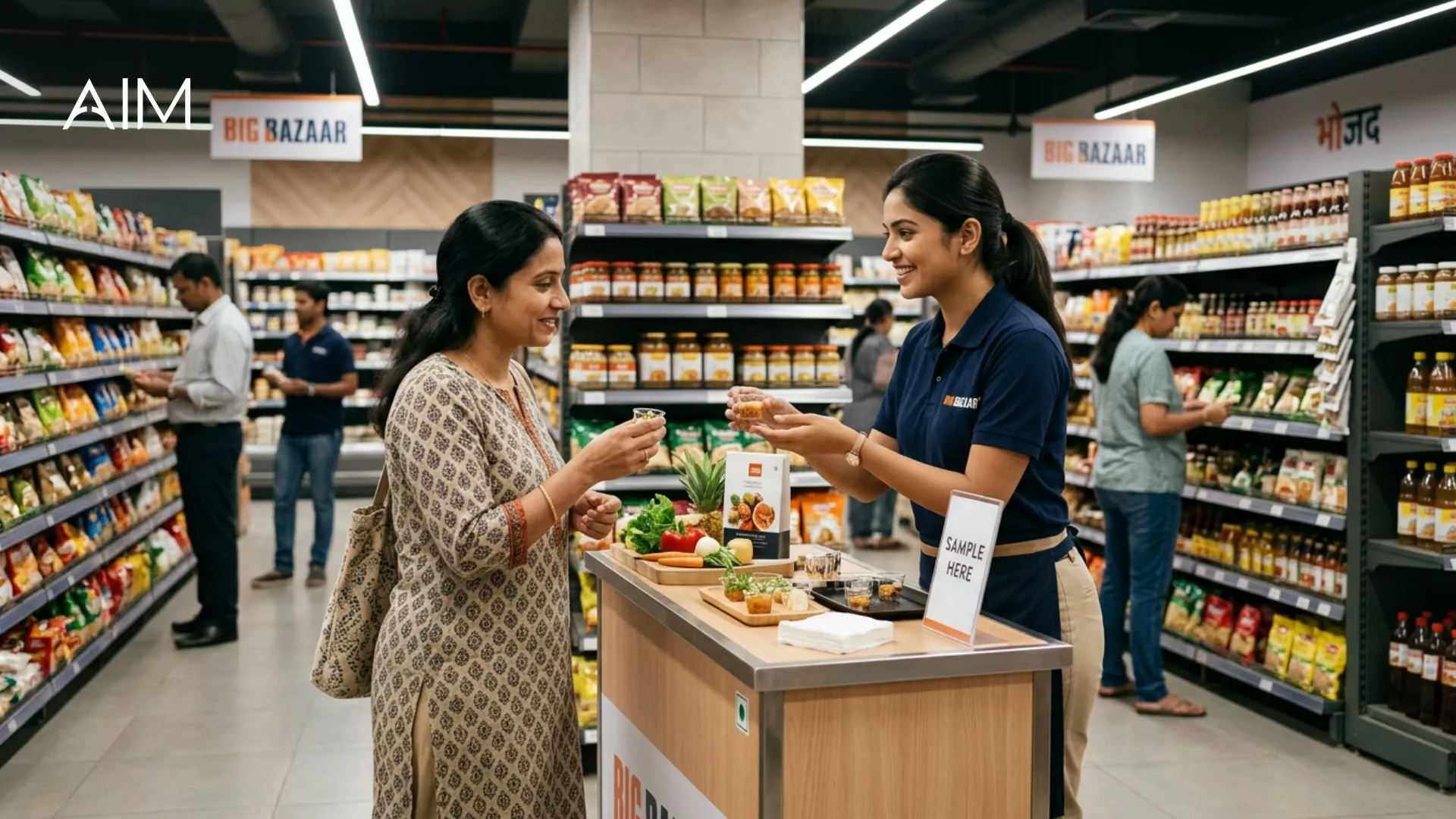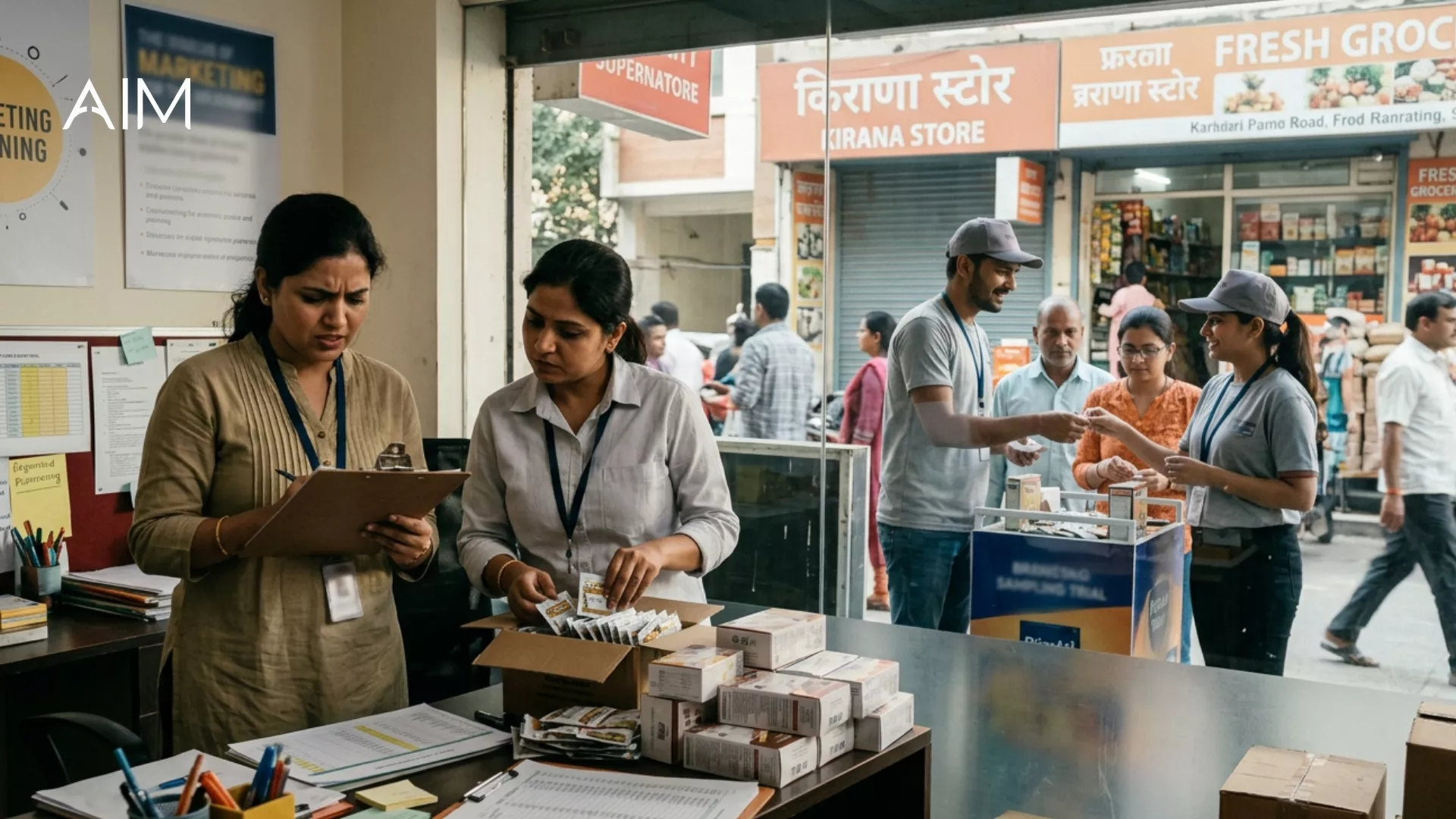


Brands often treat all pet sampling as one job. Hand the product to a pet owner, hope they try it, wait for a sale. But sampling a bag of pet food and sampling a grooming product are not the same exercise, and running them the same way is how one of them quietly underperforms. The two are judged differently, by different deciders, over different timeframes. Knowing what changes between them is the difference between a trial that converts and one that just empties a budget.
Quick answer: Pet food is judged by the pet, over several meals, so the sample has to be big enough to test palatability and acceptance and the trial takes time. Grooming products are judged by the owner, often on a single use, by how the coat, skin, or smell responds, so the sample can be smaller and the verdict is quicker. The decider, the sample size, the timeframe, and the channel all shift between the two.
Who actually judges the sample
With pet food, the pet is the judge. The owner can be sold on the ingredients and the brand, but if the dog or cat turns up its nose, the trial is over. Acceptance is the whole game, and it is out of the owner's hands. With grooming, the owner is the judge. The pet experiences it, but the person decides whether the coat looks shinier, the shampoo was gentle, the smell is right, the tangle came out. One sample is won at the bowl. The other is won in the owner's opinion. That single difference changes everything downstream.
What the trial has to prove
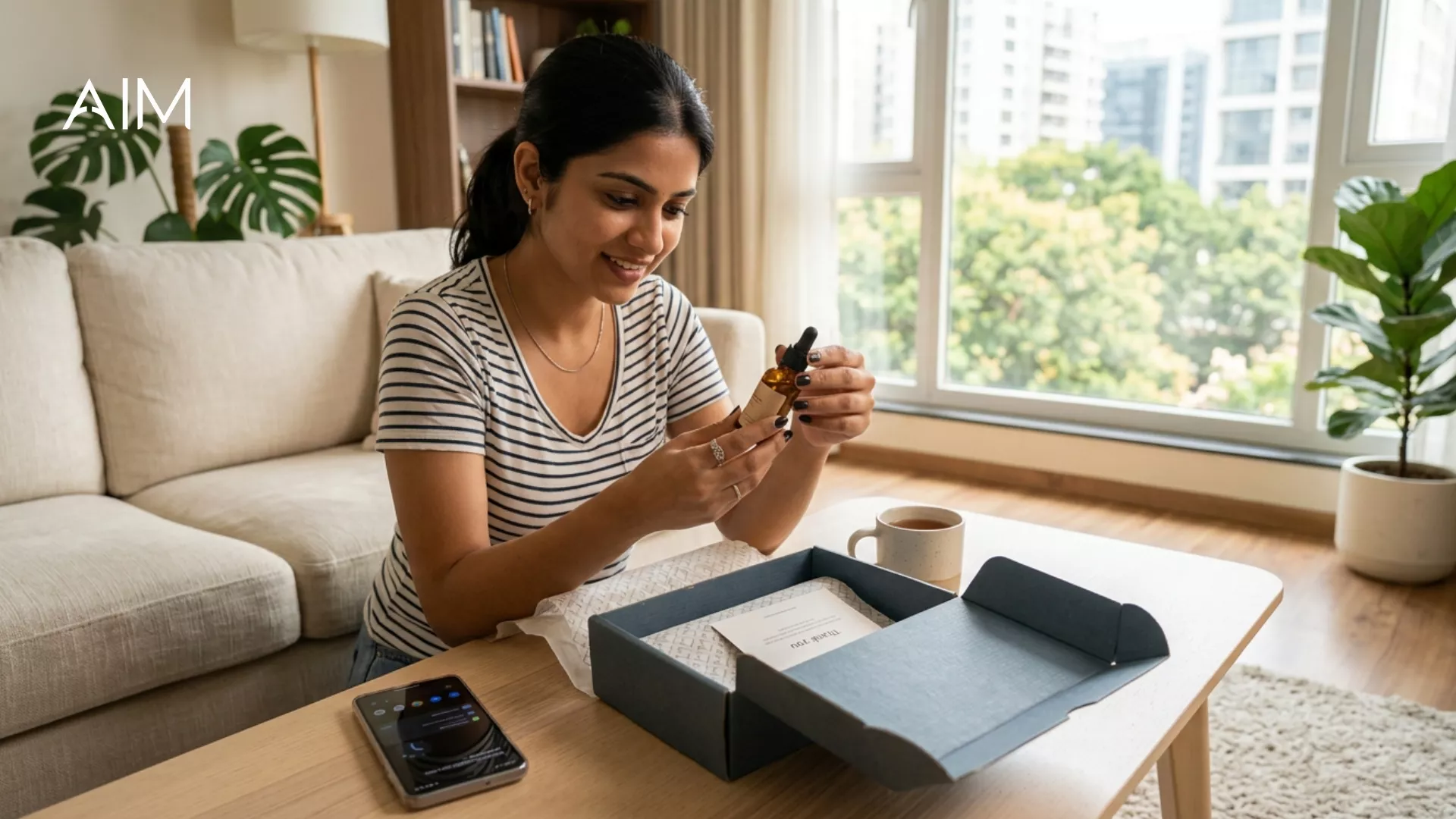
A food sample has to prove the pet will eat it, and ideally enjoy it, because a food a pet merely tolerates will not win a switch. That means palatability, digestion over a few days, and no upset. A grooming sample has to prove a visible or felt result, a cleaner coat, less shedding, a calmer skin, a pleasant scent that lasts. The food proves itself through the animal's behaviour. The grooming product proves itself through a result the owner can see or feel. You are testing acceptance in one case and a demonstrable effect in the other.
How big the sample needs to be
This is where many pet food campaigns fail. A single-meal sachet is too small to prove anything, because a pet may eat something new once out of curiosity and reject it by the third meal, or take a few days to accept it. A food trial has to carry enough for several meals to give an honest read. A grooming sample is more forgiving. A single-use sachet of shampoo or a small tube of a grooming product can deliver a real result the owner can judge in one wash. So food usually needs a more generous sample, and grooming can do more with less.
How long the verdict takes
A food decision unfolds over days, sometimes a week, as the pet accepts it and the owner watches for any digestive trouble. A grooming decision can land in a single use. This changes how you follow up. With food, the reorder conversation comes later, after the bag or the trial runs low, so capture and a well-timed follow-up matter enormously. With grooming, the owner may be ready to buy the same day they see the result, so the route to purchase should be short and immediate.
Where each one samples best
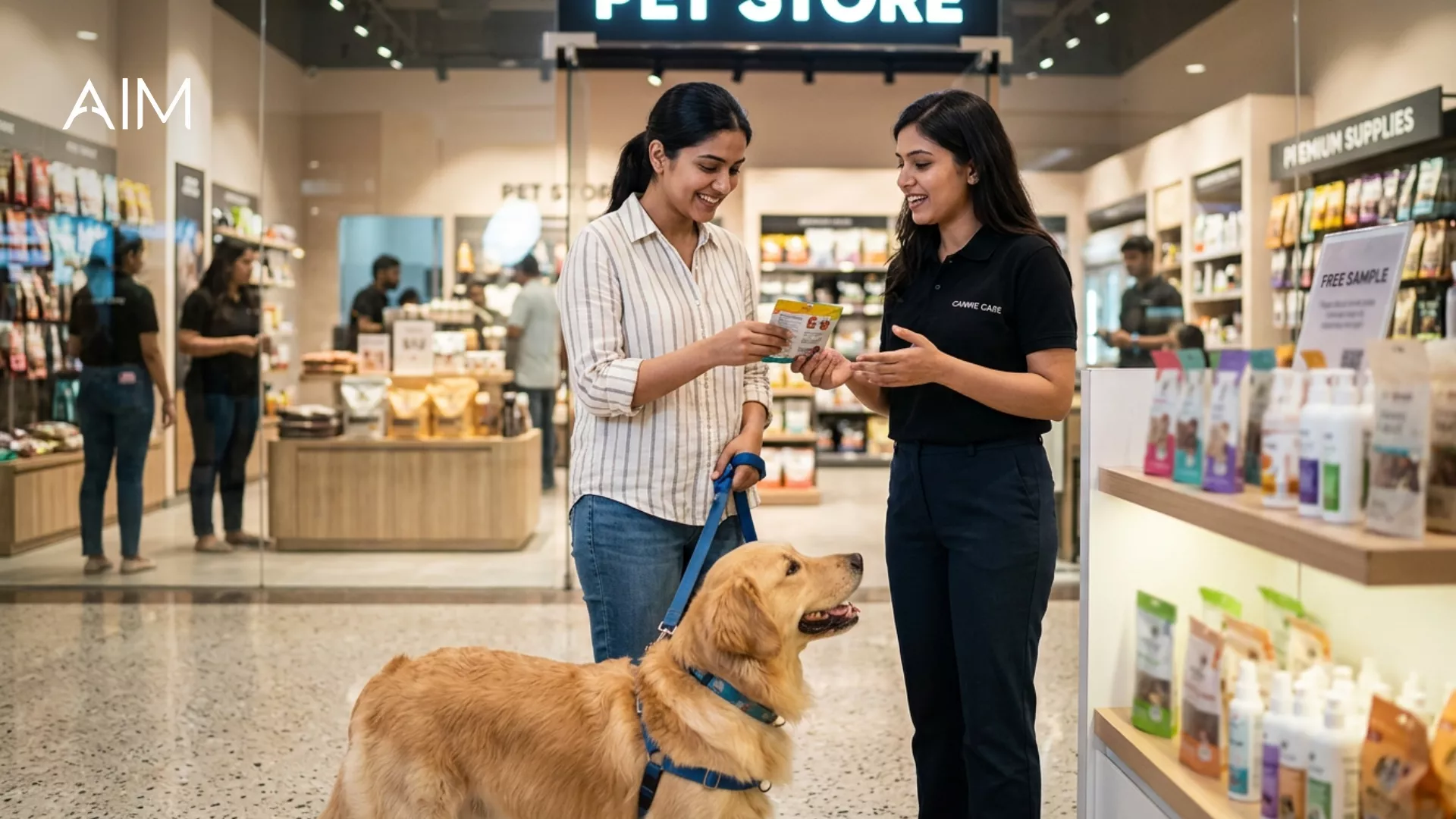
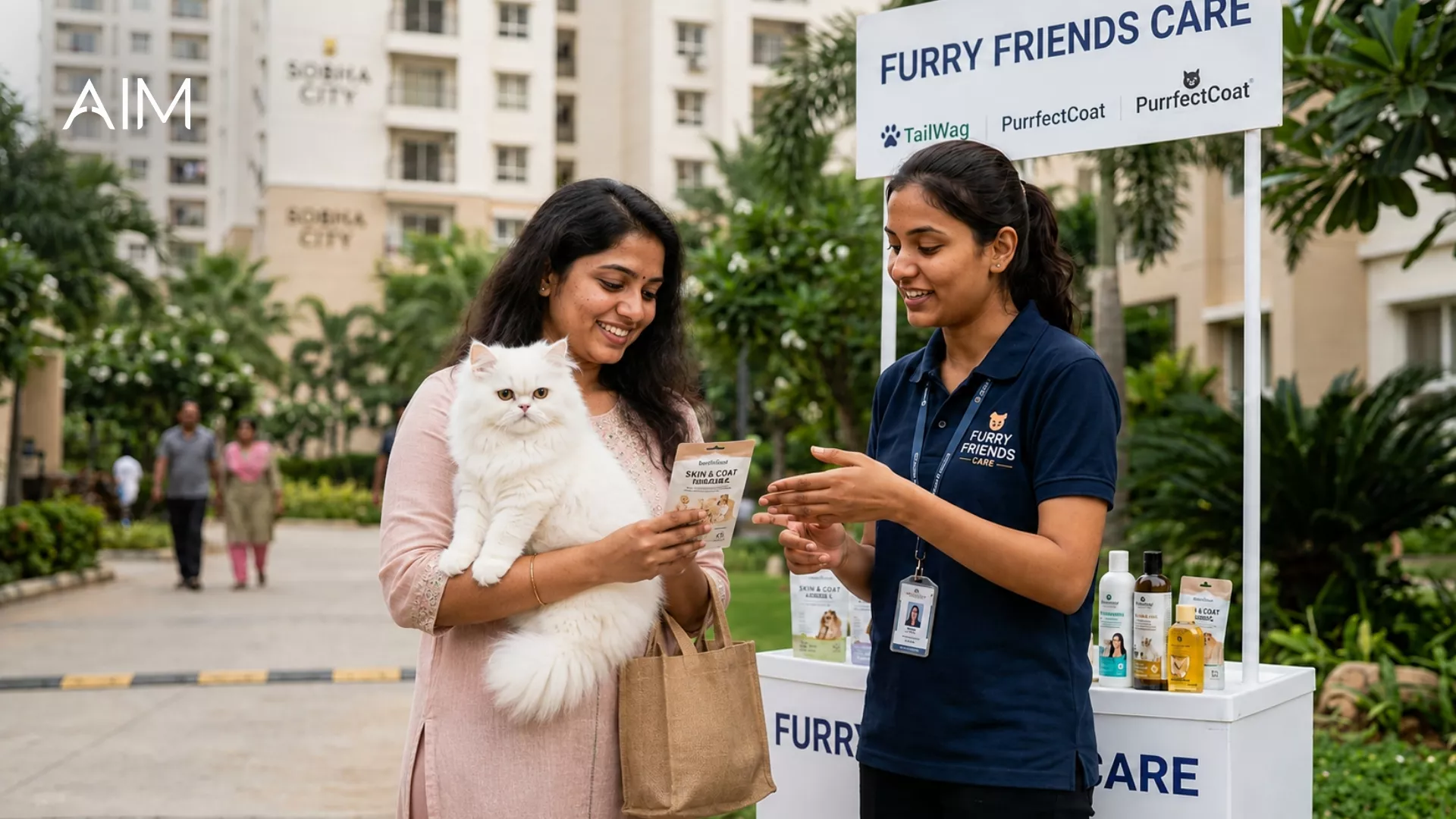
Food leans toward channels where trust and the health angle carry weight, vet clinics for therapeutic or health-led food, pet stores for everyday brands, and online inserts for the reorder. Grooming leans toward places where the owner is thinking about appearance and care, pet stores, grooming salons, and online, where a visible result and a quick buy line up. The underlying skill in both is the same, and it starts with the thing every pet brand underestimates, which is how to earn a pet parent's trust before the sample is even opened.
What stays the same
For all their differences, both share the rules that make pet sampling work at all. Both must reach a real, relevant pet owner, not a crowd of strangers, because pet parents are a niche and a sample in the wrong hands is wasted. Both live on repeat, so both need capture and a path to the reorder, since pet care makes its money on the second and third purchase, not the first. And both reward precision over volume, because a smaller campaign that reaches the right owners beats a larger one scattered across people with no pet or the wrong one. Building that precision is the heart of our pet care product sampling work.
How the follow-up differs
Because the two products are decided on different timelines, the follow-up has to be different too. A grooming product can be bought the moment the owner sees the result, so the route from trial to purchase should be short and immediate, a code to buy now, an easy link, a reason to act the same day. A food product is decided over days as the pet accepts it, so the follow-up comes later and has to be timed to when the trial runs low and the reorder question is live. Send the food buyer a buy-now nudge on day one and you have asked too early. Send the grooming buyer a reminder a week later and you have asked too late. Matching the follow-up to the product's real decision clock is part of what makes each campaign convert.
The common mistakes in each
Food campaigns fail most often on sample size, handing out a single meal that cannot prove acceptance, and on channel, sampling a therapeutic food somewhere it carries no credibility. Grooming campaigns fail most often on proof, giving a sample too small or a setting too rushed to show a visible result, and on the missing route to purchase, winning the owner's approval and then giving them no easy way to buy while the impression is fresh. The mistakes are different because the jobs are different, and a brand that copies its food playbook onto a grooming campaign, or the reverse, tends to repeat the wrong mistake for the product.
What the pack and the message should carry
The sample does not travel alone, and what goes with it differs by product. A food sample should carry clear guidance on how to introduce it, because a new food switched too fast can upset a pet and read as a failed product when the problem was the transition. It helps to tell the owner to expect a few days of adjustment. A grooming sample should carry a simple line on how to use it and what result to look for, so the owner knows what they are judging and does not miss the benefit. In both cases the message sets the owner's expectation, and an expectation set well is the difference between a fair trial and a false verdict.
Why both still reward precision
Whether you are sampling food or grooming, the budget is won or lost on reaching real, relevant owners rather than a crowd. Pet parents are a niche, and the fastest way to waste money in either category is to scatter samples across people who do not own the right animal. A tighter campaign that reaches two thousand confirmed owners of the right pet beats a larger one that buries the same two thousand among strangers. The product type changes the sample, the size, the timing, and the channel. It does not change the core rule that precision beats volume, because a loyal pet parent, once won, tends to stay for years, and that lifetime value is what both campaigns are really chasing.
Reading the result honestly
A quiet risk in both categories is misreading the trial. With food, an owner may see a pet refuse a new meal on day one and conclude the product failed, when the pet simply needed a few days to adjust, or the switch was made too abruptly. With grooming, an owner may judge a shampoo harshly after one wash on a coat that needed a second, or expect a result the product was never meant to deliver in a single use. In both cases the verdict is wrong, and the brand loses a buyer it should have won. The protection is the same for each, setting a clear and honest expectation before the trial, what to do, how long to give it, and what result to look for, so the owner judges the product against the right standard rather than an invented one. A fair trial is one the owner was told how to run, and in pet care, where a won buyer stays for years, it is worth the small effort to make sure the trial is read correctly. The owner who judges your product fairly, and finds it good, is the start of years of repeat buying, and that is far too valuable to lose to a trial the owner never understood how to run in the first place.