
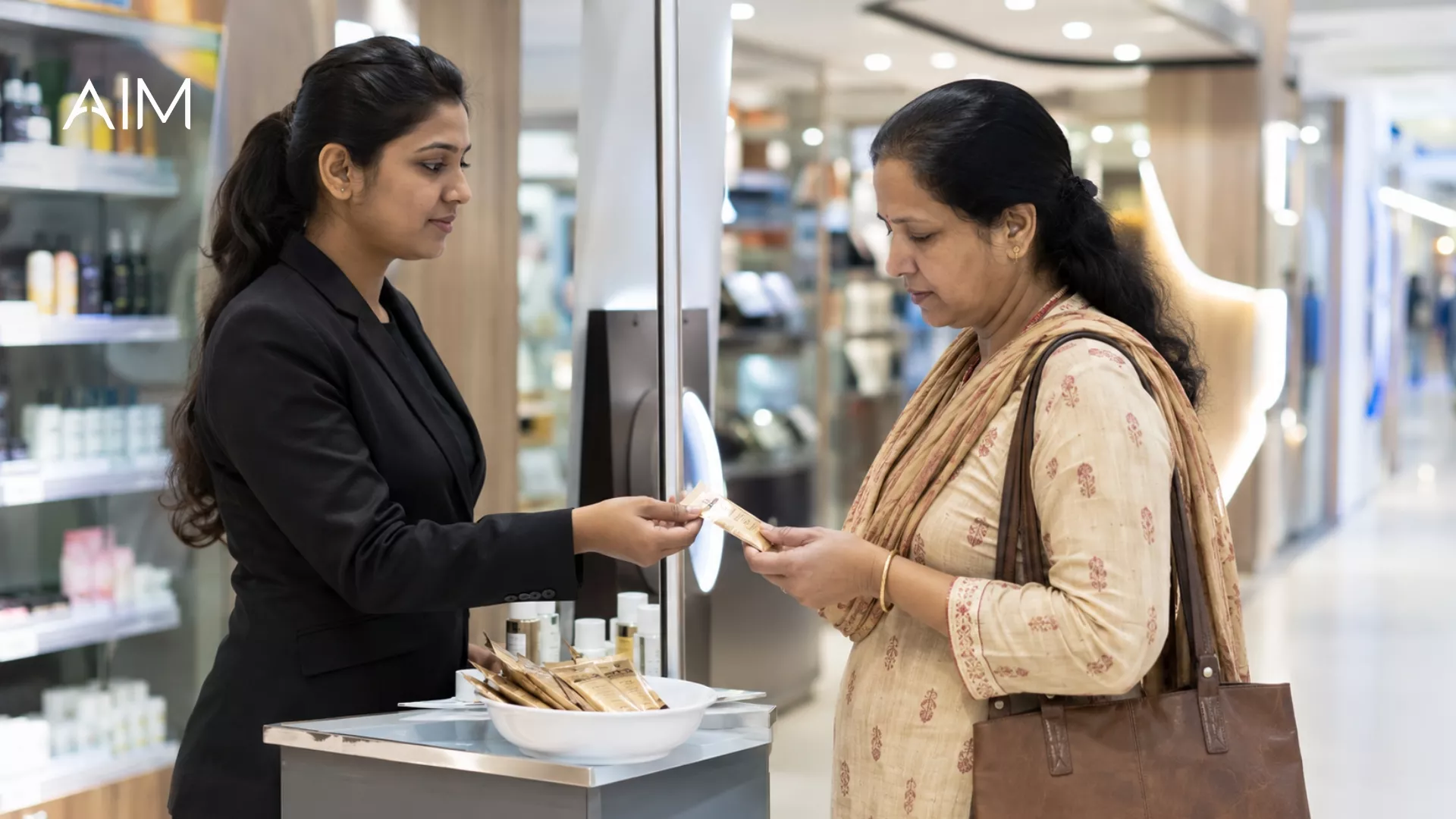


Prdouct sampling is one of the most persuasive things a brand can do, which is exactly why it so often gets run when it should not. A good campaign puts the product in a hand and lets it sell itself, and that image is so appealing that teams reach for it by reflex, before asking whether trial is even the thing standing between them and the sale. Sometimes it is not. Sometimes a sampling campaign is the most expensive way to learn a lesson you could have known going in. Deciding when not to sample is not negativity about the channel, it is what protects the budget for the campaigns where sampling genuinely wins.
Quick answer: do not run a product sampling campaign when the product does not need trial to be understood, when the product is not actually ready, when you cannot capture or track who tried it, when you cannot supply the demand a campaign would create, when the real goal is broad awareness rather than trial and conversion, or when the cost per sample cannot be justified by the product's margin and repeat value. Sampling works when trial is the barrier to purchase. When something else is the barrier, sampling is the wrong tool.
Sampling works because trial sells. So when does trial not sell?
The entire case for sampling rests on one idea: that experiencing the product is what turns a doubter into a buyer. That is true for a huge range of products, food, beverages, personal care, supplements, home care, anything where texture, taste, smell, or result is hard to communicate any other way. But it is not a universal law. For some products the barrier to purchase is not doubt about the experience at all, it is price, or availability, or simple lack of awareness. When trial is not the thing holding the buyer back, handing out samples spends money solving a problem the buyer does not have. The first question before any campaign is honest and uncomfortable: is trial actually what is stopping people from buying?
When the product does not need trying to be understood
Some products are bought on message, not on experience. A commodity where every brand is broadly the same, or a product whose value is obvious from the packaging and the price, does not gain much from a free trial, because there was never any mystery for the sample to resolve. Handing someone a sample of something they already understand perfectly well adds cost without adding conviction. If a buyer can fully grasp what your product does and whether they want it without ever touching it, sampling is a weak lever, and your money is better spent on distribution, price, or the message itself.
When the product is not ready
This is the most expensive mistake of all, because sampling a flawed product does more than waste the sampling budget, it actively speeds up your own rejection. Trial is honest. If the formula is off, the taste is wrong, or the experience disappoints, a sample delivers that verdict to thousands of people faster and more convincingly than any bad review could. You are paying to manufacture negative word of mouth. If there is real doubt about whether the product is genuinely good yet, the answer is to fix the product first, not to sample it and hope. A great sampling campaign for a product that is not ready is worse than no campaign at all.
When you cannot capture or track who tried it
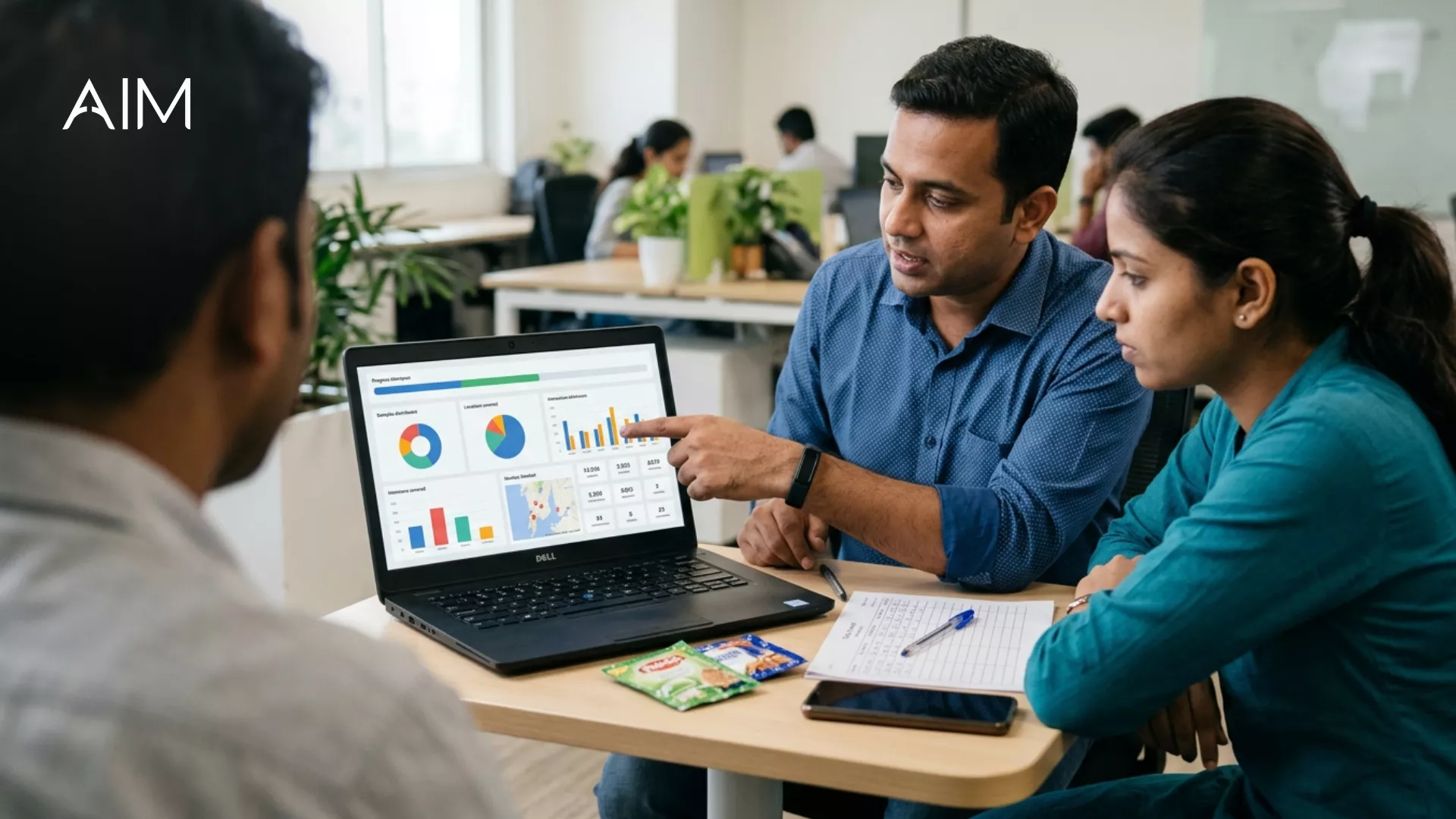
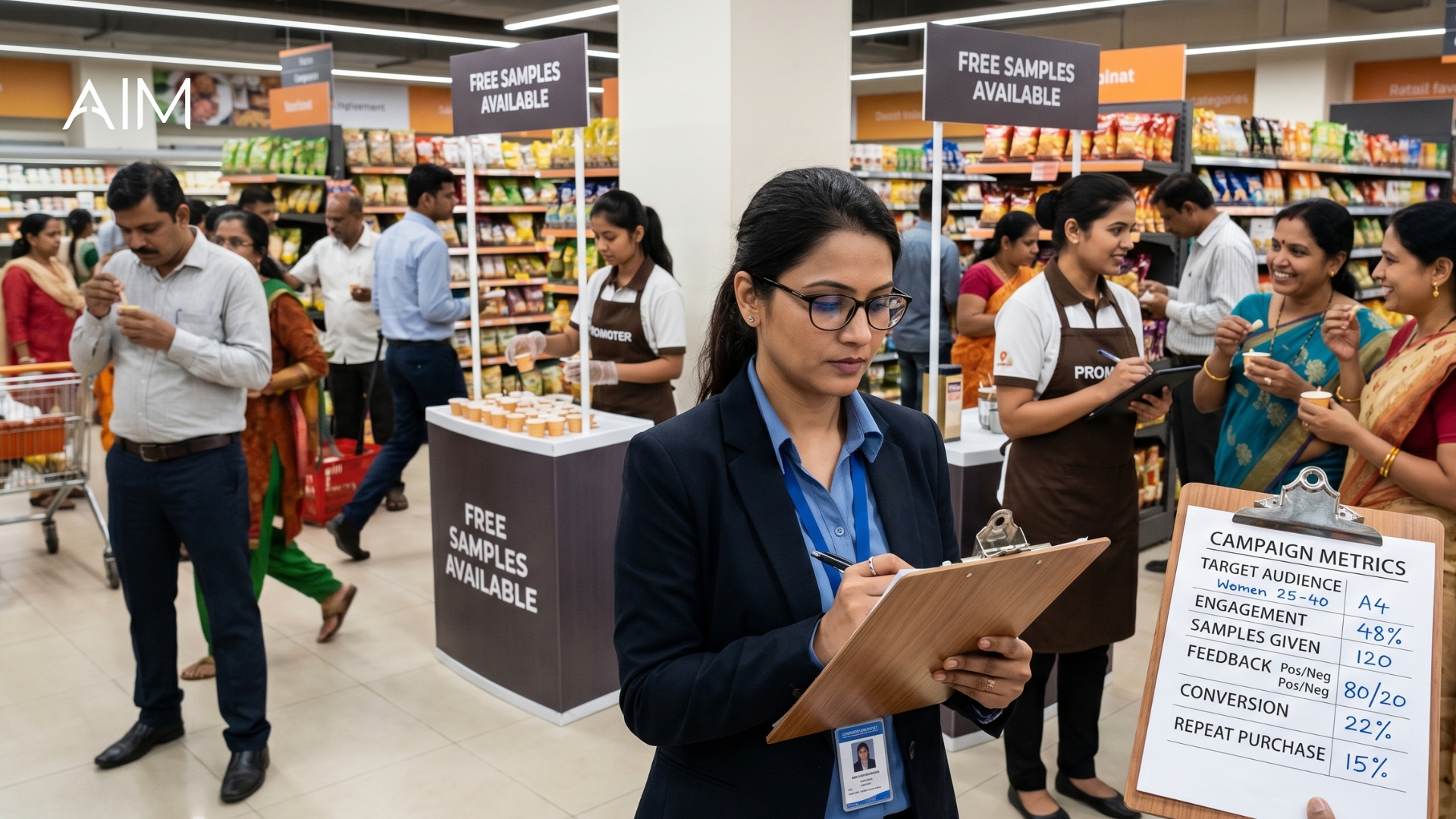
If a campaign is going to be a blind handout, no capture at the point of trial, no code, no way to follow who tried the product or whether they bought, then it is spending without learning. You will end up with a distribution number and nothing else, unable to say who you reached or what it returned, which puts you right back in the trap that makes finance kill sampling budgets. This is not always a reason to cancel, but it is often a reason to wait. Build the capture and tracking first, then sample. A trial you cannot measure is a story you cannot tell later, and in most companies an unmeasured campaign is a campaign that quietly does not get funded again.
When you cannot meet the demand you create
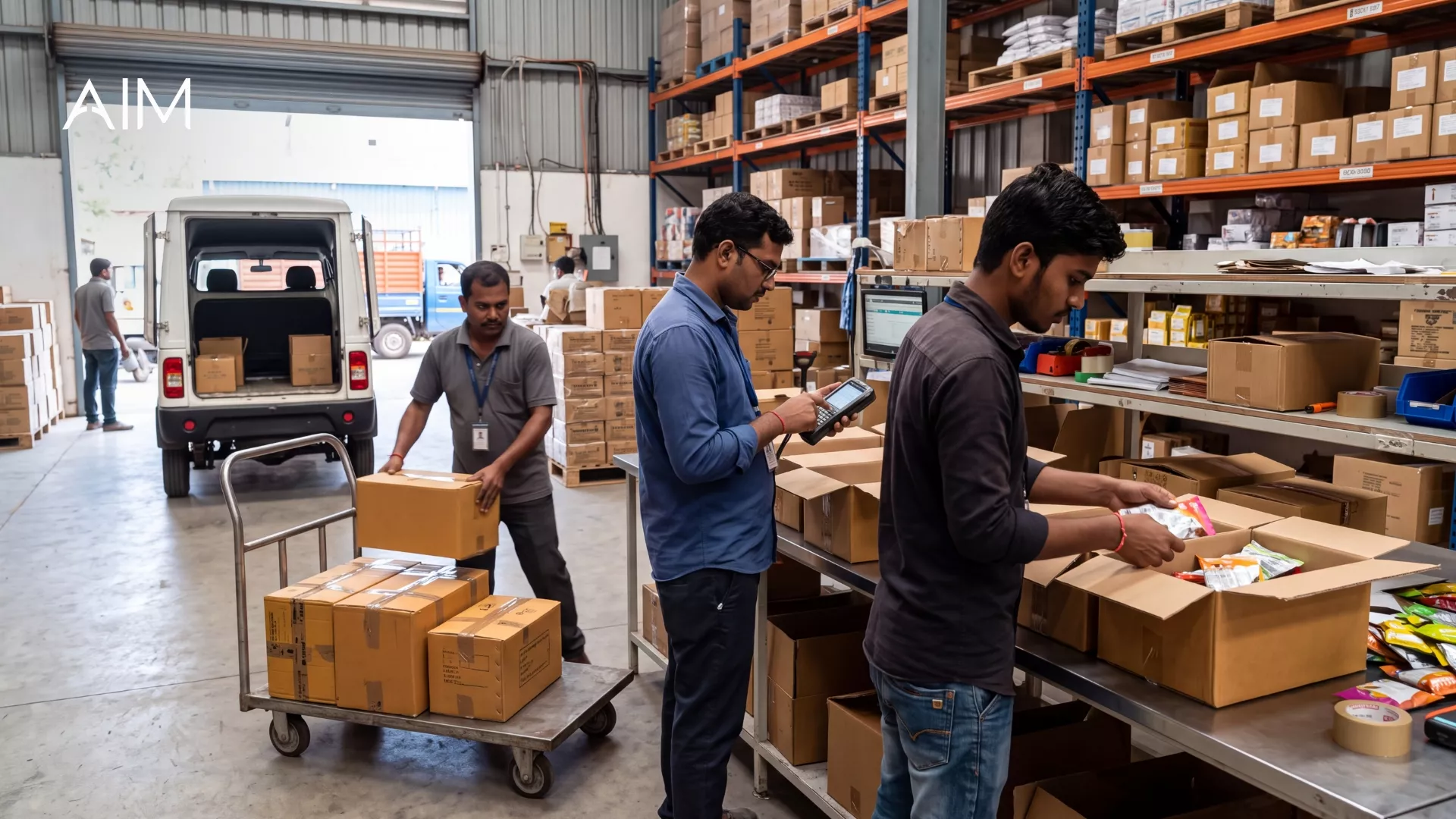
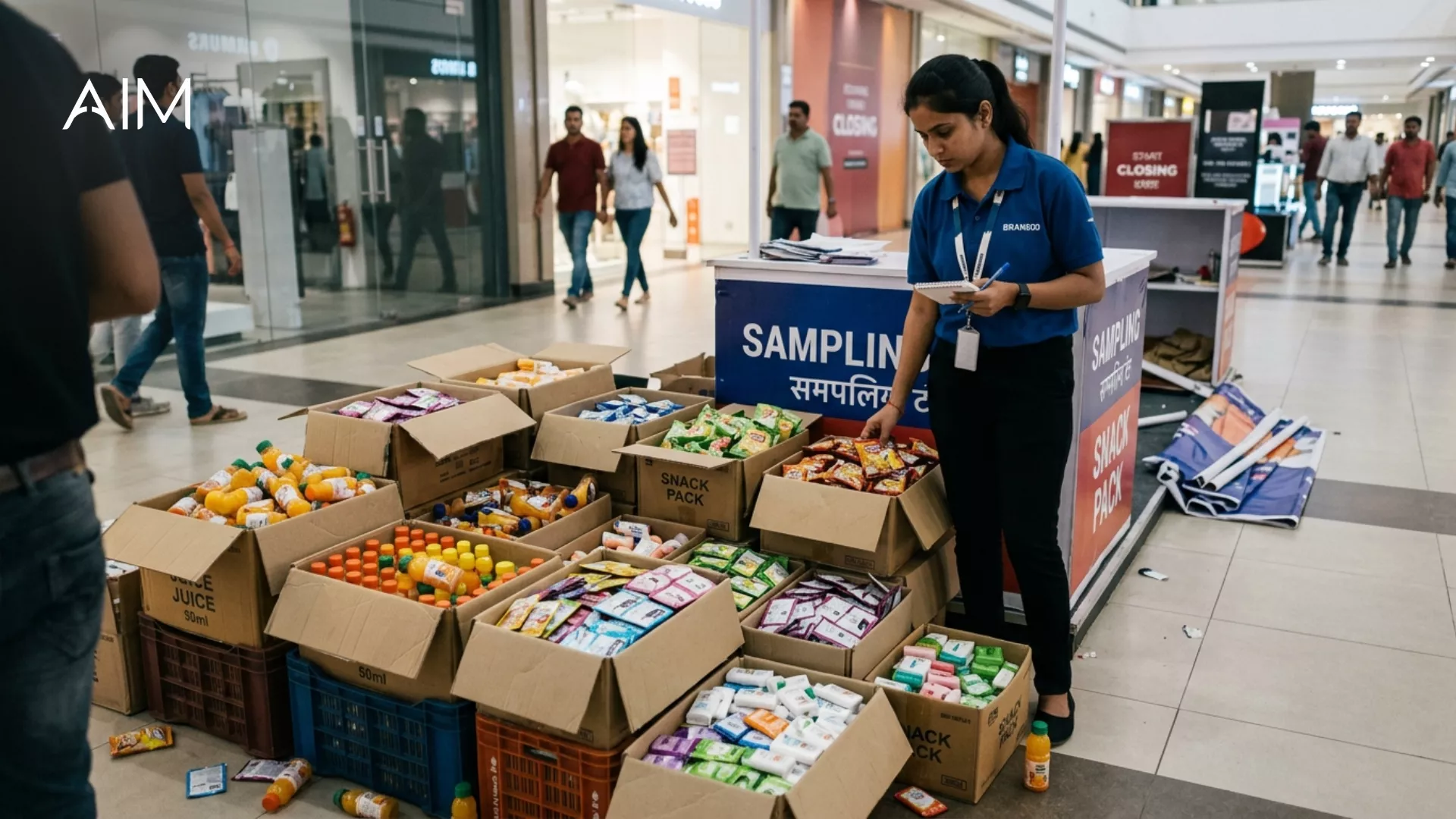
Product sampling works by creating buyers, and buyers need somewhere to buy. If the product is not yet on shelves in the market you are sampling, or distribution is thin, or you are already struggling to keep stock available, then a successful campaign becomes a problem. You will have spent money making people want the product and then sent them to an empty shelf or a store that does not carry it, where the intent you paid to create evaporates and, worse, teaches the buyer that your product is hard to find. Sampling should come after you can reliably supply demand, not before. Winning the trial and losing the purchase to your own stockout is a painful way to spend a budget.
When the real goal is awareness, not trial
Sometimes what a brand actually needs is reach, getting its name in front of as many people as possible, and sampling is an inefficient way to buy that. Physical sampling is a trial and conversion tool. It is deliberately narrow and hands-on, which is its strength when trial is the goal and its weakness when reach is. If the objective is simply to make a lot of people aware you exist, digital, out-of-home, and broadcast channels deliver far more eyeballs per rupee than putting product into individual hands. Reaching for sampling to solve an awareness problem is using a scalpel to do a billboard's job. Be honest about whether you need trial or attention, because they call for different tools.
When the economics do not work
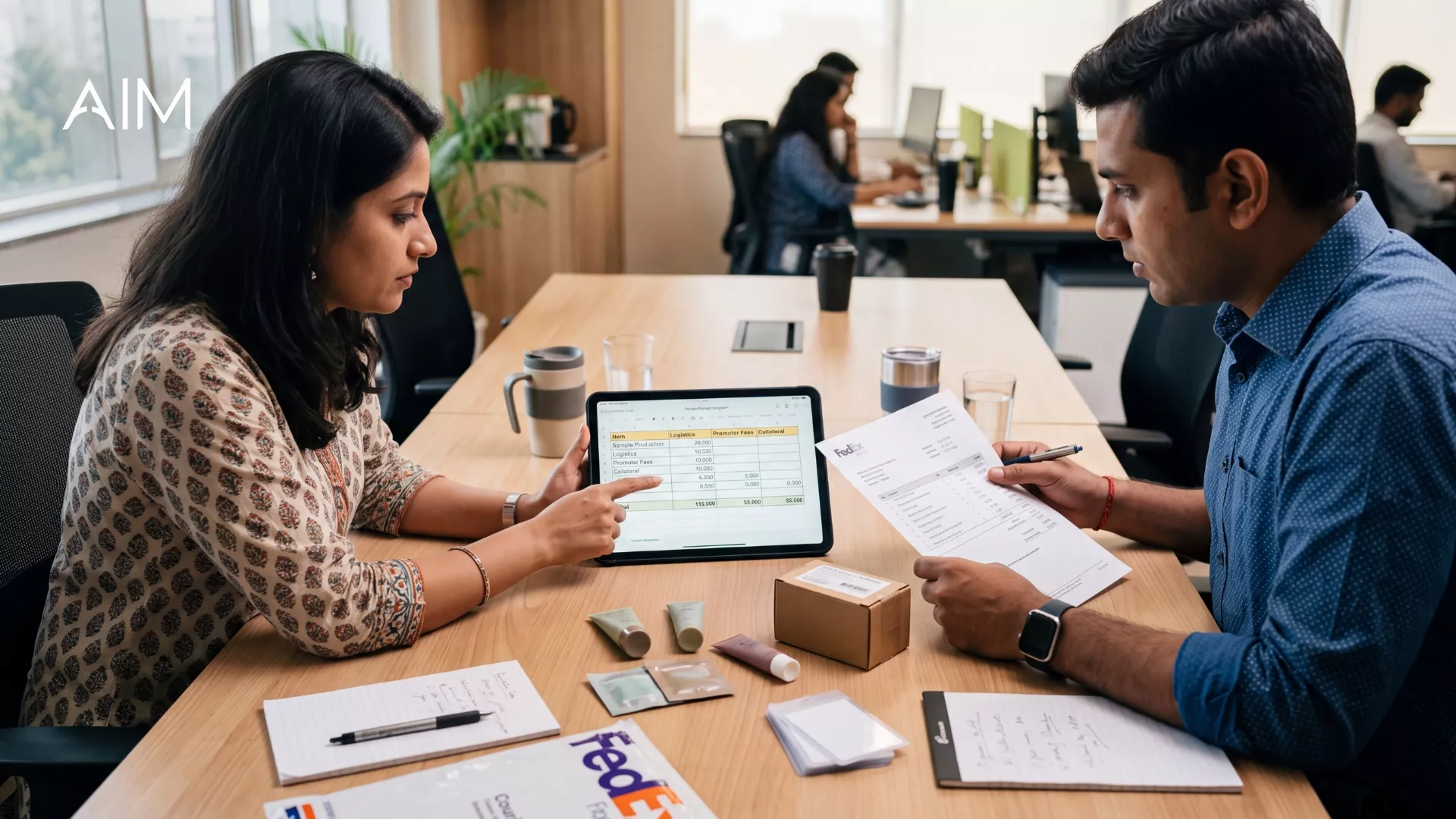
Every sample has a real cost: the unit, the packing, the manpower, the logistics. That cost only makes sense if the value of a converted buyer is comfortably higher than the cost of converting them. For a low-margin product with little repeat purchase, the maths can simply refuse to close, no matter how well the campaign is run. Before committing, it is worth doing the rough sum: what does it cost to put a sample in a qualified hand, what share of those hands realistically convert, and what is a converted buyer worth over time? If a converted buyer is worth a single low-margin purchase and each sample is expensive to place, sampling may never pay back, and no amount of execution skill will change that arithmetic. Running the sum honestly before the campaign, rather than hoping the numbers work out afterwards, is often what separates a brand that uses sampling well from one that burns a budget and then blames the channel.
So when should you run it?
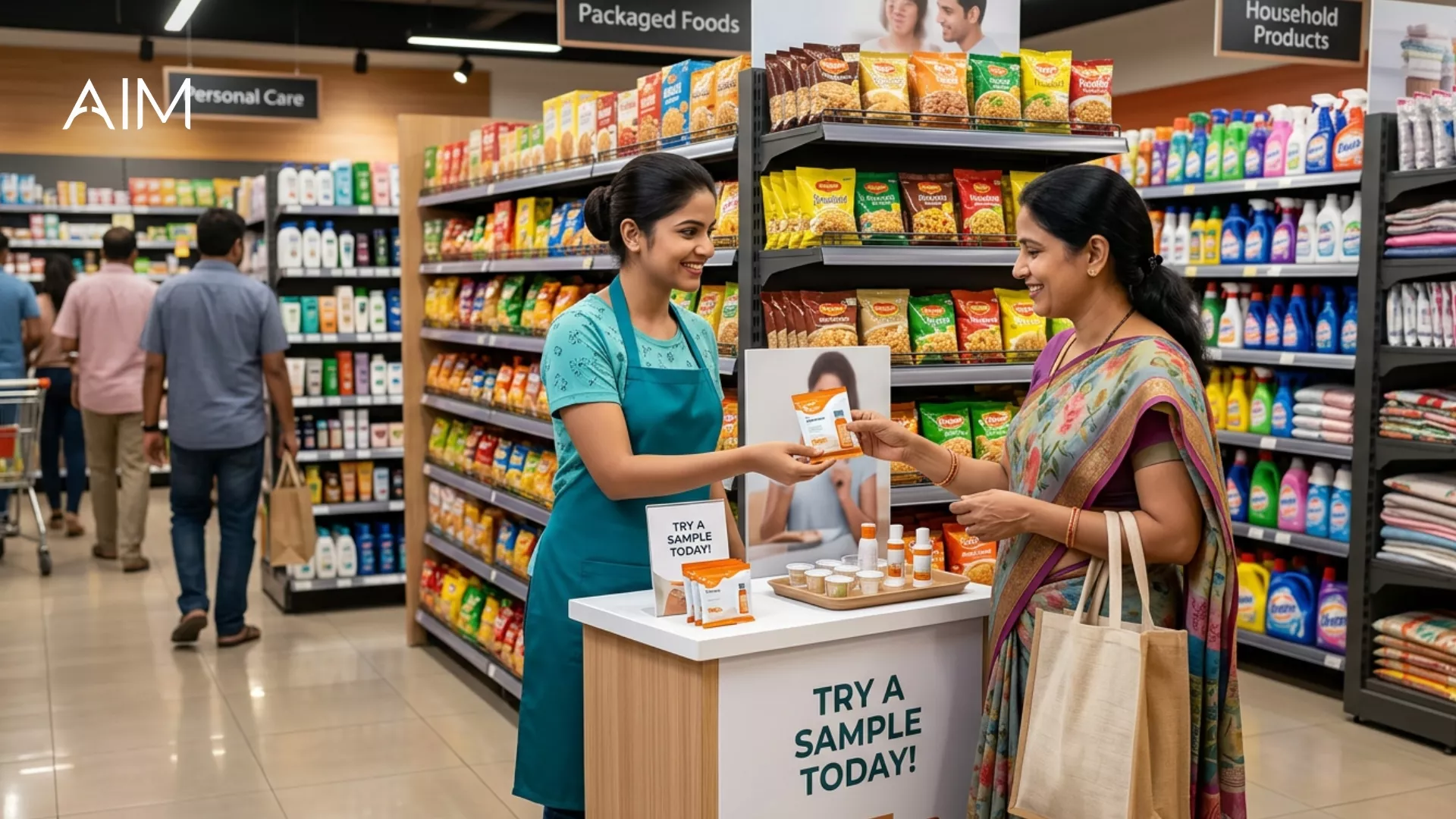
Flip every condition above and you have the case for sampling at its best. Run it when trial is genuinely the barrier to purchase, when the product is good enough that experiencing it wins people over, when you can capture and track who tried it, when the product is available to buy the moment someone wants it, when the goal is conversion rather than raw reach, and when a converted buyer is worth clearly more than the cost of creating one. When those conditions hold, sampling is one of the most powerful things a consumer brand can do, because it removes doubt in the most direct way possible and does it to people you can then follow to a sale.
When the timing is simply wrong
Even a good product with a fair case for sampling can be sampled at the wrong moment. Launching a campaign before the product is actually on shelves in that market sends created demand nowhere. Sampling a seasonal product weeks out from its season wastes the intent, because the buyer is not in the mood to purchase yet. Running a campaign during a supply crunch, when stock is already tight, means you fund trial for a product people then cannot find. Timing is the quiet condition that sits underneath all the others: the right product, ready, trackable, and supportable, can still fail if it is sampled before the market is ready to buy. Getting the timing right is often just a matter of waiting a few weeks for distribution, season, or stock to line up, and that patience is far cheaper than a mistimed campaign.
This is the discipline AIM brings to product sampling: not running a campaign because sampling is available, but running it when trial is the real barrier, the product is ready, the demand can be met, and the whole thing can be captured and measured. Sampling done for the right product at the right moment is the most honest trial channel a brand has. Sampling done by reflex is just an expensive way to find out something you could have known before the first box shipped. The skill is knowing the difference, and it is worth as much as knowing how to run the campaign itself.






.webp)








.png)