
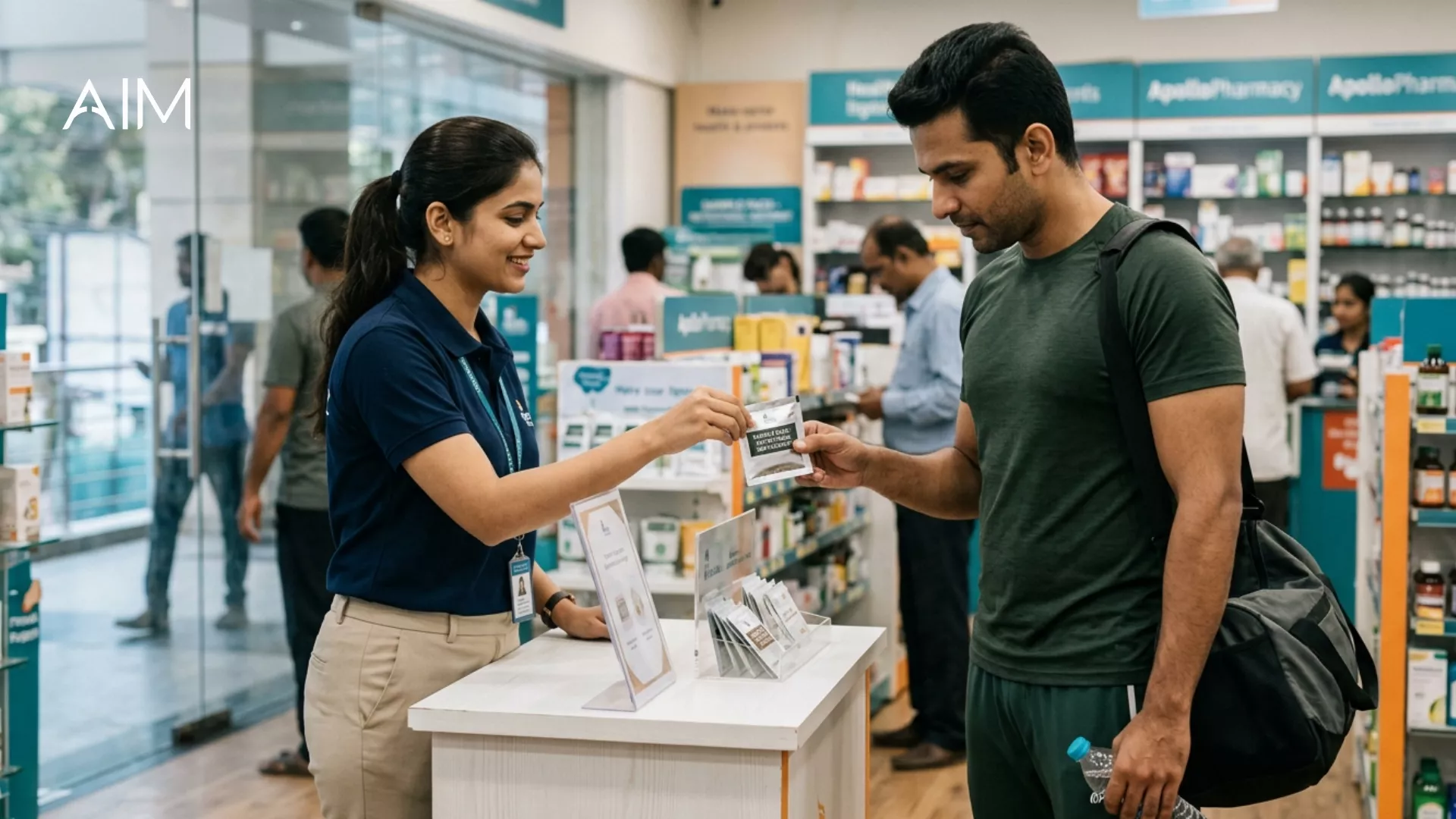


A single-serve protein sachet. A one-day probiotic. A lone gummy handed out at a mall. Supplement sampling loves the single serving, because it is cheap, easy to hand out, and looks like generosity. The trouble is that a single serving of most supplements proves almost nothing, because the whole premise of the category is that the benefit builds over time. You cannot feel a probiotic work in one day, and one scoop of a greens powder tells you how it tastes and nothing about what it does. If a sample cannot show the buyer why the product is worth buying, the campaign is decoration, however many sachets go out.
Quick answer: A supplement sample should last long enough for the buyer to actually feel or trust a difference, which for most products means several days to a couple of weeks, not a single serving. The right length is set by two things: how long that specific supplement takes to show a benefit, and the buyer moment you are sampling into. Where a real result takes longer than any free sample can cover, the smarter goal is to give enough to build a routine and prove the product is tolerable and pleasant, then convert the buyer into the subscription that delivers the actual outcome.
Why one serving proves nothing in supplements
Supplements are different from most sampled products in one crucial way: their value is almost never in the first dose. A snack proves itself in one bite and a drink in one sip, but a supplement is a promise about what happens after you take it consistently for a while. A single sachet can confirm that a protein mixes well and tastes fine, which matters, but it cannot demonstrate better digestion, steadier energy, or better sleep, because those need time and repetition to appear. Sampling a supplement as if it were a snack, one serving and done, tests the wrong thing entirely. It measures first impression when the buyer is really asking whether the product works.
The two things a supplement sample must prove
A supplement sampling is actually trying to clear two very different bars, and they need very different amounts of product. The first is acceptance: does it taste good, mix well, sit right, and cause no unpleasant side effects? That can genuinely be answered in one to three servings. The second is efficacy: does it do the thing it promises? That almost always needs a run of consistent use, and how long depends entirely on the benefit. Confusing the two is where sampling budgets get wasted. A one-serving sample that only clears the taste bar gets treated as if it proved the product works, when all it proved is that the product is not unpleasant.
How long different supplements really need
The honest answer to how long a sample should last is that it depends on what the supplement is meant to do. A rough guide:
- Taste and format acceptance: one to three servings. For proteins, greens, and gummies, a few servings are enough to prove the product is pleasant to take, which for some buyers is the main thing standing between them and a purchase.
- Digestive and gut health: one to two weeks. Probiotics and gut-focused products need time for any noticeable change, so a two-day sample cannot make the case. If you cannot give one to two weeks, do not promise a gut result from the sample; sell the start of the habit instead.
- Energy and focus: several days to a week. These can show a subtle difference within a few days for some people, so a short multi-day sample has a fair chance of demonstrating something real.
- Sleep: five to seven nights. Sleep support is judged over a week of nights, not one, because a single good or bad night tells the buyer nothing they can attribute to the product.
- Skin, hair, joint, and other long-horizon benefits: weeks to months. Here no realistic free sample can prove the outcome. The right move is to stop trying to prove efficacy through the sample and instead use it to start a routine that a subscription can carry to the point where the result actually appears.
The trade-off between cost and proof
The obvious tension is that longer samples cost more. You cannot hand a stranger a free month of a premium supplement and stay solvent, so there is a real ceiling on how much proof a sample can buy. That ceiling is exactly why the single serving is so popular and so weak. The way through is not to give away more product blindly, it is to be deliberate about which bar you are trying to clear. If a few servings can prove taste and tolerability and get the buyer to commit to the first real pack, you may not need to fund a full efficacy window at all. The sample opens the door, and the first purchase, or the subscription, delivers the result. That reframing also changes how you brief the field team: instead of promising a result the sachet cannot deliver, they invite the buyer to start something, which is a more honest and a more convertible pitch, and it protects the brand from the disappointment a two-day sample of a two-week product always creates.
The smarter play: sample the start of a subscription
For any supplement whose benefit takes longer than a sample can affordably cover, the strongest approach is to stop treating the sample as proof and start treating it as the on-ramp to a habit. Give enough to establish a routine and clear the acceptance bar, taste, tolerance, ease of use, and pair it with a compelling offer on the first subscription or the first full pack. The product then gets the time it genuinely needs to work, on the buyer's own money, inside a commitment that keeps them taking it long enough to feel the result. This is why supplement sampling and subscription belong together. The sample wins the trial, and the subscription wins the outcome that actually creates a loyal customer.
Match the sample to the buyer moment
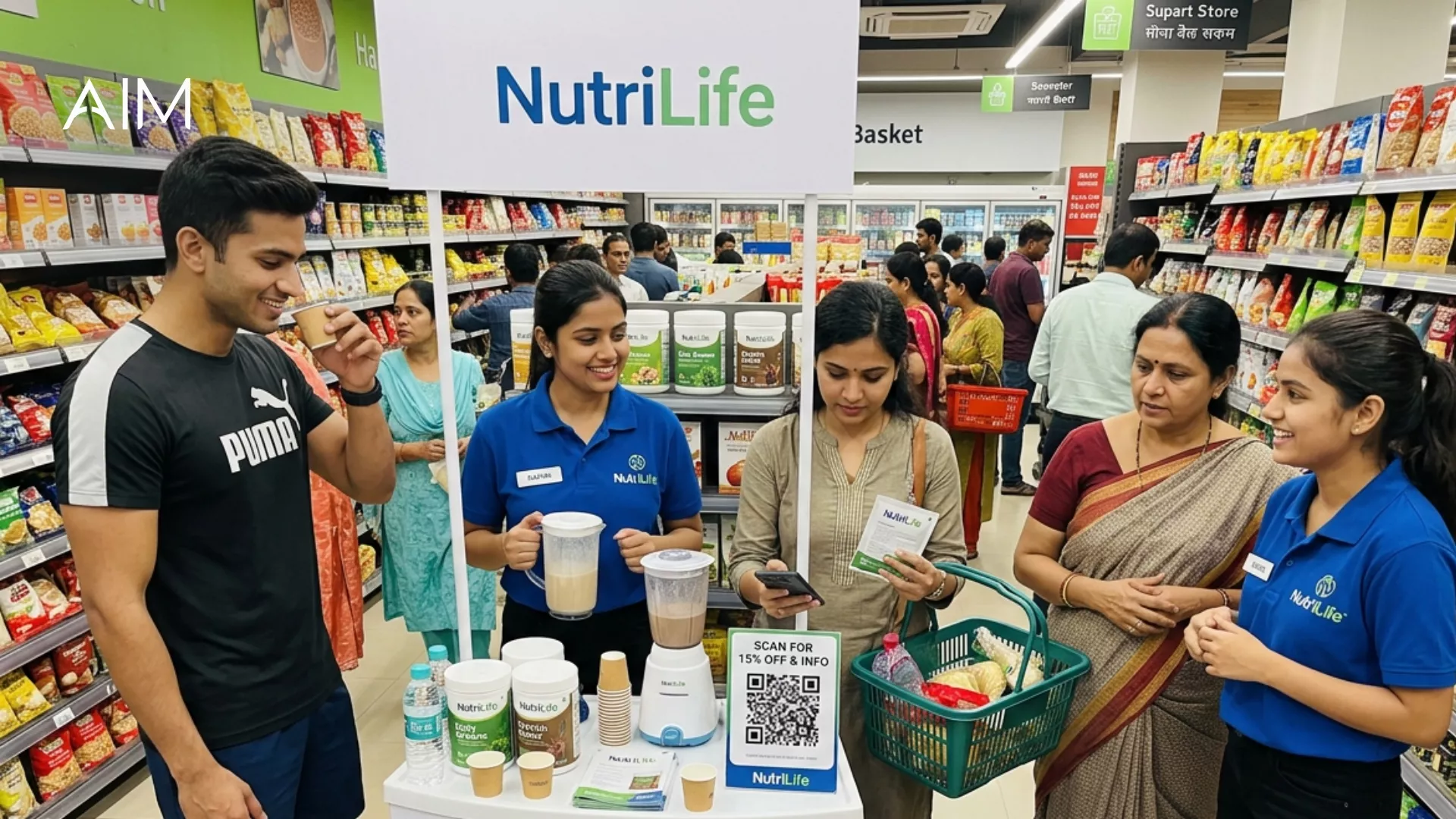
How long a sample should last also depends on where and to whom you hand it. A sample given at a gym to someone mid-workout is landing on a buyer already in the mindset for protein or hydration, and a few servings can convert them. A sample given at a clinic or through a practitioner carries trust that can shorten how much proof the product itself has to do. A sample dropped into a quick-commerce order reaches someone at home who can start a routine the same day. The buyer moment shapes both the size of the sample and the message that goes with it, because the same product needs a different push depending on how ready the person already is.
What to track
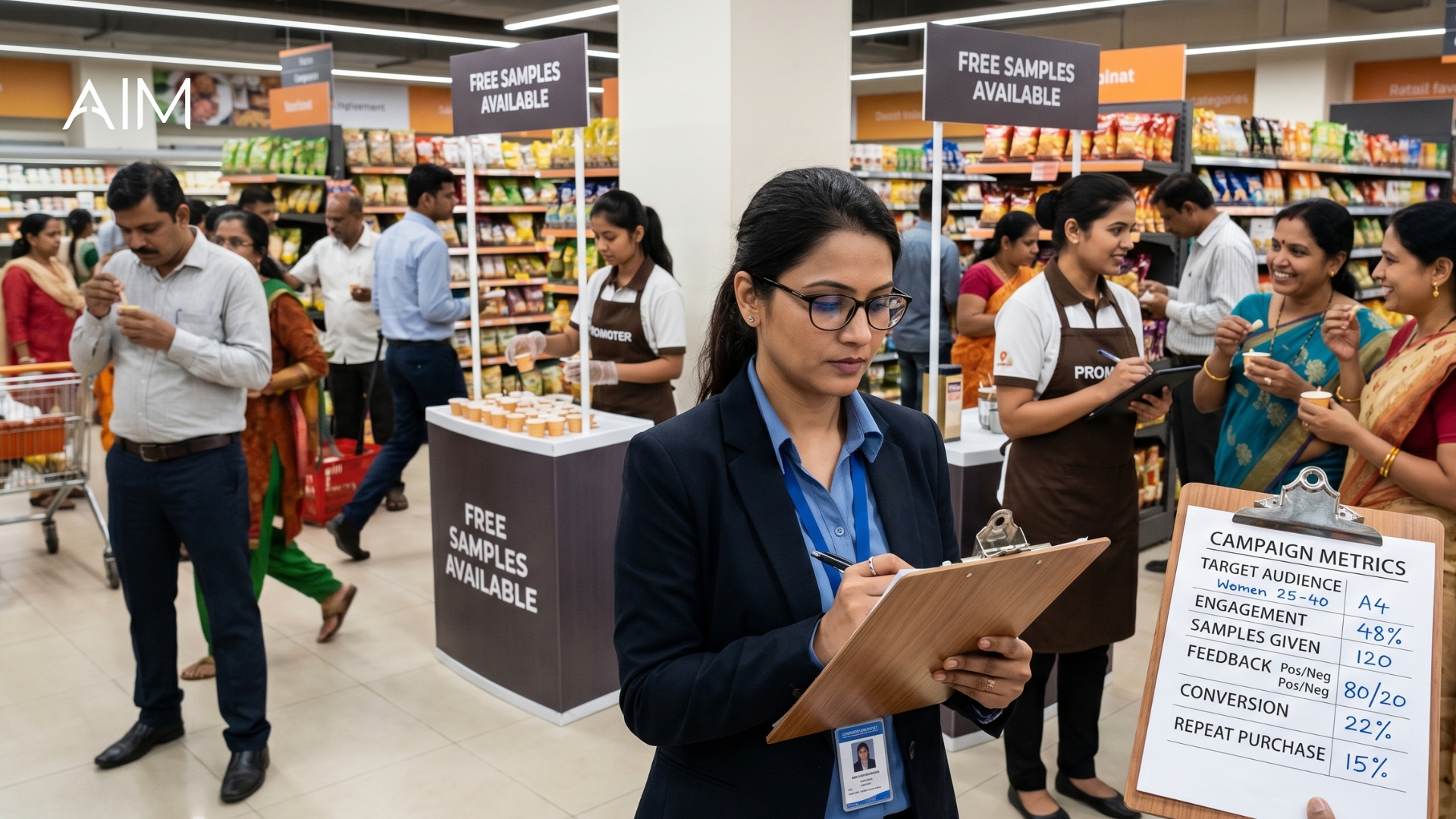
As with every category, the number that matters is not how many sachets went out. For supplements, track who actually finished the sample, because completion is a strong signal of interest and a precondition for feeling any benefit. Track who moved to a first paid purchase or a subscription, and how long that took. Track repeat, because in supplements the second and third orders are where the real money and the real proof of product-market fit live. A supplement campaign that measures only distribution has learned nothing about the one thing the category is built on, which is whether people stayed.
The single-serve trap
It is worth naming the trap directly, because it is so common. A single-serve sachet is the cheapest, easiest thing to hand out, so it becomes the default, and a default that looks generous is rarely questioned. But cheap to distribute is not the same as effective, and a one-serving supplement sample usually clears only the lowest bar, that the product is not unpleasant, while leaving the buyer with no reason to believe it works. The brand then reports a big distribution number and wonders why conversion is thin. The escape from the trap is not always to give more product, it is to be deliberate: decide whether this sample is meant to prove taste or prove efficacy, size it honestly to that job, and where efficacy needs weeks the sample cannot fund, use the sample to earn the first paid commitment instead of pretending a sachet can do what only time can.
This is how AIM approaches supplement and wellness sampling: sample length matched to what the product actually needs to prove, the acceptance bar cleared honestly, and the buyer moved toward the routine or subscription that delivers the real result, with tracking from the sample to the reorder. Done this way, supplement sampling stops being a pile of single-serve sachets that prove a product tastes fine and becomes a measured path to buyers who stay long enough to feel why they should. The single serving was never the question. How long people keep taking it is.




















.webp)




























.png)