
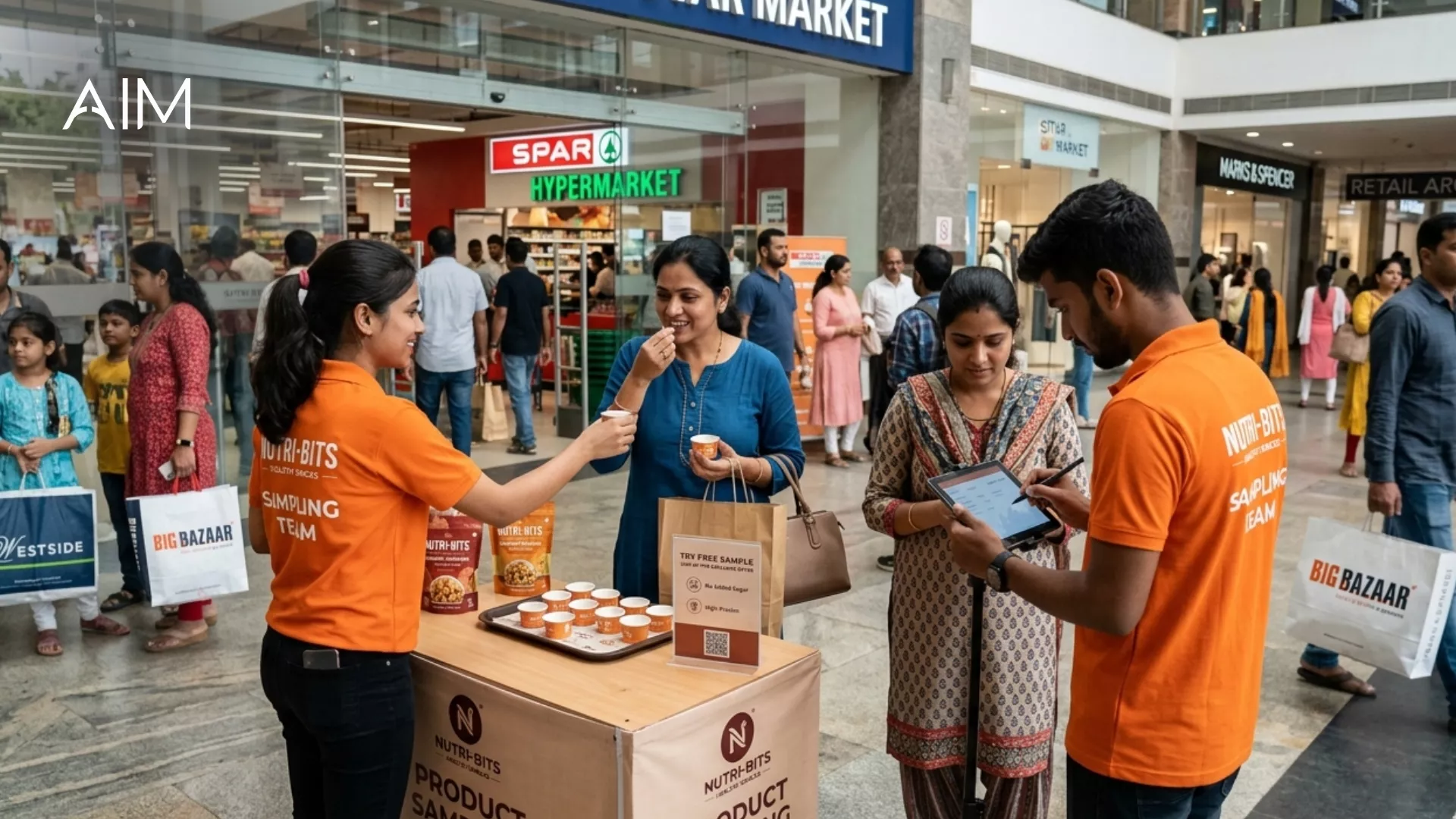


Product sampling campaigns are one of the most effective marketing strategies for brands to connect with their target audience. However, most of the businesses in India spending in product sampling services are stuck at just building brand awareness. Why don’t product trials end up in conversions and repeated sales?
The biggest reason for the failure of traditional product sampling campaigns in India is poor audience targeting. Brands run after distributing a greater number of samples without thinking about the audience group they are targeting. This results in low campaign engagement, weak conversions, poor ROI, and ultimately wasted marketing budgets.
In this blog, let’s understand how important audience targeting is in product sampling campaigns in India and the effects of poor audience targeting.
Why Audience Targeting Matters in Product Sampling Campaigns
The success of any product sampling event depends on the answer to the question.
Did the distributed sample reach someone who actually wants the product?
If the answer is no, the result of the sampling campaign is just building brand awareness and not conversion.
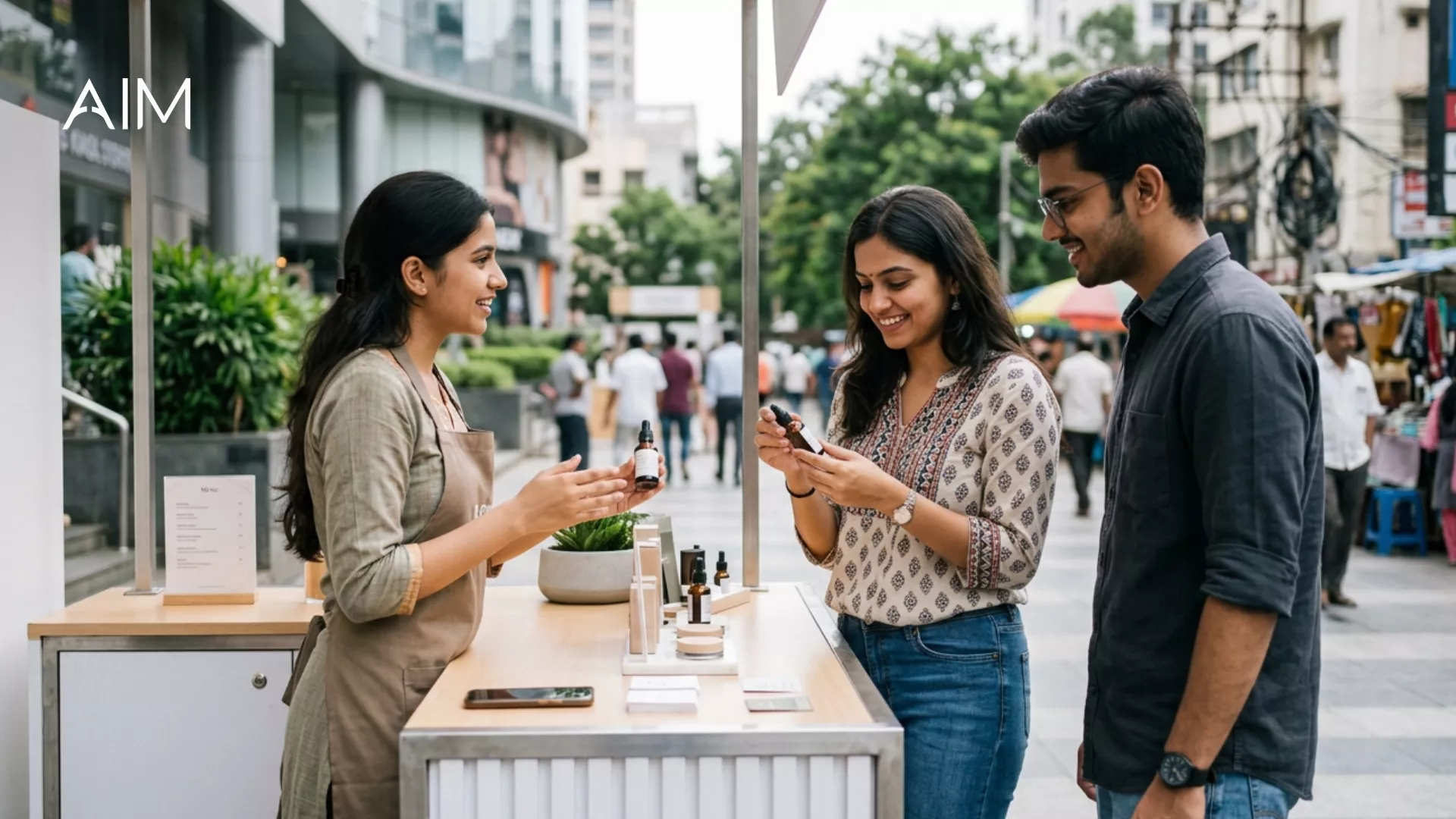
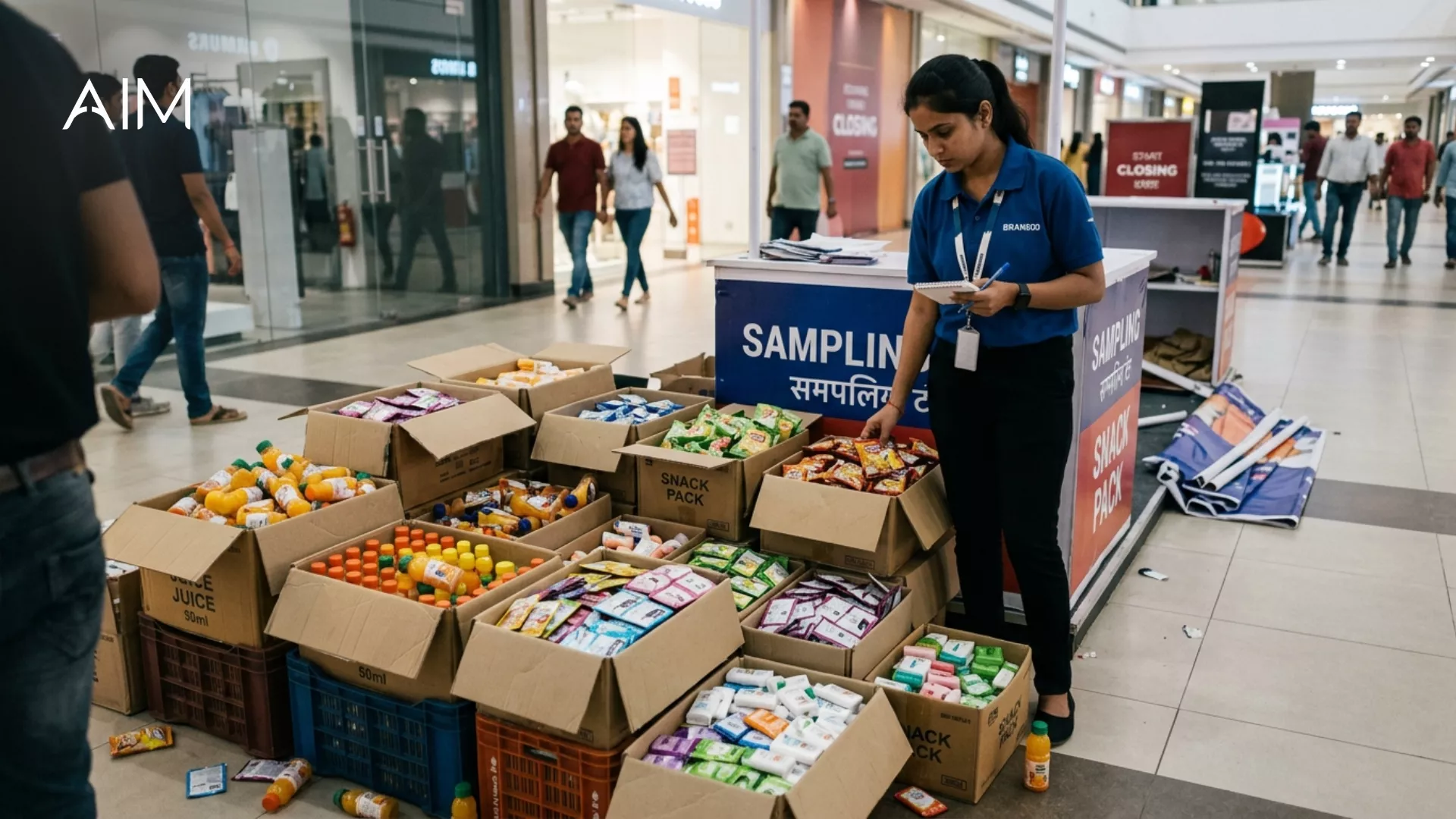
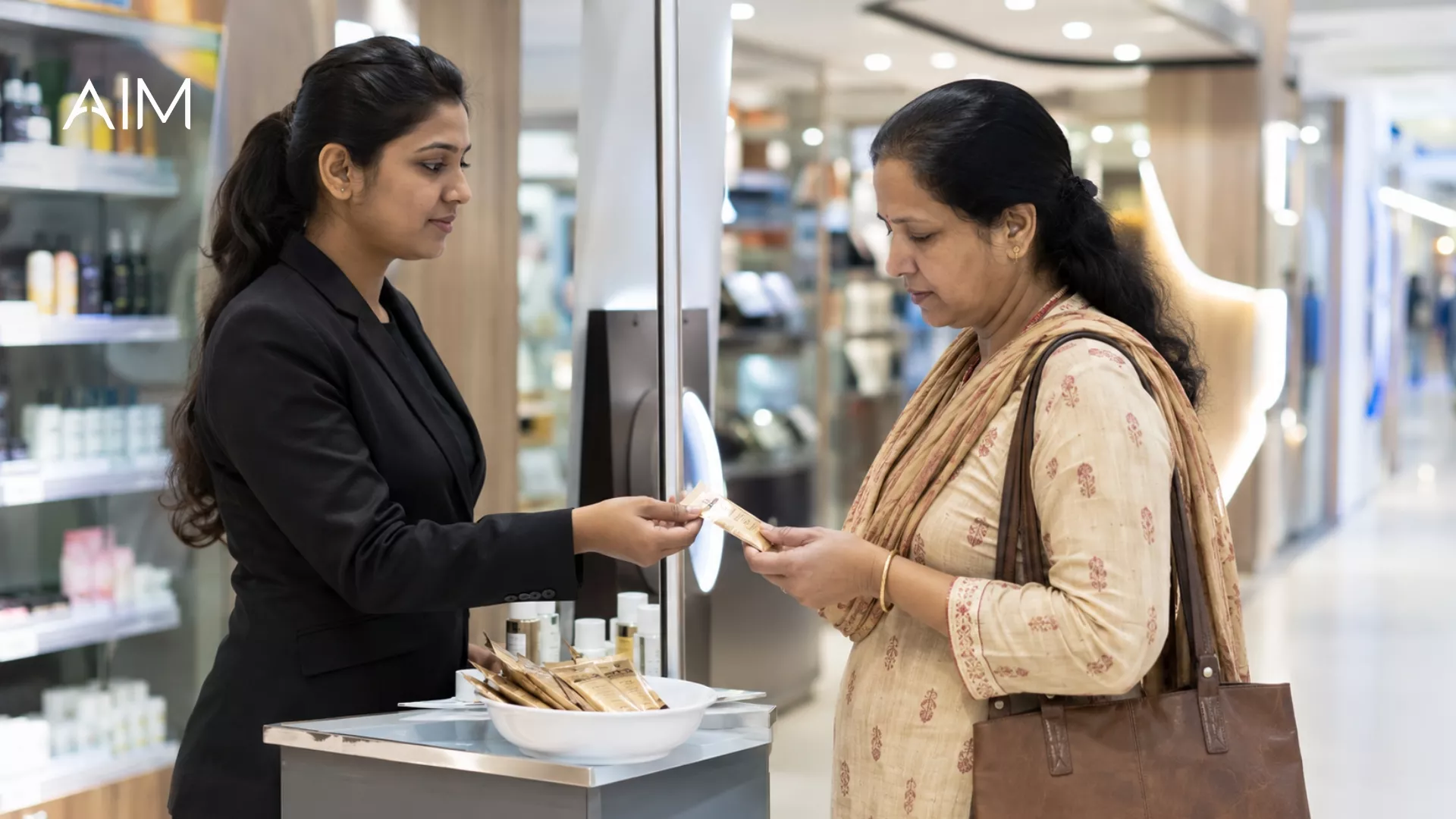
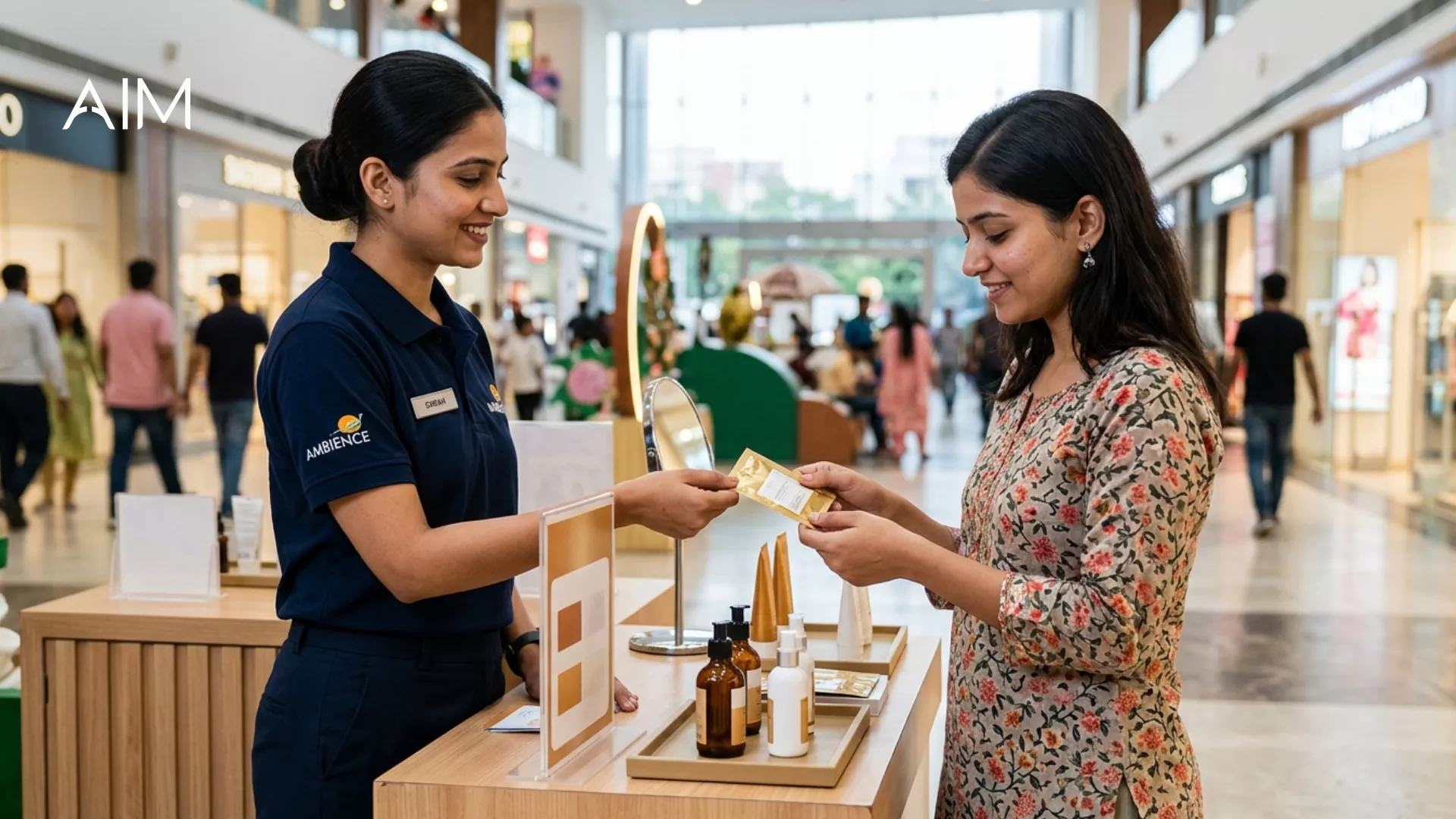
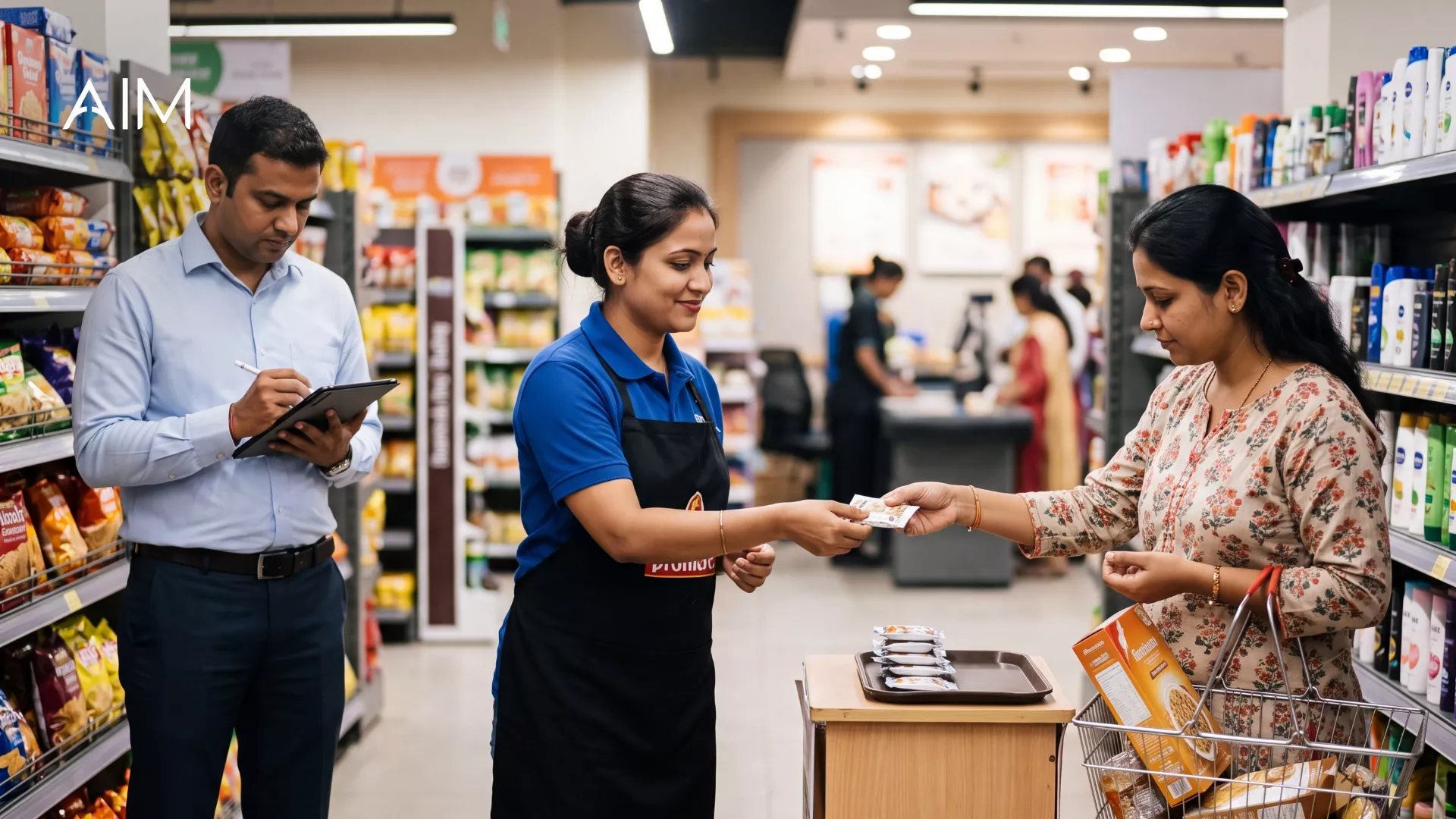
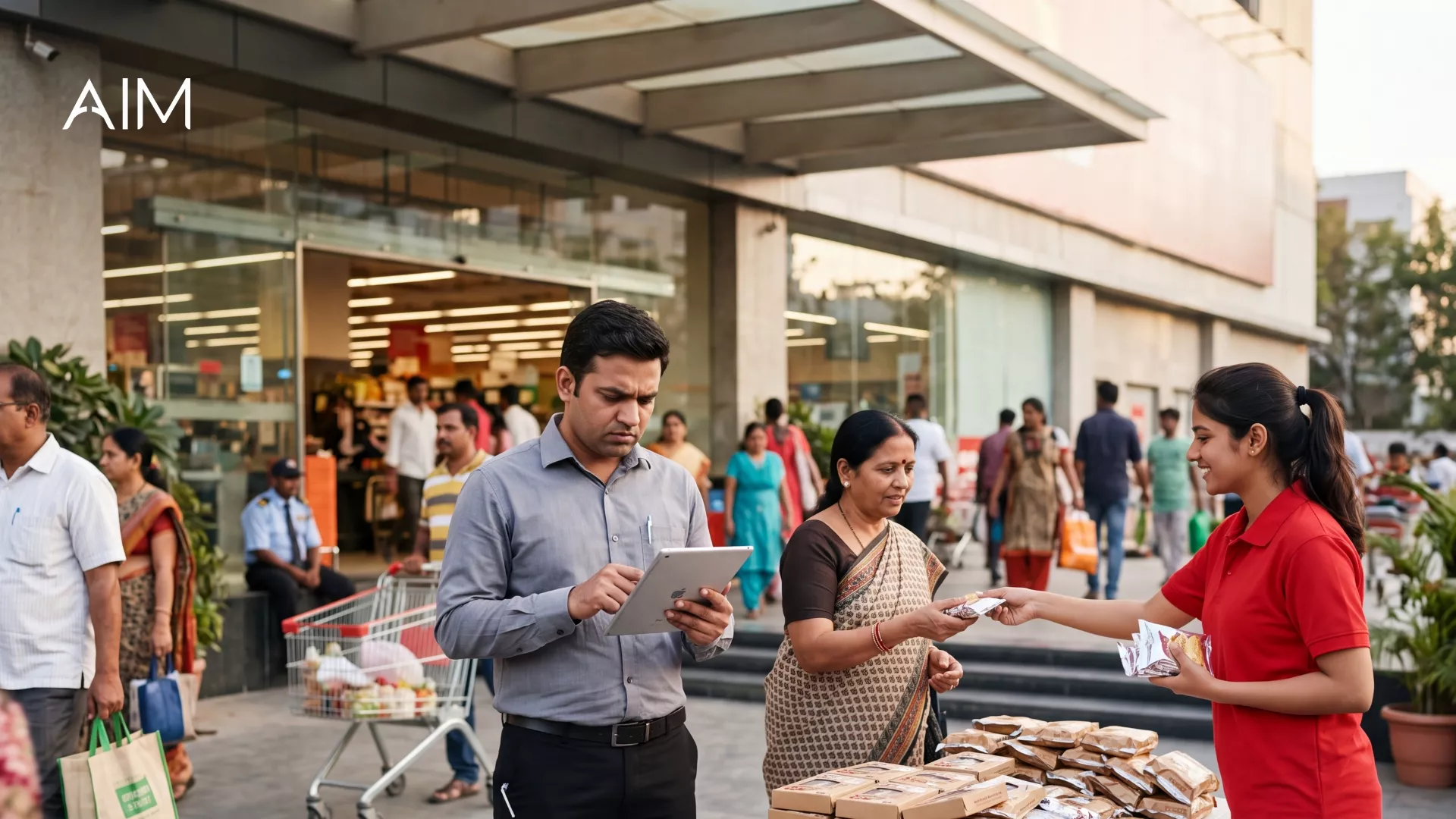
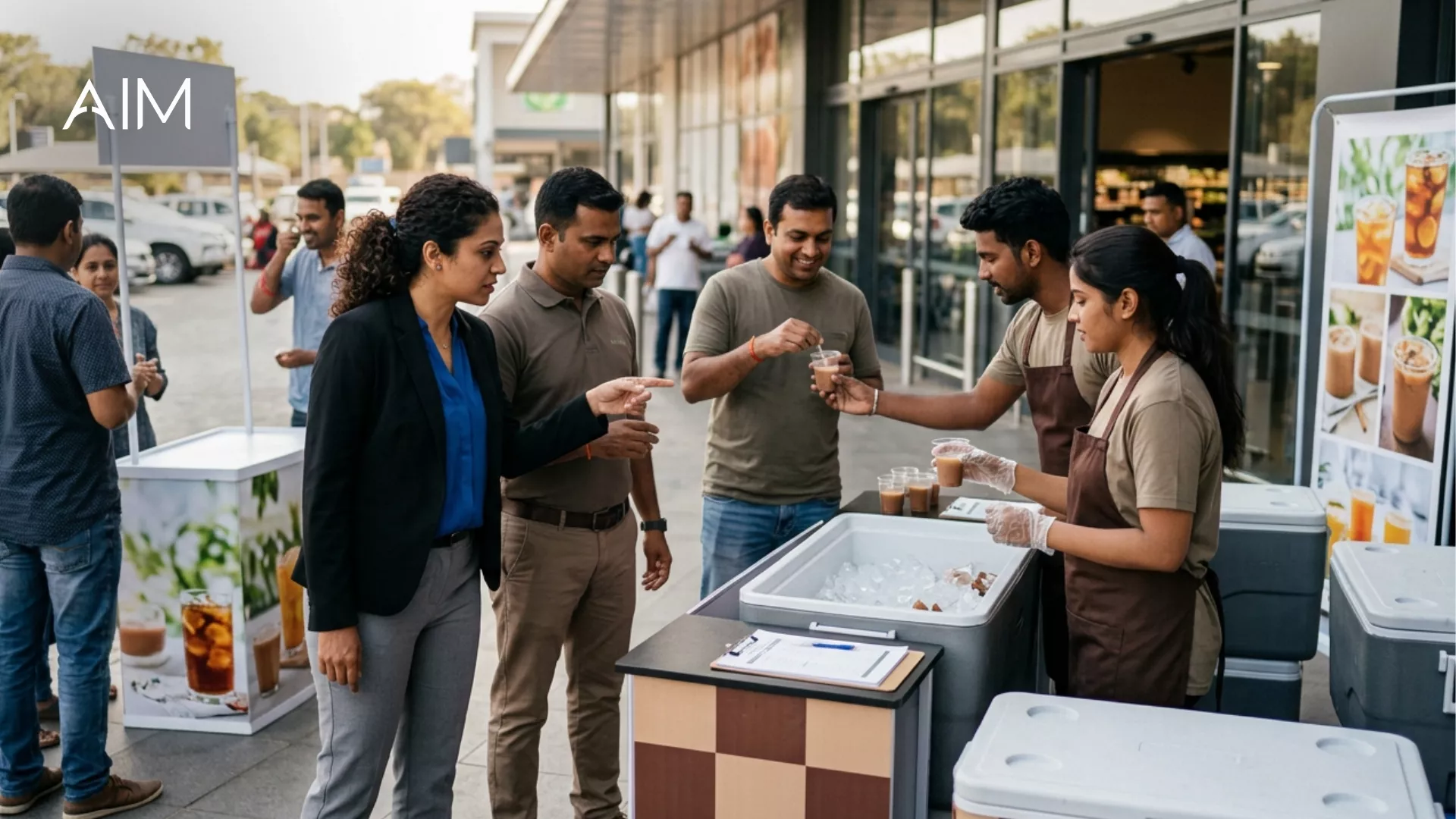
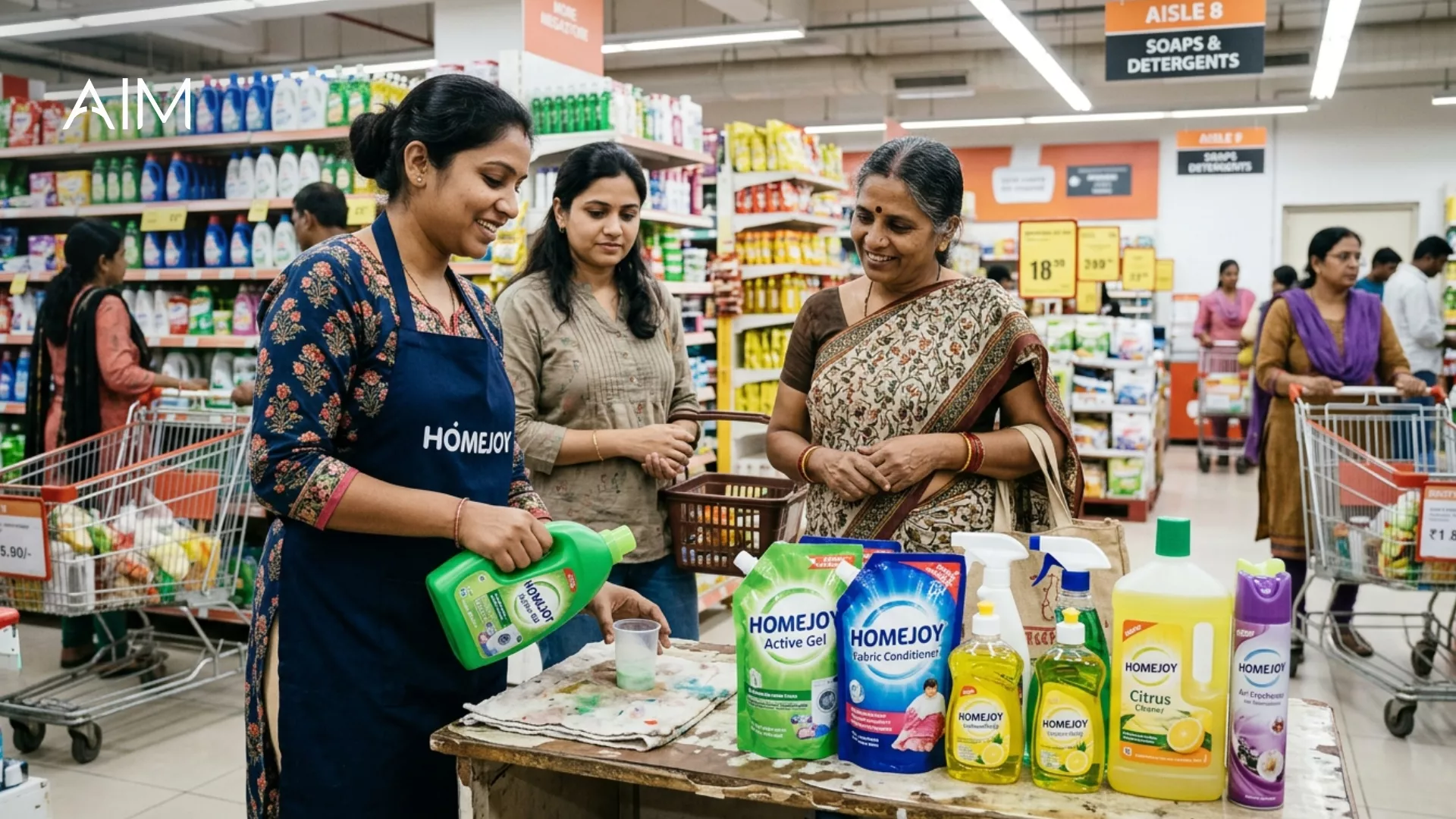
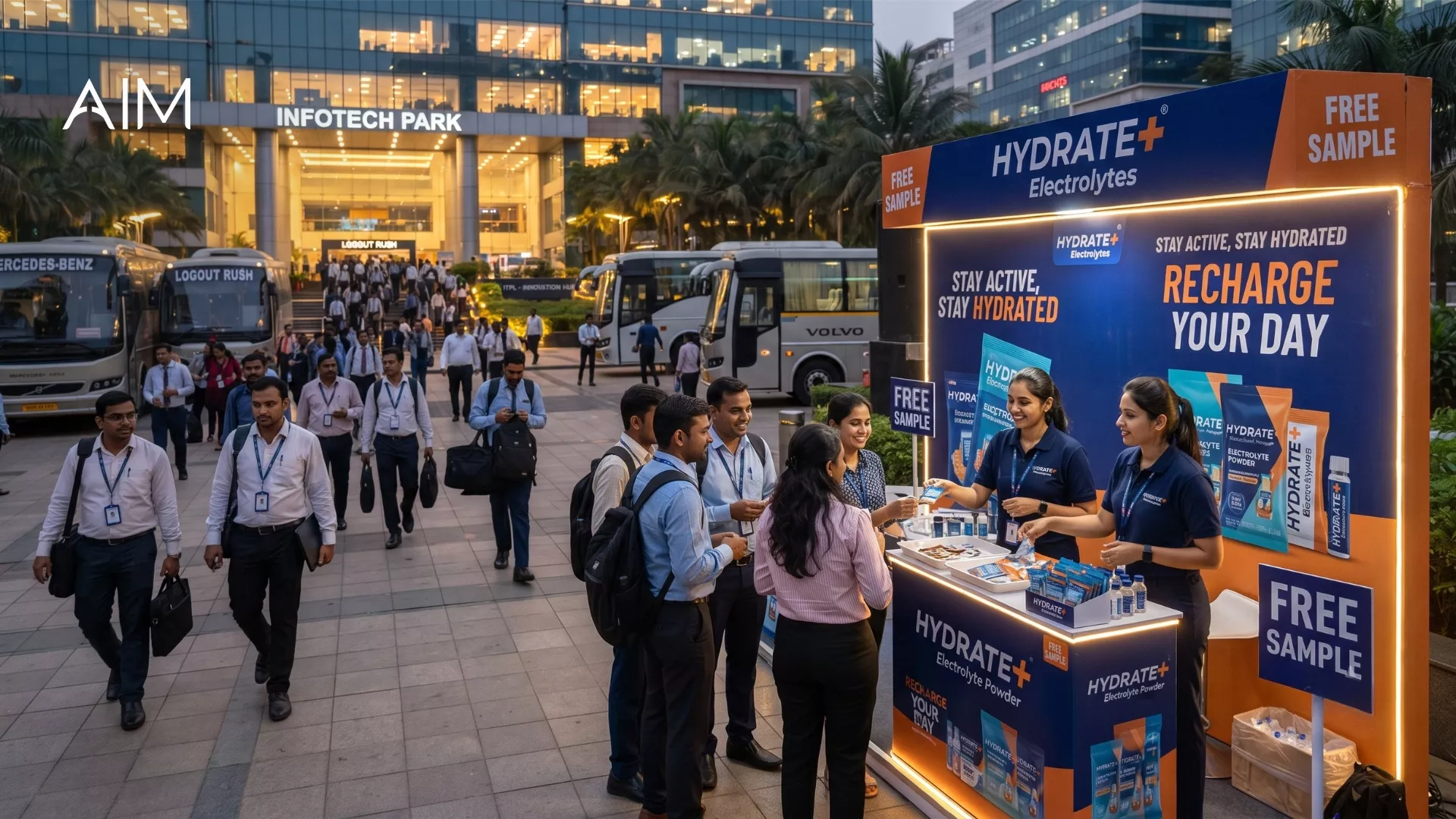
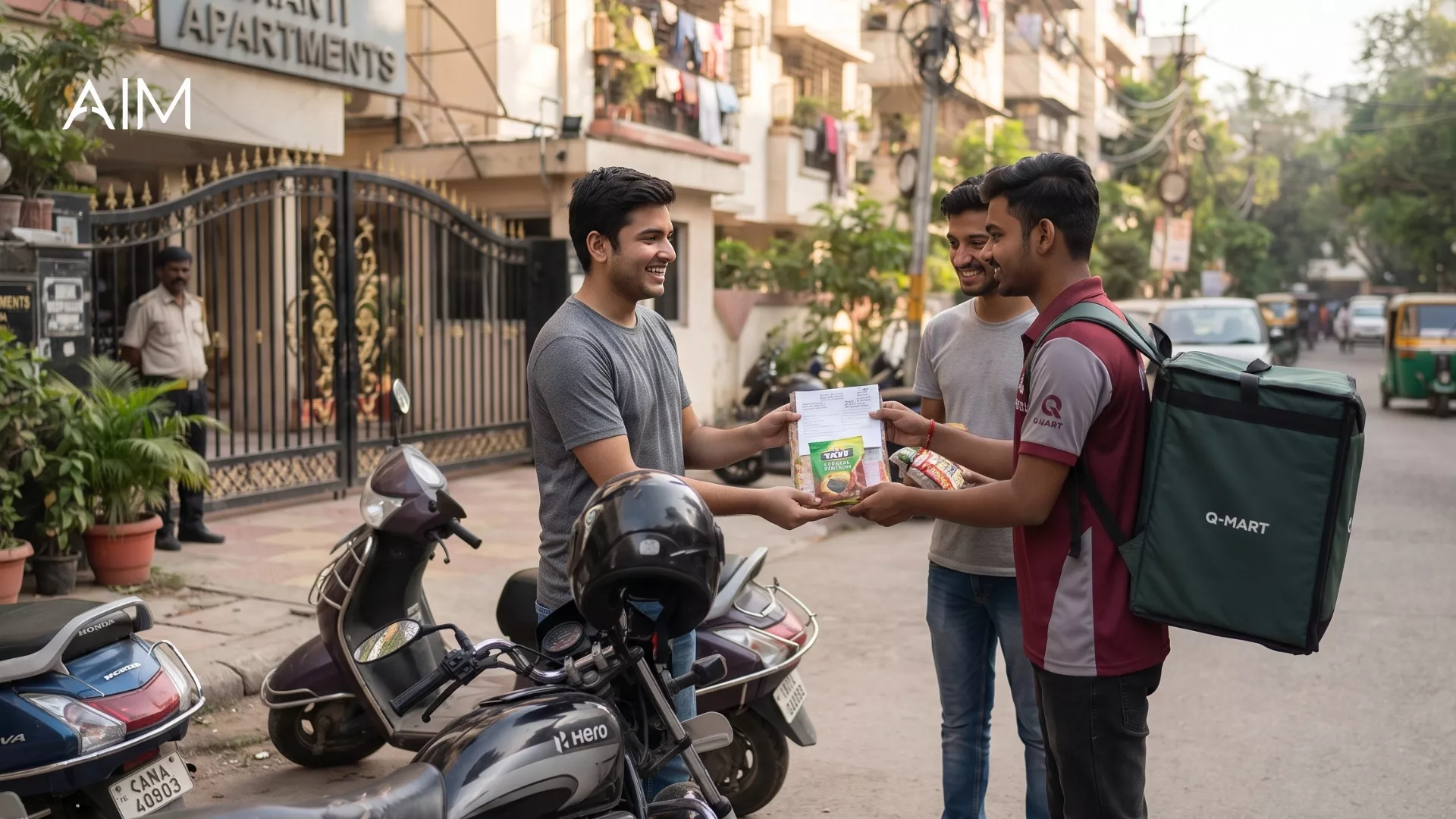
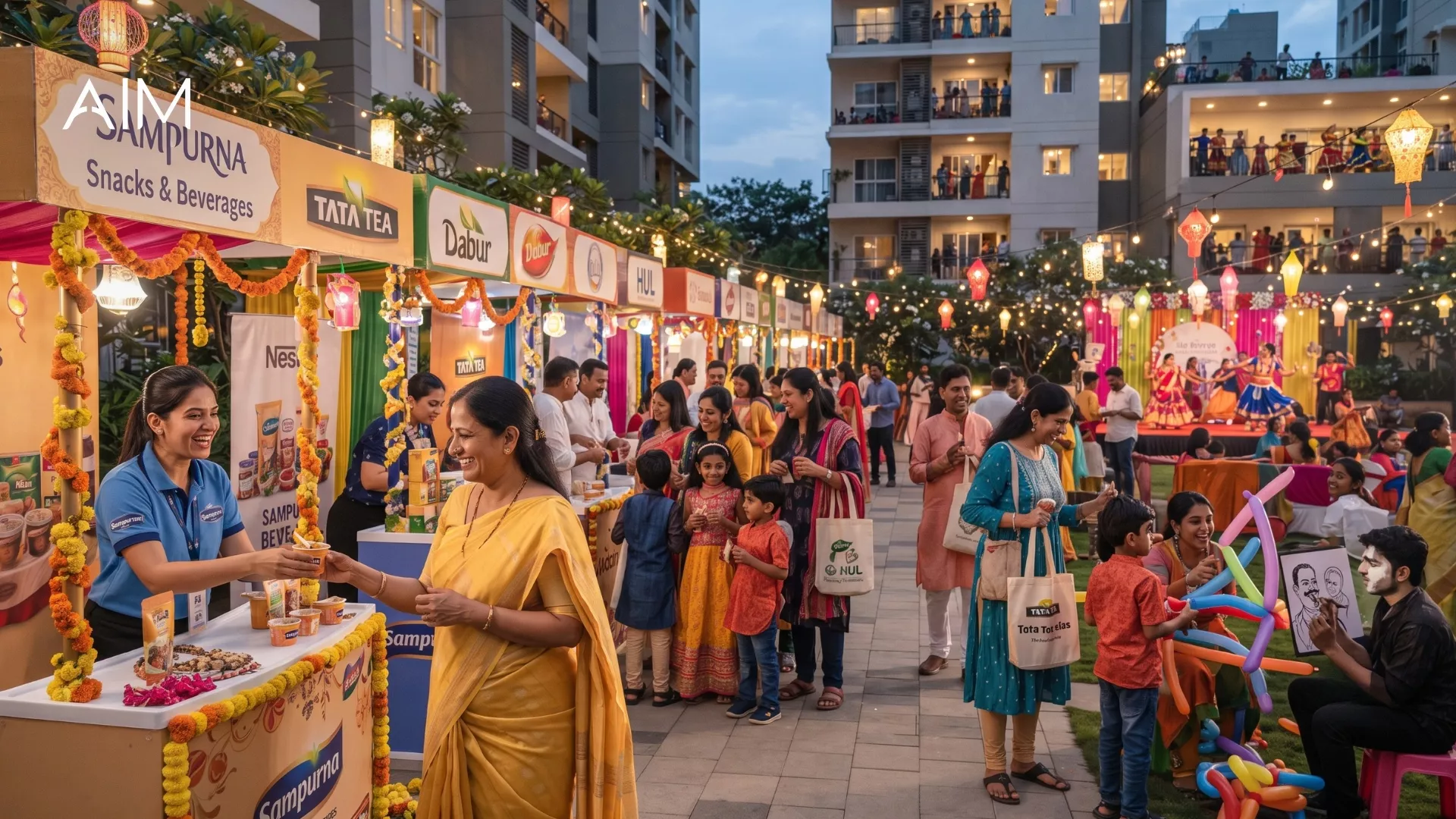
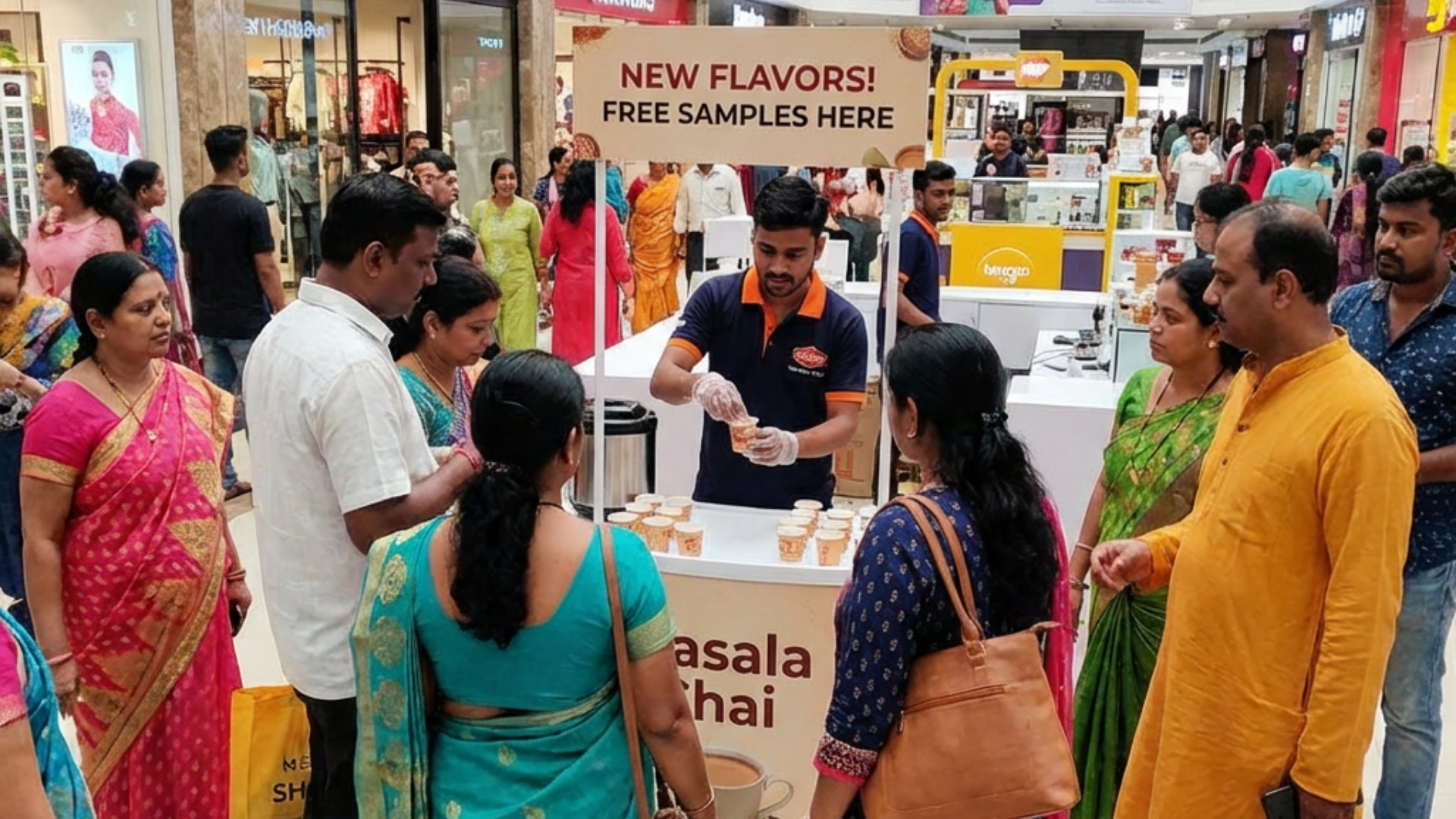
Traditional product sampling campaigns often fail in this aspect. They often follow broad distribution methods such as:
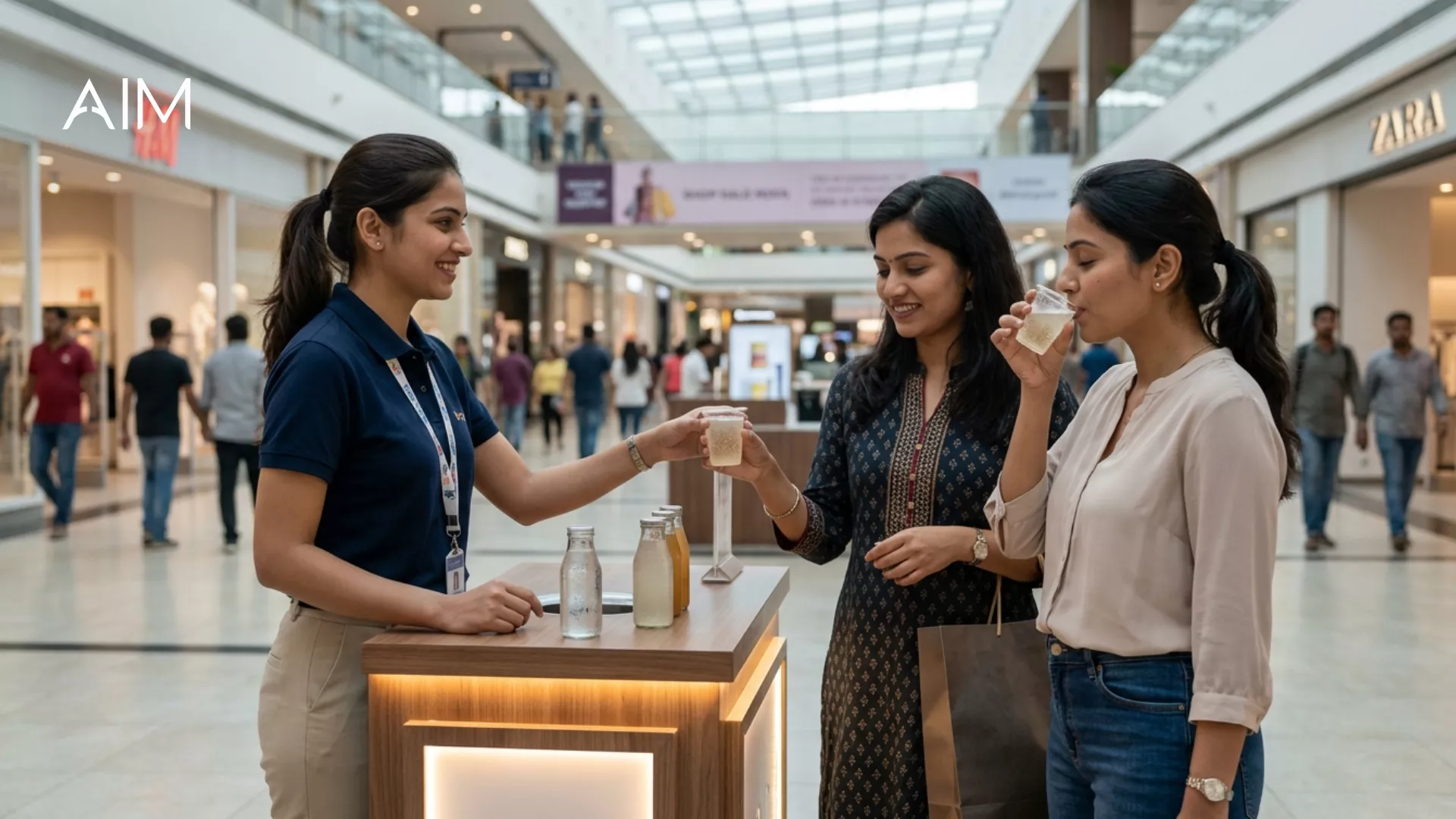
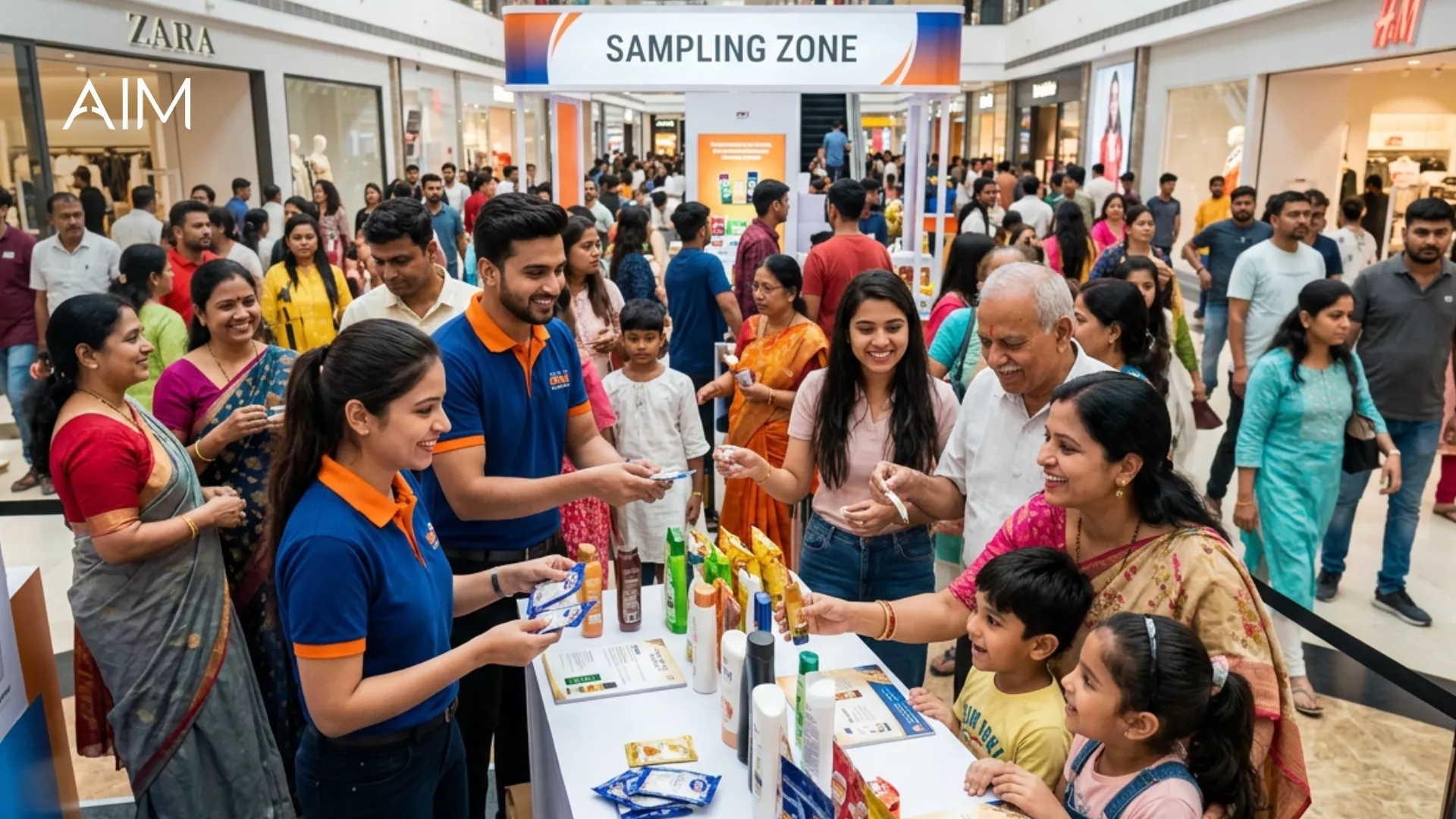
- Mall activations
- Random street distribution
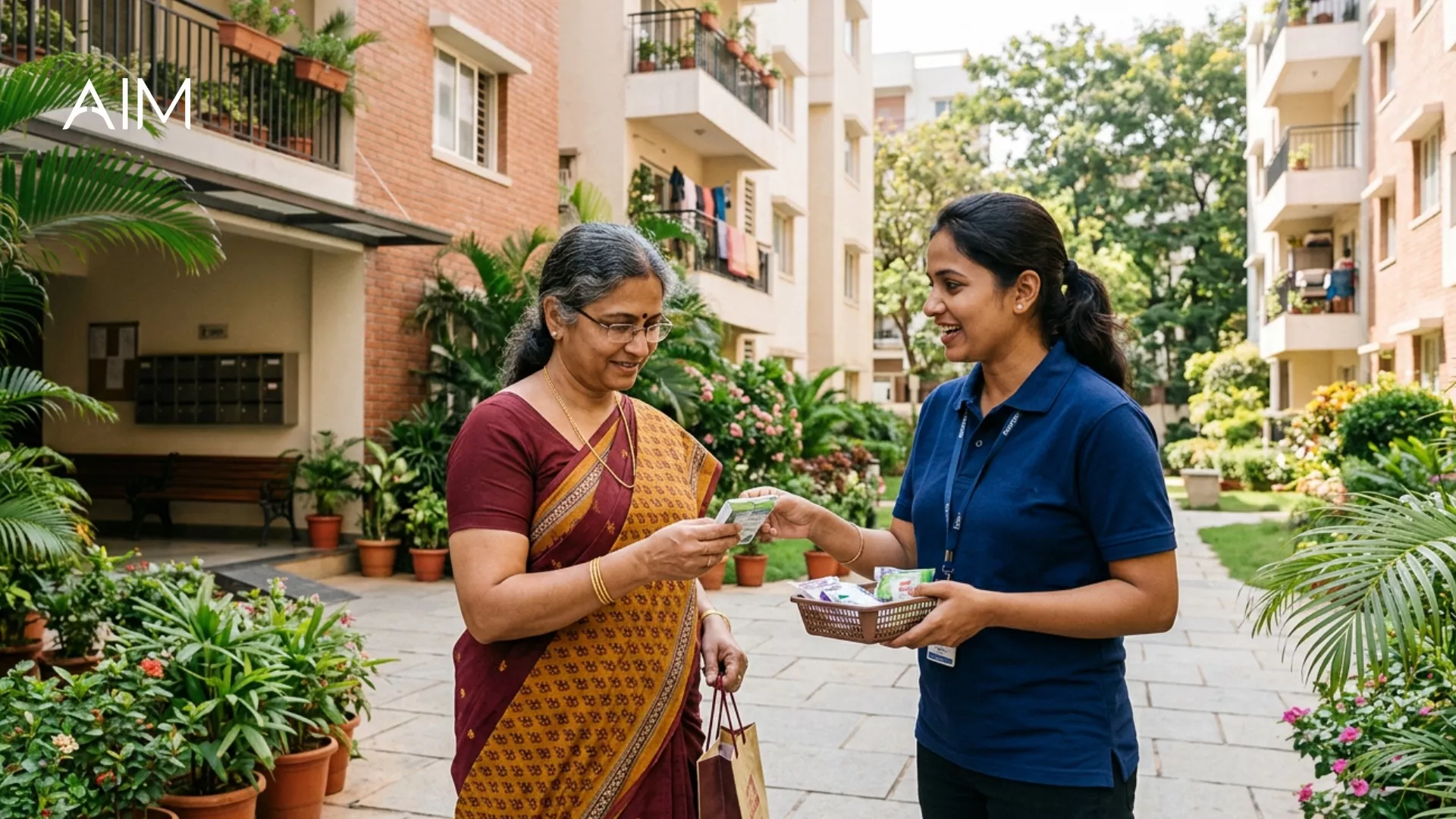
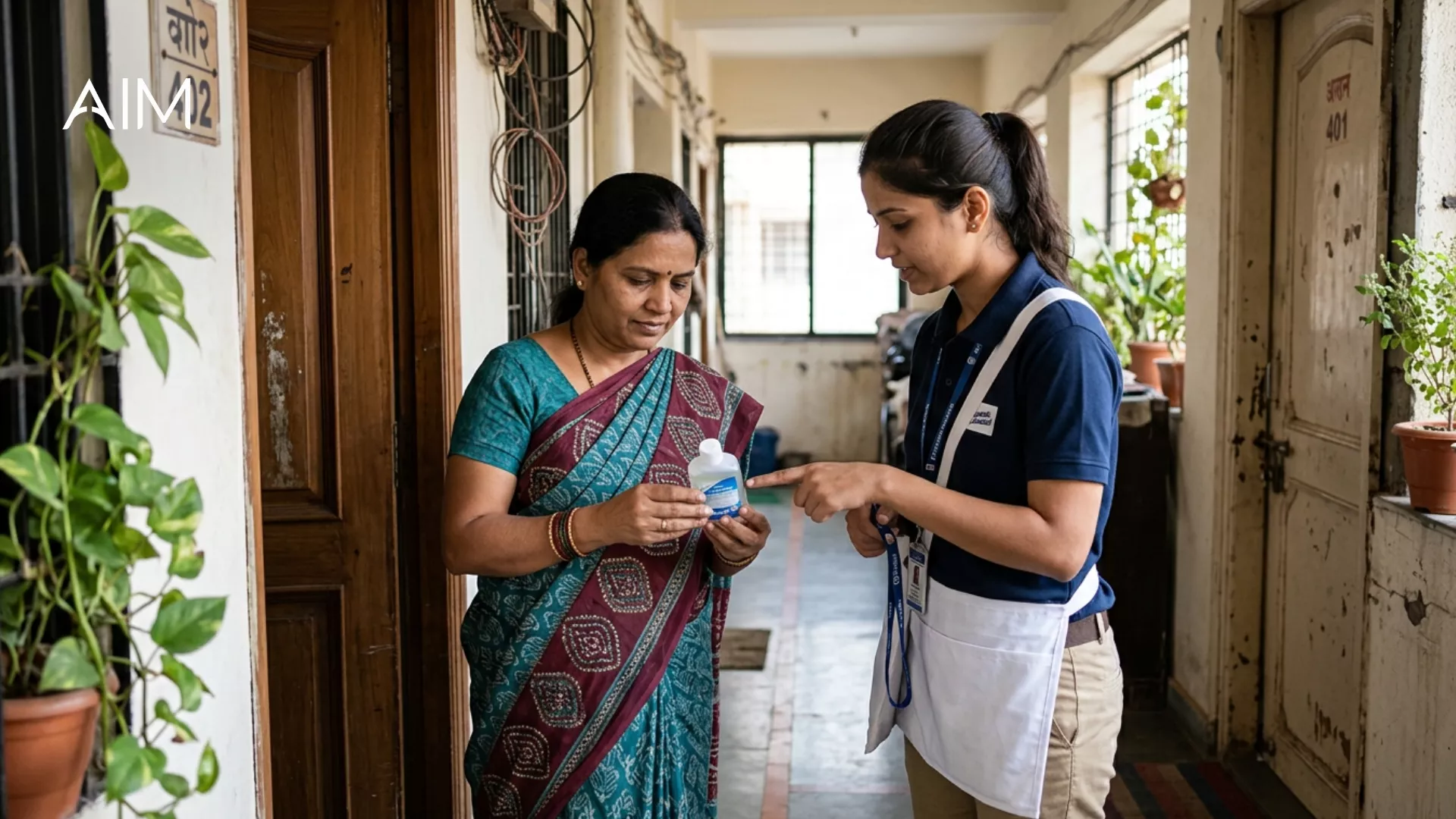
- Untargeted apartment campaigns
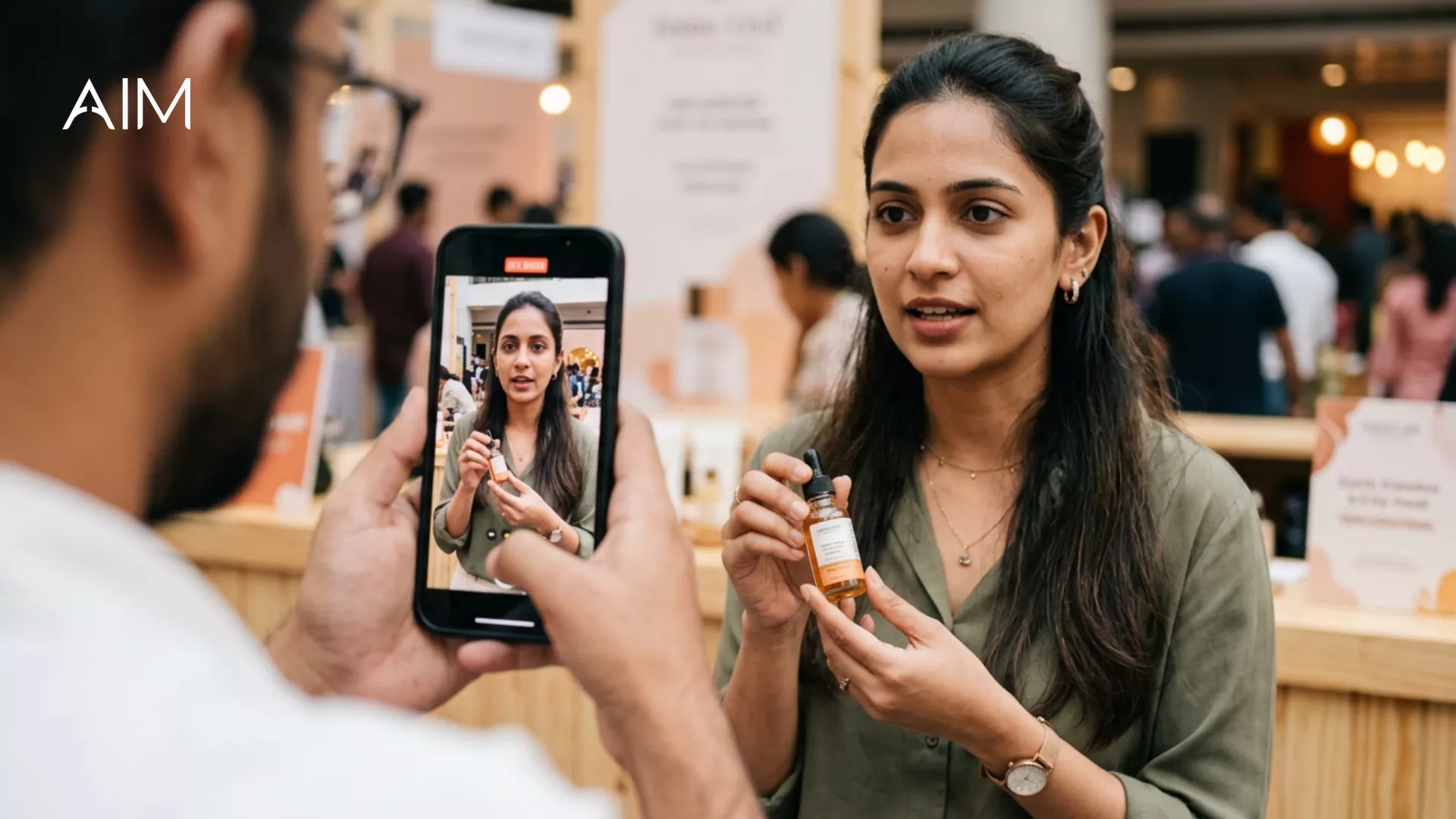
- Event giveaways
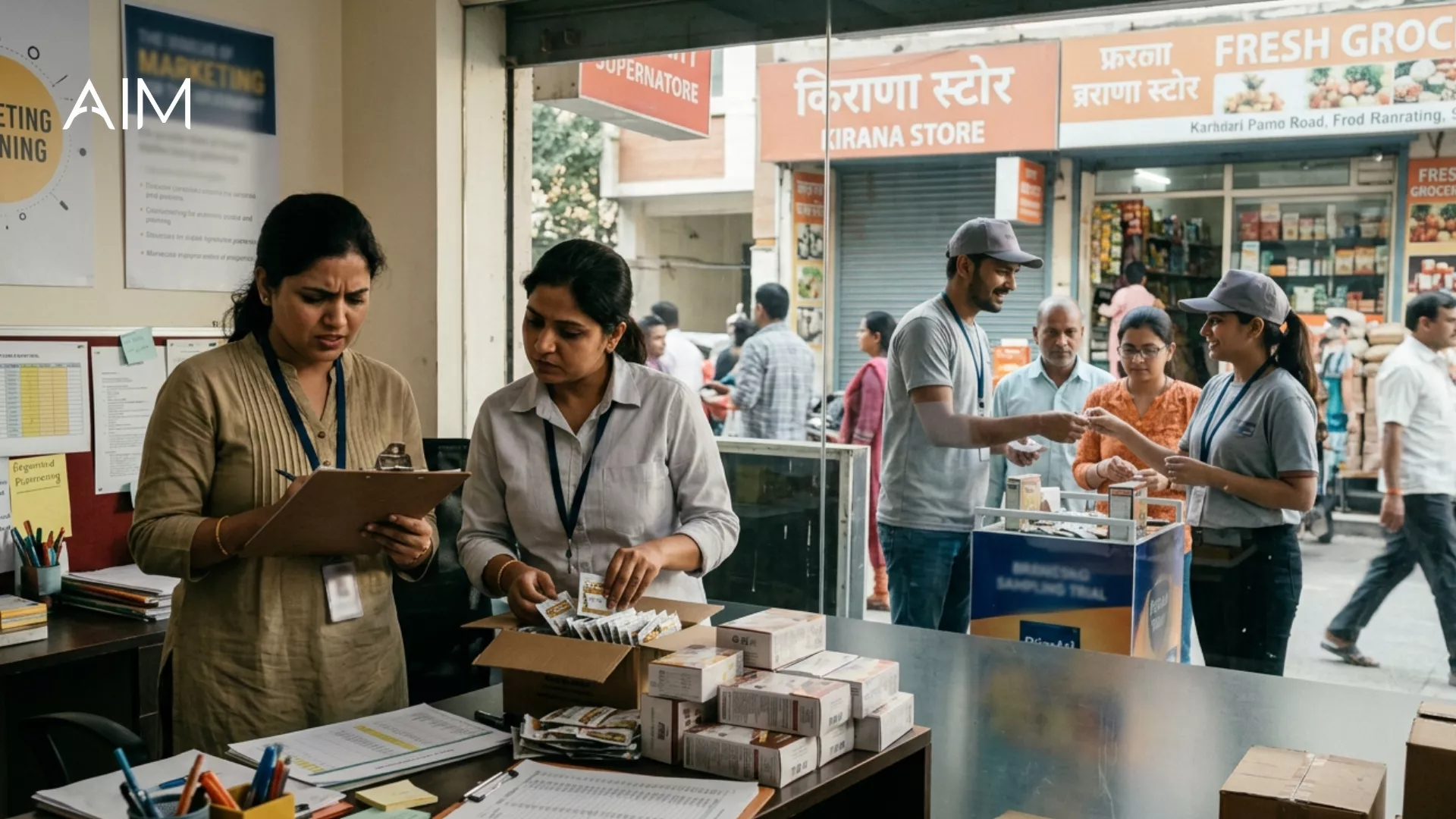
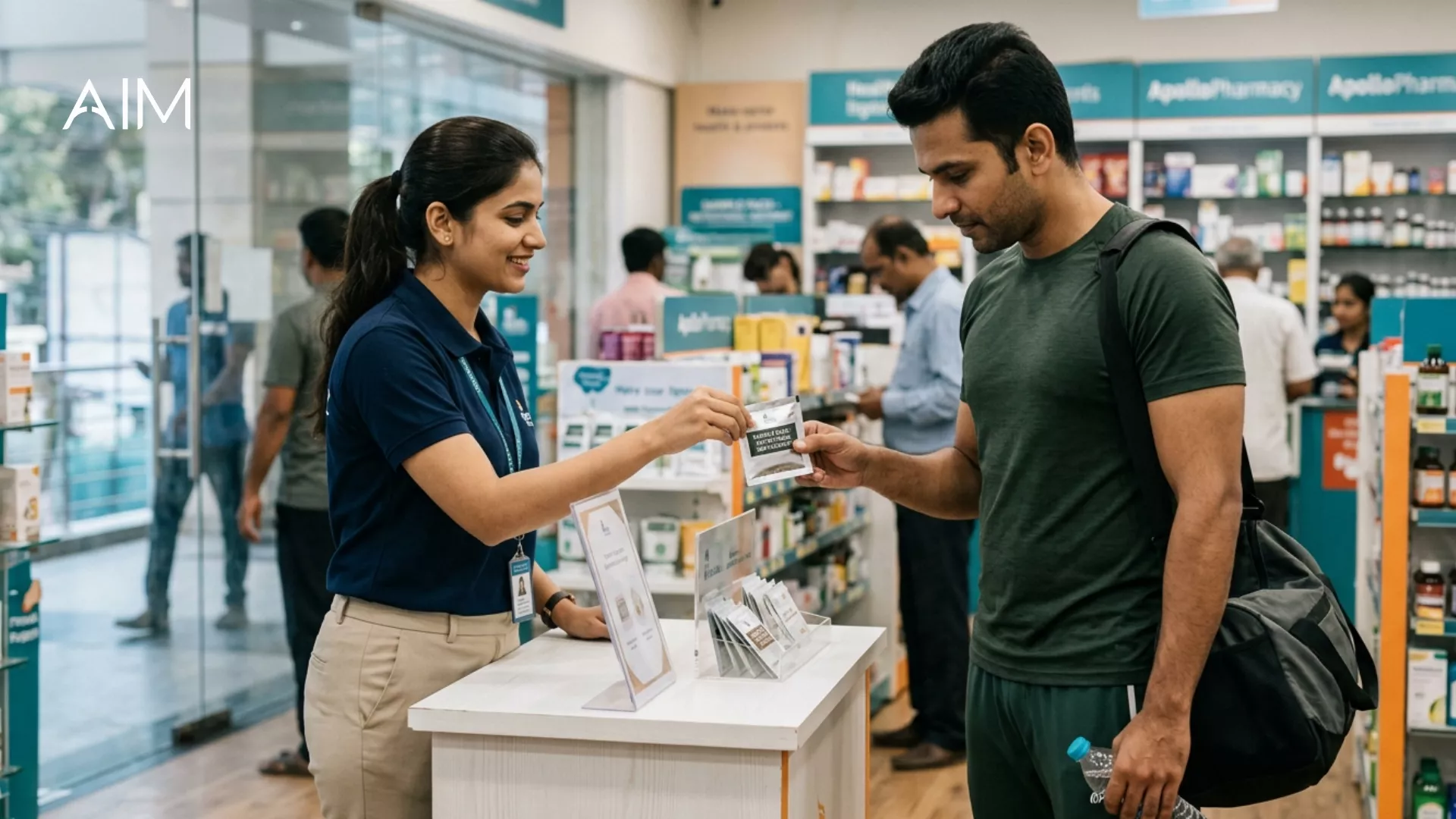
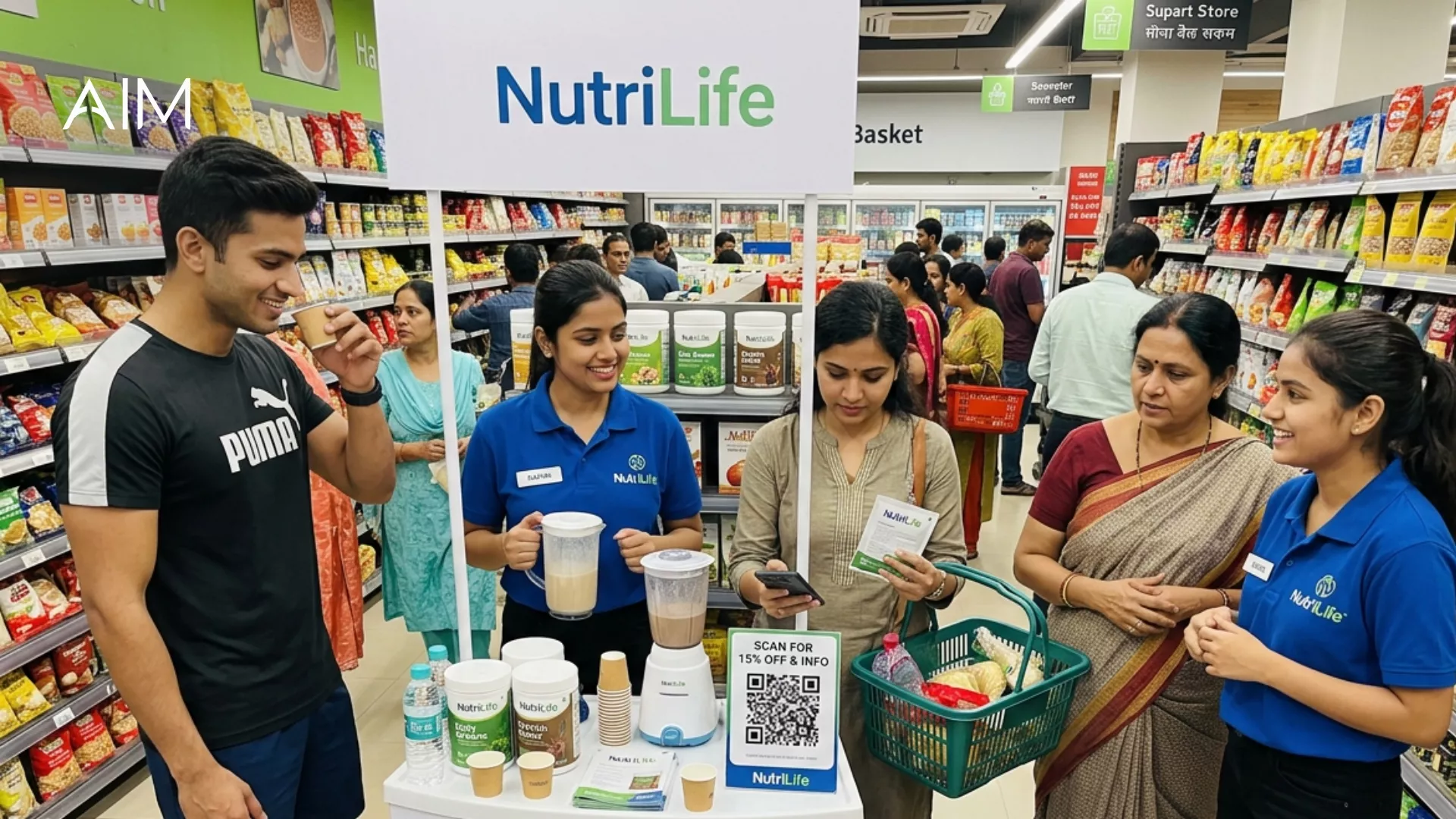
- Retail counter placements
Undoubtedly these approaches create brand visibility, but not consumer engagement that results in purchase decisions and conversions.
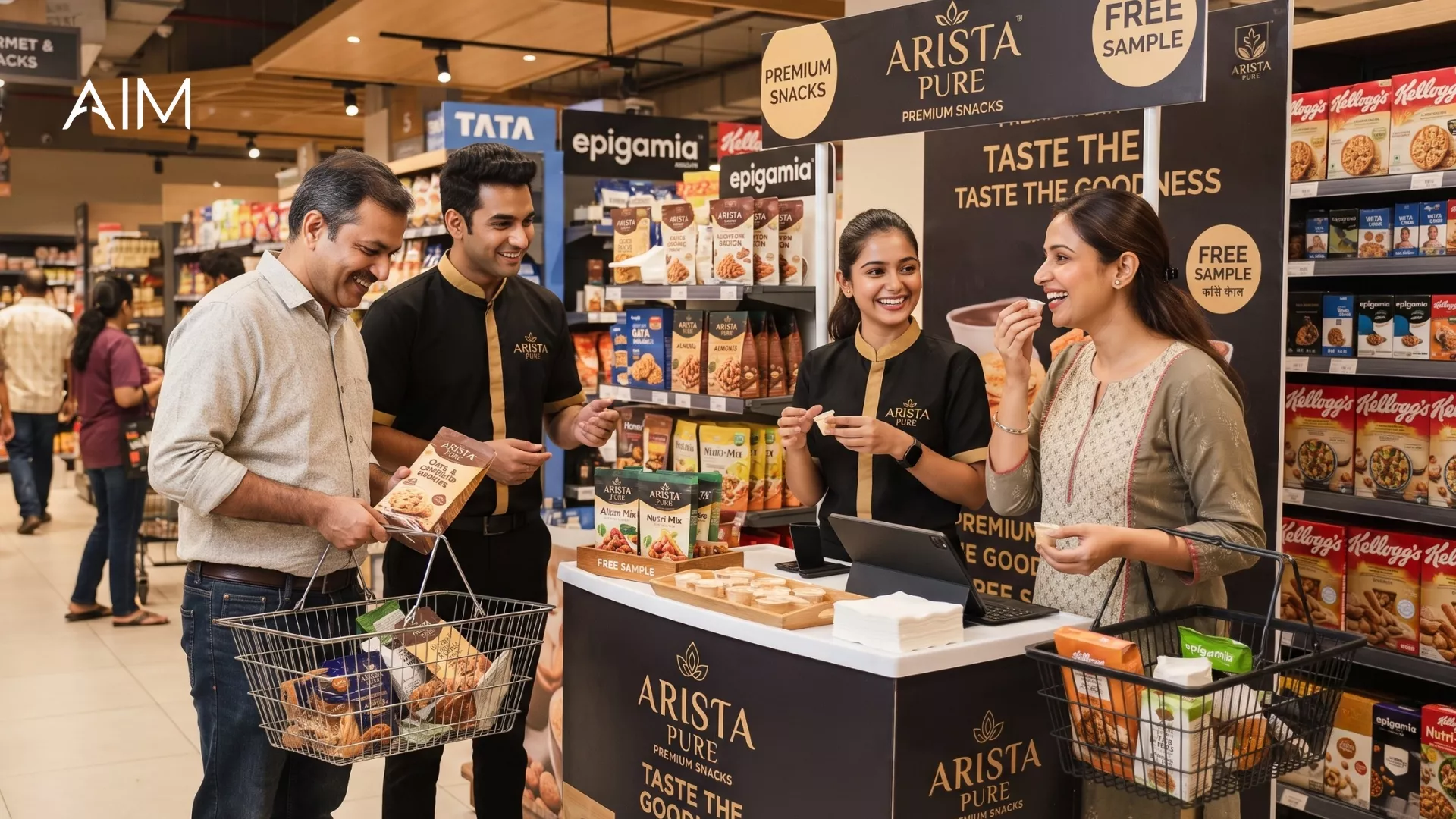
Imagine a product sampling agency
- Distributing premium anti-aging skincare products to teenagers
- Giving baby food samples to households without infants
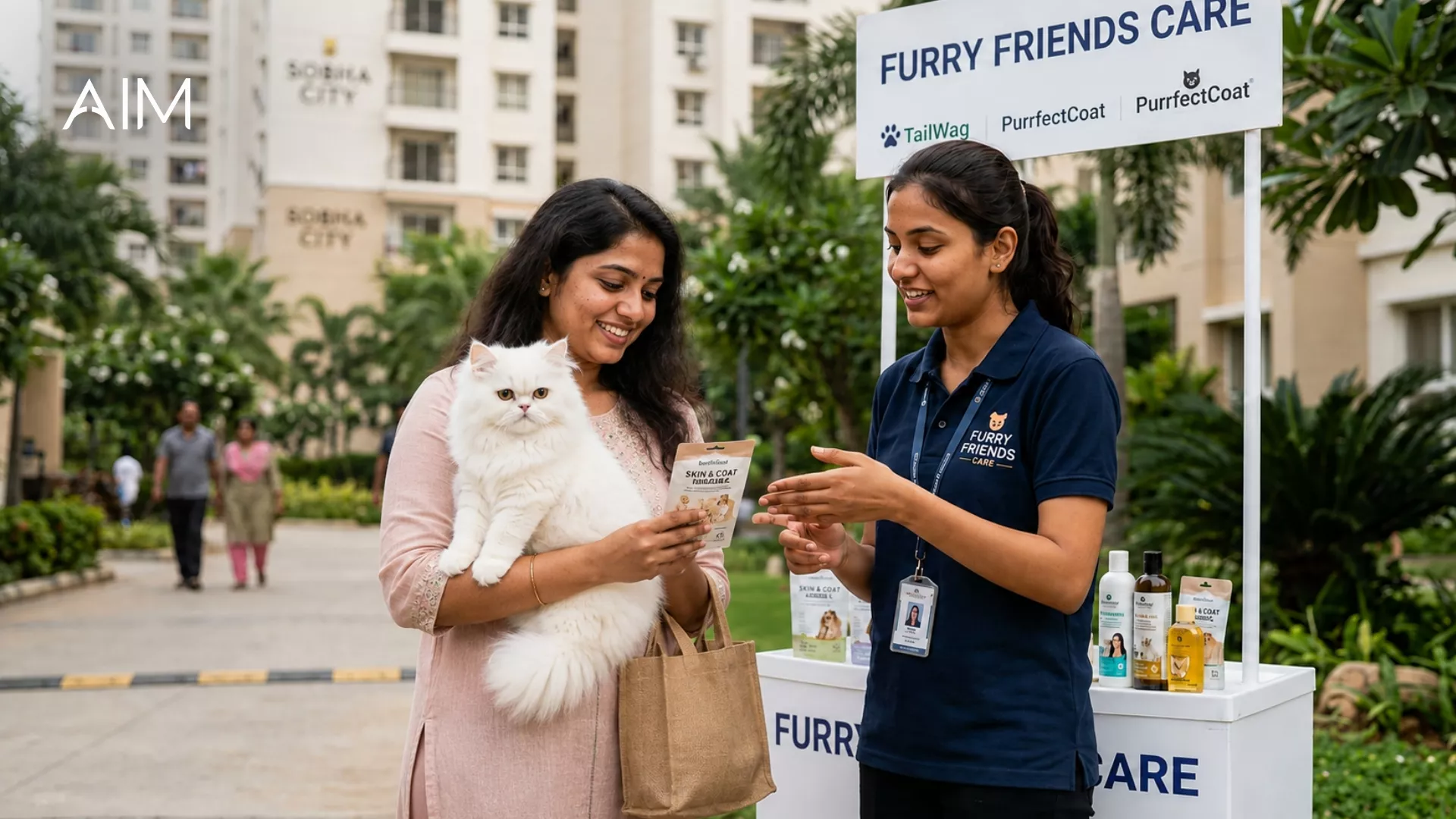
- Offering pet care products to non-pet owners
- Sampling luxury wellness products in price-sensitive locations
These product sampling campaigns may generate impressions but not conversions.
The Real Cost of Poor Audience Targeting in Product Sampling
Poor targeting of the audience does more than reducing campaign performance. Let’s understand how it creates multiple impacts simultaneously.
Wasted Product Sampling Budget
Every sample distributed through a product sampling campaign involves the following costs:
- Sample product manufacturing
- Packaging
- Logistics
- Staffing
- Campaign execution
- Reporting
When the trial products reach irrelevant audiences, they get unused or wasted, making brands spend heavily on the product sampling event without meaningful returns.
This becomes heavy for industries like
- Premium products
- FMCG brands
- Beauty and skincare products
- Health and wellness products
- Pet care brands
- Consumer packaged goods
Low Product Trial Rates
Just because the audience receives a sample does not mean they will use it. Consumers of the modern world are open only to try products that match their lifestyle, interests, purchasing habits and so on.
What if a particular sample product does not fit into any of these criteria? The sample will get ignored or discarded.
What about the impact it has on the brand?
- Low engagement rates
- Weak brand recall
- Minimal consumer feedback
- Poor campaign performance
Weak Conversion and Sales Impact
Many brands in India believe that the goal of their product sampling campaign is distribution. Product sampling agencies that follow traditional product sampling strategies project the same in their post-campaign reports. The reality is that the ultimate aim of a sampling event should be conversion and brand loyalty.
Poor audience targeting during a product sampling campaign reduces the chances of:
- Repeat purchases
- Retail visits
- Online orders
- Brand switching
- Customer retention
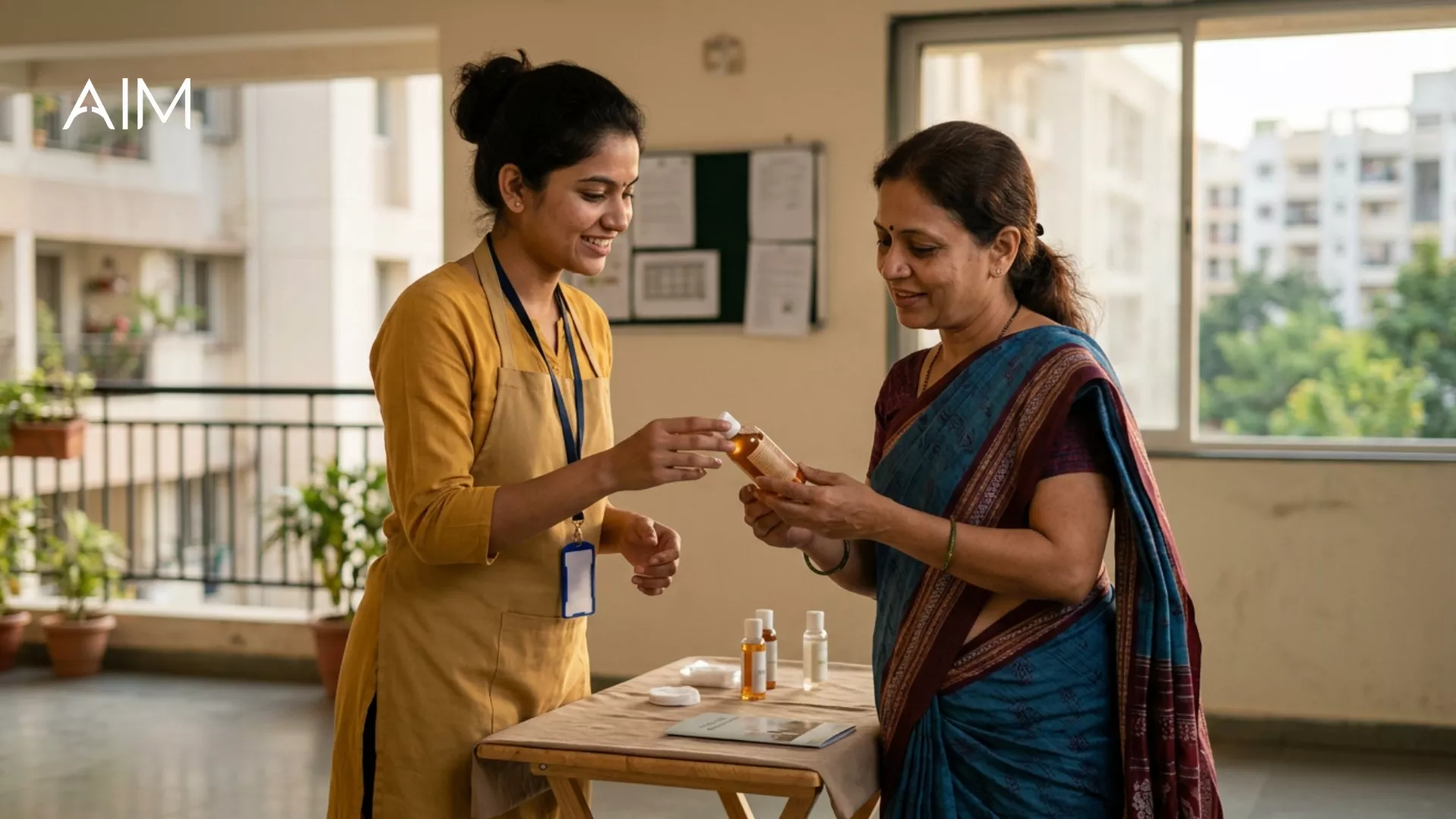
Let’s imagine a premium healthy snack brand whose target audience is health-conscious urban consumers. What if they conduct a RWA product sampling campaign, distributing samples to audiences with interest in wellness products?
This targeted sampling strategy will improve
- Sampling-to-purchase conversion
- Customer acquisition
- Market penetration
- Long-term brand loyalty
Common Audience Targeting Mistakes in Product Sampling Campaigns
Many brands unknowingly repeat the same targeting mistakes that make many traditional product sampling campaigns fail.
Mass Distribution Instead of Precision Sampling
Traditional product sampling events often prioritize quantity over quality. Most of the Indian brands assume that distributing more samples boost the chance of conversions. However, large-scale untargeted distribution in sampling often reduces efficiency. That’s the reality many brands and even product sampling companies fail to understand.
Ignoring Consumer Demographics
Demographic mismatches are one of the biggest causes of failed sampling campaigns. Brands fail to evaluate vital parameters like age group, gender, income level, lifestyle preferences, etc. When they target audience without these insights, it often ends up in failed campaigns, wasted samples, less brand recall etc.
Failing to Understand Consumer Behavior
Modern consumers make purchasing decisions based on their habits, routines, and lifestyle alignment. Behavioral targeting helps brands identify:
- Health-conscious consumers
- Frequent online shoppers
- Premium buyers
- Fitness-focused audiences
- Pet parents
- Eco-conscious households
Without behavioral analysis of the target audience, product sampling in India often becomes guesswork.
Why Hyperlocal Product Sampling in India Is Important
Indian consumers in different locations exhibit huge differences in their purchasing power, product preferences, lifestyle patterns and even brand expectations.
Hyperlocal product sampling addresses this element and allows brands to engage highly relevant and the right consumers in high-potential environments.
How does it help?
- High engagement
- Boosted product trial rates
- Hike in consumer trust
- Increased purchase intent
The Role of Modern Product Sampling Agencies in India
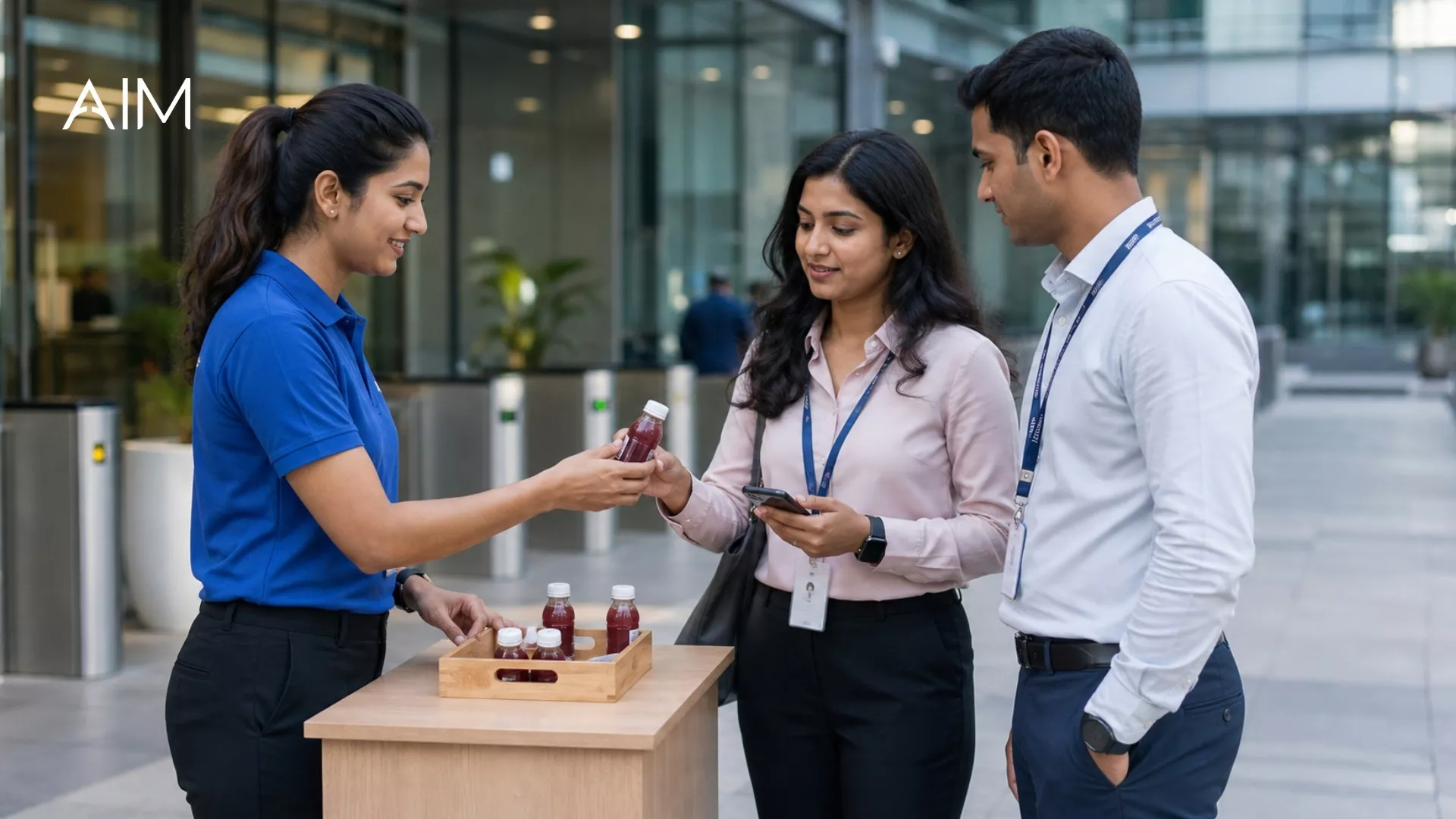
The thumb rule of effective product sampling is the right audience segmentation that boosts actual product trial rates. Modern product sampling companies in India work based on this by identifying audiences with higher purchase probability. Their product sampling services use data analytics and audience profiling by using:
- Consumer databases
- Purchase behavior insights
- Geographic analysis
- Audience segmentation tools
- CRM integration
- AI-driven targeting models
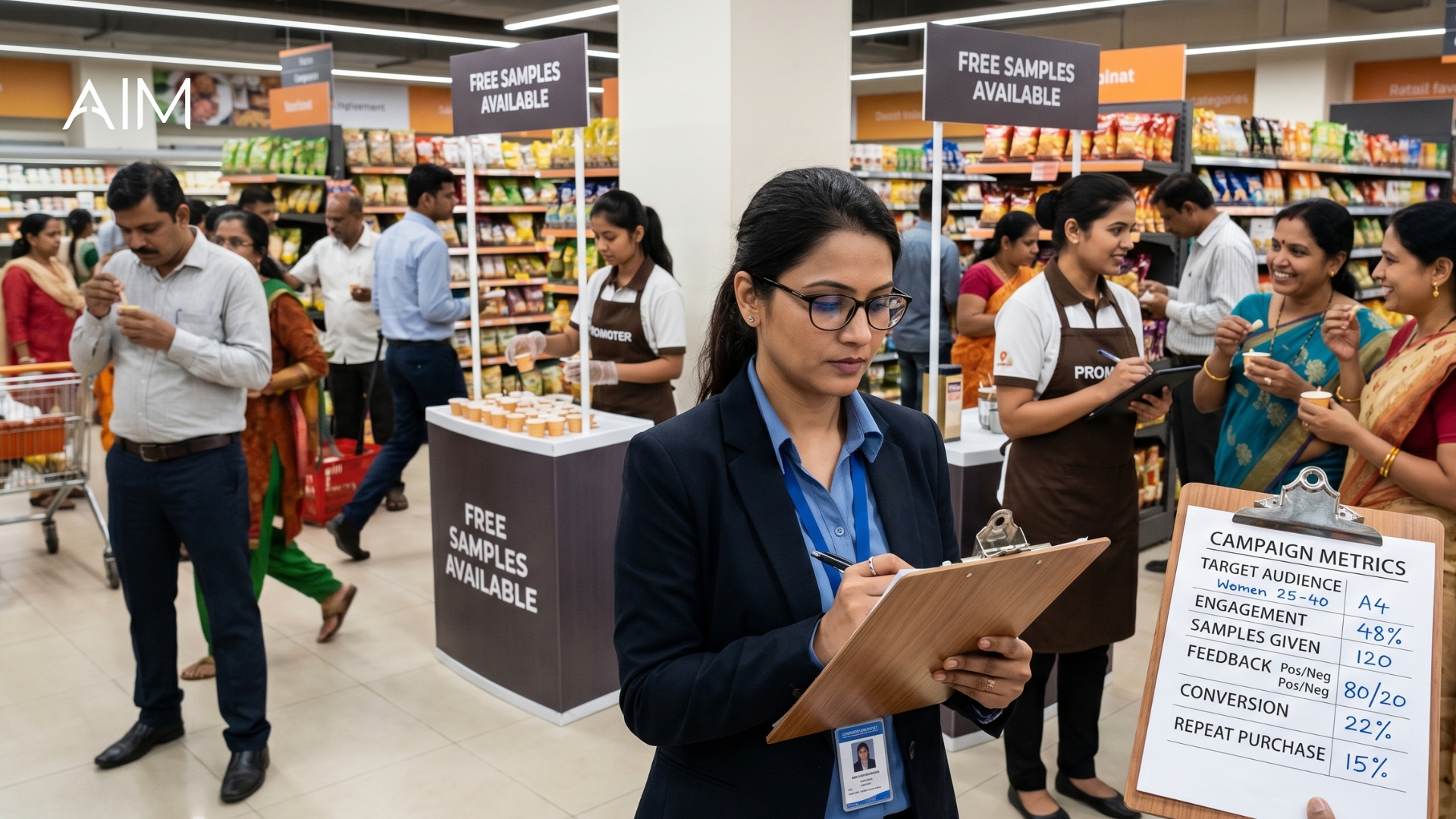
This enables the brands to track:
- Which audience converted best
- Which campaign locations performed strongest
- Which demographic responded positively to the campaign
- Which sampling channels generated repeat purchases
Result? Stronger ROI than just sample volume.
With precise audience targeting, consumers respond better as the samples feel relevant to their needs.
- Vegan product samples for plant-based consumers
- Premium skincare sampling for beauty-conscious audiences
- Organic baby products for young parents
- Fitness nutrition products for gym-goers
To summarize, successful product sampling of today is no longer about reaching everyone. It is about reaching the right people with the right product at the right moment. The ultimate checklist in product sampling in India would be
- Using Consumer Segmentation
- Focusing on Data-Driven Sampling
- Prioritizing Relevant Environments
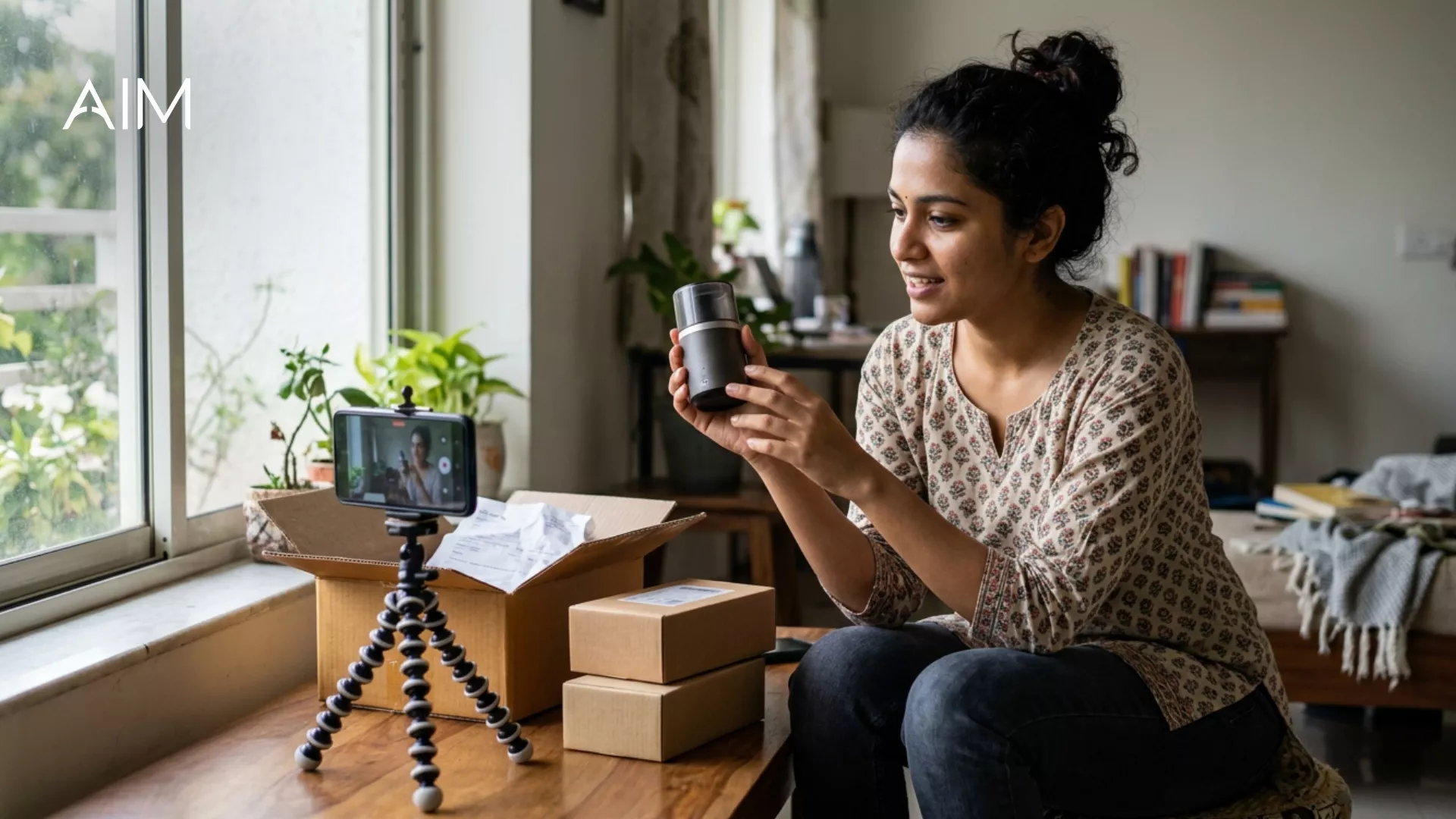
- Integrating Digital Engagement
Modern product sampling services powered by audience analytics, consumer behavior insights, and hyperlocal targeting are helping brands achieve stronger engagement, better conversions, and measurable growth.
For brands looking to maximize the effectiveness of product sampling in 2026 and beyond, smart audience targeting is not optional.




.webp)






.png)