


A brand with money to spend on winning new customers faces an old choice. It can give people a free trial of the product and hope they come back, or it can cut the price and hope the discount pulls them in. Both can work. Both cost money. And most brands pick between them by habit or budget rather than by asking the real question: which one actually wins a customer who stays, rather than one who came for the deal and left the moment it ended. Sampling and discounting are not the same tool, and the difference between them shows up long after the first purchase, which is exactly when most brands have stopped paying attention.
The honest answer is that each wins a different kind of customer, in a different way, at a different cost. Knowing which you need is more useful than a blanket verdict that one is always better. The right question is not which tool is superior in the abstract, but which one fits the customer you are trying to win and the way you want to keep them.
How does sampling win a customer?
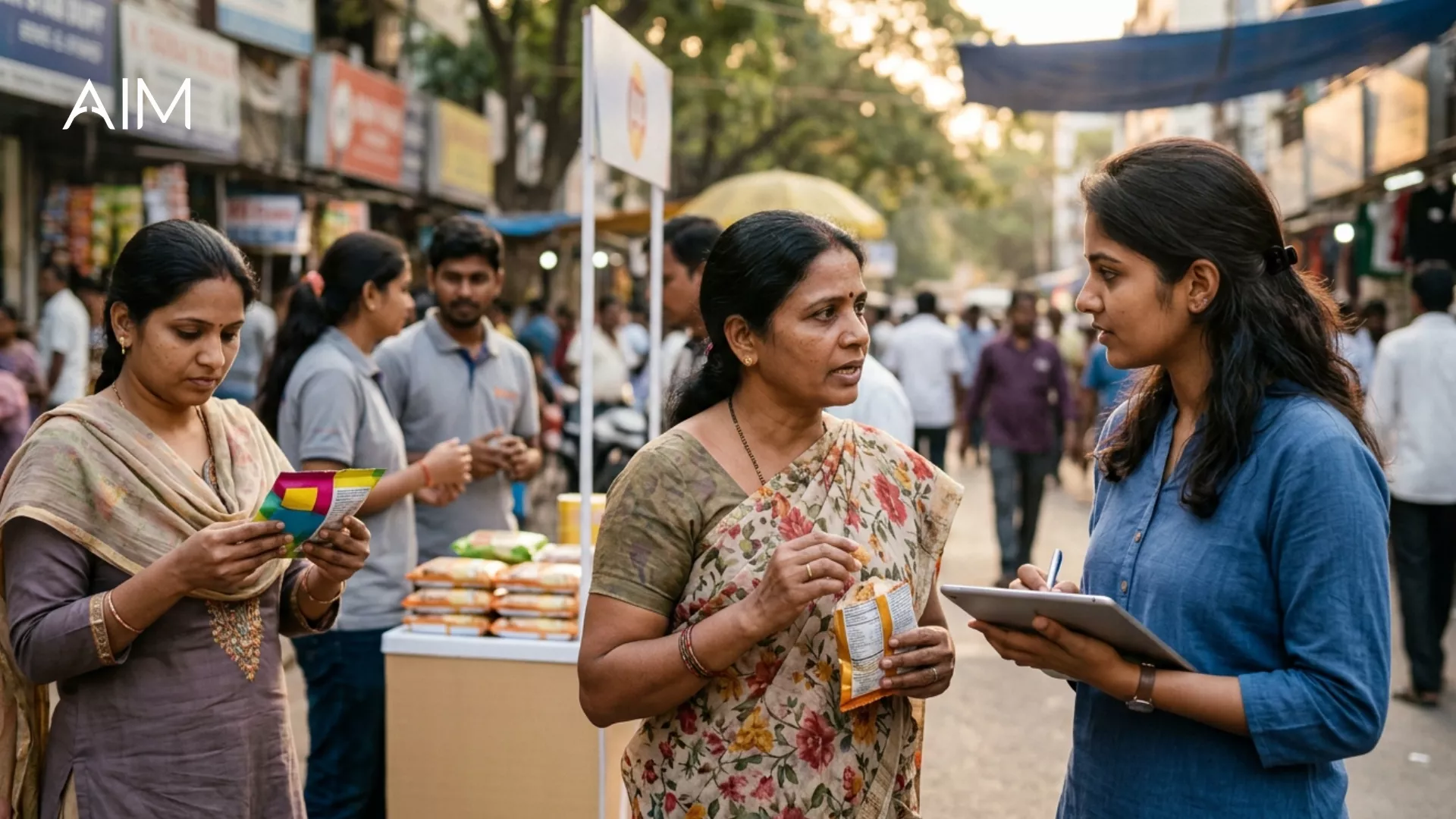
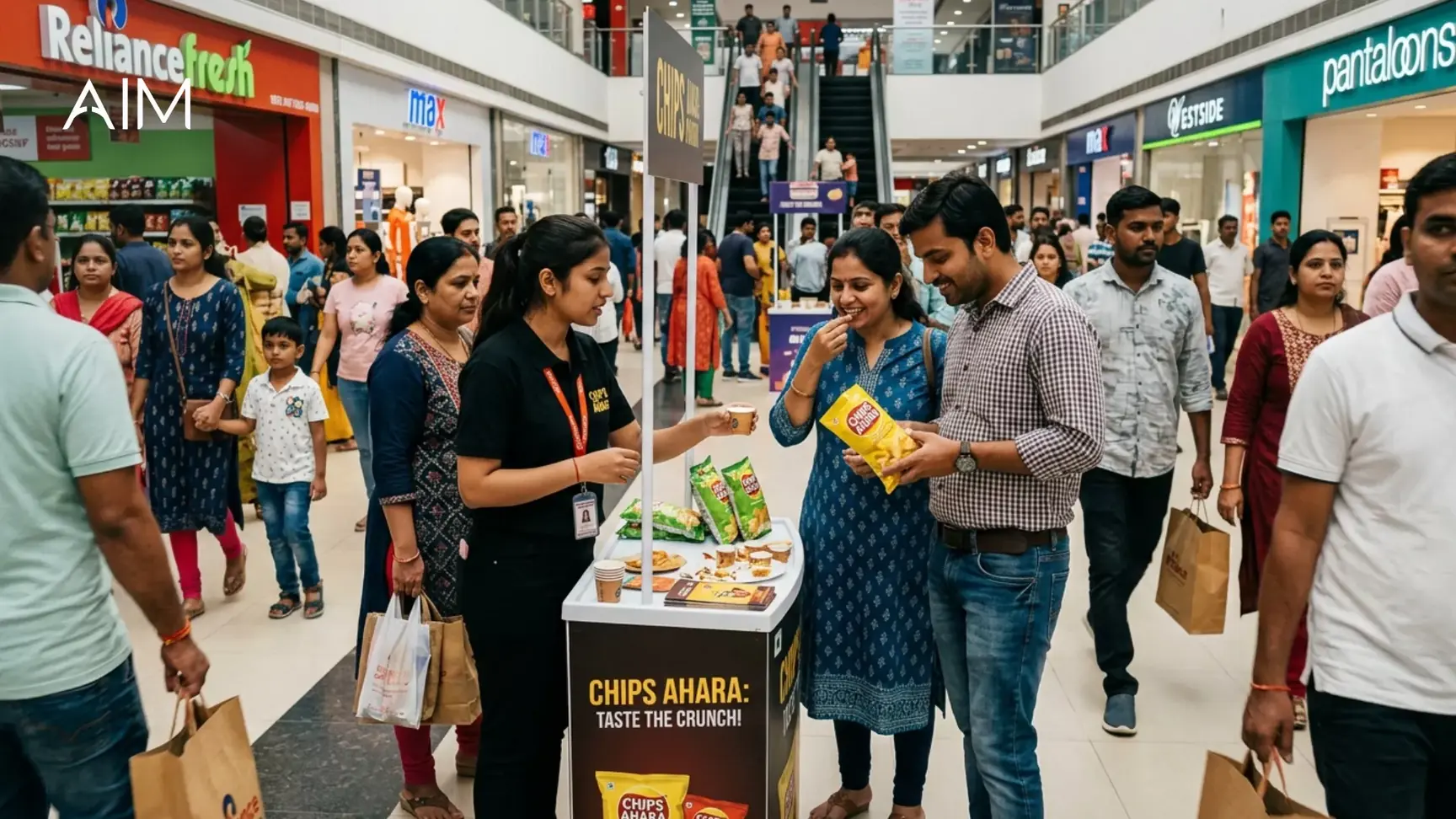
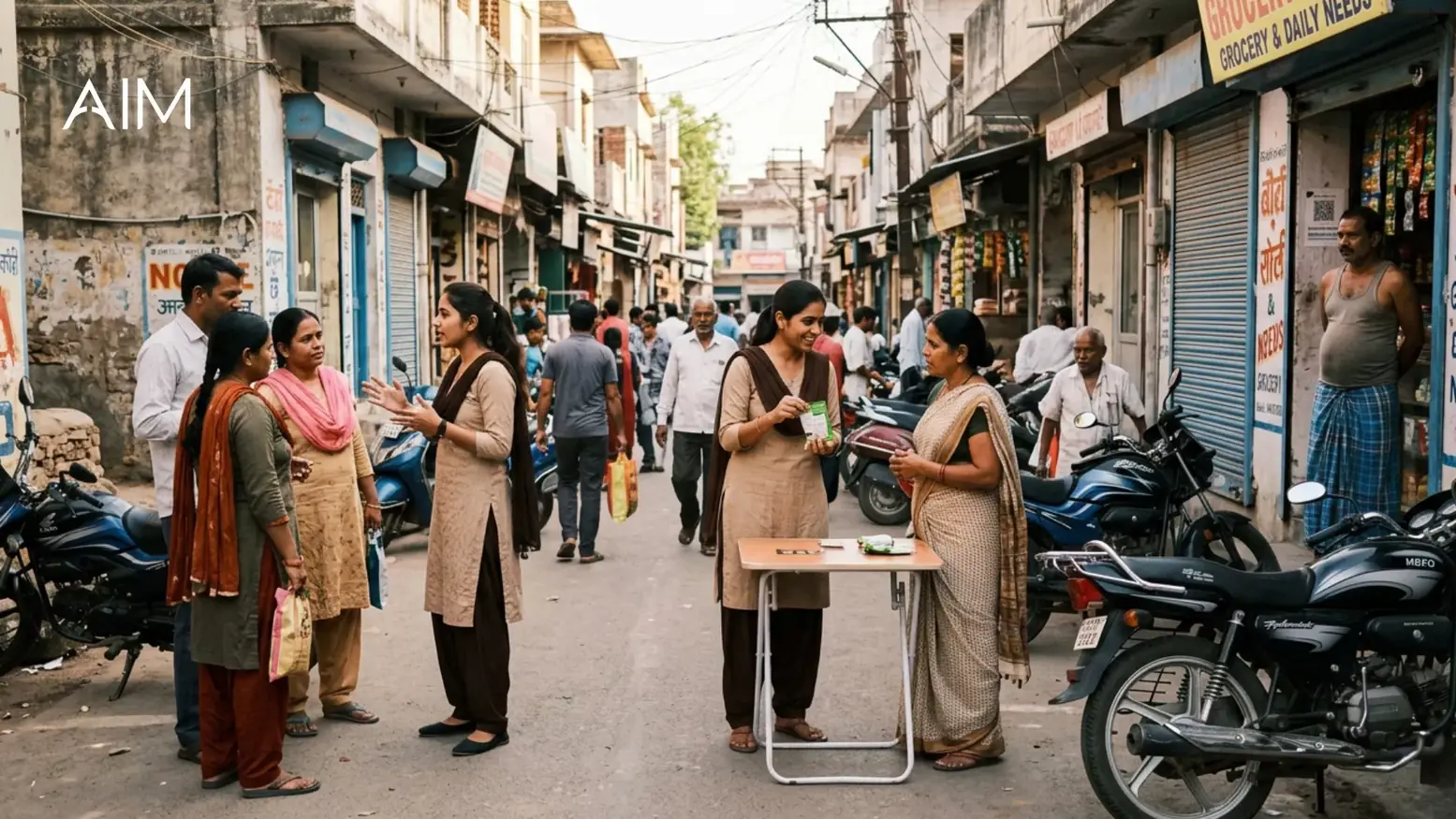
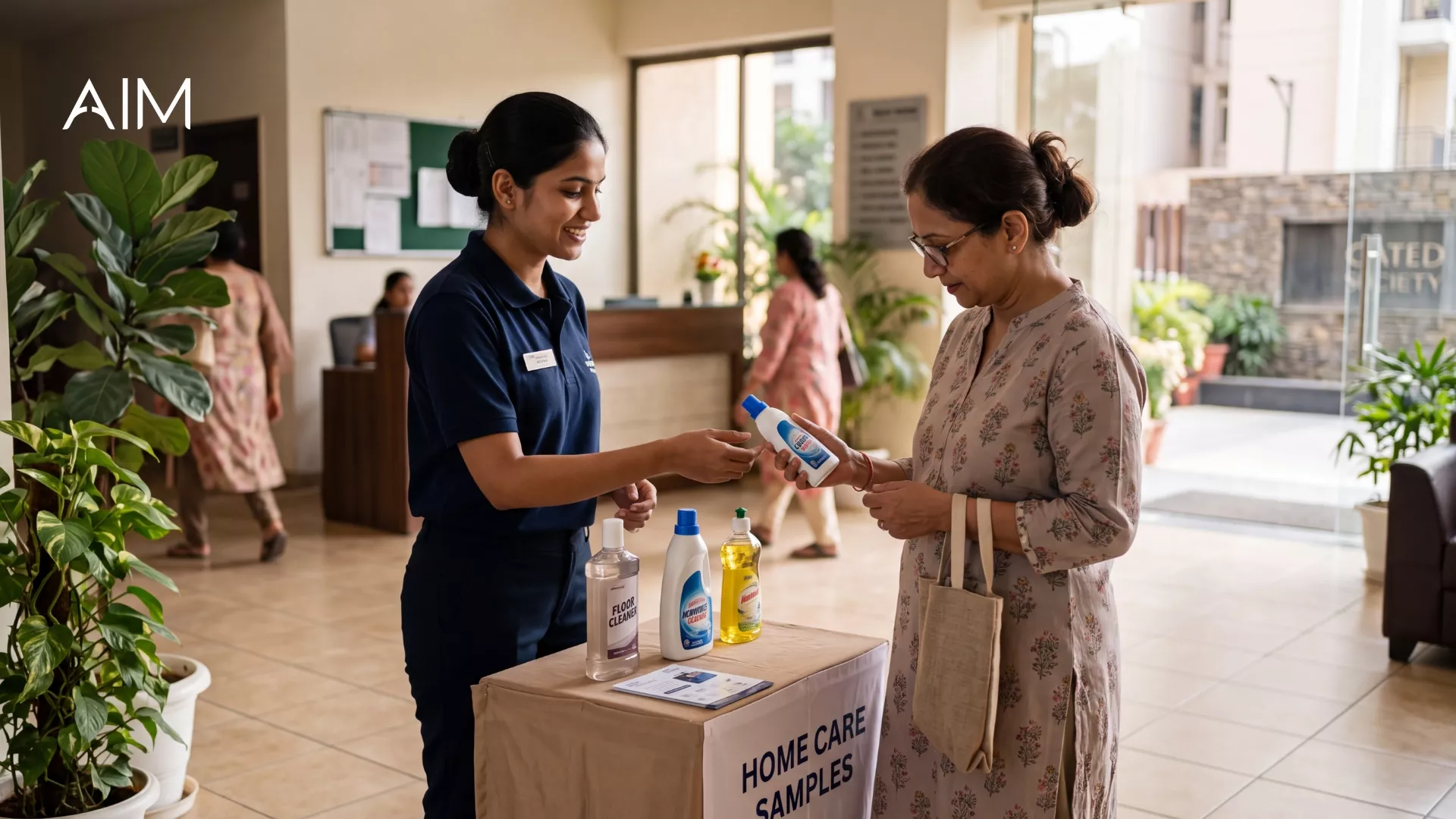
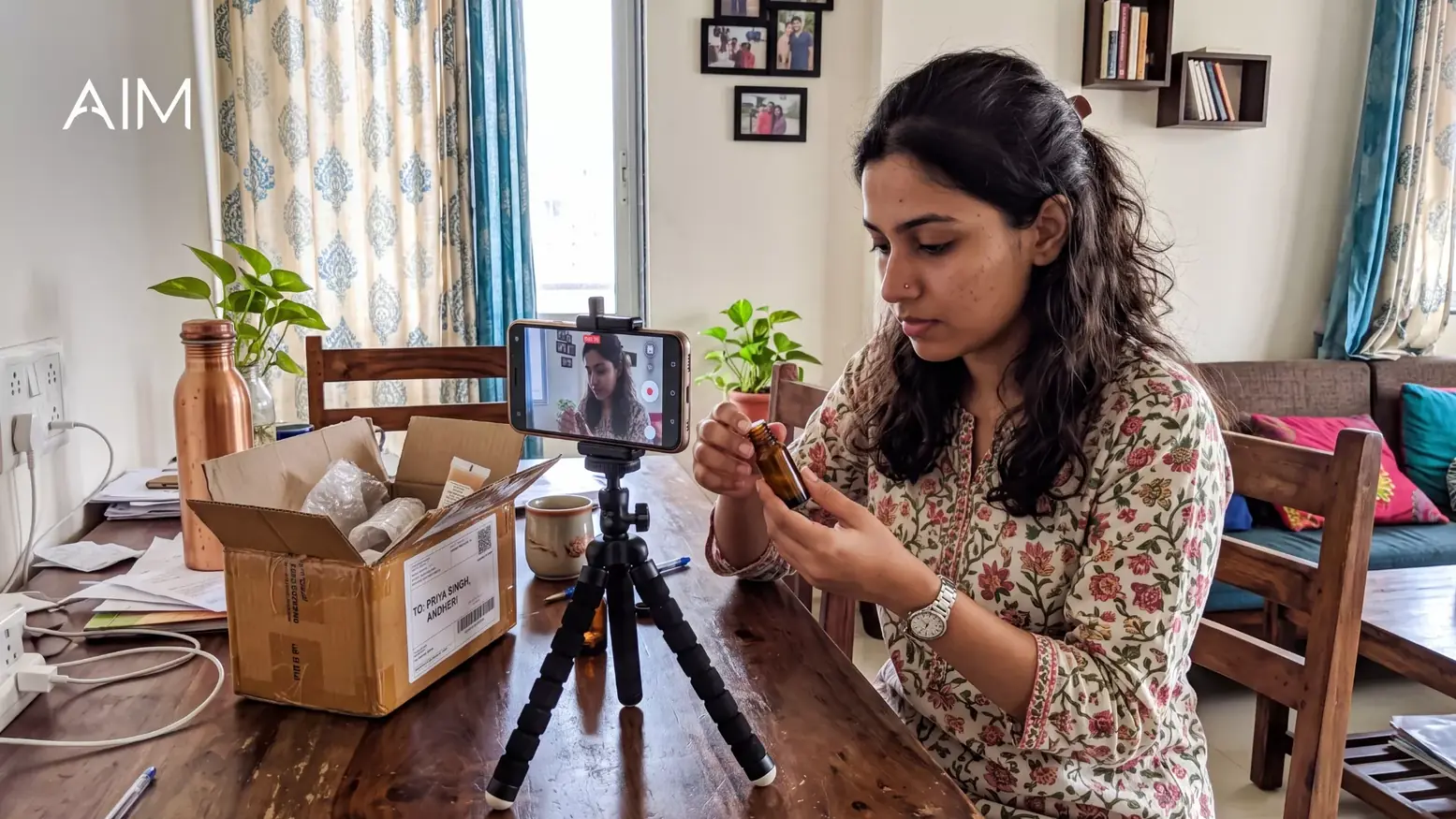
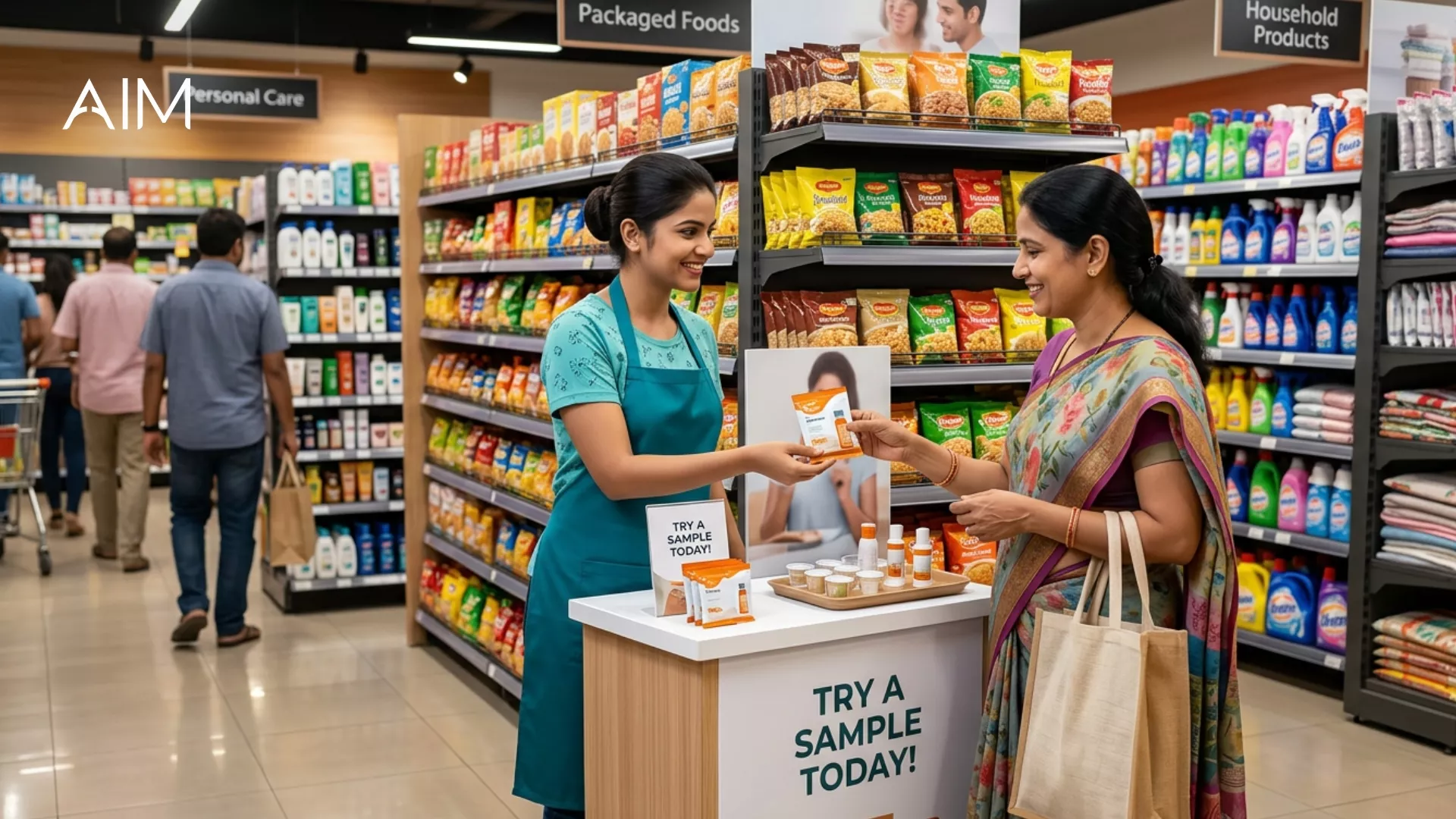
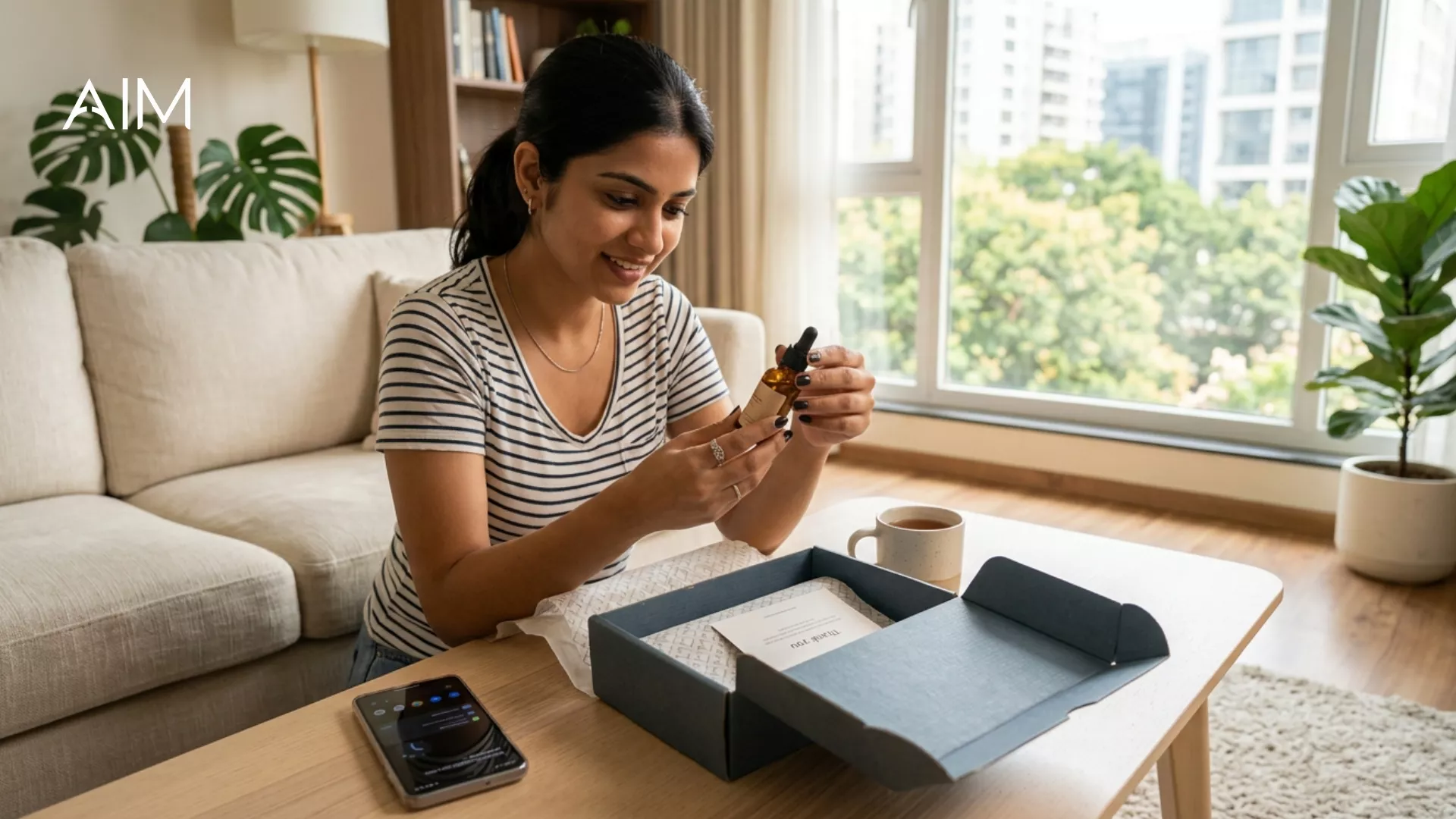
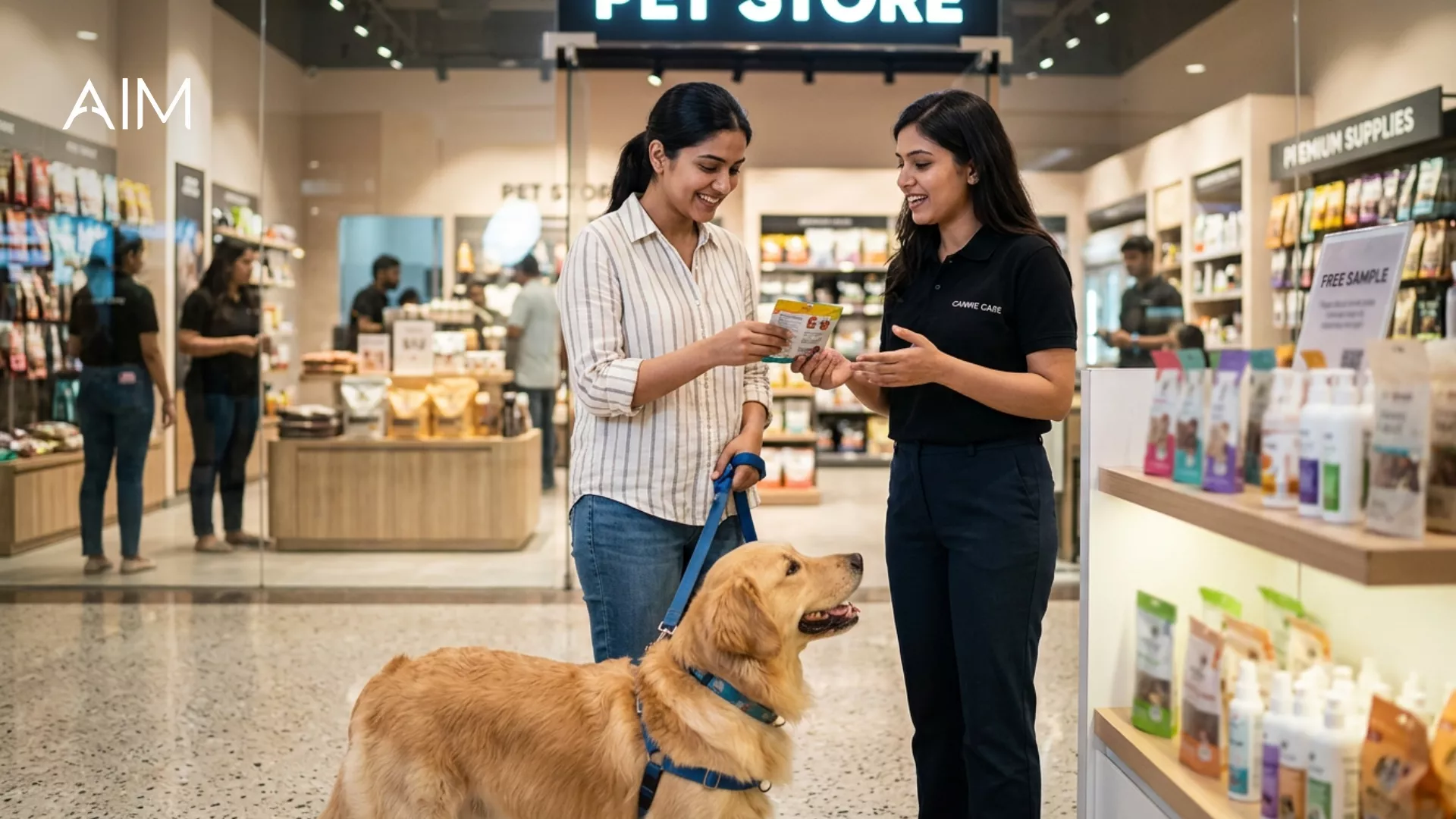
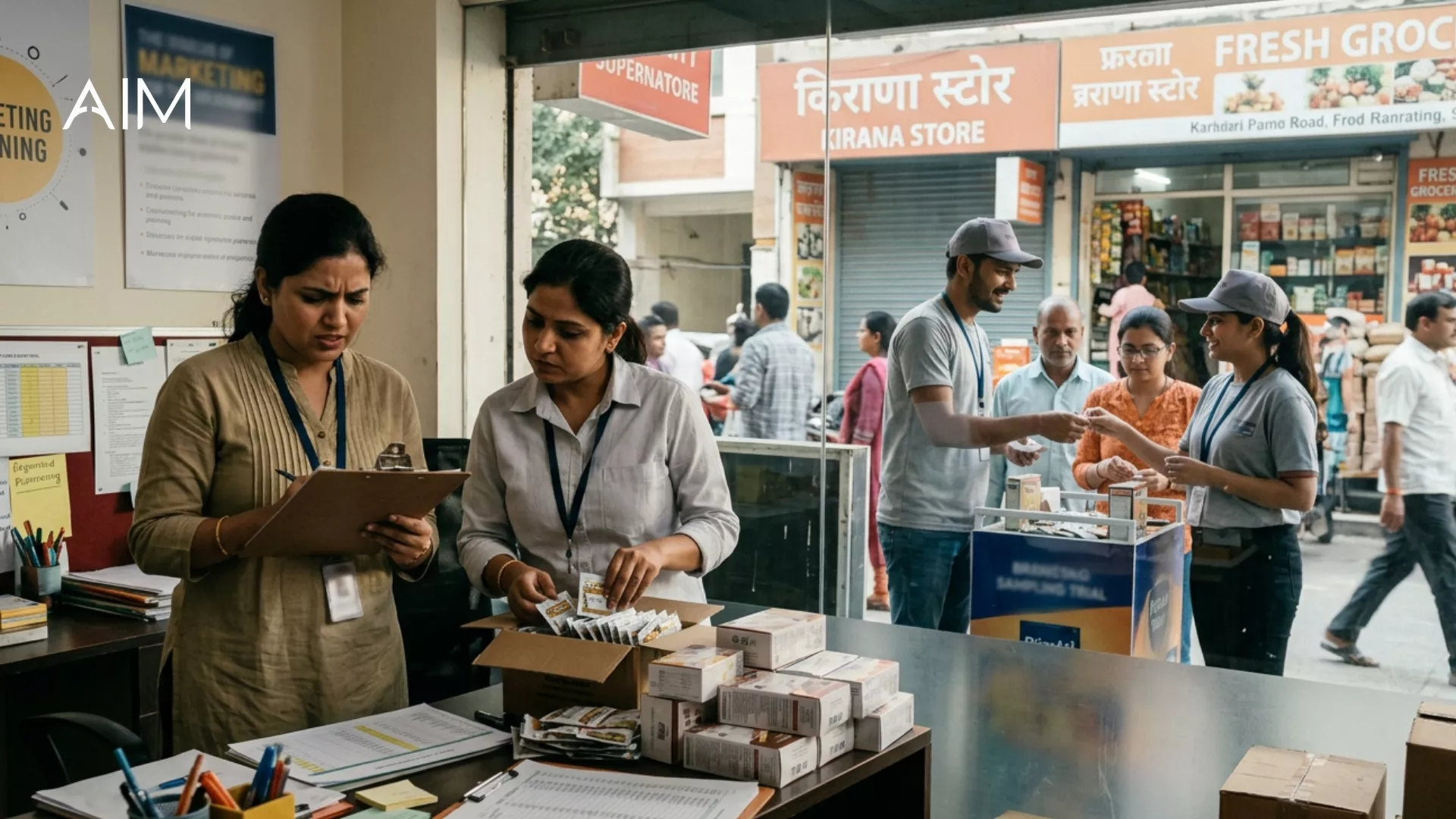
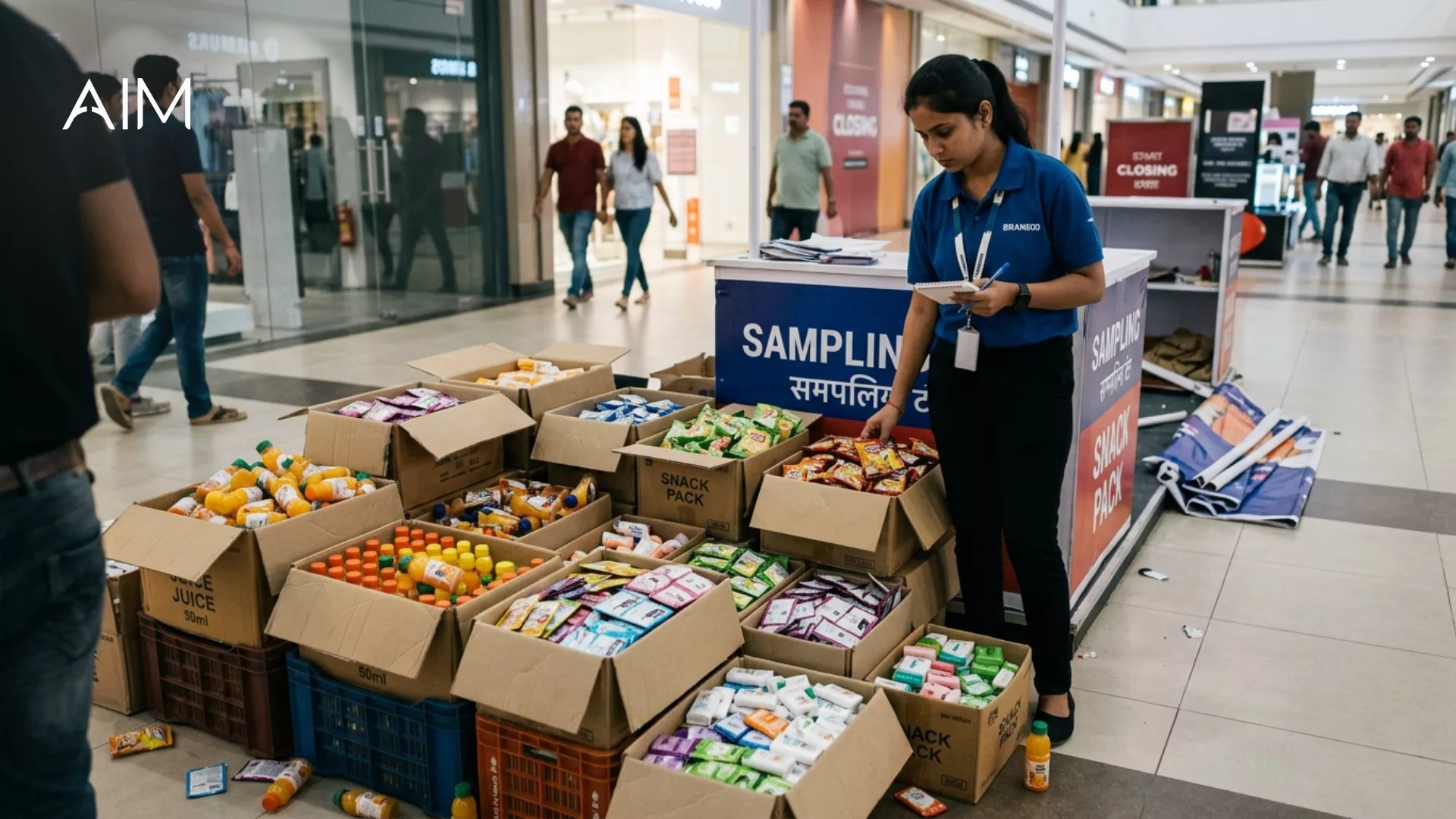
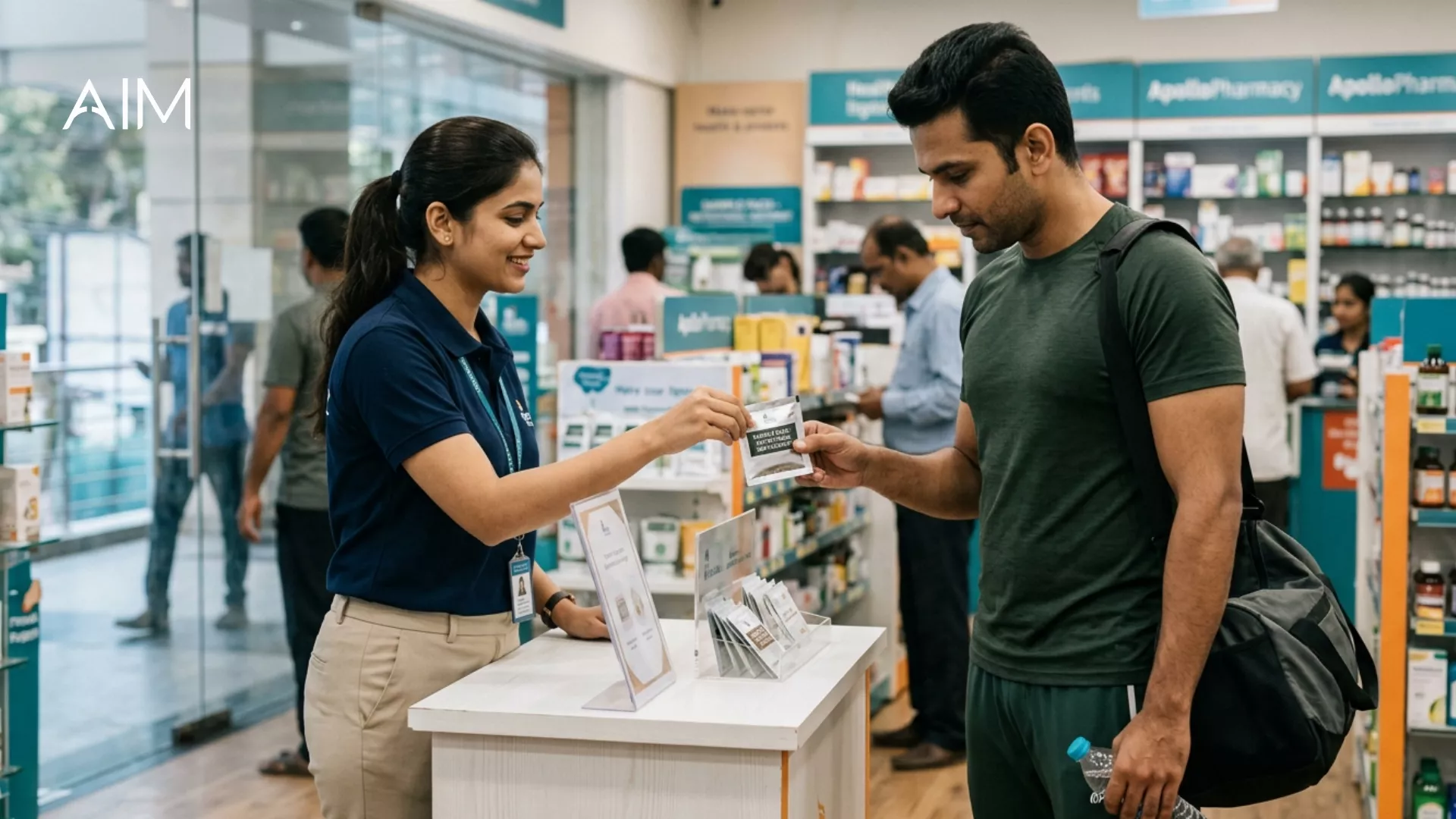
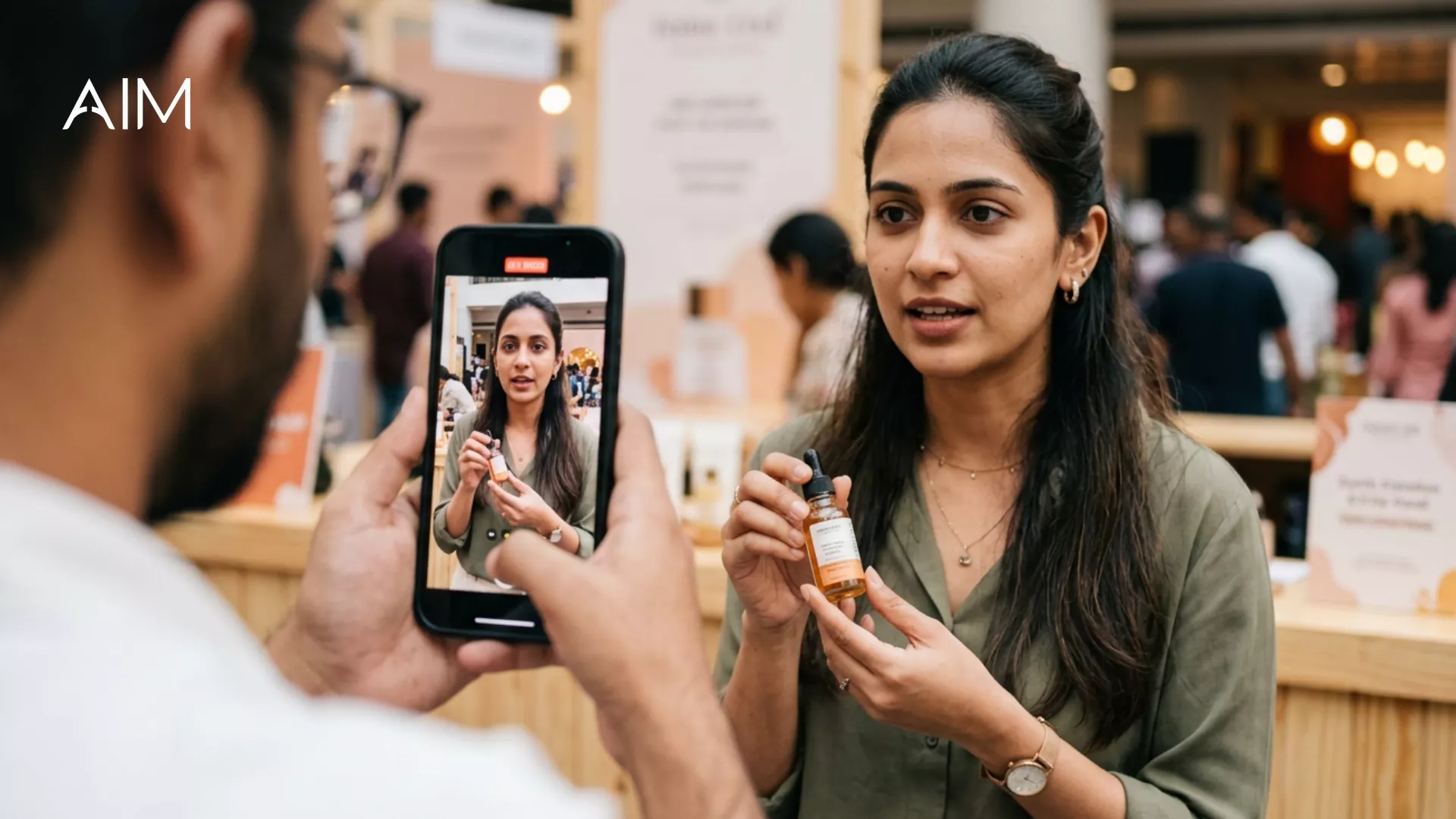
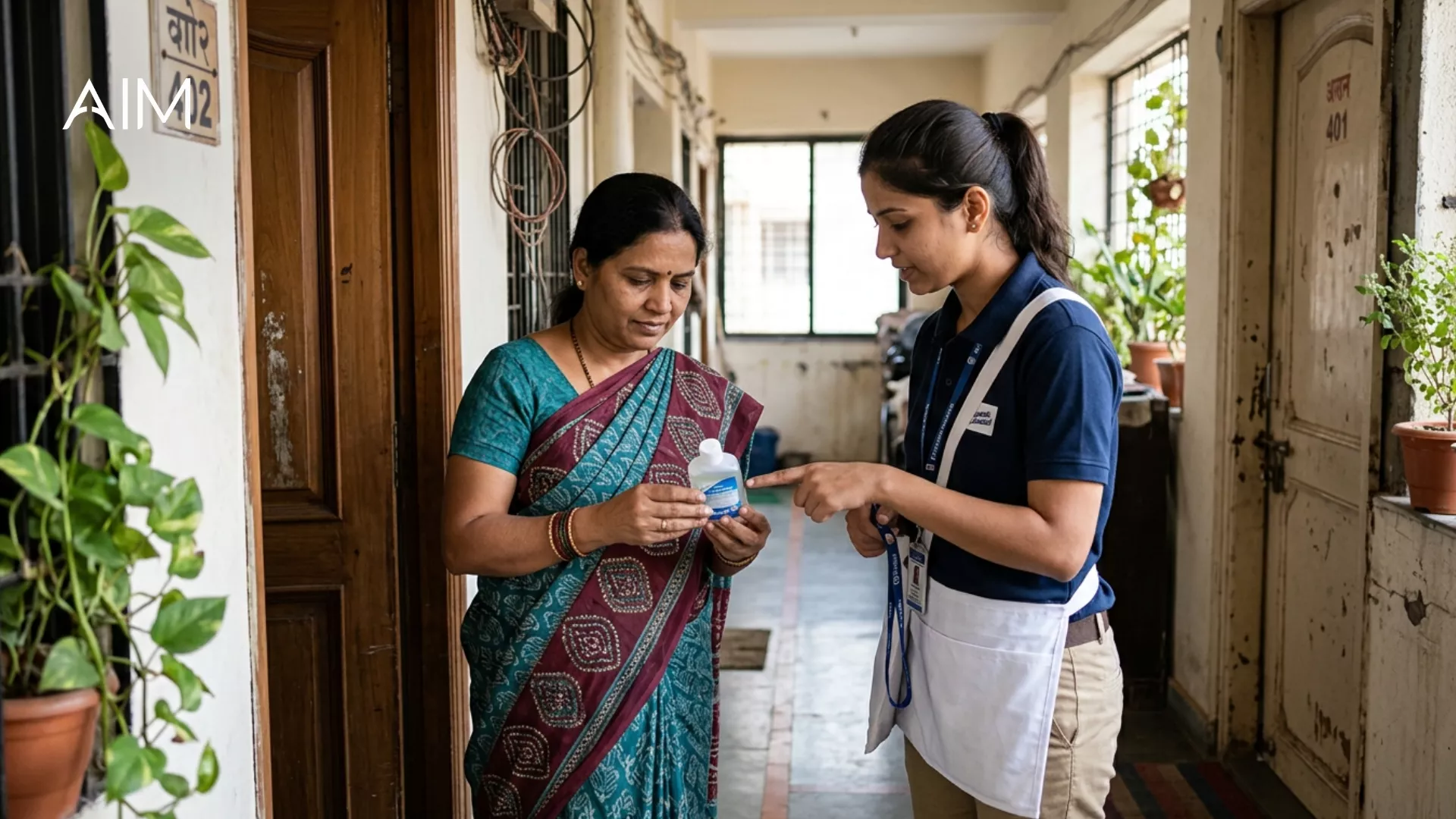
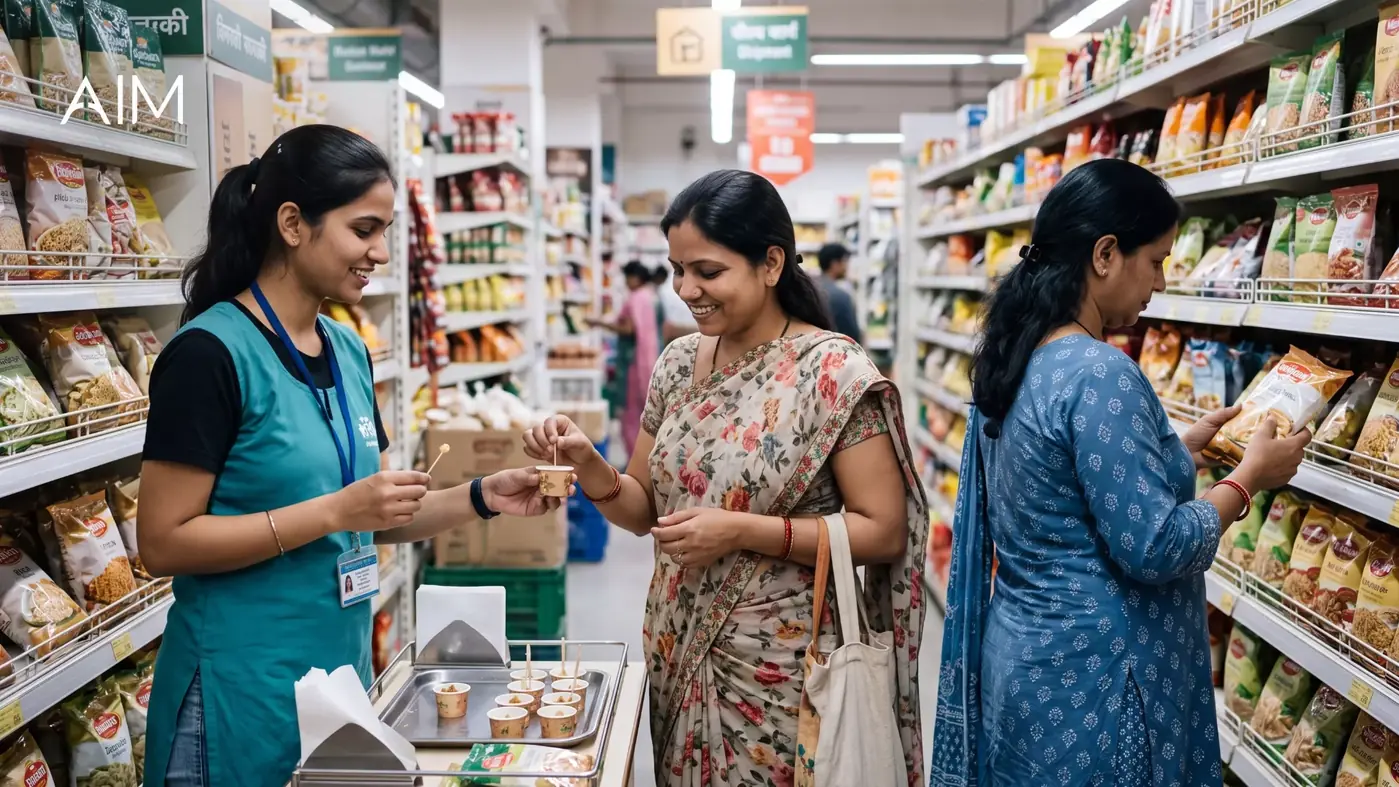
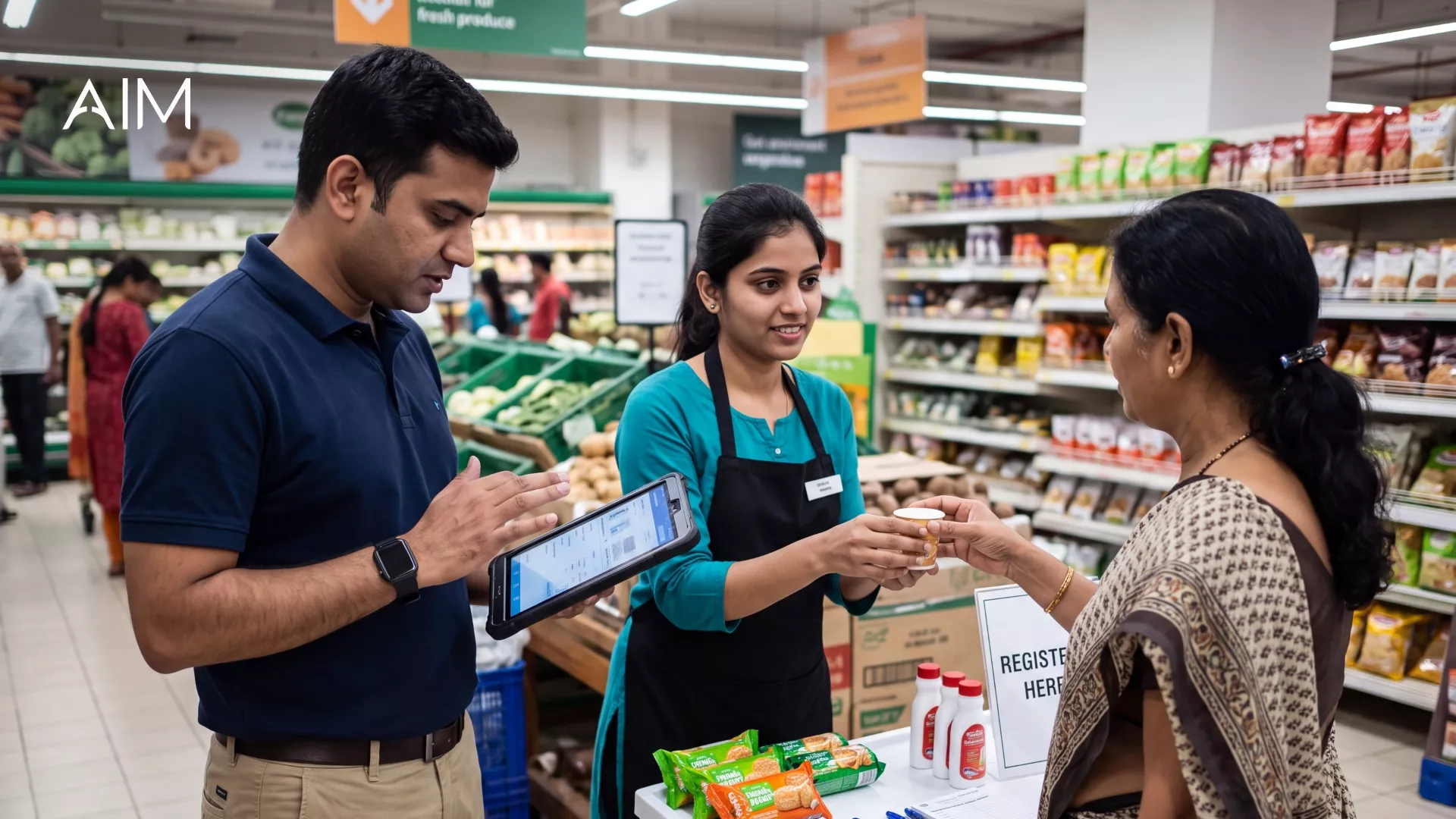
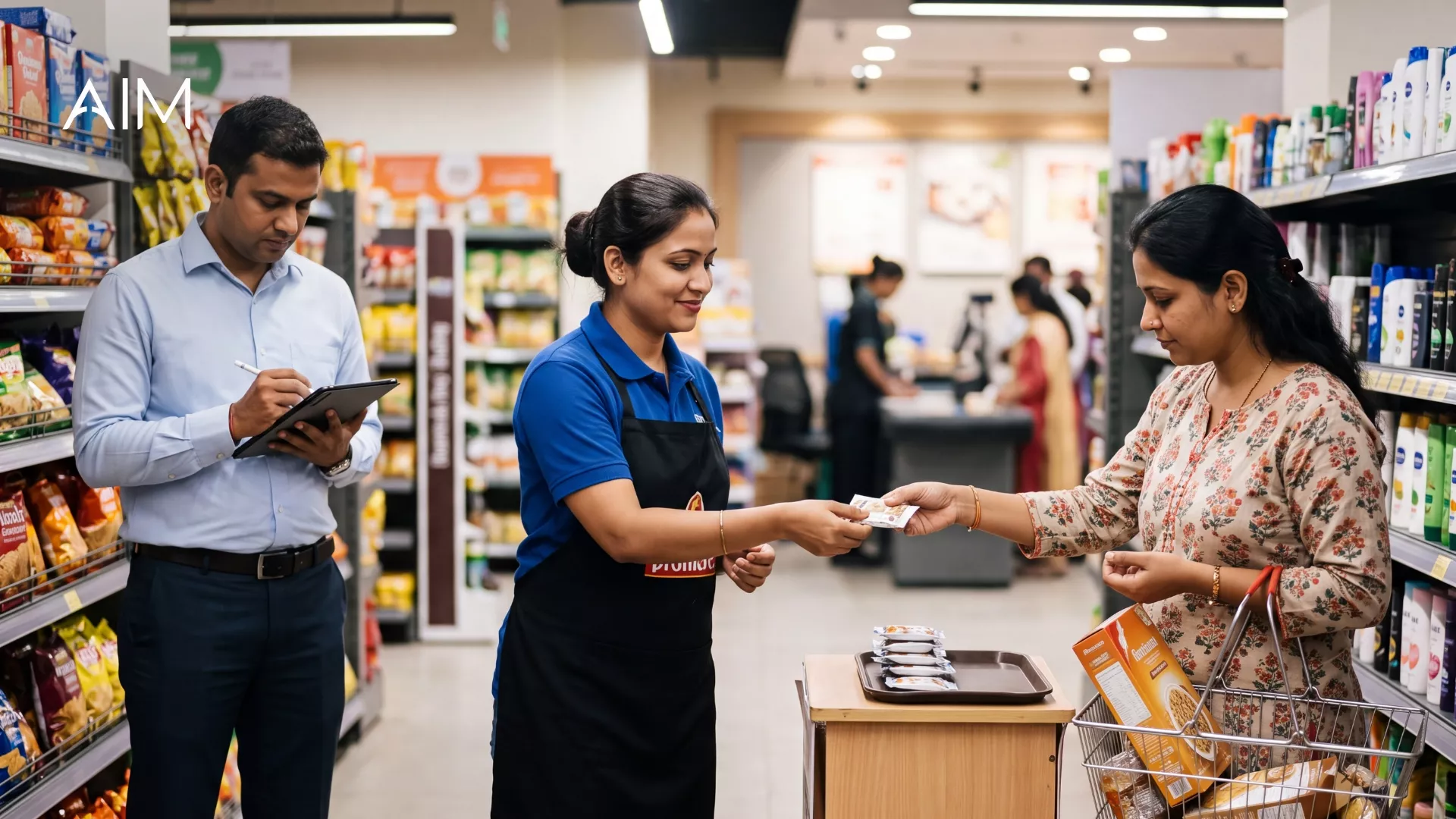
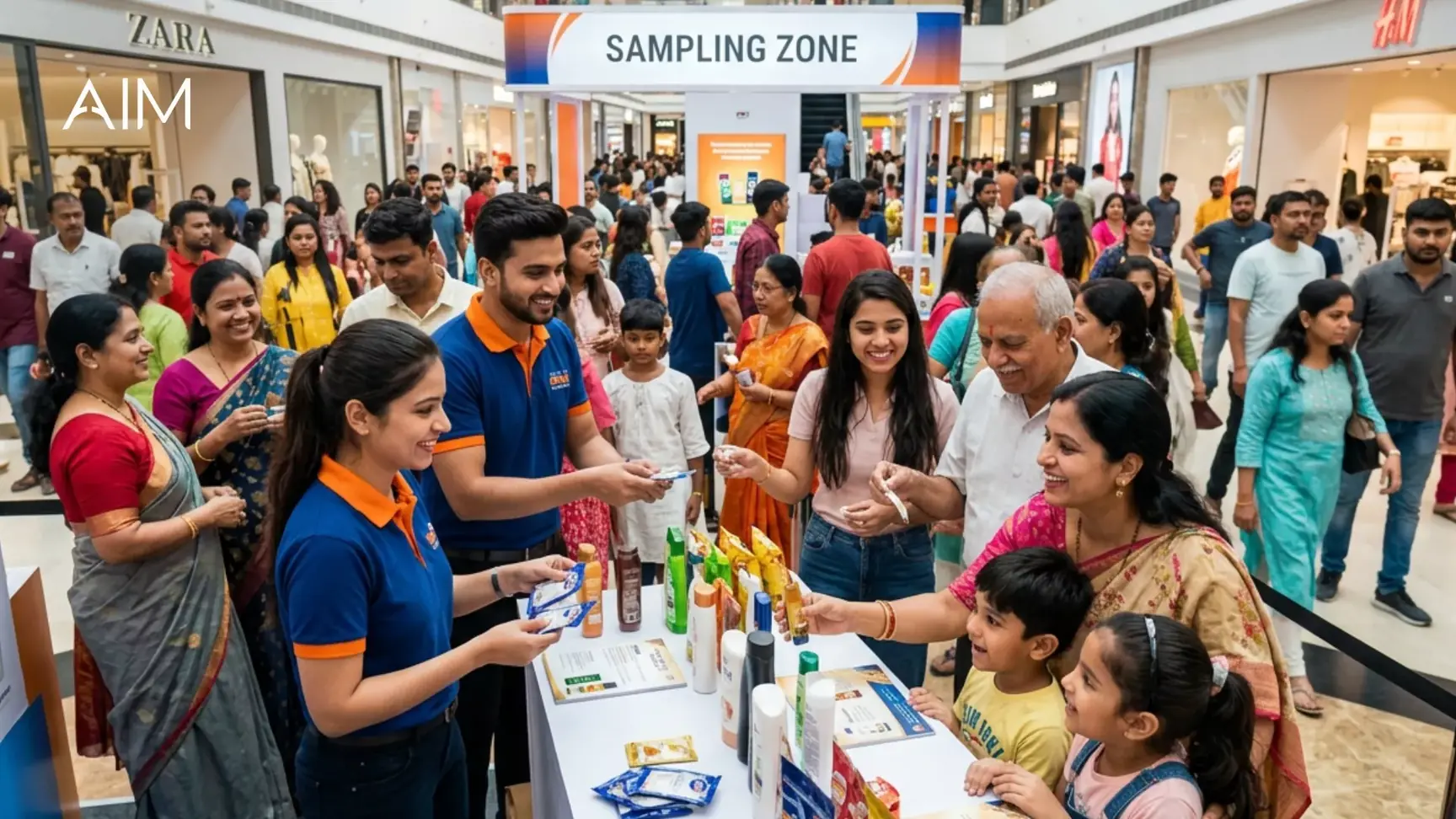
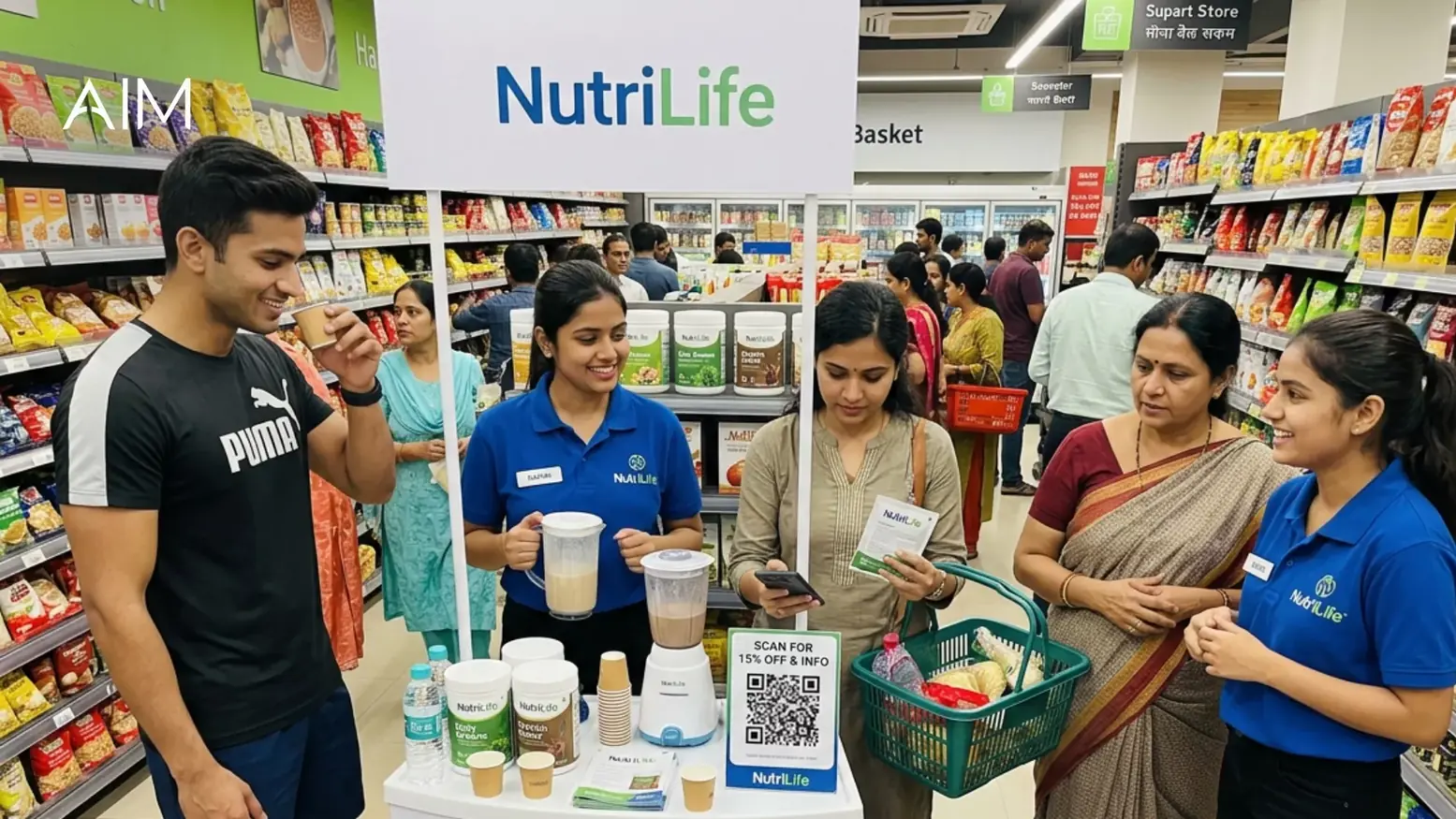
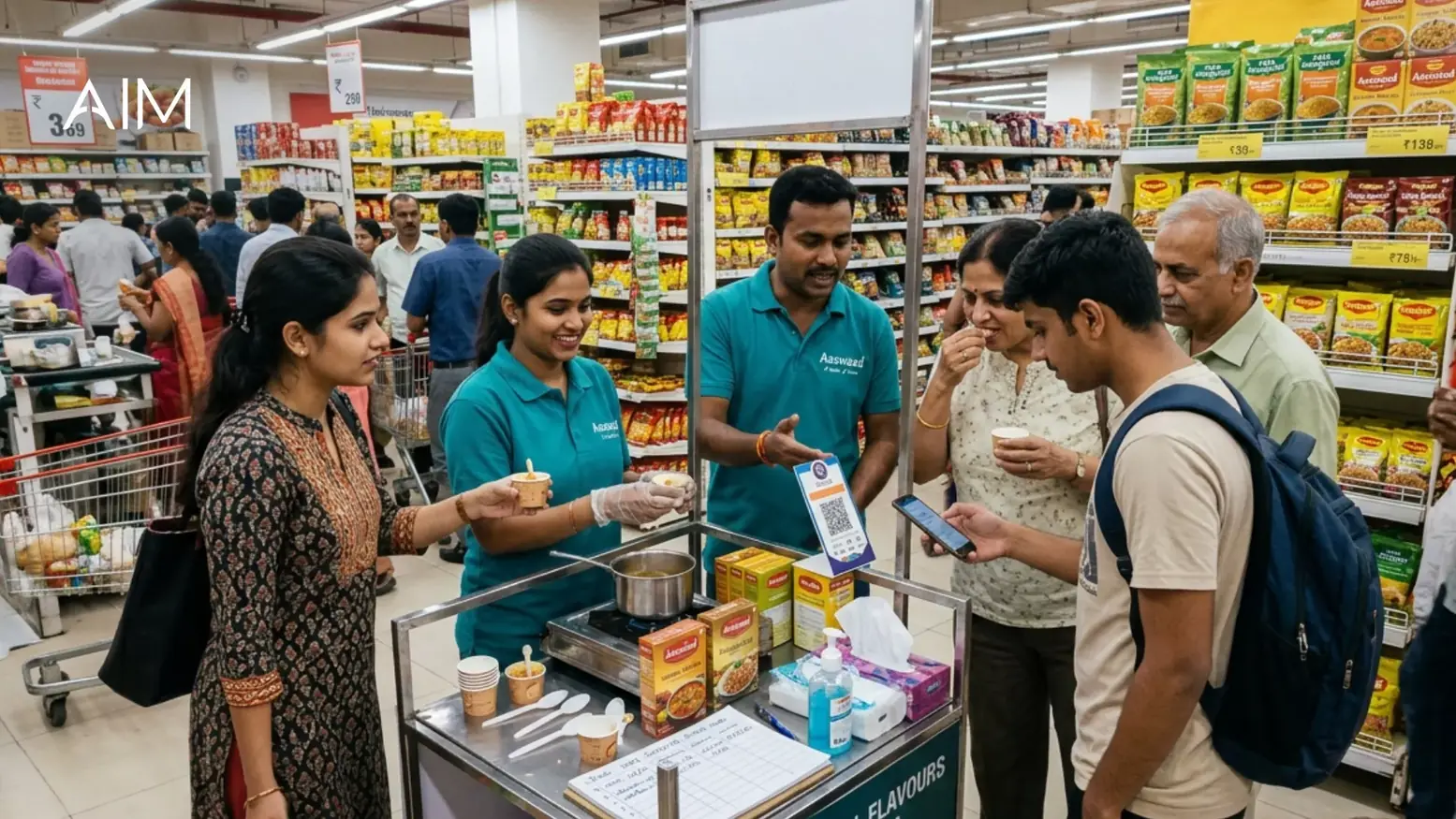
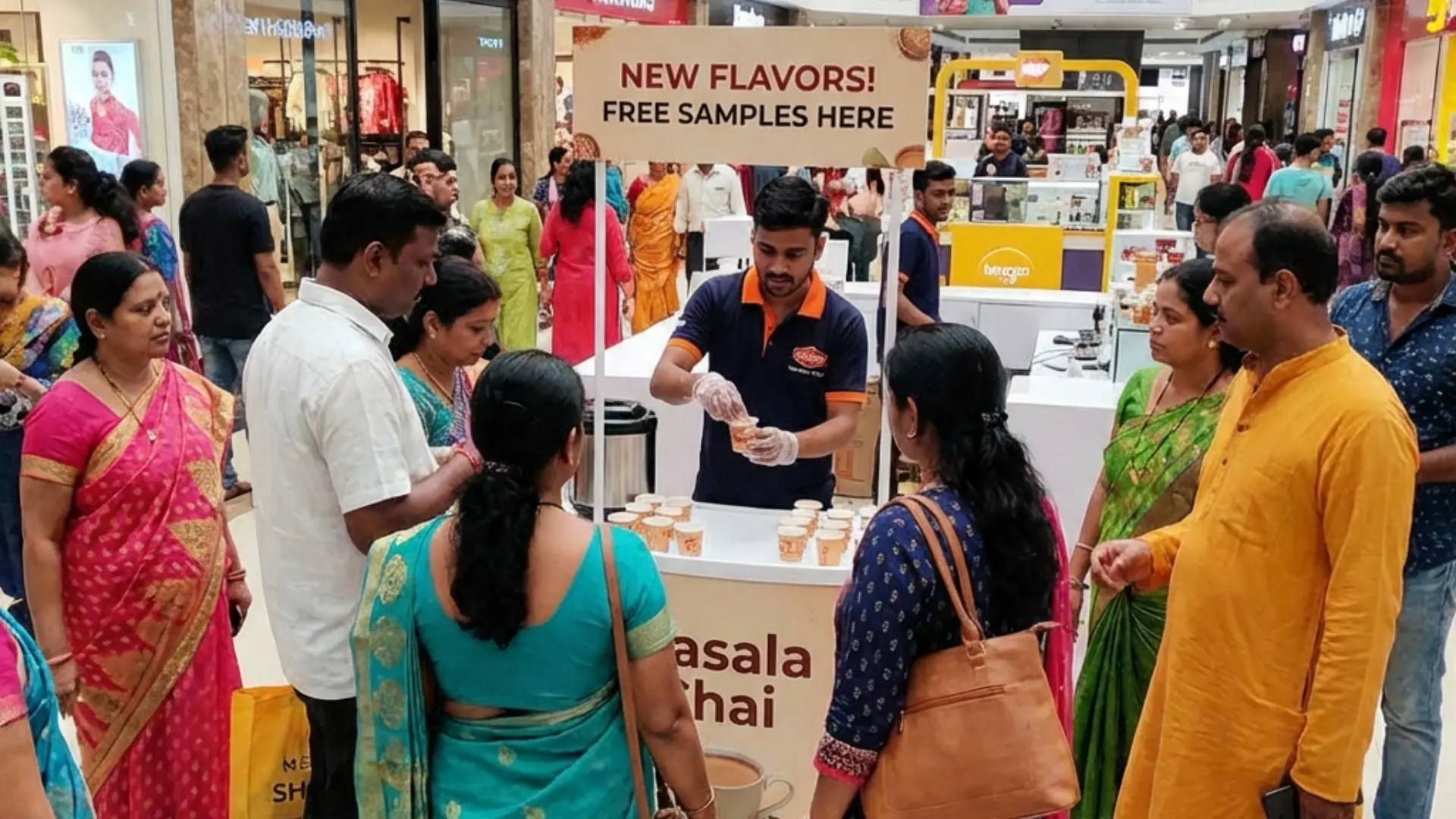
Sampling wins a customer by proving the product to them directly. You give someone a trial, they experience the quality for themselves, and if the product is good, they are won on the merits. The person who converts after a sample is converting because they actually liked what they tried, not because you made it briefly cheap. That is a strong foundation for loyalty, because the relationship starts with a genuine reason to prefer the product, not a temporary financial incentive.
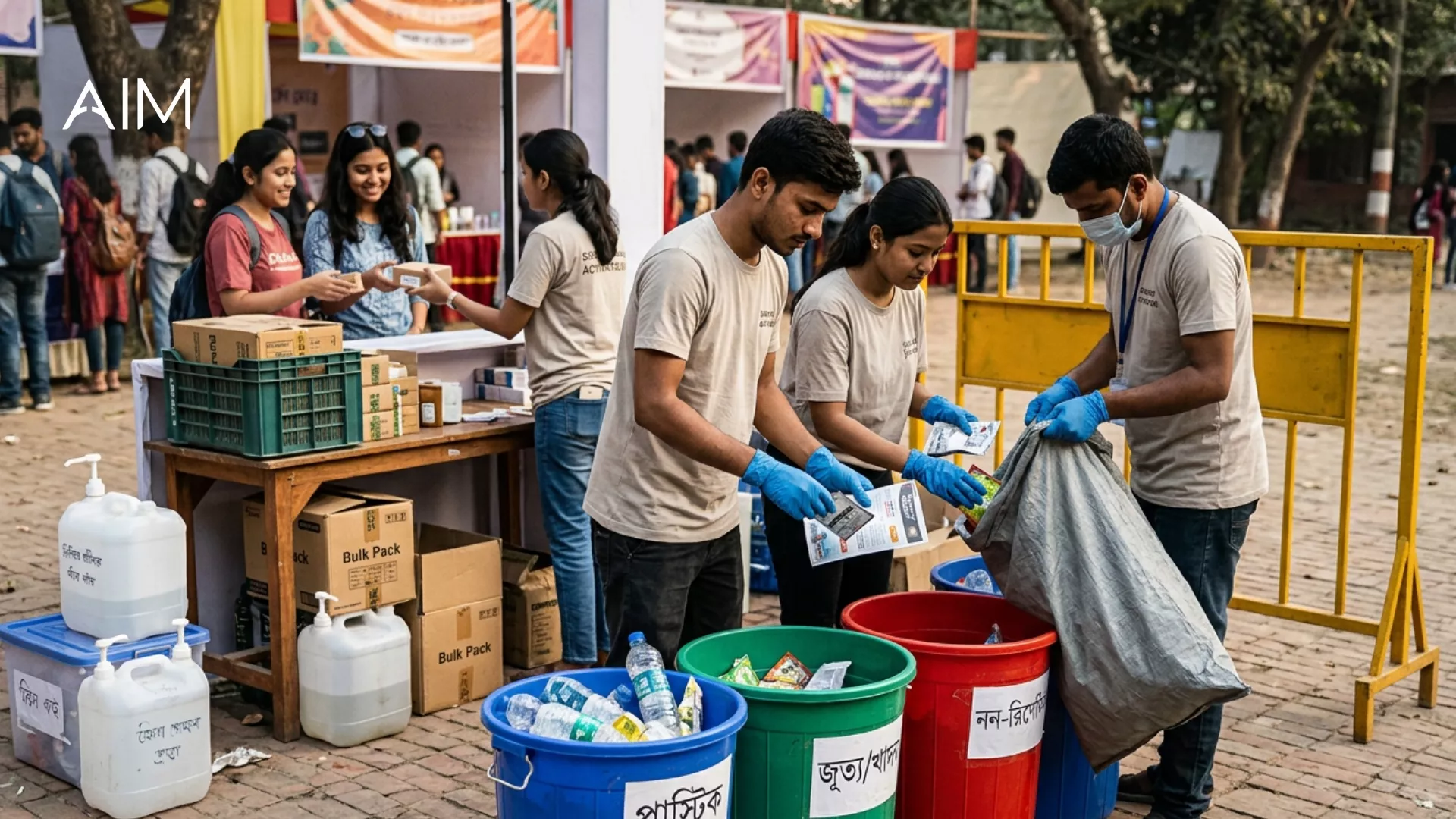
The cost of product sampling is the cost of the product given away and the campaign to deliver it. But what it buys is a customer whose reason to come back is the product itself, a reason that does not expire the way a price cut does. Once someone genuinely prefers your product, they keep buying it at full price, because the preference is real. There is no cliff edge where the reason to buy disappears, the way there is when a discount ends. The customer stays because they want the product, which is the most durable reason there is.
How does discounting win a customer?
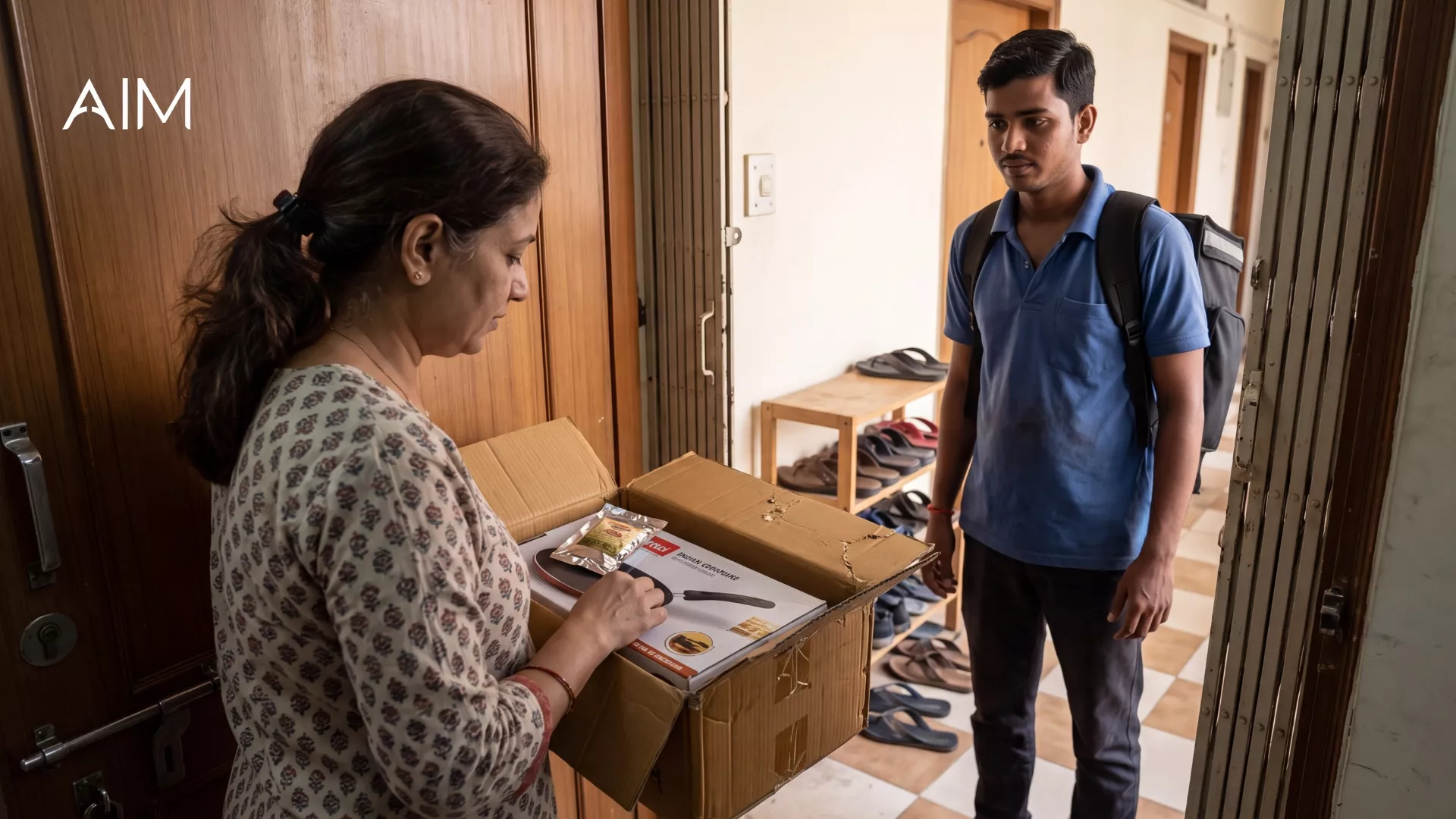
Discounting wins a customer by lowering the risk and the price of trying. You cut the price, the barrier to a first purchase drops, and more people buy who might otherwise have hesitated or walked past. It is fast, it is simple, and it reliably generates a first transaction quickly. For a product people already understand and just need a nudge to try, a discount can be very efficient. The person was most of the way to buying already, and the price simply closed the last of the gap.
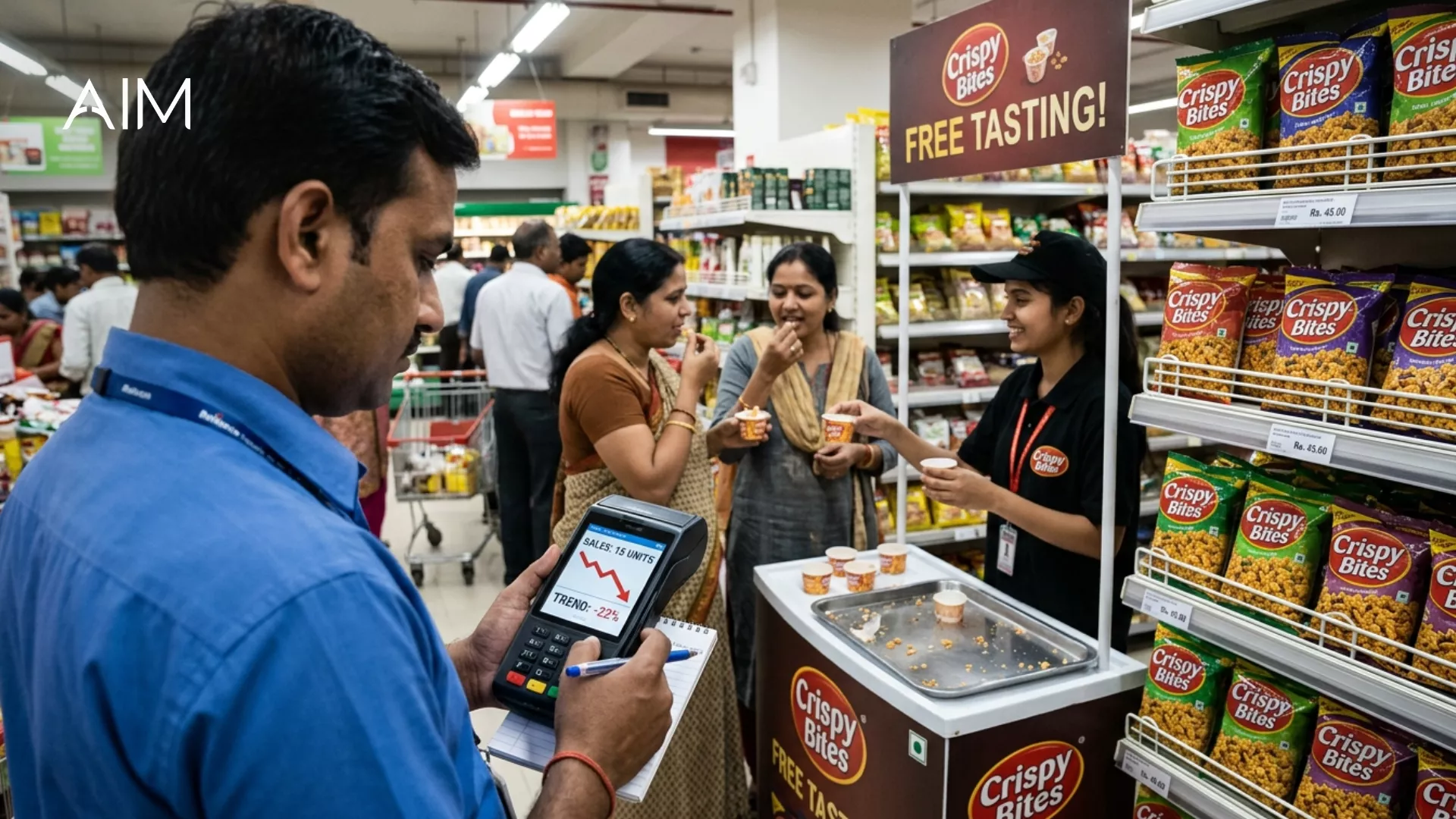
But the cost of discounting is subtler and often larger than it looks. You lose margin on every sale, including sales to people who would have bought anyway. And you risk winning a customer whose reason to buy is the low price, not the product. When the discount ends and the price returns to normal, that customer may simply leave for the next brand running an offer, because the thing that attracted them is gone. You can also train people to wait for your next discount, which quietly damages your ability to sell at full price at all. Once a market learns that your product is regularly cheaper if they wait, full price starts to feel like a penalty for buying at the wrong time, and the discount stops being a tool and becomes a trap.
What is the real difference between the two?
The difference is what the customer is won by, and therefore what keeps them. Sampling wins people with the product itself, so they stay for the product. Discounting wins people with the price, so some of them stay only for the price. A customer acquired by a genuine preference behaves very differently, and far more profitably, than one acquired by a deal, and that difference compounds over time. One brand is building a base of people who genuinely prefer the product; the other is renting a stream of people who prefer a deal, and has to keep paying to keep them.
This is why comparing the two on the cost of the first sale alone is misleading. A discount might look cheaper per first purchase than a sample. But if the sampled customer keeps buying at full price and the discounted customer leaves when the price rises, the sample was far cheaper per customer who actually stayed. The real comparison is not cost per first sale; it is cost per retained customer, and on that measure the two tools can rank very differently from how they look on day one. A tool that looked expensive at the first sale can turn out to be the cheapest once you count only the customers who were still buying a year later.
When is sampling the better choice?
Product sampling campaign is the stronger choice when the product genuinely needs to be experienced to be appreciated, when quality is a real differentiator, and when you want customers who stay for reasons that do not expire. If your product is better than the alternatives in a way people can feel once they try it, sampling lets that quality do the selling, and the customers it wins tend to be loyal because they were won honestly, on something that does not change when a promotion ends. It is also the better choice when you want to protect your price, because sampling never teaches people to expect a discount.
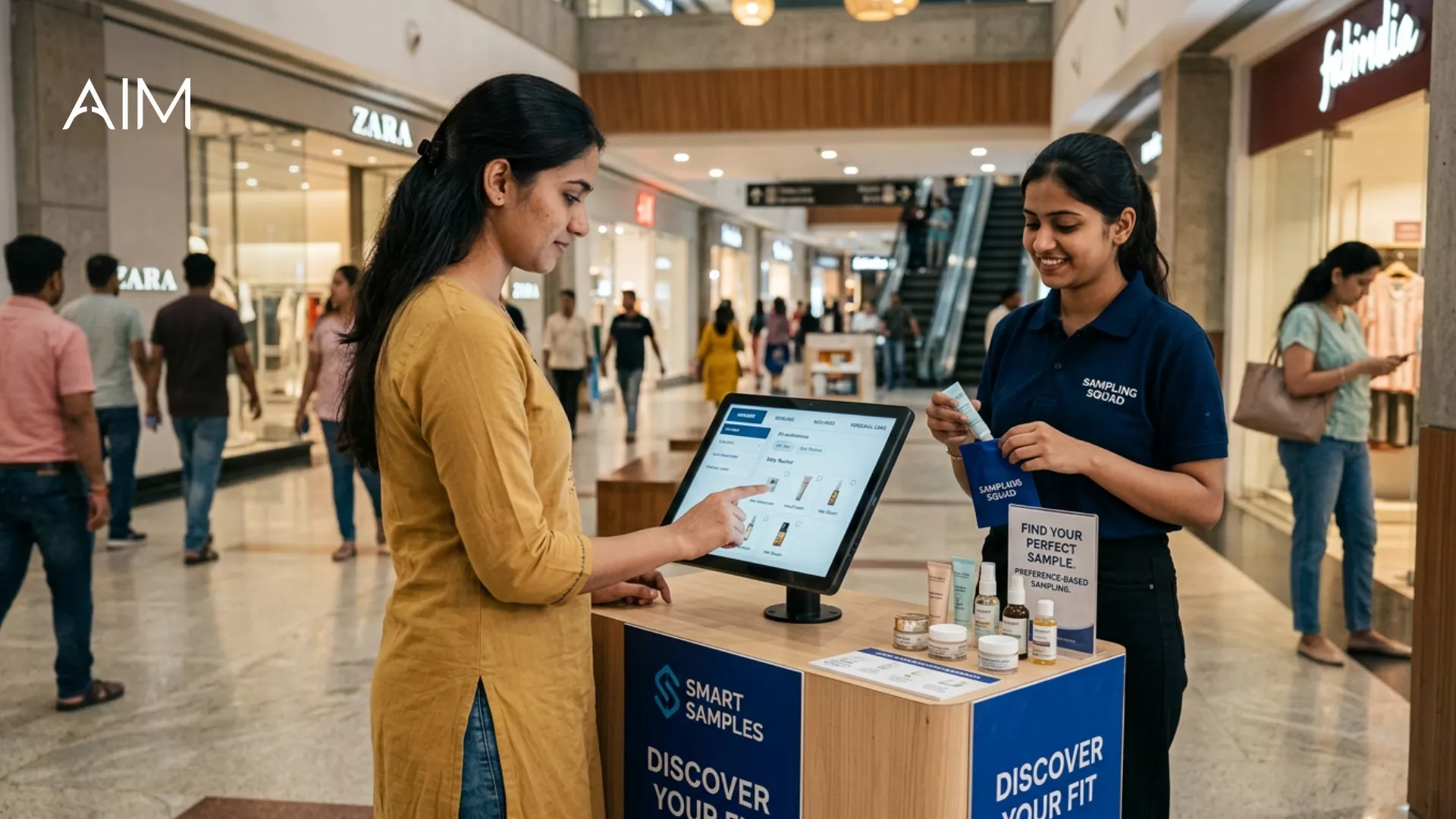
The trade-off is that sampling usually works slower and requires the discipline of targeting, capture and follow-up to convert the trial into a sale. It is an investment in a customer, not a quick transaction, and it should be judged on the return that investment produces over time rather than on how fast it moves.
When is discounting the better choice?
Discounting is the stronger choice when the product is already understood and the barrier is mainly price or inertia, when you need volume quickly, or when you are clearing stock or matching a competitive moment. If people already know they would like your product and just need a reason to act now, a discount is a fast, efficient nudge. For a quick sales spike or a time-bound push, it does a job sampling cannot do as fast, and there is no shame in using the right tool for a short-term goal as long as you know that is what it is.
The trade-off is the margin you give up and the risk of winning deal-seekers rather than loyal buyers, plus the longer-term danger of training your market to wait for the next offer. A discount used too often stops being a tactic and becomes an expectation, and an expectation is very hard to walk back once your customers have learned it.
Can you use both together?
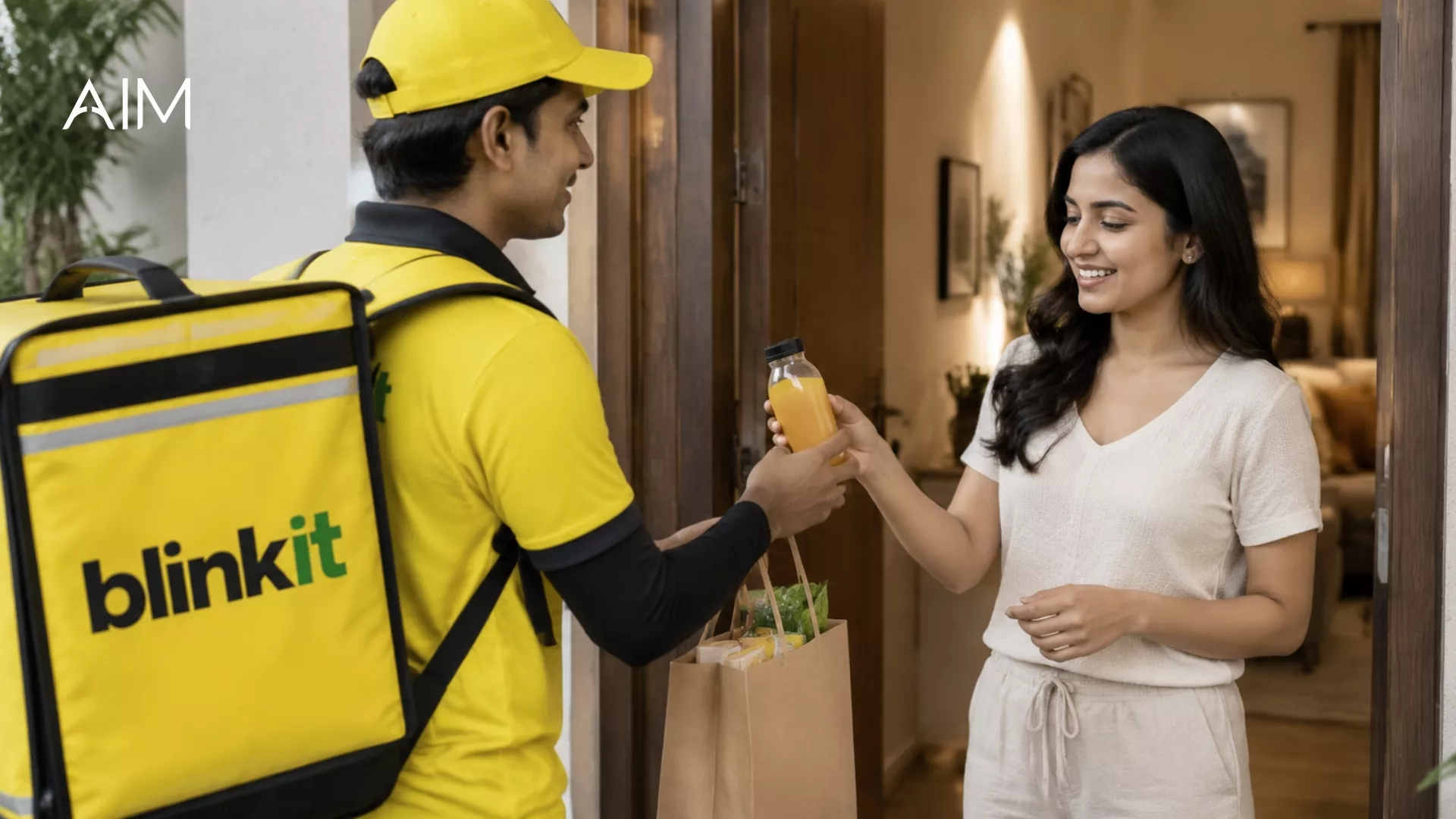
Often the best answer is not either or, but a sequence. Sampling and a first-purchase incentive can work together: the sample proves the product, and a modest, time-bound offer on the first purchase makes the leap from liking to buying easy. Here the discount is not winning the customer on price; it is lowering the friction of acting on a preference the sample has already created in the person. That is a very different thing from discounting to attract people who never tried the product at all and only came for the price. Used this way, a small incentive supports sampling rather than replacing it, and you get the loyalty of a product-won customer with the speed of a nudge. The discount earns its keep because it rides on top of a real preference, rather than standing in for one that was never there.
How to think about sampling versus discounting
The starting question should be what kind of customer the brand actually needs and what will keep them. When the product can win people on quality once they experience it, sampling is the stronger path, because the customers it creates stay for the product and keep buying at full price, which makes the cost per retained customer low even when the first trial costs more than a discount would.
Where a nudge helps, a modest first-purchase incentive is paired with the trial to lower the friction of acting, rather than used alone to buy a deal-seeker. The comparison that matters is never cost per first sale; it is cost per customer who stays, and judged on that number, sampling frequently wins the customers worth keeping. Discounting has its place for speed and volume, but a customer won by a price is only ever as loyal as the next brand's offer, while a customer won by the product tends to stay until you give them a reason to leave.