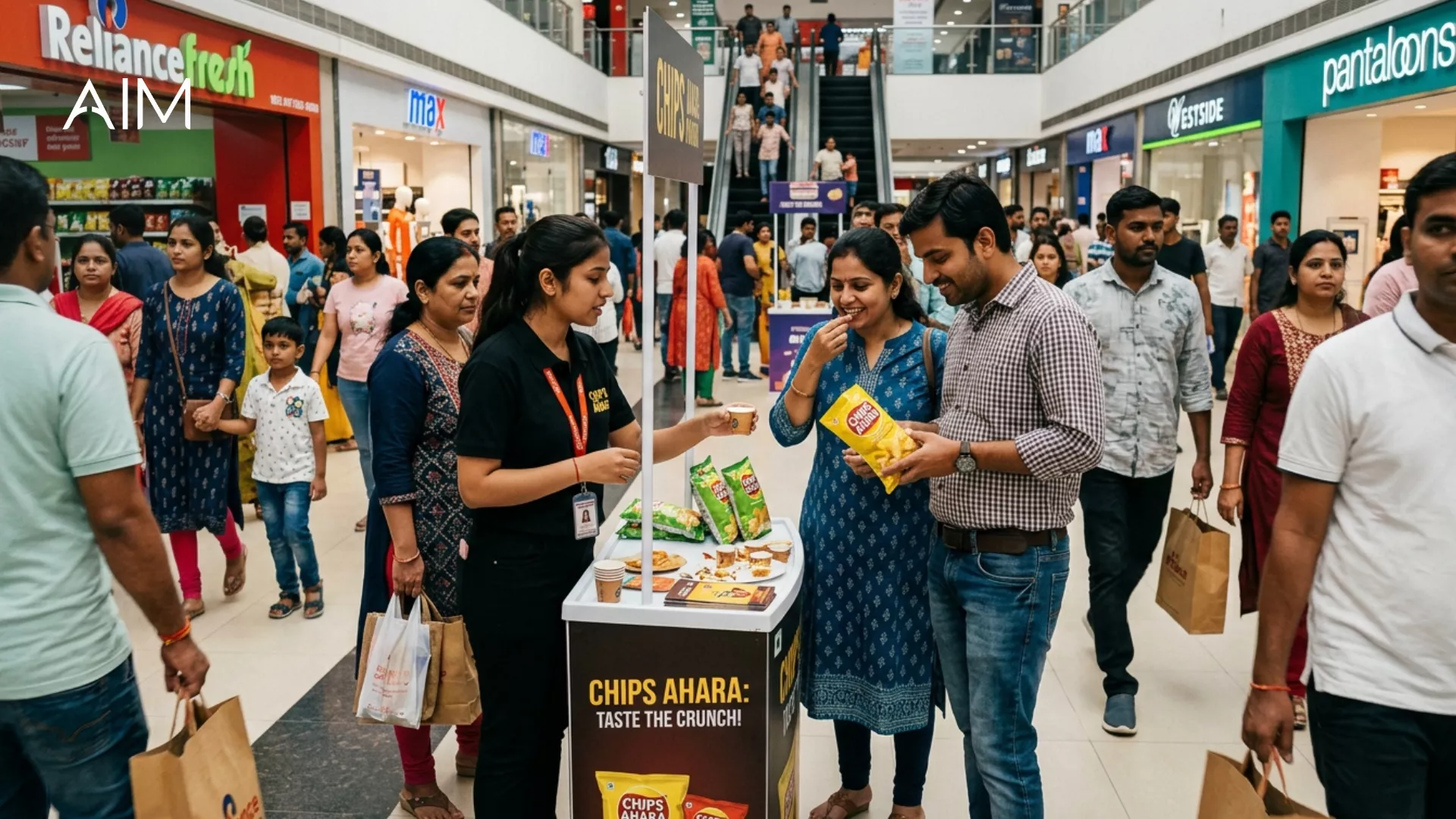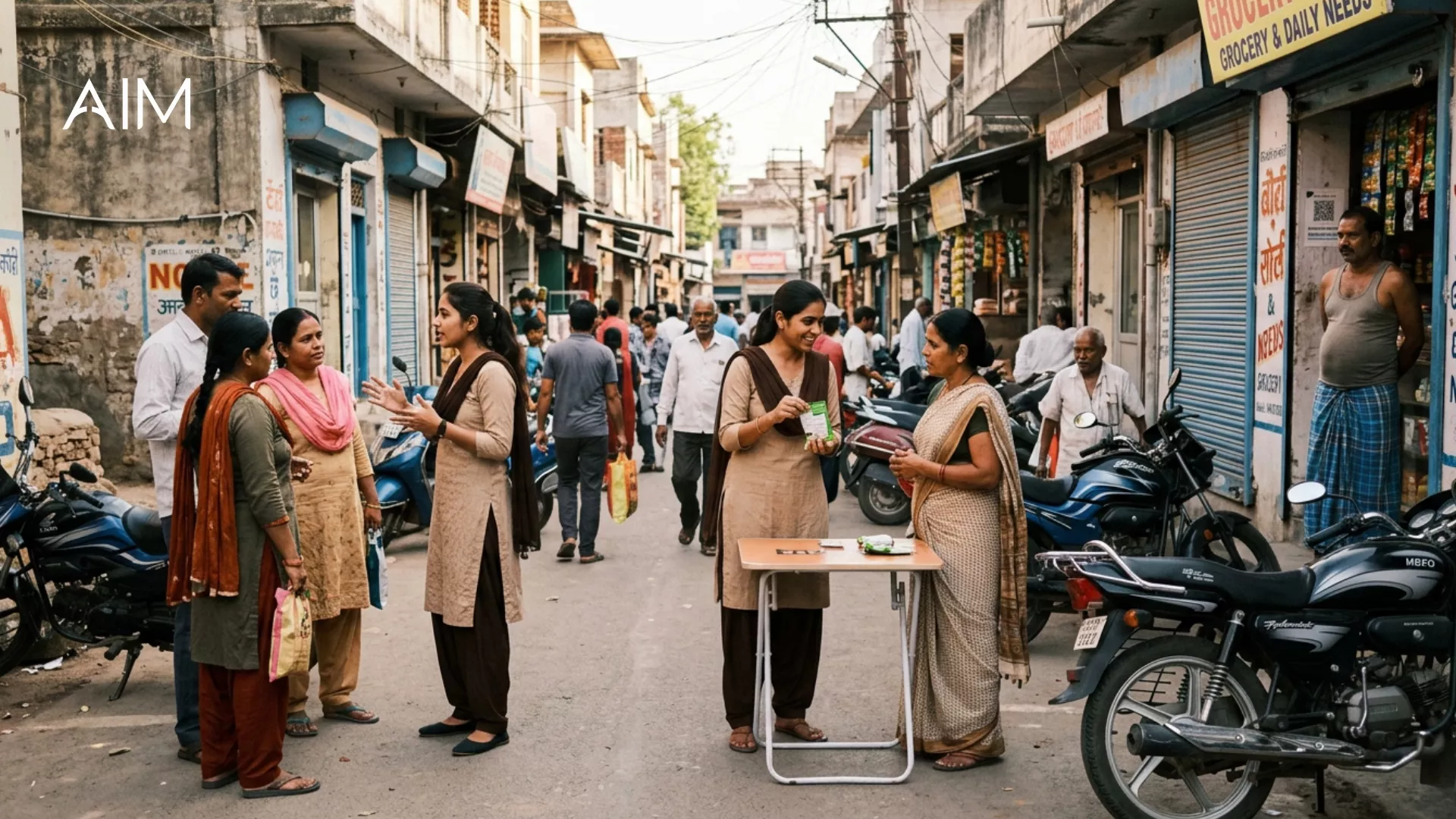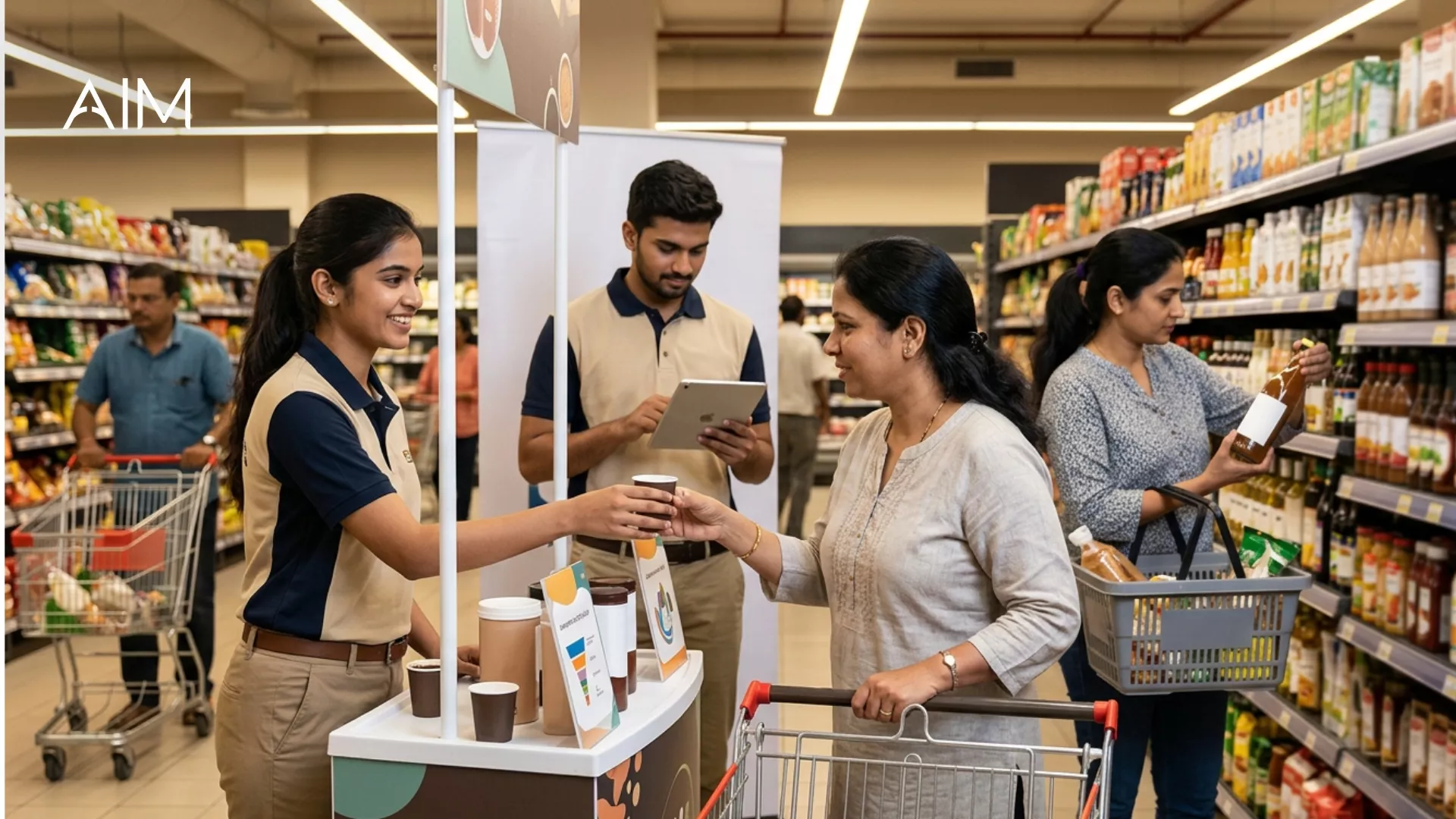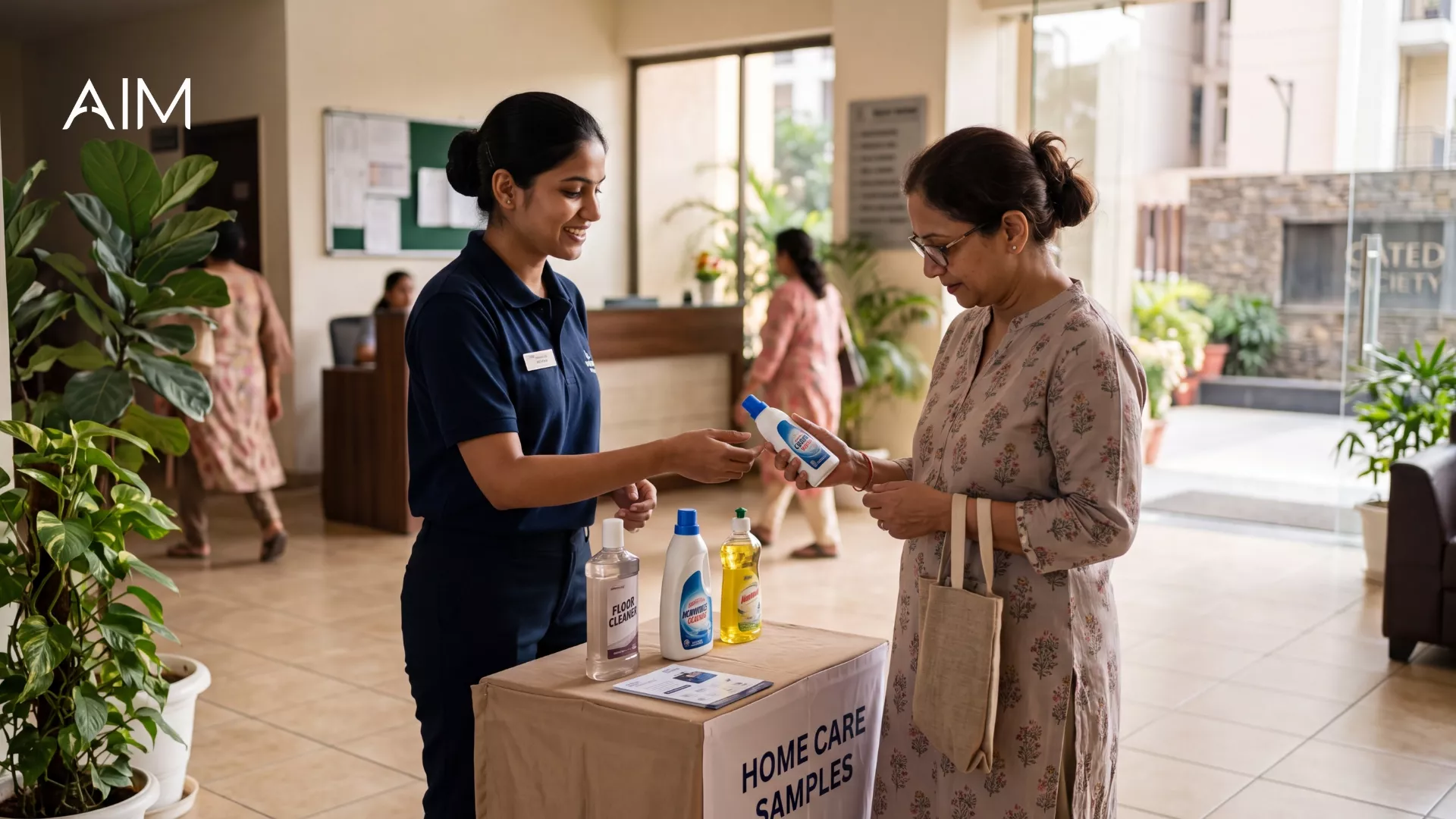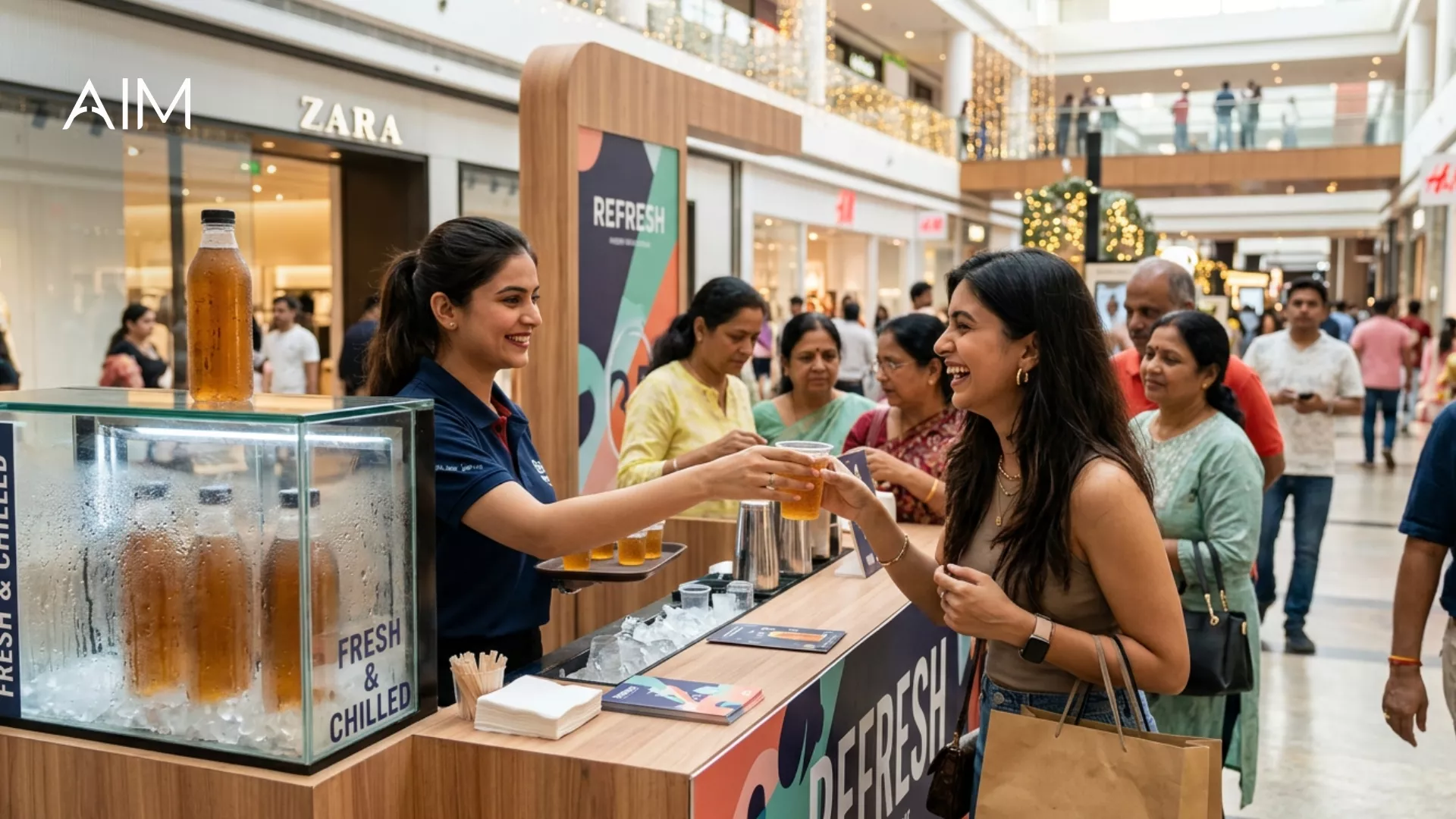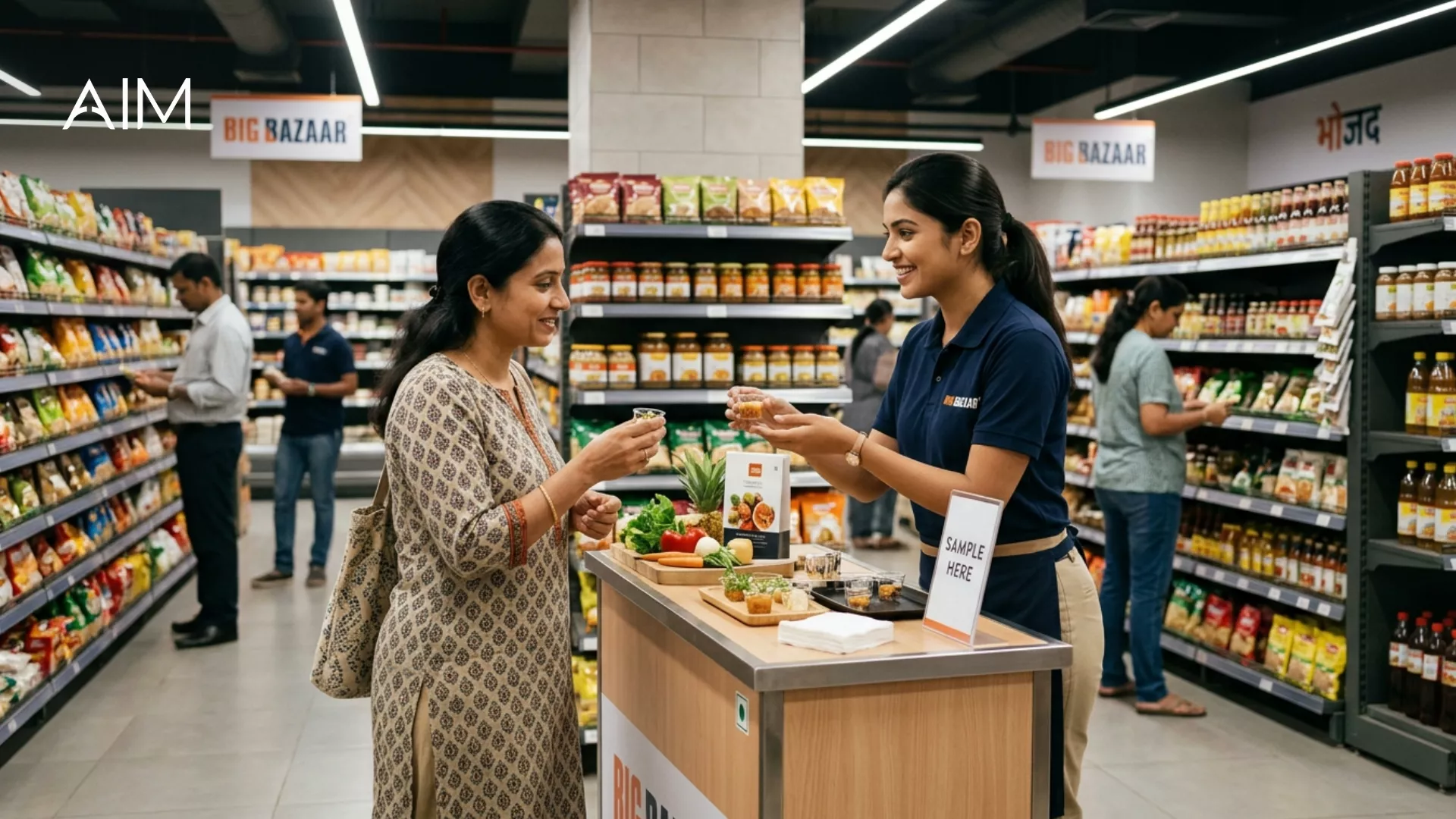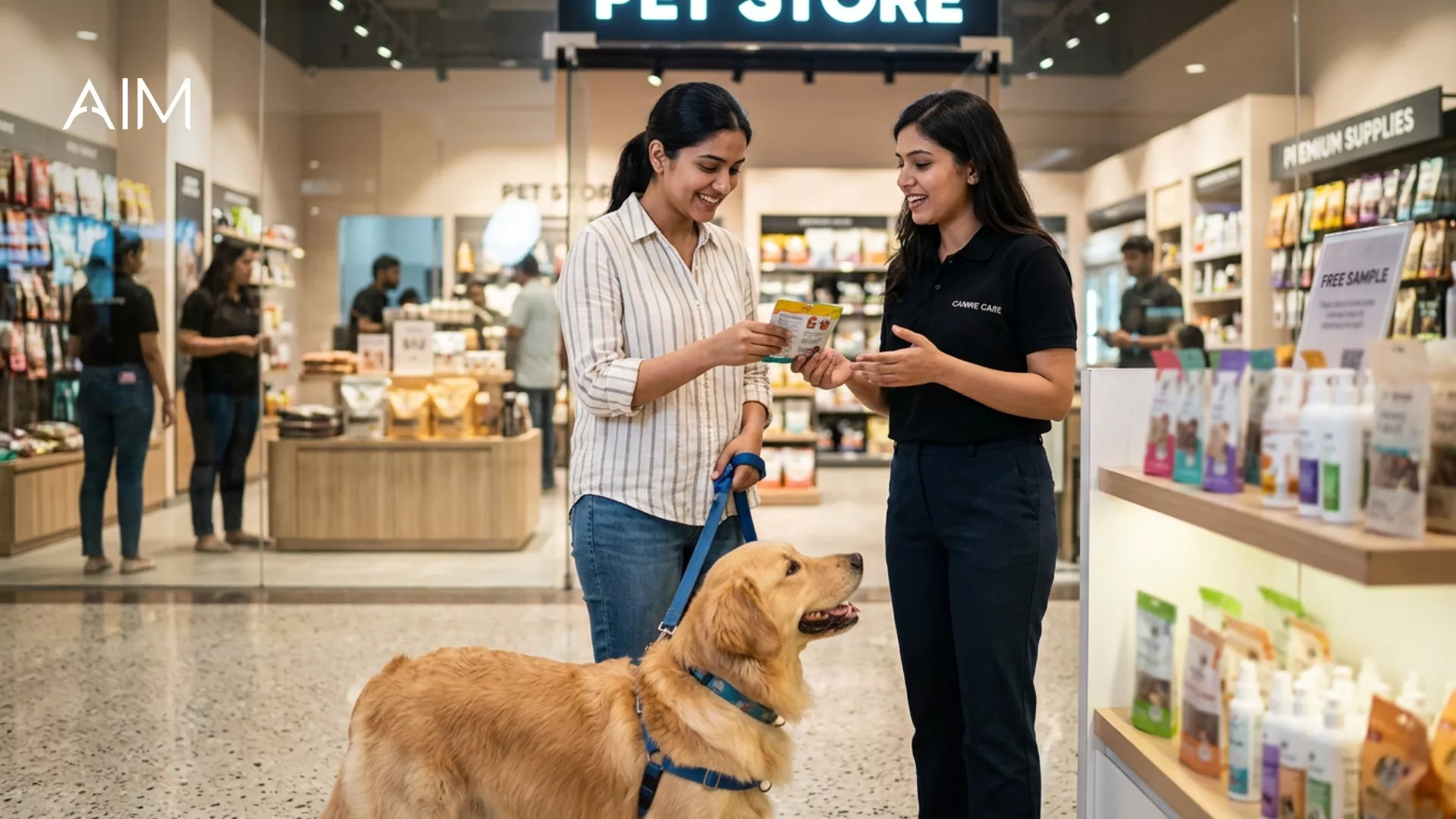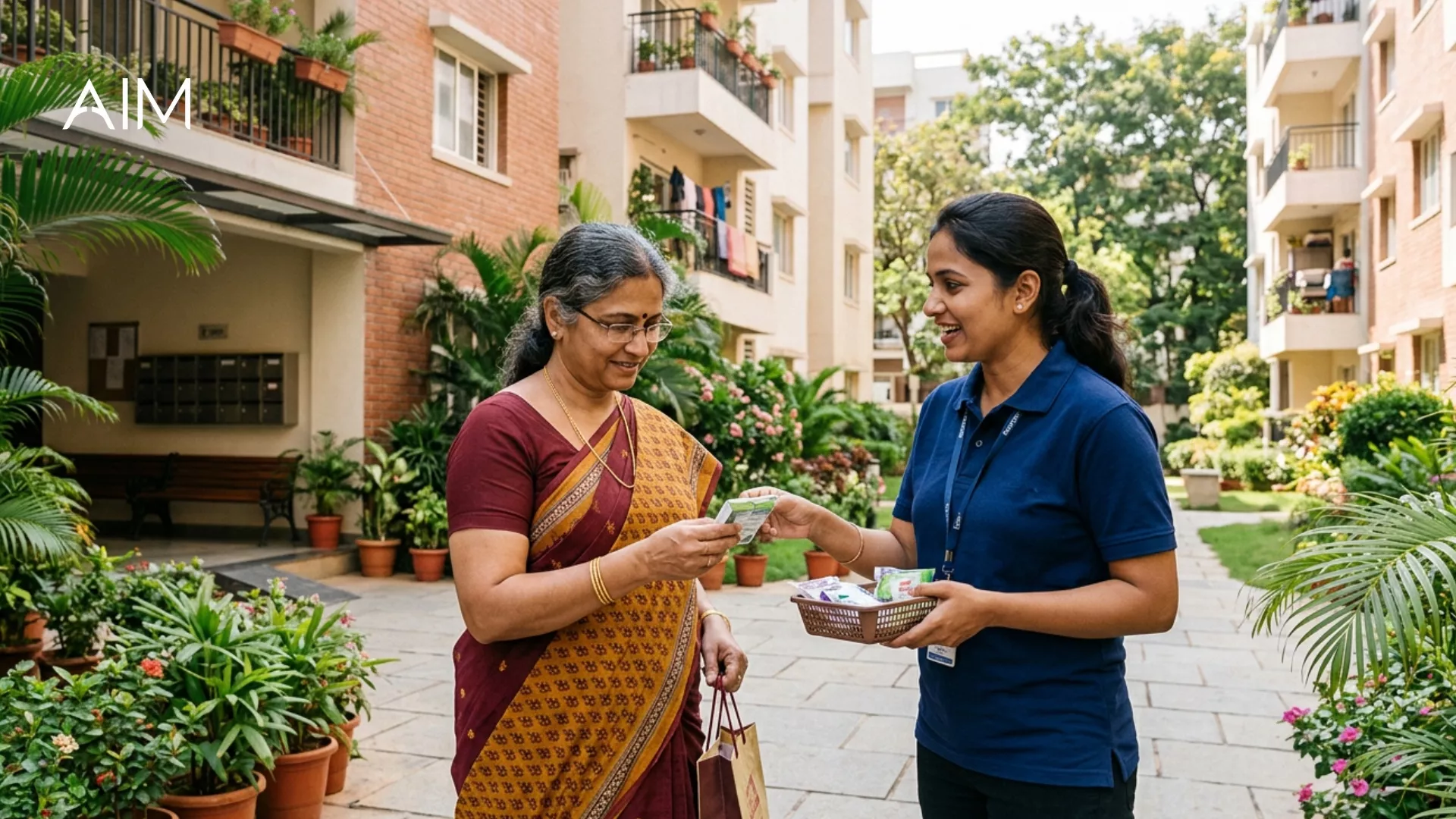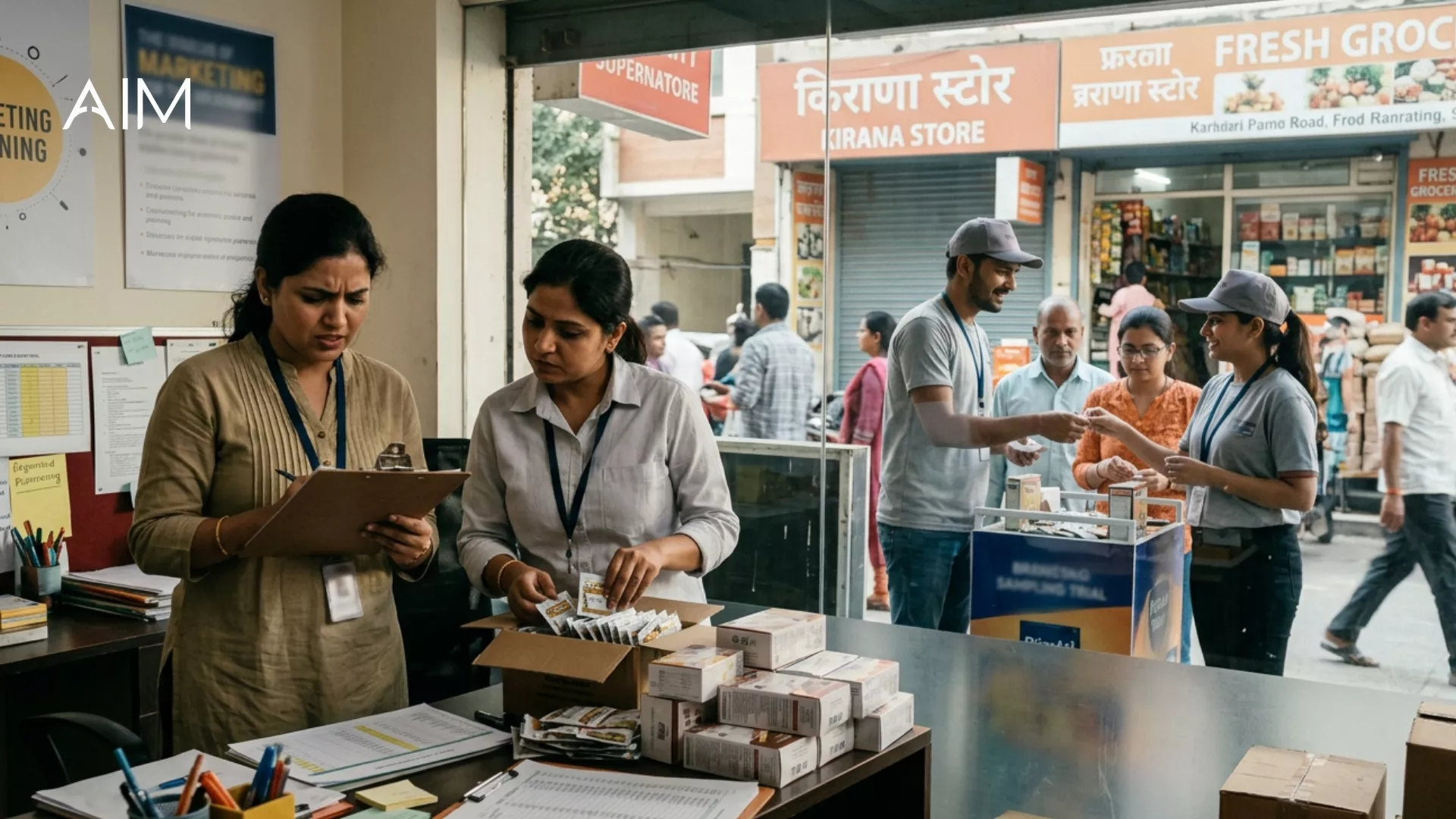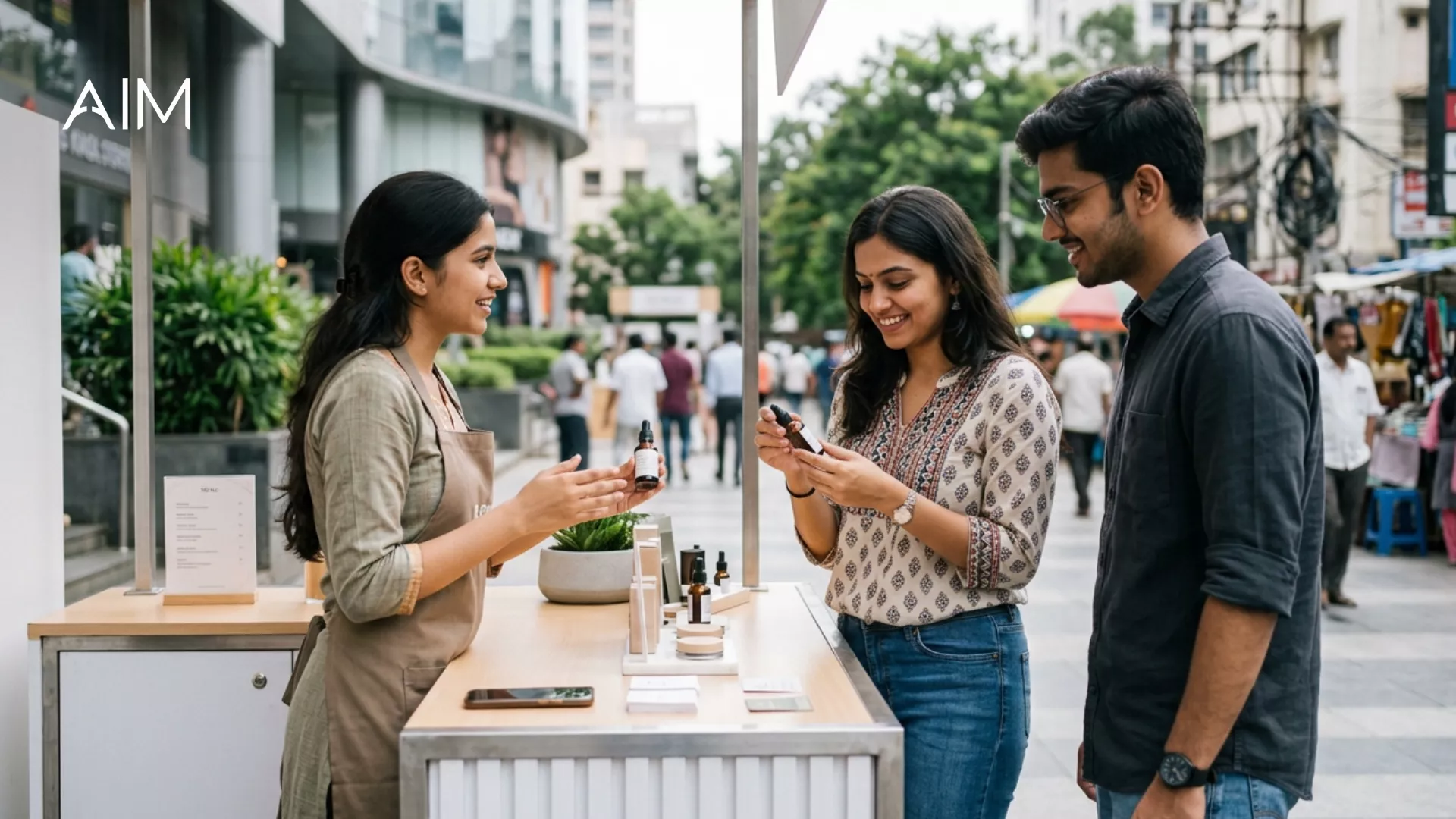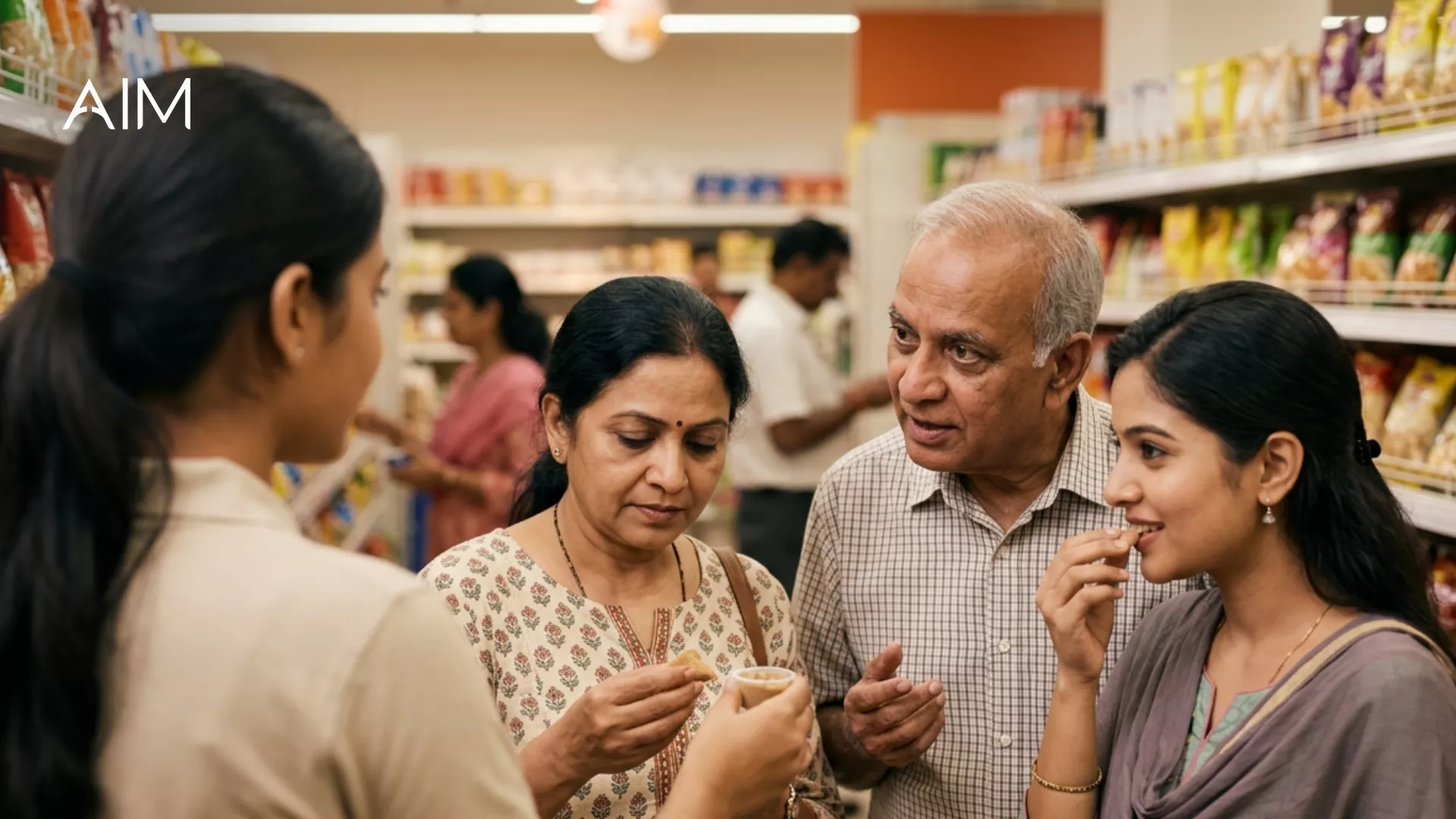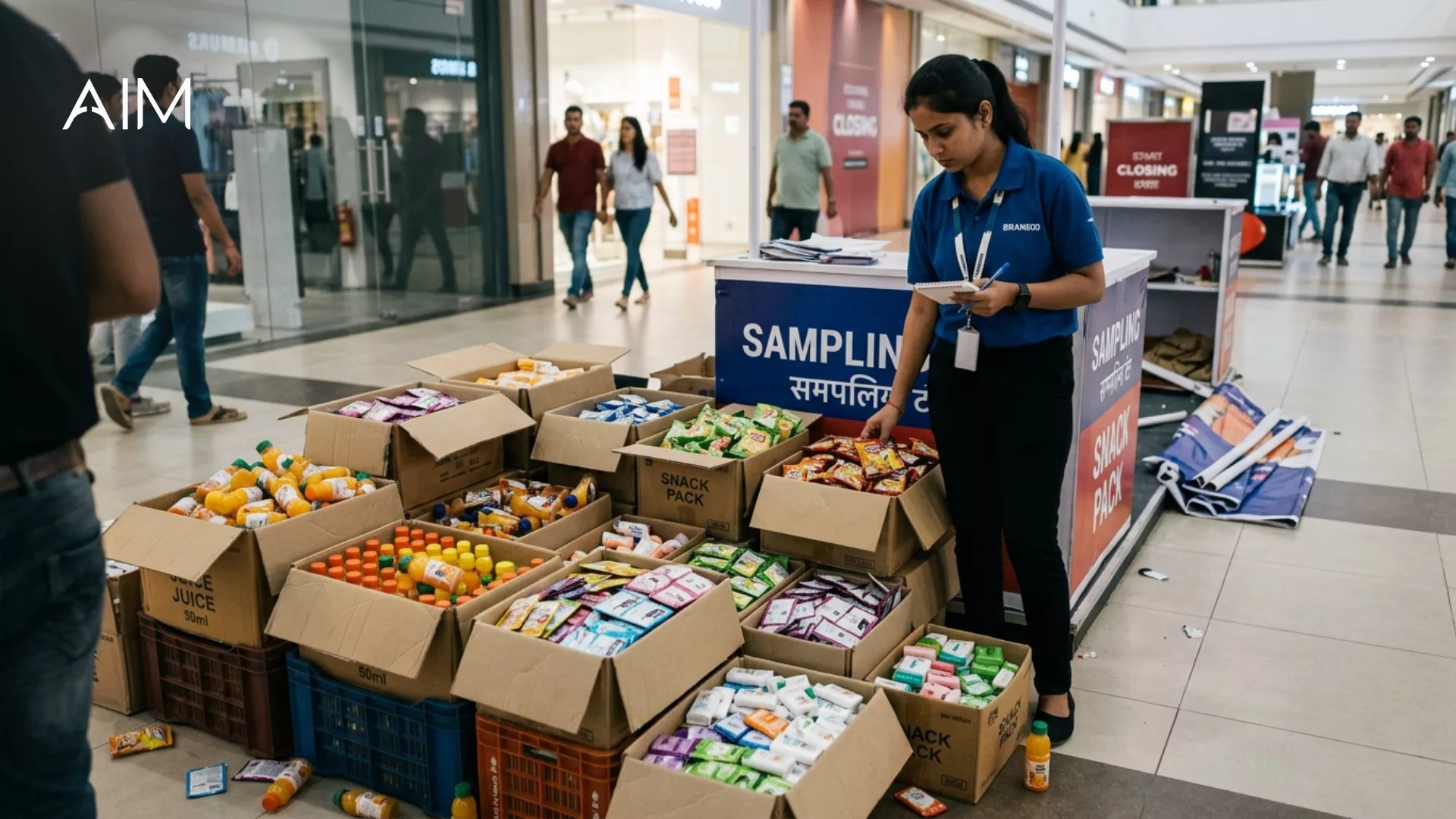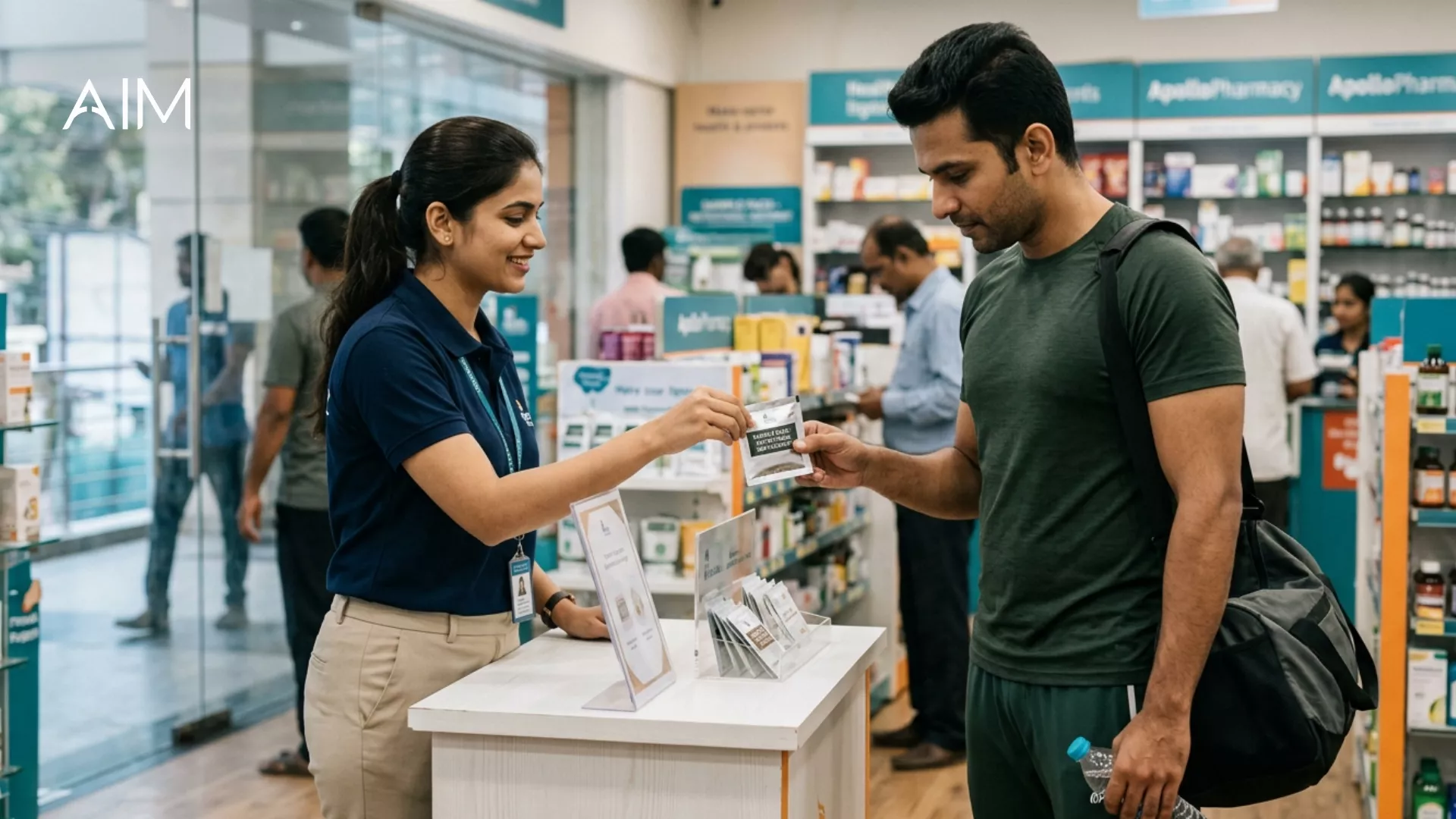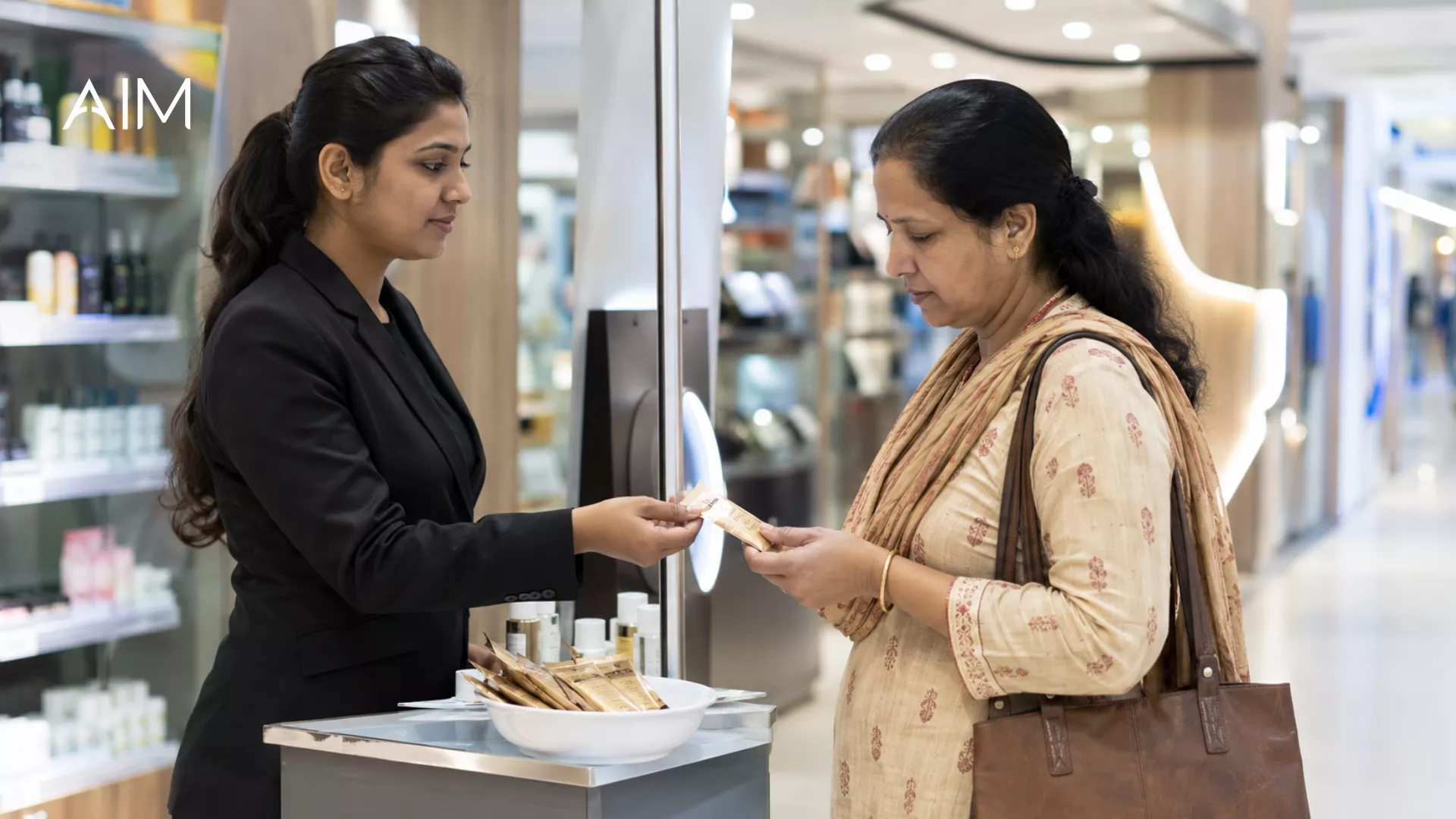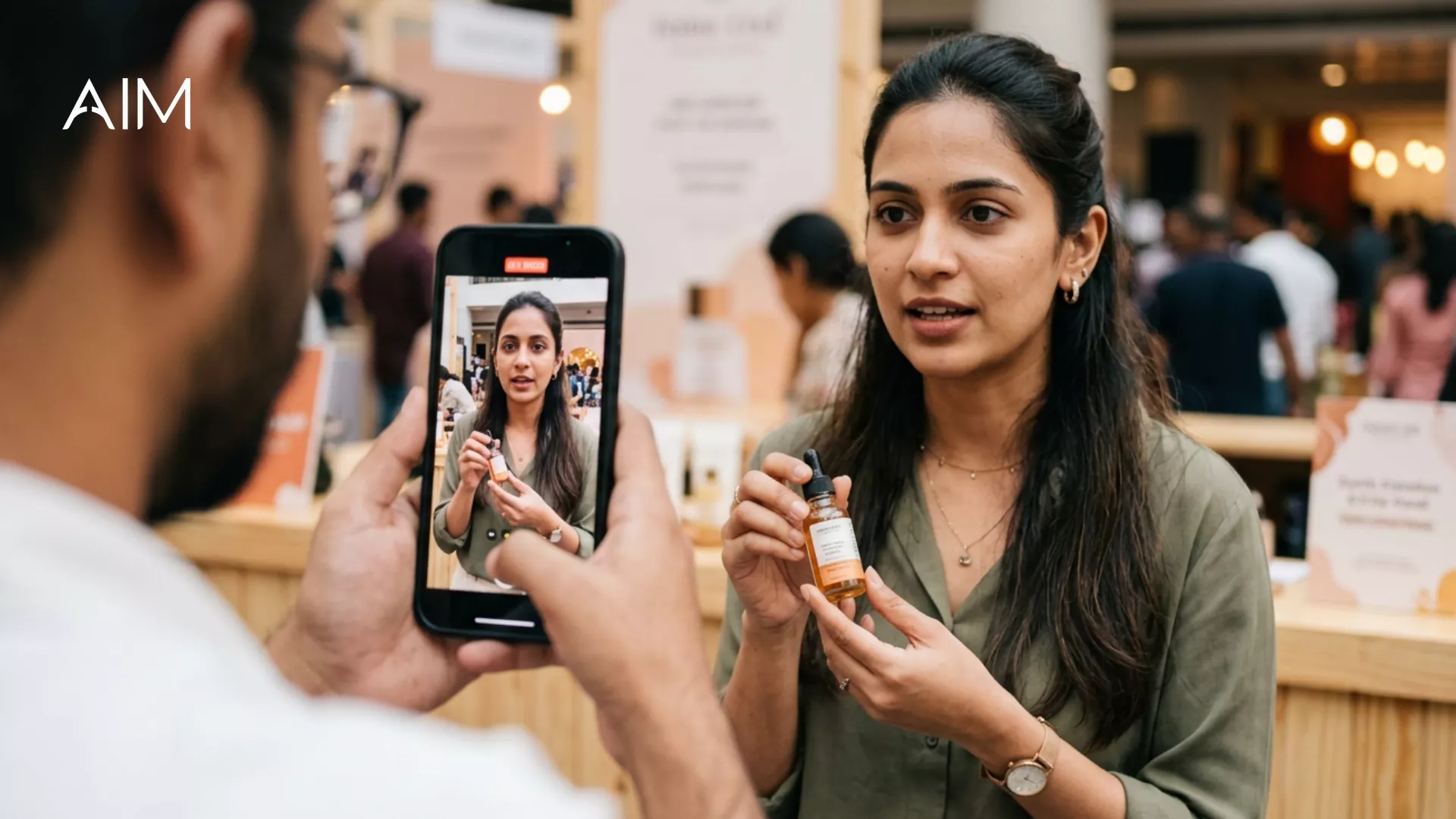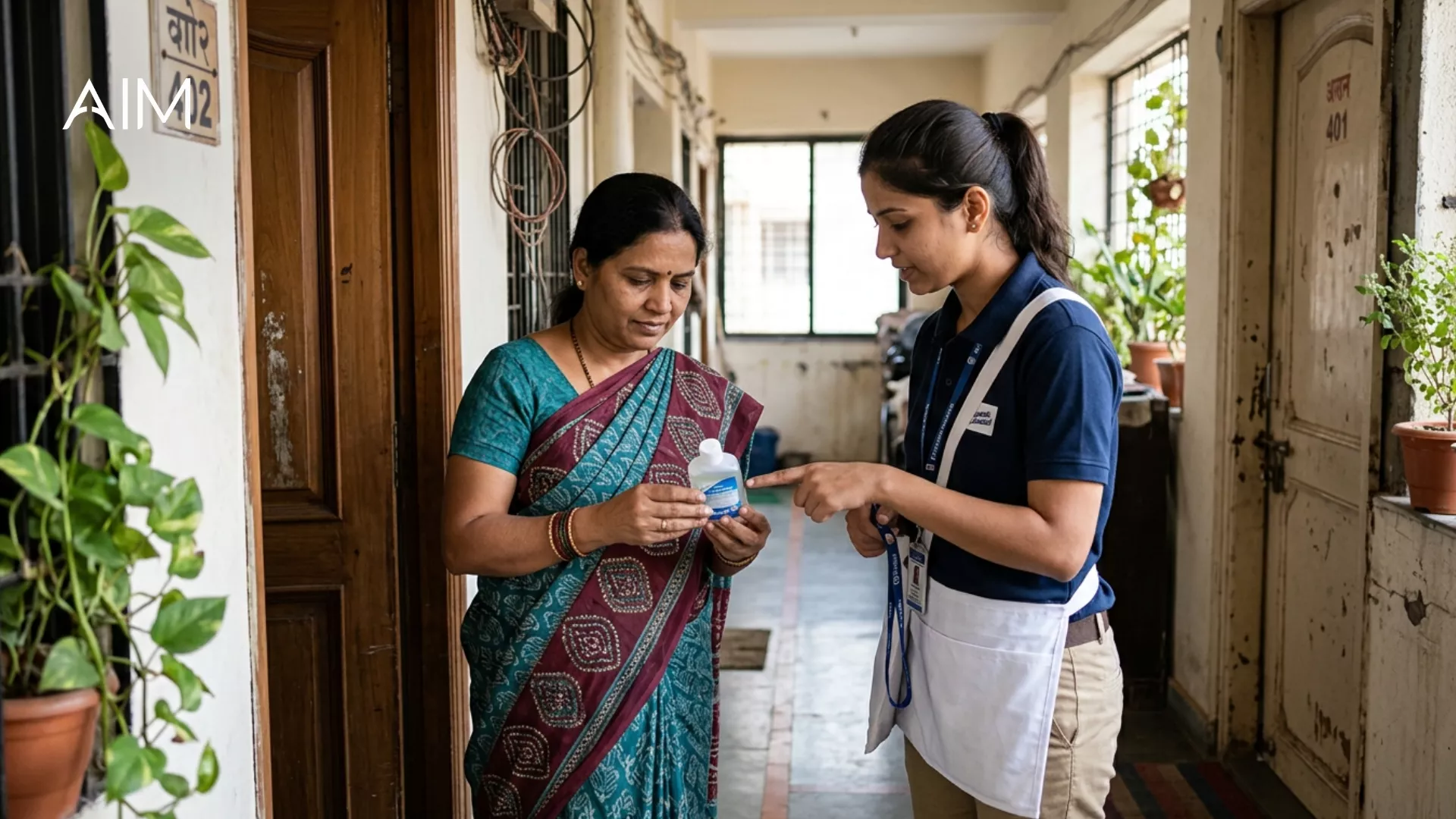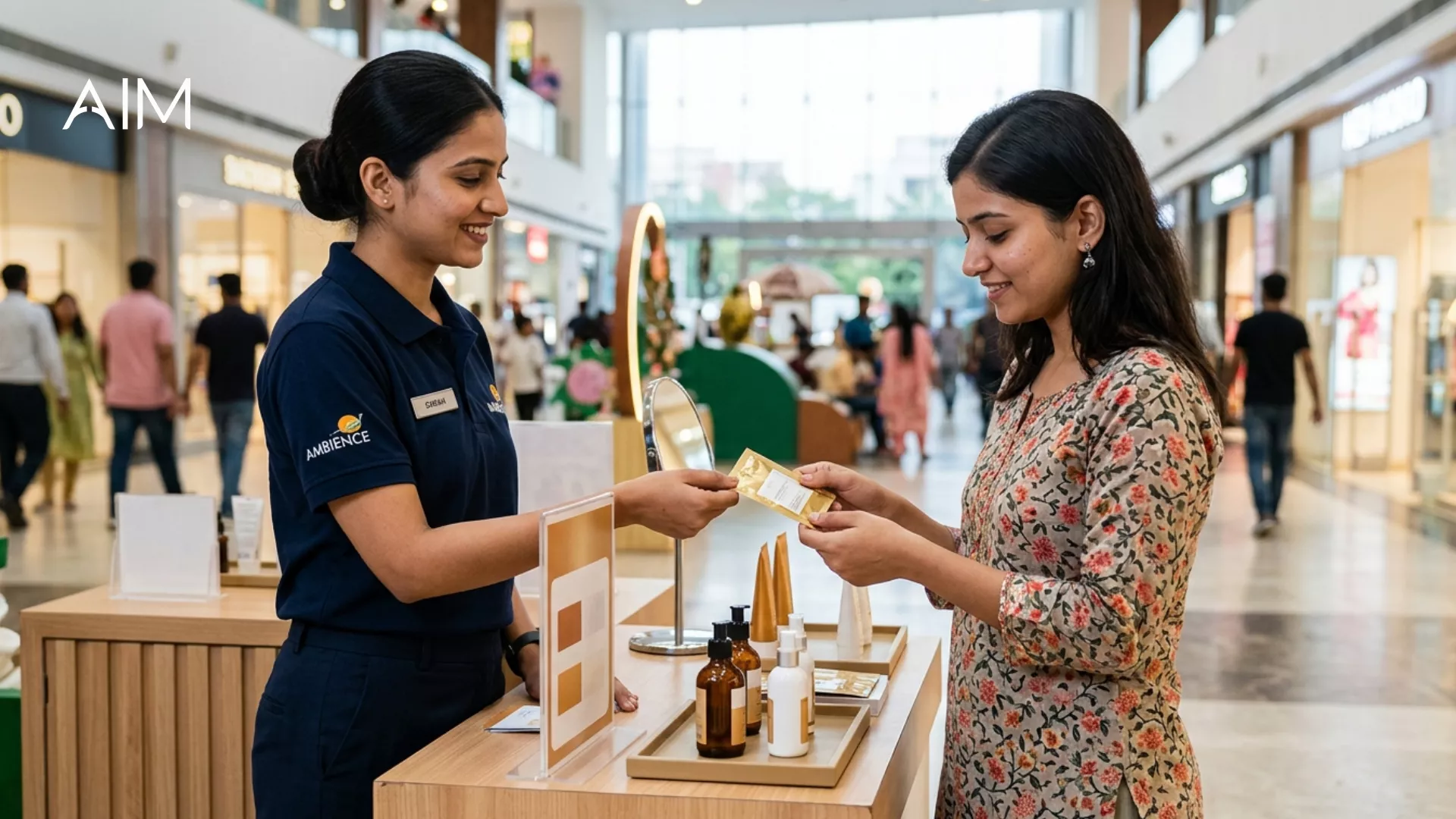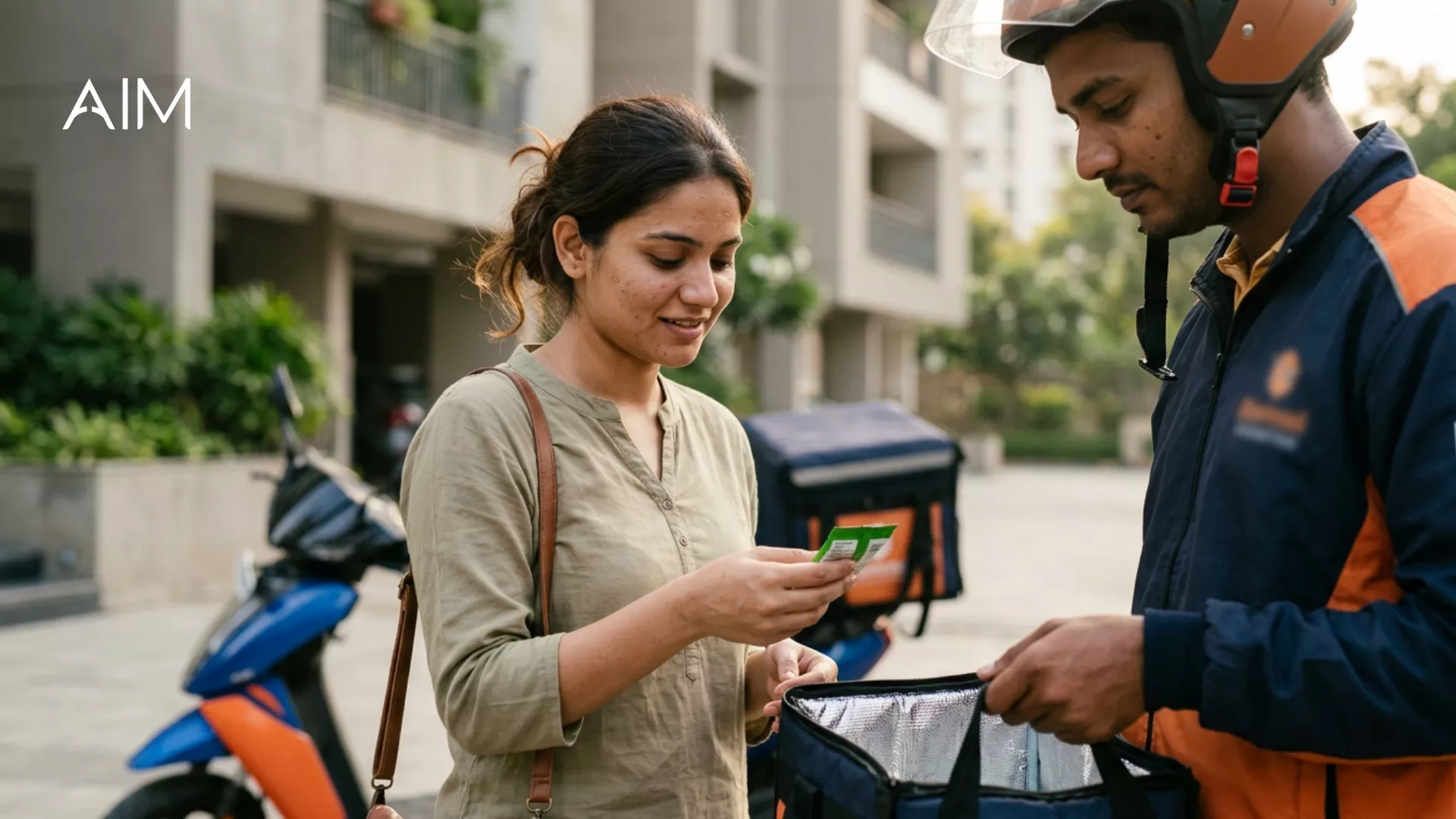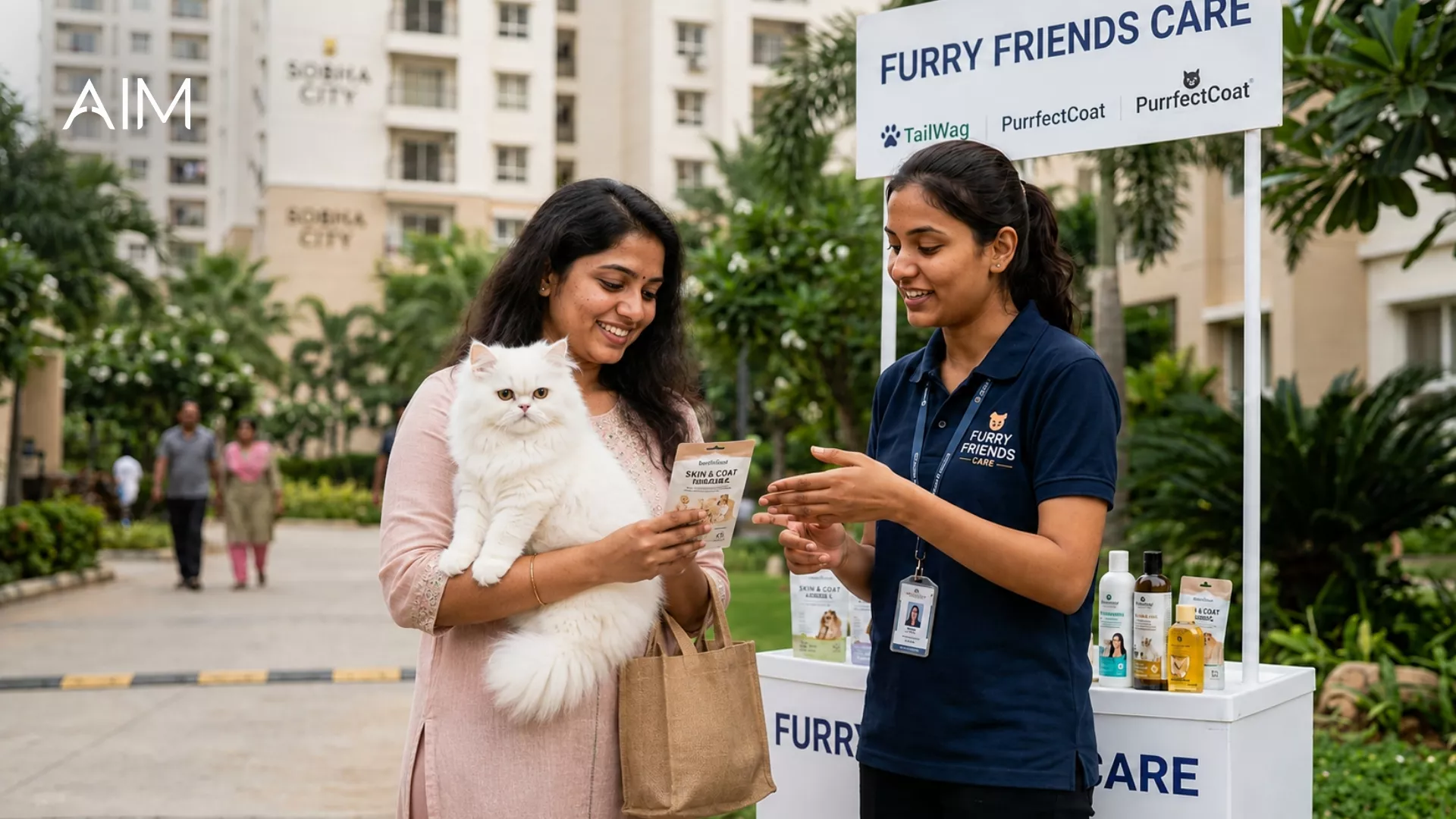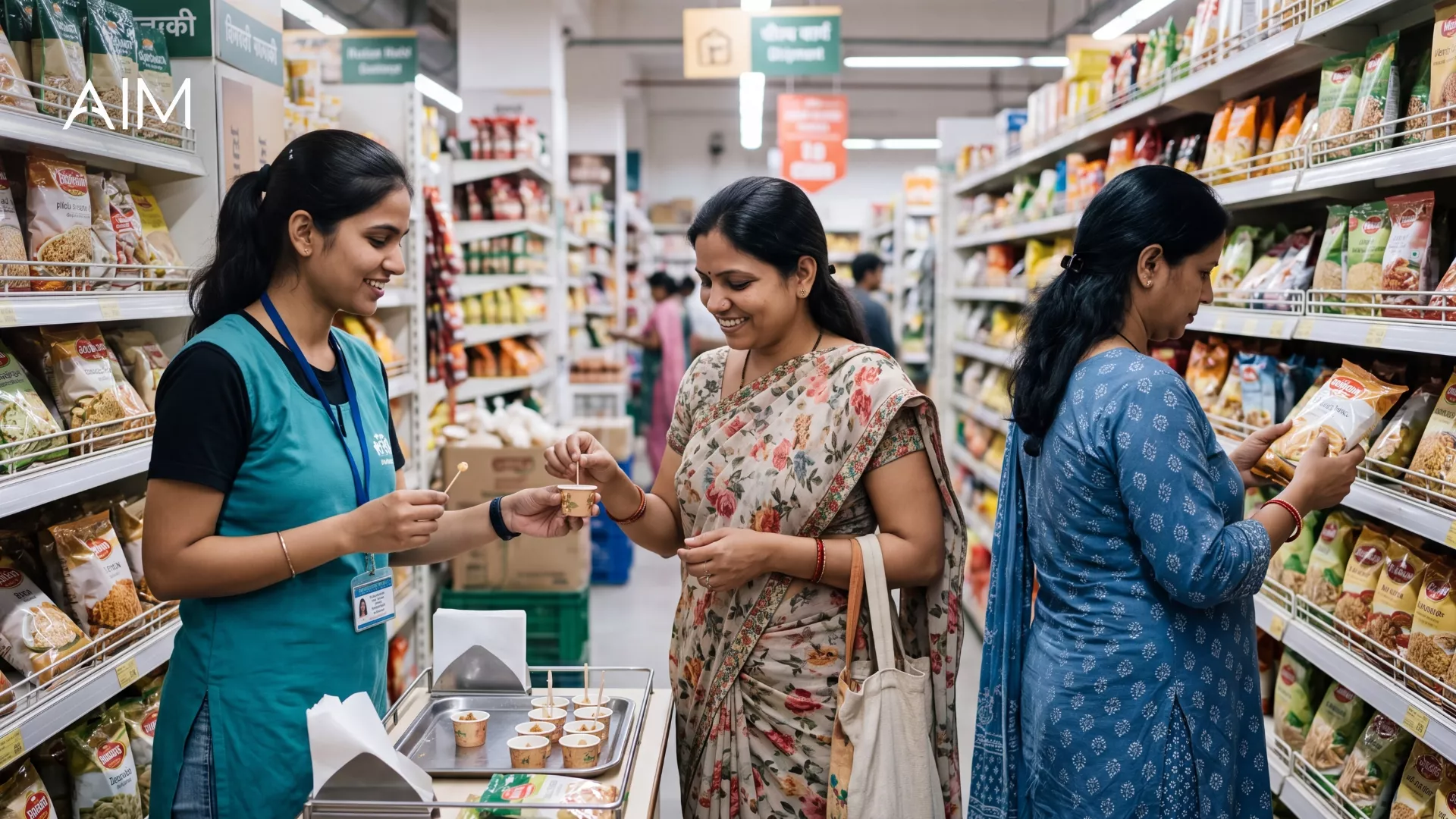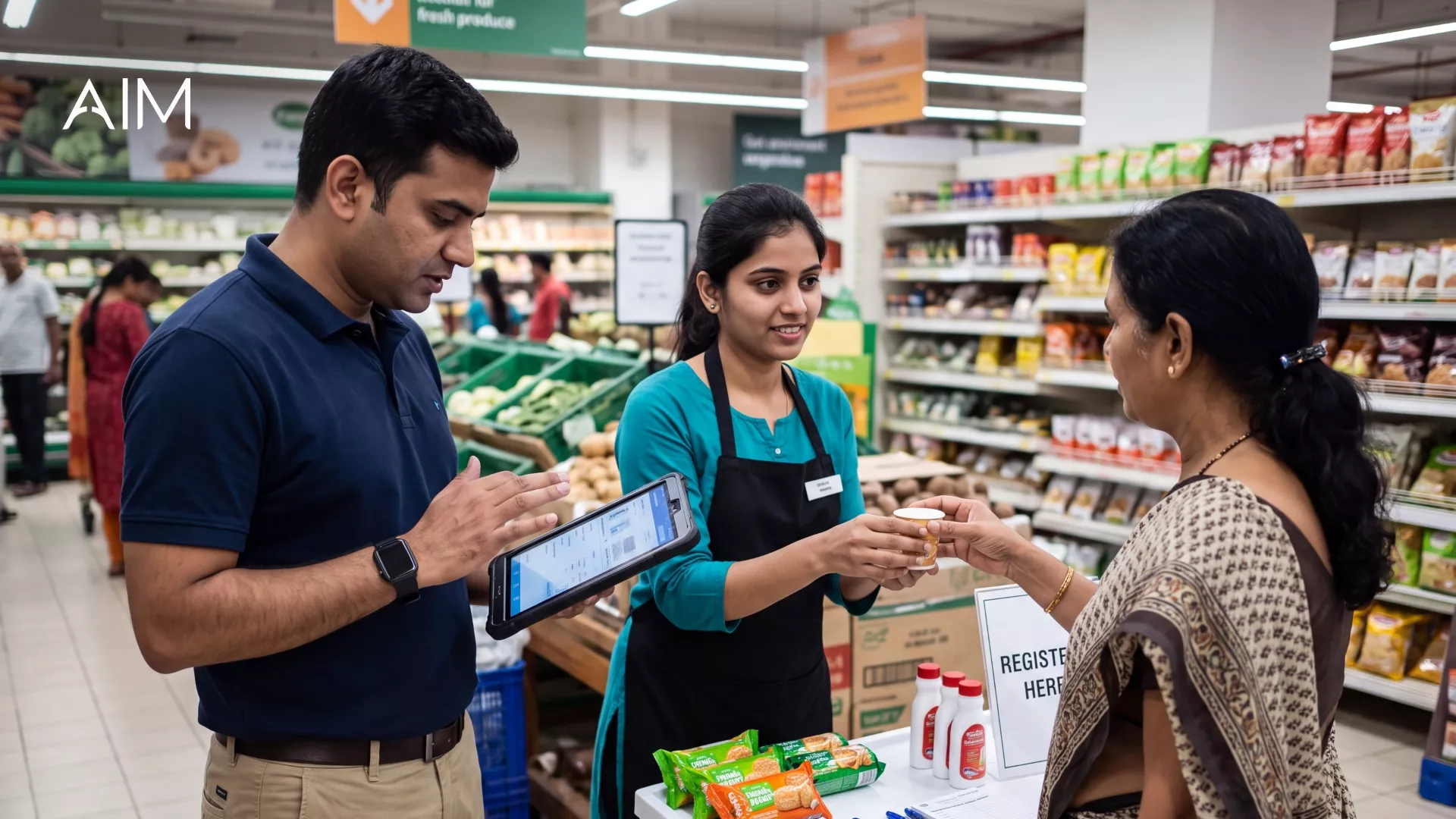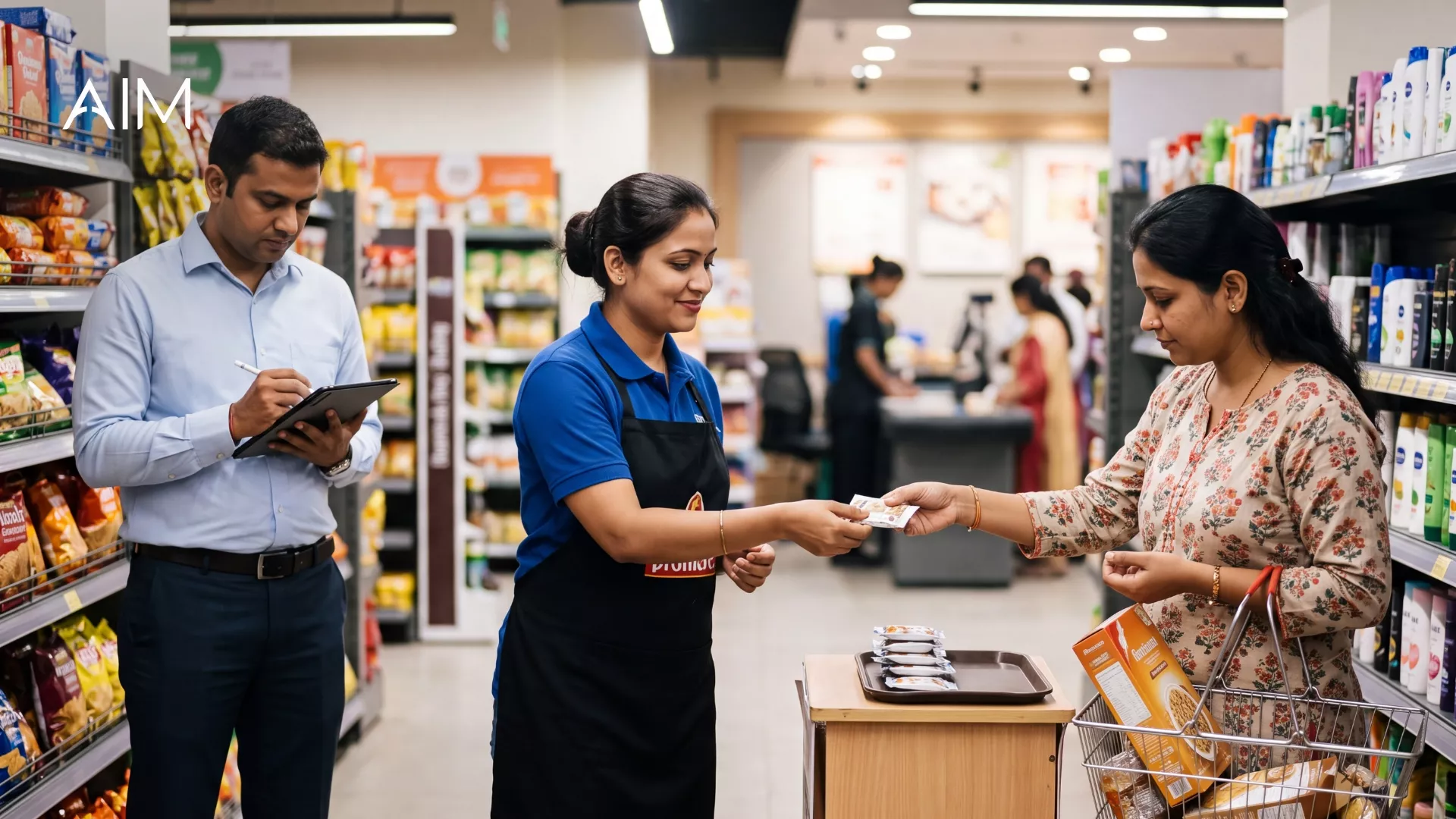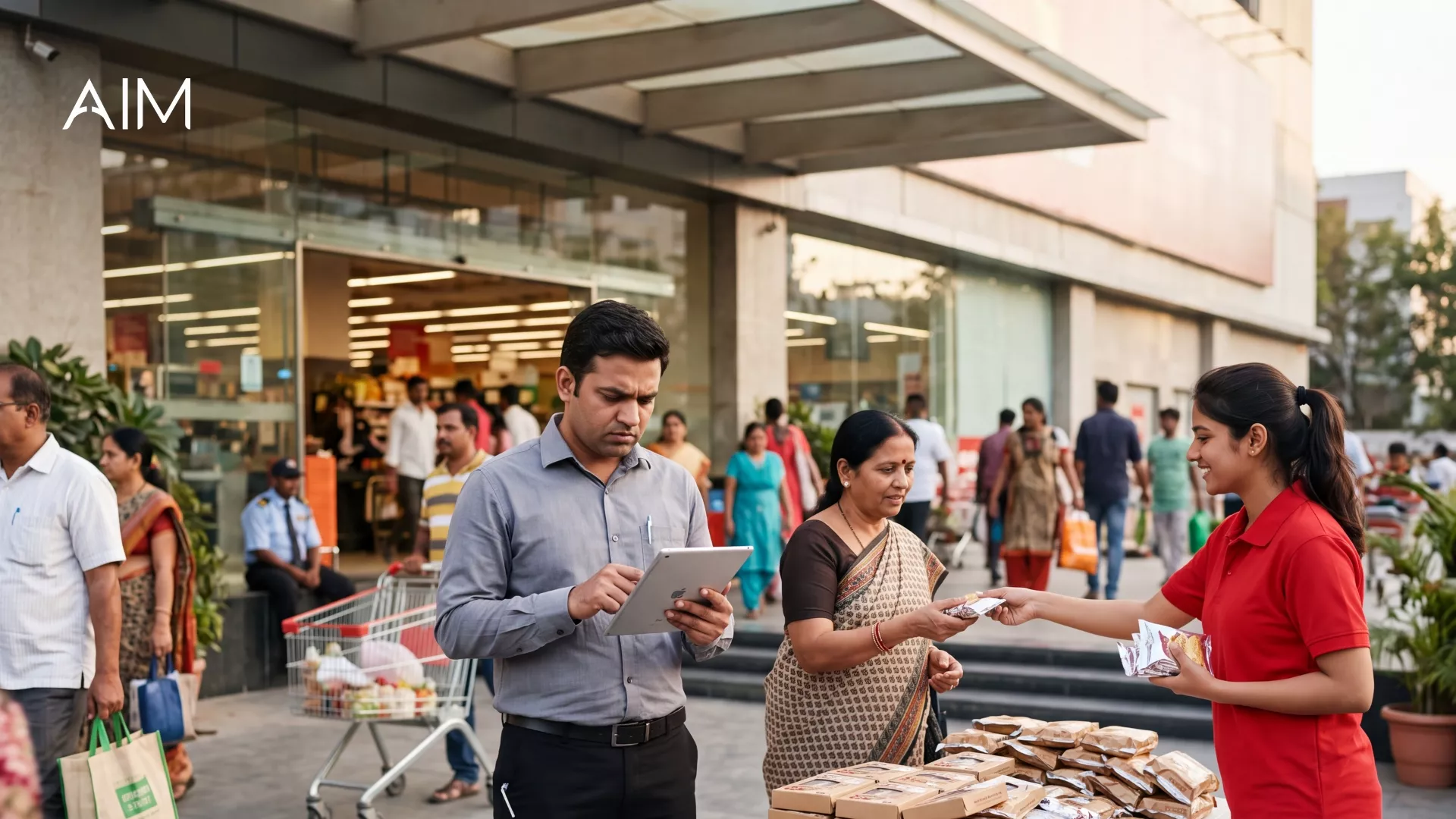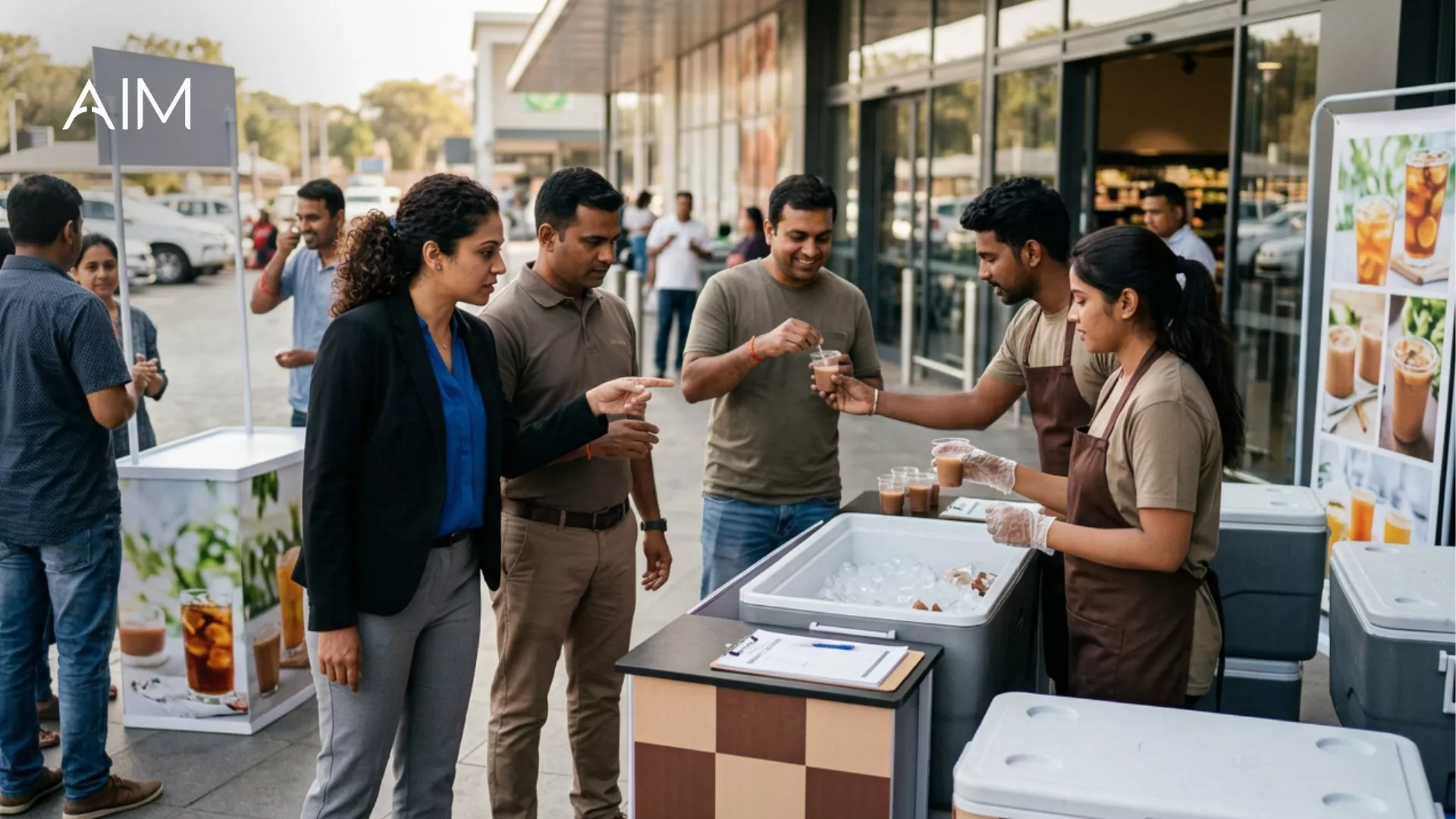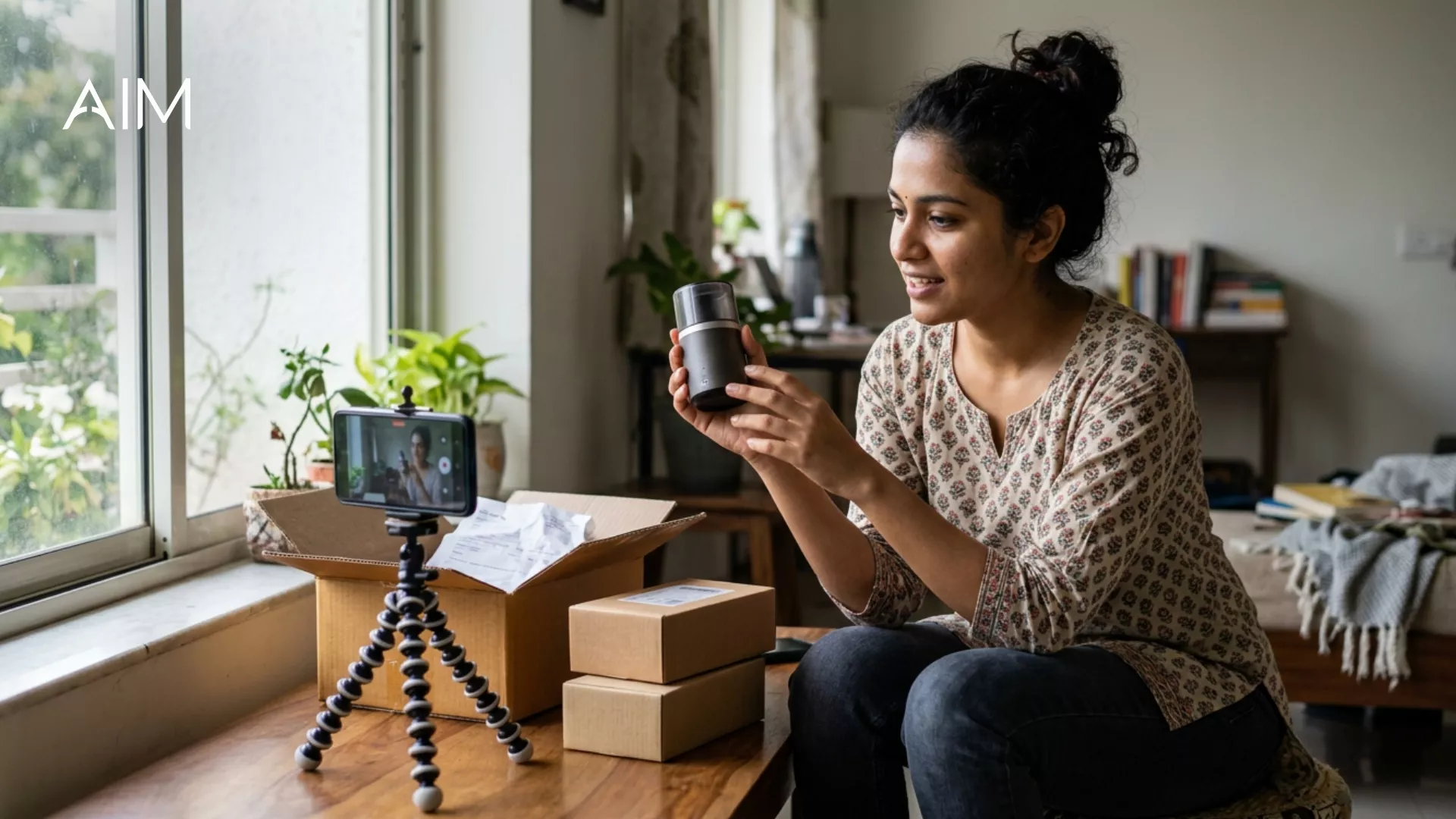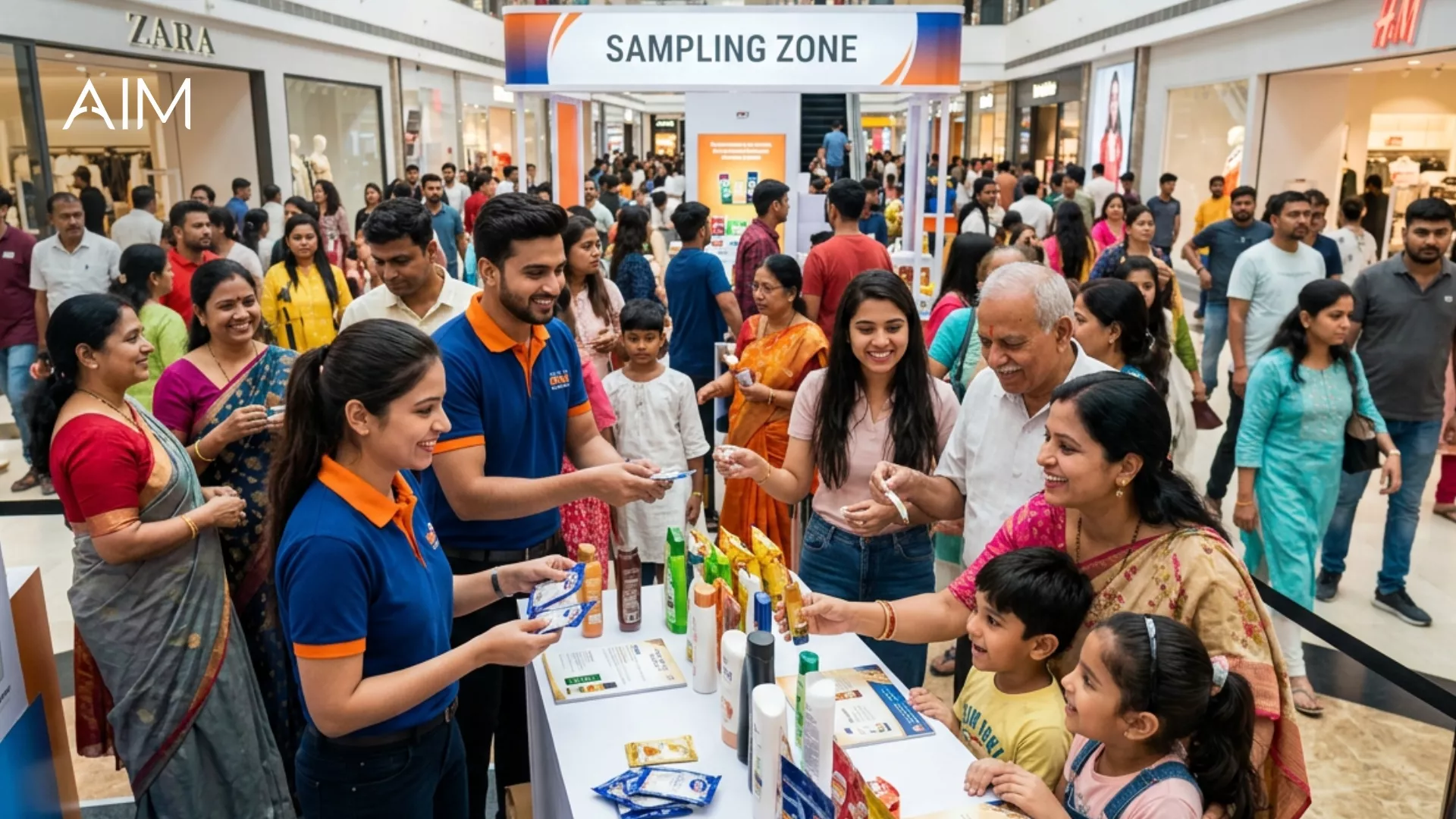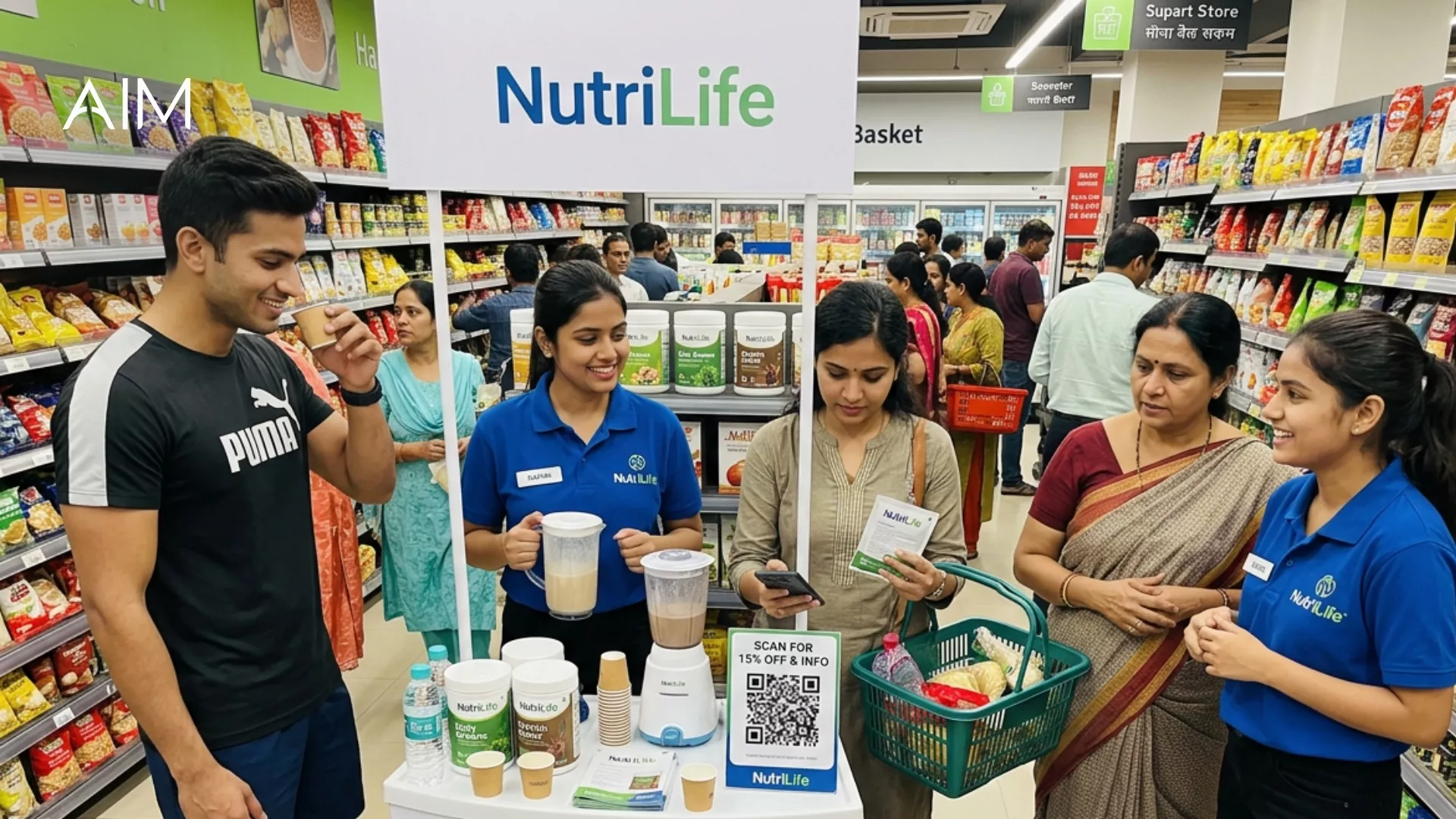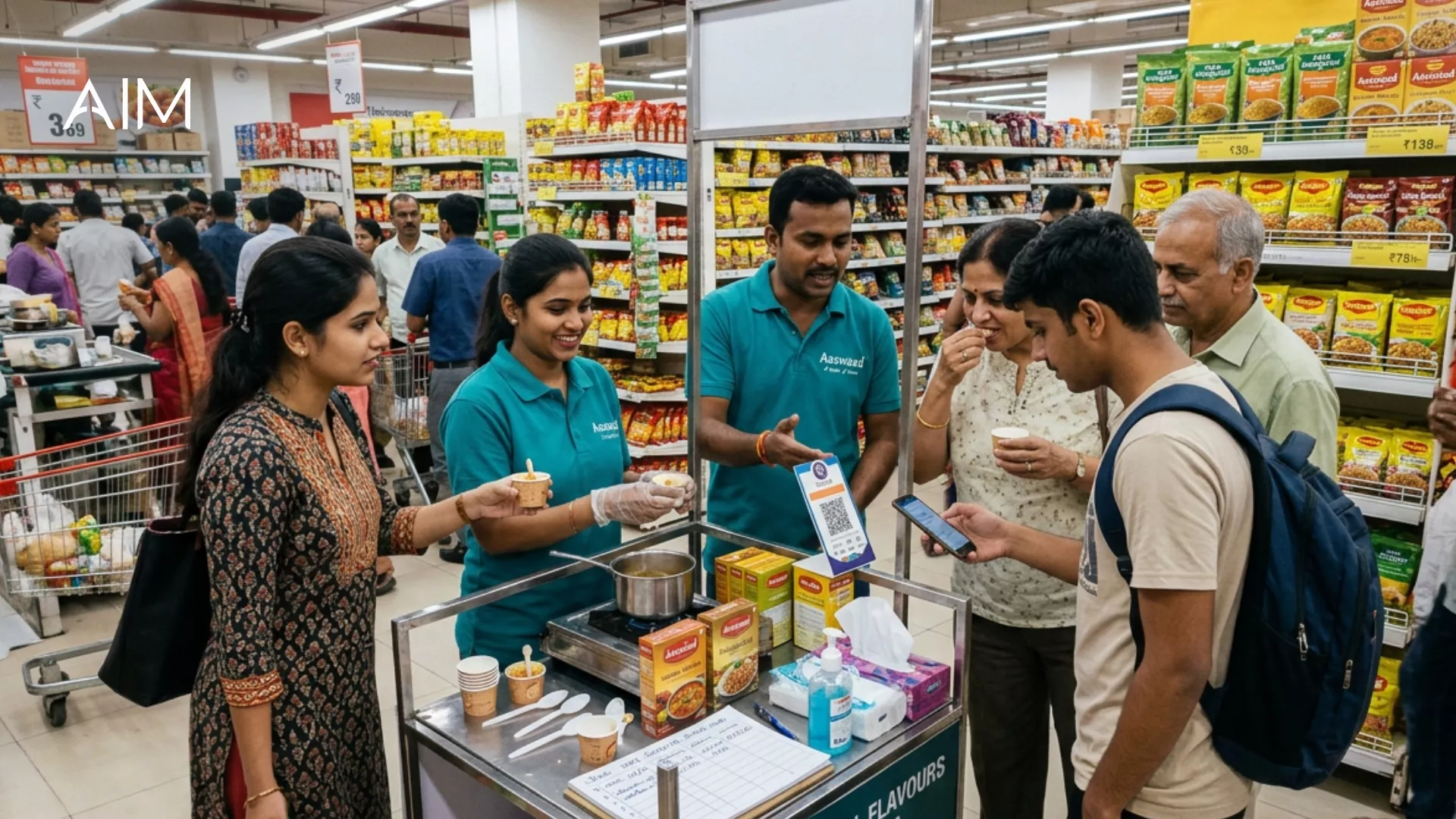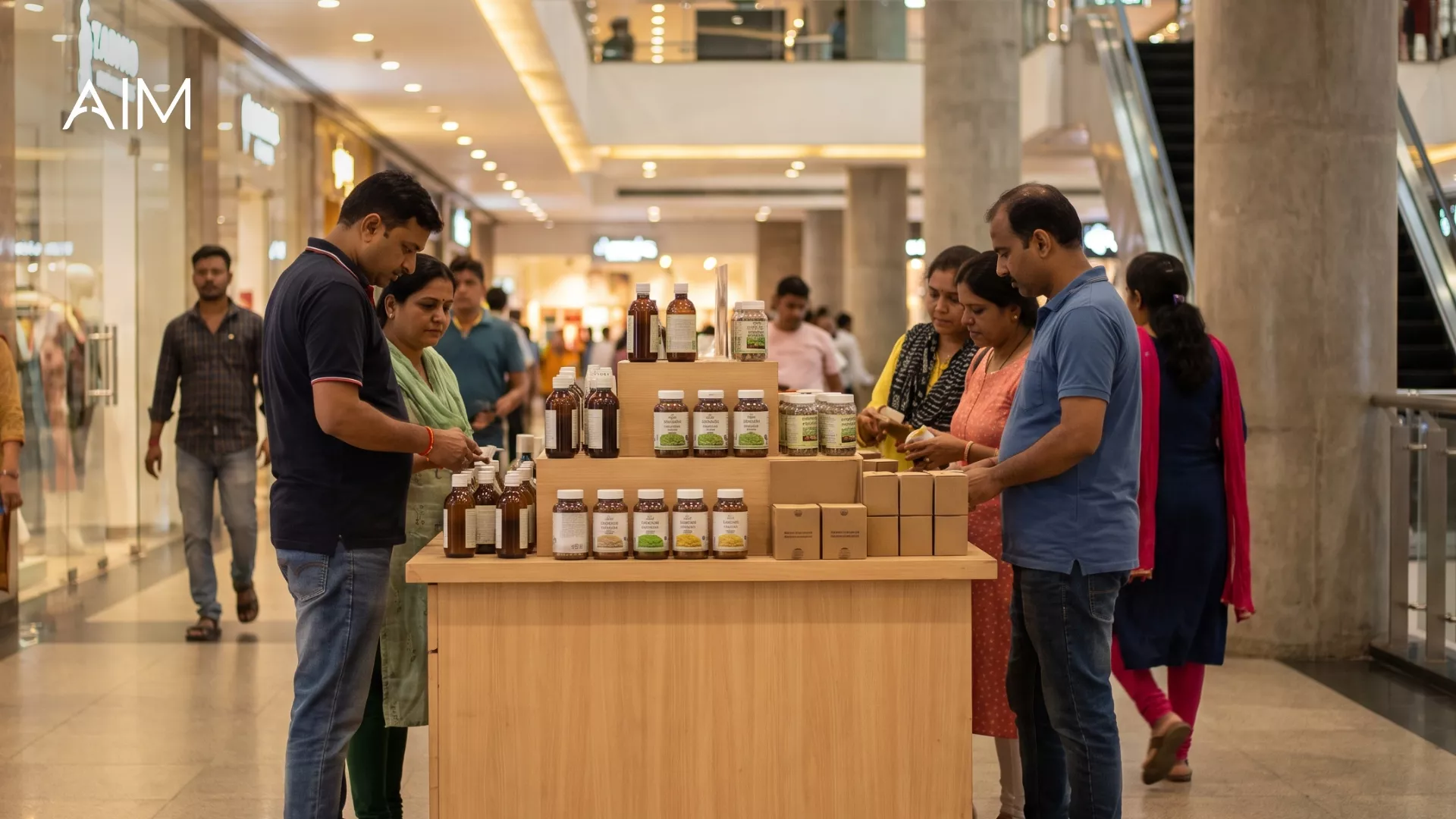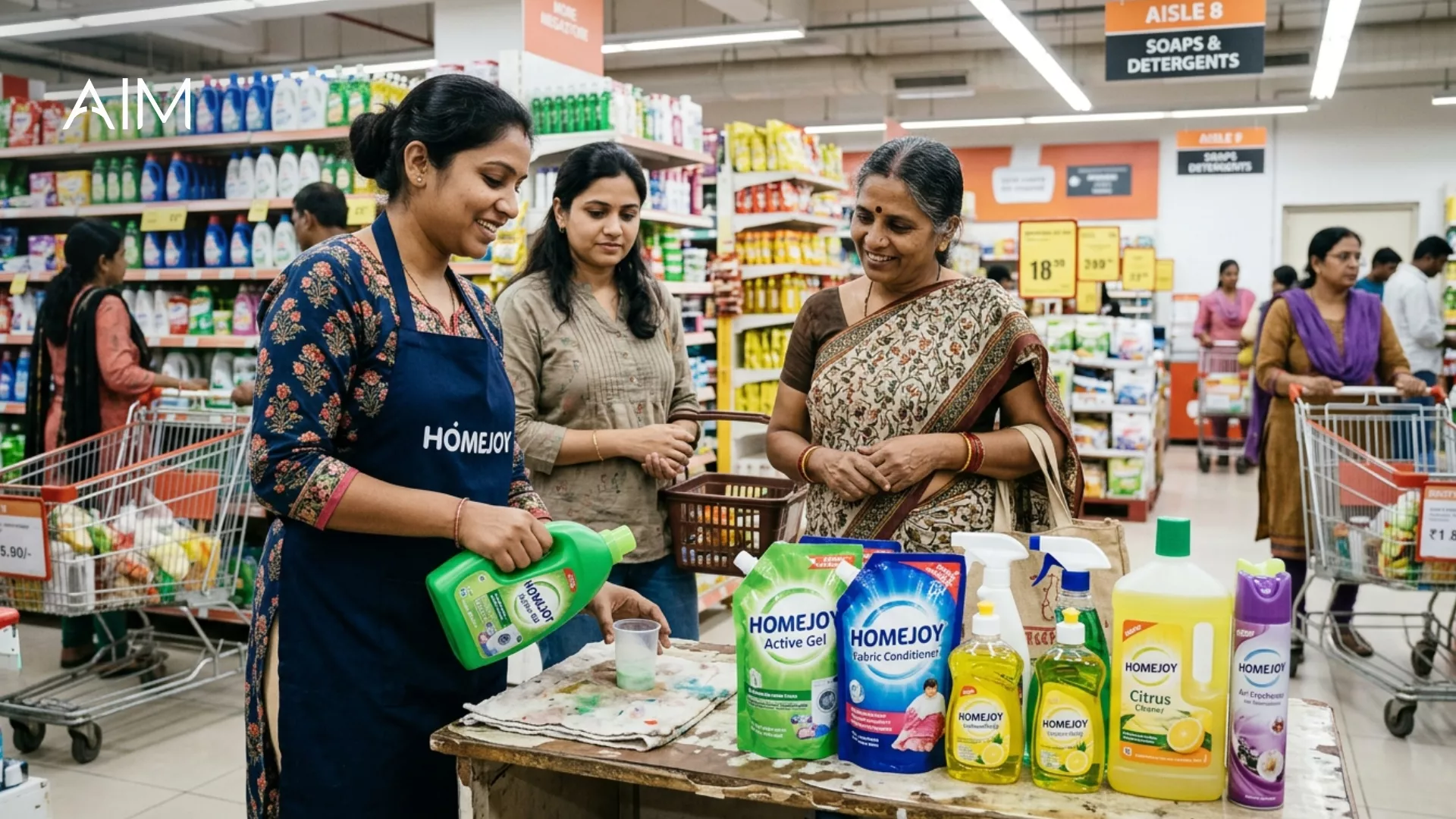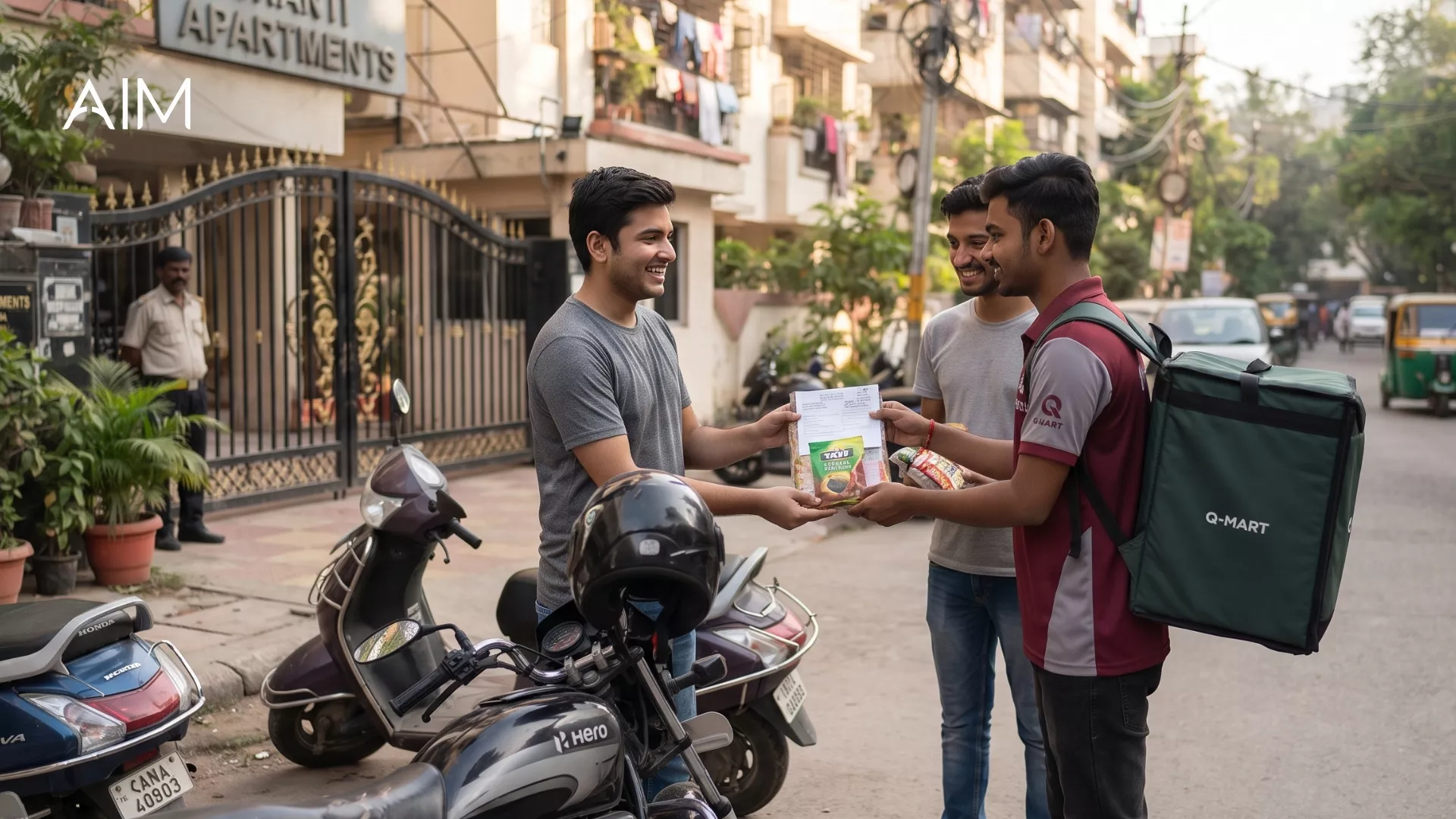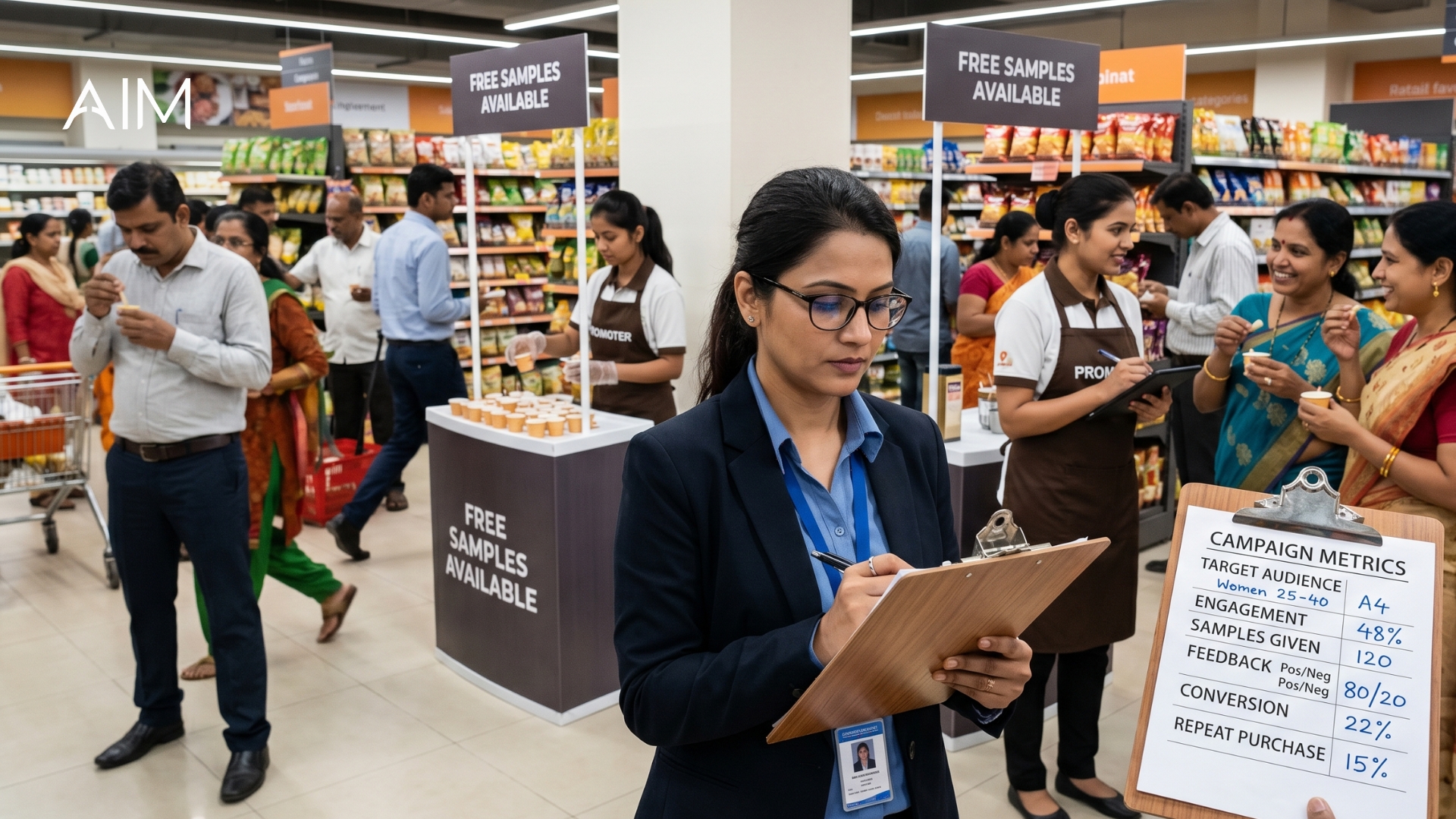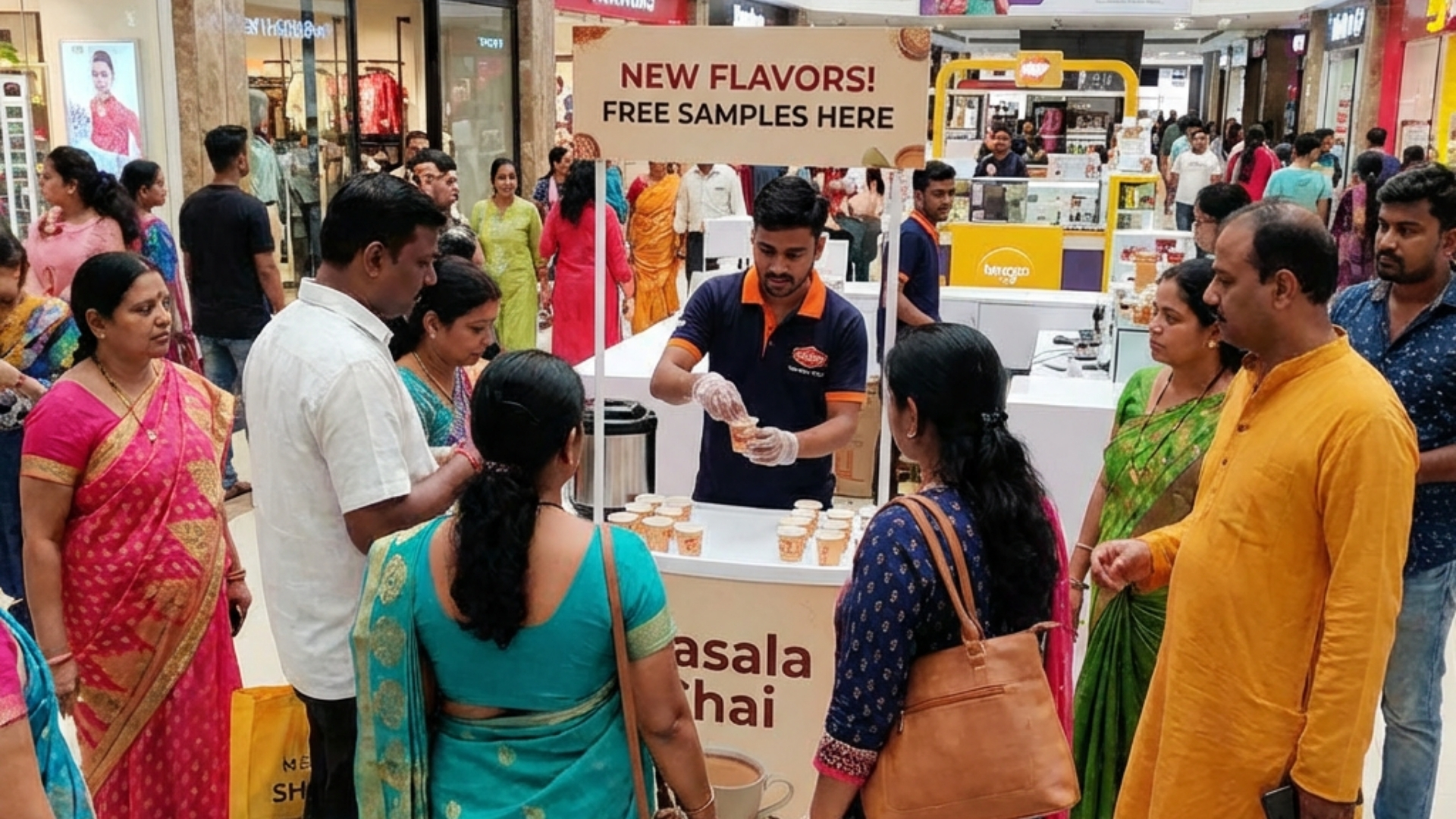
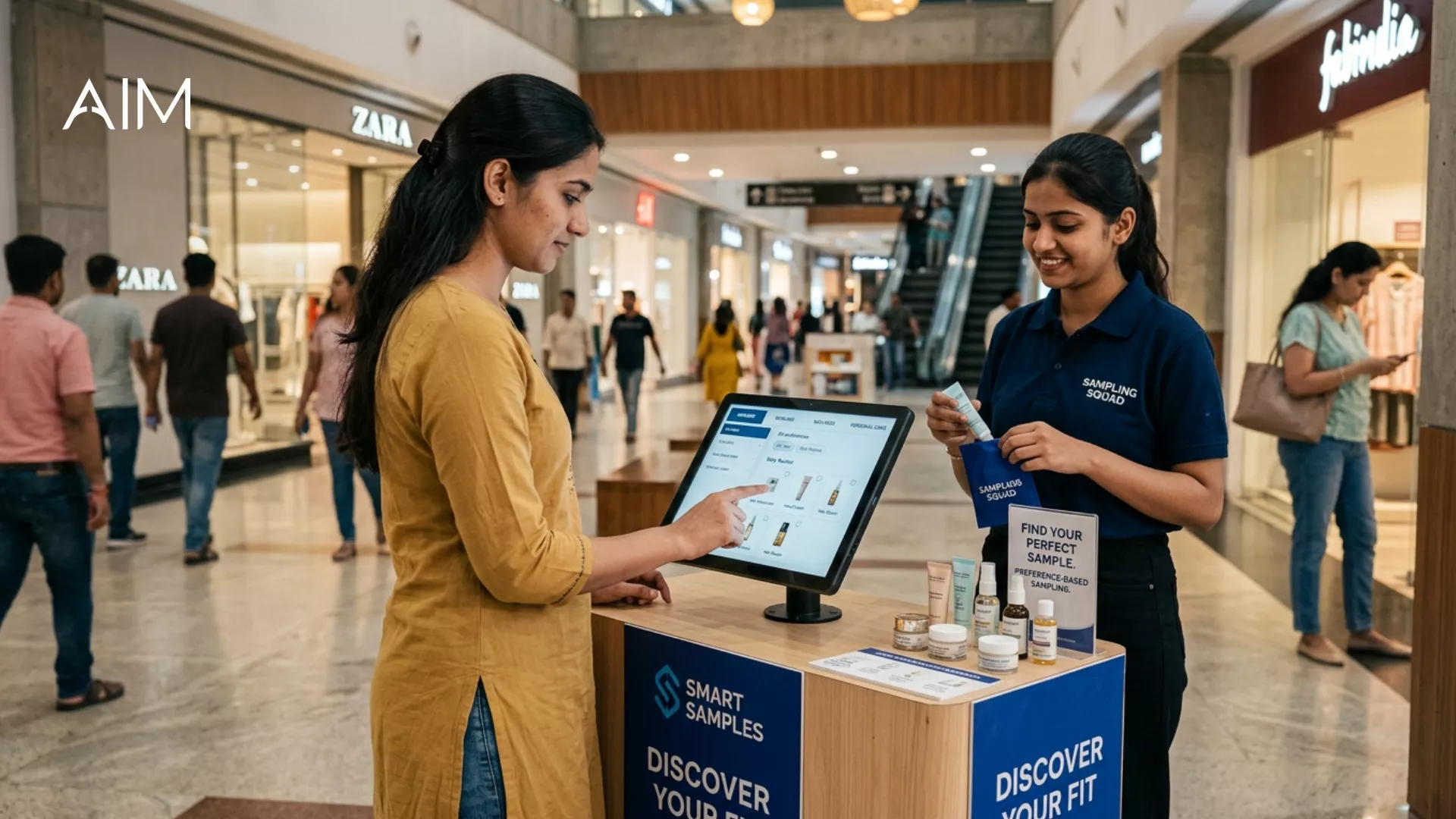


For most of the history of product sampling, the question of who got a sample was answered by geography and luck. You picked a location with heavy footfall, stood there, and handed product to whoever walked past. The crowd decided your audience. If the right people happened to be in that crowd, the campaign worked; if they did not, you paid to hand your product to people who were never going to buy it. For a long time nobody questioned this, because there was no better option. You could not know who was walking past, so you handed to everyone and hoped. Sampling was a numbers game played mostly blind. That is the part AI is quietly rewriting. The change is not that robots hand out samples. The change is that the decision of who receives one is moving from the crowd to the data, and that shifts the economics of the whole exercise.
What AI actually changes about sampling
It helps to be precise, because there is a lot of noise around this. AI does not make a product worth trying, and it does not replace the human moment of someone tasting or using something for the first time. What it changes is targeting, timing and learning: who should get the sample, when and where to reach them, and what the campaign teaches you for next time. In other words, AI works on the decisions around the sample, not the sample itself. A brand that understands this draws the value from the right place and does not waste money expecting technology to do the part only a good product can do. The distinction matters because it sets realistic expectations. AI will not rescue a product nobody wants. What it will do is make sure the product that is worth trying reaches more of the people worth reaching, which is a different and more honest promise.
From the crowd to the right person
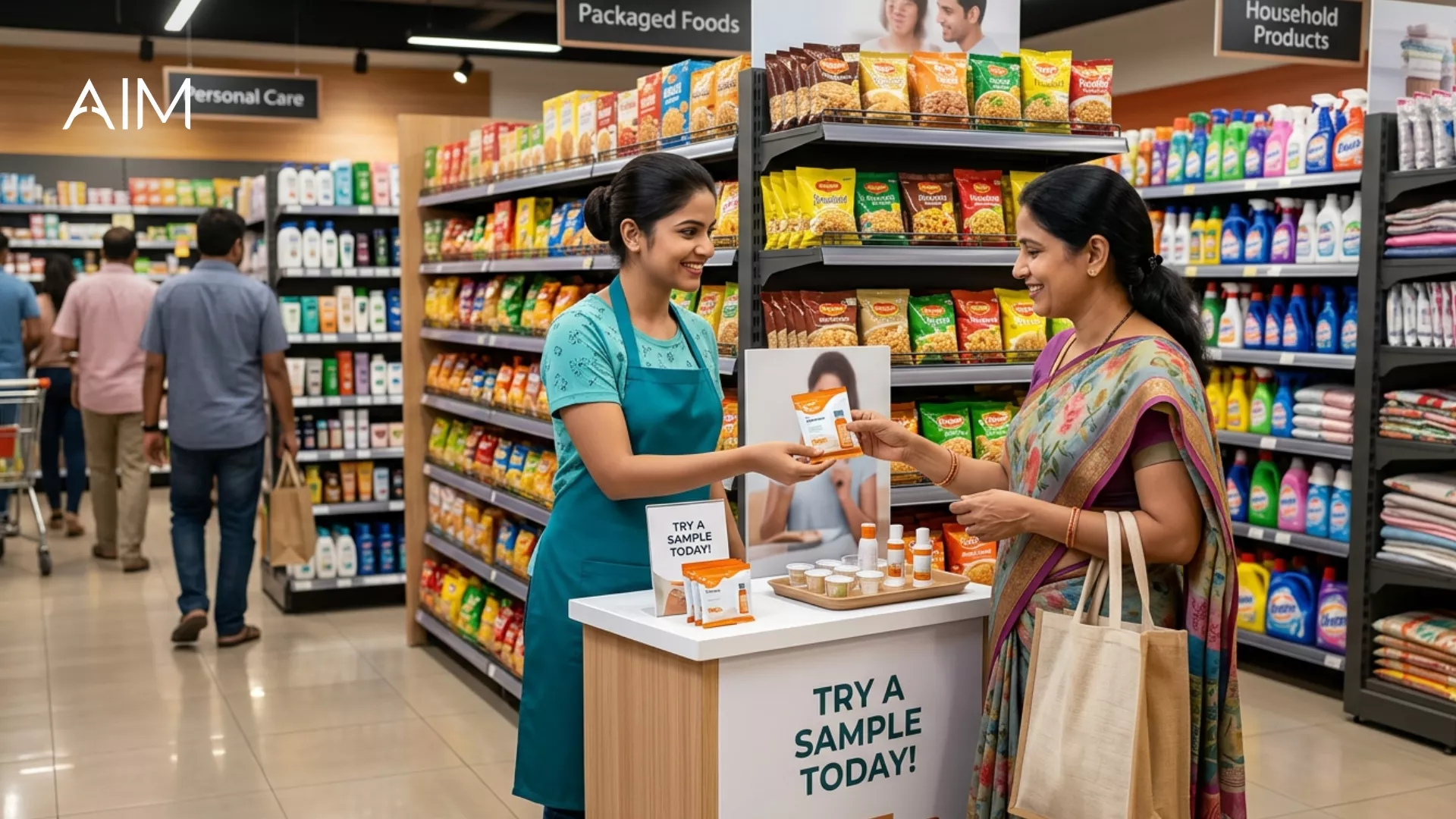
The biggest shift is in who qualifies for a sample. Instead of giving product to everyone in a location, data lets a brand concentrate samples on the people most likely to become buyers: the right age, the right habits, the right proximity to where the product is sold, the right signals of interest. This is the difference between distributing a thousand samples to a random crowd and placing the same thousand samples with a thousand people who actually fit the product. The second campaign costs the same to run and returns far more, because fewer samples are wasted on people who were never candidates. AI does not make sampling cheaper per unit; it makes each unit count for more by pointing it at the right person. Think of a sampling budget as a fixed number of trials you can afford to give away. The only lever that changes the return is how many of those trials land on people who could realistically buy. Spread across a crowd, most land on people who will not. Concentrated on a defined audience, most land on people who might. Same spend, very different outcome, and the difference is entirely in the targeting decision the data now makes possible.
Better timing, not only better targeting
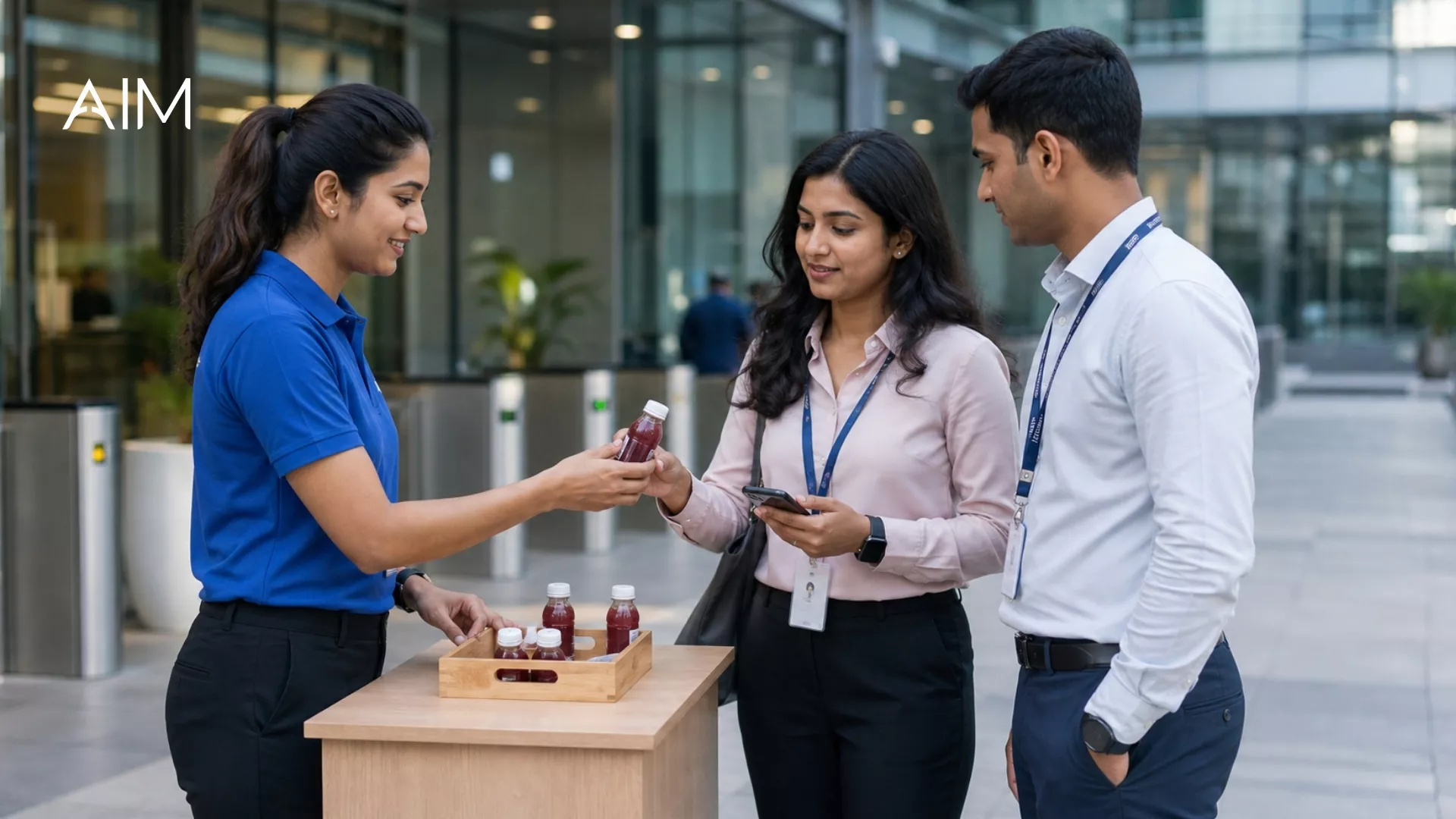
AI also sharpens when a sample reaches someone. A trial lands differently depending on the moment: a food sample near a mealtime, a skincare sample when someone is already shopping for skincare, a sample that arrives just as a person is forming a purchase decision rather than long after. Data can identify those moments at scale in a way a human standing in one spot never could. Timing is often the quiet difference between a sample that gets tried and remembered and one that gets pocketed and forgotten, and it is one of the places where the technology earns its place in a campaign. A sample that arrives in the right place at the wrong moment is close to wasted; a sample that arrives when the person is already thinking about the category does part of the selling before the product is even opened. Getting that moment right used to depend on a promoter's instinct and the luck of foot traffic. Now it can be planned.
The sample becomes measurable
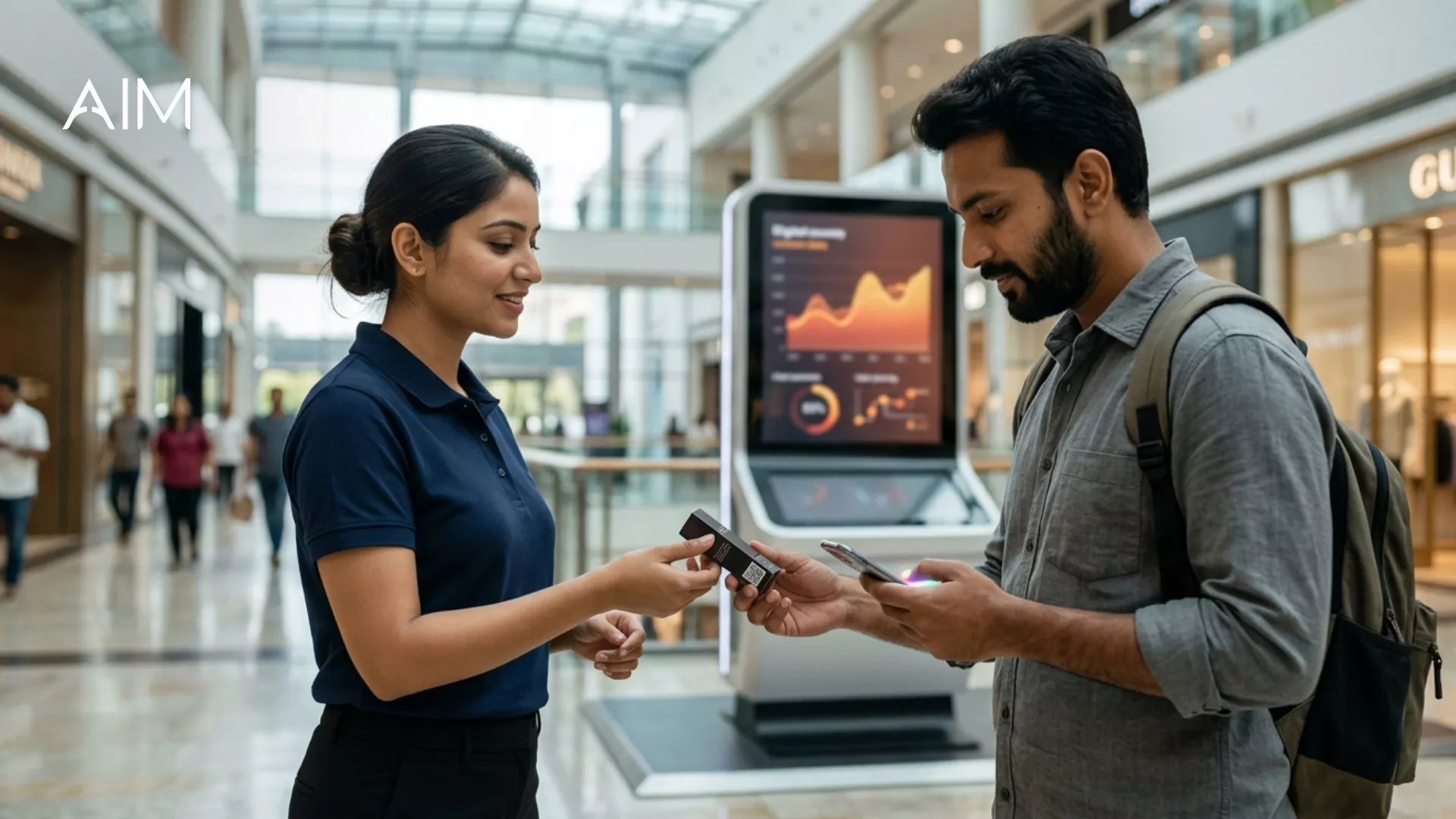
Perhaps the most important change is that AI turns product sampling from an act of faith into a measurable channel. When targeting is data-driven, the same systems that decide who gets a sample can track what happens next: who redeemed an offer, who converted, who came back. The campaign stops being a one-way distribution and becomes a loop that produces learning. Each round sharpens the next, because the data from who converted last time informs who should be targeted this time. Sampling moves from a cost you hope paid off to a channel you can optimise, and that reframing is worth more than any single efficiency gain. Once a brand can see which sampled people converted, the whole conversation about sampling changes. It stops being a line item defended on vibes and becomes a channel with a cost per acquired customer that can be compared against every other way the brand spends to win a buyer. That comparability is what finally lets sampling compete for budget on evidence rather than tradition.
Where AI should not take over
It is worth being honest about the limits, because the hype encourages brands to expect too much. AI can concentrate samples on the right people, but it cannot make a weak product desirable, and it cannot manufacture trust that the product does not earn. It can also mislead if the data feeding it is biased or thin: a model trained on who bought before may simply keep sampling the people a brand already reaches and miss the new audience it needs to grow into. The technology is a tool for better decisions, not a substitute for judgment. A brand that treats AI as an oracle rather than an instrument will automate its existing blind spots at speed. The right posture is to use the data to inform targeting while keeping a human check on whether the audience it points to is the one the brand actually wants. A model optimising purely for likely conversion will always favour the safe, familiar buyer. If growth depends on reaching a new audience, someone has to deliberately point the campaign there, because the data left alone will keep sending samples home.
What this means for a brand planning a campaign
The practical takeaway is not that every brand needs a complex system to sample well. It is that the question "who gets our sample?" now deserves a real answer rather than "whoever is standing there." Even modest use of data, choosing locations by who actually shops them, timing trials to when they land best, capturing who tried so conversion can be tracked, moves a campaign a long way from blind distribution. The brands getting the most from sampling today are the ones treating it as a targeted, measured channel rather than a street activity, and AI is what makes that treatment possible at scale. The entry point is lower than most brands assume. You do not need a prediction engine to stop sampling blind. You need to decide who you are trying to reach, choose where and when to reach them on evidence rather than habit, and capture enough about who tried to learn from it. The sophistication can grow later. The discipline of answering who gets the sample is available to any brand willing to ask the question seriously.
How AIM uses data to decide who gets your sample
At AIM, sampling is built around the decision of who should receive a trial, not simply where to stand. Data informs the targeting, so samples are concentrated on the people most likely to become buyers rather than spread across a random crowd. It informs the timing, so trials reach people at moments when they land. And it closes the loop, capturing who tried so conversion can be tracked and the next campaign can be sharper than the last. The product and the human trial moment stay central; the technology works on the decisions around them. The aim is simple: fewer wasted samples, more that reach the right person, and a channel that gets smarter every time it runs.
The crowd used to decide who tried your product. Increasingly, the data does, and that is a better deal for any brand that would rather place its samples than scatter them. The sample itself has not changed. The intelligence about where it should go has, and that is what separates sampling that teaches you something from sampling that merely empties a box. For a brand deciding how to spend its next trial budget, that is the whole argument. The money buys the same number of samples either way. What data decides is whether those samples land on strangers or on the people the brand is actually trying to win, and over enough campaigns that single decision is the one that compounds.