
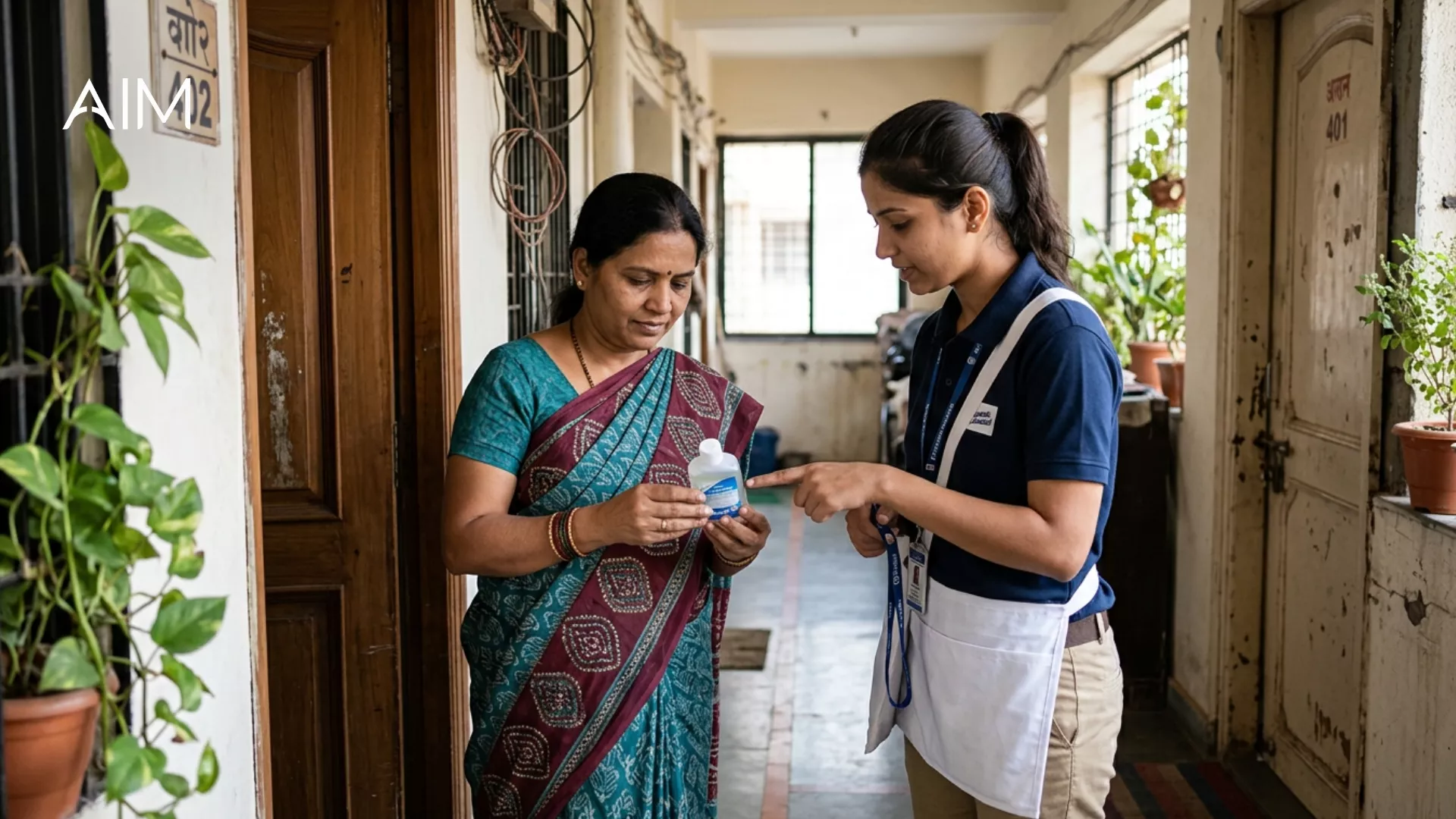


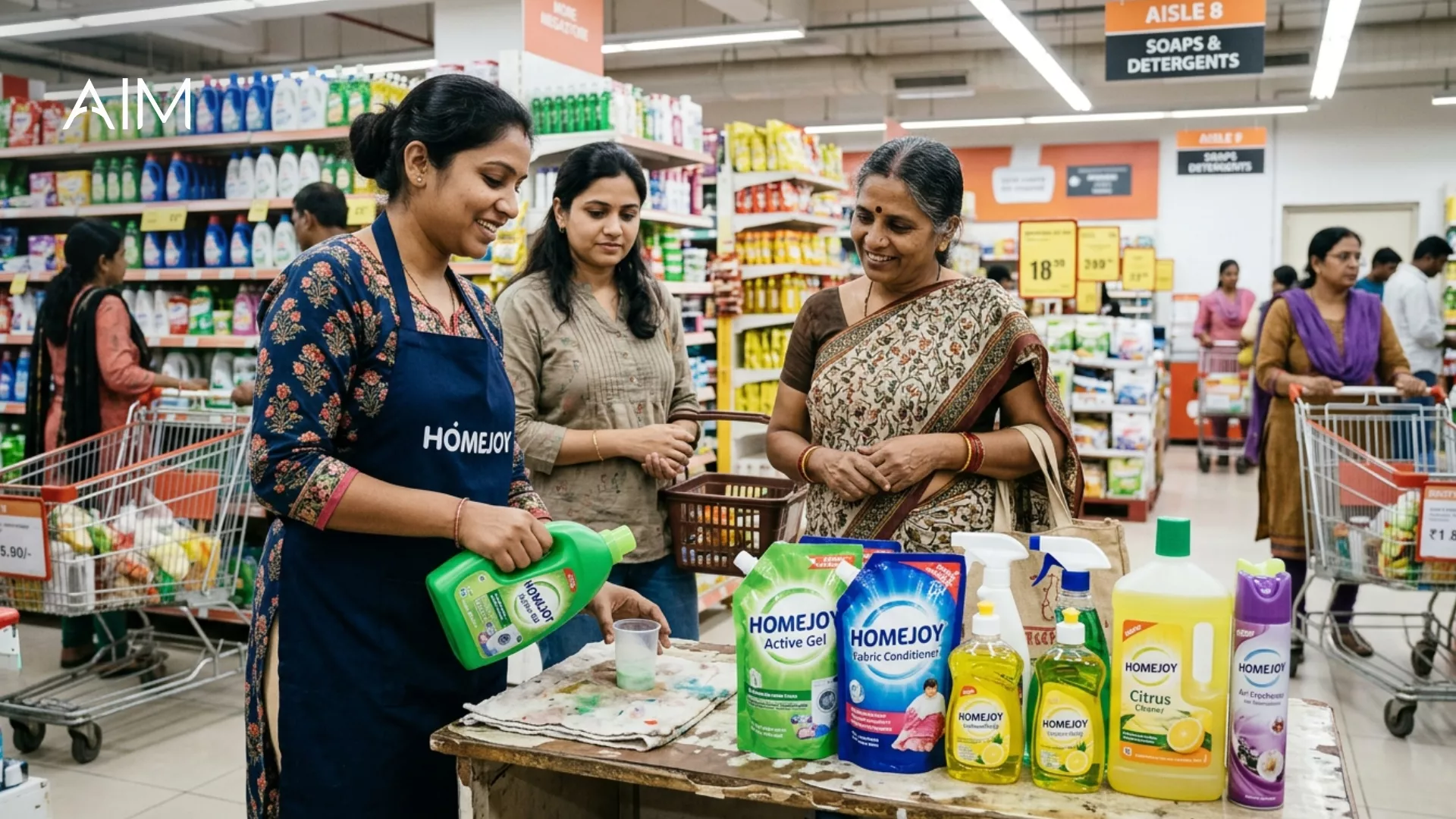
A detergent sachet gets used on a Sunday wash. The clothes come out clean, the fragrance is nice, everyone is happy. Then on Monday the household reaches for the same big pack of the same brand it has bought for years, and your sample is a pleasant memory that changed nothing. The trial worked. The campaign still lost. In home care, the first wash was never the point, and any sampling programme that stops at the handout is measuring the wrong moment.
Quick answer: In home care product sampling, the goal is not the first use, it is the second purchase. A cleaner, detergent, or dishwash is bought on a cycle and defended by habit, so a sample only pays back if it survives past trial into a reorder. Tracking repeat means giving a sample big enough to change one full chore, capturing the household at the point of trial, and then following that household through to a purchase in the next buying cycle, roughly thirty to sixty days out. Repeat rate, not samples distributed, is the number that tells you whether it worked.
What repeat actually means in home care sampling
Home care covers the products a household reaches for without thinking: laundry detergent, dishwash, floor and surface cleaners, toilet care, and air fresheners. Two things define the category. It is bought on a predictable cycle, usually monthly or fortnightly, and it is ruled by habit, because most people settle on a brand and stop deciding. That combination is what makes repeat the whole game. A trial that produces one good wash but does not dislodge the habit has bought you a compliment, not a customer. Repeat means the household came back and bought your product with its own money, in the cycle after the sample, and ideally the cycle after that.
Why first trial is a vanity metric here
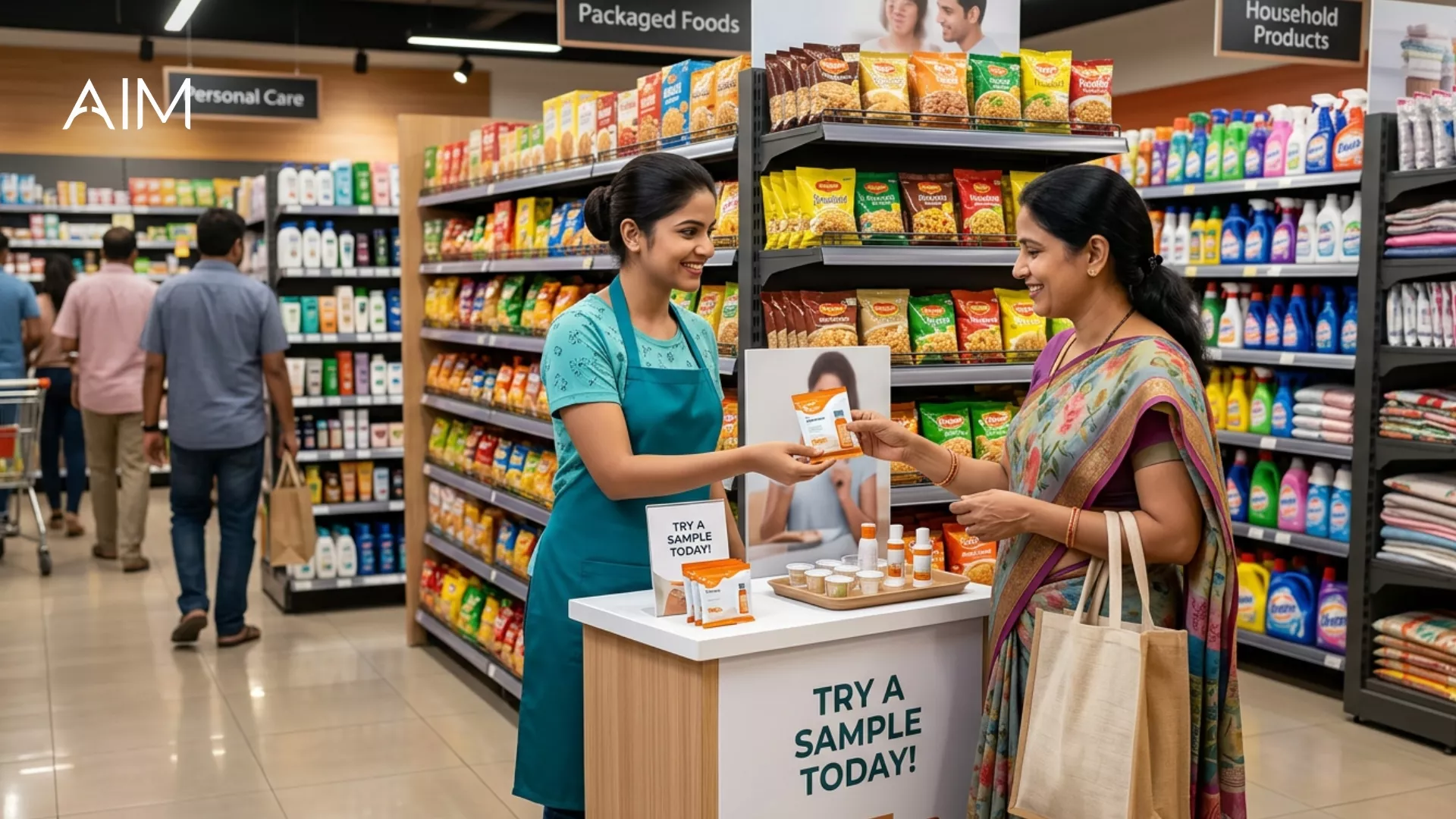
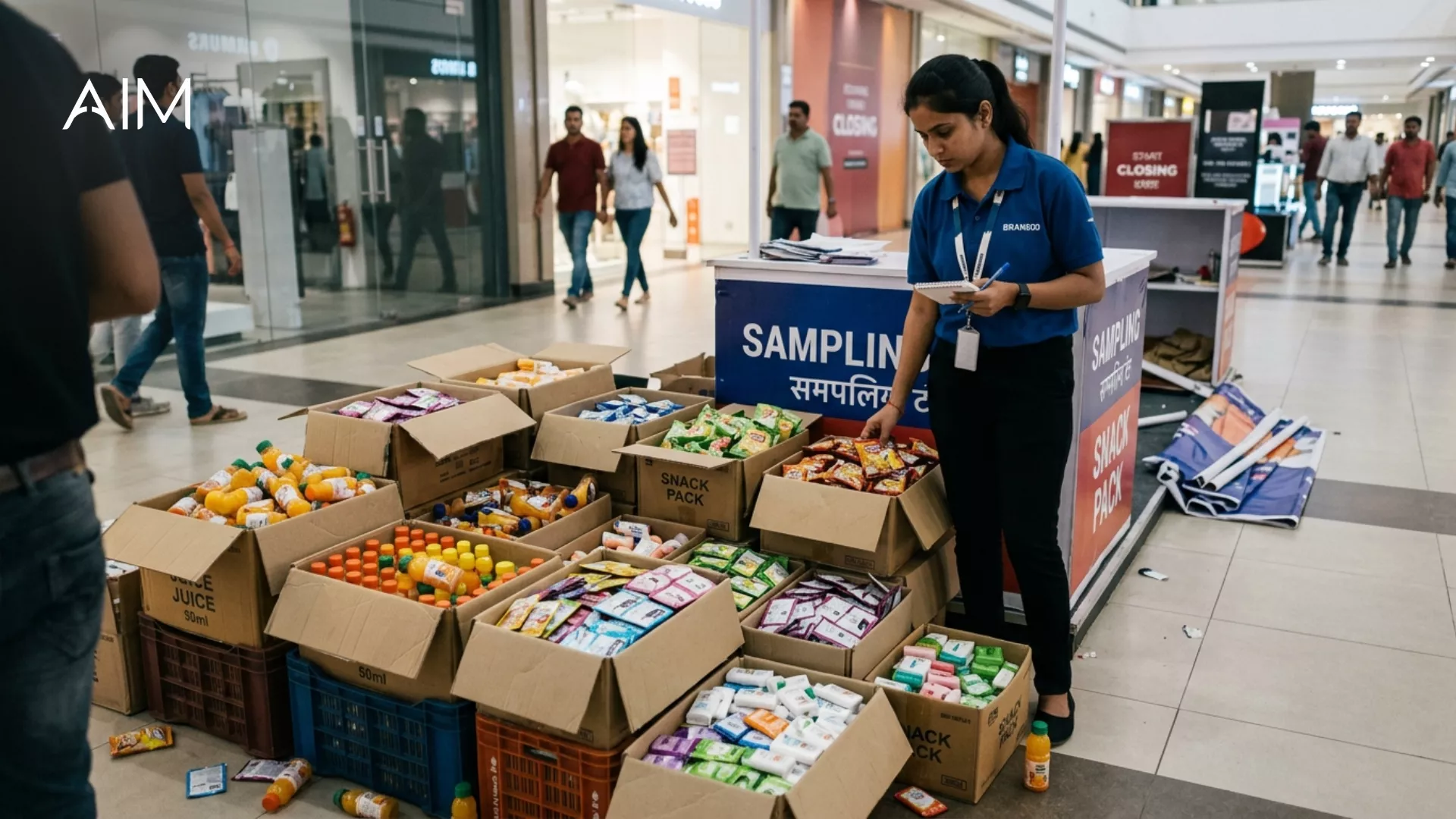
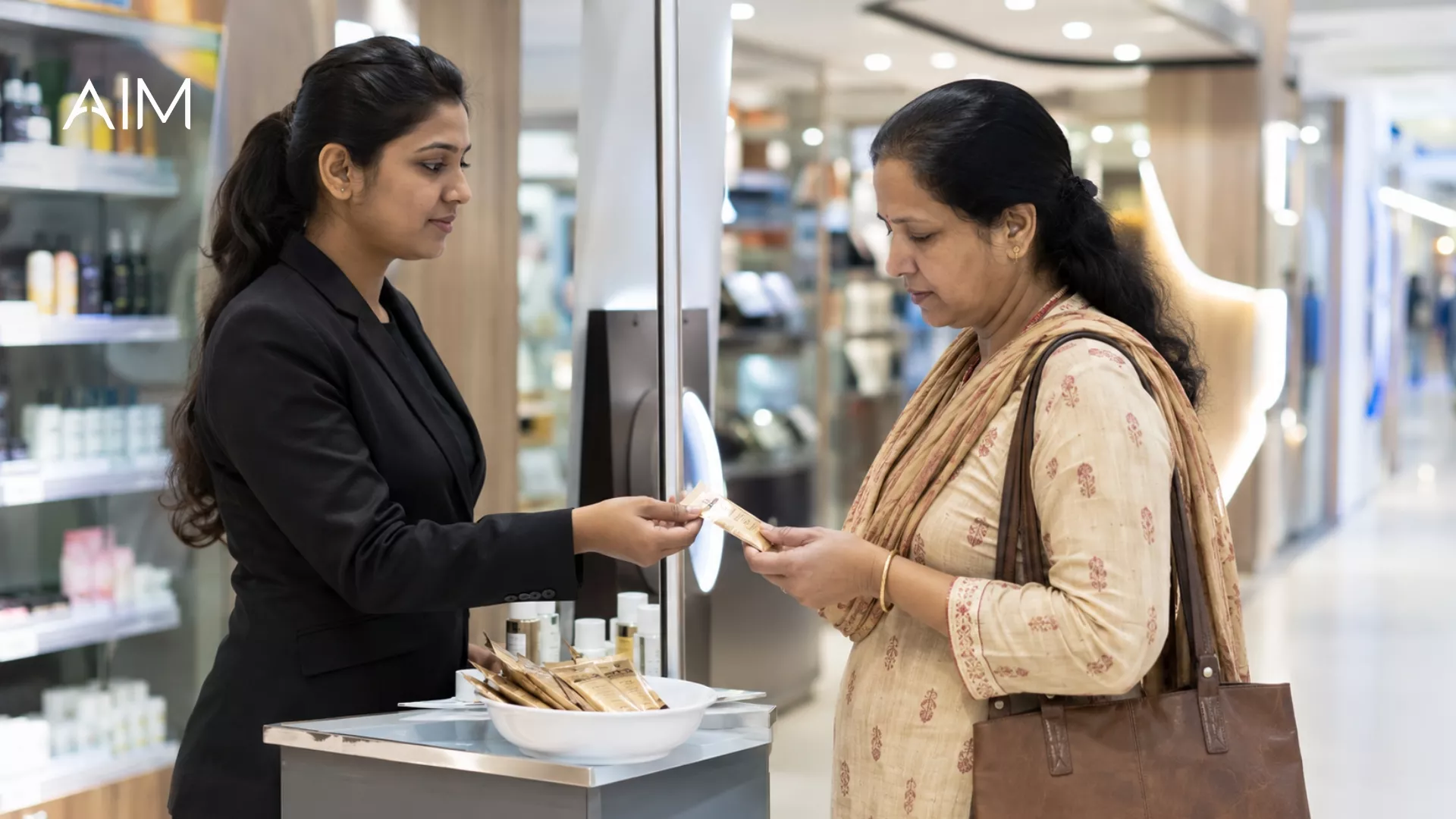
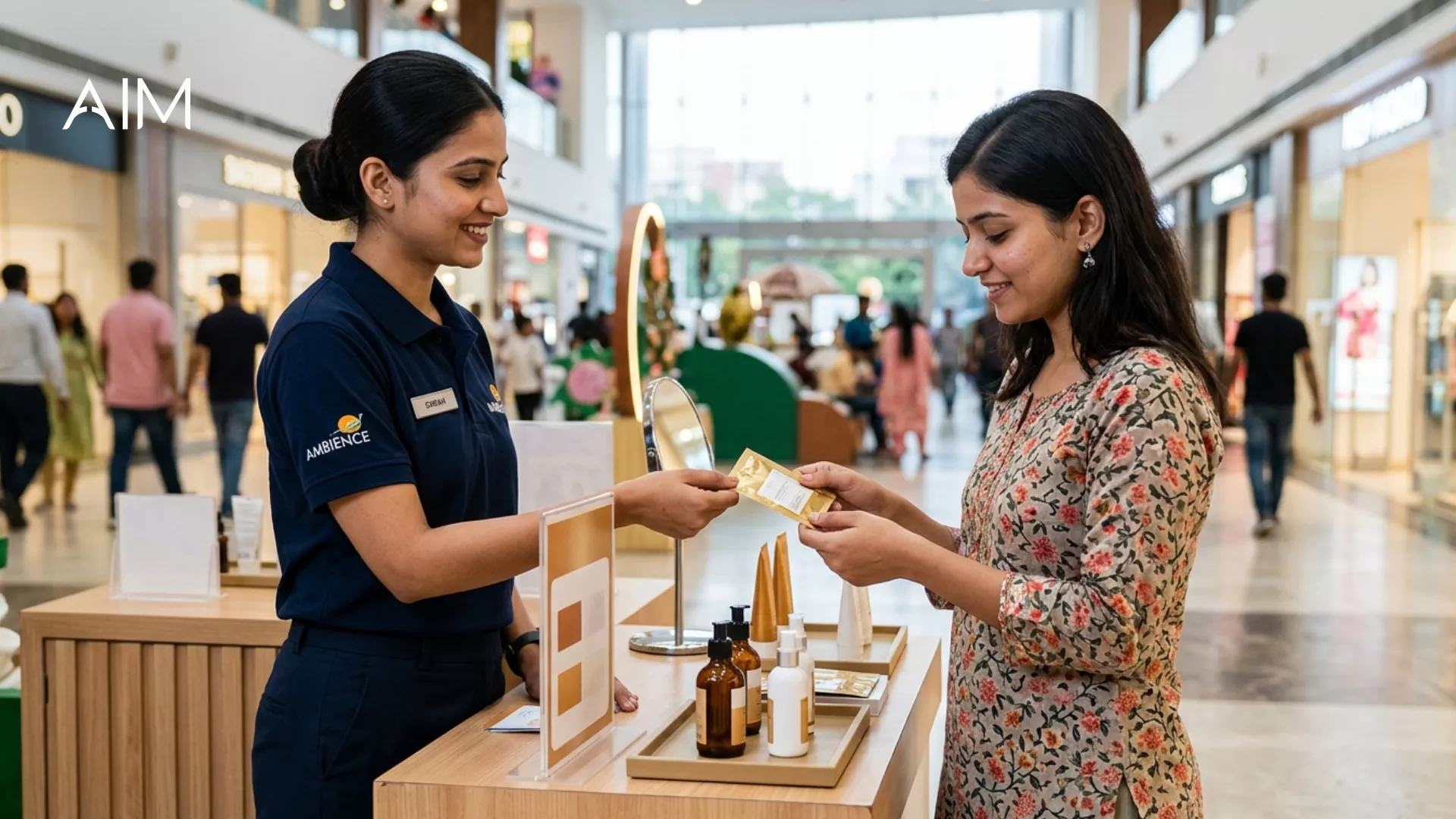
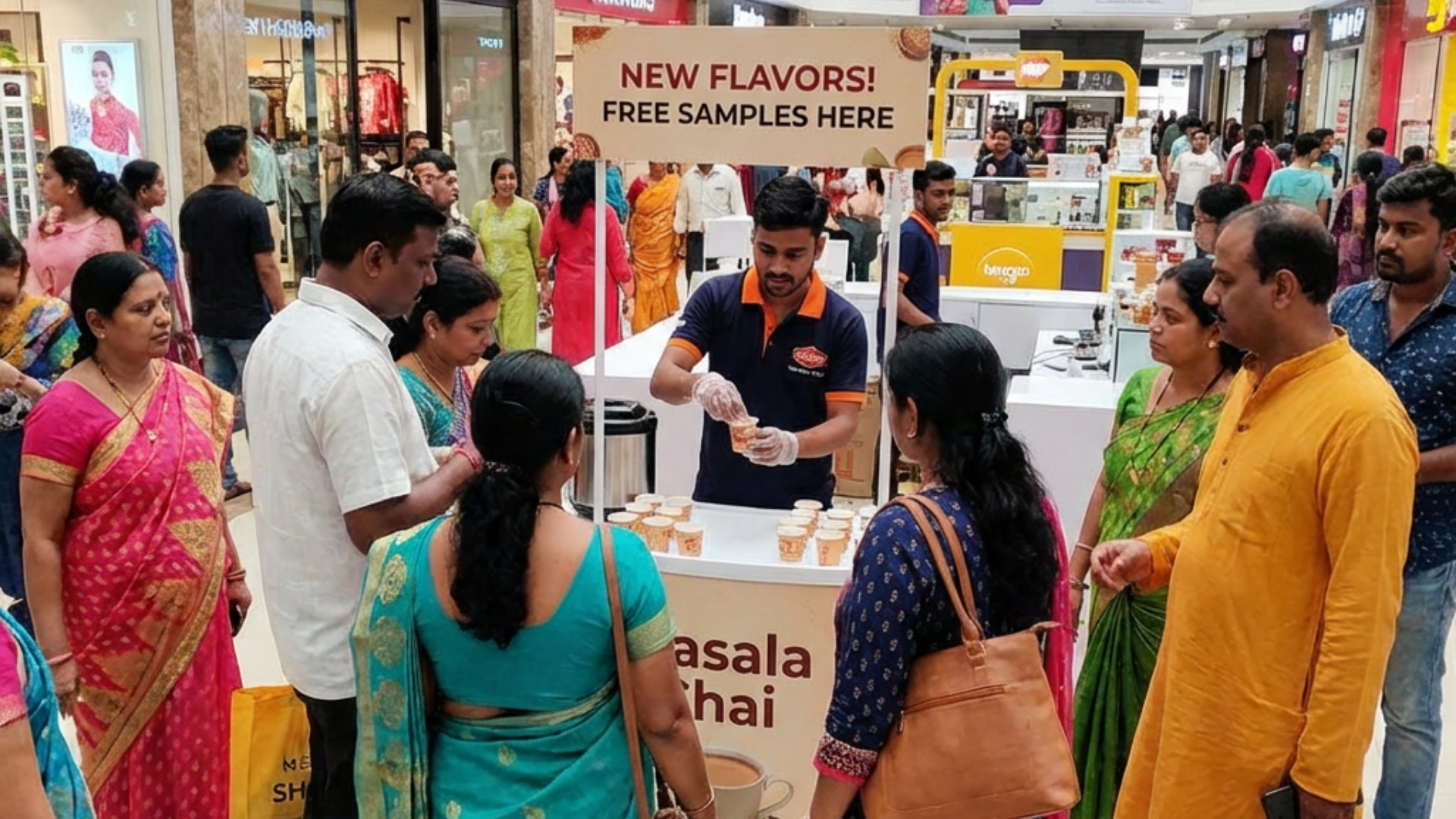
Distribution counts flatter everyone. Fifty thousand sachets handed out looks like a campaign, and the photos of a busy society gate look like success. But a single sachet of detergent competing against a habit the buyer has held for years almost never wins on the first wash alone. People try the sample, think it was fine, and revert, because reverting is easier than switching. If the only thing you measured was how many samples went out, you will walk away believing the campaign worked while the sales line stays flat. The handout is the input. Repeat is the output, and they are very different numbers.
Why home care is the category where repeat is everything
The economics of home care live entirely in repeat. Nobody buys floor cleaner once. The value of a converted buyer is not one pack, it is a pack every month for years, which is why a home care brand should think about a sampled household almost the way a subscription business thinks about a new sign-up. Winning the first purchase matters far less than winning the tenth. That is also why wasted sampling hurts so much in this category. When you sample the wrong household, or sample in a way that cannot be tracked, you are not only losing one sale, you are losing a recurring one, and you have no way of even knowing you lost it.
How to design a home care sample that can win a habit
A sample that can dislodge a habit is built very differently from one meant to be handed out fast. Five things change.
- Size it to a full chore. Give enough to do one complete load of laundry or one full mopping, not a token teaspoon. The buyer has to see a real result on a real task, because that is the only thing strong enough to make them question the brand they already trust.
- Give enough for a routine, not a taste. Where the budget allows, a few uses across a week beats a single use. Habit is built by repetition, and a sample that lets someone clean three times is far more likely to shift behaviour than one that lets them clean once.
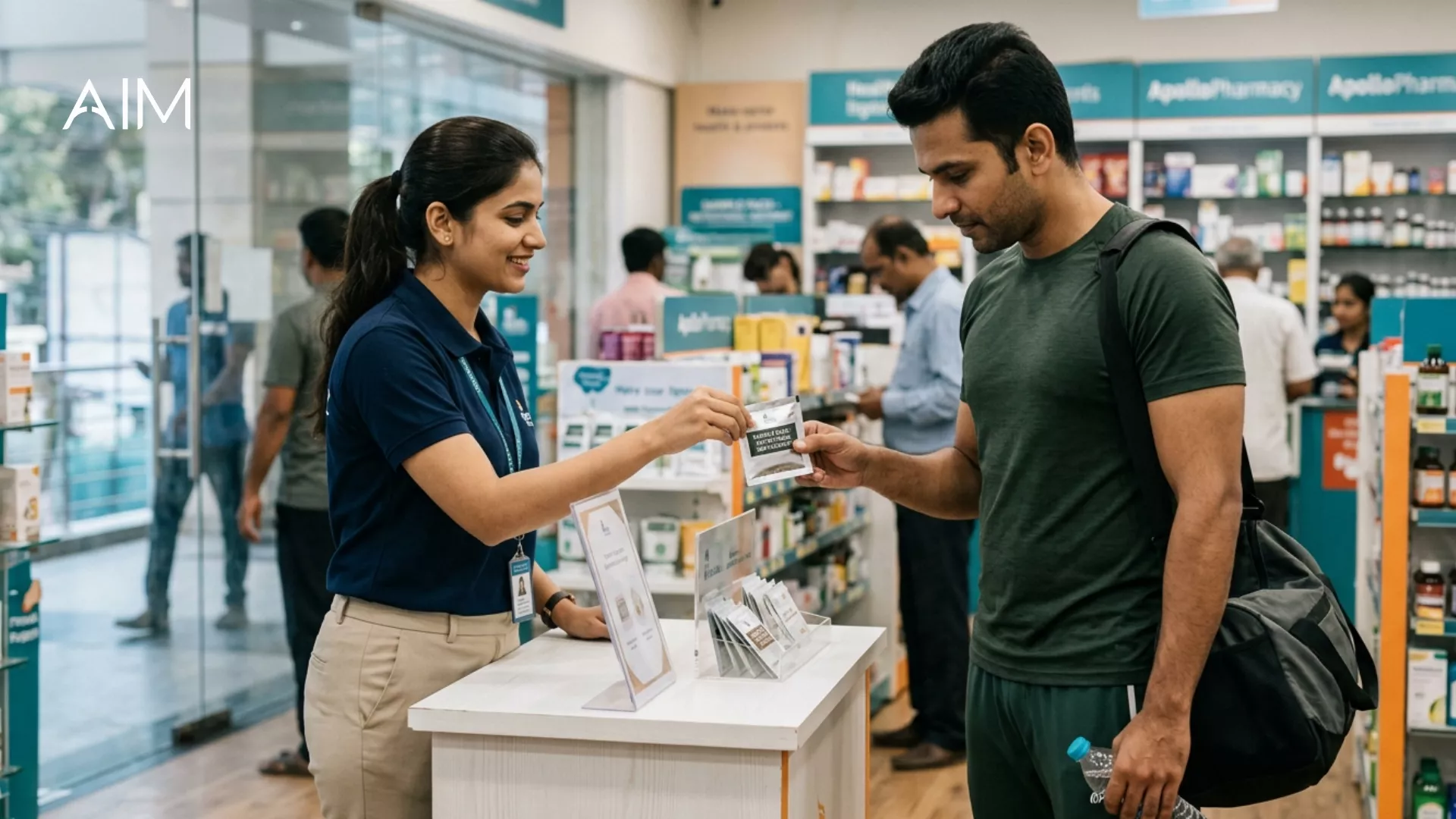
- Attach the switch trigger. Pair the sample with an offer on the full pack that is redeemable inside the next buying cycle. The trial creates the opening, and the offer gives the household a concrete reason to make the switch before the memory fades.
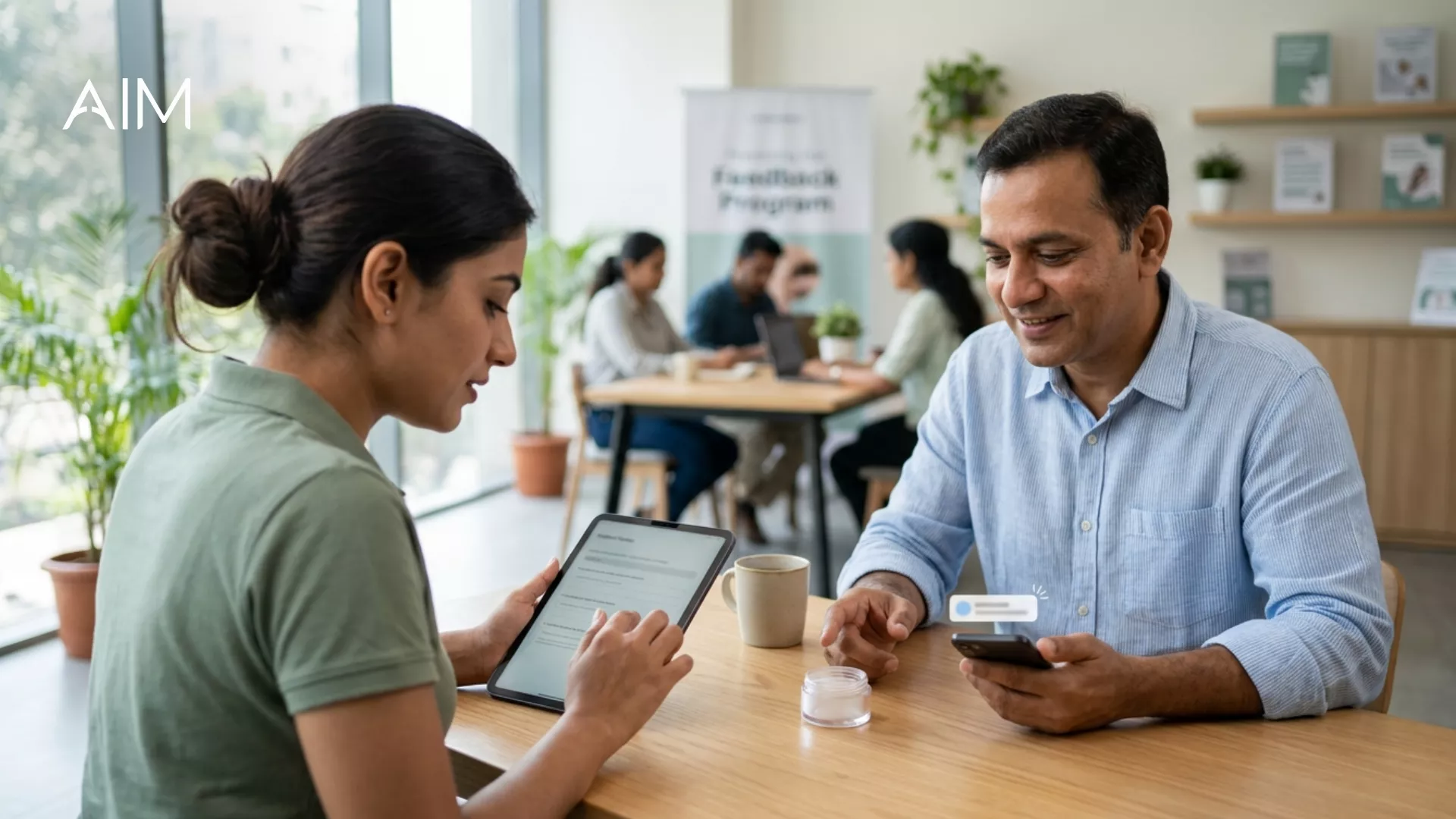
- Capture the household at trial. A quick QR into a short form, or an opt-in at the door, records who has your sample sitting in their cupboard. Without that step, every sampled household is anonymous the moment you walk away, and you can never follow up or measure.
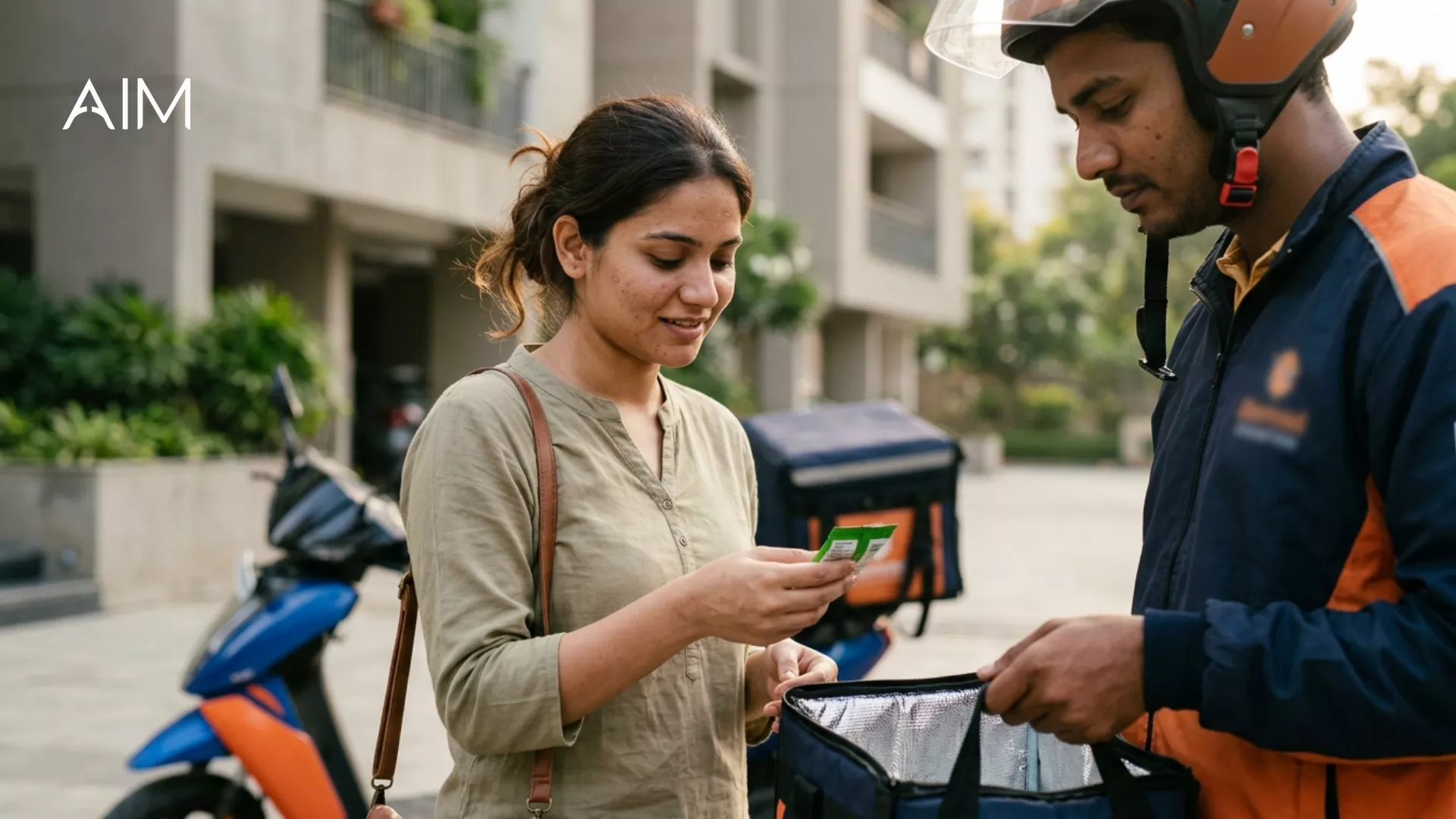
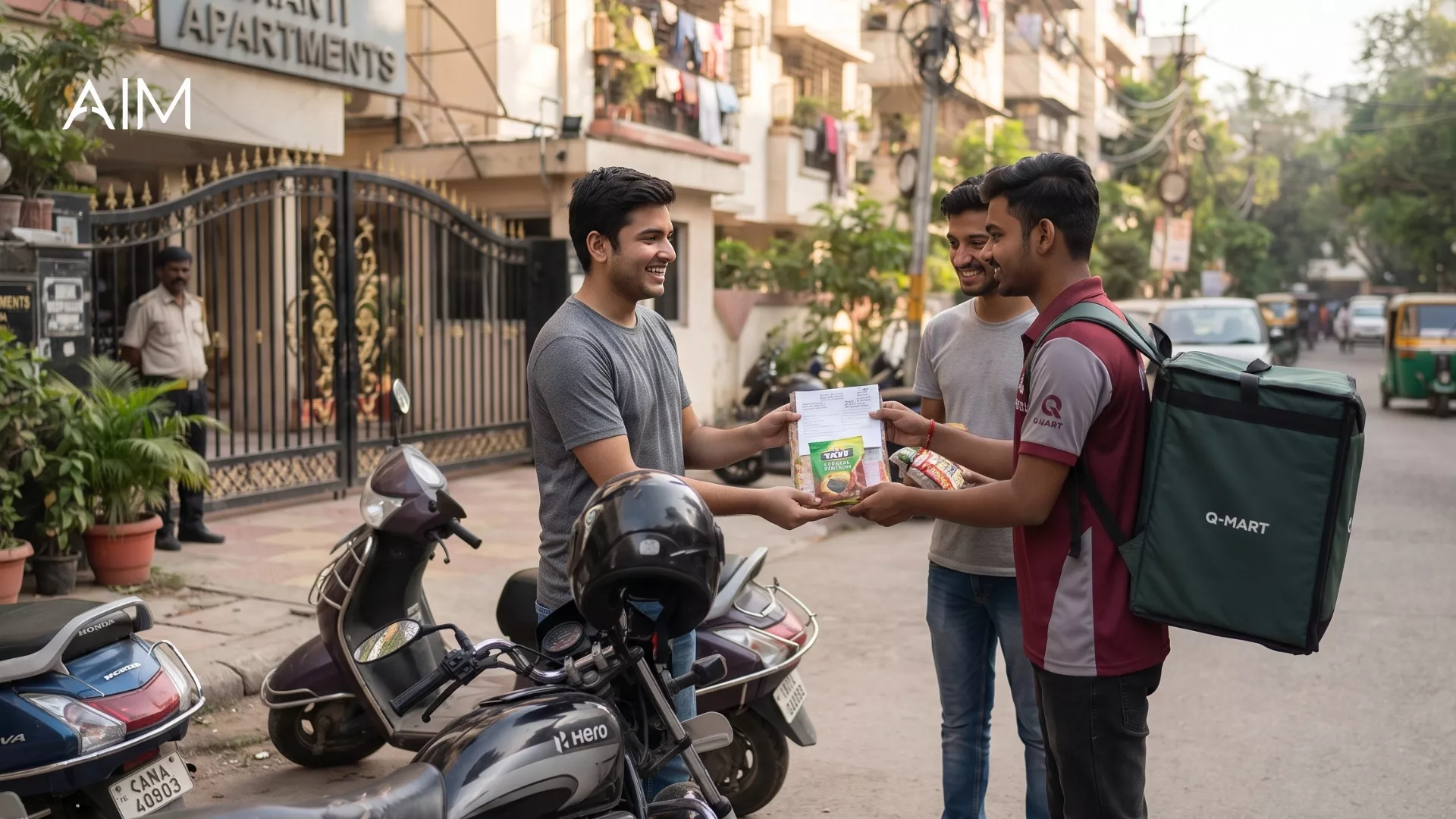
- Remove the reorder friction. Tell them exactly where to buy the full pack, the nearby store, the quick-commerce app, the online link. A household ready to switch will not go hunting, so the easier you make the second purchase, the more of them you keep.
How to actually track repeat
Tracking repeat in home care is a chain, and every link has to be built in before the campaign starts, because none of it can be reconstructed afterwards. Give every sample a unique code or coupon rather than one shared code, so a redemption can be tied back to a specific sampled household. Watch the first redemption to see who converted from trial to a first paid purchase. Then, and this is the part most brands skip, watch the next cycle for a second purchase, because that is the one that signals a habit forming rather than a one-off curiosity buy. Where the buyer reorders on quick commerce or e-commerce, that data is clean and easy to follow. Where they buy in general trade, the coupon code and the captured contact are what let you close the loop. Held together, this turns a pile of sachets into a cohort of households you can actually name and follow.
The thirty to sixty day window that decides everything
Because home care sells on a cycle, the moment that matters is not the day after sampling, it is the next time the household would normally restock. Measuring conversion on day one tells you almost nothing, because most people still have product at home. The honest read comes in the following cycle. Did the household that tried your detergent buy a full pack when its old one ran out, roughly a month later? Did it buy again the month after that? A brand that only looks at week-one redemption will undercount its real conversions and misjudge the campaign. The repeat window is where home care sampling is won or lost, and it is exactly the window traditional sampling never bothers to look at.
What the data tells you that a distribution count never will
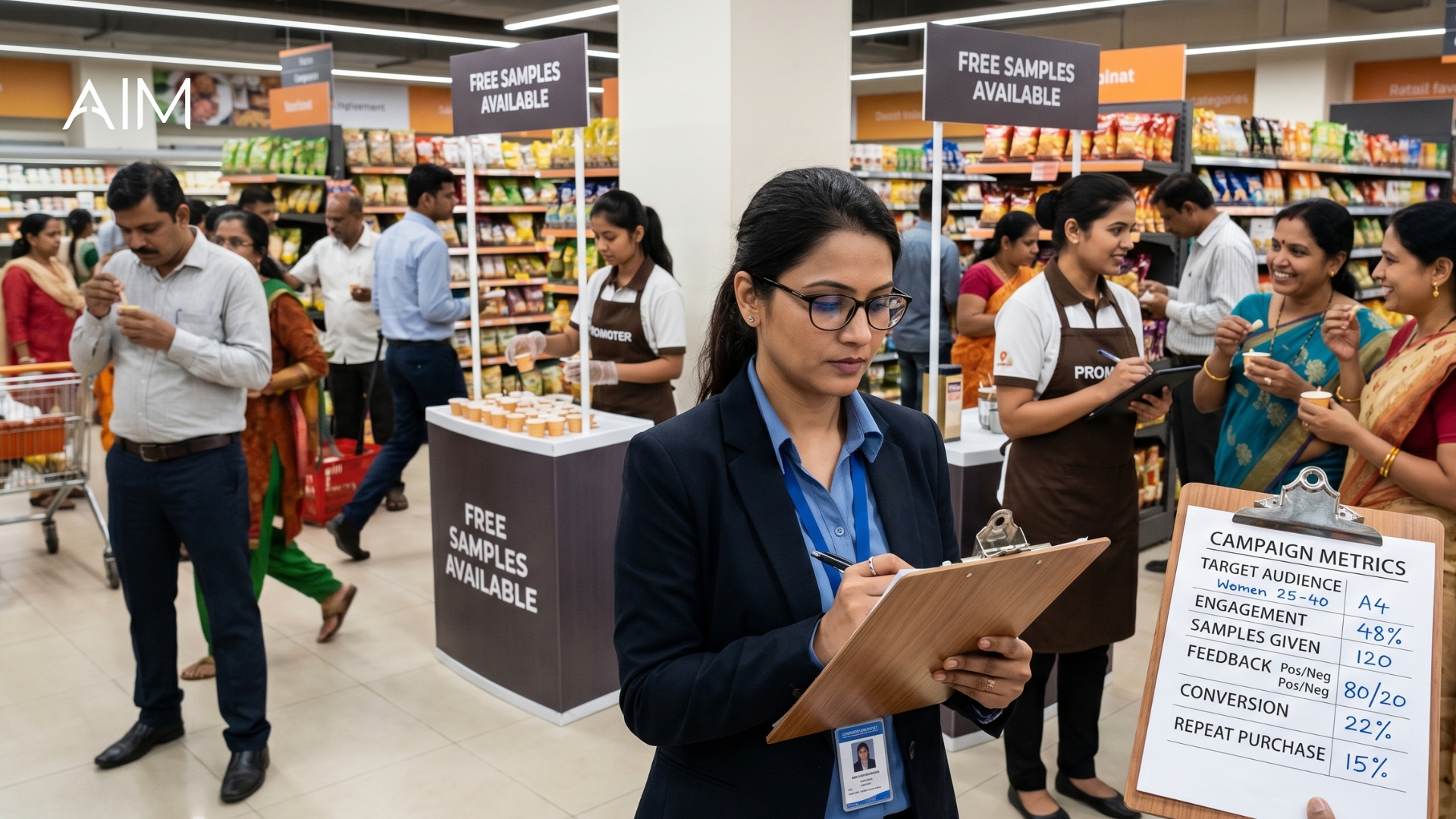
Once you track to the reorder, the home care sampling campaign starts answering real questions. You learn your repeat rate, the share of sampled households that came back and bought again, which is the single most useful number a home care brand can have. You learn time to reorder, how long it took a trial to become a purchase, which tells you how quickly your product can break a habit. You learn which segments switched, whether it was the young family, the older household, the particular society profile, so the next campaign can go where conversion already proved out. None of this exists in a distribution report. Samples distributed is a number about you. Repeat rate is a number about your buyer, and only one of them predicts revenue.
The household you sample is the whole bet
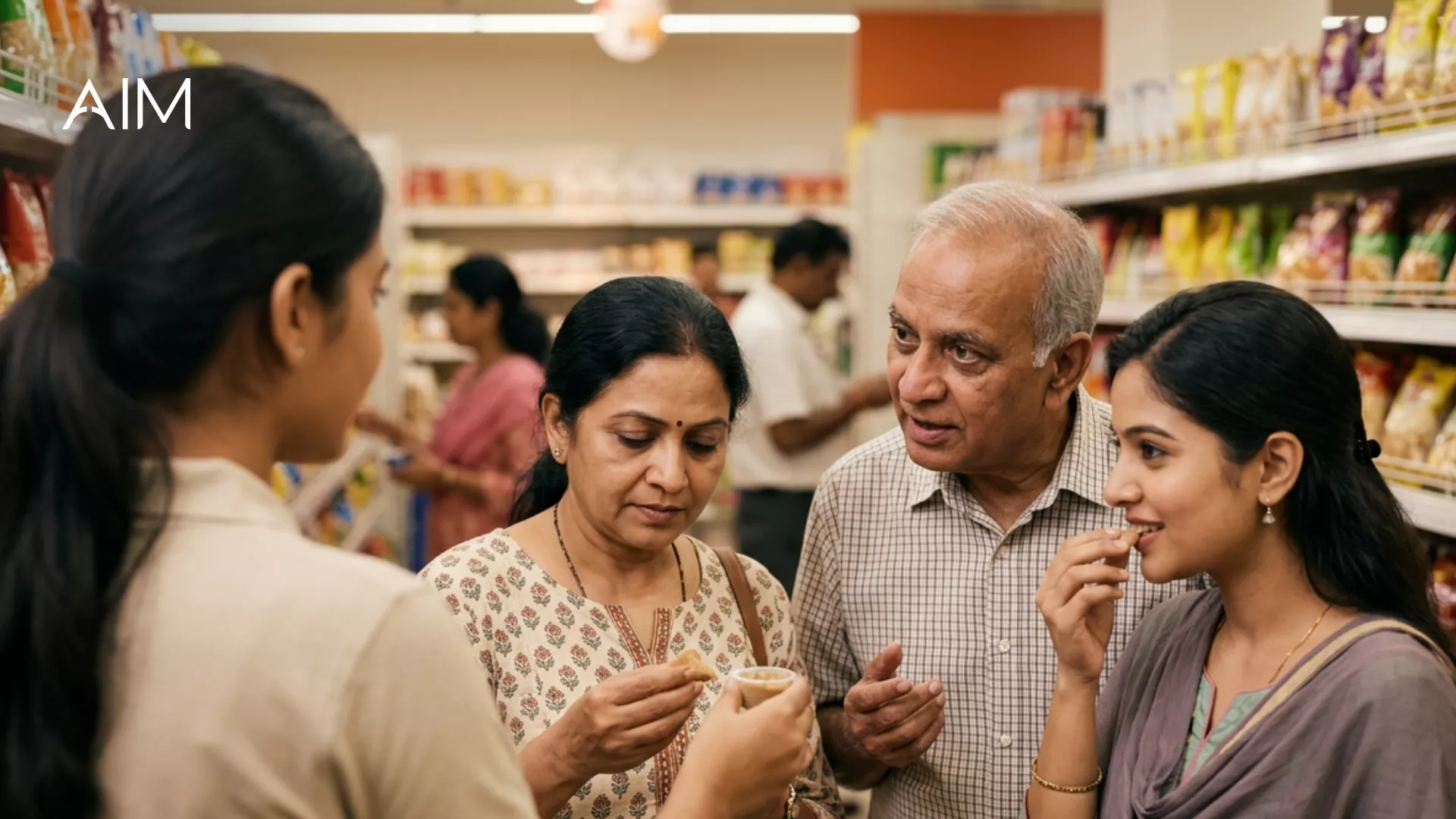
One more thing decides whether repeat ever happens, and it comes before the sachet is even designed: who you hand it to. A detergent sample given to a household that already loves its brand and will not move is money spent on a compliment. The same sample given to a new household, a recent mover, a young family still forming its habits, or a buyer already unhappy with what they use, has a real chance of becoming a monthly purchase. Traditional sampling ignores this and hands sachets to whoever opens the door, then reports the count. Selecting households by openness to switching, and then tracking those specific households into the next cycle, is what turns home care sampling from a distribution exercise into a repeat engine. The size of the sample and the strength of the offer matter, but they matter far more when the sample is in the right cupboard to begin with.
This is how AIM runs home care and hygiene sampling: samples sized to change a real chore, households captured at the point of trial, and tracking that follows each one from the sachet to the second and third purchase in the cycles that follow. Done this way, home care sampling stops being a day of busy gates and photos and becomes a measured path from trial to monthly habit. The question is never how many sachets you gave out. It is how many kitchens and laundry baskets still have your product in them two months later, buying on their own, out of habit you built and can prove.












.webp)
















.png)