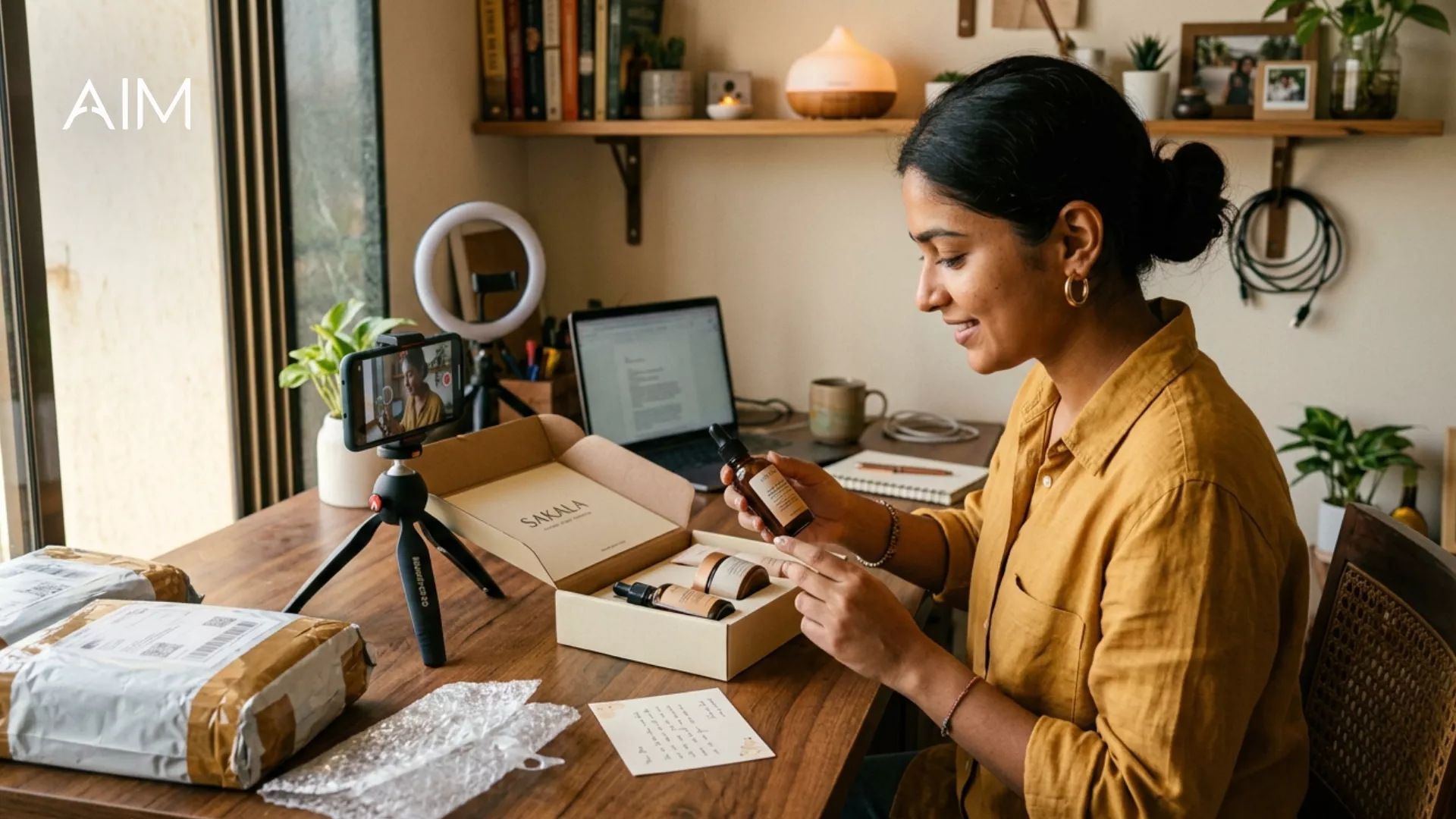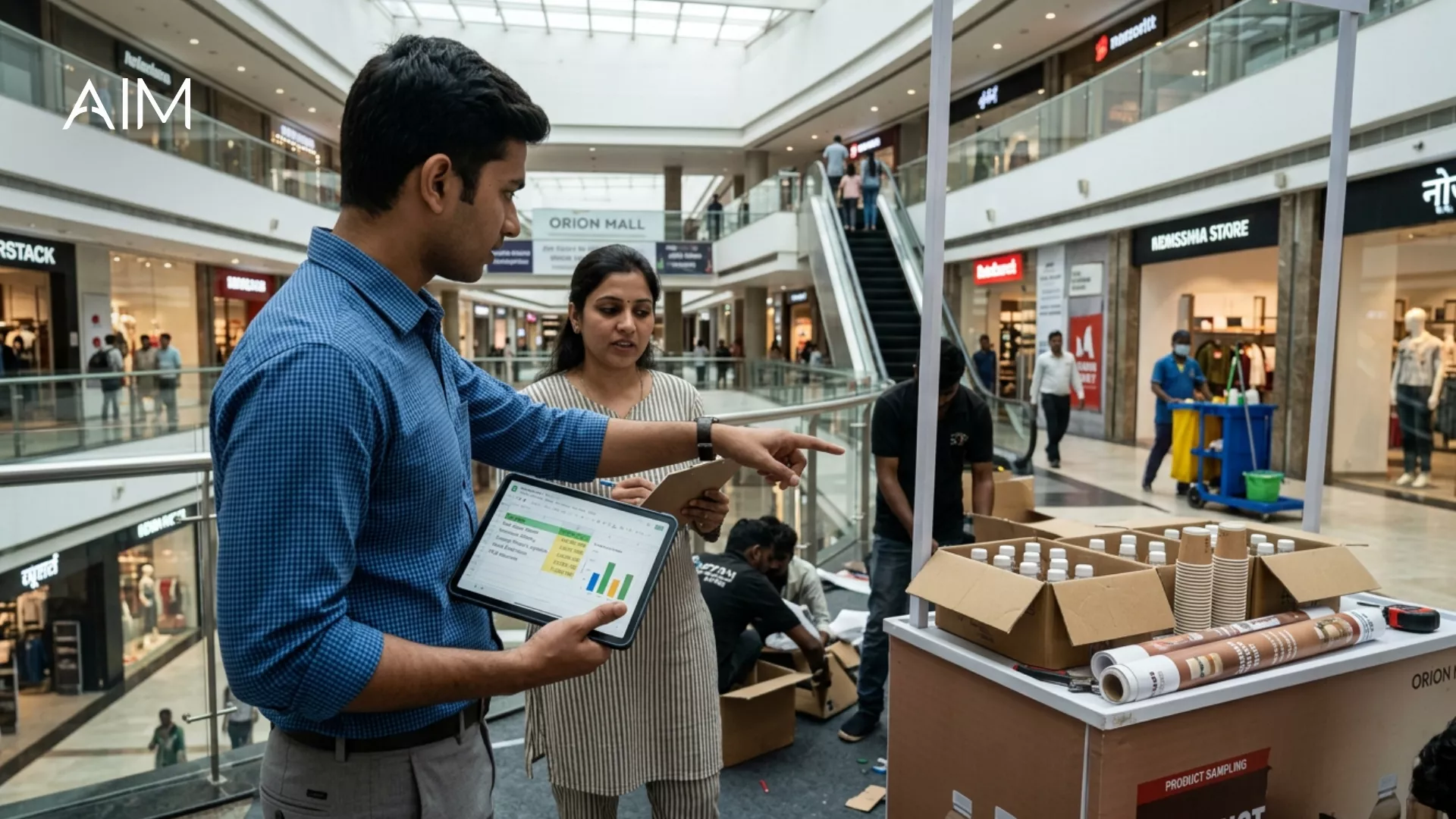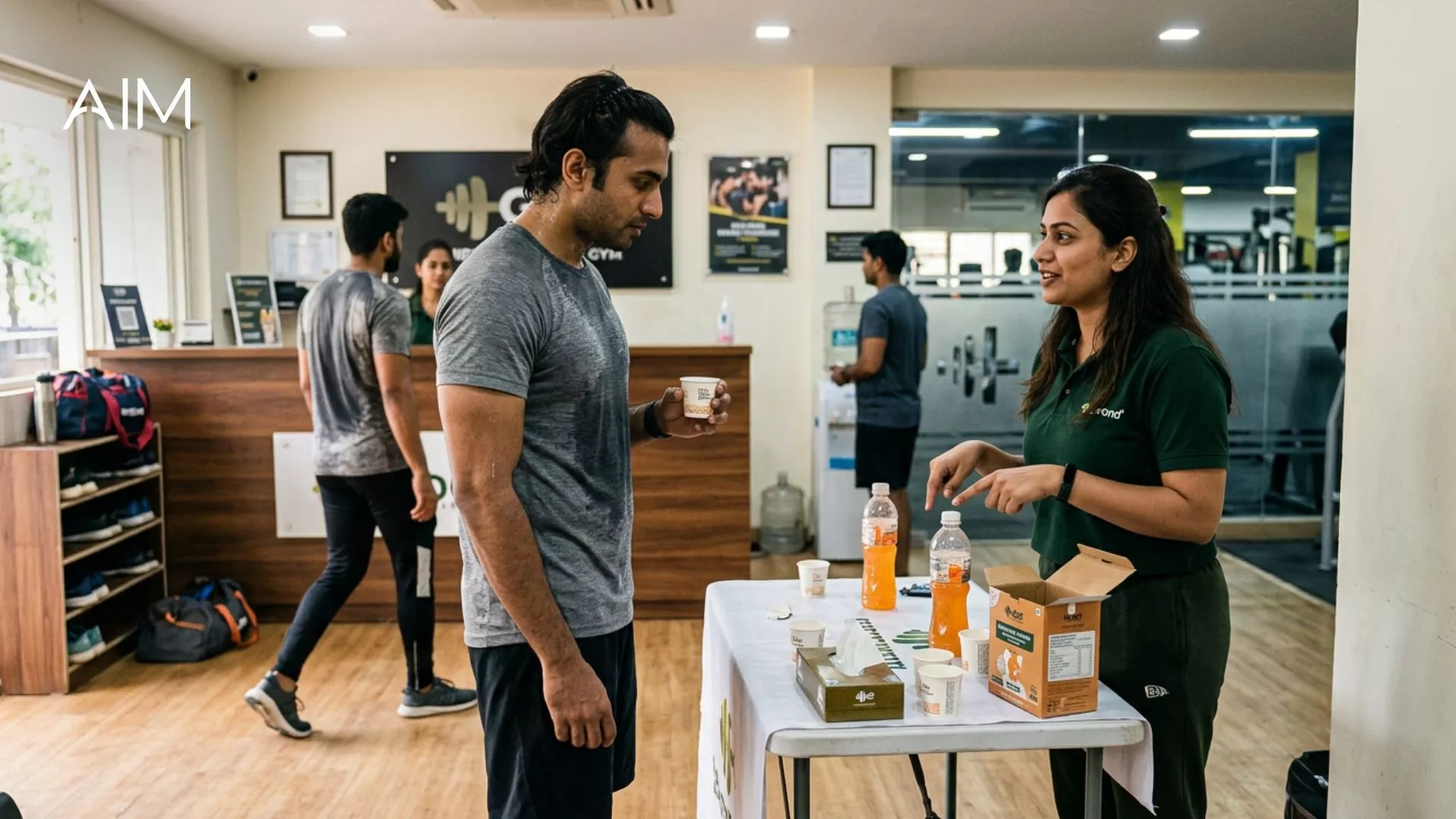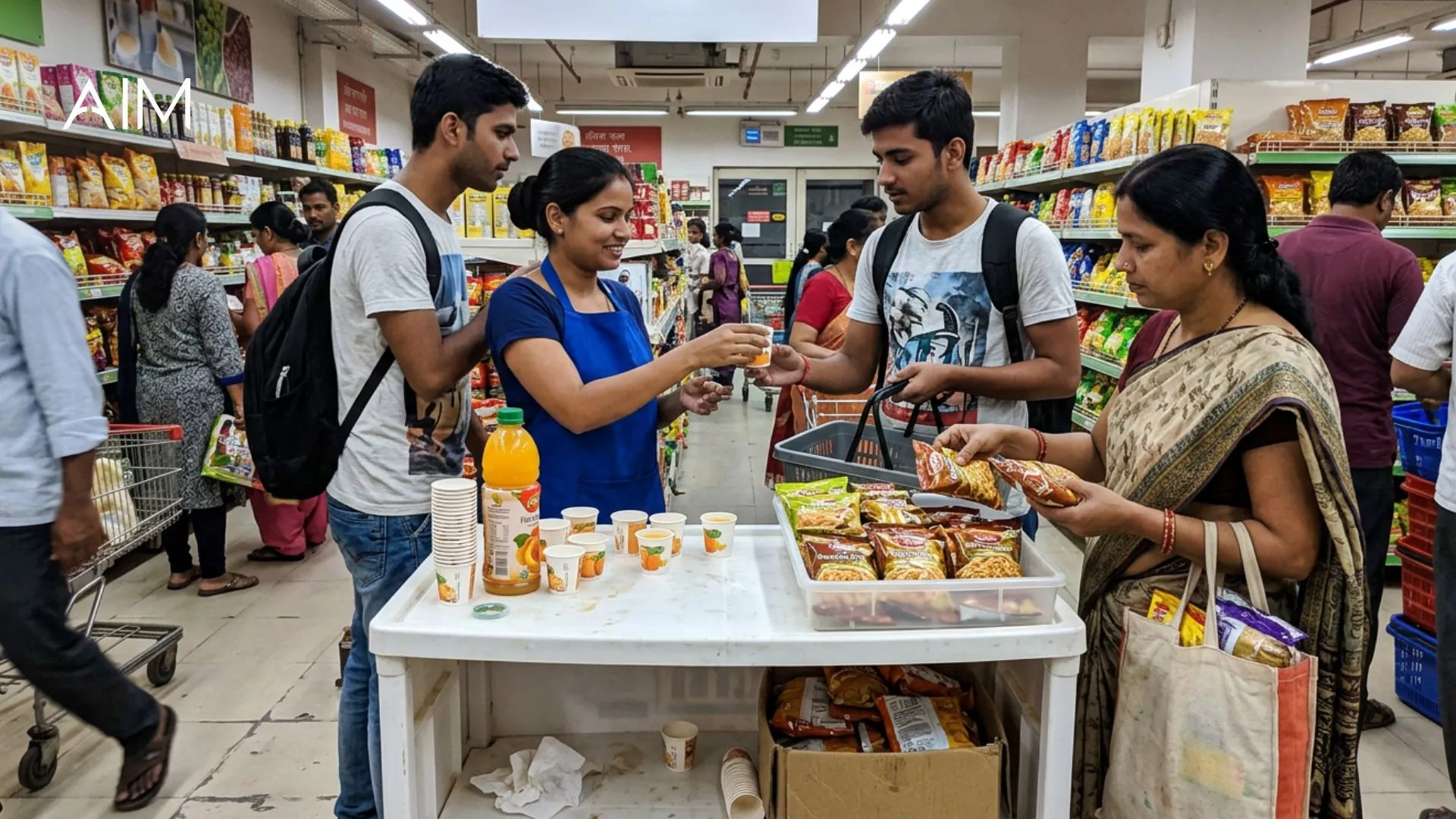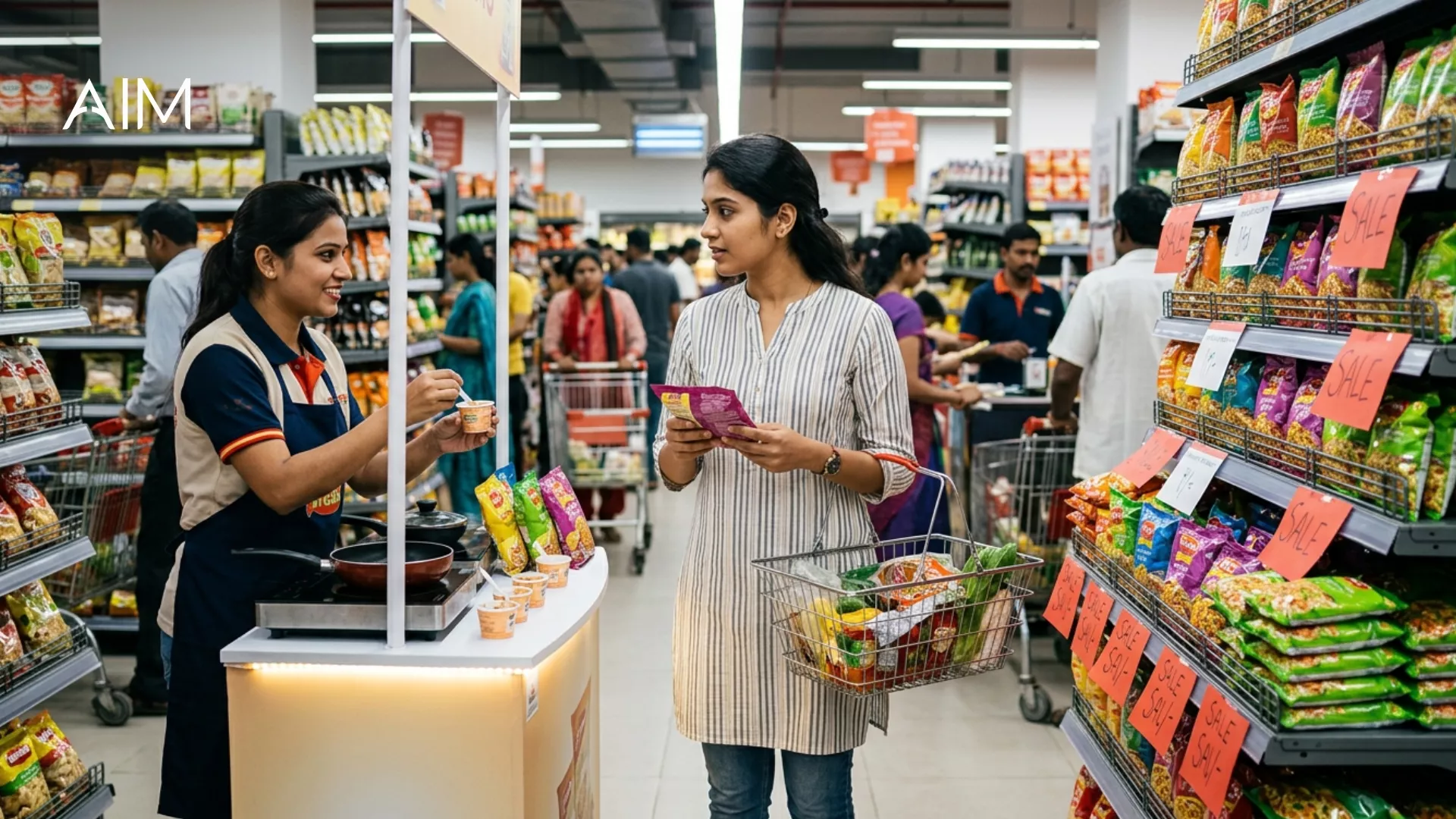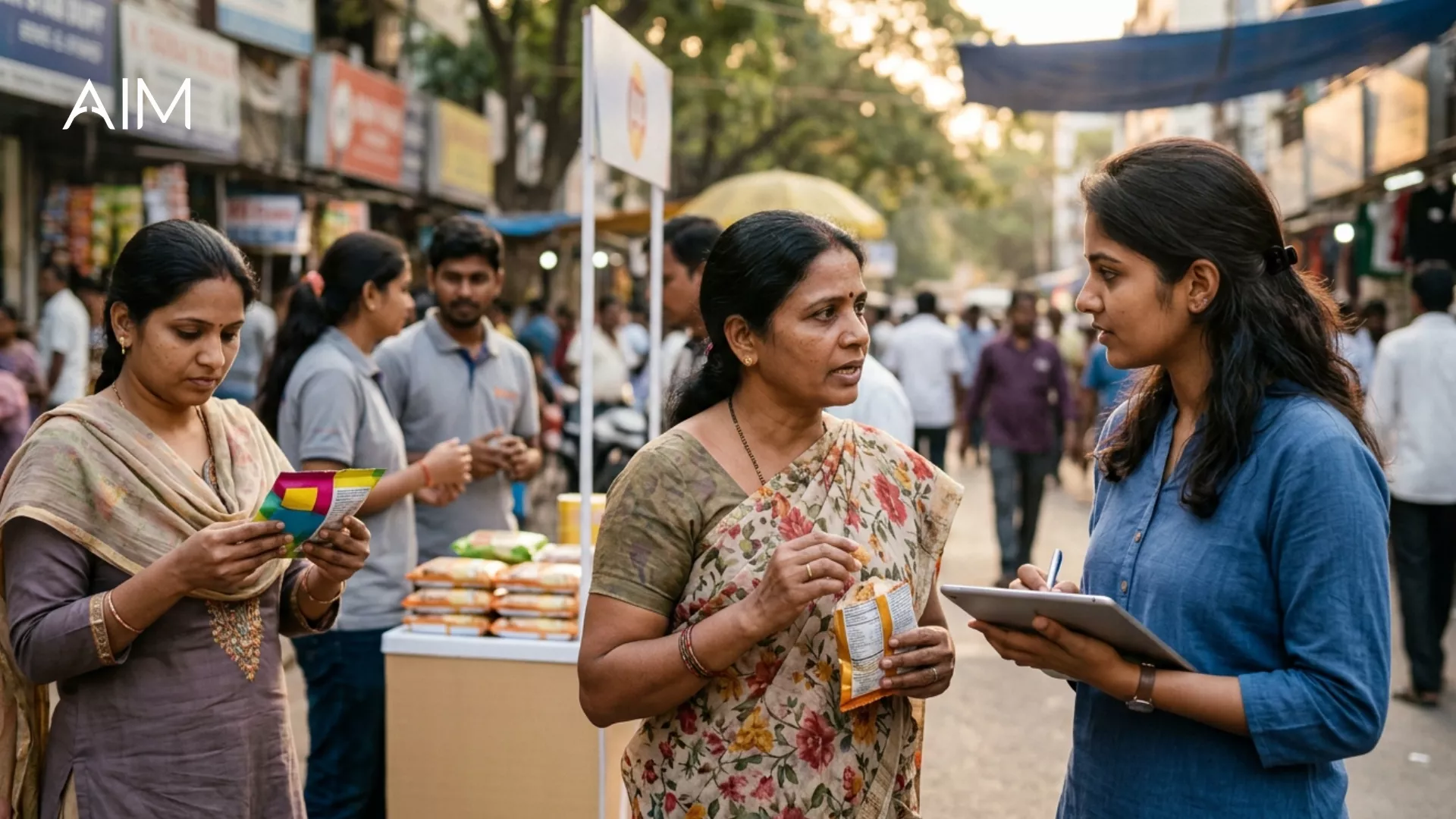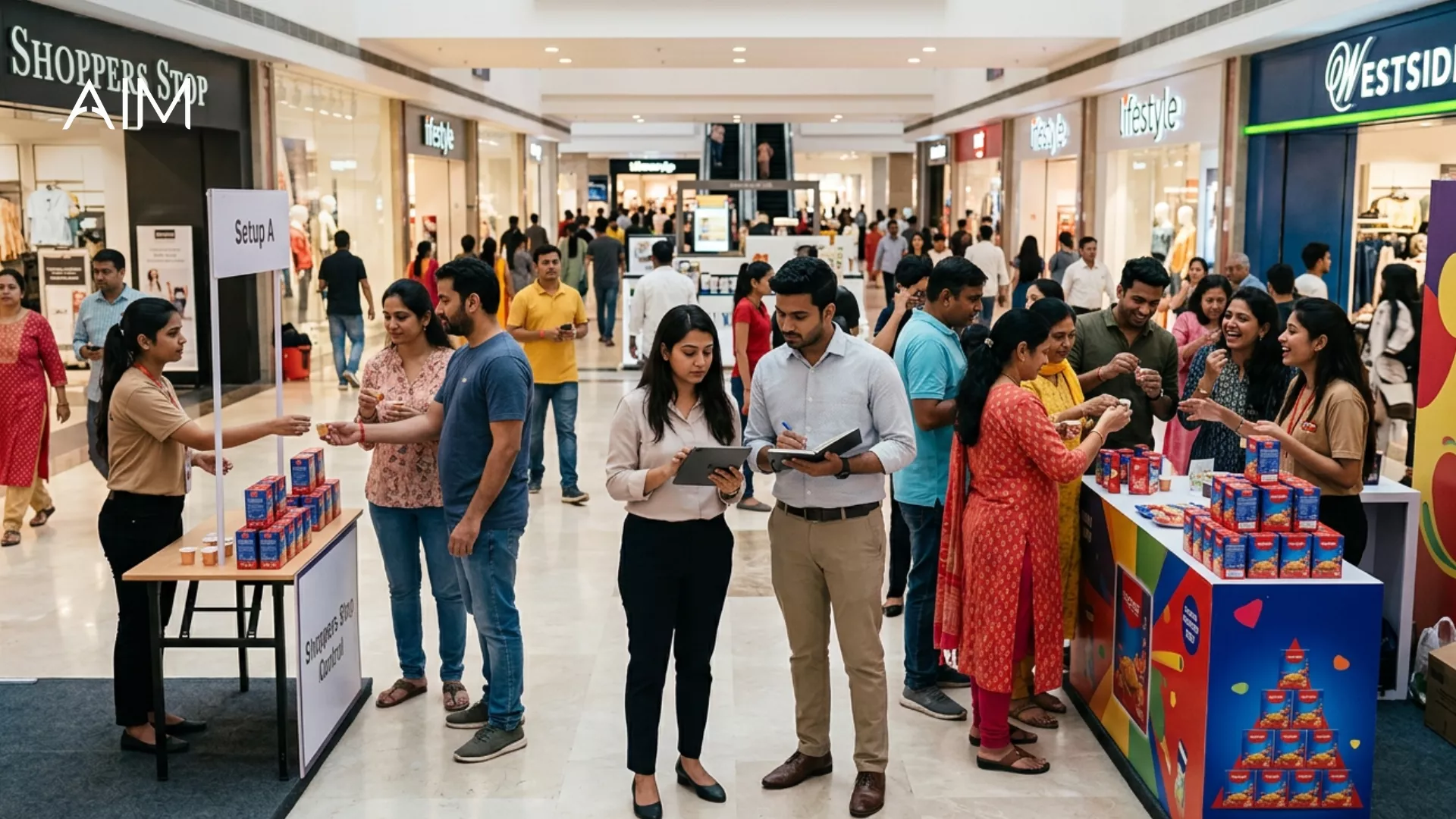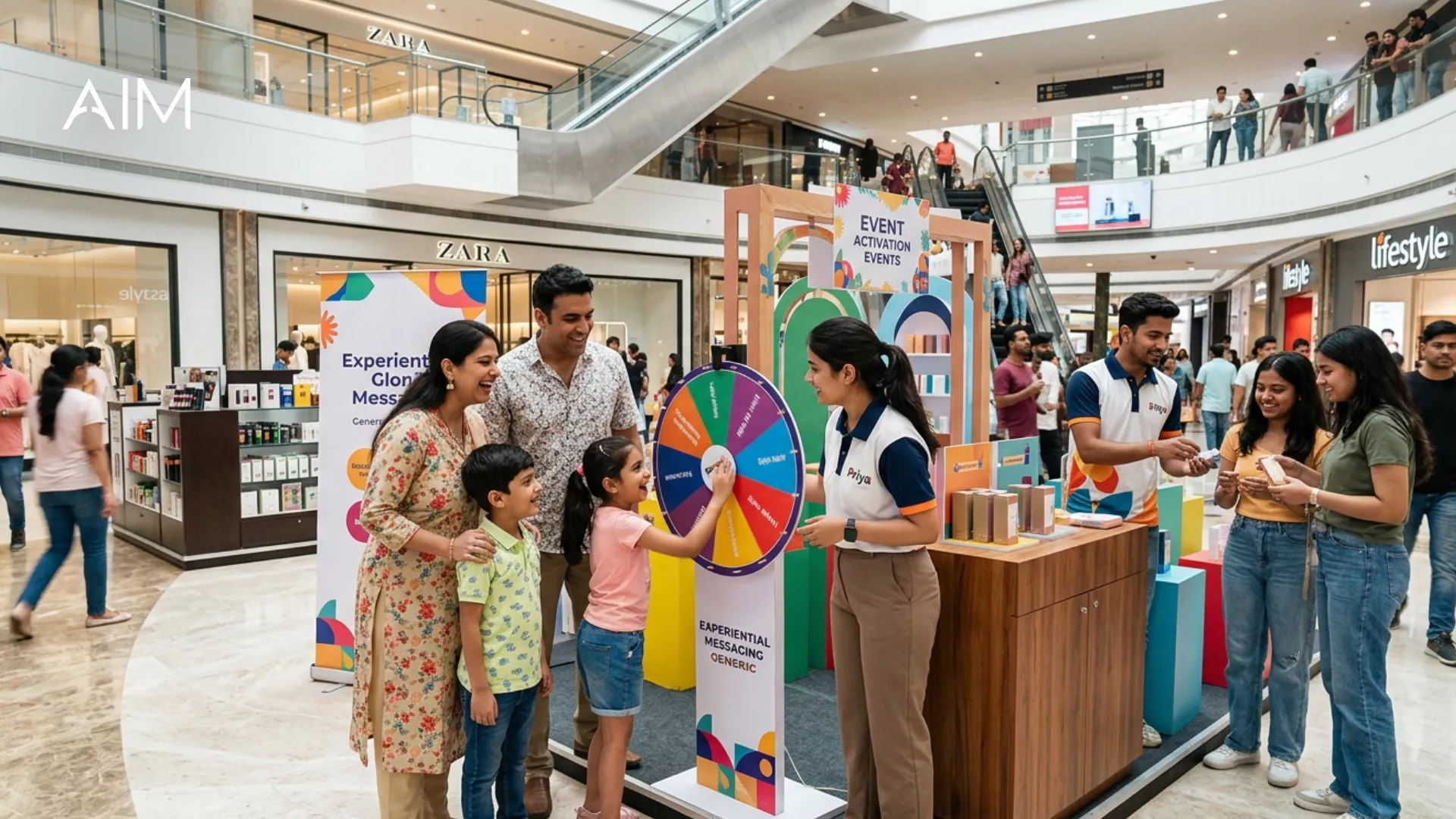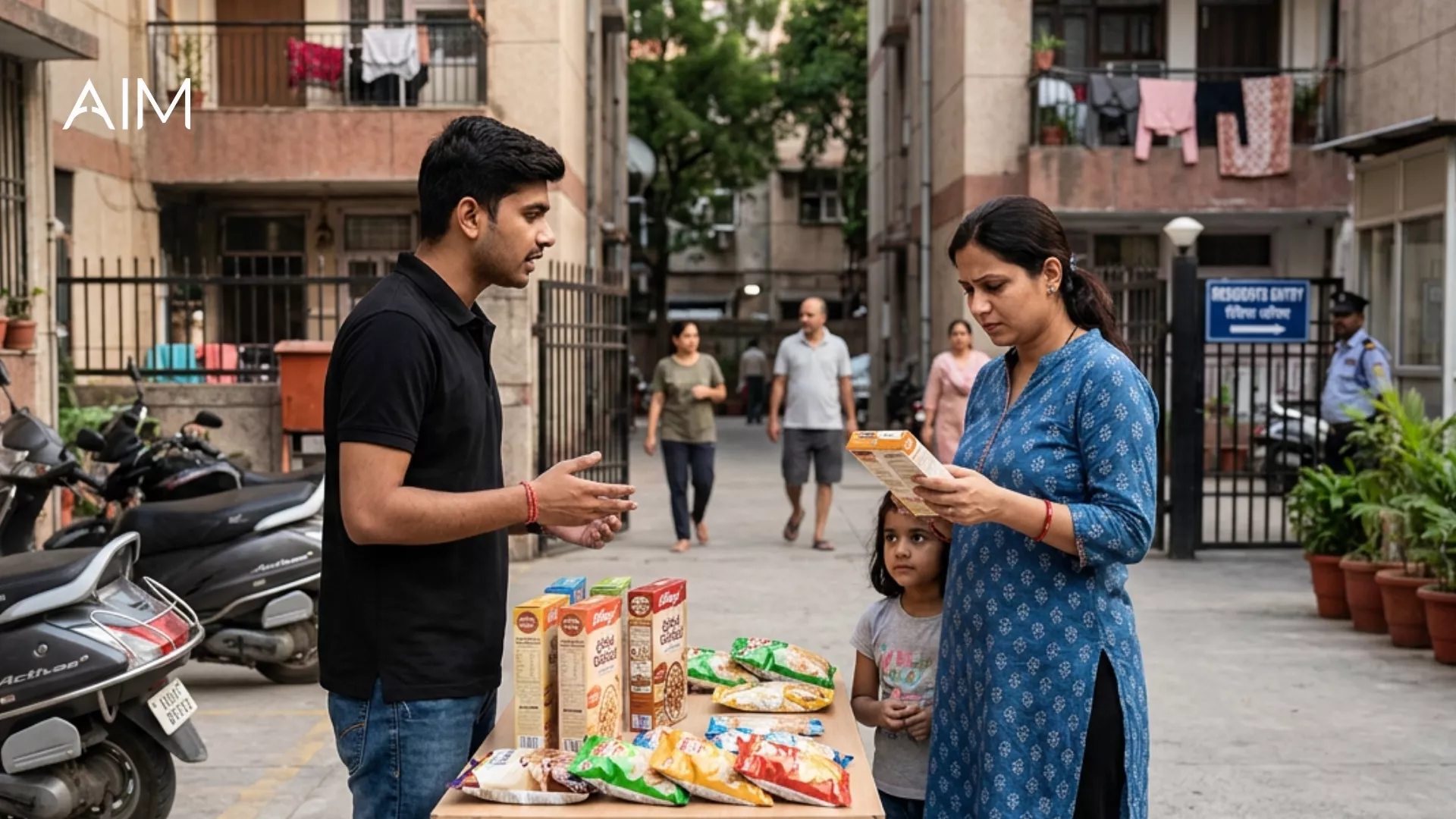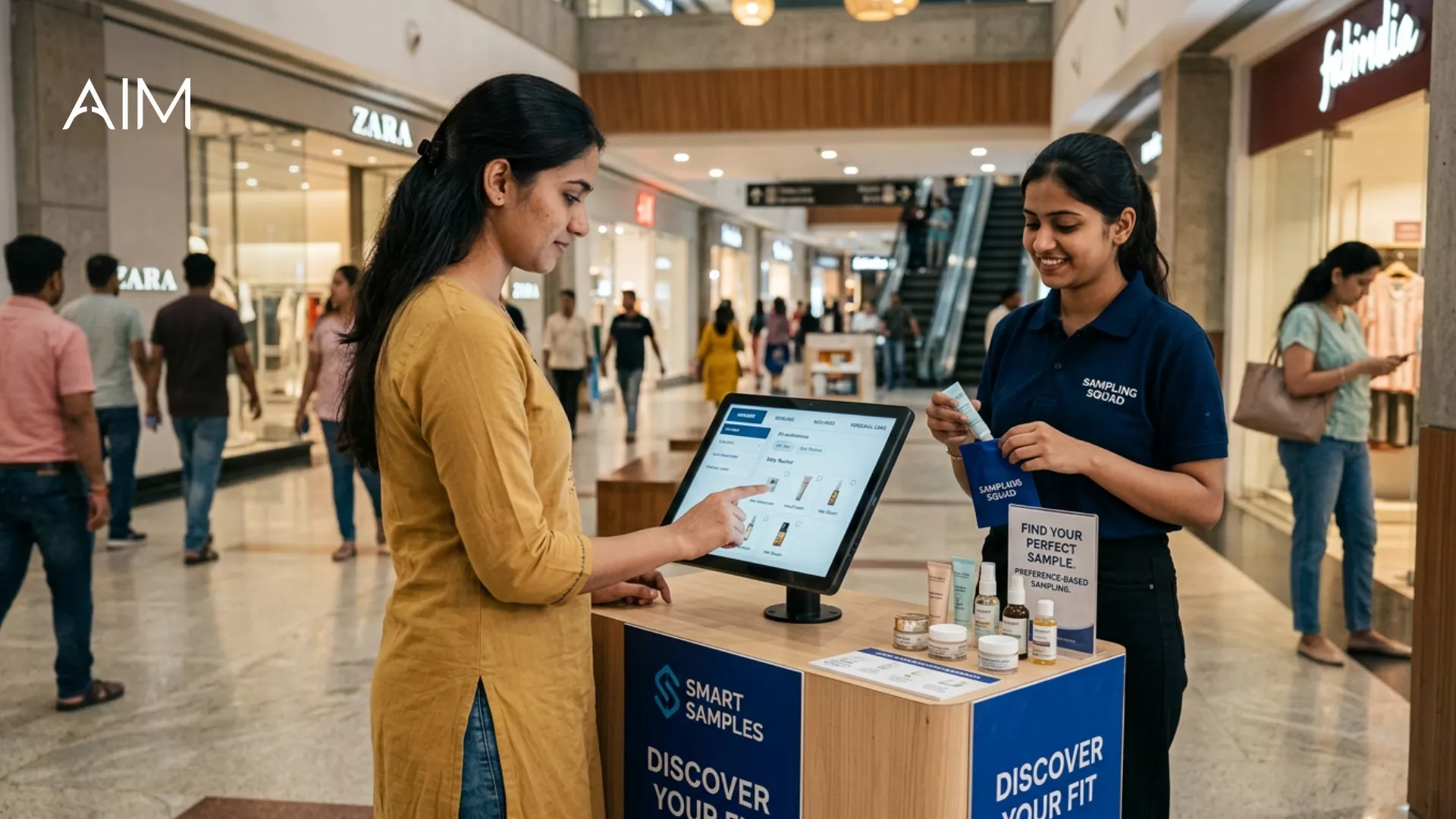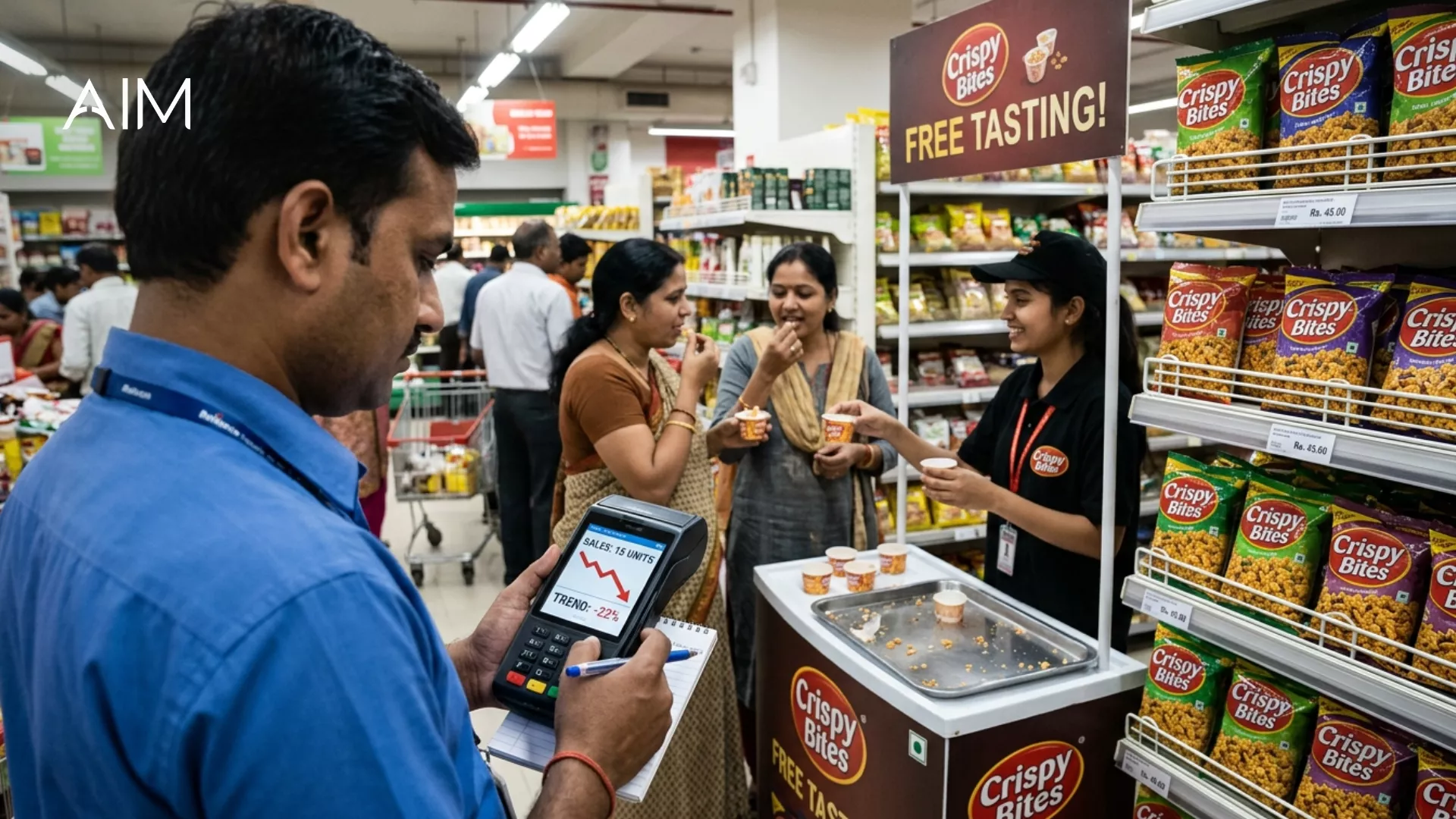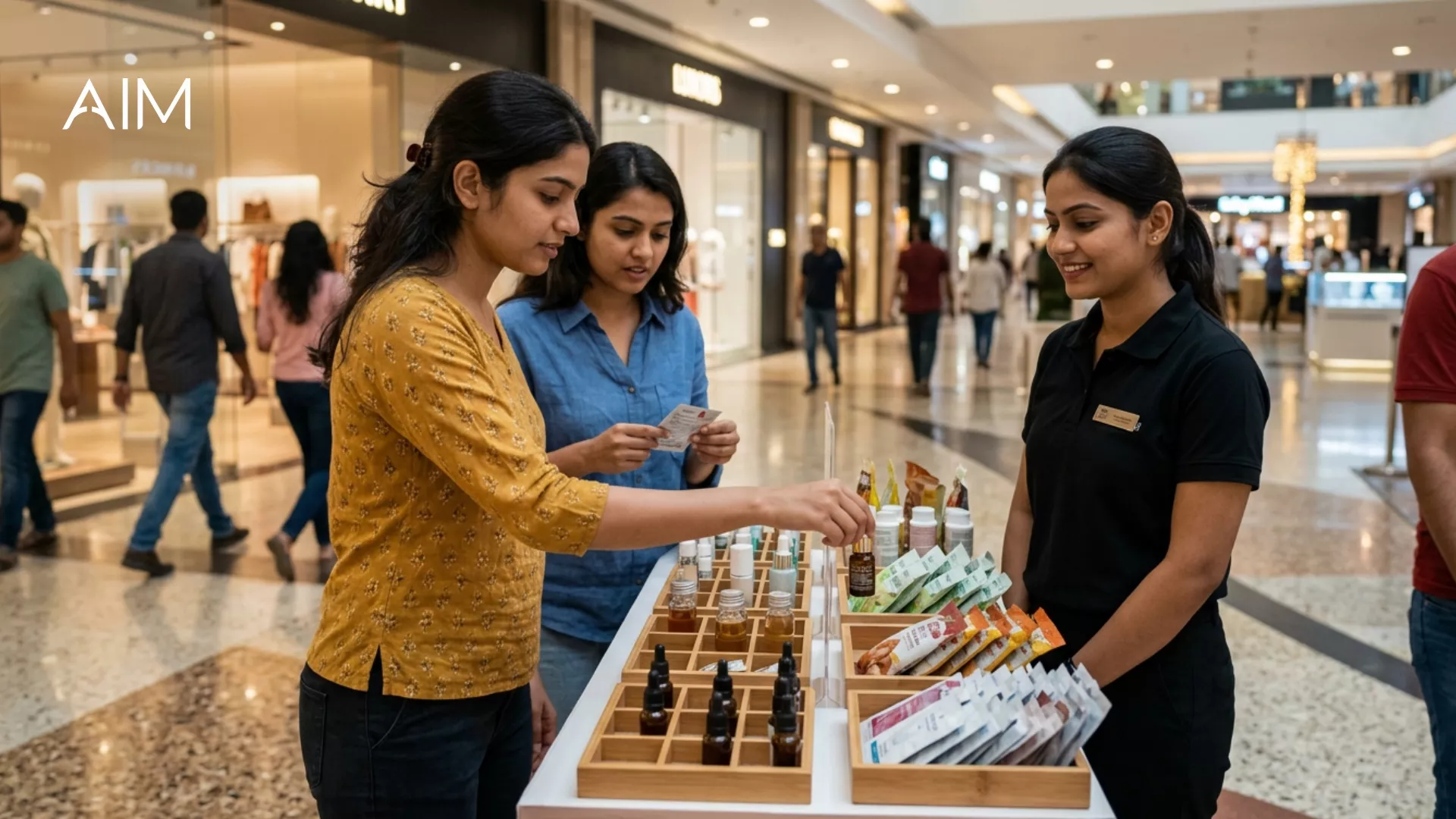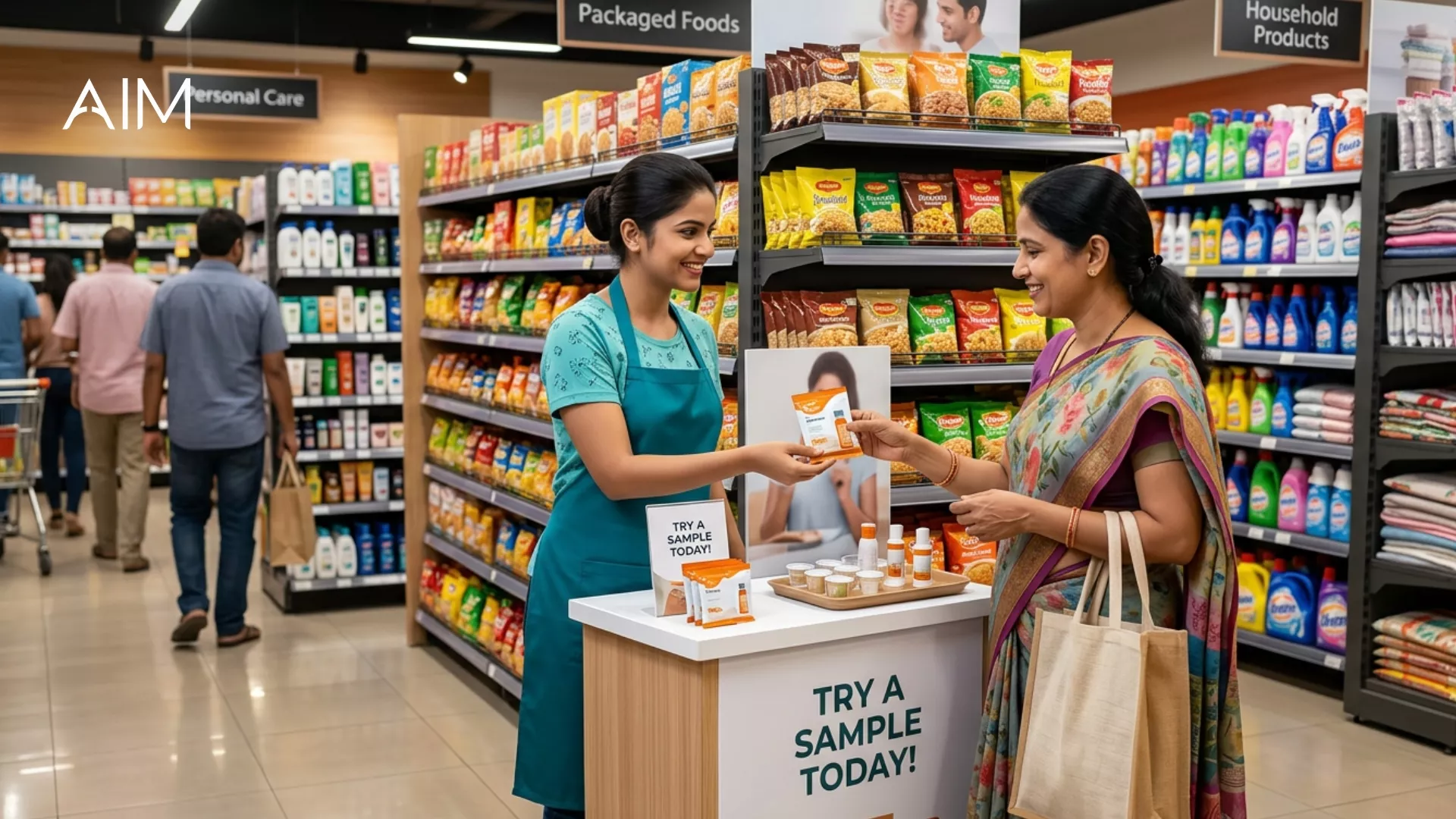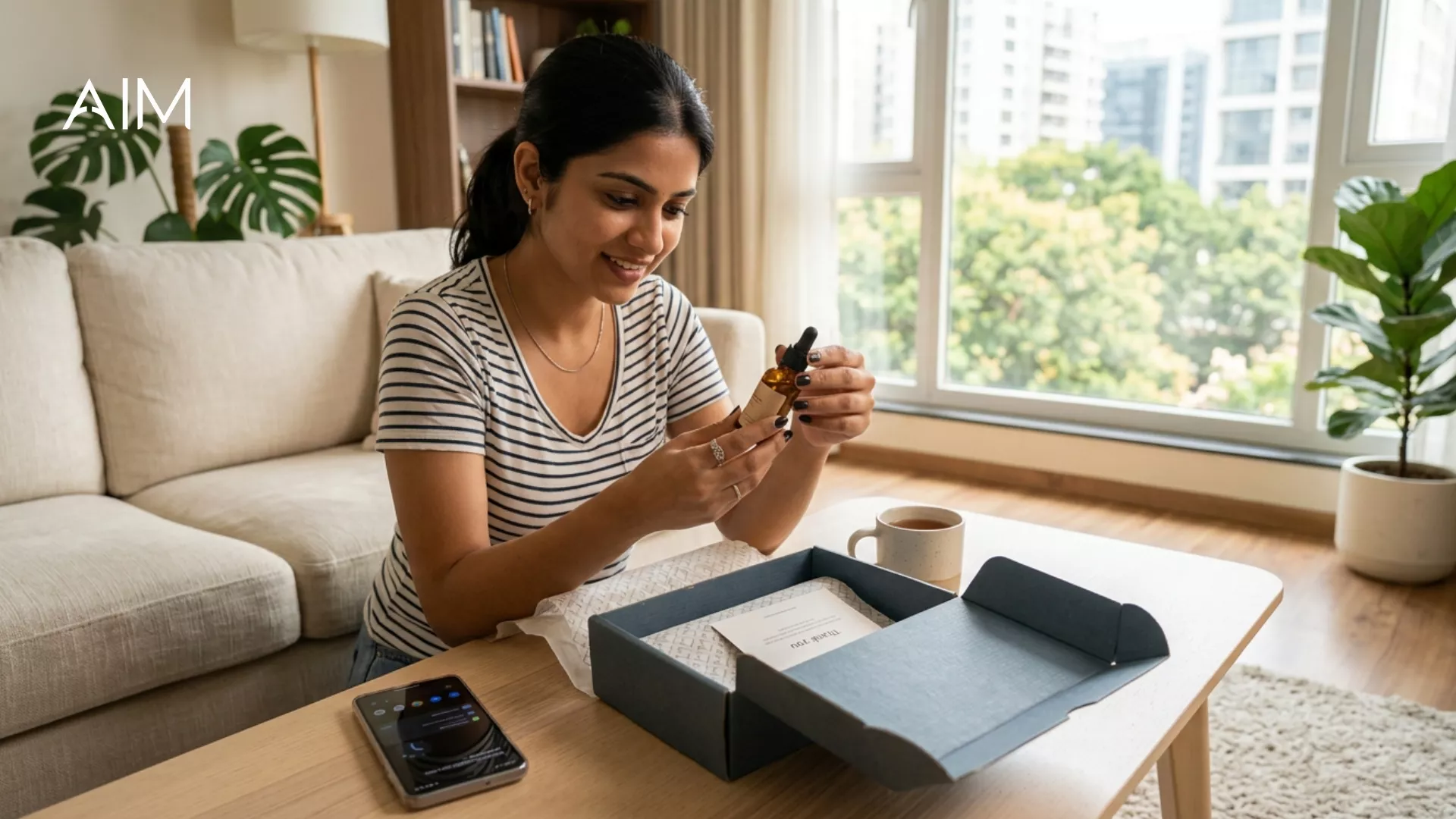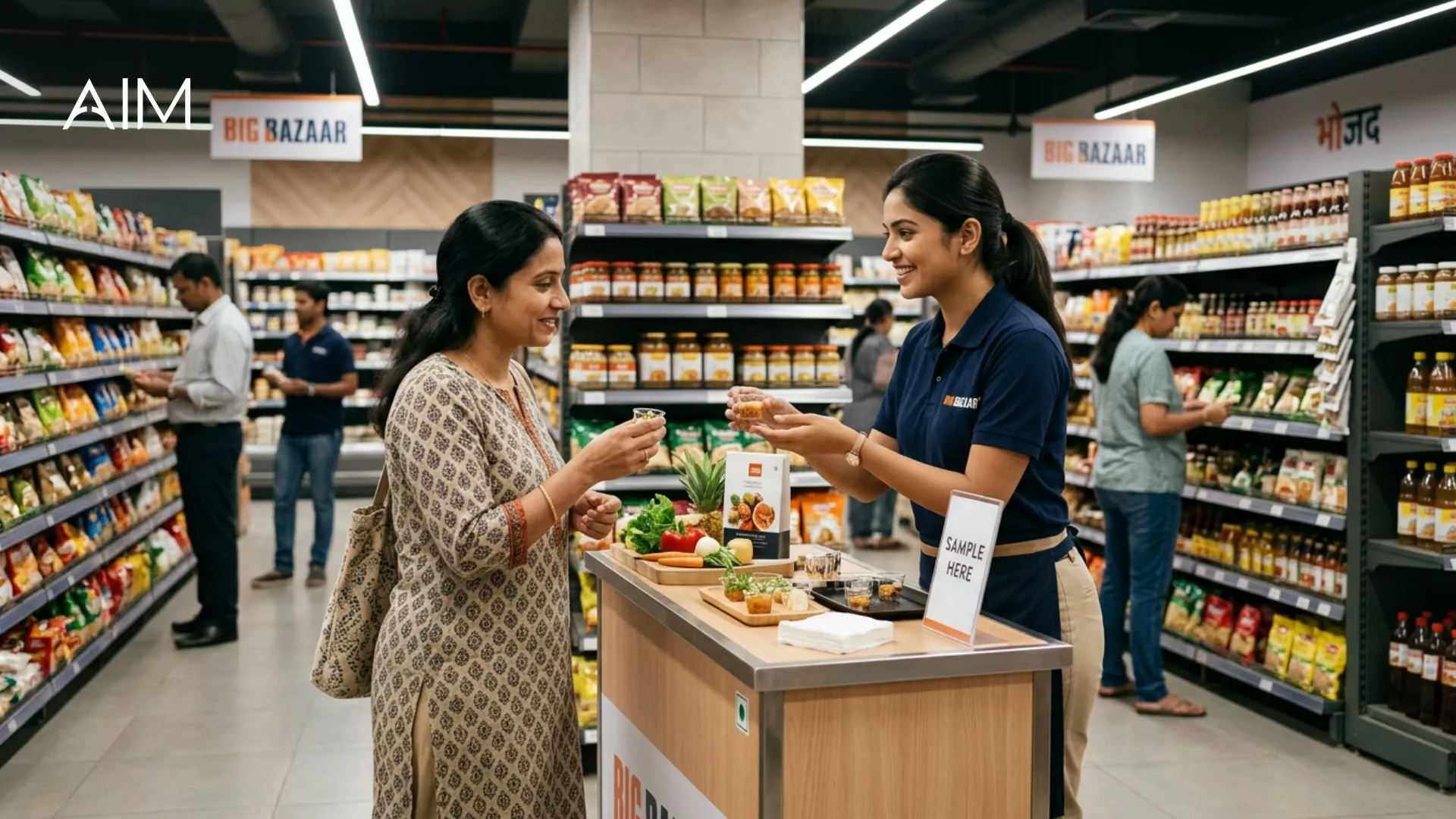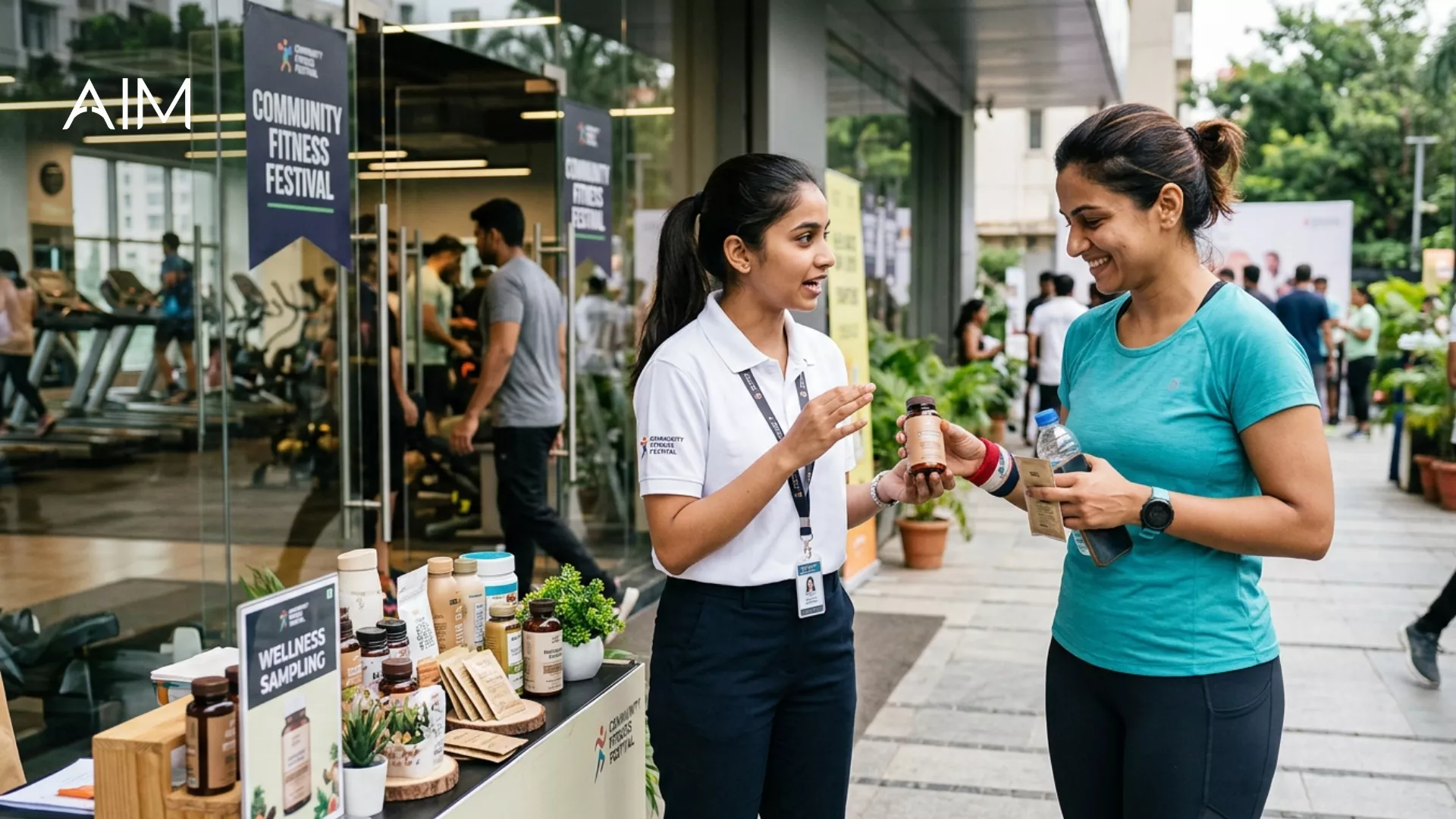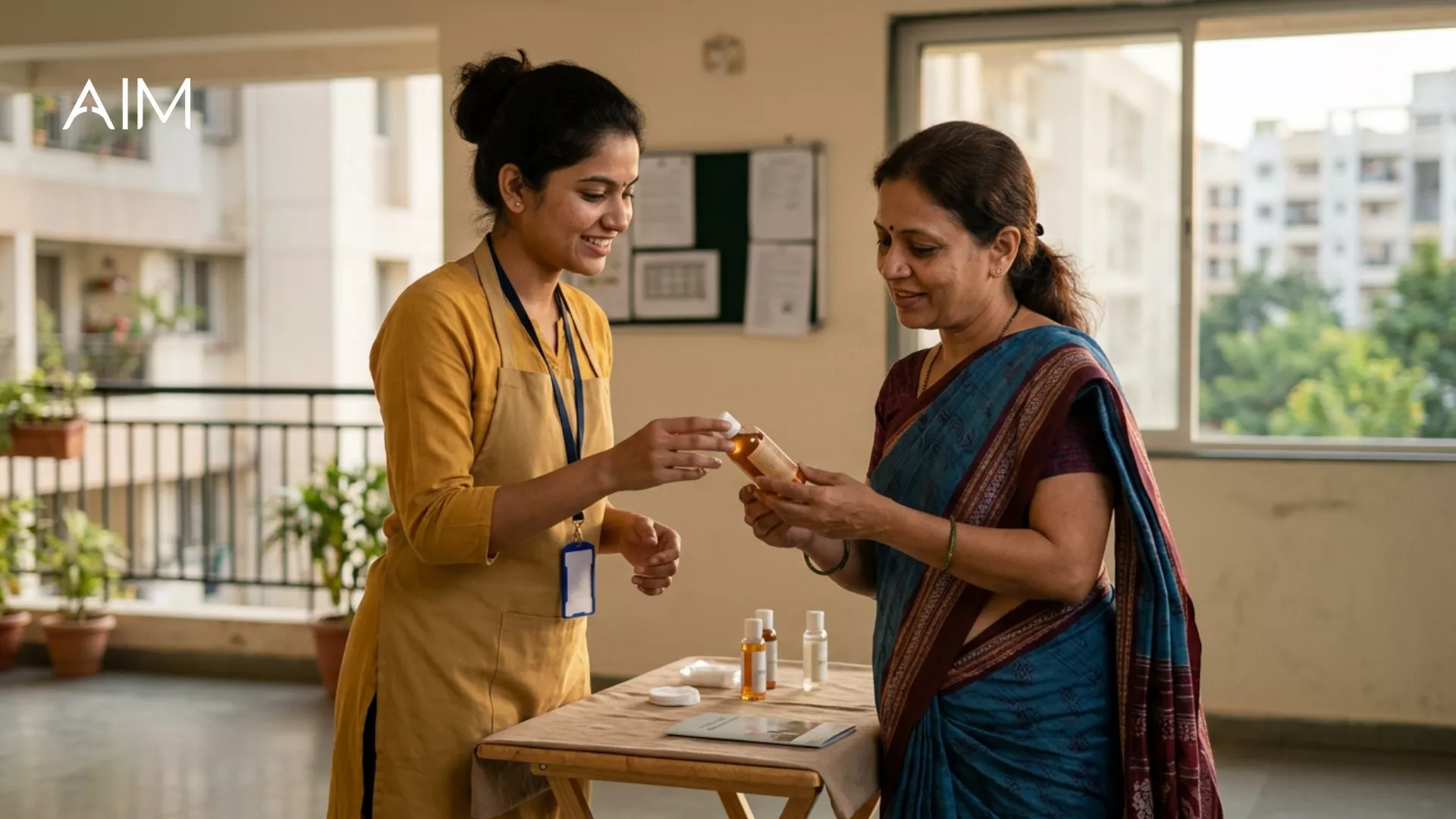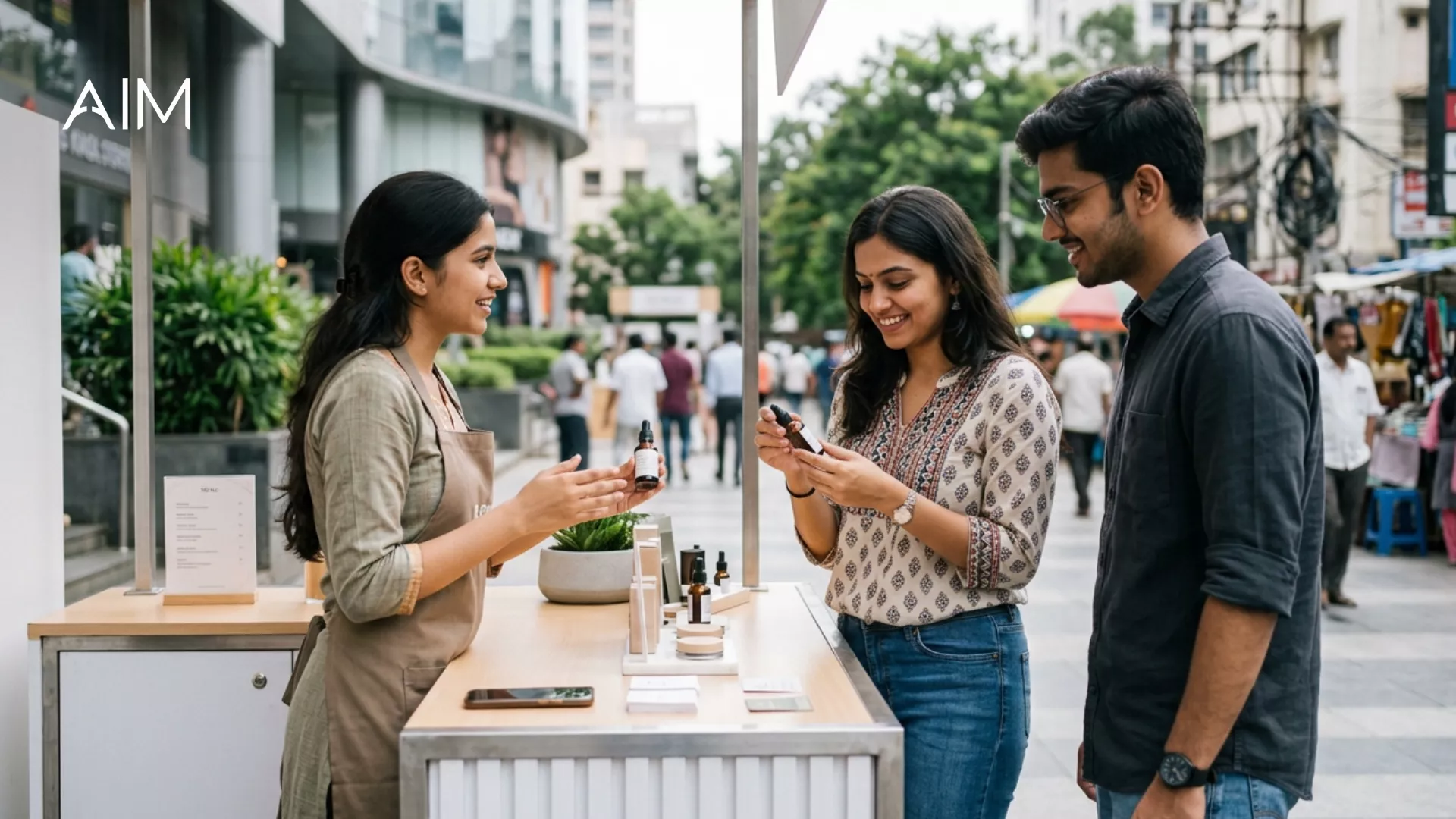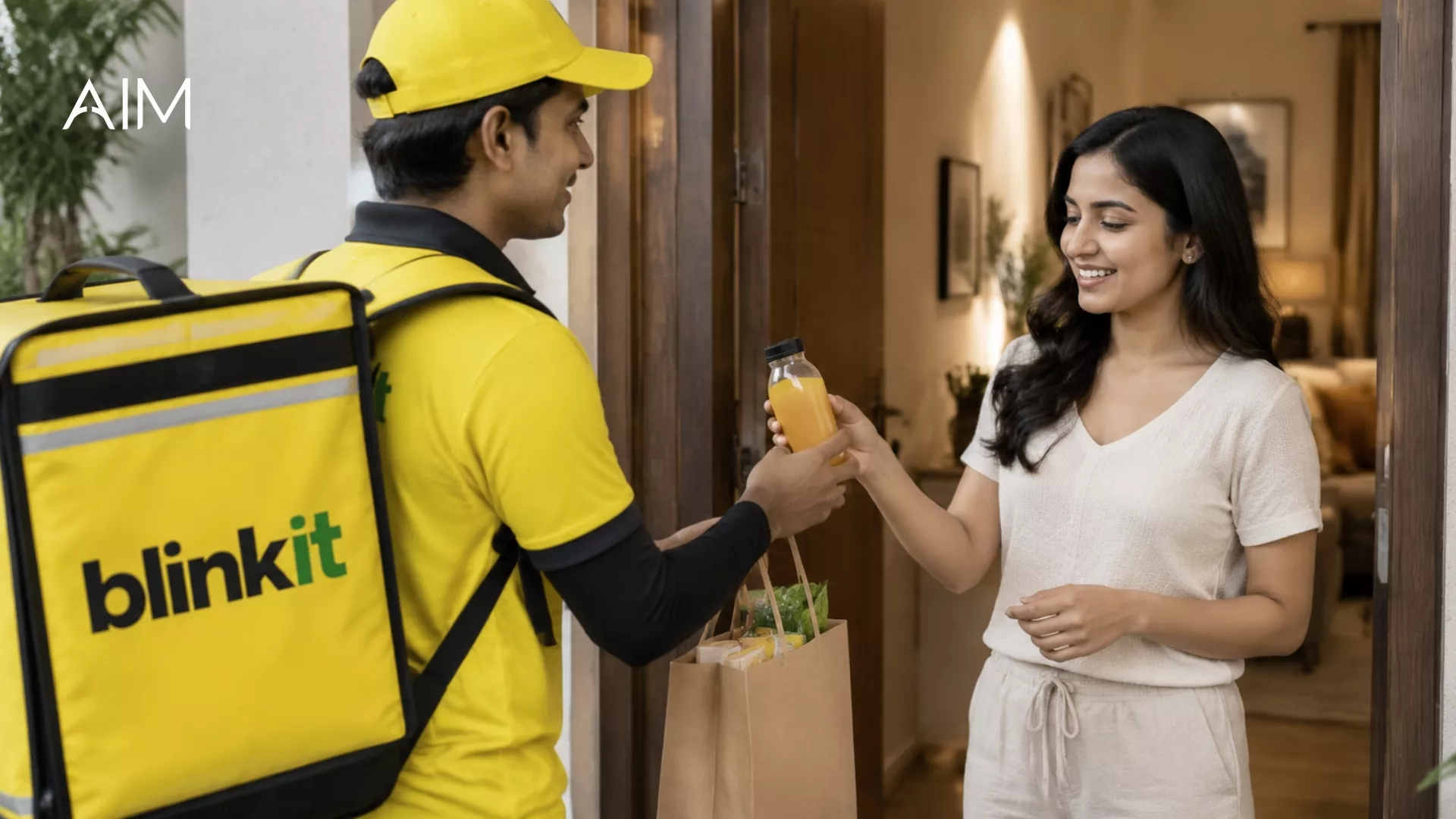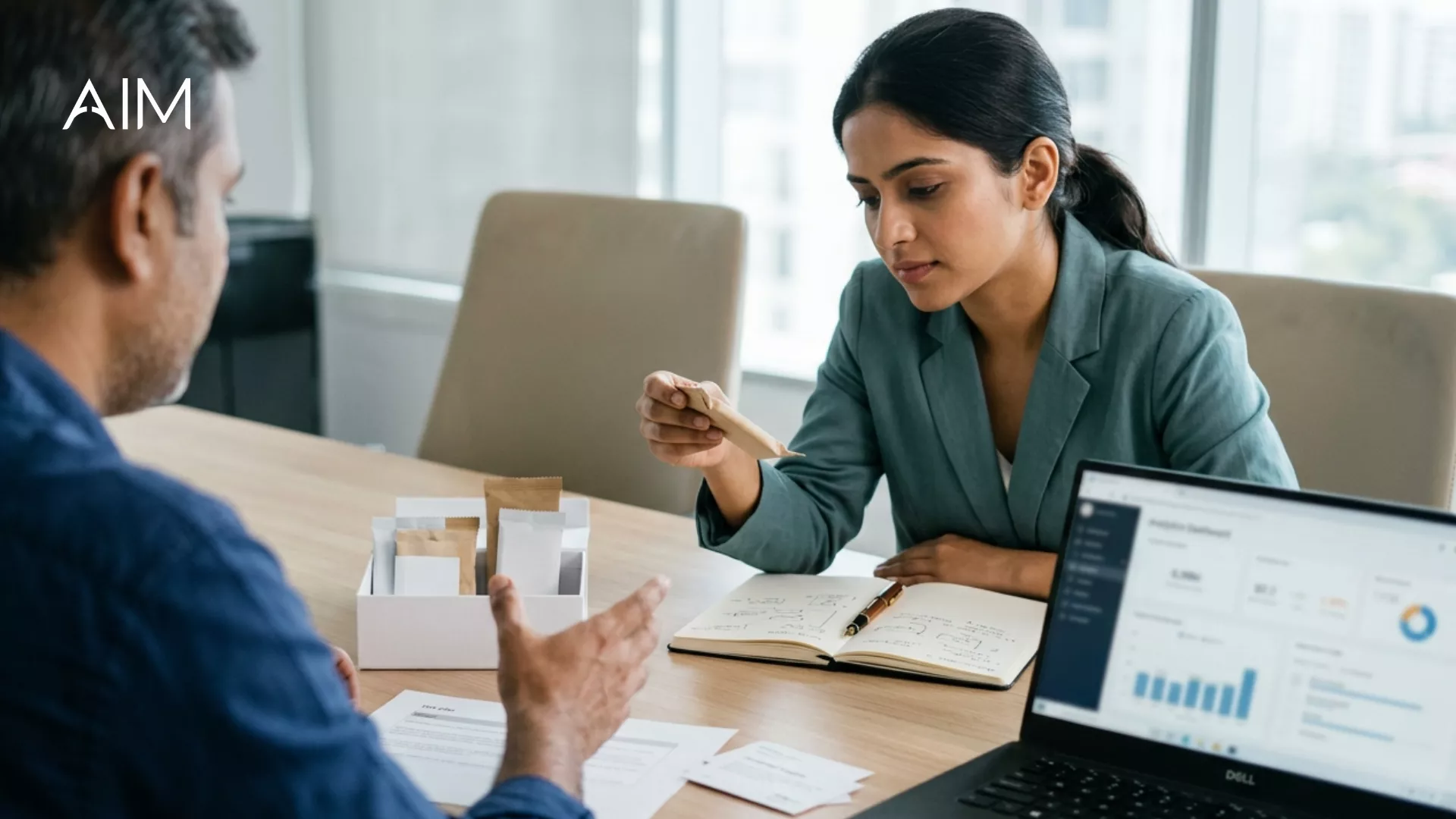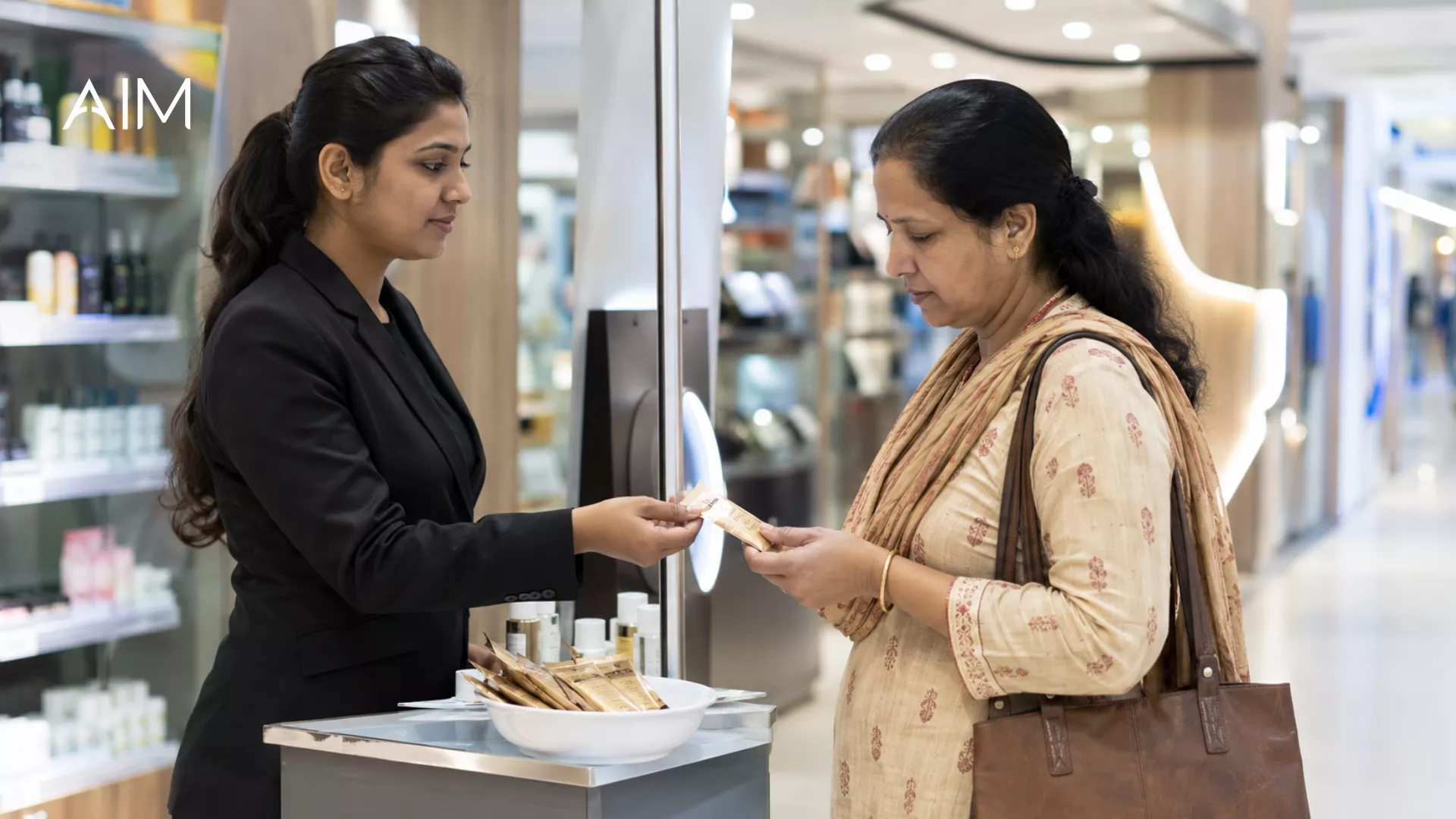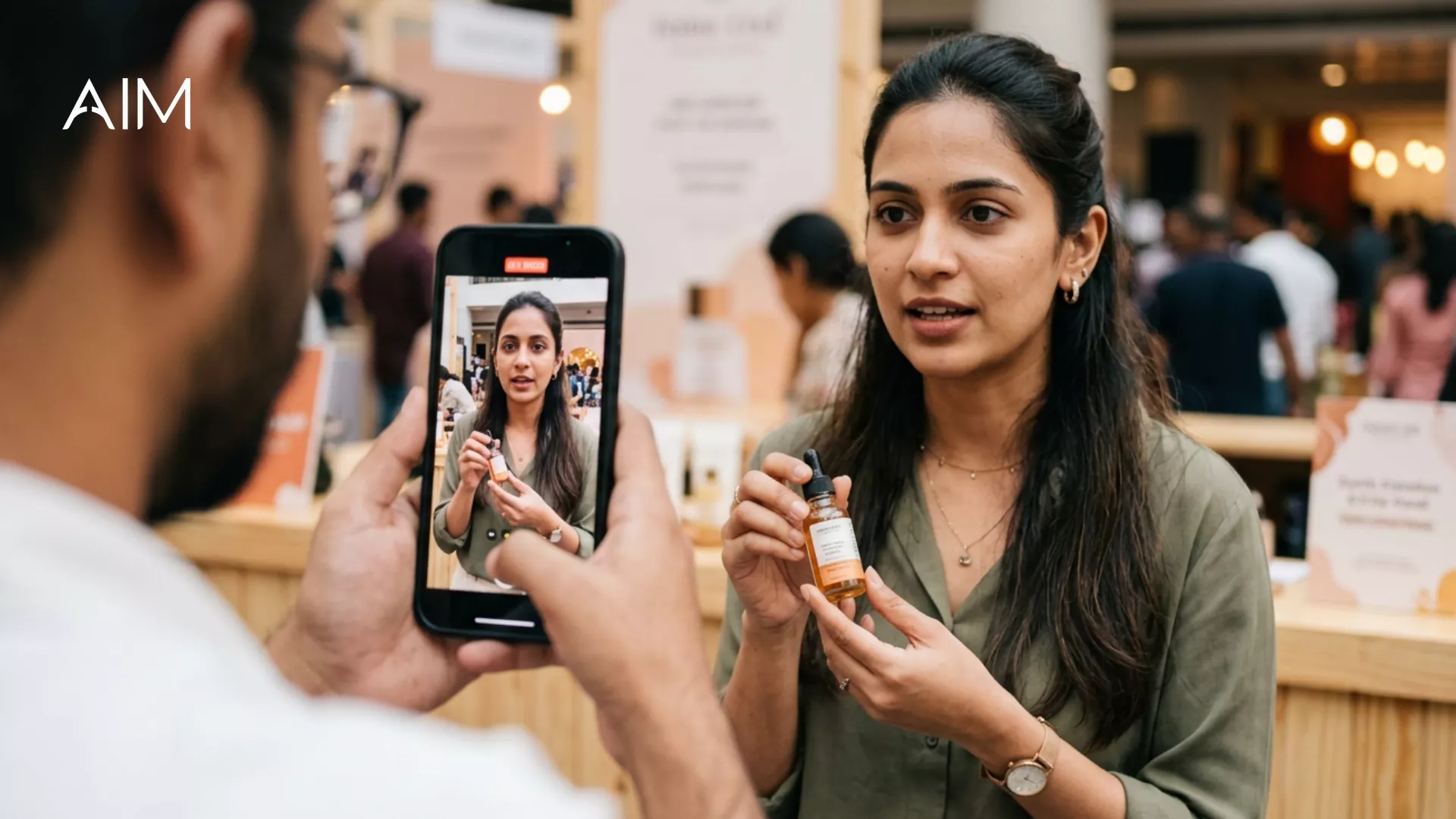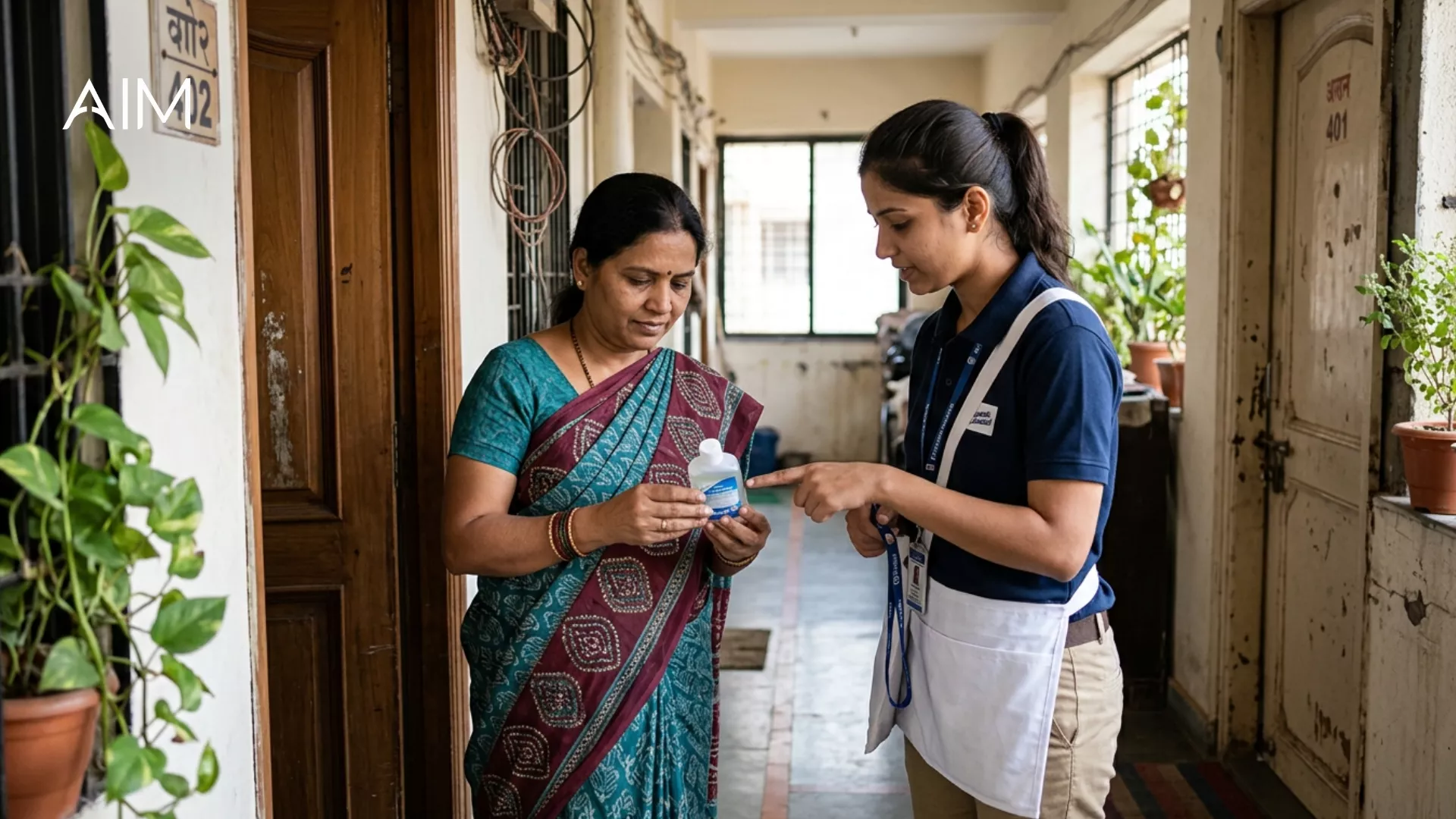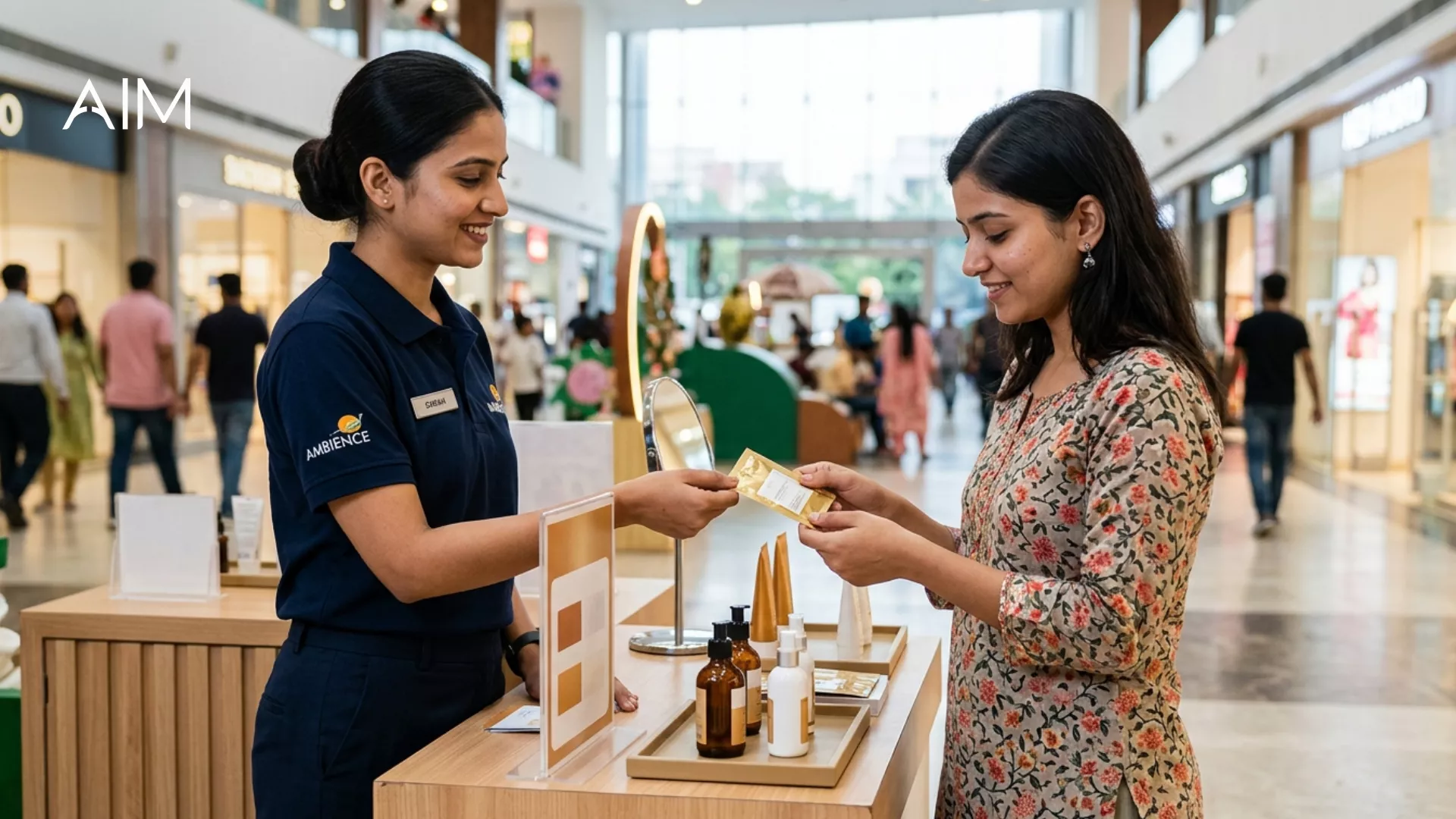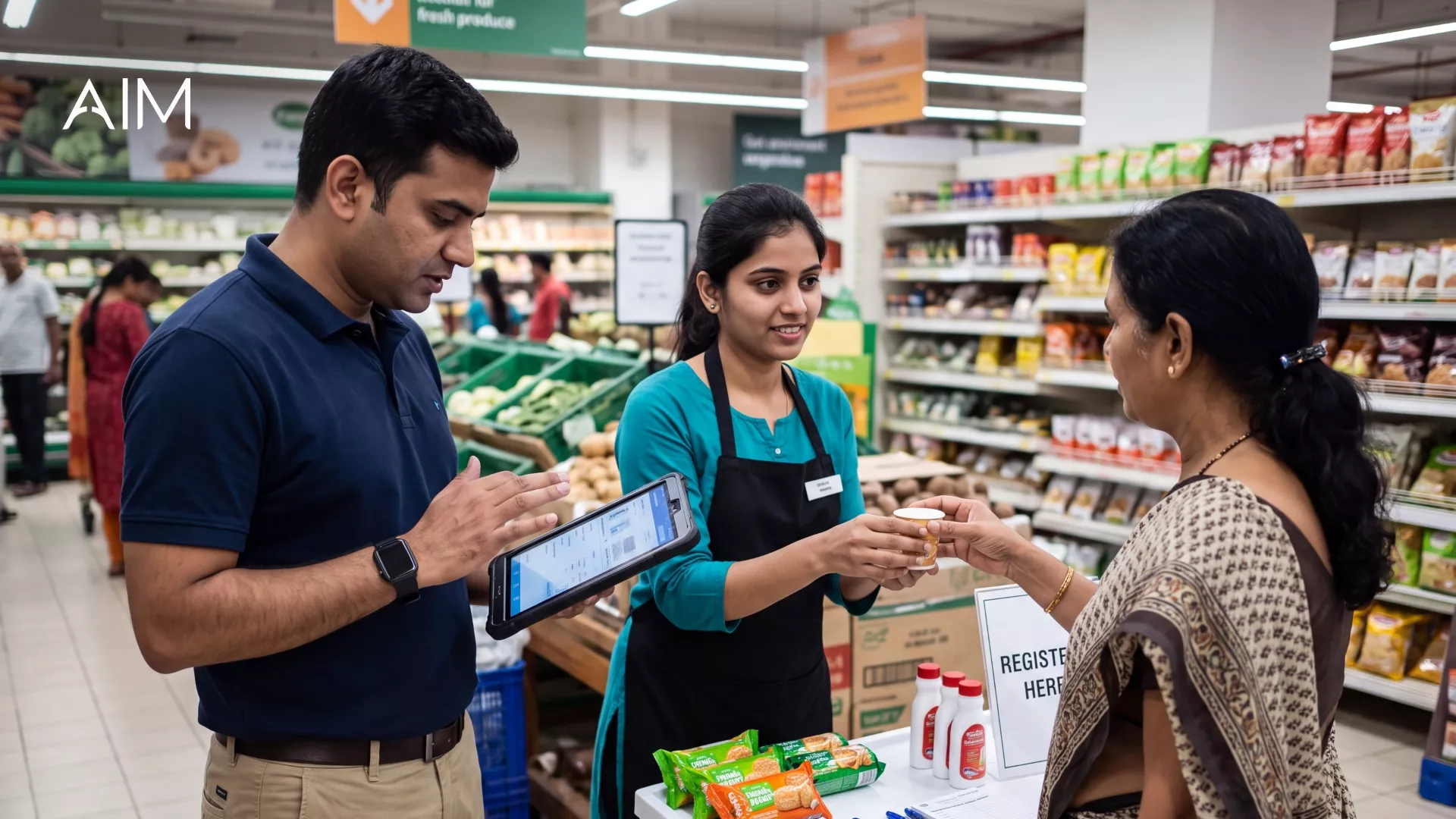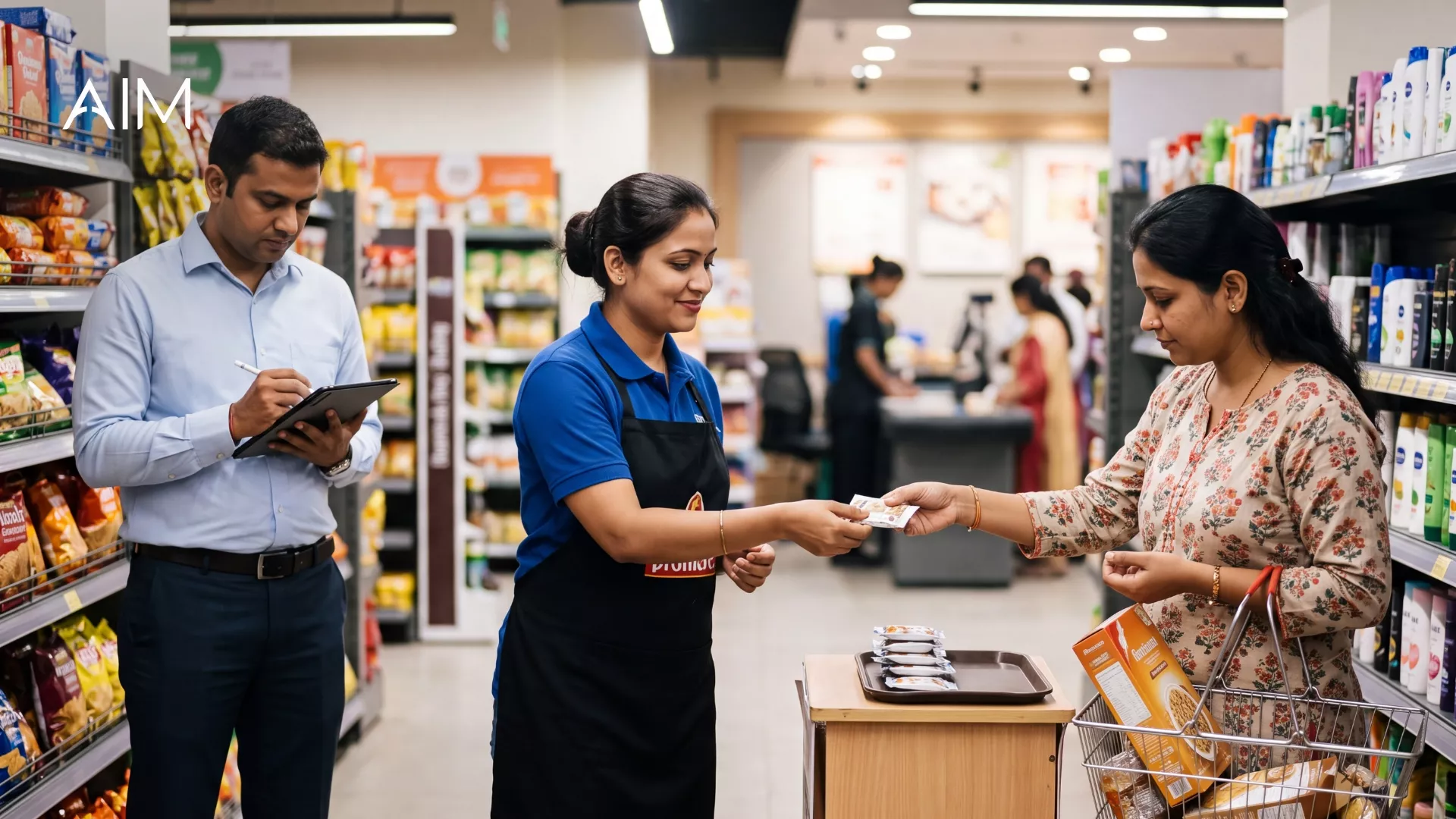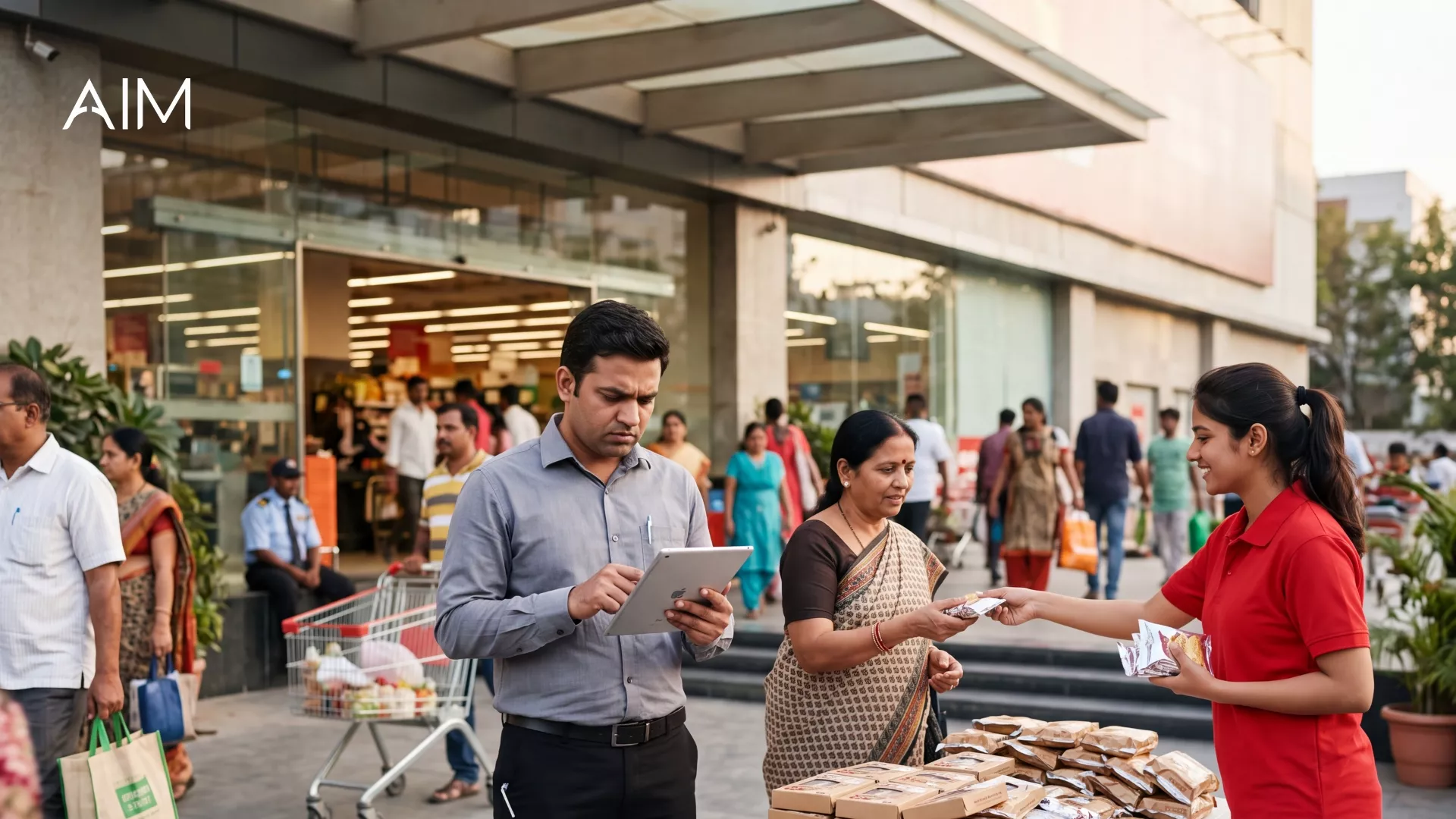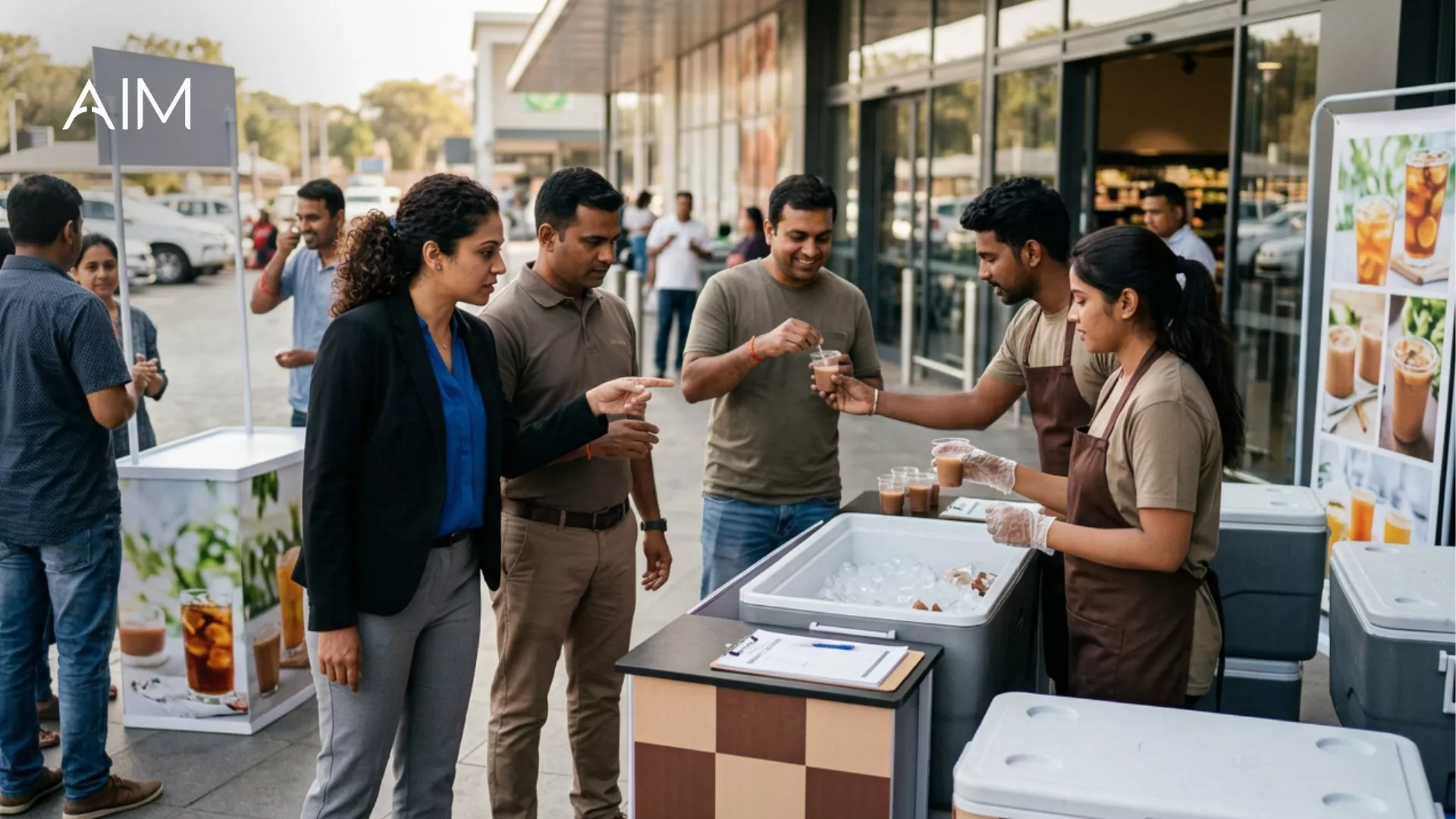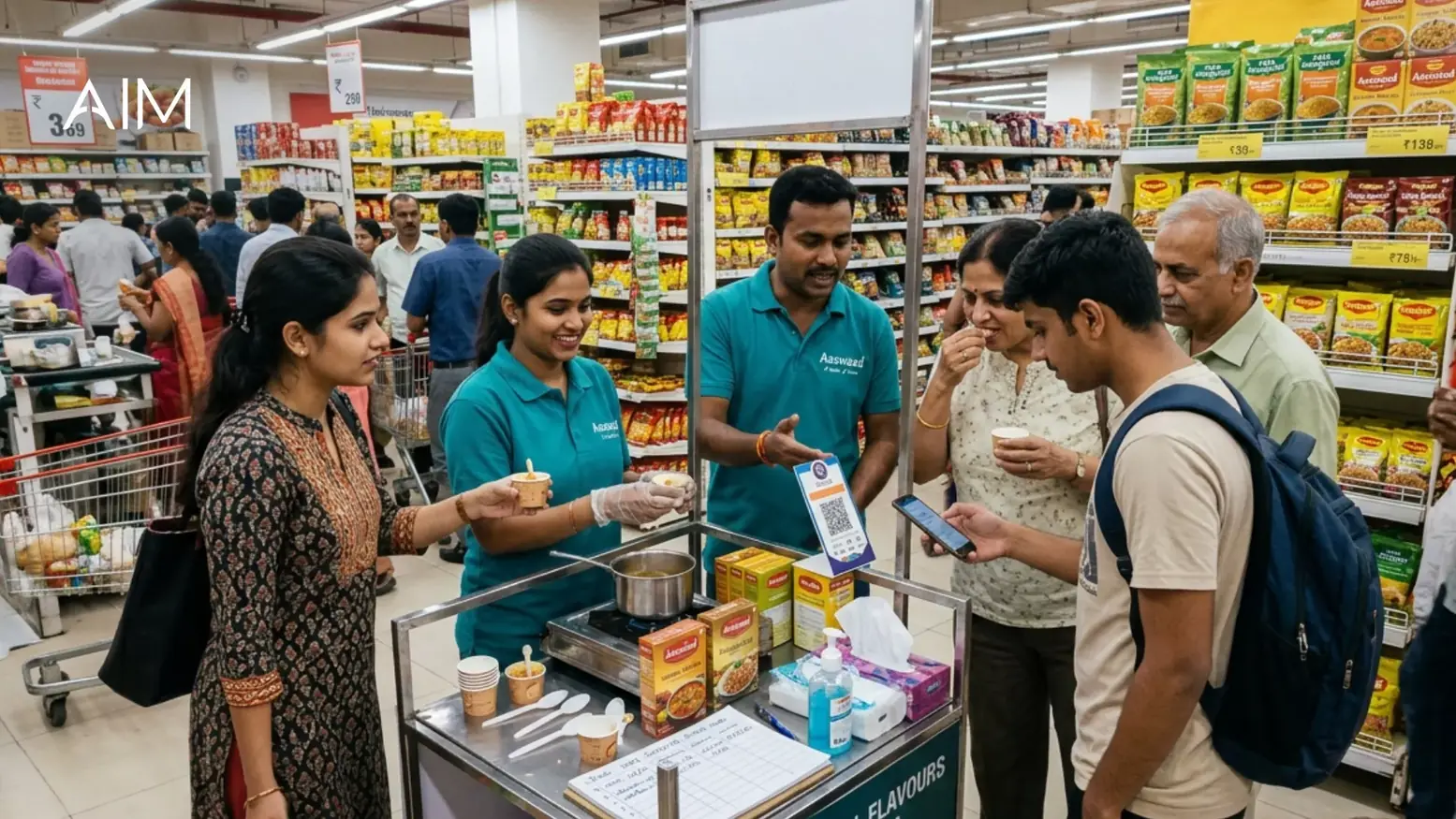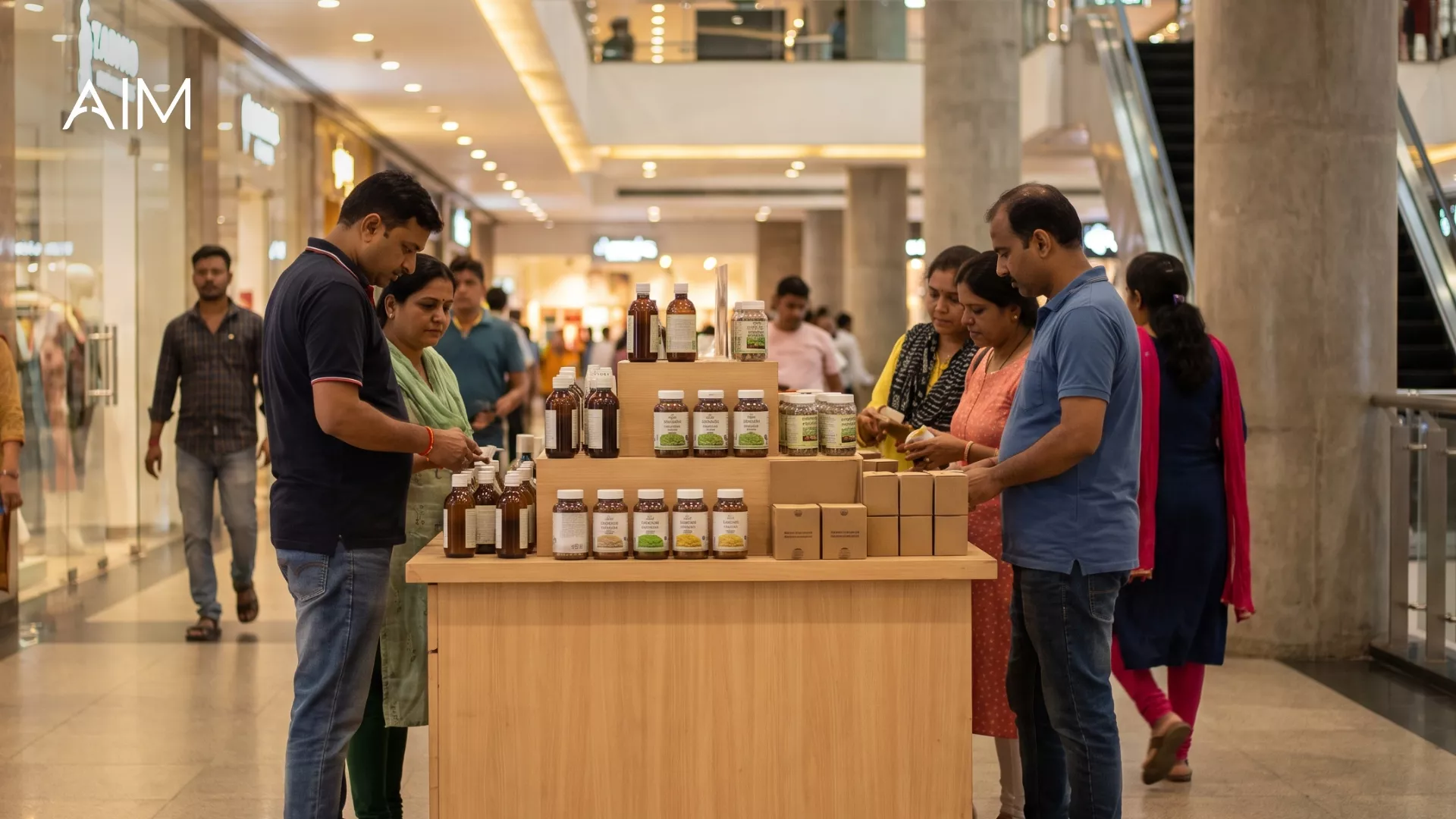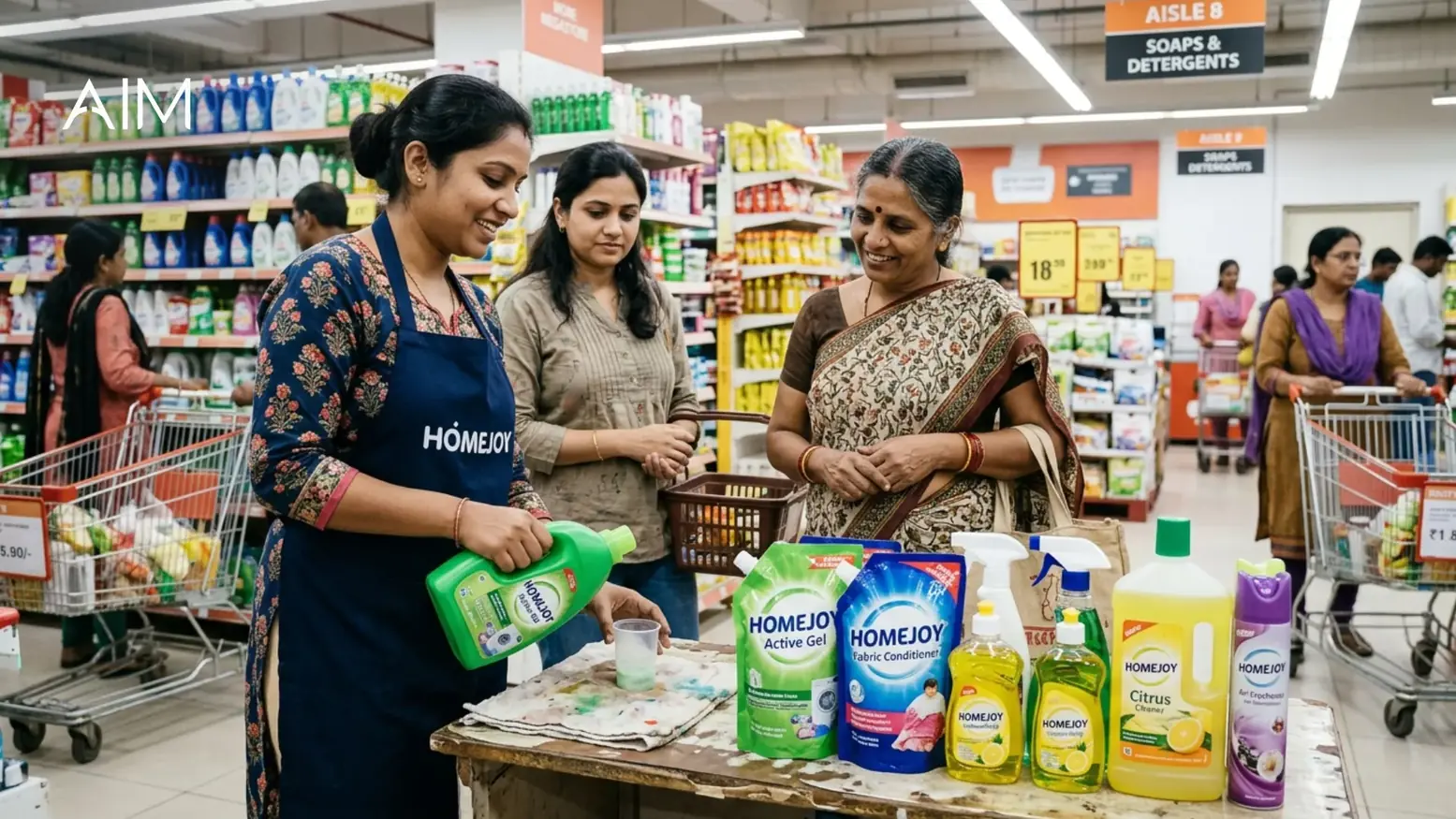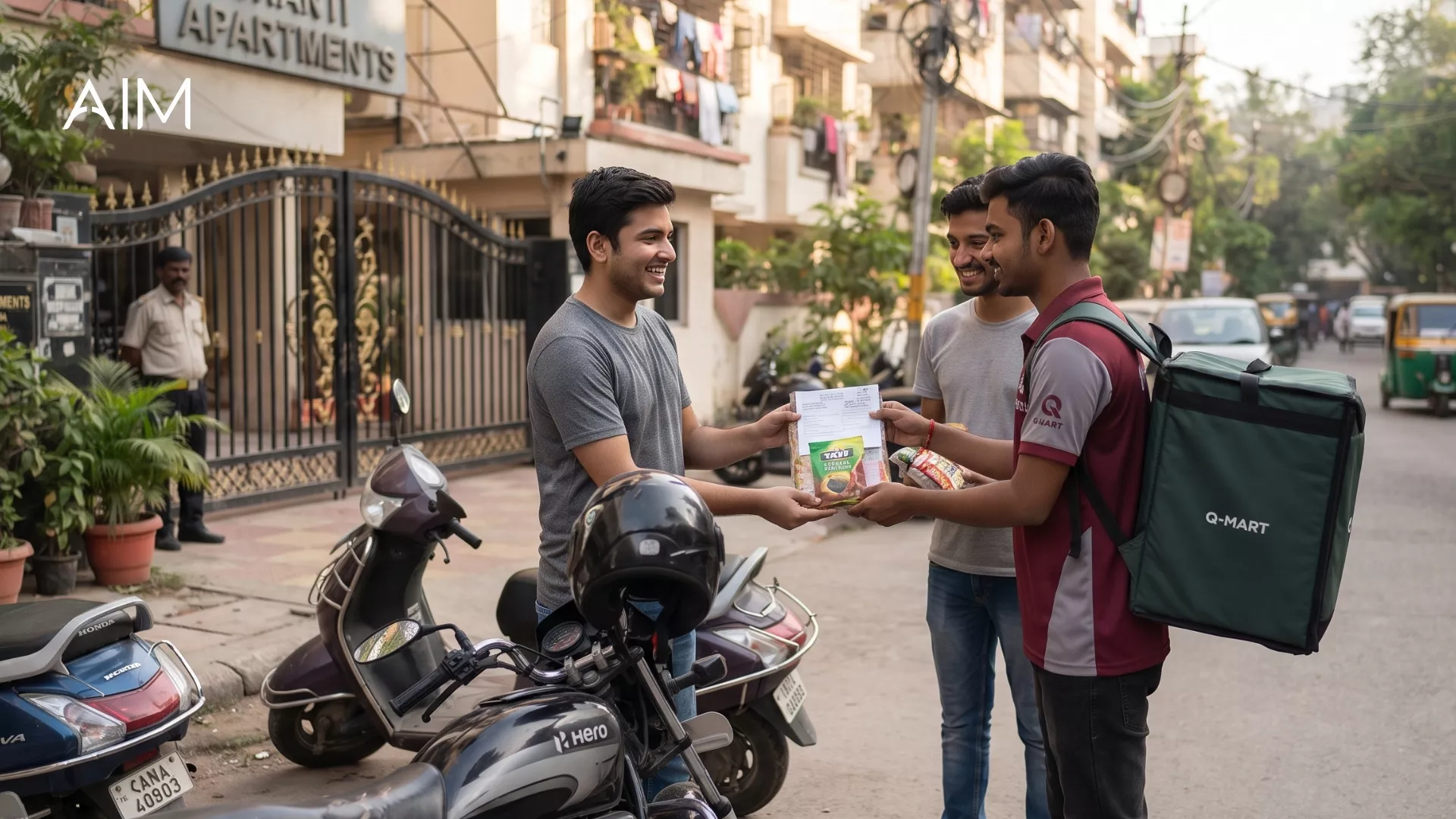
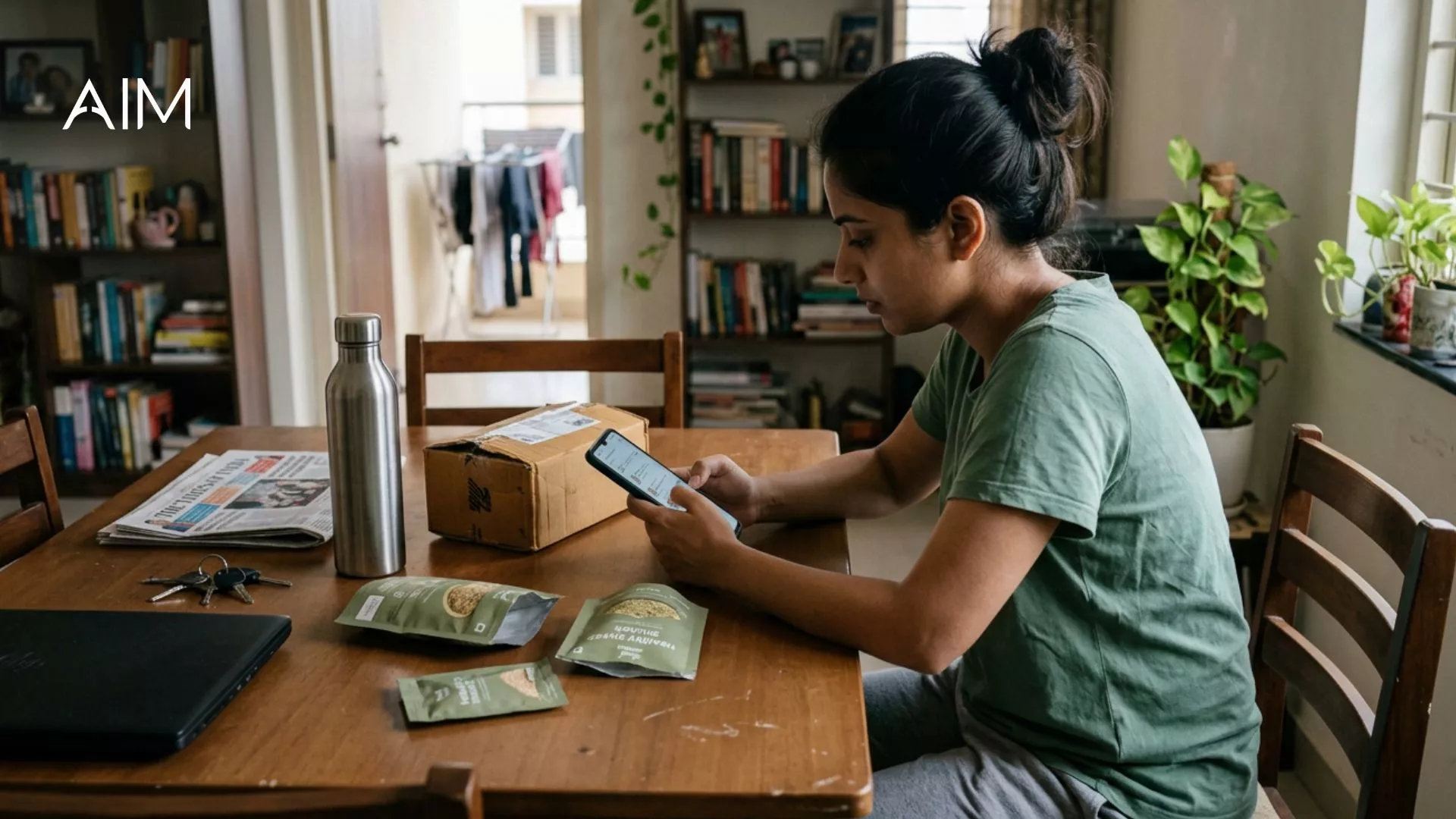


Most D2C brands think about a sample as a way to win a first order. That is true, but it undersells what a sample can do, because in D2C the first order is rarely where the money is. The money is in the second, the fifth, the standing subscription that bills every month without a new acquisition cost each time. A sample that only wins a first order has done a small thing. A sample that starts someone on the path to becoming a repeat subscriber has done the thing that actually makes D2C economics work.
So the useful question for a D2C brand is not whether sampling drives trial. It is how a trial becomes a subscriber. Here is how the first sample turns into a repeat customer, and what has to be true for that to happen.
Why the subscriber, not the first order, is the real prize
D2C lives and dies on what a customer is worth over time, not on a single purchase. Acquiring a first order through ads gets more expensive every year, and a first order that never repeats often loses money once you count what it cost to win. The brands that survive are the ones that turn a first purchase into a habit, because a subscriber bought once and keeps paying without being re-acquired, which is the cheapest revenue a D2C brand has.
A sample fits this exactly, if you aim it at the habit rather than the transaction. The goal is not to give away a trial and bank one order. It is to use the trial to start a relationship that compounds, where the product proves itself, the customer commits, and the reorder becomes automatic.
A sample is the cheapest first box you will ever sell
Here is the reframe that changes how a D2C brand should think about sampling. A subscription business spends real money to get someone to try the first box, usually through discounted first orders or heavy ad spend. A sample does the same job, it gets the product into the right person's hands and lets it prove itself, often at a lower cost and without the discount habit that a cheap first box can start.
The trier who loves the product is in almost the same position as someone who bought a discounted first box and liked it, except you did not have to discount, and you reached them through trial rather than a bought click. If the product is genuinely good, the sample is the most honest and often the cheapest on-ramp to a subscription a D2C brand has.
The path from trial to subscriber
A product sample does not become a subscription on its own. It becomes one through a deliberate path, and each step has to be built in before the sample goes out:
- Reach the right person and capture them at trial, so the sample goes to a real potential buyer and you can follow up, not an anonymous hand.
- Give enough product to prove itself, especially for anything whose benefit builds over time, because a trial too small to show a result cannot sell a repeat.
- Attach a reason and an easy route to the first purchase while the trial is fresh, a first-order offer, a direct link, a frictionless buy.
- Make the first purchase a subscription offer, not just a one-off, so the natural next step is to sign up rather than reorder manually.
- Follow up to convert the triers who liked it but did not act, because a warm trier is a subscriber you have not asked yet.
Notice that the sample is only the first step. The path is what converts it, and a brand that hands out samples with no capture, no follow-up, and no subscription offer has built a trial with nowhere to go.
What makes a trier actually subscribe
People subscribe when two things are true: the product fits into their life as a repeat, and committing is easier than deciding again each time. The sample handles the first by letting the product prove it belongs in the routine. The offer handles the second by making the subscription the path of least resistance, cheaper or more convenient than reordering by hand.
Honesty matters here, because a subscription only sticks if the product keeps earning it. A sample that oversells, or a subscription that is hard to pause or cancel, wins a sign-up and loses the trust that keeps it. The durable version is simple: let the product genuinely win the trier, make subscribing the obvious next step, and keep it easy to stay. A subscriber who feels trapped churns the moment they notice. A subscriber who stays because the product is worth it does not.
There is one more reason the subscriber matters so much in D2C: a subscriber is also your best source of honest feedback and referrals. Someone who has stayed for several cycles knows the product, trusts the brand, and will tell you what is working and tell others to try it, which lowers the cost of winning the next customer. A one-off buyer rarely does any of that. So the trial that creates a subscriber is quietly also creating an advocate, and that second effect compounds in a way a single order never can.
Which D2C categories this fits
The trial-to-subscriber path fits best where the product is consumed and replenished on a cycle, so a subscription is the natural way to buy it. Food and beverages, supplements and wellness, personal and beauty care, pet food, home and personal care consumables, anything a customer finishes and buys again. For these, the sample proves the product, the first order starts the habit, and the subscription captures the repeat the category was always going to produce.
It fits less well for one-off or infrequent purchases, where there is no natural repeat to subscribe to, and for those a sample is better aimed at a single confident purchase than a subscription. The test is simple: does your customer finish this and need more on a predictable cycle? If yes, the sample is the start of a subscription, and treating it that way is how a D2C brand turns trial into the compounding revenue that actually makes the model work.
The sample was never just about the first order. For a D2C brand, it is the cheapest way to start a customer on the repeat that pays for everything else, and the brands that see it that way build the trial, the offer, and the subscription as one path rather than three disconnected steps.
The first-order discount trap
Many D2C brands try to buy the first box with a steep discount, and it works right up until it does not. A discounted first order wins someone whose reason to try was the price, and when the next box comes at full rate a good share of them leave, because the thing that attracted them is gone. Worse, heavy first-order discounting trains the whole market to wait for the offer, which quietly erodes the price you need the subscription to hold. A sample sidesteps this. It wins the trier on the product, not the price, so the person who goes on to subscribe is doing it because the product earned it, not because it was briefly cheap. That is a far stickier subscriber, and you did not have to teach your market to expect a discount to get them.
How to measure trial to subscriber
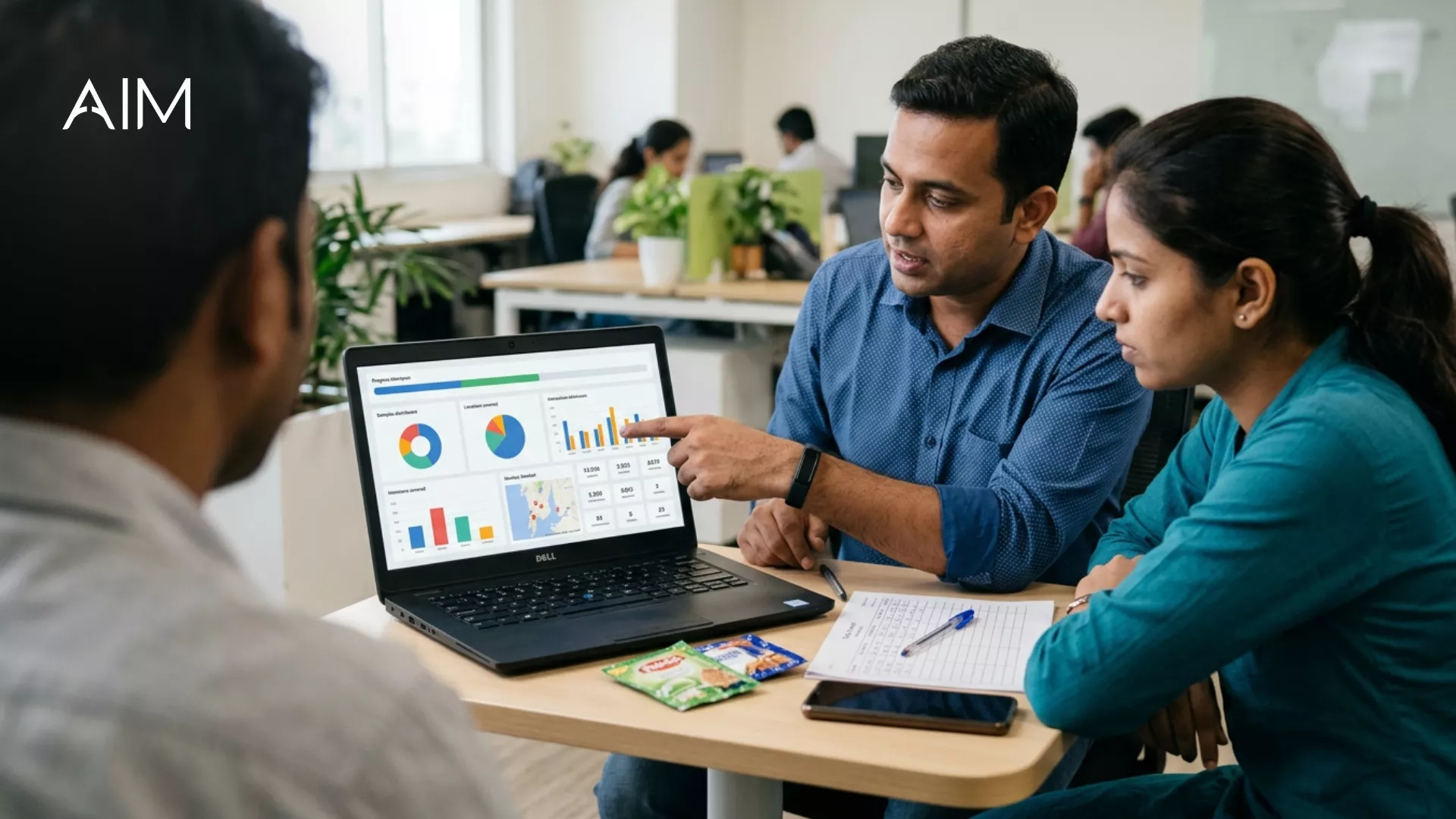
The number that matters is not samples sent, it is how many triers became subscribers and stayed. That means tracking the chain end to end: who received and tried the sample, who made a first purchase, who converted that into a subscription, and crucially who was still subscribed a few cycles later. A code or link tied to the sample connects the trial to the first order, and your own subscription data carries it the rest of the way. Watch the retention of sampled subscribers against those acquired other ways, because a sample that produces subscribers who churn fast is not doing the job, and one that produces subscribers who stay is worth far more than its cost. Measured this way, sampling stops being a hopeful top-of-funnel spend and becomes a channel you can judge on the one thing D2C runs on, lifetime value.
Start small, then scale the subscription engine
The honest way to build this is not a blind national sampling blitz hoping for subscribers. It is a measured pilot: sample a defined audience, build the trial-to-subscription path, and watch how many actually convert and stay. If the pilot produces subscribers at a cost per subscriber you can live with, you scale the parts that worked. If it does not, you learn why cheaply, whether the product did not prove itself, the offer was wrong, or the audience was off, before the whole budget is committed. Sampling is controlled market learning, and for a D2C brand the thing you are learning is whether trial reliably turns into a subscription worth having. Prove that on a small scale first, and the scale-up is doing more of something you know works, rather than betting the budget on a guess.
Treat the sample as the first step of a subscription rather than the end of a giveaway, build the path deliberately, and measure it to the reorder, and the cheapest box you ever sell becomes the start of the revenue that actually carries the brand.