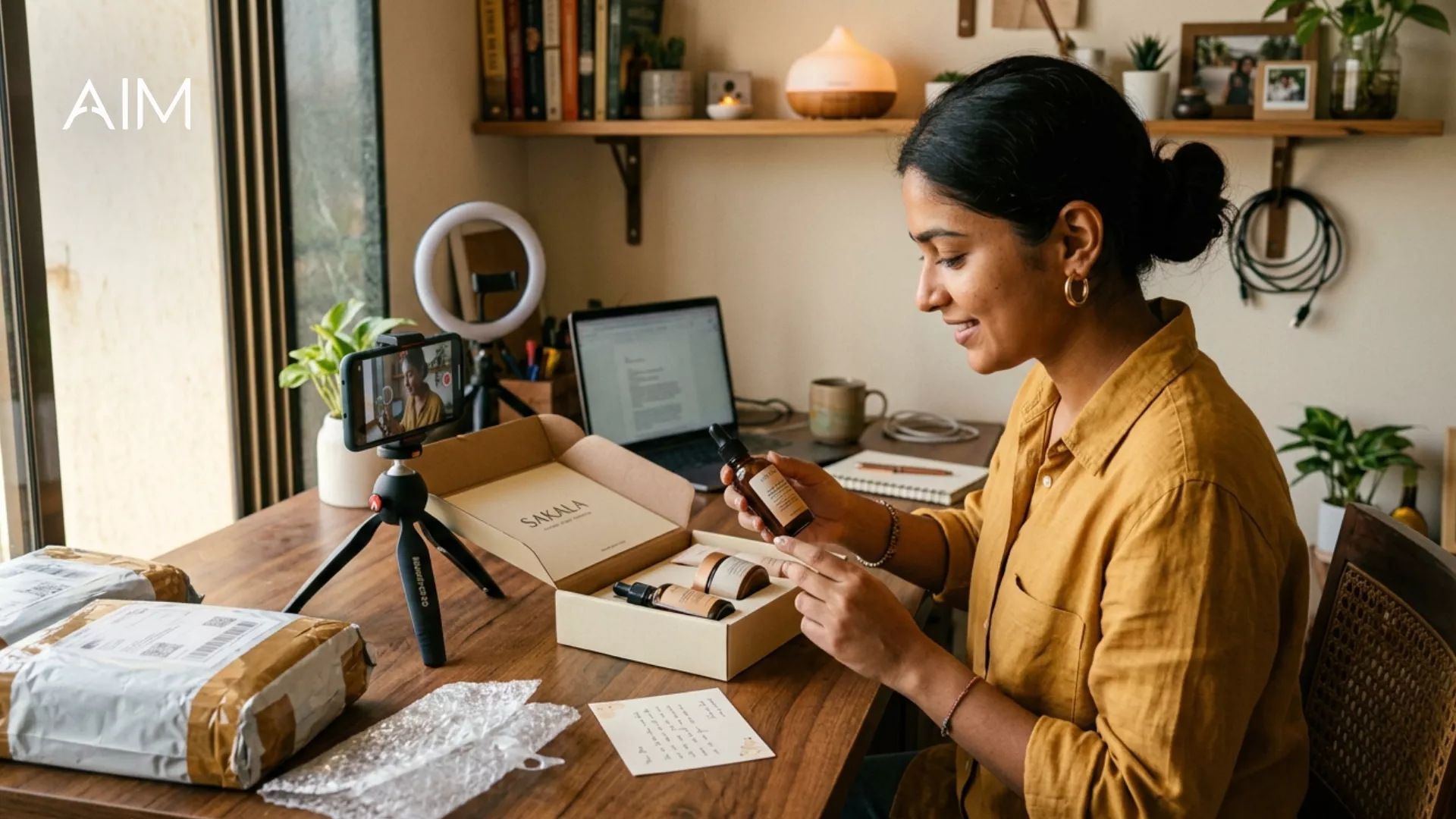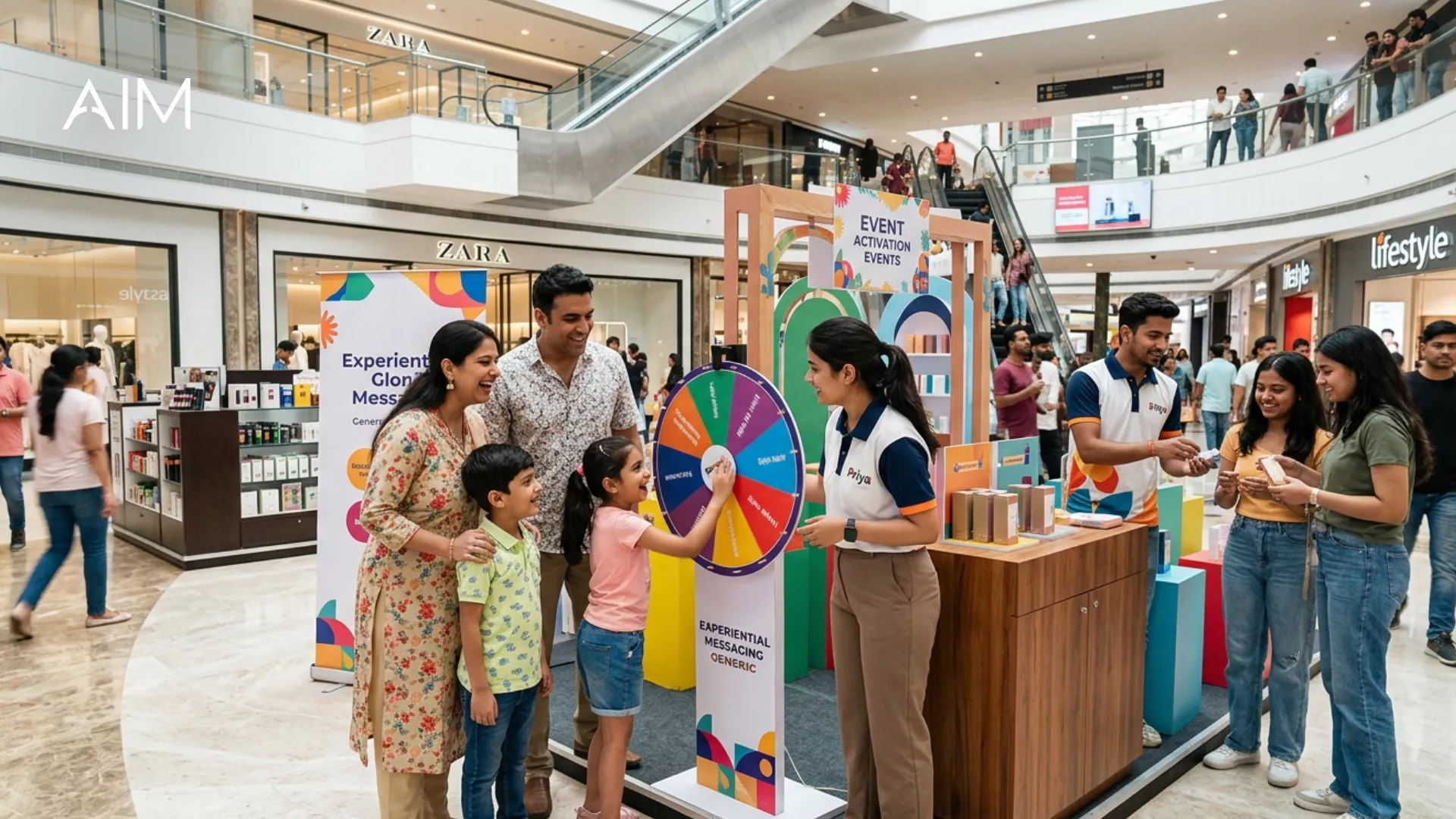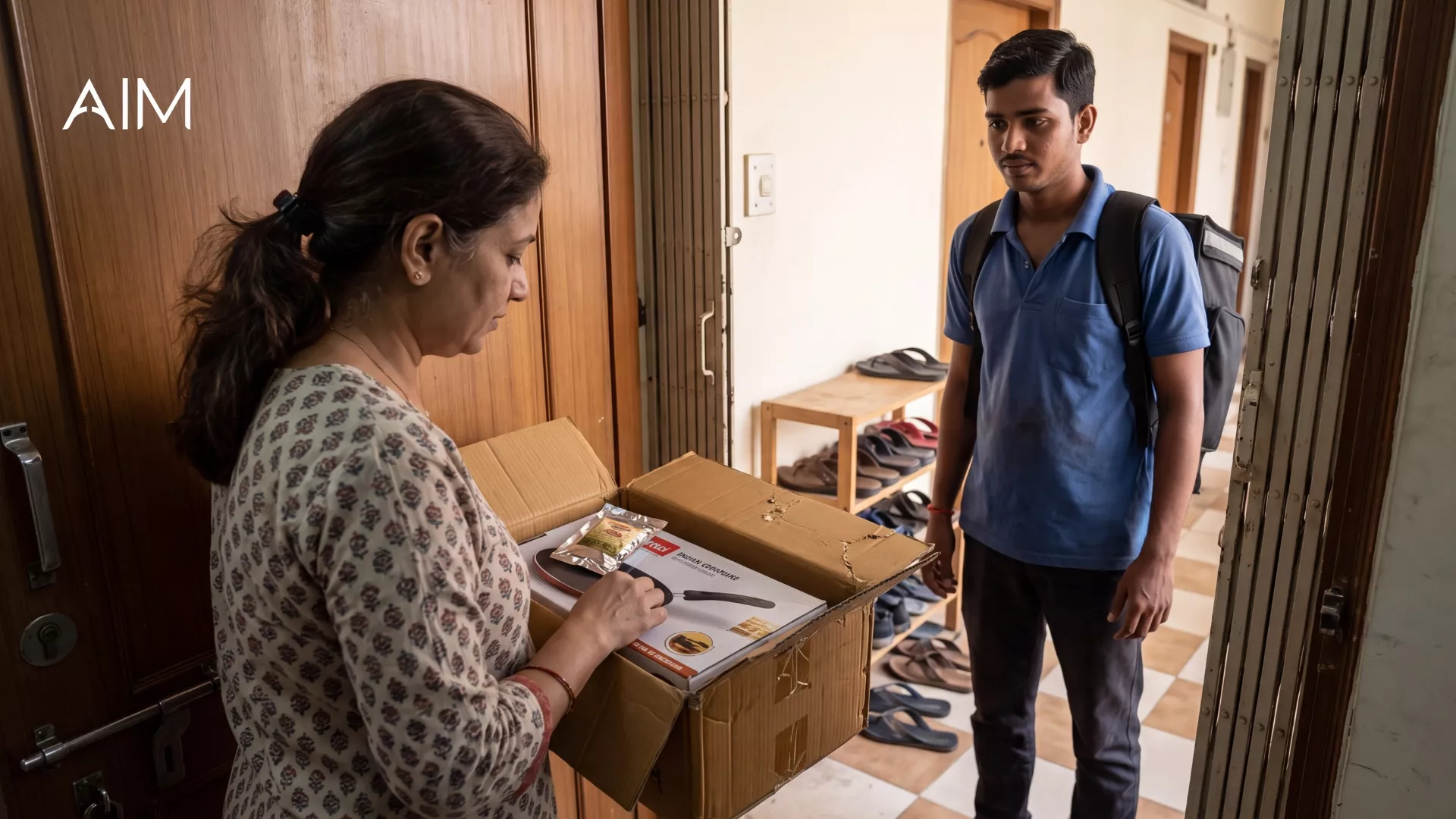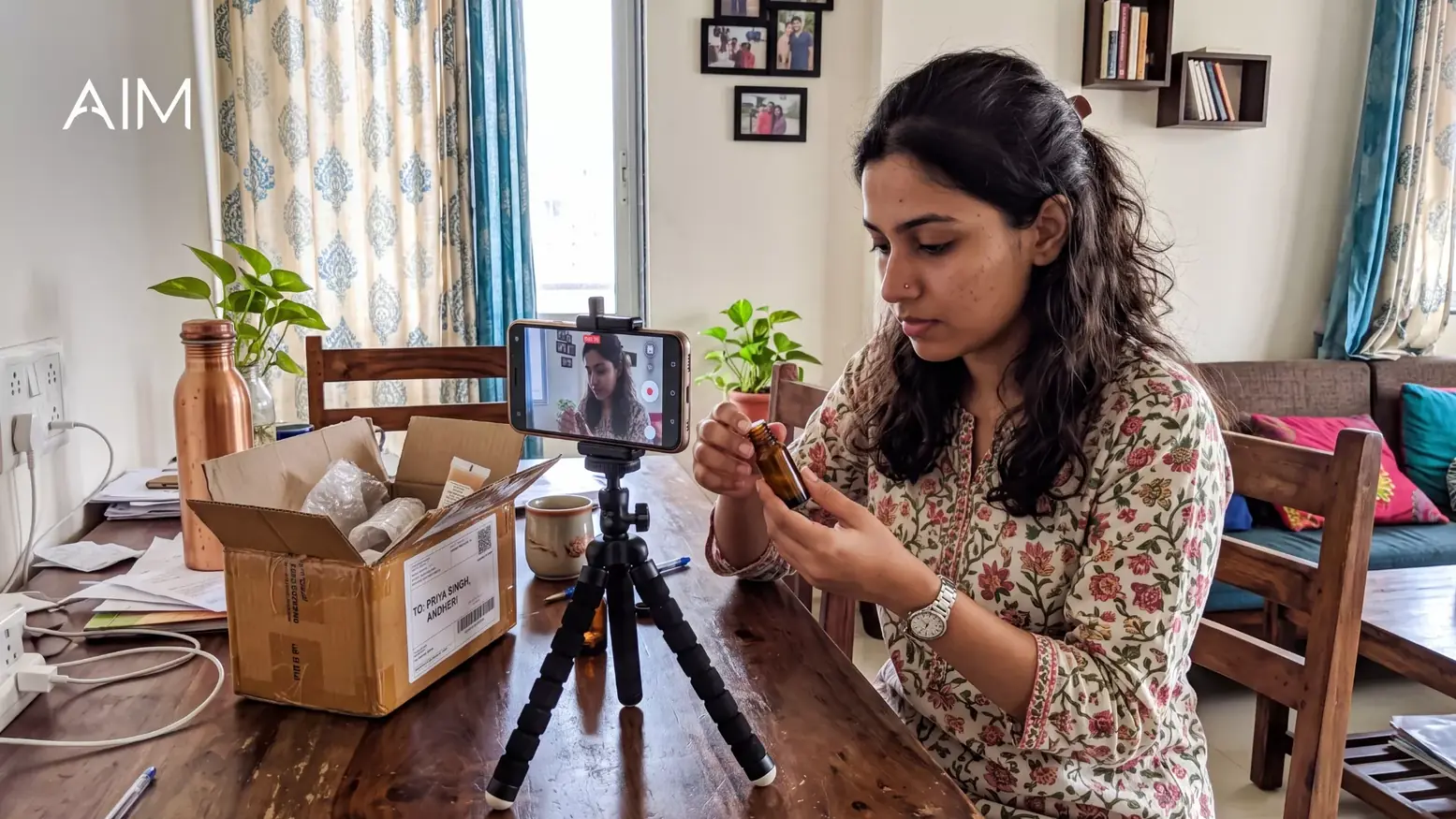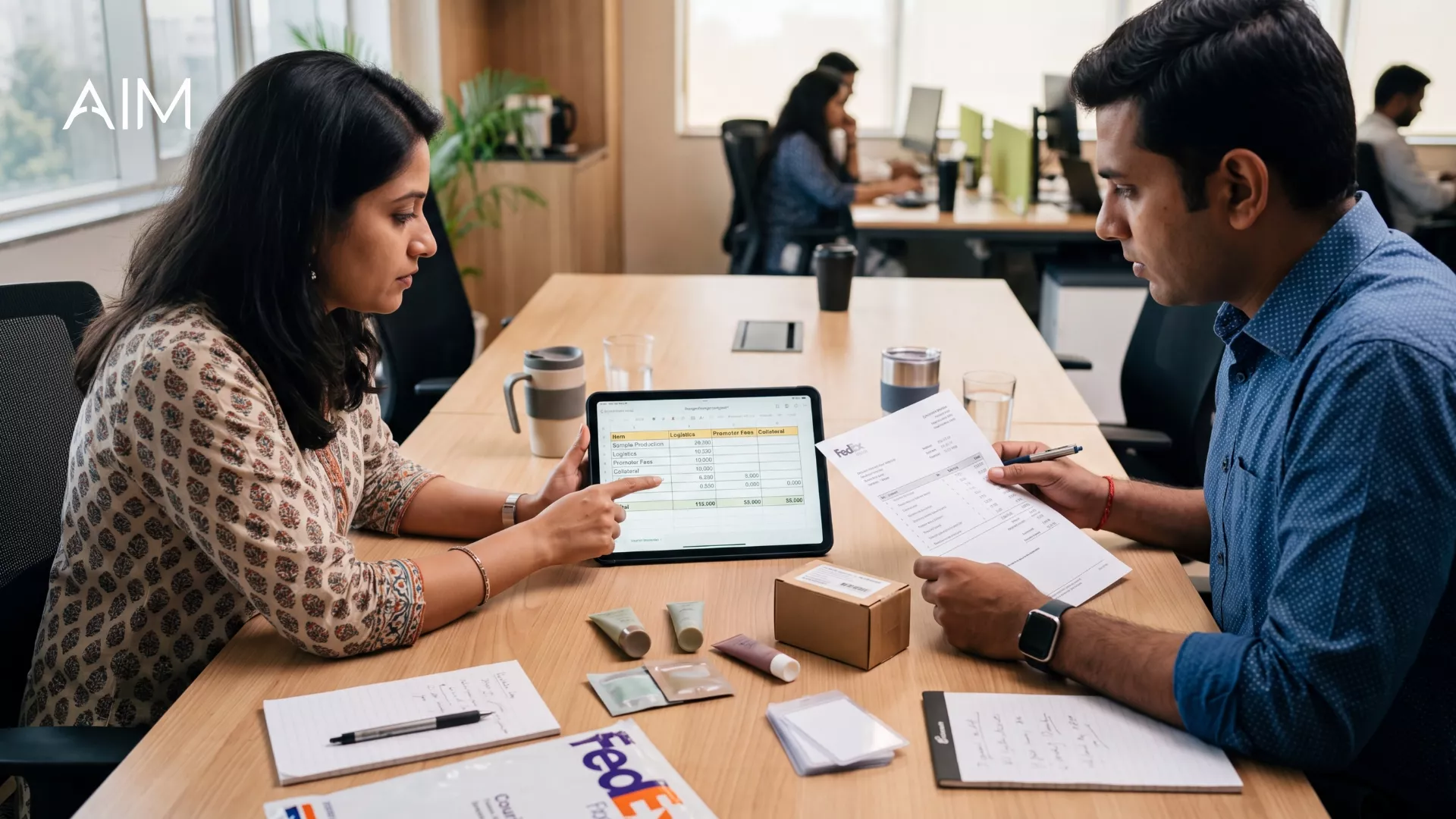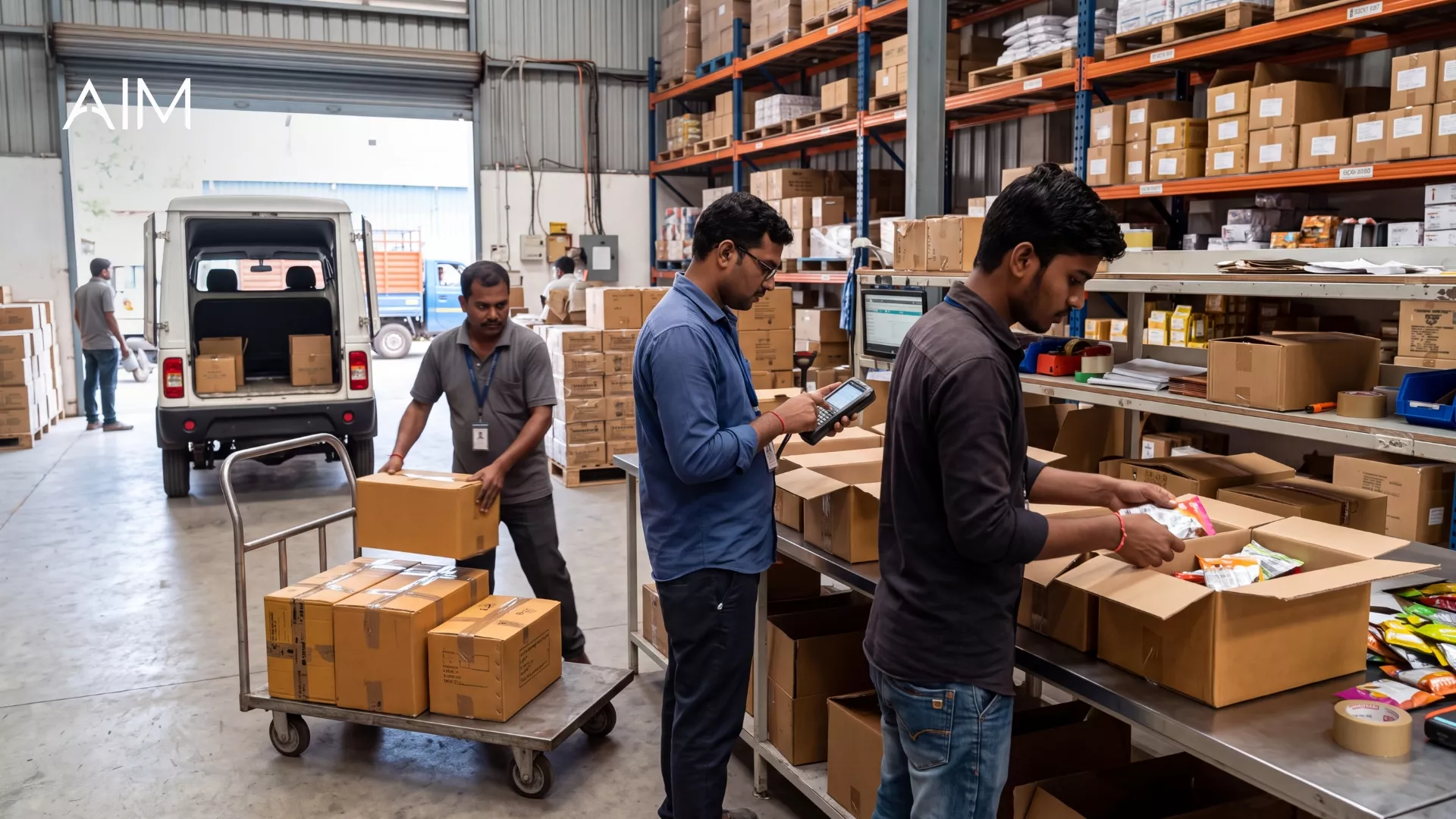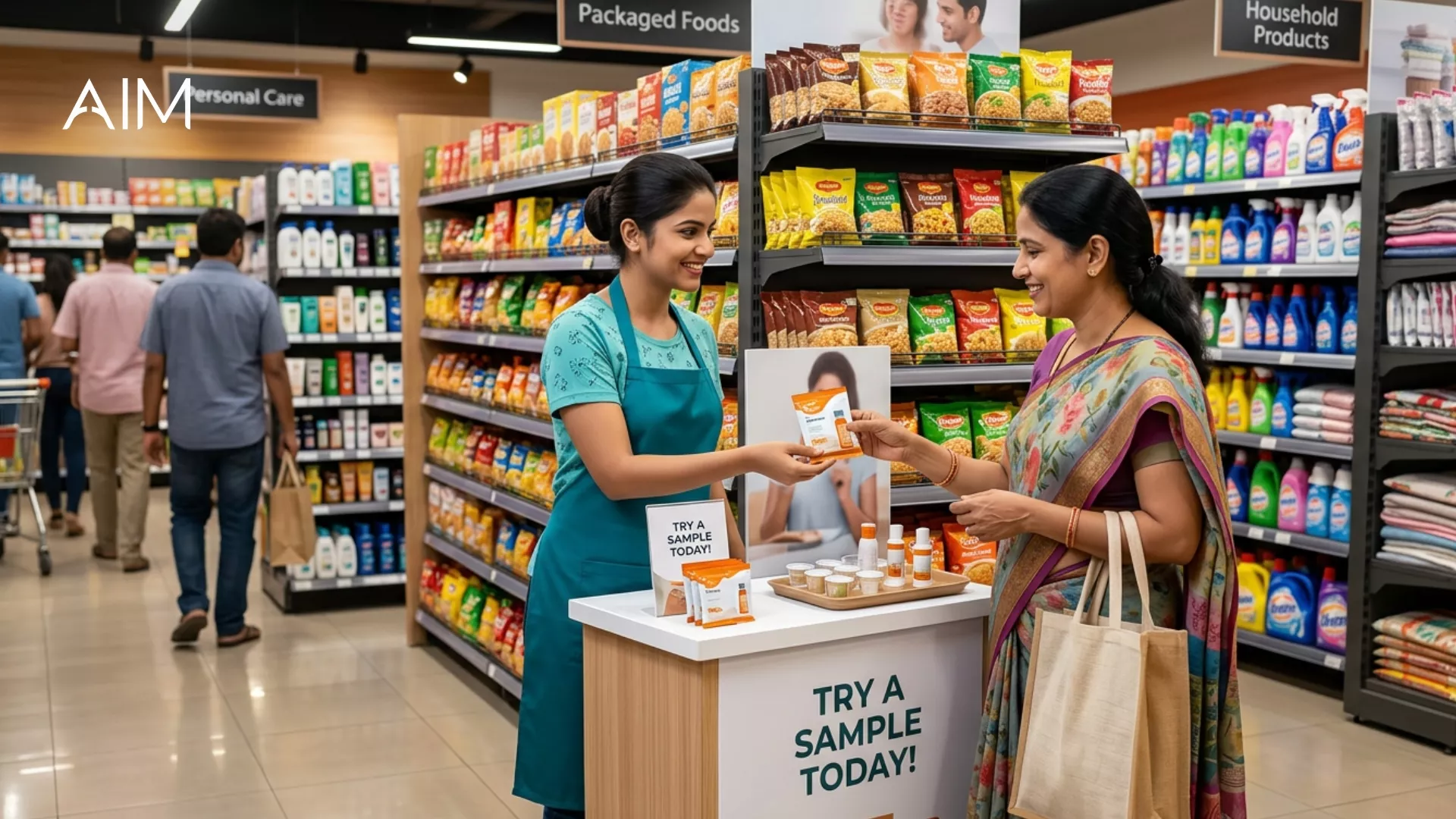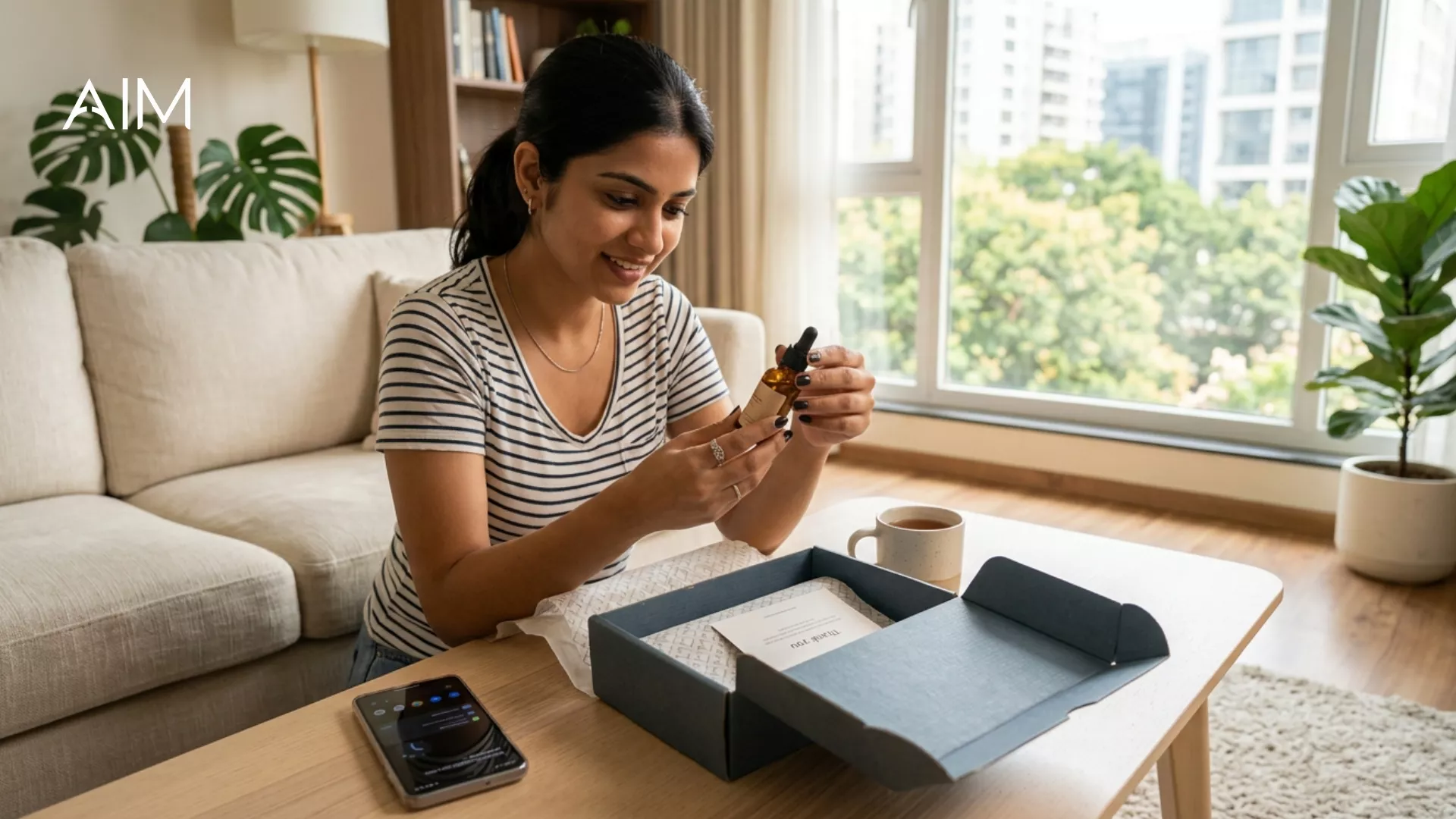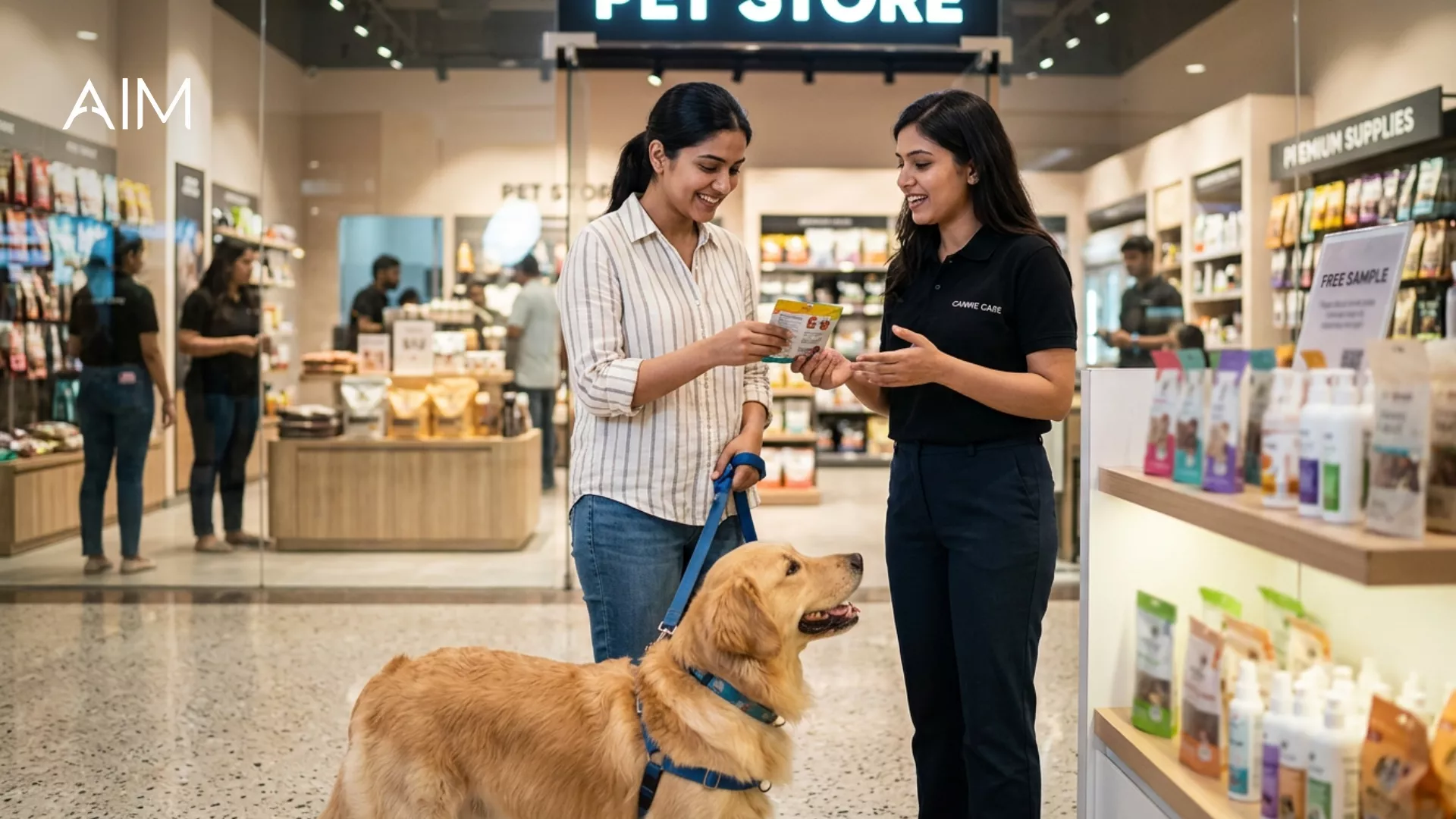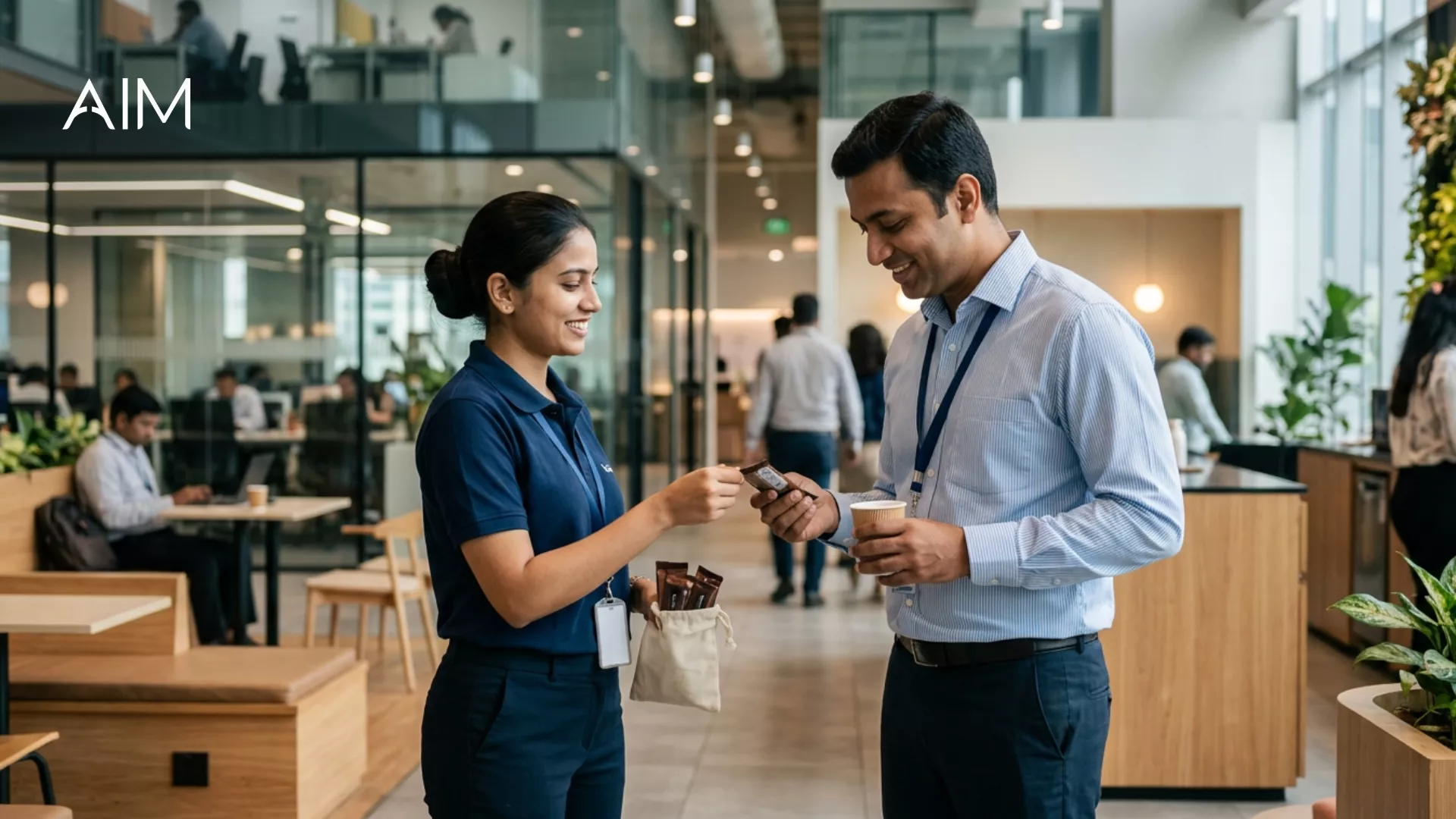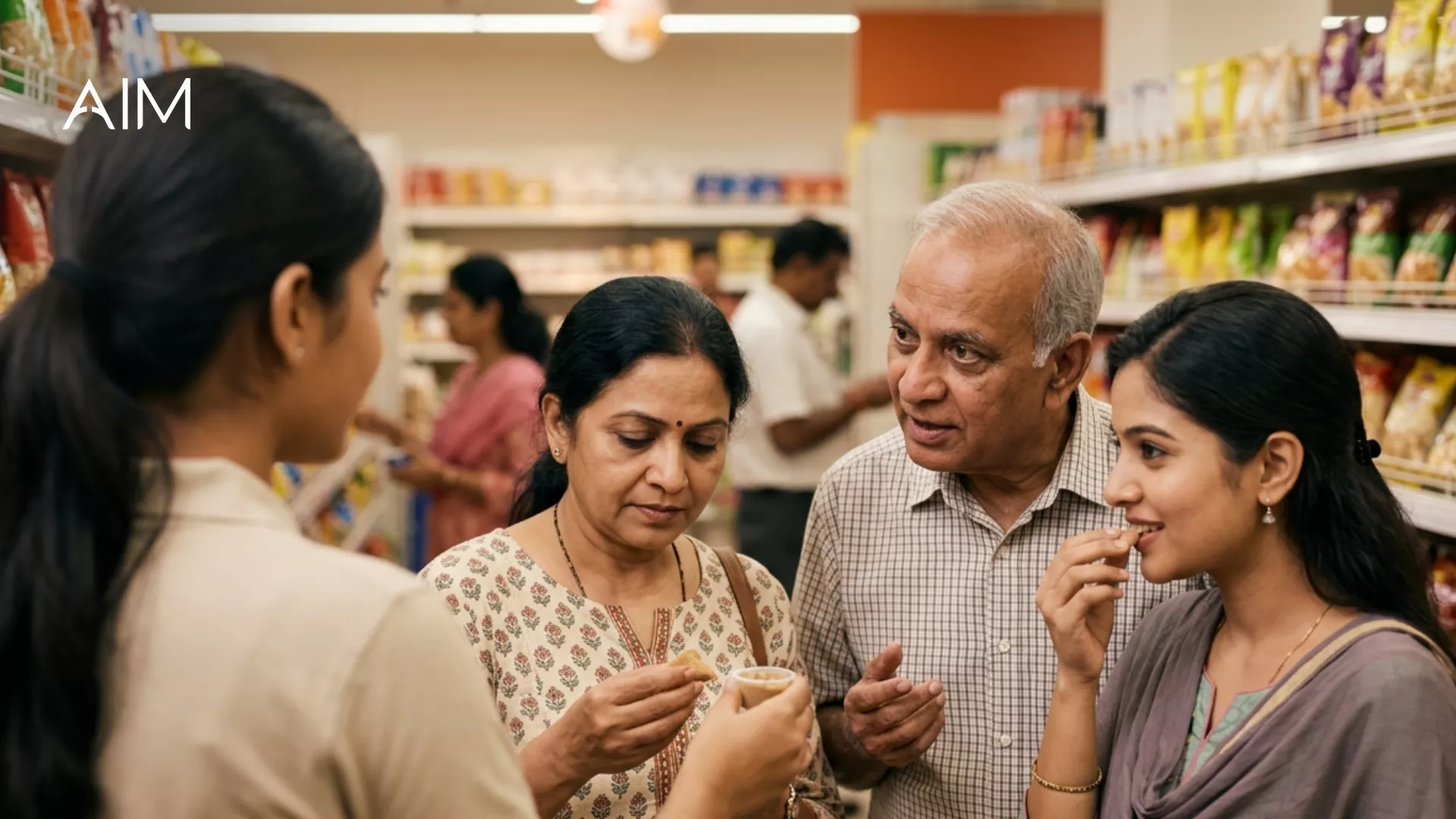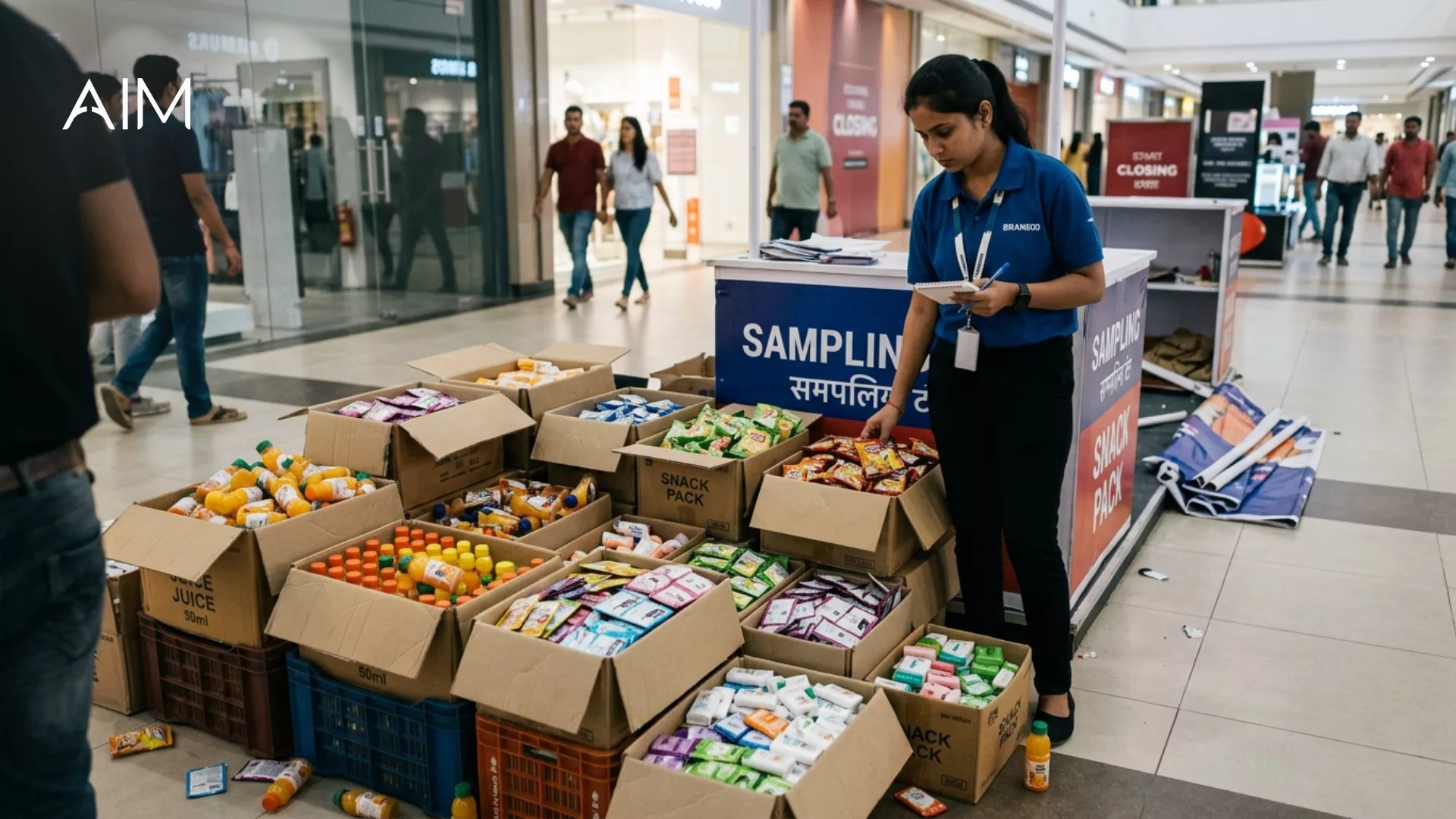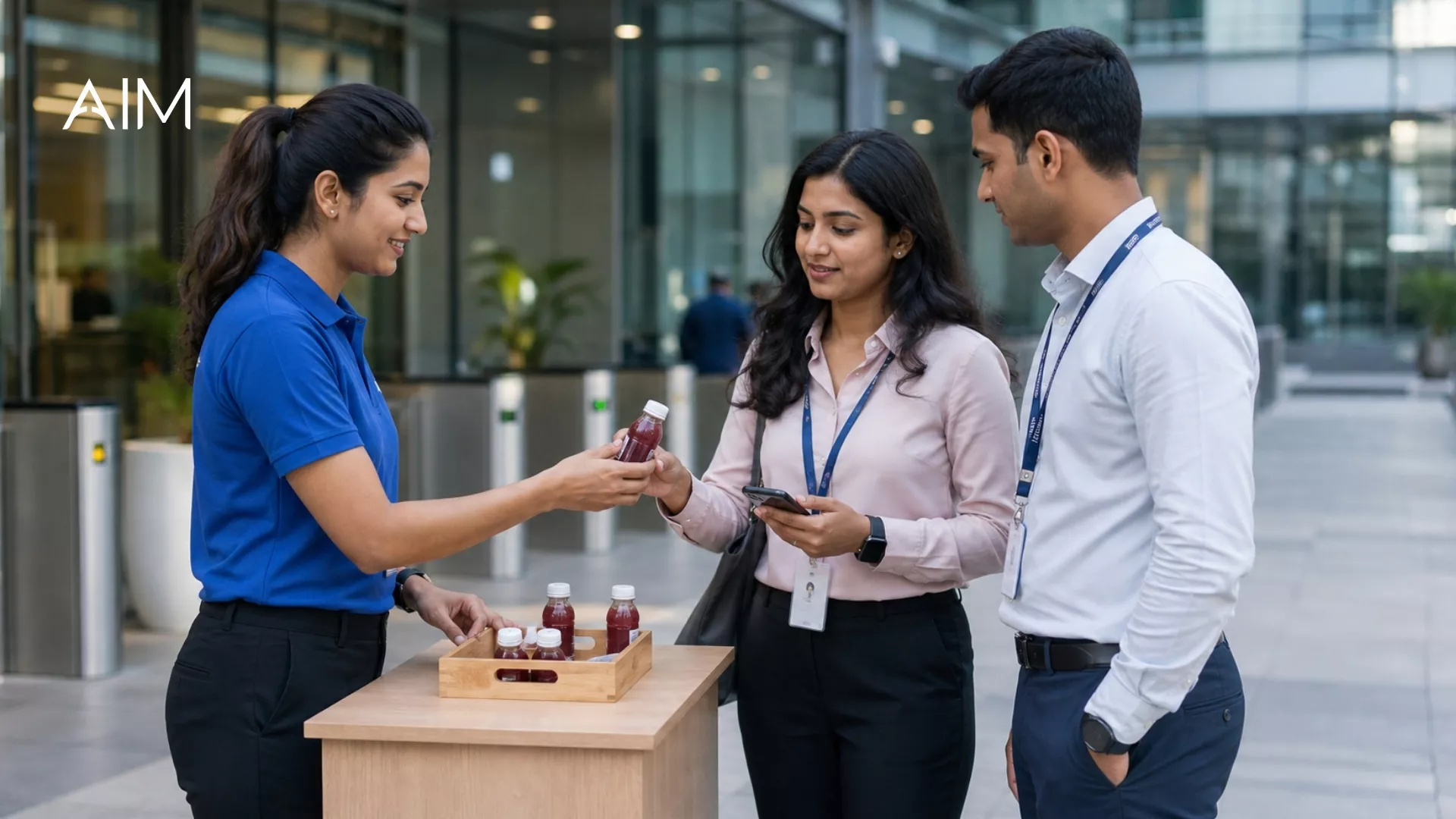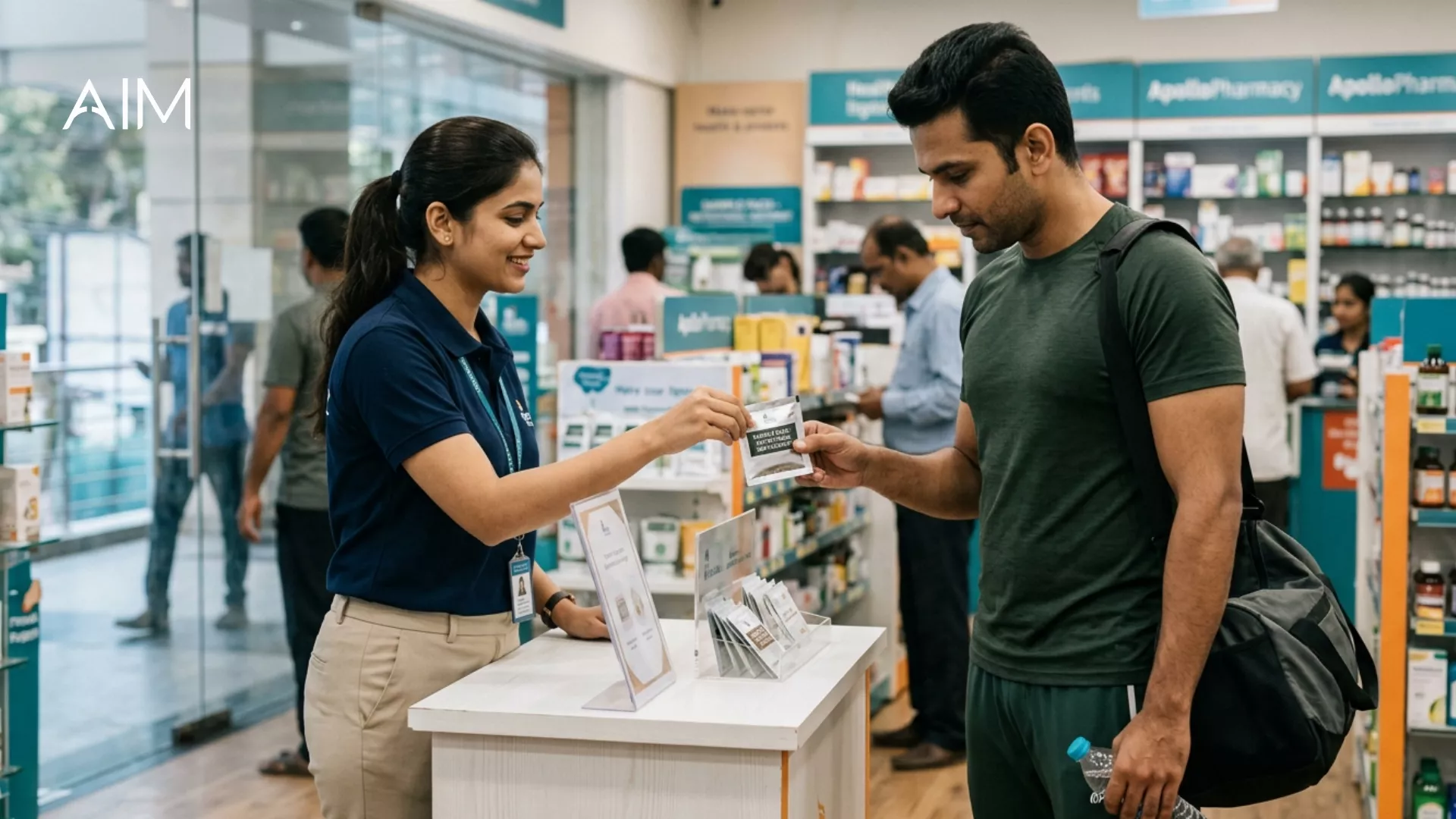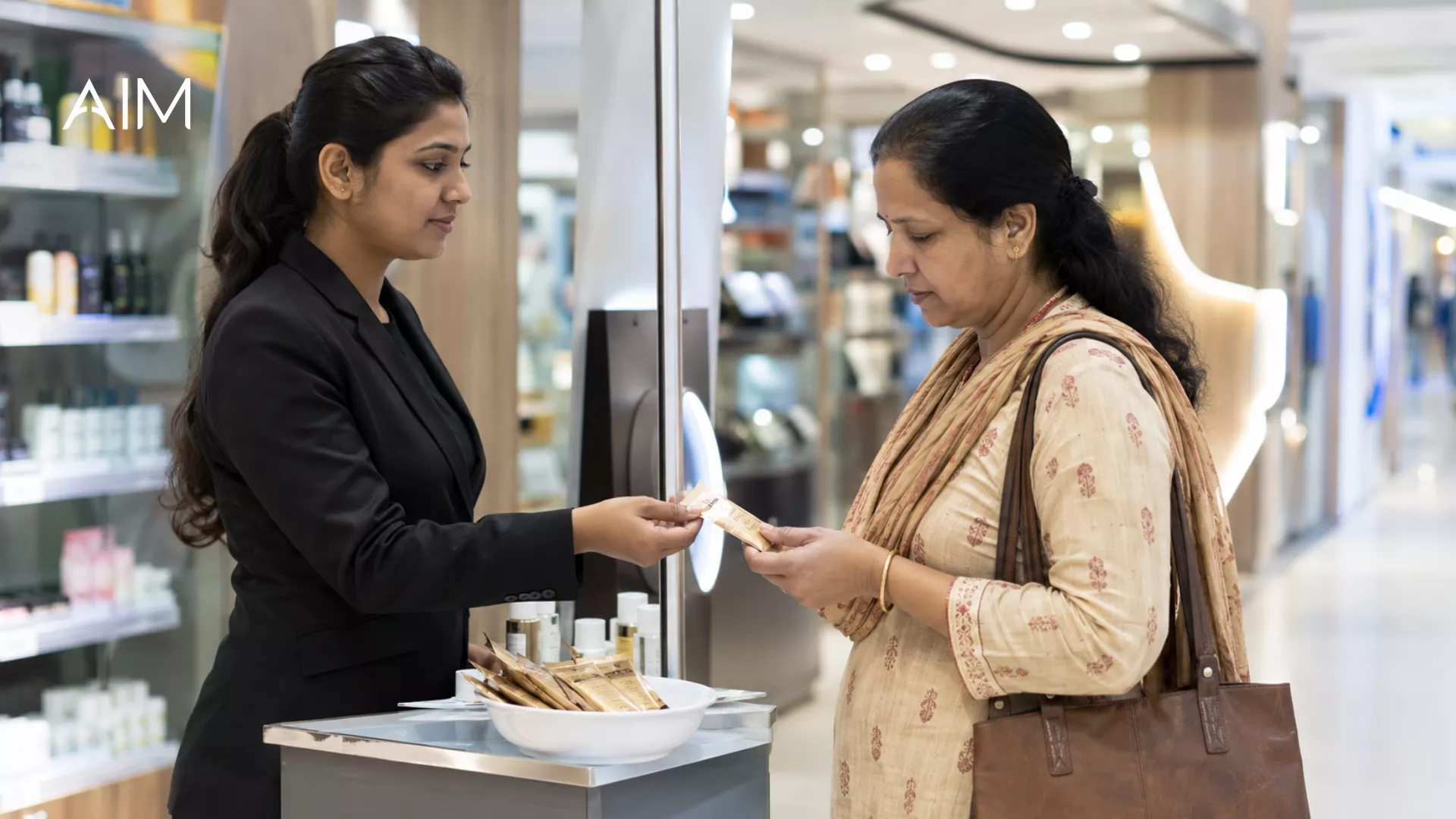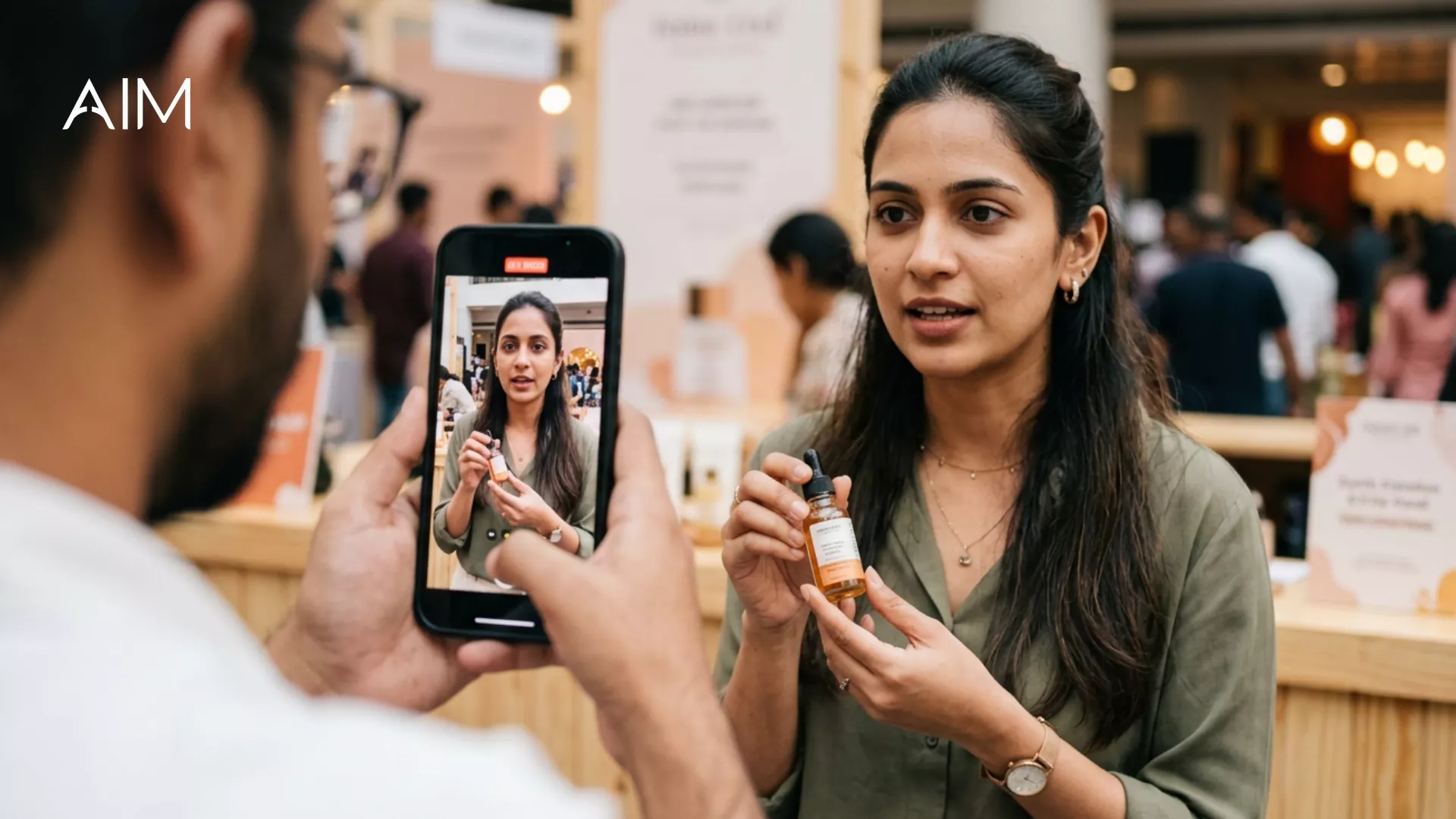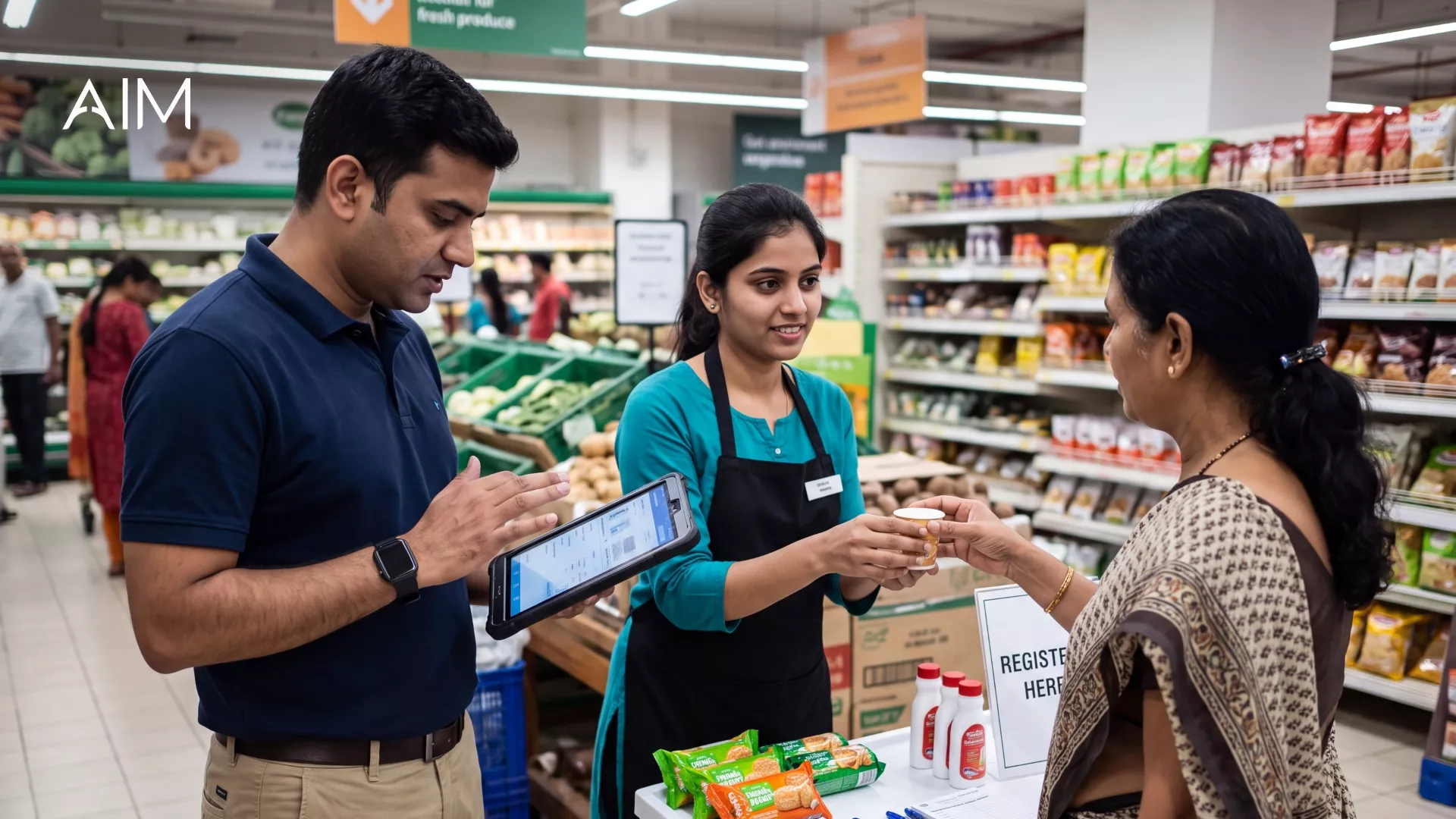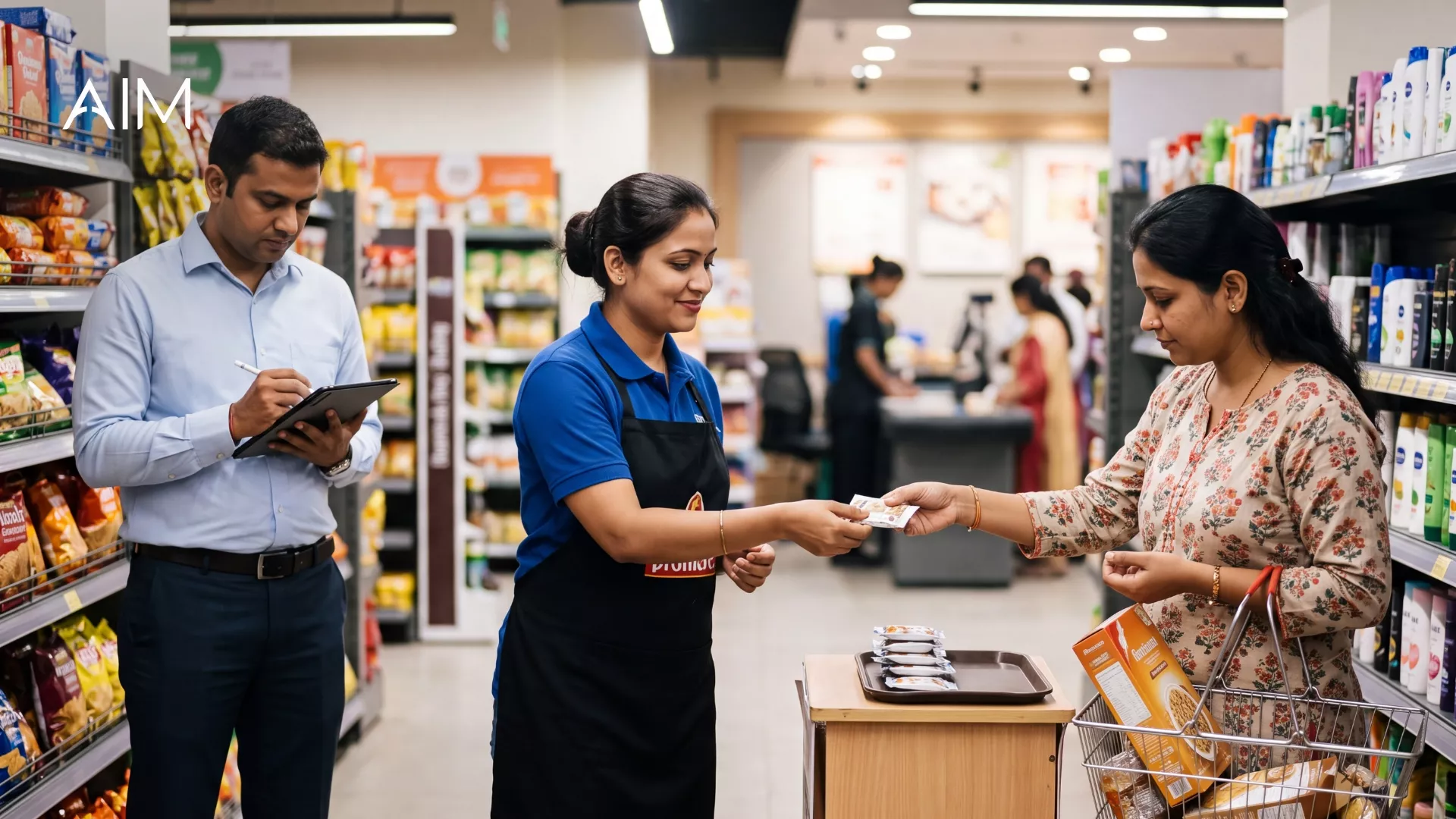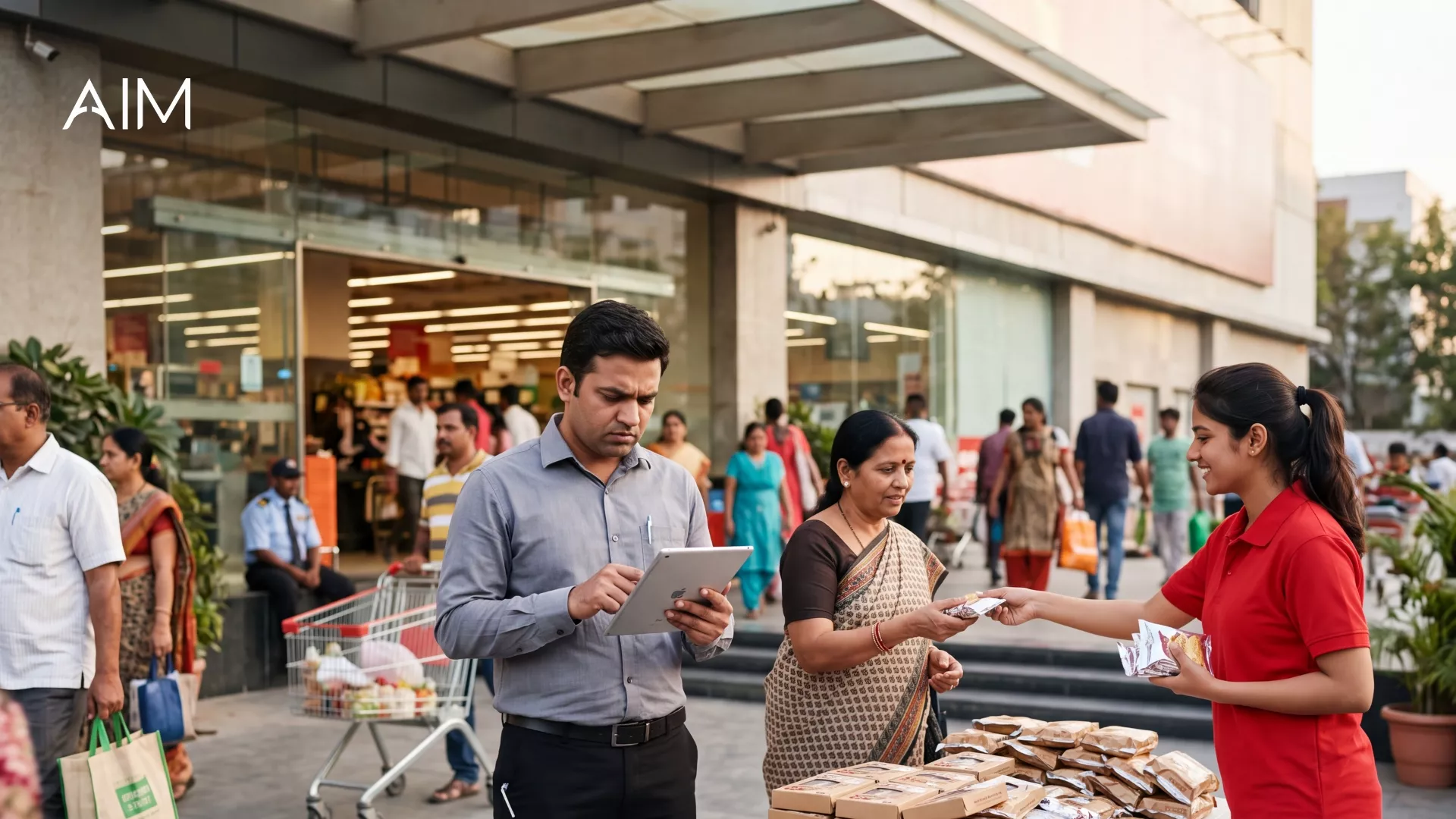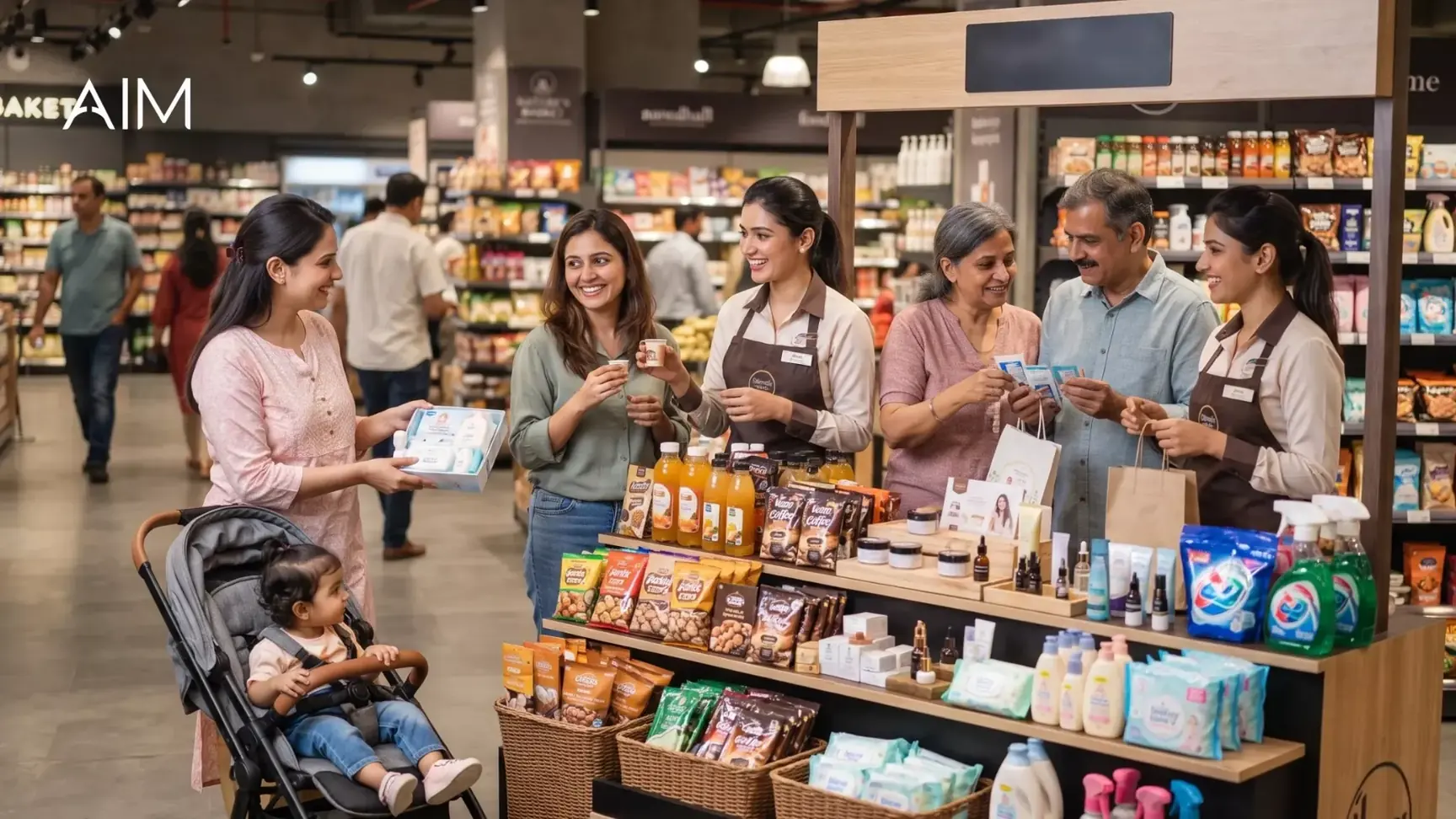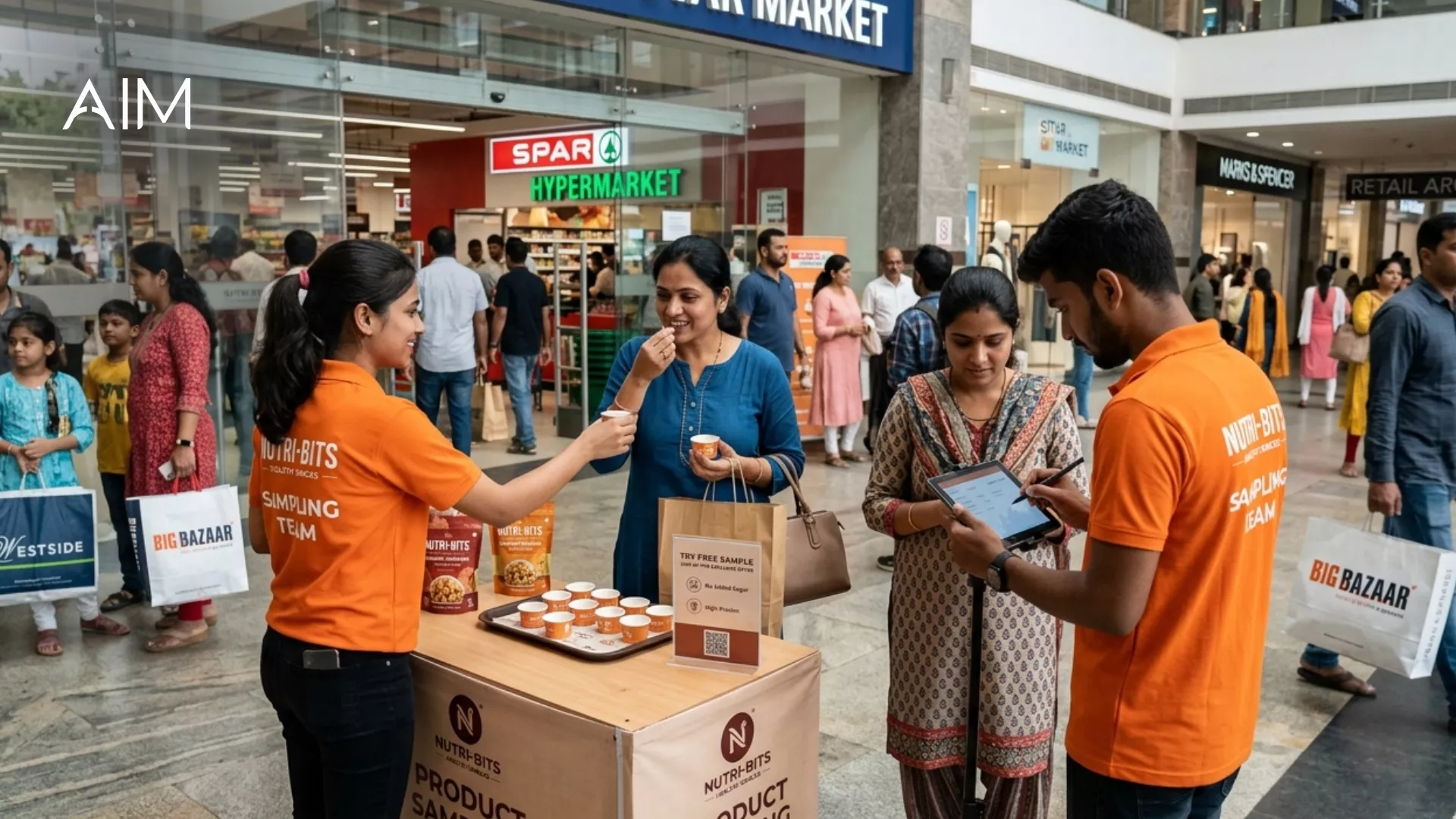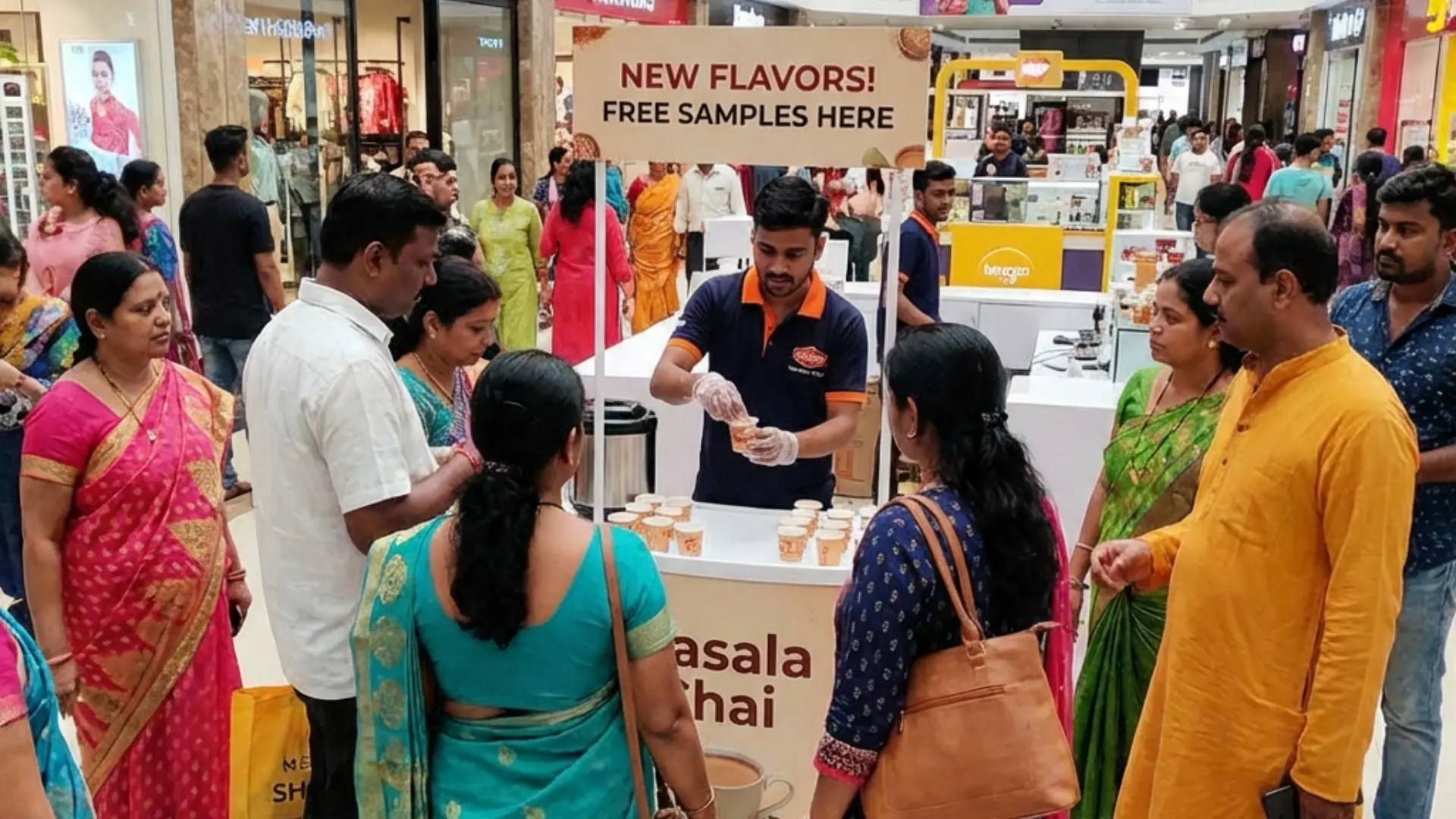


Product sampling is usually talked about as a consumer game, a sachet at a mall, a drink at a gym, a trial in an online box. So B2B and industrial brands often assume it is not for them. That assumption costs them, because sampling works for plenty of B2B products, just not in the consumer shape. The mechanics change, the audience is smaller, the cycle is longer, but the core idea, let the buyer experience the product before committing, is often more powerful in B2B than in consumer, because the purchase is bigger and the risk of switching is higher.
Quick answer: Yes, product sampling works for many B2B and industrial products, especially consumables, ingredients, components, and office or workplace products a business buys repeatedly. It works less well for large one-off capital equipment. B2B sampling differs from consumer sampling in its smaller, targeted audience, longer decision cycle, the need to sample to a specification, and measurement by qualified leads and trials rather than retail reorders.
Which B2B products sample well
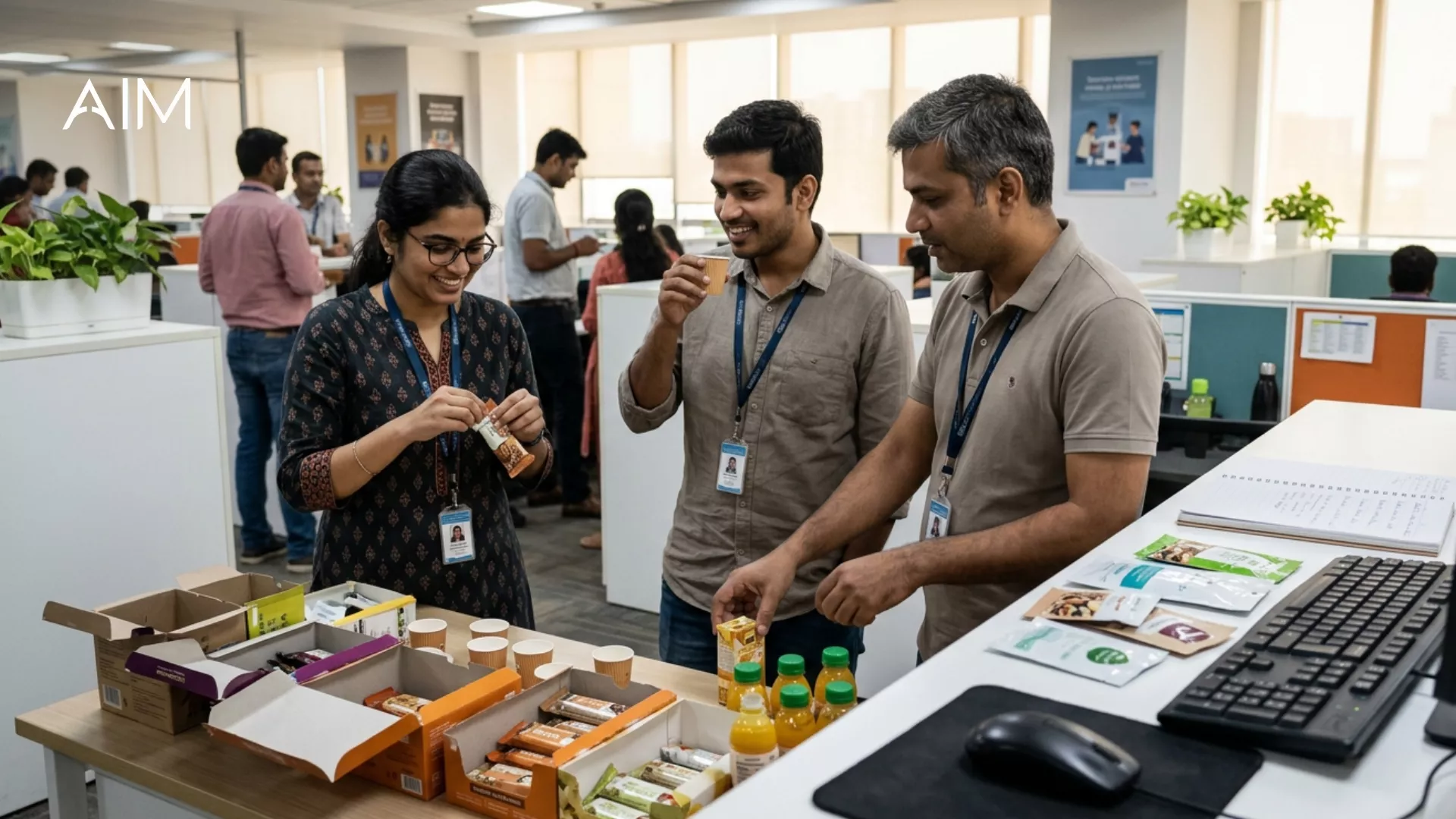
The products that suit sampling are the ones a business tries and then buys again. Consumable inputs like adhesives, lubricants, cleaning chemicals, and coatings. Ingredients and raw materials a manufacturer needs to test in their own process. Components and parts a buyer wants to check for fit and quality. Office and workplace products, from coffee to cleaning supplies to pantry stock, that a company reorders. For all of these, a sample lets the buyer prove the product in their real conditions, which is exactly what a cautious B2B buyer wants before switching a supplier.
Which ones do not
Sampling fits poorly where there is nothing to hand over and test cheaply. Large capital equipment, machinery, and high-value one-off purchases are not sampled, they are demonstrated, piloted, or trialled in other ways. For these, a demo unit or a paid pilot does the job a sample would, and the economics of giving one away do not work. The test is simple, can the buyer meaningfully experience the product from a sample they can hold and try. If yes, sampling is on the table. If no, another trial method fits better.
How B2B sampling differs from consumer sampling
The first difference is the audience. B2B sampling reaches a smaller, defined set of decision-makers, not a crowd, so precision matters more than volume. Reaching the right procurement head, plant manager, or buyer with one sample is worth more than reaching a thousand random hands. The second is the cycle. A B2B buyer does not try and buy the same afternoon. They test, they involve others, they compare, and the decision takes weeks or months, so follow-up and patience are built into the plan.
The third difference is that a B2B sample often has to meet a specification. The buyer is not judging taste or feel, they are testing performance against a technical requirement, so the sample has to come with the right documentation, the spec sheet, the data, the usage guidance, and sometimes technical support. The sample and the information travel together, because the sample alone does not make the case in a technical purchase.
Where B2B sampling happens
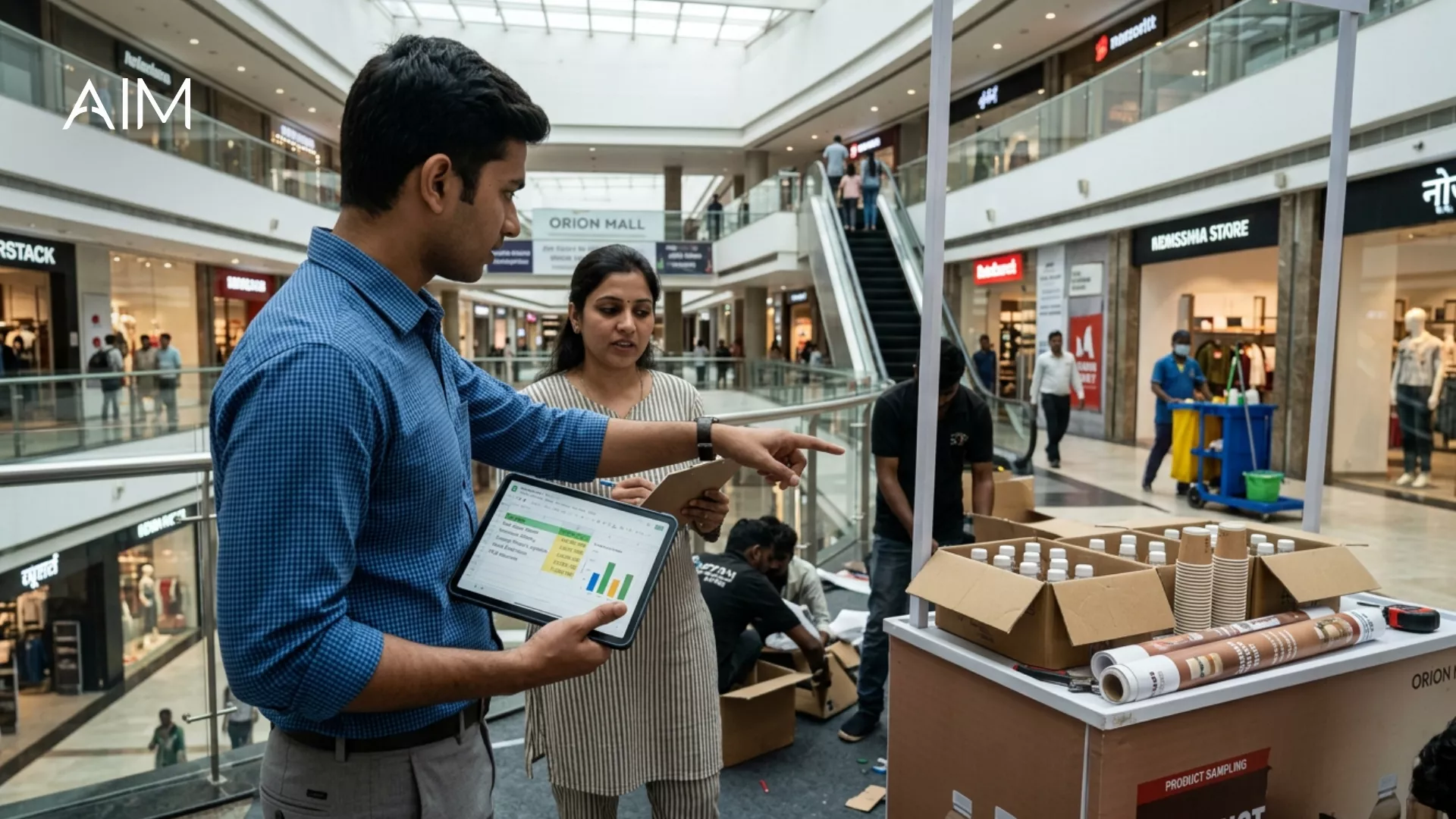
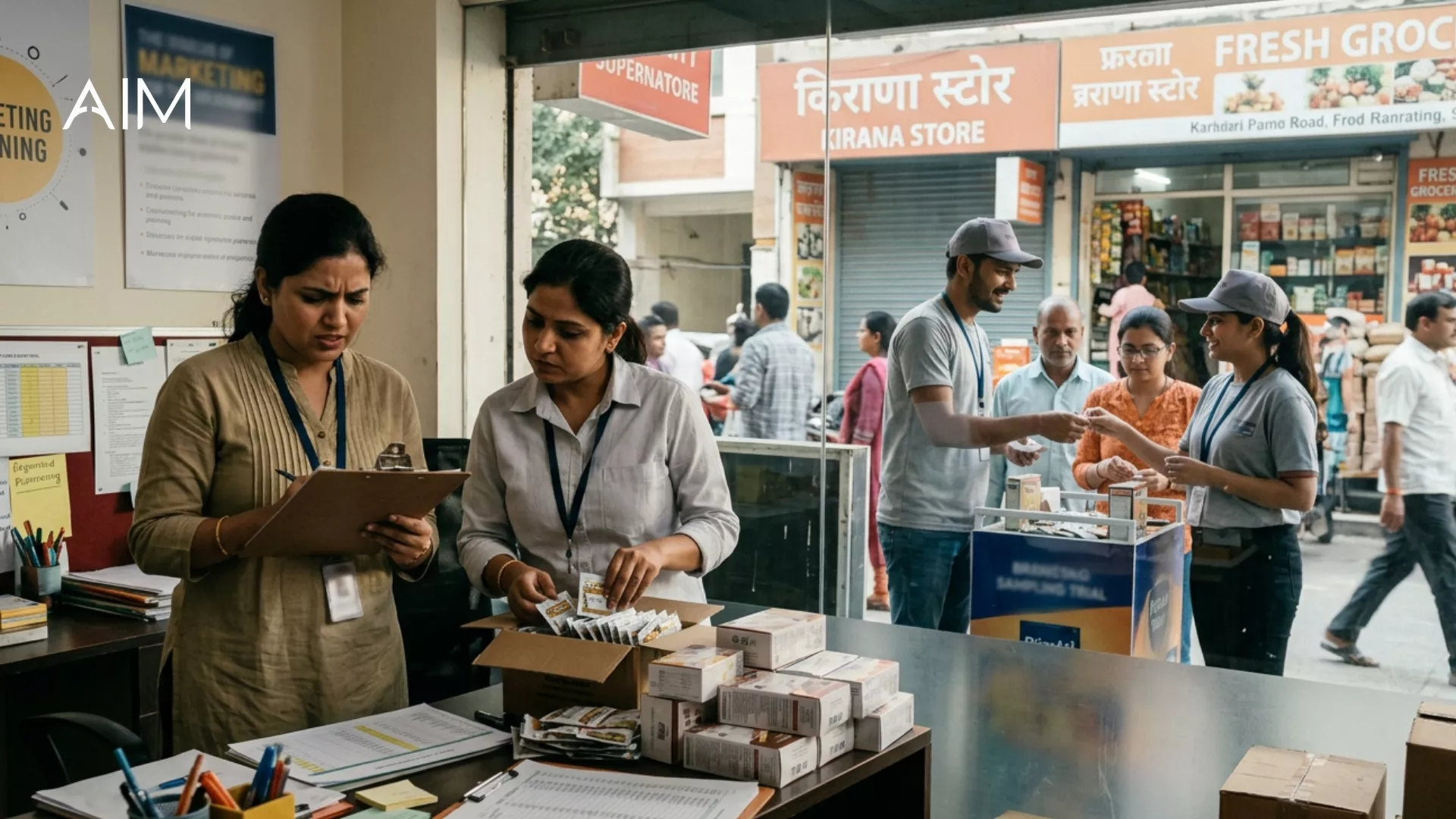
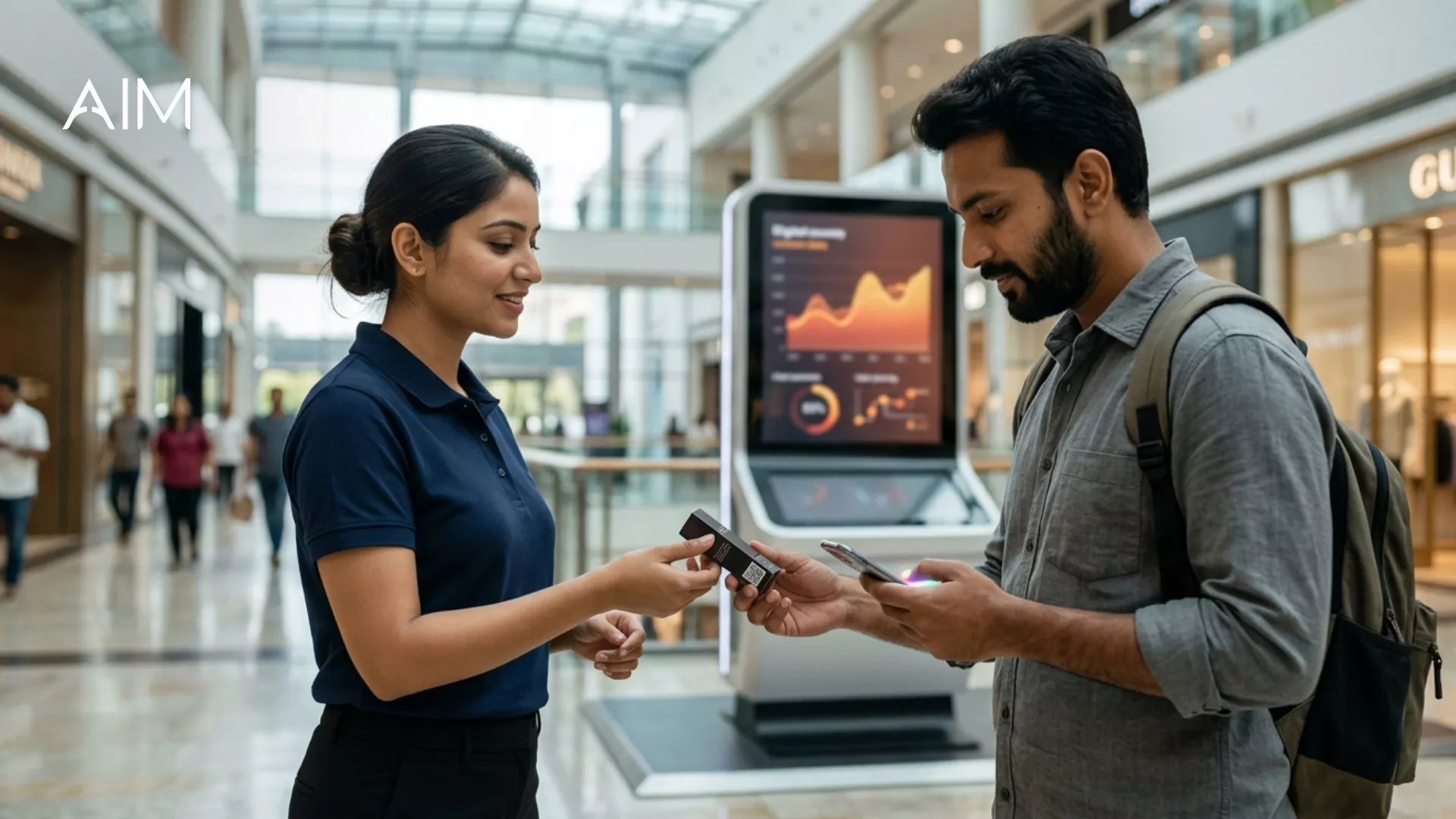
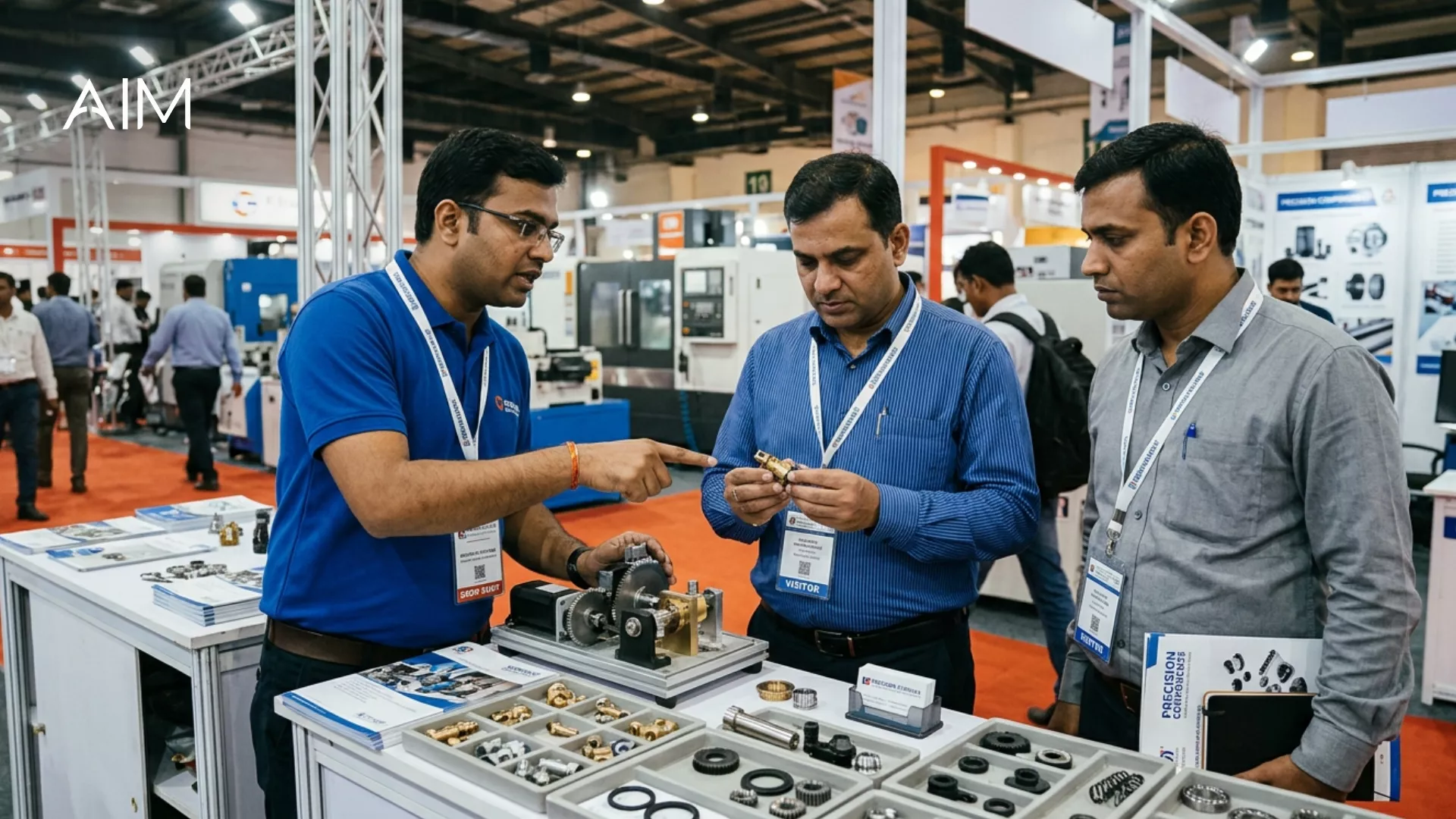
The channels are different too. Trade shows and industry exhibitions are a natural home, because they gather the right buyers in a trying mood. Direct outreach to named accounts, with a sample sent to a specific decision-maker, works where the audience is small and known. Distributor and dealer networks can carry samples to the businesses they serve. The common thread is that you are reaching a targeted, professional audience, not broadcasting to the public, which is the heart of what product sampling is once you move it out of the consumer aisle.
How to measure B2B sampling
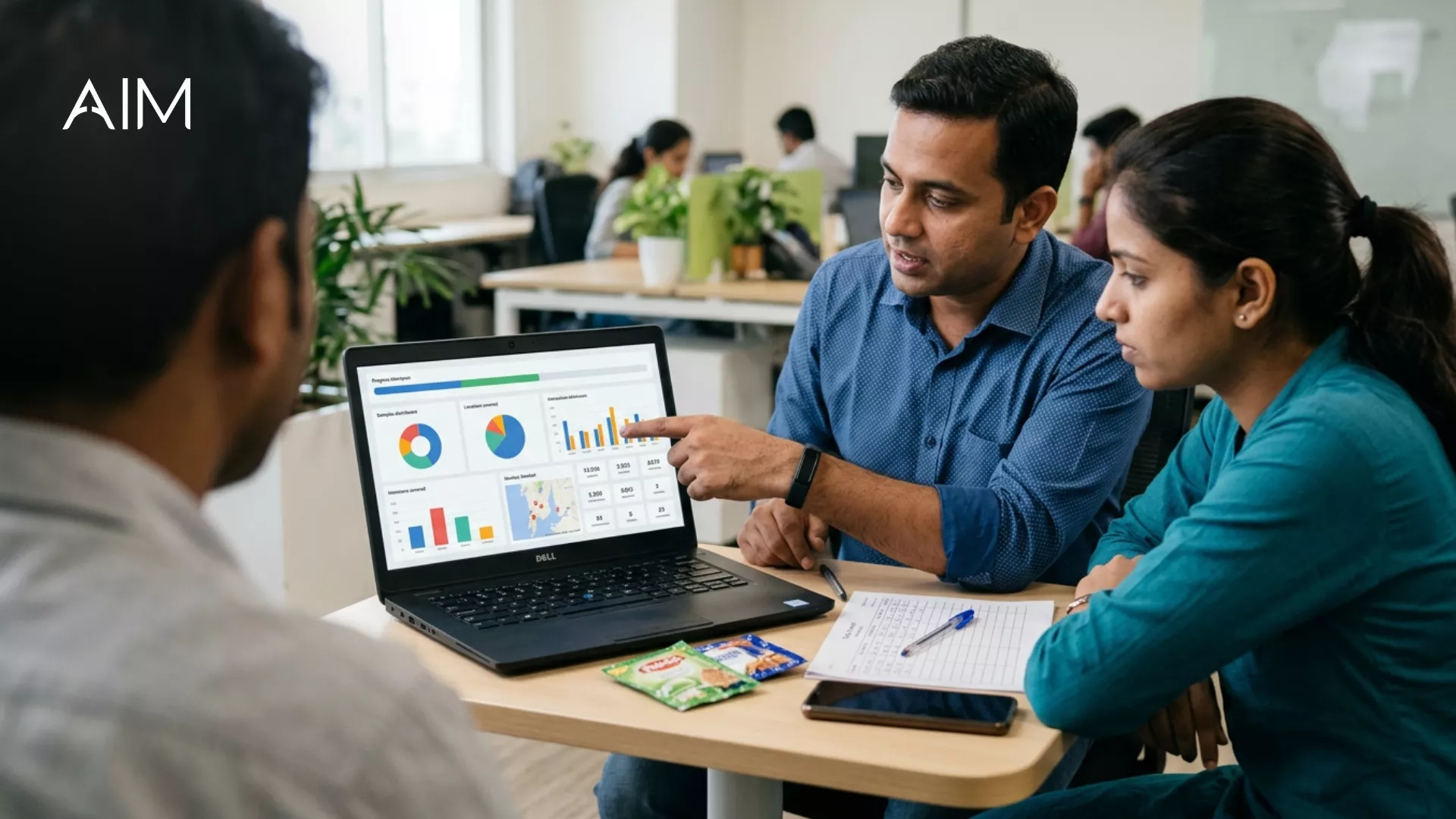
The metrics change with the model. A consumer campaign is judged on trials, conversions, and reorders at some scale. A B2B campaign is judged on qualified leads, trials started, accounts moved forward, and eventually orders won, which are fewer but far larger. One converted industrial account can be worth more than thousands of consumer trials, so the whole measurement frame shifts from volume to value. Tracking which sample reached which account and what happened next is how you prove the campaign paid, and it is the same discipline that underpins our broader product sampling services, applied to a longer, higher-value cycle.
Why it often works better in B2B
There is a reason sampling can be more powerful here than in consumer. A B2B buyer is switching something that matters, a supplier, an input, a component their own product depends on, so the risk of getting it wrong is high and talk alone rarely overcomes it. A sample that lets them test the product in their real process, against their real requirement, removes that risk in the one way that convinces a careful buyer. The bigger the decision and the higher the switching risk, the more a real trial is worth, and B2B is full of exactly those decisions.
Examples across industries
It helps to make this concrete. A chemicals company gives a manufacturer a sample of an adhesive or a coating to test on their own line, because the buyer will only switch once it performs in their real process. An ingredients supplier sends a food or beverage maker a sample of a new flavour or functional ingredient to trial in a recipe. A components maker provides a sample part so an engineer can check fit, tolerance, and quality before committing a production order. A workplace supplier drops off a sample of a coffee, a cleaning product, or a pantry item so an office can try it before signing a standing order. In each case the sample does the one thing a brochure cannot, it lets the buyer prove the product under their own conditions, which is what finally moves a cautious B2B decision.
How to structure a B2B sample
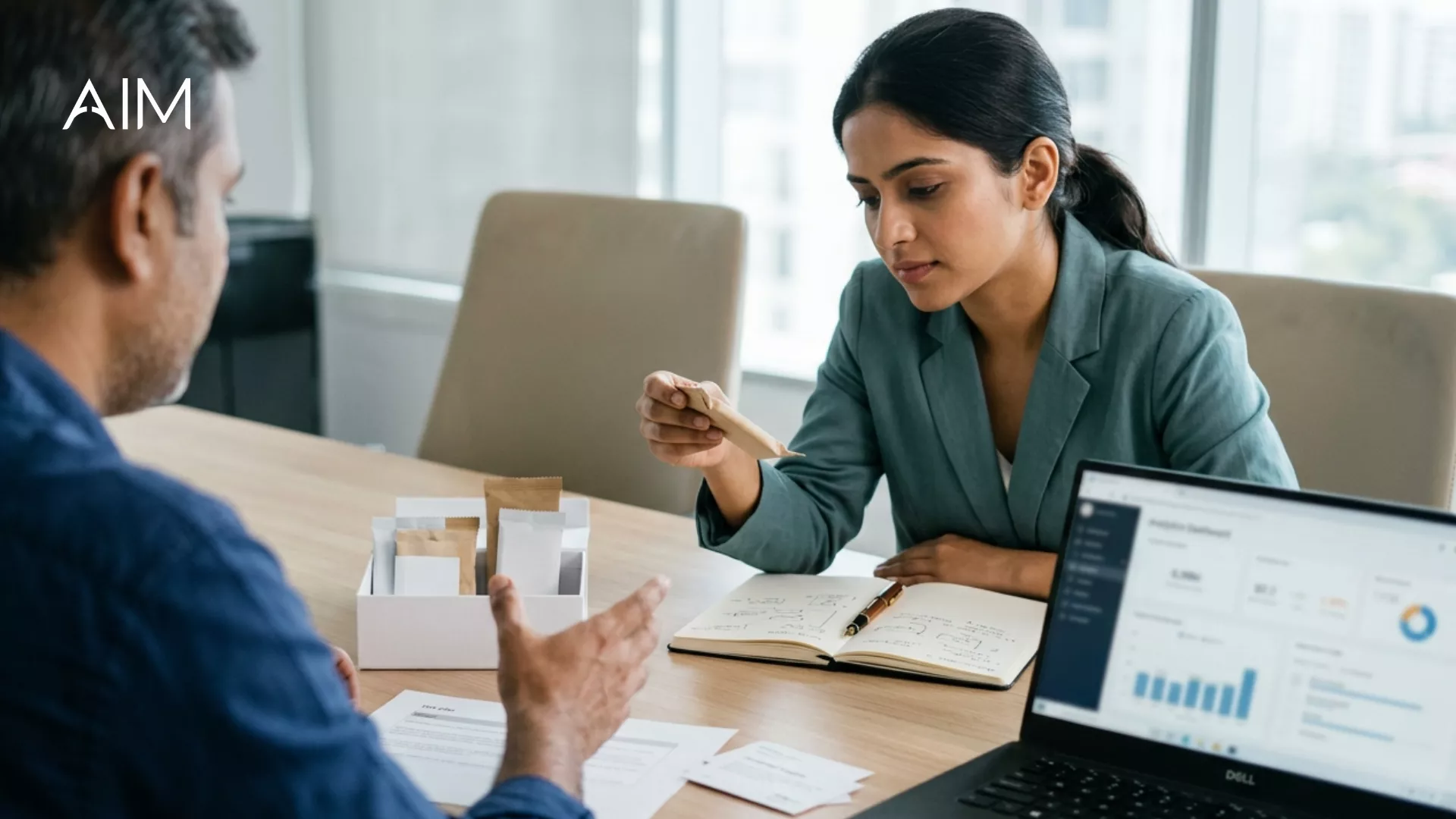
A B2B sample is not just the product in a bag. It is the product plus everything the buyer needs to test it properly and make the case internally. That means the right quantity to run a real trial, the technical documentation and spec sheet, clear usage guidance, and a point of contact for questions. It often means tailoring the sample to the buyer's requirement rather than sending a generic unit, because a technical buyer is testing against a specific need. The brands that win treat the sample as the start of a structured trial, with support attached, not as a giveaway that ends when the box is handed over.
The role of follow-up and the sales team
In consumer sampling, the product often sells itself and the follow-up is light. In B2B, the sample and the sales process work together. A sample that reaches a decision-maker has to be followed by a conversation, the test results reviewed, questions answered, the proposal shaped, other stakeholders brought in. The sample opens the door and proves the product. The follow-up and the sales team walk through it. A B2B sampling programme that drops samples and expects orders to appear on their own usually stalls, because the longer, multi-person decision needs a human to carry it forward. Plan the follow-up as part of the campaign, not as an afterthought.
Start with a focused pilot
Because the audience is small and the stakes per account are high, B2B sampling rewards a focused, measured start over a broad blast. Pick a defined set of target accounts, structure the sample and the follow-up well, and see how many move forward, what the real conversion looks like, and where the process sticks. If it works, you scale to more accounts with a model you trust. If it does not, you learn why cheaply, before committing the whole programme. Sampling is controlled market learning in B2B just as it is in consumer, and the thing you are learning is whether a real trial reliably turns a cautious account into a customer. Prove that on a small, well-run pilot, and the scale-up is doing more of something that already works.
The long cycle is a feature, not a problem
Brands new to B2B sampling sometimes see the long decision cycle as a drawback, but it is also where the method earns its value. A consumer trial is won or lost in a moment, and the memory fades fast. A B2B trial unfolds over weeks, which means the product spends real time in the buyer's hands, in their process, proving itself against their actual requirement. That sustained, hands-on test builds a conviction no pitch can match, and once a business has validated a product in its own operation, it is slow to switch away again. So the long cycle that looks like friction up front becomes a moat once you win, because the same effort the buyer put into testing you is effort they will not want to repeat for a competitor. Patience through the cycle is not wasted time, it is the product earning a position that is hard to dislodge.