
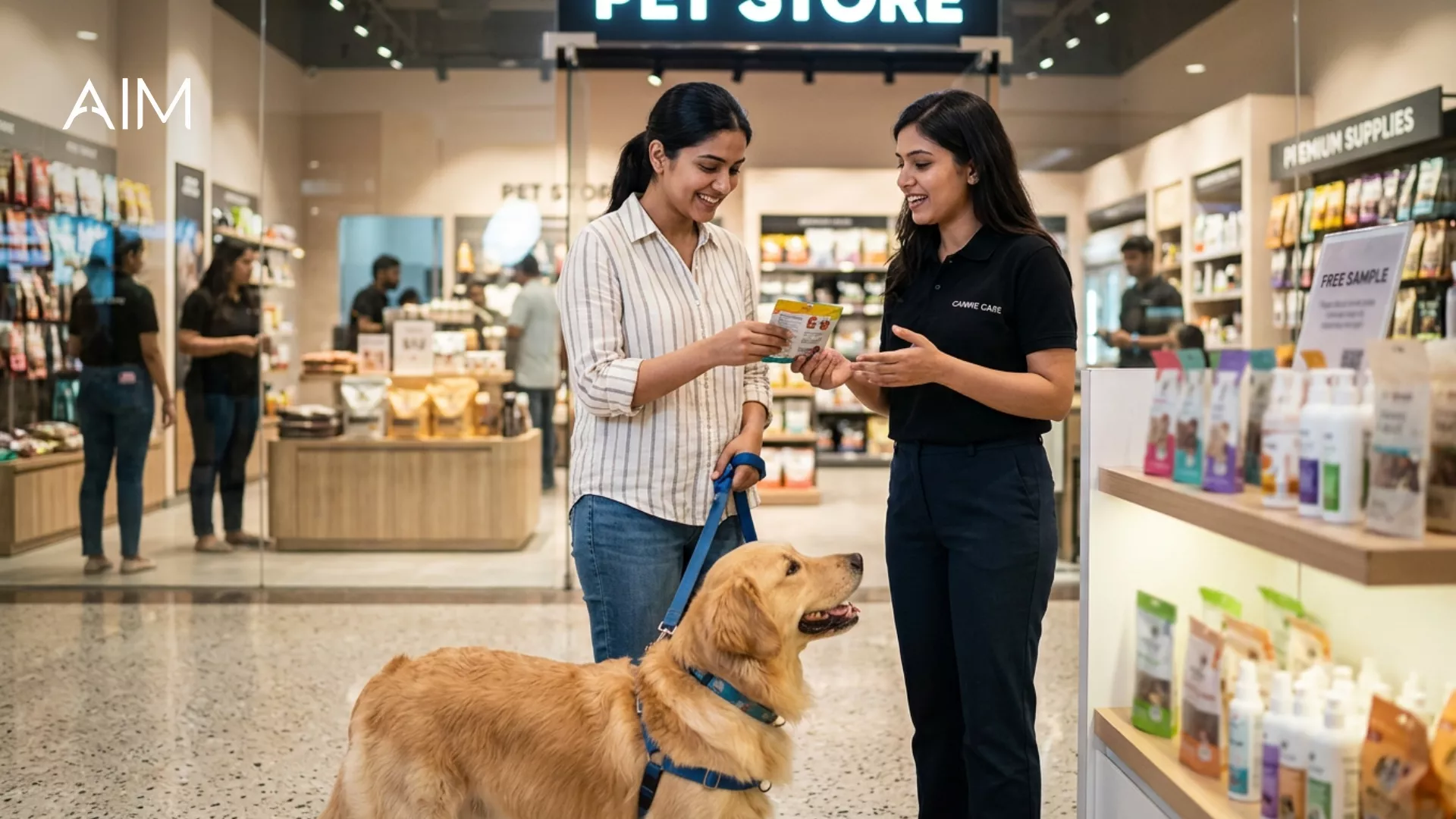


A dog will eat almost anything you put in front of it. A cat will sniff a new bowl, glance at you, and walk away. That single difference in animal behaviour changes almost everything about how you sample to each of them, and it is the reason a plan that works beautifully for a dog treat can fall flat for a cat food. Most brands, and plenty of agencies, treat pet product sampling as one job: reach pet parents, hand over a sample, count the trials. But a cat parent and a dog parent live different lives, shop in different places, and worry about different things, and the animals themselves respond to a free sample in almost opposite ways. Here is why sampling cat products is not the same as sampling dog products, and what actually changes when you plan for each.
Quick answer: what makes cat and dog sampling different
Cat sampling differs from dog sampling on three things: where you find the owner, how the animal responds to new food, and how the owner buys. Dogs go out, to parks, walks, cafes, groomers, and pet stores, so you can sample dog products in public. Cats stay home and are rarely seen outside, so cat sampling happens at home, through societies, e-commerce inserts, and vet clinics. Cats are wary of new food and often refuse a single serving, so cat samples need to be small, gradual, and paired with guidance, while a dog will usually try a sample on the spot. Plan each around its own animal and owner, not as one pet category.
Where you find the owner is the first split
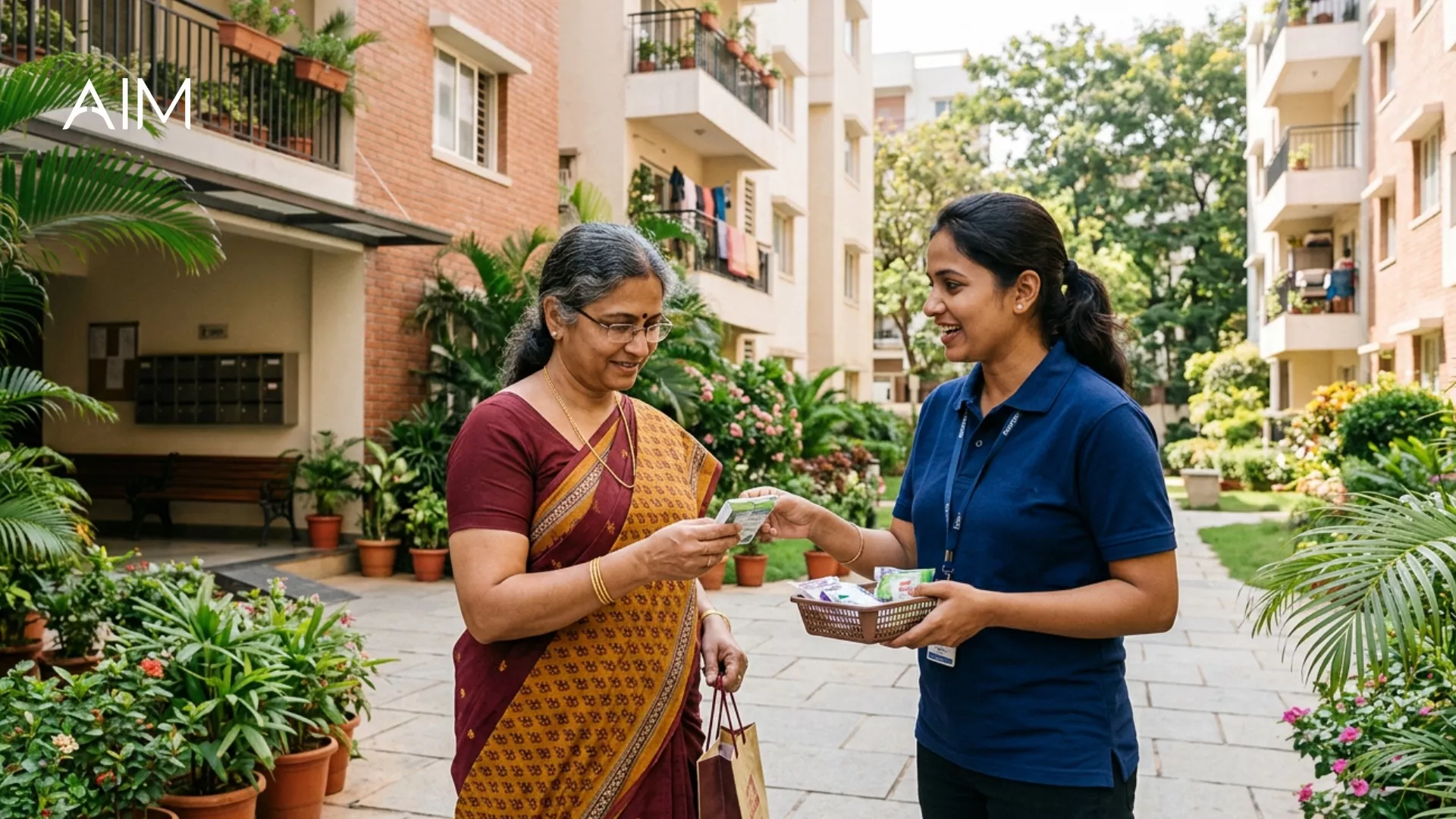
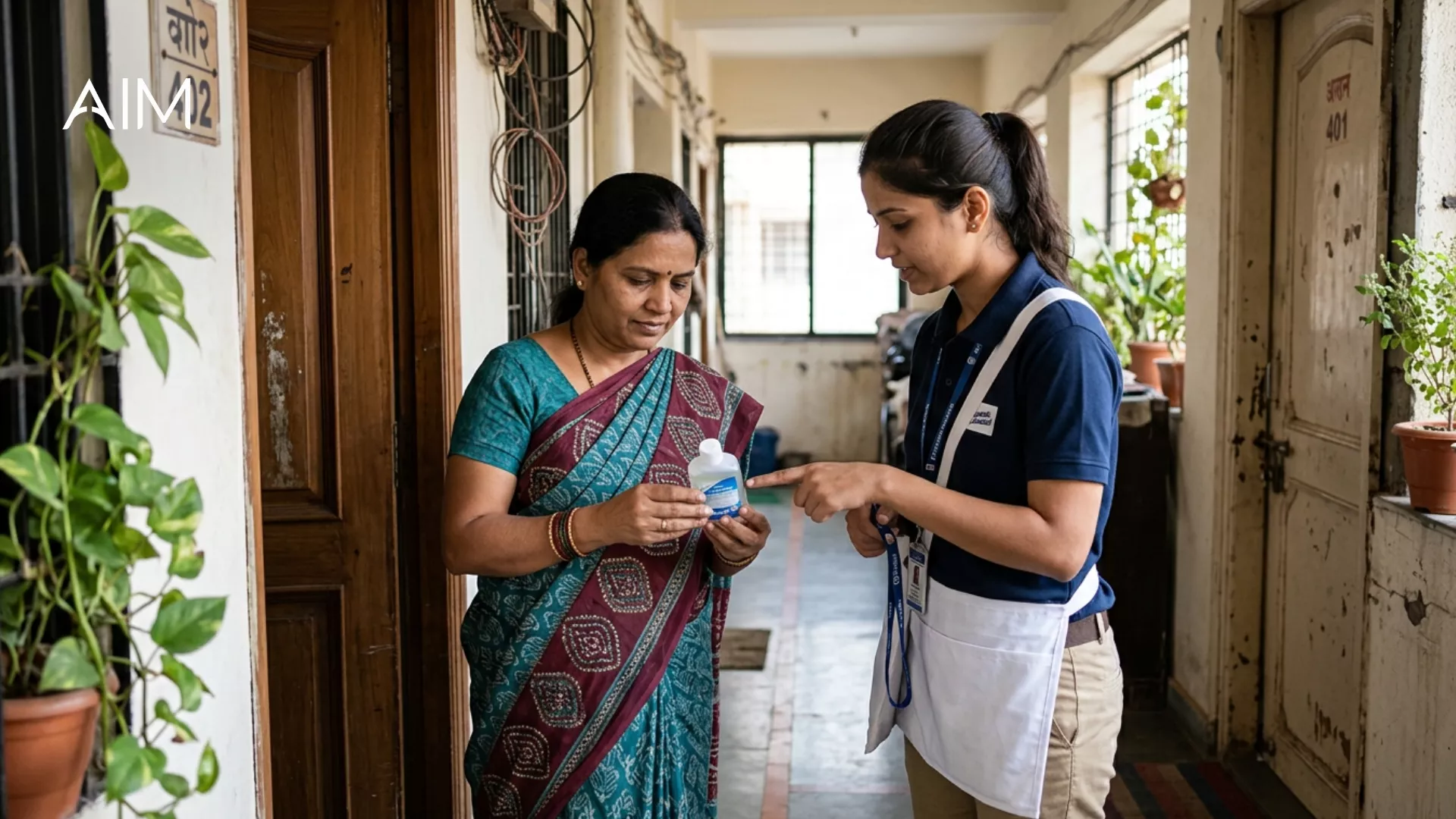
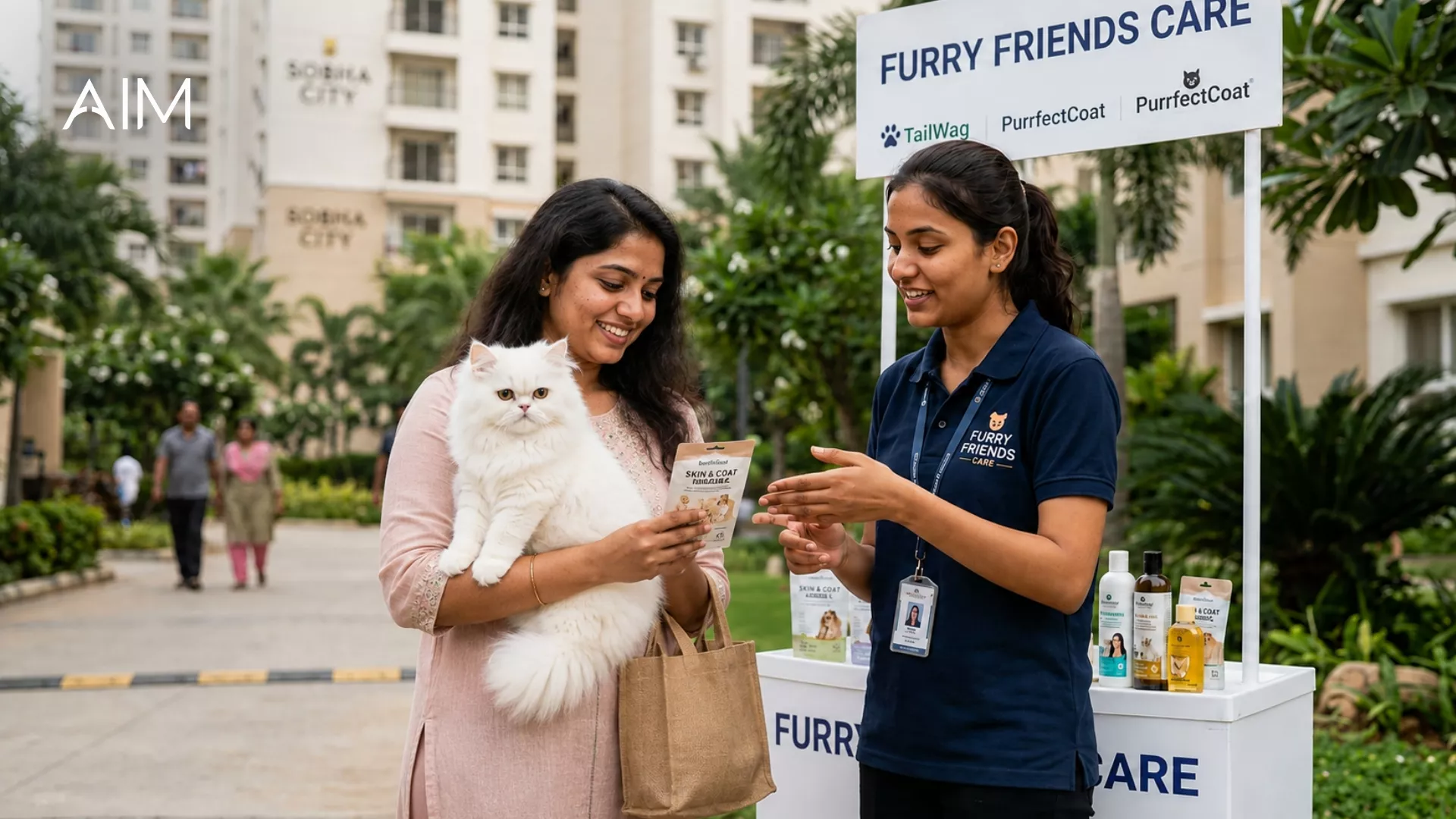
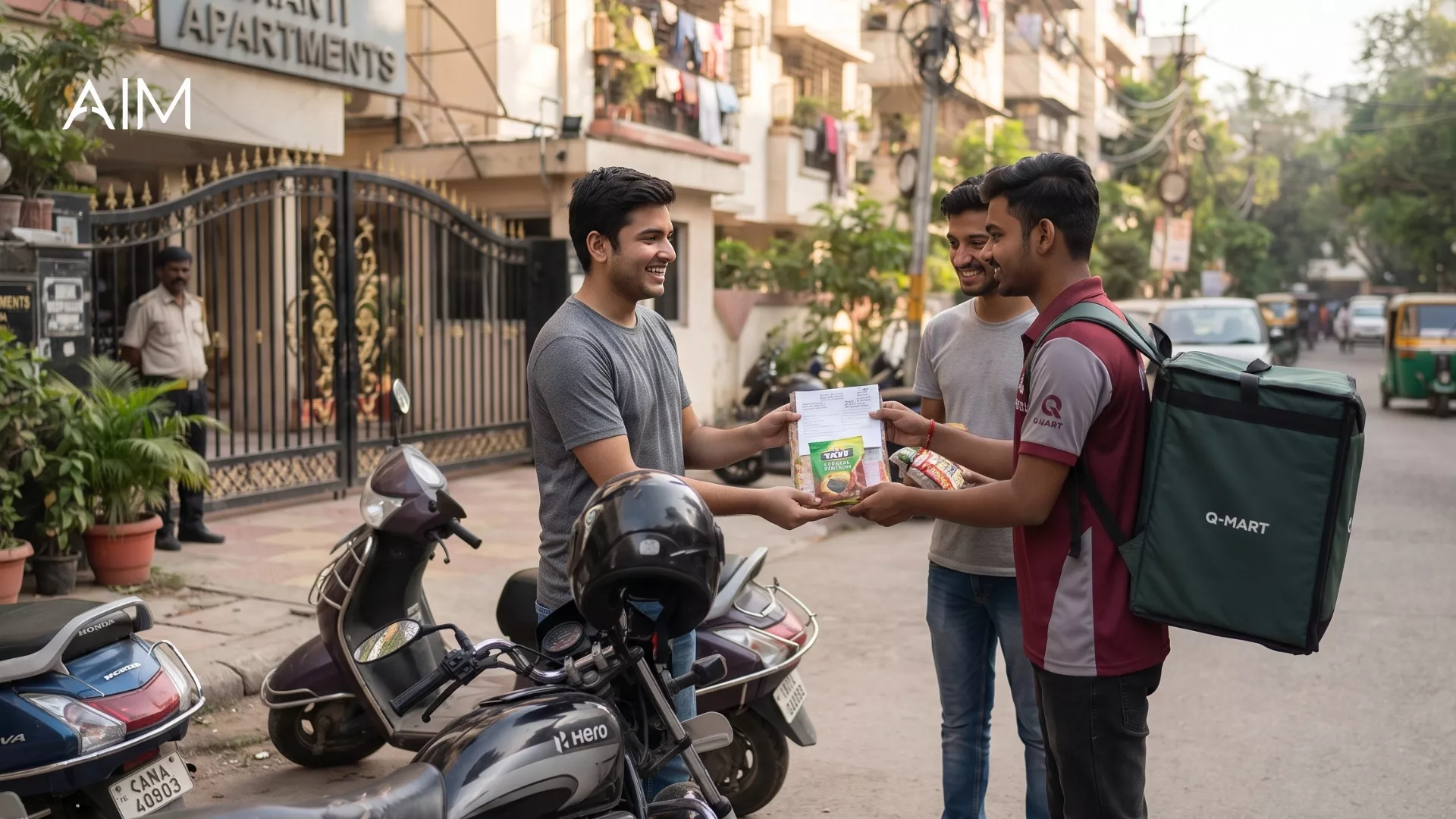
Dogs get walked. That one habit hands you a dozen public places to reach a dog parent: the neighbourhood park, the morning walk route, the pet cafe, the groomer, the vet, and the pet store aisle they browse with the dog in tow. A dog owner is visible and reachable outside the home. Cats are not walked. A cat parent may not step out with the cat from one month to the next, so the public touchpoints that work for dogs mostly vanish. You reach cat parents where they and their cats actually are, which is at home and online. Societies and apartment communities, e-commerce and quick commerce orders, vet clinics, and adoption or breeder networks do the heavy lifting for cat sampling, while the dog park does almost nothing. Get this wrong, send a team to sample cat food at a dog park, and the campaign is finished before it starts.
The animal decides whether the sample gets tried
Here is the part brands underestimate. With a dog, distribution is close to trial. Most dogs will eat a new treat or food the moment it is offered, so once the sample reaches the home, the trial usually happens on its own. With a cat, distribution is nowhere near trial. Cats are naturally suspicious of unfamiliar food, a trait that even has a name, neophobia, and many will sniff a new bowl and refuse it, especially if it arrives all at once in place of what they know. So a cat can receive a perfectly good sample and never actually eat it, which means the brand has paid to reach the home and still learned nothing about whether the product works. A sample delivered is not a sample tried, and for cats that gap is wide. Any cat sampling plan that stops at handing over the pack has skipped the hardest part.
Sample size and format are not the same
Because the animals behave differently, the sample itself has to be built differently. A dog sample can be a single generous portion, because the dog will likely eat it and the owner will see the reaction. A cat sample built the same way often fails. Cats need a gradual transition, a little of the new food mixed into the familiar one over several days, or they reject it and sometimes get an upset stomach, which turns a trial into a bad memory of your brand. So cat food sampling leans toward small, multi-day trial packs with a clear how-to-introduce message, rather than one big serving eaten in a single sitting.
Litter makes the format problem sharper. Cat litter is a large part of the cat category and awkward to sample the usual way, because a real trial needs enough litter to fill a tray and see how the cat takes to it, which is bulky and costly to hand out. Dog products rarely carry that constraint. The lesson is simple: you cannot lift a dog sampling format and drop it onto a cat product. The pack size, the instructions, and even the logistics have to be rebuilt around the animal.
The two owners shop and worry differently
The animal is only half of it. The owners are different buyers too. Dog parents tend to be more social and more experimental. They meet other dog owners on walks and at parks, they swap recommendations, and they are often willing to try something new because the dog is easy to please. That makes word of mouth and public trial powerful for dog brands.
Cat parents lean the other way. Many are cautious and research-led, loyal to whatever their cat already tolerates, and slow to change it because a switch that upsets the cat means mess, stress, and a wary animal for a week. A cat parent reading a label is not being difficult, they are protecting a fragile peace at home. So cat sampling has to reassure before it asks for a switch: explain the transition, respect the caution, and give the owner a low-risk way to test the water. Push a cat parent to swap everything at once and you lose them, however good the product is.
The product categories barely overlap
Look at what actually sells in each and the overlap is thin. The cat side is shaped by litter, hairball control, indoor and sterilised formulas, and a strong pull toward anything that reduces smell and mess. The dog side is full of dental chews, training treats, joint and size-specific formulas, and products tied to activity and outdoor life. A sampling plan that treats them as the same shelf will pick the wrong products to lead with and the wrong message to carry. The right cat campaign often centres on litter or a specific indoor concern, while the right dog campaign might centre on a treat or an activity-linked benefit. Same industry, different playbook.
Measuring trial and repeat looks different
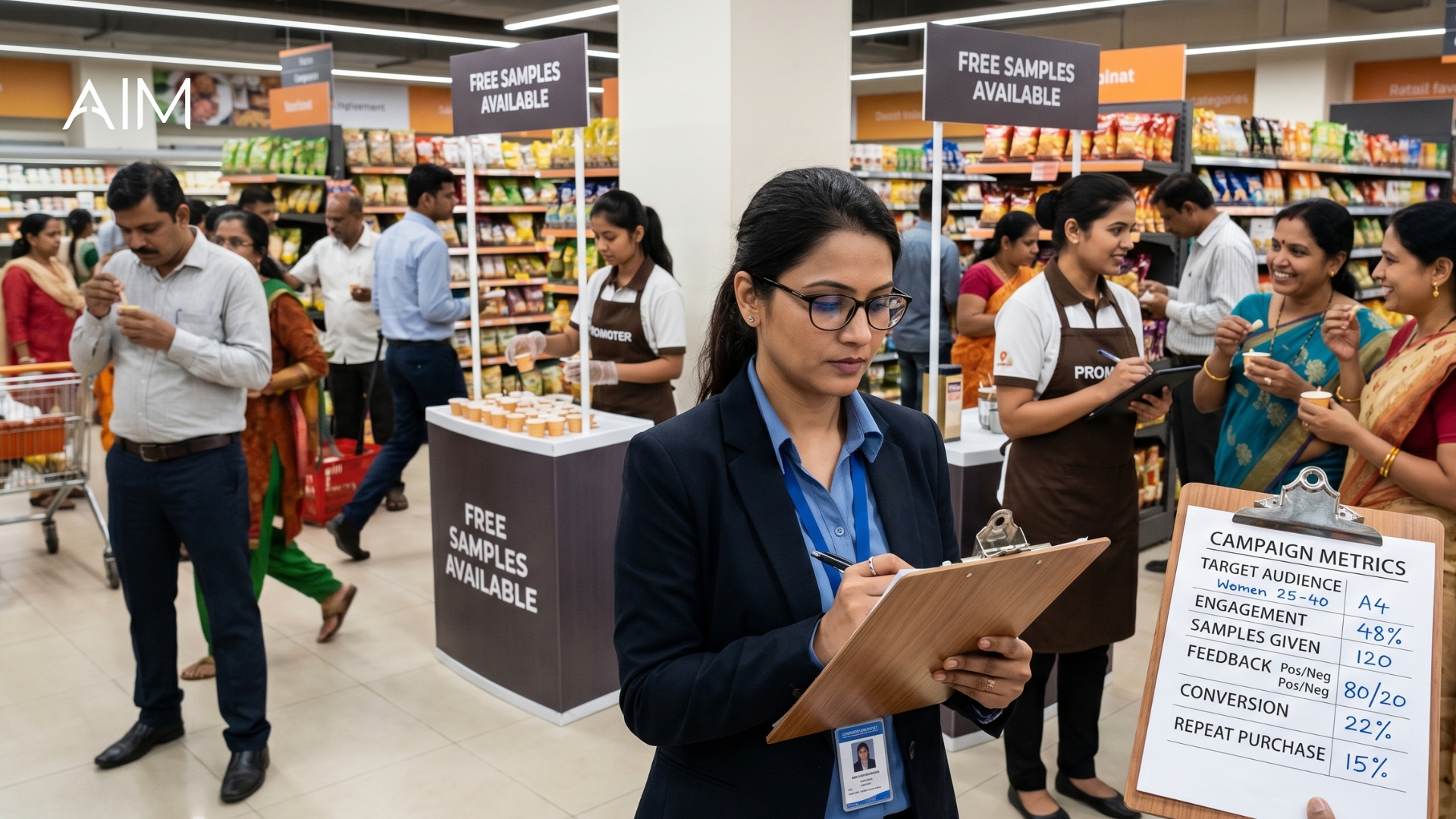
Even the way you measure the two is not identical. Dog trial tends to show up fast, the dog eats it, the owner sees the reaction, and a reorder can follow within the same buying cycle. Cat trial is slower and more conditional, because the cat has to accept the food over a few days before the owner will commit. But once a cat accepts a food, the loyalty is stickier, since the owner is reluctant to disturb what finally works. So a dog campaign can often be read on quick repeat, while a cat campaign needs a slightly longer window to judge, measured on acceptance first and then reorder. Either way, the point that matters is the same one AIM builds every sampling plan around: capture who actually tried the product and track whether they bought, rather than counting packs handed out.
Trust weighs heavier on the cat side
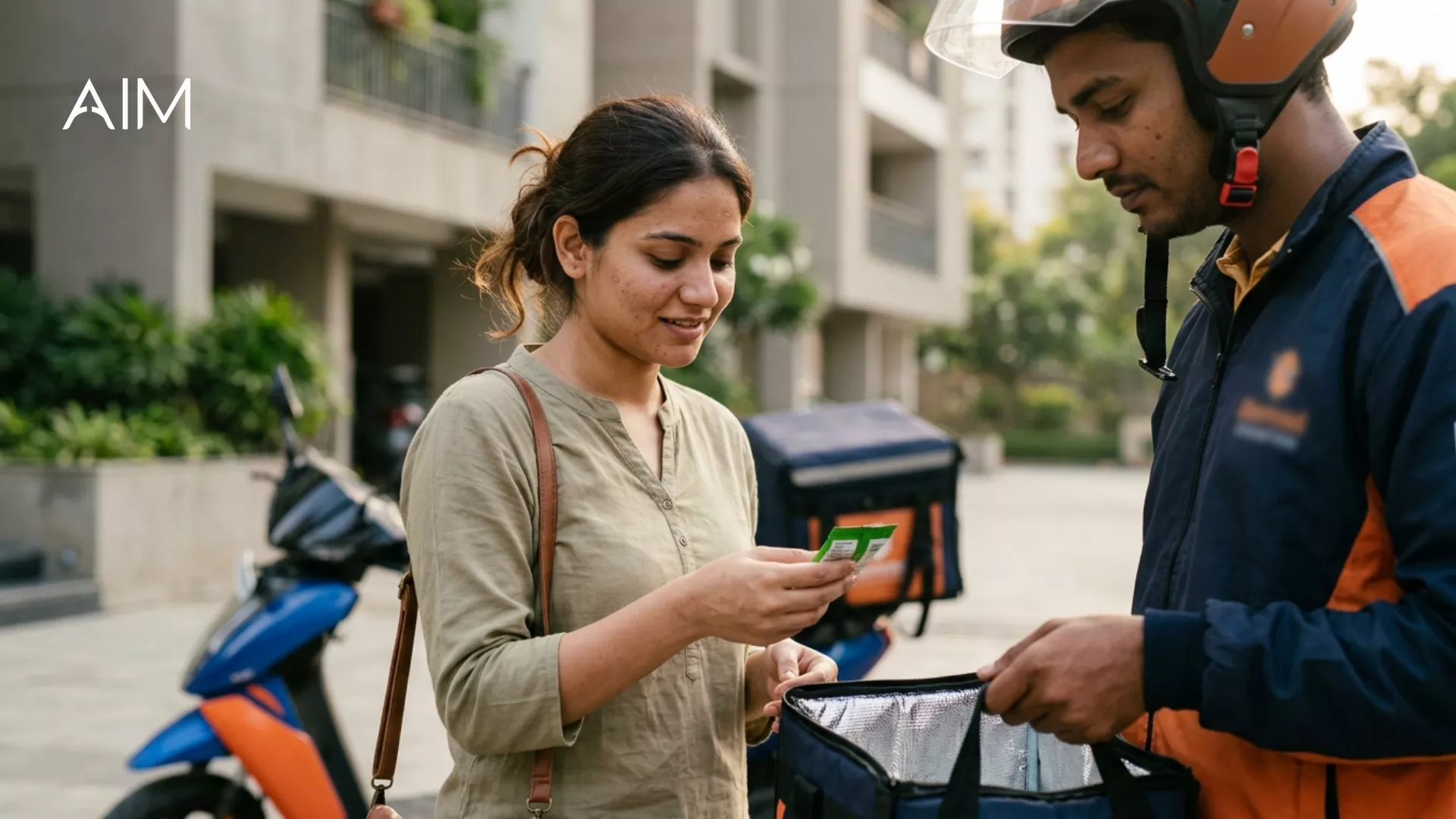
One more thing separates the two, and it is quiet but real. A dog owner handed a free sample at a park will often try it that evening with little thought. A cat owner weighs it. Will it upset the stomach, will the cat even touch it, is it worth risking the routine that finally settled. That extra hesitation means cat sampling has to come from a trusted setting to be taken seriously, a vet clinic, a known society programme, or a sample tucked into an order they already chose to place. The same sample pushed cold on a street corner gets far less benefit of the doubt. Match the channel to how much trust the buyer needs, and cats simply need more of it than dogs.
What changes when you plan for each
Put it together and the two campaigns share a goal but almost nothing else. For a dog product, you can plan public, sample generously, lean on visible trial and word of mouth, and read repeat quickly. For a cat product, you plan for the home and online, build a small gradual trial pack with real guidance, reassure a cautious owner, and give acceptance the time it needs before you judge the result. This is how AIM approaches pet sampling: decide which animal and which owner you are really reaching, match the sample size, format, and channel to that animal instead of a generic pet template, capture who tried it, and track the trial through to a sale. In pet sampling, treating a cat like a small dog is the fastest way to waste a budget. The brands that win are the ones that plan for the actual animal in the actual home.











.webp)















.png)