

A global brand arrives in India with a sampling playbook that worked beautifully somewhere else. The product is strong, the budget is real, the intent is serious. And then the campaign underdelivers in ways the team at headquarters finds hard to explain. The usual conclusion is that India is a difficult market. The more accurate conclusion is that the playbook was built for a different market with different buyers, different stores and different habits, and most of what goes wrong is predictable the moment you stop assuming India behaves like the market the plan was designed for. The product did not get worse on the flight over. The assumptions did. Here are the mistakes that come up again and again, and what each one costs a brand that does not catch it.
Mistake one: treating India as a single market
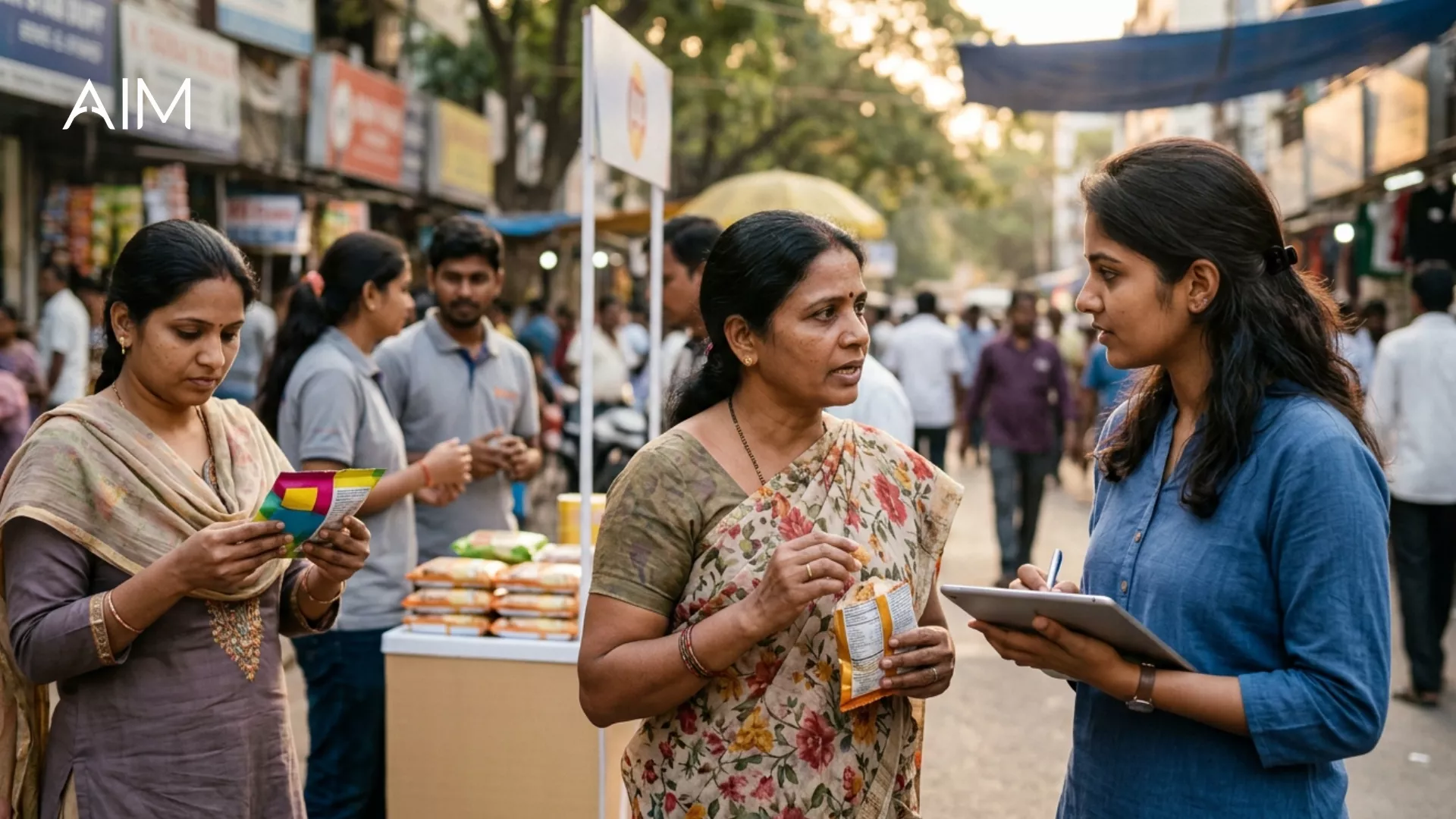
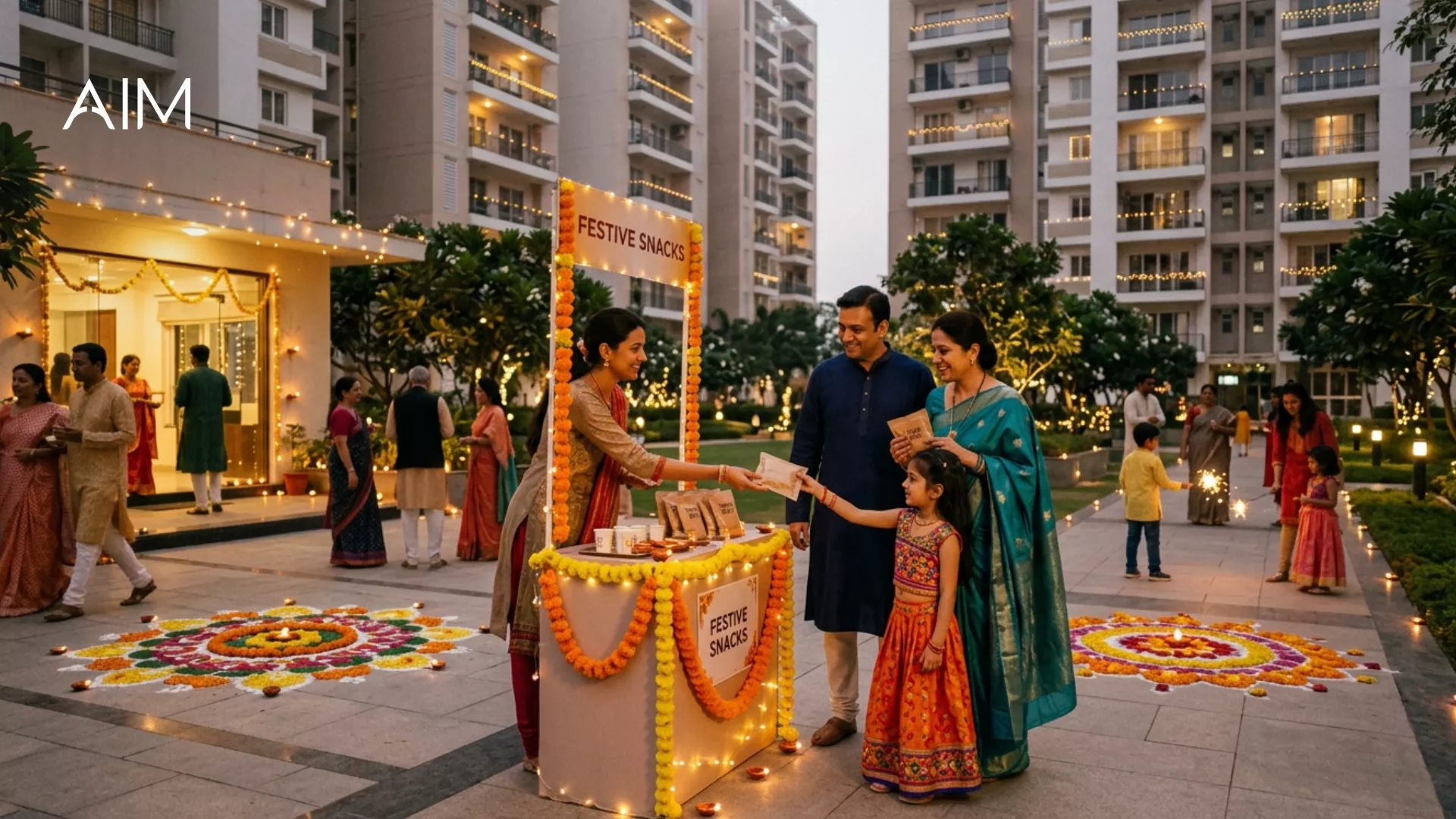
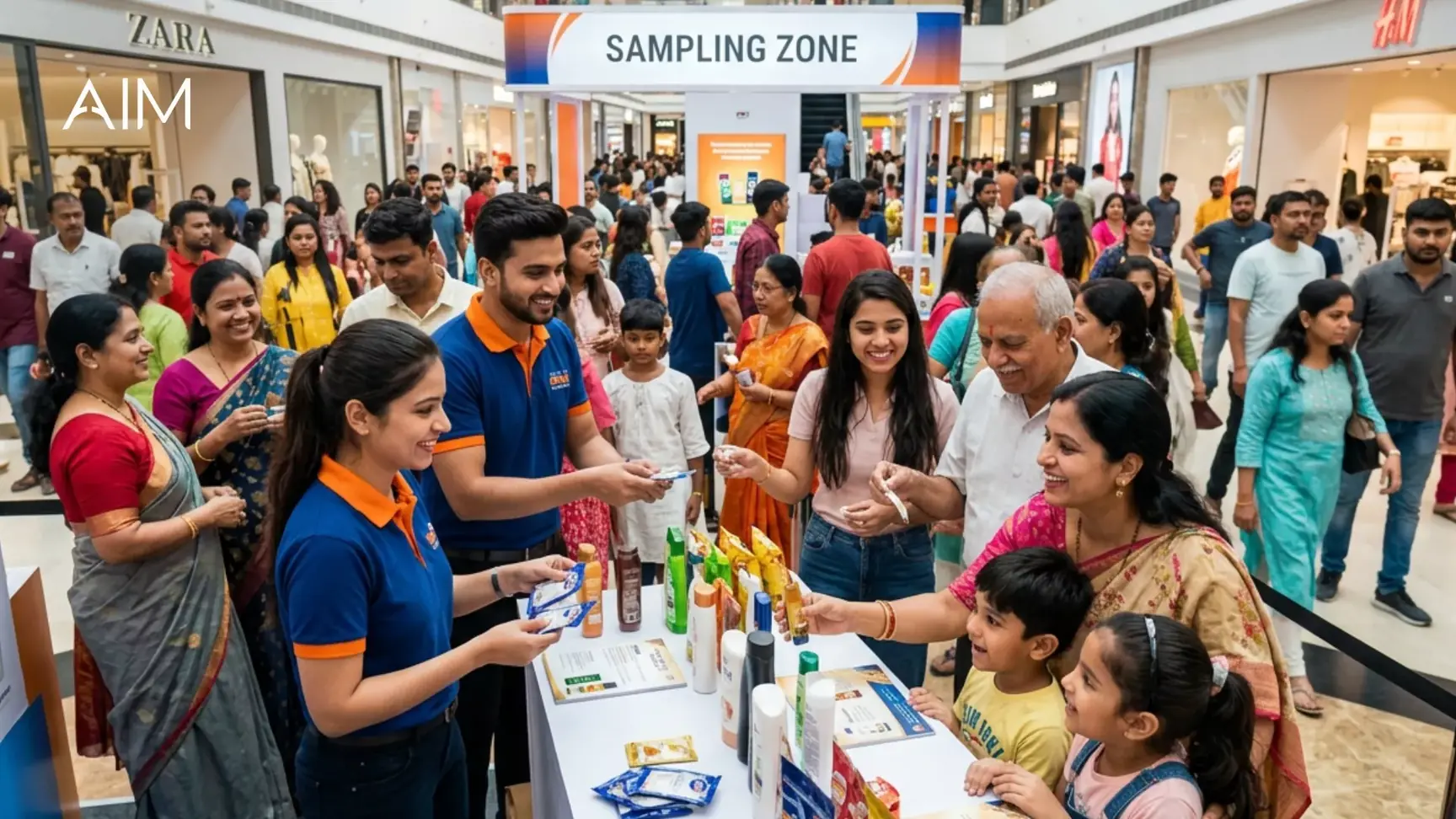
The first and largest error is planning for "India" as if it were one audience. It is not. A sampling approach that fits a metro neighbourhood can be meaningless two hours away, and what resonates in one state's language, cuisine or shopping habit falls flat in another. Global brands used to planning at the level of a country underestimate how much variation sits inside this one. The campaigns that work here are planned at the level of a city, a locality, sometimes a single catchment, not a nation. A brand that designs one sampling plan for all of India is really designing one plan that fits no part of it especially well. The practical consequence is wasted reach: the plan spends against a national audience when the product's real buyers sit in a handful of specific pockets, and the averaging-out that works in a smaller, more uniform country simply dilutes the effort here.
Mistake two: assuming the Western retail context
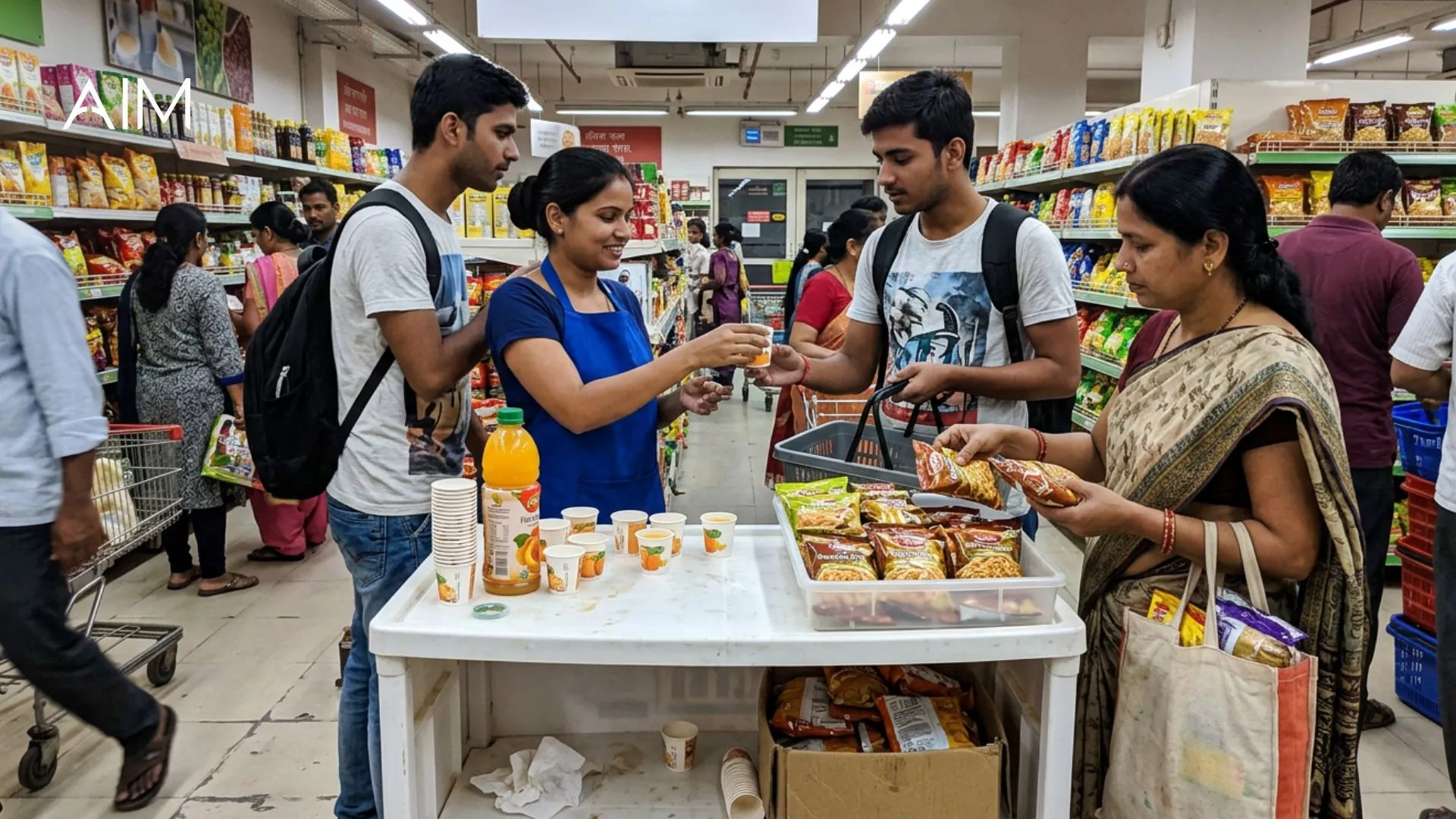
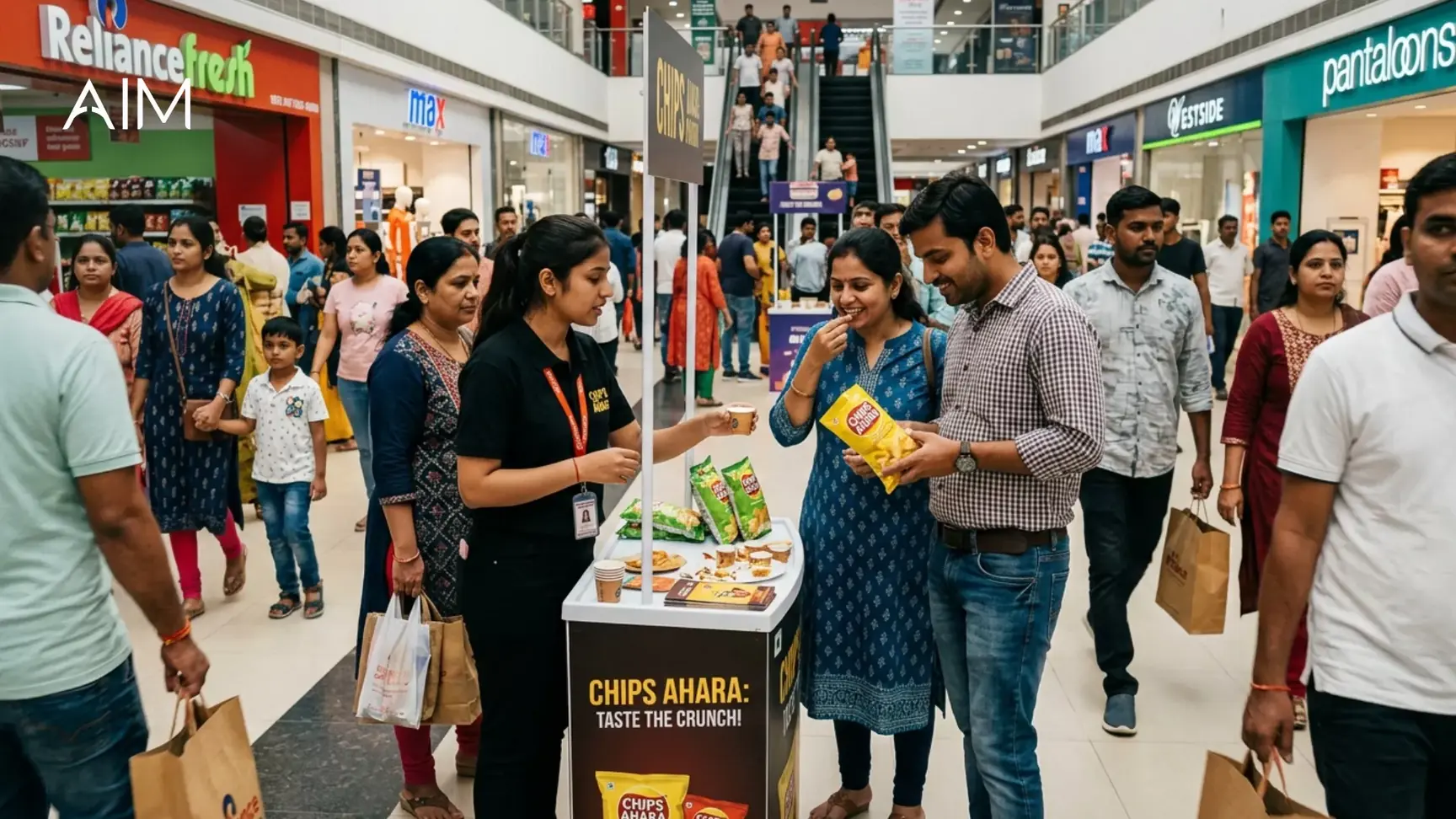
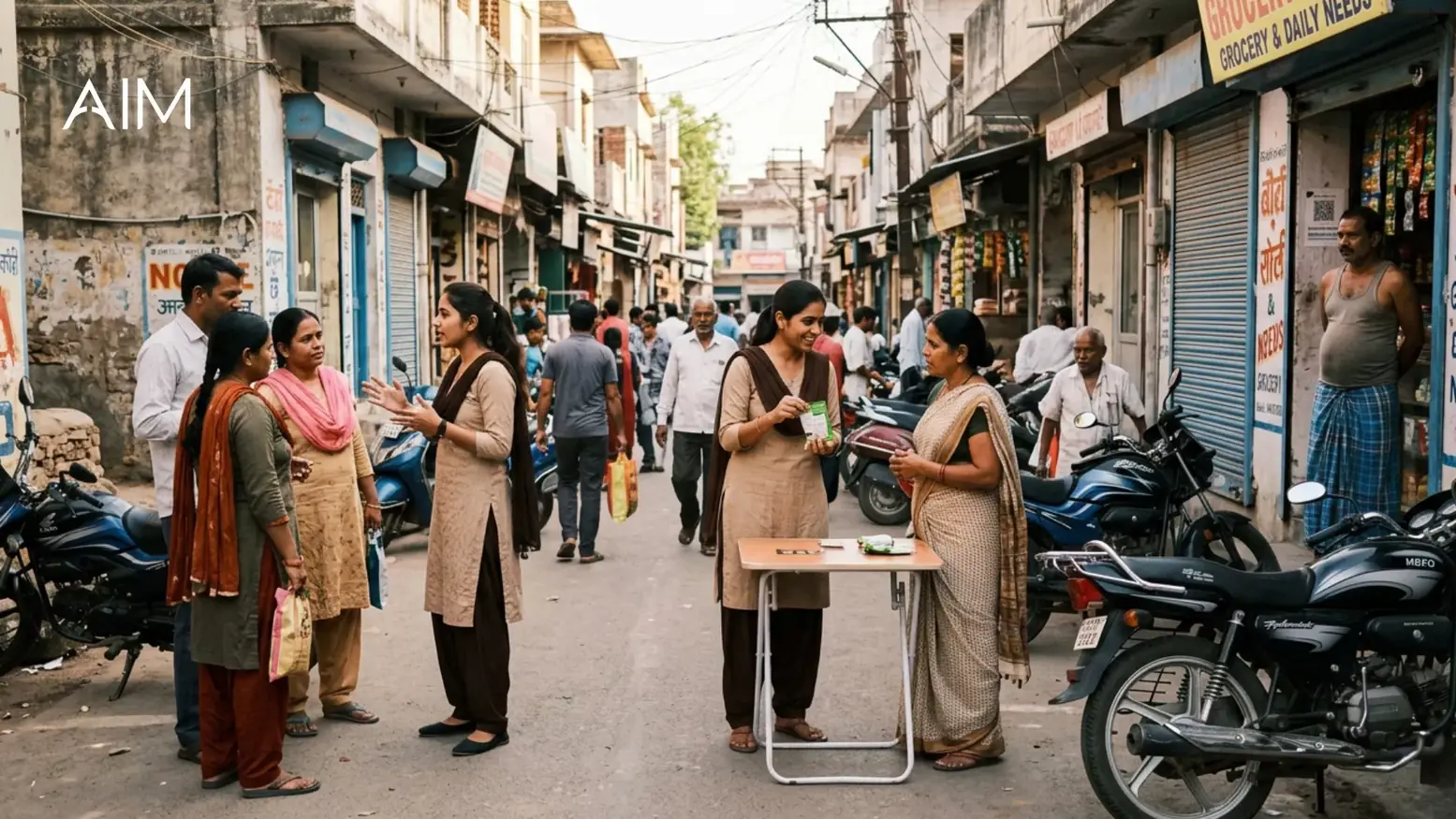
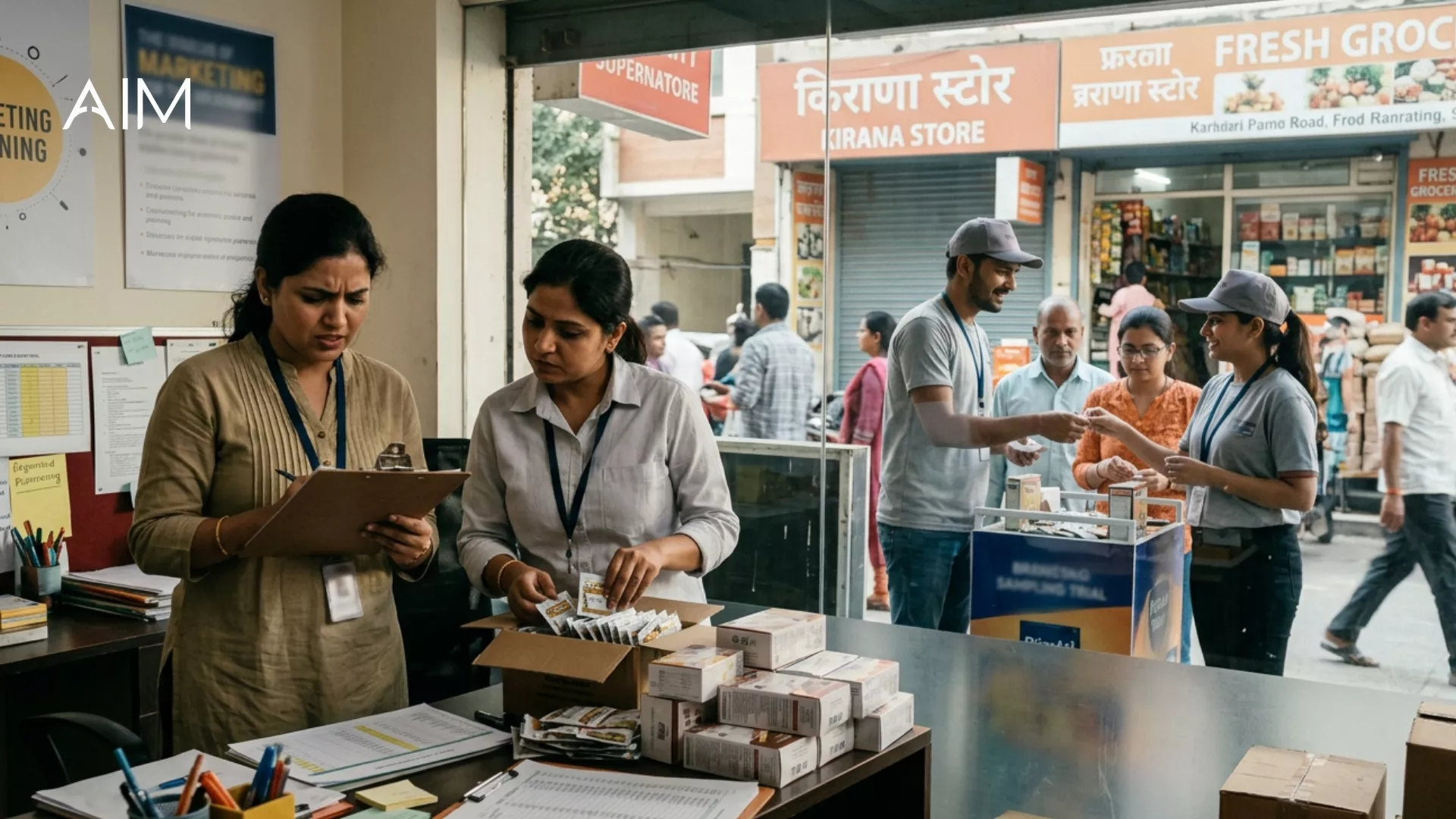
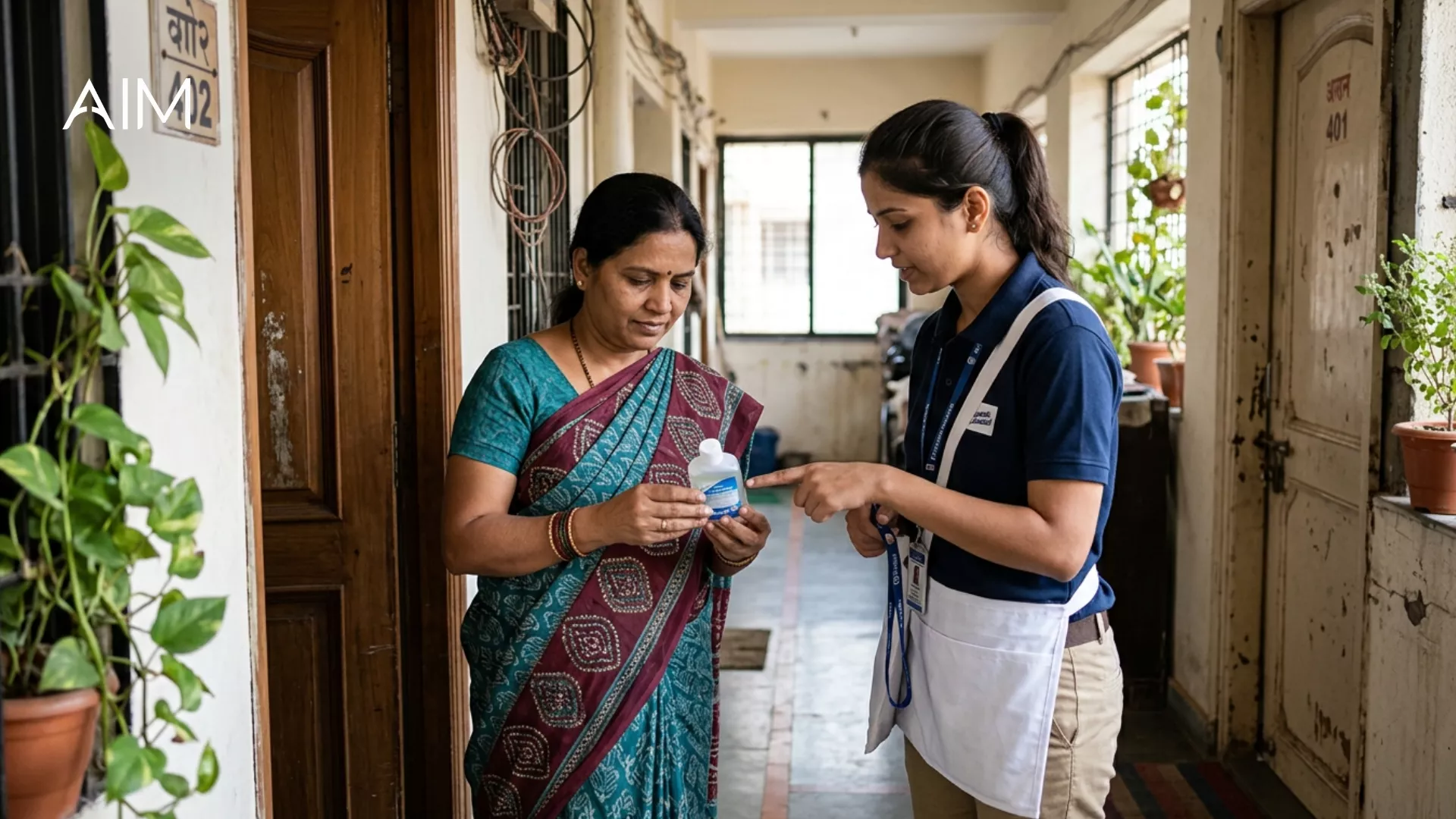
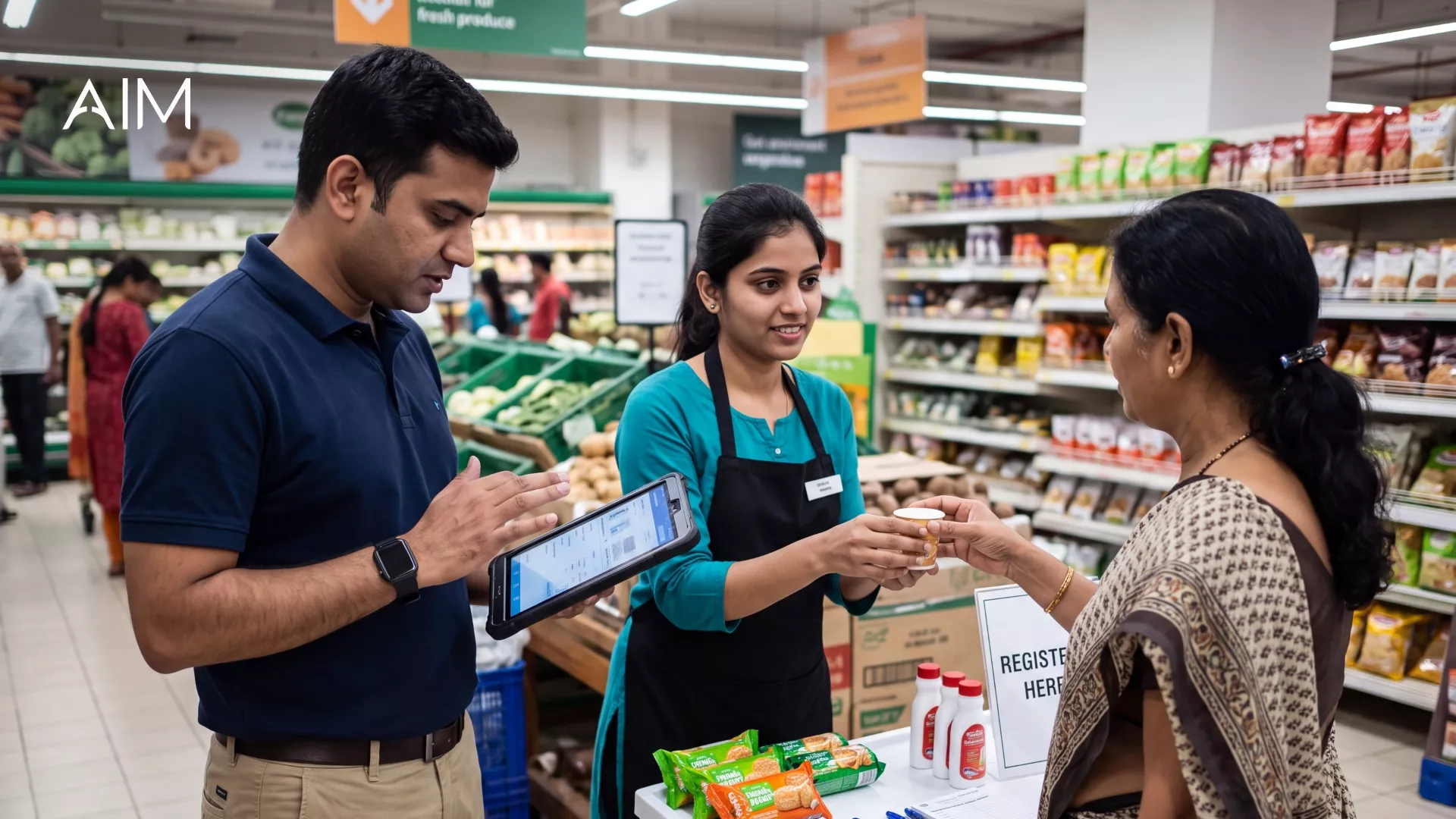
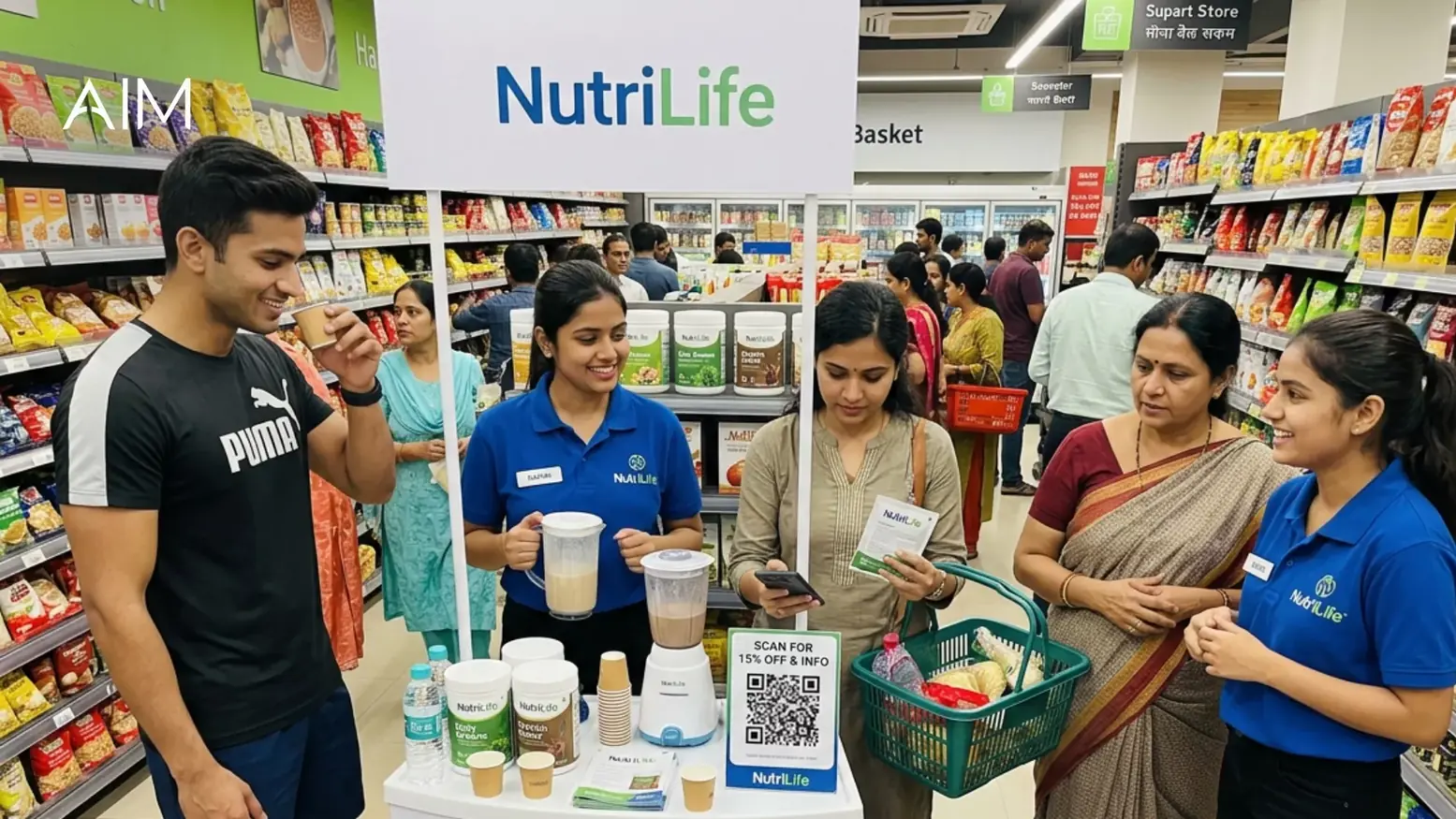
Many imported playbooks assume a retail world of large organised stores, predictable shelves and shoppers who browse aisles. A great deal of Indian buying still happens through smaller neighbourhood stores, local formats and relationships with a familiar shopkeeper. A sampling plan that only knows how to work inside a big-box format misses most of where the purchase actually happens. The channel that matters for trial here is often not the one the global plan was built around, and a campaign that ignores the dominant local retail reality is sampling into the wrong room. The correction is to map where the target buyer actually shops before deciding where to sample, rather than assuming the format that dominates back home dominates here. Often the highest-converting trial happens close to the small store the shopper already trusts, not inside the large format the global plan expected to anchor the campaign.
Mistake three: underestimating the shopkeeper's influence
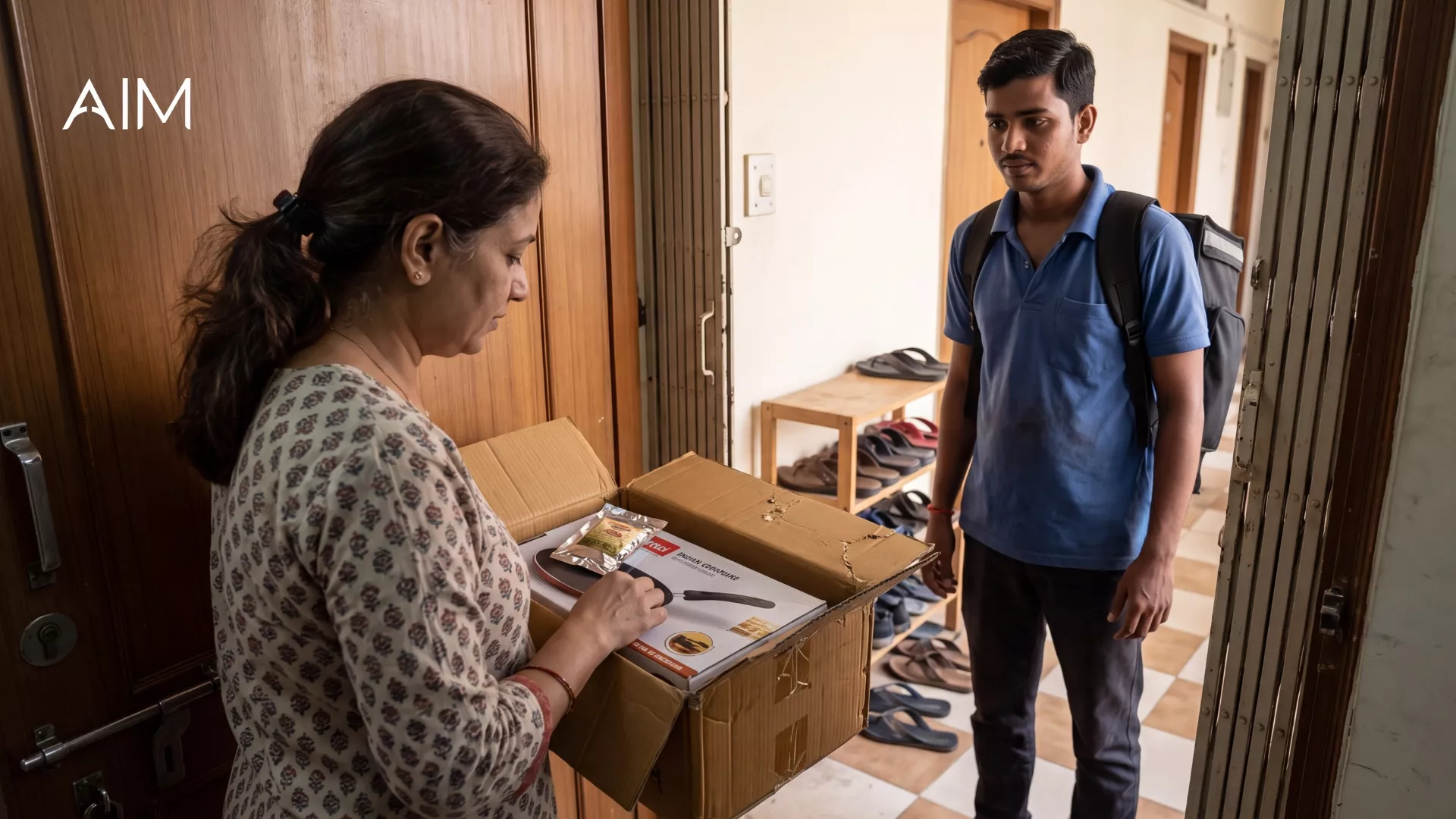
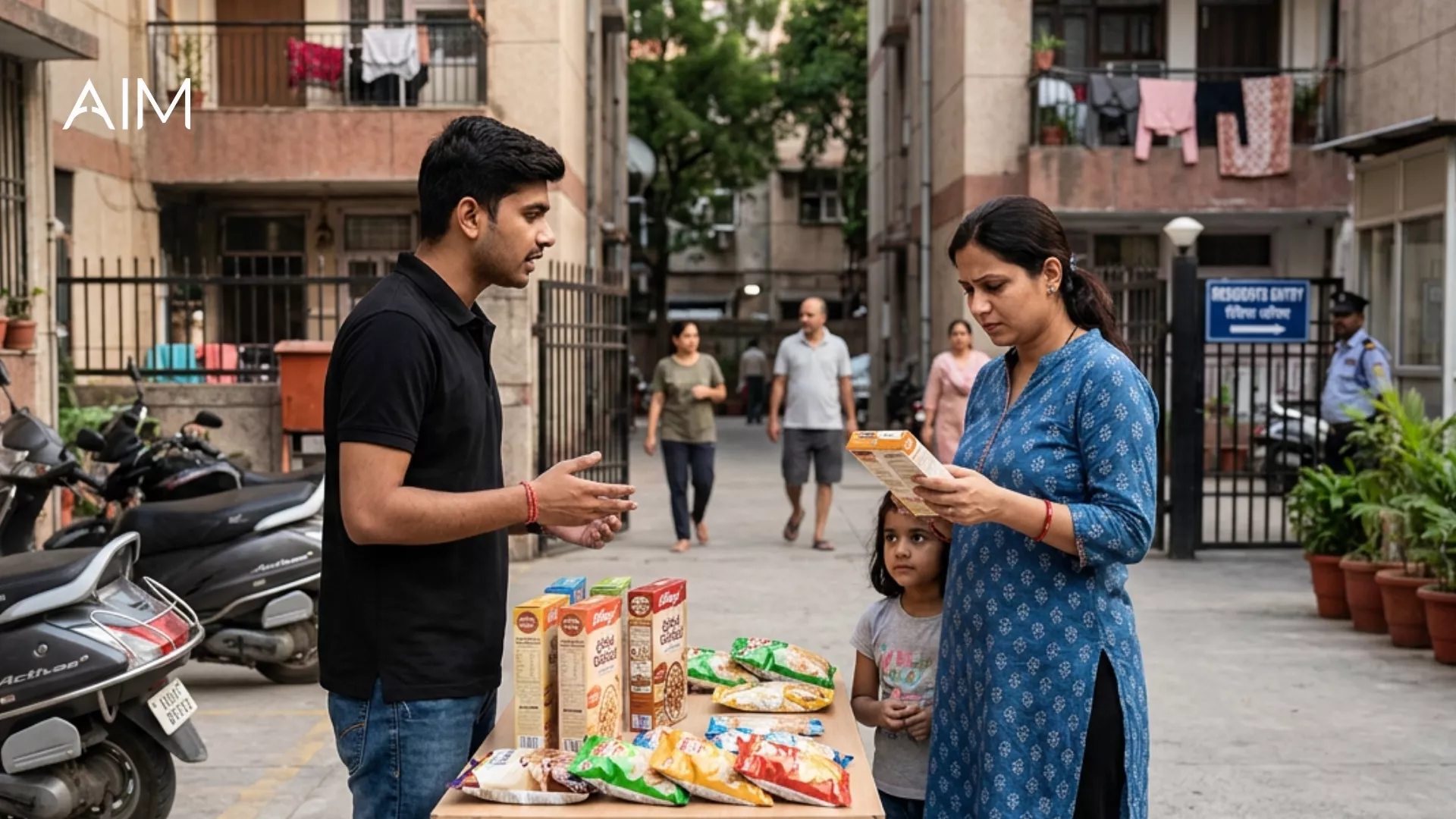
In many Indian purchase decisions, the neighbourhood retailer is not a passive shelf but an active recommender. Shoppers ask what to buy and trust the answer. A sampling strategy that reaches only the end consumer and ignores the person who influences their choice at the counter leaves out a decisive voice. Global brands used to markets where the shopper decides alone can spend an entire budget trialling consumers while the retailer keeps recommending the incumbent. Winning trial here often means winning the recommender too, and plans that skip that step quietly cap their own results. A sample that reaches the consumer and the shopkeeper both does two jobs at once: it earns a trial and it earns an advocate at the exact point where the purchase decision is made. Ignoring the counter is leaving the most persuasive voice in the room unspoken to.
Mistake four: importing the wrong sample format
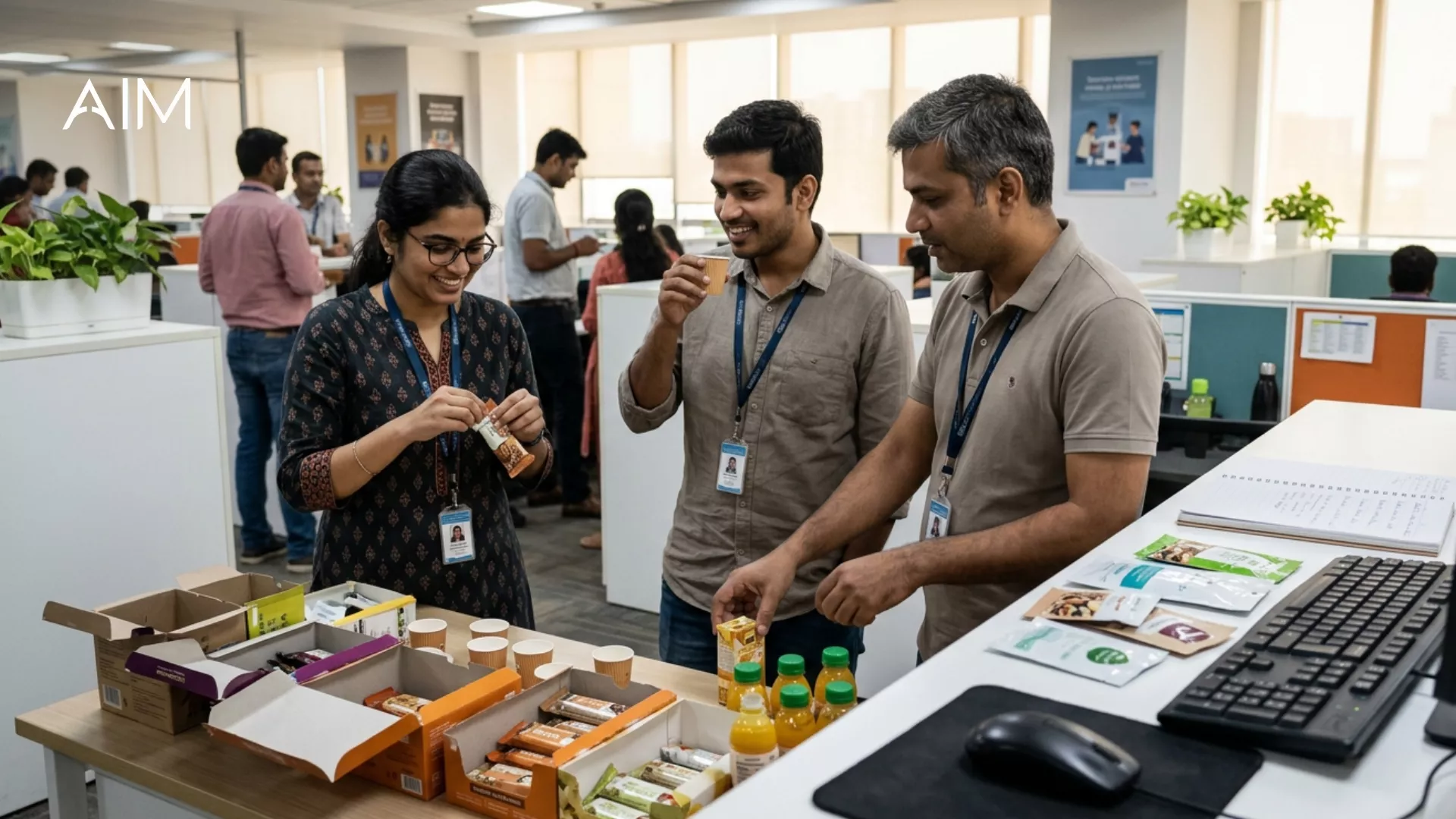
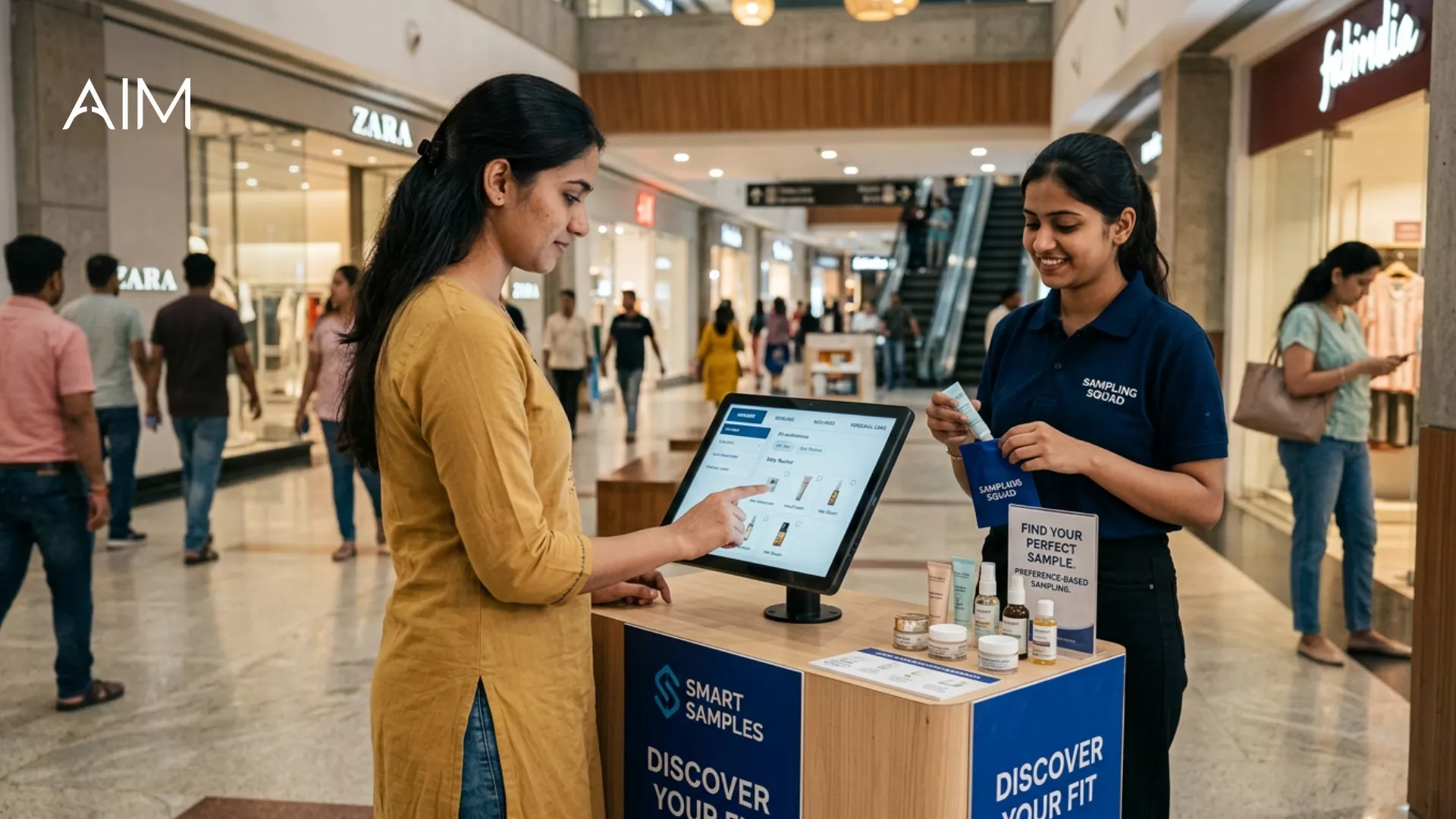
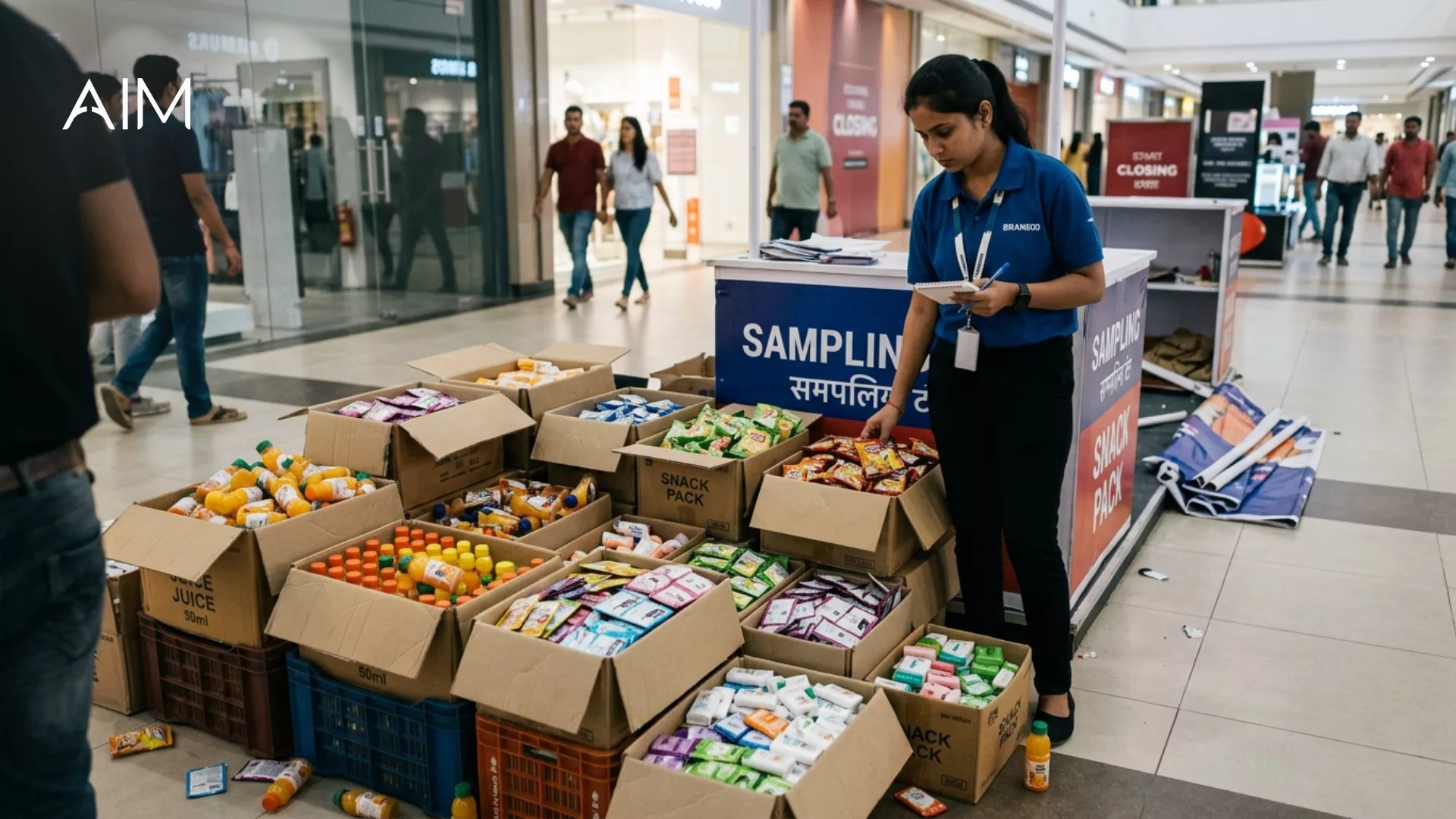
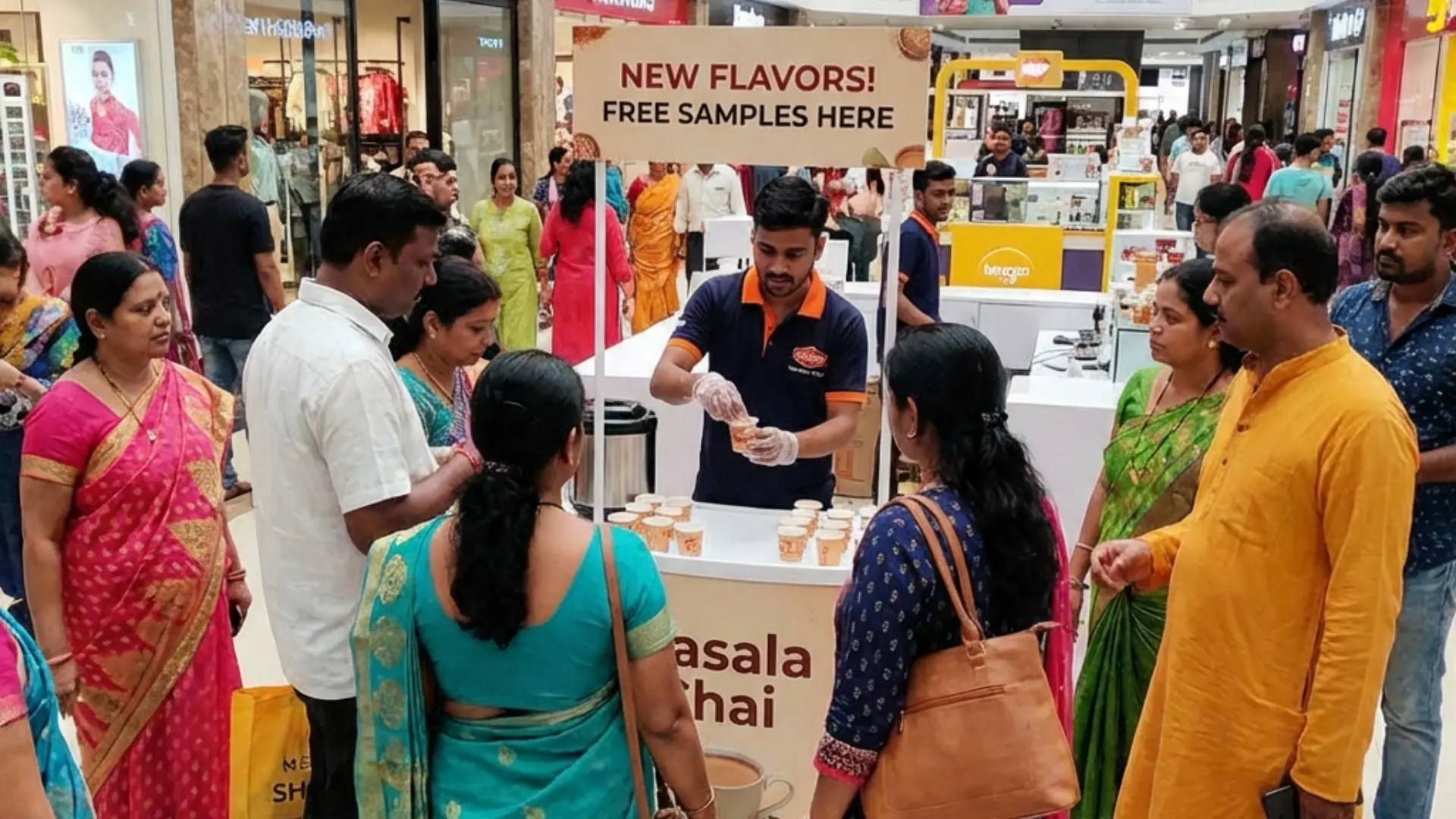
Sample size, format and packaging that make sense in one market can misfire in another. A format calibrated for a different price sensitivity, a different usage occasion or a different idea of what a fair trial looks like can feel wrong to the Indian consumer, too lavish to be credible or too slight to be useful for the person it is meant to convince. The sample is a signal as much as a product, and a signal that reads correctly in one culture can read oddly in another. Brands that port their global sample format without rethinking it for the local sense of value often hand out something that does not quite land, and then wonder why trial did not convert. The sample has to feel like a fair and relevant trial of the product in this context, enough to judge it properly, framed in a way that reads as generous rather than either stingy or suspiciously extravagant. That calibration is local, and it cannot be copied from the home market's spec sheet.
Mistake five: expecting the same path from trial to purchase
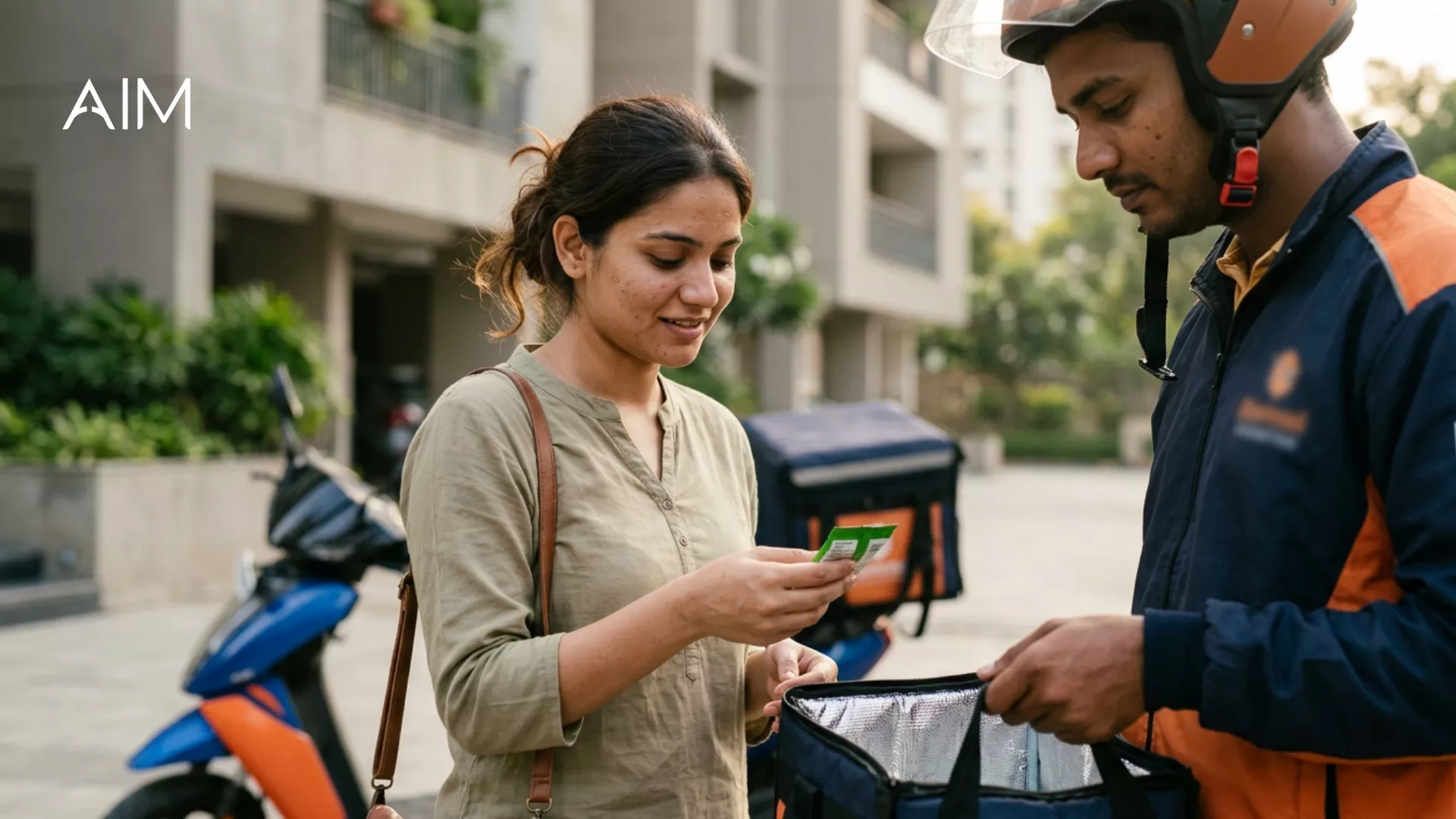
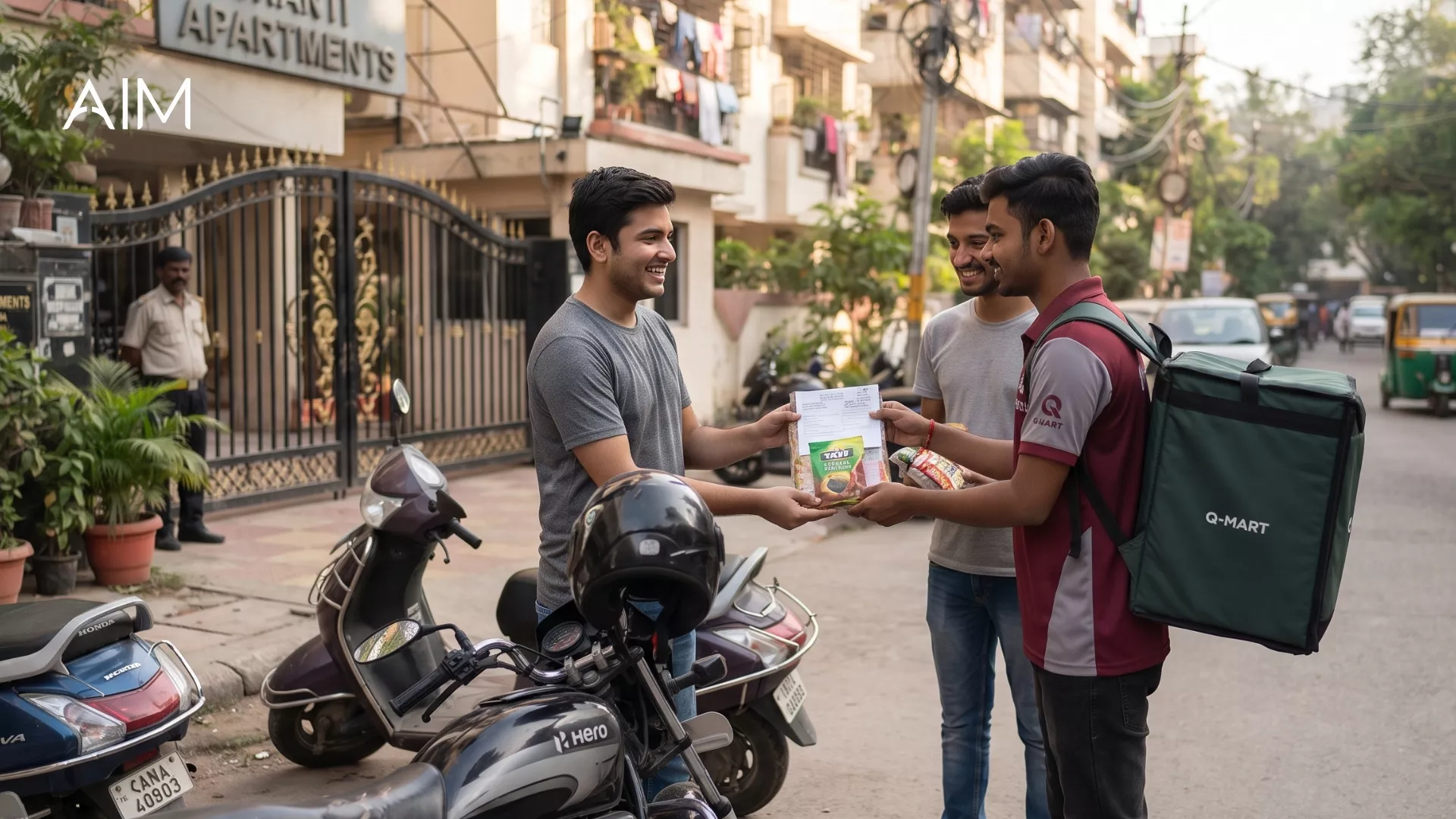
Even when the trial succeeds, the route to the actual purchase can look nothing like the home market's. Where the product is bought, how the decision is made, who is involved, what prompts the switch, all of this can differ. A playbook that assumes trial flows to purchase the way it does elsewhere will build the wrong bridges between the two. The conversion mechanics that worked in one market, a particular offer, a particular channel, a particular follow-up, may not fit how Indian shoppers actually move from liking something to buying it, and the campaign loses its triers somewhere in the gap. The fix is to design the conversion path for how people here actually buy, where they will go to purchase, what will remind them, what offer will move them, rather than assuming the home-market bridge from trial to sale will carry the same weight on different ground.
Mistake six: measuring by samples handed out
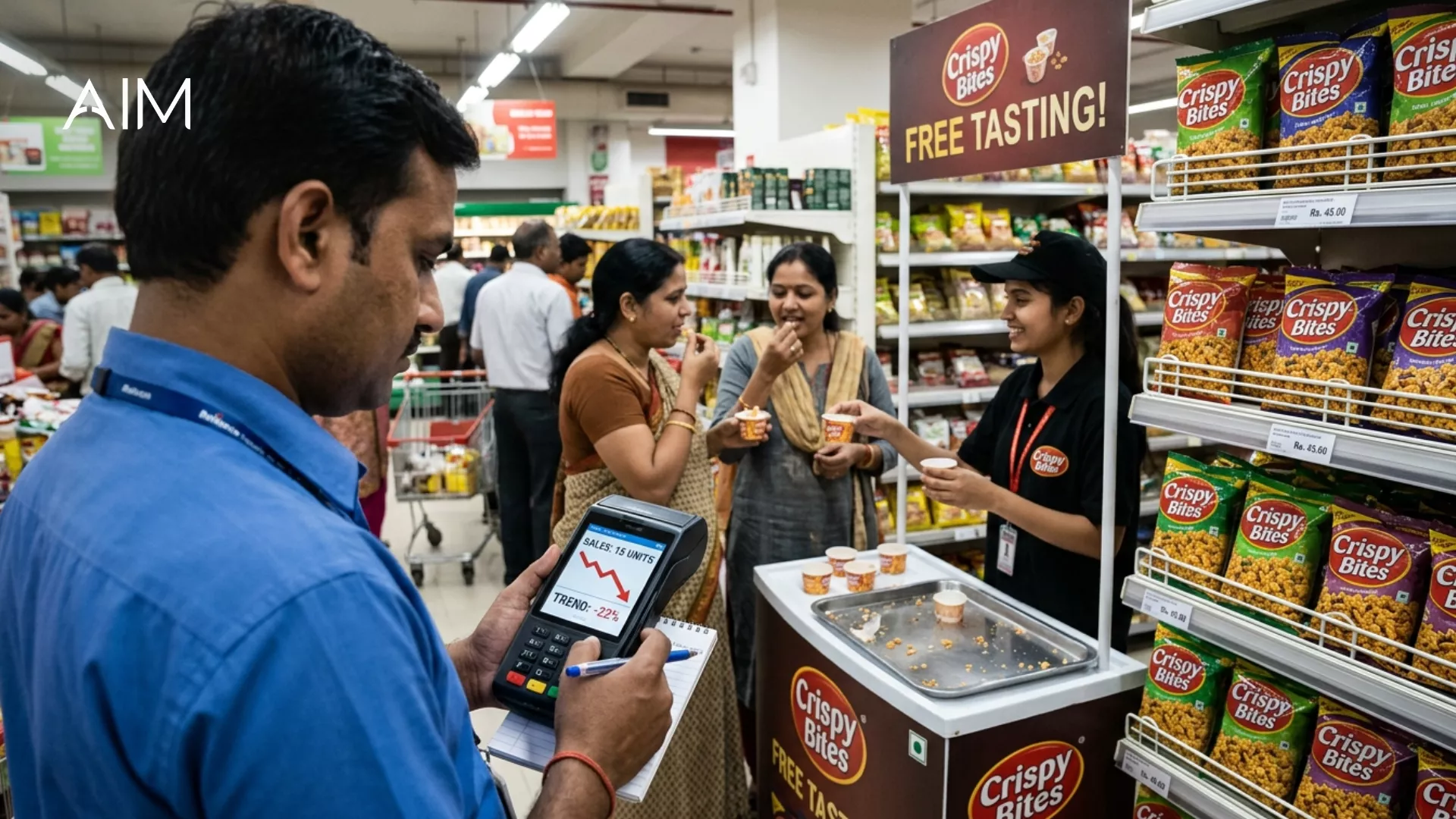
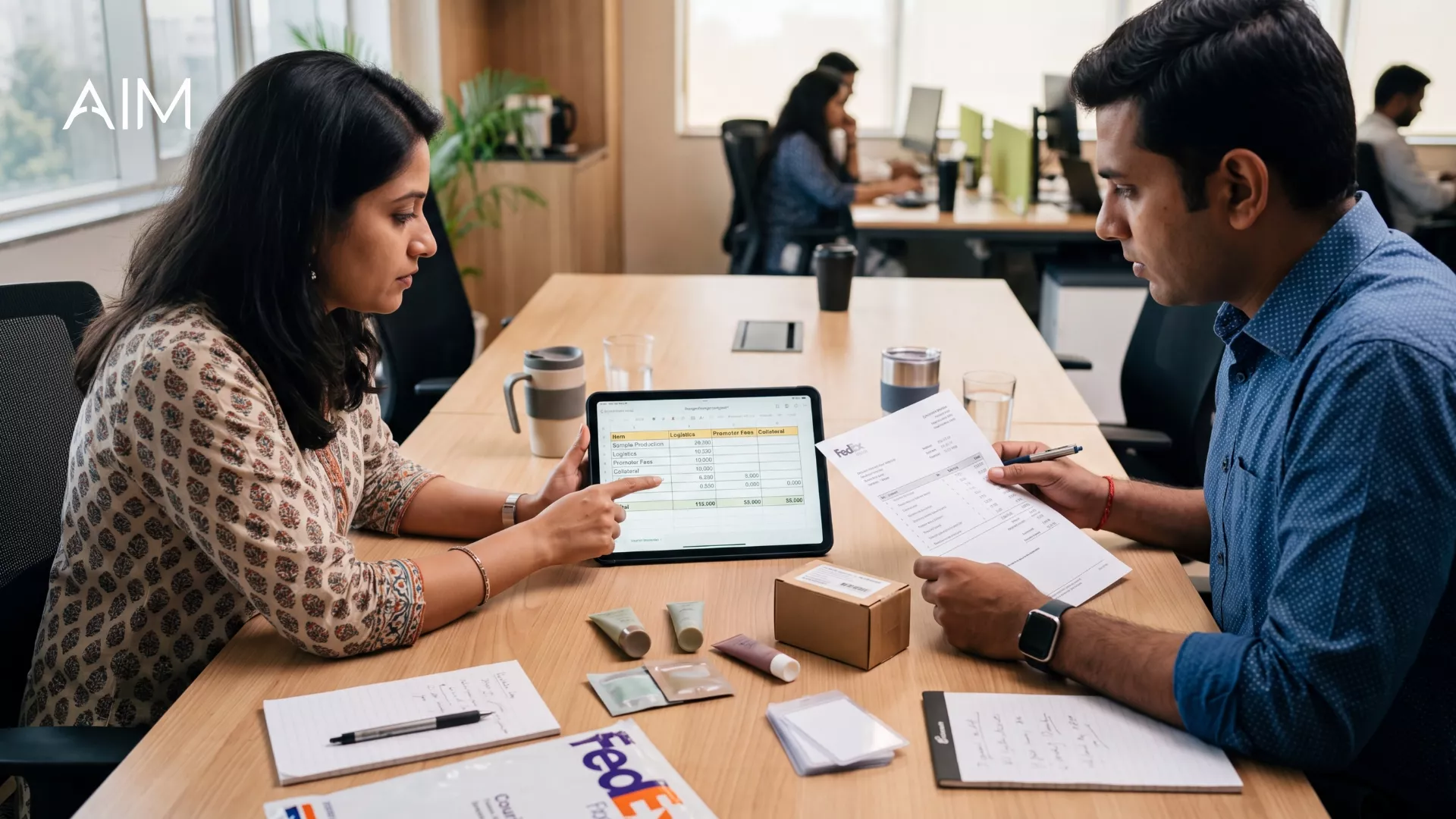
This one is not unique to global brands, but imported plans often carry it in. Judging an Indian product sampling campaign by volume distributed, how many units went out, rather than by trials that converted, rewards exactly the wrong behaviour: dumping product into a crowd to hit a number. In a market as varied as this, where the right hundred samples can outperform the wrong thousand, a volume metric is especially misleading, because it actively encourages the brand to ignore every piece of local nuance in favour of hitting a distribution target. The brands that do well here measure conversion and cost per acquired customer, which forces the plan to respect all the local realities above rather than paper over them with distribution totals.
Mistake seven: planning without local ground knowledge
Underlying most of these errors is one root cause: planning a campaign from a distance, without people who know the specific ground it will run on. The variation across India is too fine-grained to plan from a deck in another country. Which locality, which store type, which language, which moment, which retailer relationship, these are decisions that need local knowledge to get right, and a global plan executed by people unfamiliar with the specific market tends to get them generically wrong. The fix is not a better template. It is pairing the brand's global discipline with genuine local understanding of where and how trial actually happens here. The global side brings the product, the standards and the measurement rigour; the local side brings the answer to every where, who and when the plan depends on. Neither succeeds alone, and the campaigns that work are the ones that refuse to treat one as a substitute for the other.
How AIM helps global brands sample right in India
AIM's product sampling services for global brands is usually to translate a strong but foreign playbook into something that fits the specific Indian ground it has to run on. That means planning at the level of the city and the catchment rather than the country, respecting the retail reality where purchase actually happens, accounting for the shopkeeper's influence, calibrating the sample format to the local sense of value, building conversion mechanics that match how Indian shoppers really move from trial to purchase, and measuring by conversion rather than volume. The brand keeps its global standards; the campaign gains the local knowledge it needs to work. The product that succeeded elsewhere can succeed here too, but only once the plan around it stops assuming India is the market it was written for.
India is not a hard market so much as a specific one, and specificity is the whole lesson. The brands that struggle here are usually running a good plan built for somewhere else. The ones that win treat the local ground as something to learn rather than something to override, and let what they learn reshape the plan. The product travels. The playbook has to be rebuilt on arrival. For a global brand that is used to exporting a system intact, that can feel like a step backward, but it is the opposite. It is the step that lets a proven product finally meet the market it came to win, on terms the market actually recognises.