


Watch how a brand talks about its sampling budget and you can predict how well it will run the campaign. If sampling sits in the marketing line as an expense to be minimised, it gets treated like one: squeezed, judged on cost, cut first when budgets tighten. If it sits as an investment expected to return customers, it gets treated like one too: measured, optimised, scaled when it works. The accounting label is not a bookkeeping detail. It quietly decides how the whole campaign is planned, judged, and funded. Here is why sampling is a sales investment, not a marketing cost, and what changes the moment a brand treats it that way.
Quick answer: is sampling a cost or an investment?
Product sampling should be treated as a sales investment, not a marketing cost, when it is run to acquire measurable customers. A cost is something you spend and hope creates goodwill, judged on how little you can get away with. An investment is something you spend to generate a return, judged on what it brings back. Sampling that reaches the right buyer, is tracked to a purchase, and reports a cost per acquired customer behaves exactly like an acquisition investment, comparable to any paid channel. Sampling that just hands out product and counts giveaways behaves like a cost, because nobody can tell what it returned. The label follows the measurement, and the measurement changes the outcome.
Why the label changes how sampling is run
Call product sampling a cost and every decision bends toward spending less. You pick the cheapest vendor, the smallest sample, the widest blind distribution to show a big reach number, and you skip tracking because tracking costs extra. The result is a campaign optimised to look cheap, which is almost exactly the recipe for a campaign that returns nothing. Call it an investment and the decisions bend the other way. You spend on targeting so the samples reach real buyers, on capture and tracking so you know what came back, on follow-up so trials convert. One mindset minimises the invoice. The other maximises the return. Same activity, opposite behaviour, and the behaviour decides the result long before the campaign runs.
What makes sampling behave like an investment
An investment has three features a cost does not: it is deployed to produce a return, the return is measured, and the measurement guides where you put more. Sampling can have all three. Deploy it against a defined buyer and it is aimed at a return, not sprayed for goodwill. Capture triers and track them to purchase and the return becomes visible. Report cost per acquired buyer and you can decide where to put the next rupee. When sampling has those three features it stops being a soft marketing gesture and becomes a hard acquisition channel, one that earns its budget by the customers it produces rather than the awareness it vaguely creates. The features are not automatic, they are designed in, which is the whole difference.
Why cost per buyer puts sampling on equal footing
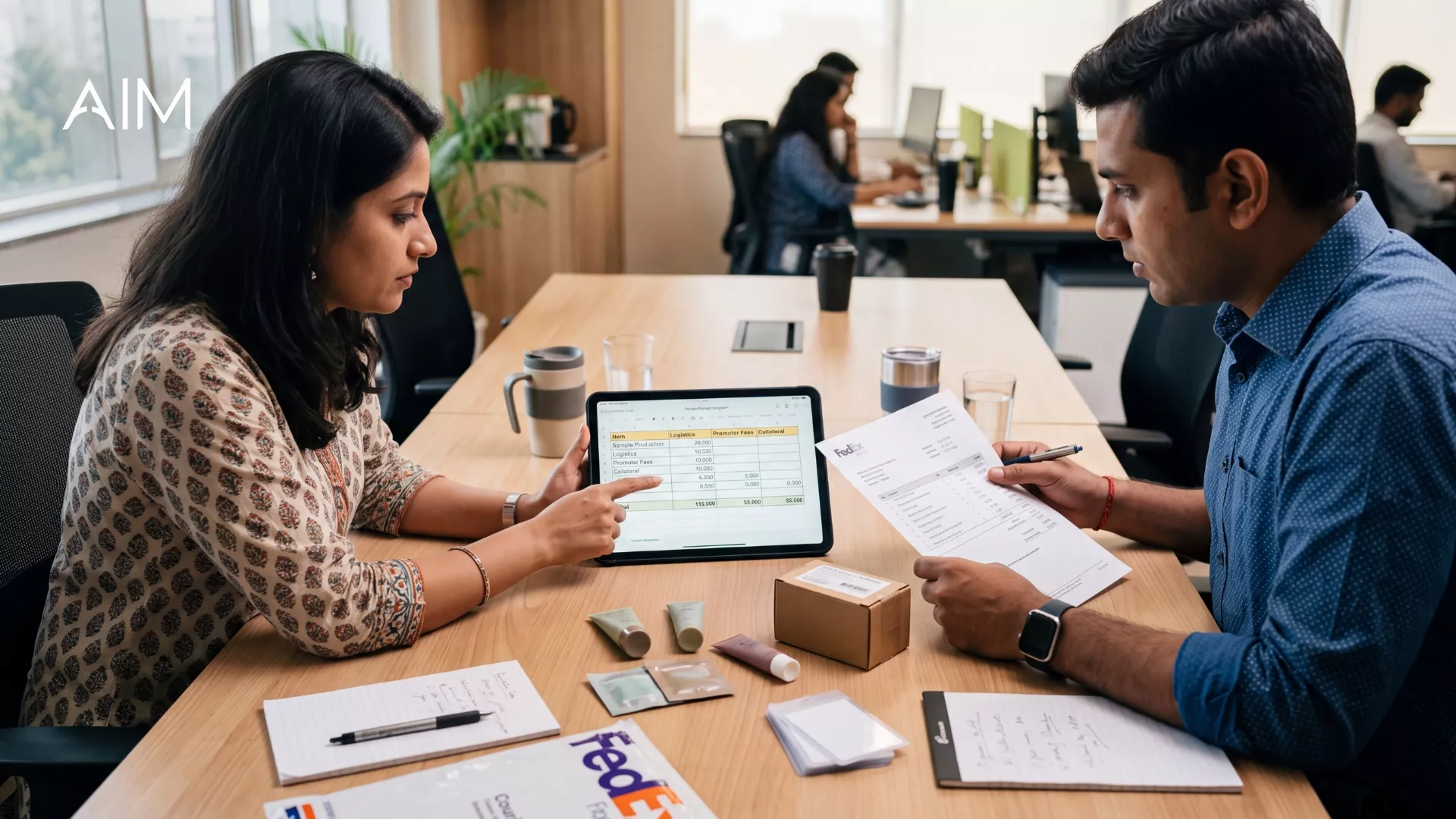
The moment sampling reports a cost per acquired customer, it can be compared to every other way a brand buys customers. Paid search, social ads, influencer deals, promotions, all of them ultimately answer to one question: what did it cost to get a customer who buys? If sampling can answer that question, it joins the table as a measured channel rather than a line item defended on faith. And in many categories, especially where trial is the real barrier to purchase, a well-run sample can produce a customer at a cost that competes with or beats digital, precisely because it reaches people at the moment of experience rather than interrupting them with a claim. But it can only make that case if it is measured like an investment. Unmeasured, it will always lose the budget argument to channels that can show a number.
Why sampling gets cut first, and why that is a measurement failure
When budgets tighten, the first things cut are the things nobody can defend with numbers, and unmeasured sampling is top of that list. This is not because sampling does not work. It is because a channel reported as samples handed out has no return to point to, so it looks like pure cost, and pure cost is what you cut in a hard quarter. The brands that keep their sampling budget through a downturn are the ones that can walk into the review with a cost per acquired buyer and a retention figure, showing sampling as one of the cheaper ways they acquire customers. The channel did not survive because it was loved. It survived because it was measured. The lesson is blunt: if you want sampling protected, make it provable.
The danger of treating an investment like a cost
There is a specific trap here worth naming. A brand that treats sampling as a cost will under-fund the exact things that would make it return anything, the targeting, the capture, the tracking, the follow-up. Starved of those, the campaign genuinely does return little, which confirms the brand's belief that sampling is a weak cost, which leads to even less investment next time. It is a self-fulfilling spiral, and it is why so many brands conclude sampling does not work for them. They never ran it as an investment, so it never behaved like one. The fix is not to spend more in total, it is to spend the same money on the parts that create and prove a return, rather than on the parts that make the invoice look small.
When sampling genuinely is a cost
Honesty cuts both ways. There are times sampling really is just a cost, and a brand should know when. If you hand out product with no targeting, no capture, no tracking, and no follow-up, then you have bought goodwill and a photo, and you should book it as the marketing expense it is, not pretend it was an investment. The label should describe how the campaign is actually run, not how you wish it were. Calling a blind giveaway an investment does not make it one. The point is not to relabel the same weak campaign, it is to run the campaign in a way that earns the better label, and then to account for it honestly as what it has become.
How AIM frames sampling spend
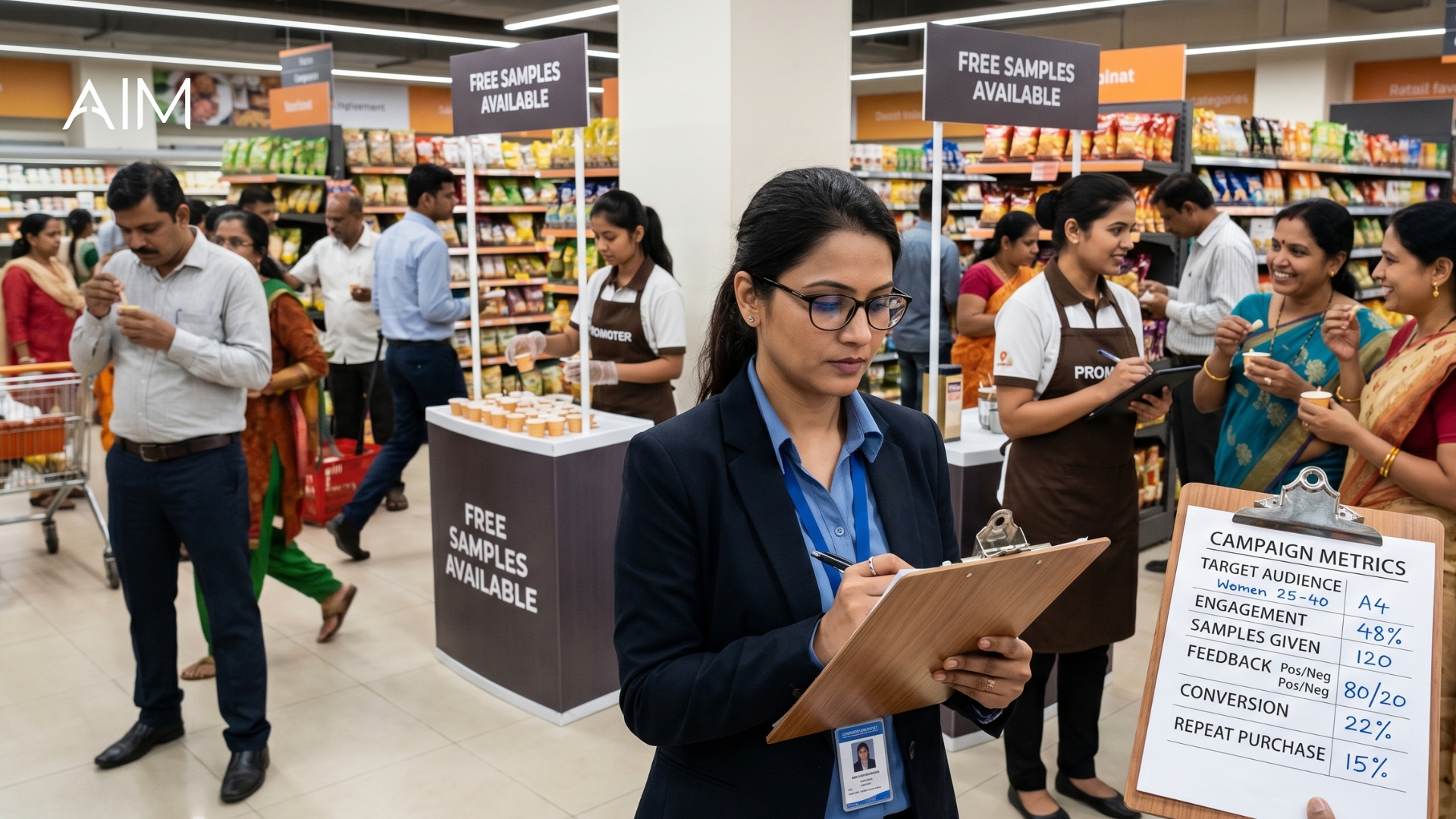
At AIM, product sampling services is built and reported as an acquisition investment. That means spending the budget on reaching the right buyer, capturing who tried the product, tracking the trial through to a purchase, and reporting cost per acquired buyer, and where possible retention, so the brand can set sampling beside its other acquisition channels and judge it on the same terms. The honesty cuts in too: if a budget is too small to fund the targeting and tracking that make sampling return anything, we will say so, because a sample run as a token cost helps no one. The goal is simple: give the brand a number it can take to the finance team and defend, which is the only thing that turns sampling from a cost into an investment in practice.
Change the label, change the campaign
So the question of whether product sampling is a cost or an investment is not really an accounting question. It is a decision about how you will run it, and the decision shapes the result before a single sample is packed. Treat it as a cost and you will minimise it into irrelevance. Treat it as an investment and you will fund the targeting and tracking that make it return customers you can count. Make it provable, report it in cost per buyer, and set it beside your other channels. Do that, and sampling stops being the budget line you apologise for and becomes the one you fight to protect, because now you can prove what it brings back.





















.webp)























.png)