
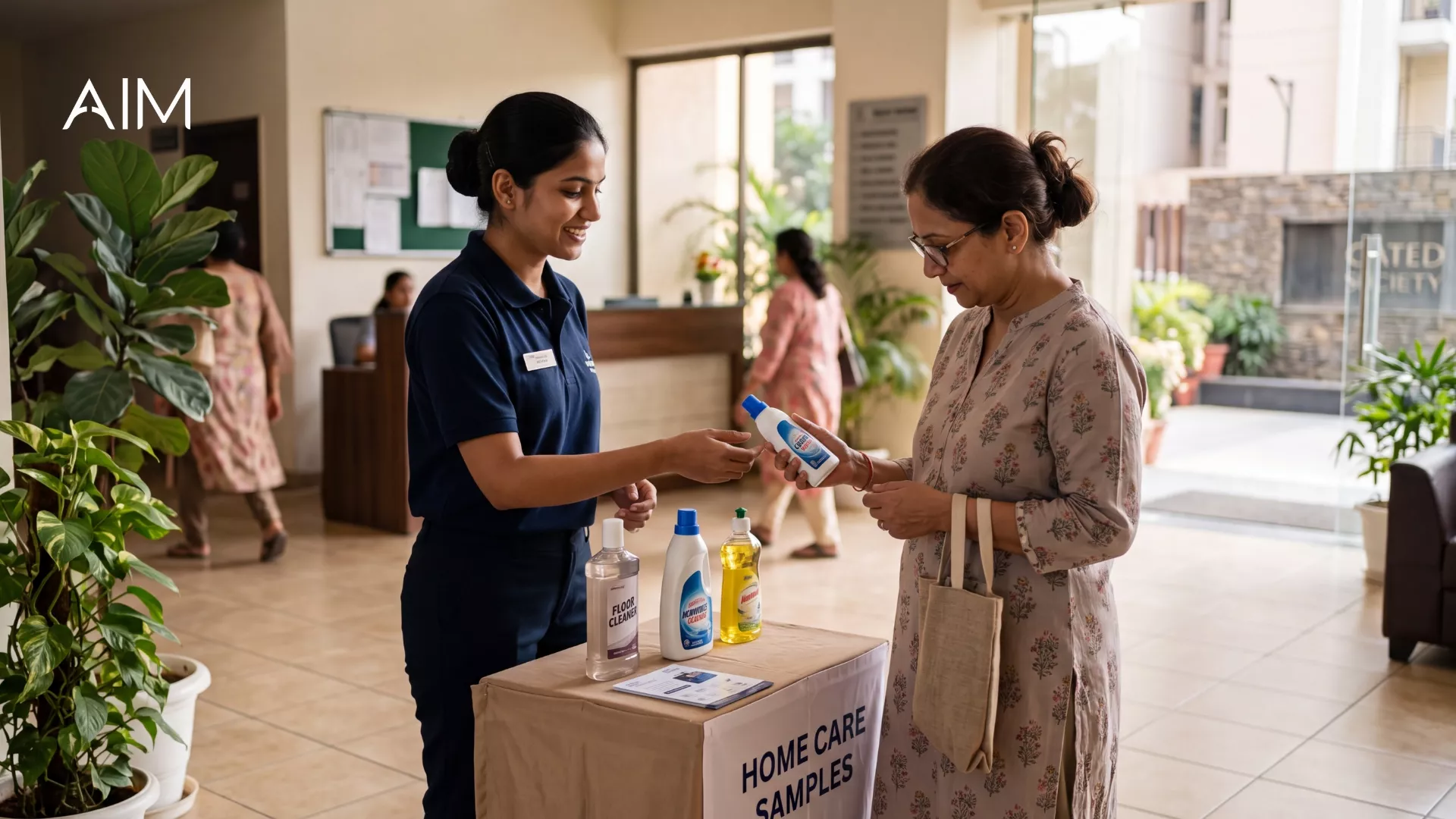


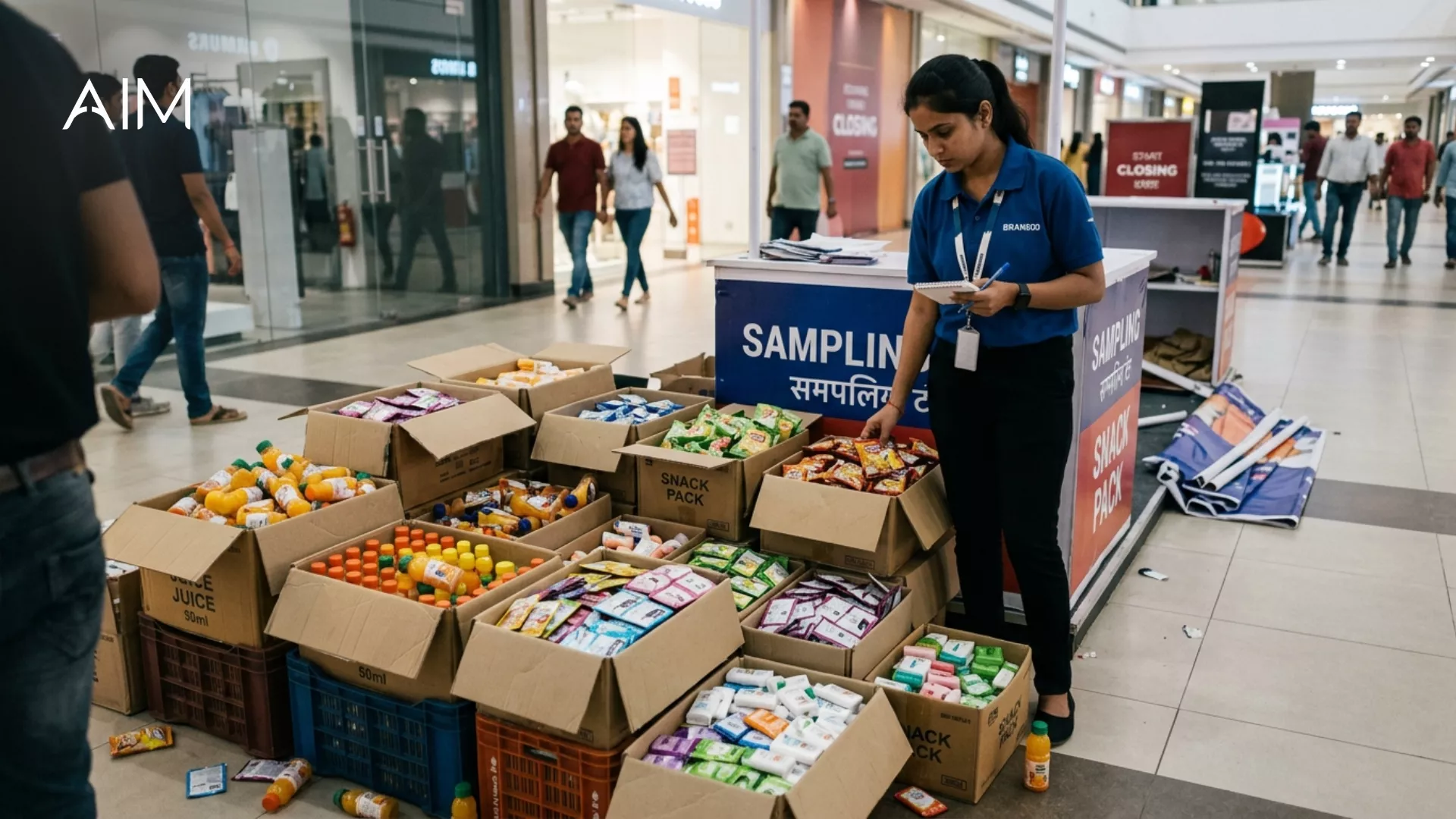
A detergent sachet too small to finish one load. A floor cleaner sample that does half a room. A dishwash pack that runs out before the sink is clear. Home care brands hand these out by the thousand and wonder why trial does not turn into switching. The reason is simple and almost always ignored: the sample was too small to let the product actually prove itself. In home care, sample size is not a cost-saving detail, it is the difference between a real trial and a token gesture. Here is how big a home care sample needs to be to actually get used, and why.
Why does sample size matter so much in home care?
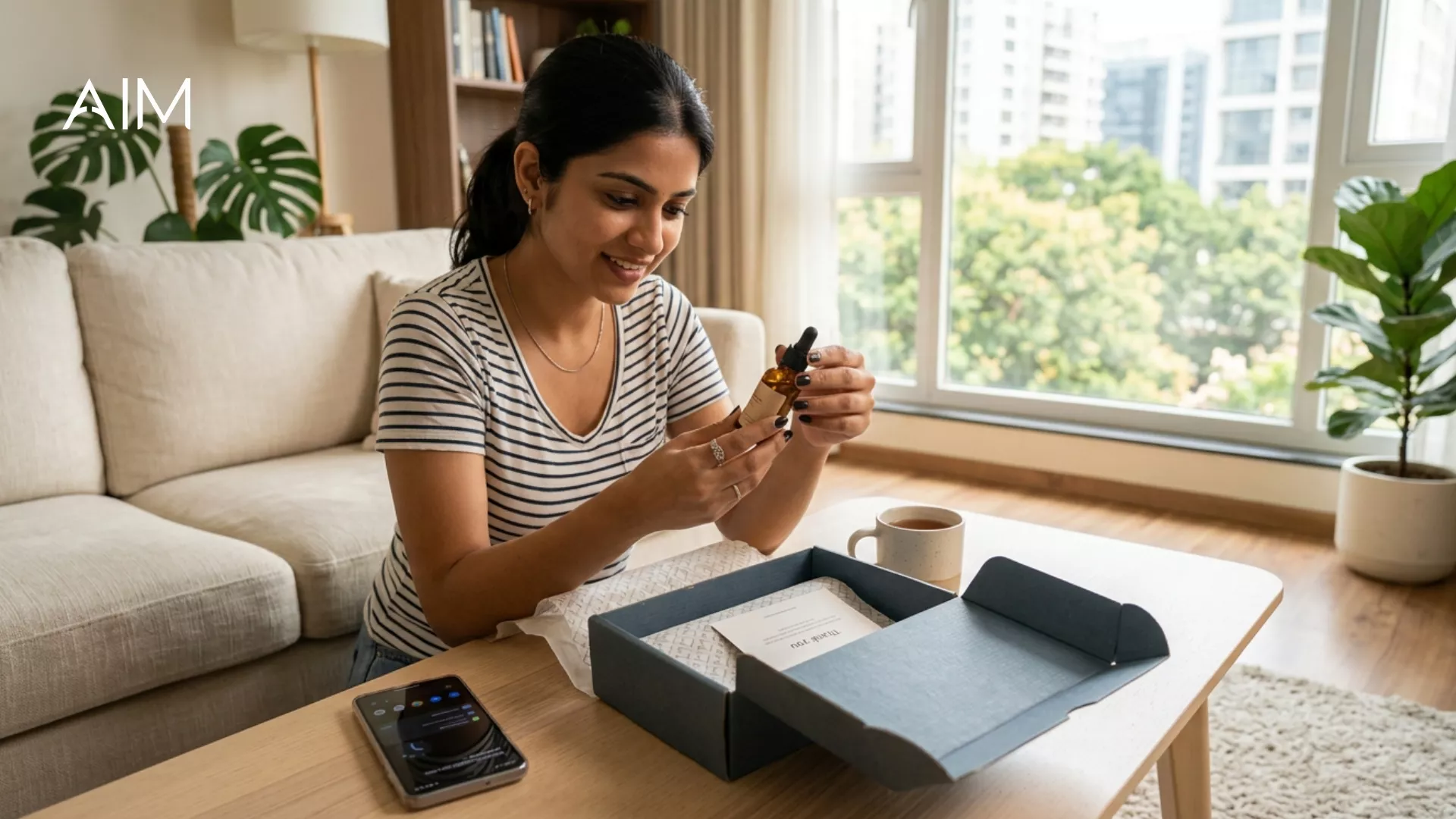
Because home care products are judged on a completed job, not a first impression. Nobody decides a detergent is better from looking at it or smelling it. They decide after they have washed a real load and seen the clothes come out clean, soft, and fresh. That means the sample in home care product sampling has to be big enough to do at least one full, real task the way the customer would actually do it. A sample too small to finish the job never delivers the result the product is sold on, so the customer never experiences the thing that would make them switch. In home care, an incomplete trial is not a small trial, it is no trial at all.
How big does a home care sample actually need to be?
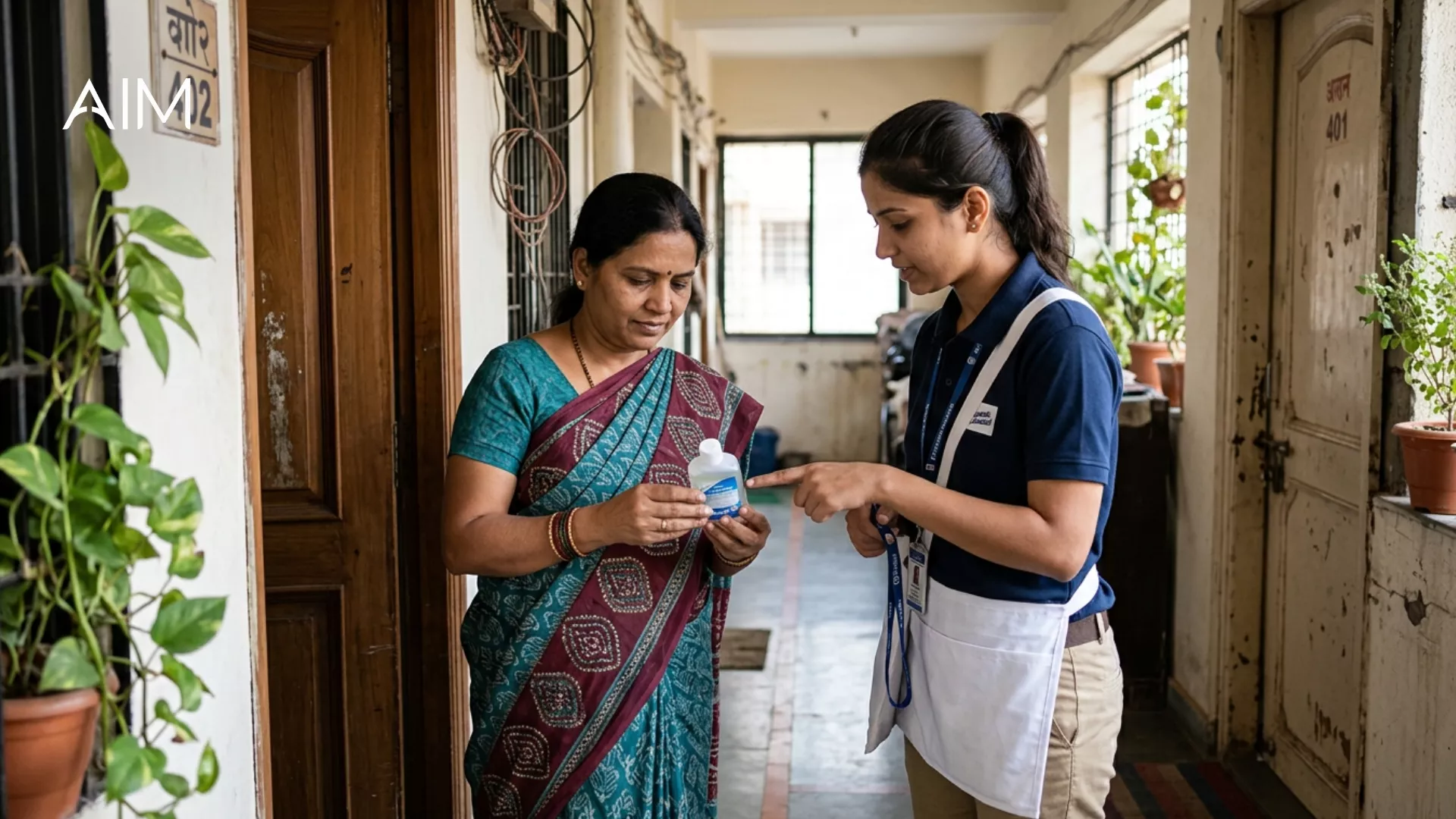
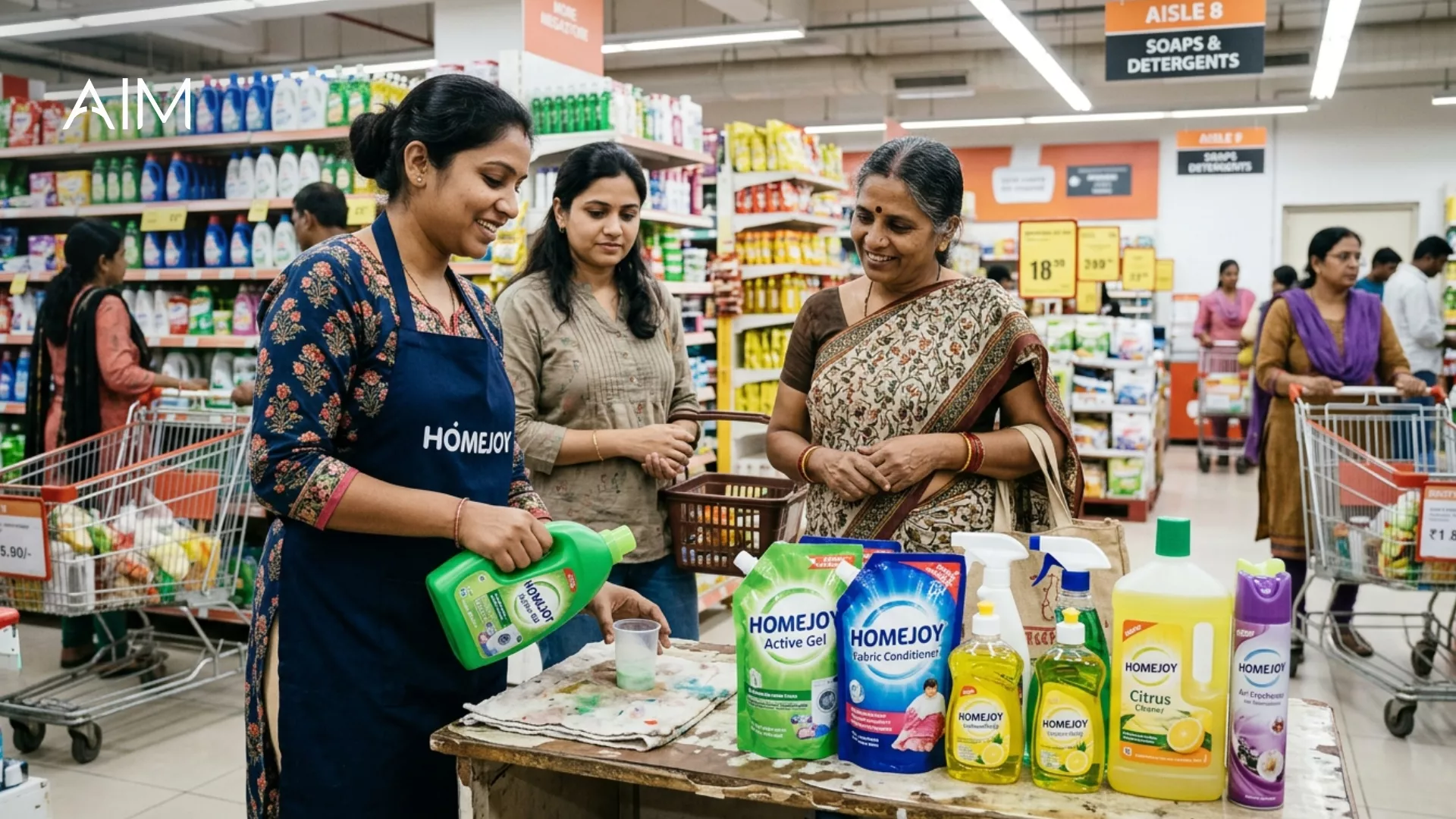
Big enough to complete one real use, at the dose the customer would normally use, with enough left to see a result. For a detergent, that means enough for at least one full wash load, not a token spoonful. For a floor or surface cleaner, enough to clean a real area and judge the finish. For a dishwash, enough to get through a genuine sink of dishes. The exact quantity depends on the product, but the rule is constant: the sample must let the person do the whole job once, properly, because the whole job is what produces the verdict. Anything less tests the customer's patience instead of the product's performance.
What happens when a home care sample is too small?
A too-small sample fails in a way that looks like the product failing. The customer uses it, runs out before the task is done, and is left with a half-washed load or a half-cleaned floor and no clear result. At best they feel nothing and forget it. At worst they conclude the product is weak, because it did not finish the job, when the truth is they were never given enough to let it. Either way the brand has spent money to create indifference or a bad impression. The stingy sample does not save budget, it wastes the entire cost of the campaign by guaranteeing the trial cannot succeed.
Why does a result the customer can see decide the switch?
Home care runs on habit, and people do not break a habit for a product that performed the same as what they already use. They break it for a visible, tangible improvement: whiter whites, a cleaner shine, less effort, a better fragrance that lingers. That improvement only shows up when the product is used fully and correctly on a real task, which again comes back to size. A sample big enough to show the result gives the customer a reason to switch. A sample too small to show it leaves them exactly where they started, with no evidence that your product is any better than the one in their cupboard. The result is the argument, and size is what lets the result happen.
Does a bigger home care sample cost too much?
This is the fear that drives brands to under-size, and it is the wrong way to count. Yes, a sample large enough to complete a task costs more per unit than a token sachet. But the token sachet converts almost nobody, so its low unit cost buys a near-zero result, which makes it the expensive option once you count outcomes. A properly sized sample costs more per unit and converts far more of the people who receive it, which lowers the real number that matters, the cost per customer who actually switched. Fewer, bigger, effective samples routinely beat many tiny, useless ones. The question is not what does each sample cost, it is what does each switcher cost, and under-sizing loses that comparison badly.
Should you sample fewer households with bigger samples?
Often, yes. Given a fixed budget, a brand can reach many households with samples too small to work, or fewer households with samples big enough to convert, and the second usually wins. Reaching a huge number of people with a trial that cannot succeed is just expensive waste measured as reach. Reaching fewer, well-targeted households with a sample that completes a real task produces actual switchers you can count. This is why targeting and sizing go together in home care: concentrate the budget on the right households and give each of them enough to genuinely trial the product, rather than scattering tokens across everyone and converting none of them.
Which home care products need the biggest samples?
Not every home care product needs the same quantity, because the job each one has to prove differs. A detergent or a dishwash needs enough for a full load or a full sink, because the result only appears when the whole task is done. A fabric conditioner or a fragrance-led product needs enough to notice the softness or the scent that lingers after drying, which is a few uses, not one. A concentrated cleaner may need less in volume but a clear dosing instruction, since using it wrong looks like the product failing. A product whose benefit builds over repeated use, like something that protects or conditions over time, may need a multi-use pack to show anything at all. Size the sample to the specific result the product is sold on, and that result decides the quantity.
How to decide home care sample size?
AIM sizes a home care sample to the job it has to prove, not to the lowest unit cost. That means enough product to complete at least one real task at the normal dose and see a result, matched to the specific product and how it is actually used, and paired with targeting so the right households receive a sample big enough to convert. The campaign is then measured on switchers and repeat purchase rather than samples handed out, which is what reveals whether the size was right. The guiding principle is the one AIM applies across sampling: a trial only counts if it lets the product do its job, and in home care that job takes a sample big enough to finish it.
A sample too small to finish the job is money spent to prove nothing
Home care brands keep chasing reach with sachets too small to wash a single load, then blame weak conversion on the product or the audience. The real culprit is the size of the trial. A home care product sells on a finished task and a visible result, and neither is possible from a sample that runs out halfway. Give people enough to do the whole job once, properly, and the product gets a fair chance to earn the switch. Give them a token, and you have paid to prove nothing. In home care, the right sample size is not the smallest one you can afford, it is the smallest one that still lets the product win.




















.webp)



























.png)