
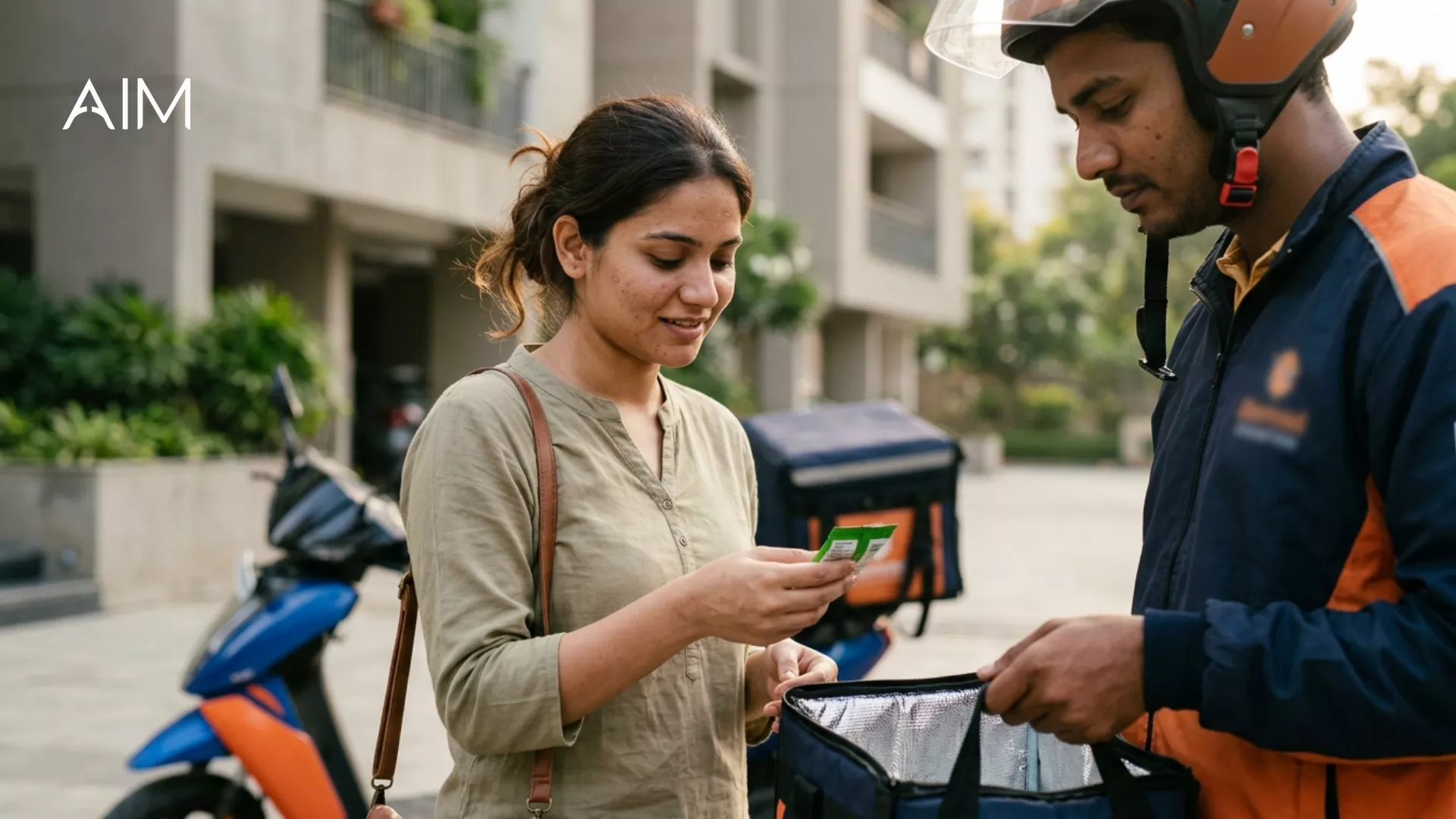


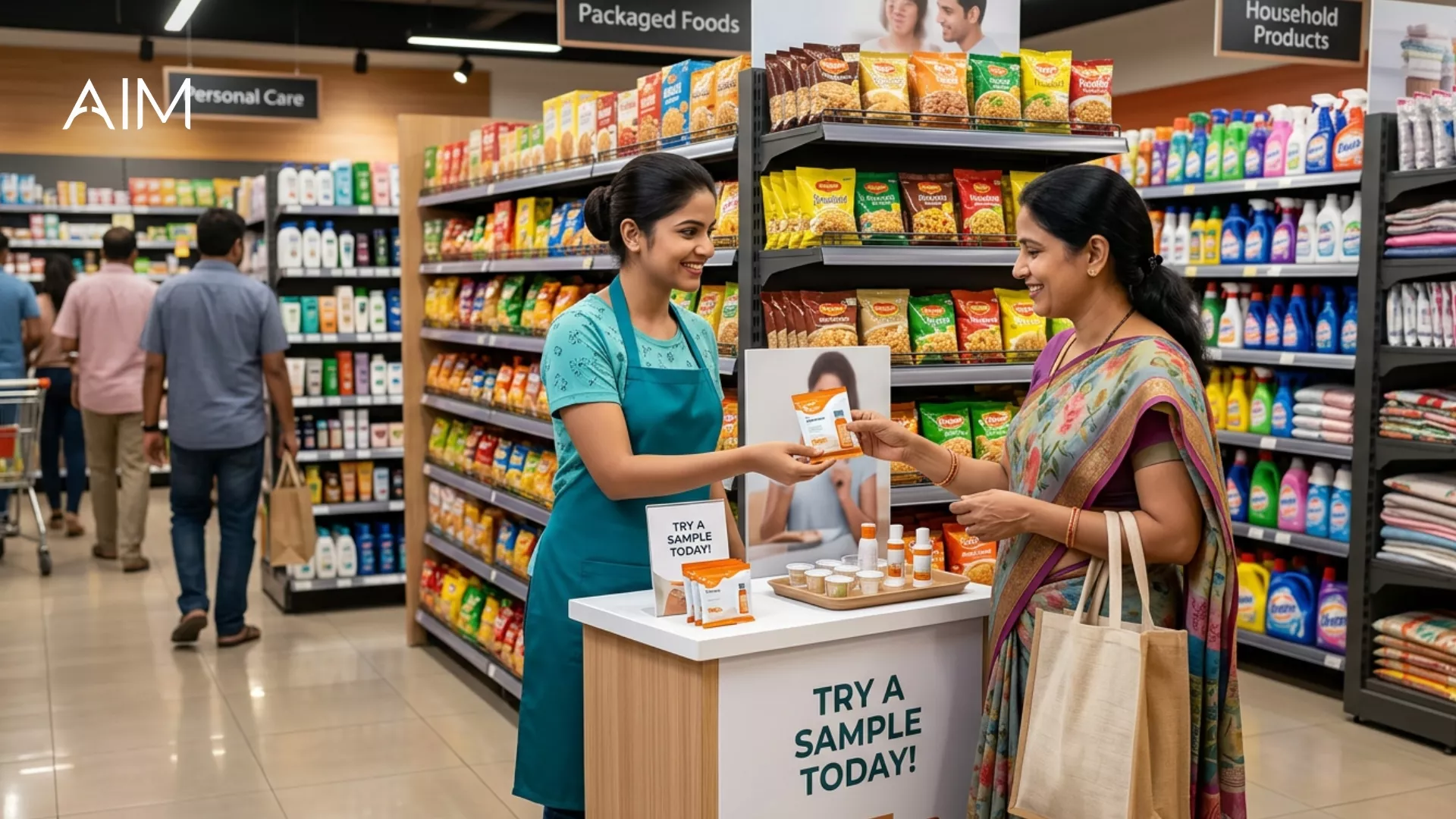
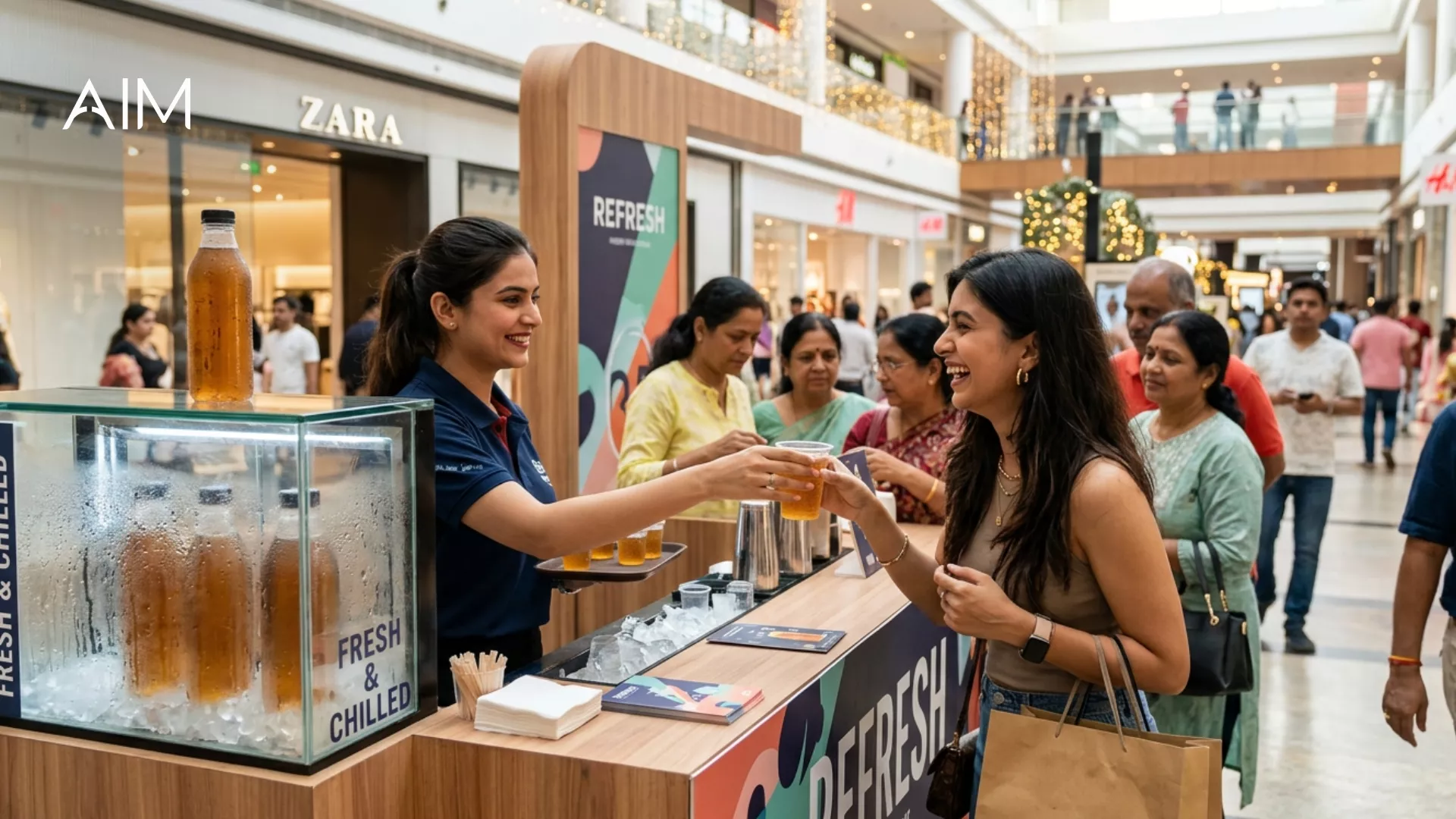
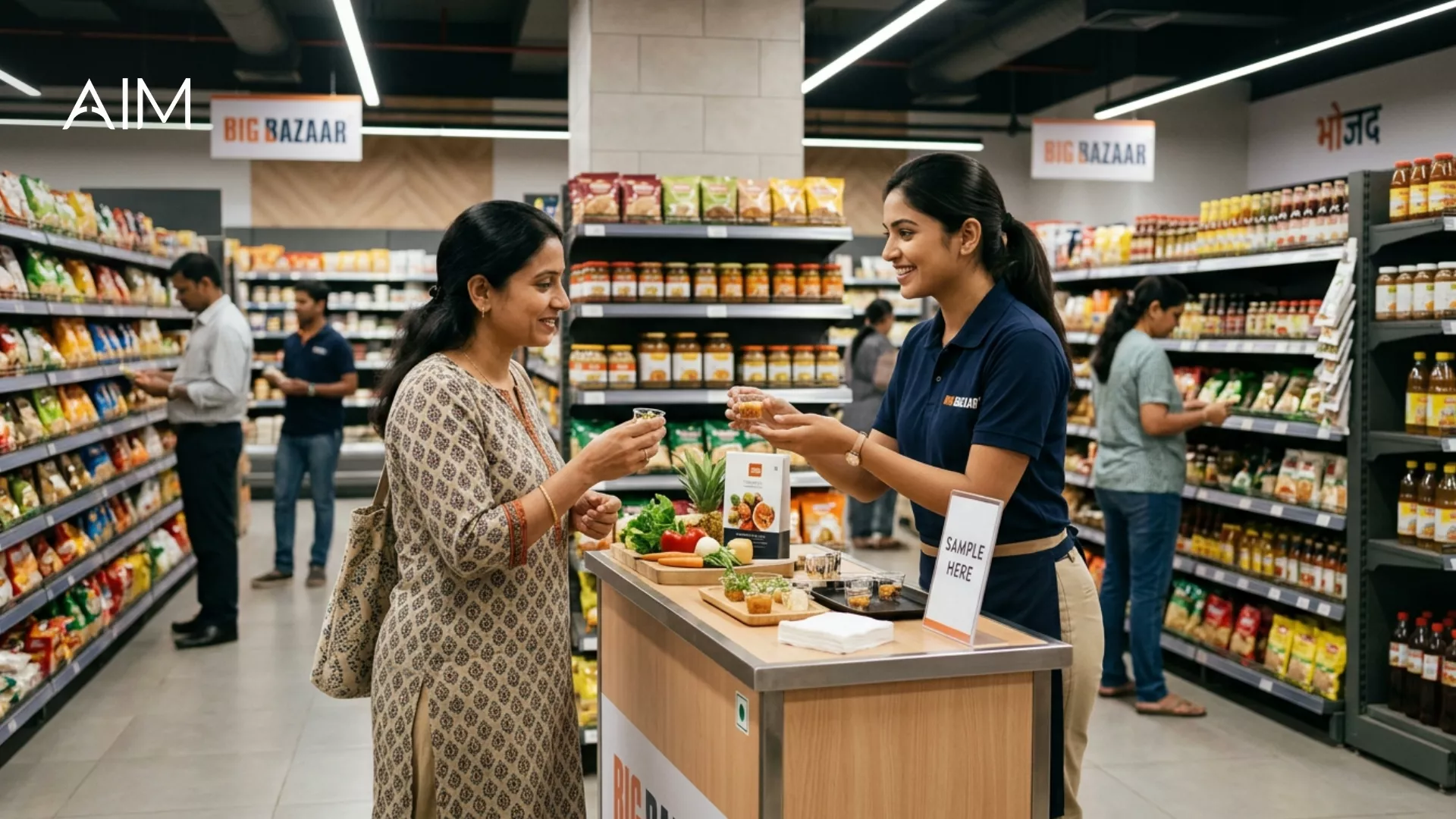
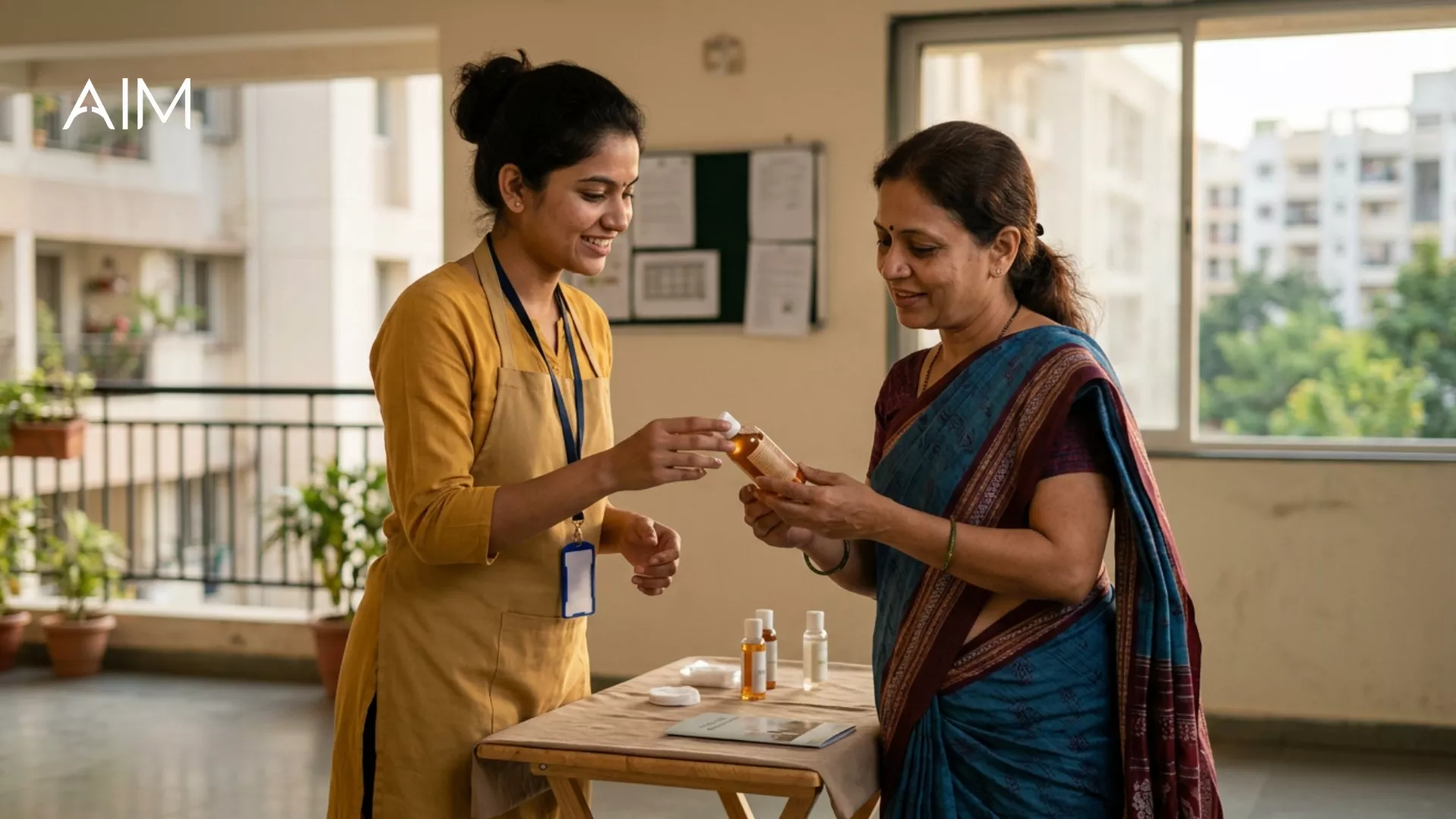
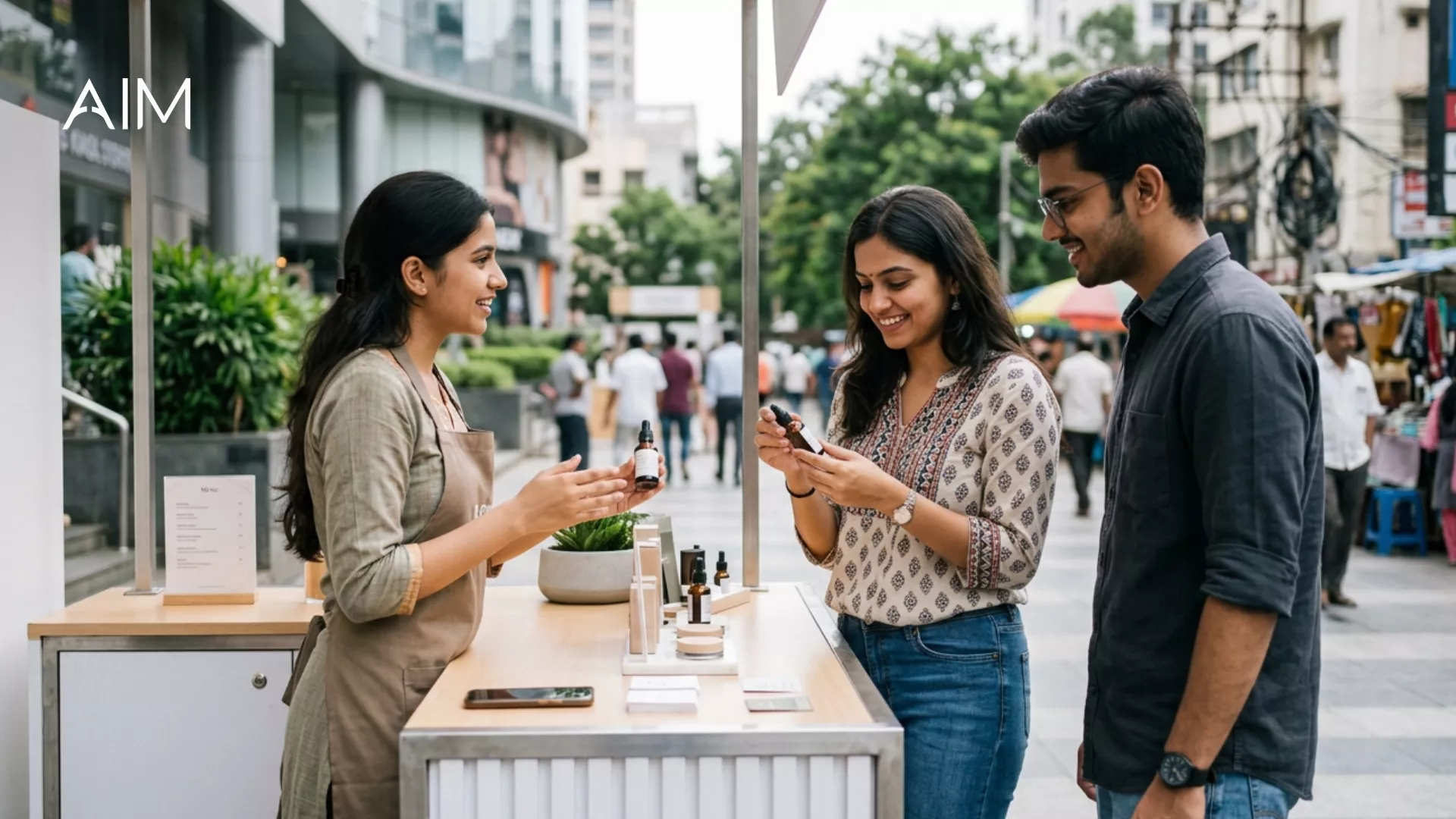
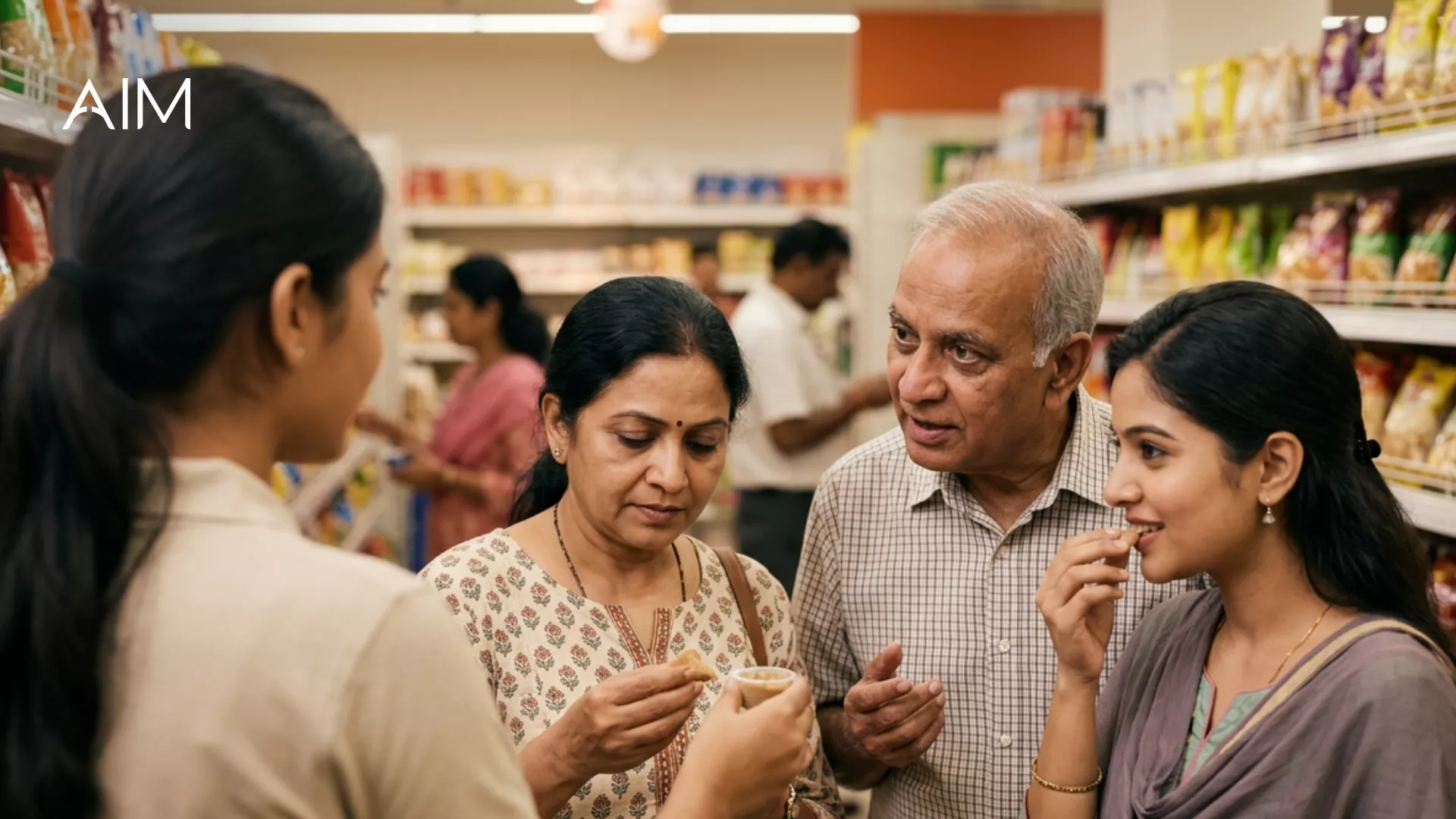
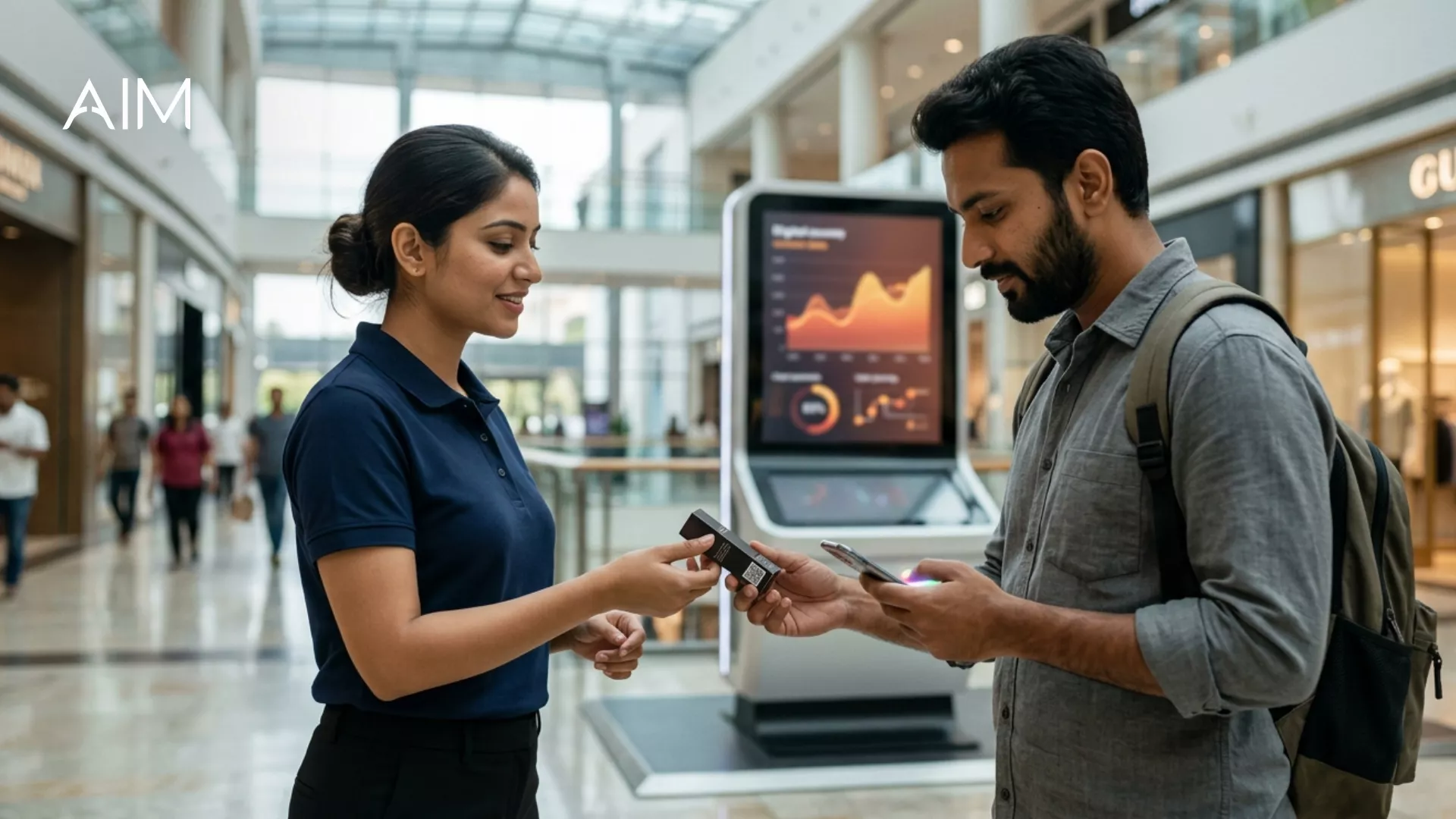
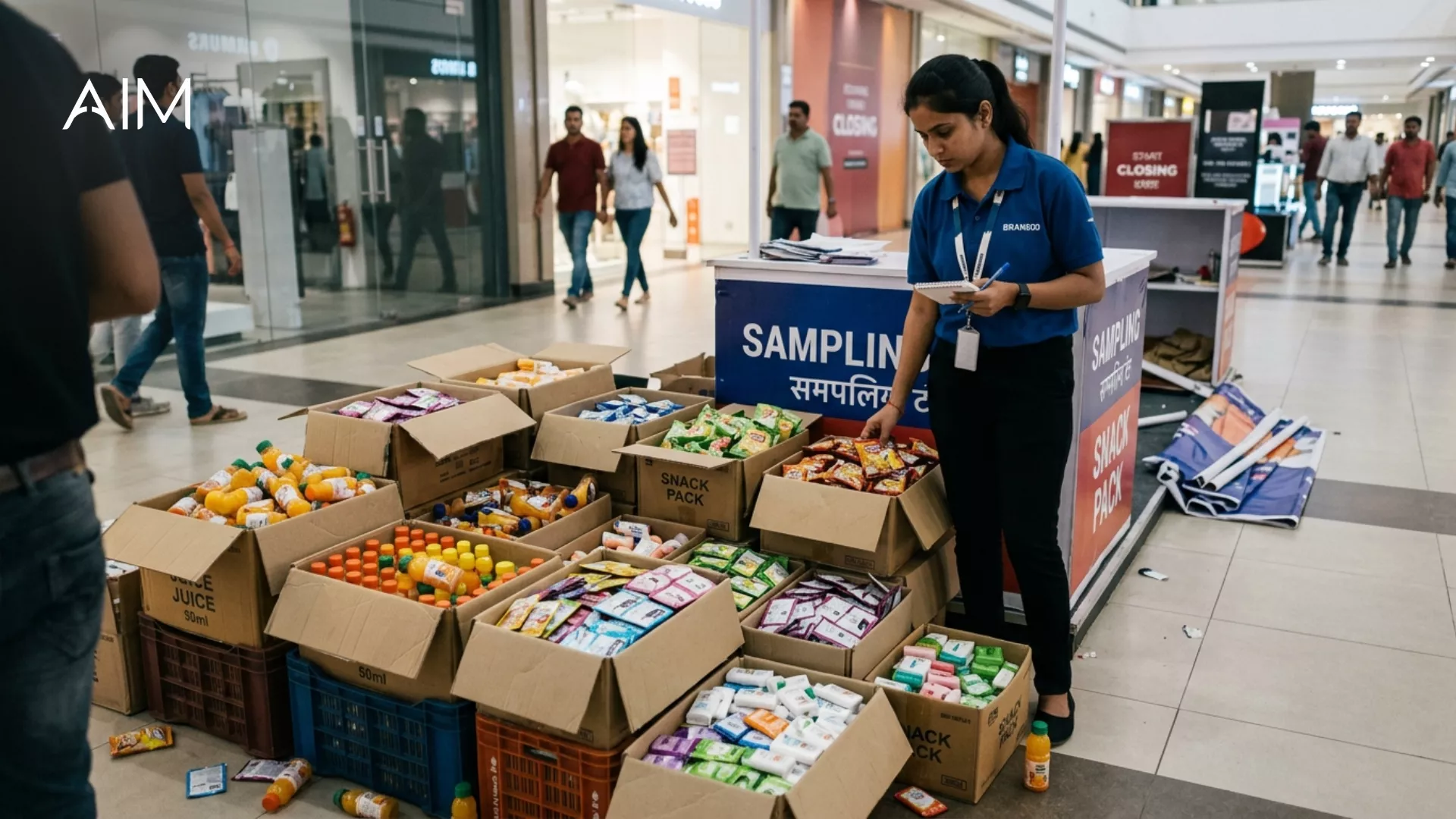
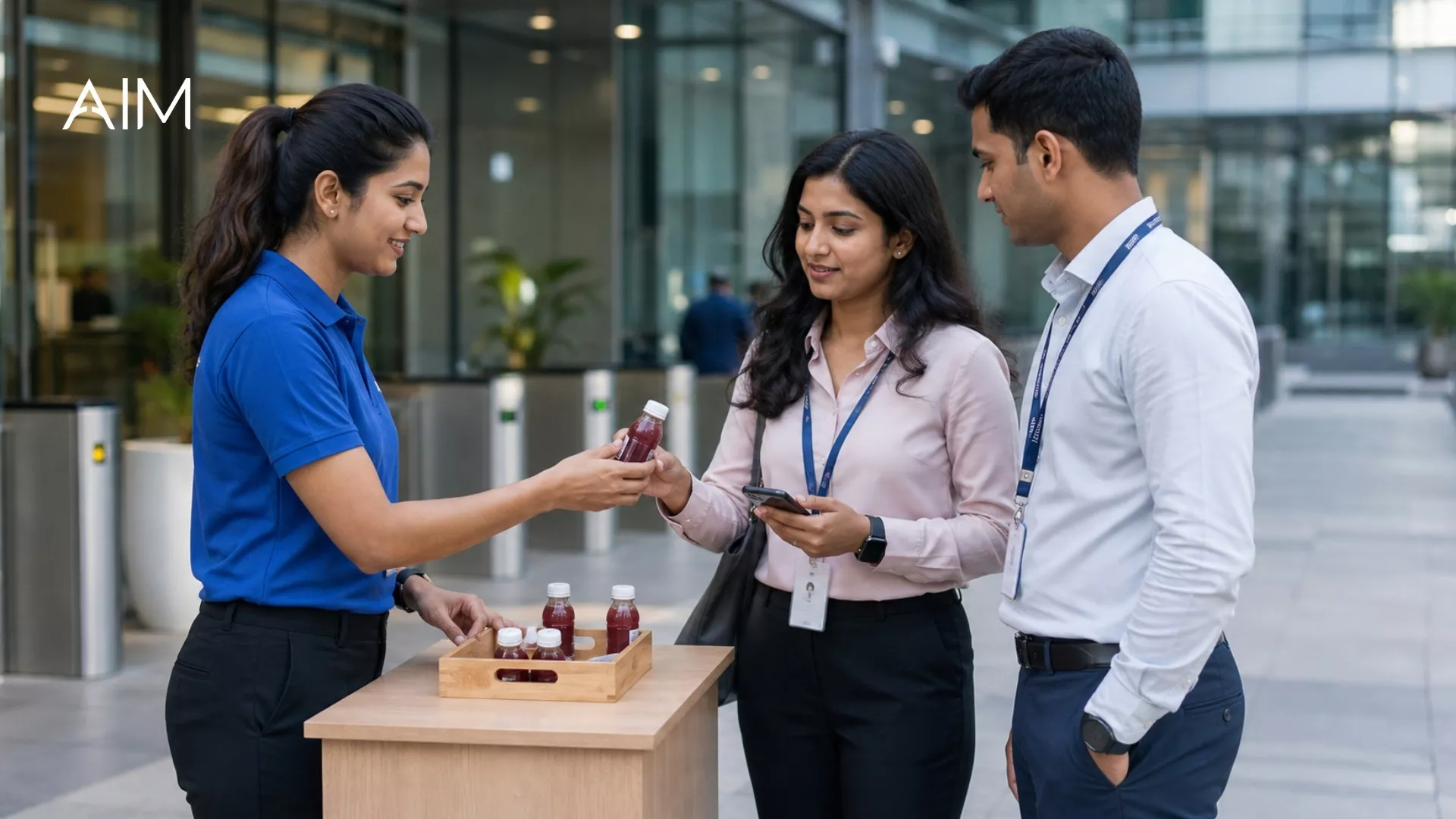
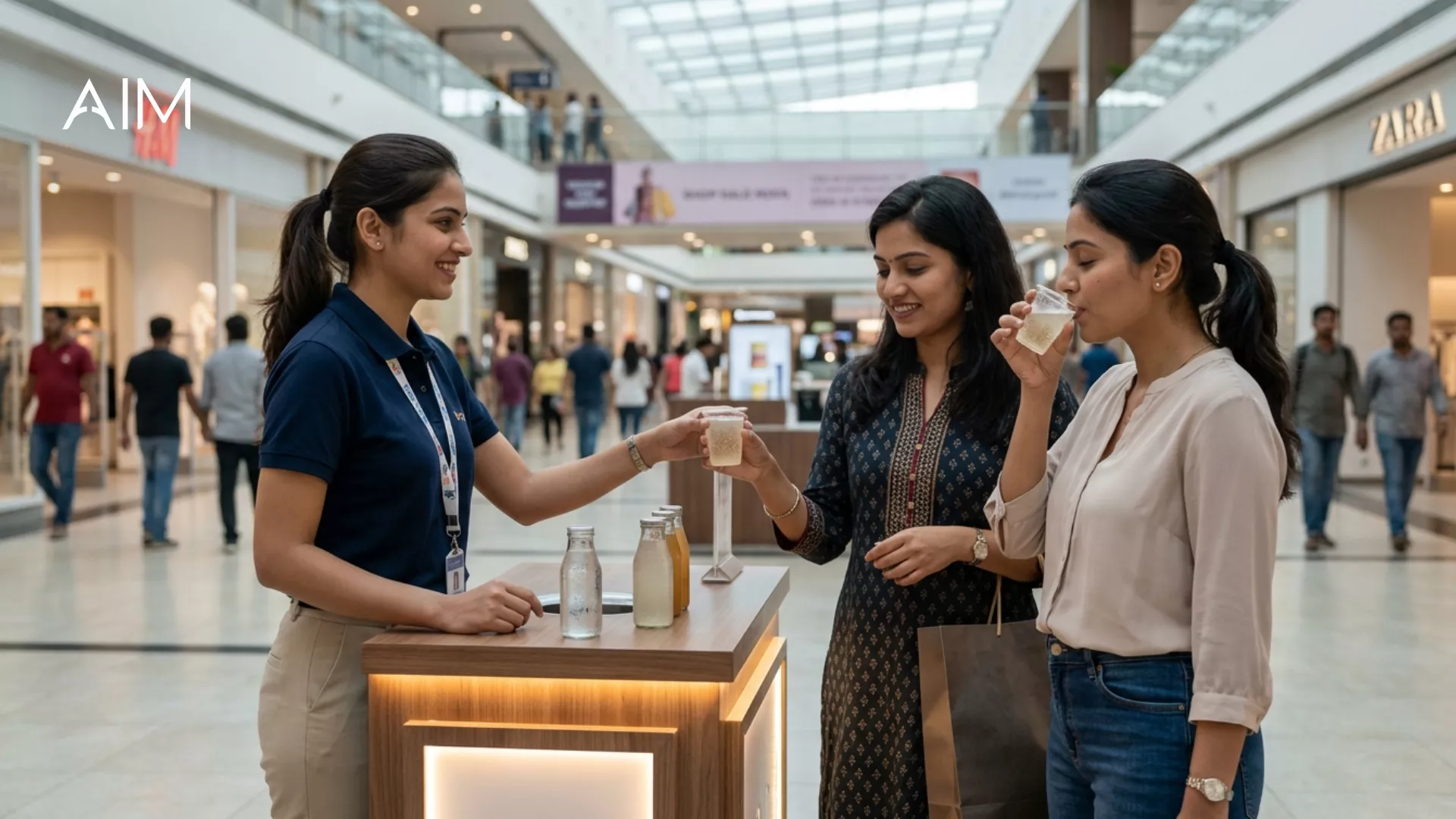
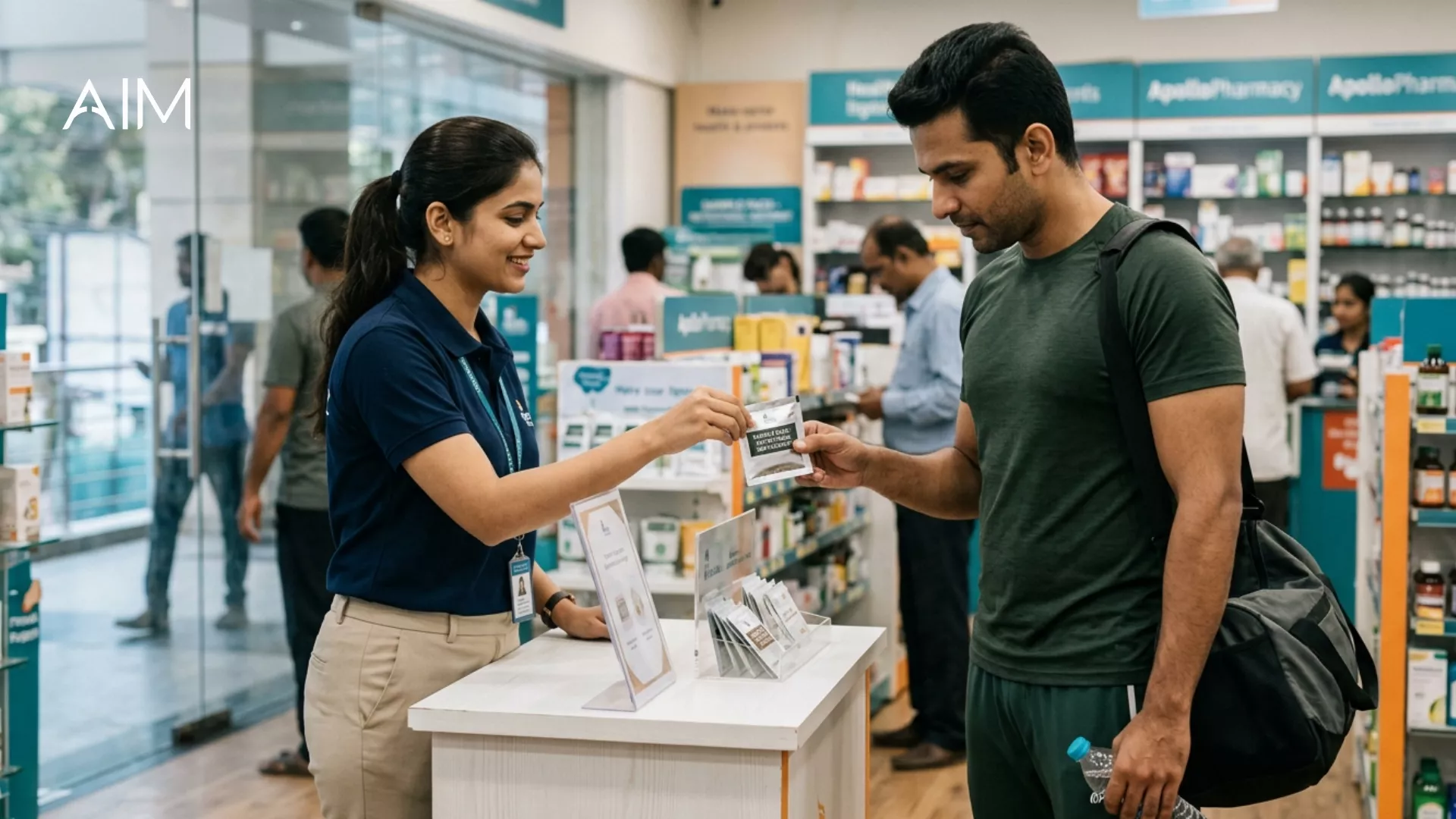
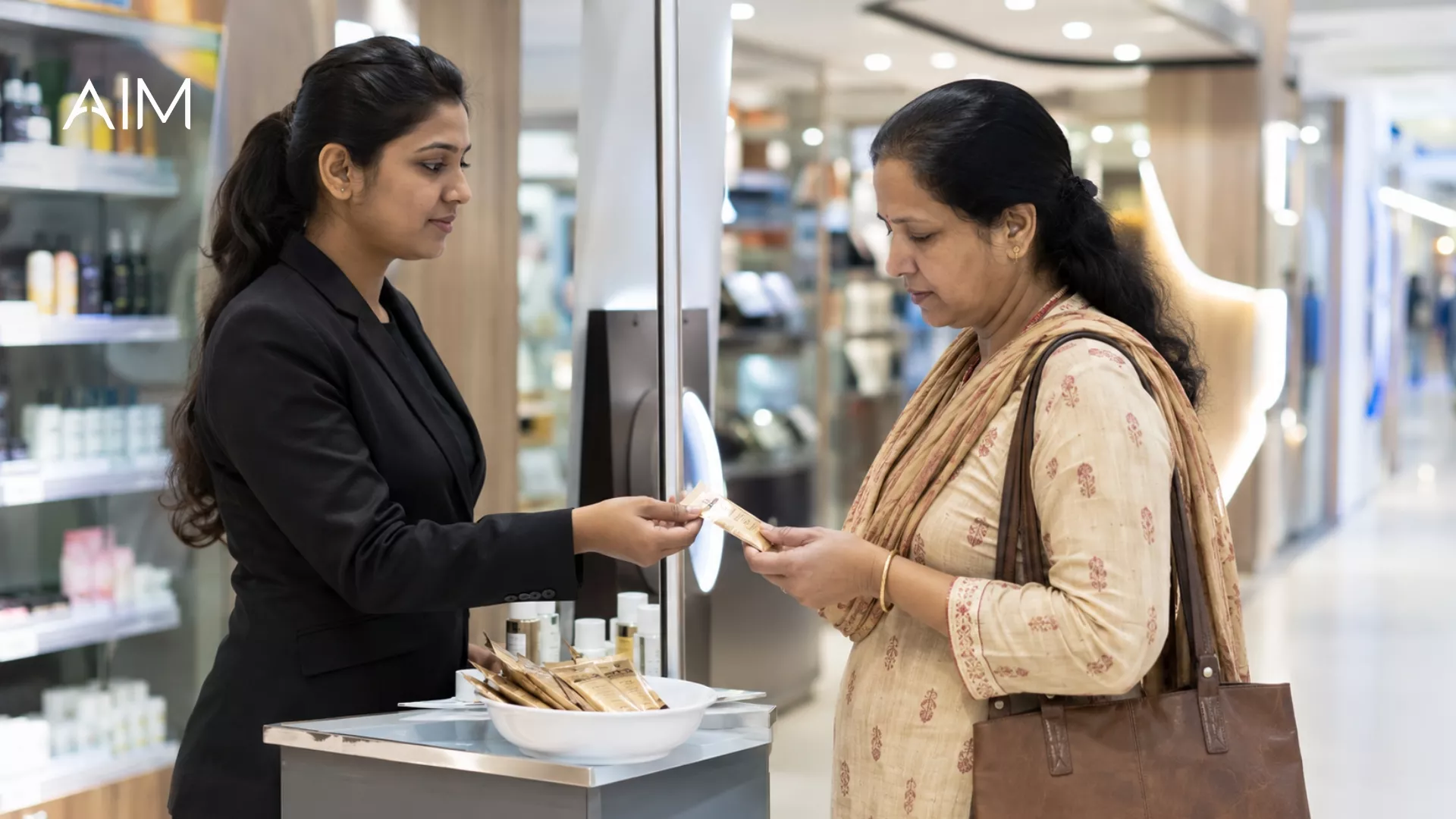
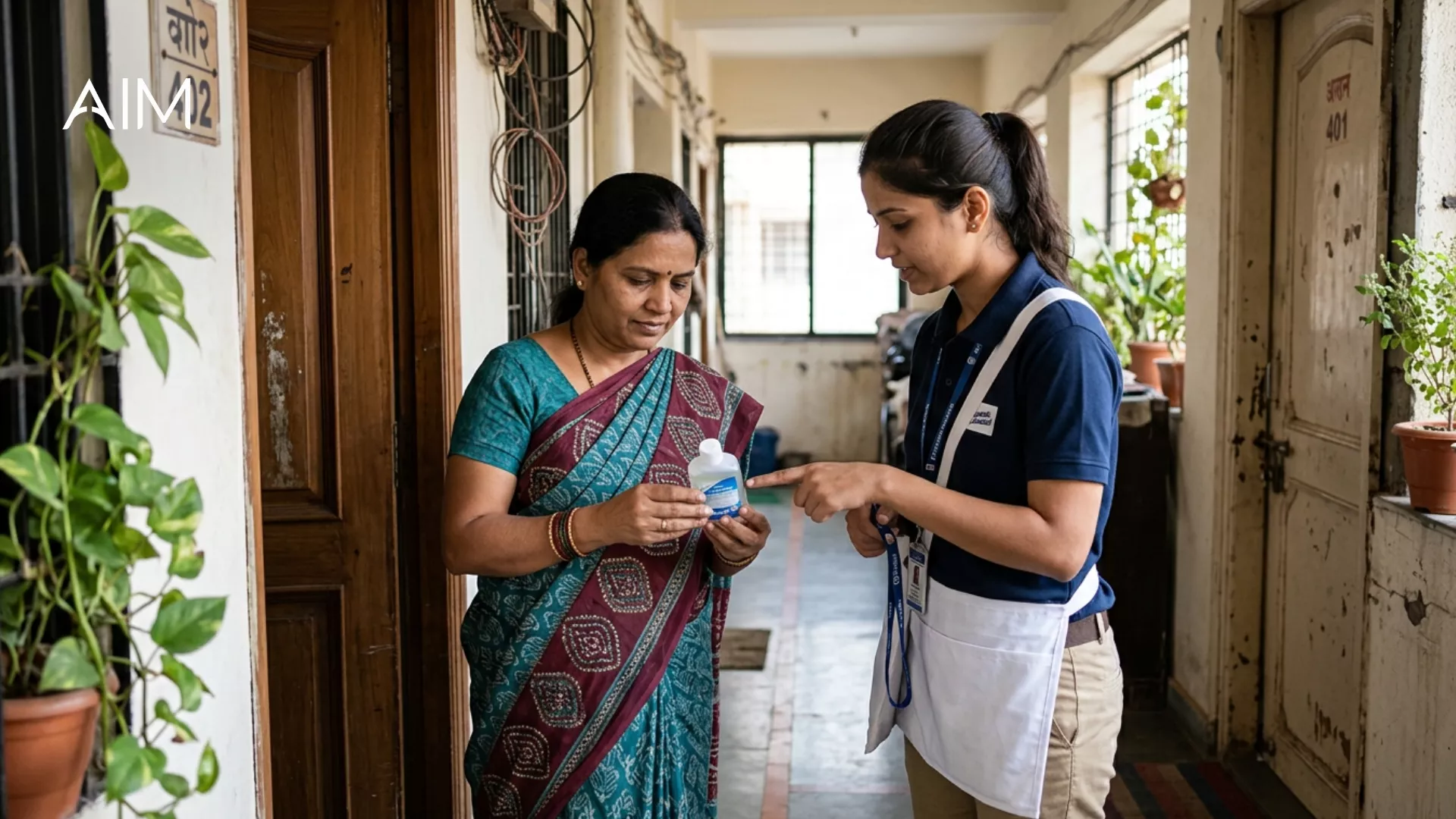
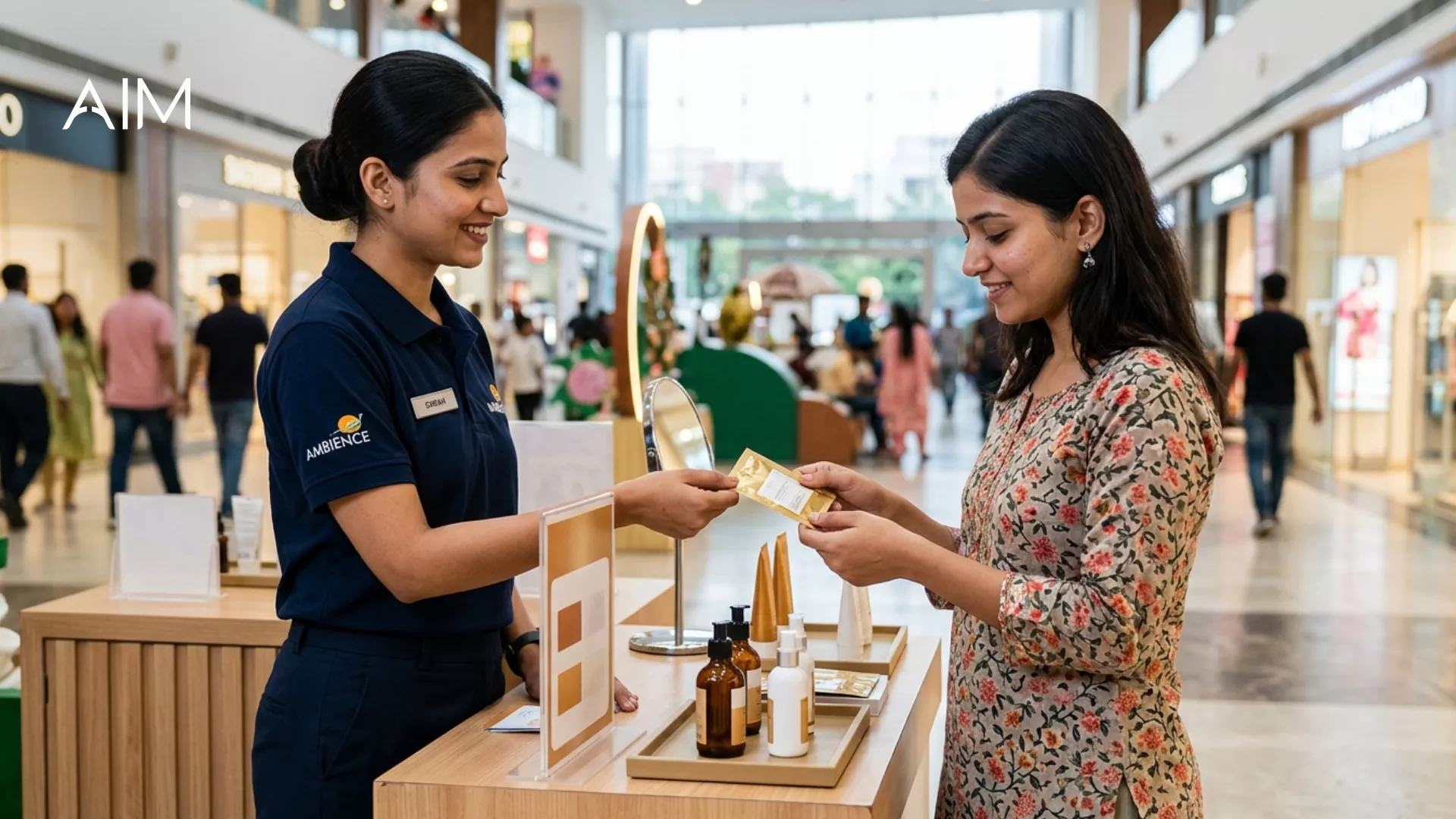
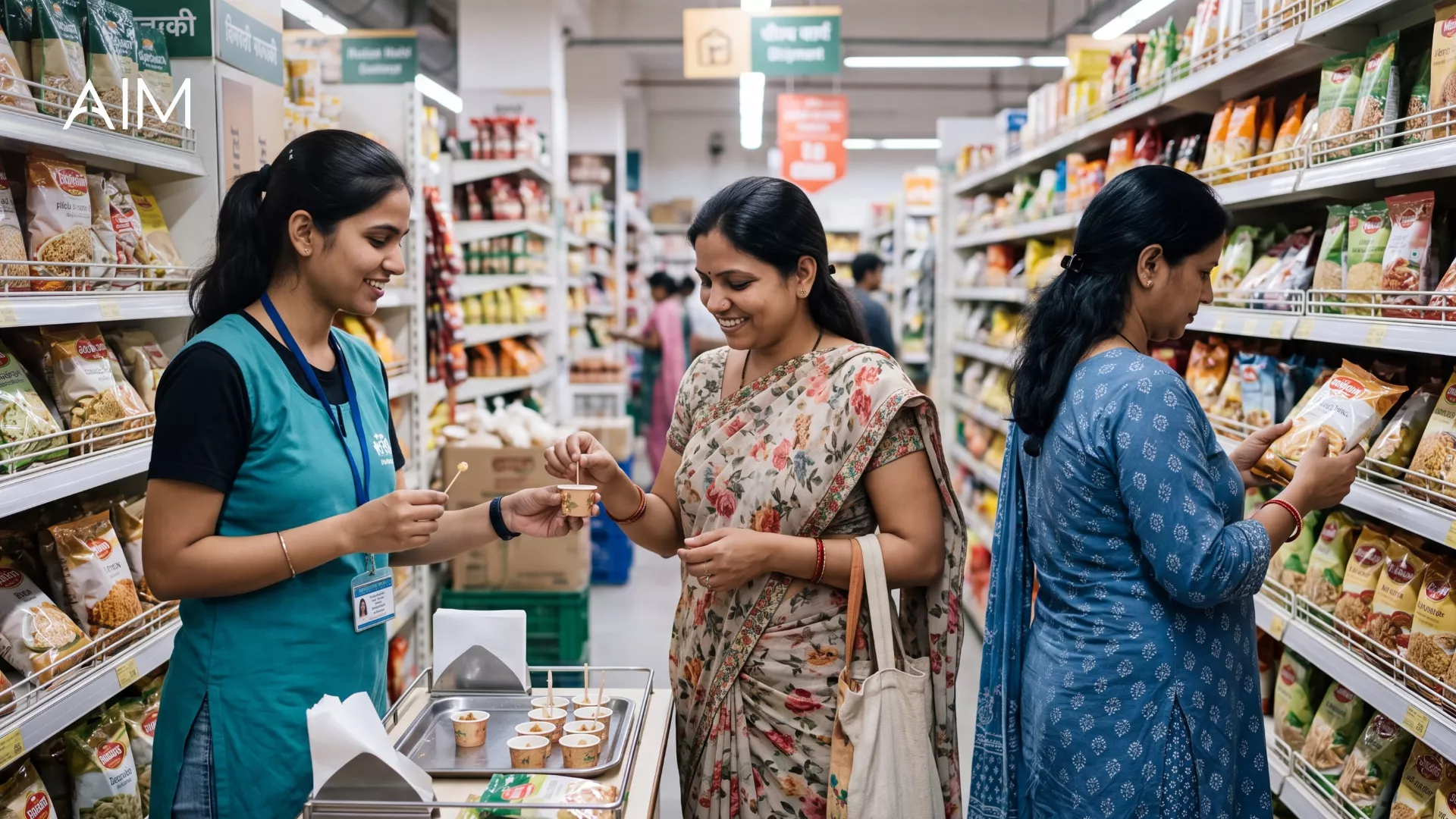
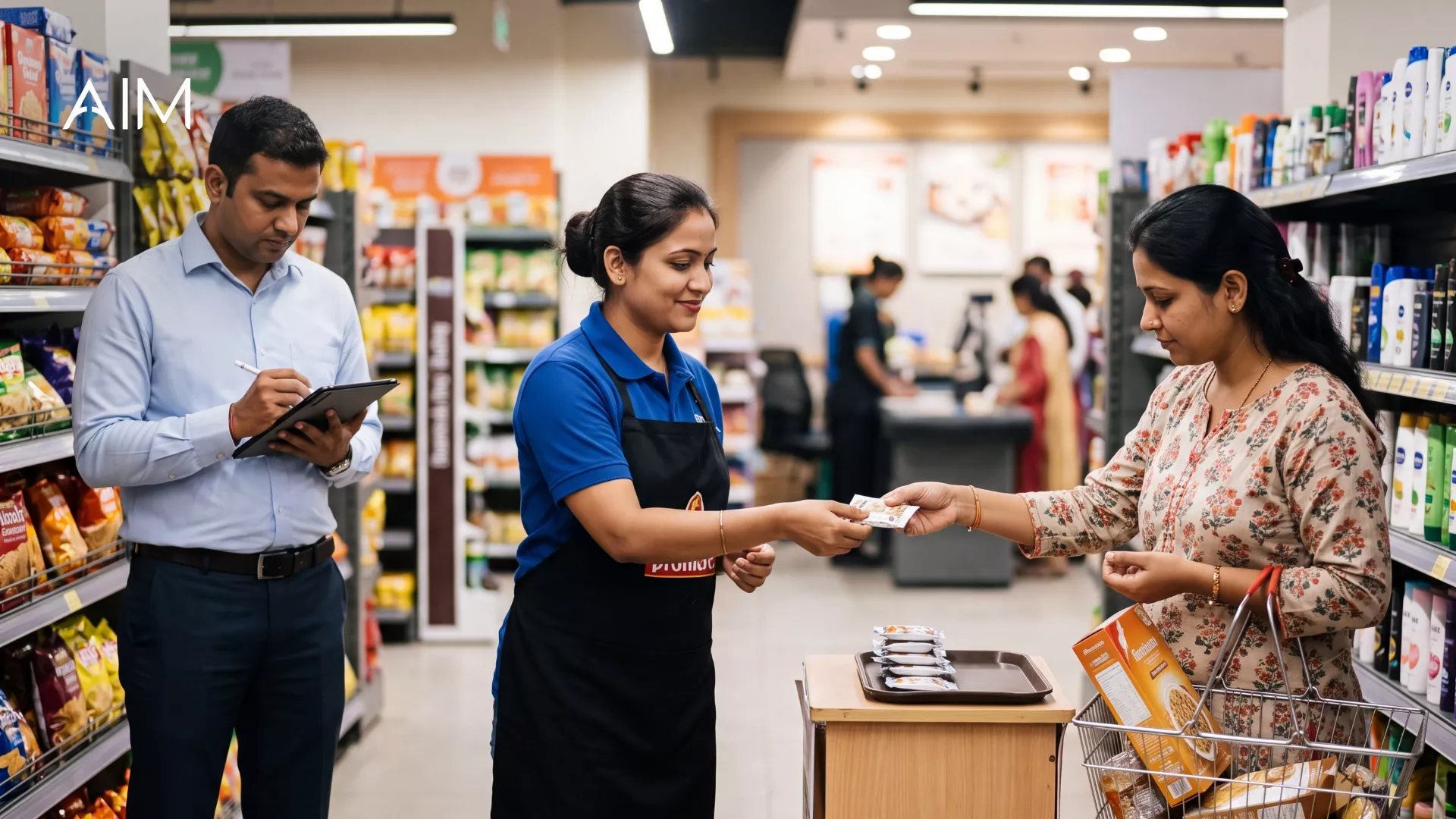
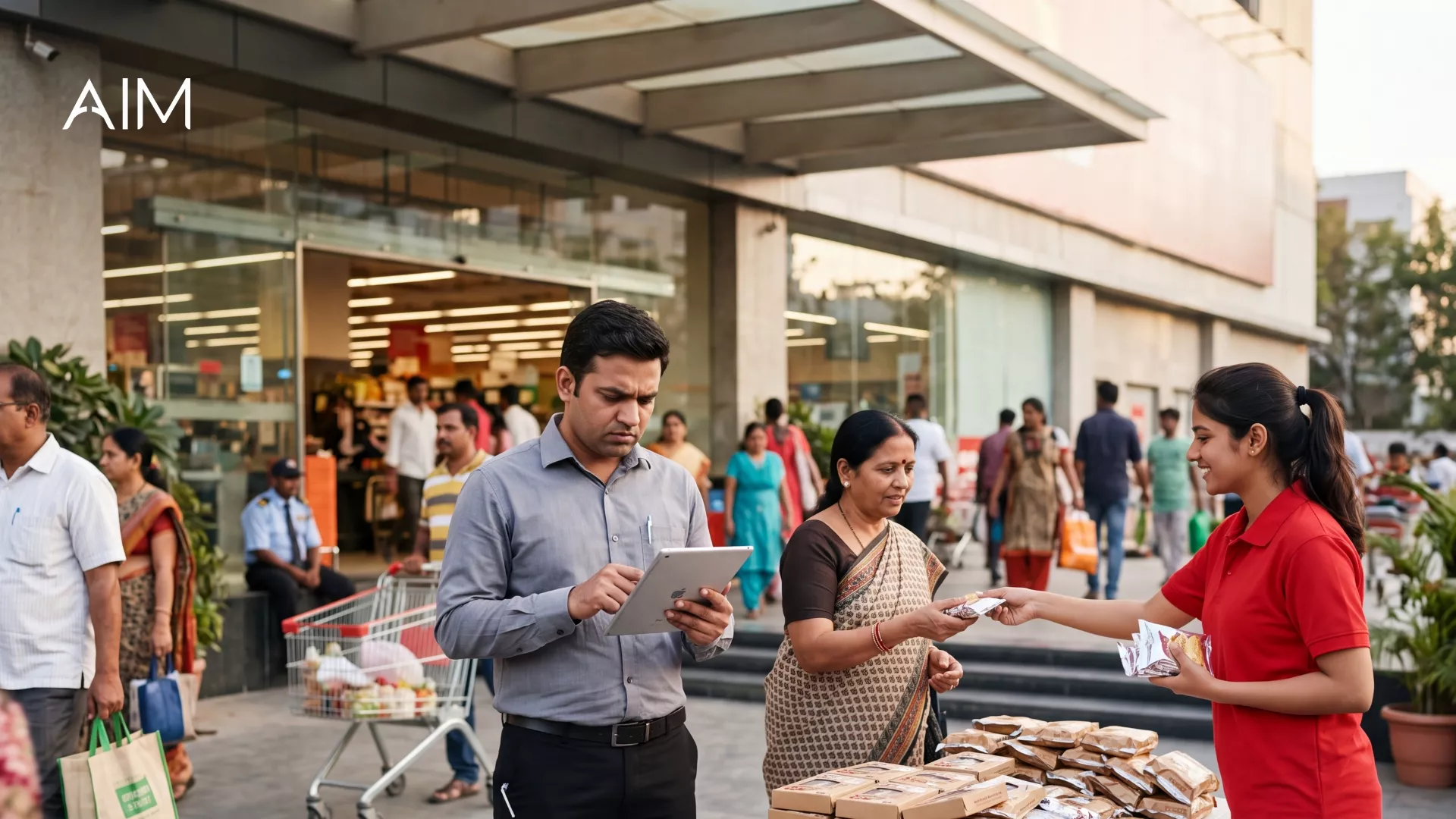
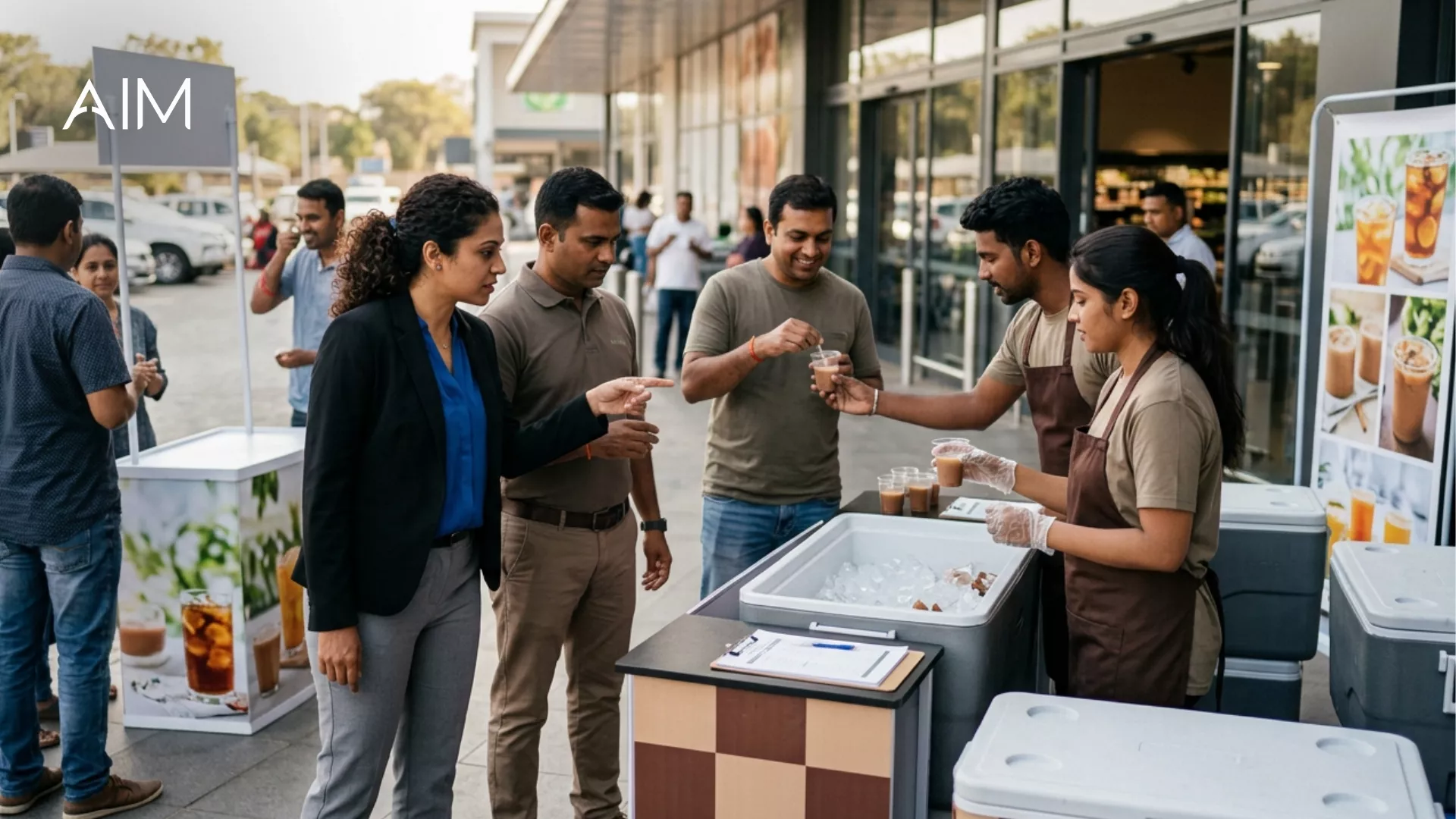
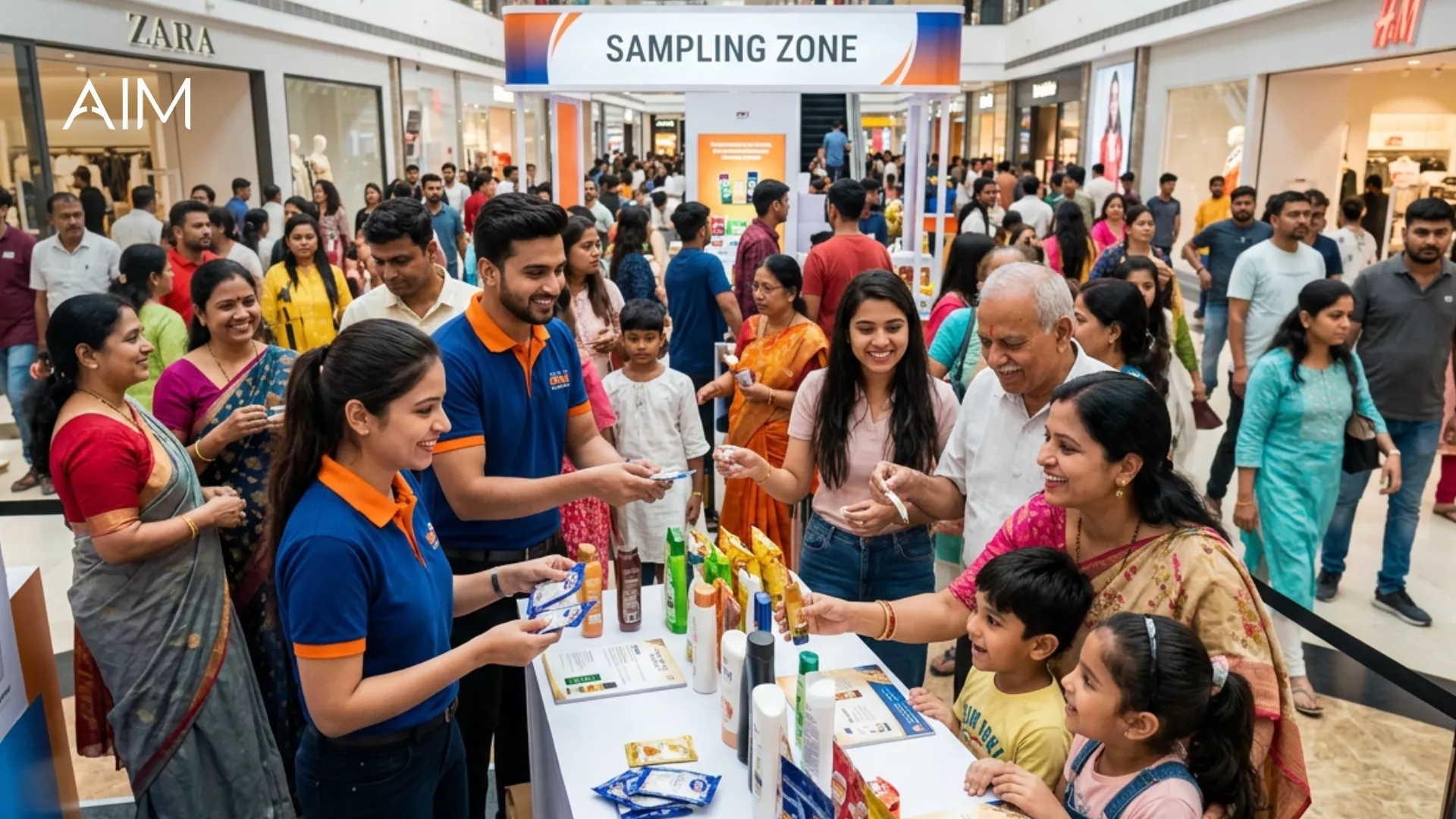
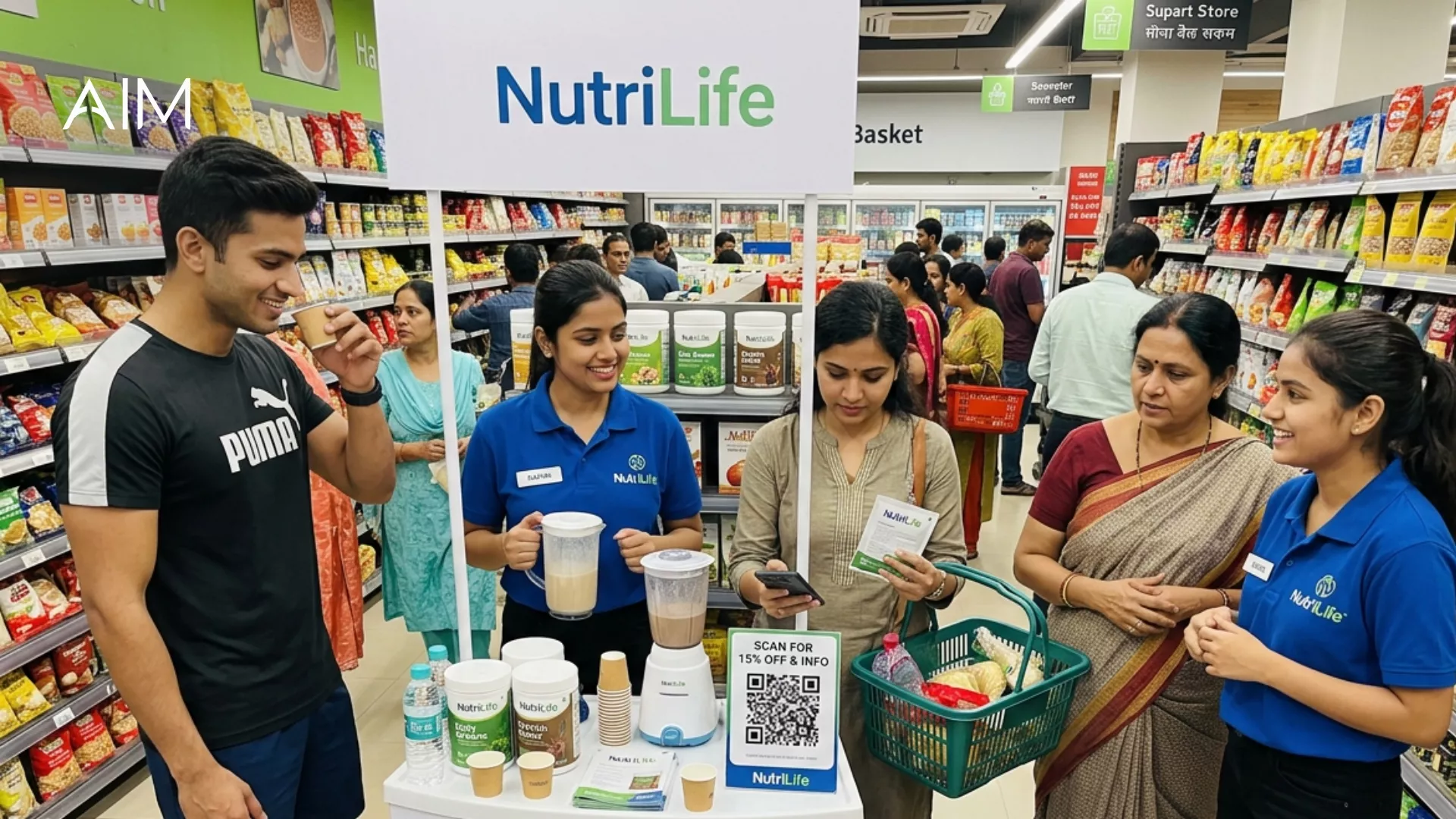
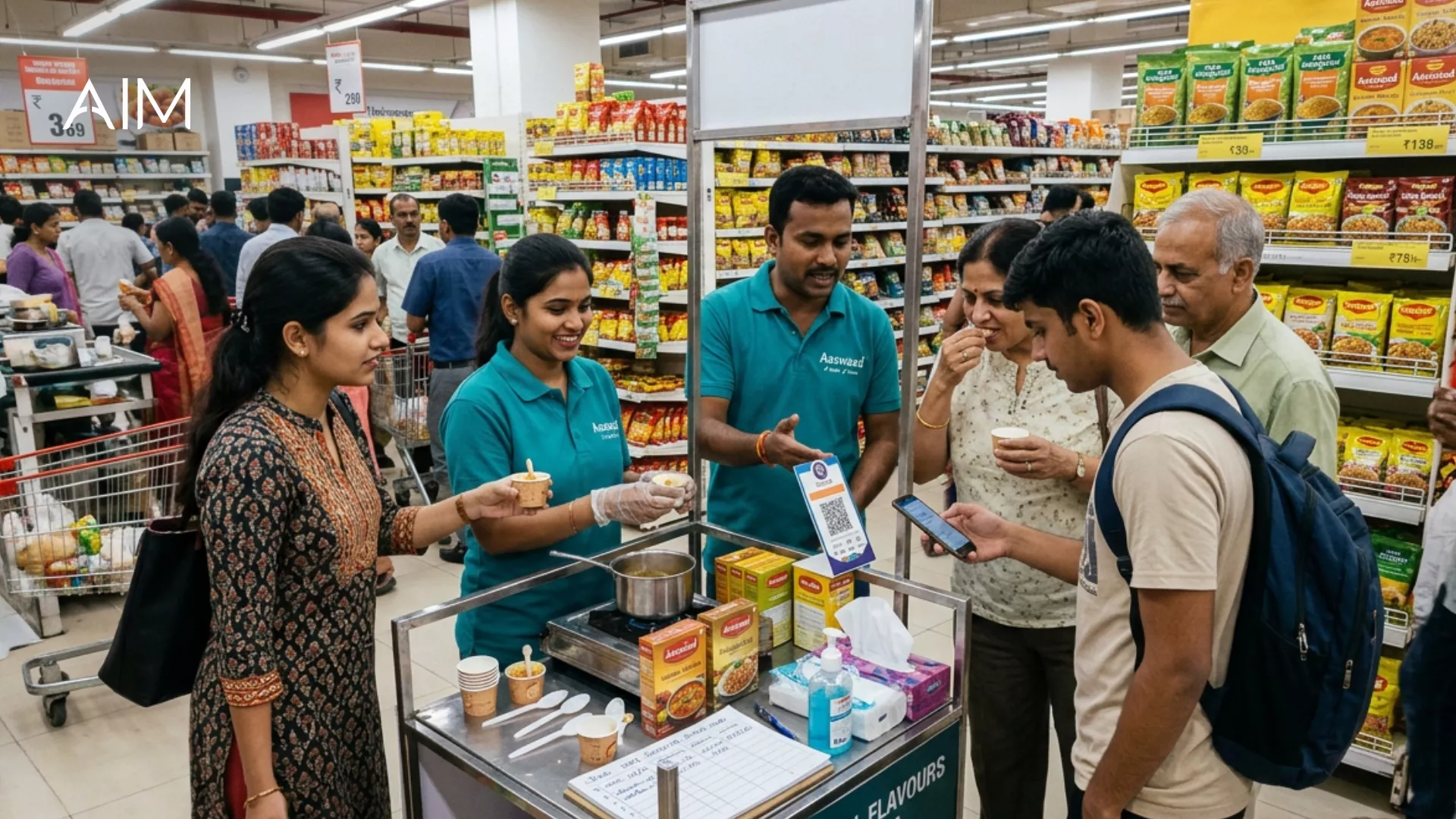
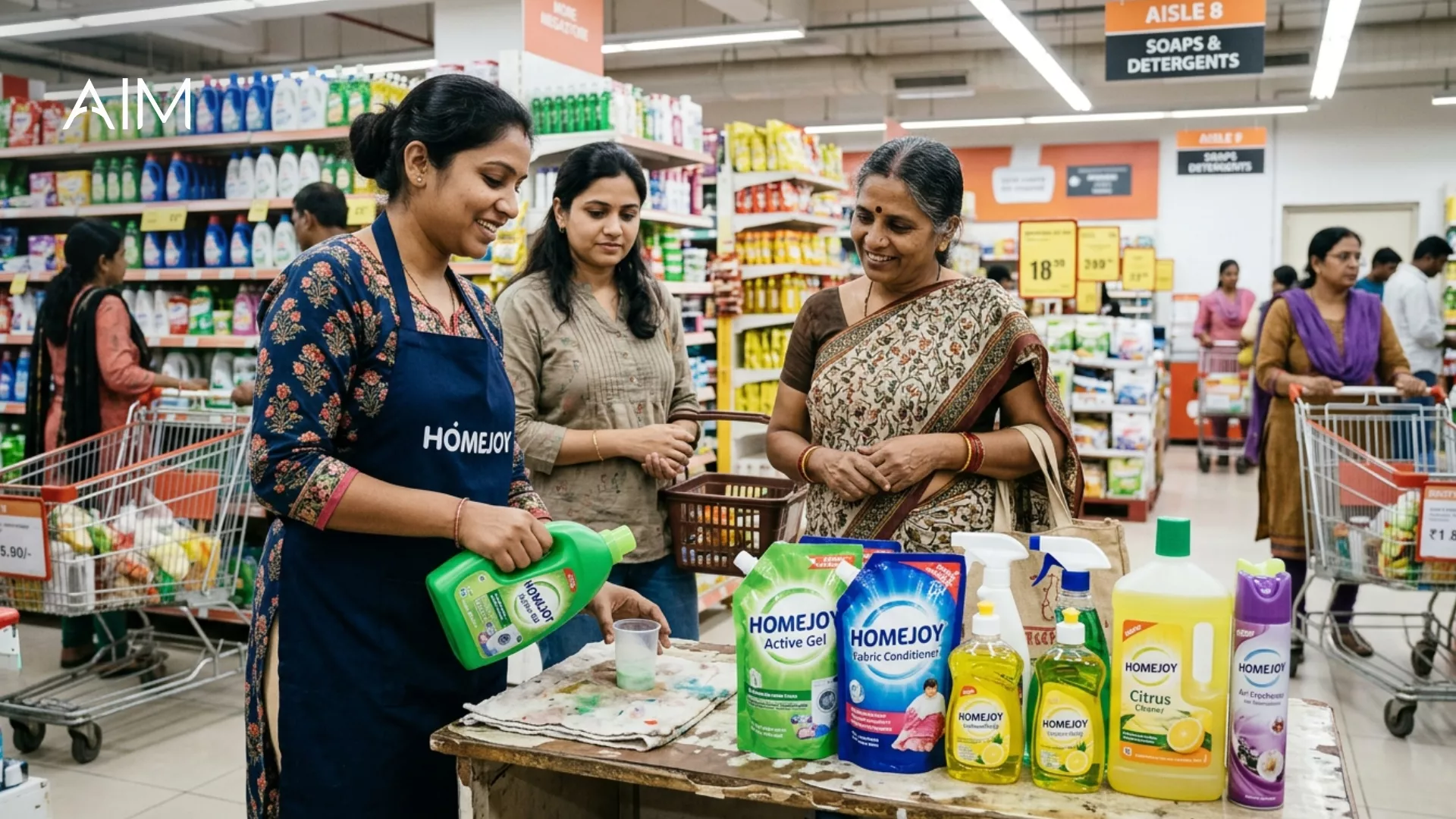
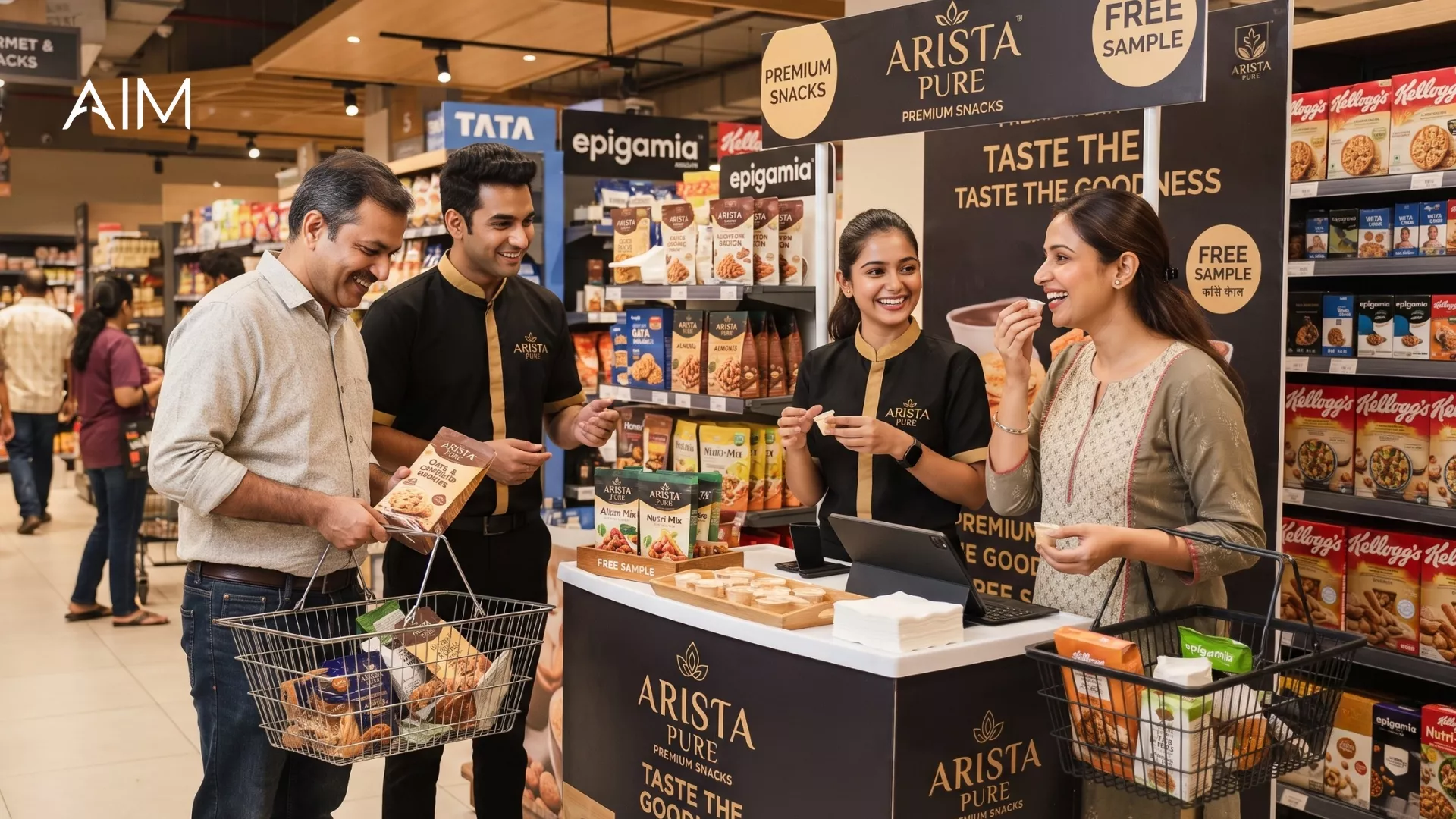
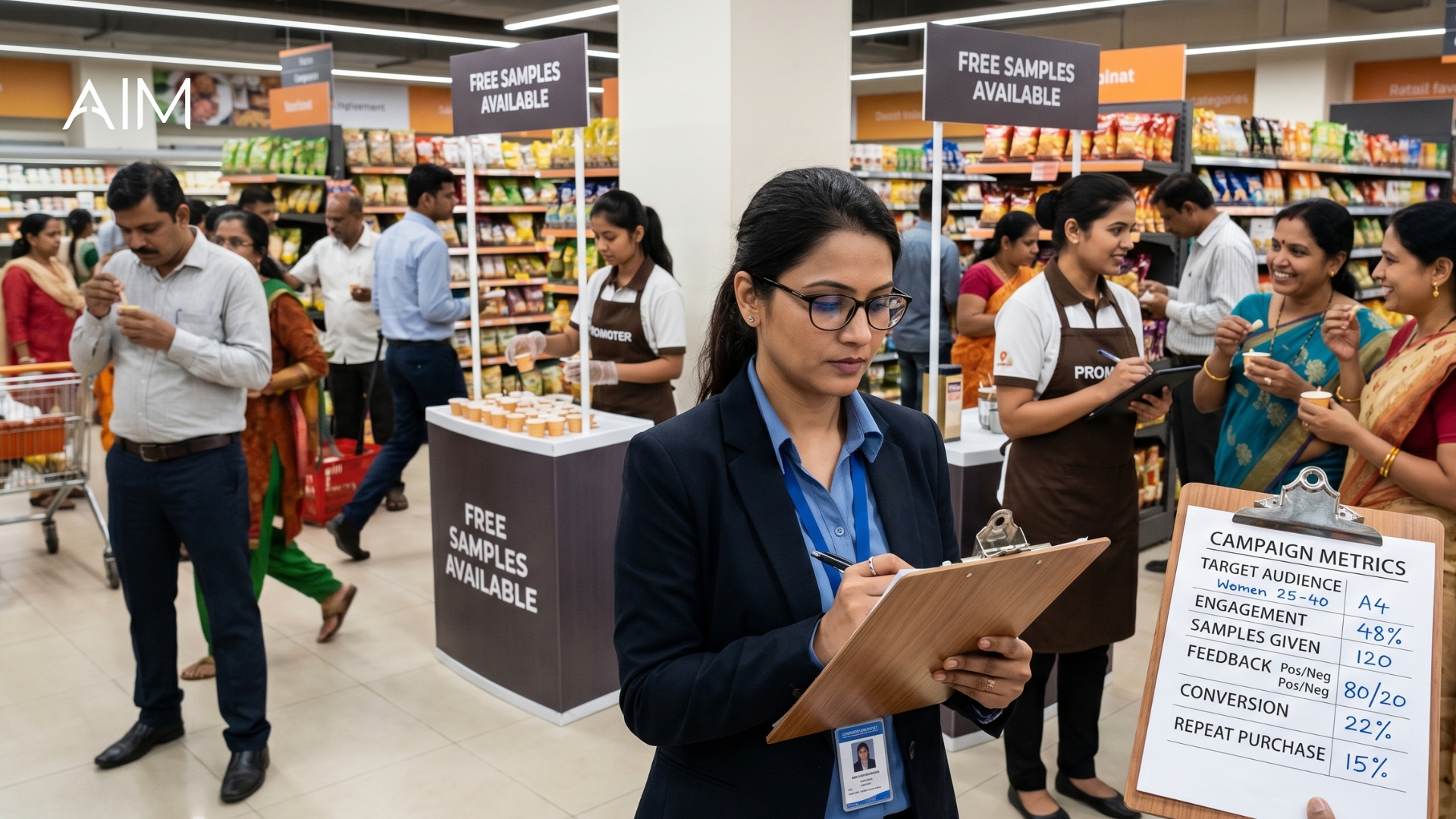
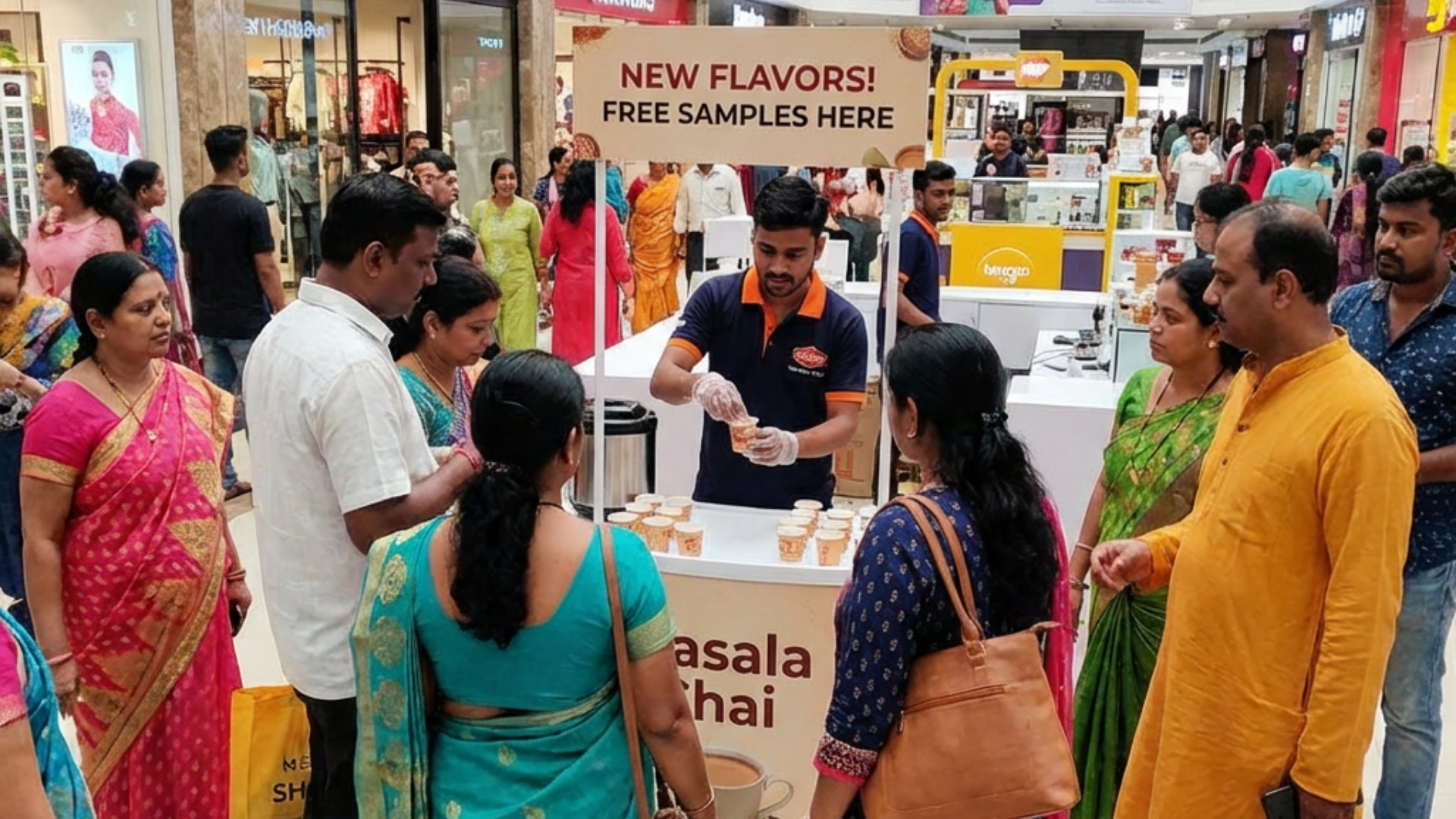
For decades, the sampling aisle was a physical place. A promoter at a table in a supermarket, a sachet handed out at a society gate, a sample pressed into your palm at a mall. That was where a brand met a shopper it hoped to convert. Then, quietly and very fast, the aisle moved. Today a shopper in a metro opens an app, types a category, and a product lands at the door in ten minutes, having never walked past a single sampling table. The place where discovery used to happen is now a delivery bag. That is why quick commerce has become the new sampling aisle in India, and why brands that understand it are rethinking product sampling from the ground up.
Quick answer: quick commerce has become the new sampling aisle because it reaches real buyers at home, matched to what they already order, delivered to a known address, and captured digitally by default. Quick commerce product sampling, mainly through sample inserts and sample-with-purchase, puts a trial into the order of someone already buying the category, which makes it more targeted and more measurable than the mall table it is replacing.
What is quick commerce product sampling?
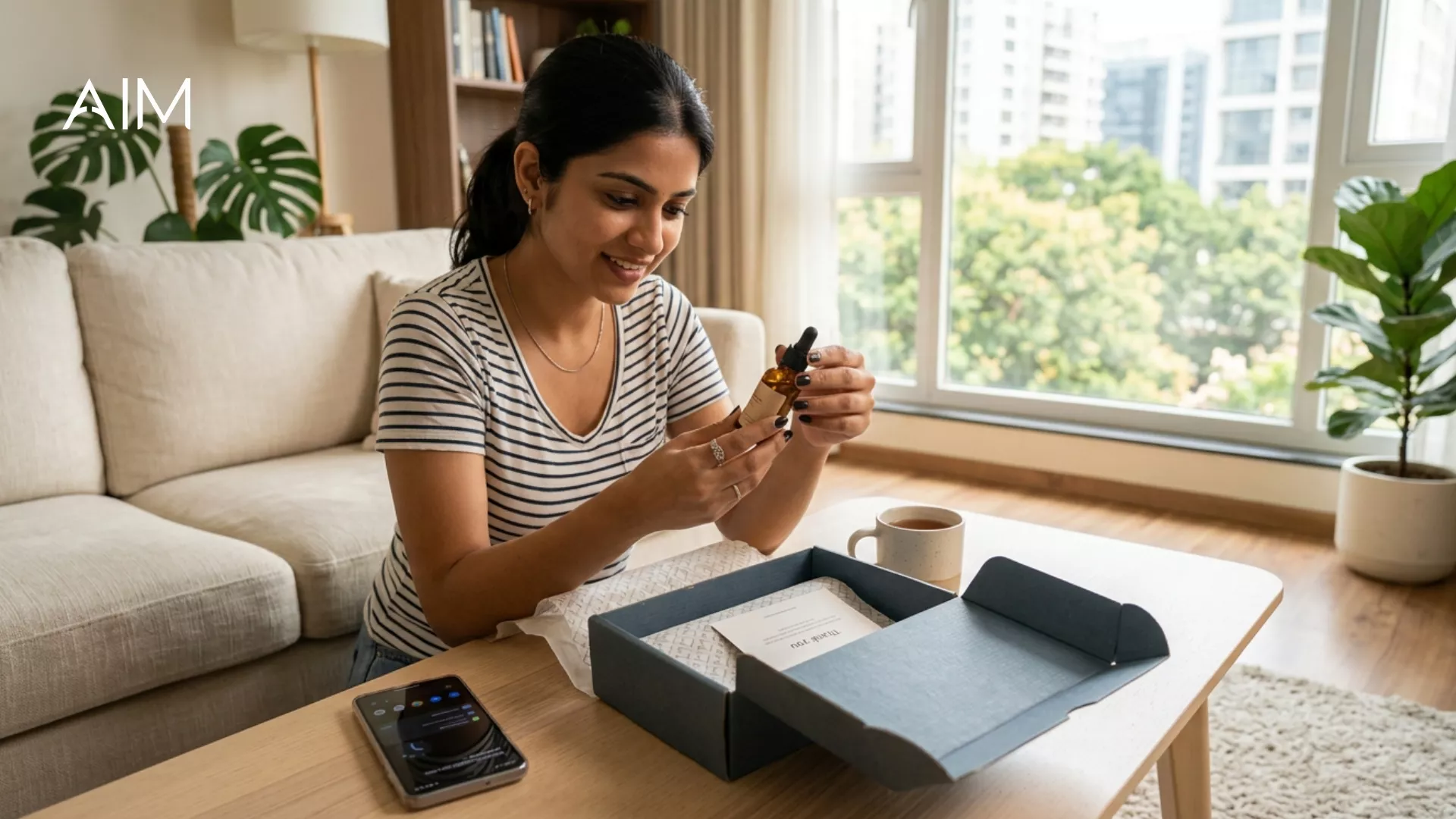
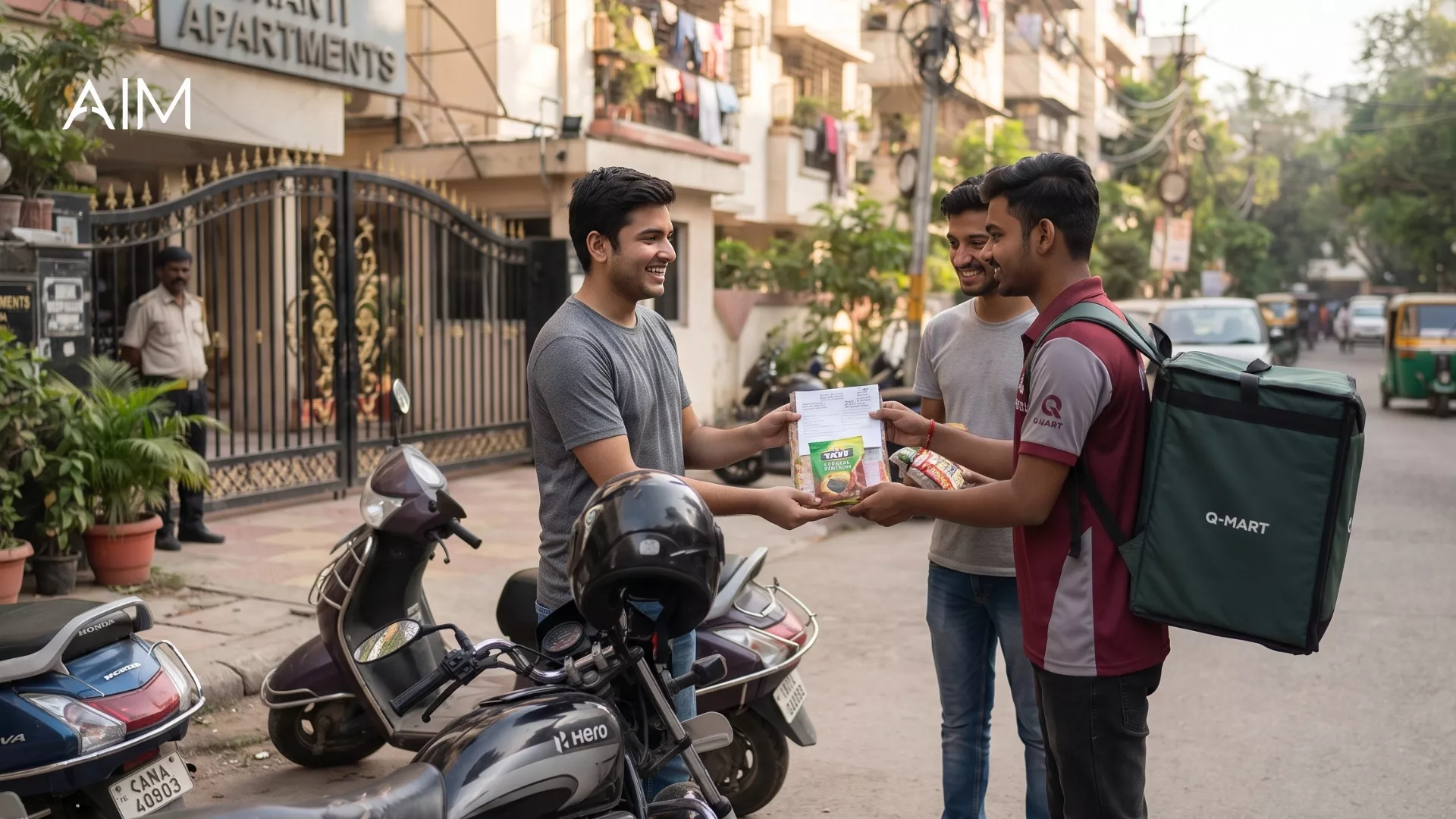
Quick commerce product sampling is the practice of putting product trials in front of shoppers through fast-delivery platforms like the ones now common across Indian metros. In practice it takes a few forms. The most common is the sample insert, where a trial of your product rides along inside a customer's order. Another is sample-with-purchase, where a relevant order triggers a free trial of a complementary product. Both share the same core idea: instead of hoping the right person walks past a table, you place the sample inside the basket of someone who is already shopping your category. It is e-commerce sampling compressed into a ten-minute window, and that speed changes the shopper you reach.
Why is quick commerce becoming the new sampling aisle?
Because the shopper moved, and sampling has to follow the shopper. A large and growing share of urban category buying now happens on quick commerce, especially the impulse, everyday, and top-up purchases that sampling was always meant to influence. The physical aisle still exists, but a chunk of the buyer's attention and spend has shifted onto a screen and into a delivery bag. A brand that only samples in malls and stores is sampling where the shopper used to be. Meeting the buyer where they now actually shop, in the quick-commerce order, is simply following the demand, and demand is exactly what a sampling aisle is supposed to sit next to.
What makes quick commerce so good for sampling?
It is more than convenience. Quick commerce solves several of the oldest problems in product sampling at once.
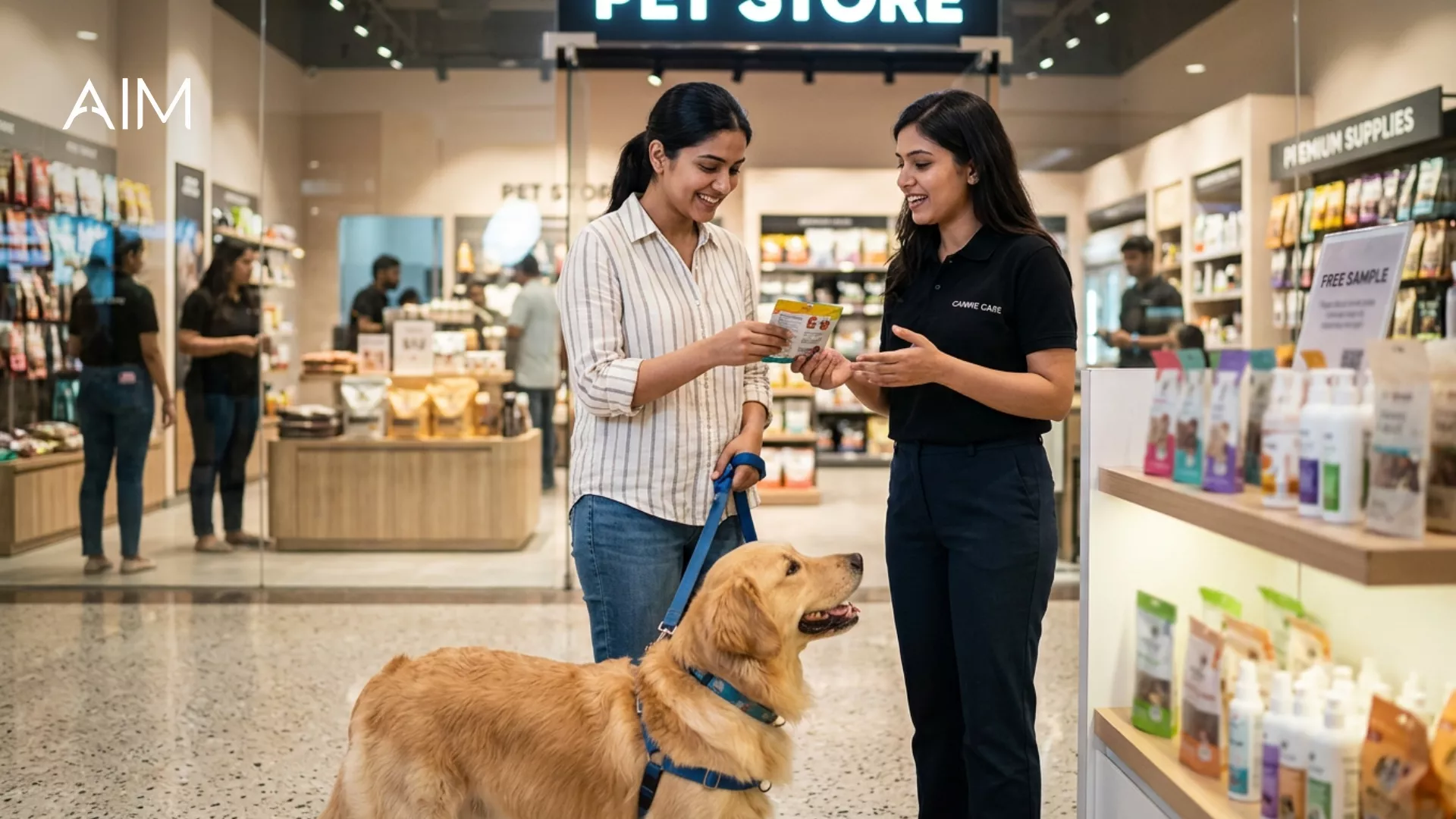
- It reaches your real buyer, not a random crowd. A sample insert can be matched to the basket, so a pet-food trial rides with pet-supply orders and a skincare sample rides with beauty orders. That basket-matched targeting reaches people who already buy the category, the exact opposite of a mall table where most hands belong to passers-by.
- It delivers to a real, known household. The sample lands at a verified address of a real buyer, not a freebie-seeker collecting sachets. That alone removes a big chunk of the wastage that plagues traditional sampling.
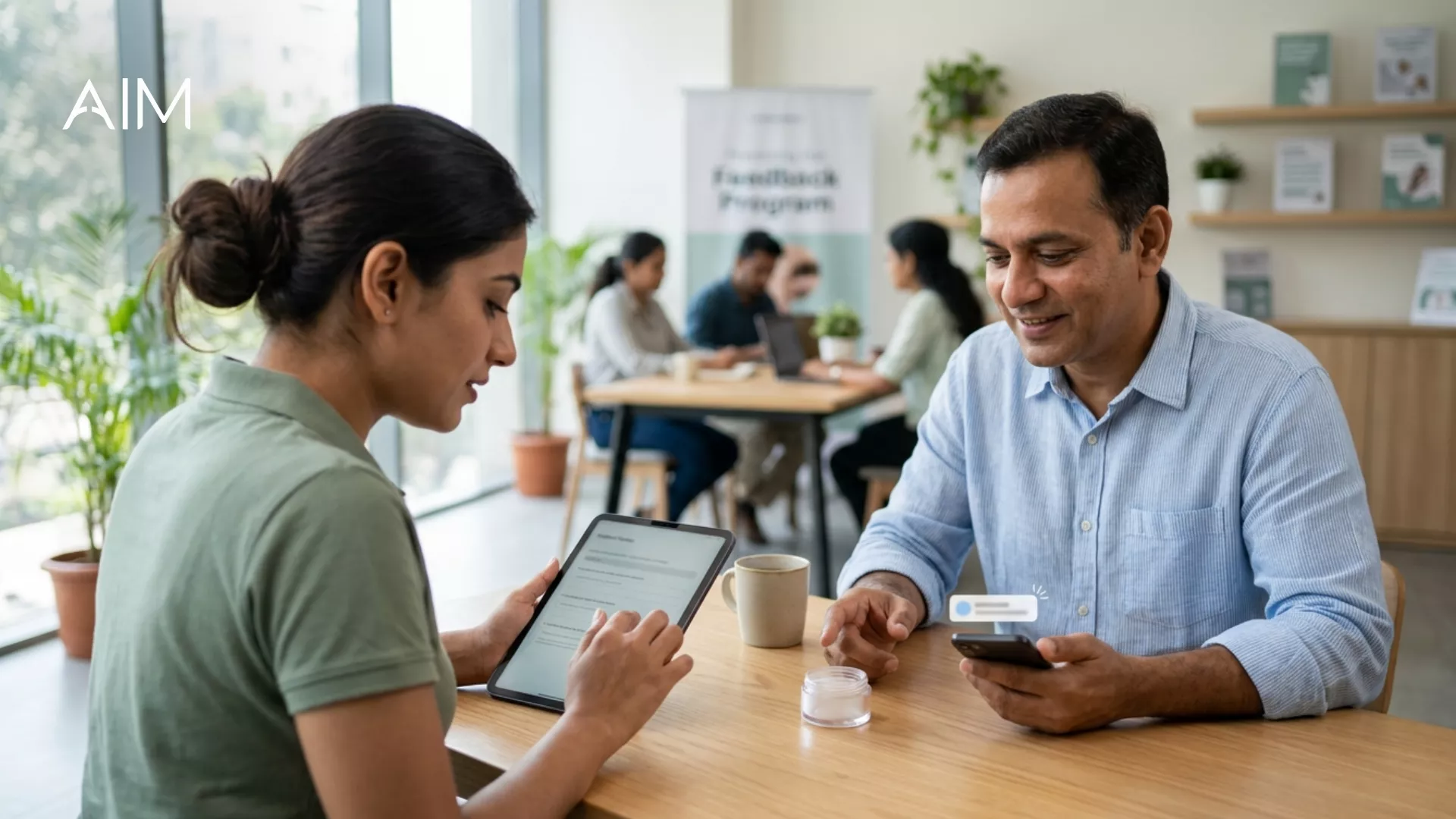
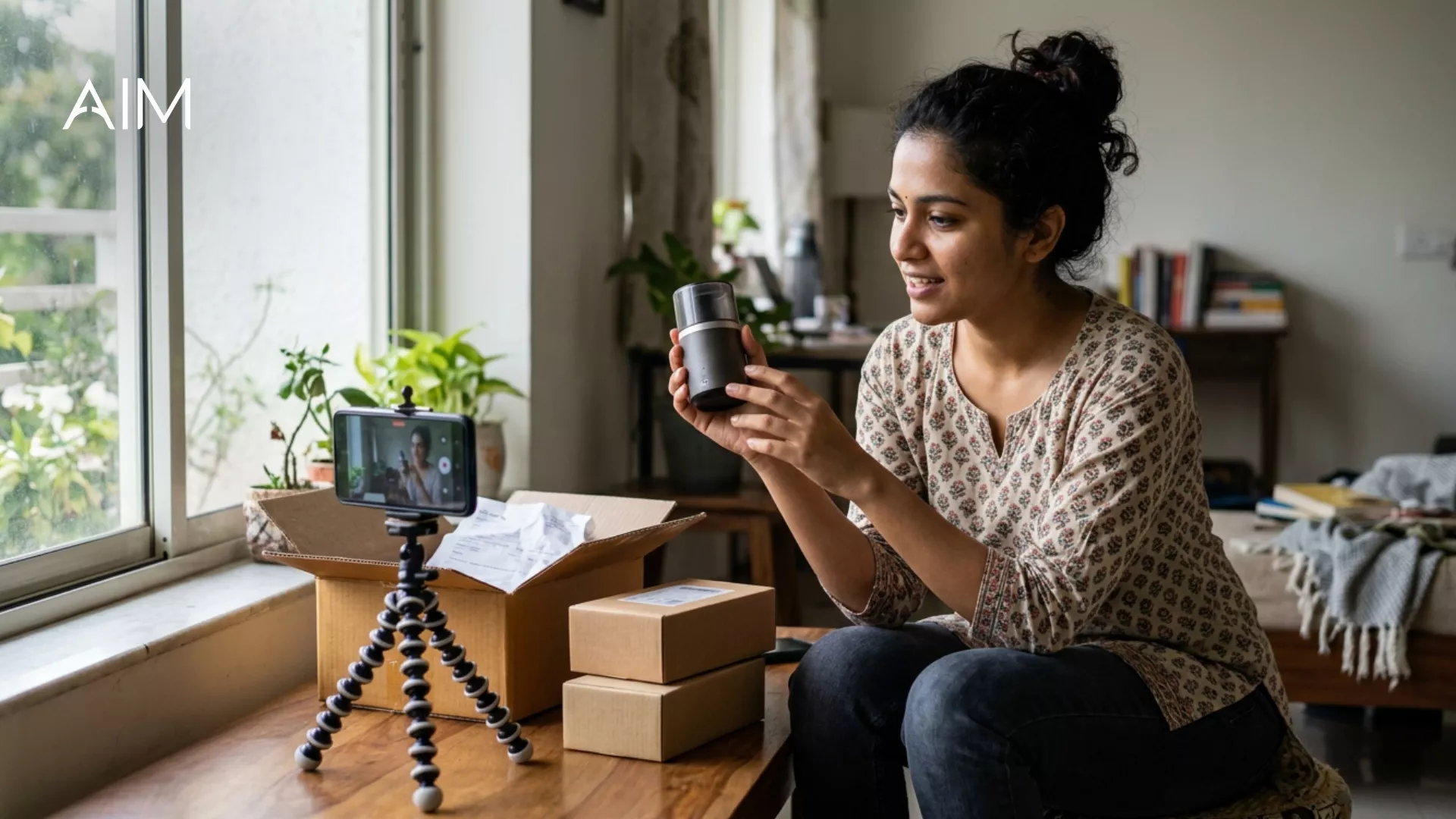
- It is captured by default. Because the whole transaction is digital, quick commerce sampling comes with data built in, who received the sample, what they were buying, and, when tied to a code, whether they bought your product after. The capture step that on-ground sampling has to engineer is native here.
- It rides the moment of intent. The shopper is already in buying mode when your sample arrives with their order. Trial lands next to an active purchase decision rather than in the middle of an unrelated day.
- It suits repeat categories. Quick commerce leans heavily on everyday, repeat-purchase products, food, personal care, home care, supplements, which are exactly the categories where a good trial turns into a reorder. Sampling and quick commerce want the same customer.
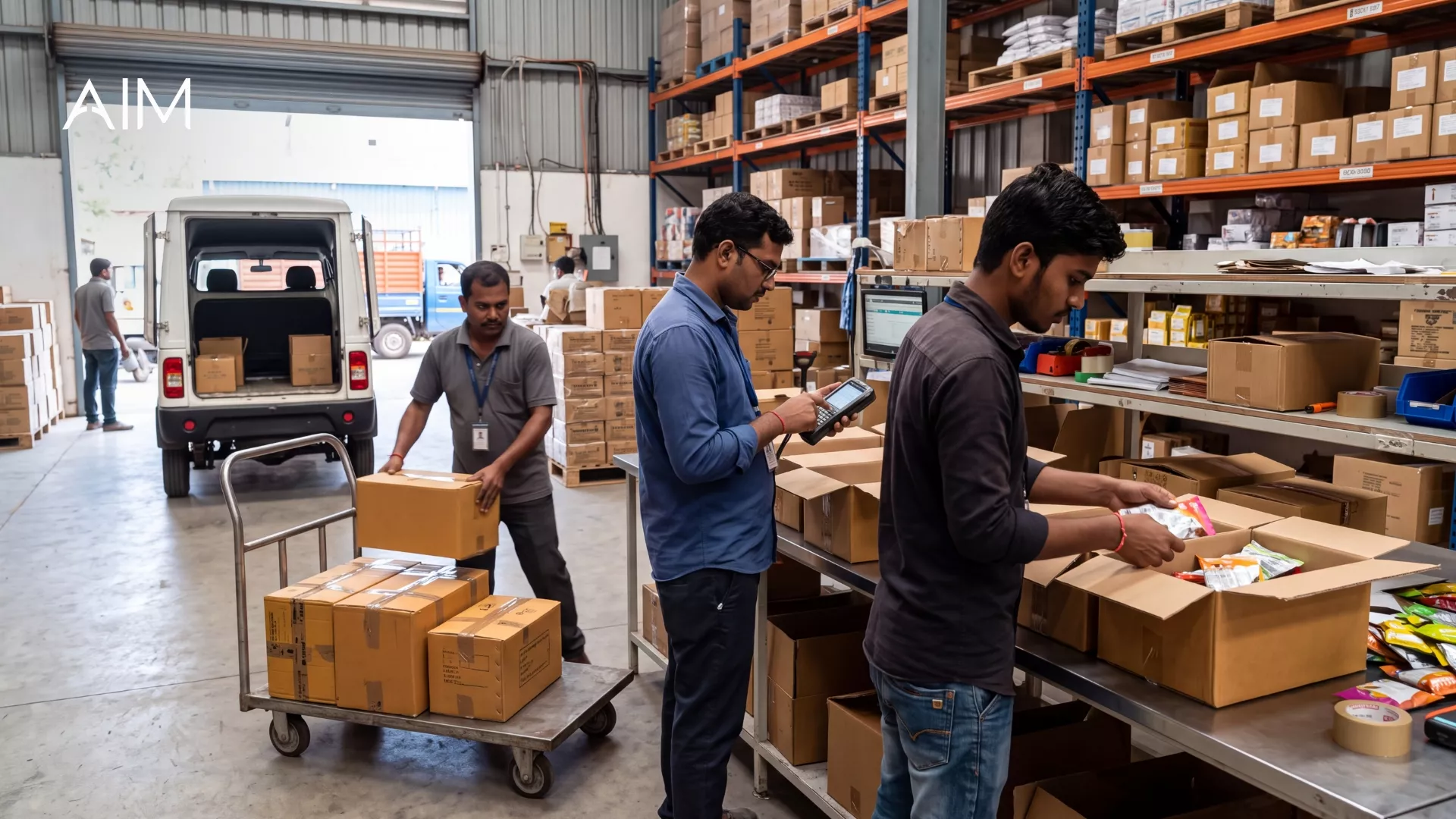
- It is fast and scalable. A quick-commerce sampling campaign can reach thousands of matched households across a city without the manpower, permissions, and logistics a physical activation demands, and it can be switched on and read quickly.
Why the old sampling aisle is shrinking
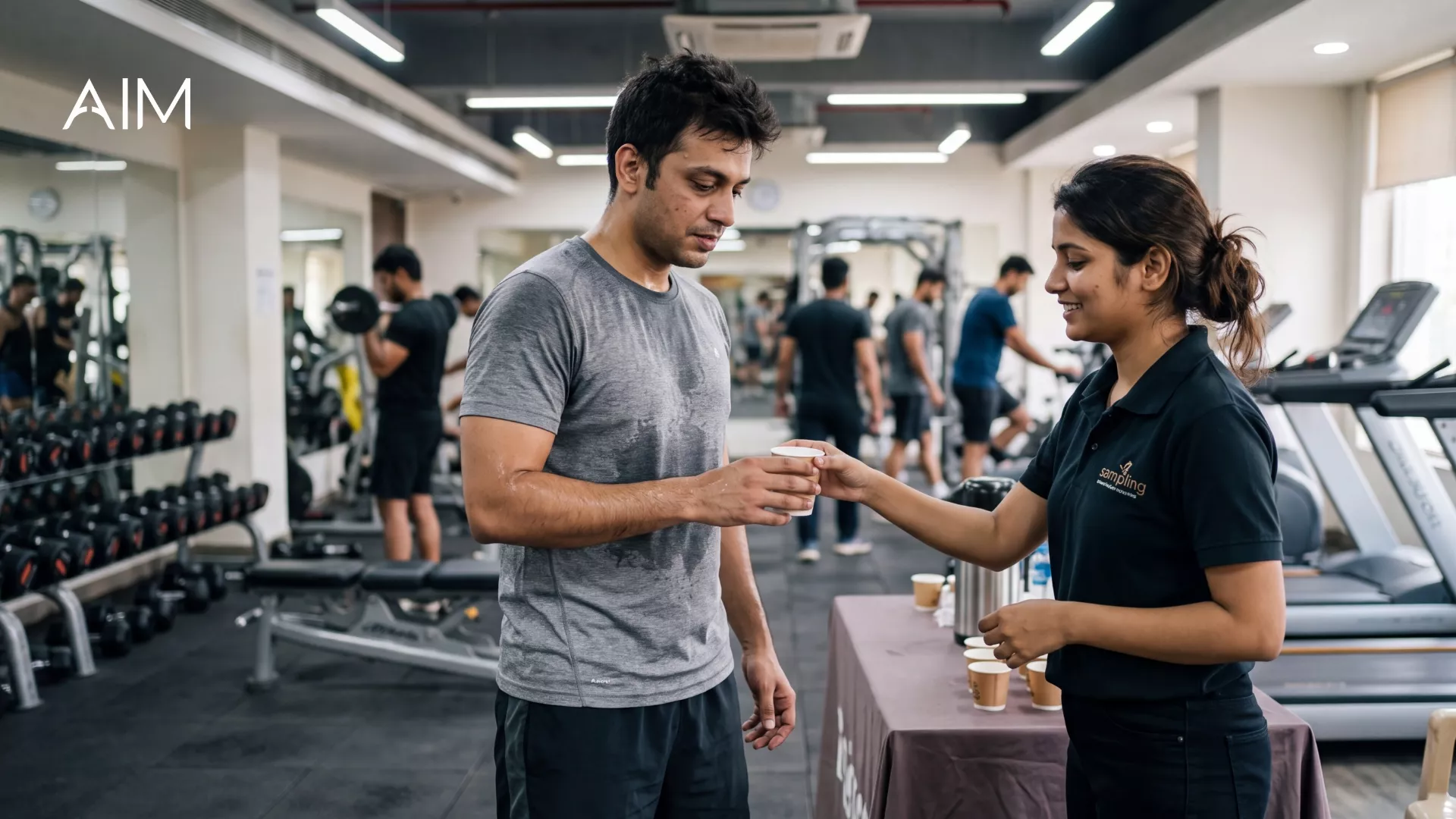
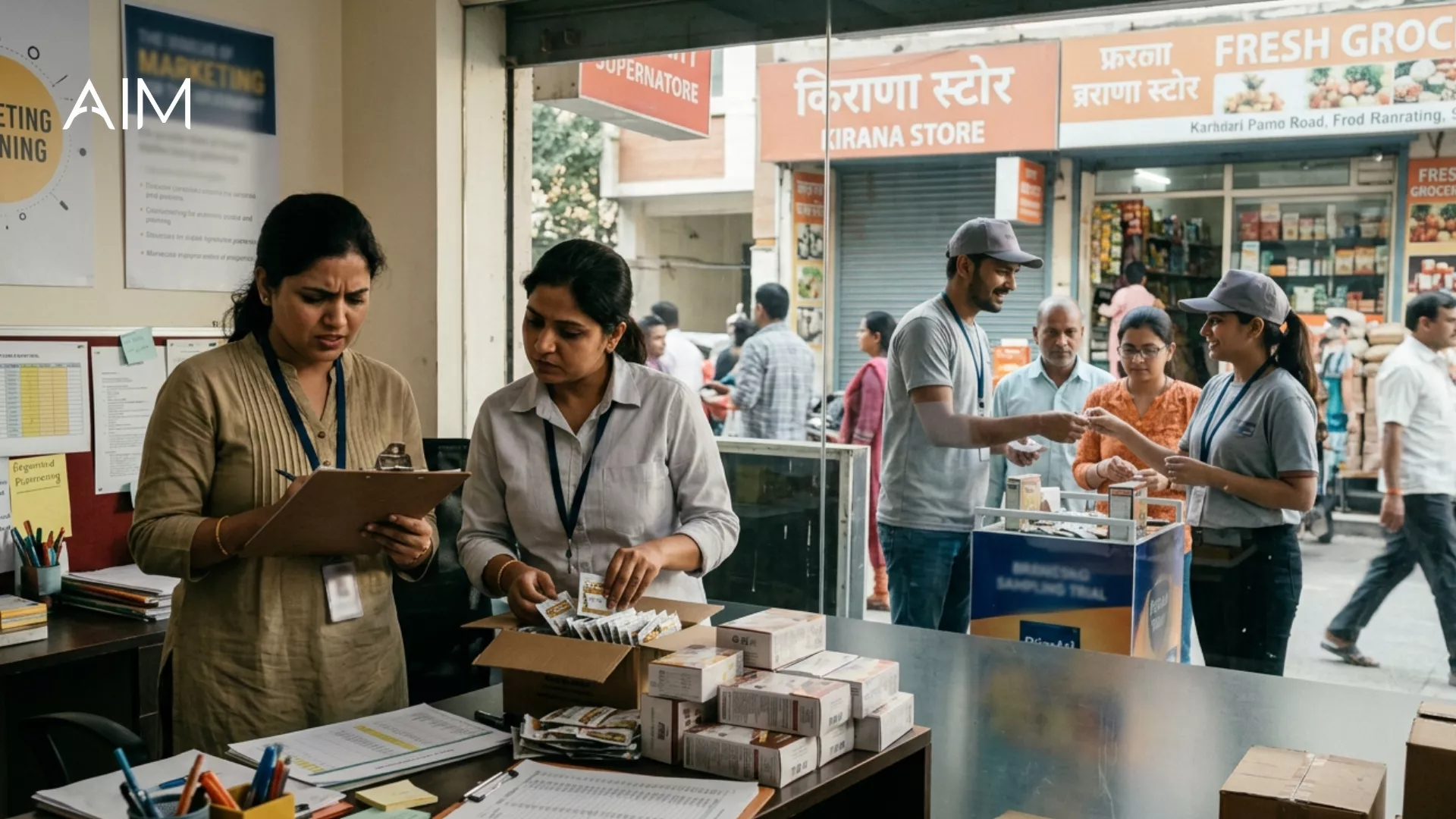
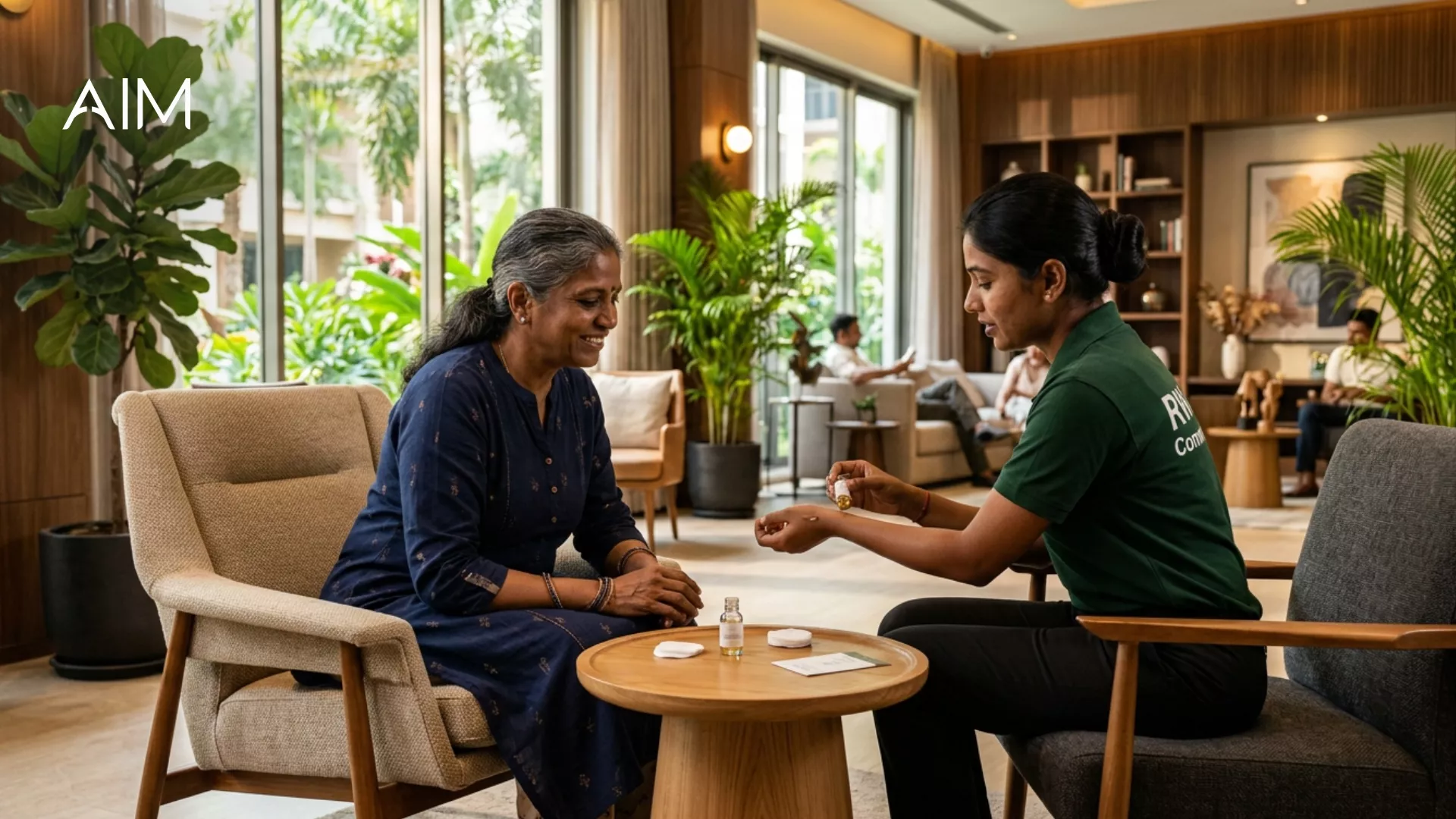
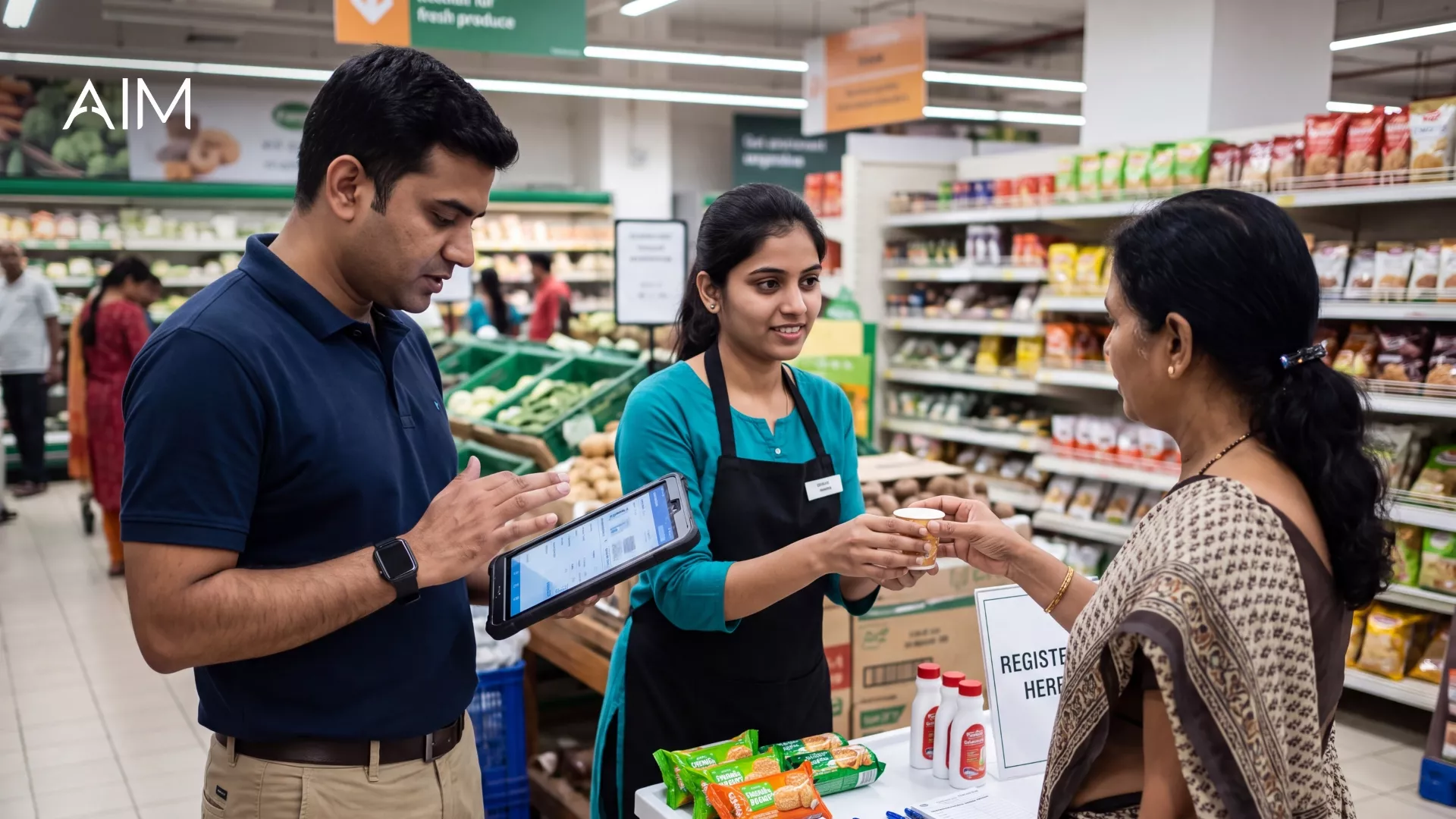
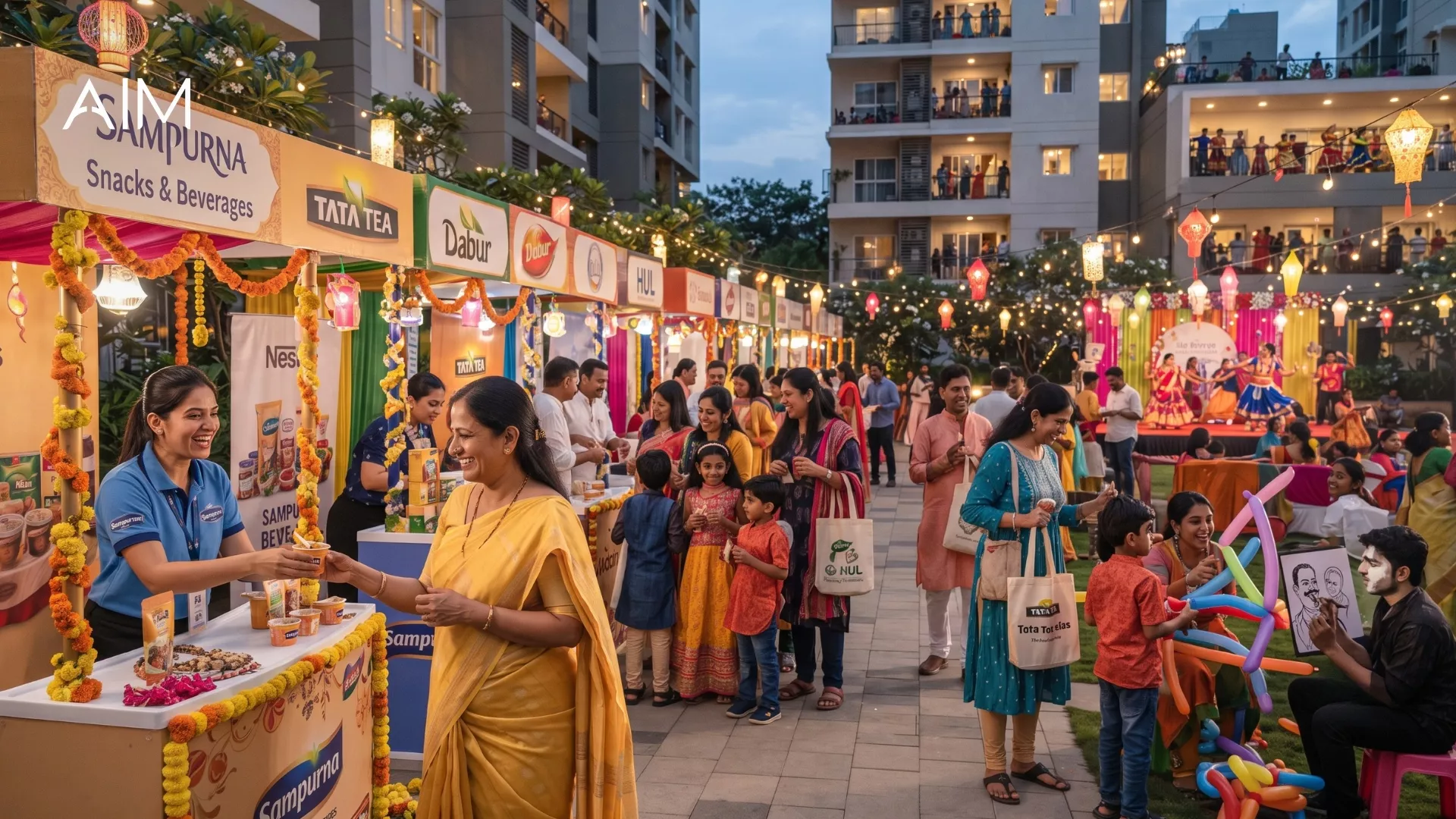
It helps to be honest about what is fading. Mall footfall no longer maps cleanly to category buying the way it once did, because a share of that buying has moved online. Kirana browsing, where a shopper discovered products on the shelf, is partly replaced by dark stores, warehouses the customer never enters and a brand cannot sample inside. The promoter at the supermarket table still reaches people, but reaches fewer of the exact buyers who now order those categories on an app. None of this means physical sampling is dead. Society sampling, in-store sampling, and experiential trial still matter, especially where the buyer still walks. It means the physical aisle is no longer the only aisle, and for many urban categories it is no longer the primary one.
The part that matters most: quick commerce sampling is measurable
This is where quick commerce does something traditional sampling could almost never do. Because everything happens through a digital order, quick commerce product sampling can be tied to sample-to-sale tracking from the start. Each insert or sample-with-purchase can carry a code or link, so a brand can follow the trial to a first purchase and, in repeat-driven categories, to the reorder. Instead of a distribution number and a folder of photos, a quick-commerce sampling campaign can return a funnel: how many matched households received the sample, how many bought after, and how many came back. That is the difference between hoping sampling worked and knowing it did, and it is the reason the new sampling aisle is not only bigger but smarter than the old one. A sample you can trace to a purchase is worth far more than one you simply handed out.
Which brands and products fit quick commerce product sampling?
The fit is strong wherever the buyer already shops on quick commerce and the product benefits from trial. Everyday FMCG, packaged food and snacks, beverages, personal care and beauty, home care, supplements, pet care, and D2C brands whose audience is urban and online all sit naturally in this channel, because their buyers order exactly these categories on fast delivery. New D2C brands in particular gain from it, since a sample insert puts them into the basket of a proven category buyer they might never reach through a mall. The fit is weaker for products whose buyers rarely shop online, or for categories that barely sell on quick commerce yet, where the audience simply is not there in enough numbers to matter.
The honest limits
Quick commerce product sampling is powerful, but it is not a cure-all, and pretending otherwise helps no one. It reaches the online-shopping, mostly urban buyer, so a brand whose customer is rural or offline will miss most of them here. It depends on platform access and on the sample being genuinely relevant to the order, because an insert that has nothing to do with the basket is ignored like any other flyer. And, like all sampling, it only pays back if the campaign is built to capture and track, rather than just dropping samples into bags and hoping. Used for the right buyer, with real basket relevance and proper tracking, it is one of the sharpest trial channels available. Used carelessly, it becomes a modern version of the same old giveaway, just in a delivery bag instead of at a table.
So why is quick commerce the new sampling aisle in India? Because the shopper moved into the app and the delivery bag, and sampling has to sit where the shopper is. The channel reaches real buyers, matched to their basket, at a known address, in a moment of intent, and it does what the physical aisle never could: it lets you trace the trial to the sale. The old table in the mall is not gone, but it is no longer the whole story. The new aisle is the order that arrives in ten minutes, and the brands treating it as a serious, measured sampling channel are meeting their buyers where the rest are still waiting for them to walk past. That is how AIM approaches quick commerce product sampling: reach the right basket, capture the buyer, and track from the insert to the reorder, so the new aisle sells, not only delivers.









.webp)








.png)