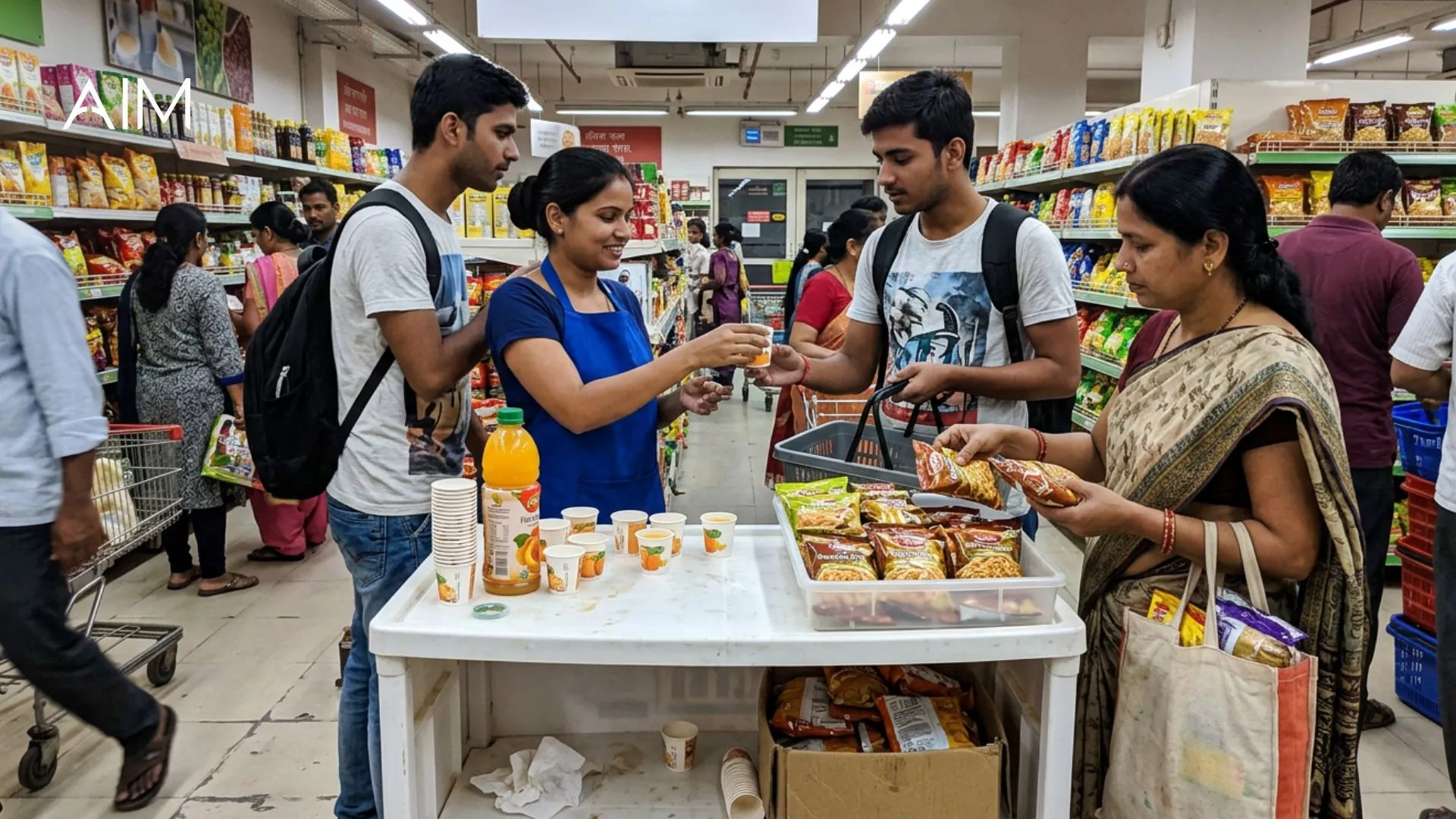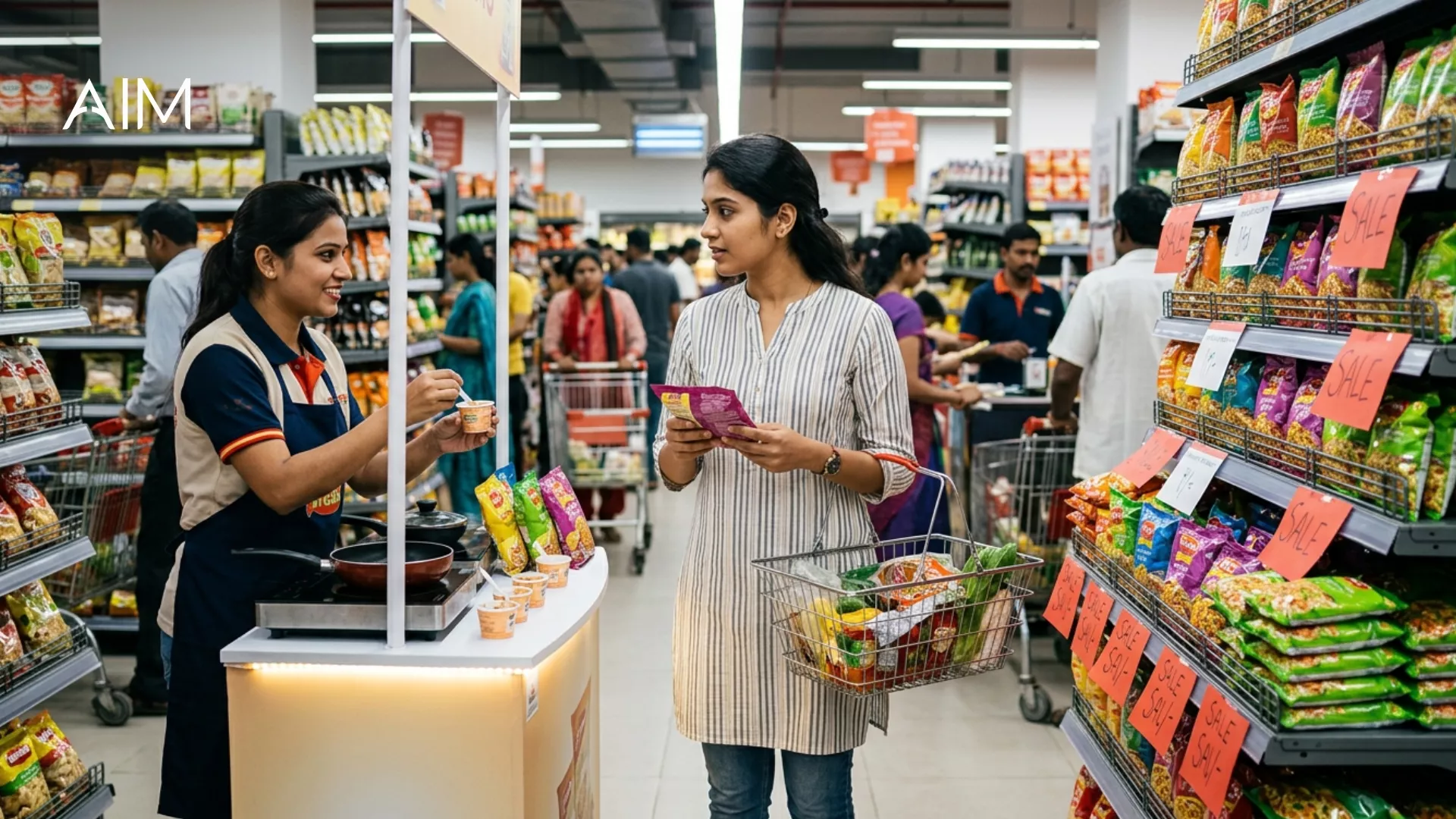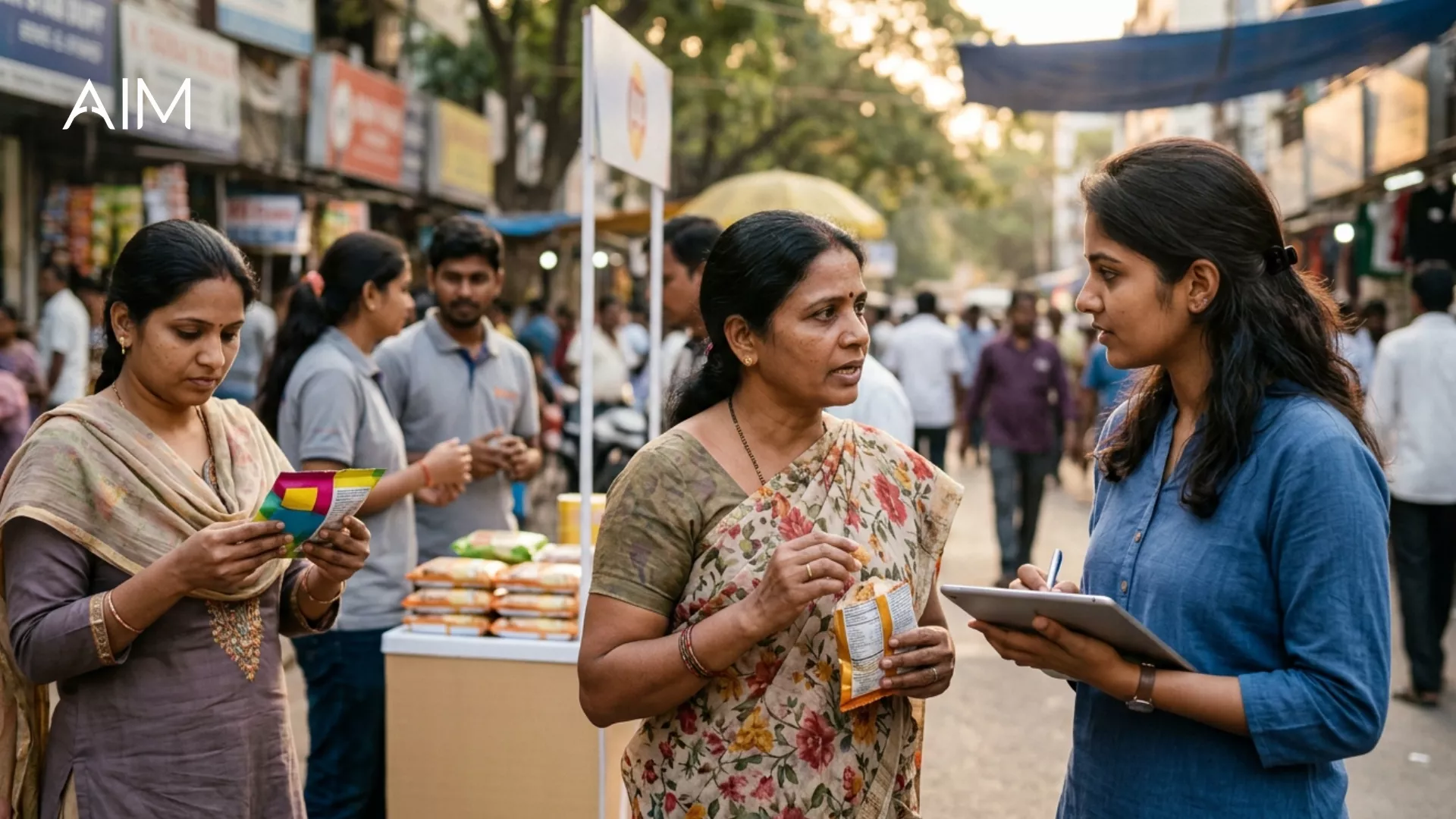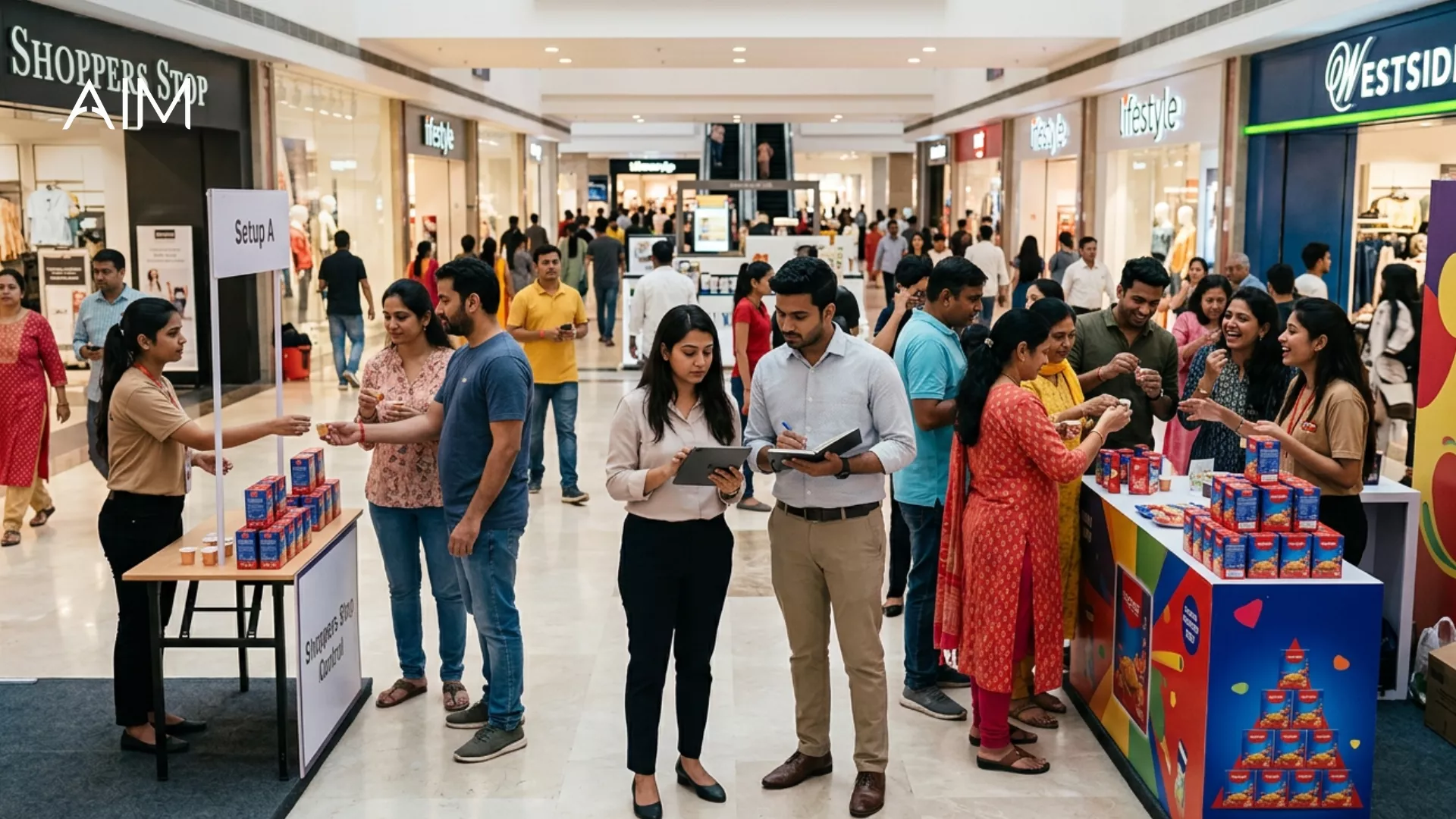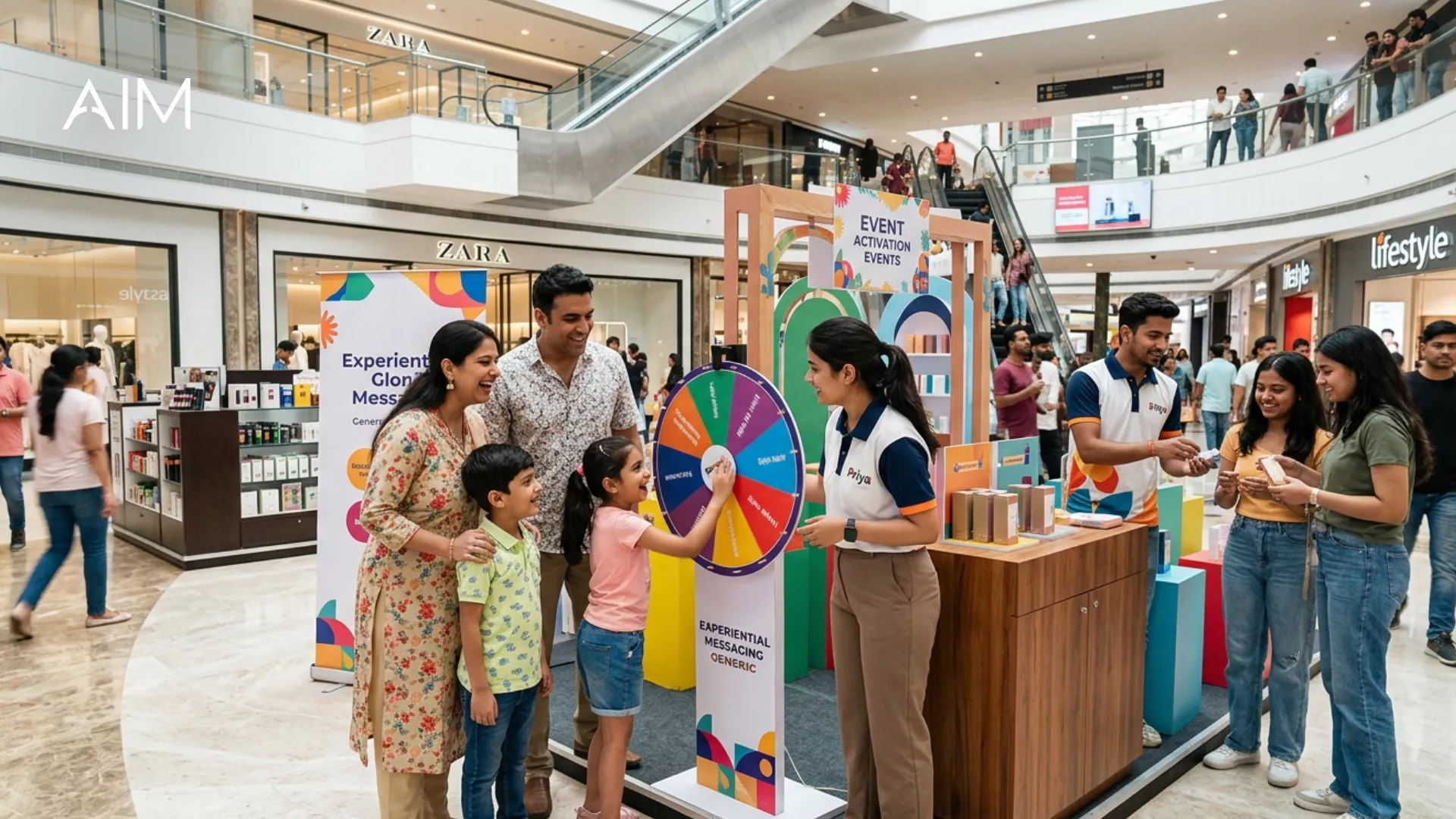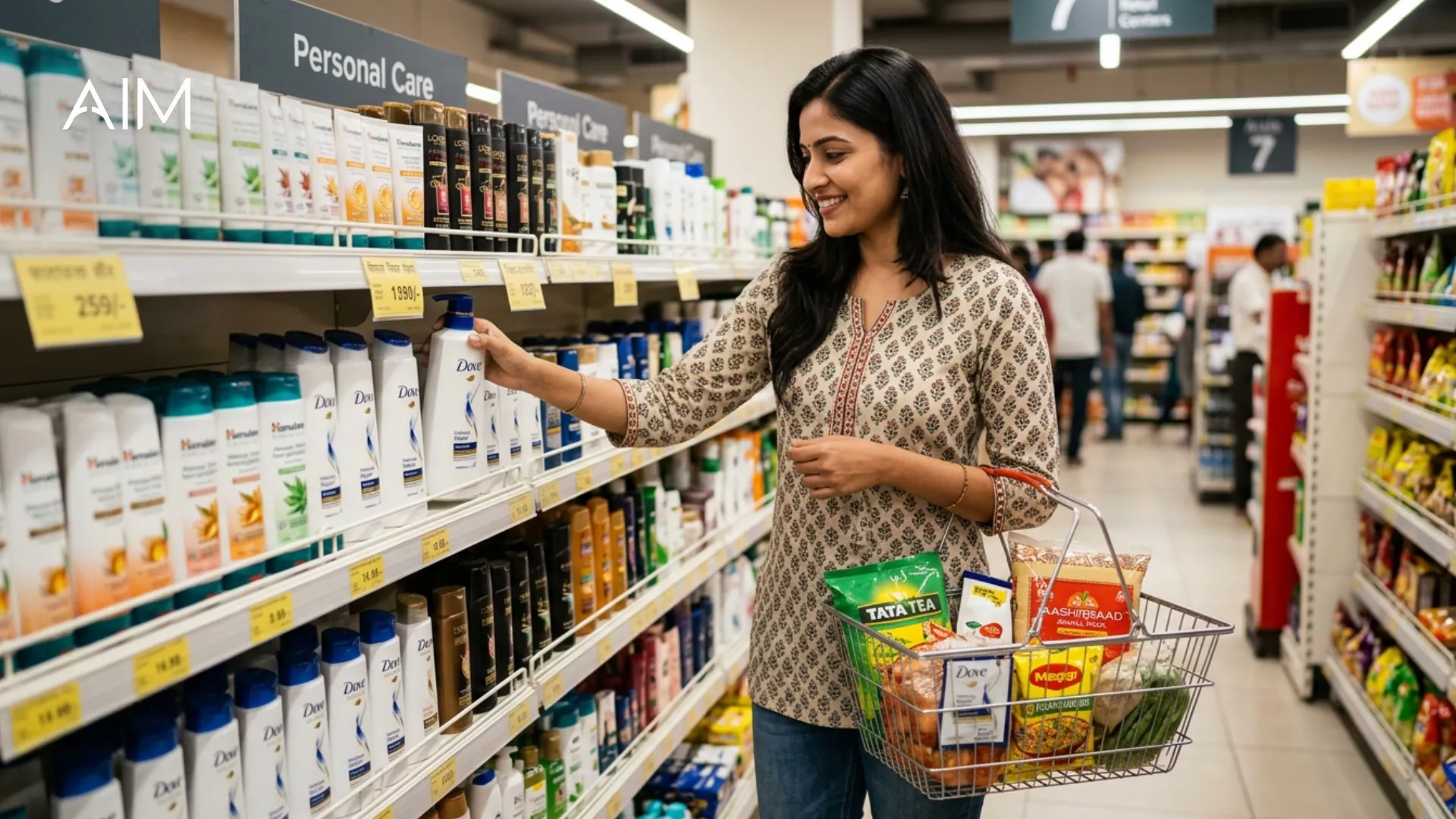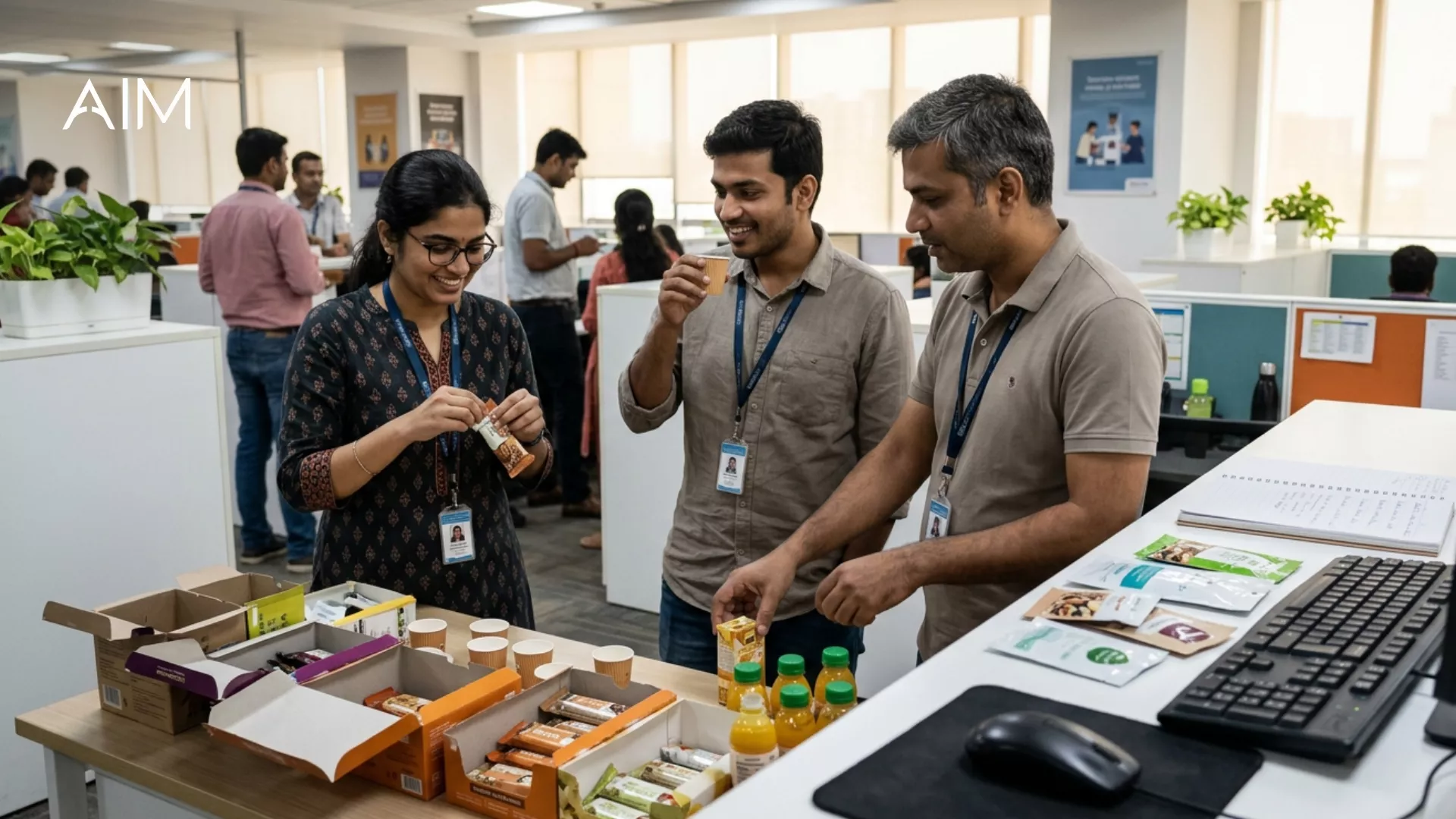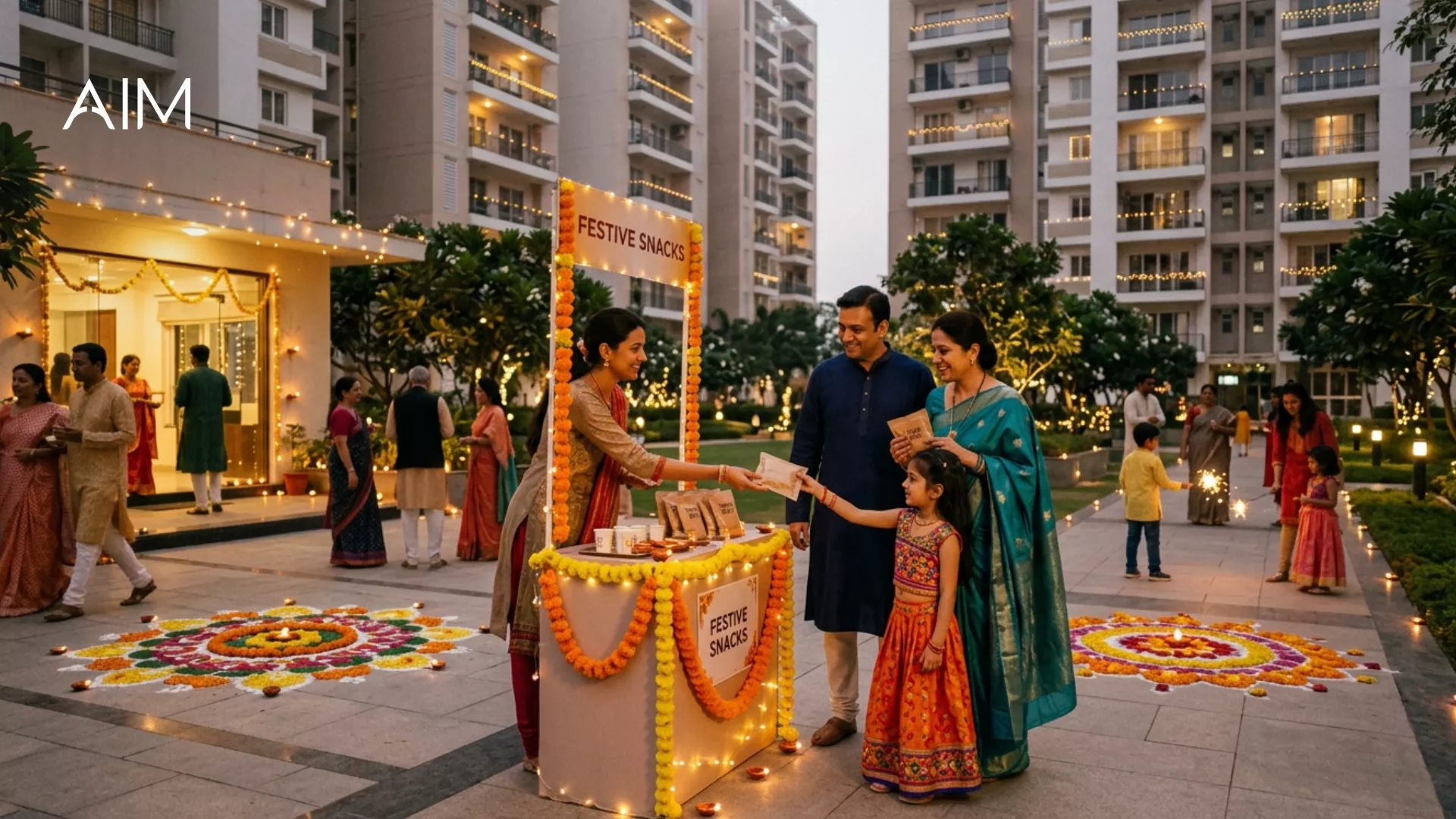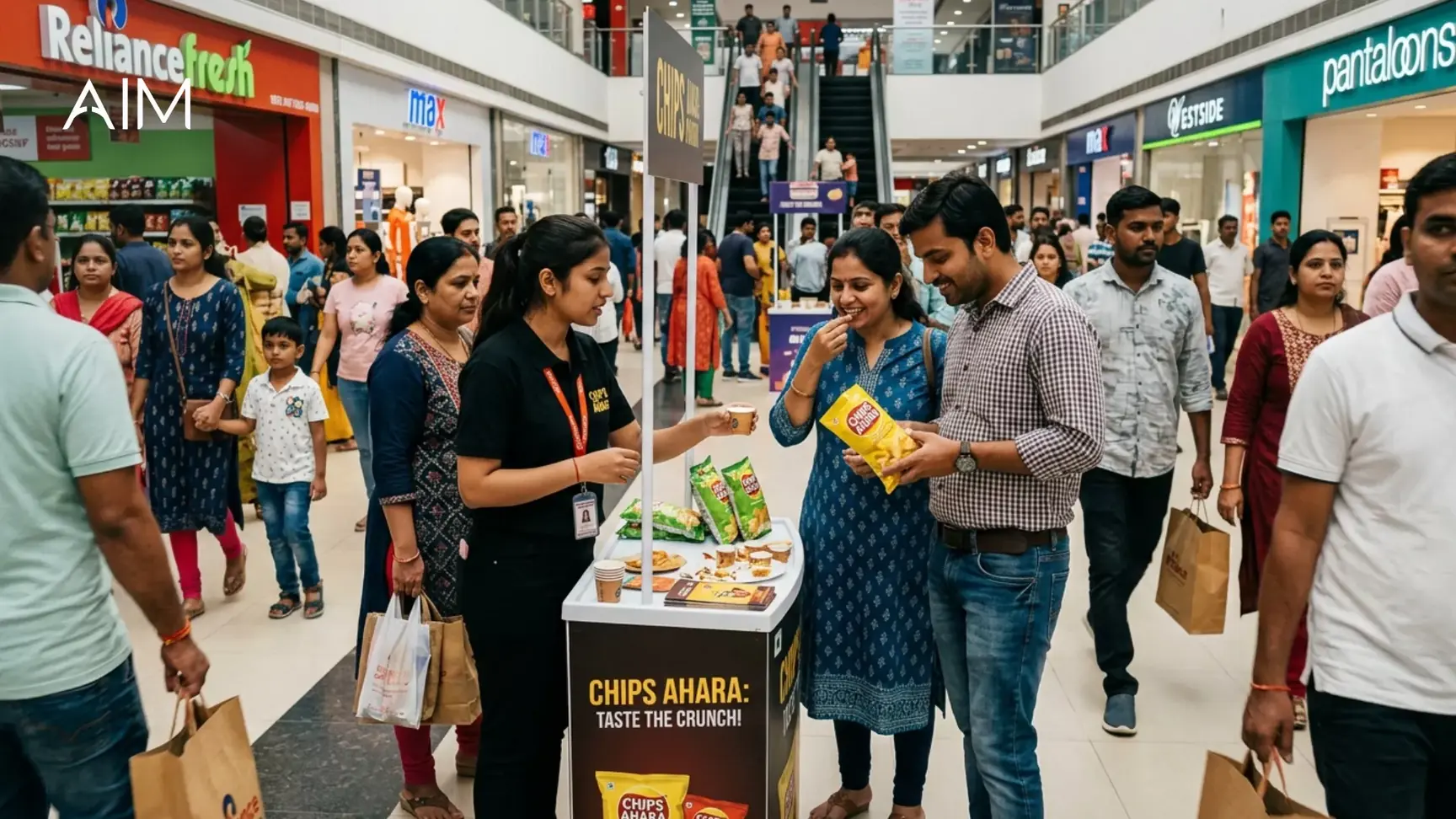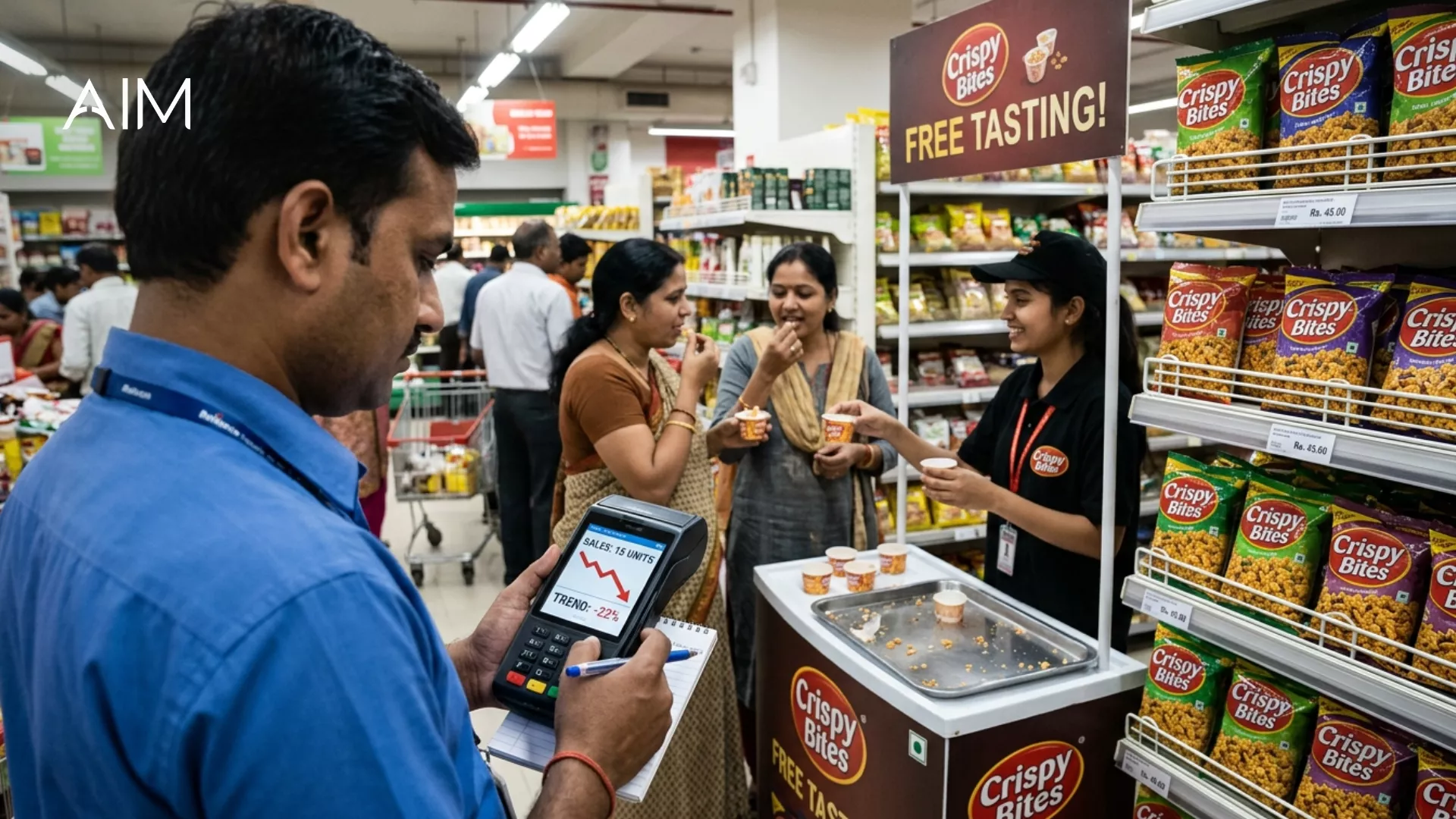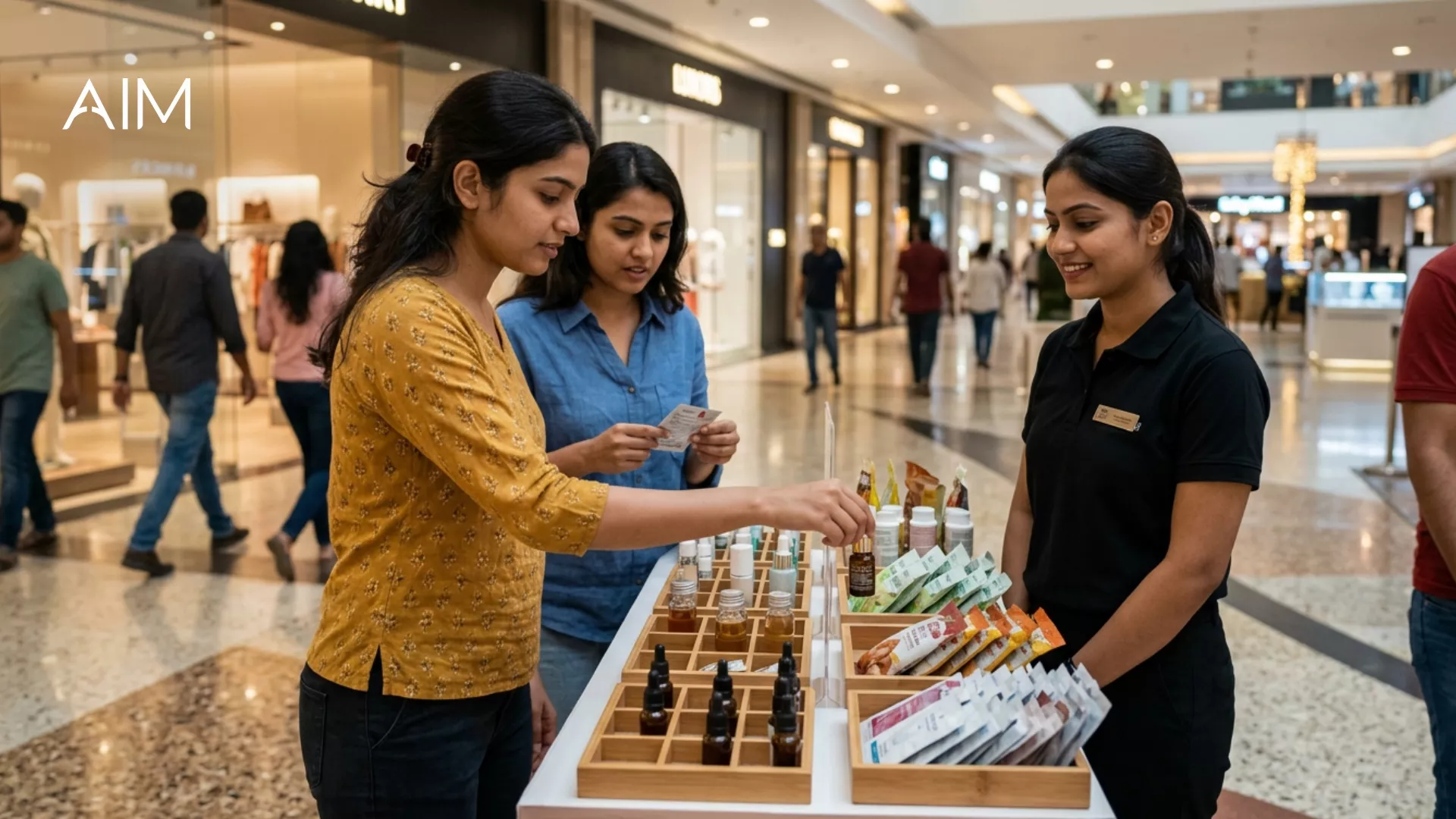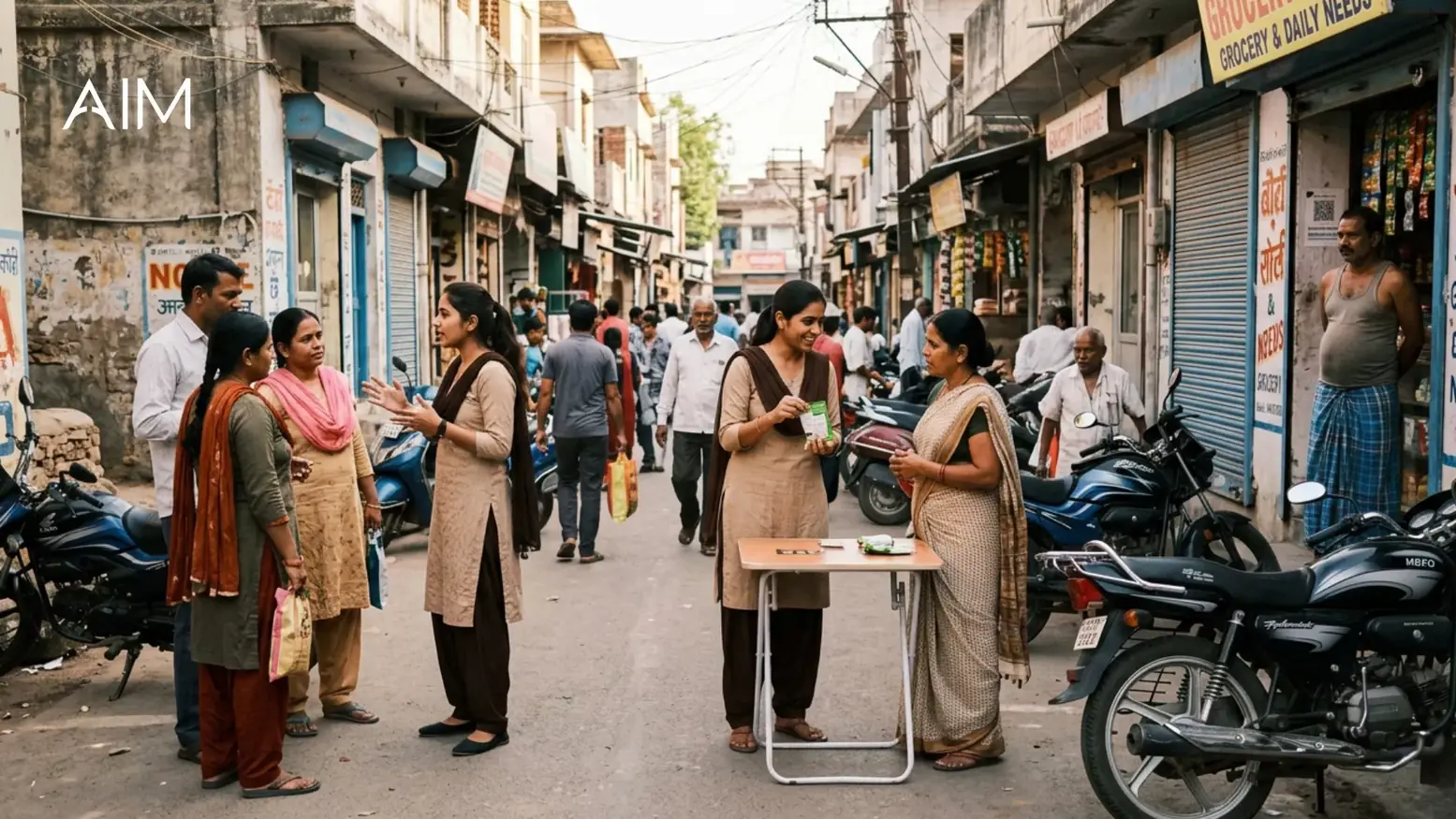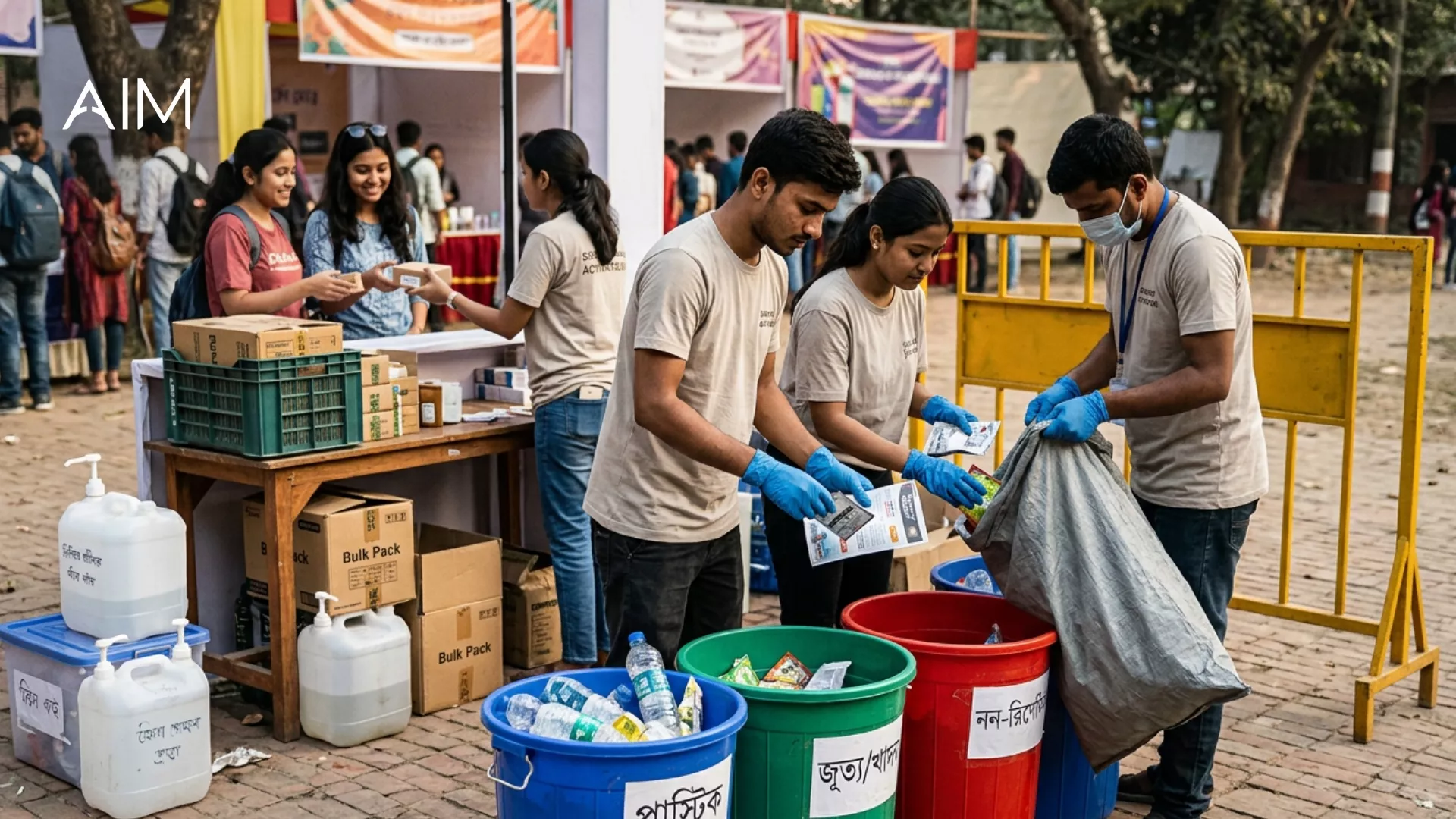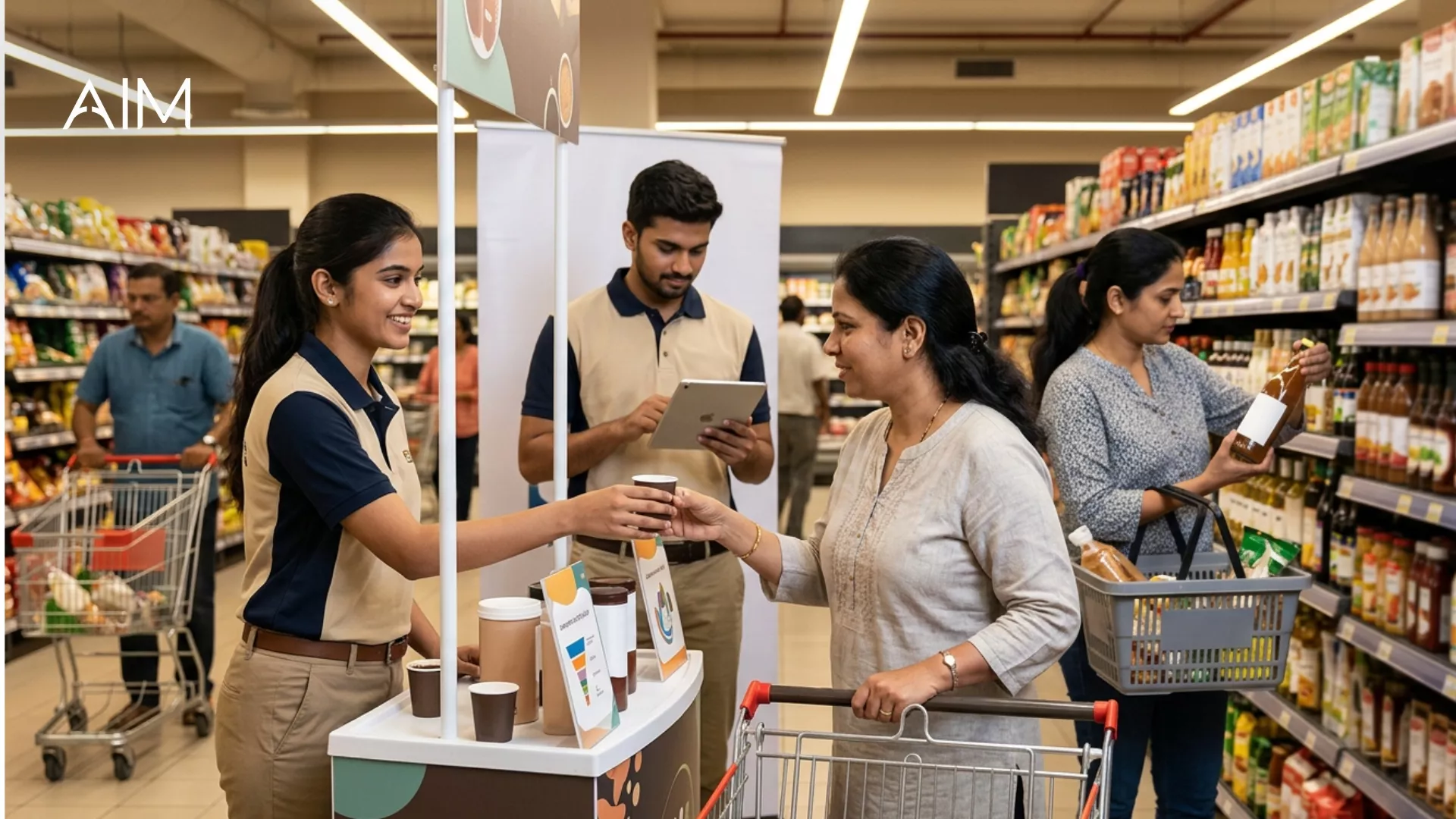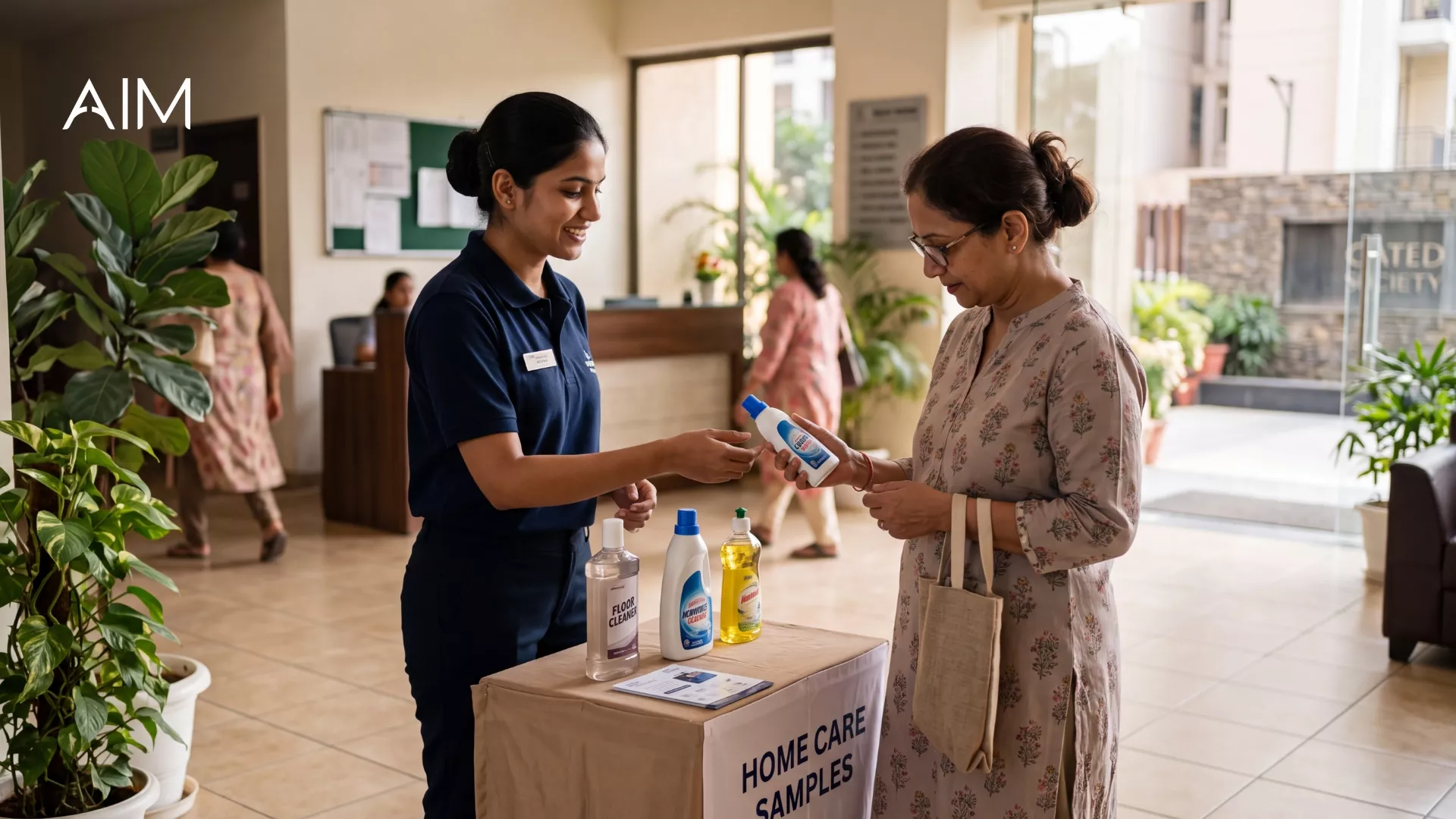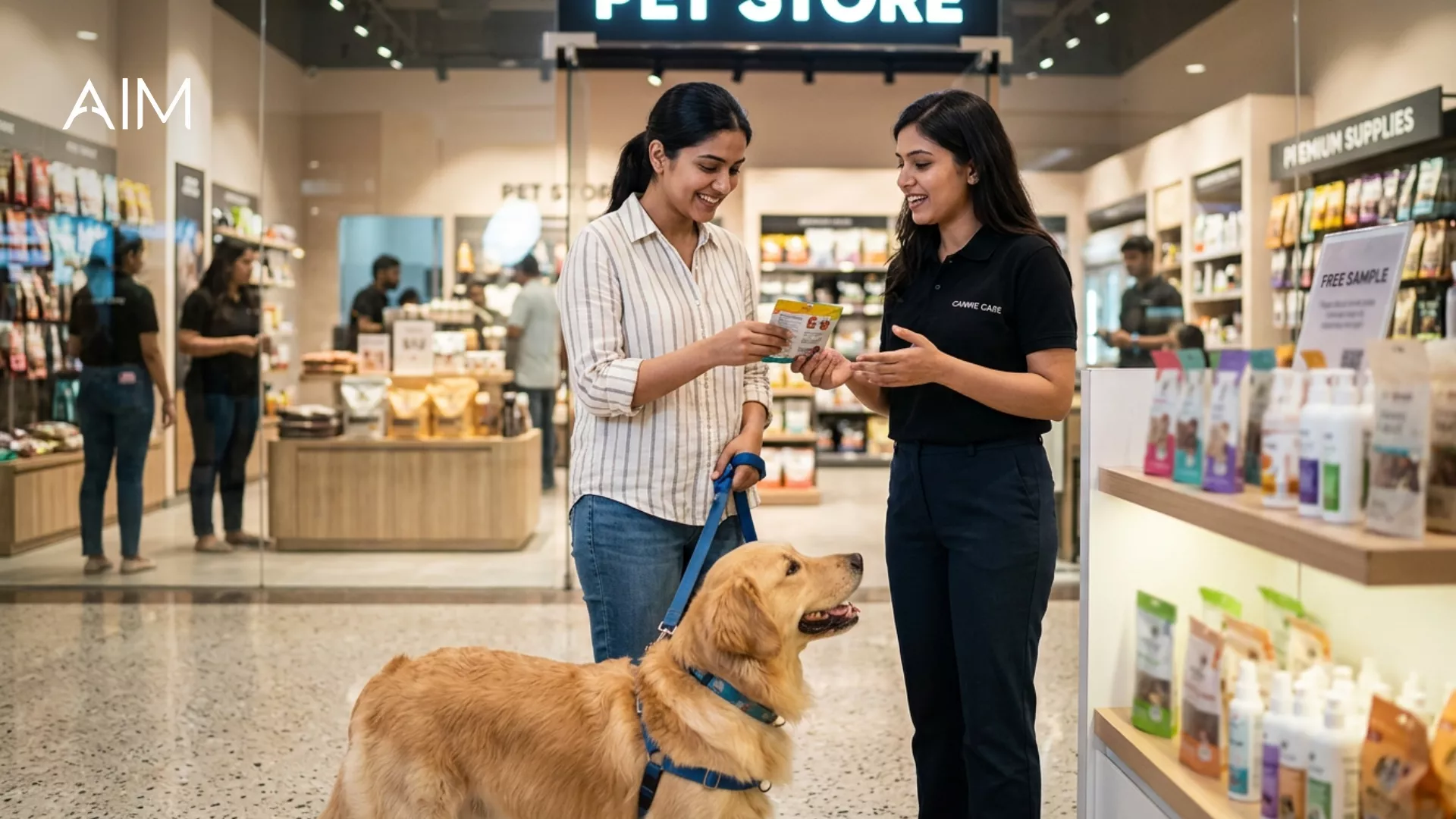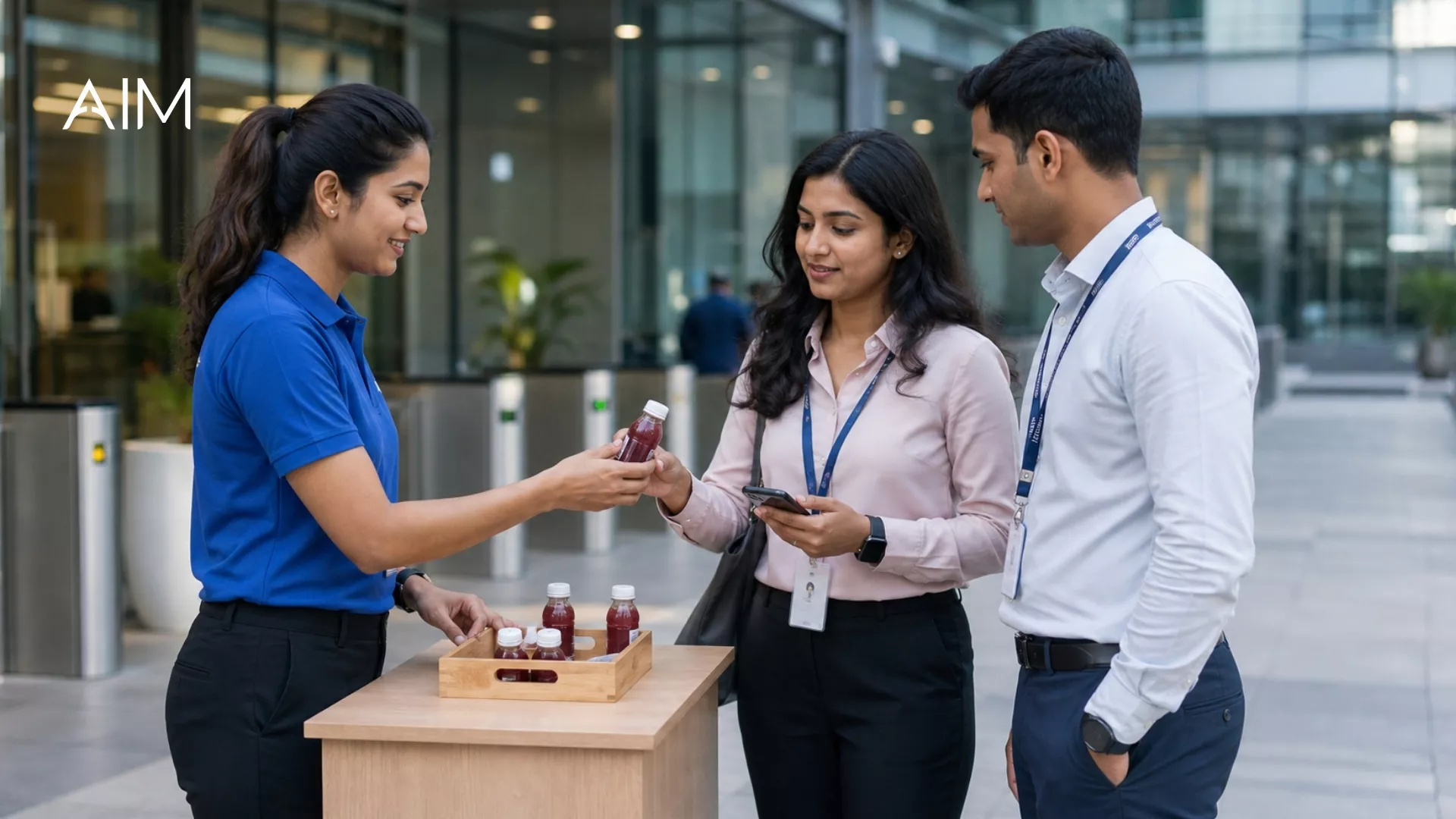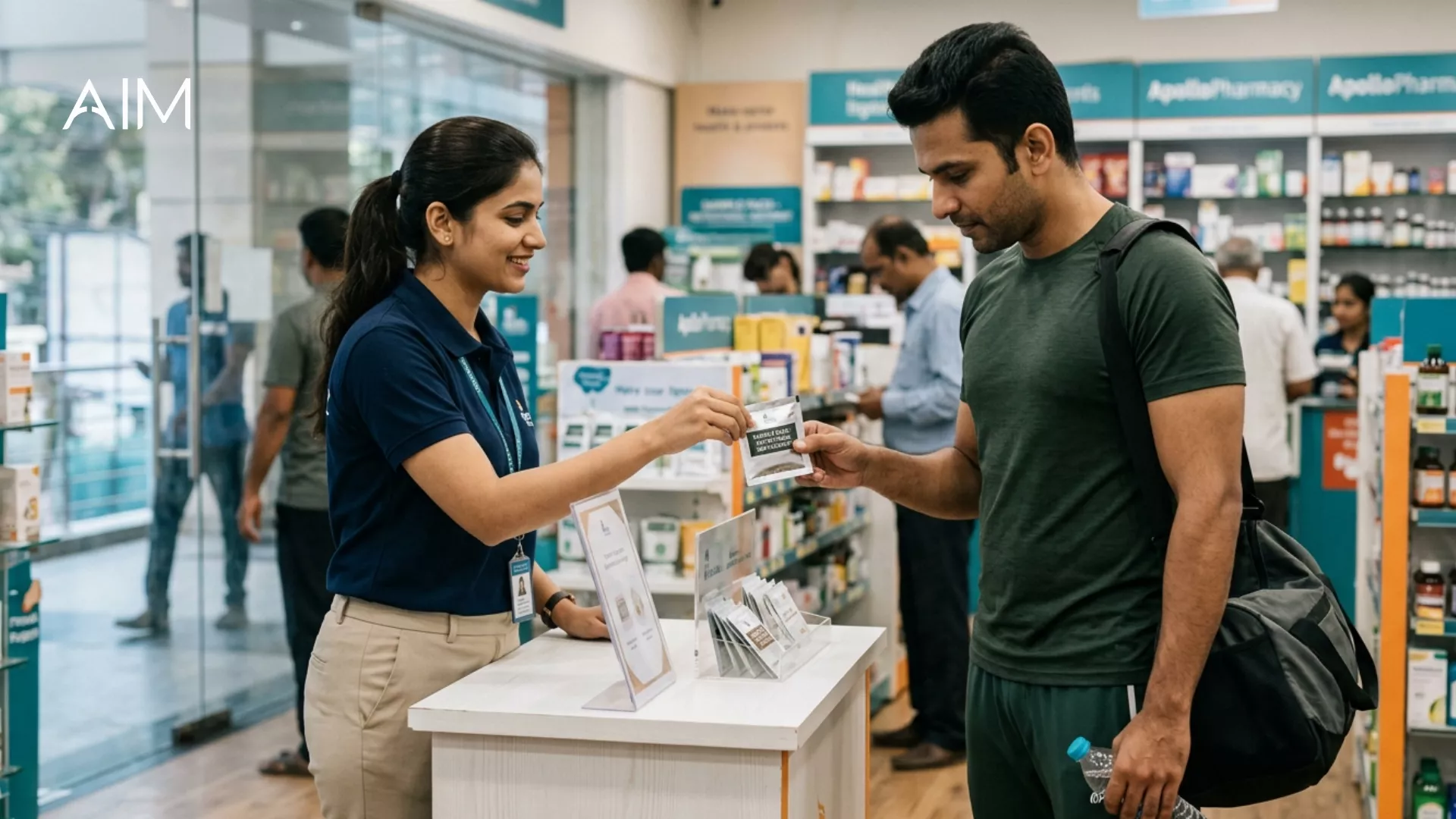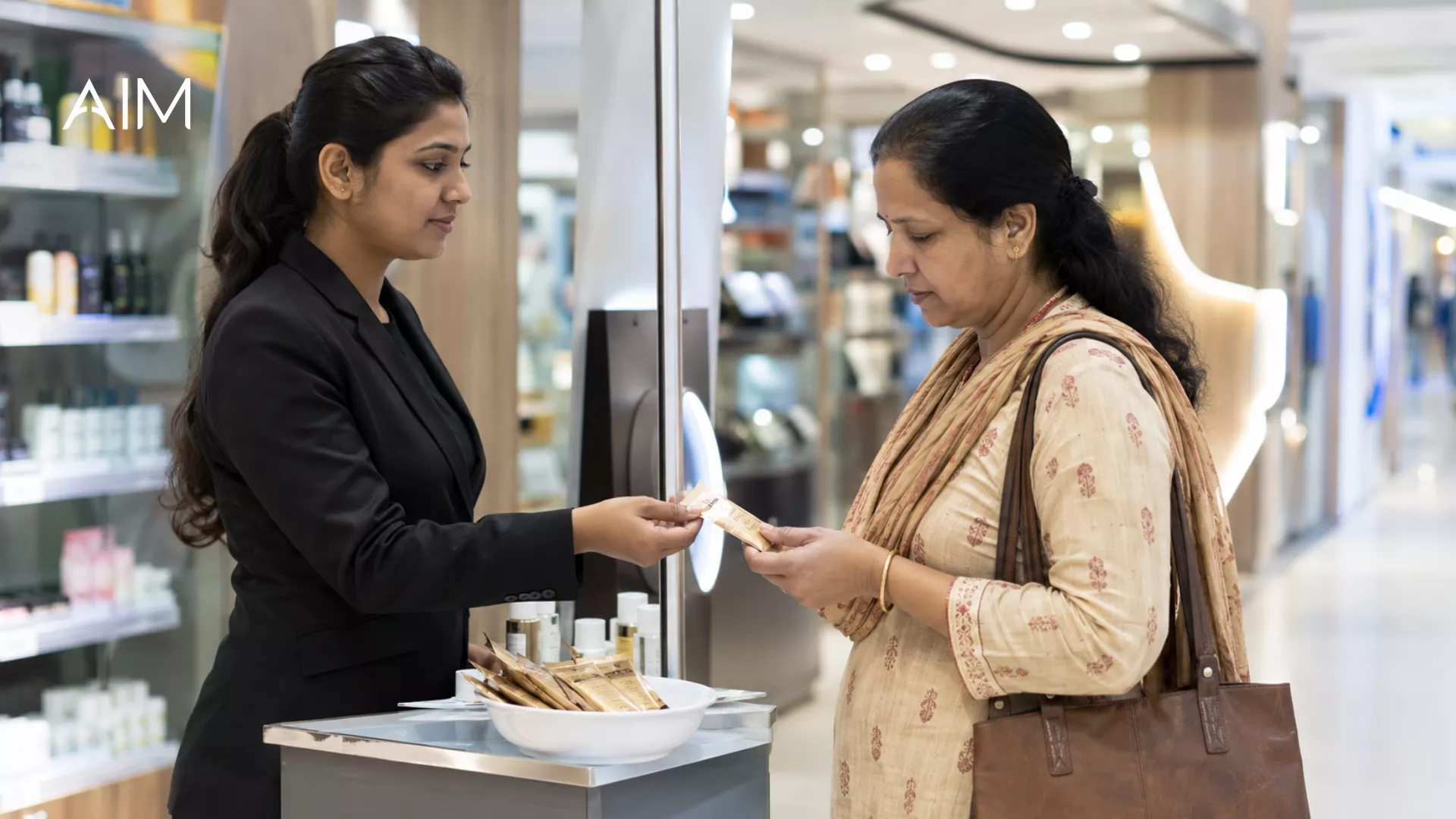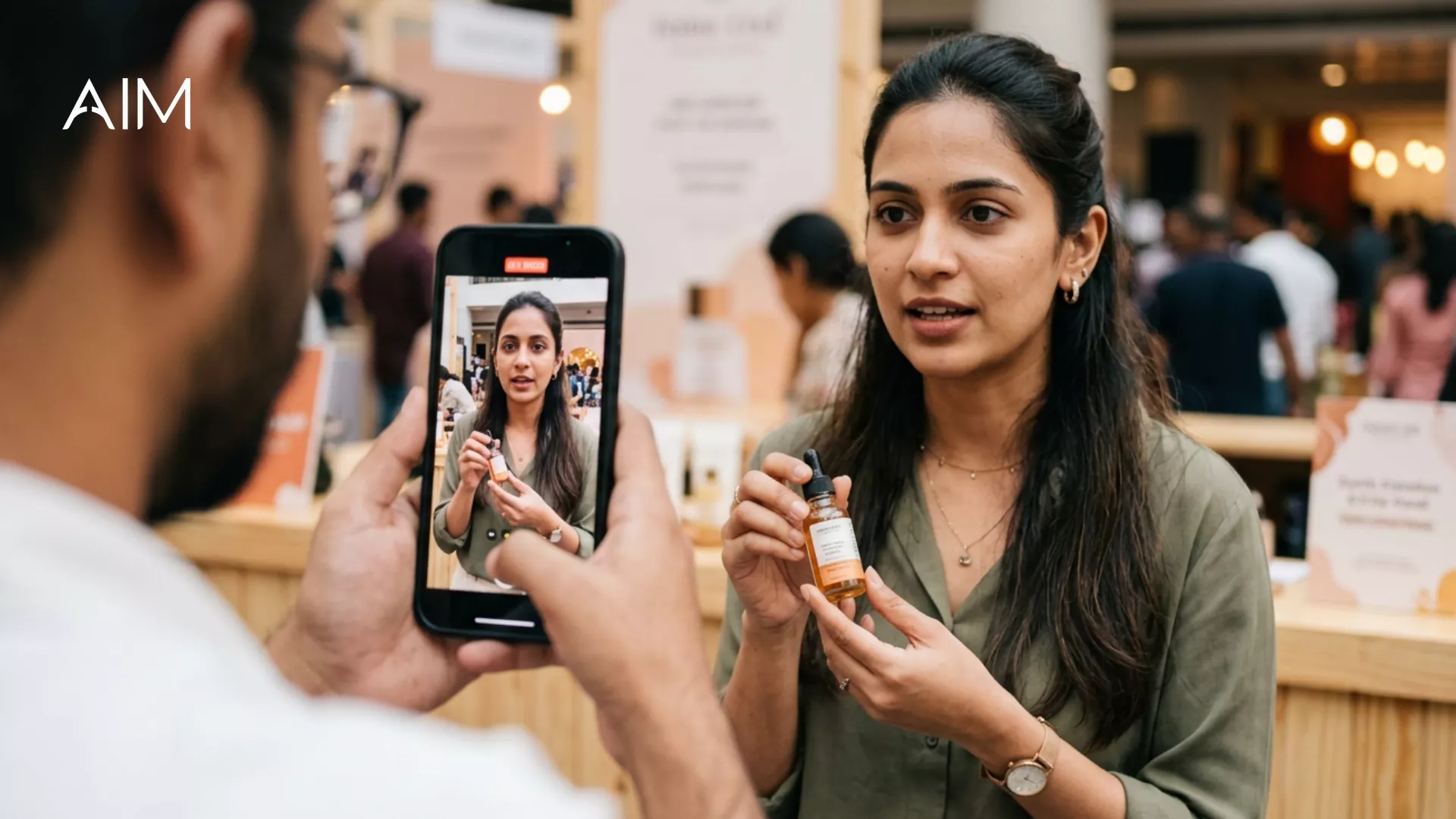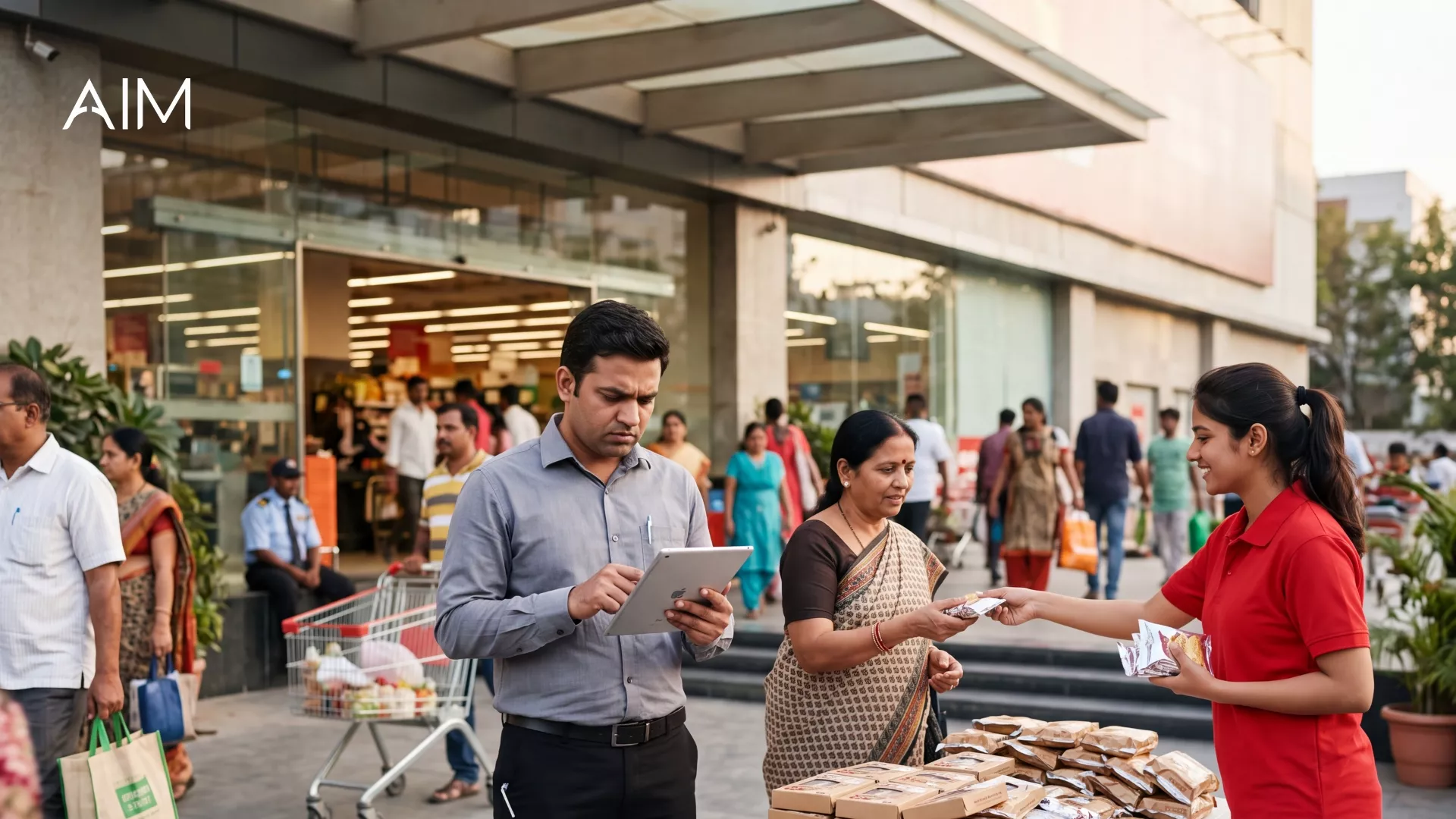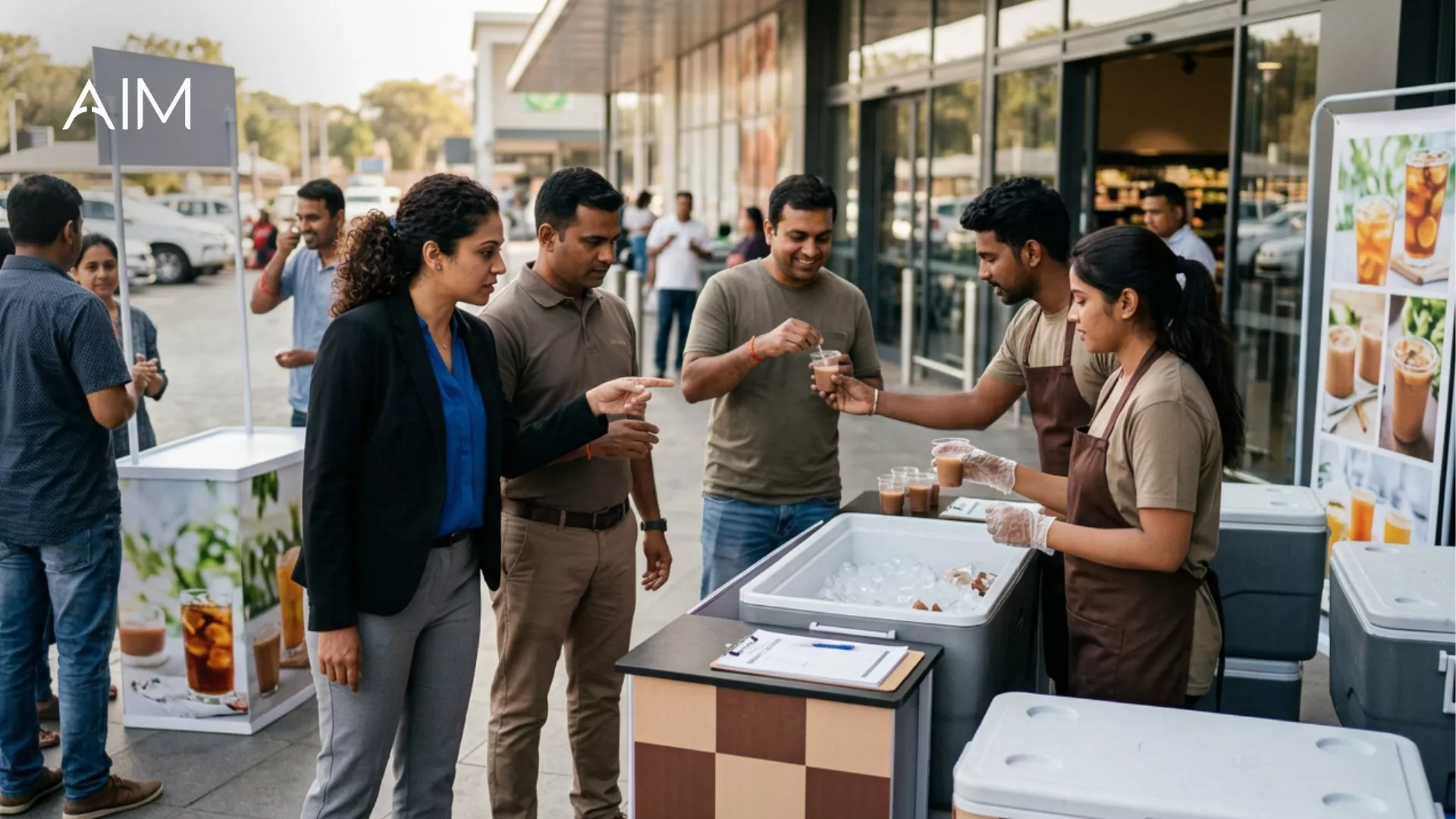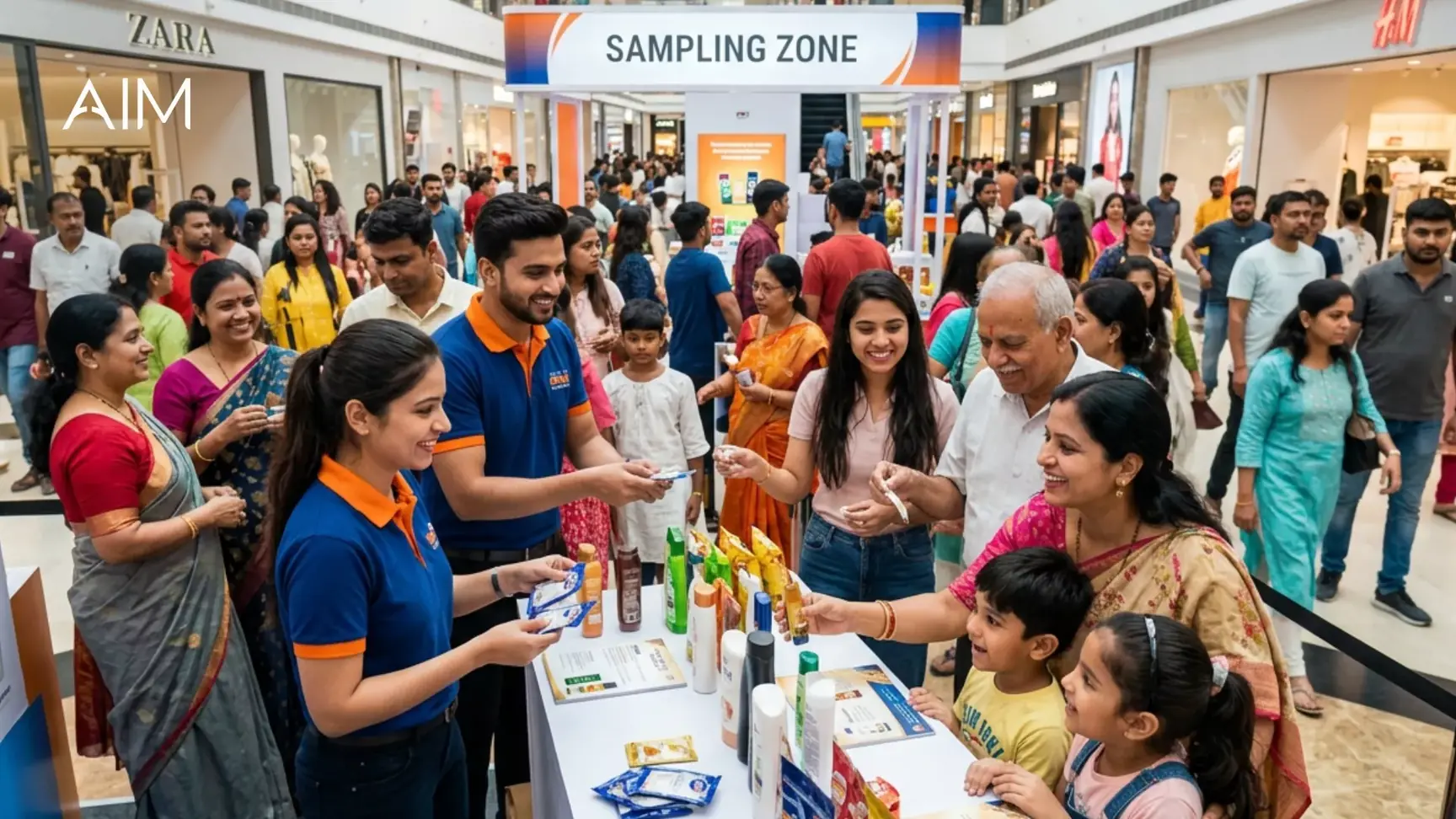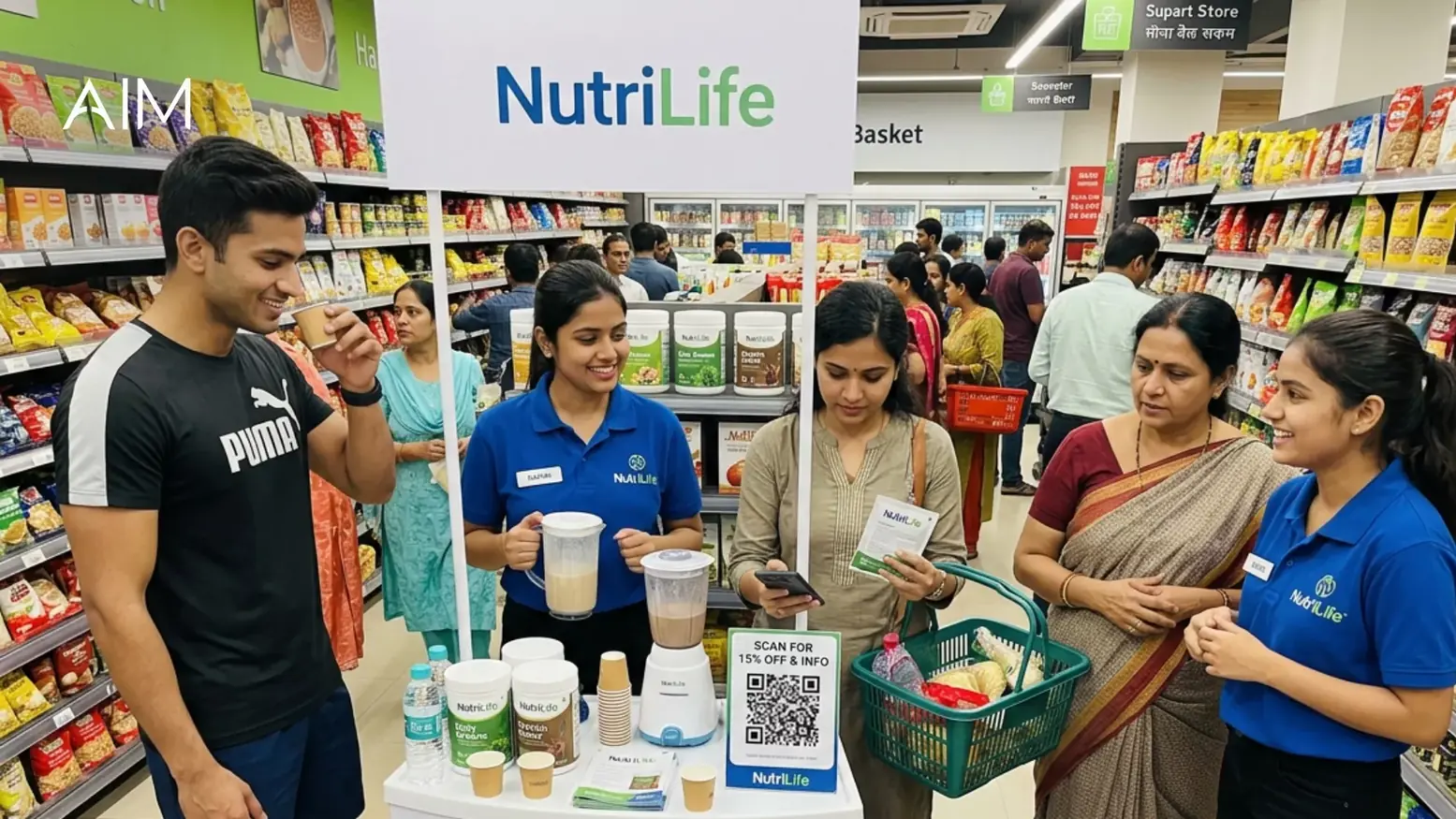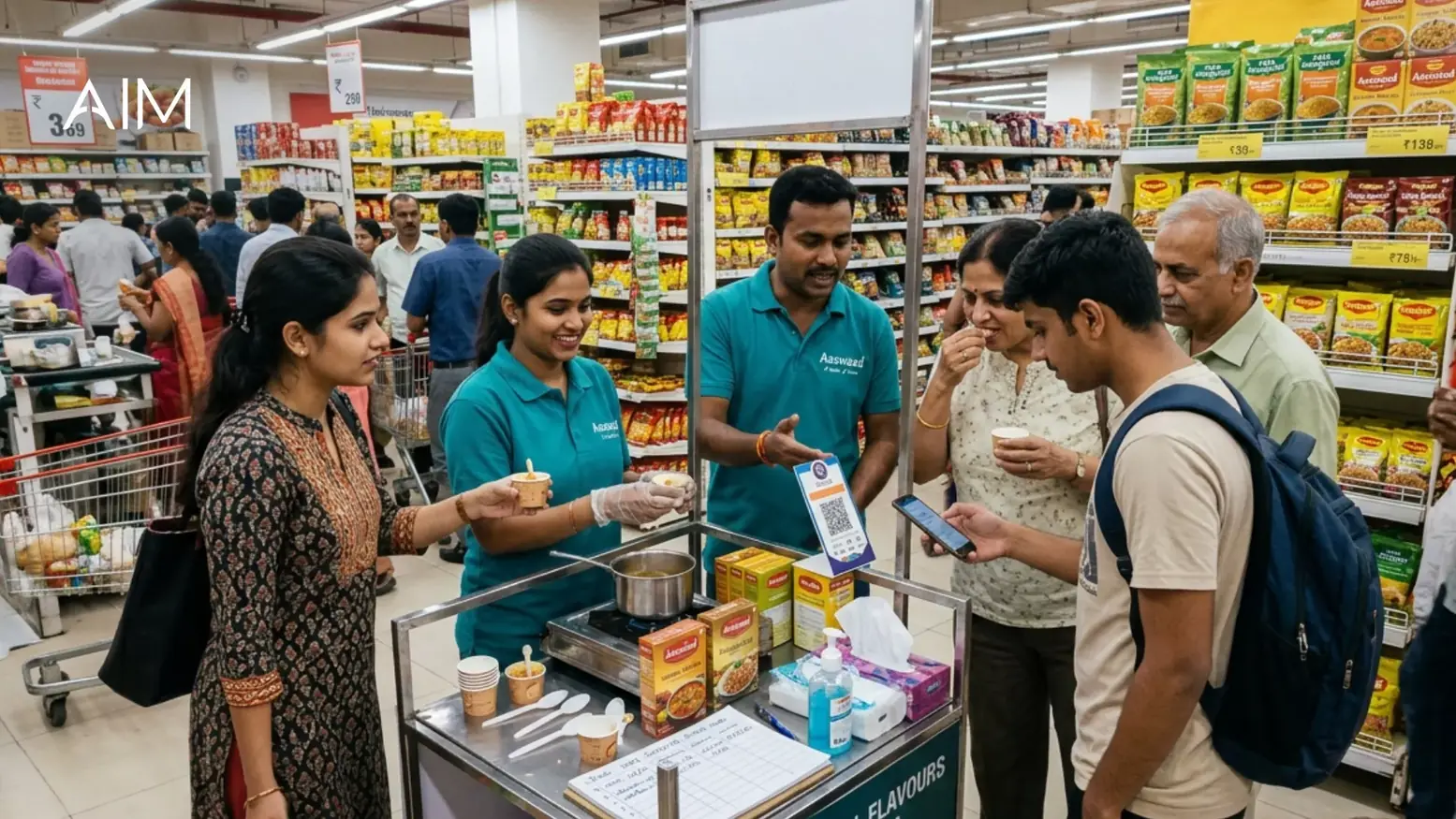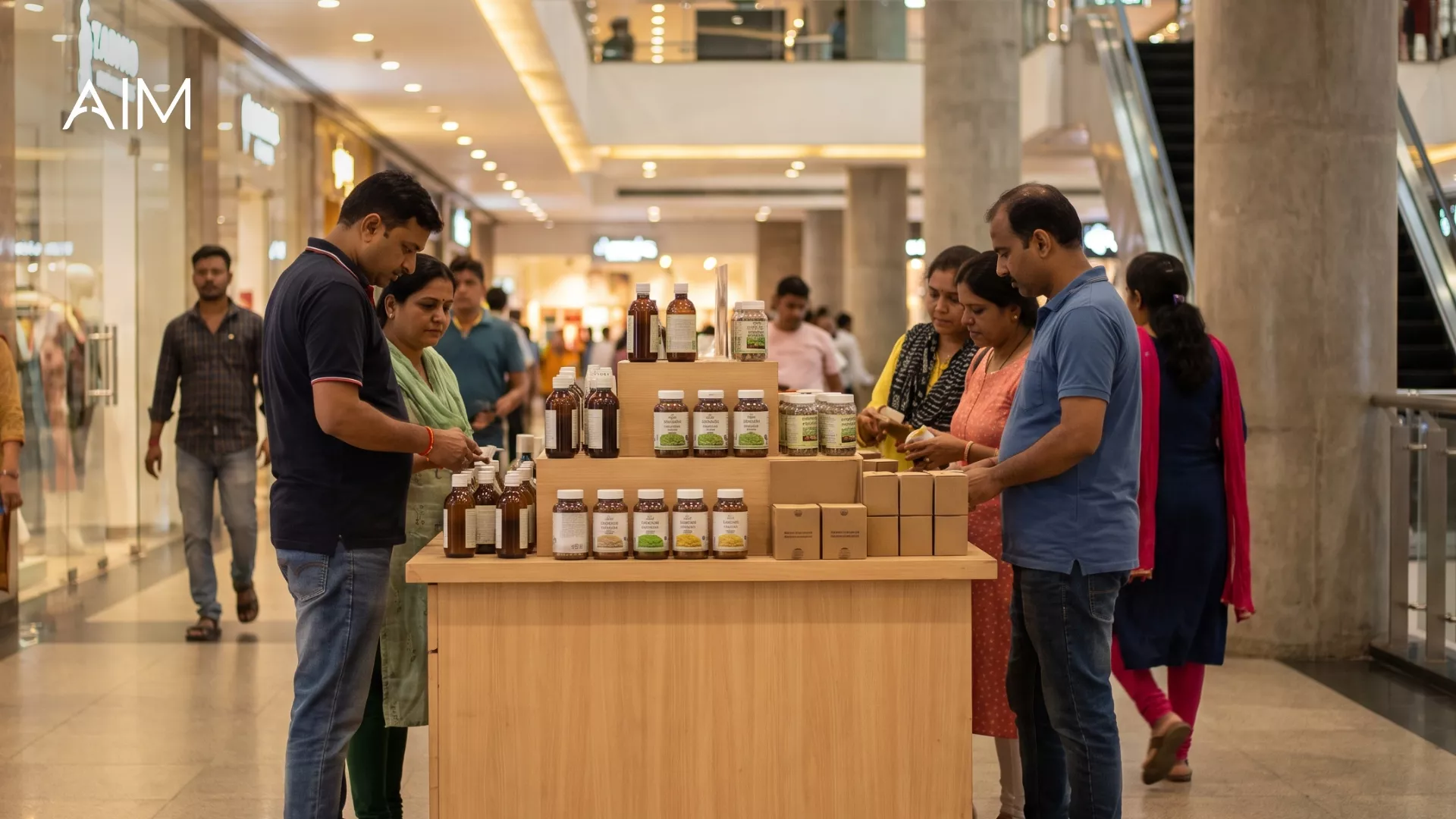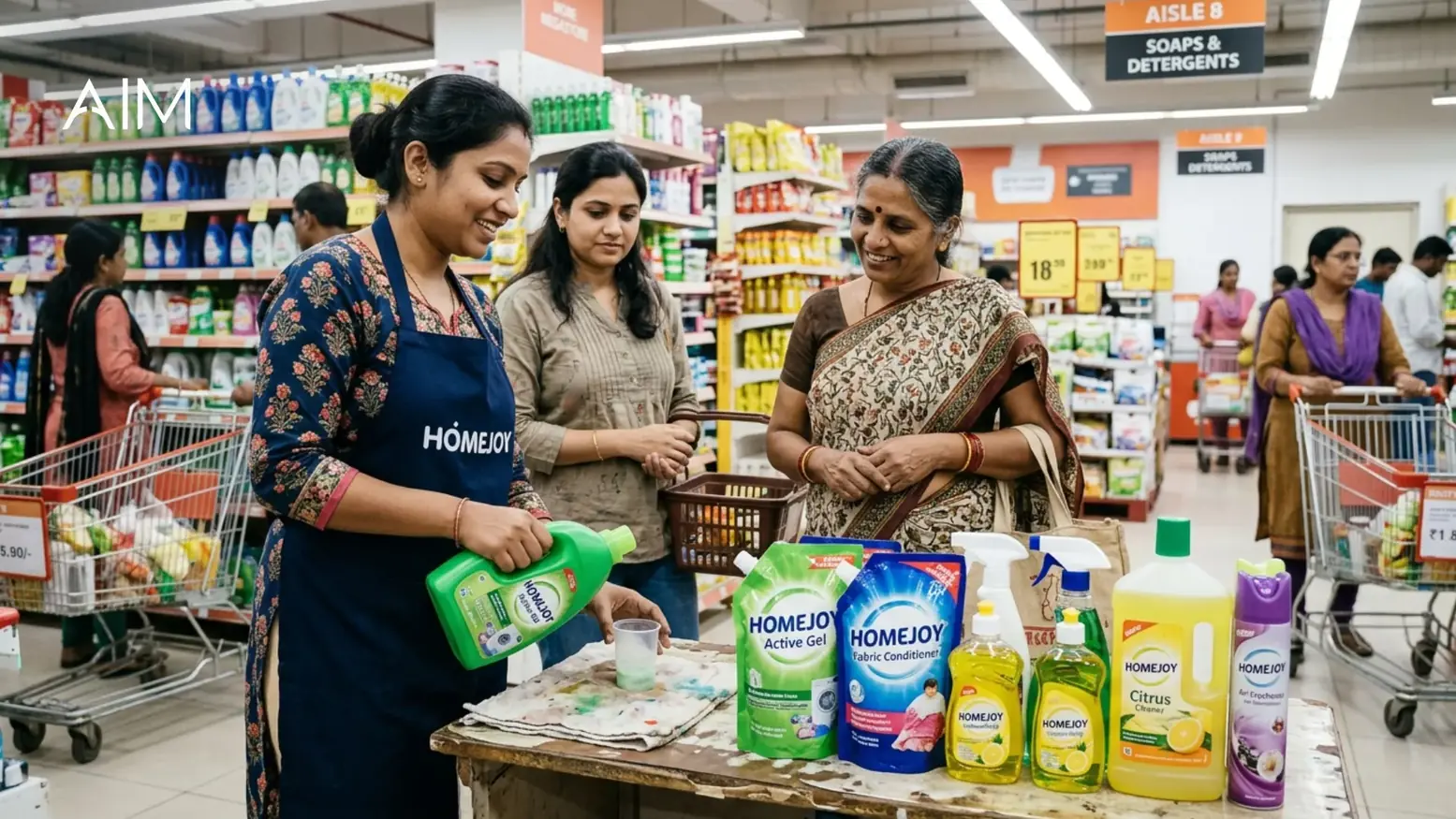


Mall sampling looks simple from the outside. Book a spot, put up a table, hand out product to the weekend crowd. Then the quote arrives and it is bigger than expected, with line items a brand did not know to plan for. The honest answer to what a mall campaign costs is that it depends, but it depends on a short list of drivers you can actually understand and budget for. Once you know what moves the number, you can plan a mall campaign without nasty surprises and judge whether the price is worth it.
Quick answer: A mall sampling campaign costs the sum of the mall space or activation fee, the sample product itself, the promoters and their training, the setup and branding of the stall or kiosk, logistics, and any data-capture technology, multiplied by the number of days and locations. The mall fee and the manpower are usually the biggest drivers, and premium malls in big cities cost far more than smaller ones.
The mall space or activation fee
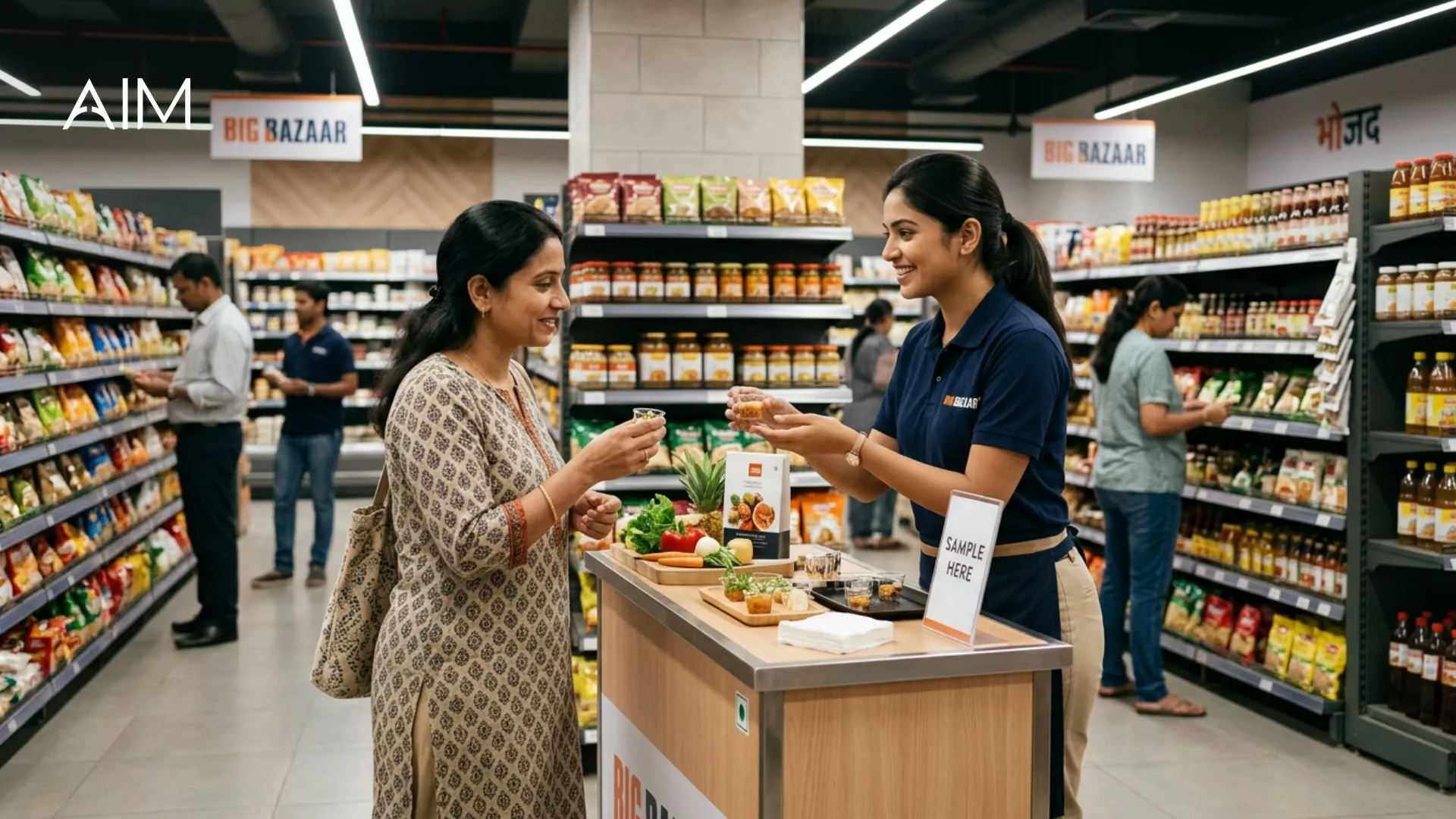
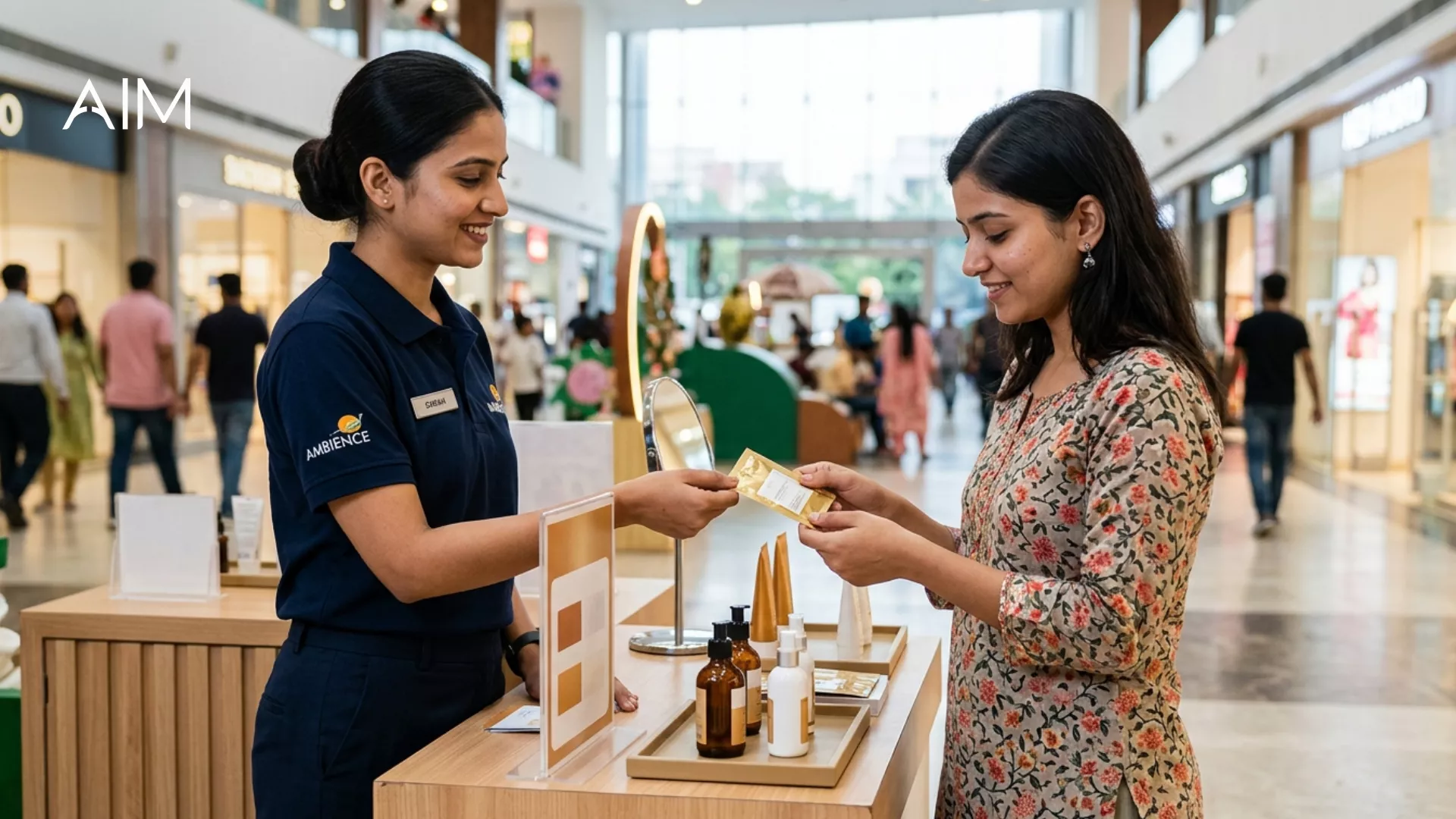
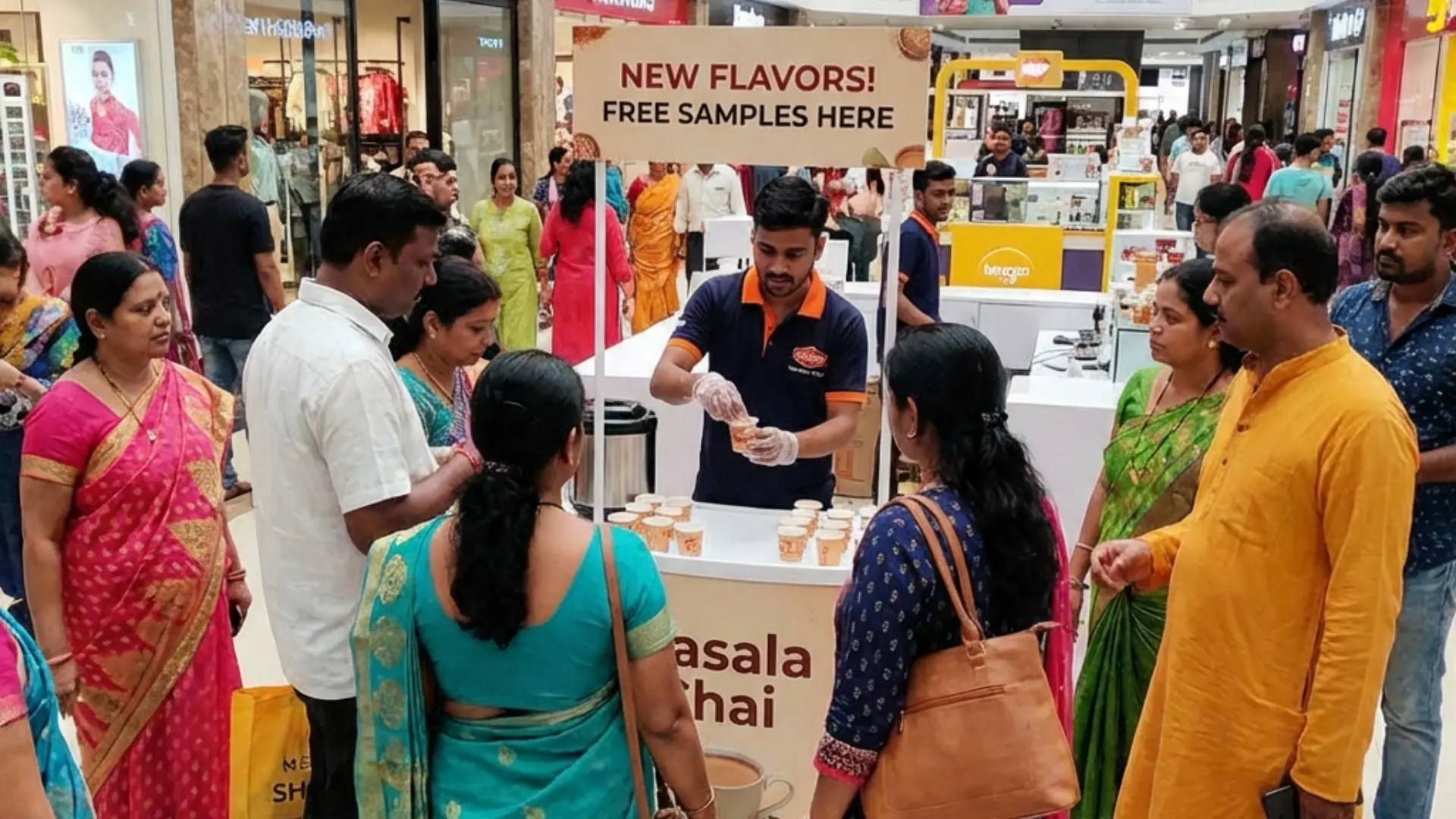
This is often the largest single cost, and the one brands underestimate most. Malls charge for brand activity in their space, and the amount swings widely with the mall's footfall, the city, the exact spot, and the dates. A prime atrium in a busy metro mall on a weekend commands far more than a quieter corner in a smaller city on a weekday. Festive and holiday dates cost more and book out early. Treat this as a real, variable line, not a flat rate, because it is the number that most shapes the total.
The promoters and their training
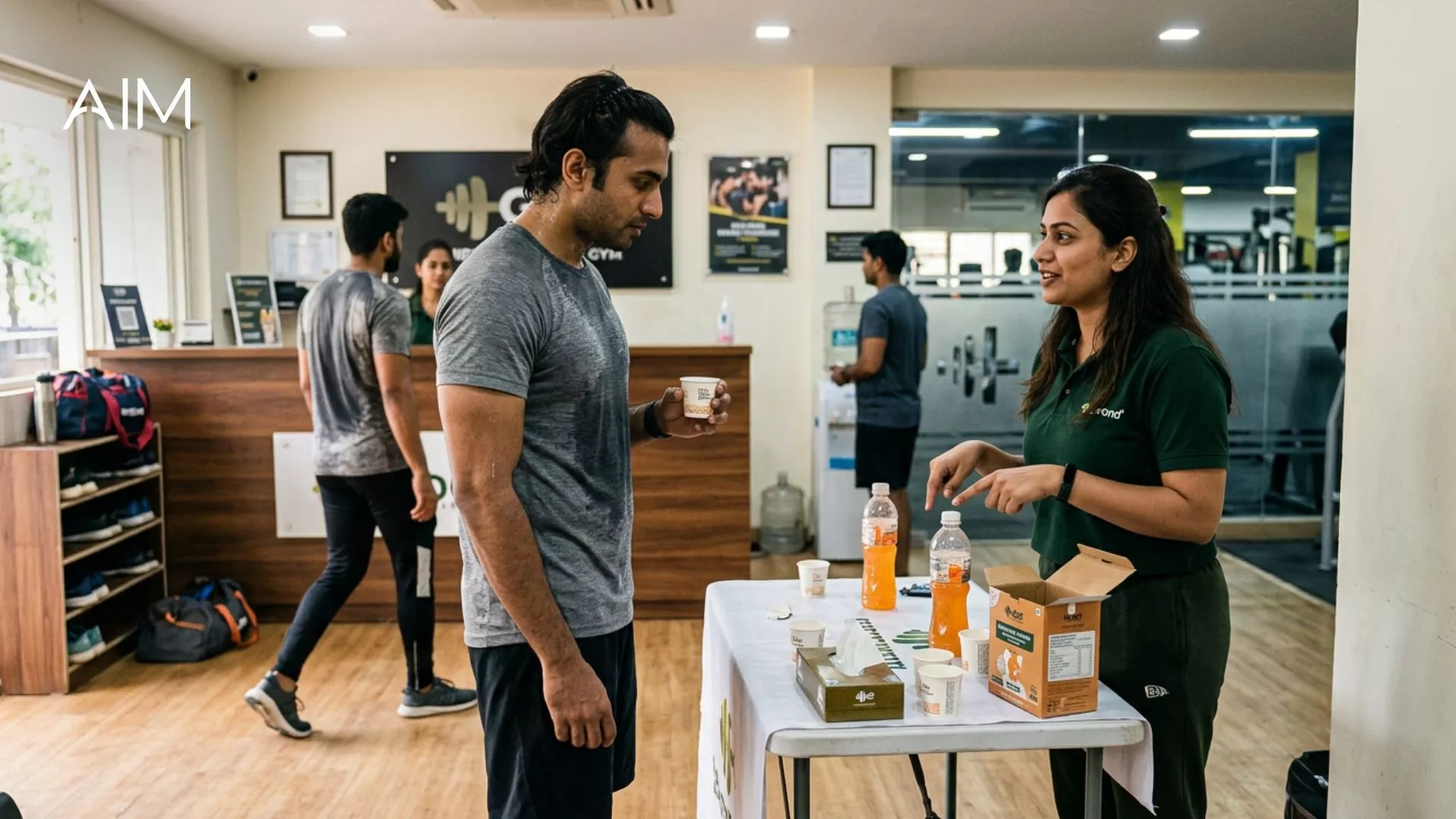
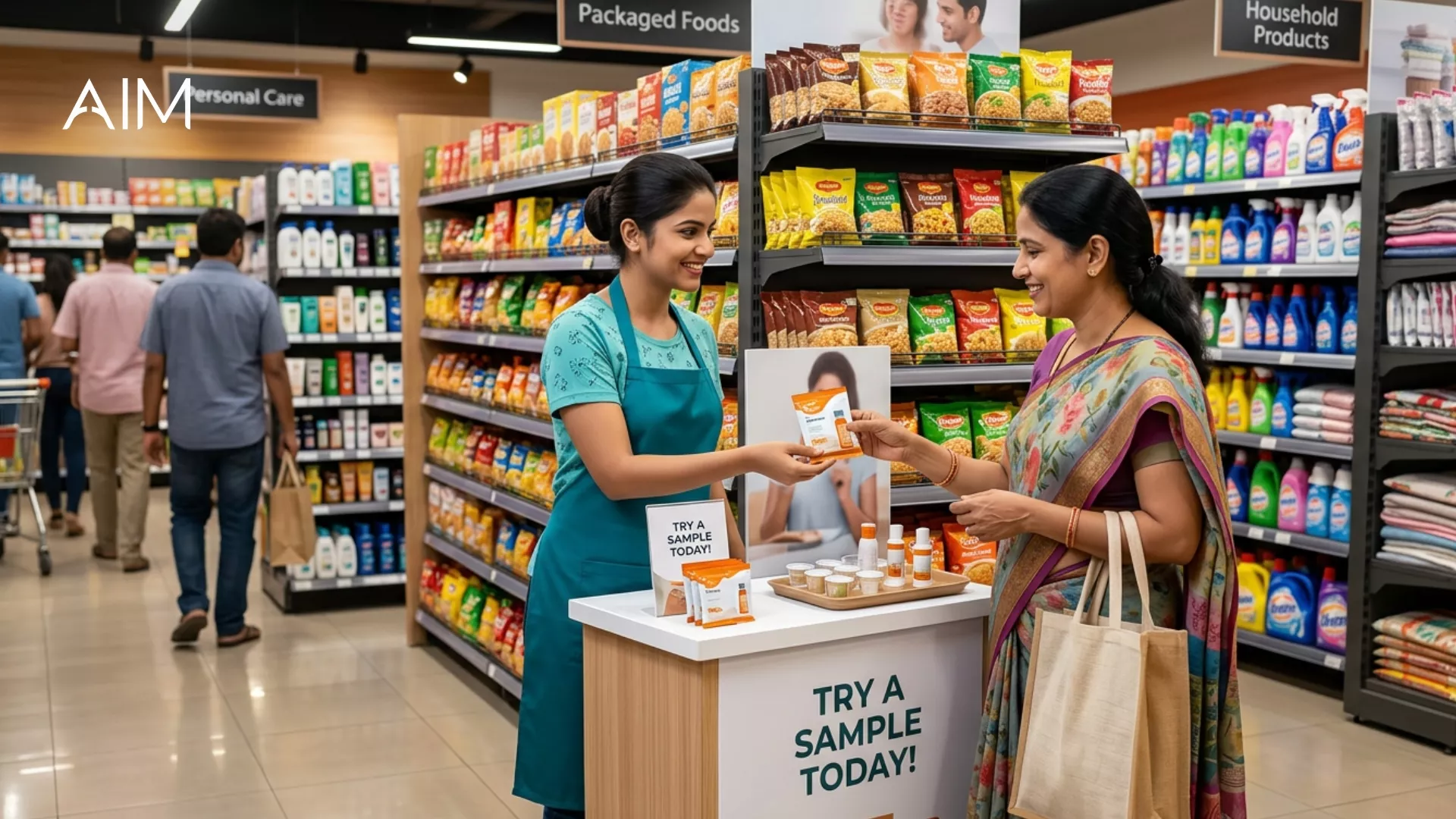
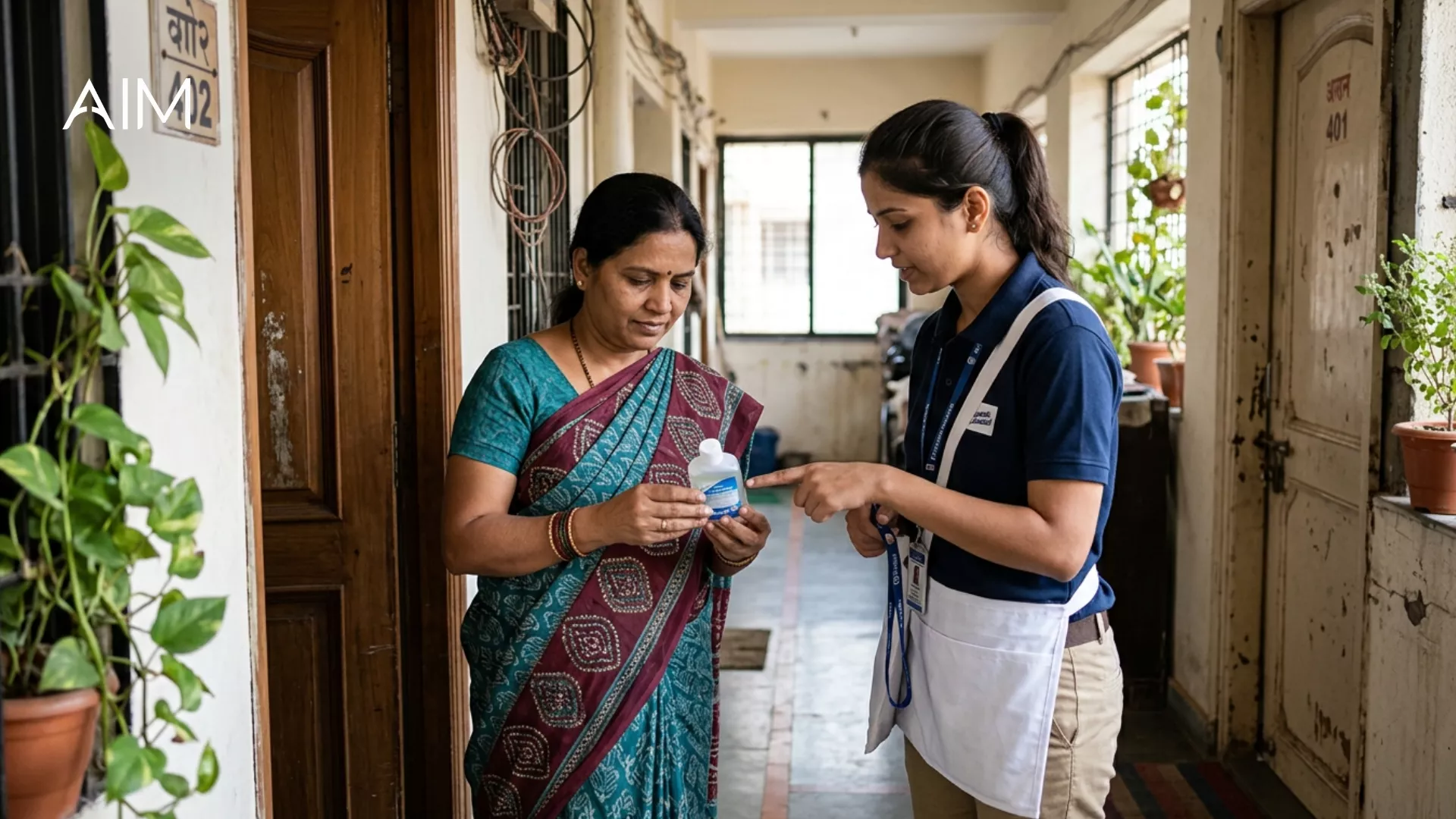
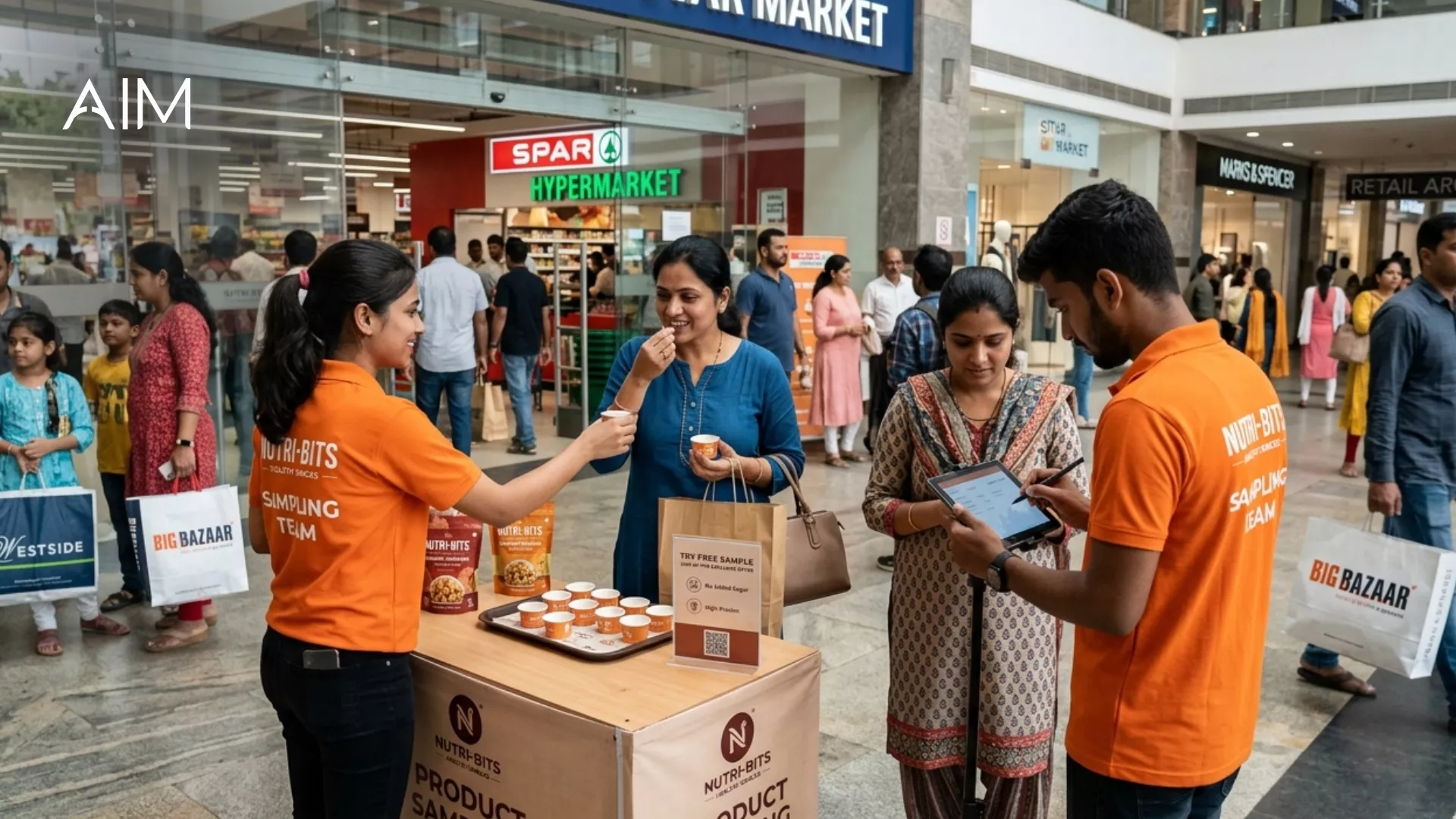
People are the second big driver. A mall activation needs trained promoters who can engage a passing shopper, explain the product, and represent the brand well, and good ones cost more than warm bodies handing out sachets. The number you need depends on the footfall, the hours, and how involved the interaction is. A quick hand-over needs fewer people than a demonstration or a full trial. Skimping here is a false saving, because the promoter is the difference between a sample taken politely and a sample that converts.
The sample product itself
The cost of the product you give away is its own line, and it is easy to get wrong in both directions. A sample too small to give a real experience saves money and teaches the shopper nothing. A sample too generous eats the budget without improving the result. The right sample size is the smallest one that still delivers an honest trial, and the per-unit cost multiplied across the campaign is a number worth getting right before you scale.
Setup, branding, and the stall
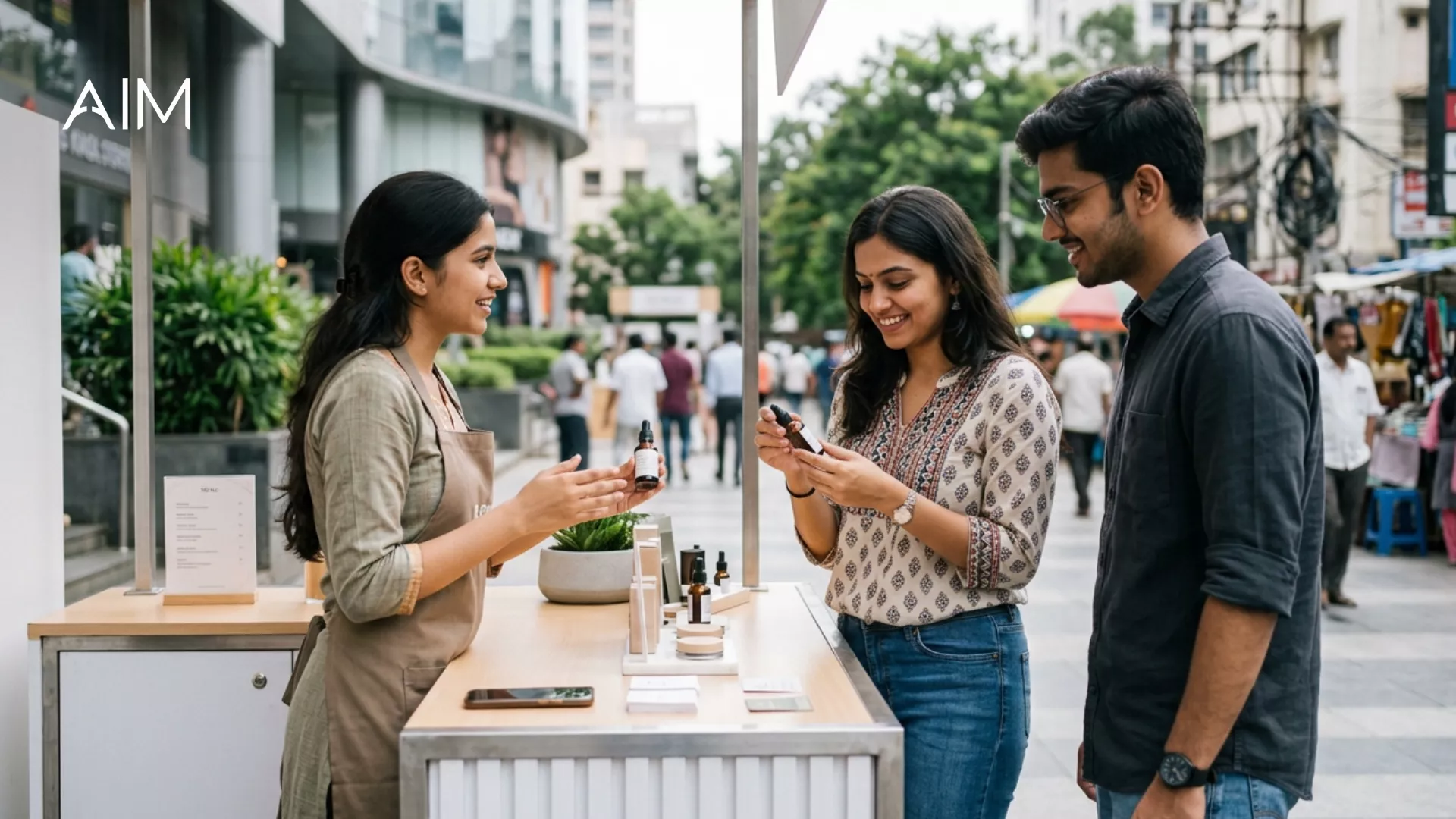
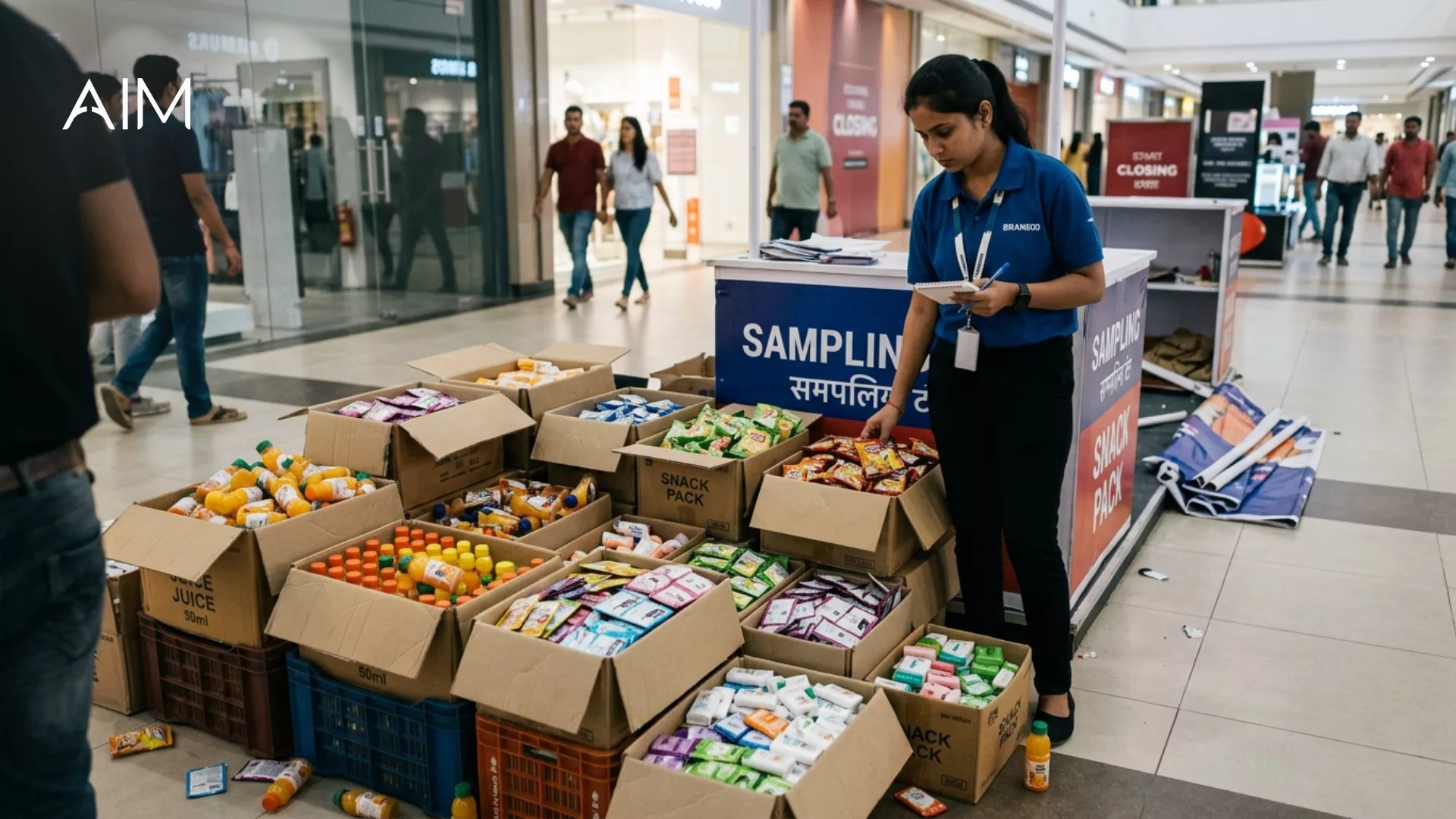
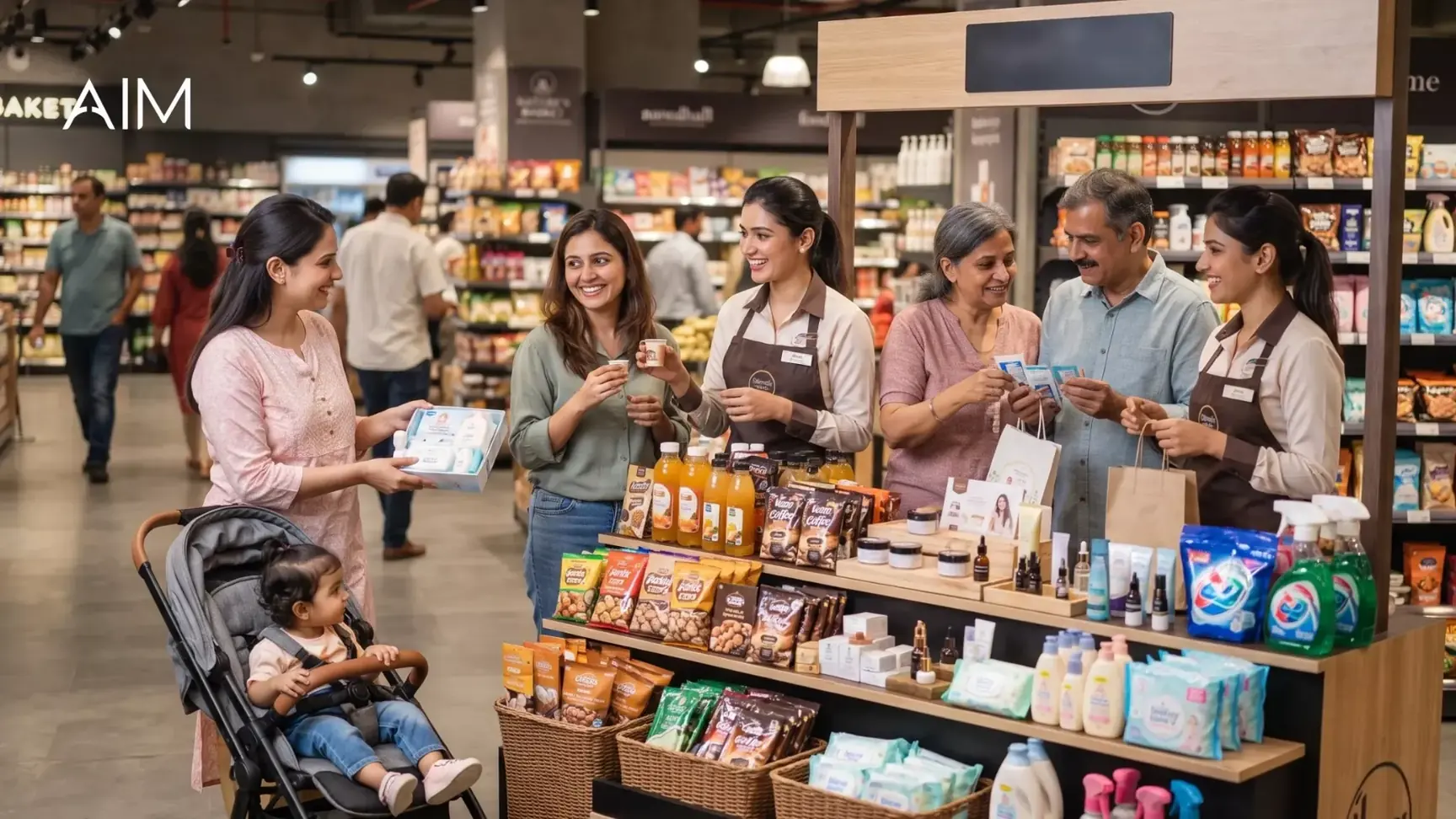
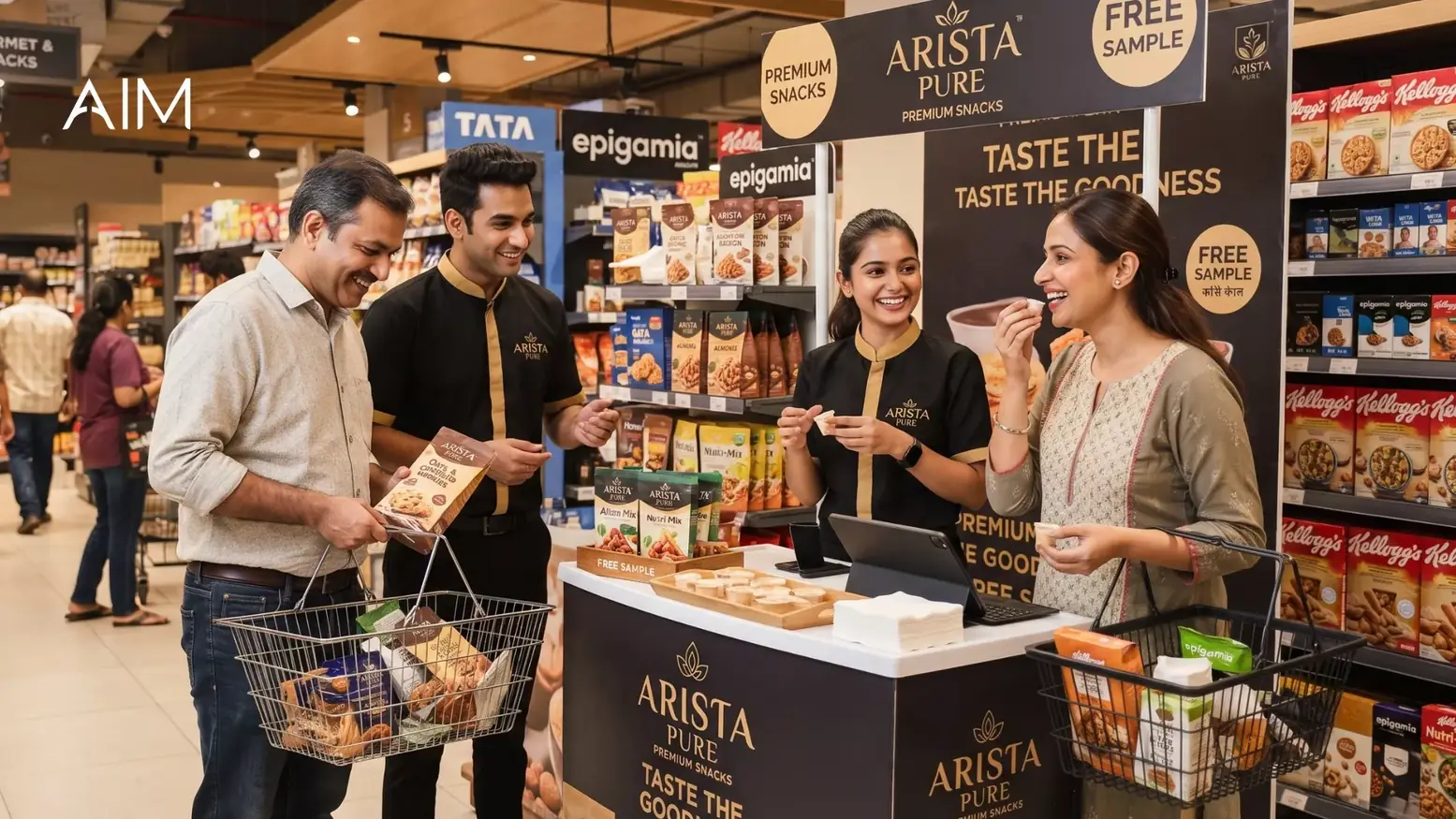
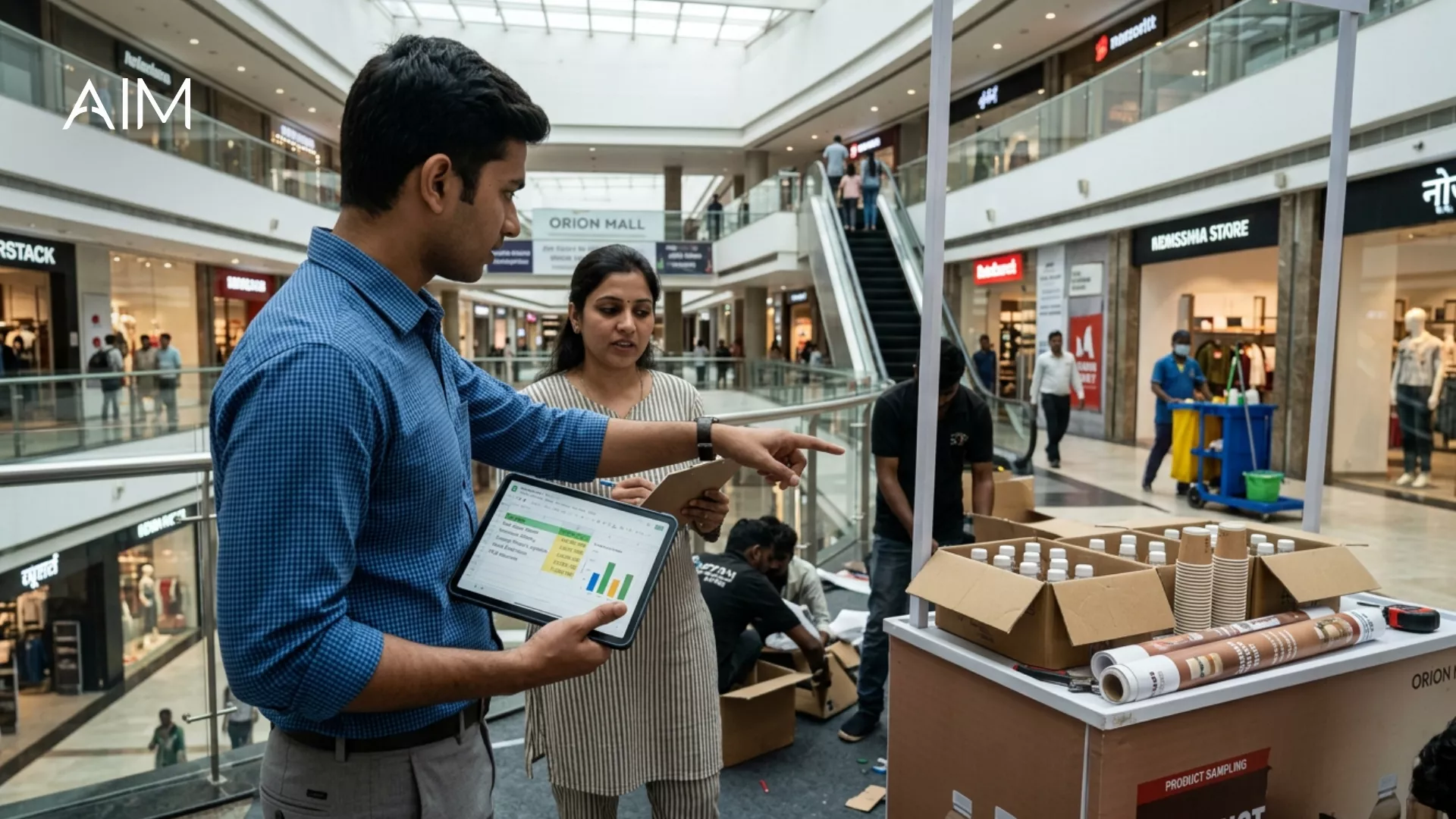
The physical presence costs money too, the kiosk or table, the branding, the design, any screens or props, and the logistics of getting it all there and set up. A simple table is cheap. A built, branded activation zone is not. What you need depends on the product and the impression you want, but it is a real line that sits between the space fee and the people.
Logistics, permissions, and the small stuff
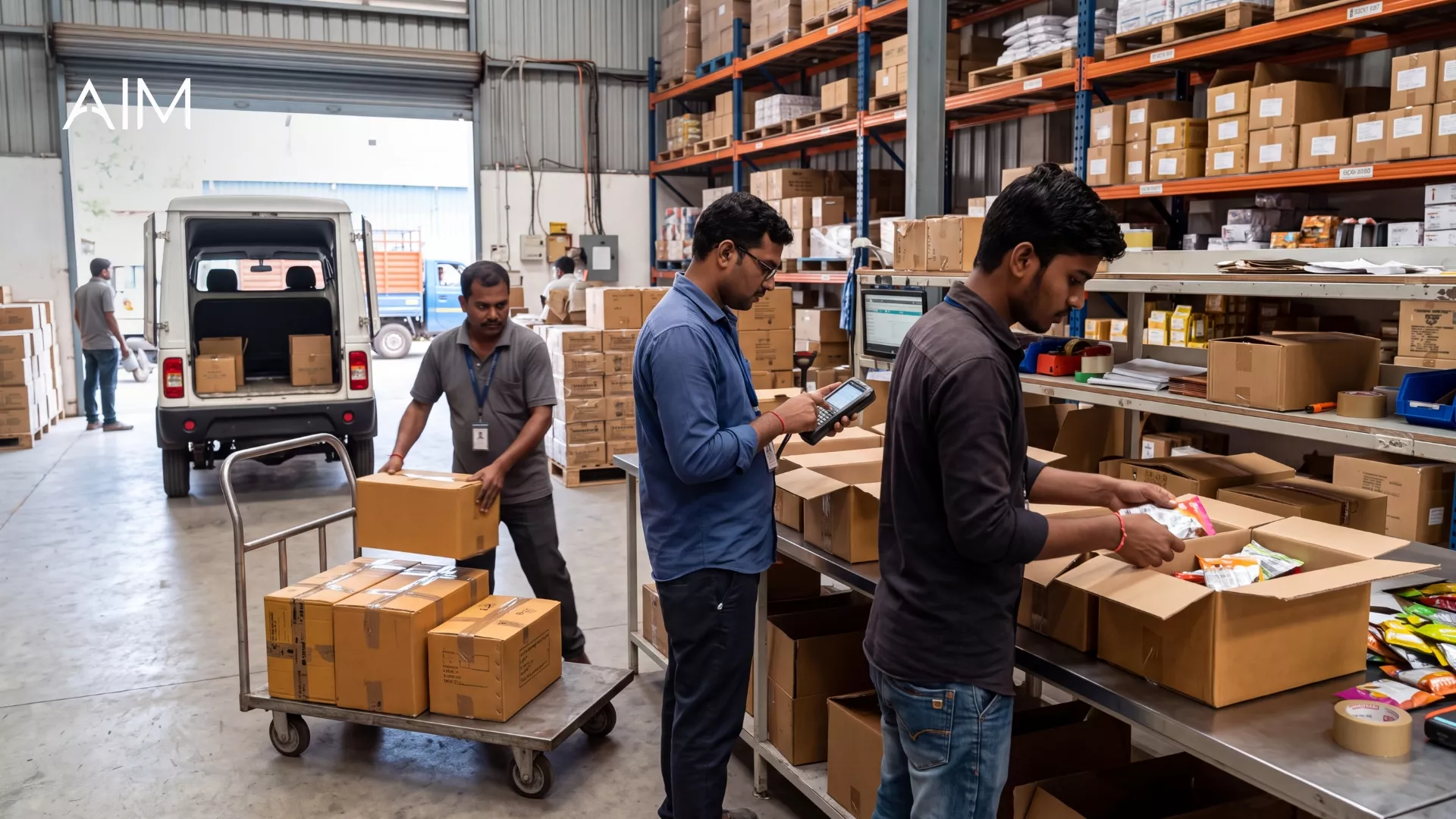
Getting product, staff, and setup to the right mall on the right day has its own cost, as do the approvals, the storage, and the day-to-day running. None of these is huge on its own, but together they are real, and a budget that ignores them runs short. This is also where an experienced partner saves money, because the mall relationships and the permission process are smoother when someone has done it before.
Data capture and tracking
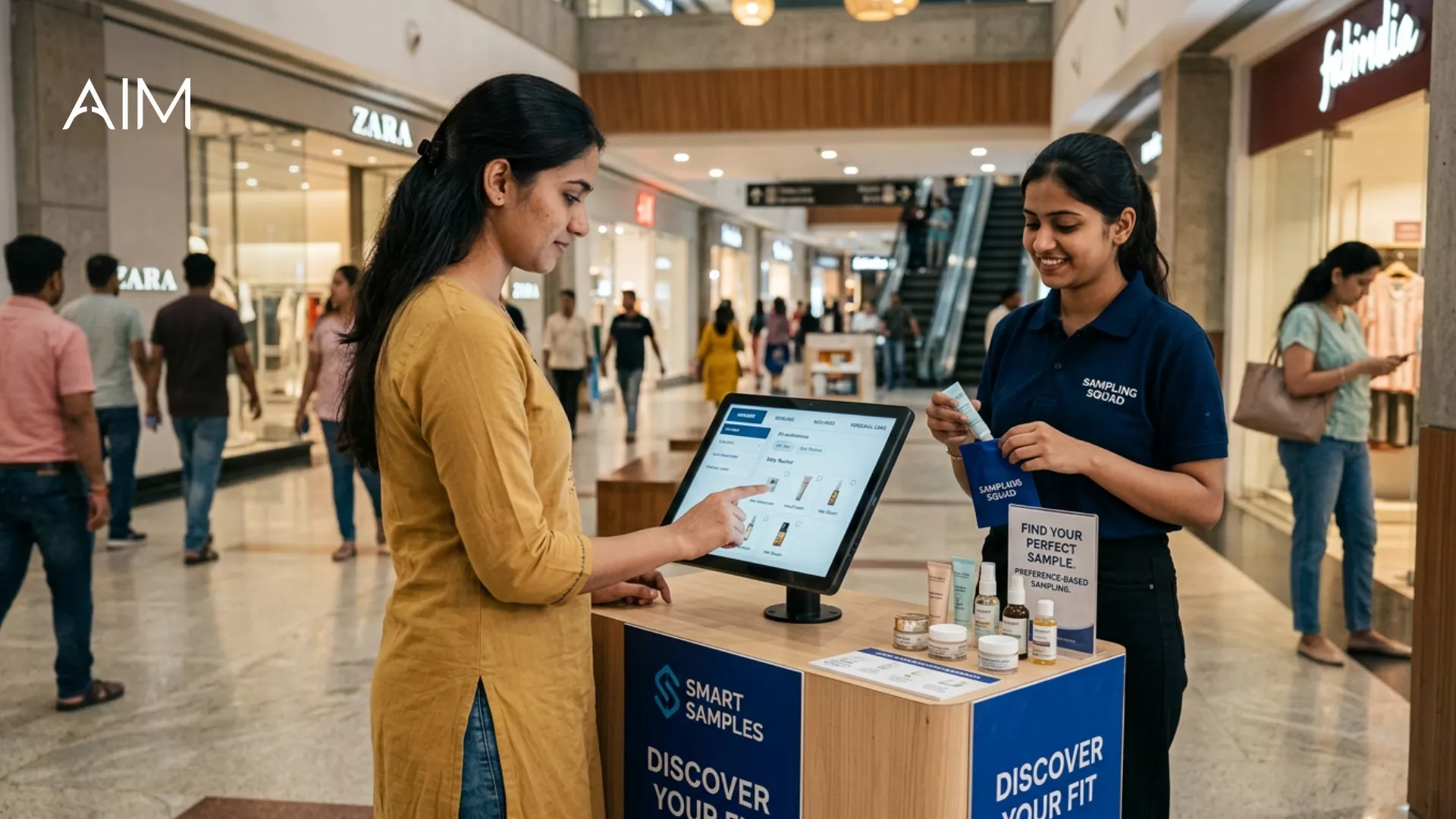
The cost that pays for itself is the one that lets you measure. A simple way to capture who tried the sample and to tie a trial to a purchase, a code, a scan, an opt-in, costs a little and turns the whole campaign from a hopeful giveaway into something you can read. Without it you have paid for footfall and learned nothing. With it you can see what the mall activation actually produced.
What really decides whether the cost is worth it
The number that matters is not the total spend but the cost per buyer the campaign produces. A premium mall full of exactly your audience can justify a higher fee if it converts, while a cheaper mall whose crowd is wrong is not a saving. Price the mall against the buyers it actually puts in front of you, the same way you would judge any channel. The experience you are paying to create is what sets a mall apart, and it is covered in what makes in-store product sampling convert, which pairs naturally with this cost view.
A mall campaign is not expensive or cheap in the abstract. It is worth what it returns, and the way to protect the spend is to plan every driver deliberately, match the mall to your buyer, and measure to the sale. That discipline is the whole point of how we run product sampling in malls, because a mall campaign priced on footfall alone almost always costs more than it looks and returns less than it should.
How day and time change the cost
When you run matters as much as where. Weekends and holidays carry the highest footfall, so malls charge the most for them and they book out first. A weekday slot costs less and draws a thinner, different crowd, which can be a saving or a waste depending on who you need. Evenings and holiday periods peak for footfall and price together. The practical move is to match the day and time to your buyer rather than reflexively buying the busiest, most expensive slot. If your audience shops on weekday evenings, you may reach them better and cheaper than in the Saturday crush where you are also paying peak rates and competing with every other activation in the atrium.
How city and mall tier move the number
The same campaign costs very different amounts in a premium metro mall and a mid-tier mall in a smaller city. The big-city, high-footfall mall commands a higher fee and higher manpower rates, but it may also put a denser, higher-value crowd in front of you. The smaller mall costs less and may still be the right call if its shoppers match your buyer. This is why a flat idea of what a mall campaign should cost is misleading. The number is tied to the specific malls you choose, and choosing by audience fit rather than by footfall or prestige alone is what keeps the spend efficient.
Where brands overspend, and how to avoid it
Most mall campaigns waste money in predictable ways. They book the most expensive, busiest slot by default when a cheaper one would have reached the same buyer. They over-produce the stall when a simpler setup would have done. They hand out a sample larger than the trial needs. And most costly of all, they run without capture, so they pay peak rates for footfall and come away with no idea what it produced. The way to protect the budget is to size each driver to the job, match the mall and the slot to your buyer, and spend the small amount on tracking that turns the whole campaign into something you can learn from and improve.
A sensible way to budget a mall campaign
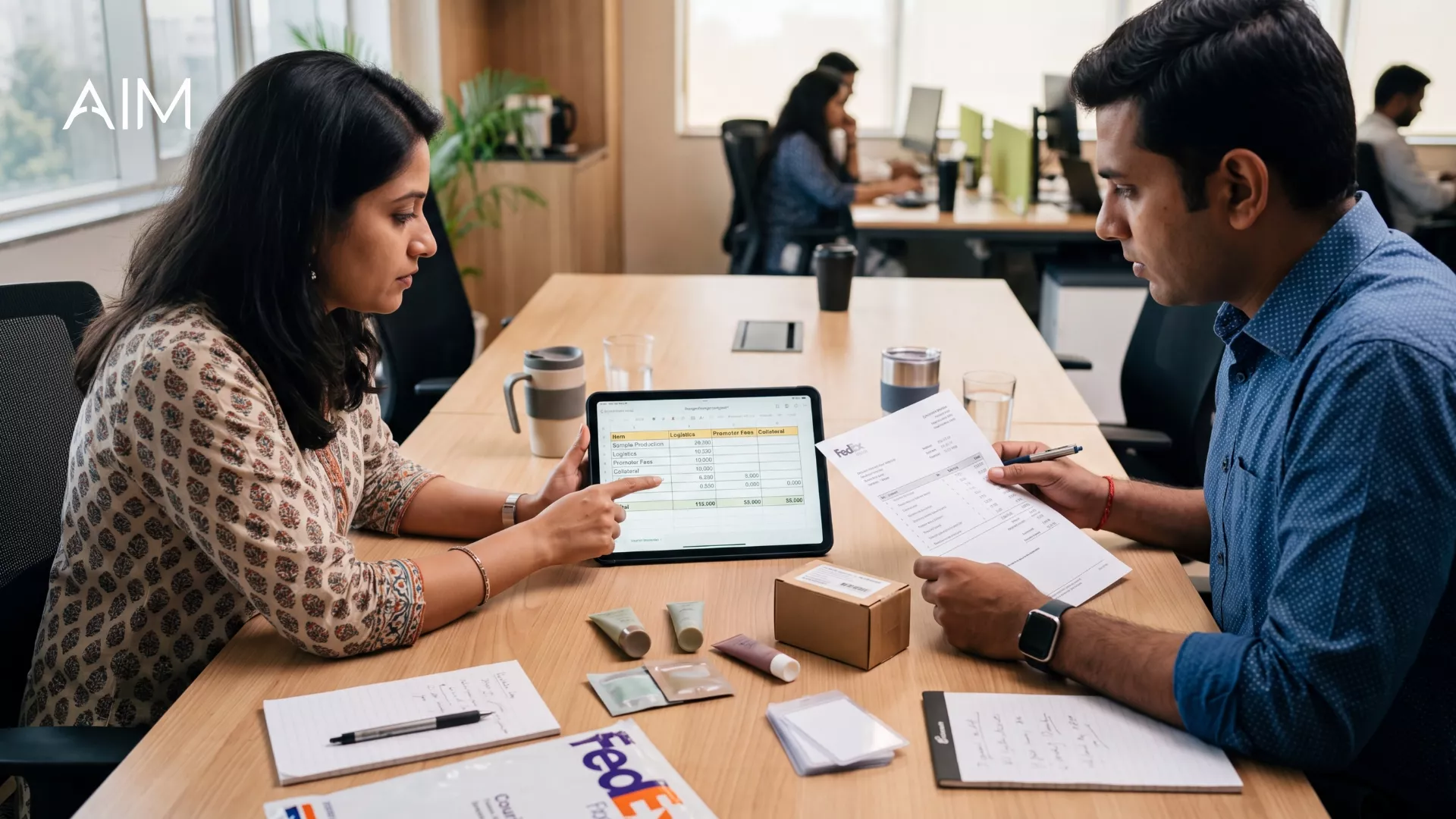
Rather than chase a single figure, build the budget from the drivers. Start with the mall fee for the specific malls, days, and slots you want. Add the promoters you need for the footfall and the interaction. Add the sample product at the right size times the volume. Add the stall, branding, and logistics. Add the tracking. Then look at the total against the number of real buyers you expect it to reach, not the number of samples it will hand out. A campaign that looks expensive per sample can be cheap per buyer if the mall and the crowd are right, and a cheap-looking one can be the costliest if it reaches the wrong people. Budget to the buyer, and the mall fee stops being a shock and becomes a decision.
Why an experienced hand changes the cost
Two brands can run what looks like the same mall campaign and spend very differently, and a large part of that gap is experience. Someone who has run many mall activations knows which malls and slots are worth their fee and which are overpriced for the crowd they deliver, how many promoters a given footfall really needs, what setup is enough without overbuilding, and how to move through permissions and logistics without costly delays. A brand doing it for the first time tends to overpay in several of these at once, booking the prestige slot, over-staffing or under-staffing, over-producing the stall, and losing time to approvals. The fee a partner charges is often more than offset by the waste they remove, because the expensive mistakes in a mall campaign are the ones you do not know to avoid until you have made them. Priced well, the campaign is not cheaper because it cuts corners, it is cheaper because it stops paying for the wrong things.