
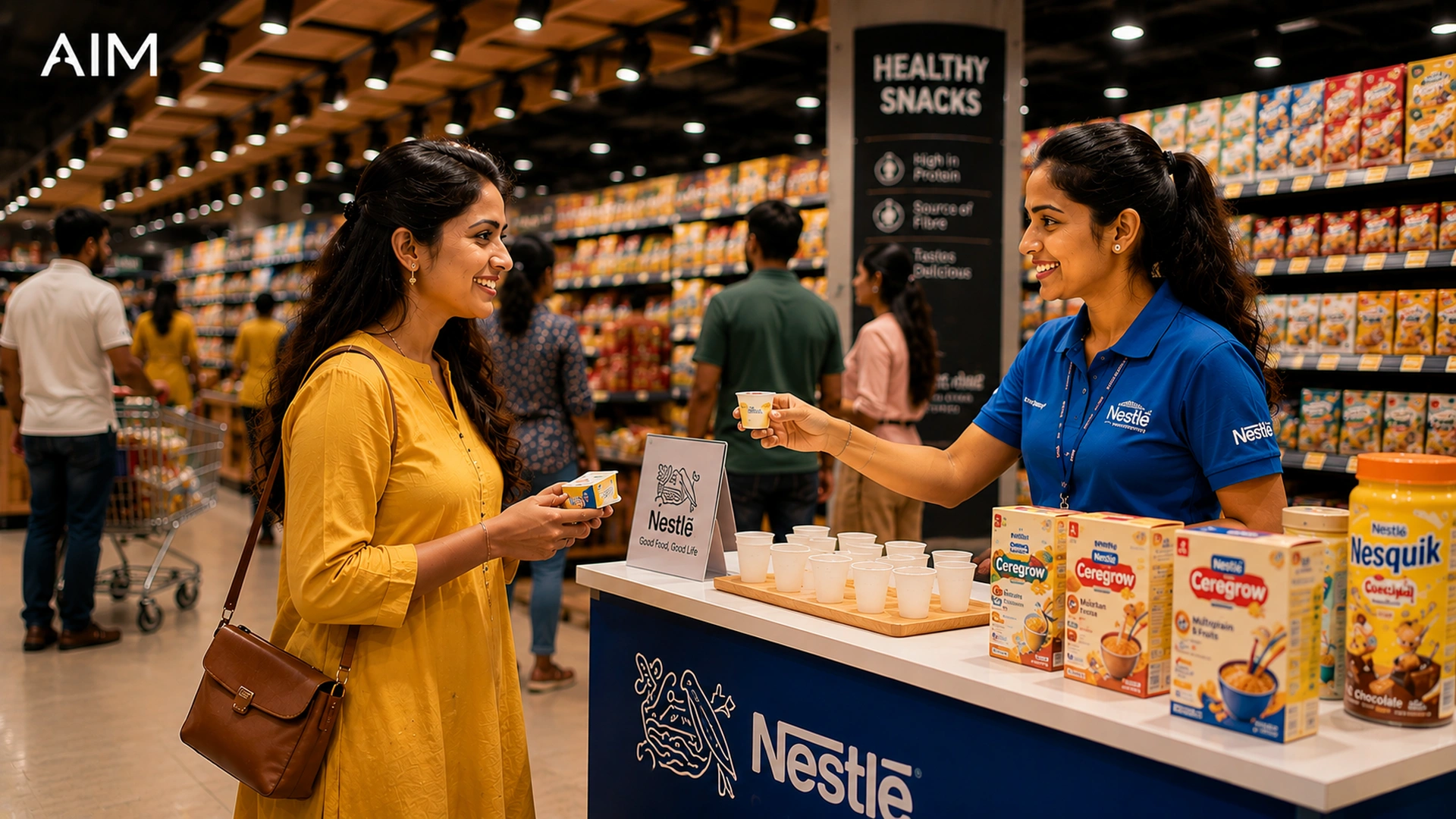


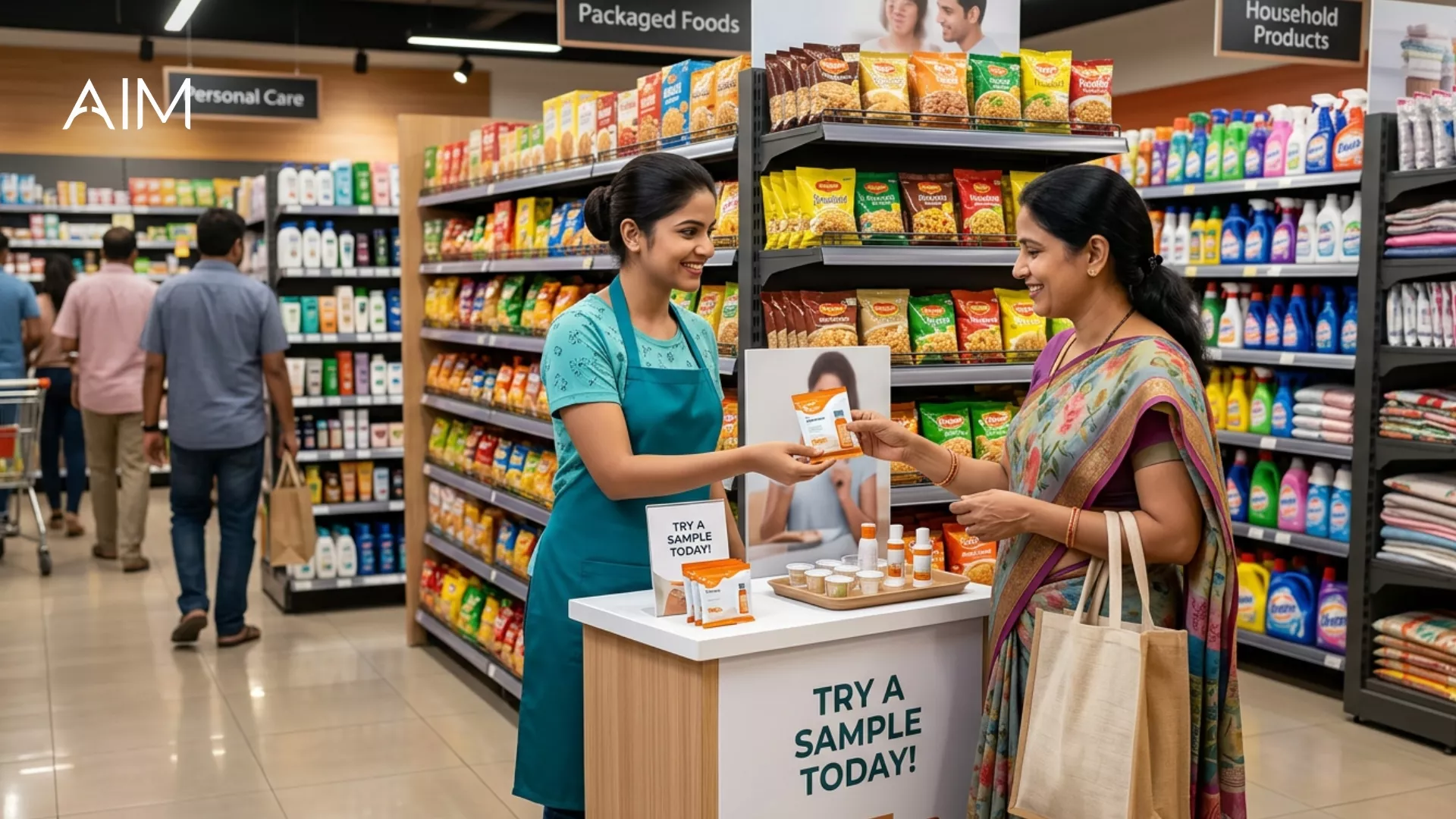
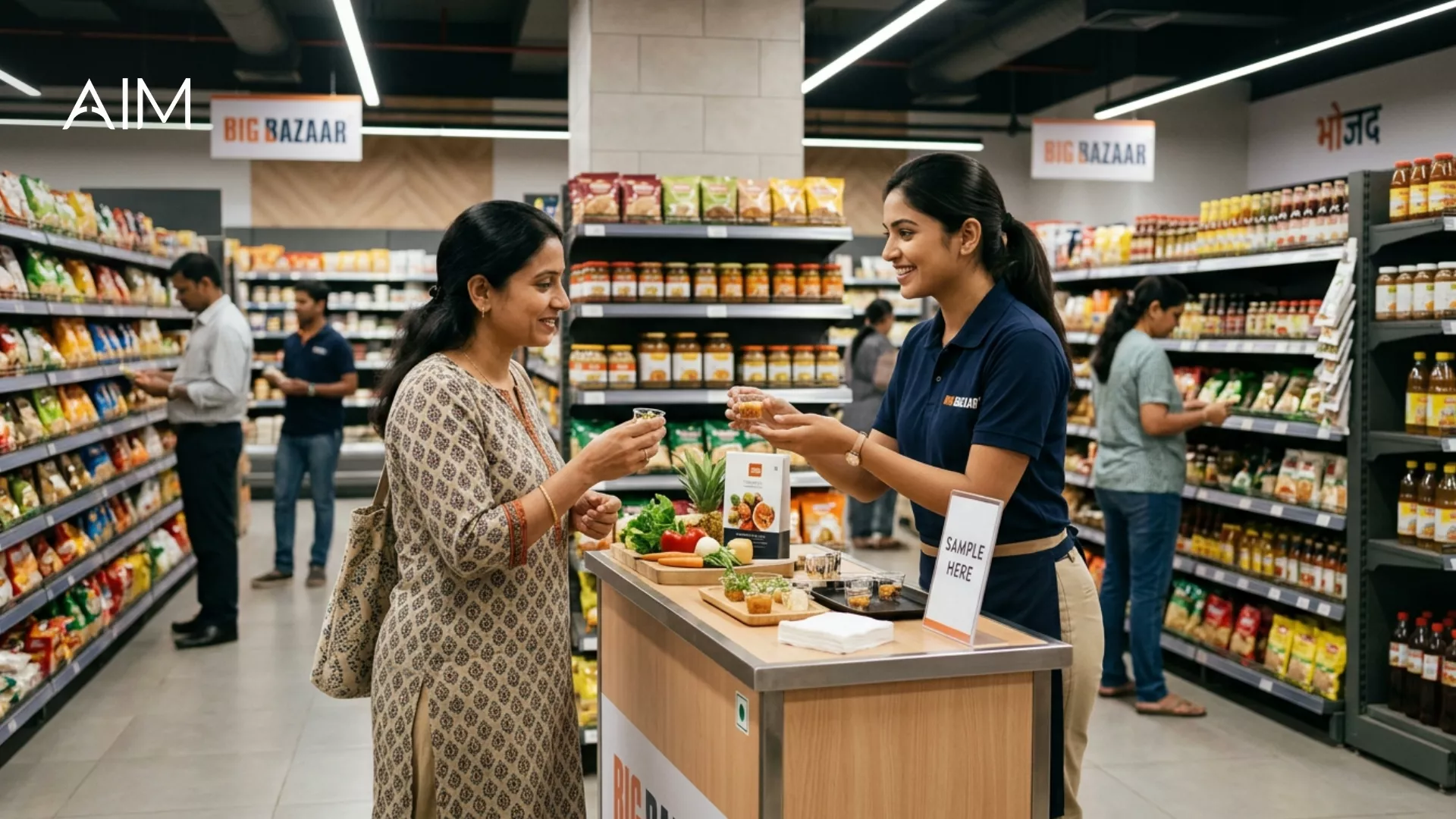
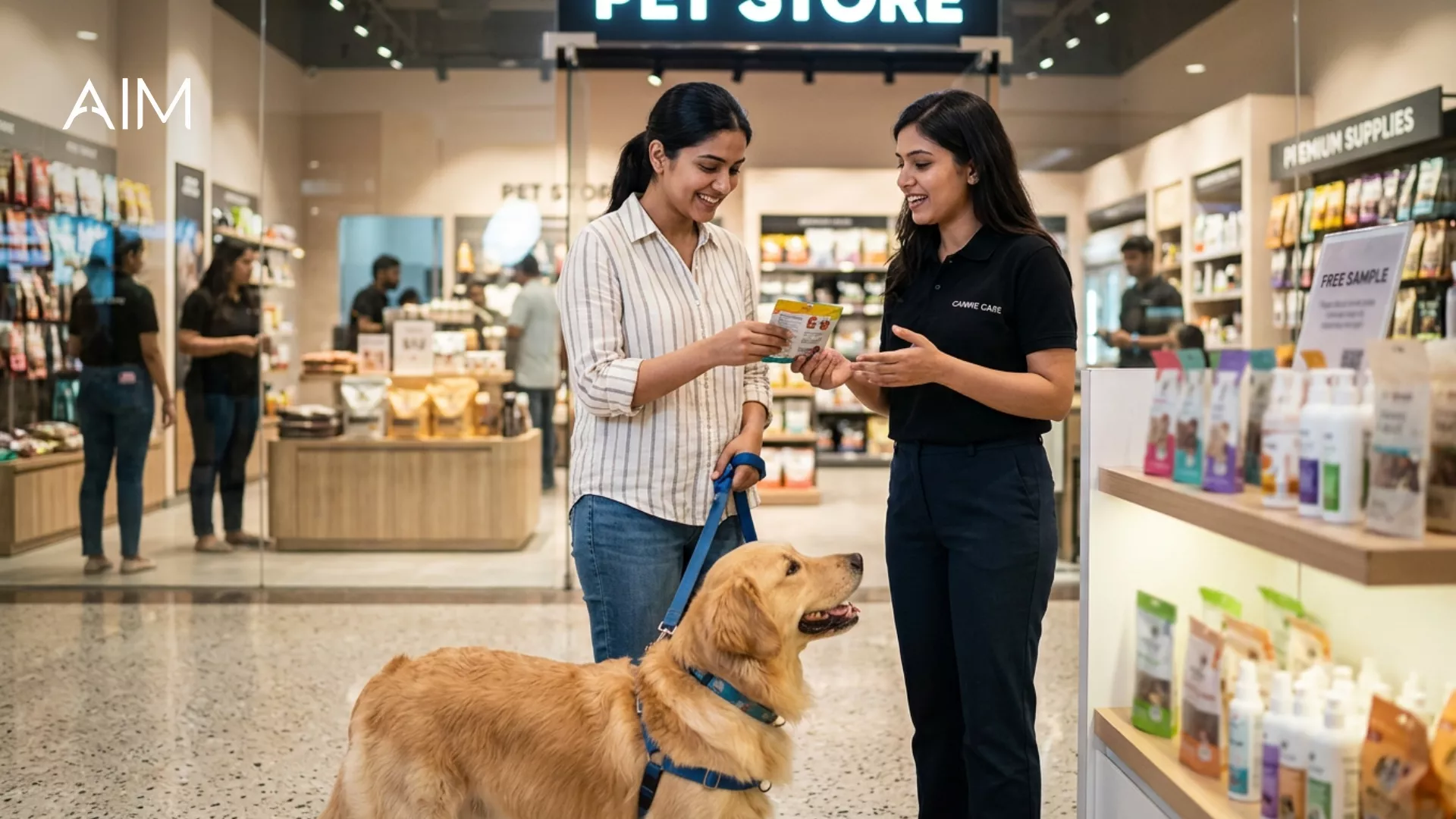
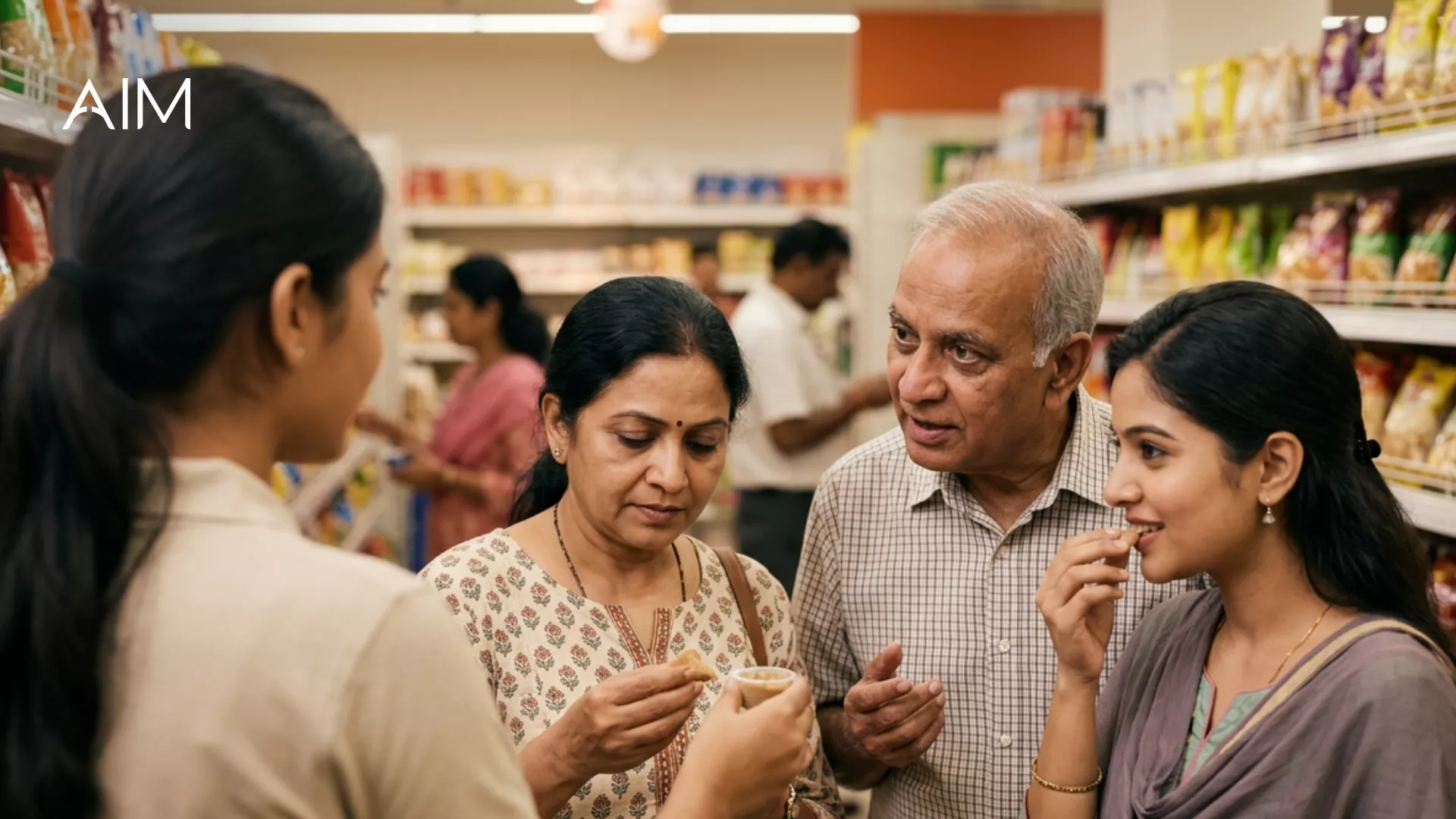
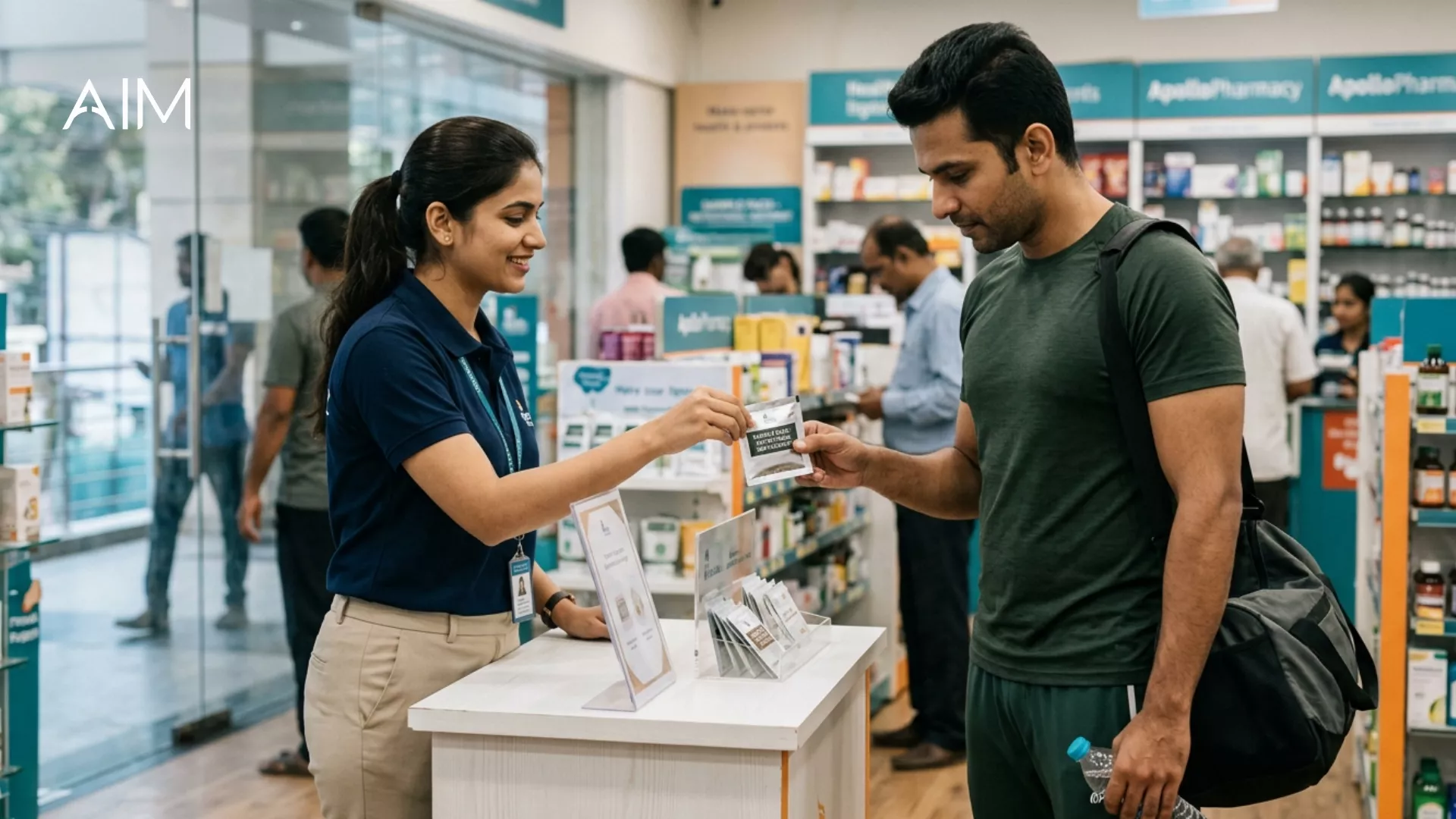
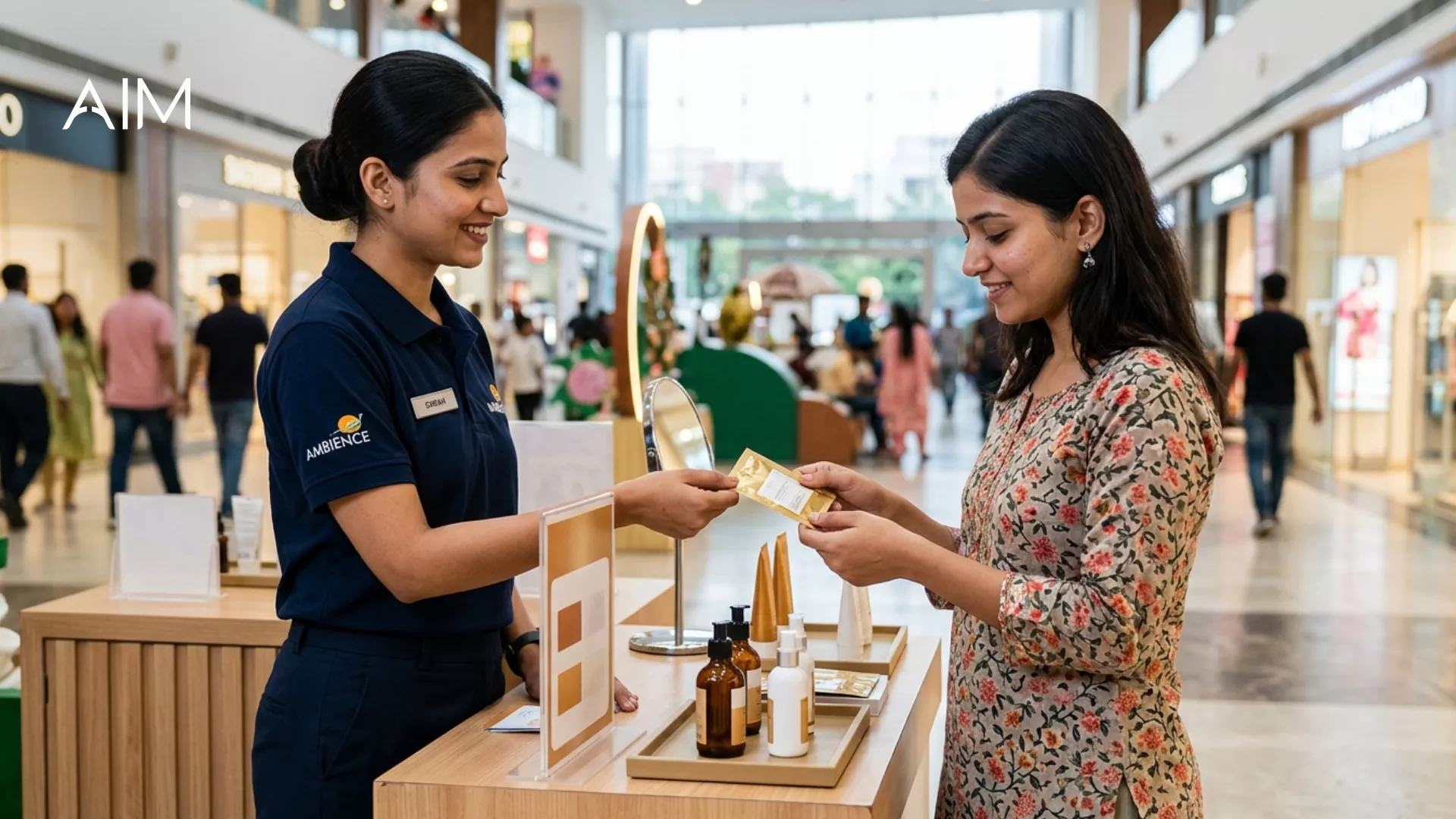
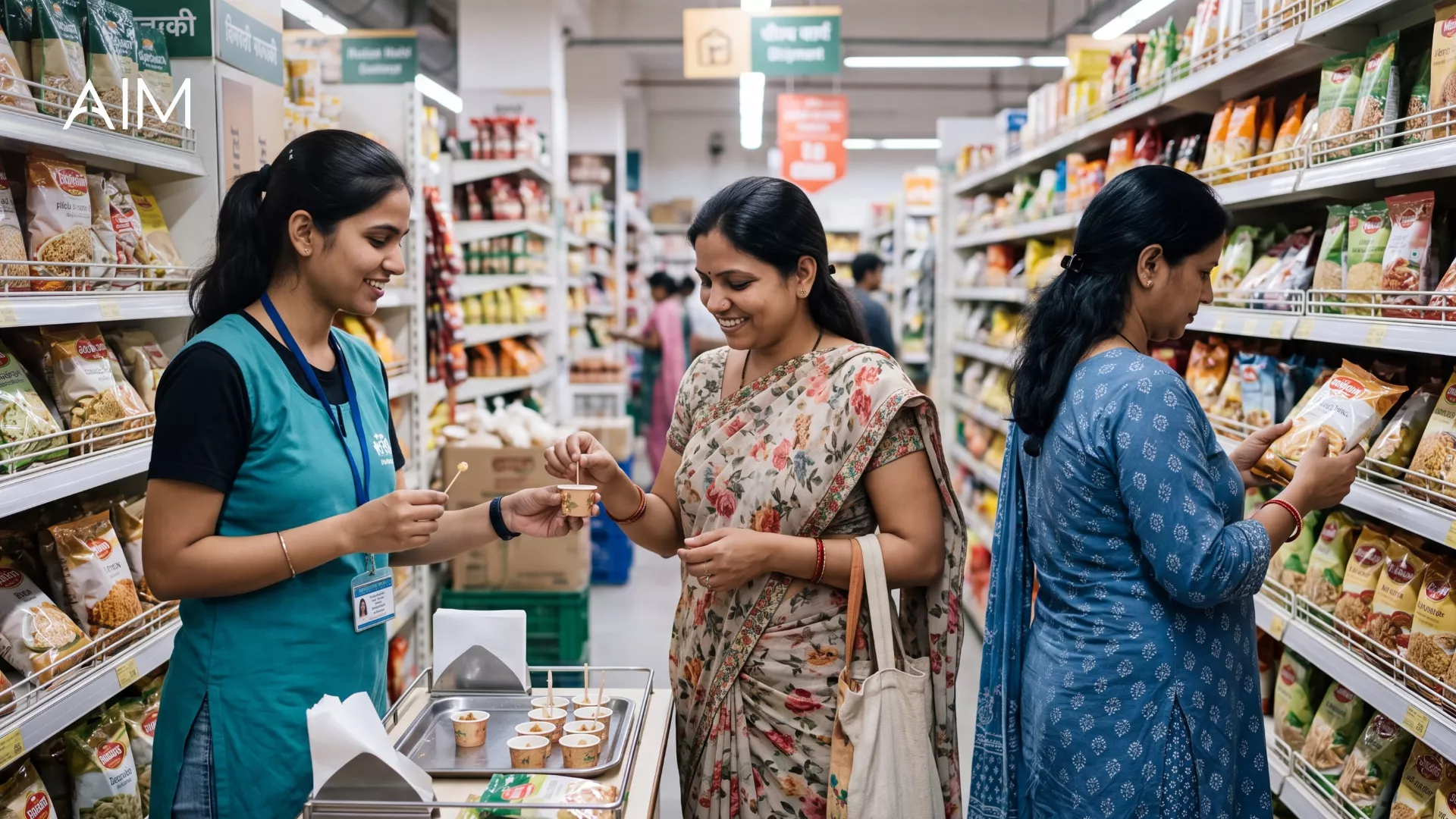
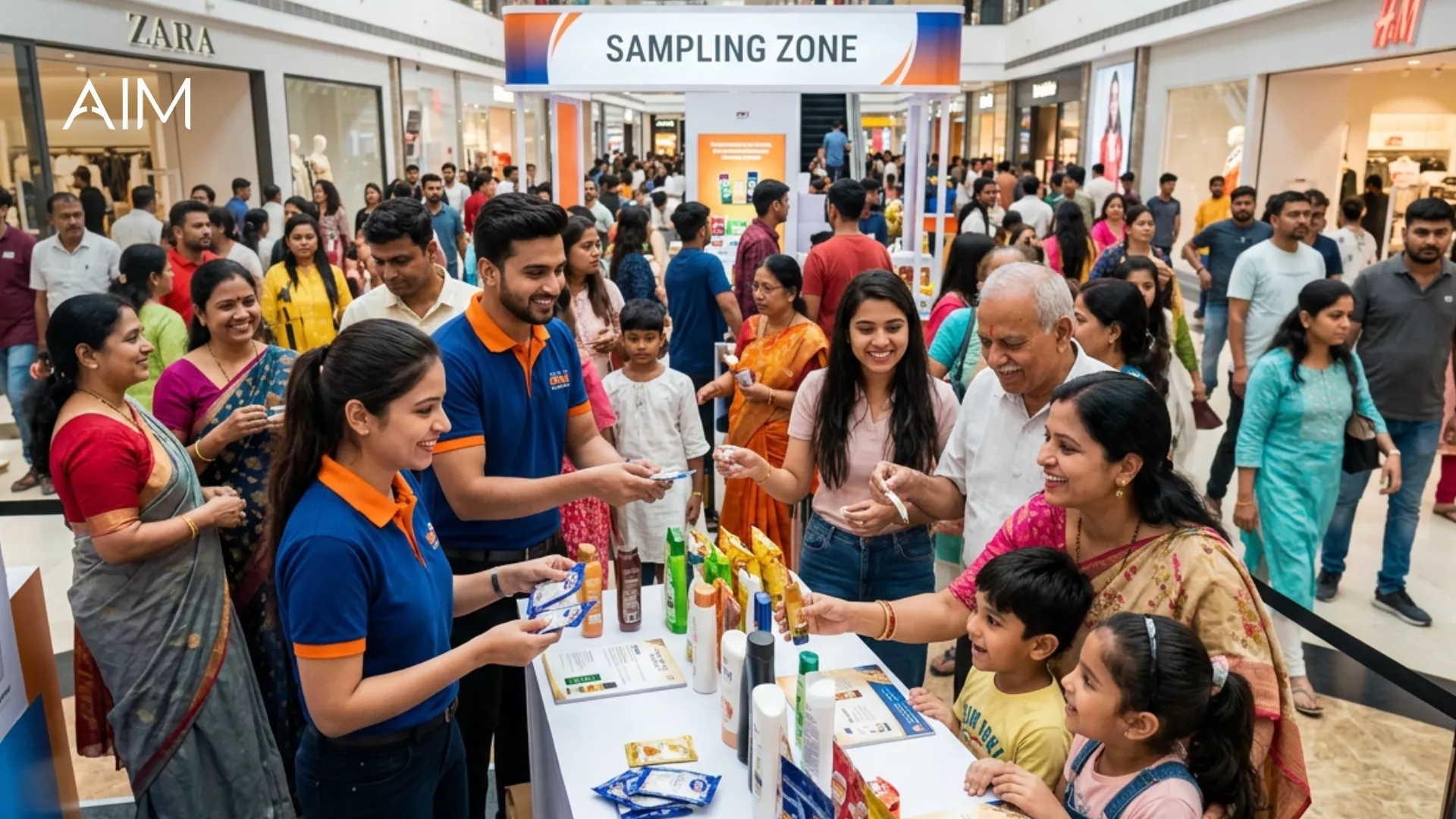
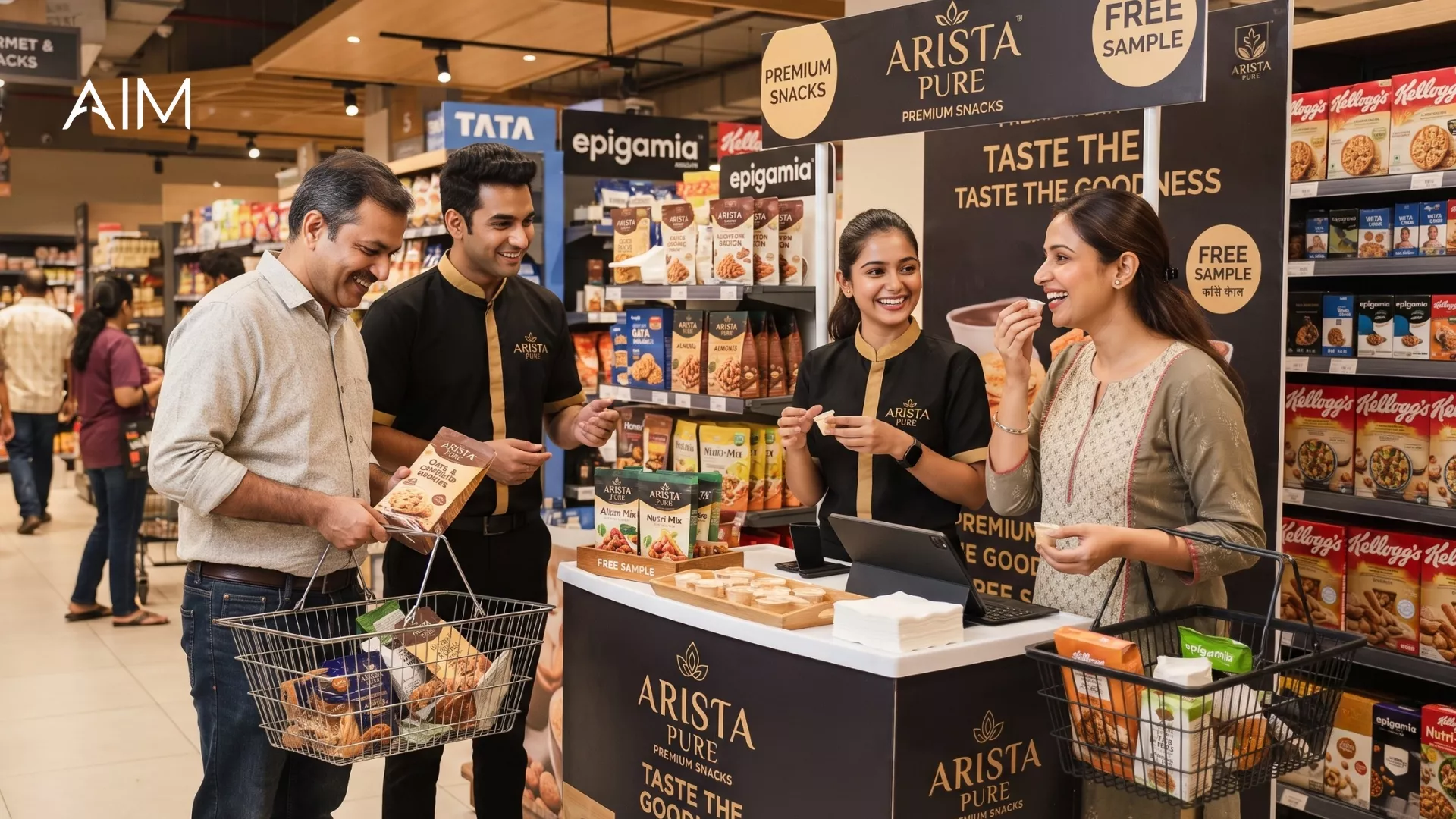
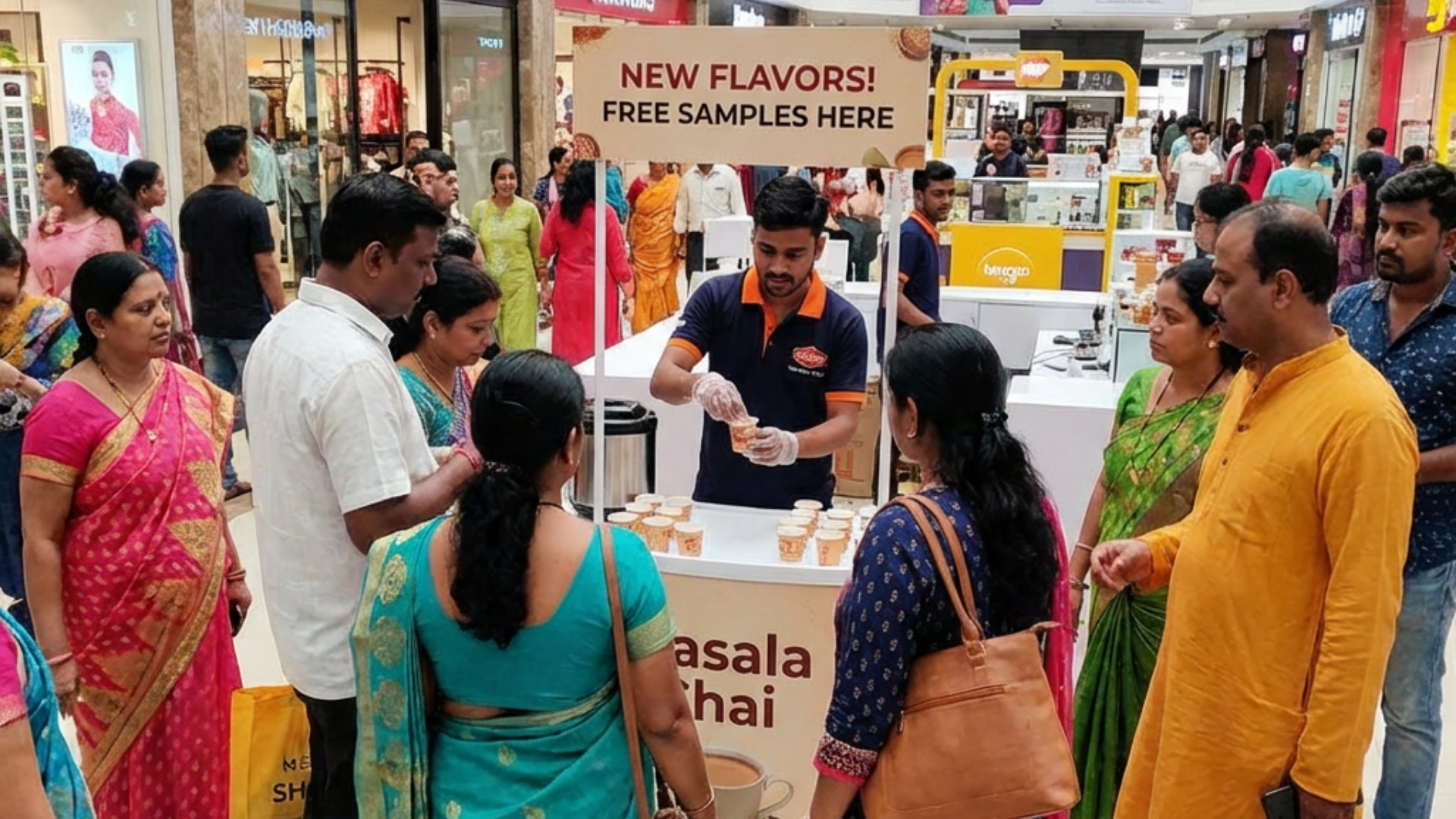
In-store product sampling is a marketing method where shoppers try a product inside a retail store, usually handed out by a trained promoter at a high-traffic spot, to drive purchase at the point of sale. Done well, it reaches the right shopper, captures who tried, and tracks trial through to purchase.
Planning an in-store product sampling campaign raises the same practical questions every time: which stores, what it costs, how many samples, and how to prove it worked. Below are clear, direct answers to the questions brands ask most, including how to choose a sampling provider.
How does an in-store product sampling campaign work?
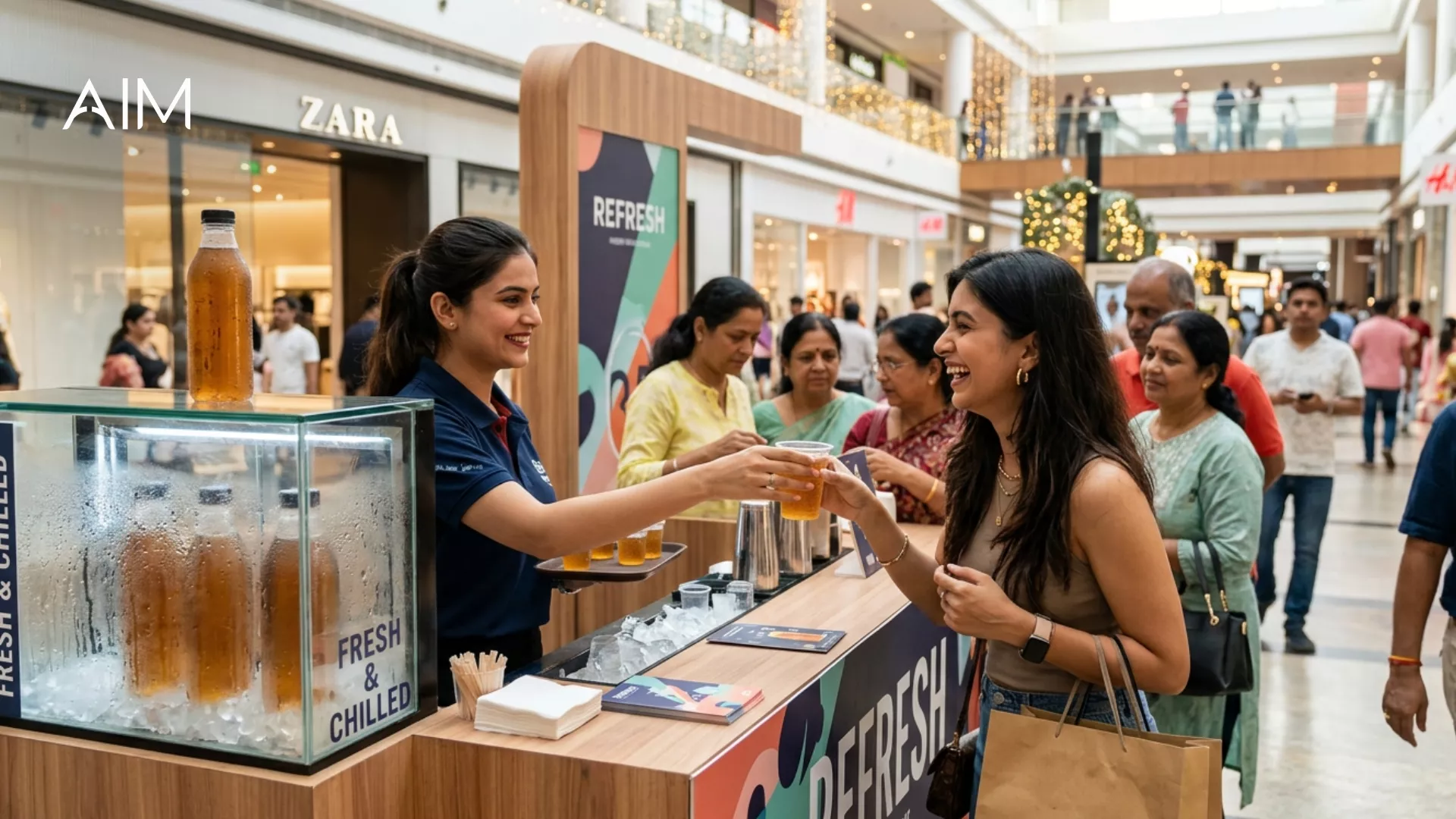
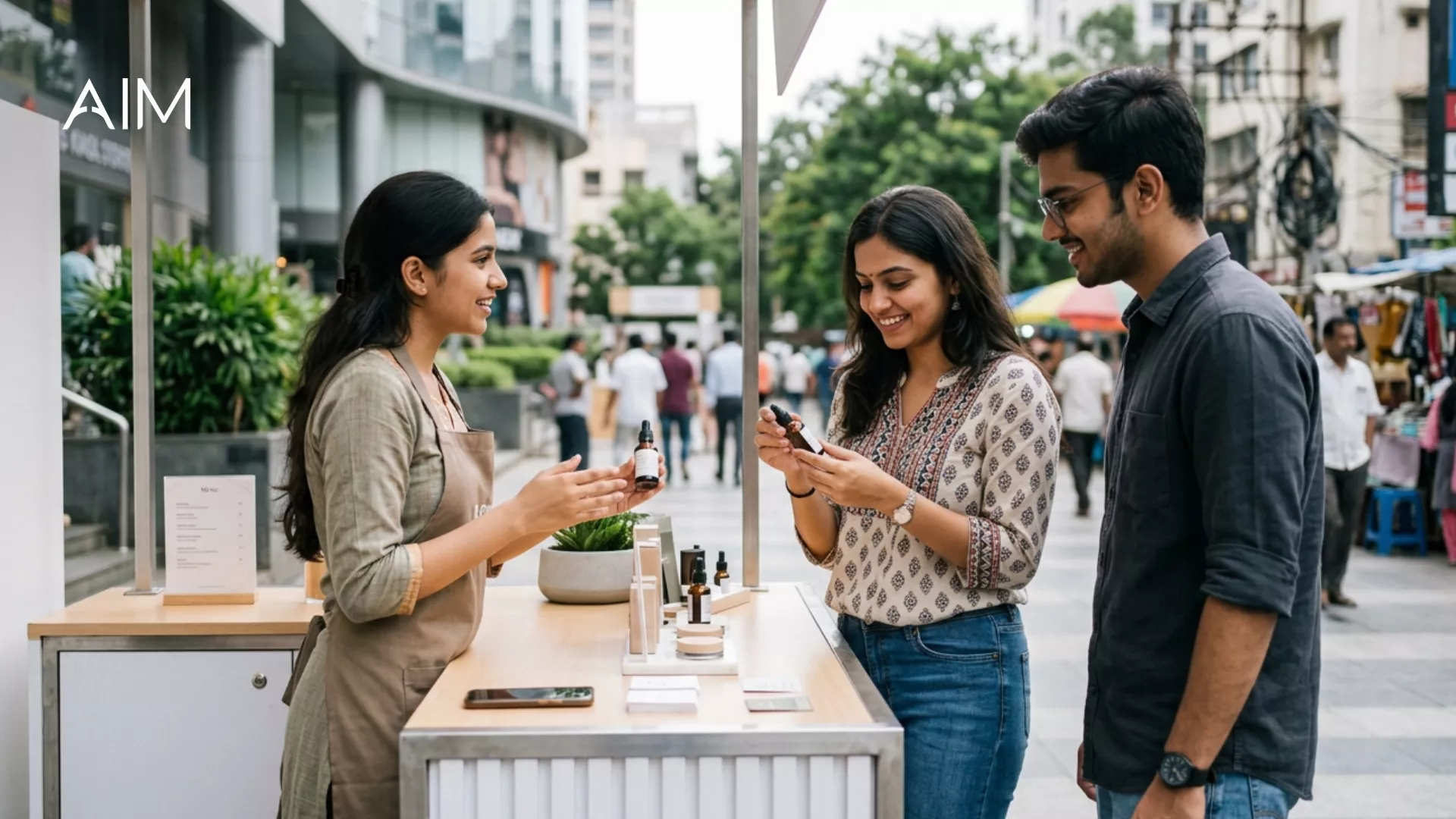
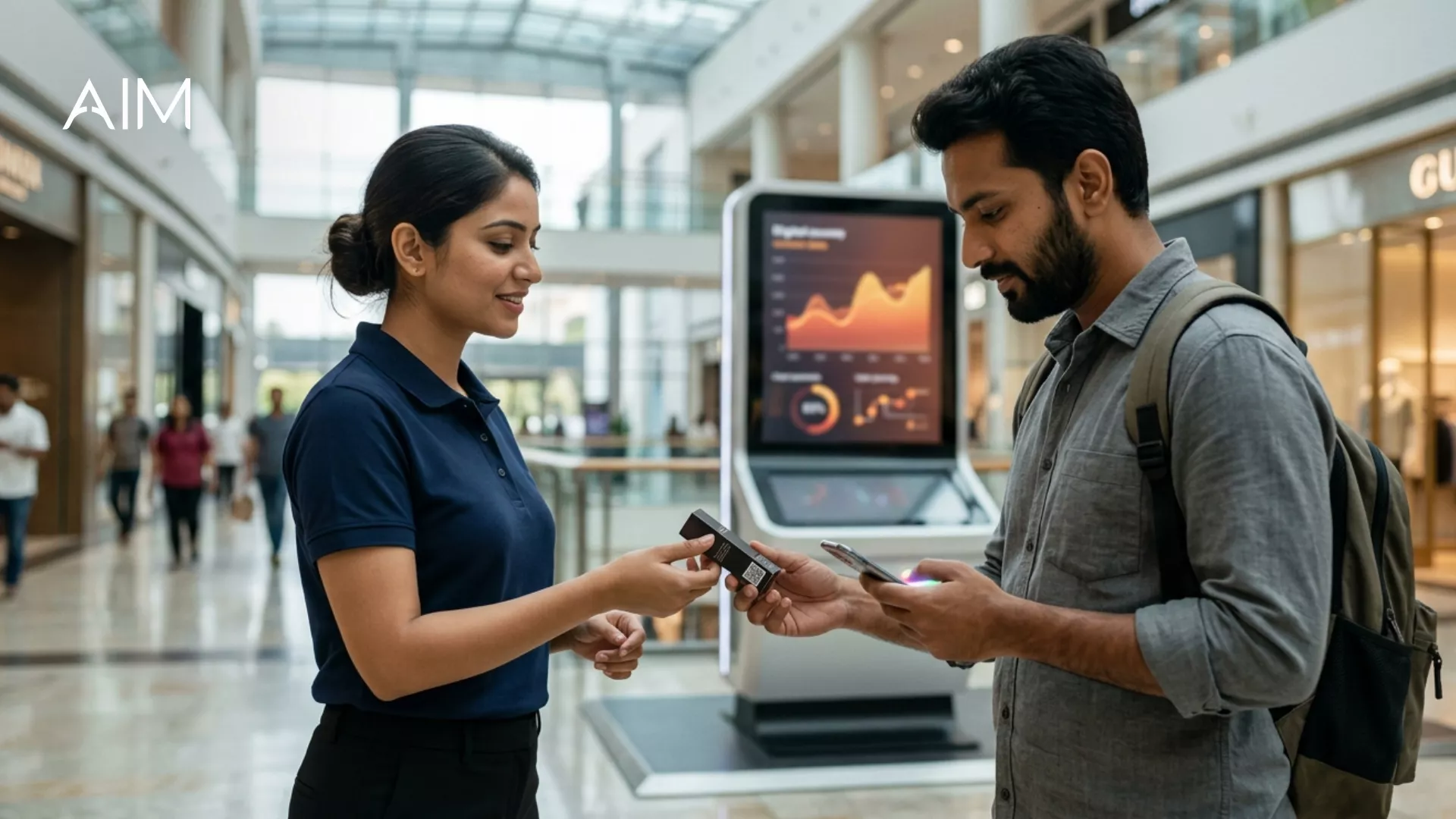
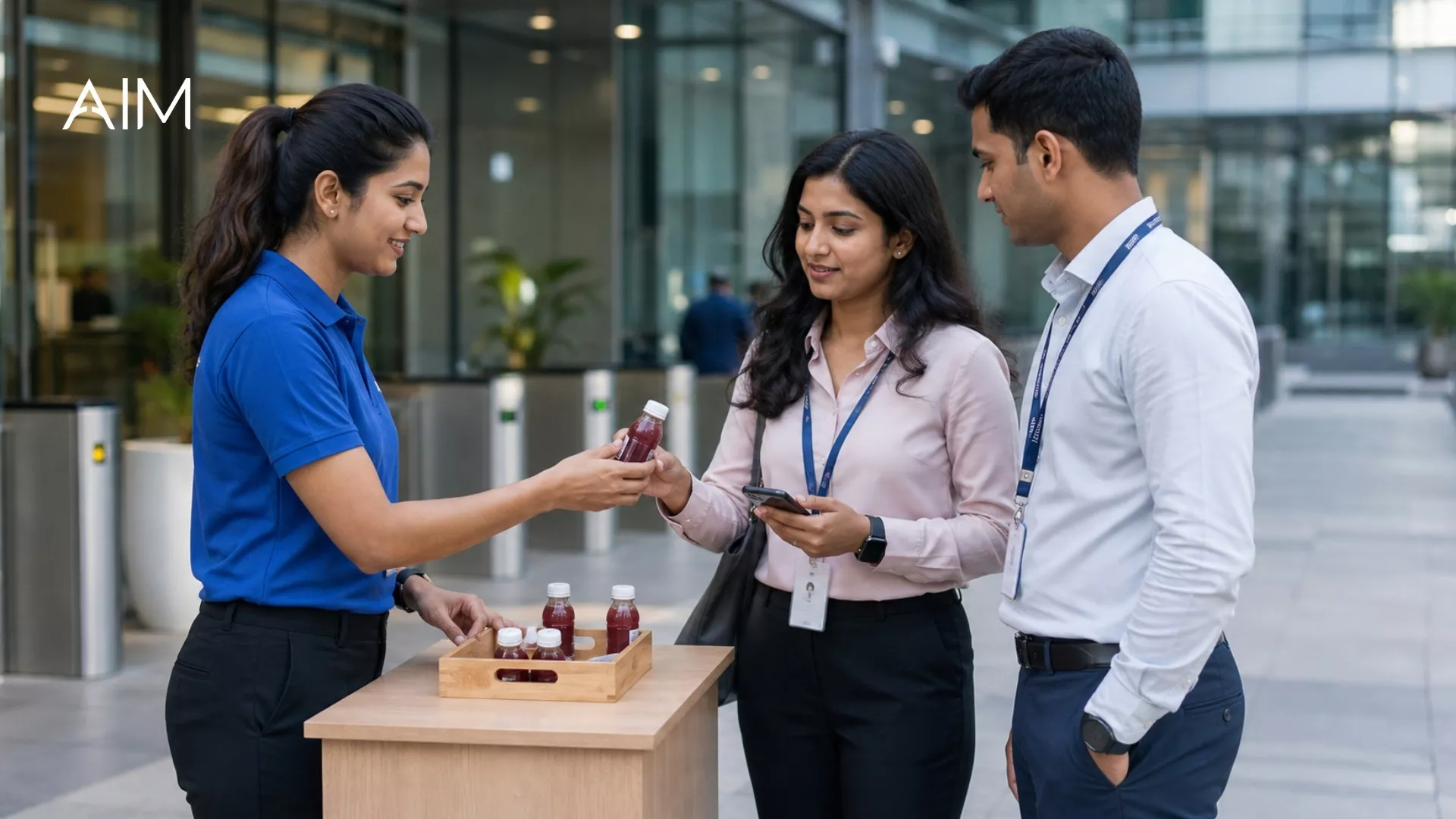
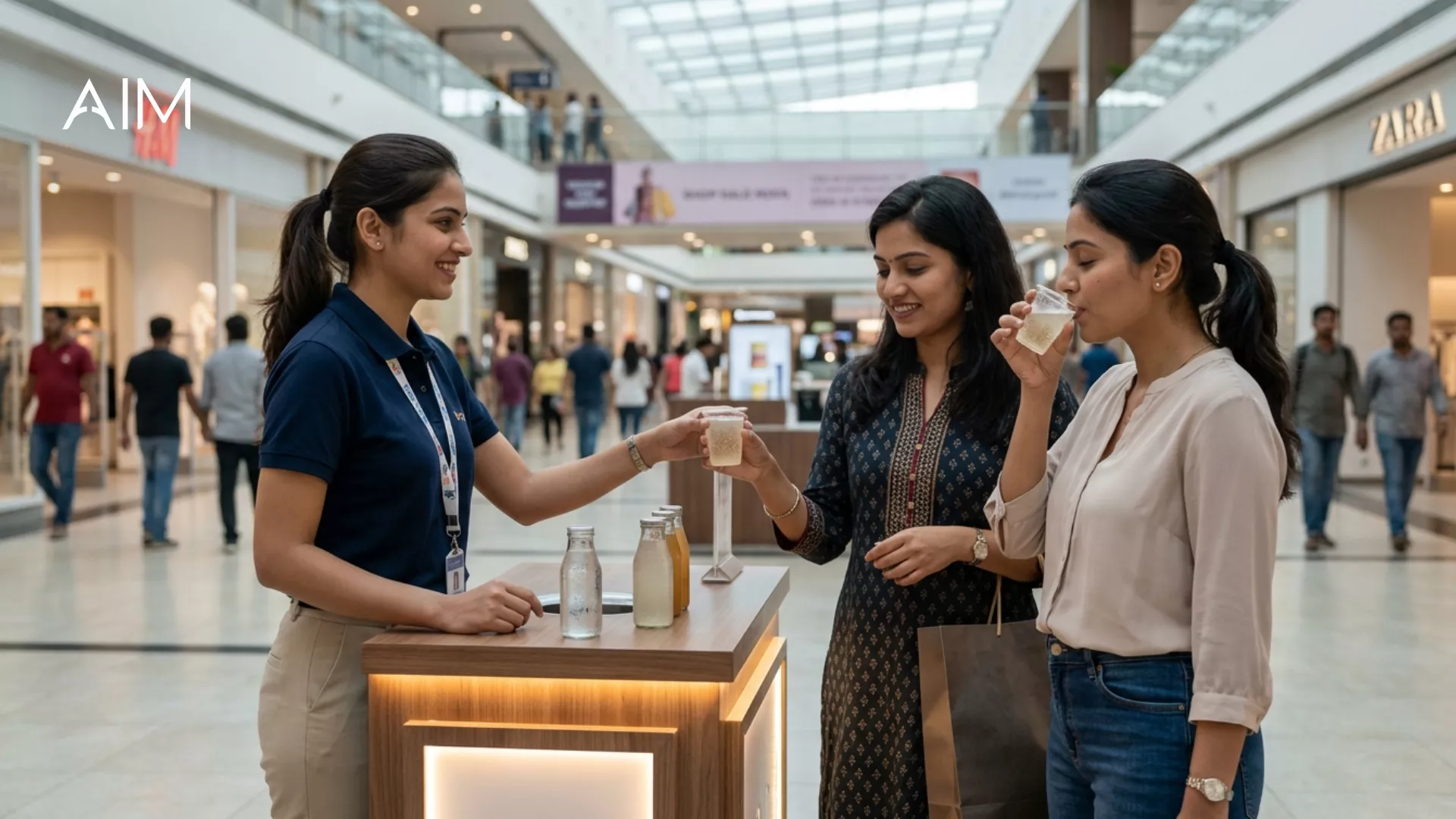
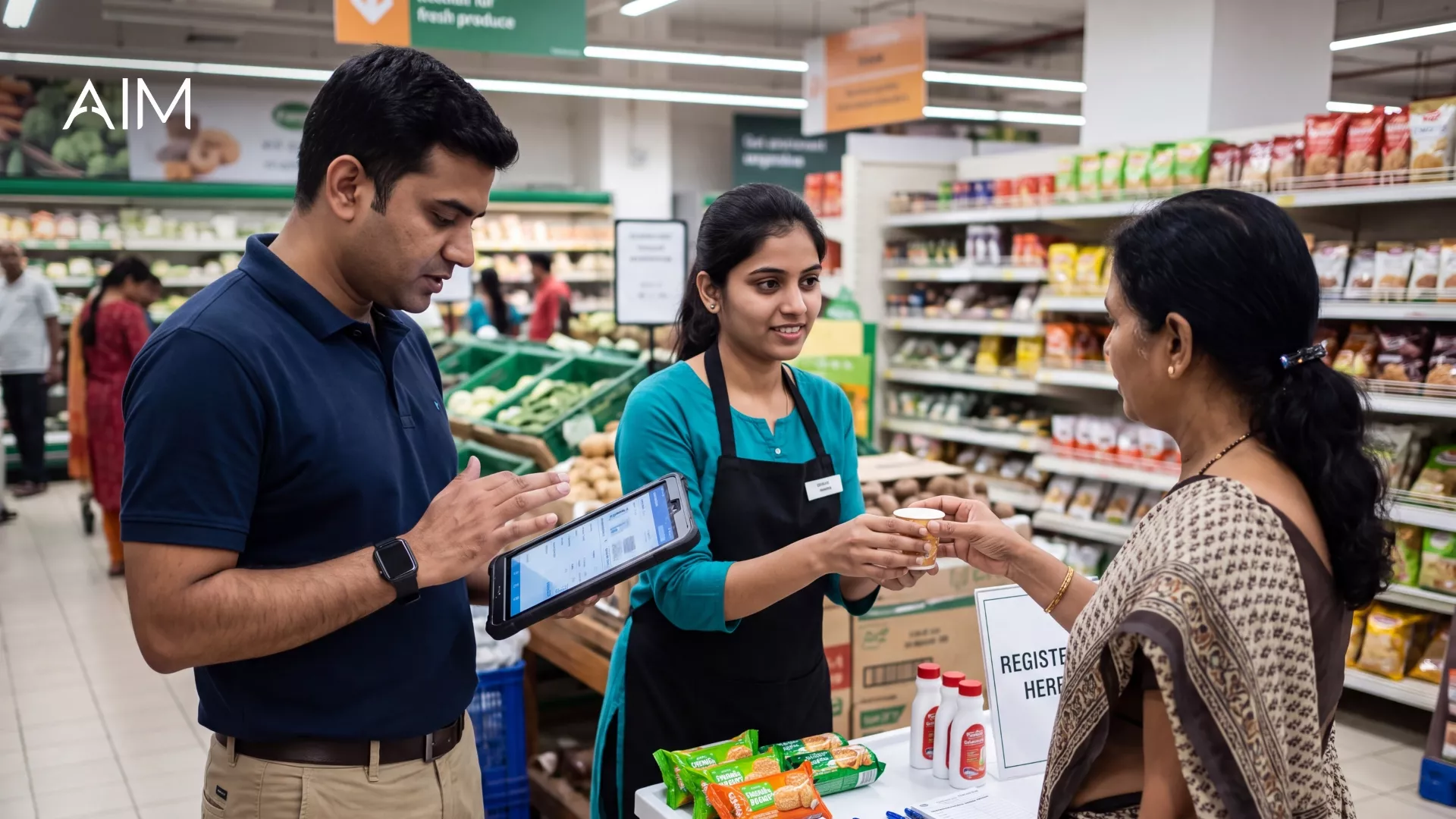
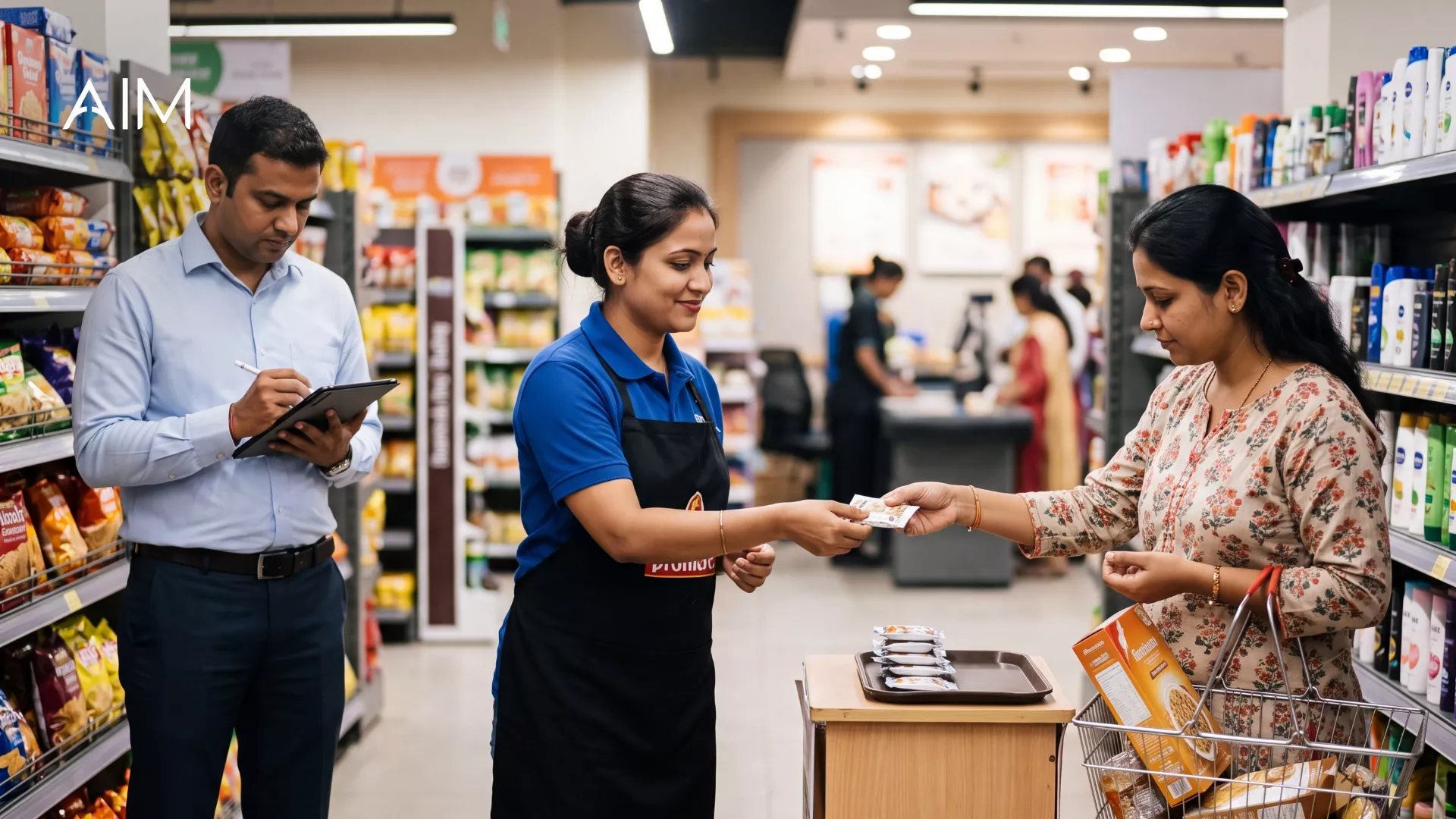
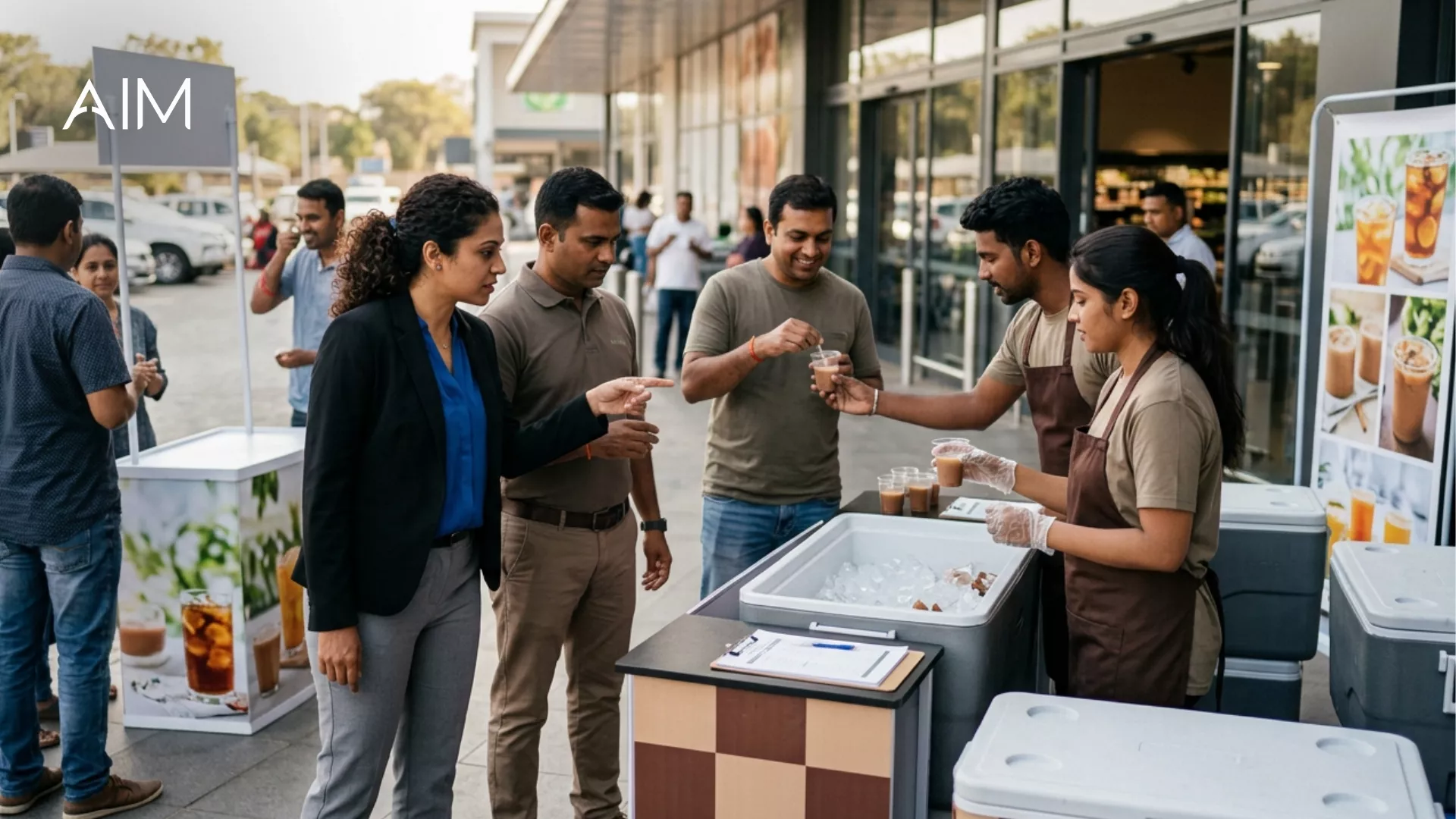
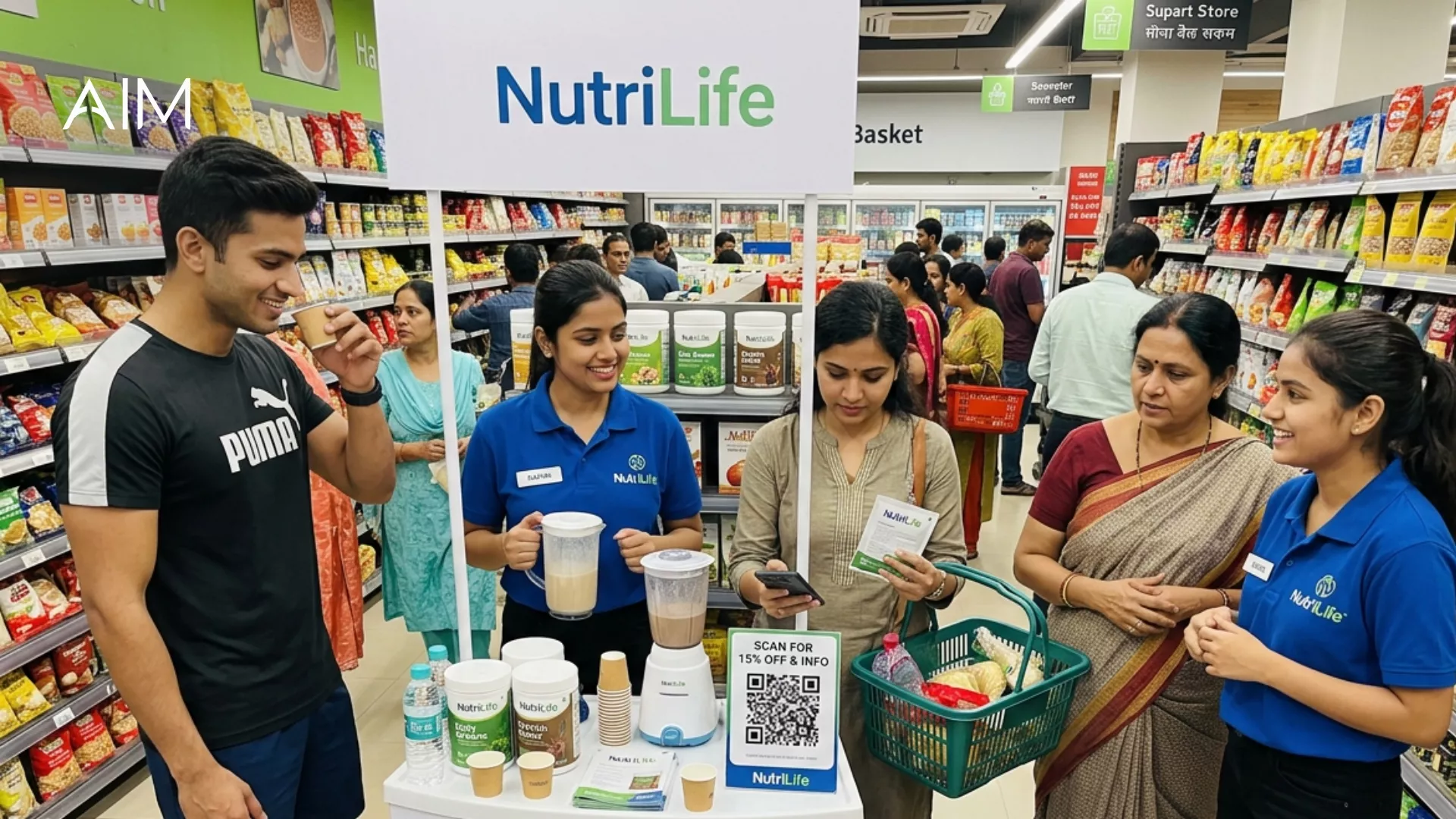
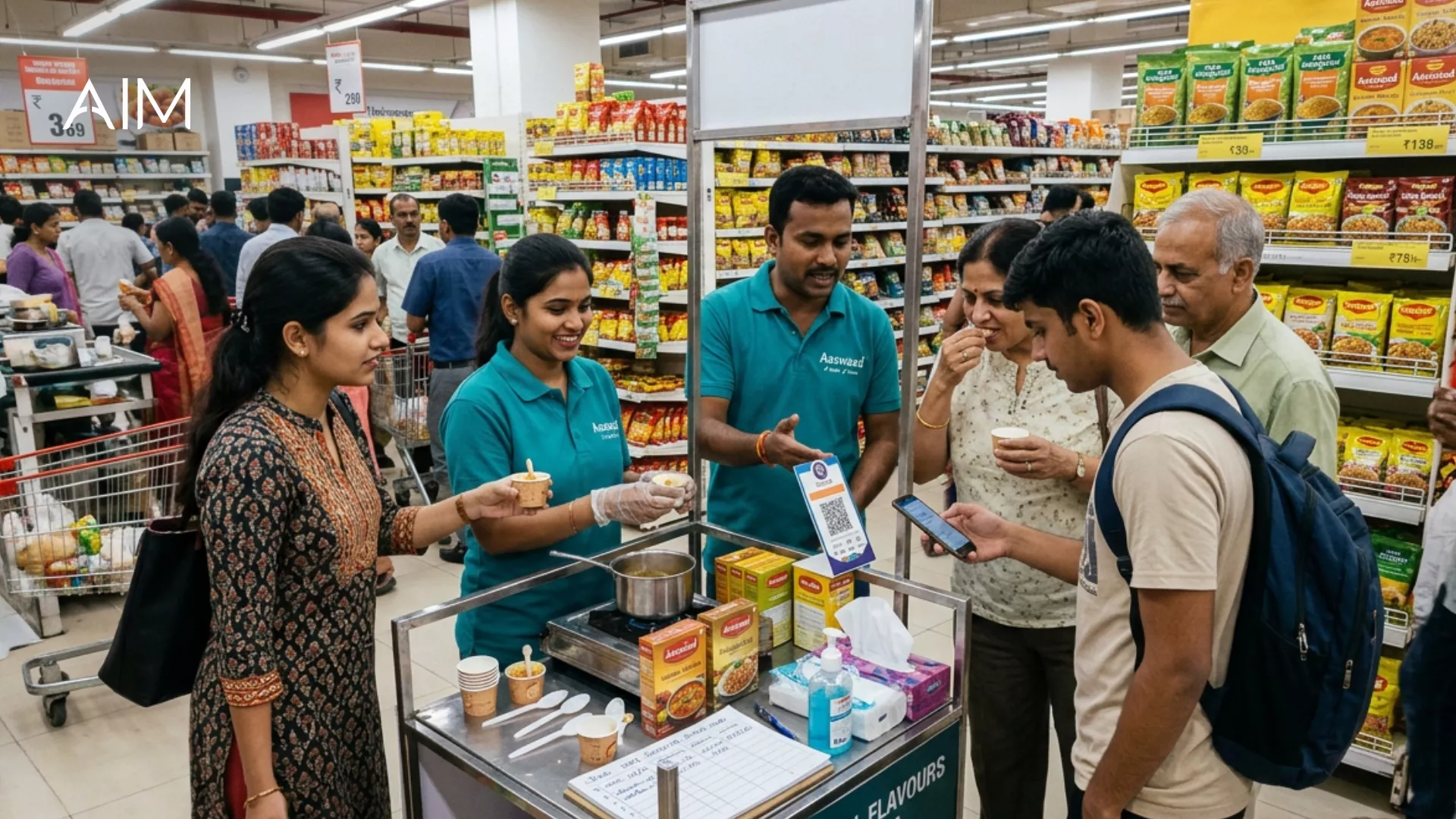
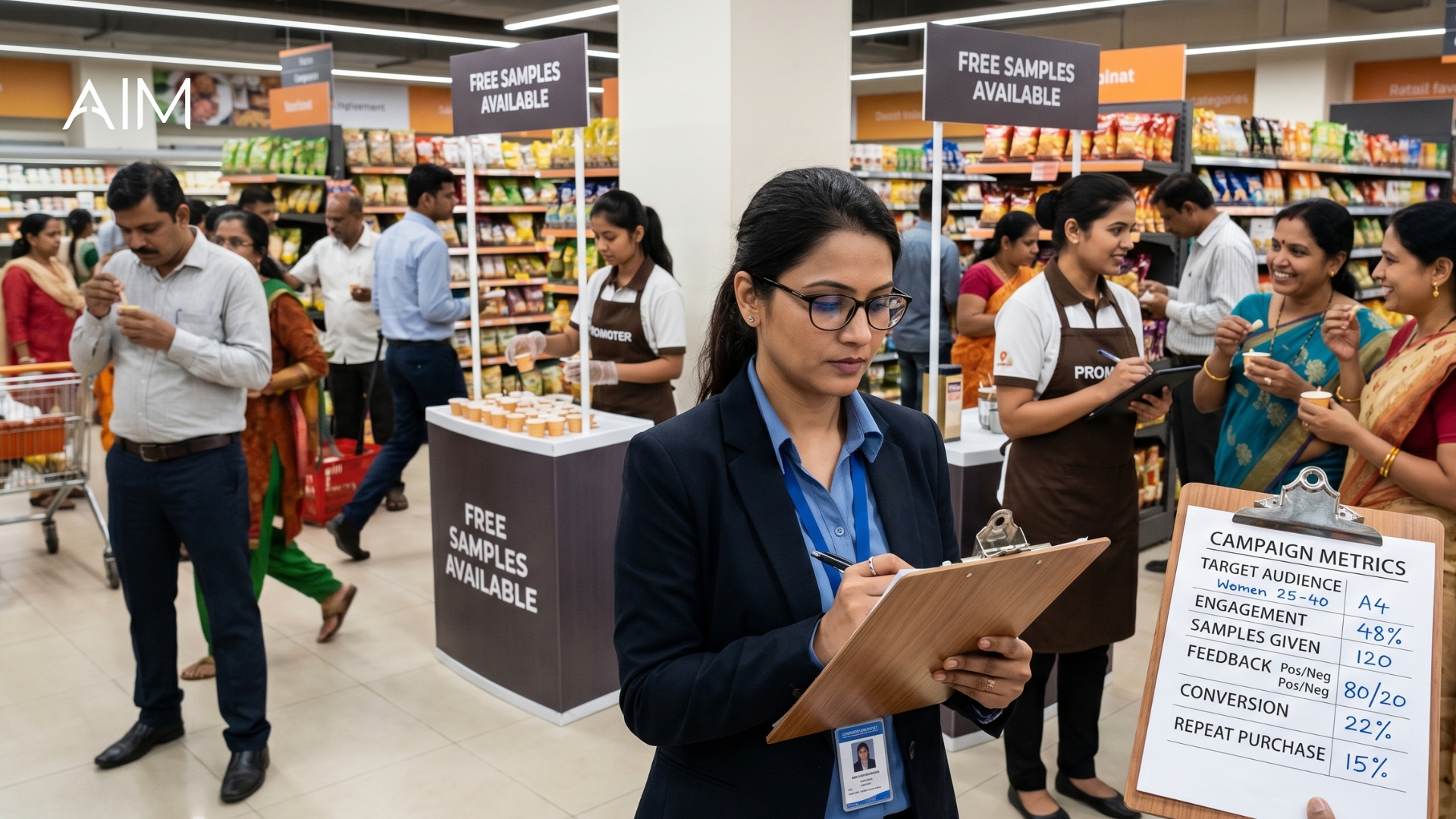
A campaign runs in four steps: choose high-traffic stores that match your target shopper, deploy trained promoters with point-of-sale branding, let shoppers try the product while capturing a quick opt-in (often a QR scan), then track feedback and purchases. The goal is trial that converts into a sale, measured, not a pile of samples handed out.
Does in-store product sampling increase sales?
Yes, when it is targeted and measured. Trying a product at the shelf removes hesitation and can lift sales during and after the campaign. In one in-store campaign for a beverage brand across 28 stores, sampling drove about a 35% sales uplift over four weeks. Actual results depend on product, price, store fit, and follow-up.
How do you measure the ROI of an in-store sampling campaign?
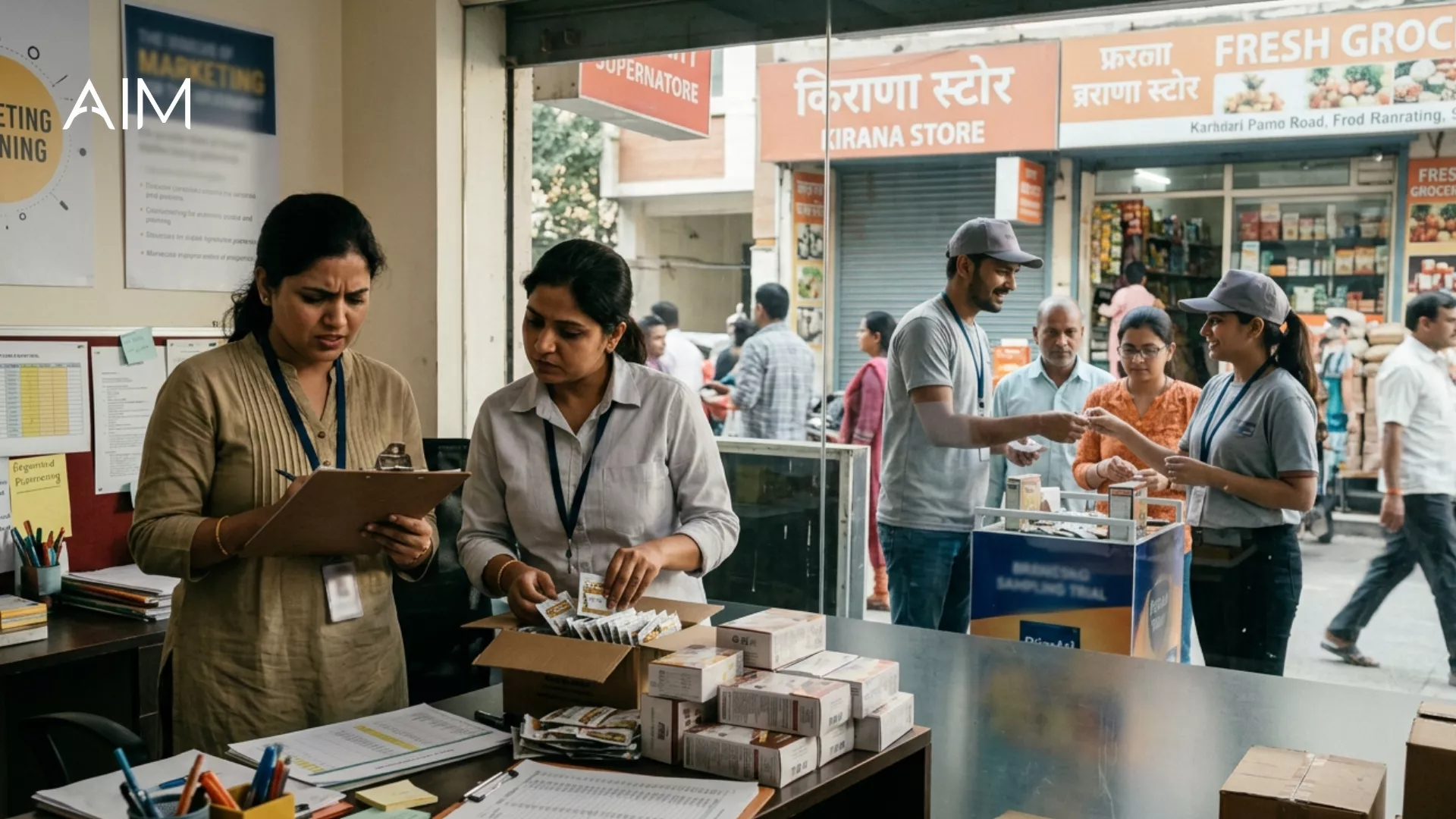
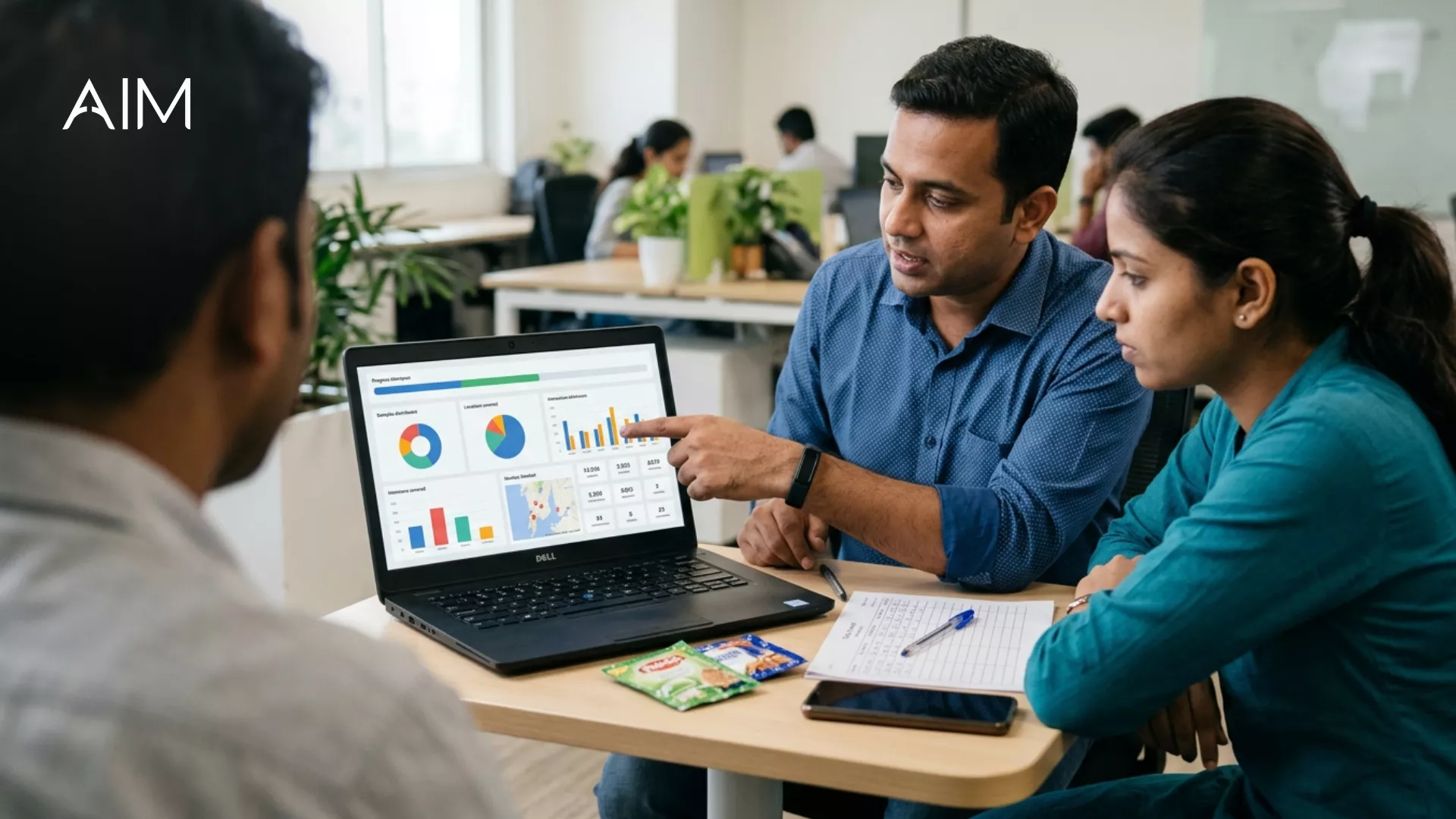
Track outcomes, not activity. Capture opt-ins at the point of sampling, tie samples to coupons or codes, and measure redemptions, purchases, and repeat rate against campaign cost. Store-level sales data plus QR-based follow-up let you calculate cost per trial and cost per buyer, which is the real ROI.
Which stores are best for in-store product sampling?
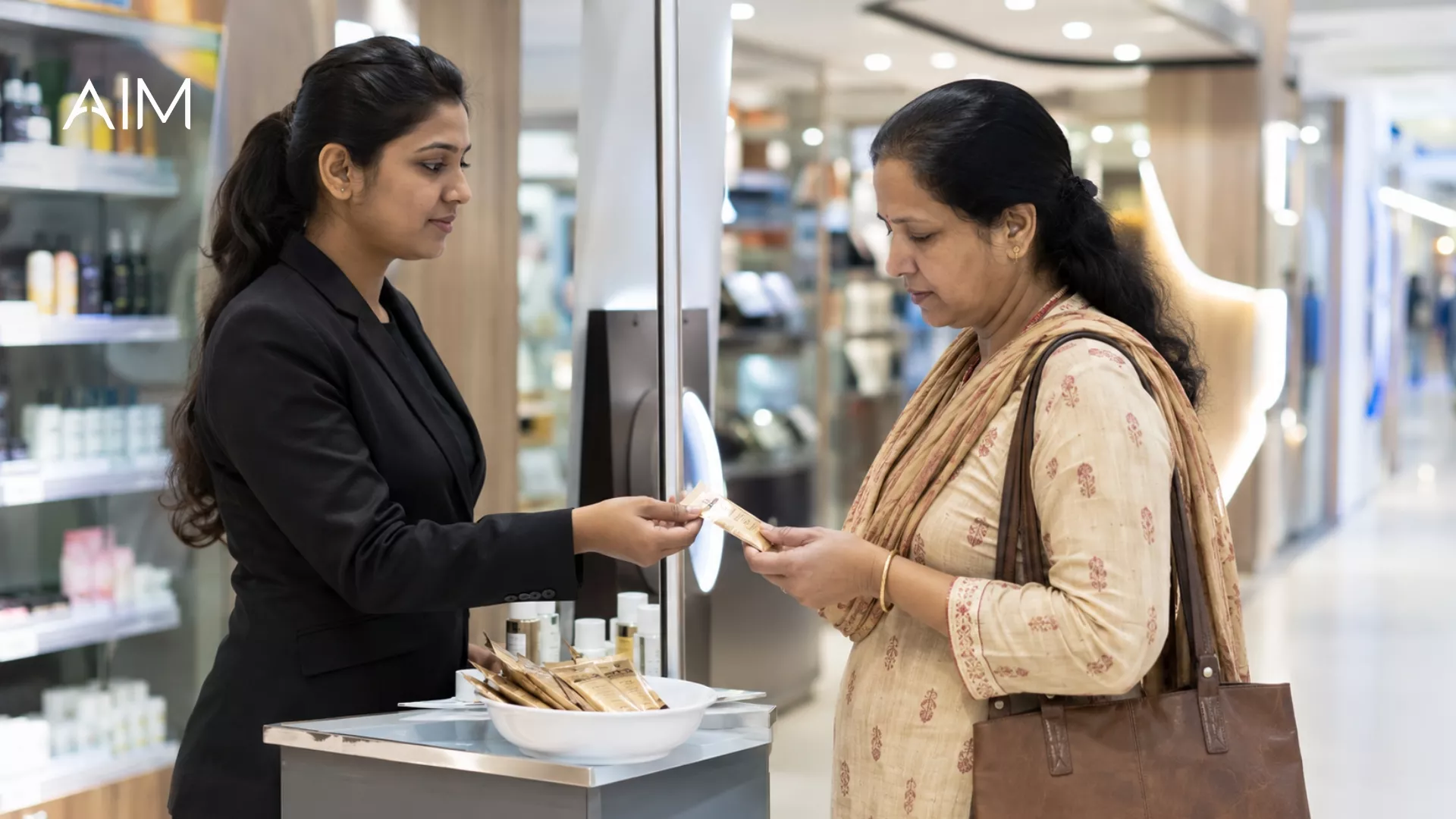
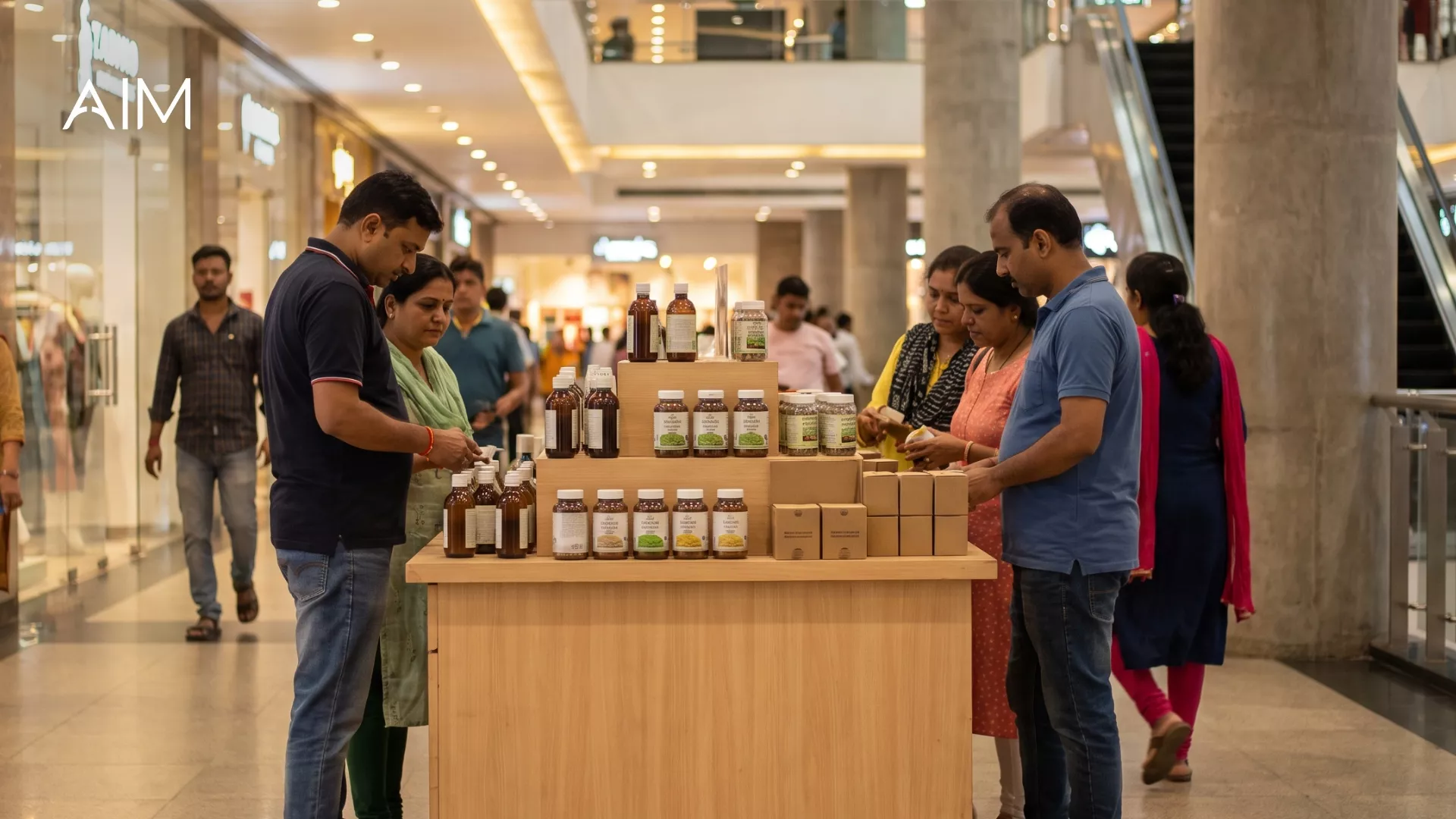
The best stores are the ones where your target shopper already buys the category, not simply the busiest ones. Match the store format (supermarket, hypermarket, pharmacy, beauty counter) and location to your audience, then prioritise high-footfall spots within those. Twenty well-chosen stores beat fifty random ones.
Which products are best suited for in-store product sampling?
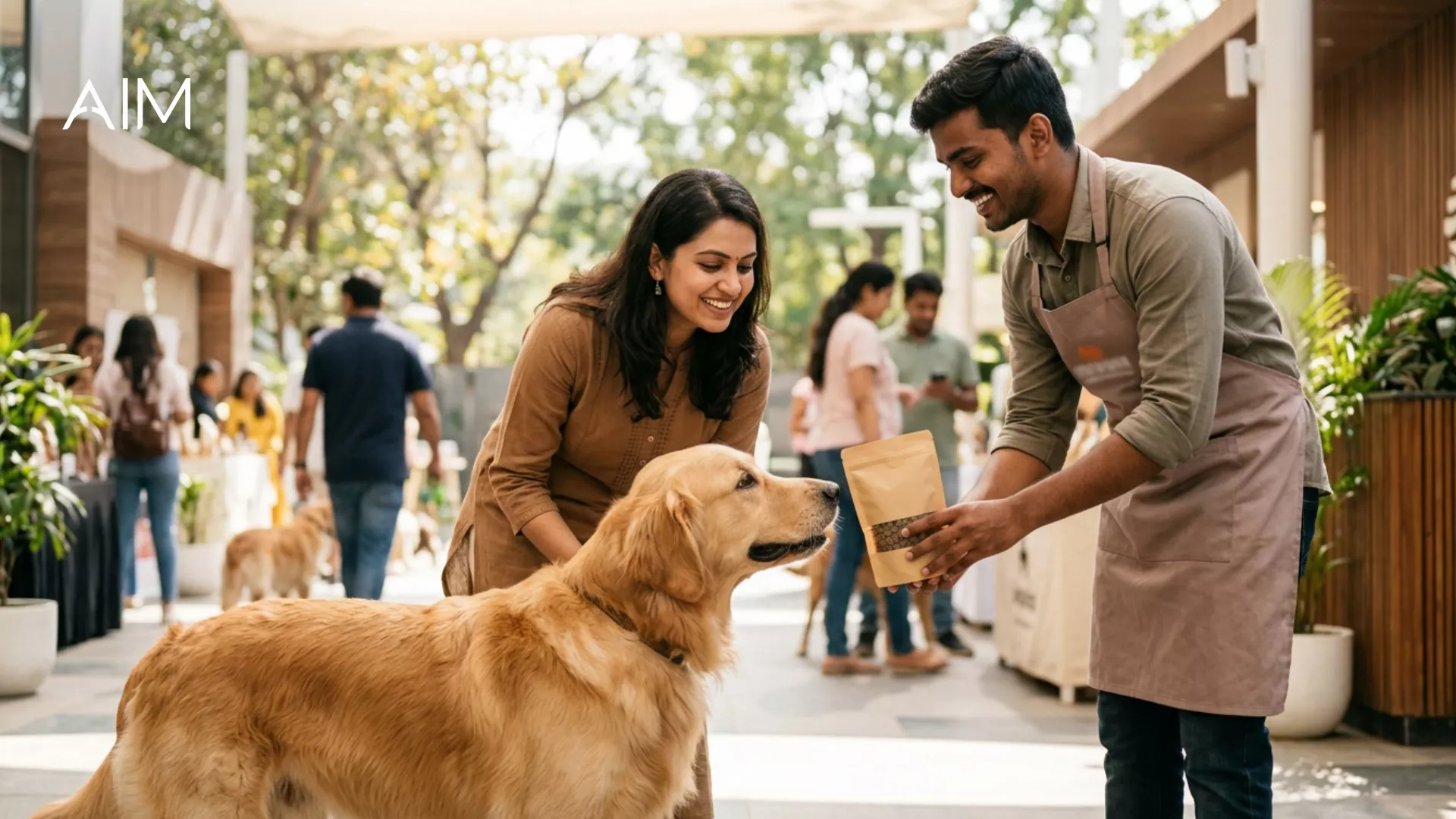
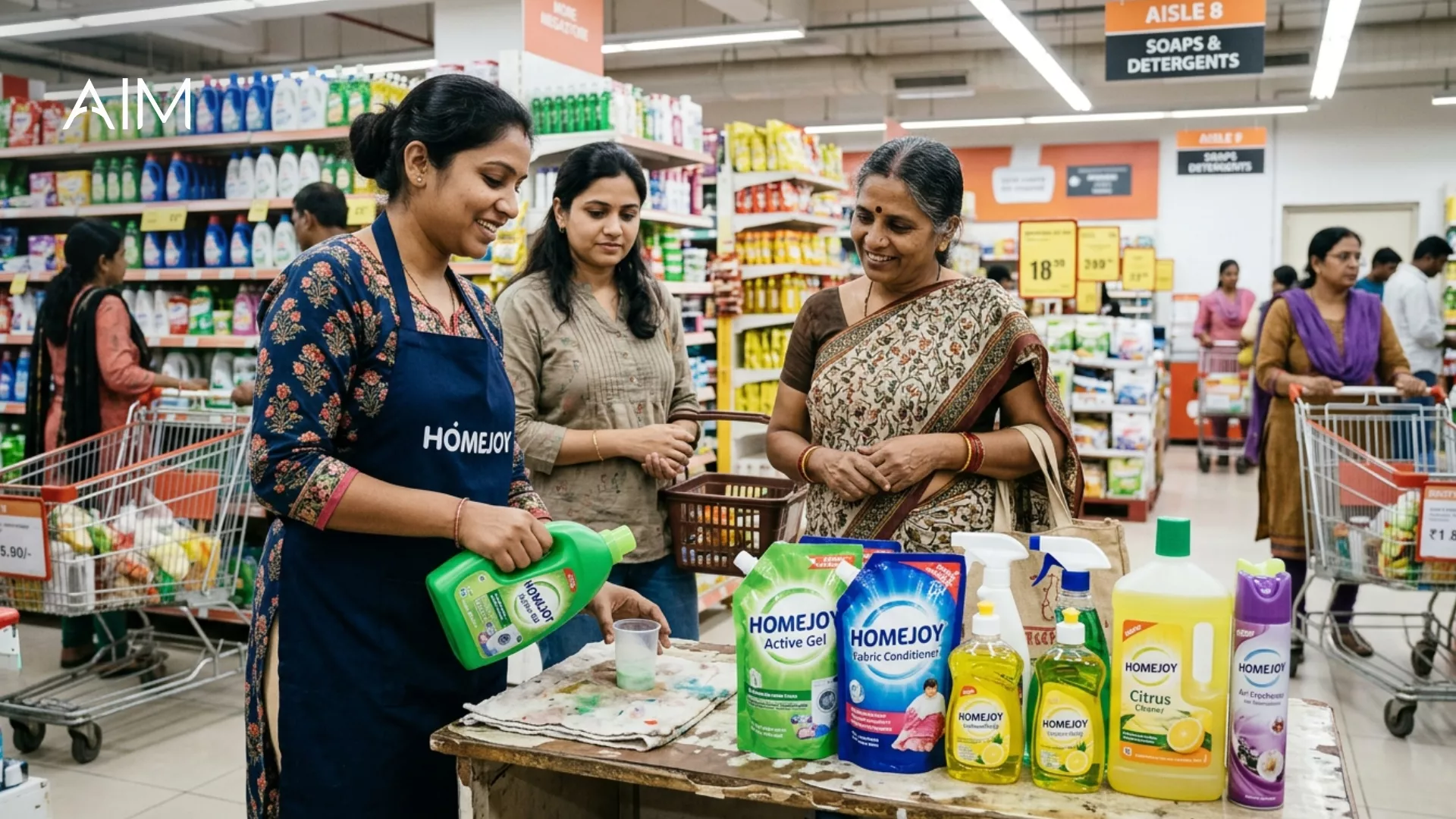
In-store sampling works best for products a shopper can judge quickly through taste, smell, touch, or a fast demo: food and beverages, snacks, dairy, personal care, beauty and skincare, health and wellness, home care, and baby care. Low-consideration, repeat-purchase categories convert especially well, because one good trial can turn into a habit. High-ticket or complex products usually need a demo-led or experiential format rather than a simple sample
How many samples do you need for an in-store sampling campaign?
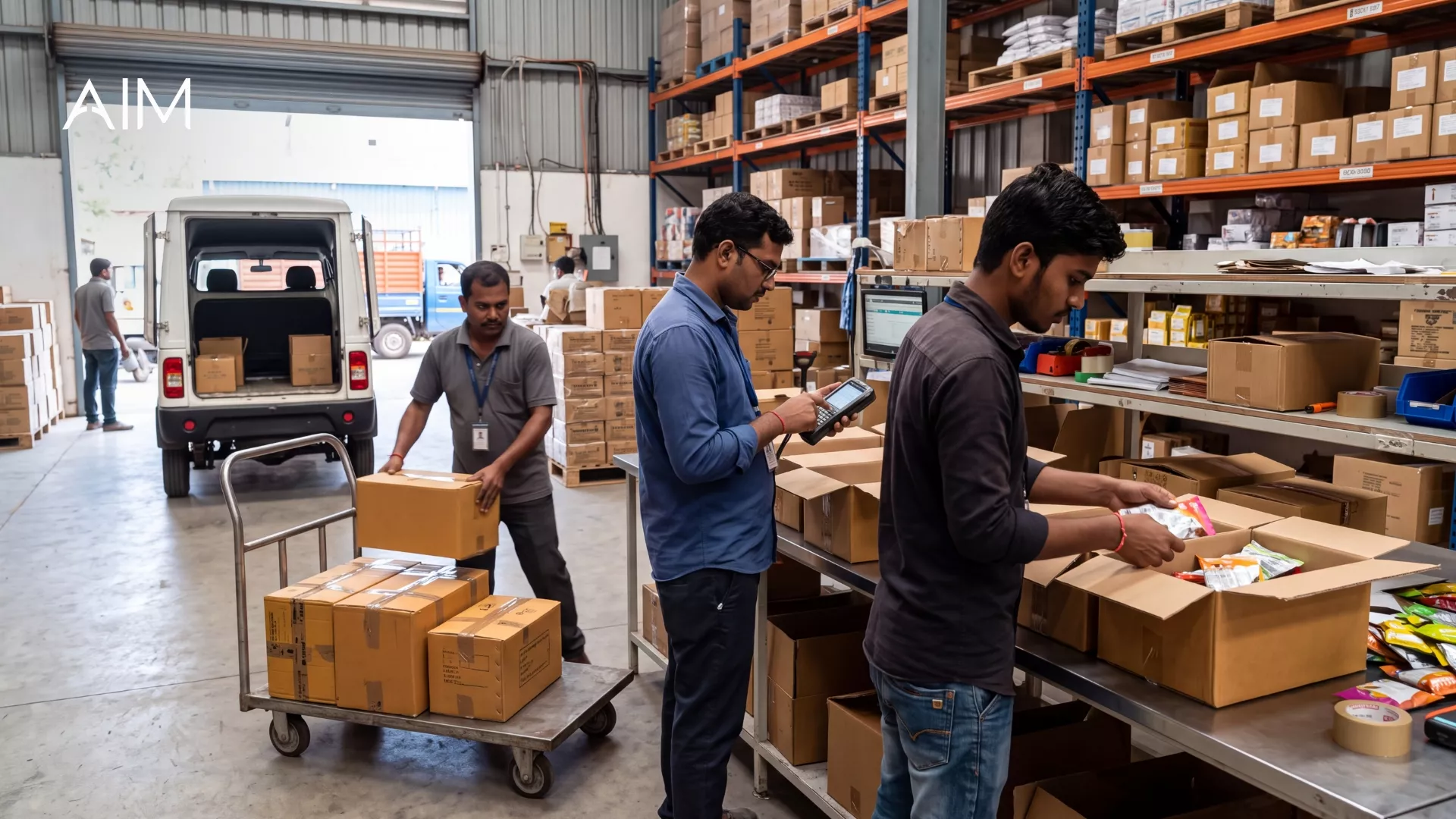
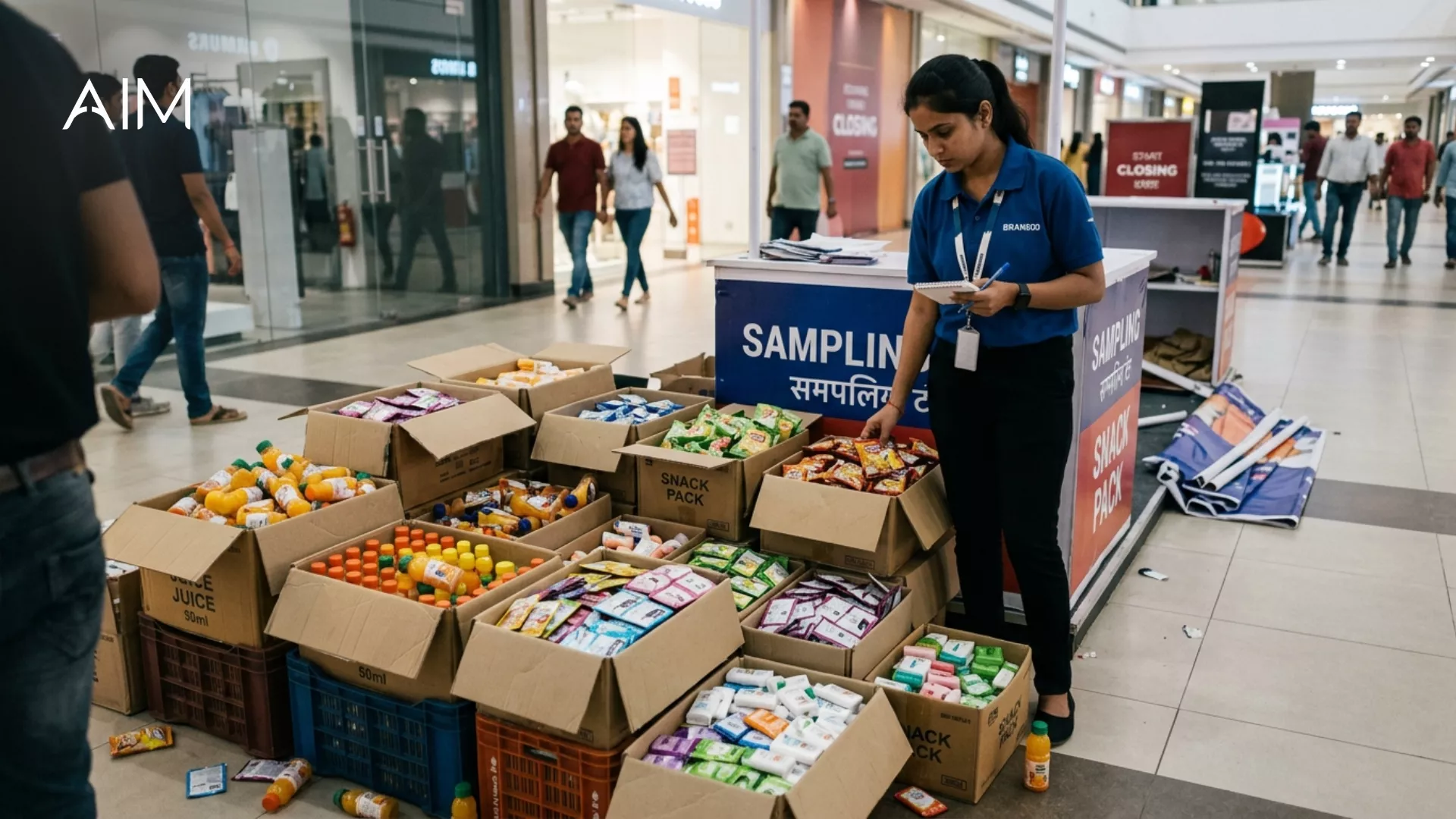
Size the sample count to footfall, campaign days, and store count, not to a round number that sounds impressive. Estimate expected daily interactions per store, multiply by days and stores, and add a buffer. It is better to sample fewer stores properly than to spread thin and run out mid-day.
How long does it take to set up an in-store sampling campaign?
A focused campaign usually takes two to three weeks from brief to launch: store selection and approvals, promoter hiring and training, sample logistics, and point-of-sale branding. Larger multi-city rollouts take longer, mostly because of store permissions and coordination.
What permissions do you need for in-store sampling in India?
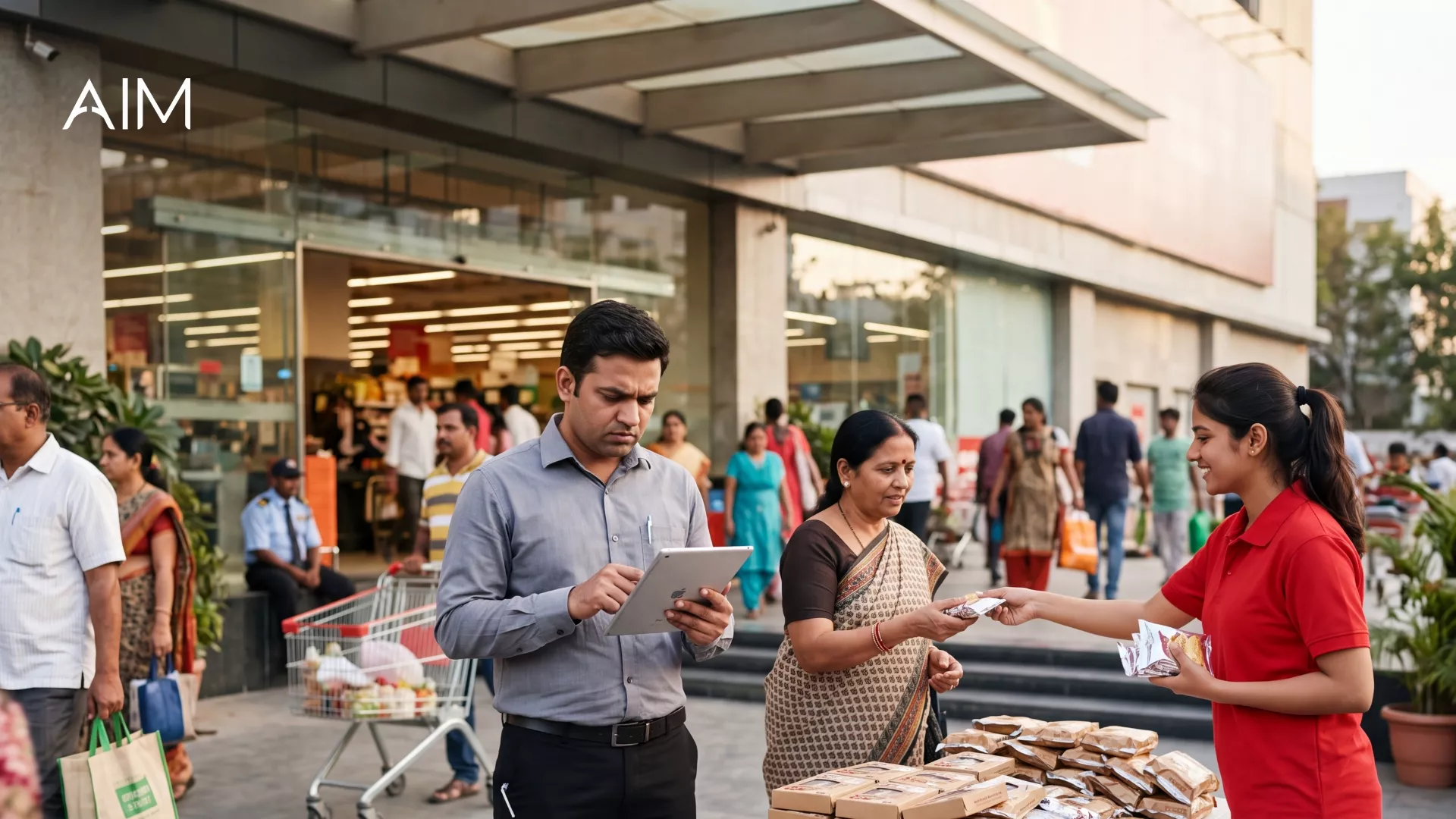
You need the retailer's or store chain's approval to sample on their floor. In modern trade that usually comes with a fee and fixed rules on space, staffing, and timing. Standalone stores are simpler but still need the owner's consent. A capable agency secures these approvals as part of the campaign.
How do I choose an in-store product sampling agency in India?
Judge an agency on targeting, execution quality, and measurement, not on the lowest quote or the biggest sample number. Ask who reaches the shopper, how they qualify and track each sample to a purchase, who staffs the stores, and what the reporting looks like. Choose the one that can show you buyers, not photos.
What should I look for in a product sampling service provider?
Look for in-house trained promoters, real store relationships, sample-to-sale tracking on a live dashboard, transparent per-store costing, and the honesty to tell you when a store or channel is wrong for you. A provider who talks about your buyers and your sales before headcount and locations is the one to trust.
How much does in-store product sampling cost in India?
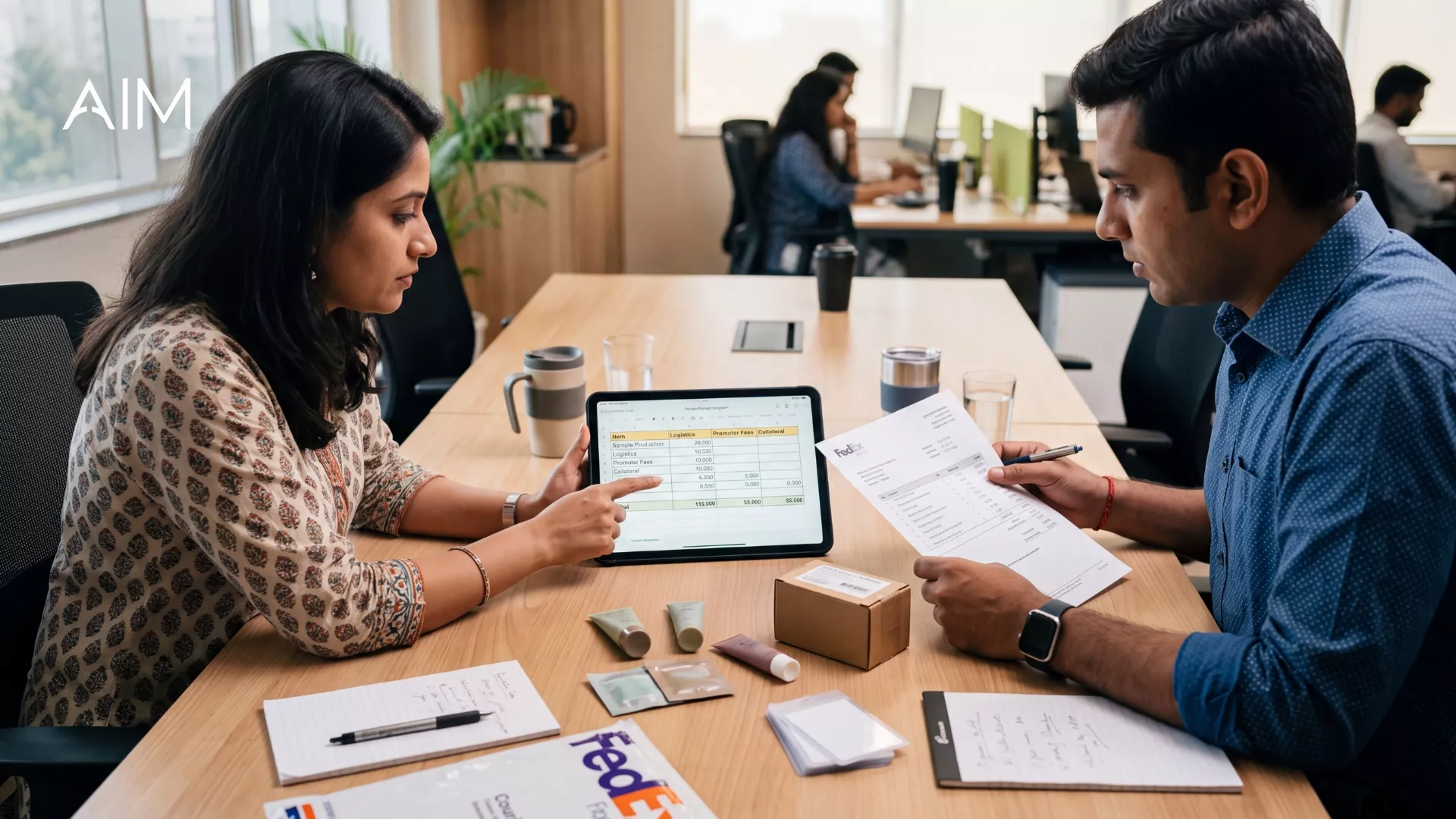
Cost depends on the number of stores, campaign days, promoter count, sample volume, modern-trade or store fees, and how much tracking you want. Because those variables move a lot, ask for line-item pricing per store and per day rather than a single lump sum, and treat any figure quoted before store selection as an estimate.
How much does in-store sampling cost per store per day?
There is no fixed rate, but the building blocks are steady. A trained promoter is usually around Rs 3,000 a day, and to that you add the store or modern-trade fee, the samples, point-of-sale branding, and reporting. Multiply by stores and days for the campaign total. A small pilot of a few stores over a week is the cheapest way to test the numbers before you scale.
In-store product sampling is still one of the most direct ways to win a first purchase in India, because the trial happens exactly where the buying decision is made: at the shelf. The channel pays off when three things are true. The samples reach the right shopper, someone captures who tried, and the trial is tracked through to a sale. Hand out volume and chase footfall, and you end up with photos. Target, qualify, and measure, and you end up with buyers. That difference, between samples distributed and buyers created, is the entire game.
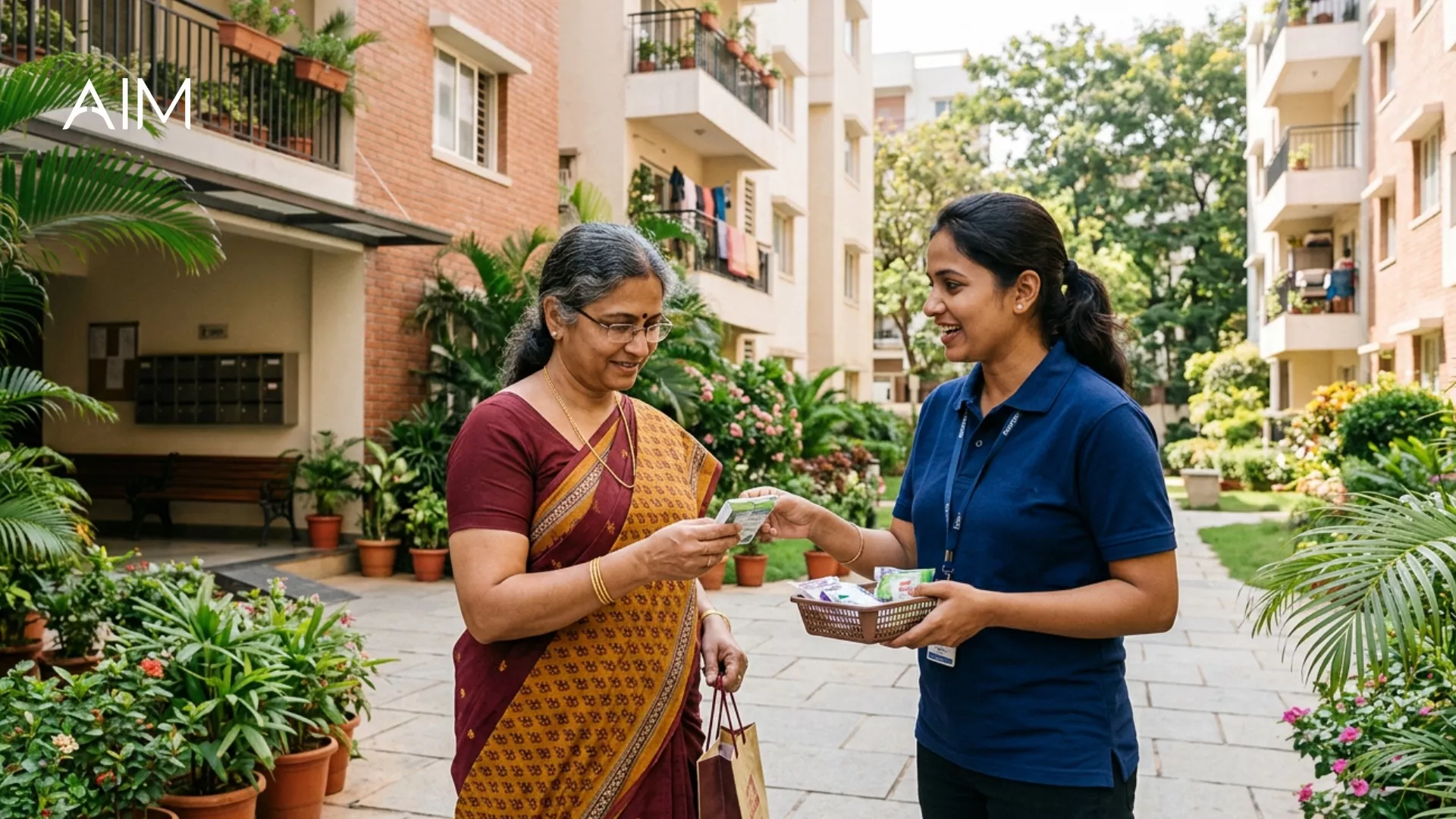
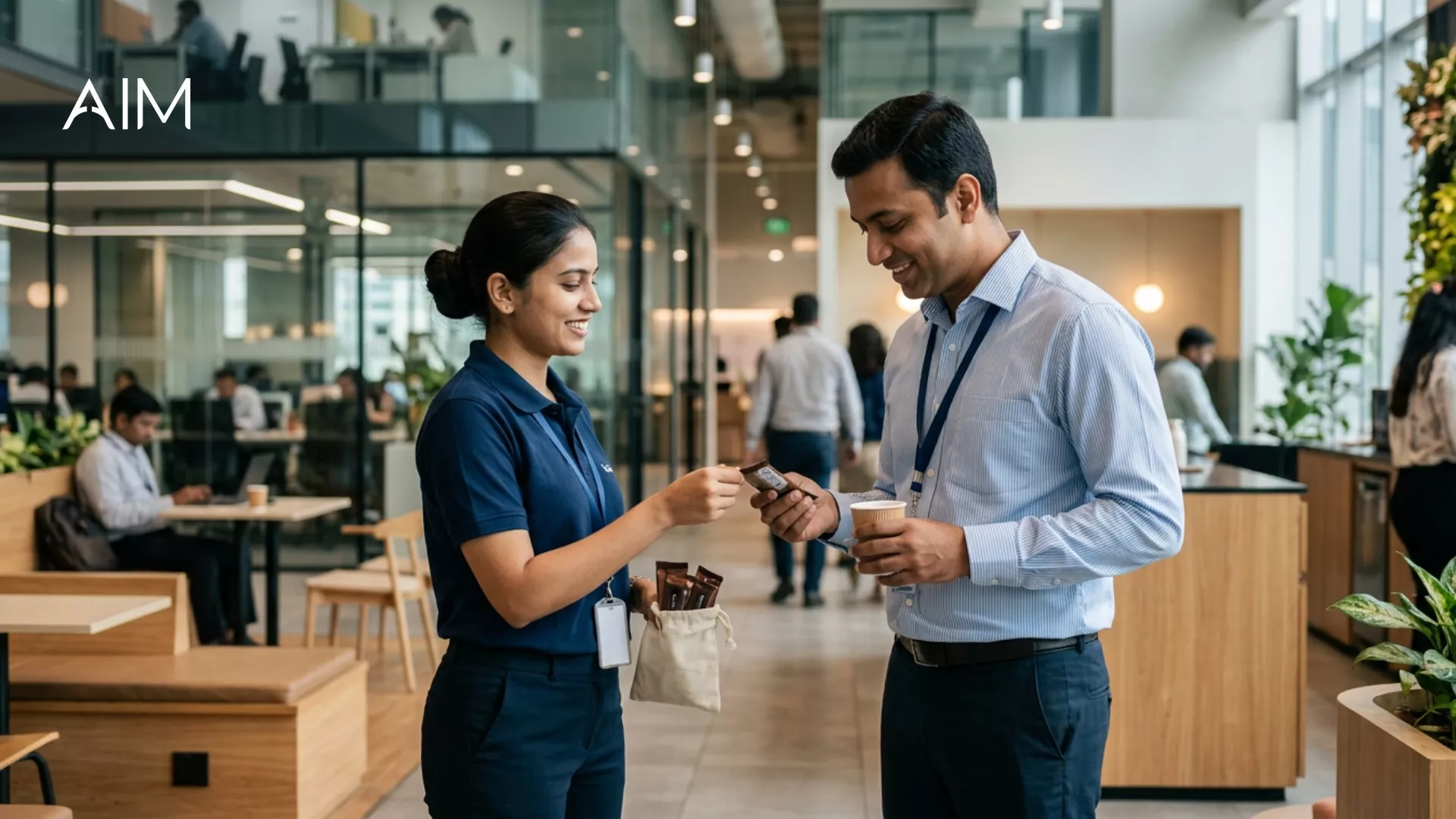
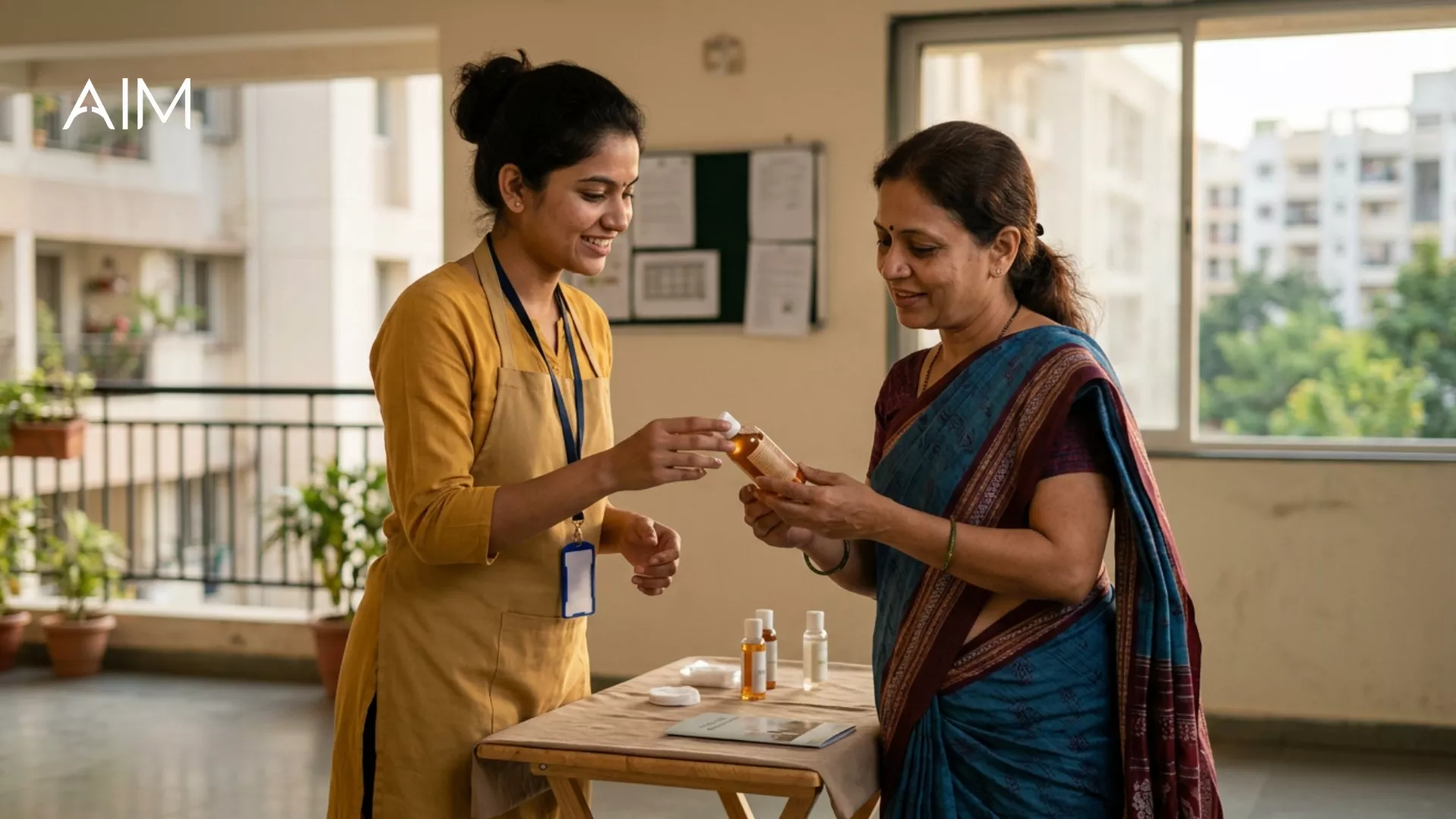
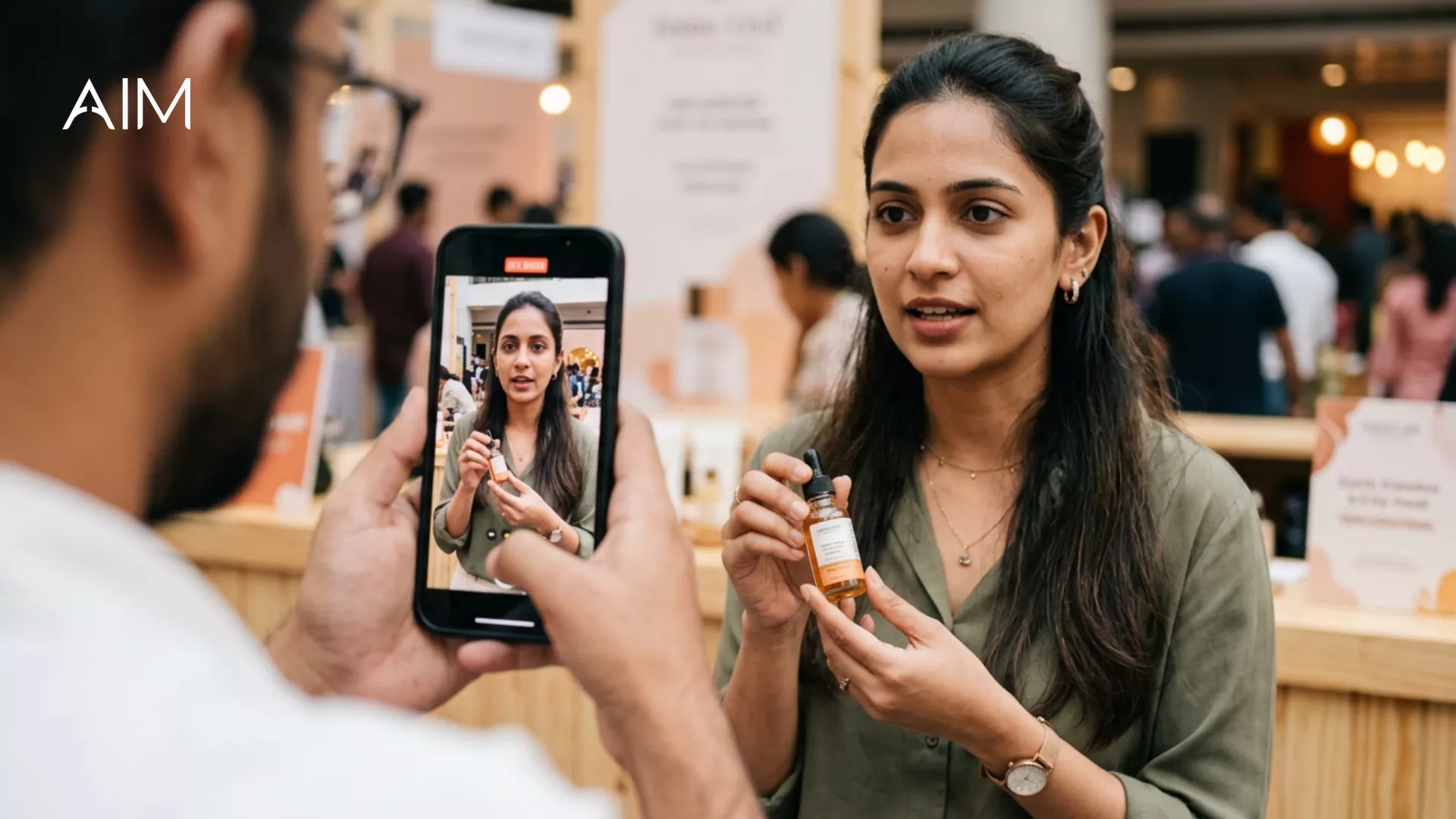
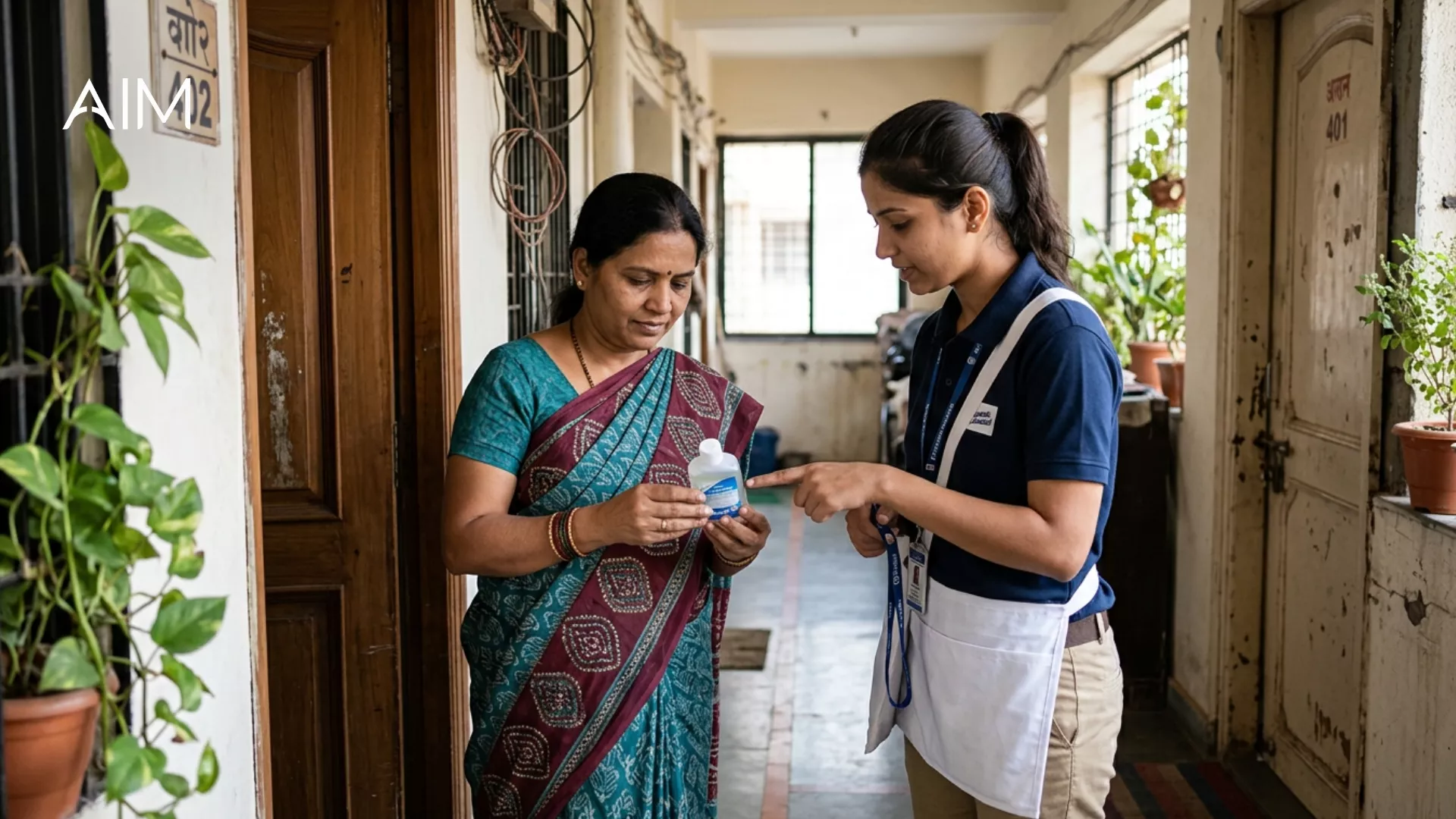
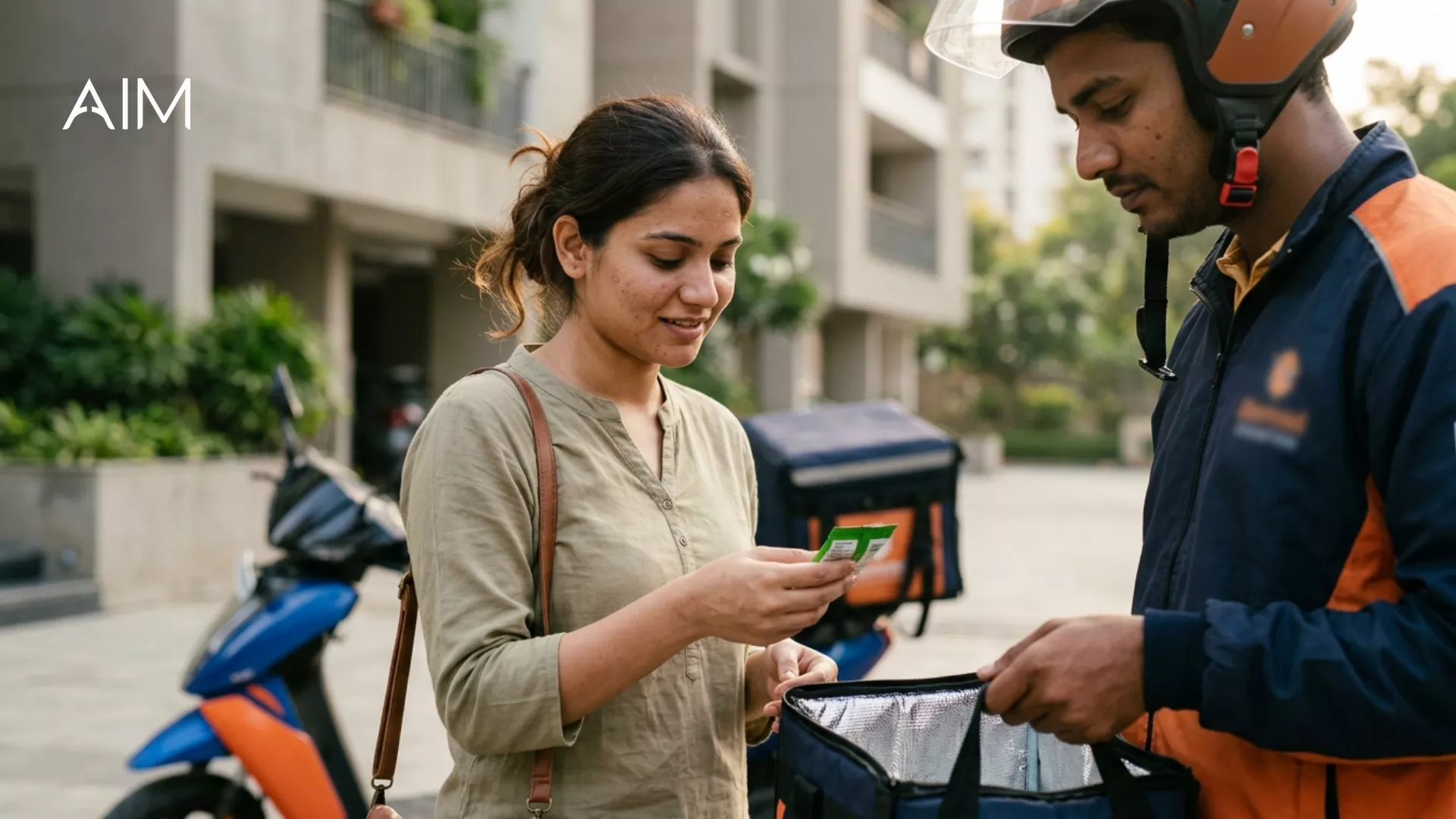
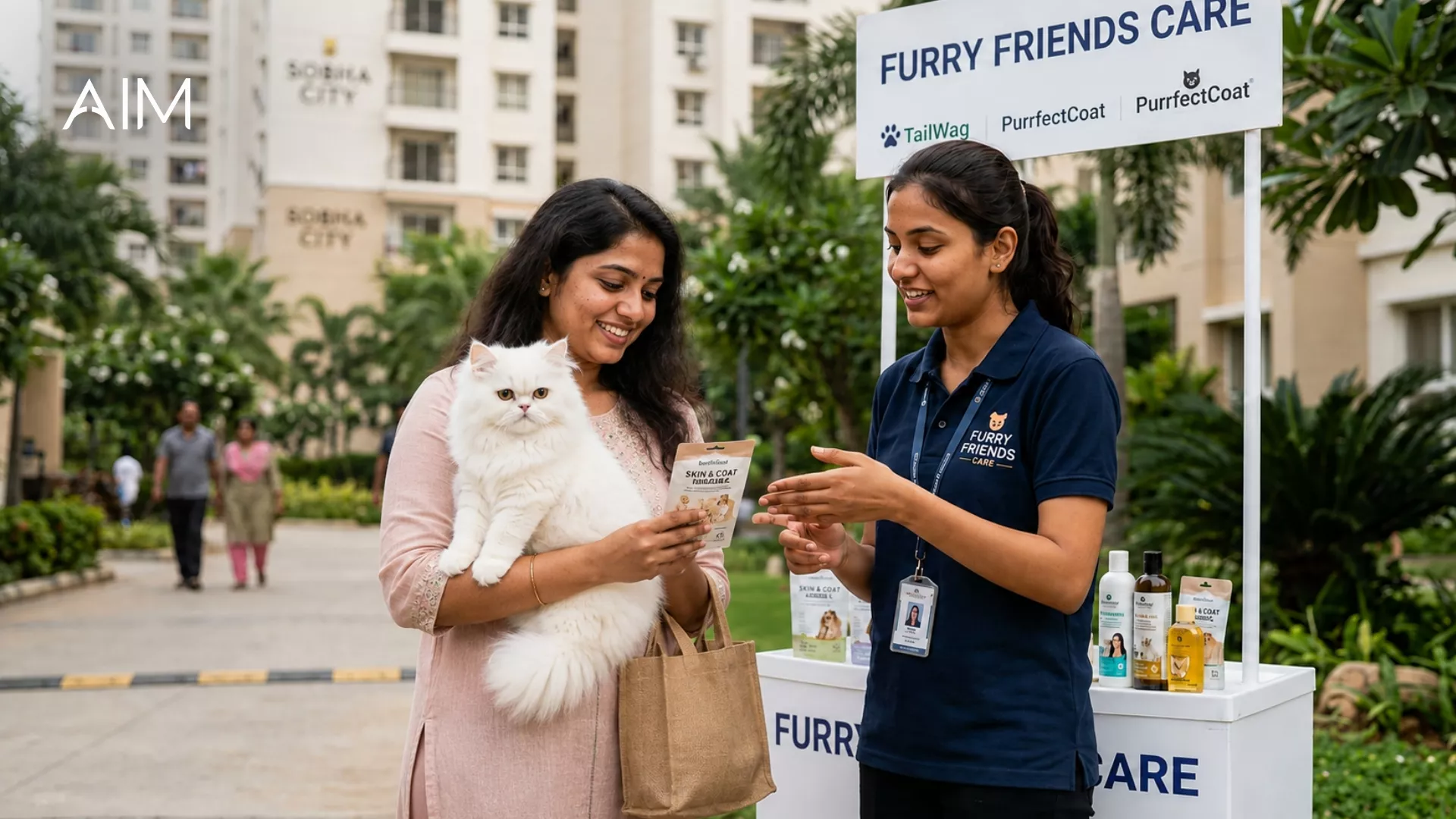
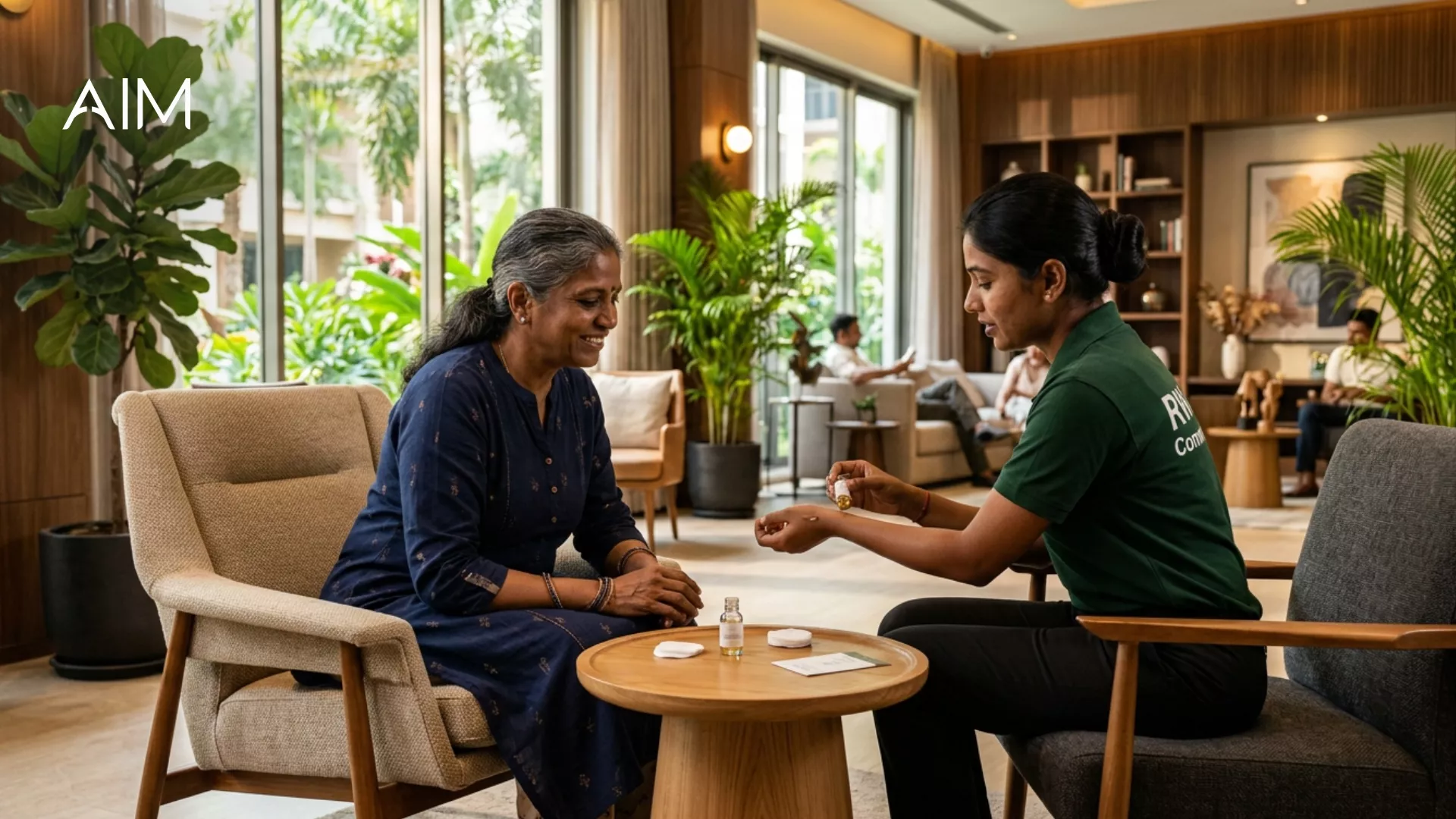
AIM runs in-store product sampling as a data-driven service across India: stores matched to your shopper, trained promoters at the shelf, QR-based opt-in and qualification, and sample-to-sale tracking on a live dashboard, with digital, RWA, corporate, campus, and e-commerce sampling available when the campaign needs them. If you are planning an in-store sampling campaign, tell AIM the shopper you want to reach and the number you want to move, and we will build the store list, the execution, and the measurement around it.




.webp)



.png)