


Digital sampling looks clean on a dashboard. Ten thousand samples claimed, a tidy line going up, a screenshot that makes everyone in the meeting feel good. The trouble is that the dashboard shows claims, and a claim is a very different thing from a buyer. I have looked under the hood of enough digital sampling campaigns to know that a big chunk of that budget often reaches people who were never going to buy the product, and sometimes people who are not really people at all. Here are the six leaks I see most, and what they quietly cost.
1. Freebie-hunters treat your campaign as a hobby
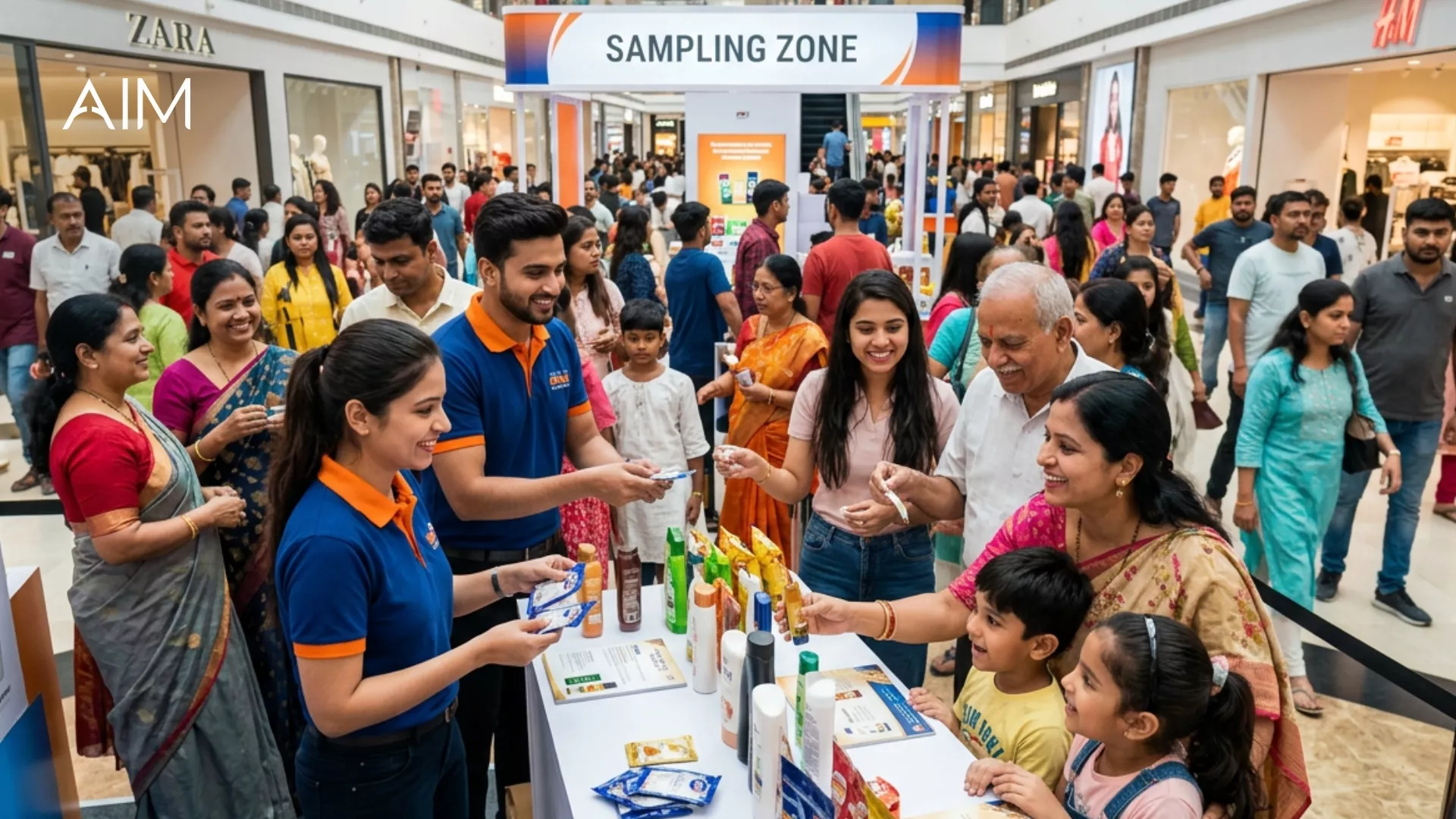
There is a whole population online that exists to collect free things. They follow the sample sites, the deal forums, the giveaway groups, and they sign up for everything, yours included. Some of them resell what they get. To your dashboard they look like demand. In reality they are the digital version of the person taking their sixth sachet at a mall table, and they will never buy you at full price. Every sample that reaches them is spend that produced a claim and nothing else.
2. The signup form asks for nothing that matters
Most digital sampling leaks at the very first step, the form. If anyone can claim a sample by typing a name and an address, you have built a machine for giving product to strangers. There is no question that separates a real category buyer from a passer-by, no check on whether this person even uses what you sell. A form that qualifies nobody will happily hand your budget to everybody. The fix is not a longer form, it is a smarter one, a question or two that tells you this is your buyer before the sample ships.
3. You bought cheap reach instead of the right reach
When digital sampling is planned around the lowest cost per claim, you get exactly what you paid for: the cheapest audience to reach, which is almost never your buyer. Broad interest targeting, bargain traffic, and open placements fill the count fast and fill it wrong. Reach is worth paying for when it reaches the right people. Cheap reach to the wrong crowd is leakage with a nicer name, and it drains a campaign faster than any other single habit.
4. Bots and duplicates pad the numbers
This is the leak nobody likes to talk about. A meaningful slice of open sampling signups can be bots, fake entries, and the same person claiming five times under five email addresses. If your campaign has no deduplication and no basic fraud checks, you are shipping product to ghosts and paying for the privilege. The dashboard still climbs, which is the cruel part. The number looks healthiest exactly when the waste is worst.
5. You sample people you already have
Here is a quiet one. Without a check against your existing customer list, digital sampling happily sends free product to people who already buy you at full price. You have not won a trial, you have handed a discount to a loyal customer and called it acquisition. The same goes for re-sampling the same person across campaigns. If your sampling data does not talk to your CRM, you cannot tell a new buyer from an old one, so you pay to reach both as if they were new.
6. Nothing gets tracked to a purchase, so you keep feeding the leak
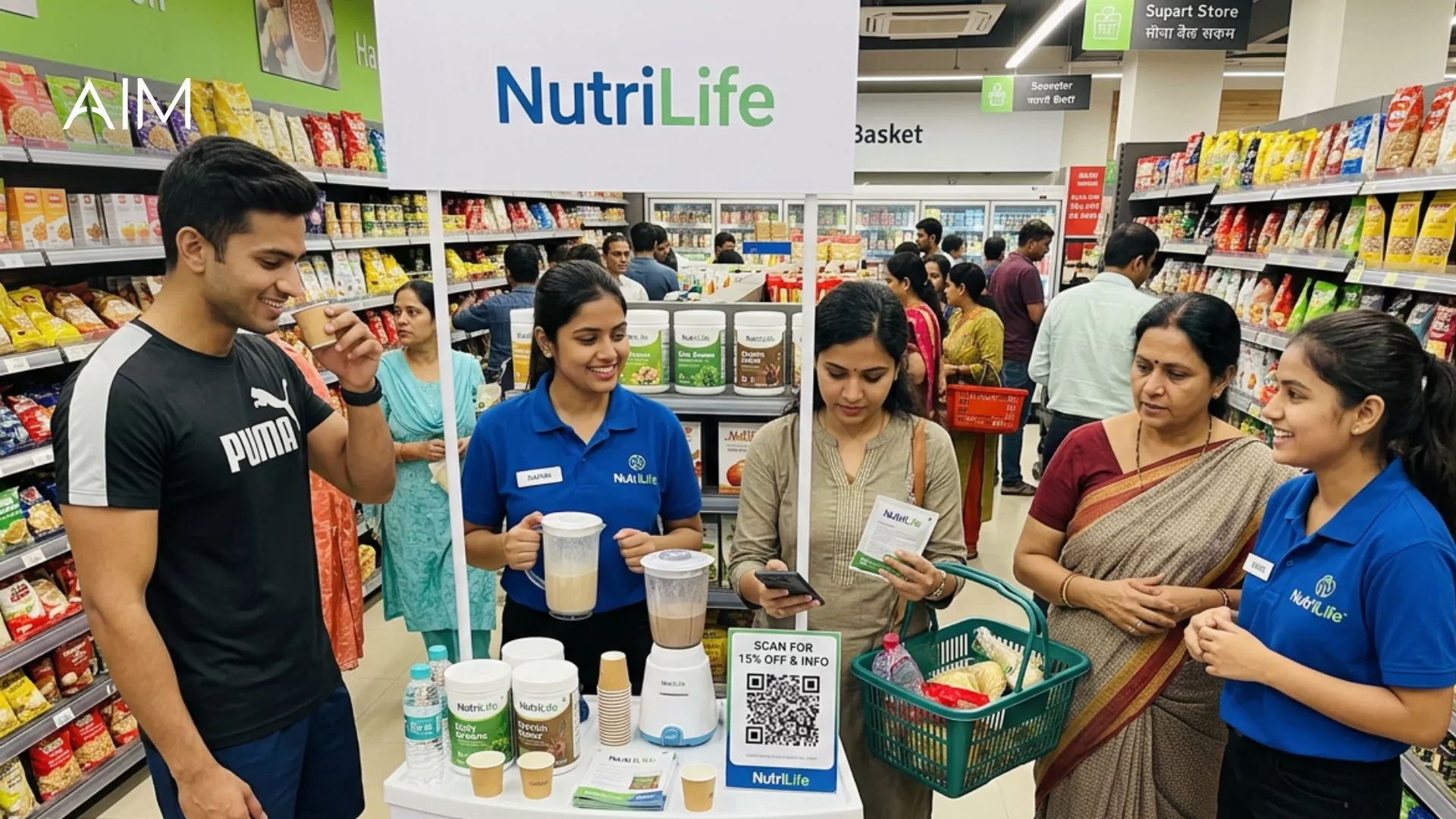
This is the leak that keeps all the others alive. If a digital sample is not tied to a coupon or a code that follows the person to a purchase, you never learn which audiences actually bought. So you optimise to the only number you have, claims, and claims reward the freebie-hunters and the bots. Without sample-to-sale tracking, next quarter's campaign repeats every mistake this one made, with a bigger budget, because the dashboard said it worked.
What the leaks add up to
Put these six together and a digital sampling campaign can spend most of its budget on people who will never buy, while reporting a healthy claim rate the whole way through. The product is usually fine. The targeting, the qualification, and the tracking are what sprang the leaks. I treat digital sampling as controlled market learning, so the test is simple: did this sample reach a real, qualified buyer, and can I see what they did next. If the answer is no, the money leaked, no matter how good the dashboard looked.
Plugging the leaks is not complicated. Qualify the person at signup. Buy the right reach instead of the cheapest. Screen for bots and duplicates. Check against your own customer base. And tie every sample to a trackable next step so you can follow trial to purchase. Do that and digital sampling becomes one of the most precise trial channels you have, because online is where capture and tracking are easiest to build in. Skip it and you are funding a very tidy dashboard that quietly bleeds.







.webp)
















.png)