
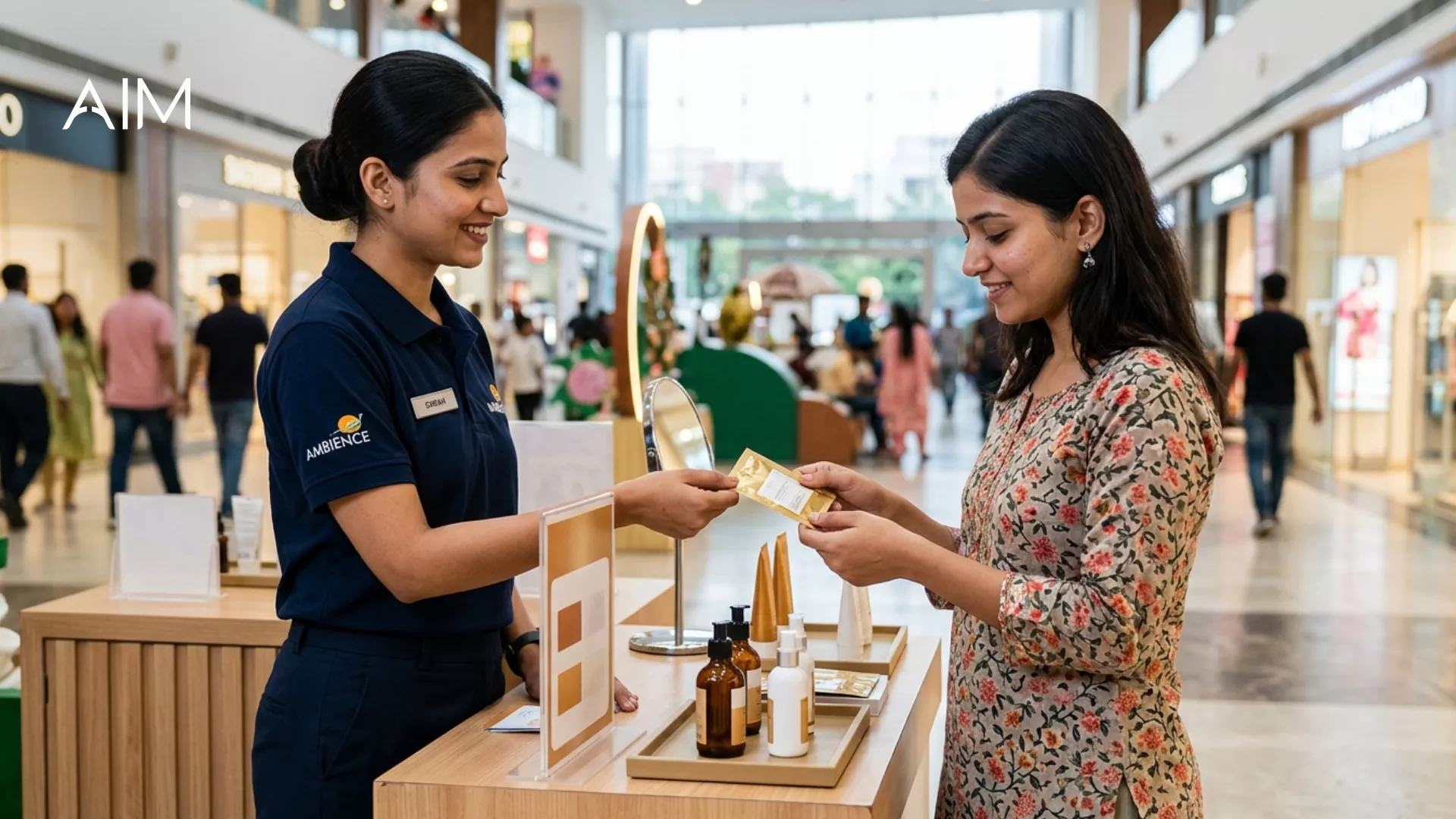


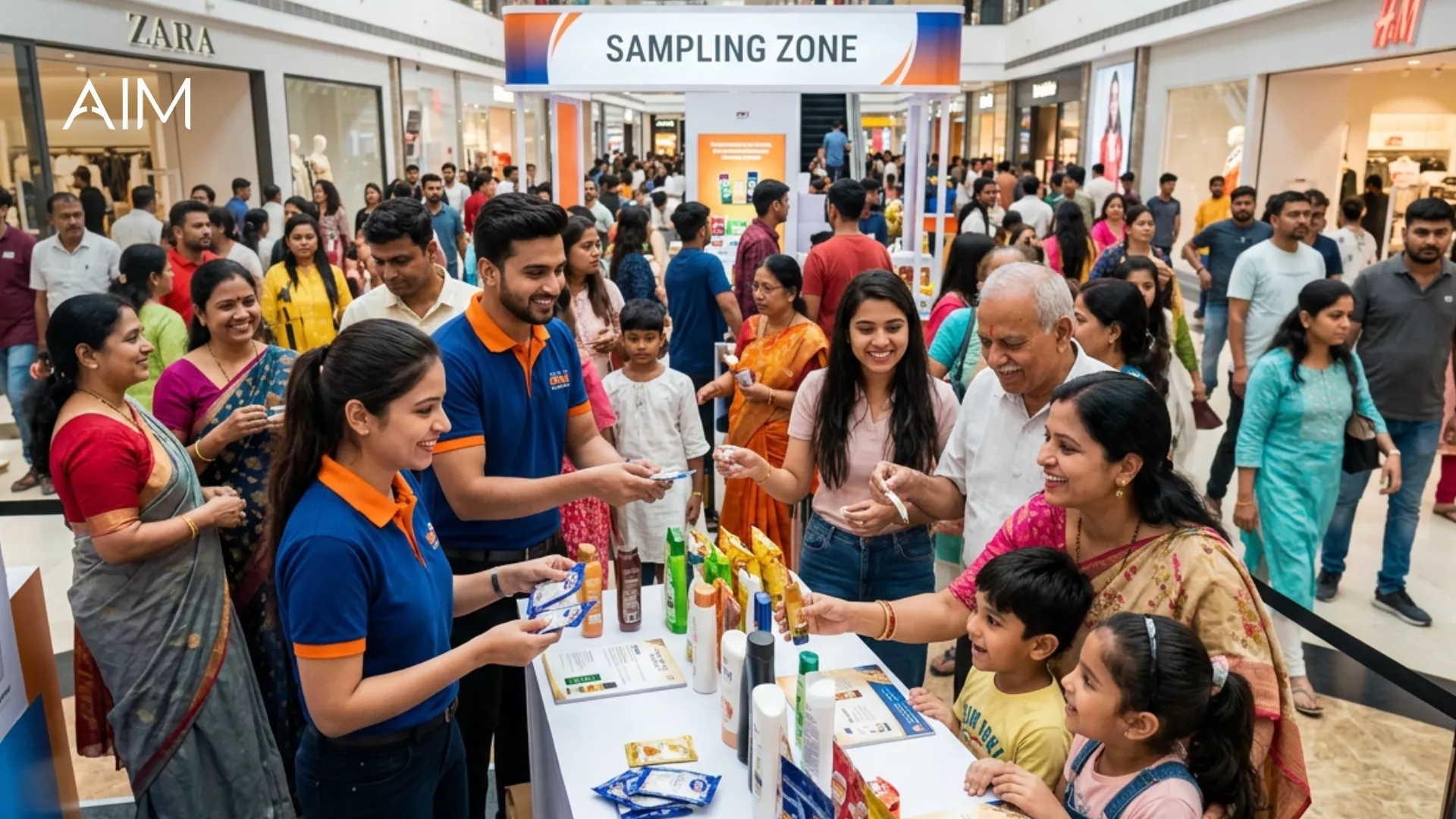
A rich anti-ageing cream, pressed into the palm of a twenty-year-old with skin that will not need it for a decade. An oily-skin serum, handed to someone whose face is flaking by noon. A foundation shade three tones off, given out because it was the next one in the box. None of these samples ever had a chance, and none of them failed because the product was bad. They failed because they landed on the wrong face. That single mismatch, the wrong product on the wrong skin, is where most beauty product sampling quietly dies, and no amount of extra samples will fix it.
Quick answer: beauty product sampling works only when the sample matches the person's skin type, concern, and shade. A great serum handed to the wrong skin gets judged a failure that has nothing to do with the product. Skin-type matching, deciding who gets which sample before it leaves your hand, is what separates sampling that converts from sampling that only empties a box. Match the product to the face, or the trial is lost before it starts.
What is skin-type matching in beauty product sampling?
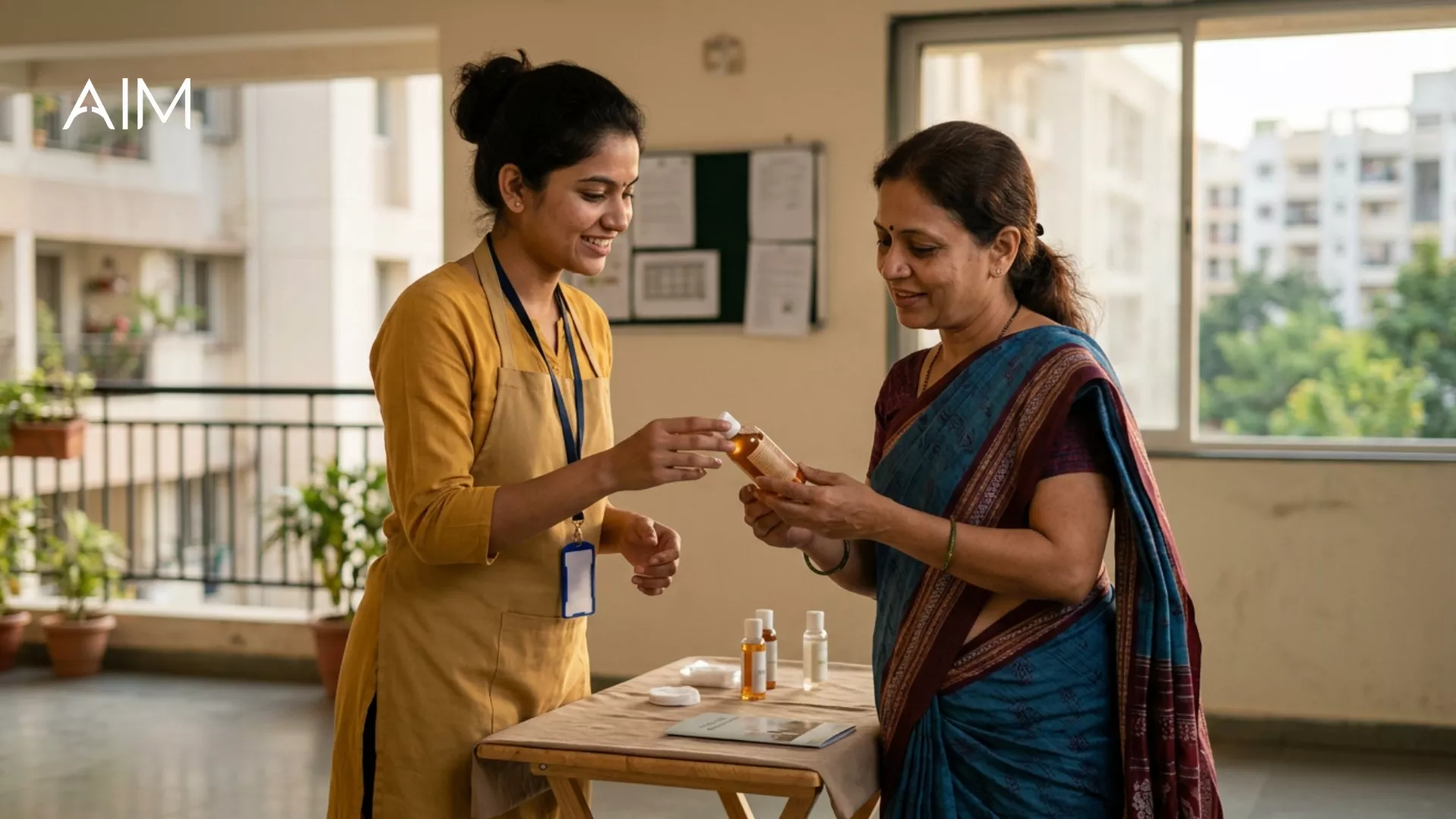
Skin-type matching means giving each beauty sample to a person whose skin the product was actually built for. The retinol goes to skin ready for actives, the ceramide cream goes to dry and sensitive skin, the mattifying serum goes to oily skin, and the foundation goes to the shade it suits. It sounds obvious, and yet most sampling does the opposite. It treats a beauty sample like a flyer, something you push into as many hands as possible, when beauty is the one category where the same product genuinely delights one person and actively disappoints the next. Personalized product sampling starts from that fact. It reaches the right skin on purpose, instead of hoping the right skin happens to walk past.
Why does so much beauty product sampling fail?
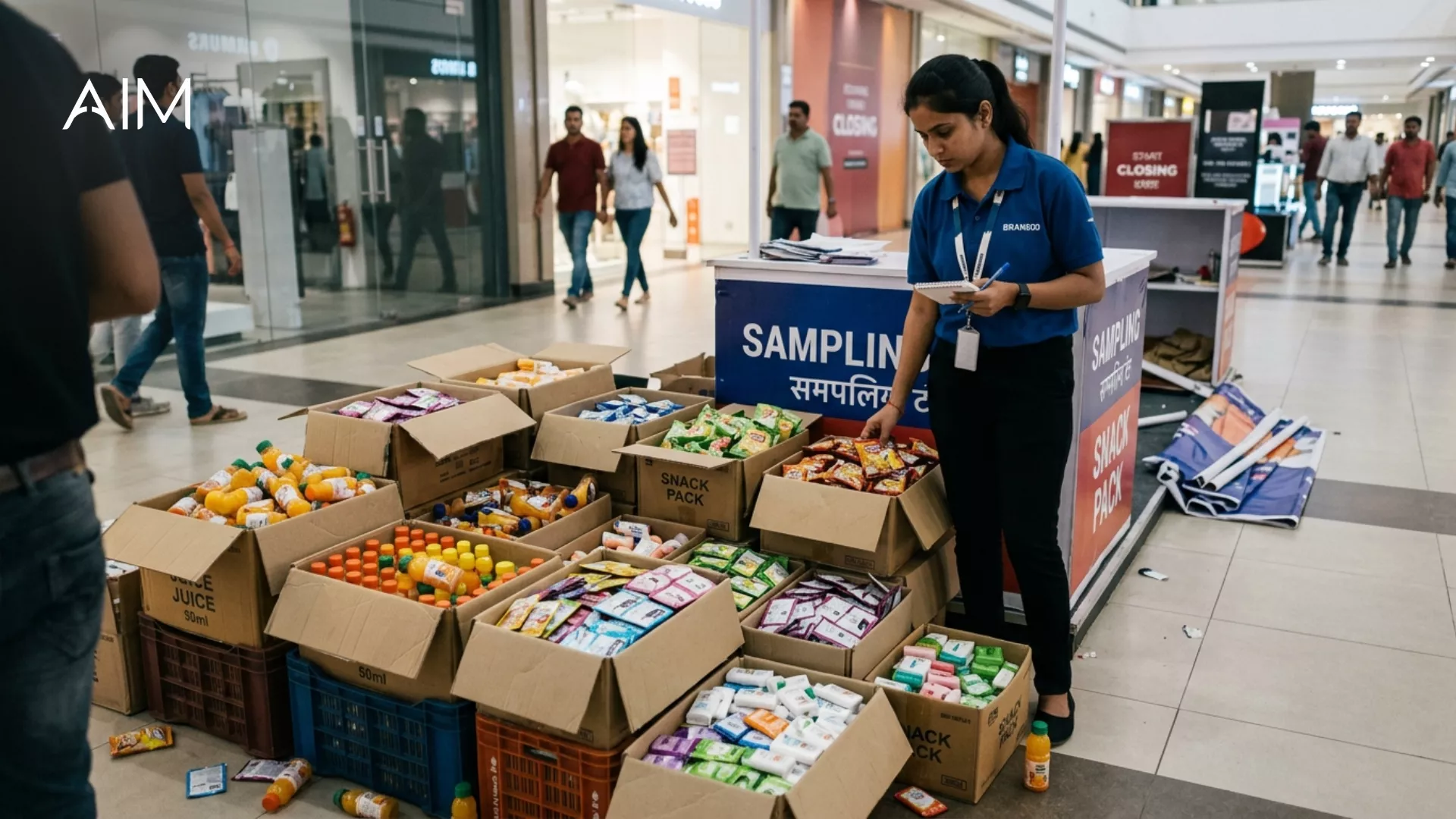
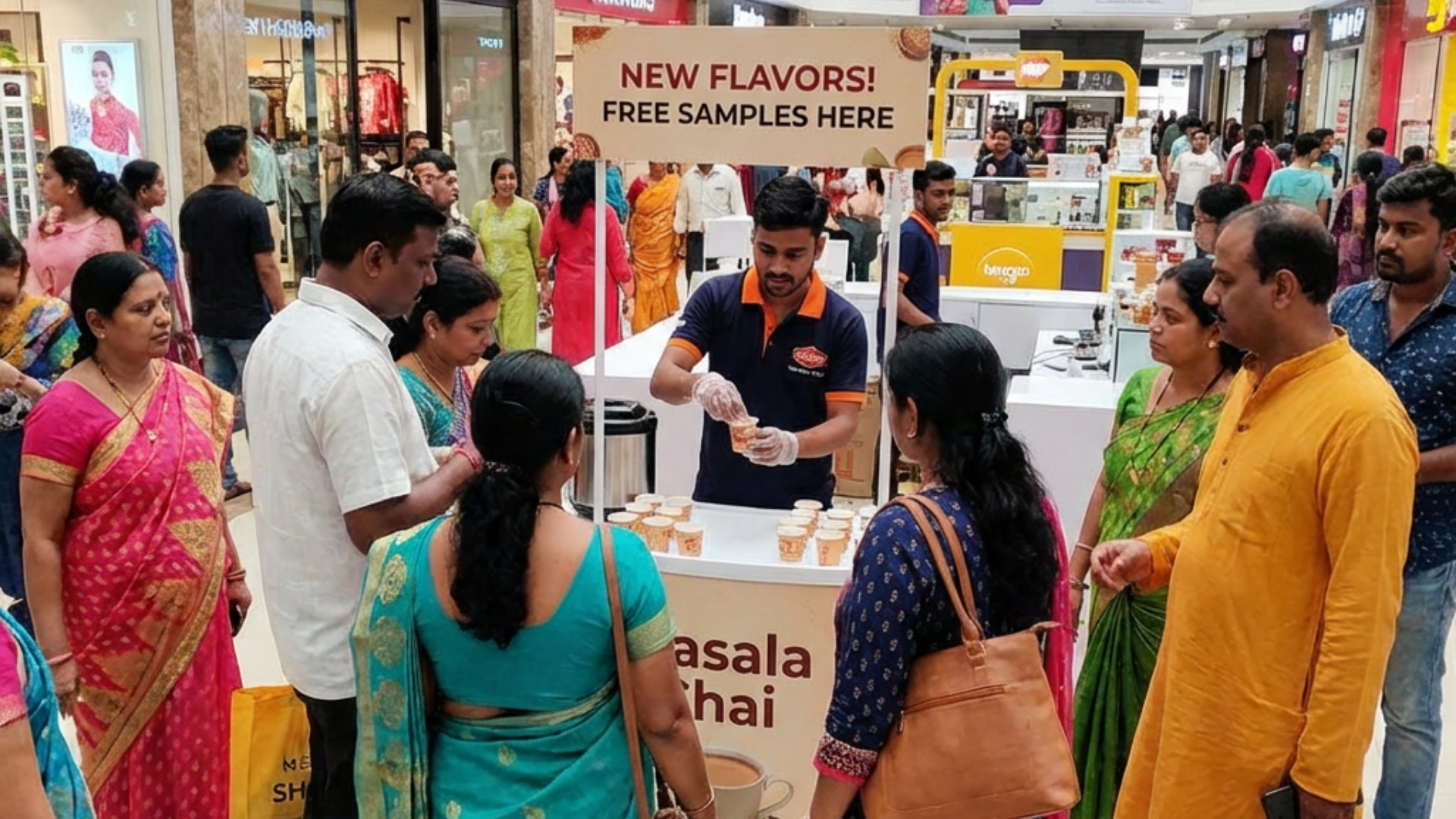
The failure is rarely the product. It is the plan. Mass beauty product sampling ignores the one thing that defines a beauty buyer, their skin type, concern, and shade, and hands the product to whoever is standing there. So the anti-ageing cream reaches someone with no lines to soften and feels pointless. The acne serum reaches clear skin and does nothing visible. The foundation reaches a face it was never mixed for and looks wrong in the mirror. Each of these is recorded, somewhere, as a sample that did not convert, and the brand walks away believing the product underwhelmed. It did not. It was simply never given to the skin that would have loved it. In a category built on how a product performs on your own face, sending it to the wrong face is the most expensive mistake you can make, and it is also the most common.
What does wrong product, wrong face actually cost you?
More than the wasted units, though those add up fast. The real cost is a launch you cannot read. When samples go to random skin, your trial-to-purchase number is polluted by people the product was never for, so a strong product can look weak and a weak one can hide. You also attract the freebie-seeker who takes anything free and buys nothing, which drags the numbers down further. And you end up in the budget meeting with a distribution figure, twenty-five thousand samples handed out, and no answer to the only question that matters: whose skin loved it. In beauty, a launch that burns its sampling budget without converting rarely gets a second one. The mismatch wastes money, and it also quietly ends the case for sampling at all, inside your own company.
How do you match beauty samples to the right skin?
Real skin-matched beauty product sampling campaign starts from the buyer and works backward. Six things change:
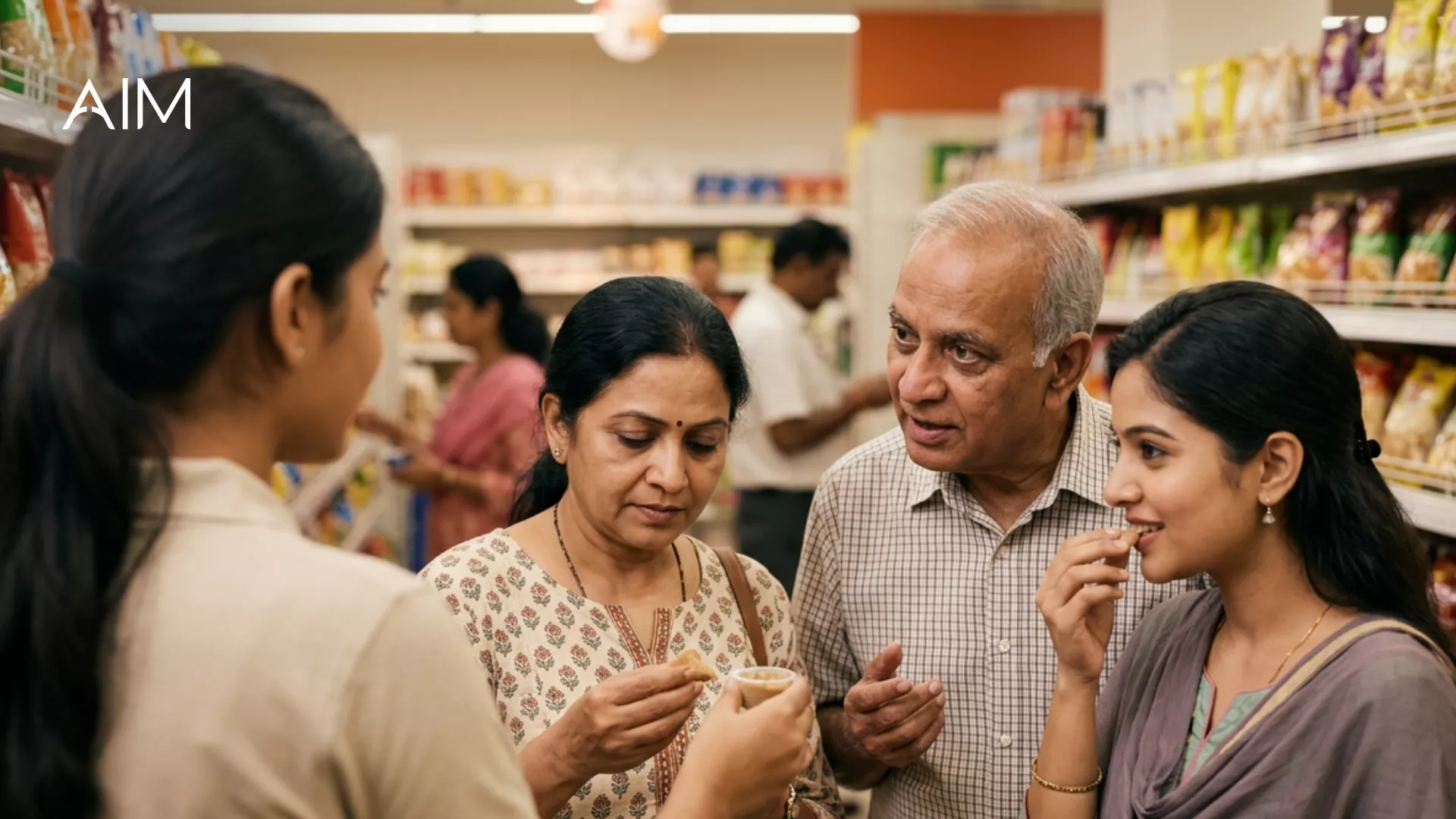
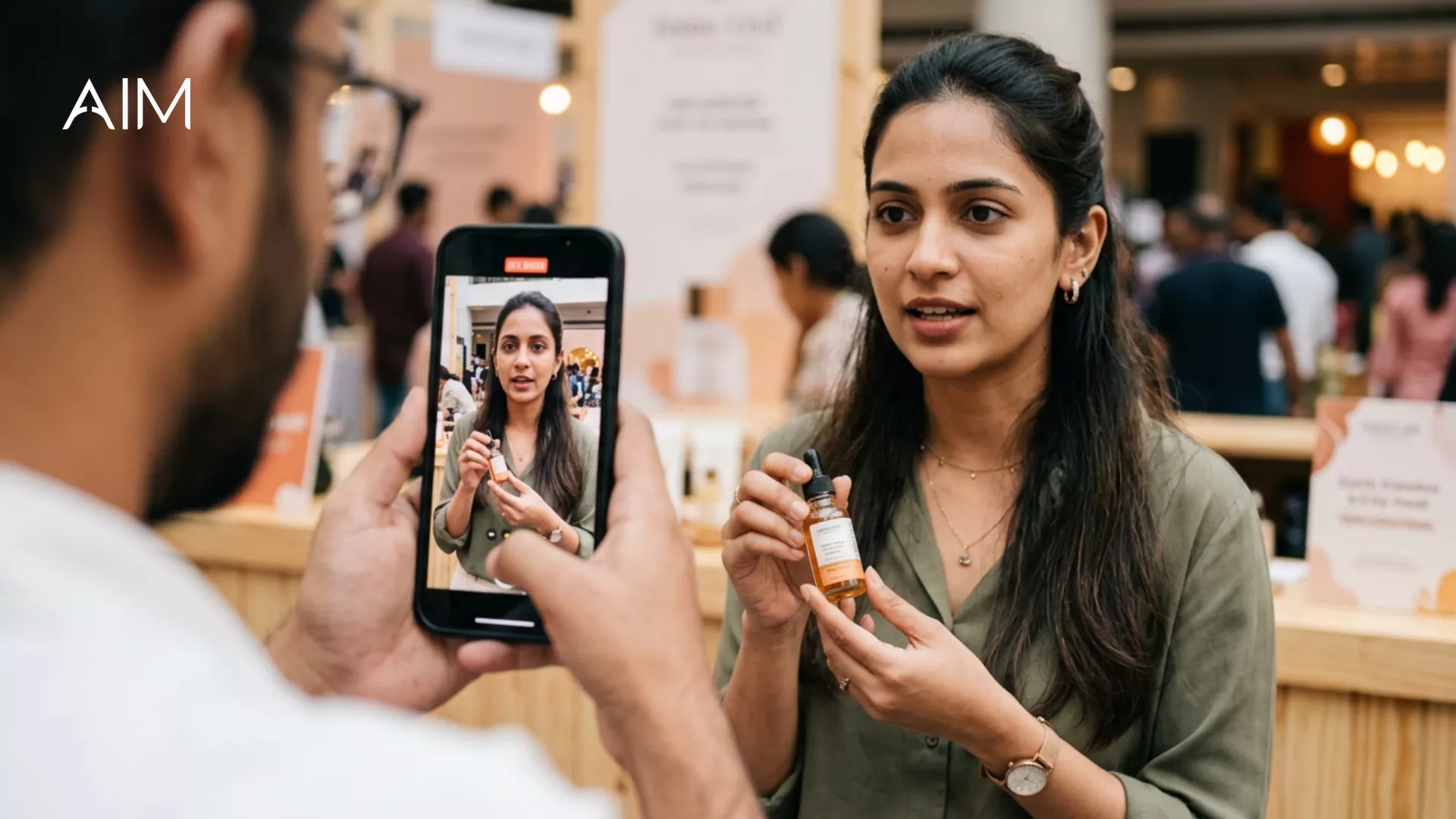
- Sample where a skin concern already gathers. Beauty buyers are invisible in a crowd, so go where a concern collects: a beauty counter, a salon, a dermatology or skin clinic, a skincare-heavy online basket. An acne serum belongs where acne-prone shoppers already are, not at a random mall table where most hands belong to passers-by.
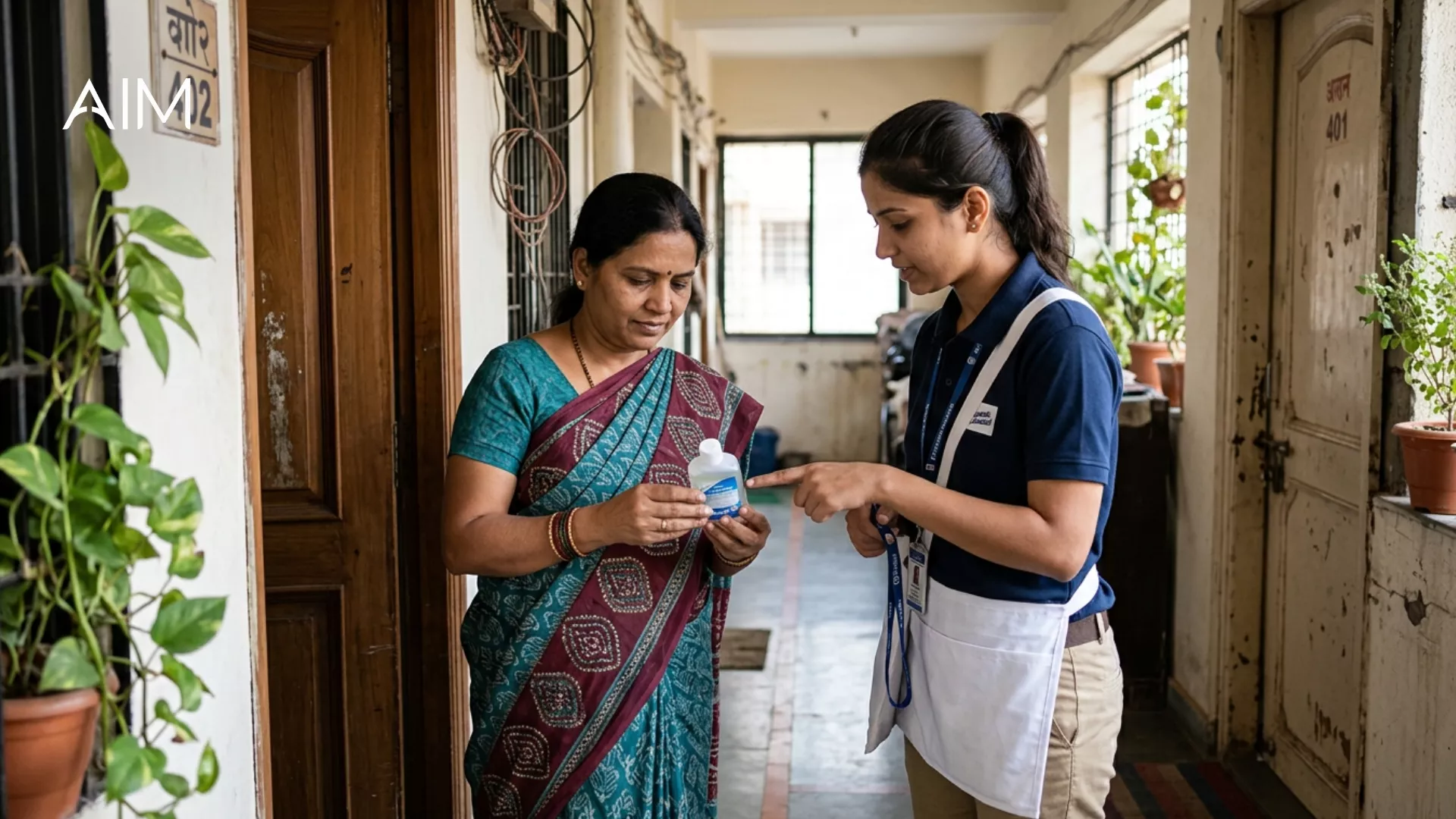
- Qualify the person before you hand anything over. One quick question or a short opt-in about skin type and concern is enough to confirm the sample fits before it leaves your hand. That single step is the difference between a targeted trial and a lottery ticket.
- Match by concern, not by demographic. Age and gender are lazy proxies. A twenty-five-year-old can have the exact concern your anti-ageing line addresses, and a forty-year-old can have oily, breakout-prone skin. Match the product to the concern the person actually has, not the one their age suggests.
- Get the shade right, every time. For foundation, concealer, and colour, the wrong shade is an automatic fail no matter how good the formula is. Shade matching at the point of sampling is not a nicety in this category. It is the whole game.
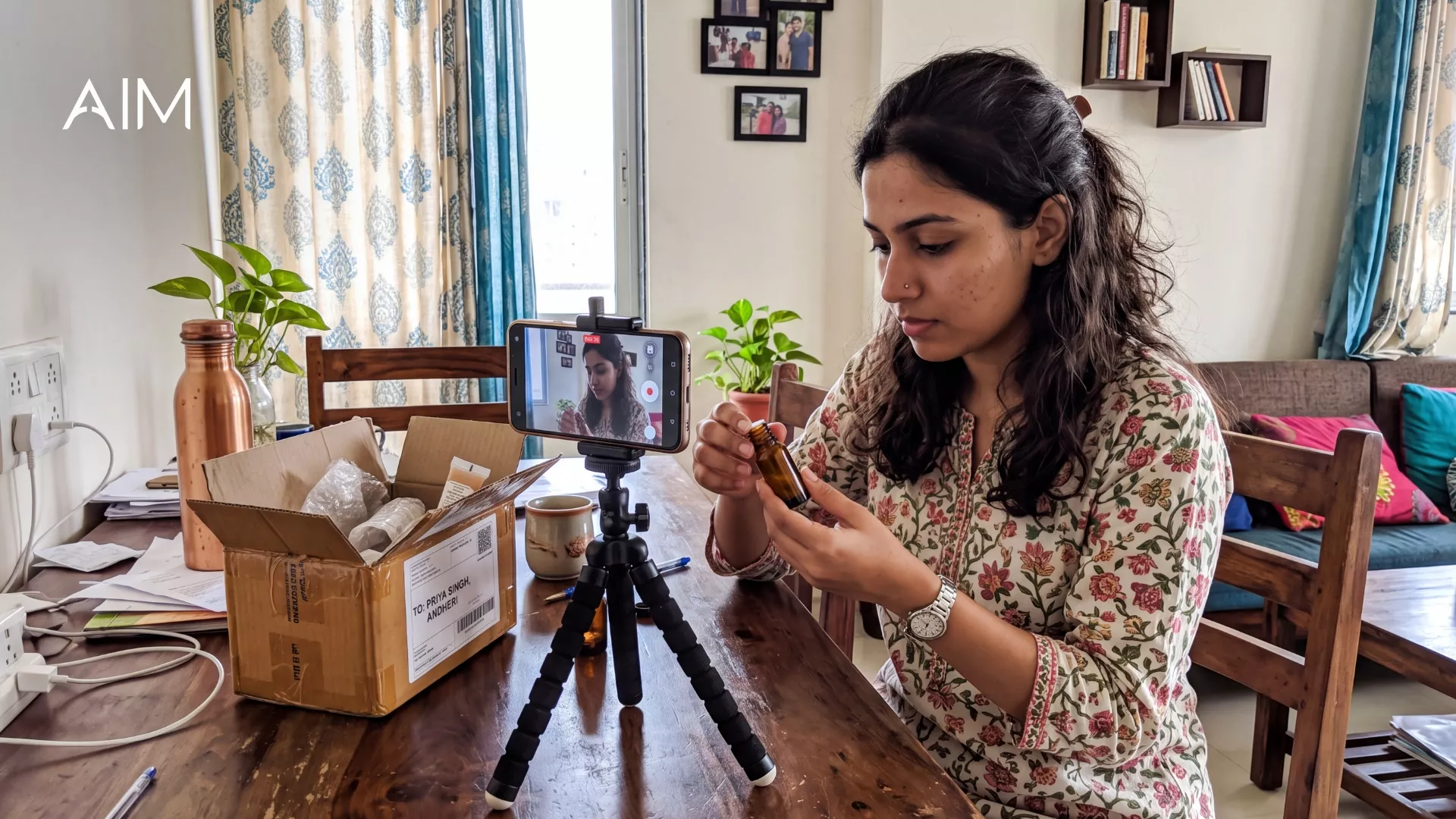
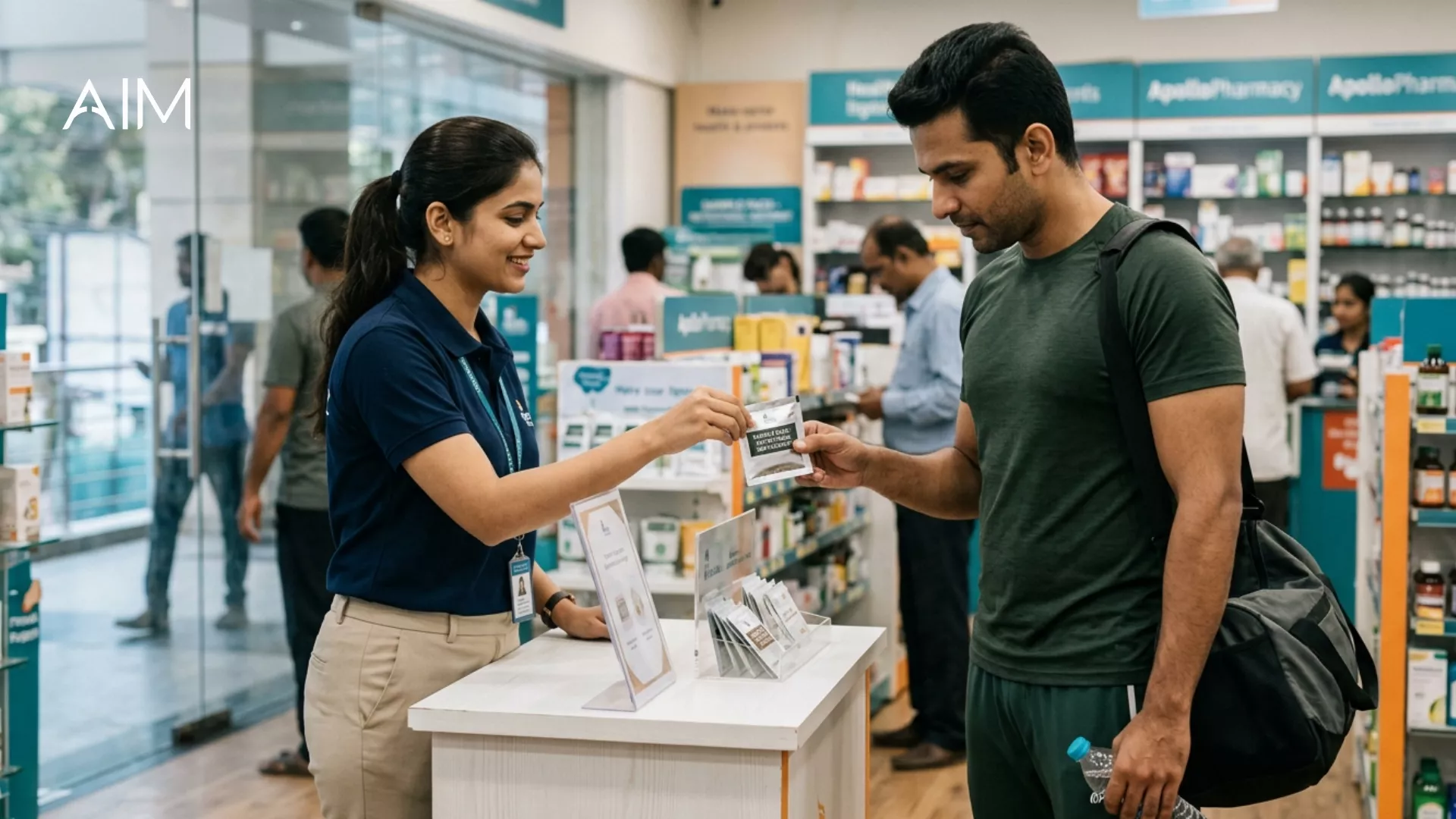
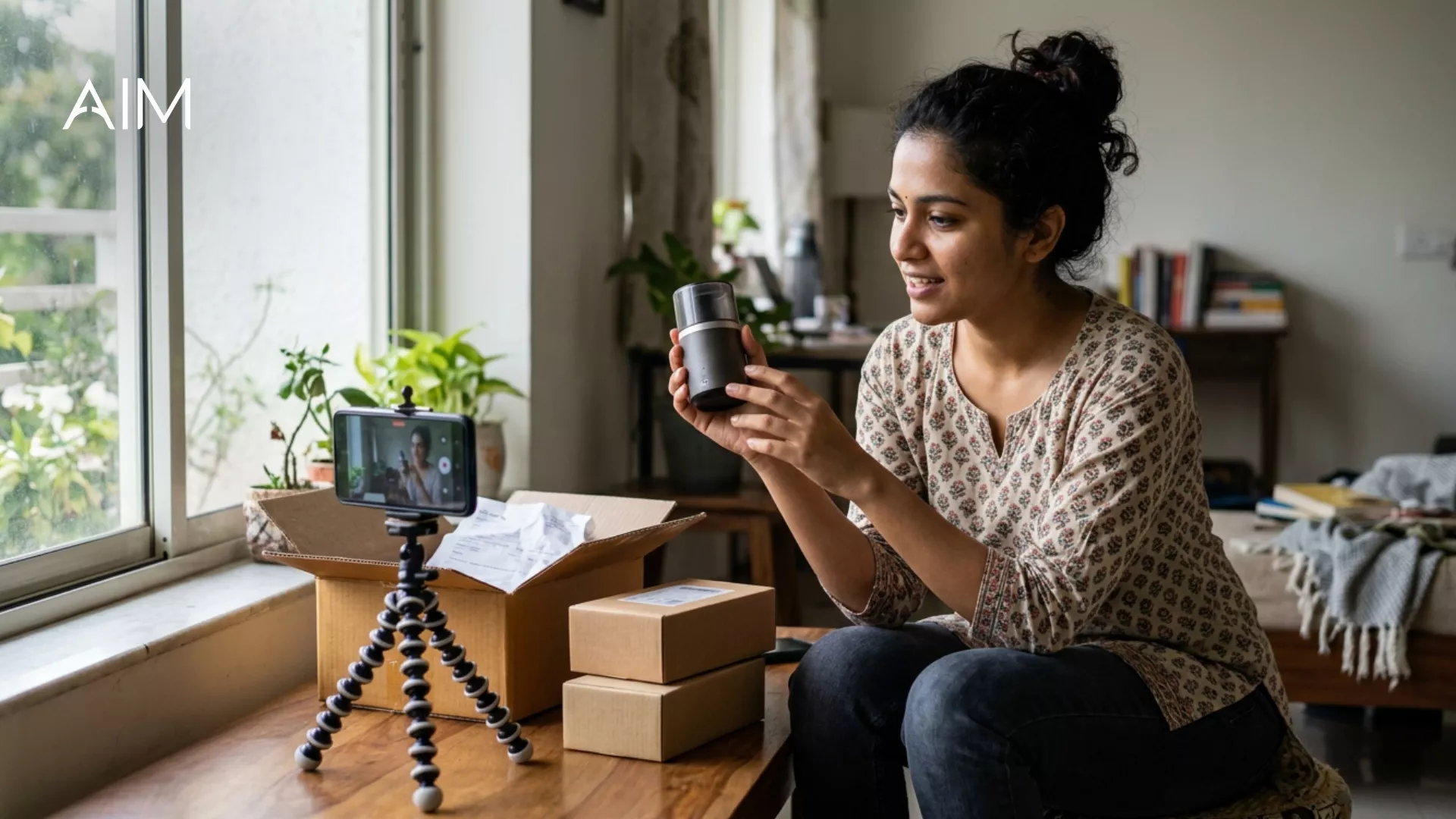
- Capture who tried it. A quick QR into a short form records the person, their skin type, and their contact. That turns an anonymous sachet into a profiled buyer you can follow, reach again, and count. Without capture, every sample goes dark the moment it leaves the table.
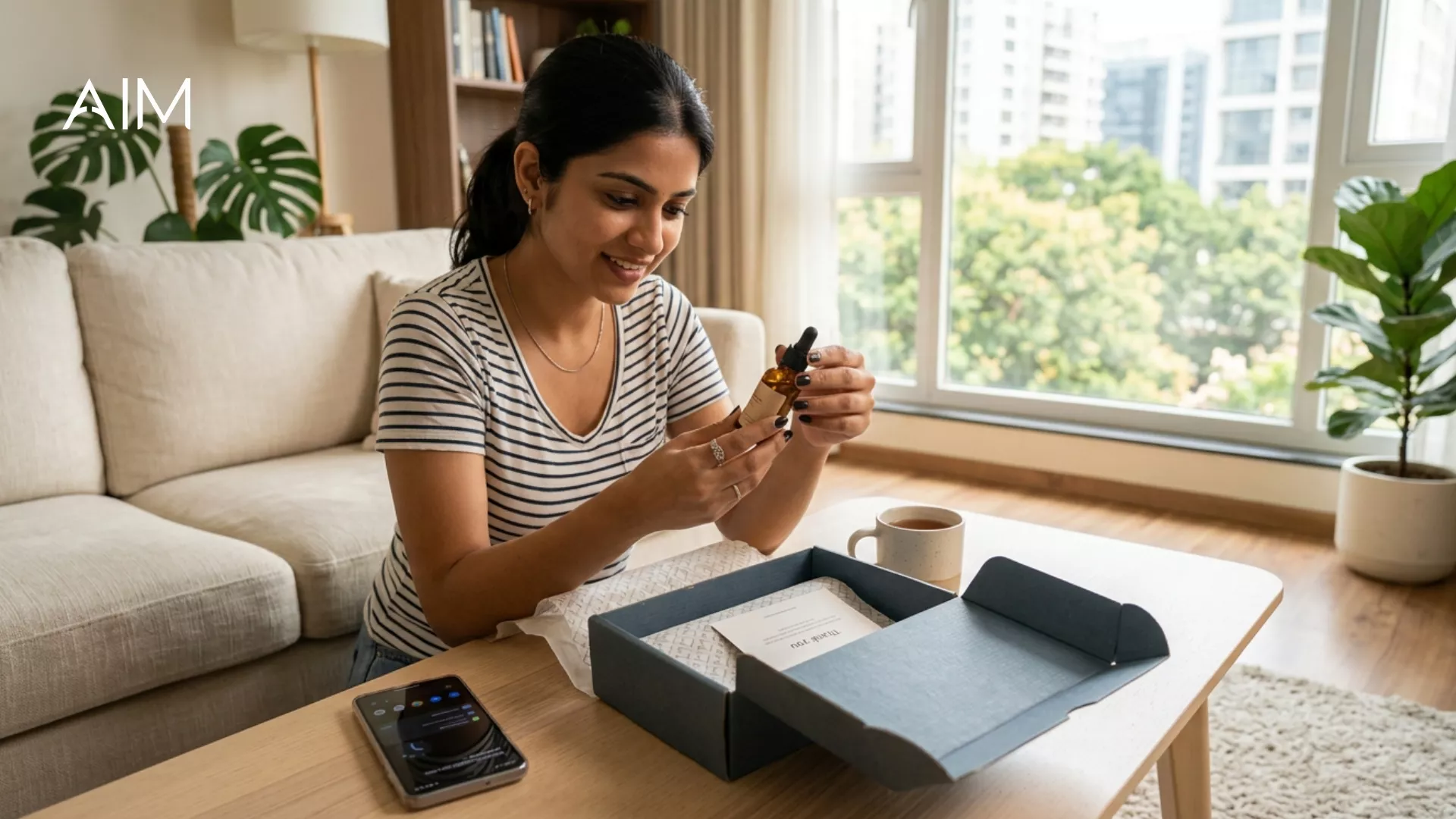
- Track the trial through to a purchase. Every sample carries a code or coupon, redeemable in store and online, so you can see who moved from trial to first purchase and, in a repeat-driven category, who came back. This is the line between hoping sampling worked and knowing it did.
Which beauty products need the right targeting most?
The higher the stakes of a mismatch, the more targeting matters. Actives like retinol, vitamin C, and exfoliating acids need the right skin, because on the wrong skin they do nothing visible or cause a reaction that reads as a bad product. Foundation, concealer, and colour cosmetics live or die on shade, so they demand shade matching at the point of trial. Specialised skincare, whether for acne, ageing, pigmentation, or sensitivity, only proves itself on the skin with that exact concern. Haircare works the same way across hair types. The products that can be sampled more loosely are the near-universal ones, a gentle cleanser, a basic lip balm, a hand cream, where almost any skin can judge them fairly. For everything else, who gets the sample decides whether the trial means anything.
How can you tell if your beauty sampling was actually targeted?
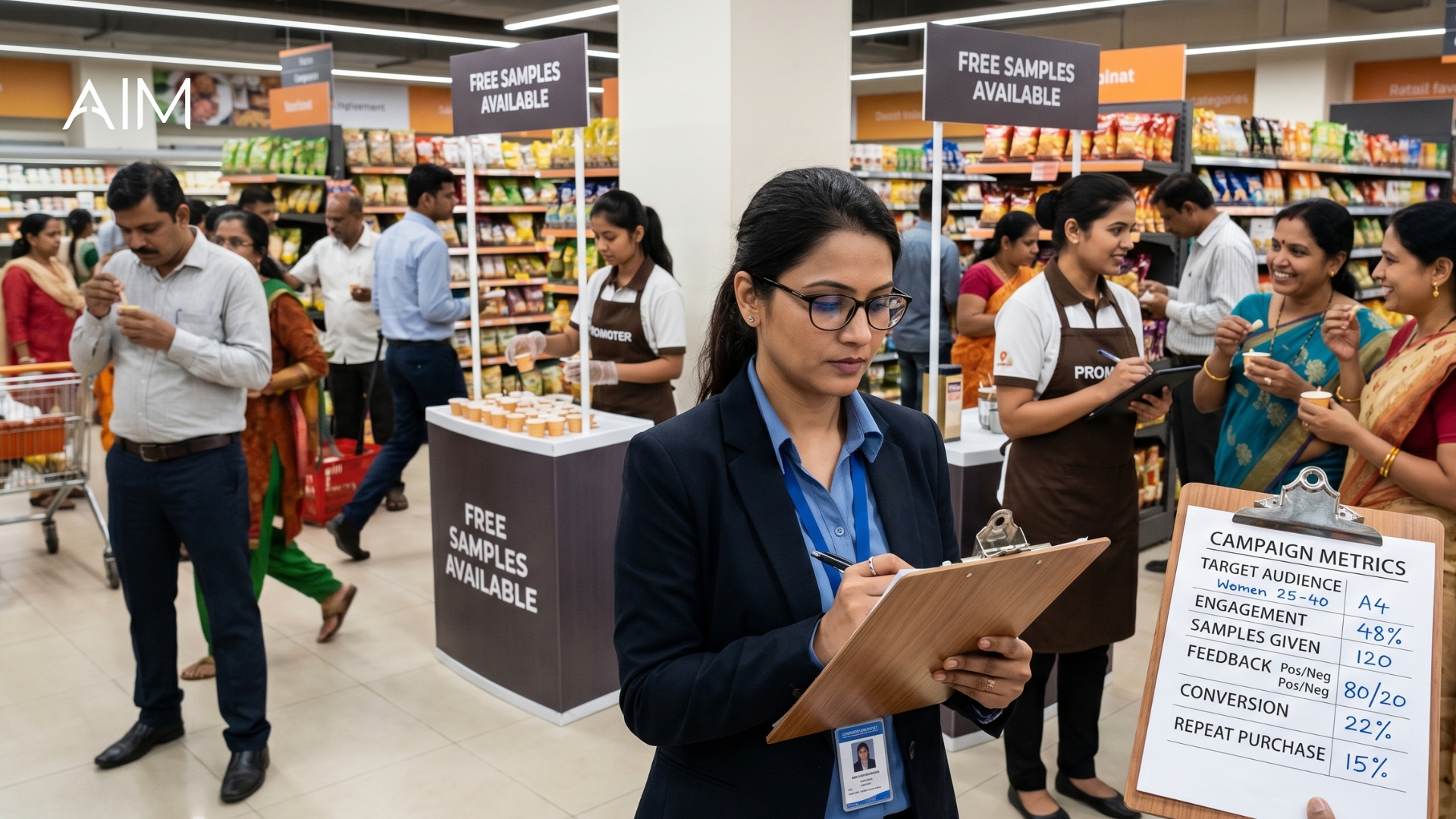
There is a simple test. After the campaign, ask three questions. Can you name the skin type and concern of the people who tried the product? Can you see how many became buyers, and how many repeated? Did the trial reach the faces the product was built for, or just the nearest hands? If the answers are yes, you ran skin-matched sampling. If the only number you have is how many samples went out, you funded a giveaway and called it a launch. Distribution flatters the room and proves nothing. The skin you reached, the buyers you converted, and what you can prove are what a real campaign leaves behind.
This is how AIM runs beauty product sampling: samples matched to skin type, concern, and shade, qualified at the point of trial, captured, and tracked from the first use to the reorder. Done this way, sampling stops being a launch ritual you cannot defend and becomes the most honest trial channel a beauty brand has. The test never changes. Not how many samples you gave away, but whose skin loved it, and whether they came back for more. A rich cream on young skin and a mattifying serum on dry skin will always fail, and they will always take your budget with them. Put the right product on the right face, and the product does the selling for you.




















.webp)























.png)