

Pet parents are a small, protective, loyal crowd, and reaching them is less about how many samples you hand out and more about where you hand them over. The same pet food sample converts very differently depending on whether a vet recommended it, a pet-store owner stocked it, or it arrived in an online order the owner already placed. Choosing the channel is most of the campaign, because a sample in the wrong place reaches the wrong hands, and a wrong hand in pet care is almost always someone who does not own the animal you made the product for.
So the real question is not whether to sample pet products, it is where. Here are the three channels that matter, what each is good at, and how to choose between them.
Quick answer: The three best places for sampling pet products are vet clinics, pet stores, and online through e-commerce or quick-commerce orders. Vet clinics carry the most trust, because the sample comes with a recommendation from the person the owner believes about their animal's health. Pet stores reach owners already buying the category, in a shopping mindset. Online reaches the owner at home, matched to what they already buy, and captures them by default. The right channel depends on your product, your buyer, and whether trust, shopping intent, or reach matters most.
Vet clinics: trust at the point of advice
A vet clinic is the highest-trust place a pet product can be sampled, and trust is the scarcest thing in this category. When a sample reaches an owner through the vet, or sits on the counter of a clinic they already rely on, it borrows the credibility of the one person an owner believes about their pet's health. For a food, a supplement, or anything health-related, that endorsement does work no street sample can match.
The limit is reach and fit. A clinic sees a steady but modest flow of owners, and the vet's trust only transfers if the product genuinely belongs in that setting. Sampling an indulgent treat through a vet can feel off, while sampling a therapeutic or health-led product there feels exactly right. Use vet clinics when trust and the health angle are central, and when a smaller number of well-qualified, convinced owners is worth more than volume. It usually is in pet care, because a convinced pet parent reorders for years.
Pet stores: the owner already buying the category
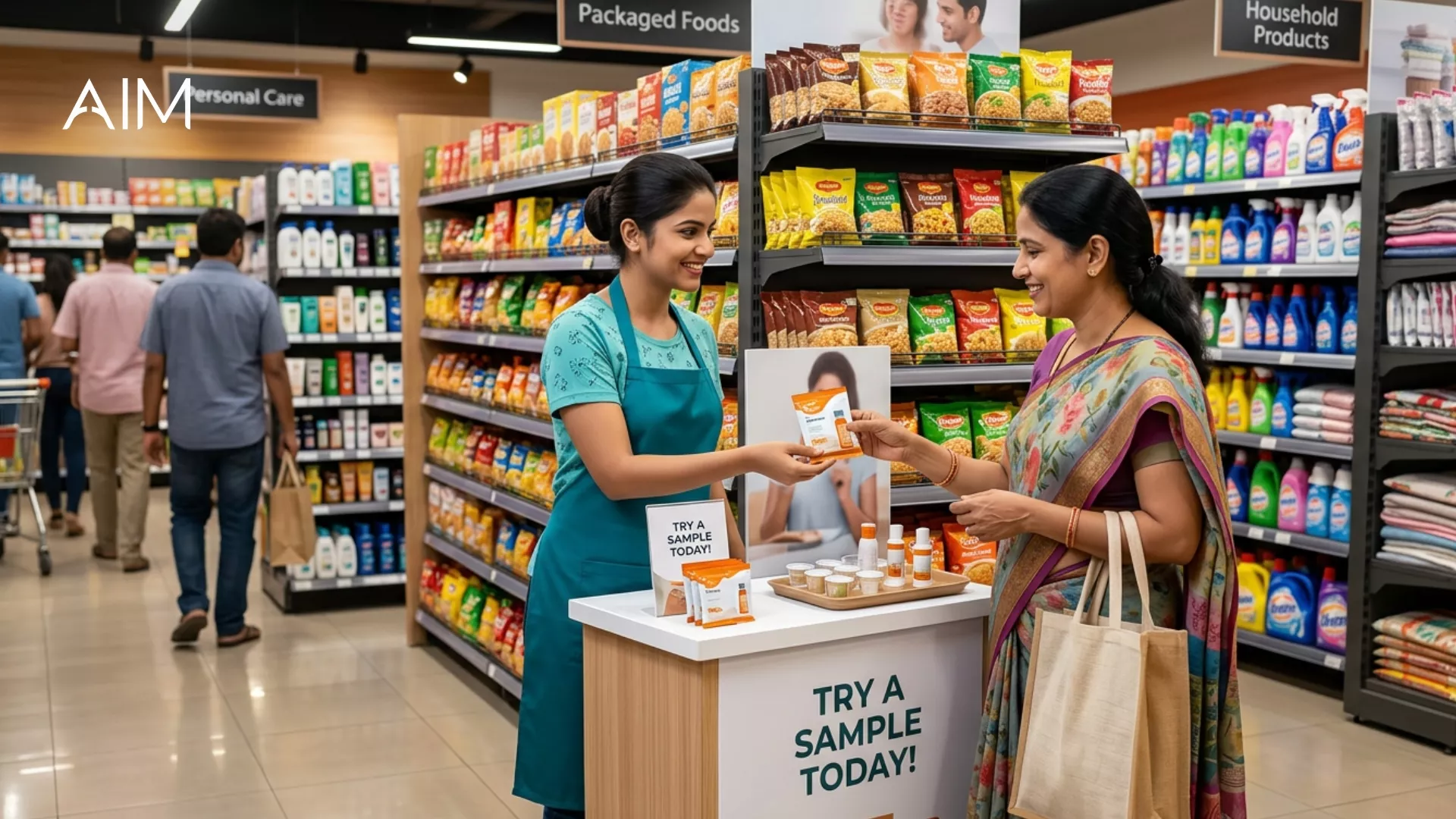
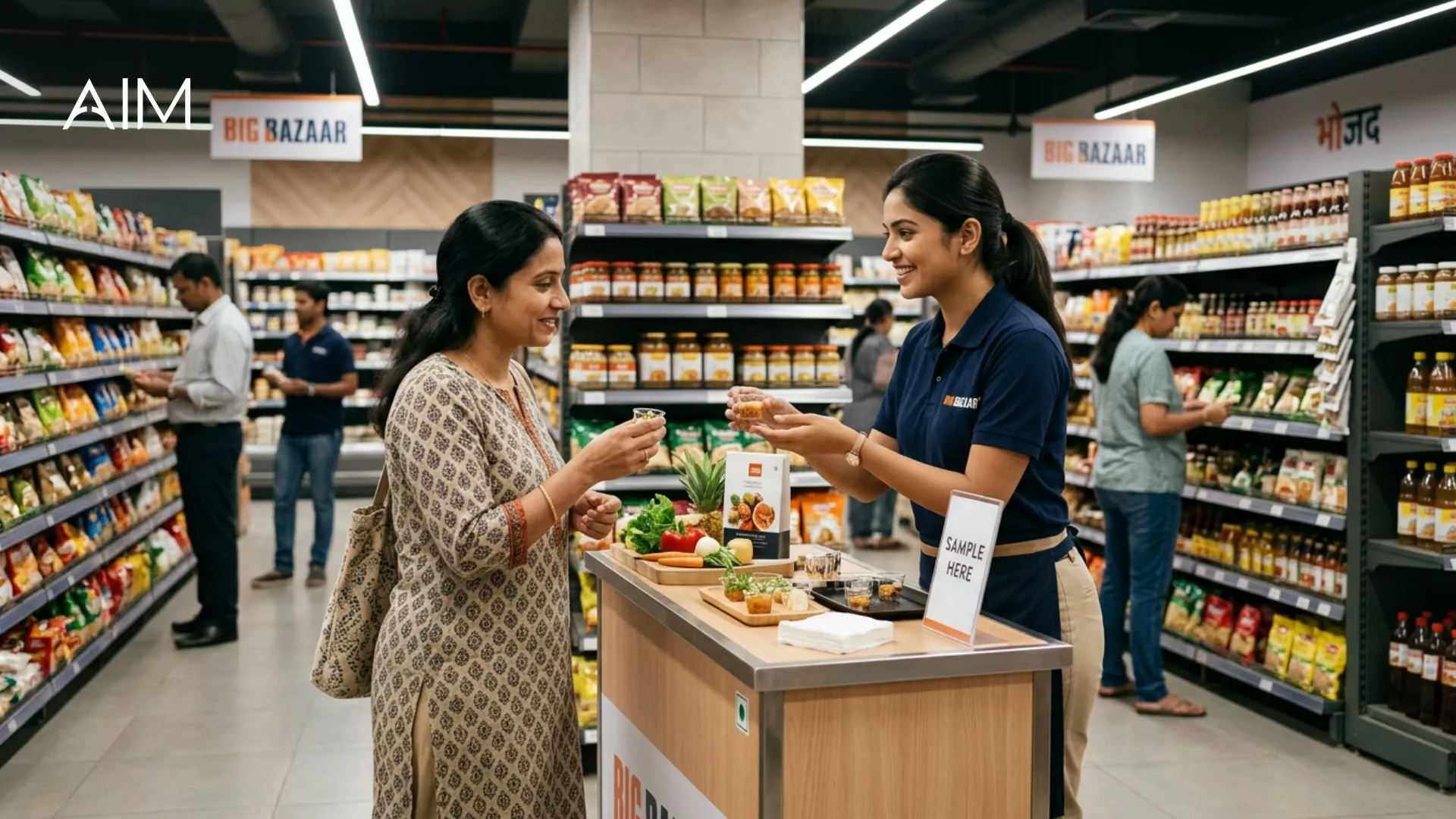
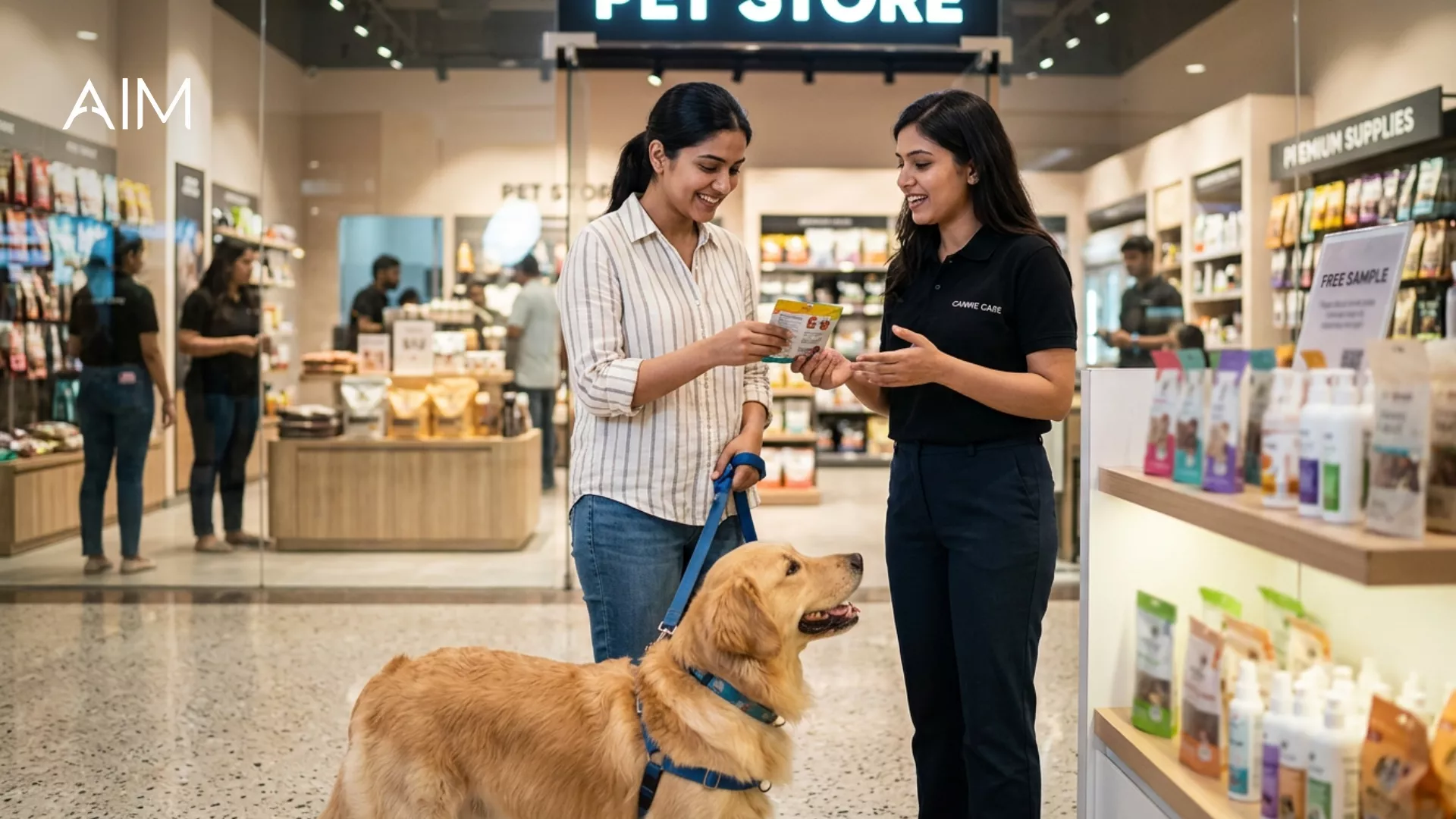
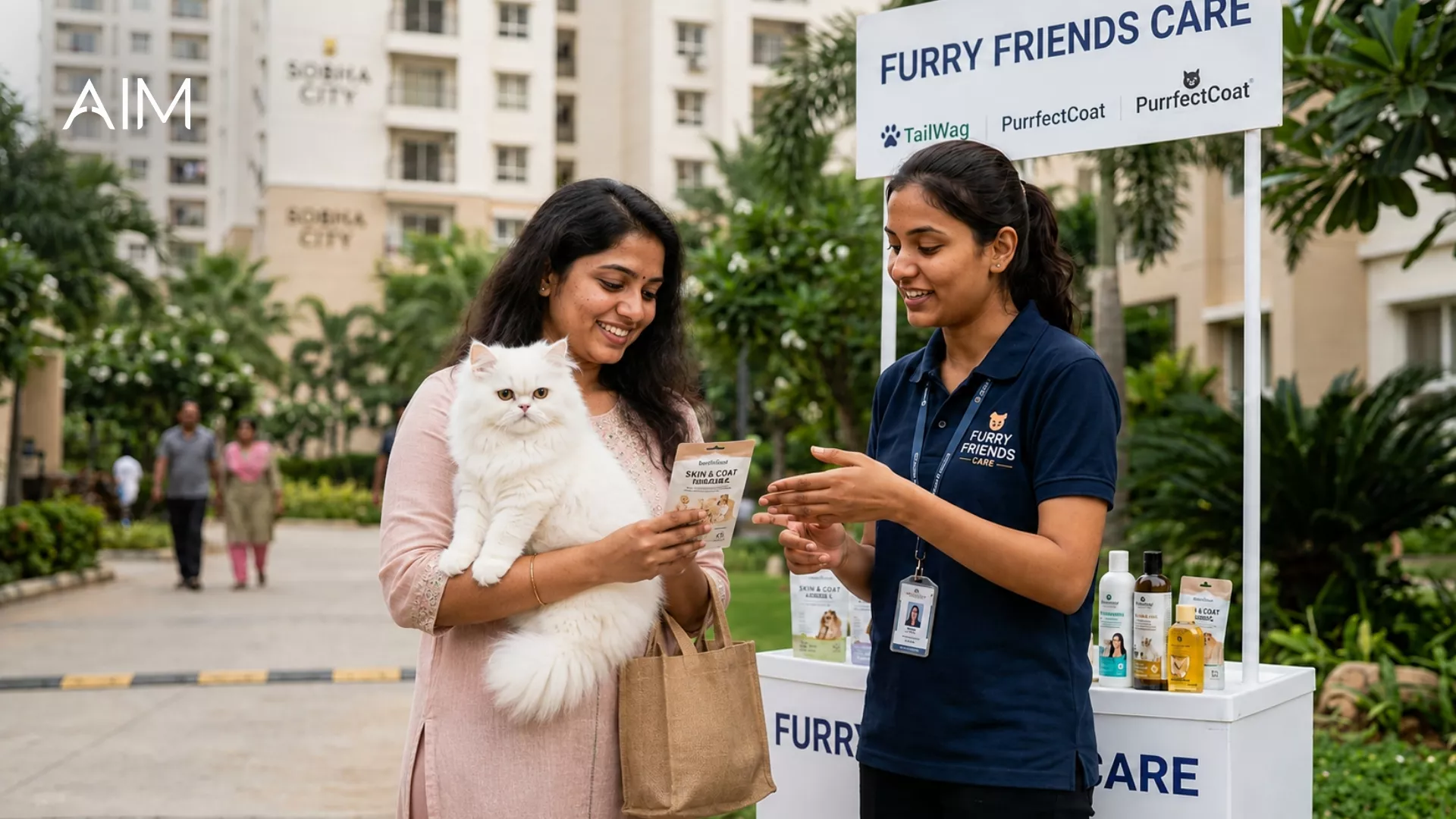
A pet store solves the targeting problem that wastes most pet sampling: everyone in it owns a pet and is there to spend on one. There are no freebie-seekers with no animal at home, no samples going to people who will never buy the category. The owner is in a shopping mindset, often holding or choosing product, which is the moment a trial can tip a decision.
Pet stores suit products bought on consideration at the shelf, treats, food, grooming, toys, where seeing, and sometimes letting the pet try, moves the sale. The format can be a sample handed at the counter, a trial with a purchase, or a small demonstration. The owner is close enough to buy immediately, so the distance from trial to purchase is short. The catch is that the store's own shoppers and stock mix shape who you reach, so the right stores, matching your buyer and price, decide whether the channel works.
E-commerce and quick commerce: the home, matched to the basket
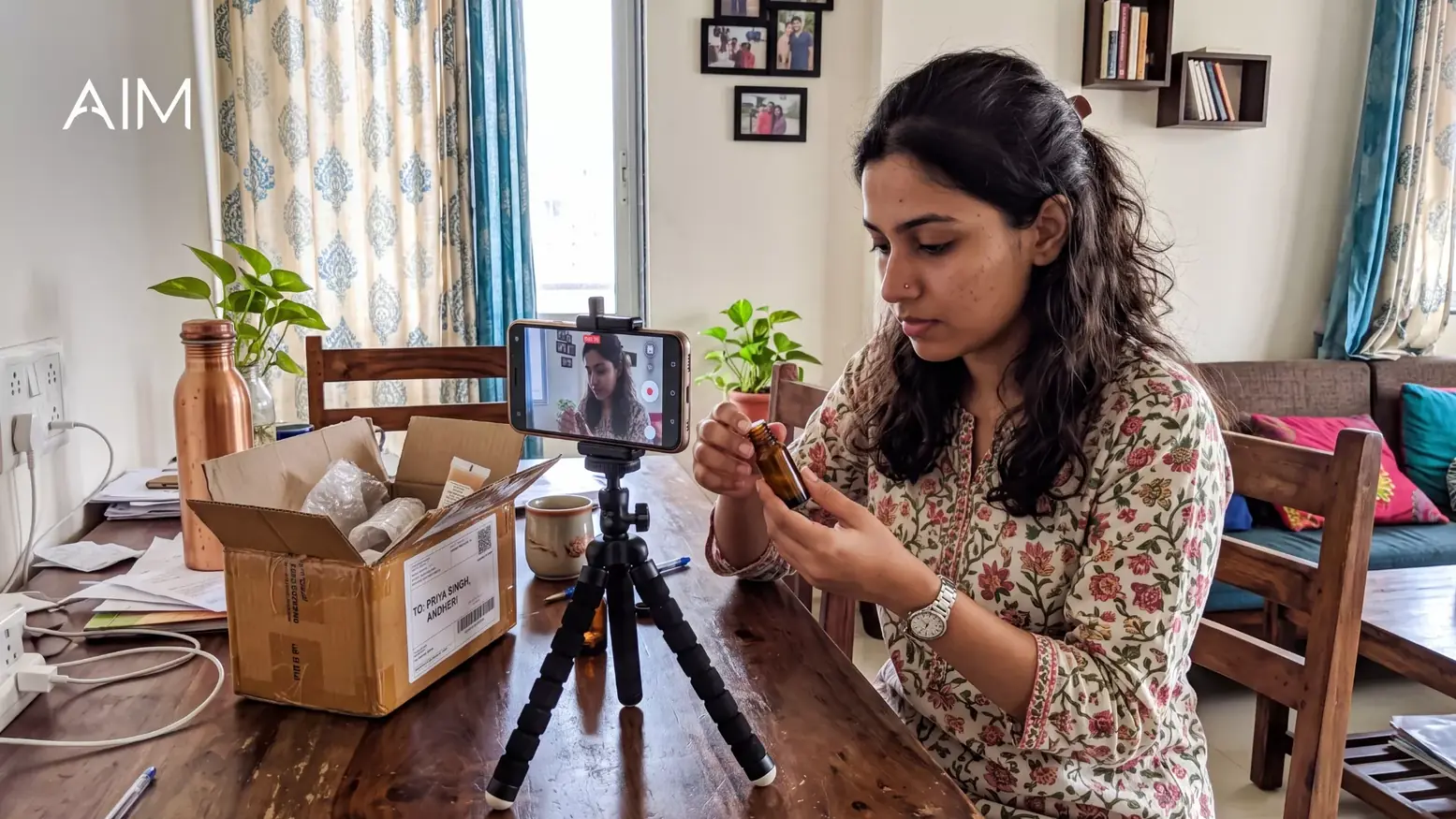
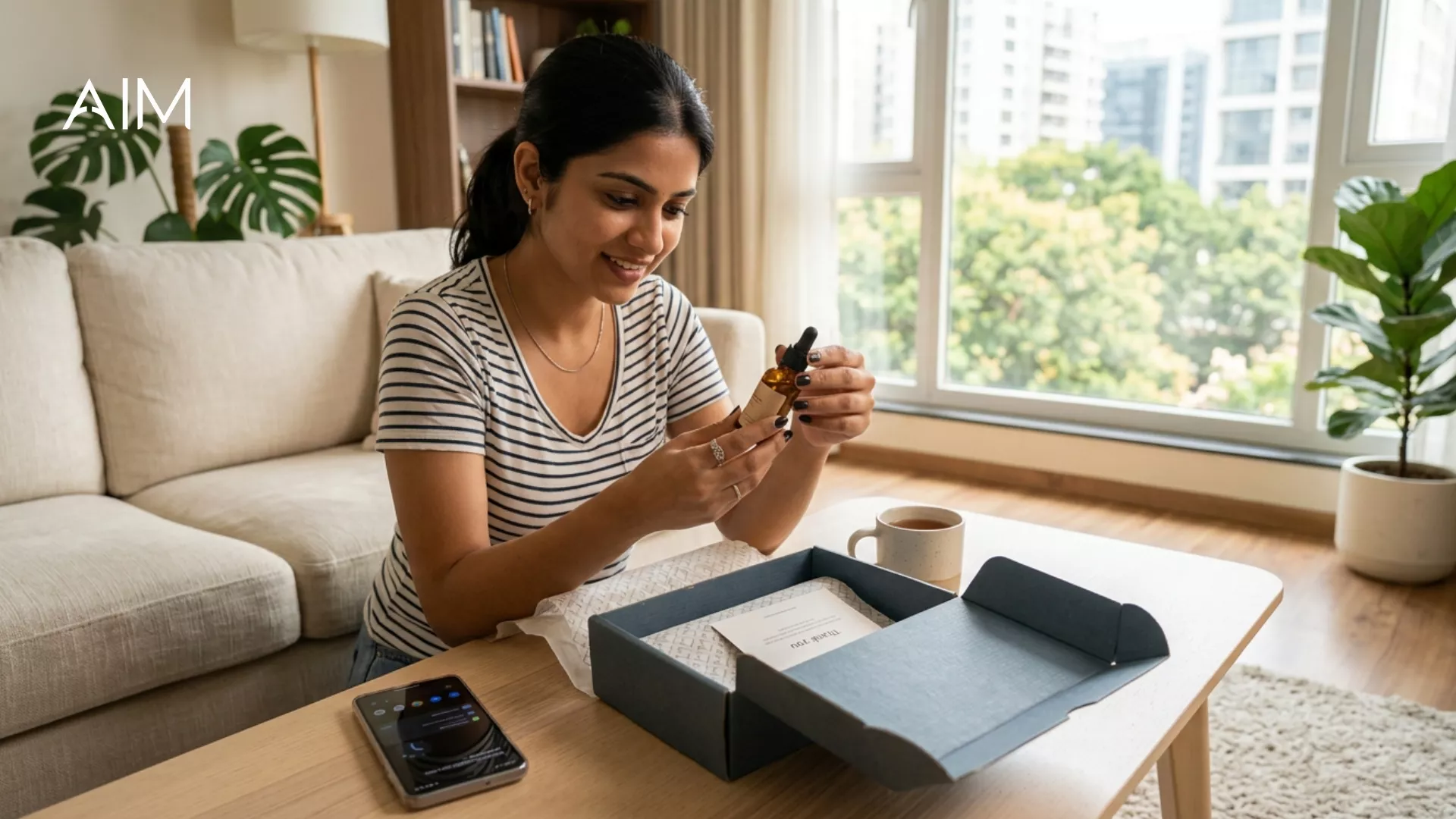
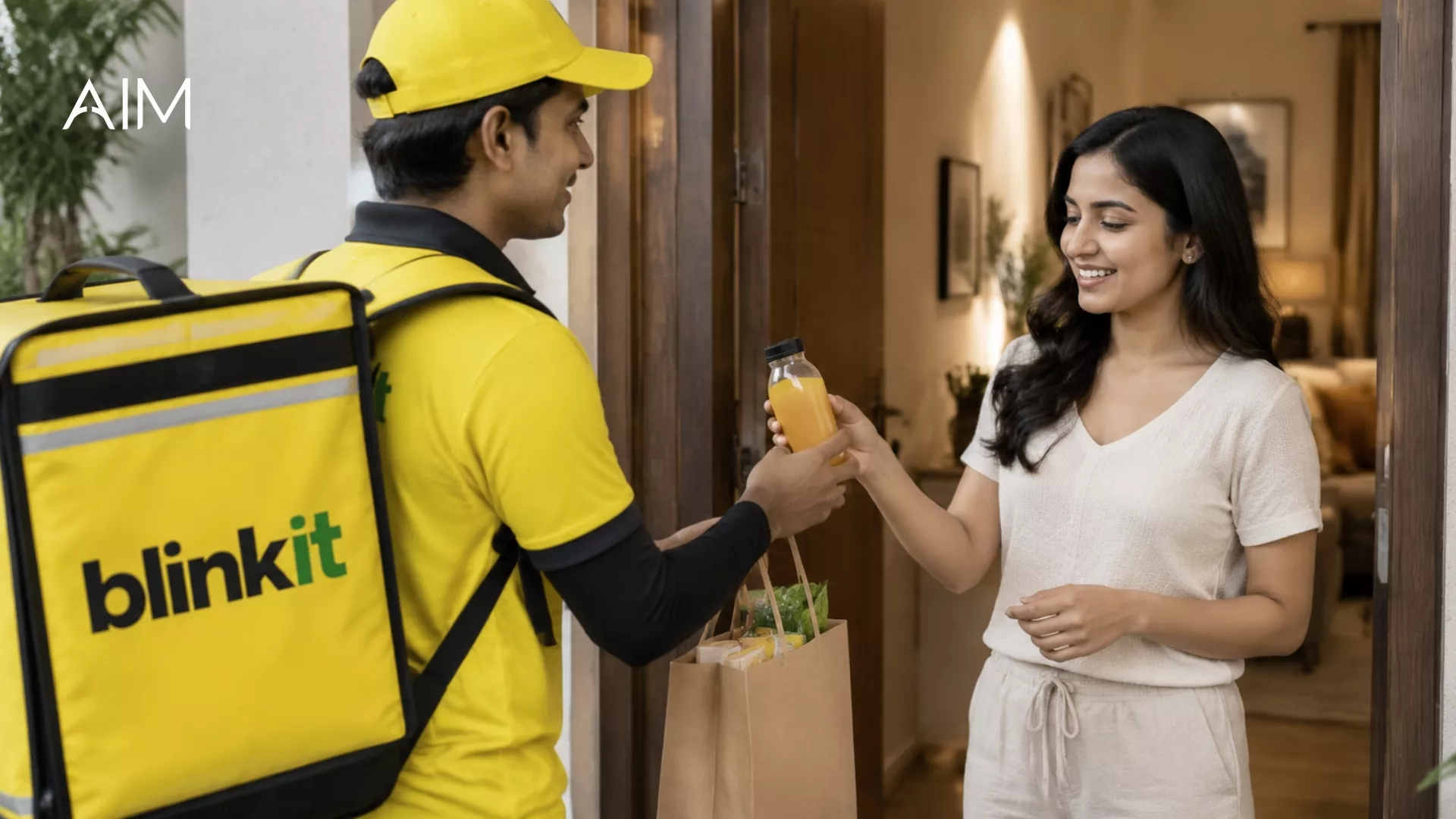
Online is where a growing share of pet buying now happens, and it is the most precise and most measurable place to sample. A trial inserted into a relevant order reaches the owner at home, matched to what they already buy, so a cat-food trial rides with cat-supply orders and a dog treat with dog orders. The sample lands with a confirmed buyer at a real address, and because the whole thing is digital, you know who received it and can track whether they bought.
This channel suits products whose buyer already shops for the pet online, and it is especially strong for cat products and for reaching owners who rarely visit a store. It also solves the cat problem in a useful way: a sample delivered home lets a cautious owner introduce a new food gradually, on the cat's terms, instead of forcing a trial on the spot. The limit is that it only reaches owners who shop online, so a buyer who still buys everything from the local store will be missed here.
How to choose between the three
Match the channel to what your product needs most. If your product is health-led and trust is the barrier, lead with vet clinics. If it sells on consideration and you want owners in a shopping mindset close to the shelf, lead with pet stores. If your buyer shops online and you want reach, precision, and measurement built in, lead with e-commerce and quick-commerce inserts. Most pet brands end up using more than one, weighted by where their specific buyer actually is.
What decides it is the buyer, not the channel's convenience. A premium therapeutic food and a mass-market treat do not belong in the same place, and chasing the channel a vendor happens to offer, rather than the one your owner actually uses, is how pet sampling money gets wasted on the wrong animals.
Capture and track, wherever you sample
Whichever channel you choose, the thing that turns a pet sample into a measured result is capturing who tried it and following them to a reorder. Pet care lives on repeat, the second bag, the third, the subscription, so the first purchase is only half the story. A QR opt-in at the clinic or store, a code tied to the online insert, a simple way to know which owners came back, is what separates a campaign you can read from a pile of samples handed to strangers. In a category this loyal, a captured, converted pet parent is worth far more than the sample cost, and the channel that lets you capture them is doing the real work.
How the product and the pet change the channel
The right channel is not only about the owner, it is about the product and the animal too. A therapeutic or health-led food leans toward the vet clinic, where the recommendation carries weight. A treat or a toy, bought on impulse and consideration, leans toward the pet store, where the owner is in a shopping mood. A staple food or litter that a household reorders on a cycle leans online, where the sample can land at home and a subscription or repeat order is a tap away.
The animal matters as well. Dogs are social and reachable in public, so dog products can sample in stores, at parks, and at events, as well as online. Cats stay home and are wary of new food, so cat products often do best delivered home through online inserts, where a cautious owner can introduce the food gradually on the cat's terms rather than being asked to switch on the spot. Match the channel to the product and the animal together, not just to the owner, and the trial lands where it has the best chance of being used properly.
Why fewer right owners beat more wrong ones
Pet parents are a niche, and that single fact should shape the whole budget. Chasing volume, handing samples to a big crowd to find the few who own your kind of pet, is the expensive way to run pet sampling, because most of the product goes to people with no animal or the wrong one. The channels above all share one virtue: they filter for real, relevant pet owners before the sample is spent. A vet clinic, a pet store, a pet-supply order online, each one is full of people who actually own the animal you made the product for.
So the aim is not the biggest reach, it is the highest share of real, right-fit owners, and then enough depth with them to learn whether they convert and come back. A smaller campaign that reaches two thousand confirmed pet parents in the right channel will usually beat a larger one that scatters samples across a crowd to reach the same two thousand buried among people who will never buy. In a category this loyal and this specific, precision is the budget decision that matters most.
Can you use more than one channel?
Yes, and most pet brands should. A health-led food might lead with vet clinics for trust, add pet stores to reach owners shopping the category, and use online inserts to reach the home and capture buyers for the reorder. The channels are not rivals, they reach the same owner at different moments: when they are taking advice, when they are shopping, and when they are at home restocking. Used together and weighted toward where your specific buyer actually spends, they cover the pet parent's whole decision, from the vet's recommendation to the shelf to the repeat order that is where pet care actually makes its money.
Get the channel right and pet sampling stops being a scatter of free product and becomes a precise way to win a buyer who, once convinced, tends to stay for years.