
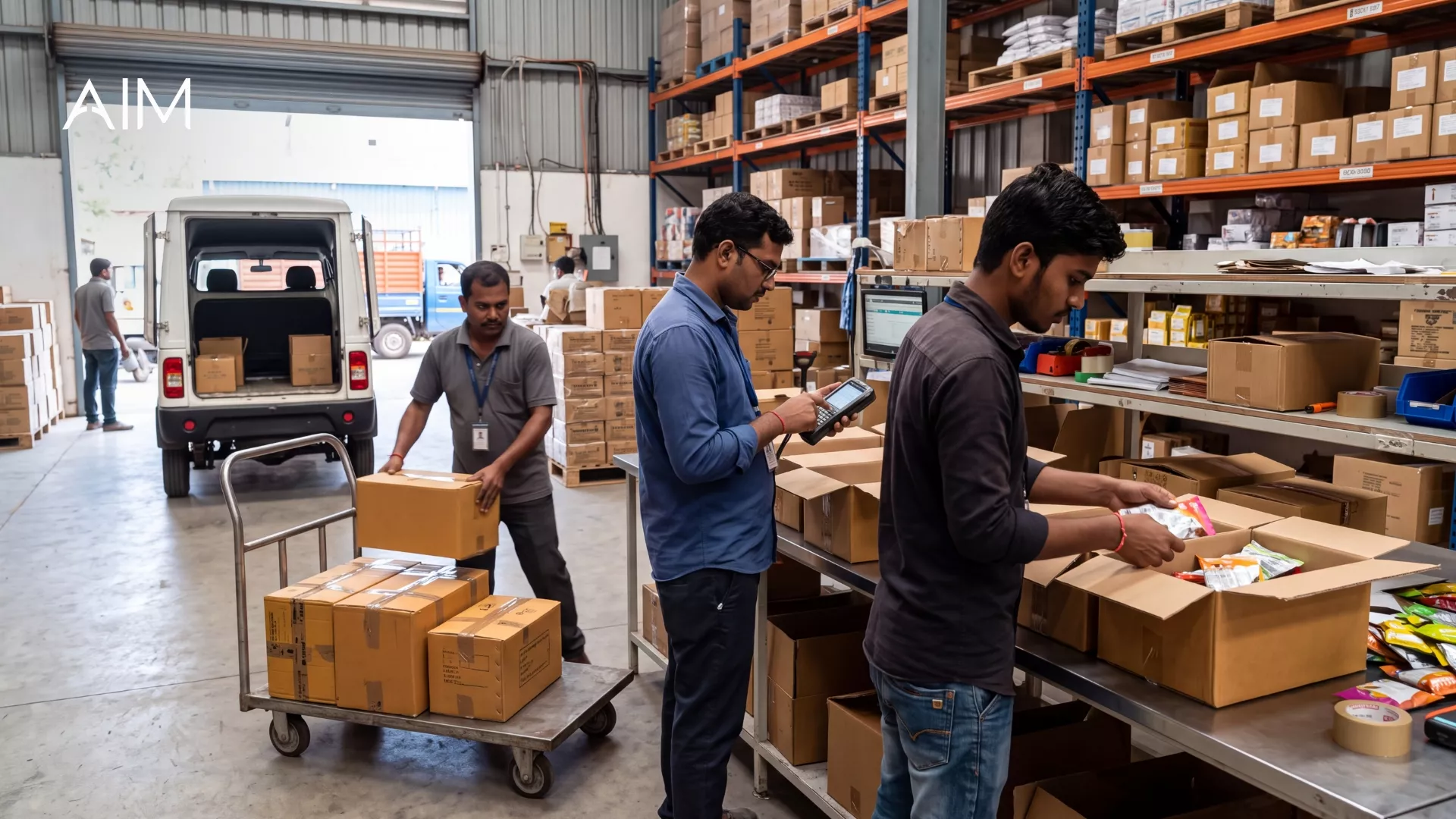


Ask a brand what makes a product sampling campaign succeed and you will hear about targeting, creative, and the product itself. Almost nobody says logistics. Yet the campaigns that quietly fail rarely fail on strategy. They fail because samples arrived late, arrived damaged, ran out on the best day, piled up unused on the worst one, or never reached the place they were promised. Logistics is the invisible machinery under every sampling plan, and when it breaks, the smartest strategy in the world breaks with it. Here is how sampling logistics decide whether a campaign works, and why they deserve as much attention as the idea.
What does logistics actually cover in a product sampling campaign?
In product sampling, logistics is everything that moves a sample from where it is made to the hand of the right person, in good condition, at the right moment. That covers producing or packing the sample units, storing them safely, transporting them to each location, getting them to the field teams on time, managing stock across many points at once, handling leftovers and returns, and keeping the whole chain accountable. It is the difference between a plan on paper and a product in a hand. None of it shows up in the campaign concept, and all of it decides whether the concept ever reaches a real consumer.
Why do sampling campaigns fail on logistics, not strategy?
Because a brilliant plan assumes flawless execution, and execution is where the real world intrudes. The targeting can be perfect and the samples can still arrive a day late, so the activation runs with nothing to hand out. The product can be excellent and still reach people warm, melted, crushed, or leaking, which turns a trial into a bad impression. The locations can be ideal and the stock can run dry by mid-morning on the busiest day, so the best footfall meets an empty table. Each of these is a logistics failure, not a strategy failure, and each quietly wastes the entire budget spent on the strategy. The plan did not fail. The plumbing did.
How does stock planning make or break a sampling day?
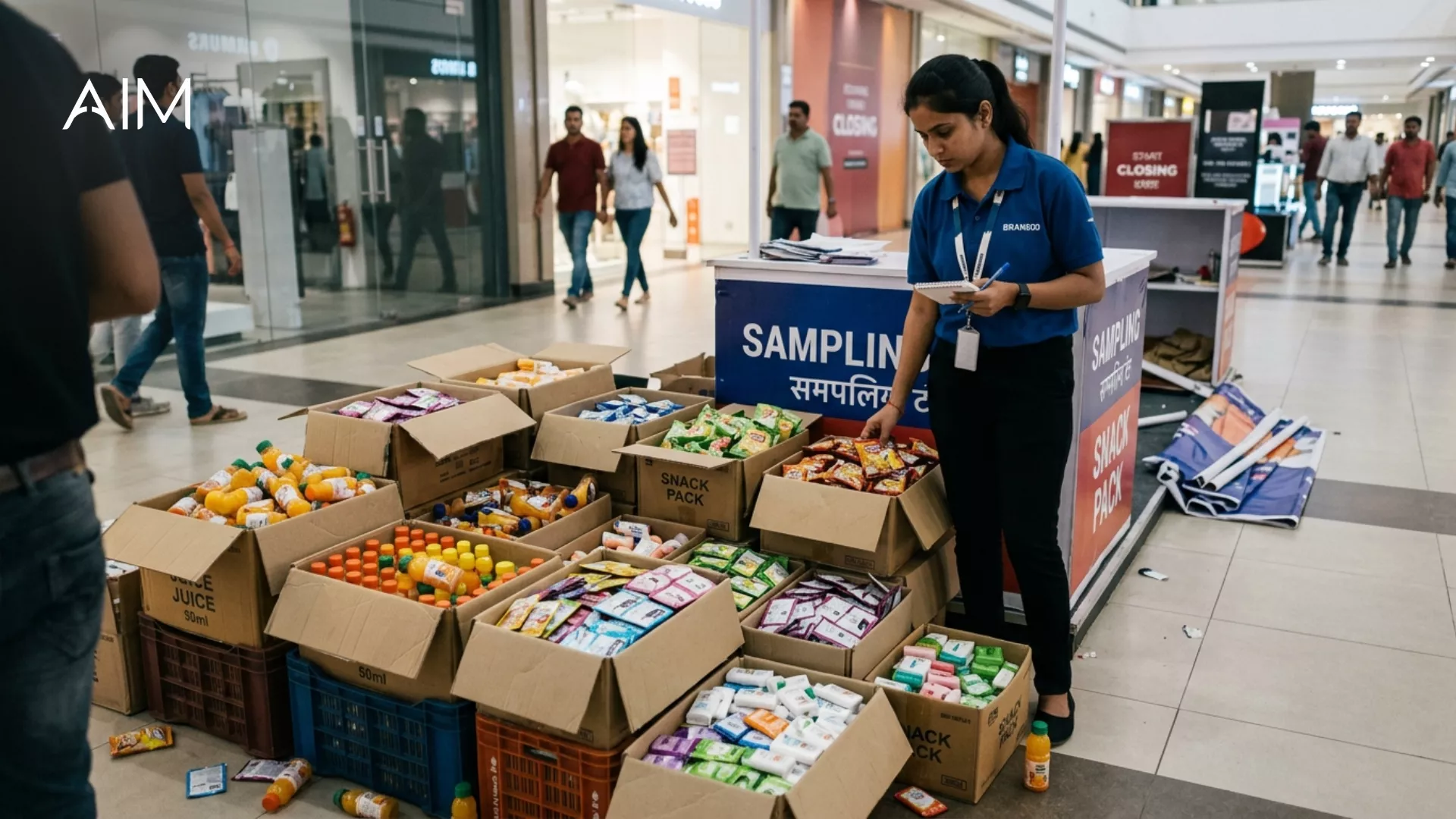
Running out and over-supplying are two sides of the same costly mistake. Run out, and the campaign stops at the moment it is working, turning away exactly the engaged people you spent money to attract, and leaving the best hours of the best locations unserved. Over-supply, and you have paid to produce, ship, and store product that never gets used, which ends up as waste you absorb. Good stock planning matches quantity to the real pattern of demand, more where and when footfall peaks, less where it is thin, with a buffer for the surprise rush. It sounds mundane, and it is the difference between a day that converts and a day that embarrasses the brand.
Why does sample condition depend entirely on logistics?
A sample is a promise about the product, and if it arrives in poor condition the promise is broken before the person even tries it. A food or beverage sample that was not kept at the right temperature misrepresents the product and can be unsafe. A cosmetic or personal care sample that leaked or baked in a hot warehouse looks cheap and unappealing. A crushed pack signals a careless brand. All of this is logistics: how the sample was stored, how it was transported, how long it sat, and in what conditions. The consumer never sees the supply chain, but they judge the brand entirely on what the supply chain delivered to their hand. Protecting sample condition is protecting the first impression.
What makes last-mile delivery the hardest part of sampling logistics?
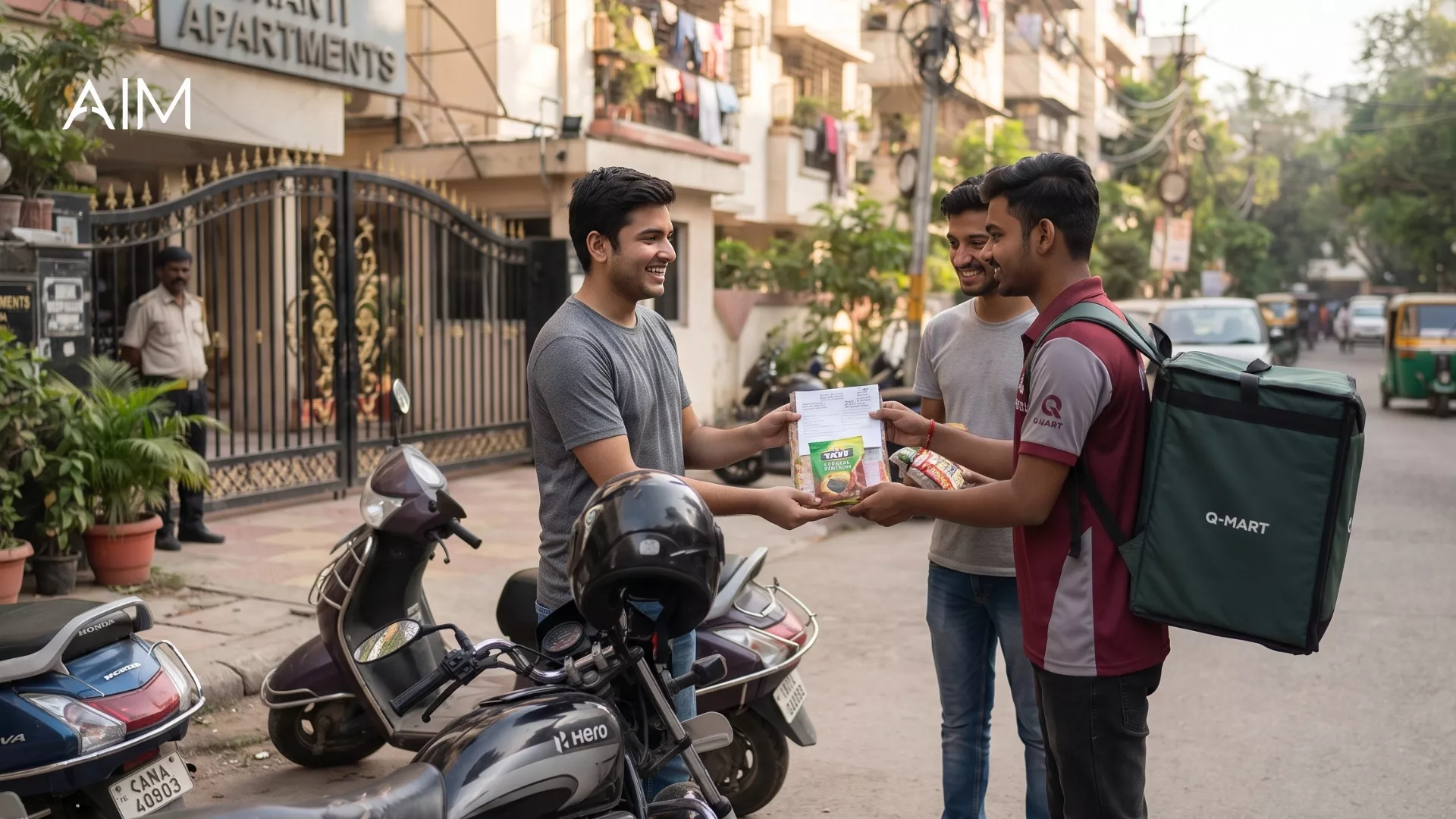
The last mile, getting the right samples to the right field point at the right time, is where most sampling logistics actually breaks, because it has the most moving parts and the least control. A campaign may run across many locations, teams, and days at once, and every one of them needs its stock to arrive before the activity starts, in the right quantity, in good condition. A single late or missing delivery means a team standing idle with nothing to give, in a prime spot, on the clock. The more locations a campaign spans, the harder this coordination becomes, which is why national or multi-city sampling lives or dies on last-mile execution far more than on the central plan.
How do logistics decide whether a sampling campaign can be measured?
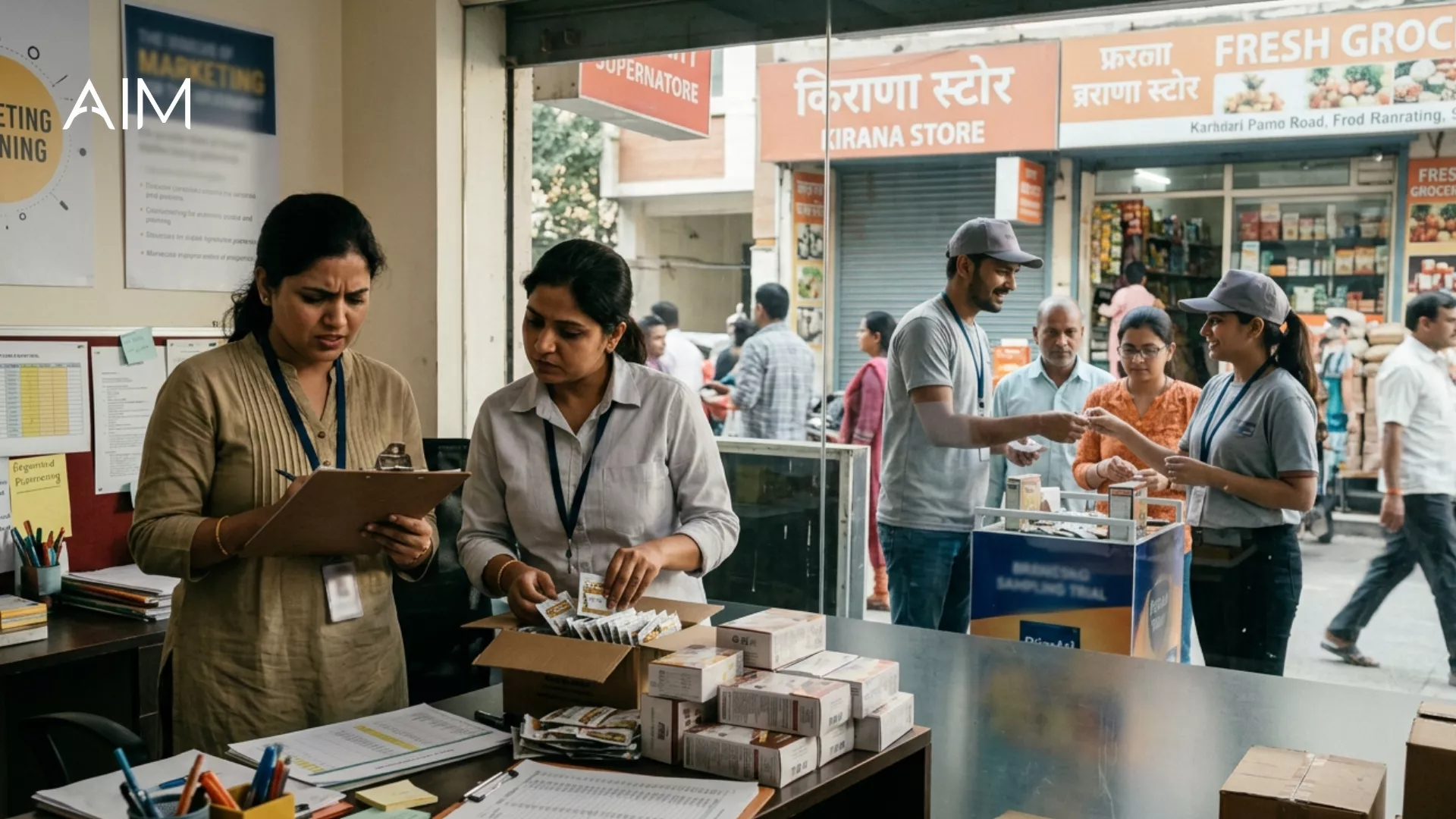
Measurement depends on knowing what actually happened in the field, and that is a logistics question as much as a data one. If you cannot verify how many samples truly reached each location, how many were handed out, and how many came back, you cannot calculate what the campaign really did or what it really cost. Logistics that include proper stock reconciliation, where samples went, what was used, what returned, turn a vague activity into a countable one. Without it, numbers are guesses, and shrinkage, waste, or diversion hides in the gap. A campaign that is logistically tracked can be financially judged. One that is not can only be hoped about.
Which products are the most logistics-sensitive to sample?
Some products forgive a rough supply chain and some do not. A sealed, shelf-stable snack can take a few knocks and still sample well. A chilled beverage, a dairy product, a chocolate in summer, or anything perishable has a narrow window and a temperature range outside which the trial is ruined or unsafe, so it demands cold chain and tight timing. Liquids and creams risk leaking and need protective packing. Fragile or premium items need handling that protects both the product and the impression. The more sensitive the product, the more the campaign has to be built around logistics first and everything else second, because for these items the supply chain is the campaign.
How does AIM treat sampling logistics?
At AIM, logistics is treated as part of the campaign, not an afterthought handed to a courier. That means planning stock against the real demand pattern of each location and time, protecting sample condition through proper storage and transport, coordinating last-mile delivery so no team stands idle, and reconciling stock so every unit is accounted for from warehouse to hand. The point is simple: a sampling campaign is only as good as the sample that actually reaches the consumer, in good condition, at the right moment. Logistics is what makes that happen, and getting it right is what lets the strategy, the targeting, and the product do the job they were designed to do.
What should a brand ask about logistics before a sampling campaign?
Before signing off a sampling plan, a brand should ask the unglamorous questions that decide the outcome. How will stock be planned against footfall so we neither run dry nor overspend? How will samples be stored and transported to protect their condition, especially if they are perishable or fragile? How will last-mile delivery be coordinated across every location and day? How will leftover stock and returns be handled? And how will every unit be reconciled so we know what actually happened? The answers reveal whether the logistics have been thought through or left to chance, and that, more than the creative, is what will decide whether the campaign works.
The strategy is only as good as the sample that arrives
It is tempting to spend all the planning energy on the exciting parts, the audience, the message, the experience, and assume the samples will simply be there. They will not, unless someone made them be. A late truck, a hot warehouse, an empty table at peak hour, a pile of unused stock at the end, each of these undoes the strategy completely, and none of them is visible until it is too late. The brands that win at sampling respect the plumbing. They know that the finest plan is worthless if the sample does not reach the right hand, in good shape, at the right time, and they build the logistics to guarantee that it does.











.webp)











.png)