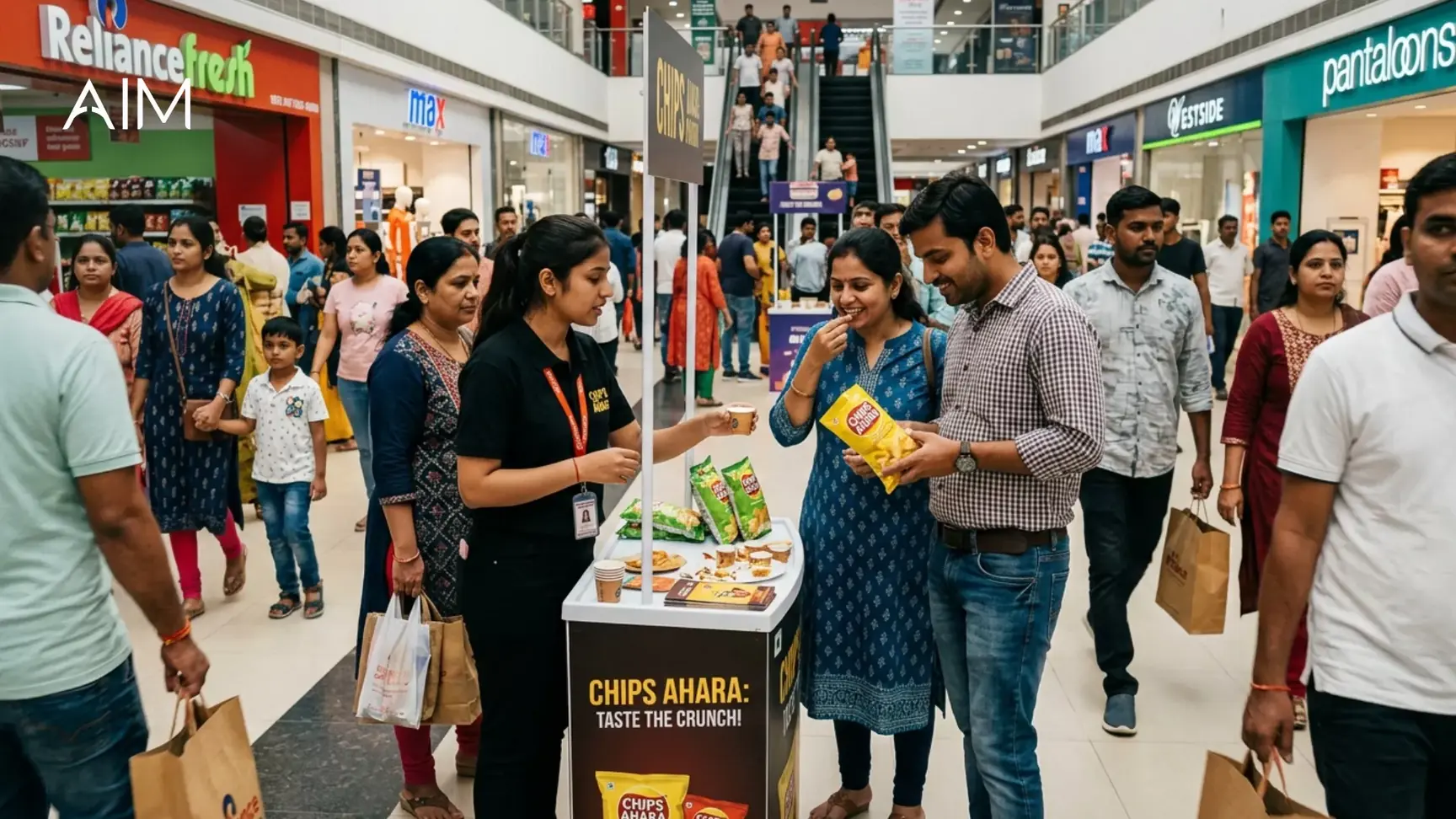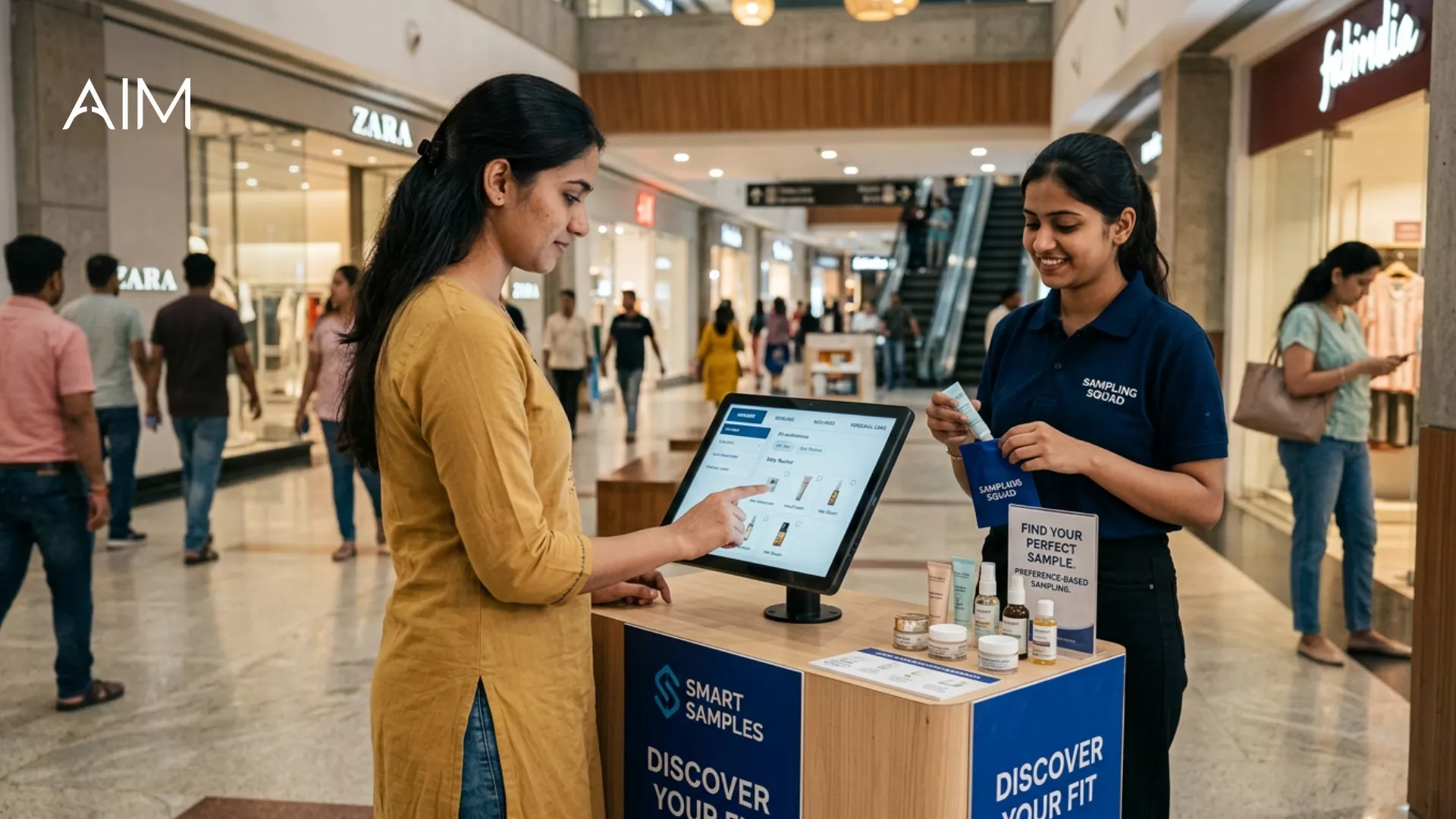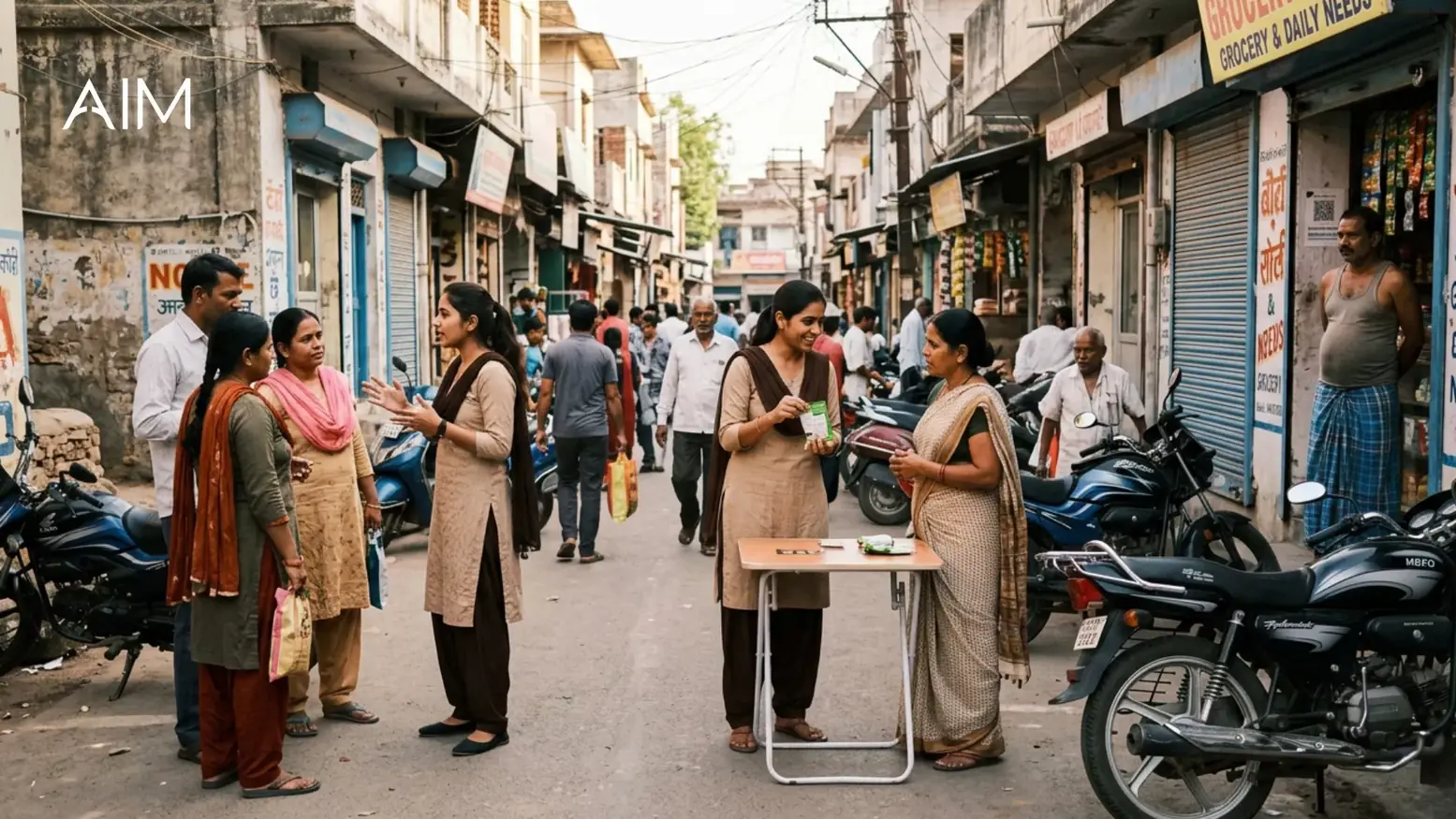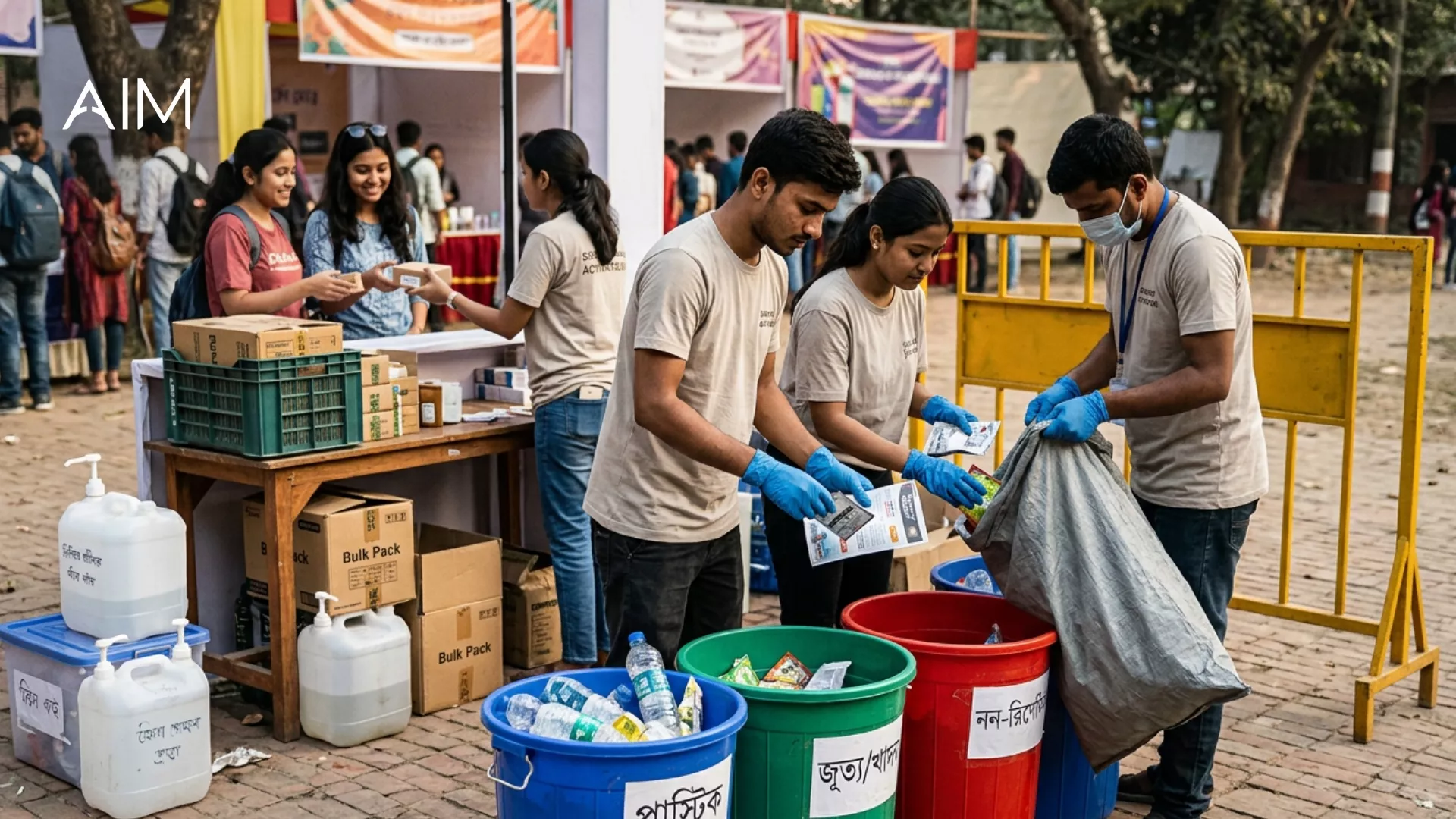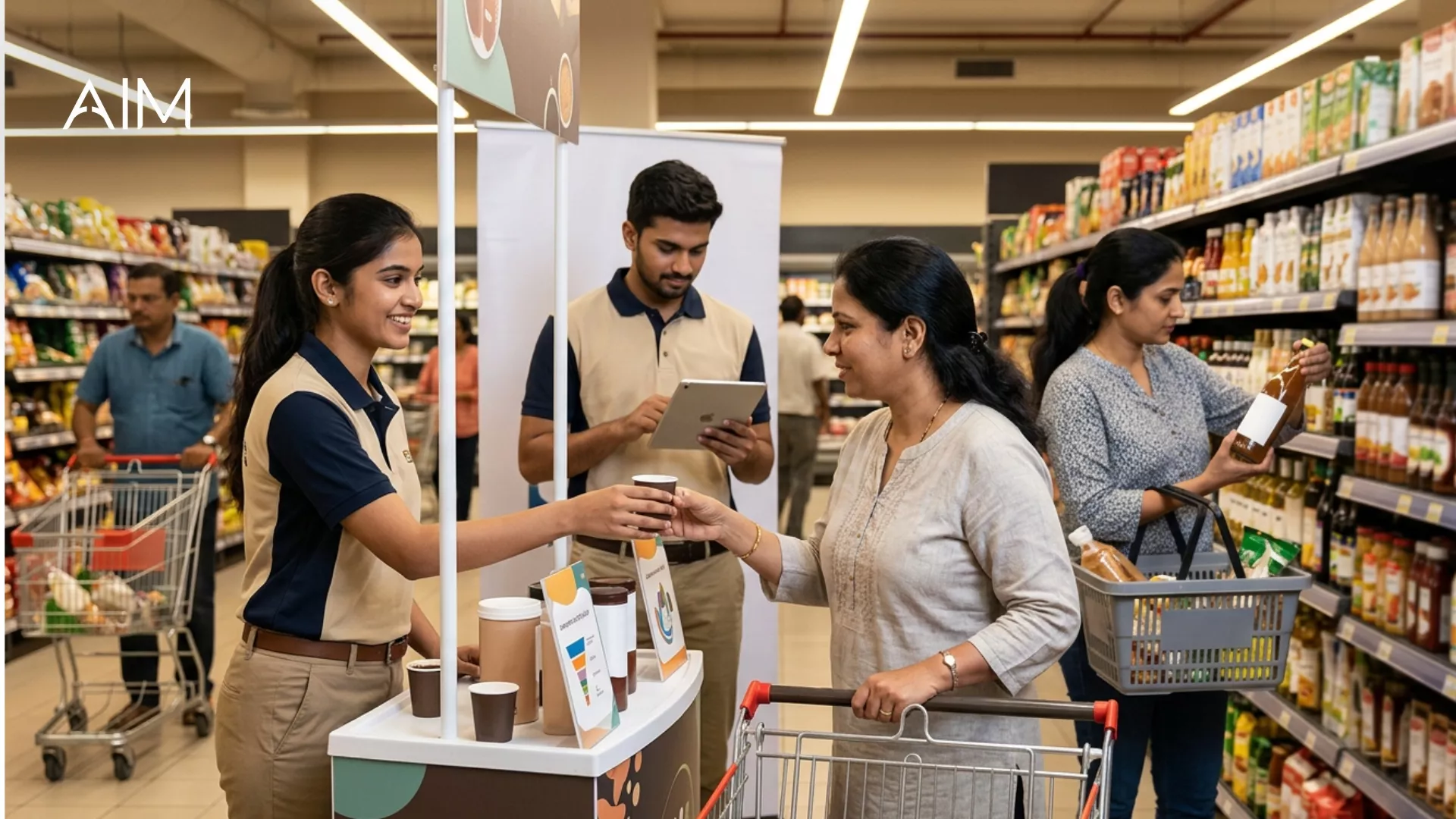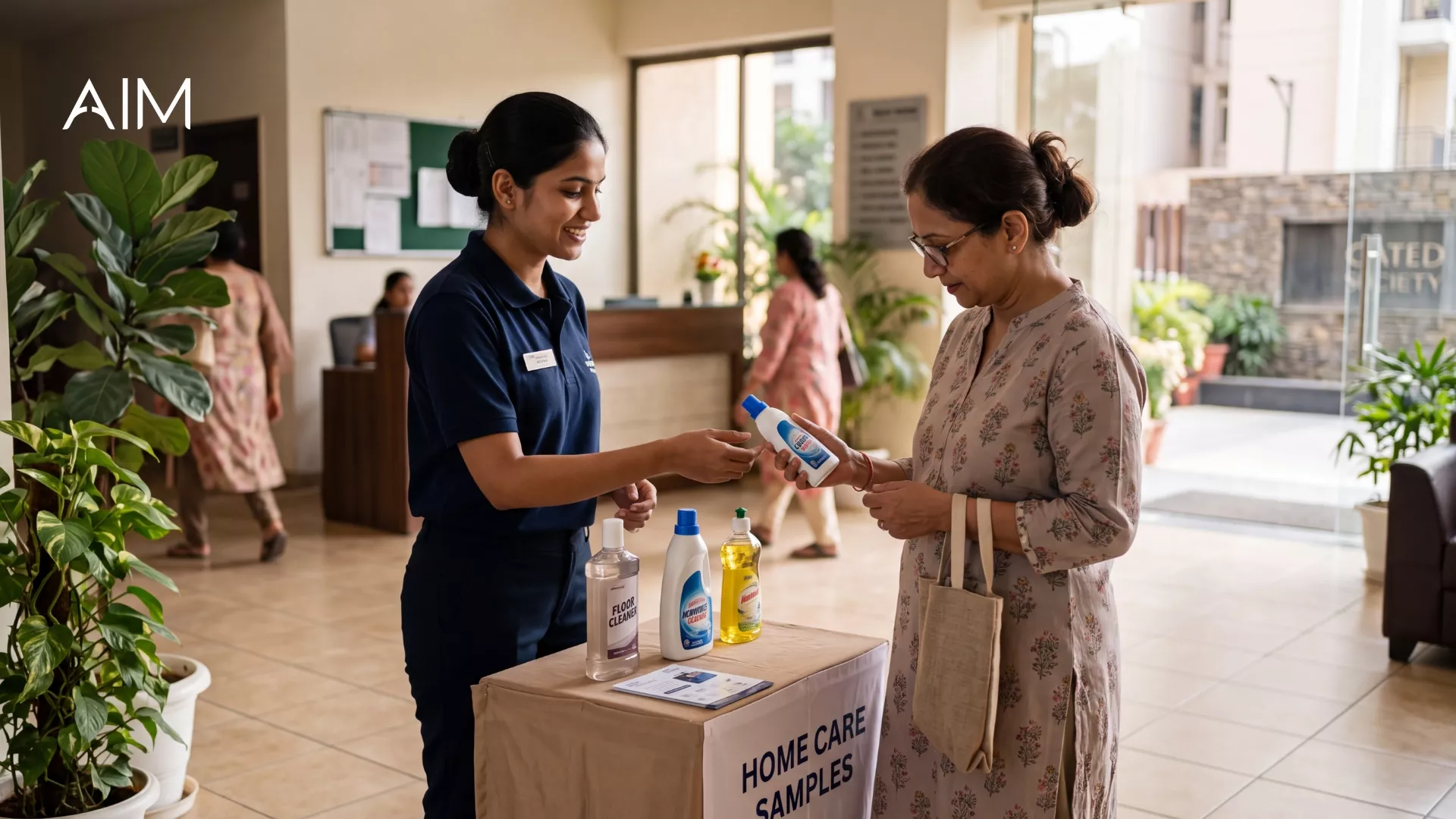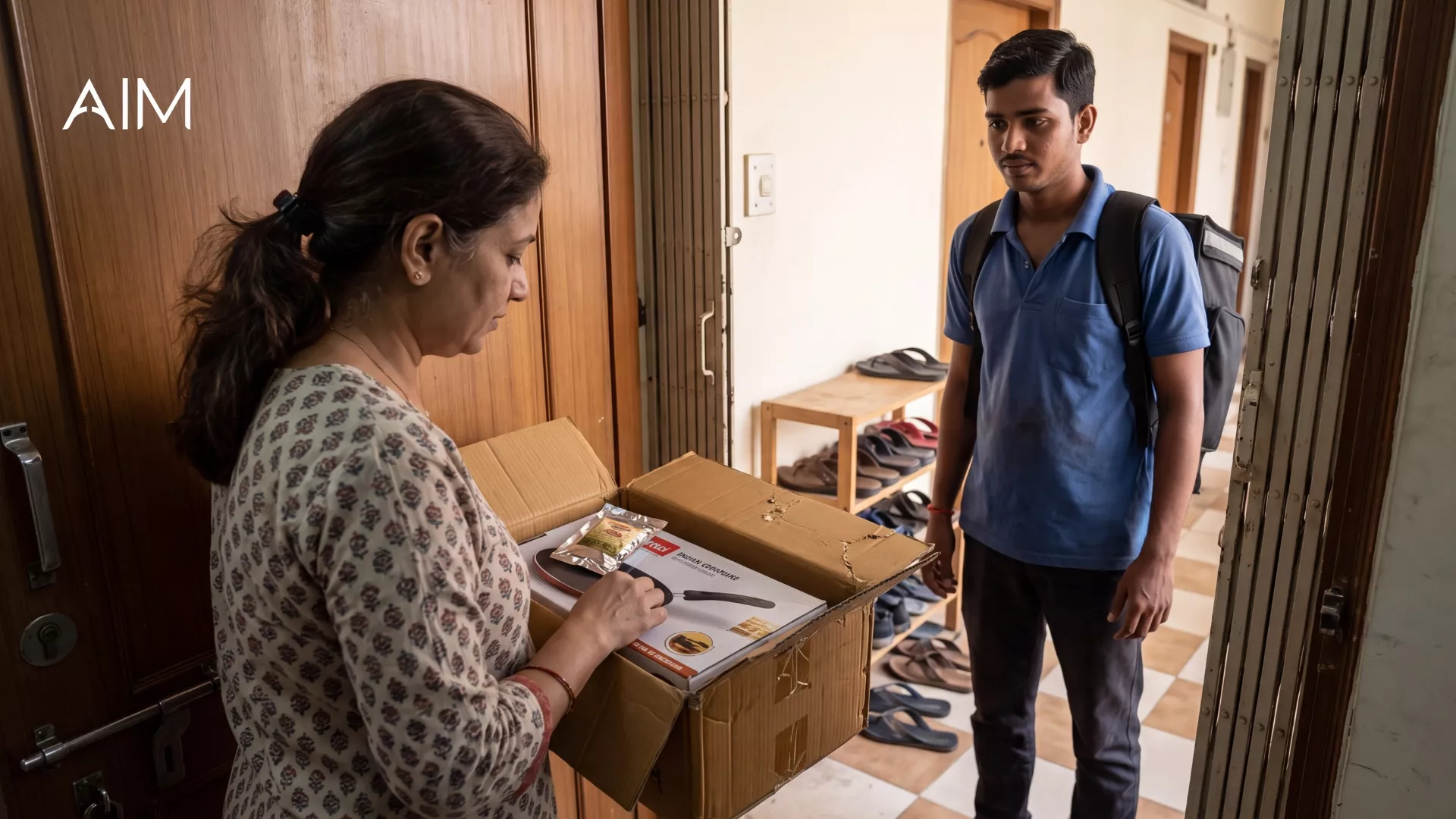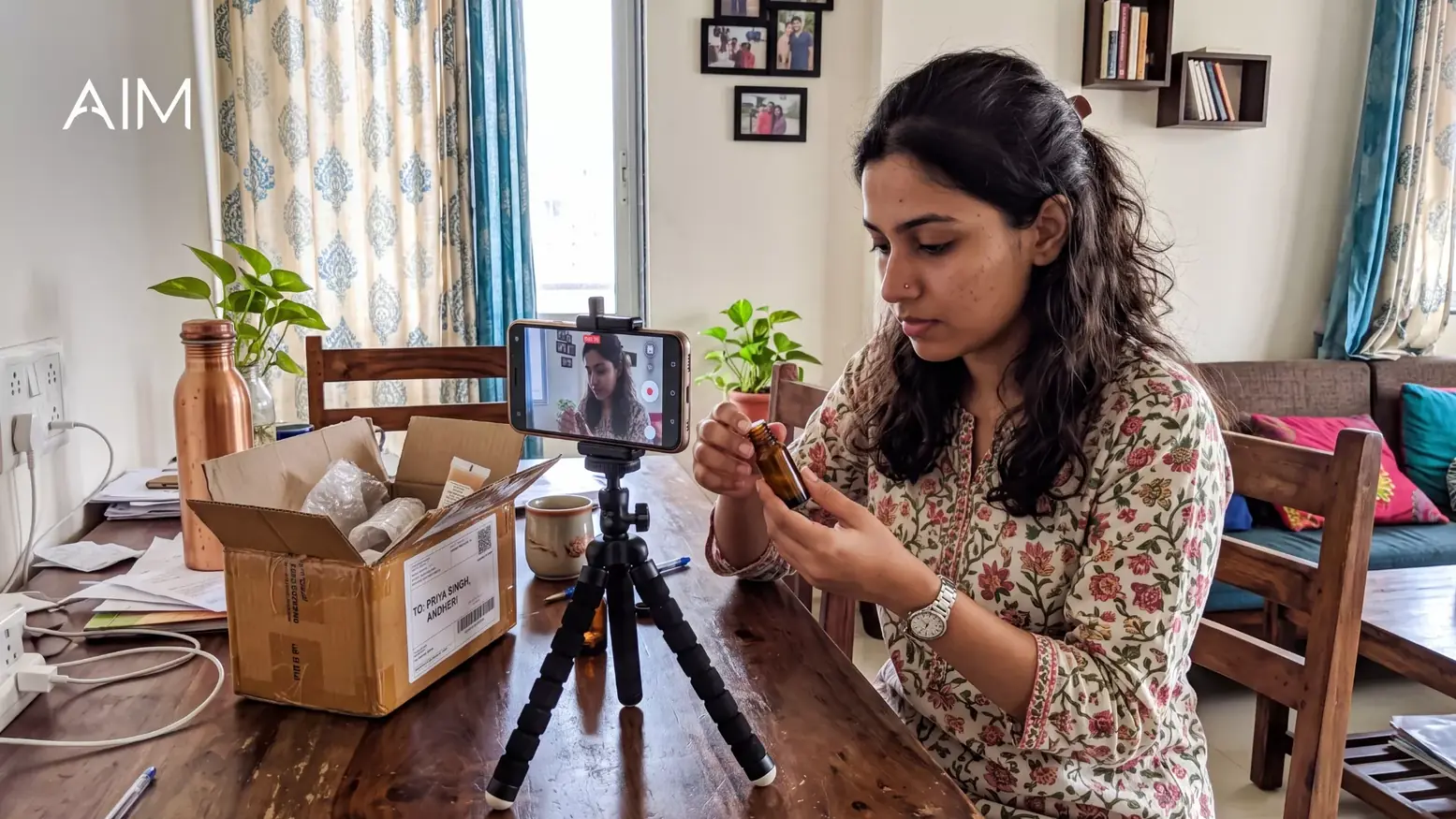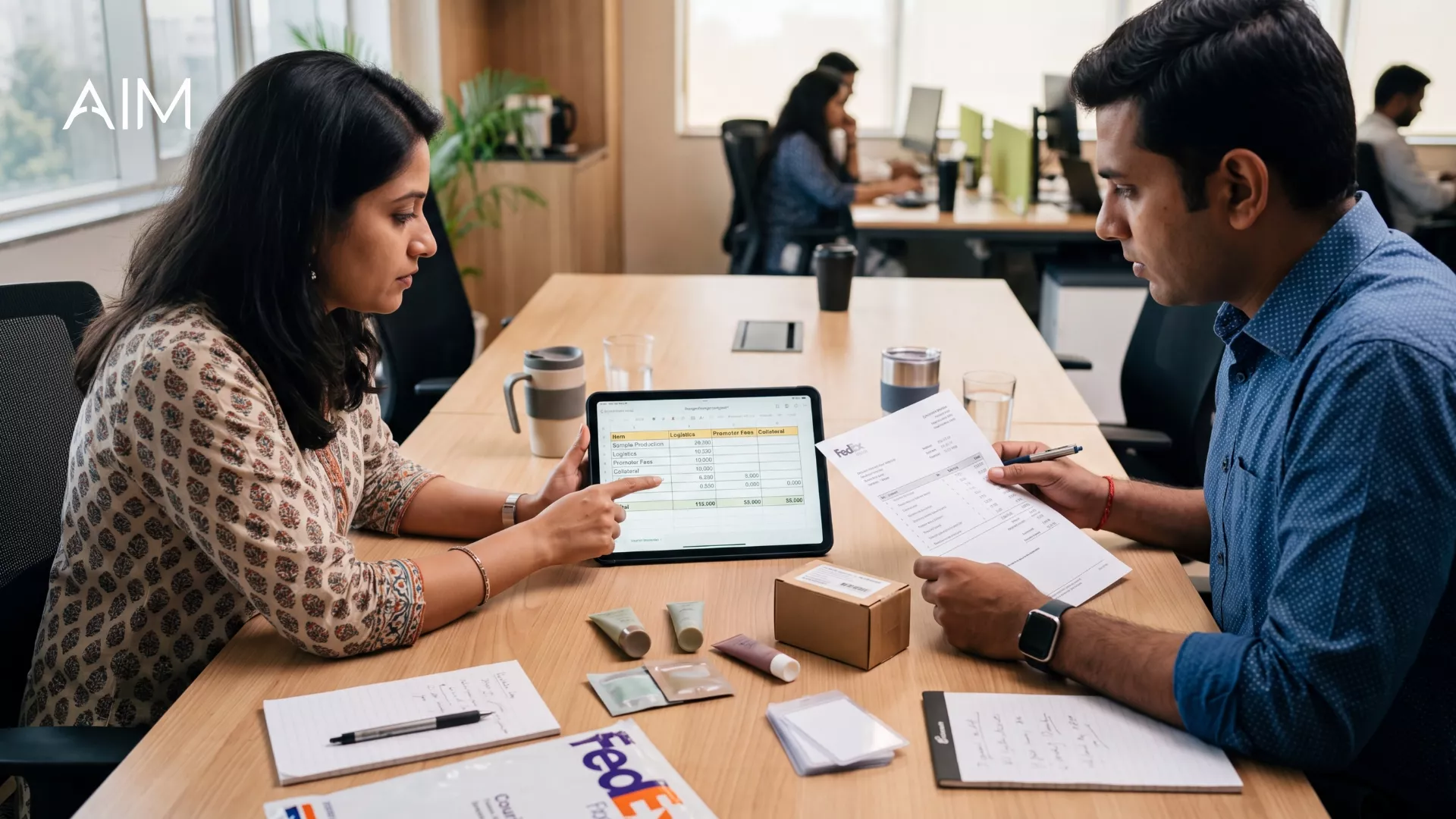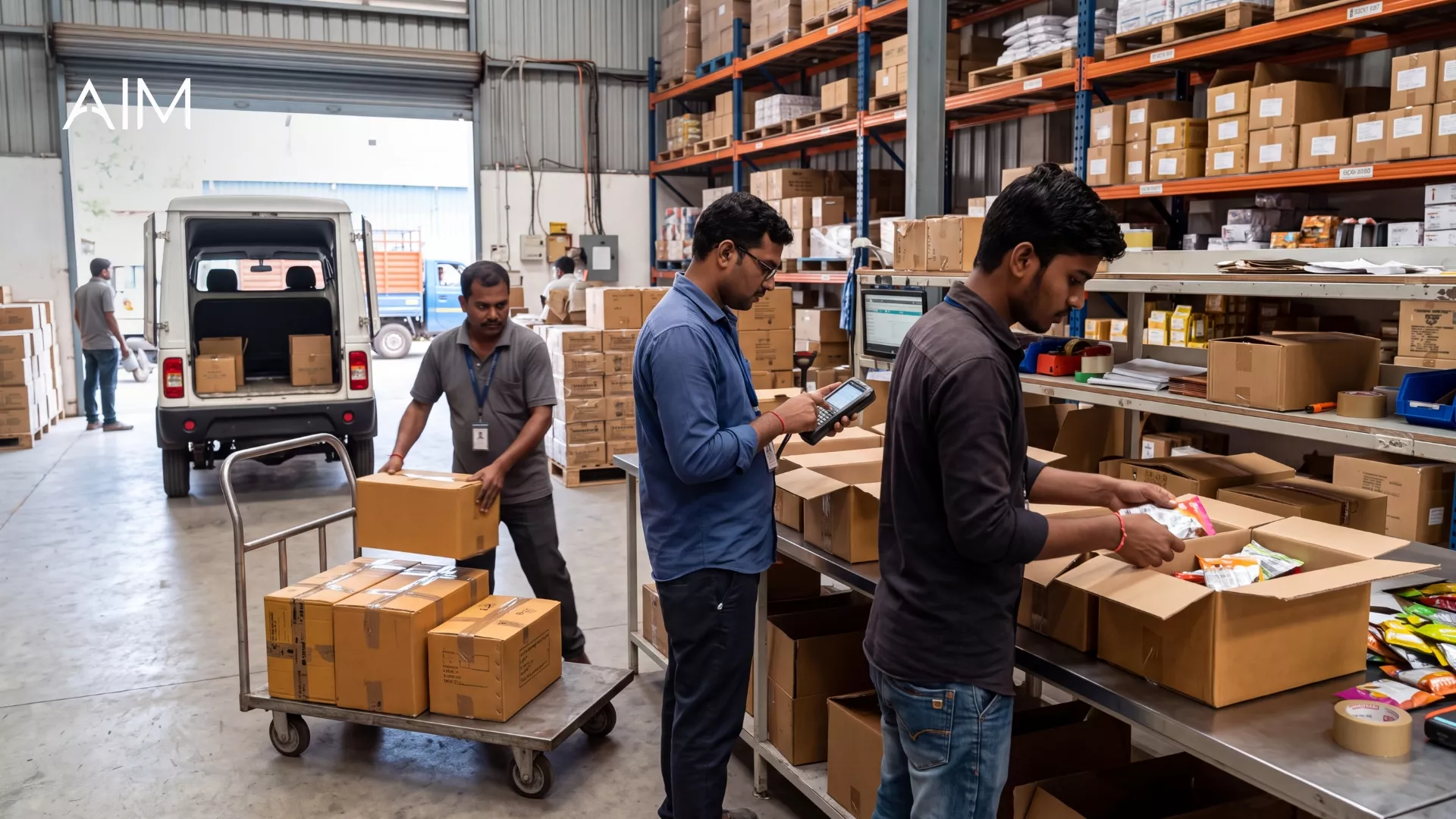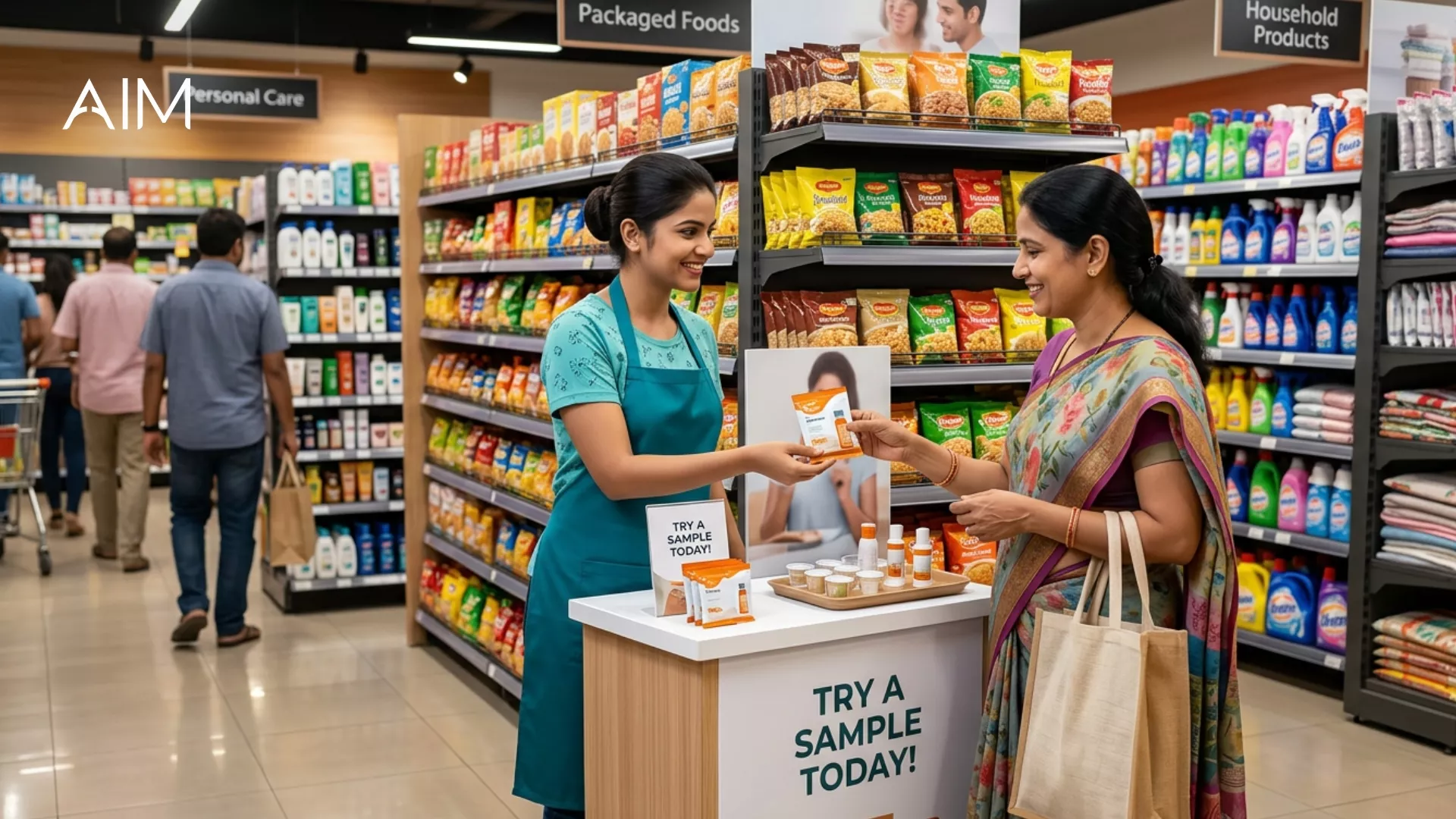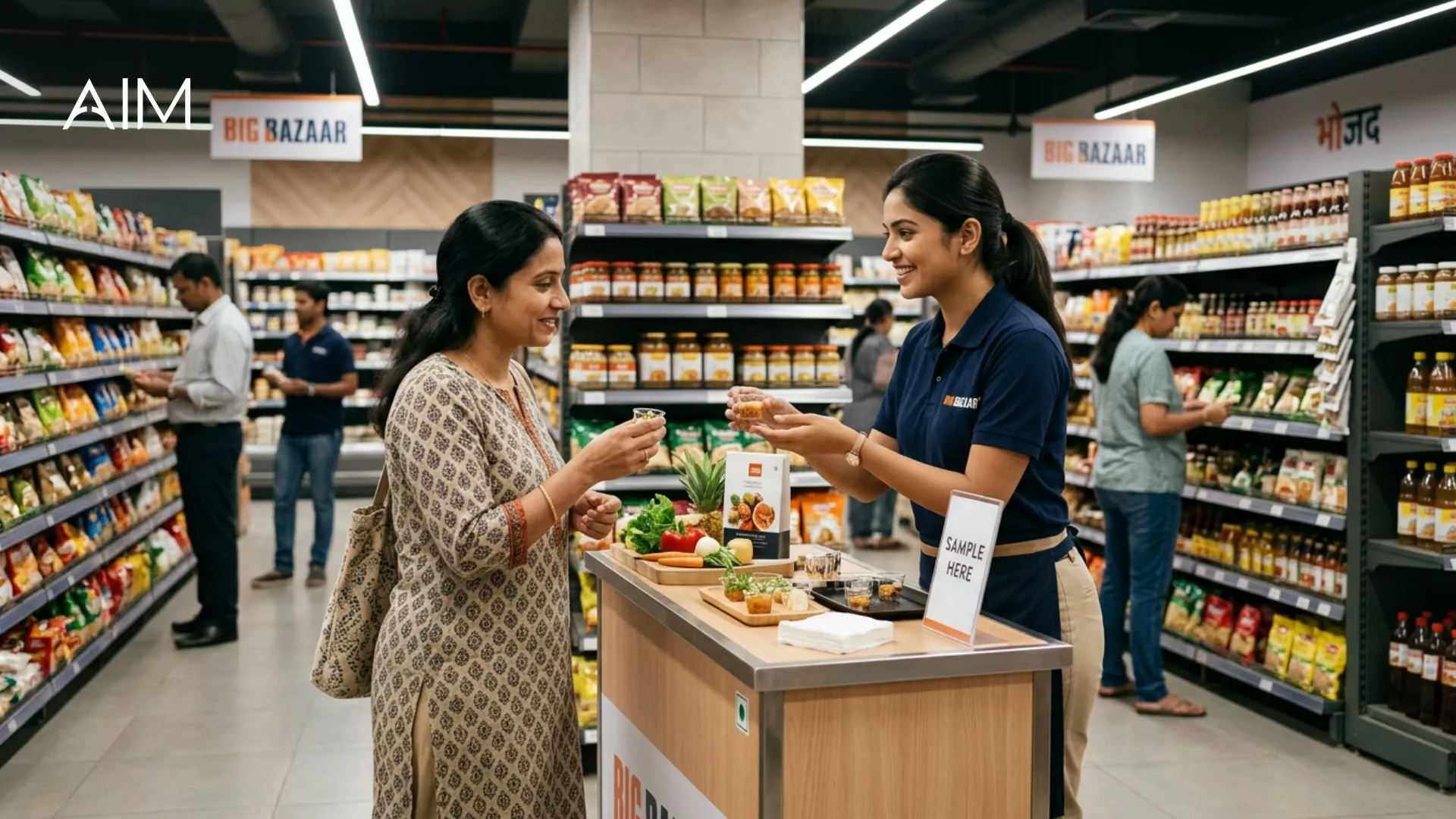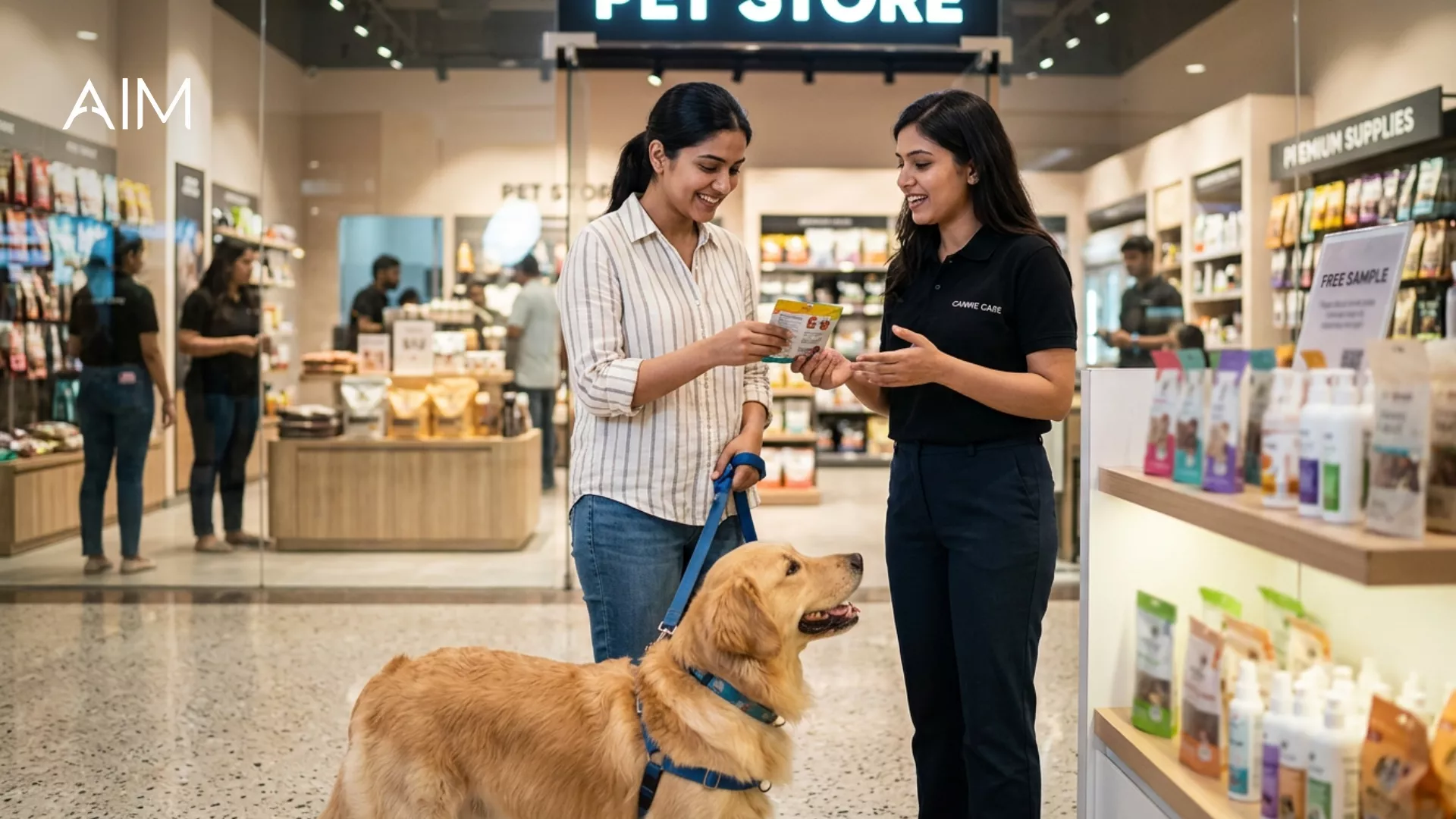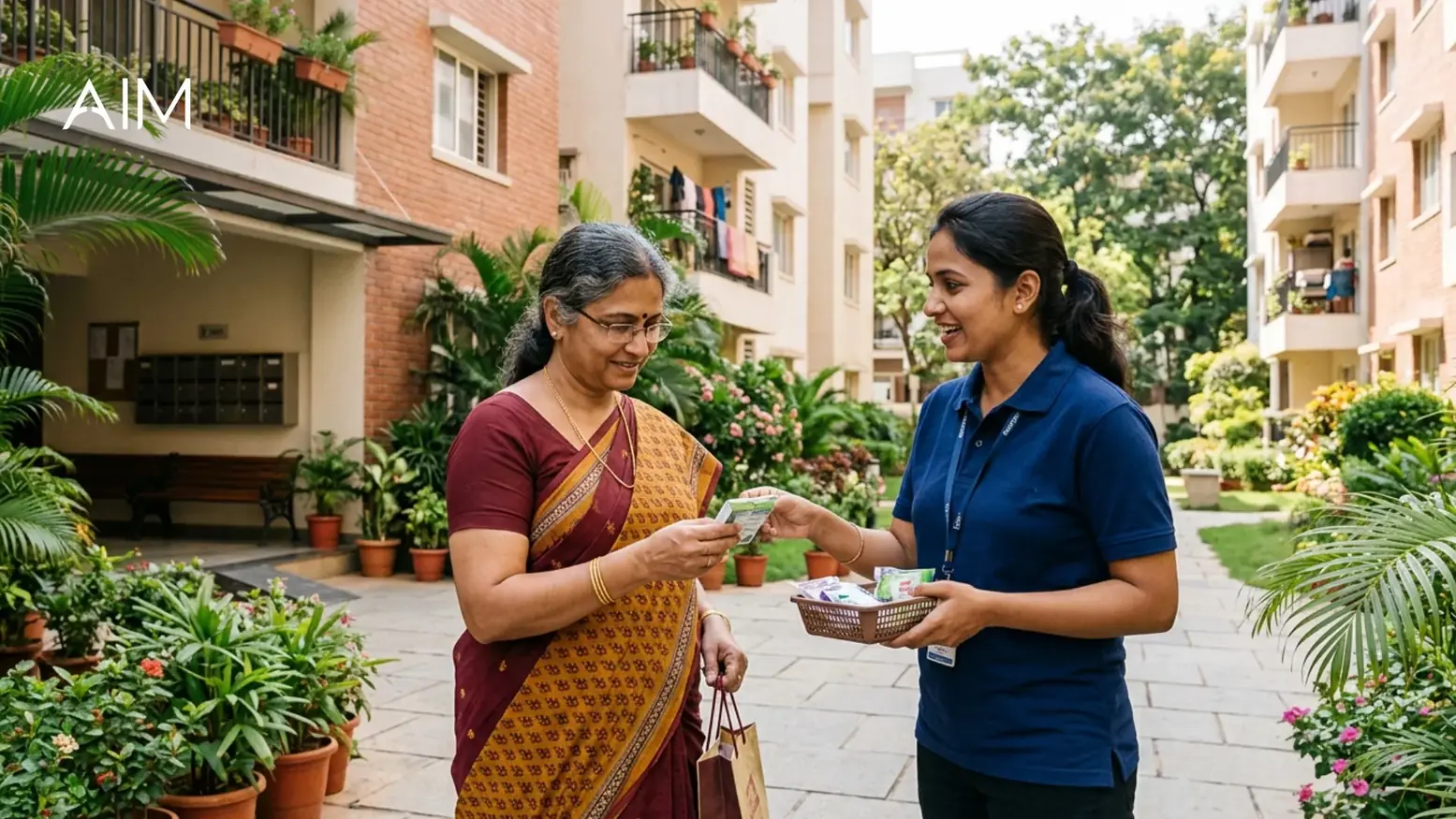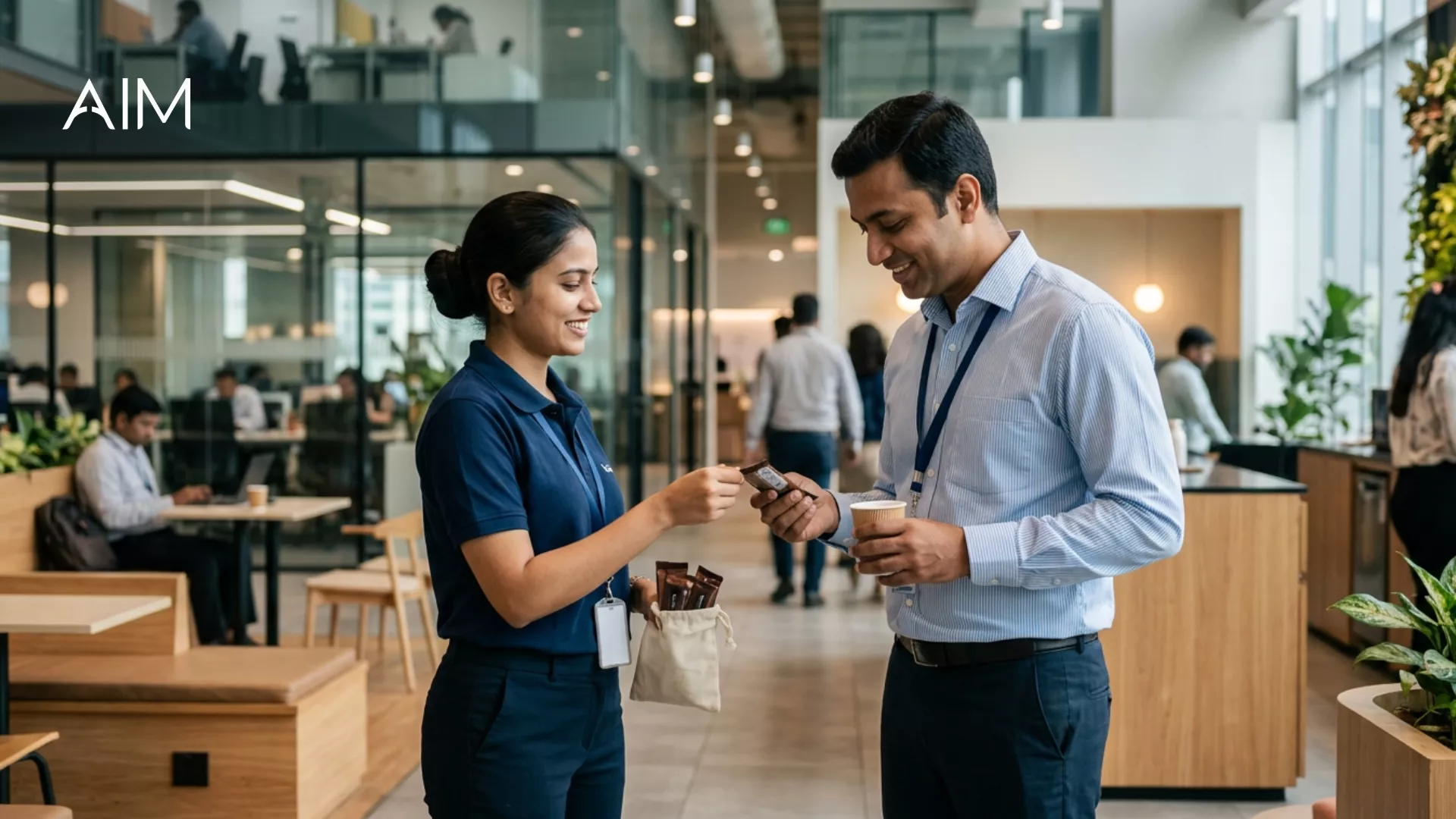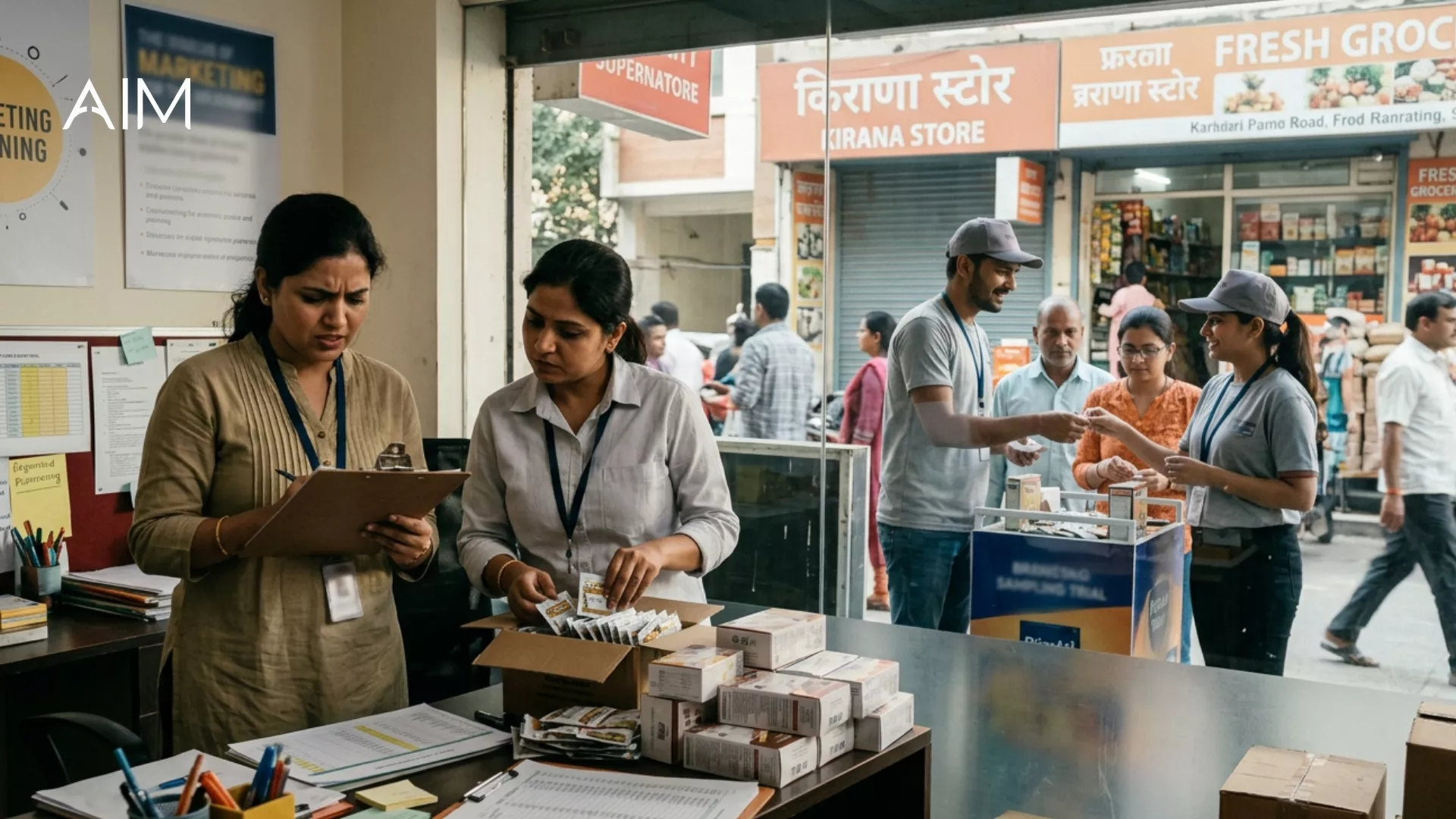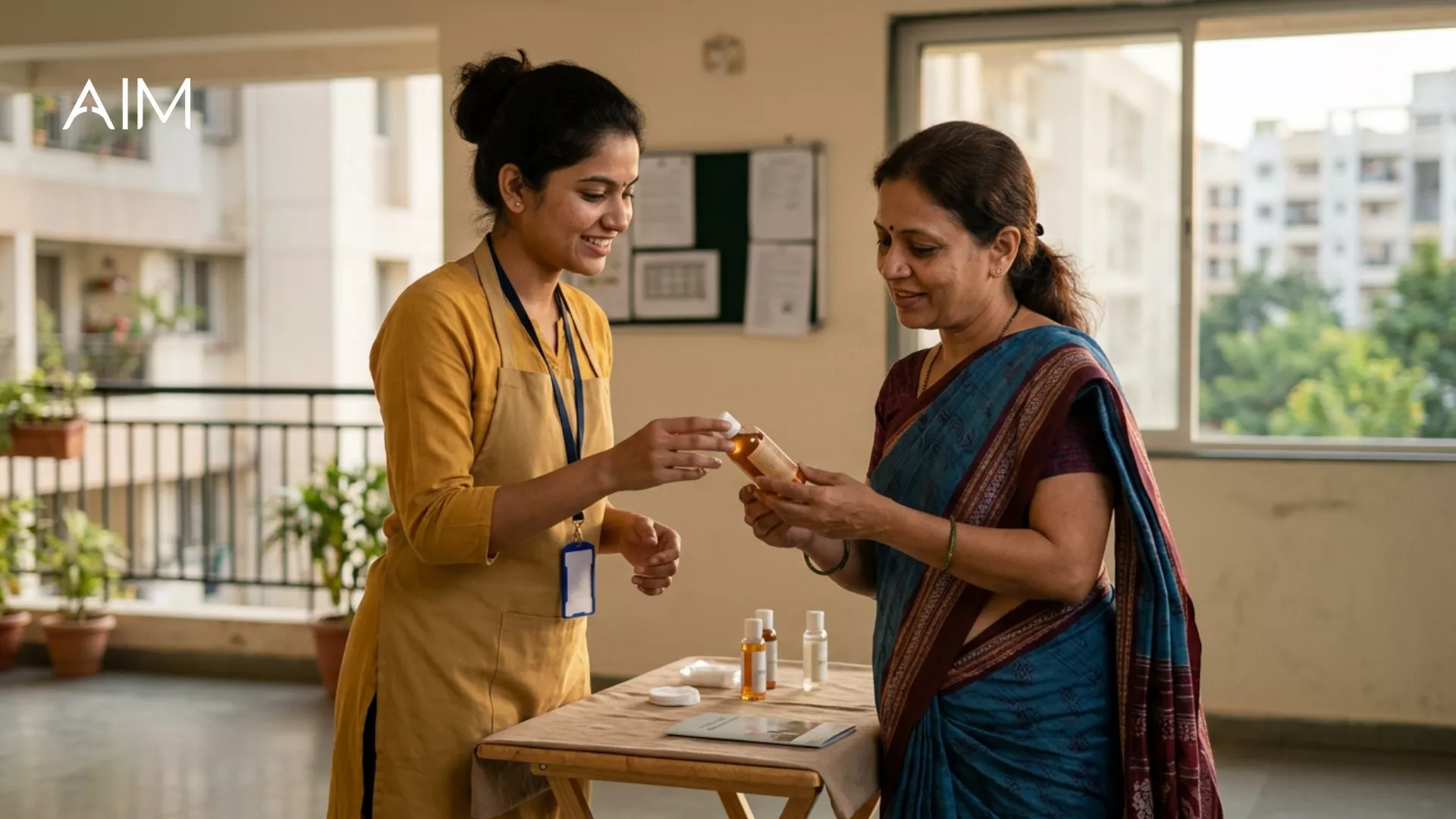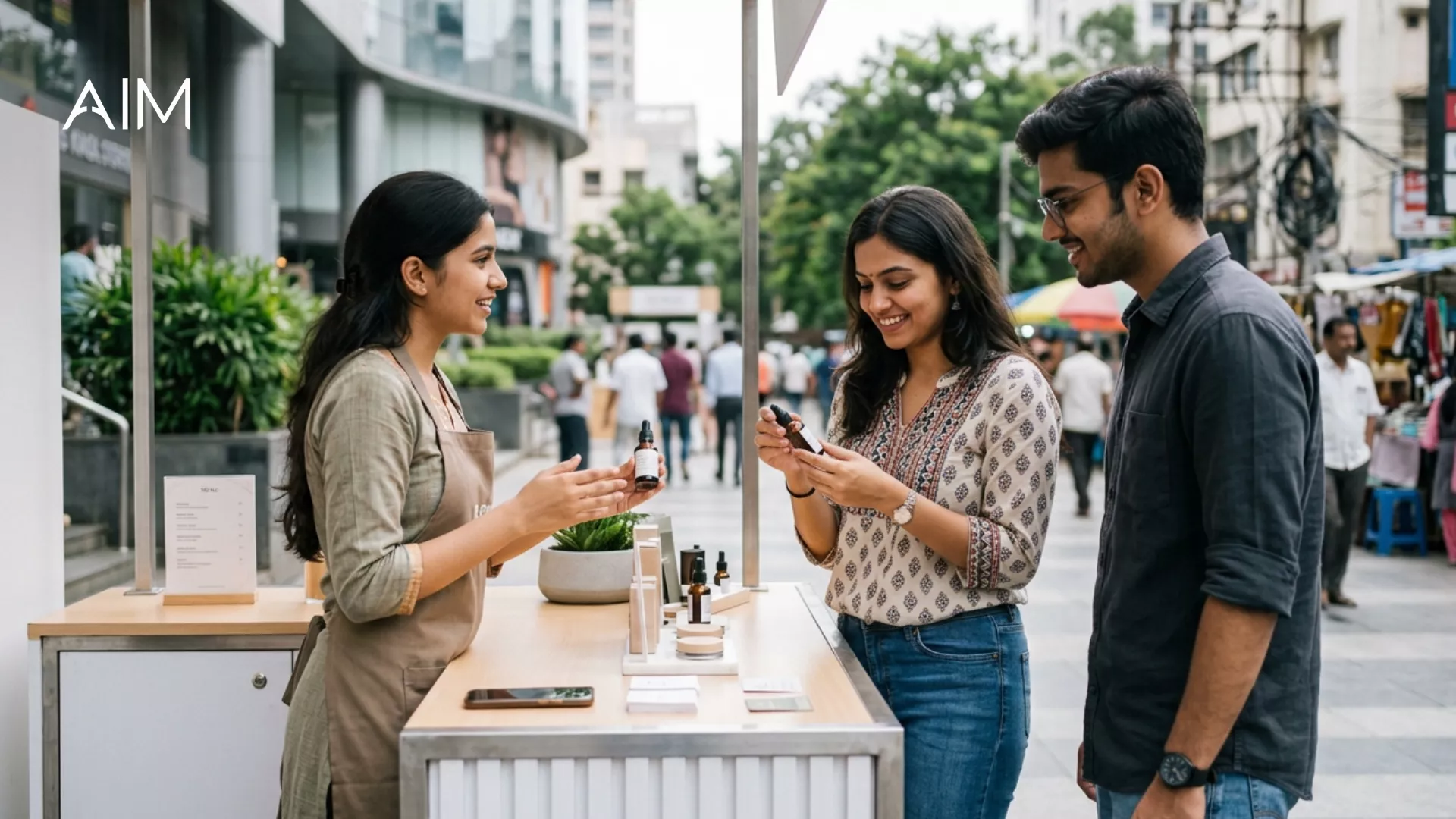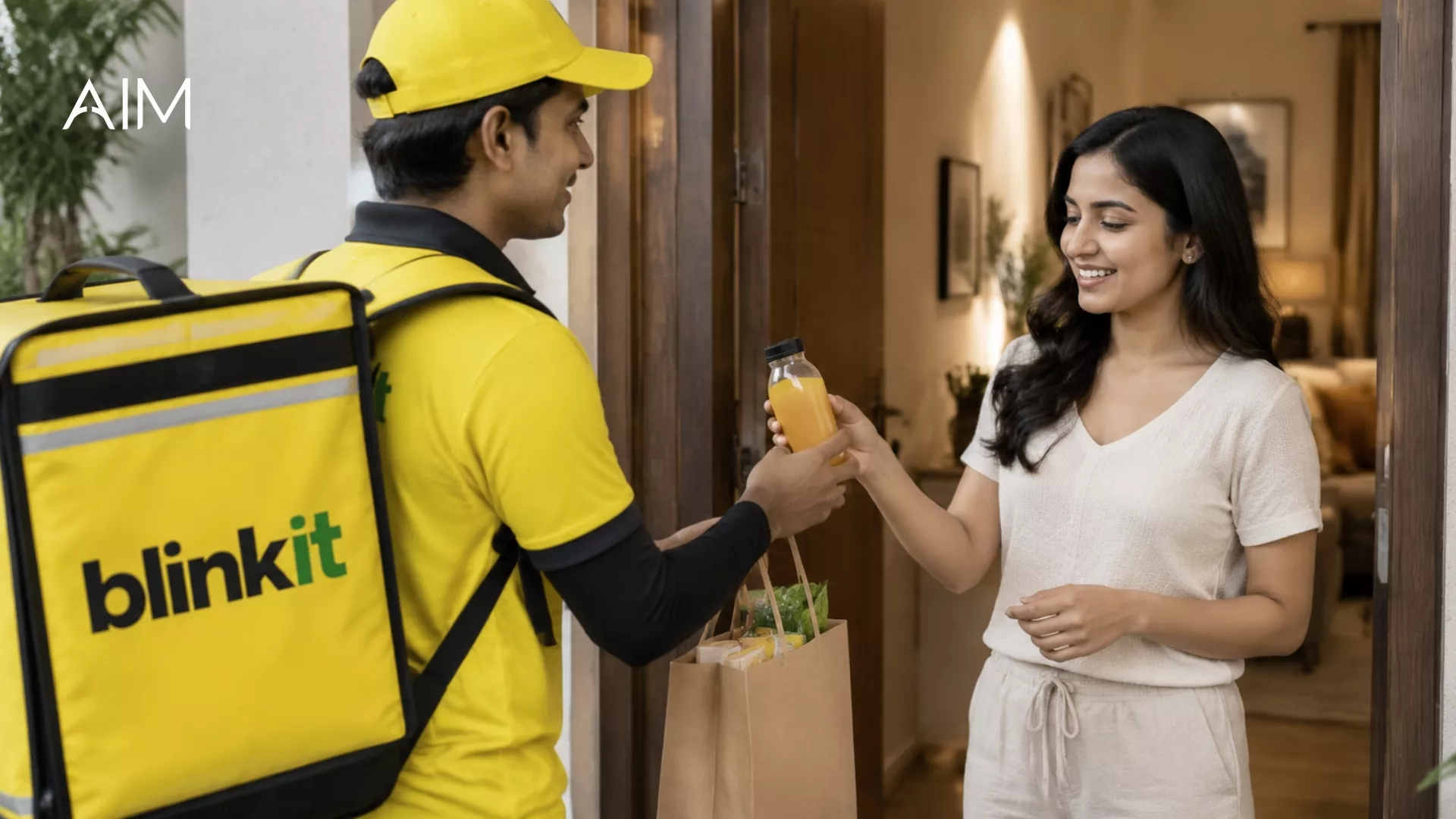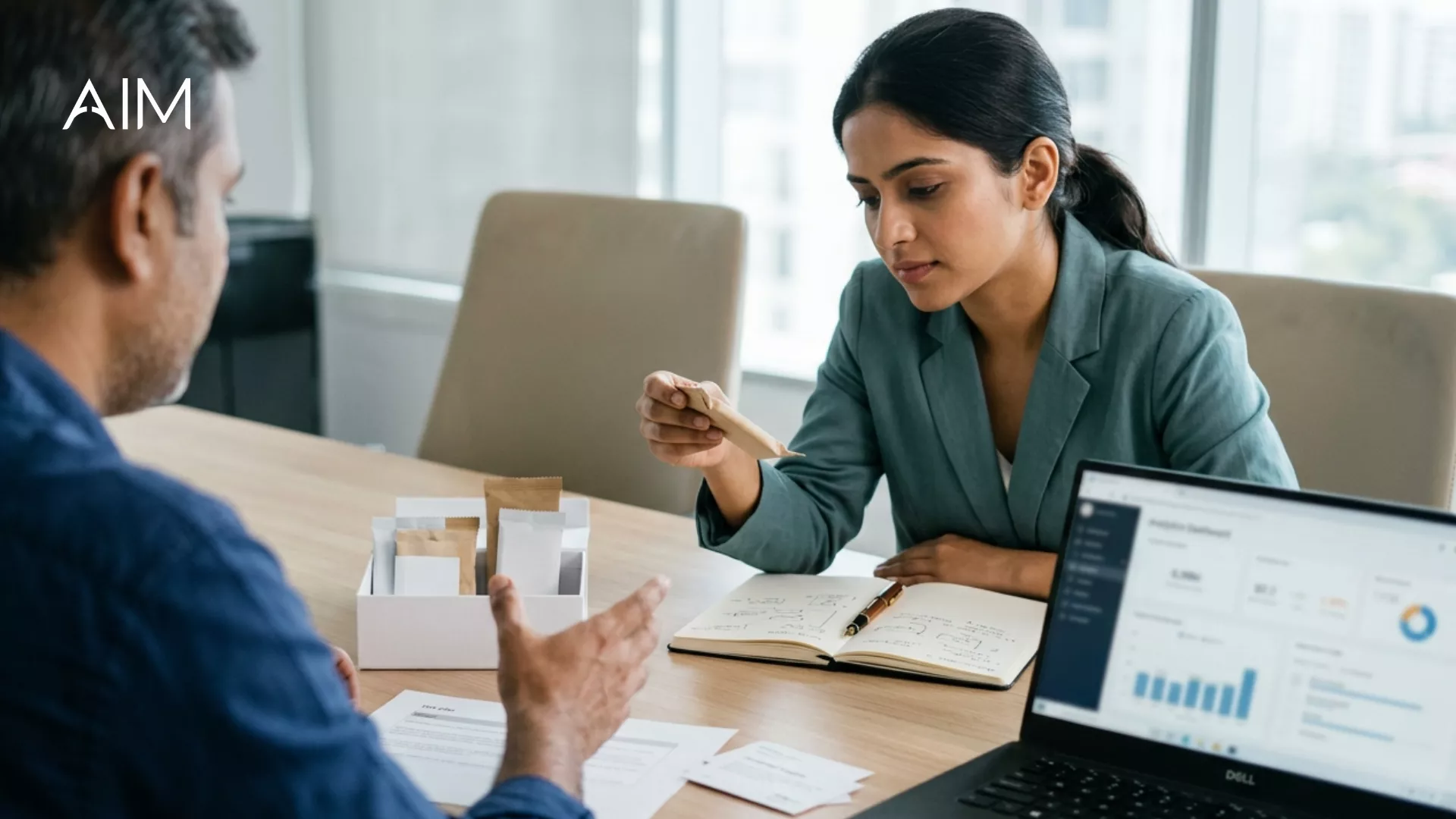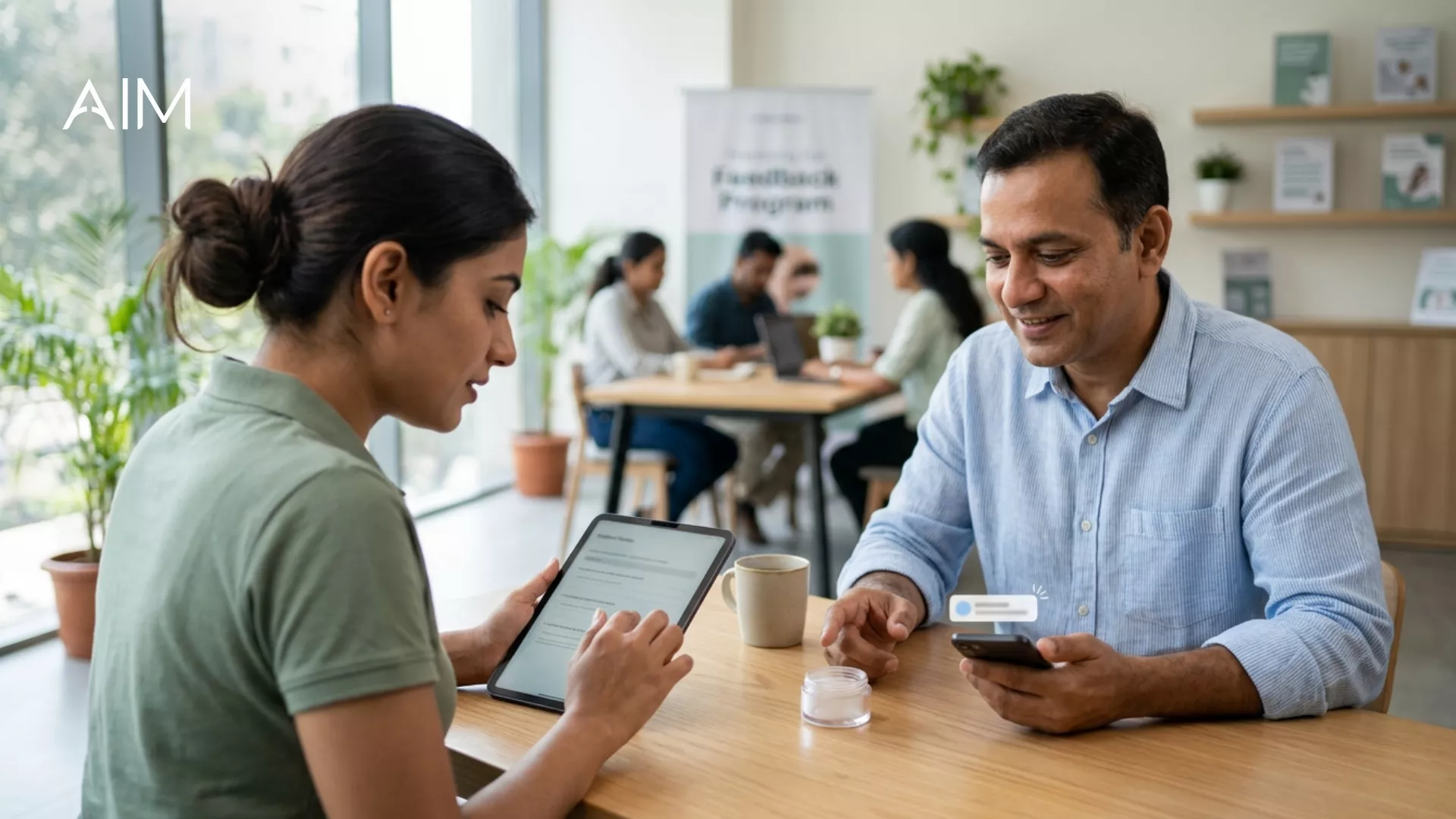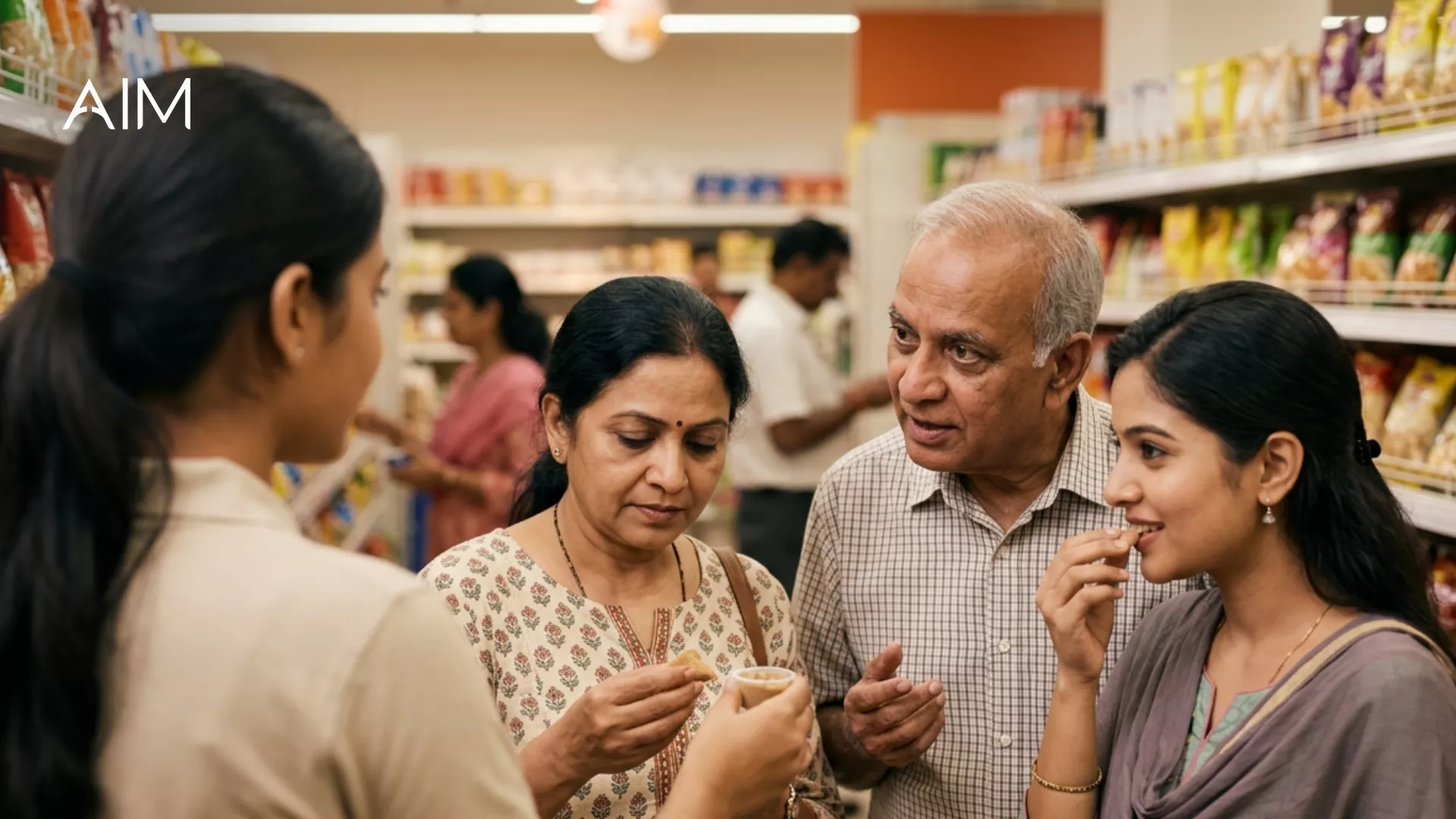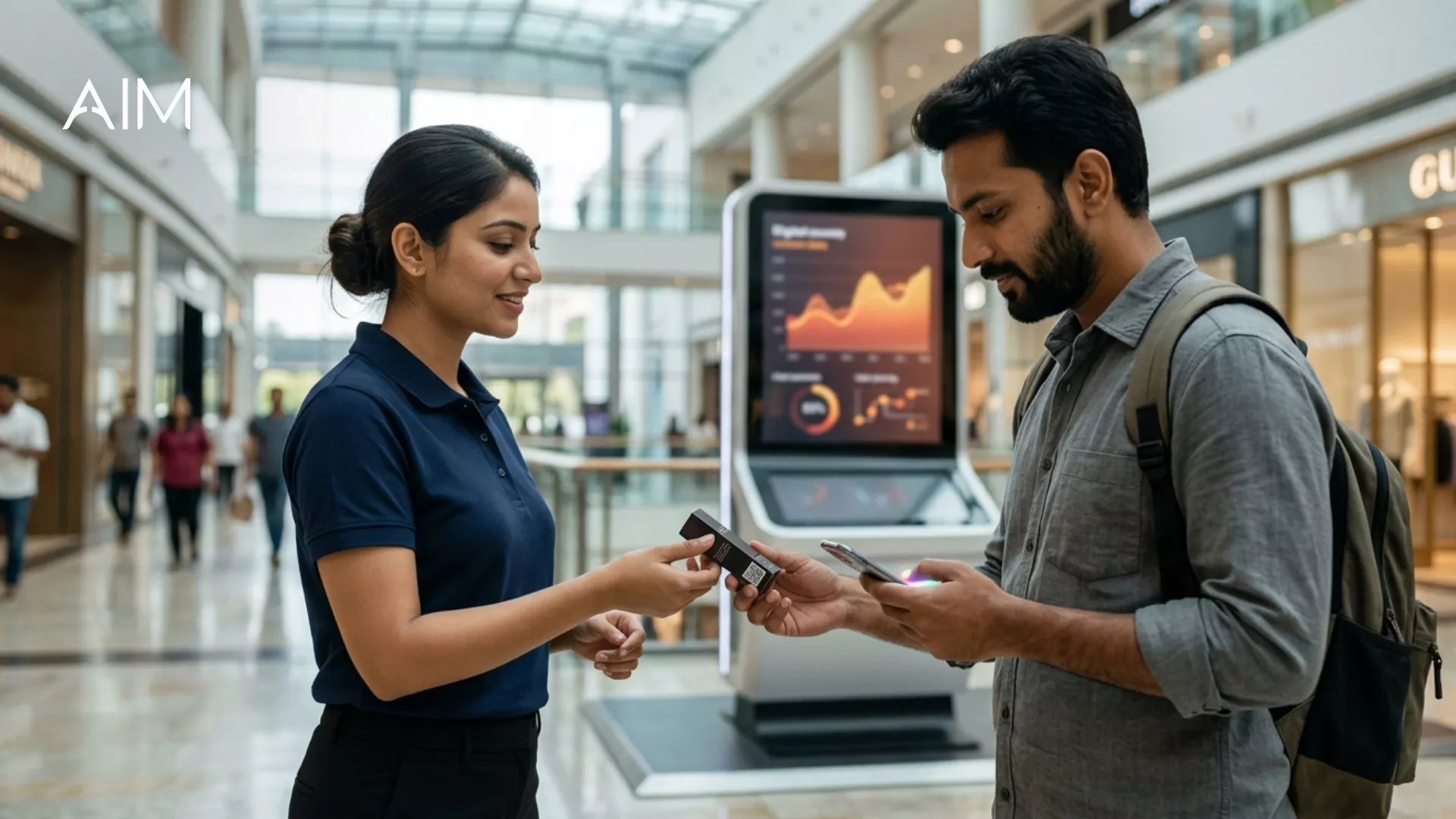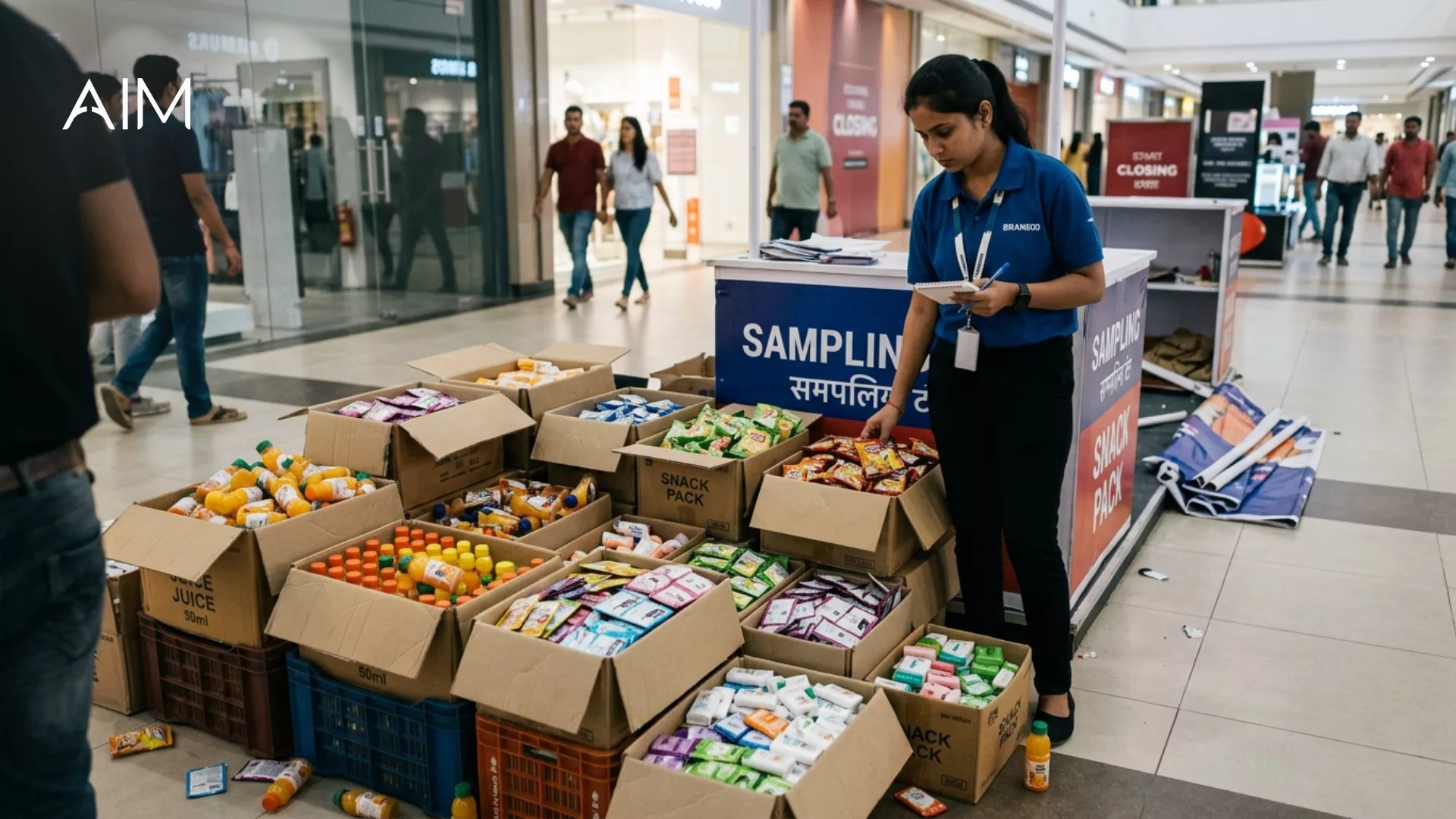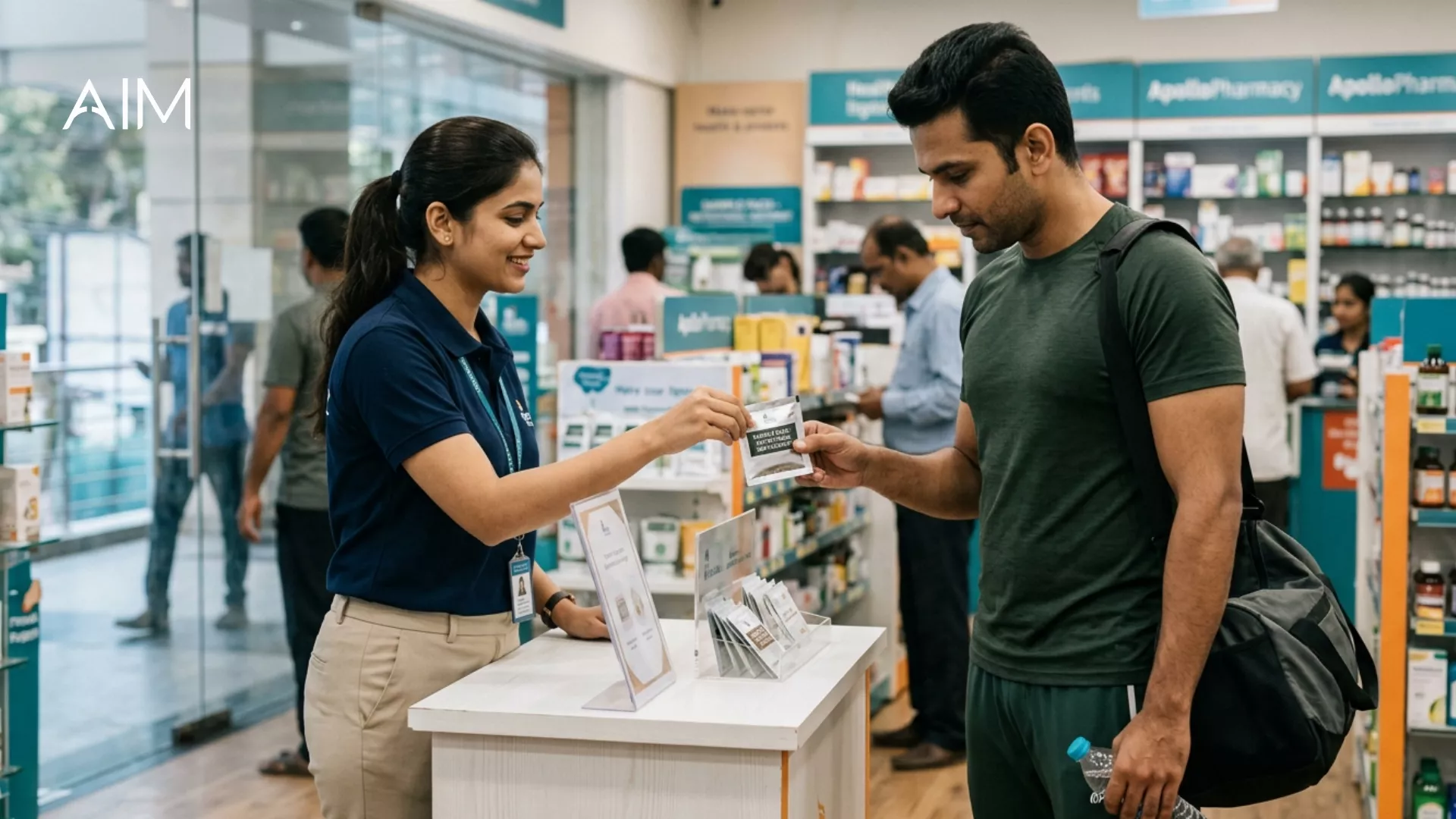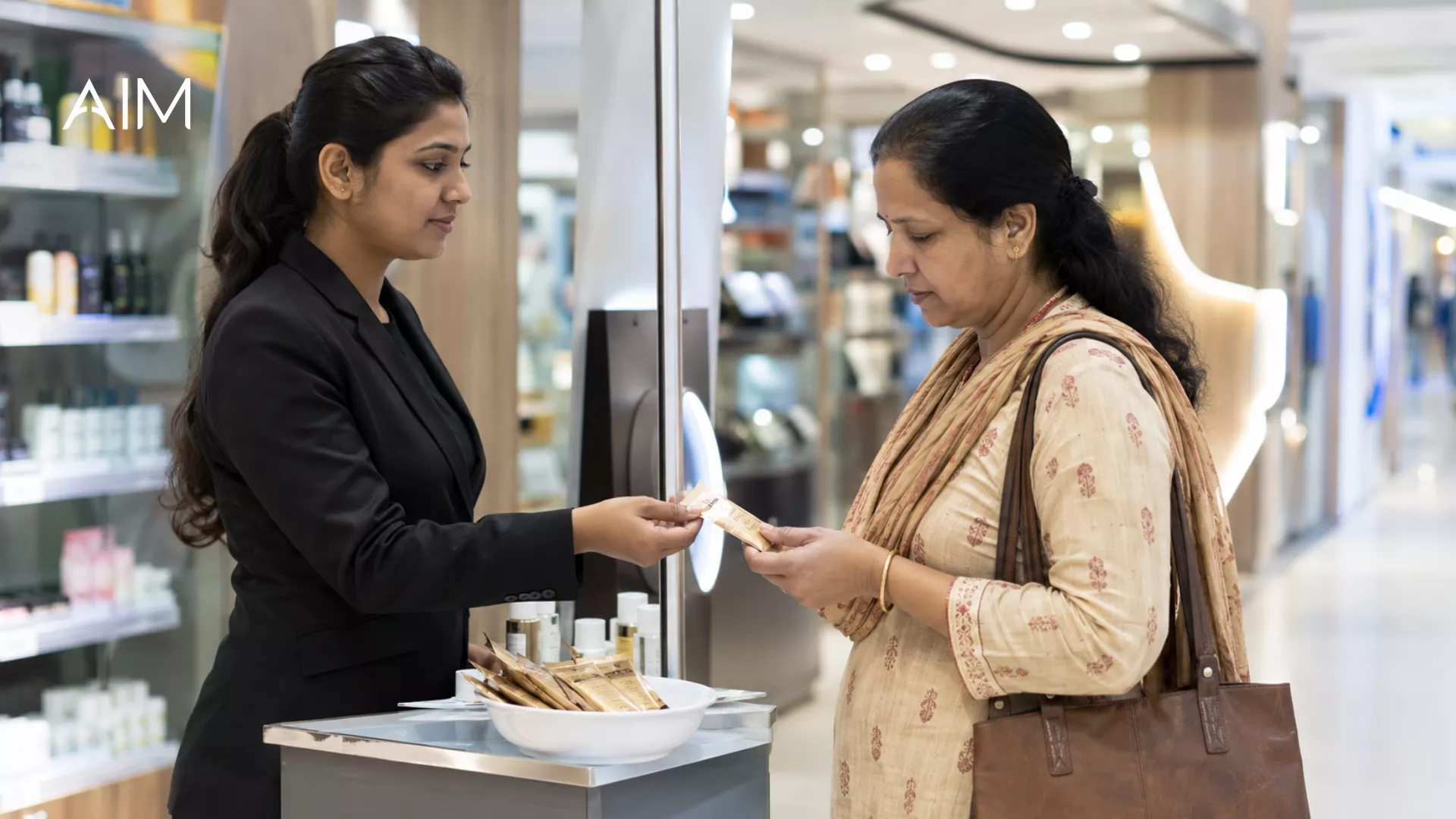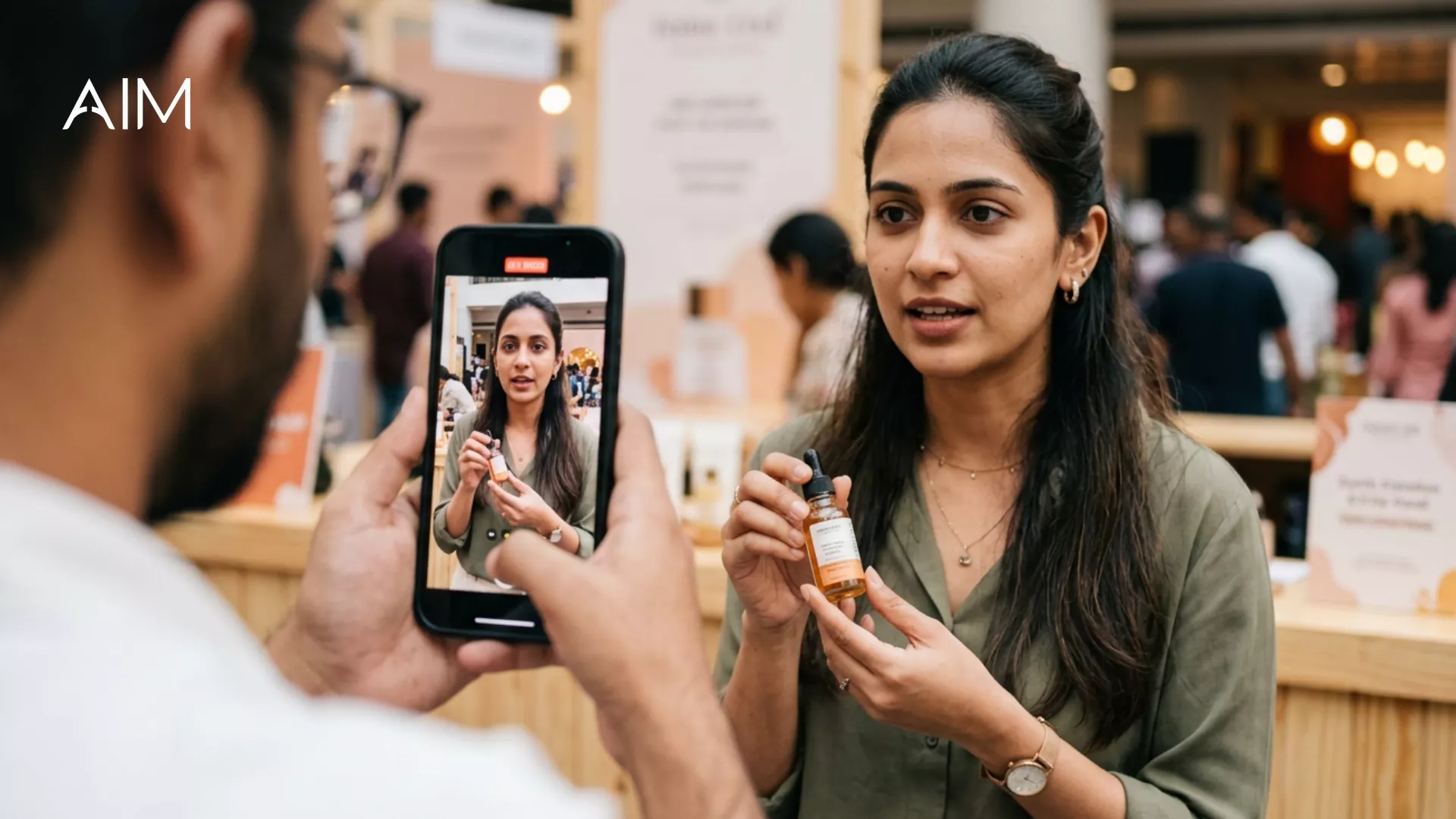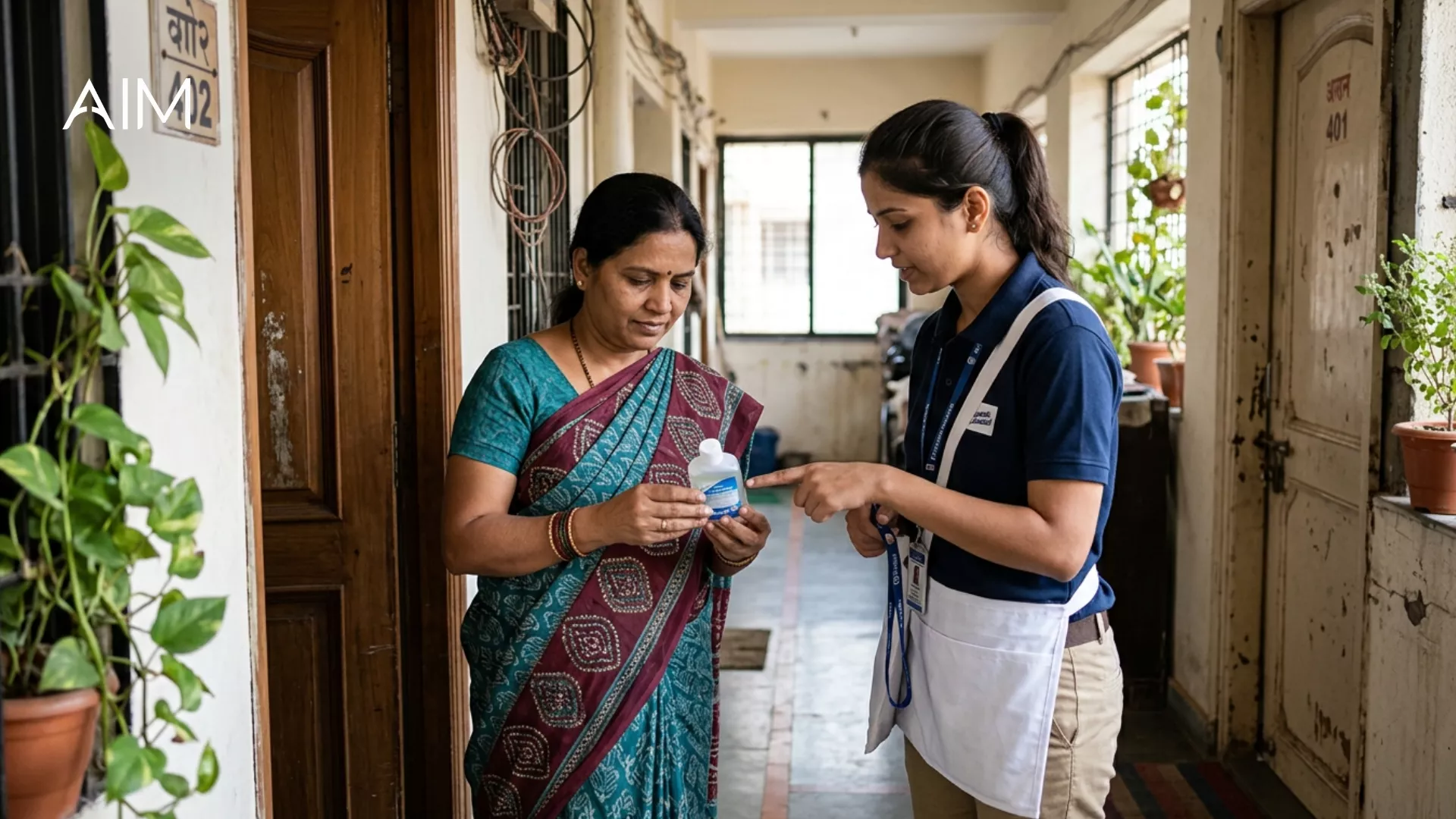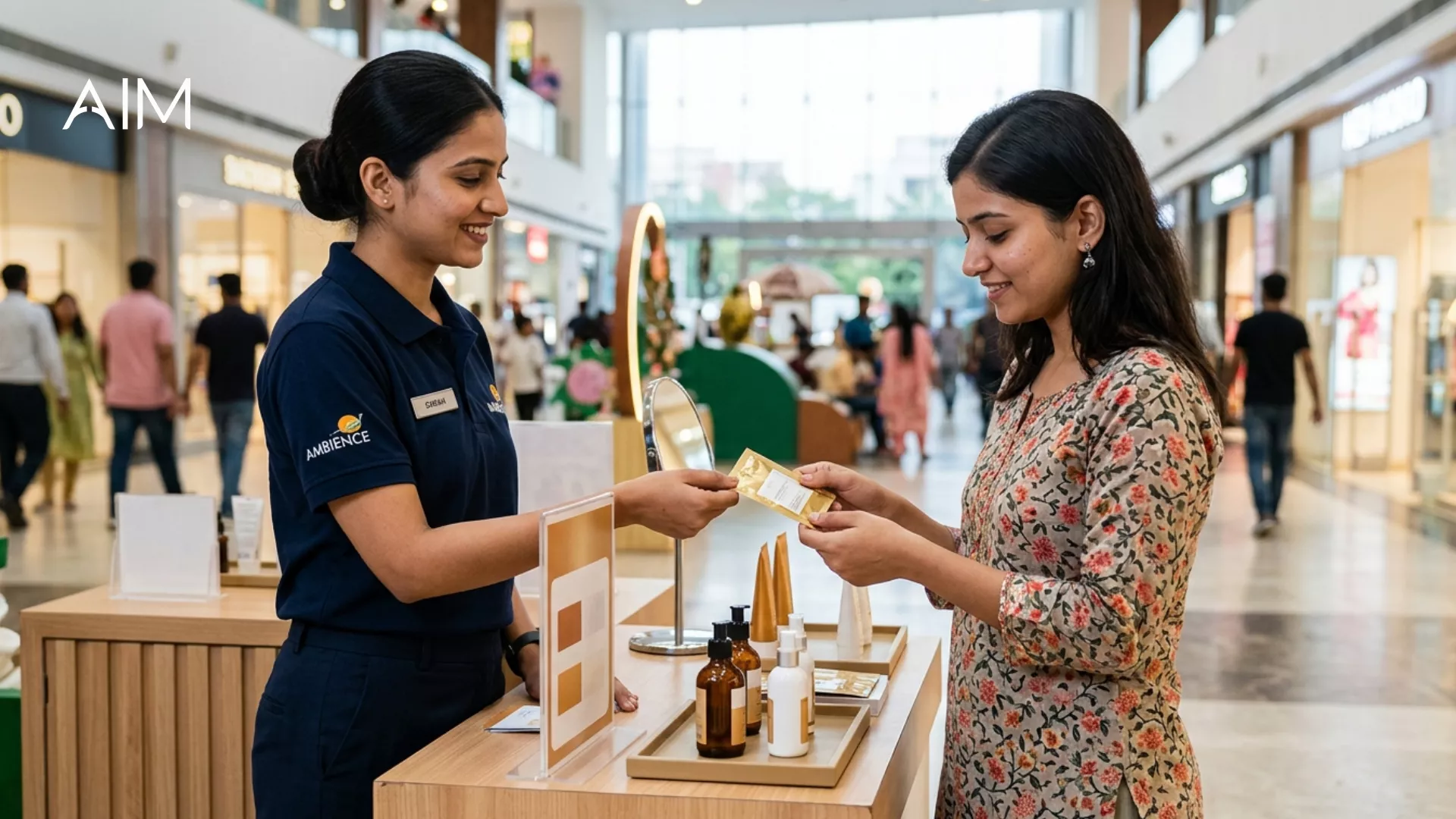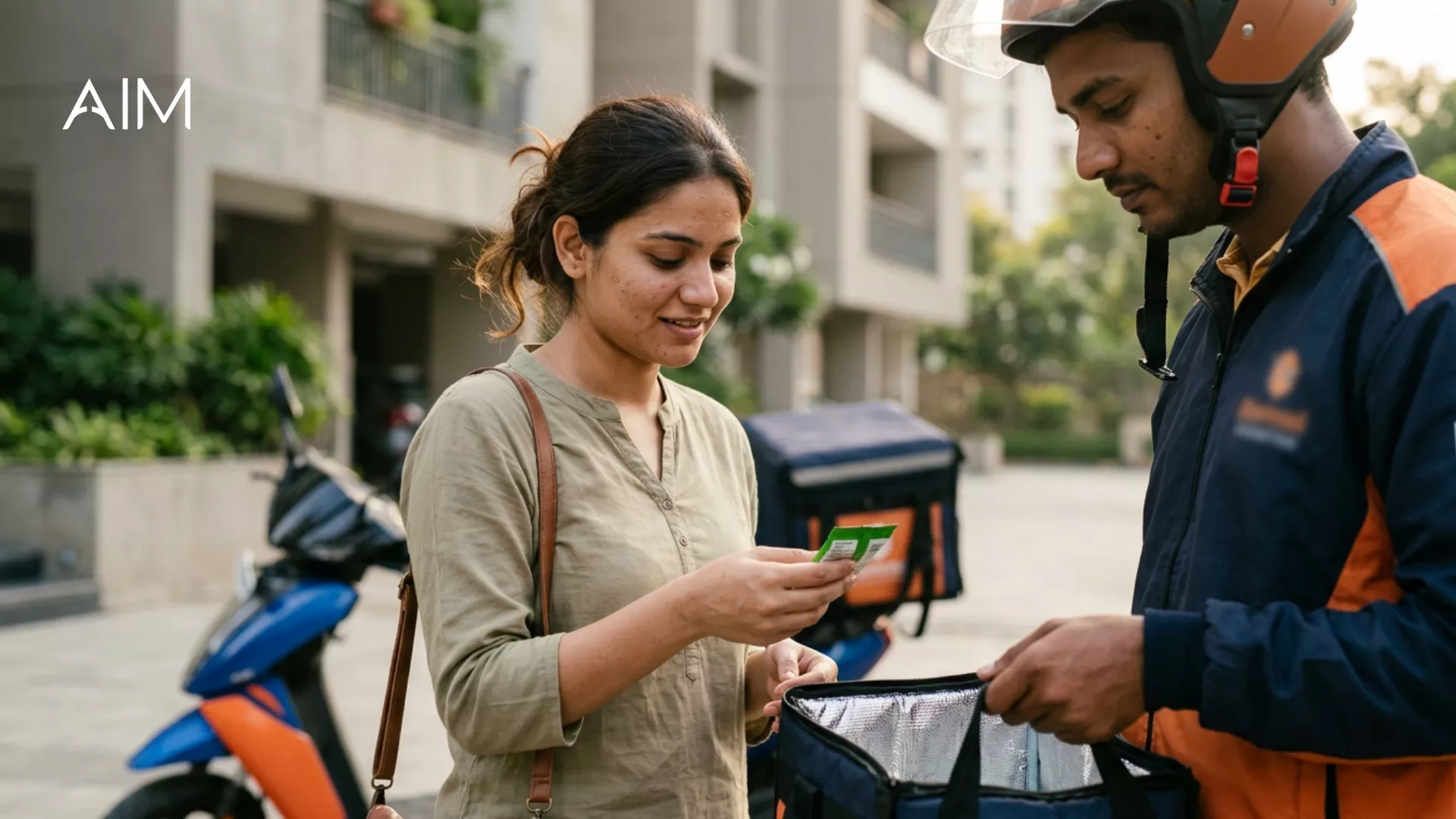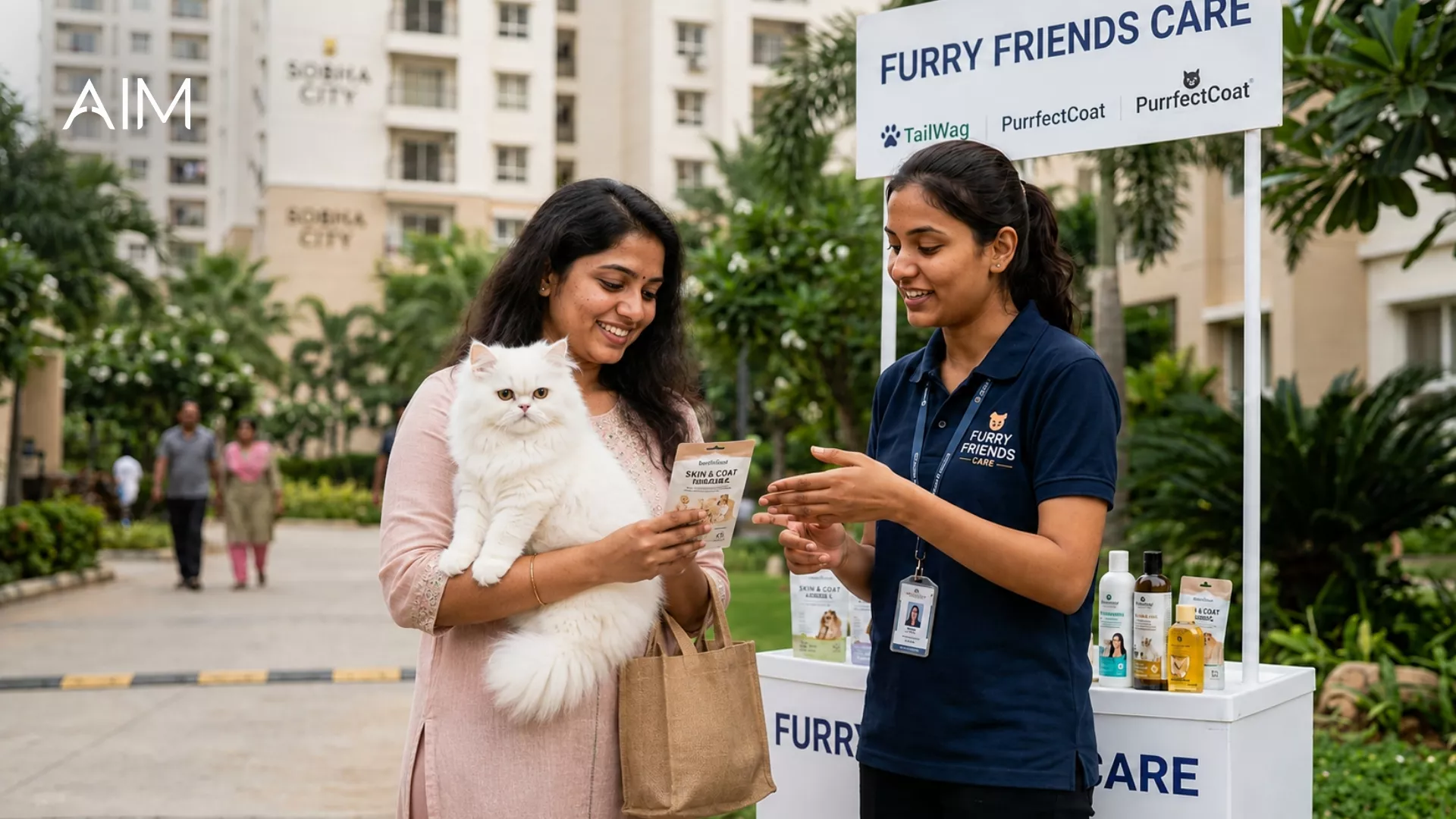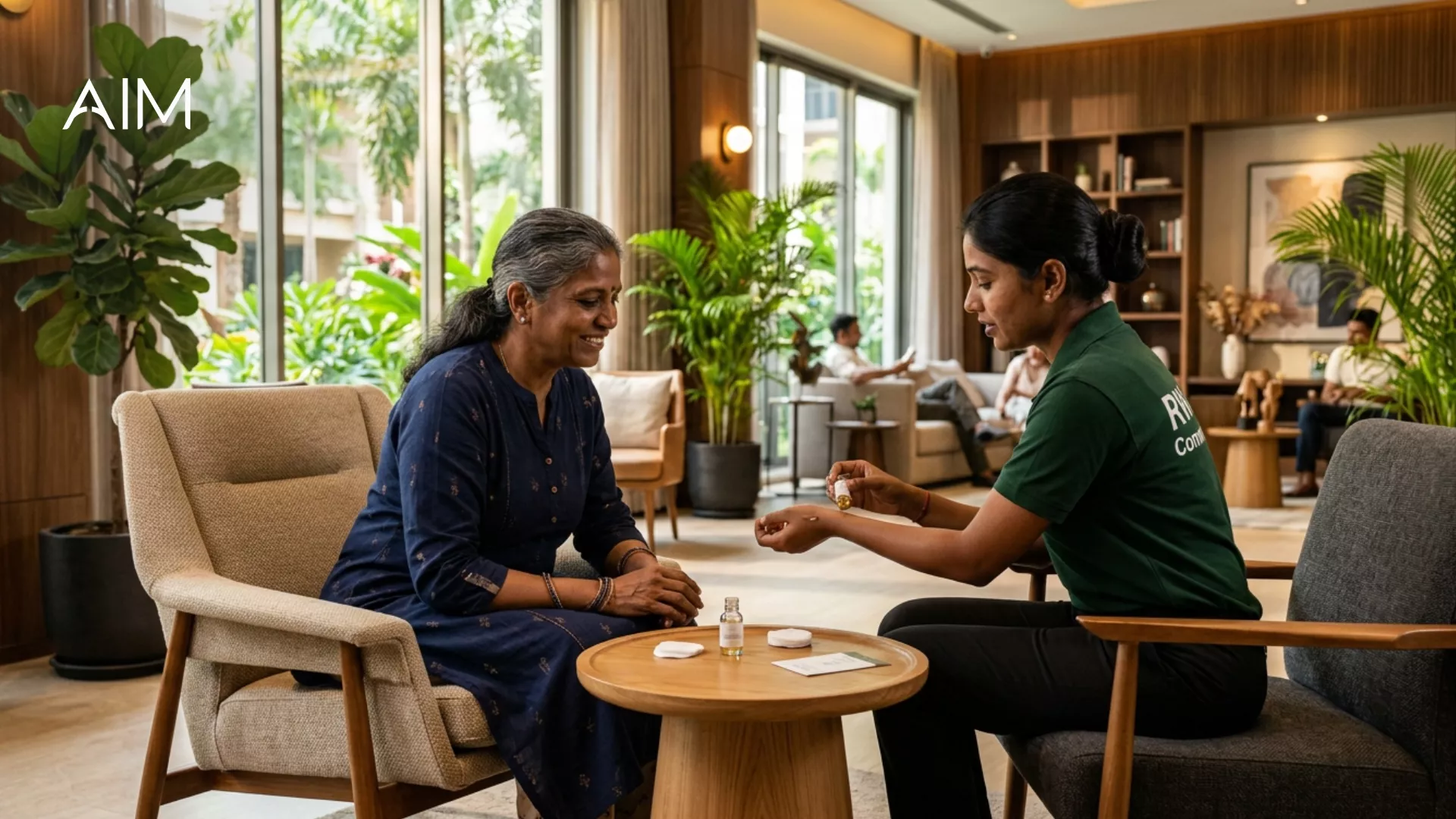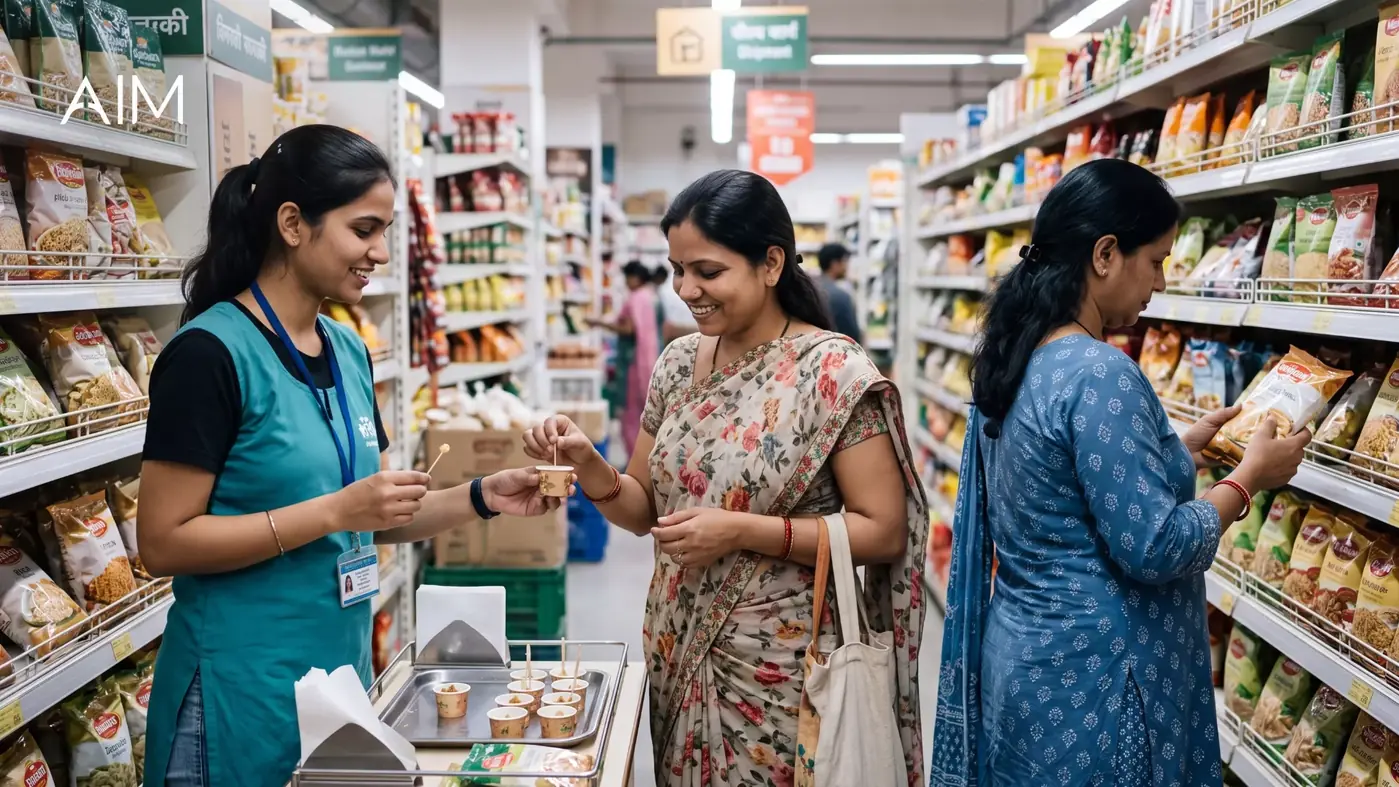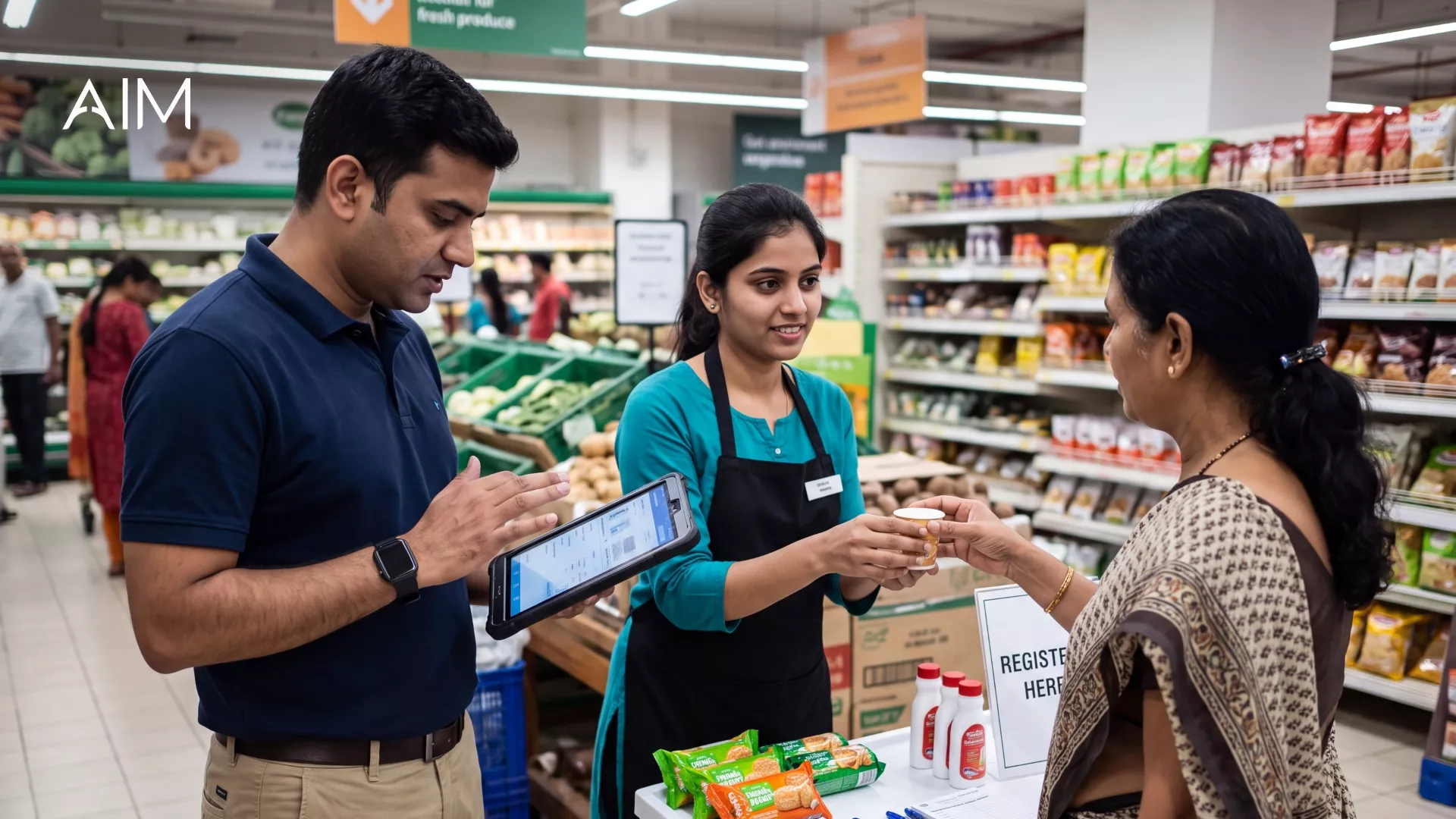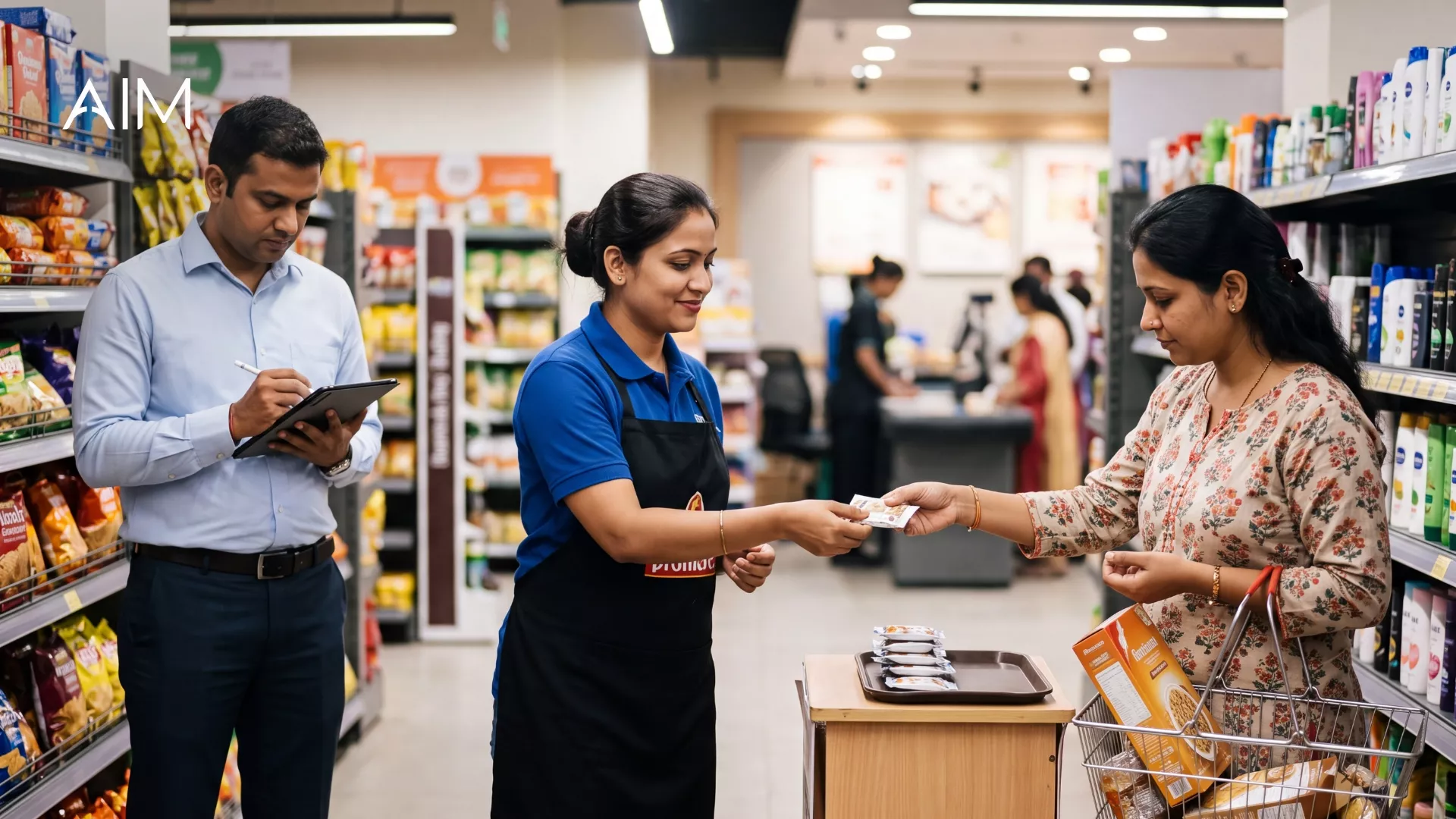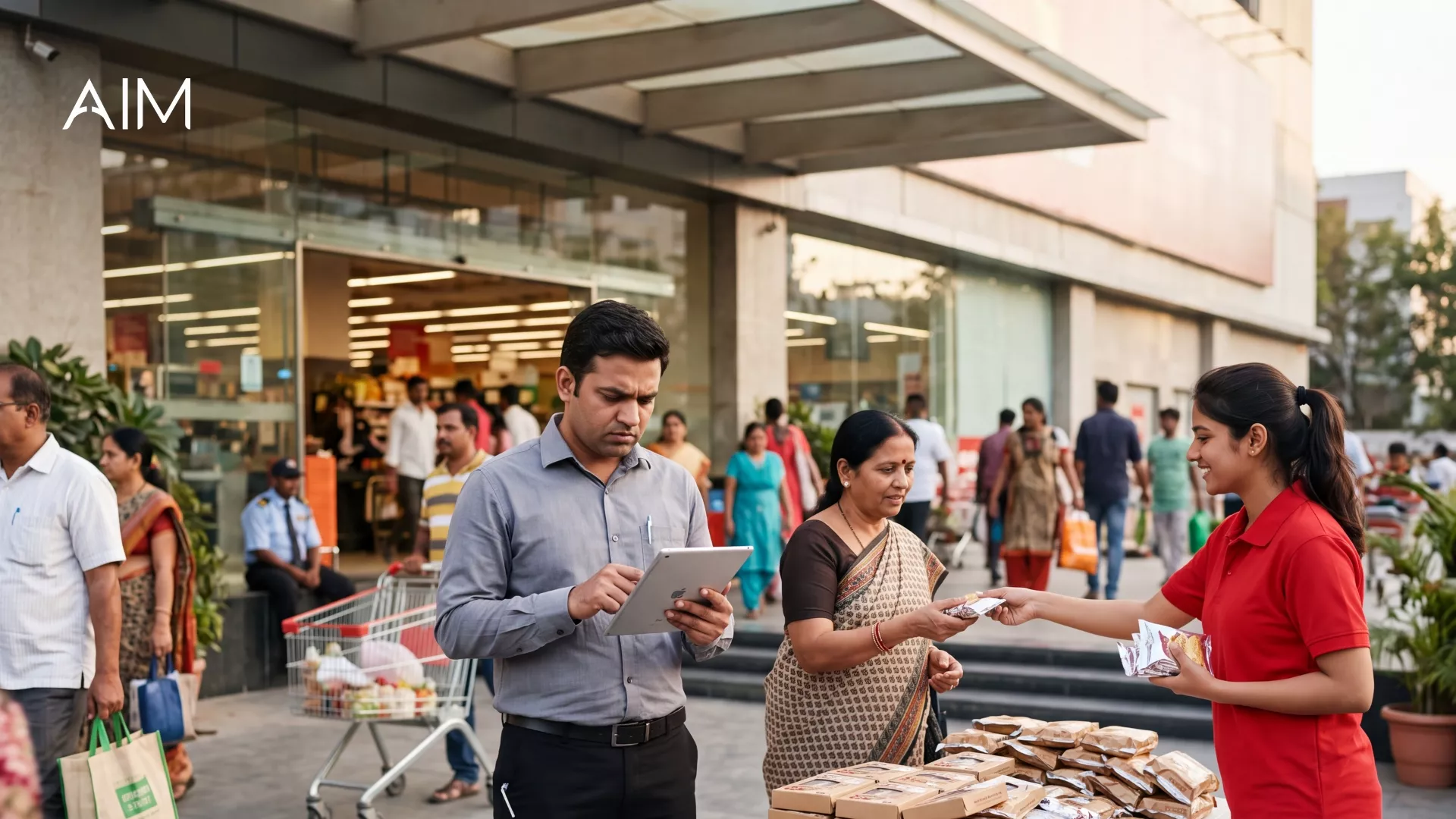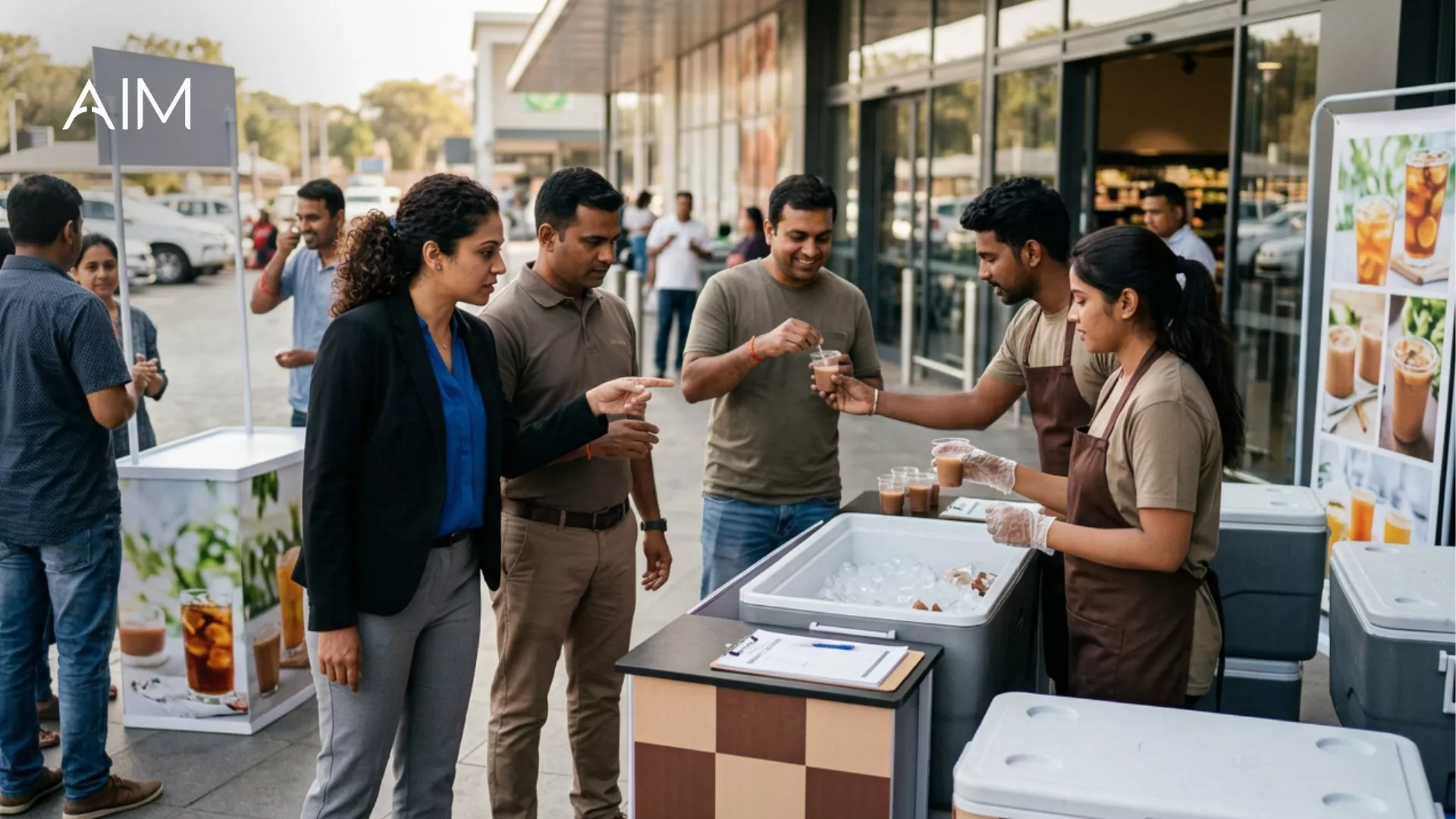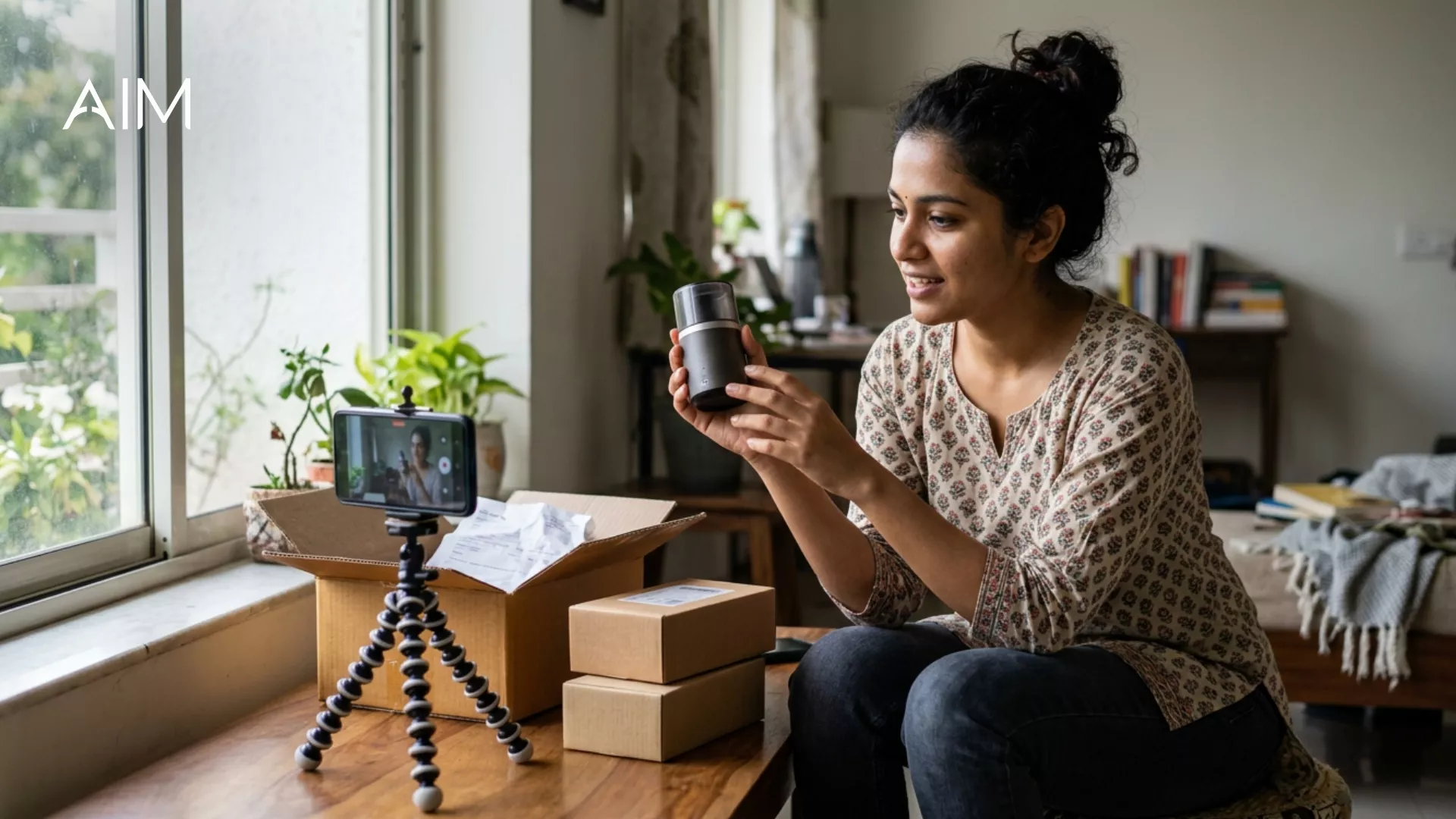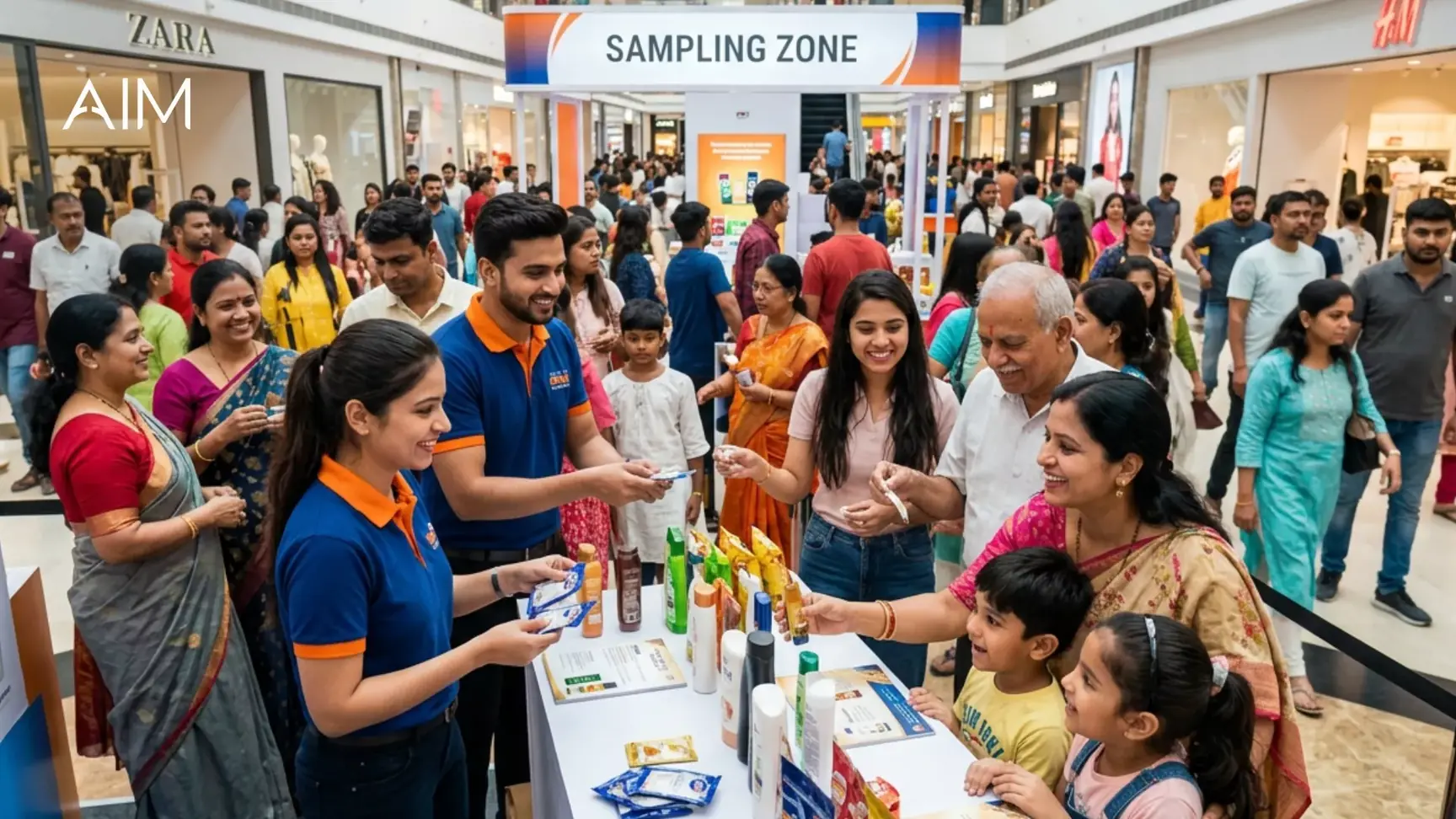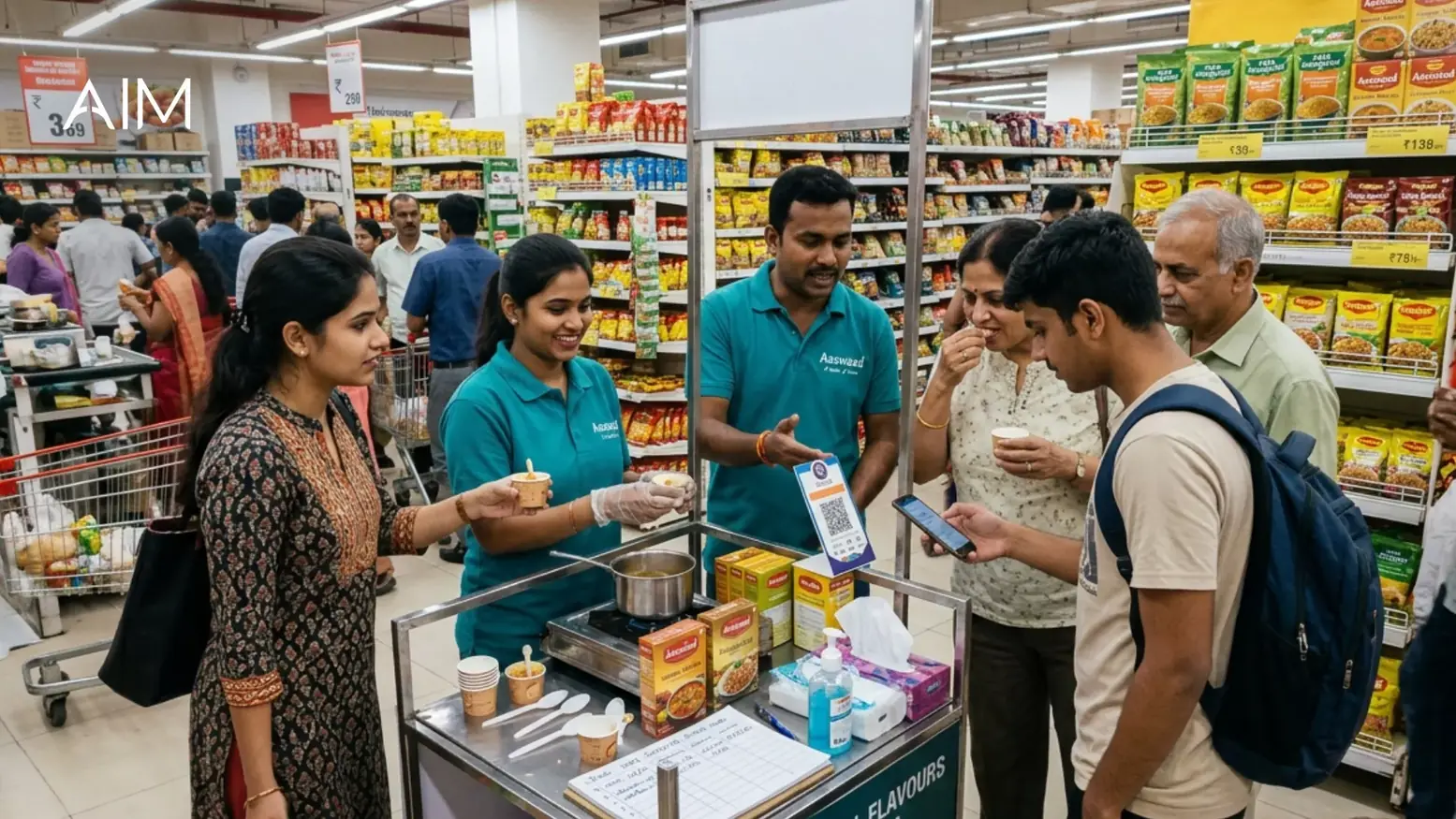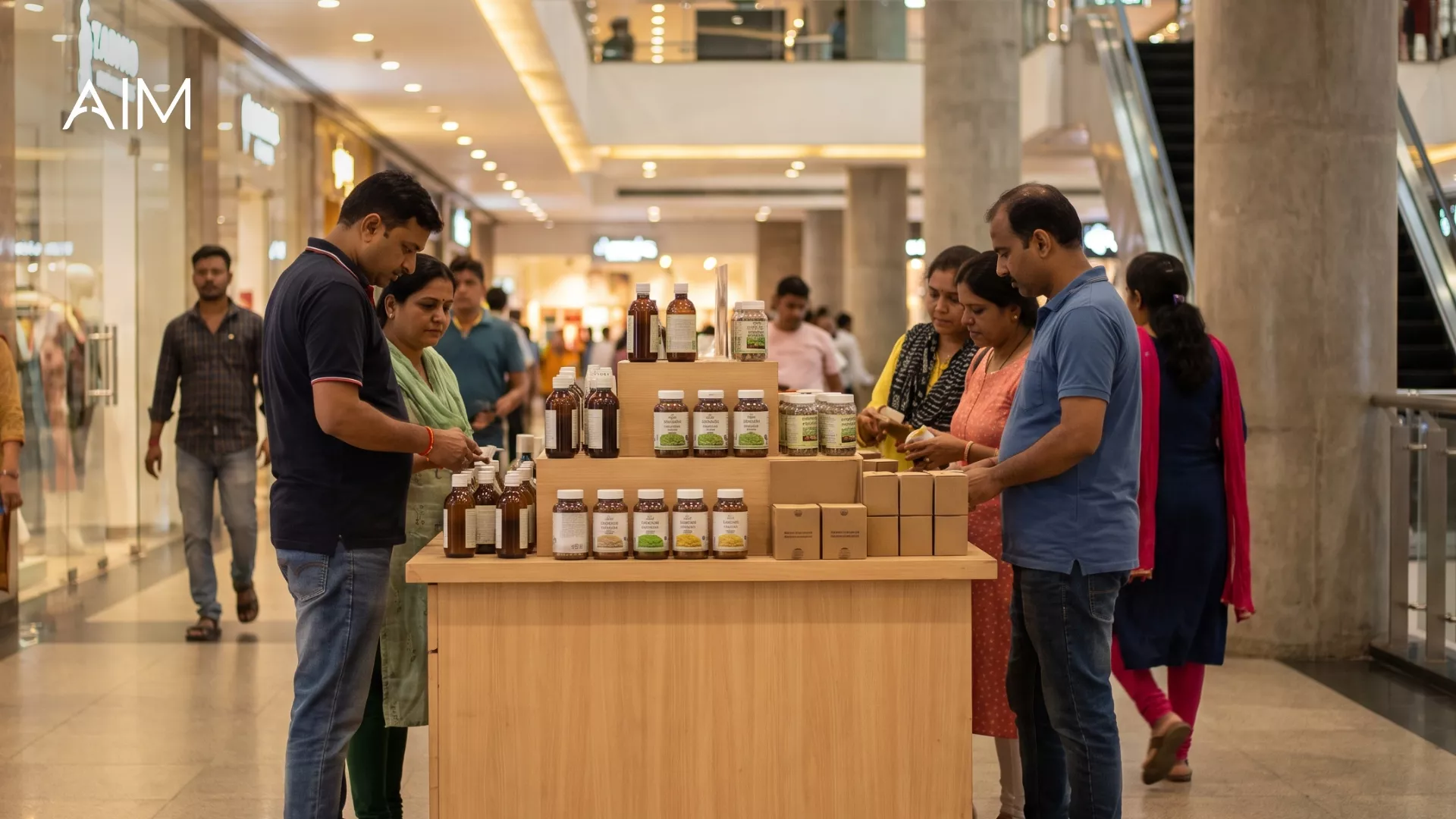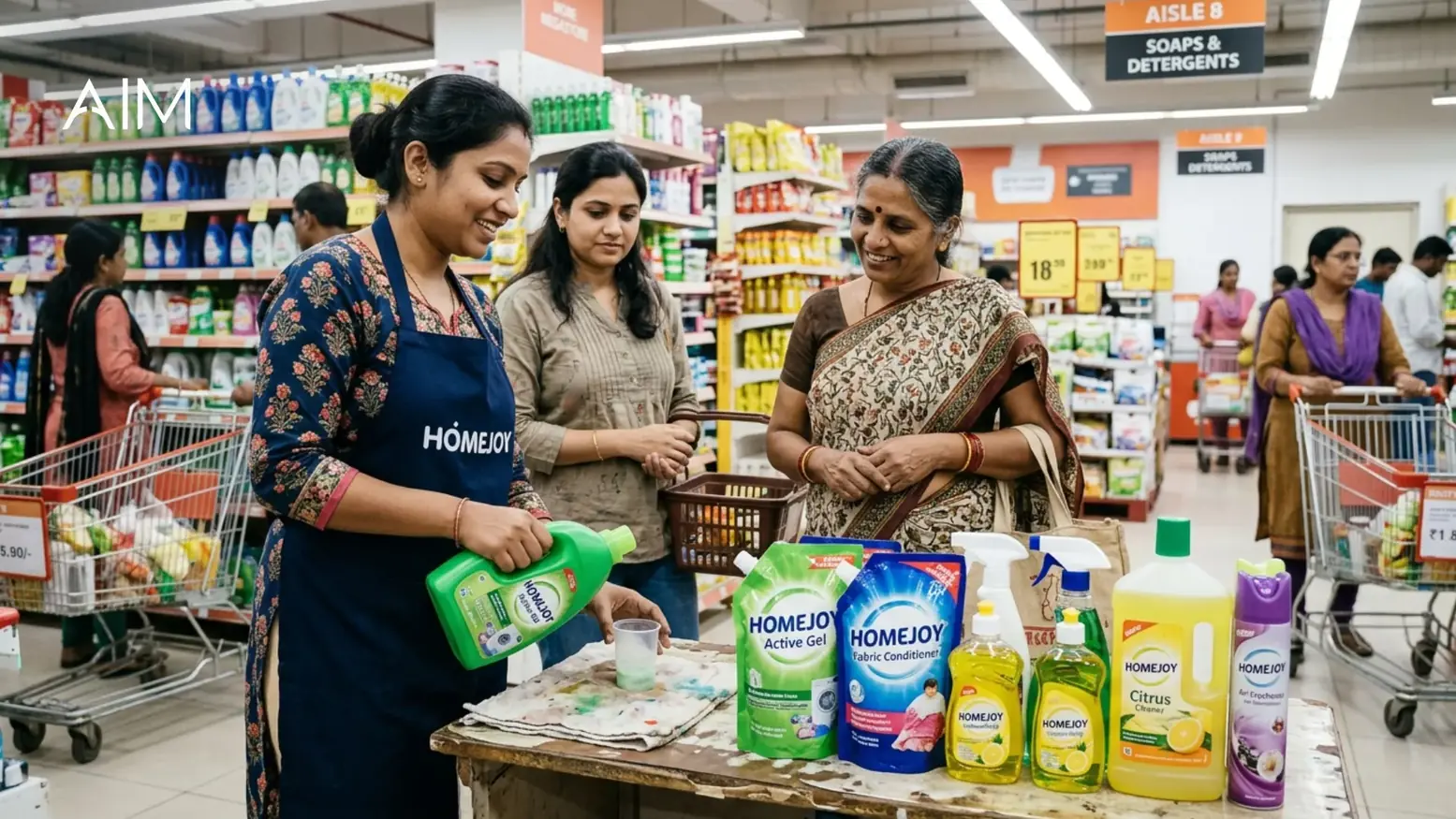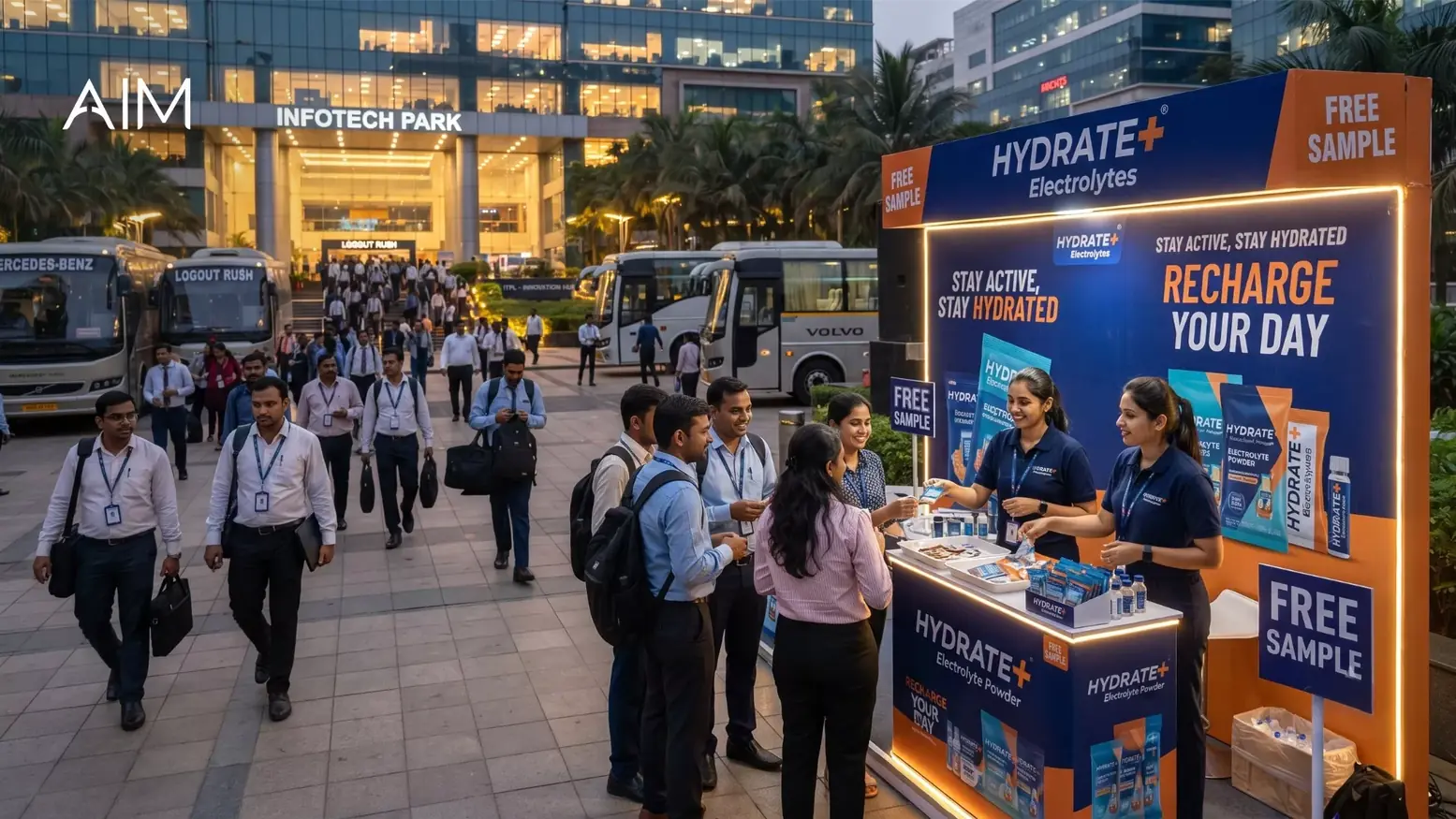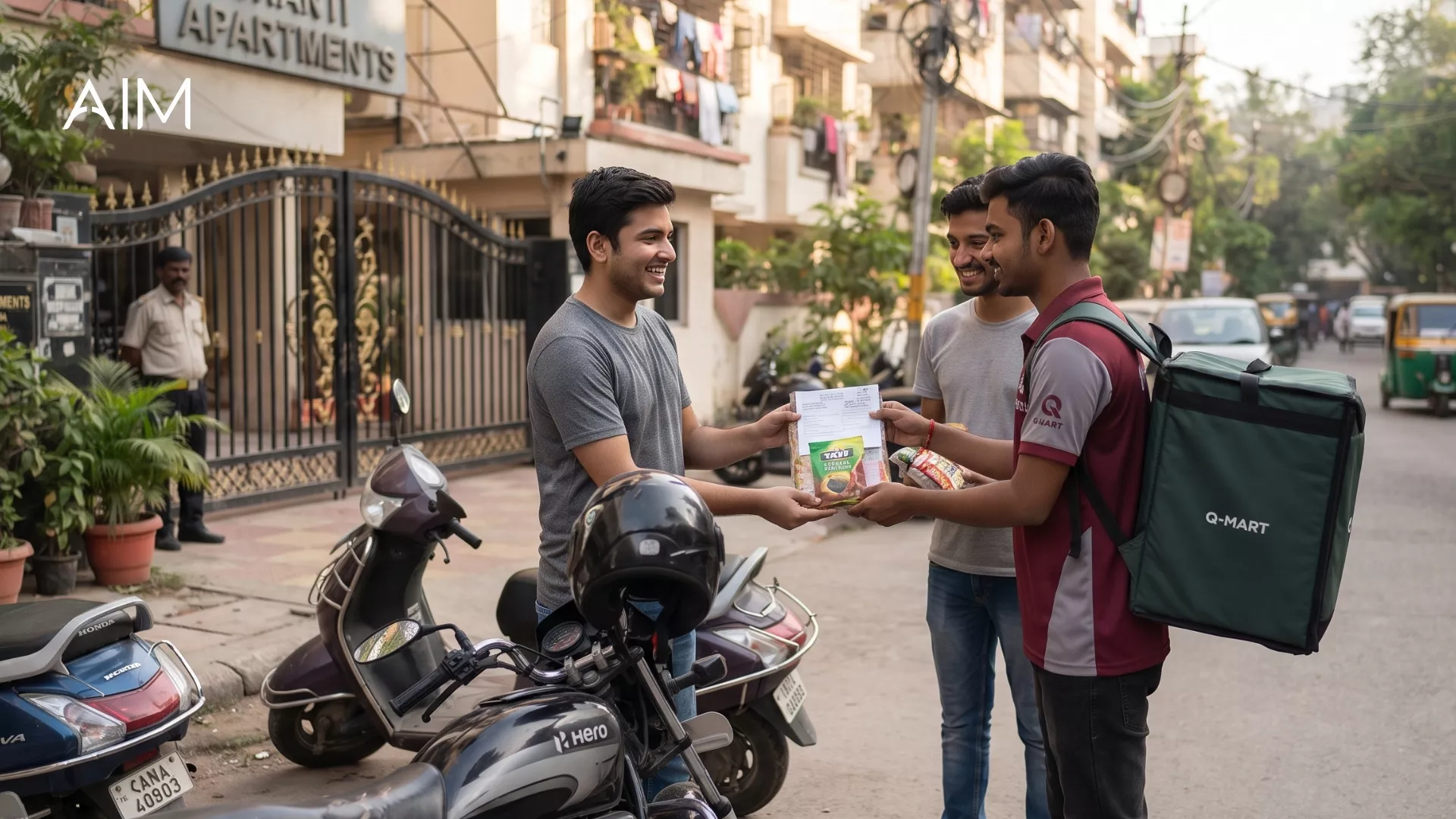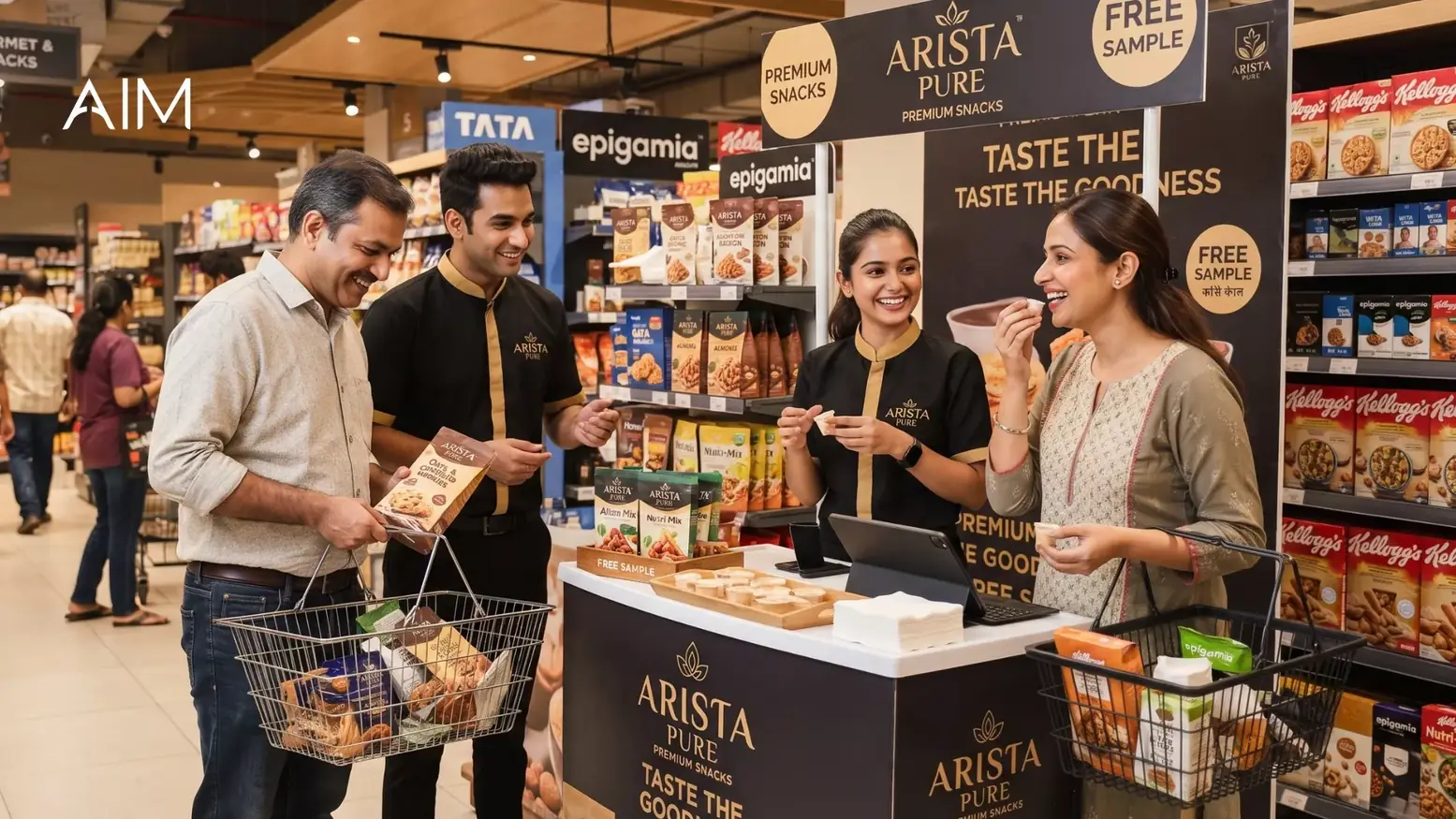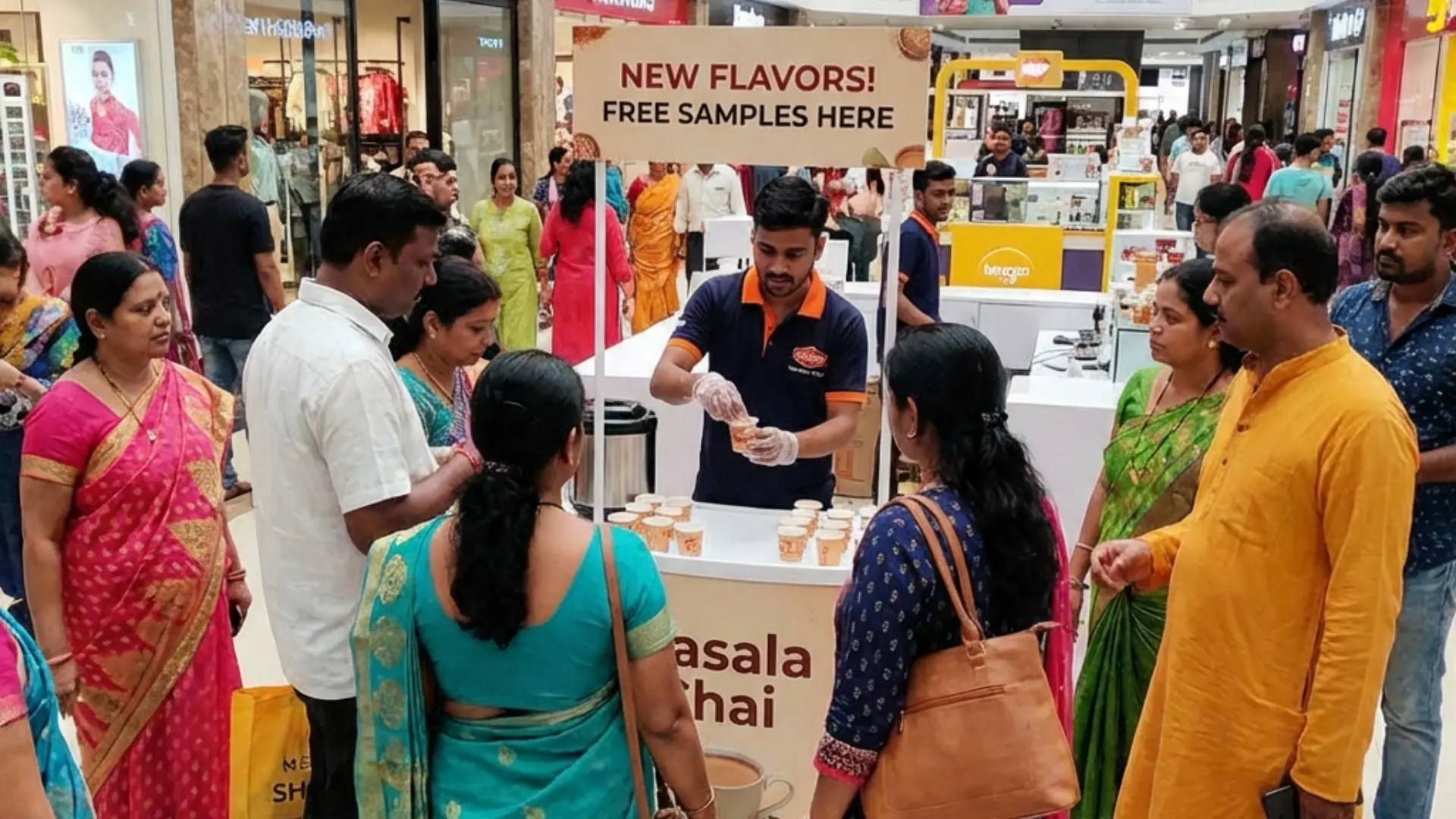
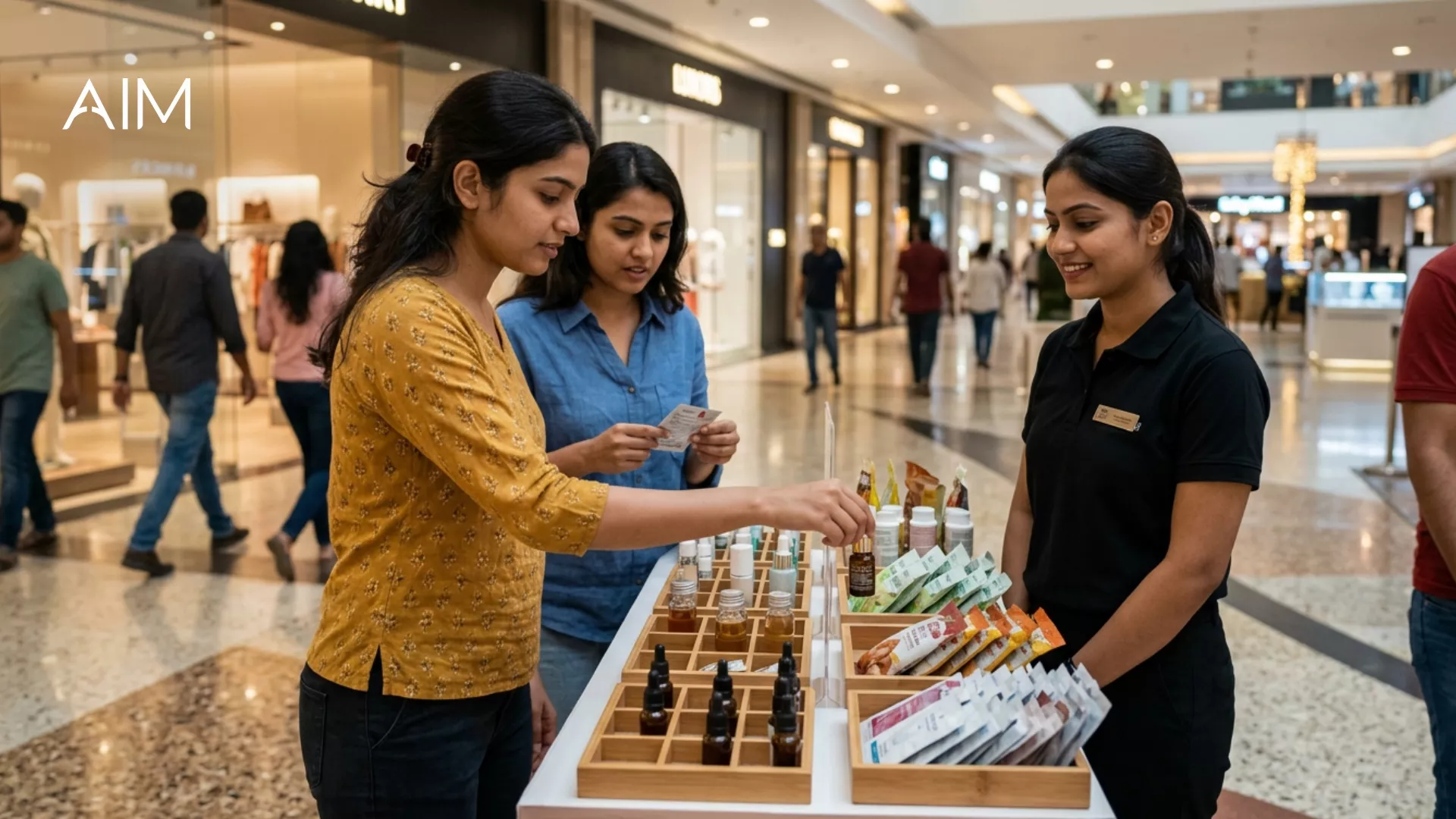


Traditional sampling pushes. A promoter presses a sample into every passing hand, a sachet goes to everyone in the society, product is scattered as widely as the budget allows. The logic is that more hands means more trials. The flaw is that most of those hands never wanted the product, so most of the samples are wasted before they are even opened. Opt-in sampling turns this around. Instead of pushing the sample onto people, it lets people choose to receive it. That single change, consent instead of imposition, quietly fixes the biggest weakness in how most brands sample.
What is opt-in sampling?
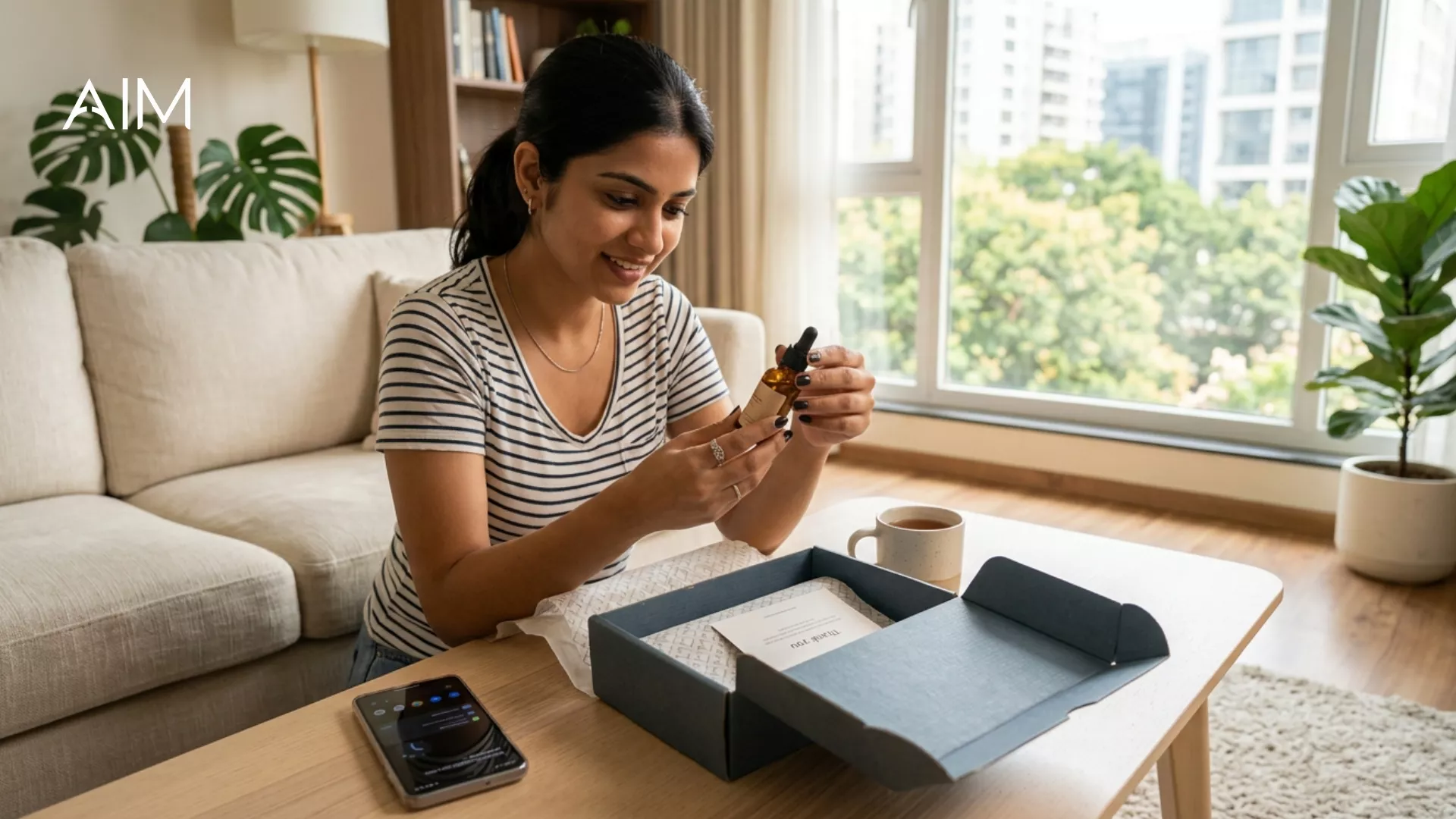
Opt-in sampling is a model where the consumer actively chooses to receive a sample rather than having one handed to them unasked. They see an offer, usually online or at a relevant touchpoint, and they request, sign up for, or qualify for the trial. The brand then delivers the sample to a person who has already raised their hand. The difference from push sampling is not the product; it is the direction of the decision. In push sampling the brand decides who gets the sample. In opt-in sampling the consumer does, and that reversal changes everything about who receives it and how they treat it. It is the difference between knocking on every door and answering the ones that knock on yours.
Why does choosing change how the sample is treated?
A sample someone asked for and a sample someone was handed are not the same object, even if they are identical products. The requested one arrives with intent behind it: the person wanted it, so they are far more likely to actually try it, pay attention to it, and consider buying. The pushed one arrives as an interruption, so it is often pocketed, forgotten, or binned. Psychologically, the act of choosing creates a small commitment. A person who took a step to get the sample has already signalled interest, and that interest is exactly what converts. Opt-in does not only reach willing people; the willingness itself makes the trial work harder.
How opt-in sampling cuts waste
The clearest benefit is less waste. In push sampling, a large share of product goes to people outside the target, people who will never buy, which is money spent for nothing. Opt-in filters at the front: only people interested enough to ask receive the sample, so the product goes to prospects rather than passers-by. The brand produces and distributes fewer units to achieve the same number of real trials, because almost none are wasted on the uninterested. For an expensive product especially, where every wasted sample stings, this front-end filter turns sampling from a scattergun into something closer to a targeted channel. The saving is real in two places at once: fewer units produced and shipped, and far fewer wasted on people who were never going to convert, so the cost per genuine trial drops even if the cost per unit does not.
What data does an opt-in model capture?
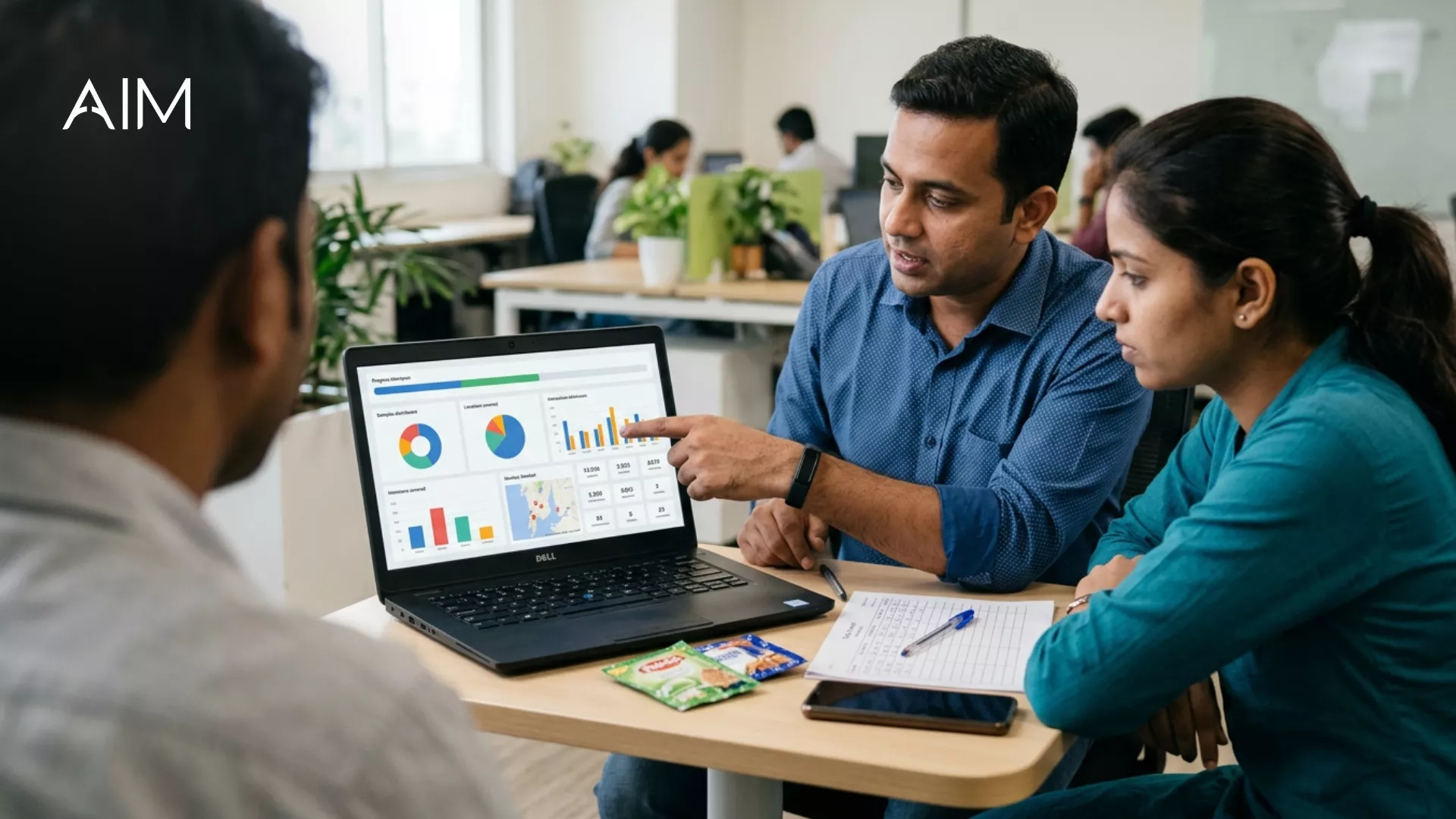
Because the consumer requests the sample, they identify themselves in the process, which hands the brand something push sampling almost never leaves behind: first-party data. A name, a contact, a stated interest, sometimes a few qualifying details, all given willingly. This matters twice over. It lets the brand follow up, nudging the trier toward a purchase while interest is fresh, which push sampling cannot do because it never knew who it reached. And it builds an owned list of genuine, product-aware prospects the brand can market to again. In a world where reaching audiences keeps getting more expensive, a list of people who chose to try your product is an asset that keeps paying back.
Does opt-in mean smaller reach?
The honest trade-off is that opt-in usually reaches fewer people than a blanket push, because it filters out the uninterested by design. Some brands see a smaller number and worry. That worry measures the wrong thing. A thousand samples given to people who asked for them will almost always produce more buyers than ten thousand pushed on a random crowd, because conversion, not reach, is what creates customers. Opt-in trades raw volume for relevance, and relevance is where the sales are. The brands that struggle with opt-in are usually the ones still judging it by samples distributed, the exact vanity metric the model is designed to move past. The right question is never how many samples went out, but how many of the people who received one became customers, and on that measure opt-in usually wins comfortably.
Where does opt-in sampling work best?
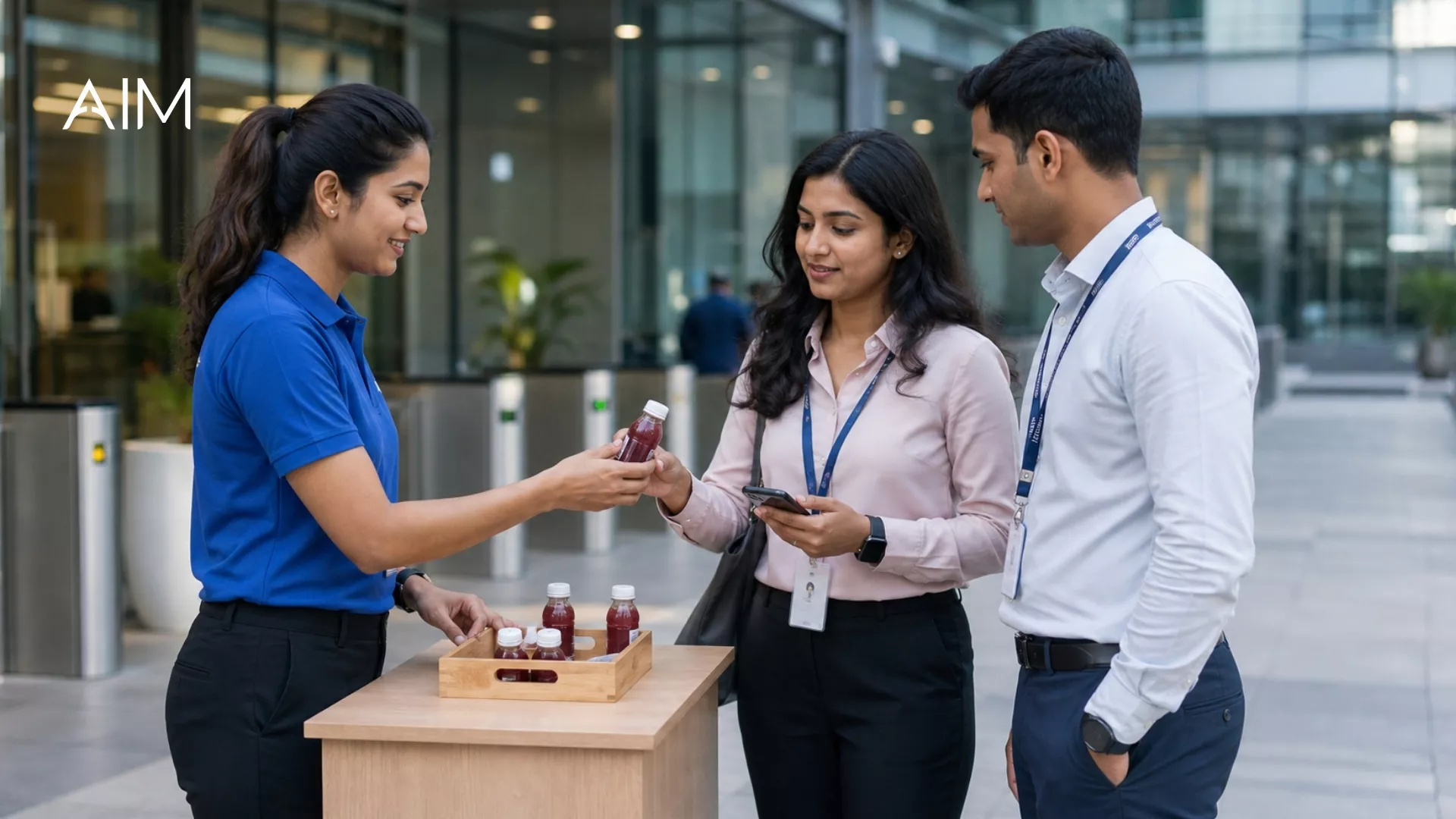
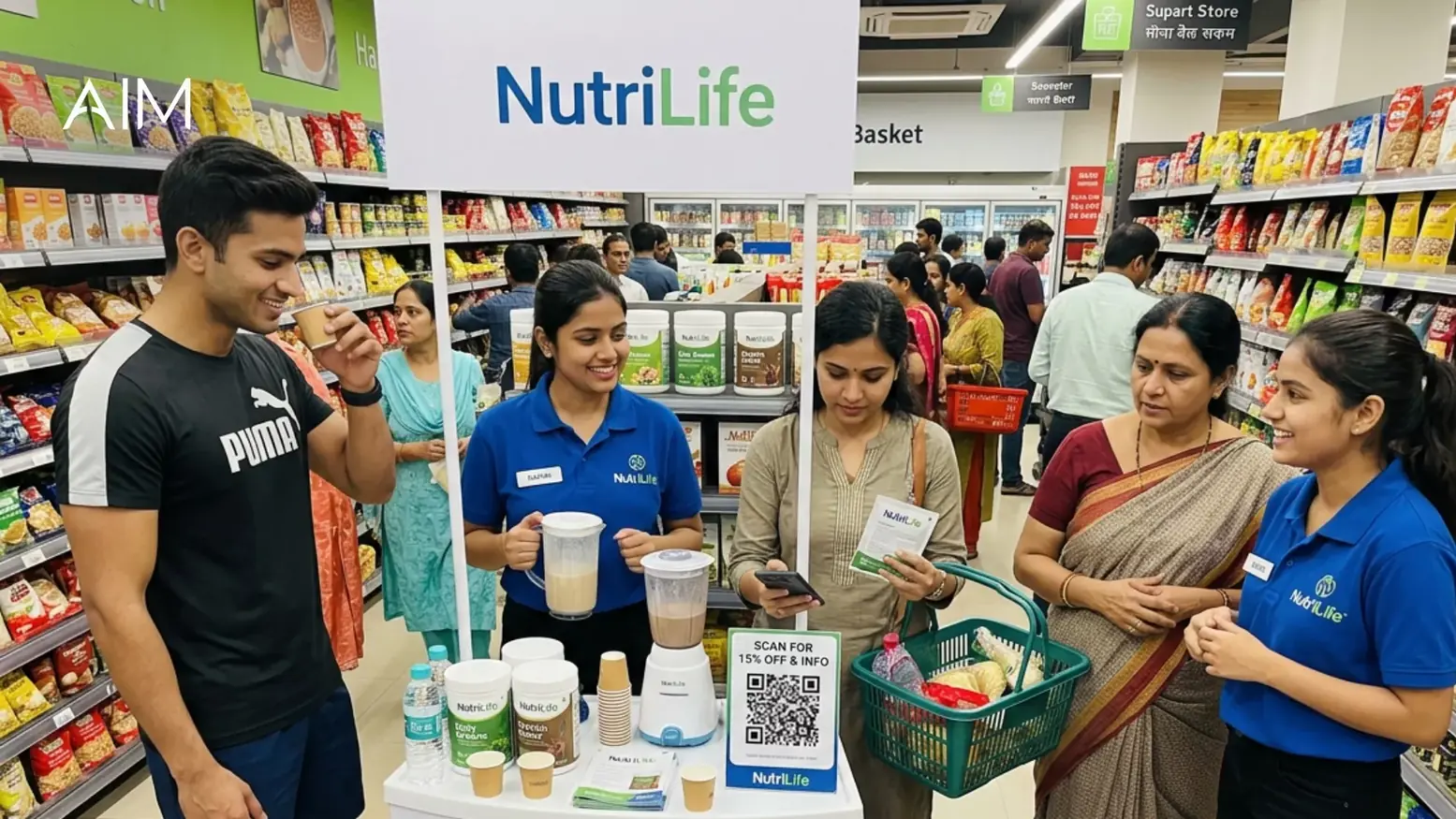
Opt-in fits naturally wherever a brand can present an offer and let the consumer act on it. Digital and online channels are the obvious home: an ad, a social post, a landing page, or a quick-commerce or e-commerce touchpoint where a shopper can request a trial. But opt-in is not only digital. A QR code at a relevant event, a sign-up at a store or an activation, a request form at a society programme, any of these let the consumer choose in. The common thread is a low-friction way to raise a hand. The easier it is to opt in, and the more relevant the offer, the better the model works. The product should still be one that a real trial can sell, because opt-in improves who tries, not whether the product delivers.
How do you run opt-in sampling well?
A few things separate an opt-in product sampling campaign that converts from one that just collects sign-ups. Make the offer genuinely relevant, so the people opting in are real prospects rather than freebie-seekers chasing anything free. Keep the opt-in simple, because every extra step loses willing people. Qualify lightly where it helps, so the brand reaches the right fit without deterring genuine interest. Deliver the sample well and promptly, so the willingness does not cool before the product arrives. And build the follow-up in from the start, because the data you captured is only valuable if you use it to turn trial into purchase. Done this way, opt-in is a system that compounds: each campaign both sells and builds an audience for the next. This compounding is the real prize. A push campaign ends when the stock runs out and leaves nothing behind. An opt-in campaign ends with a list of interested, identified people the brand owns, so the second campaign starts ahead of where the first one did.
At AIM, opt-in is treated as one of the sharpest ways to make sampling convert, because it reaches people who have already shown interest and captures the data to follow them to a sale. That means building relevant, low-friction ways for the right consumers to request a trial, delivering to those willing hands, capturing the first-party data the model produces, and following up to turn that chosen trial into a purchase and a repeat buyer. It is measured on conversion and cost per acquired customer rather than samples handed out, because the whole point of opt-in is to stop paying for trials nobody wanted. Fewer, chosen trials, that the brand can prove and reuse, beat a scattered push every time.
Let the buyer raise their hand
The oldest instinct in product sampling is to get the product into as many hands as possible. Opt-in sampling makes the quieter, smarter bet: get it into the hands that reached for it. By letting the consumer choose, a brand reaches willing prospects instead of indifferent crowds, wastes far less product, captures data it can act on, and converts at a rate a push model rarely matches. The reach looks smaller on paper and the results look better in reality. In sampling, a hand that was raised is worth more than a dozen that were filled, and opt-in is simply the discipline of sampling to the first kind.