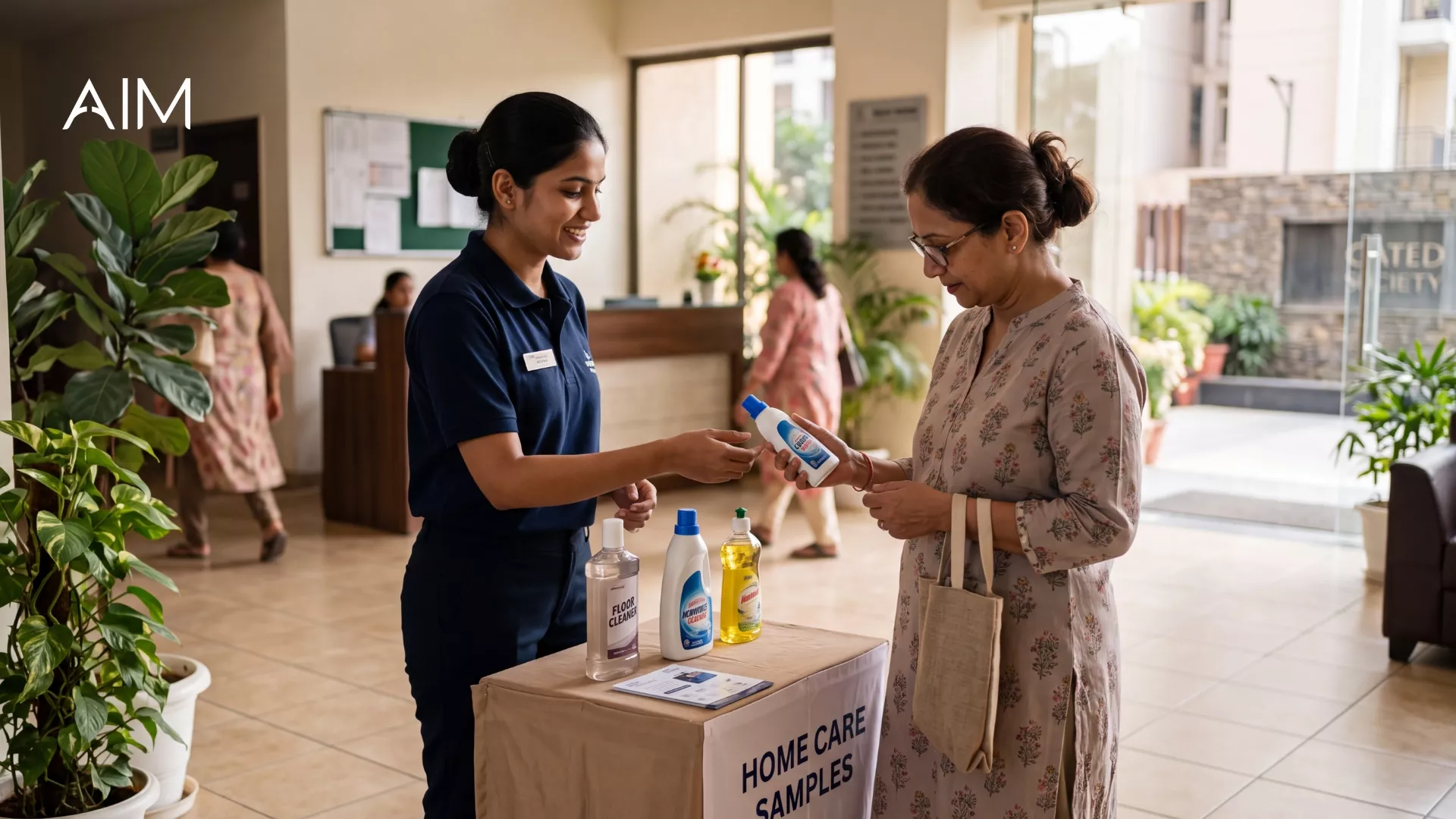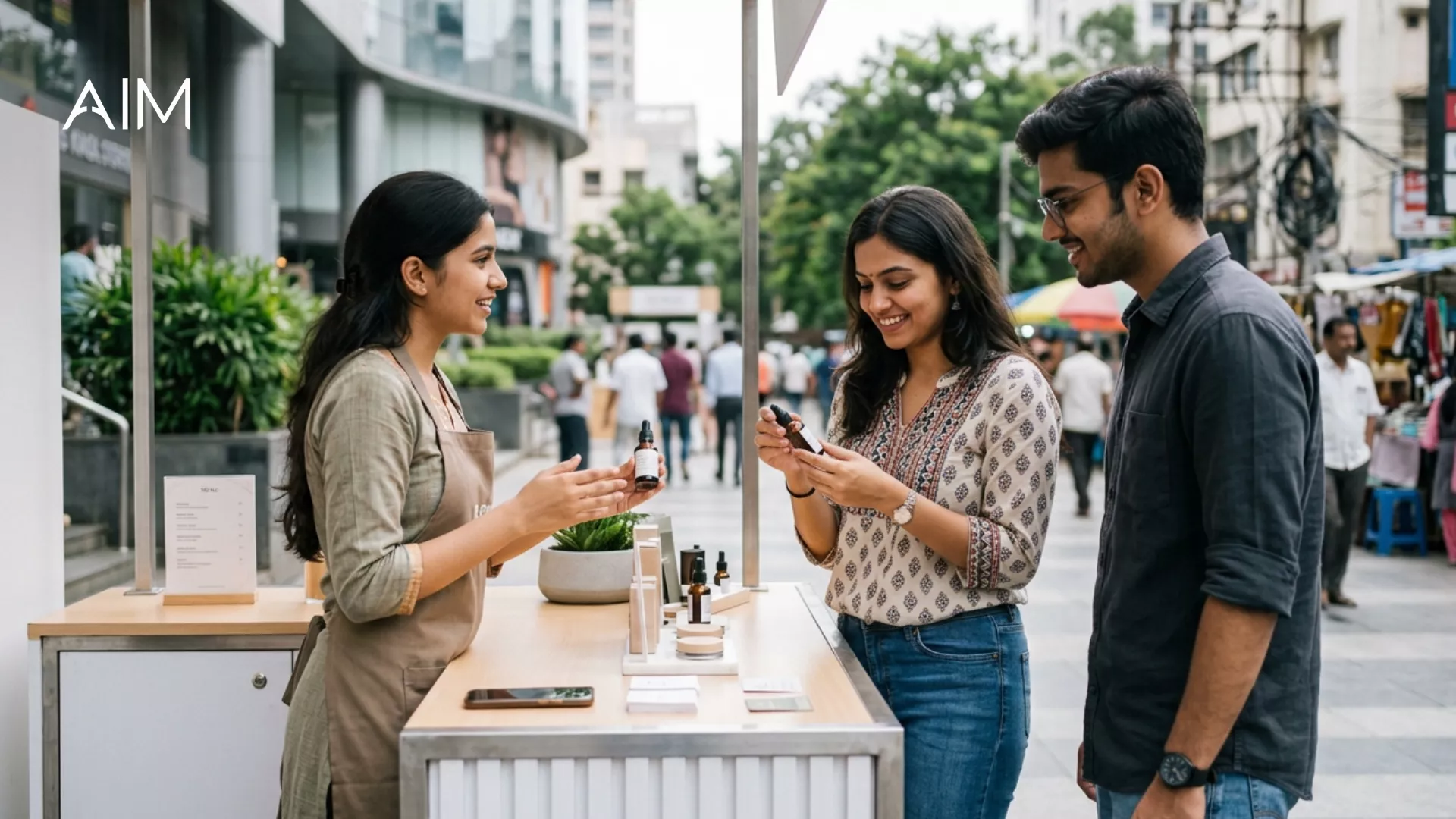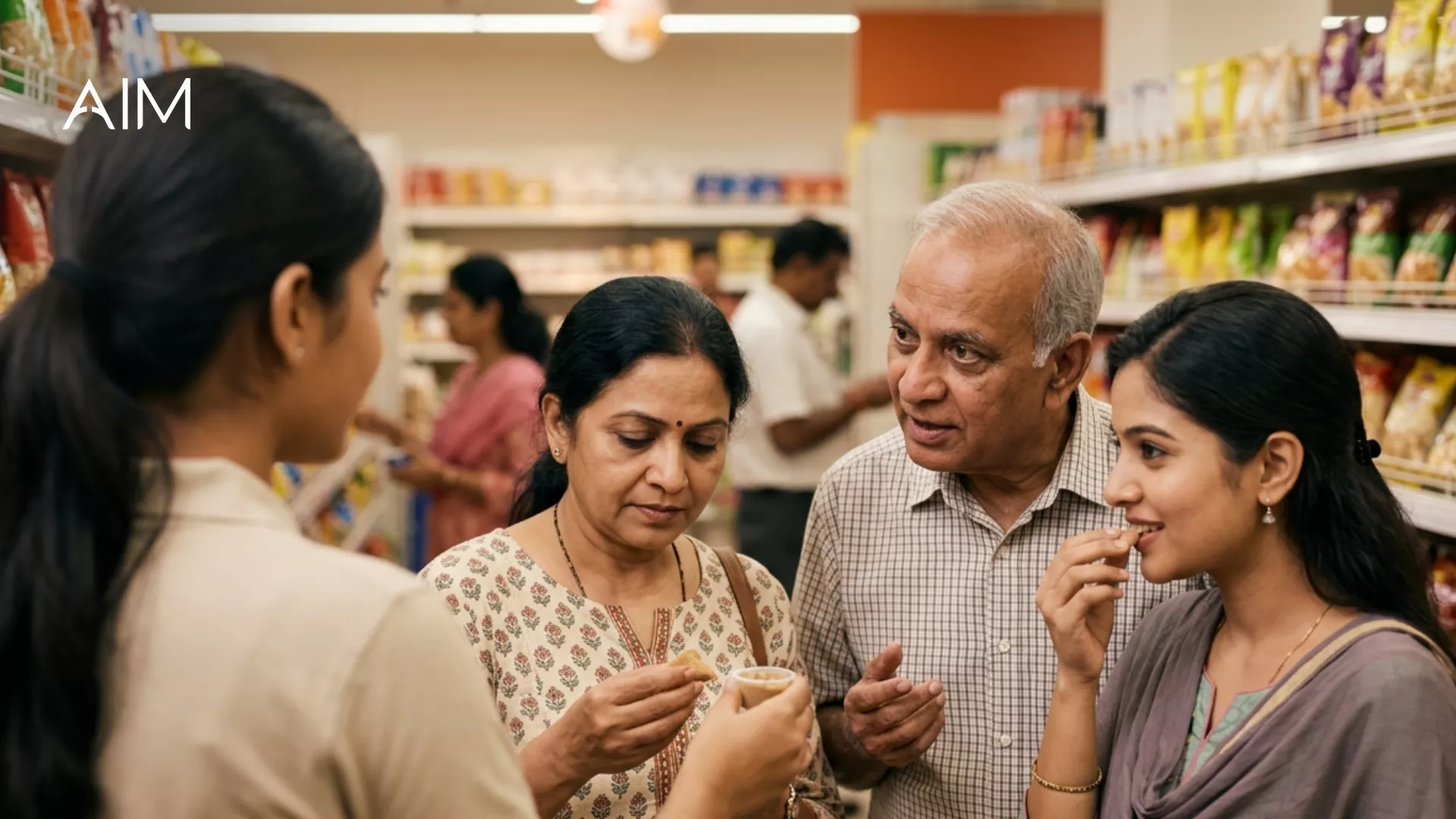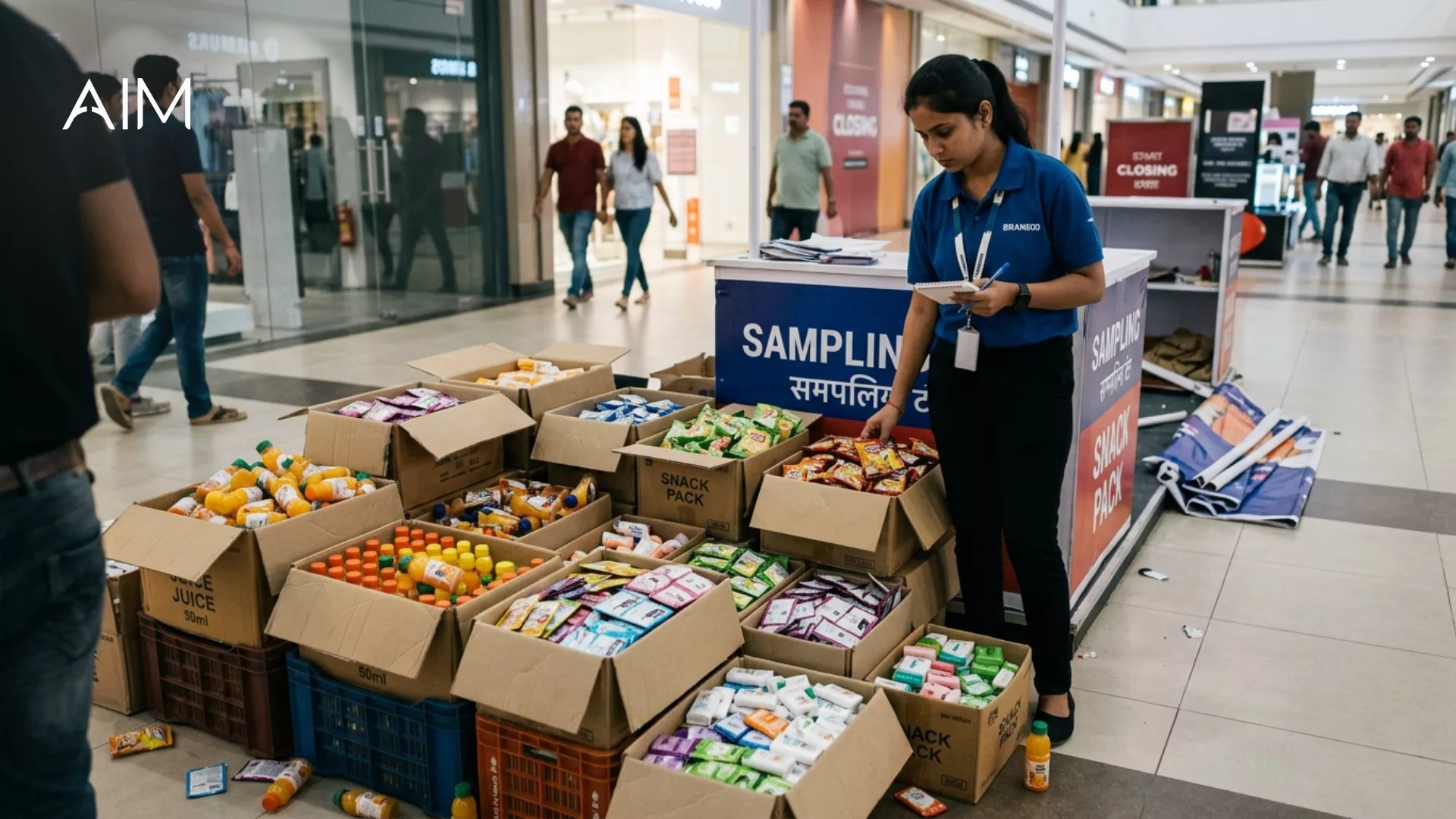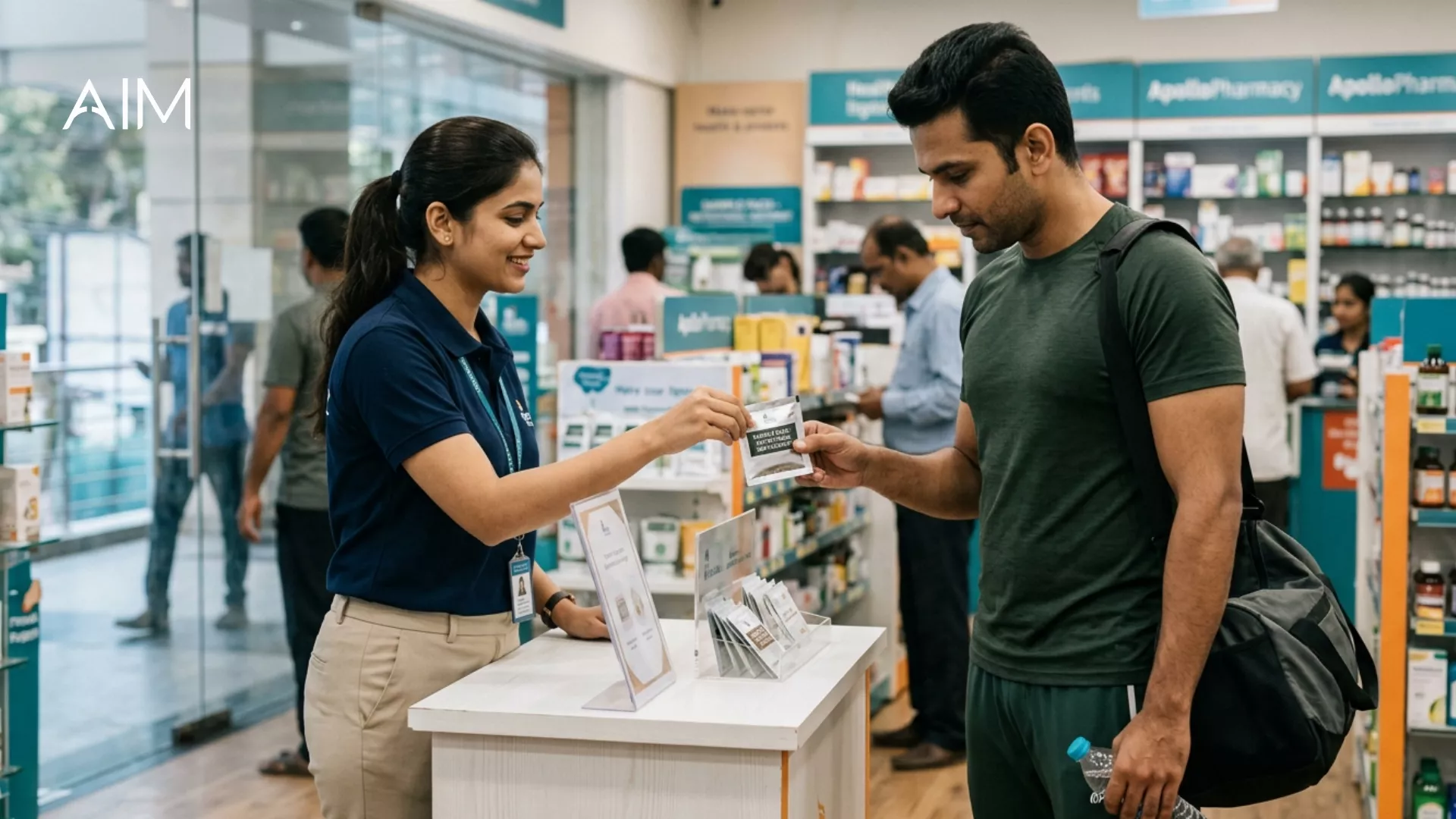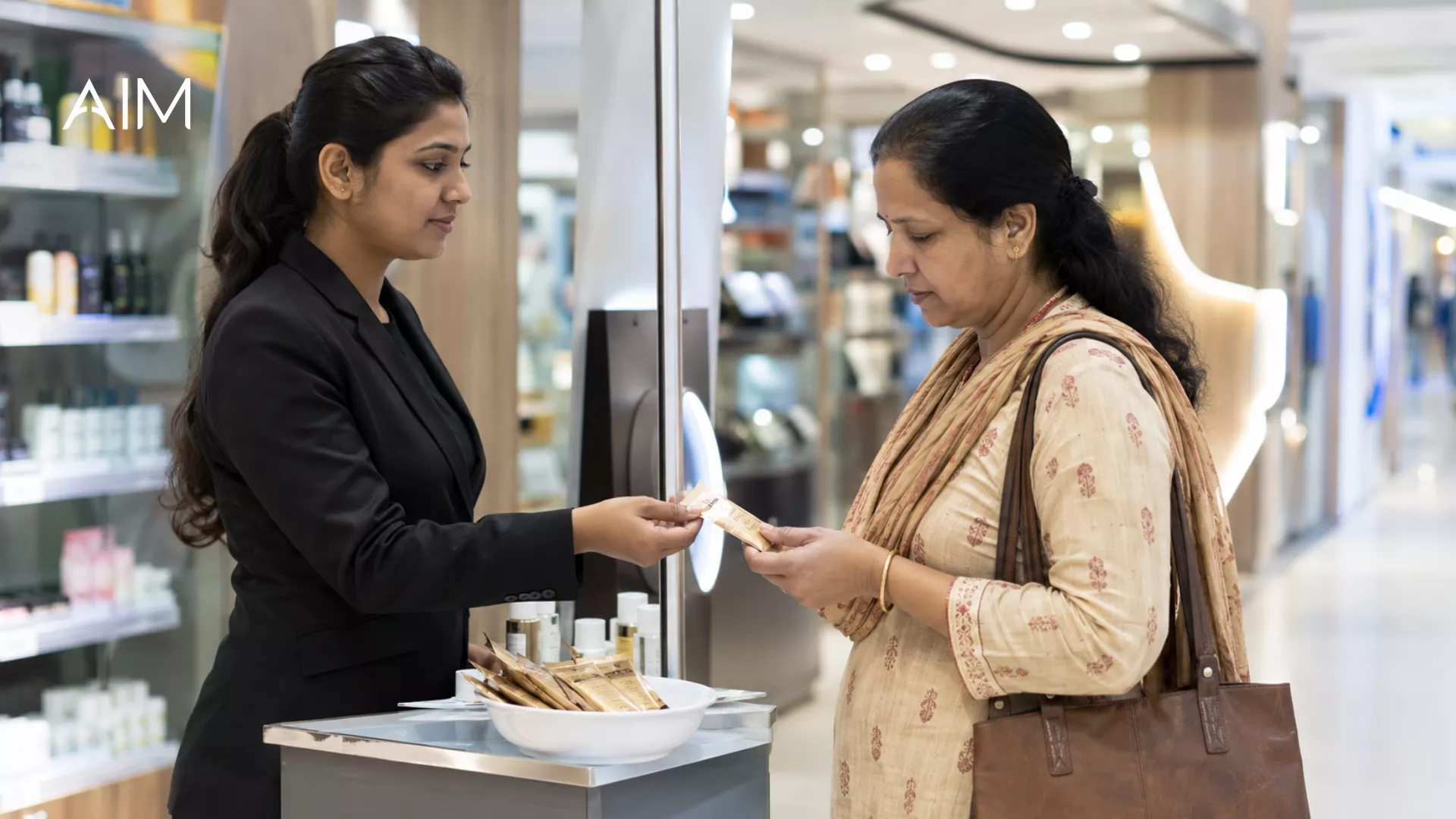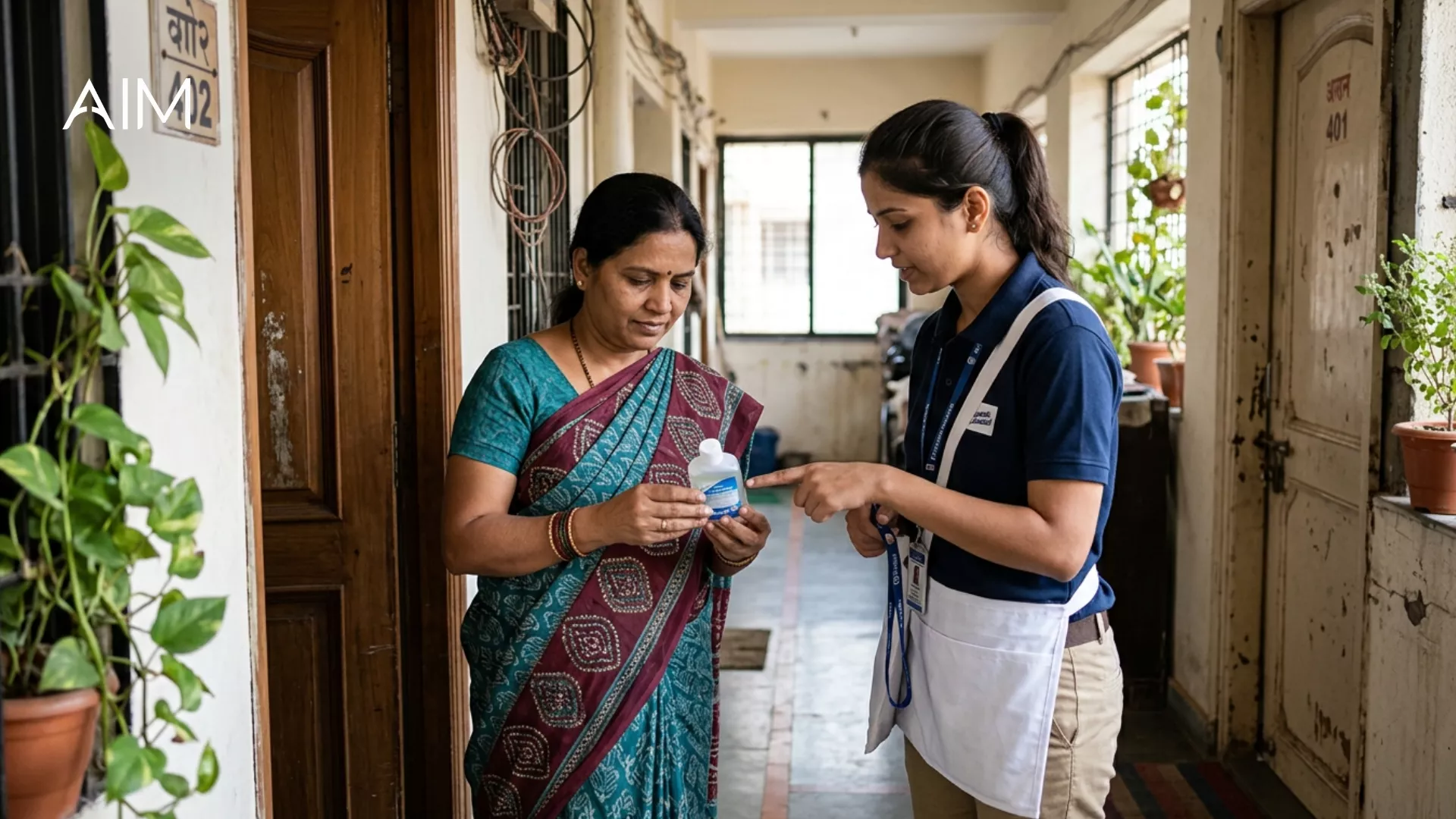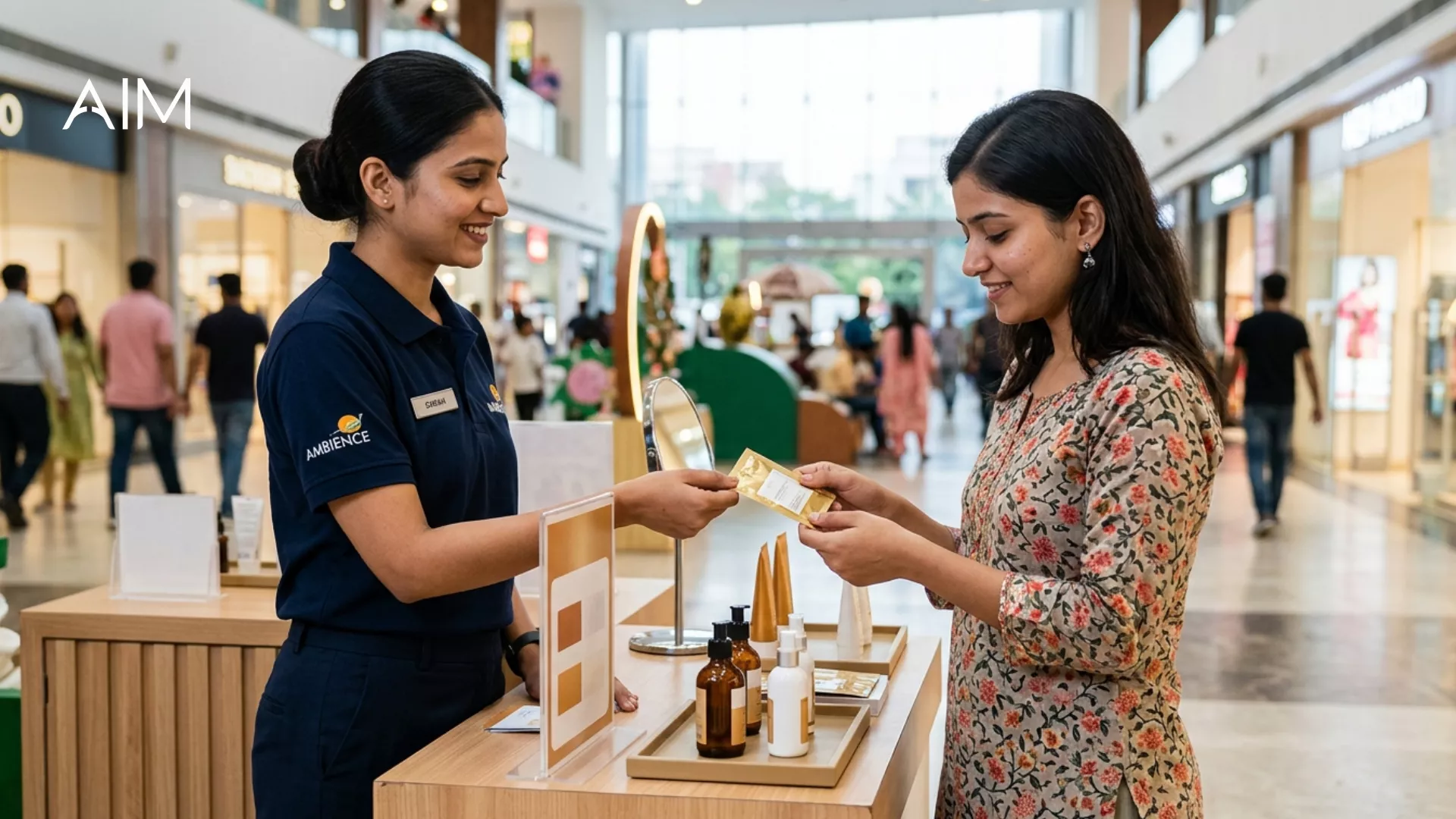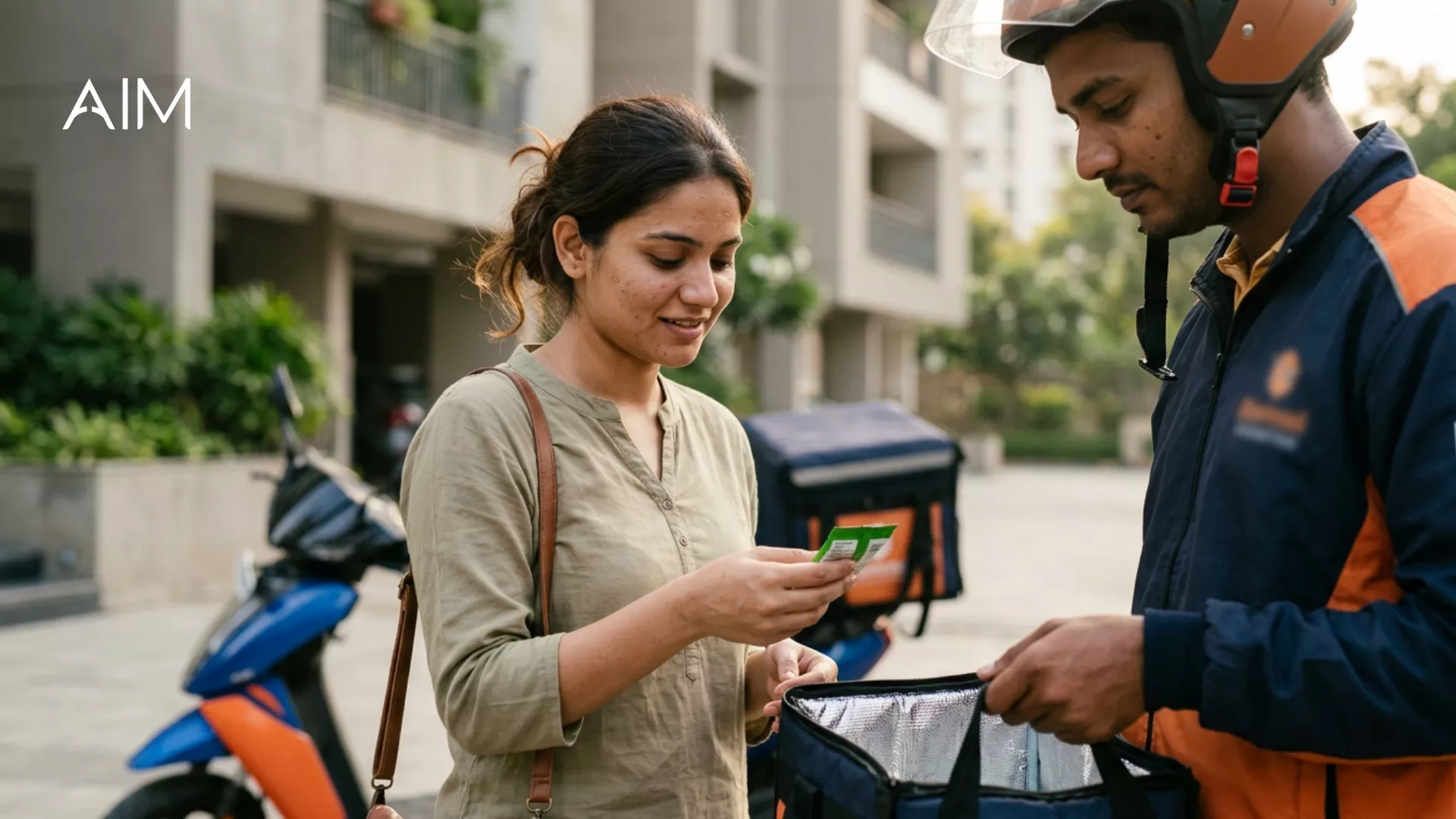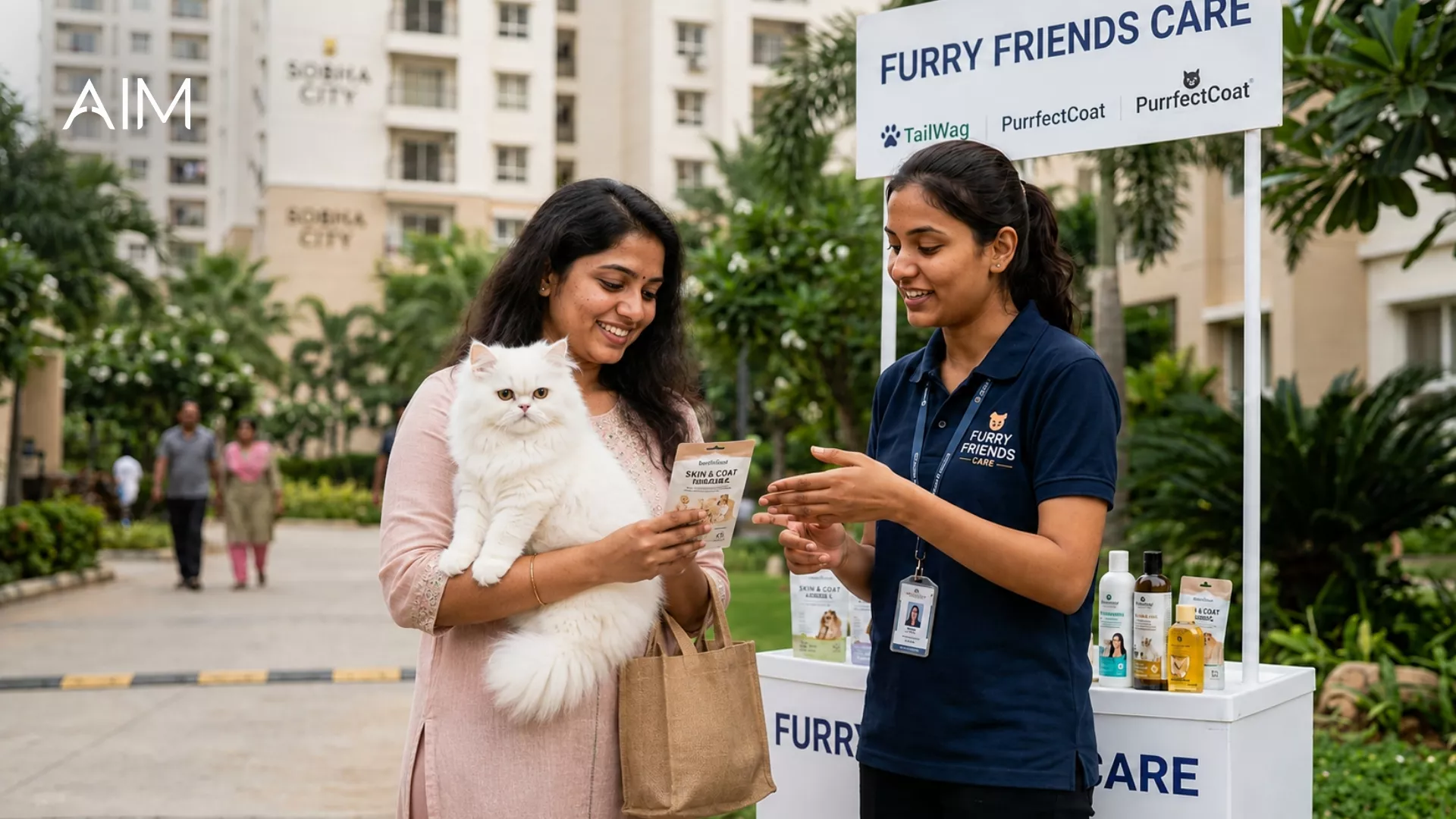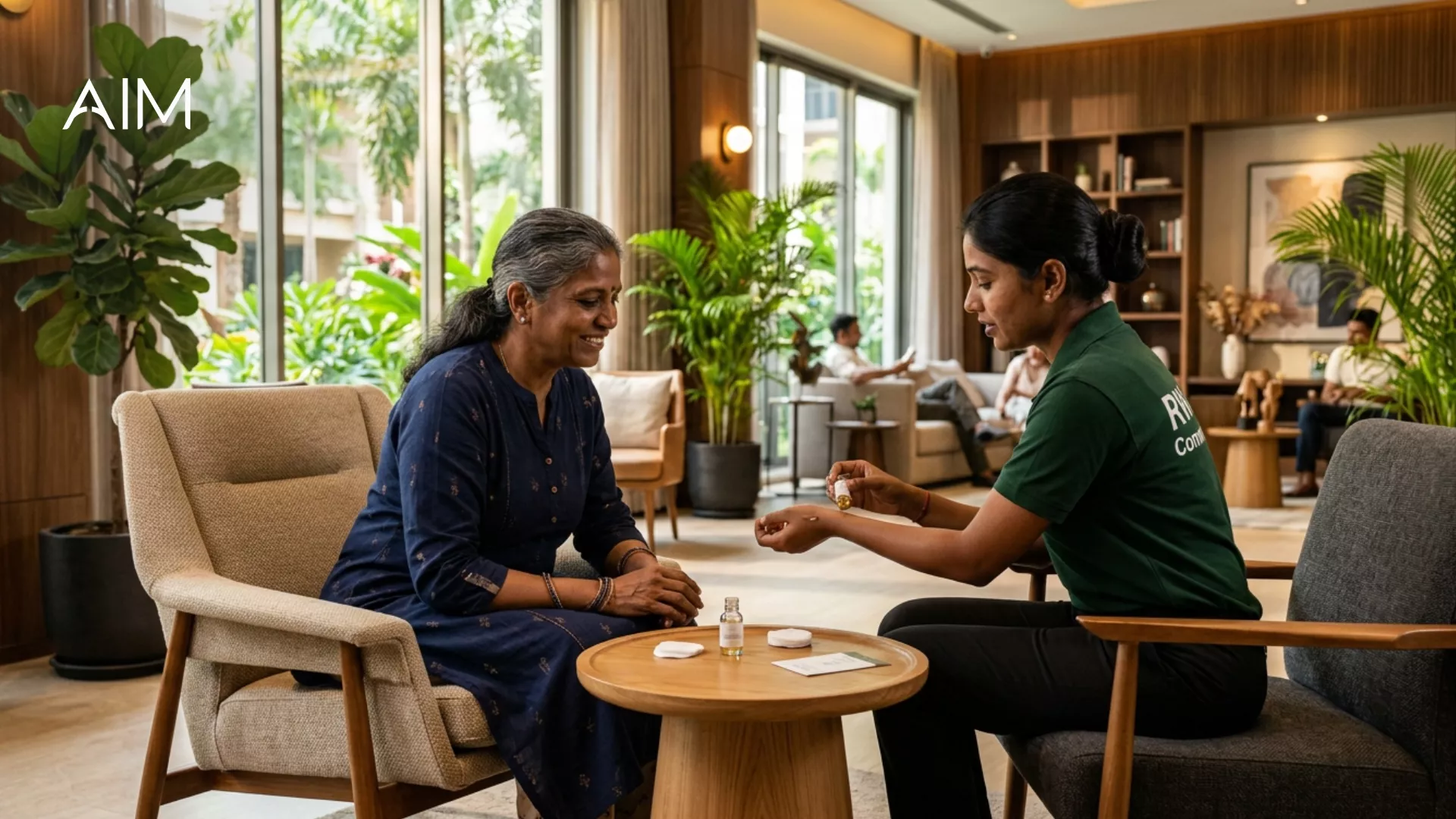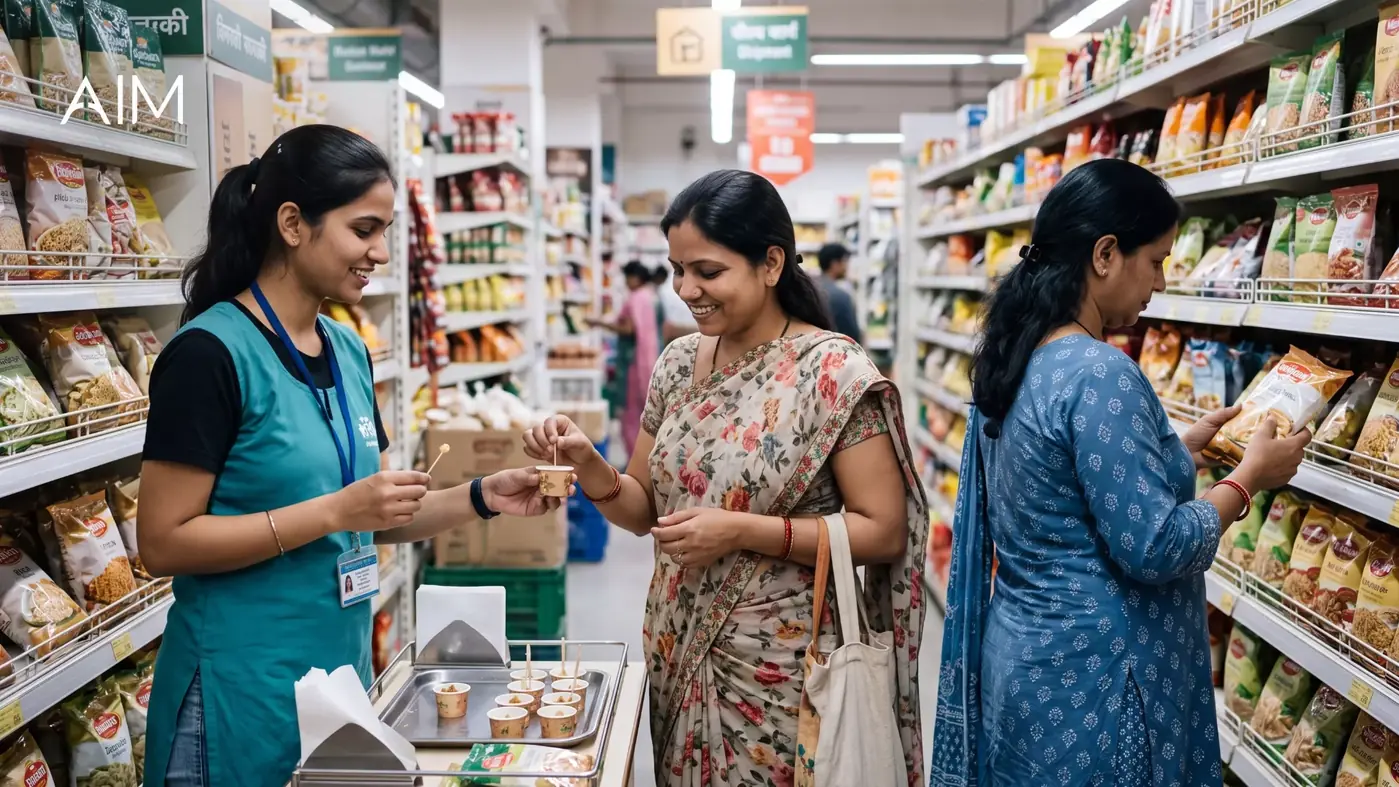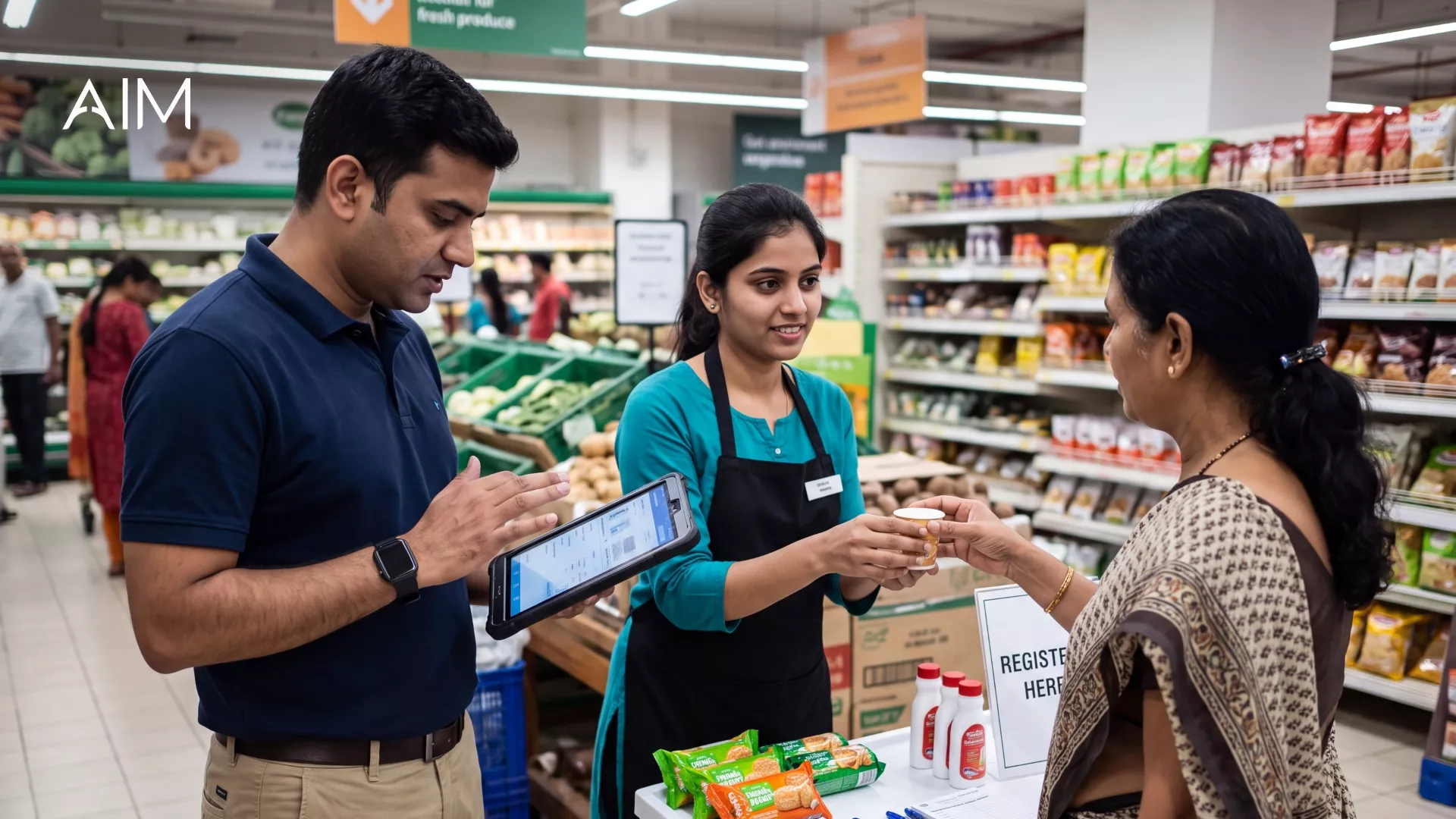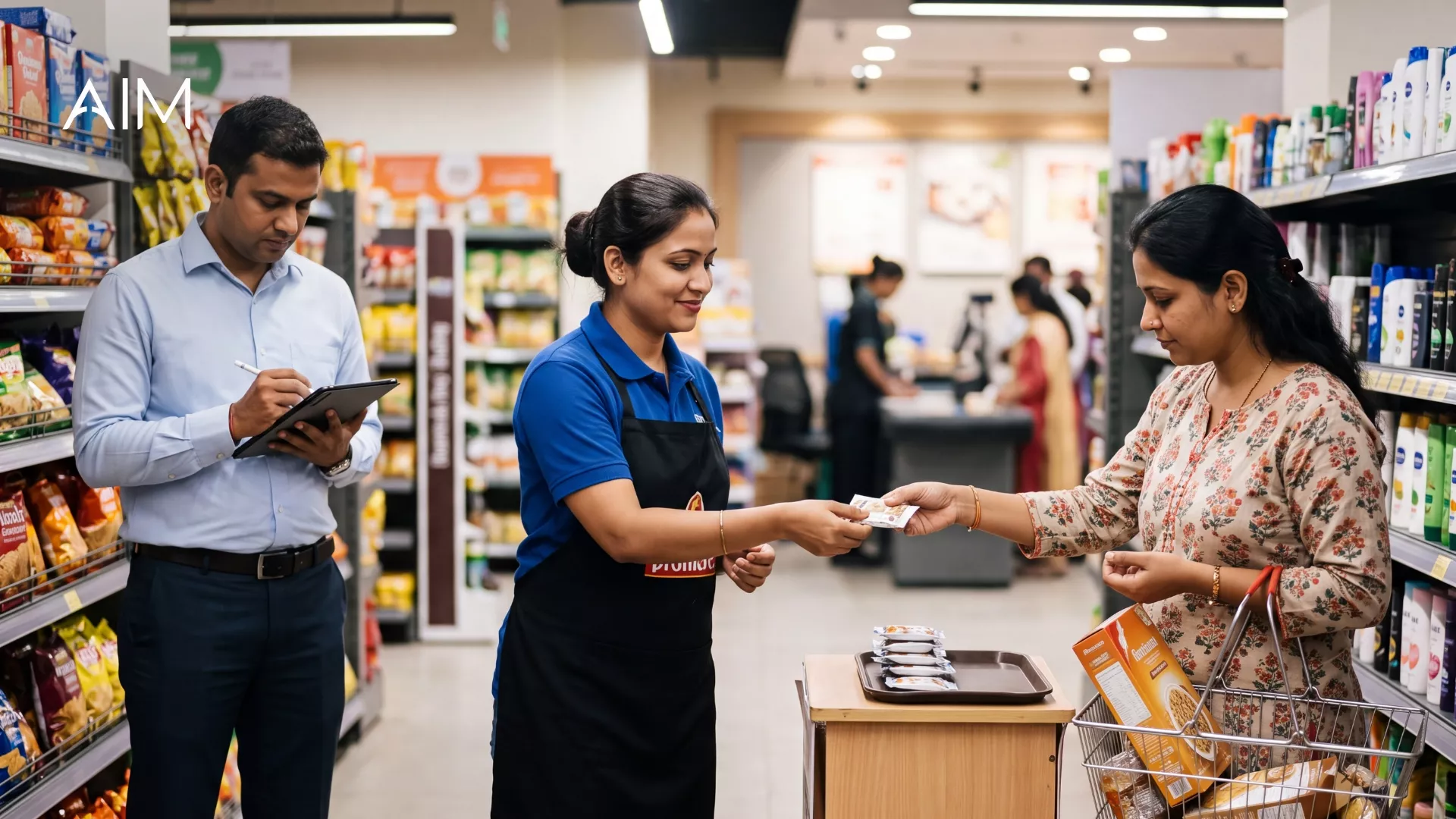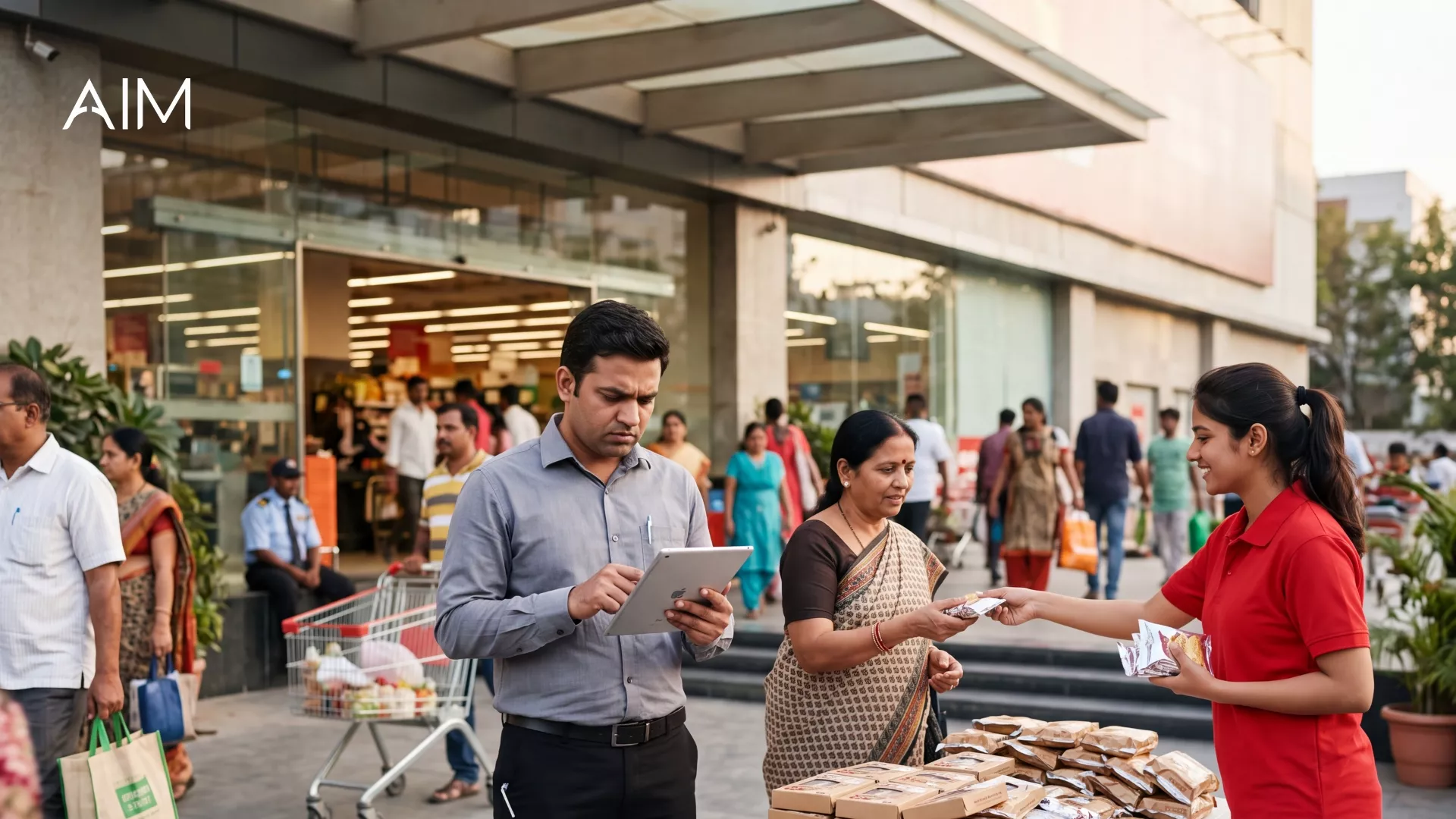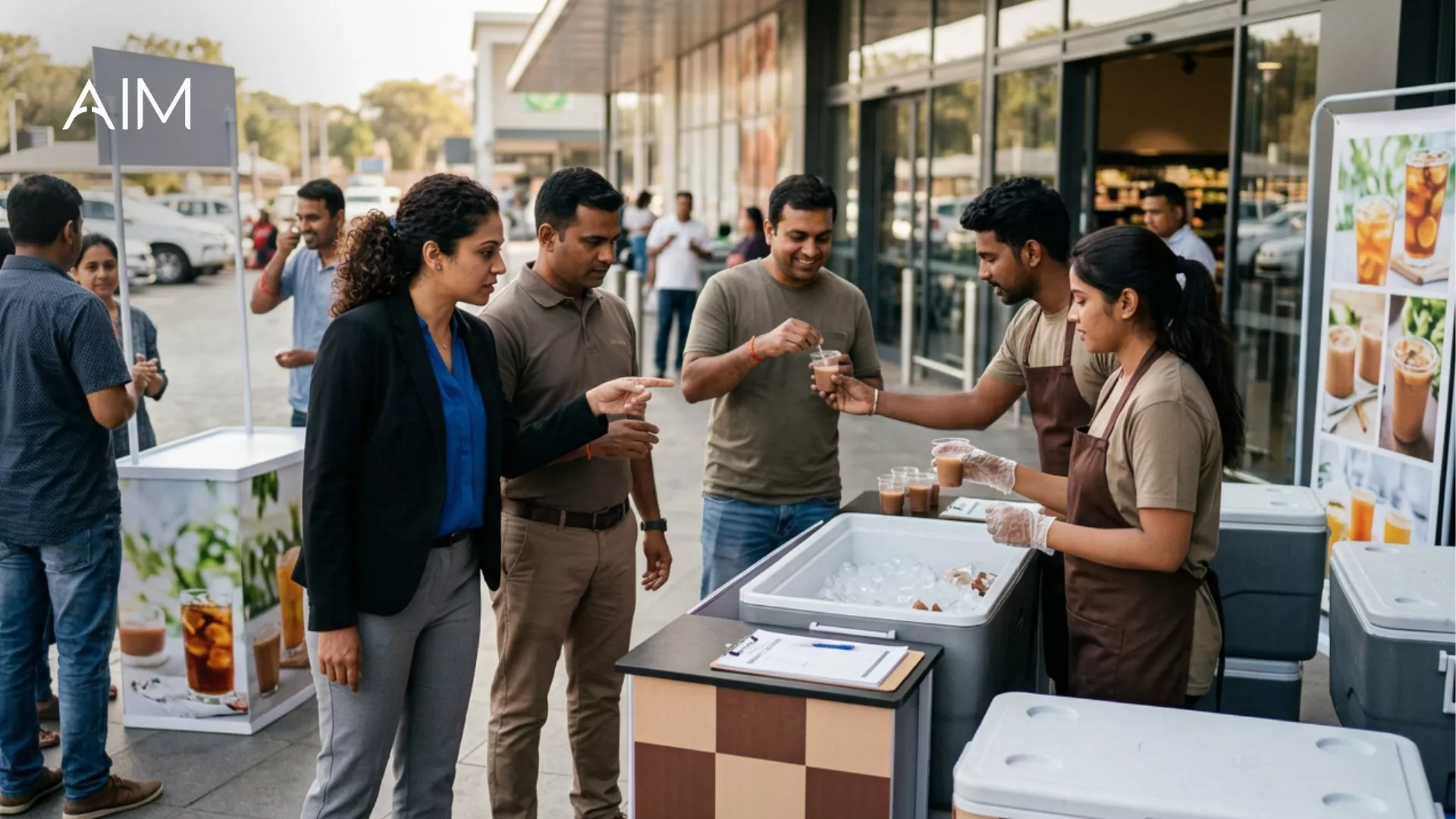
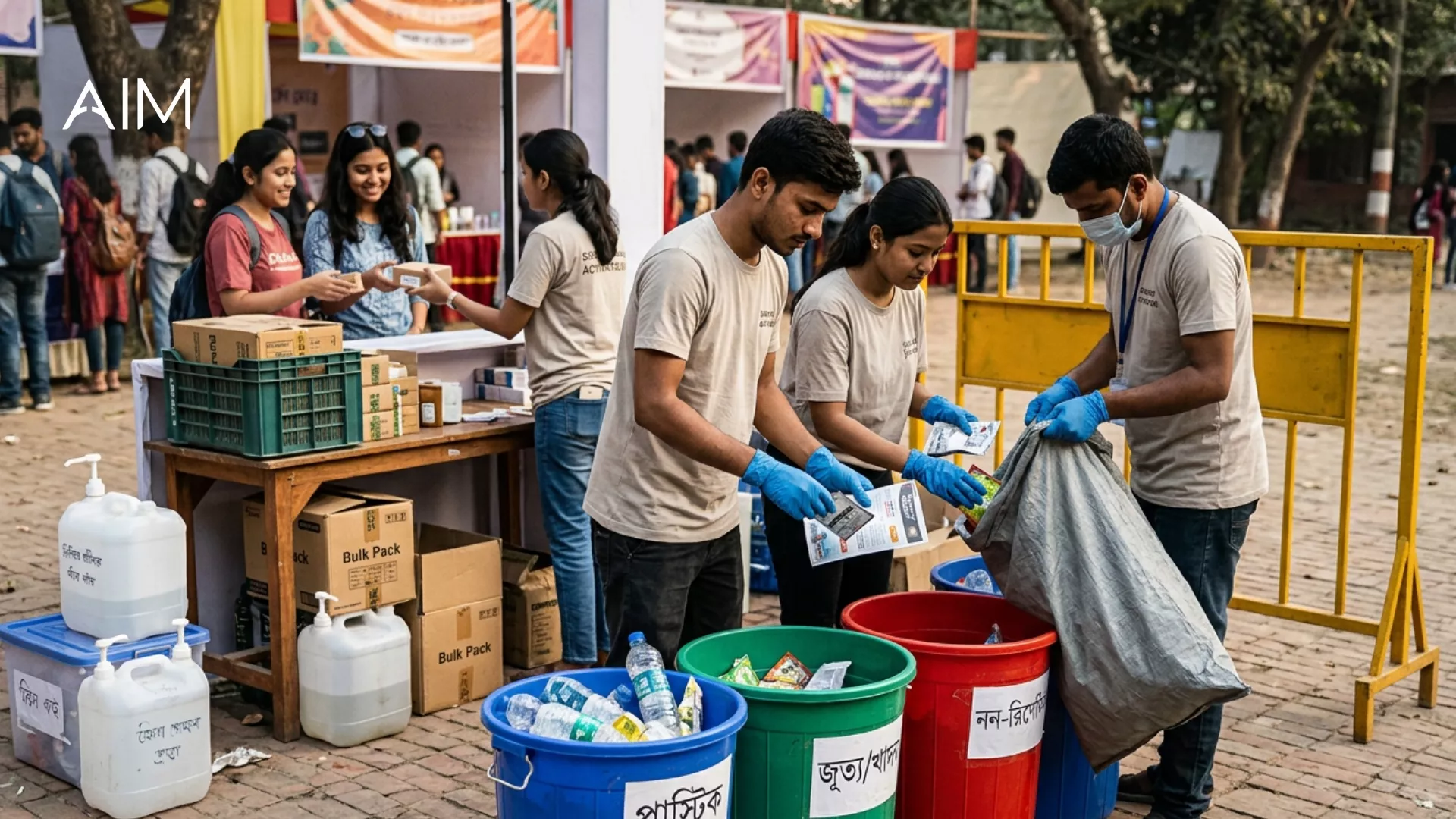


Picture the end of a big mass sampling drive. Thousands of little foil and plastic sachets have gone out, and a large share of them end up where sachets always end up: torn open, half-used or never used, and thrown away. Multiply that across every brand running mass sampling and you have a quiet mountain of single-use packaging created in the name of marketing. For a long time nobody in the industry wanted to look at it. That is changing, because consumers, regulators, and brands themselves are starting to ask an uncomfortable question: what is all this sampling waste doing to the planet, and to the brand? Here is the sustainability problem with mass sampling, and what the industry is doing about it.
Quick answer: what is the sustainability problem with sampling?
Mass product sampling generates a large volume of single-use packaging, much of it small multi-layer sachets that are hard to recycle, plus the product waste from samples that are never used. Scattered, untargeted sampling makes this worse, because every sample that reaches the wrong person is pure waste, packaging and product discarded for no return. The industry is responding by sampling more precisely so fewer units are wasted, moving toward recyclable, compostable, or reduced packaging, using digital and sample-with-purchase models that cut physical waste, and measuring trials rather than giveaways so volume is no longer the goal. Less waste and better results turn out to be the same project.
Why mass sampling creates so much waste
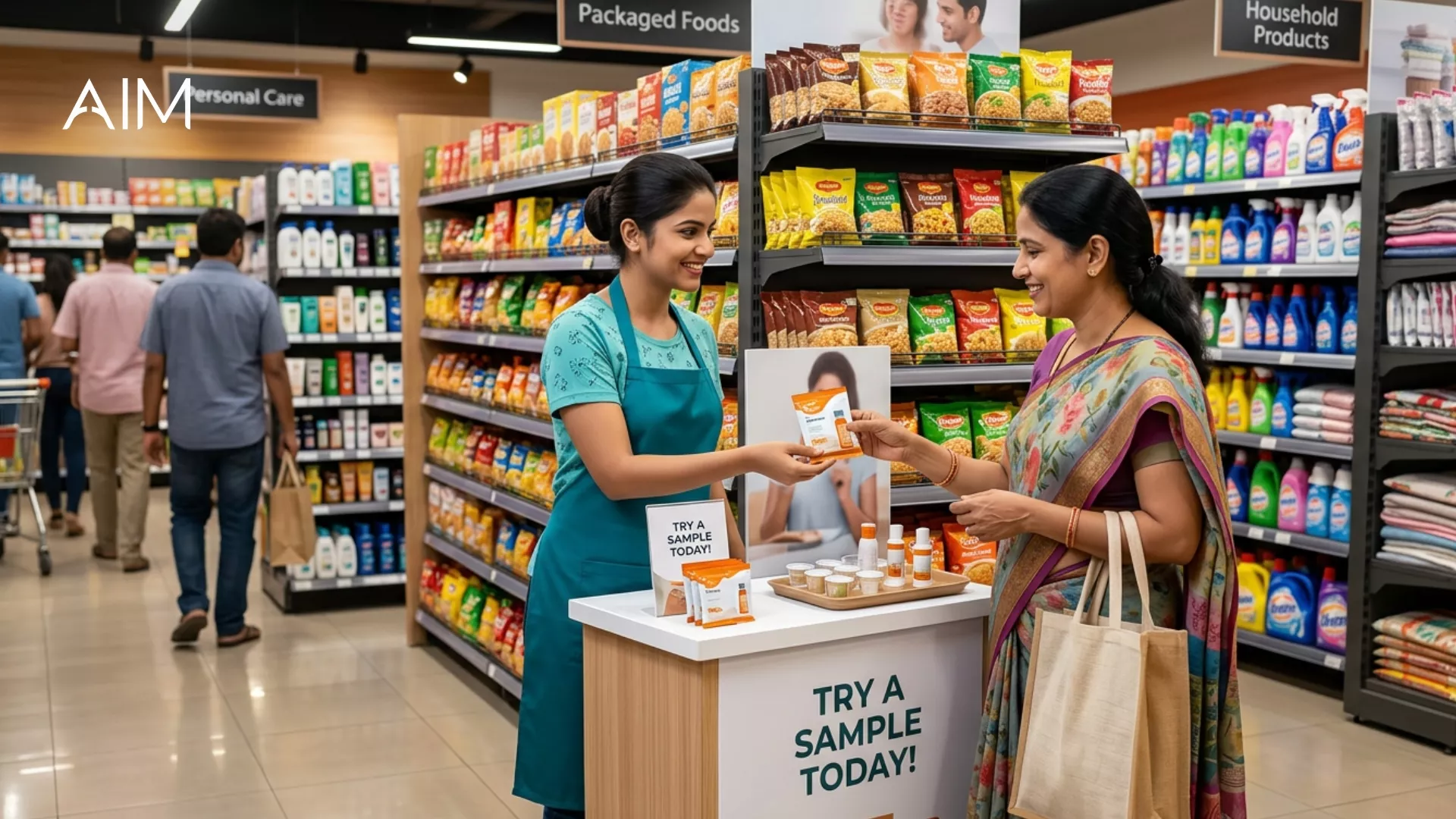
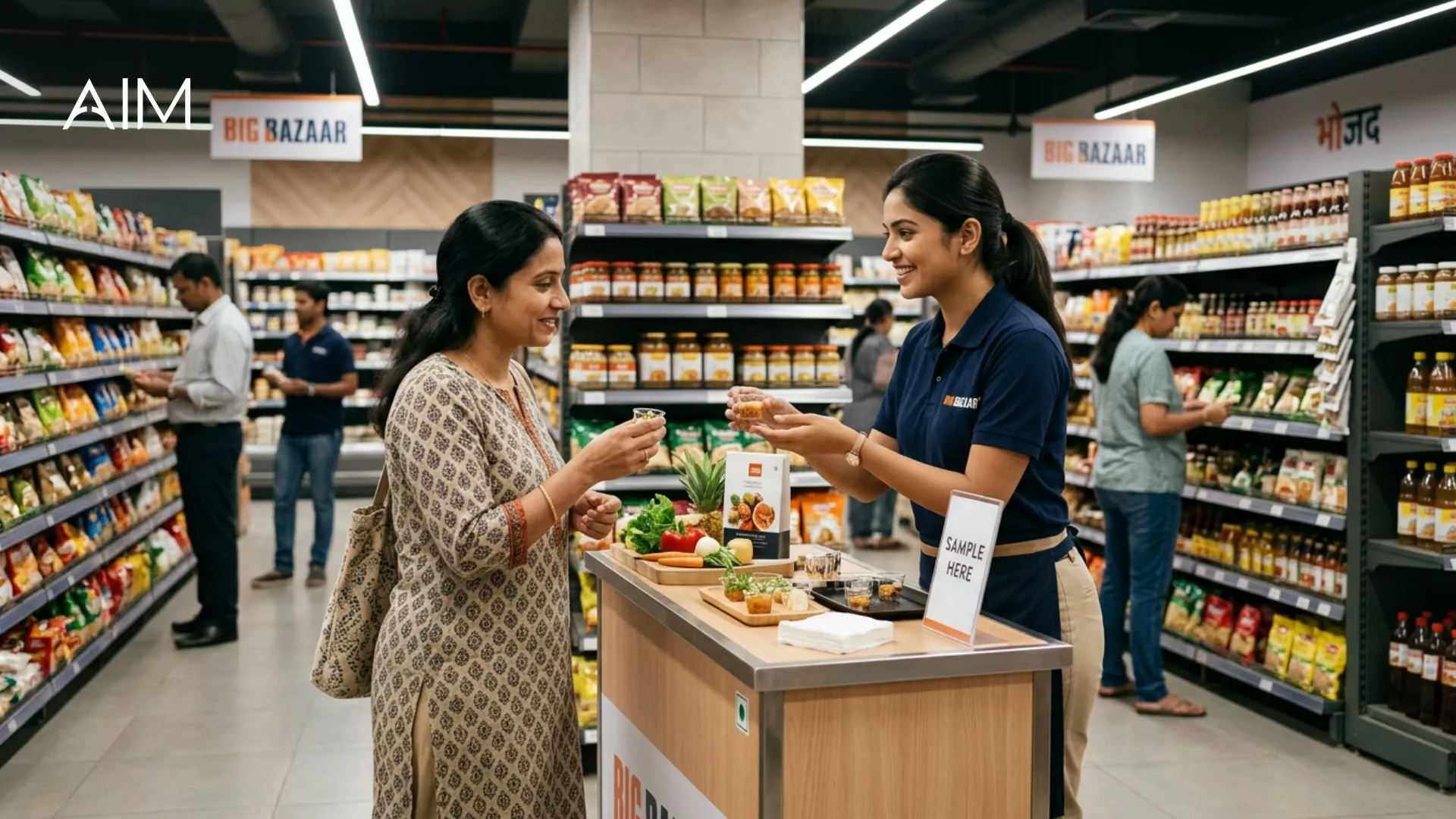
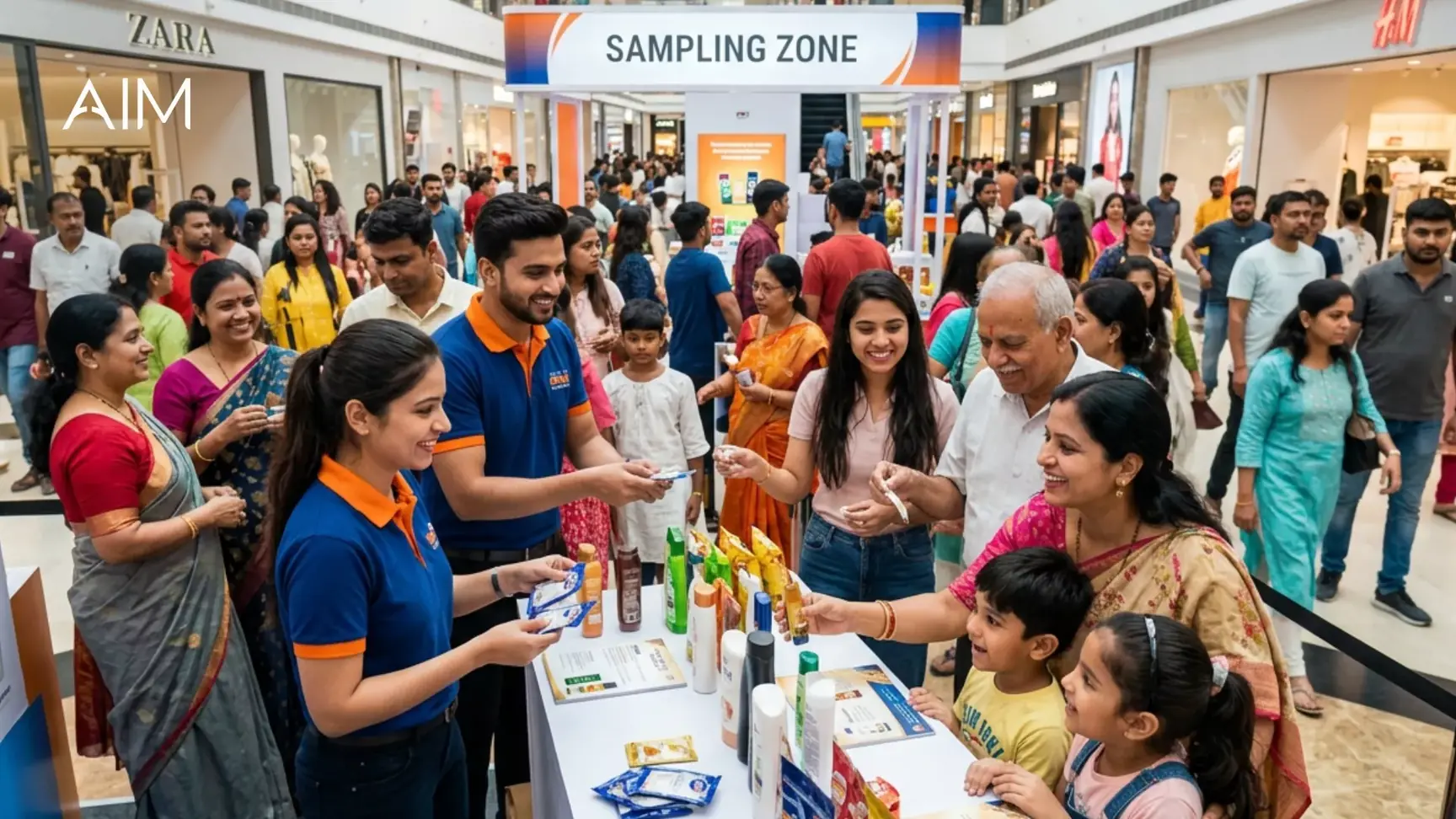
The sample waste comes from two places, and mass sampling maximises both. The first is packaging. Samples are small, which means a high ratio of packaging to product, and the formats that protect tiny quantities, multi-layer foil and plastic sachets, are among the hardest things to recycle. The second is the product and packaging that are simply wasted because the sample never worked. A sample handed to someone who was never the buyer, or taken and never used, is a complete loss: the packaging is discarded and the product inside is binned, with nothing gained. Blind, high-volume sampling, where the whole strategy is to hand out as many units as possible, multiplies both kinds of waste at once, because volume itself is the goal and relevance is an afterthought. The more you scatter, the more you waste, by design.
Why targeting is the first sustainability lever
The most powerful thing a brand can do to cut sampling waste is also the thing that makes sampling work better: reach the right person. Every sample that lands with a genuine prospect has a chance of being used and converting, so its packaging and product are spent on a purpose. Every sample scattered to someone outside the target is waste in the most literal sense, created, shipped, and discarded for nothing. Precise targeting shrinks the total number of samples needed to achieve the same result, which means less packaging produced, less product wasted, and a smaller footprint, all while improving conversion. This is the rare case where the sustainable choice and the commercially smart choice are identical. Sampling fewer of the right people wastes less and returns more than sampling everyone.
How packaging is changing in sampling
The sampling industry is slowly rethinking the sachet. Brands and agencies are moving toward recyclable mono-material packaging instead of hard-to-recycle multi-layer laminates, toward compostable and paper-based formats where the product allows, and toward right-sizing so a sample uses only the packaging it truly needs. Reusable and refill-style sampling formats are appearing for the right categories. None of this is universal yet, and some products genuinely need protective packaging that is hard to green, so honesty matters: not every sample can be made low-waste today. But the direction is set, and a brand that chooses more responsible sample packaging is making a visible choice a growing share of consumers notice and reward. The sachet is no longer a thoughtless default.
How digital and purchase-linked sampling cut physical waste
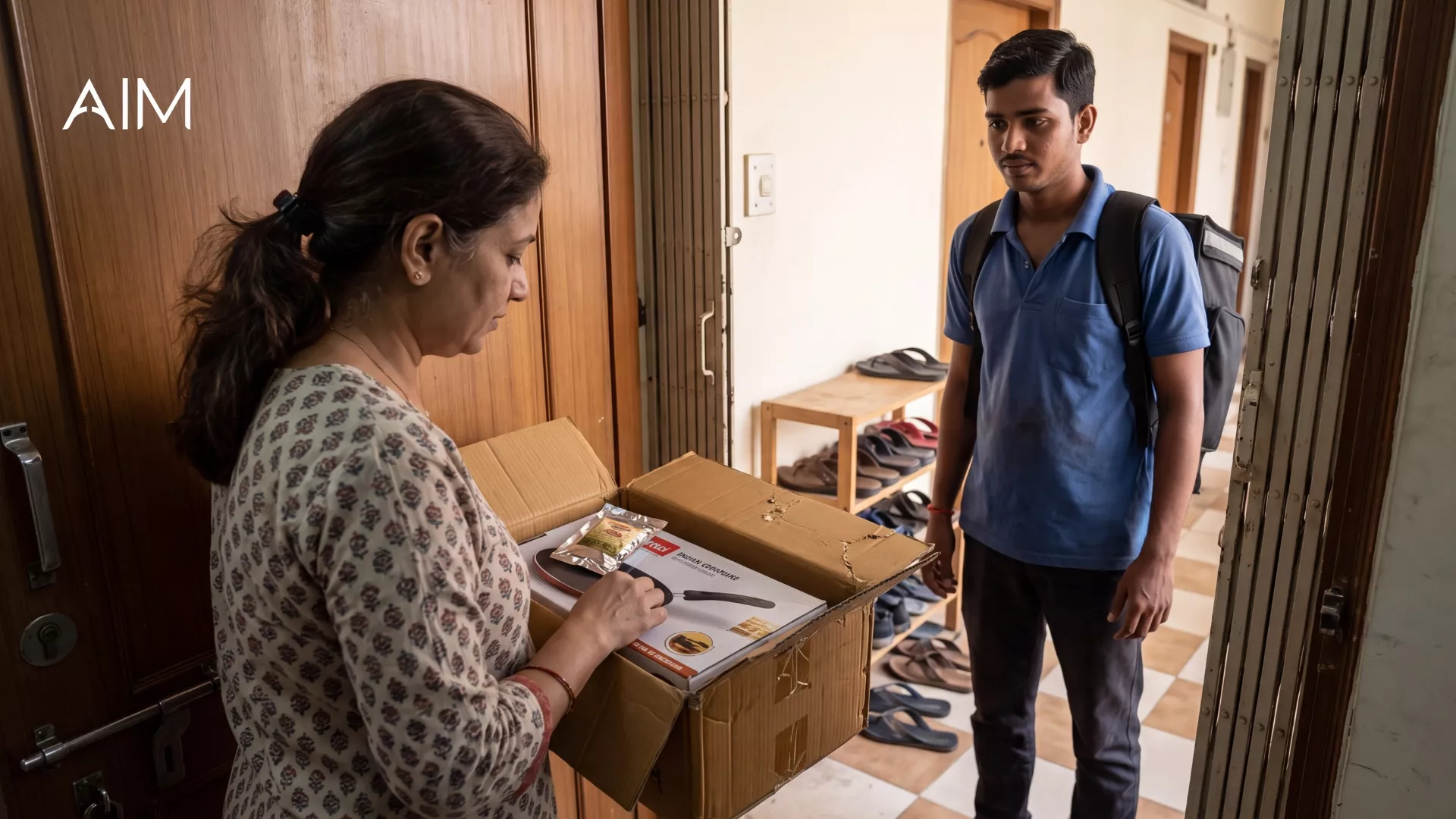
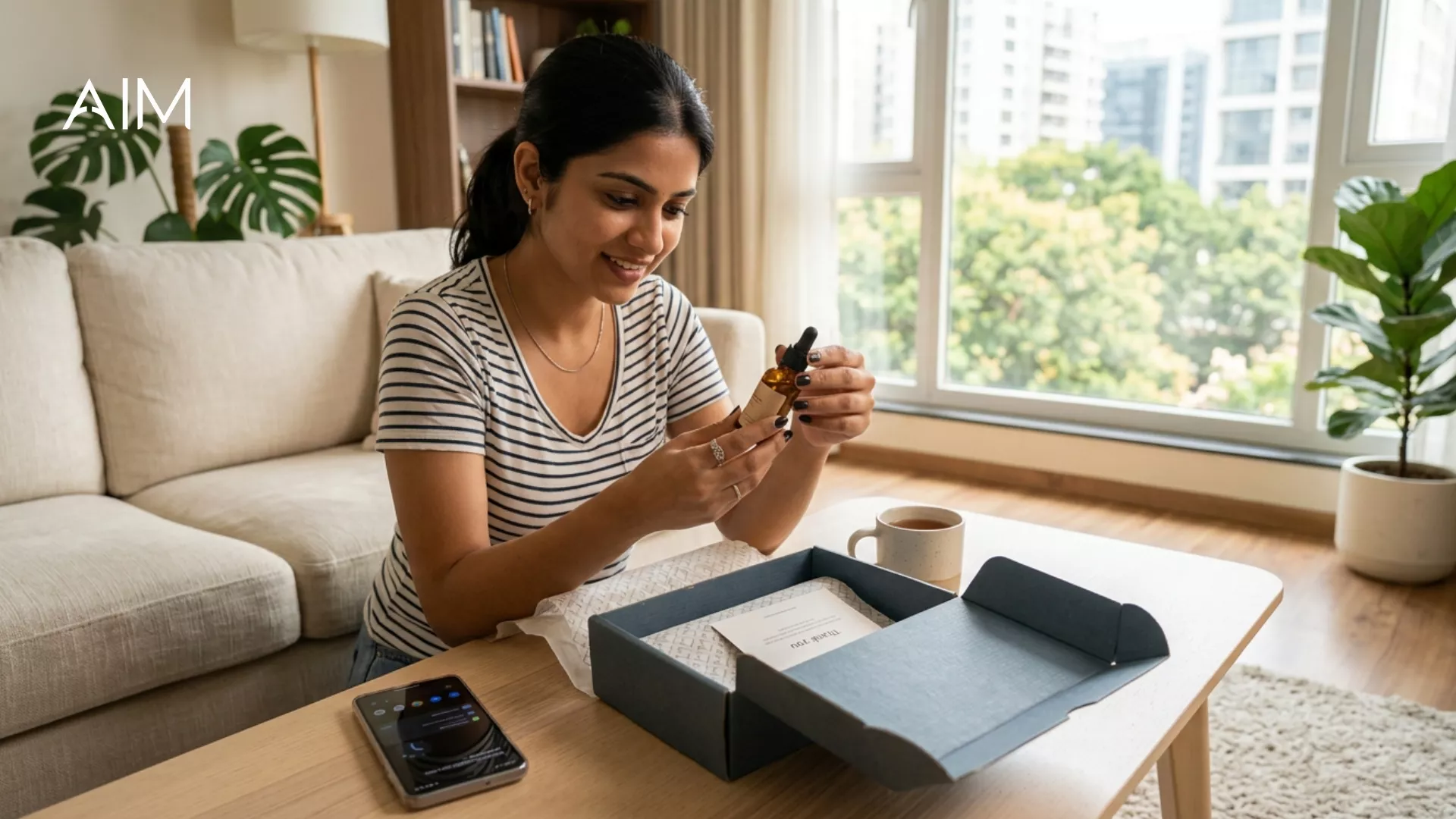
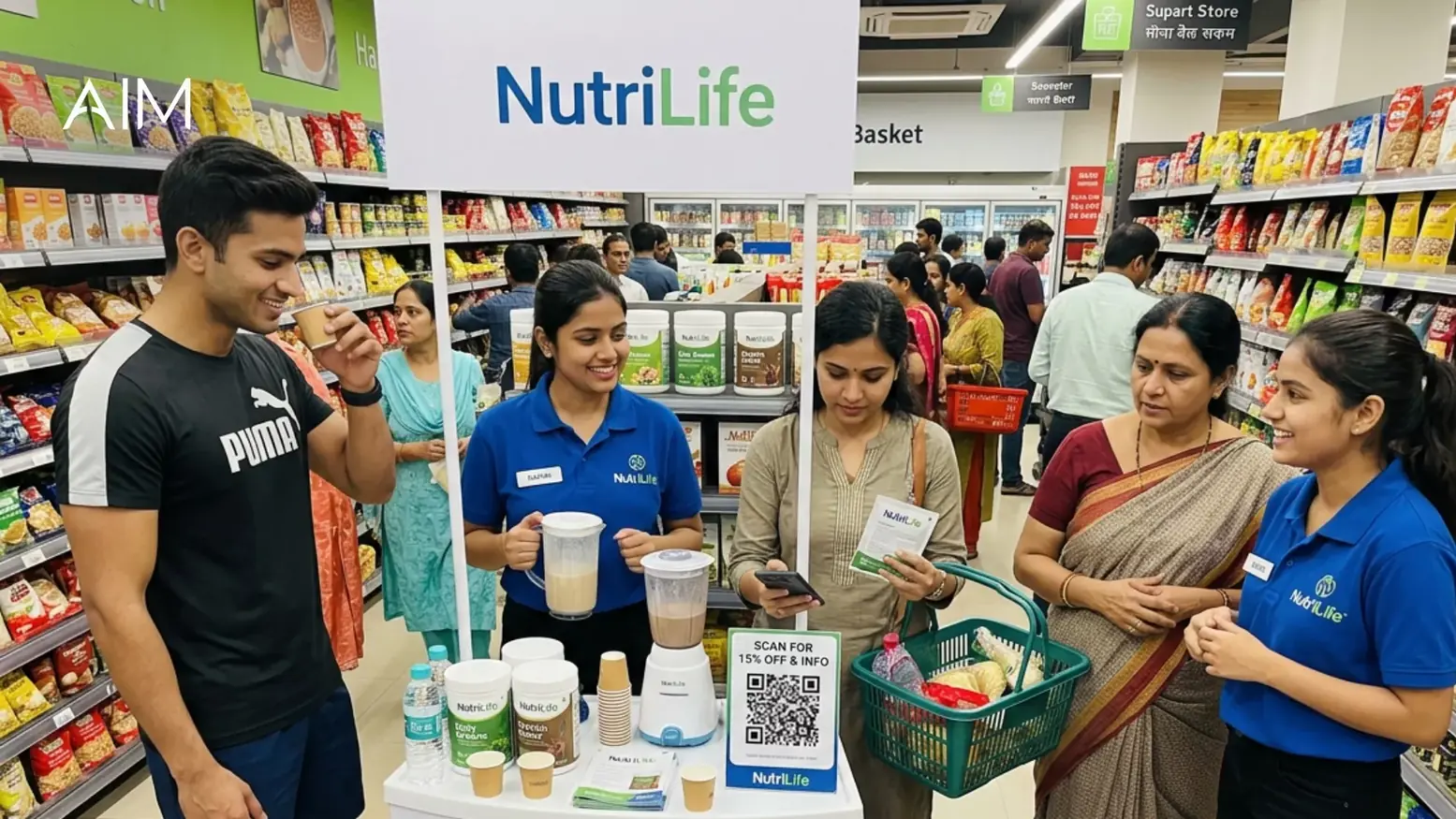
Some of the biggest waste reductions come from changing the model, rather than the material. Sample-with-purchase, where a trial rides along in an order the customer already placed, creates no separate packaging or delivery footprint and reaches a confirmed buyer. Digital-led sampling, where online targeting qualifies a high-intent person before a physical sample is ever sent, means product goes only to people likely to use it, cutting the blind wastage of street distribution. Letting the customer request or qualify for a sample, rather than pushing it on everyone, means fewer unwanted units created. These models do not eliminate physical product, because trial still needs a real experience, but they strip out the scattergun waste that comes from sending samples to people who never wanted them.
Why measuring trials instead of giveaways reduces waste
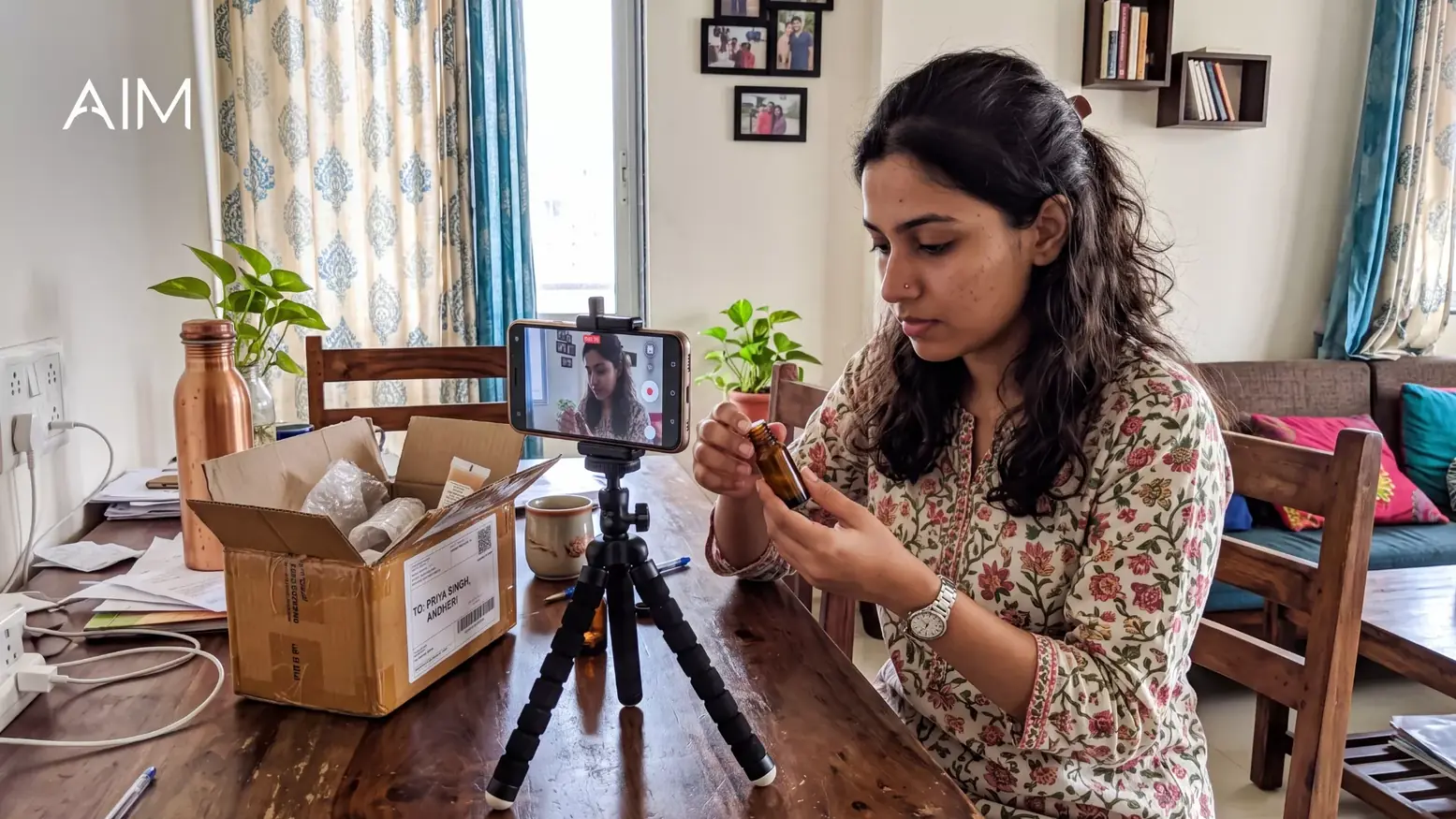
There is a measurement angle to sustainability that is easy to miss. When a campaign is judged on samples handed out, the incentive is to maximise volume, and maximum volume is maximum waste. When a campaign is judged on trials that actually happened and buyers produced, the incentive flips: you want every sample to count, which means sending fewer, better-targeted units and caring whether each one was used. The shift from counting giveaways to measuring outcomes is therefore more than a marketing improvement; it is a sustainability one, because it removes the very incentive that drives overproduction. A brand that stops rewarding volume stops manufacturing waste to chase a vanity number.
Why sampling sustainability is becoming a brand issue
This is no longer only an environmental question, it is a brand one. Consumers, especially younger ones, increasingly judge brands on whether their actions match their claims, and a brand that markets itself as responsible while leaving a trail of discarded sachets is exposed to exactly the kind of contradiction people notice and share. Regulation is tightening on single-use plastics in many markets, which will reach promotional packaging too. And retailers and platforms are beginning to ask about the footprint of the activities they host. A brand that gets ahead of this, by sampling precisely and packaging responsibly, protects itself from a reputational and regulatory risk that is only growing. Sustainable sampling is becoming part of brand safety, rather than corporate conscience.
How AIM thinks about sampling waste
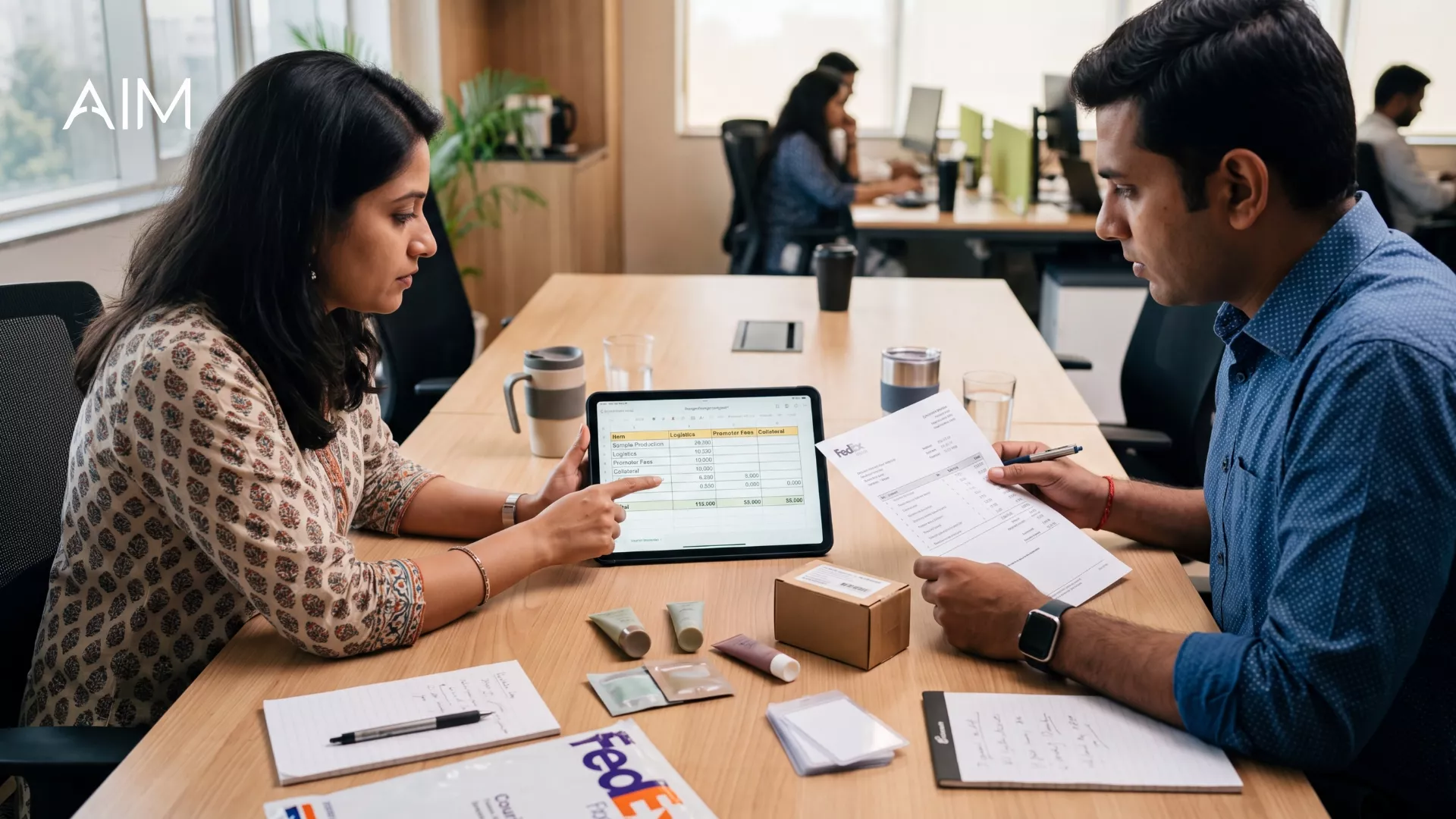
In our product sampling services, the honest starting point is that the most wasteful thing in sampling is a sample that reaches the wrong person, so precise targeting is the first and biggest lever against waste, and it happens to be the first lever for results too. Beyond that, the approach favours models that reduce physical waste where they fit the goal, sample-with-purchase, digital qualification, letting the right people opt in, and measuring trials and buyers rather than volume so the campaign is never rewarded for overproduction. Where packaging can be made more responsible without ruining the trial, that choice is worth making and worth telling the consumer about. The guiding idea is simple: a campaign built to waste less is usually a campaign built to work better.
Less waste is better sampling
The sustainability problem with mass sampling is real, and for years the industry treated volume as a virtue when volume was often just waste wearing a marketing badge. The encouraging part is that the fix is not a sacrifice. Sampling fewer of the right people, in more responsible packaging, through models that cut blind distribution, and measuring outcomes instead of giveaways, reduces the footprint and improves the return at the same time. The brands that lead here will not be making a trade-off between doing good and doing well. They will be discovering that in sampling, the wasteful way was never the effective way, and the responsible campaign is quietly the smarter one.