


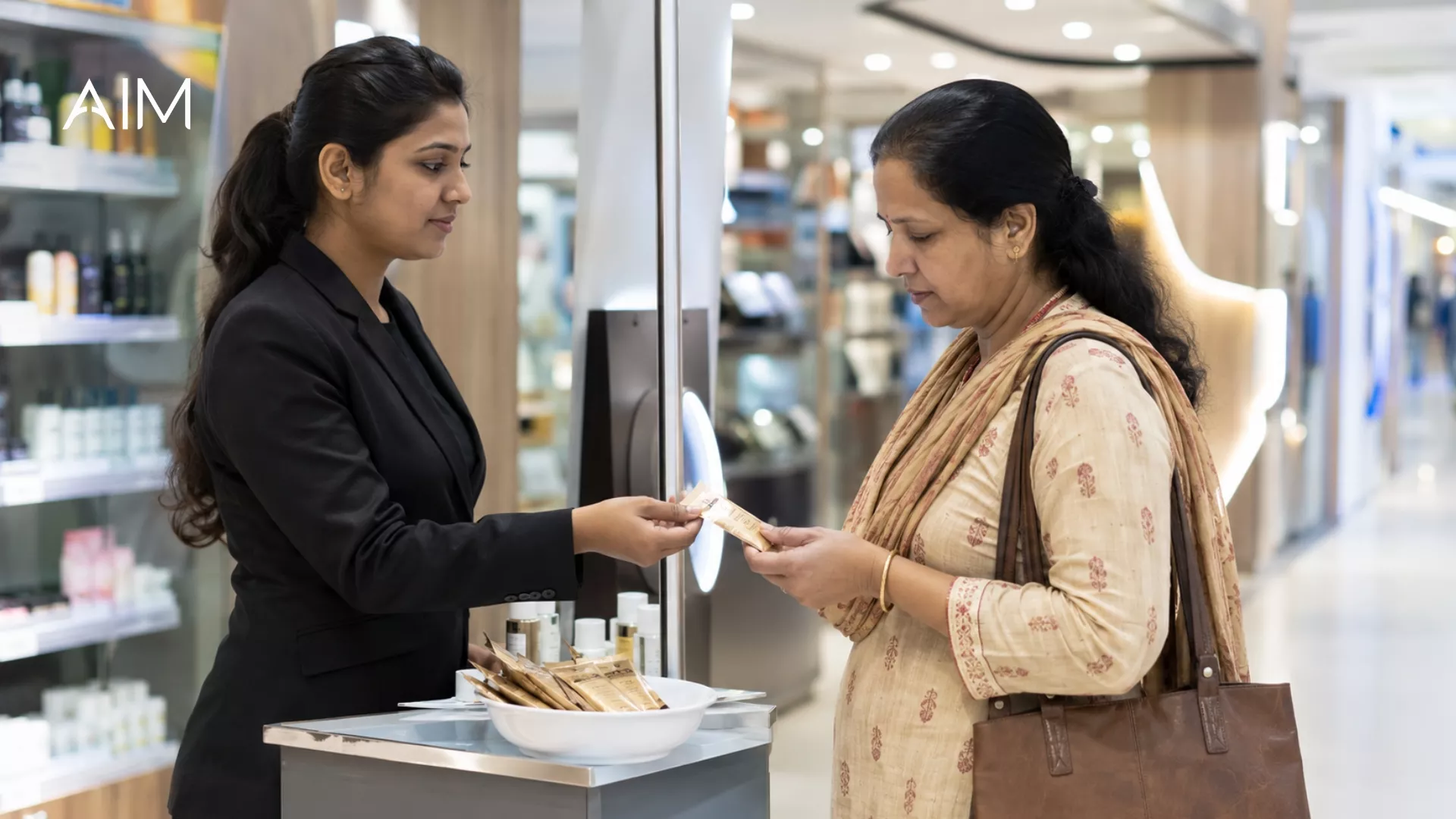
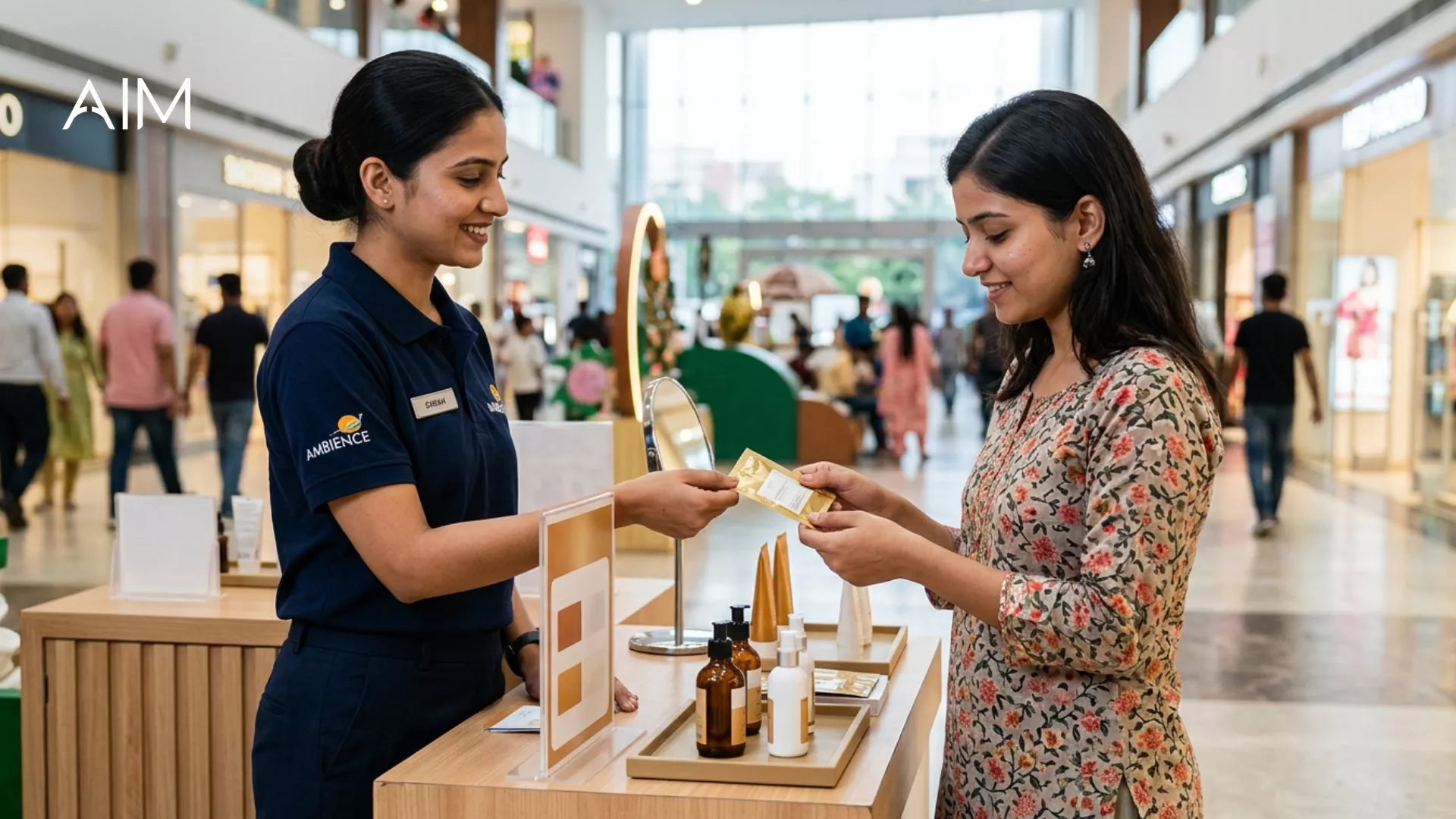
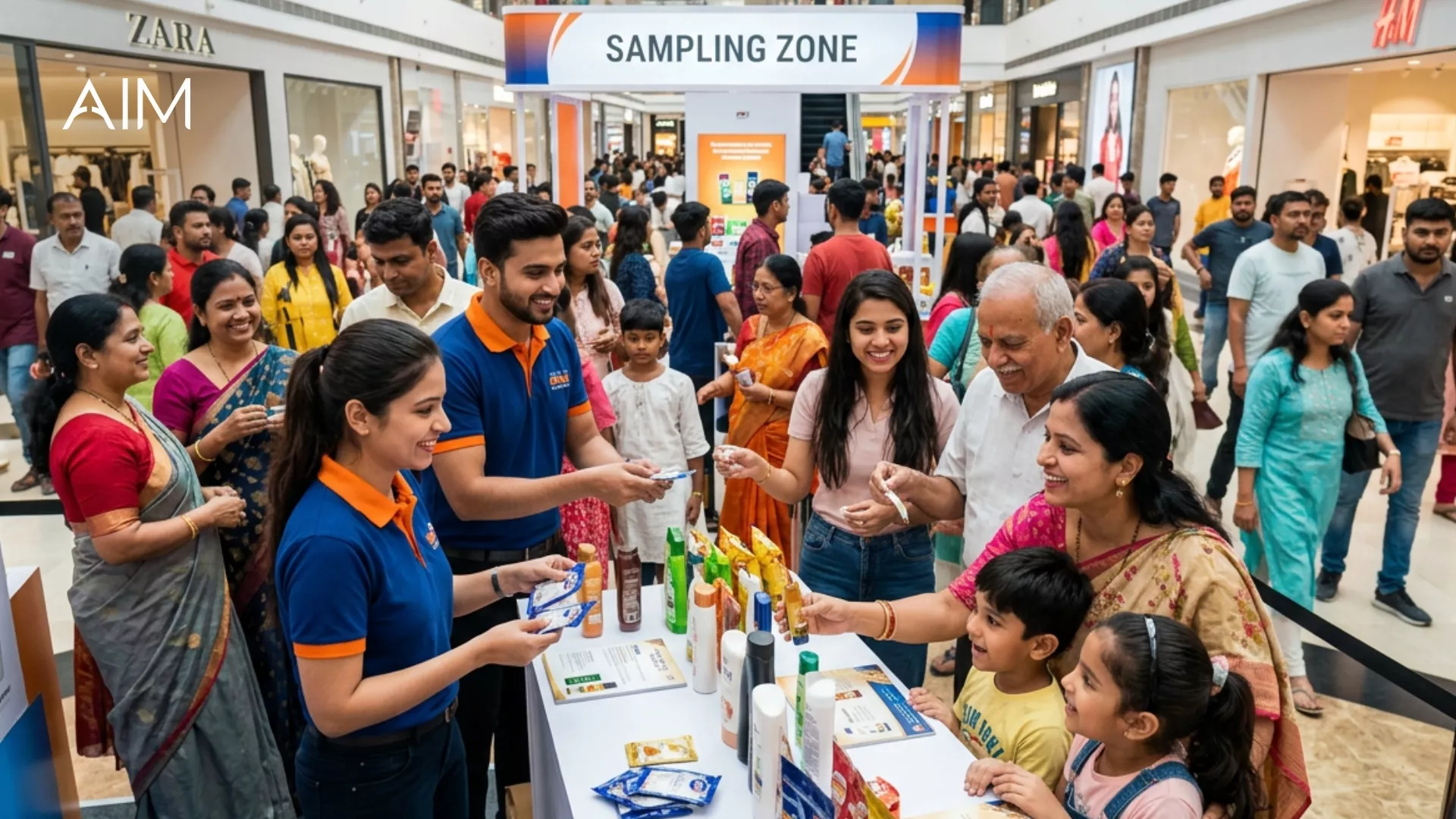
Say the words product sampling and most people picture a promoter at a mall handing out sachets. That is physical sampling, and it still works. But a growing share of sampling now happens without a table, a promoter, or a crowd at all. It happens online, through the apps and orders people already use, and it is called digital product sampling. If you are planning a trial campaign in 2026, the first decision is no longer only where to set up a stall. It is whether your sampling should be physical, digital, or both. Here is what digital product sampling actually is, how it differs from the physical kind, and when to use each.
Quick answer: digital product sampling is the practice of getting product trials to consumers through online and data-driven channels, such as sample inserts in e-commerce and quick-commerce orders, sample-with-purchase, QR-based redemption, and online targeting, rather than through a promoter handing out samples in person. The core difference from physical sampling is targeting and measurement: digital product sampling reaches a defined online buyer and tracks the trial to a purchase, while physical sampling delivers a live, in-person experience but is harder to target and measure. Most strong campaigns now use both.
What Is Digital Product Sampling?
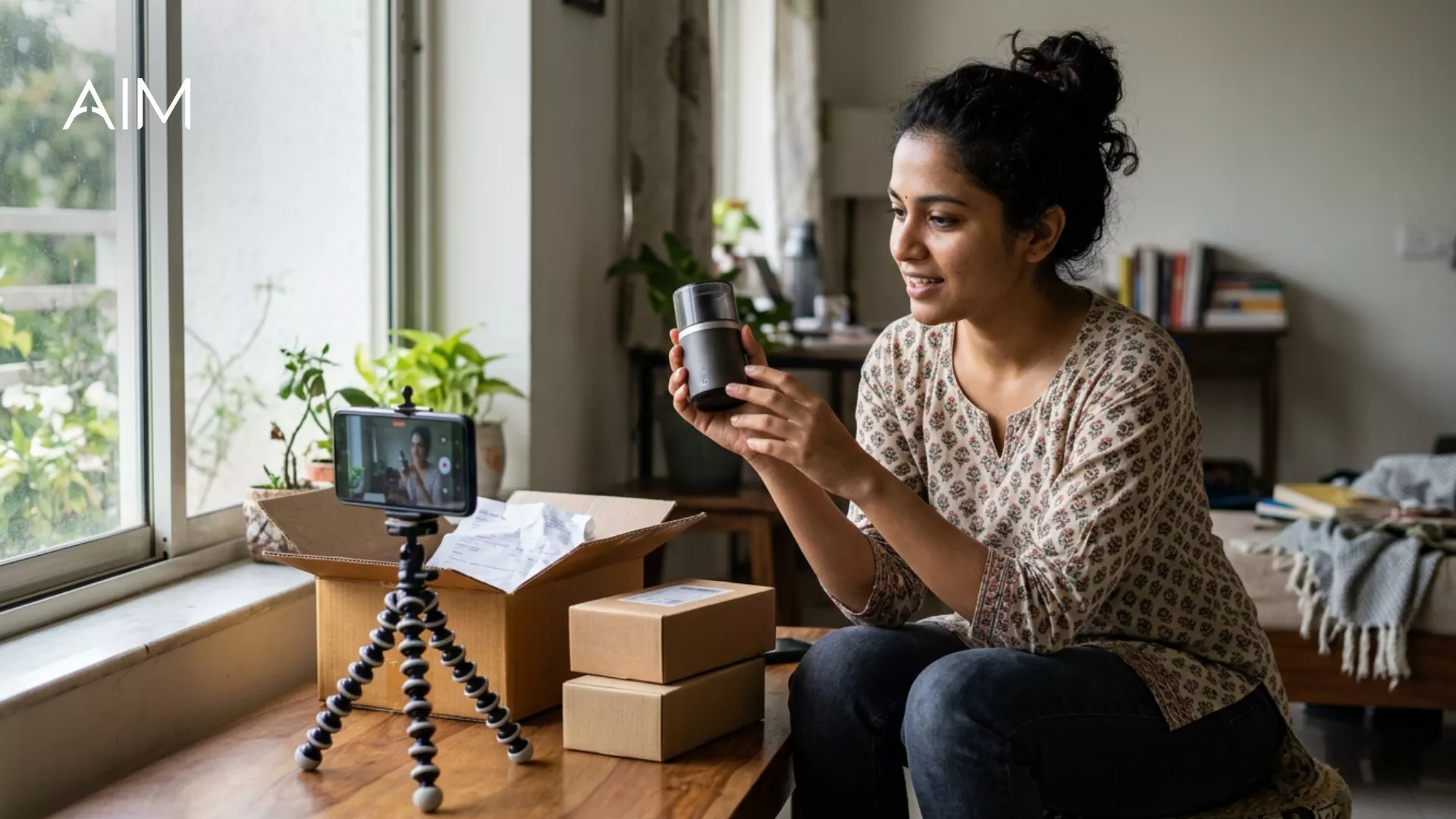
Digital product sampling is trial delivered through digital channels and data, rather than by hand on the street. Instead of a promoter deciding who gets a sample based on who walks past, digital sampling uses online signals, what a shopper is buying, browsing, or ordering, to place a trial in front of the right person. The sample itself is often still physical, a real sachet or trial pack, but how it is targeted, delivered, and measured is digital. It reaches people at home, in their orders, or through their screens, and it leaves a data trail that physical sampling never could. In short, the product is real; the targeting, delivery, and tracking are digital.
How Digital Sampling Works
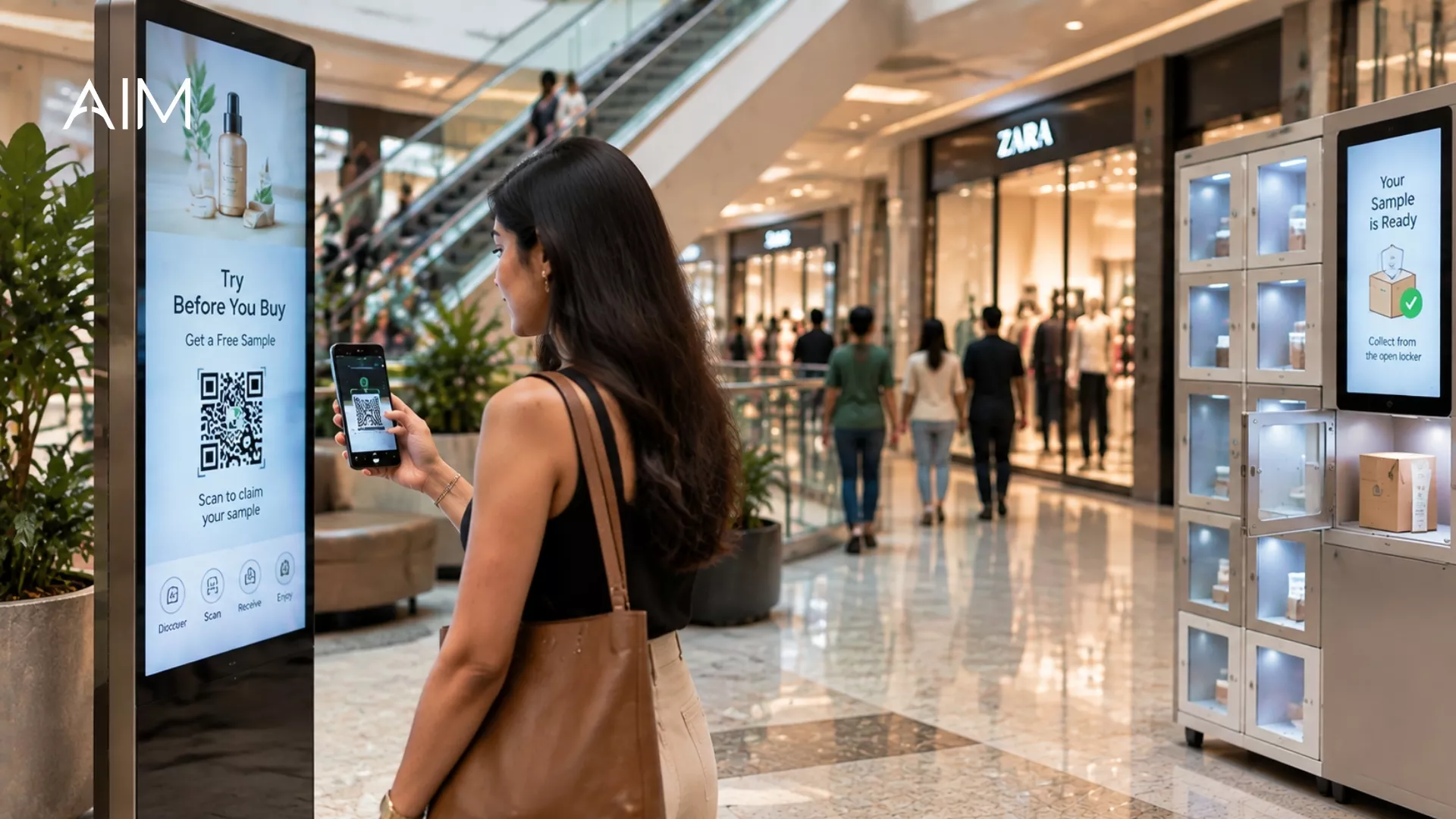
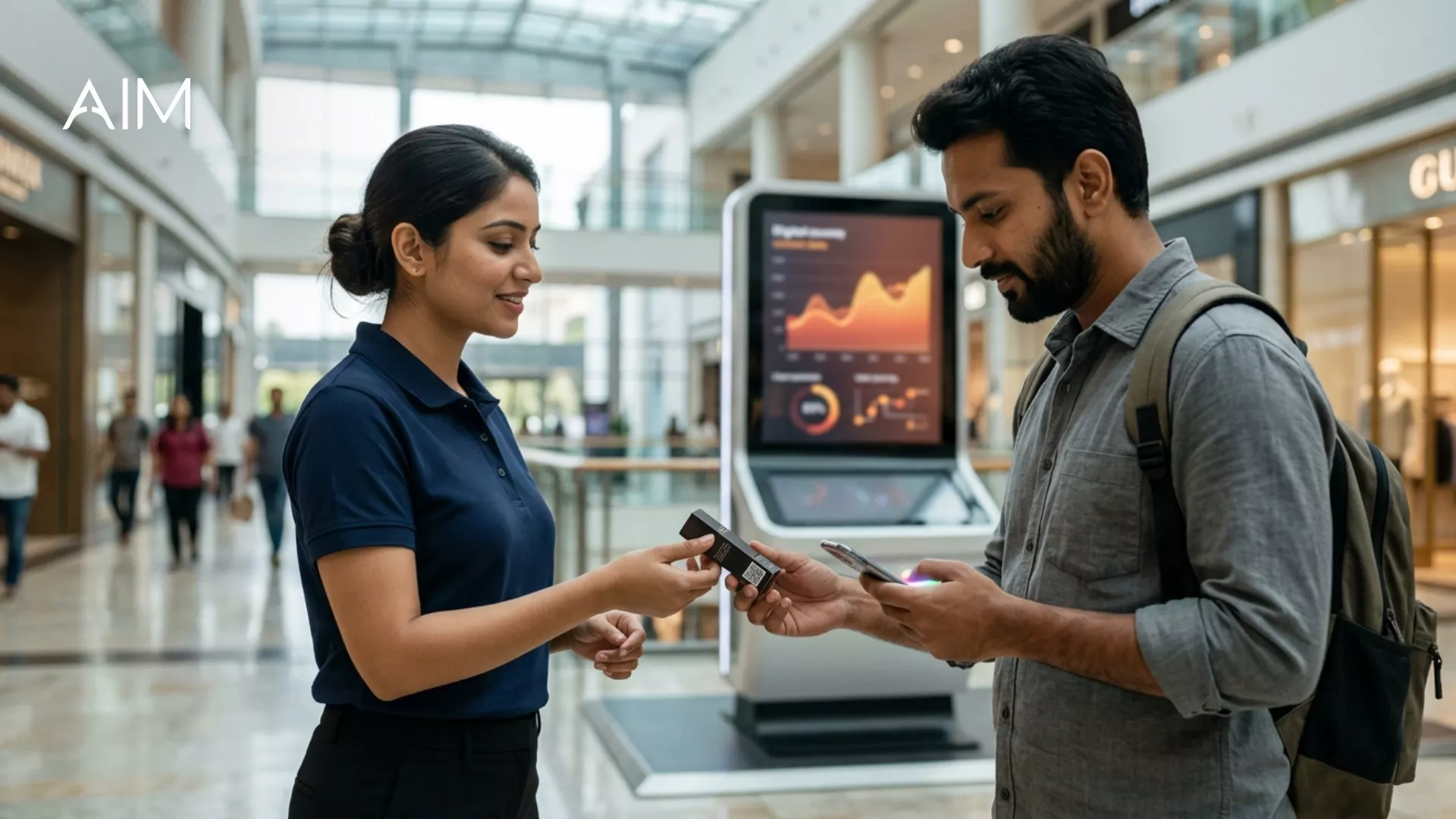
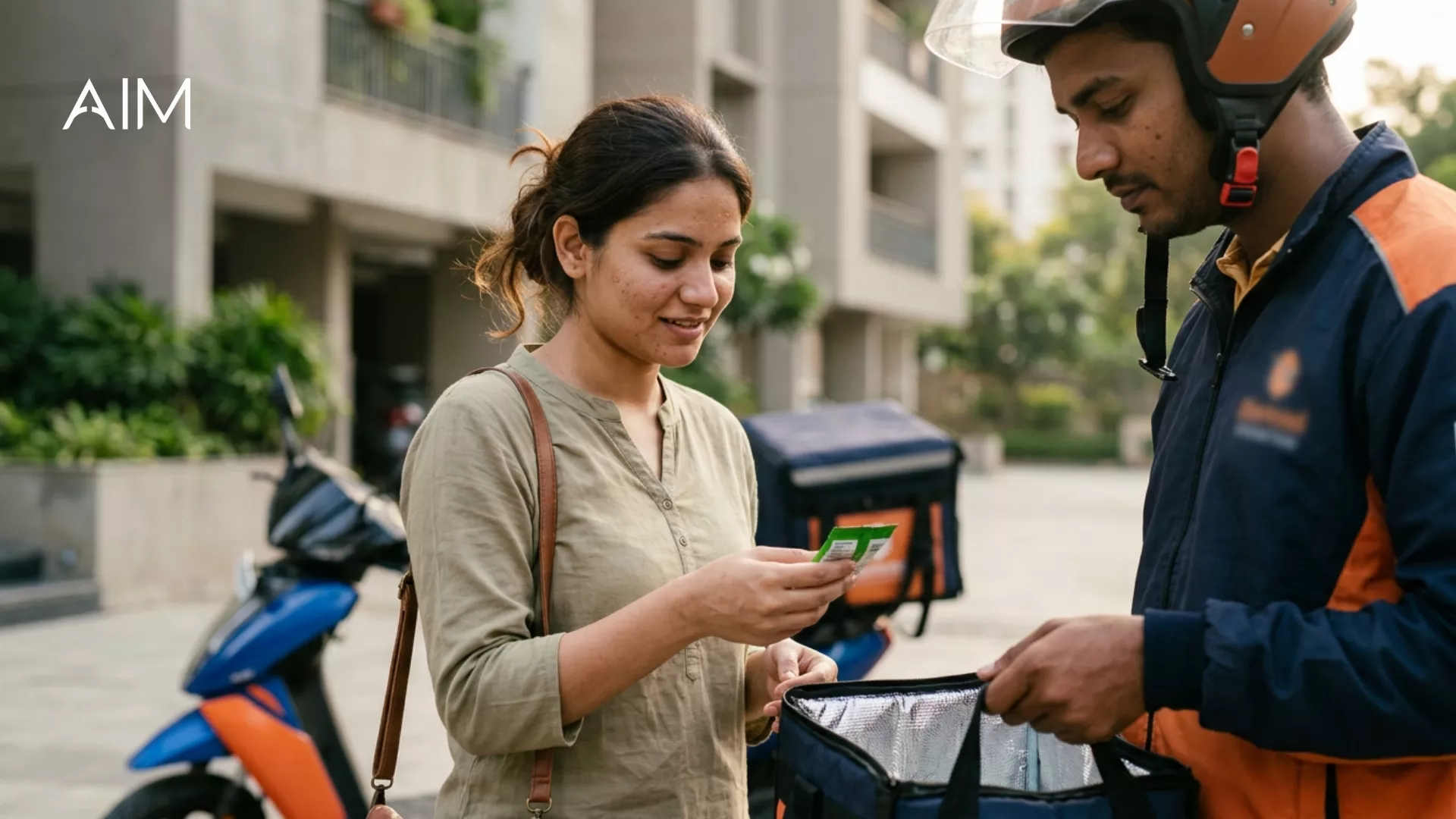
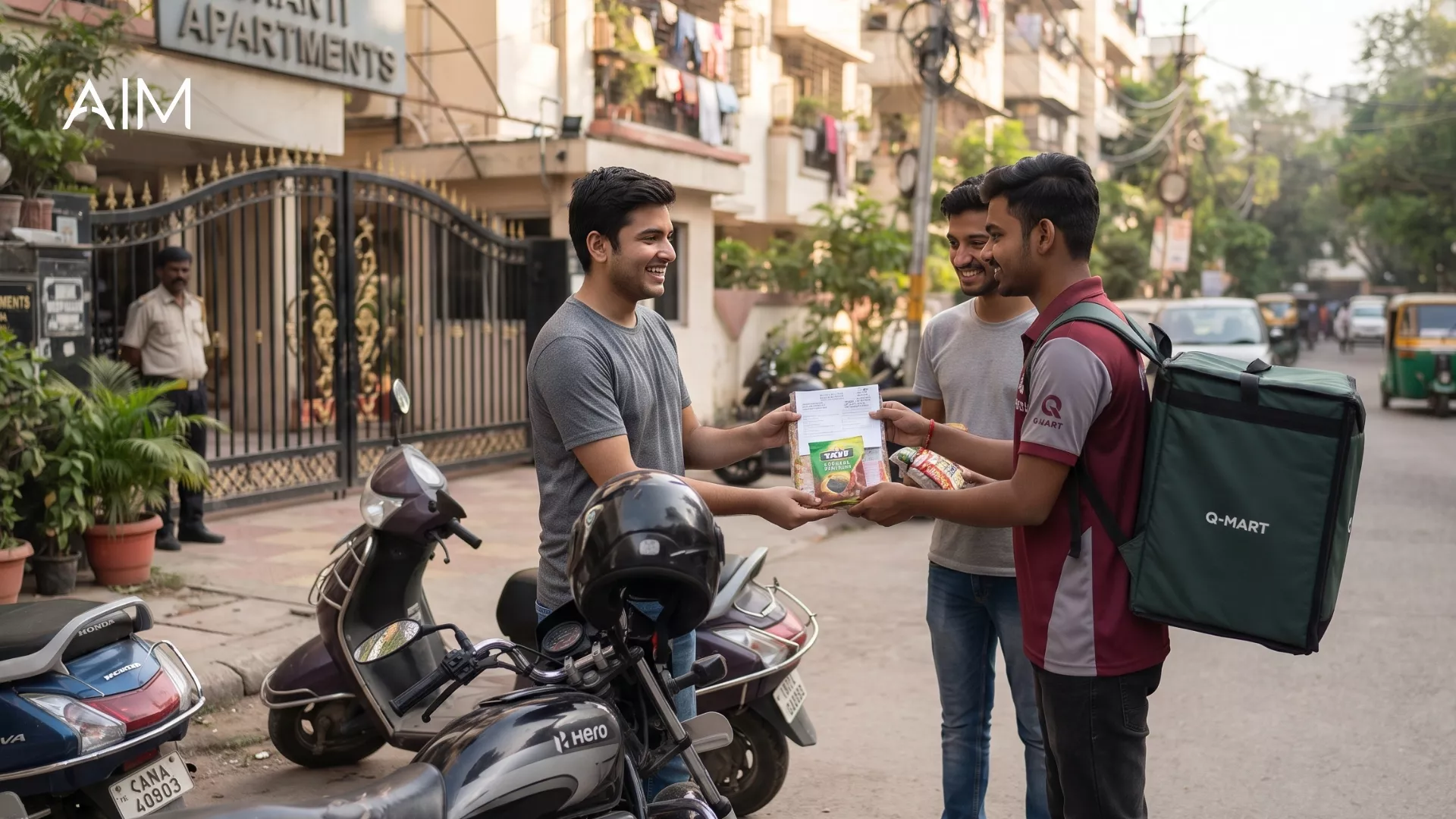
Digital product sampling takes a few common forms. The most widespread is the sample insert, where a trial rides along inside an e-commerce or quick-commerce order, matched to what the shopper already buys. Another is sample-with-purchase, where a relevant online order triggers a free trial of a complementary product. QR-based redemption lets a brand offer a sample online that the consumer claims and then scans, tying the trial to a real, identifiable person. And online targeting selects who is offered a sample based on data rather than footfall. Across all of these, the pattern is the same: reach a defined buyer through a digital channel, deliver a real trial, and capture who received it so the campaign can be measured.
Why Digital Sampling Is Growing
Three shifts have pushed digital product sampling into the mainstream. Buyers moved online and onto quick commerce, so a large share of category purchasing now happens in an app rather than a store, and sampling has followed the shopper. Brands grew less willing to spend on trial they cannot measure, and digital sampling answers that with built-in tracking. And the tools to capture and track a trial, QR codes, simple opt-ins, order data, became cheap and easy to use. Together these turned digital sampling from a niche experiment into a standard part of the trial mix, especially for urban and online-first brands that want reach and accountability from the same spend.
Digital vs Physical Sampling
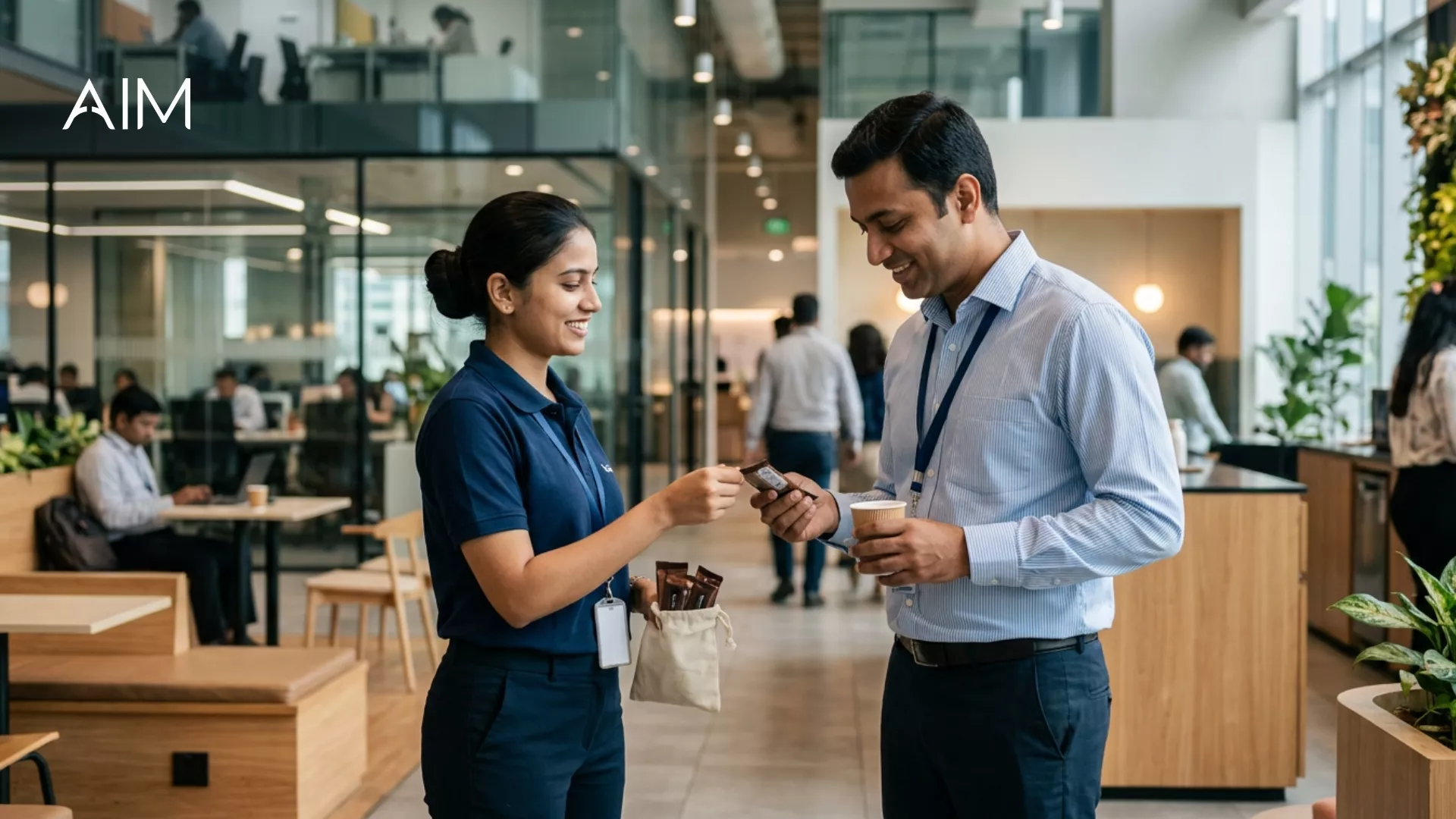
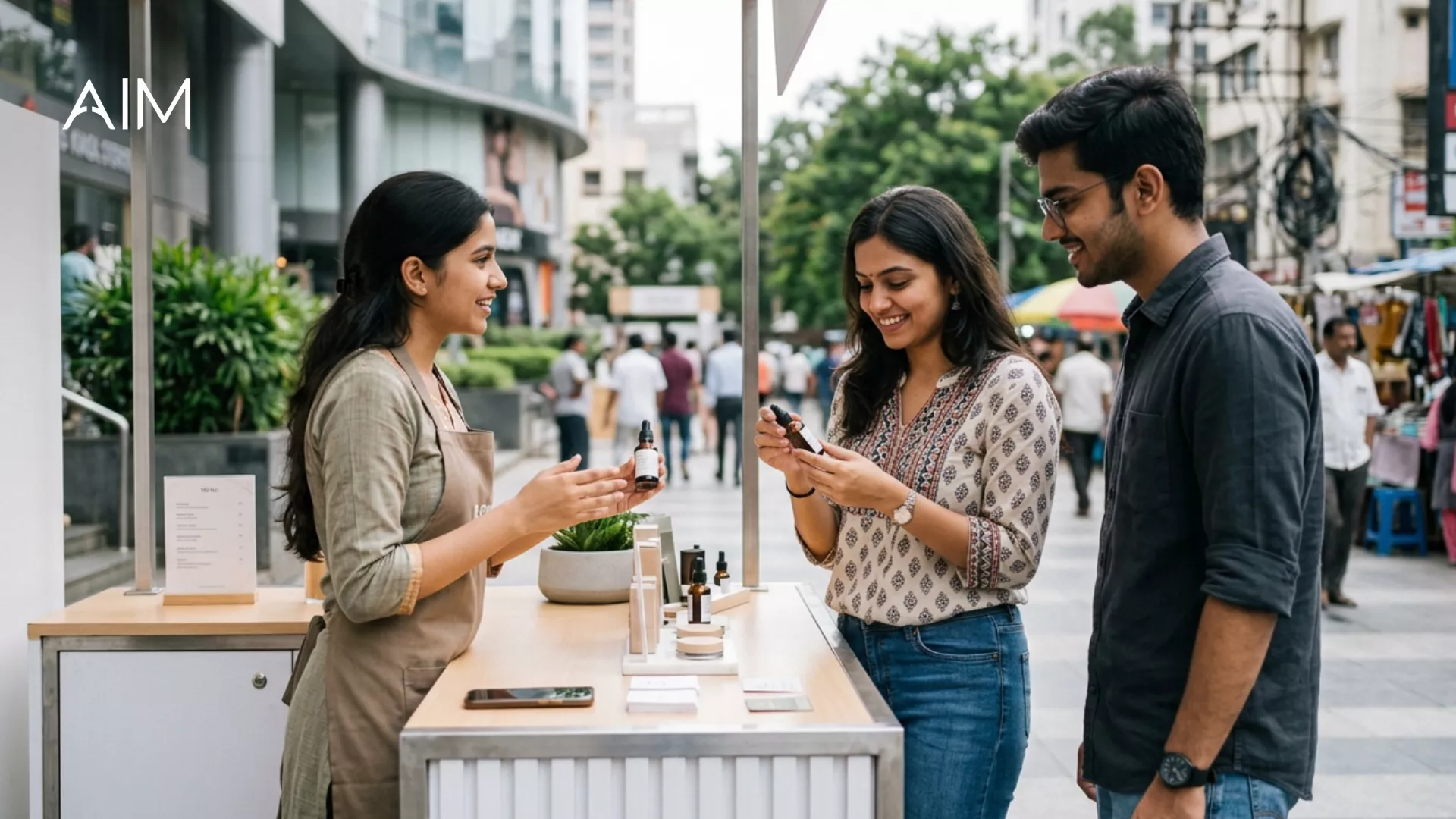
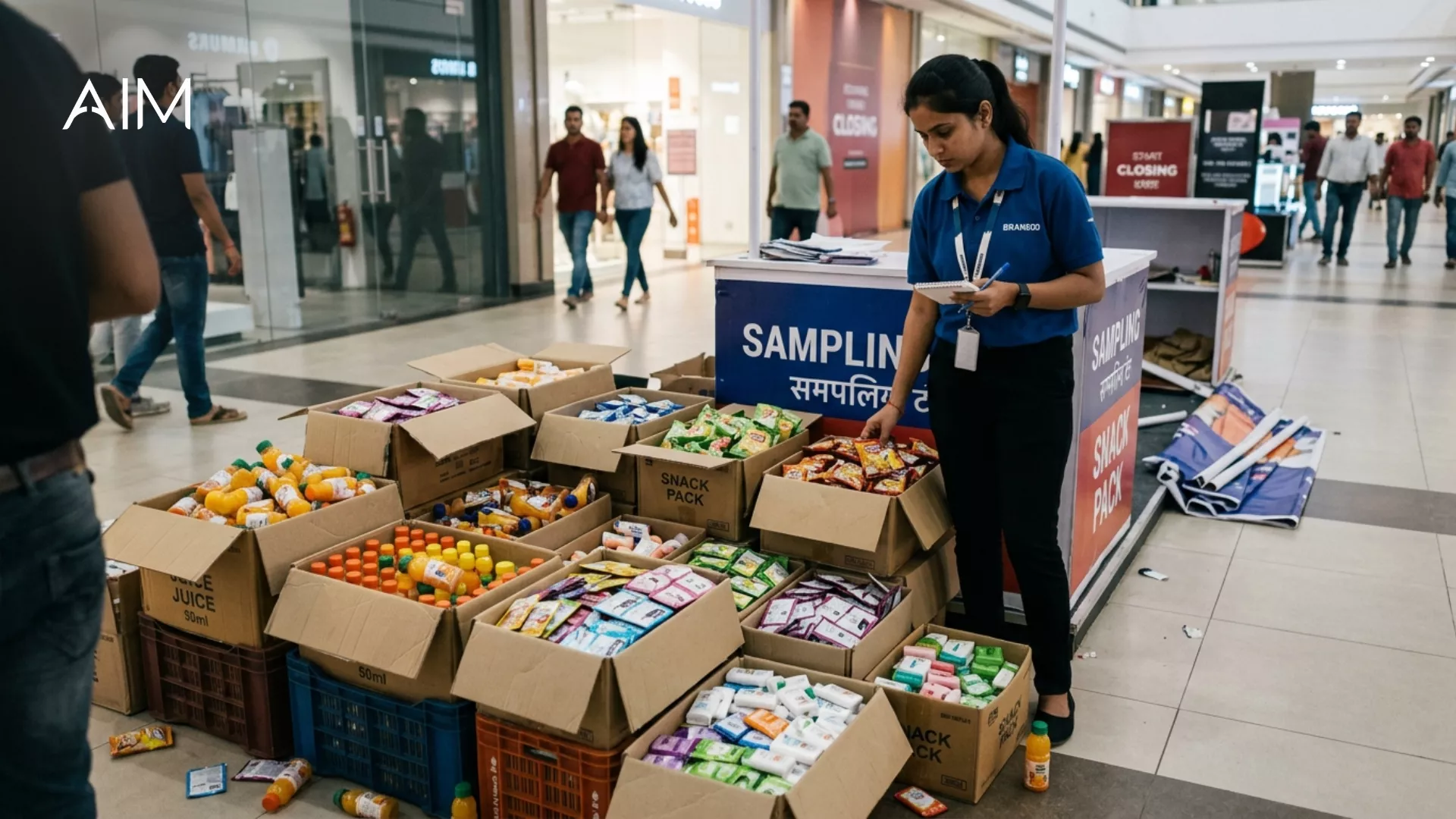
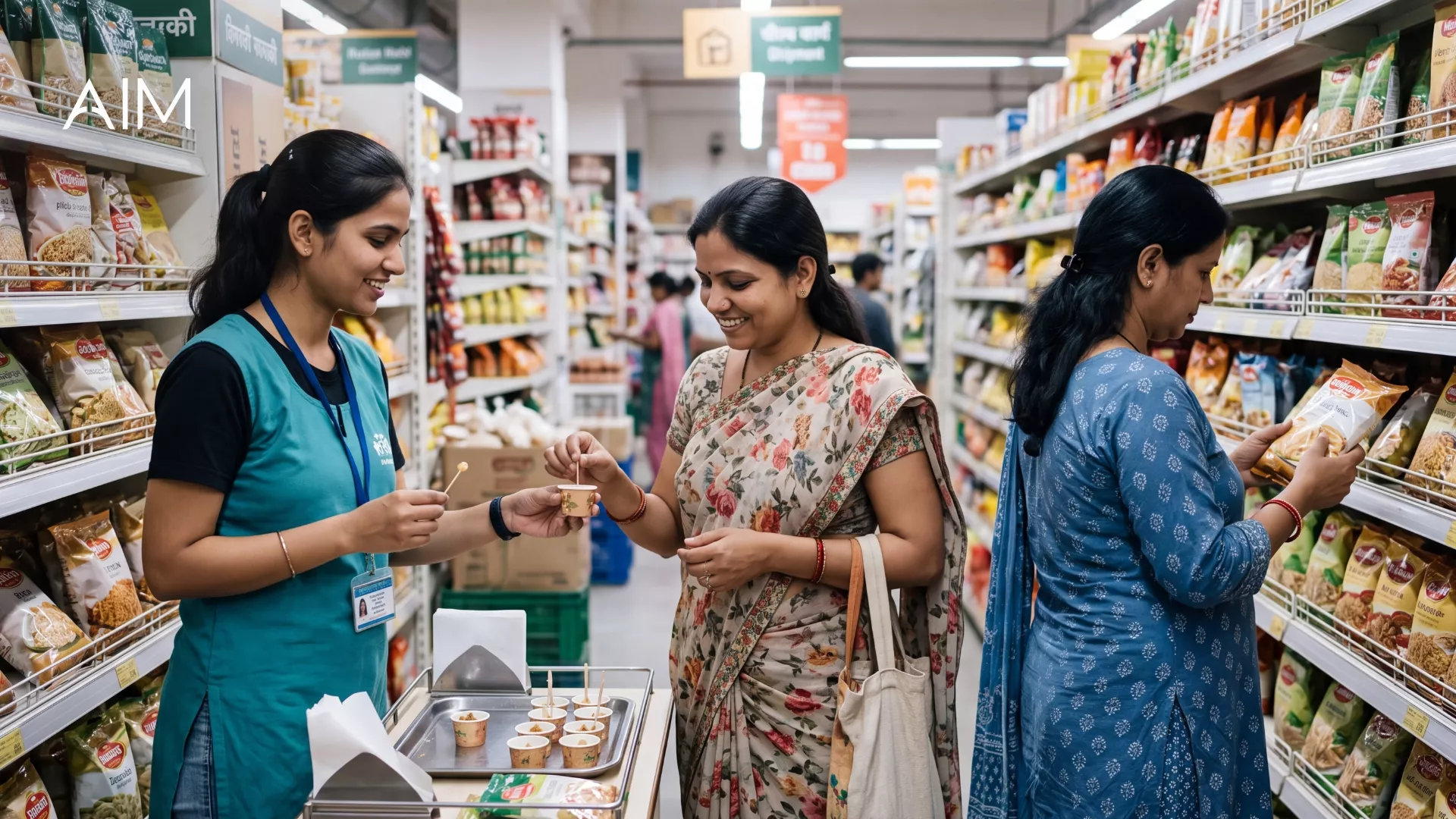
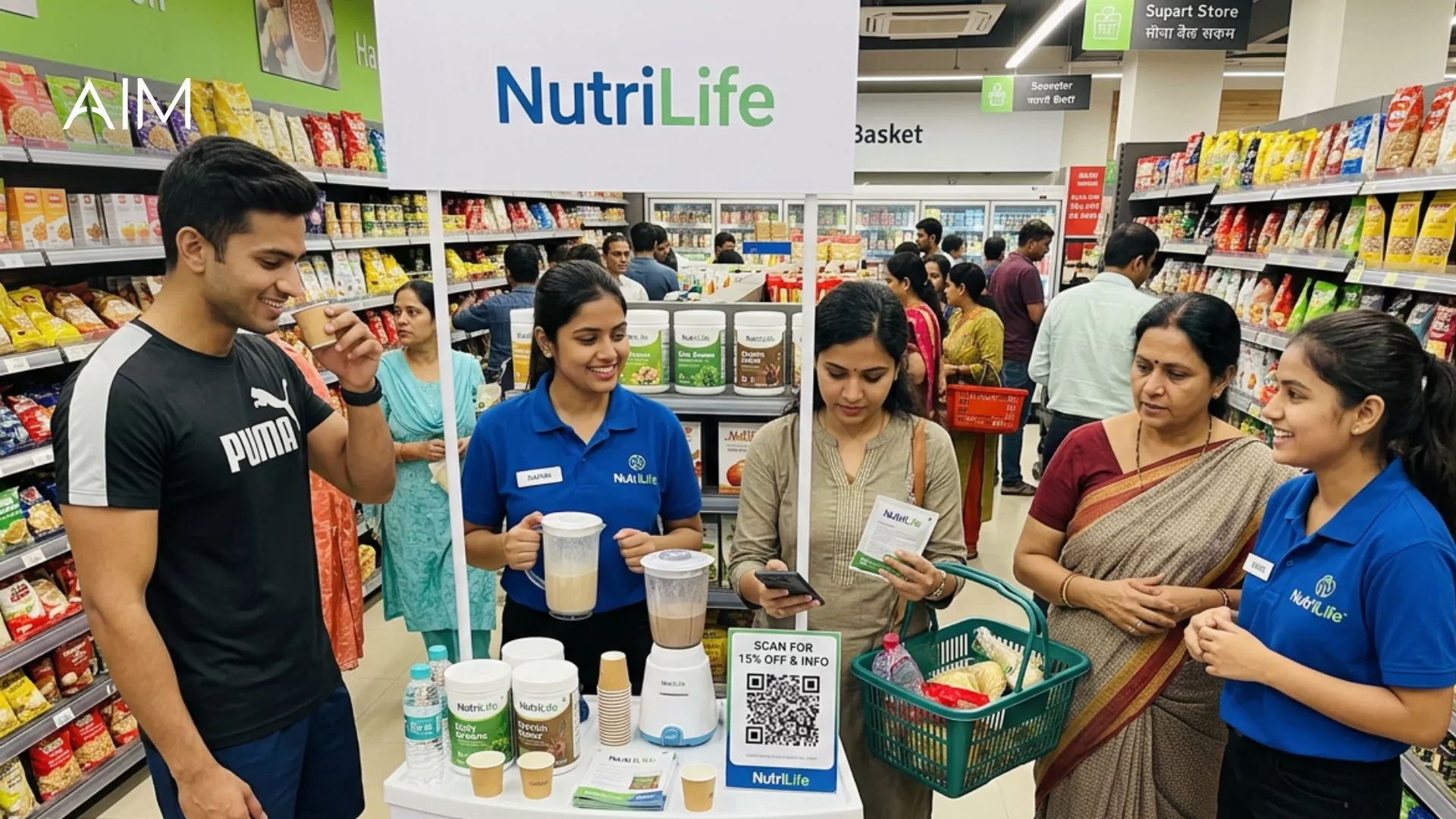
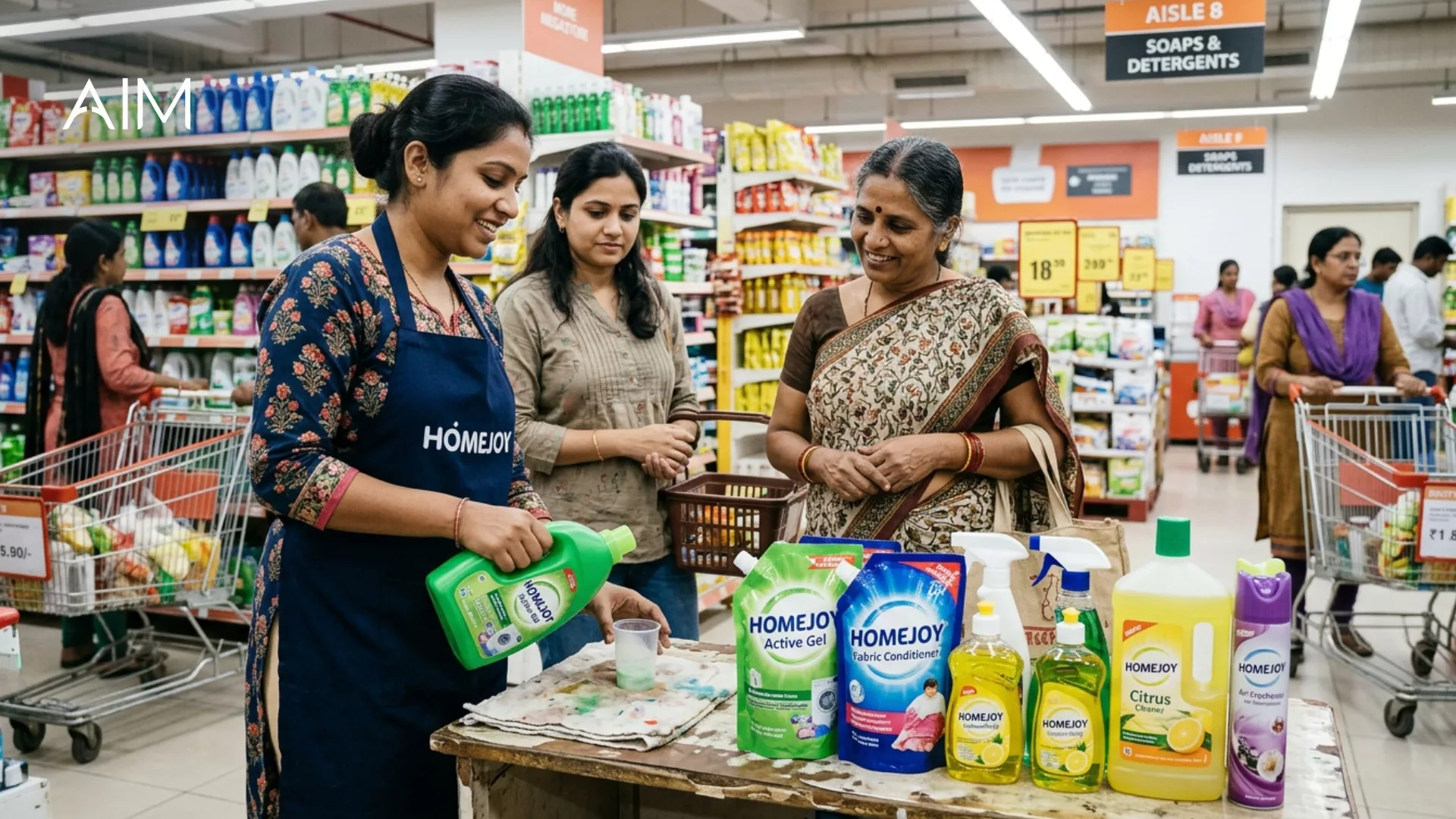
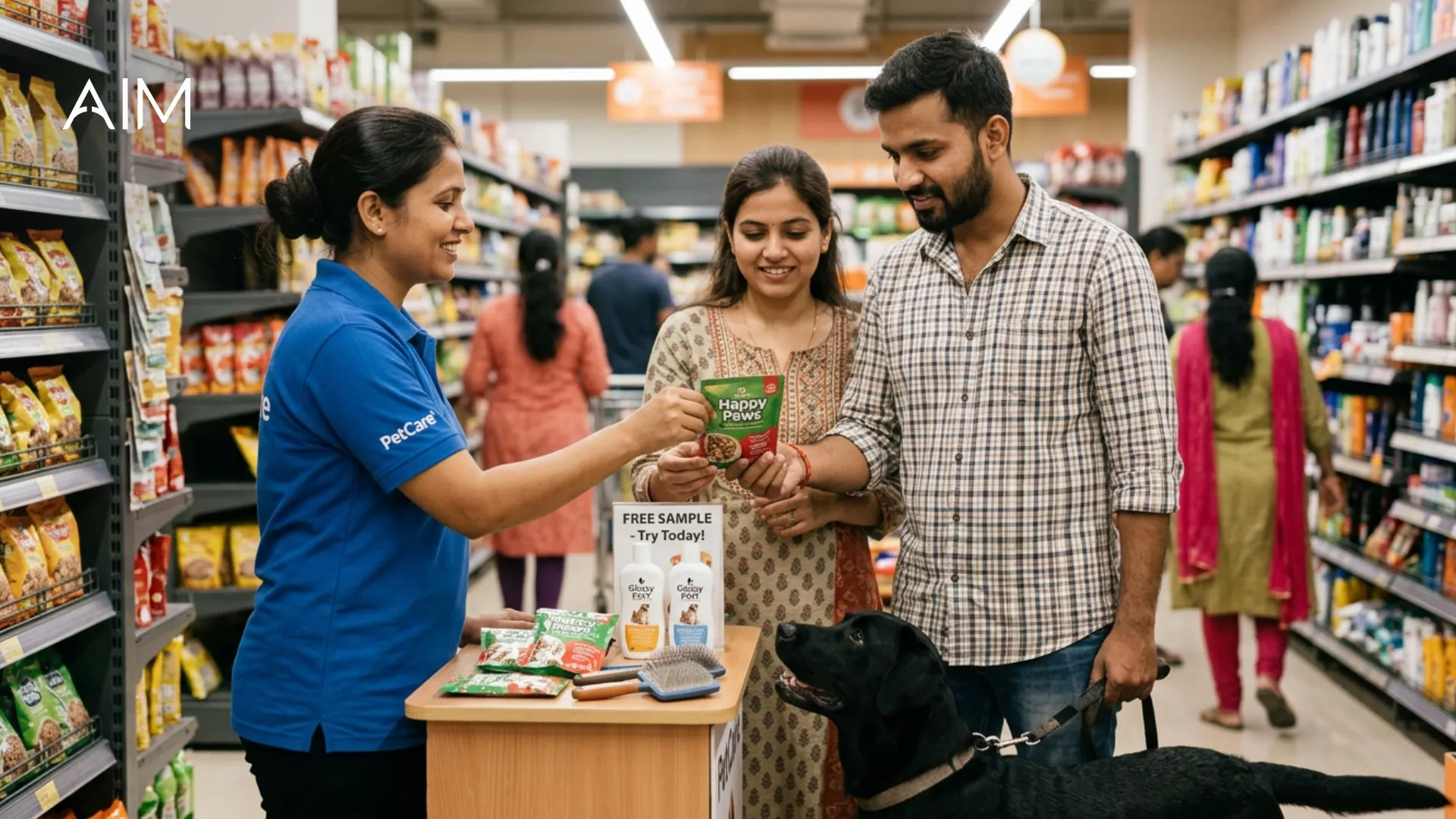
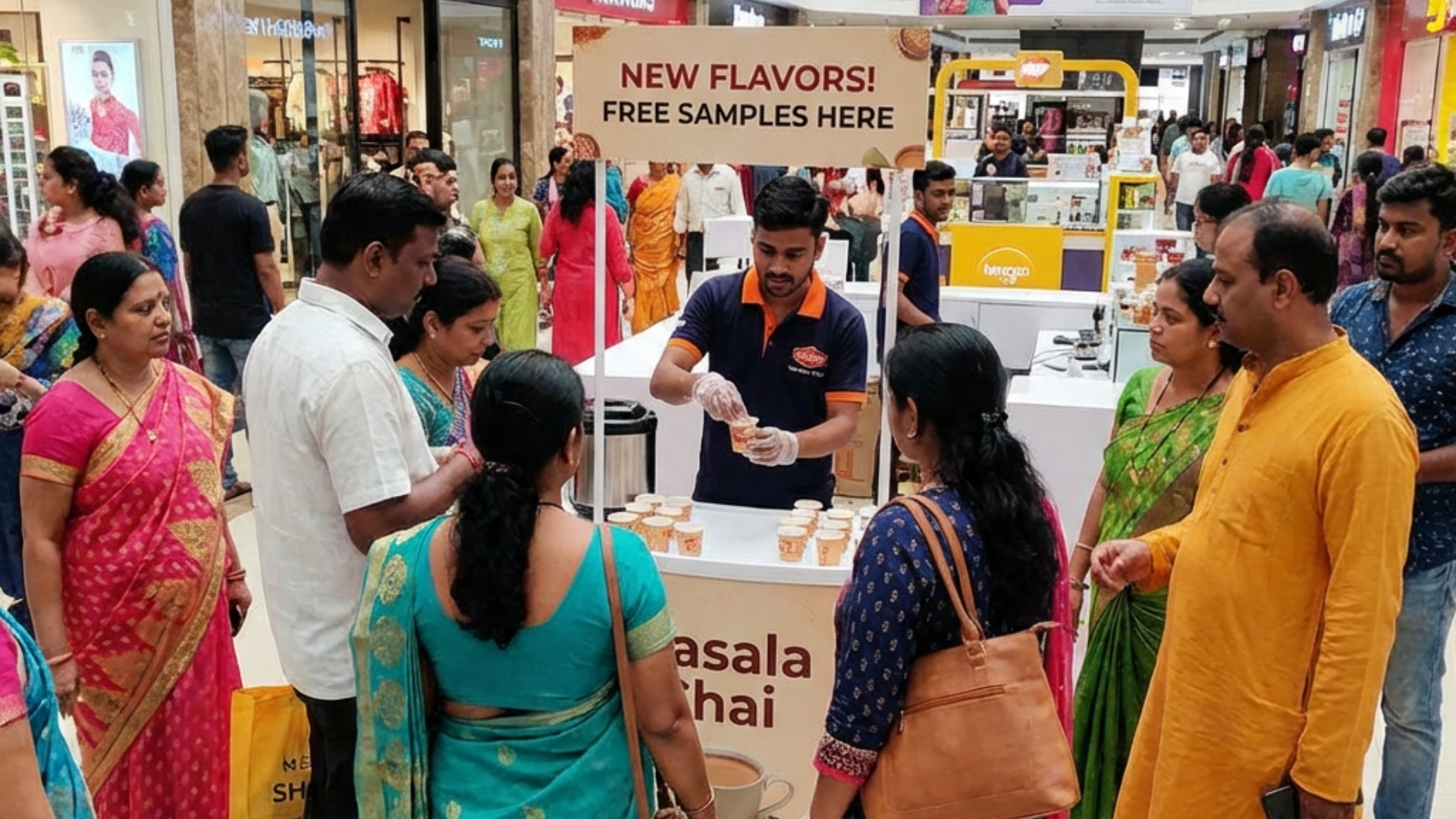
The clearest way to understand digital sampling is to set it against the physical kind. Physical sampling is in-person: a promoter, a location, a live handover, and often a demonstration or tasting. Its strength is the experience, a real sip, a real feel, a human explaining the product. Its weakness is that it is hard to target precisely and hard to measure, because most people who pass a stall are not your buyer and nobody records who took a sample. Digital sampling is the mirror image. It gives up the staged live experience but gains precise targeting, reach into the home, and built-in measurement, because every step is data-driven. One optimises for experience; the other optimises for targeting and proof.
When Digital Sampling Wins
Digital product sampling is the stronger choice when your buyer already shops online, when you need to target a specific audience rather than a crowd, and when measurement matters. It reaches proven category buyers in their own orders, matched to what they purchase, which cuts the wastage that plagues footfall sampling. It captures who tried the product, so trial can be tracked to a first purchase and a reorder. It scales across cities without the manpower and permissions a physical campaign needs. And it produces first-party data a brand can keep and re-use. For urban, online, repeat-purchase categories, and for brands that must prove a return, digital sampling is often the more efficient route to trial.
When Physical Sampling Wins
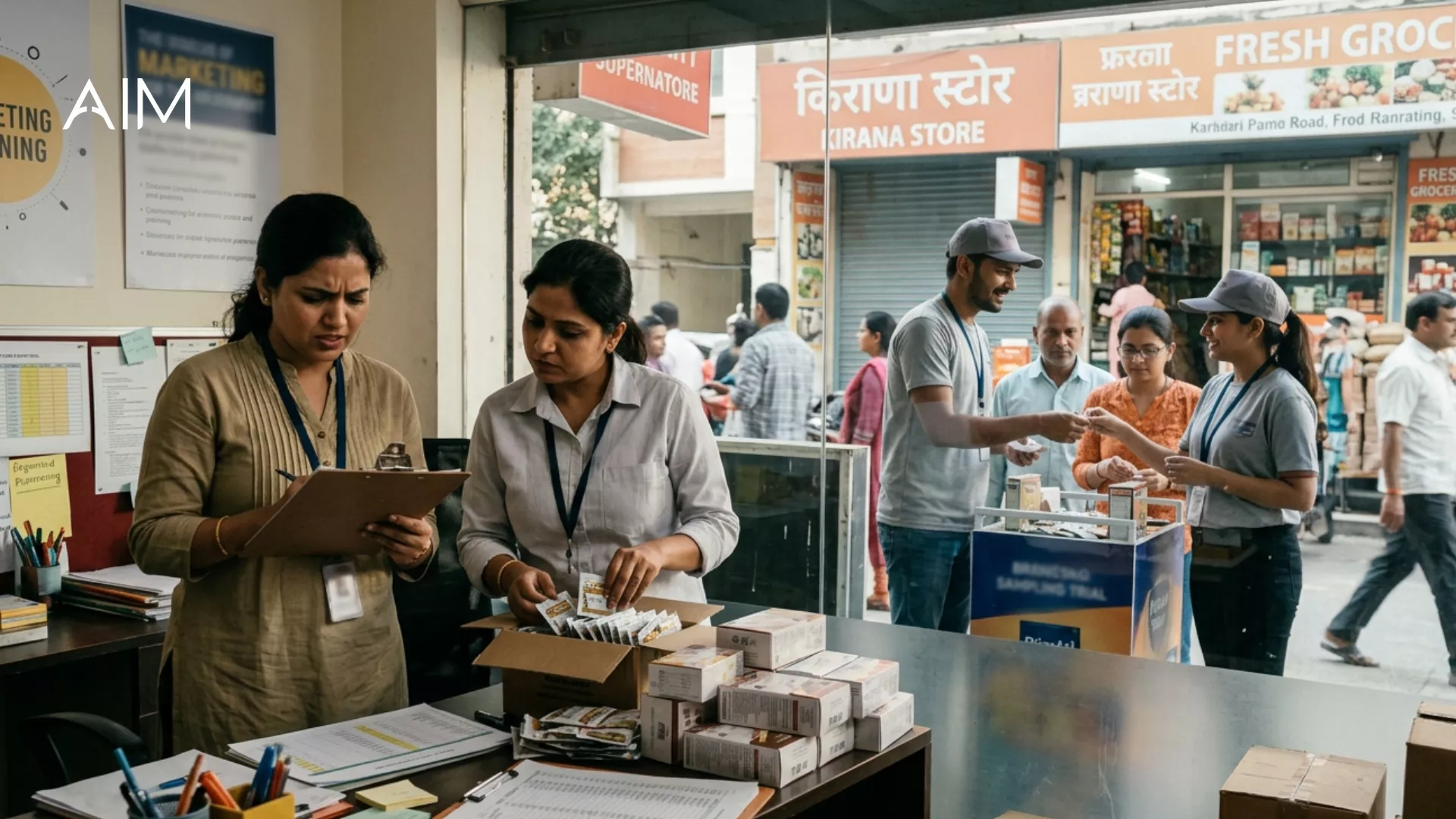
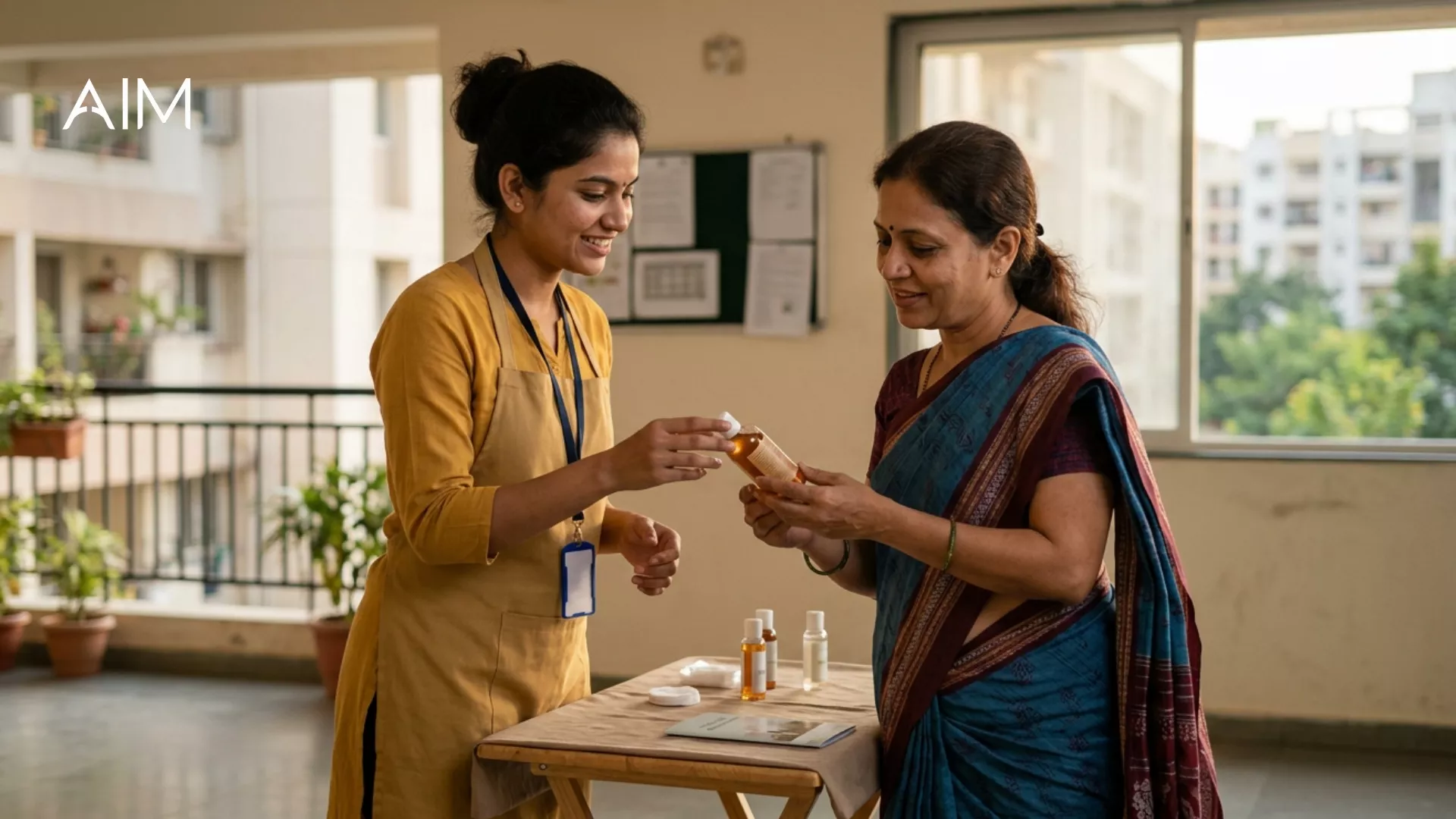
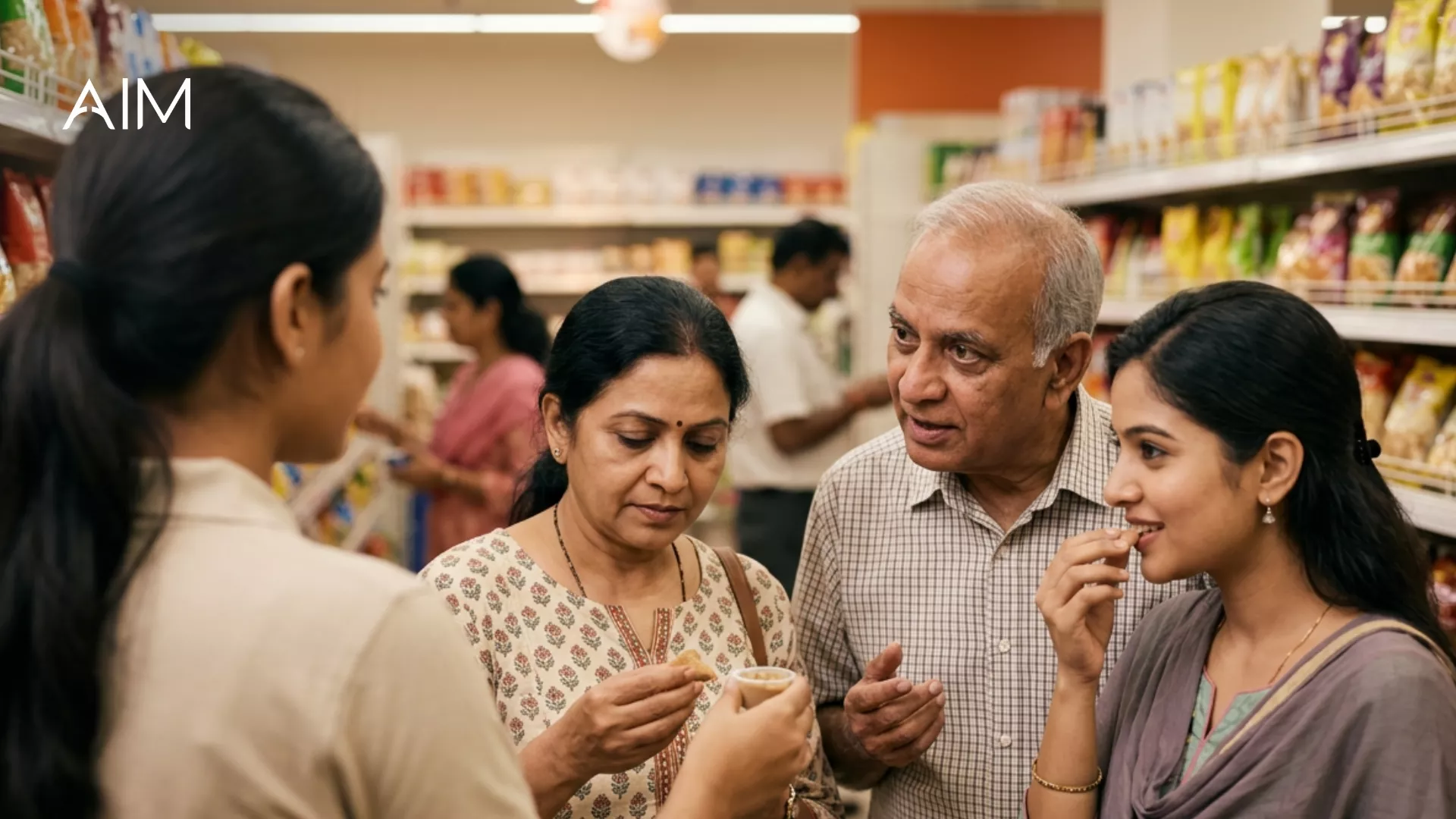
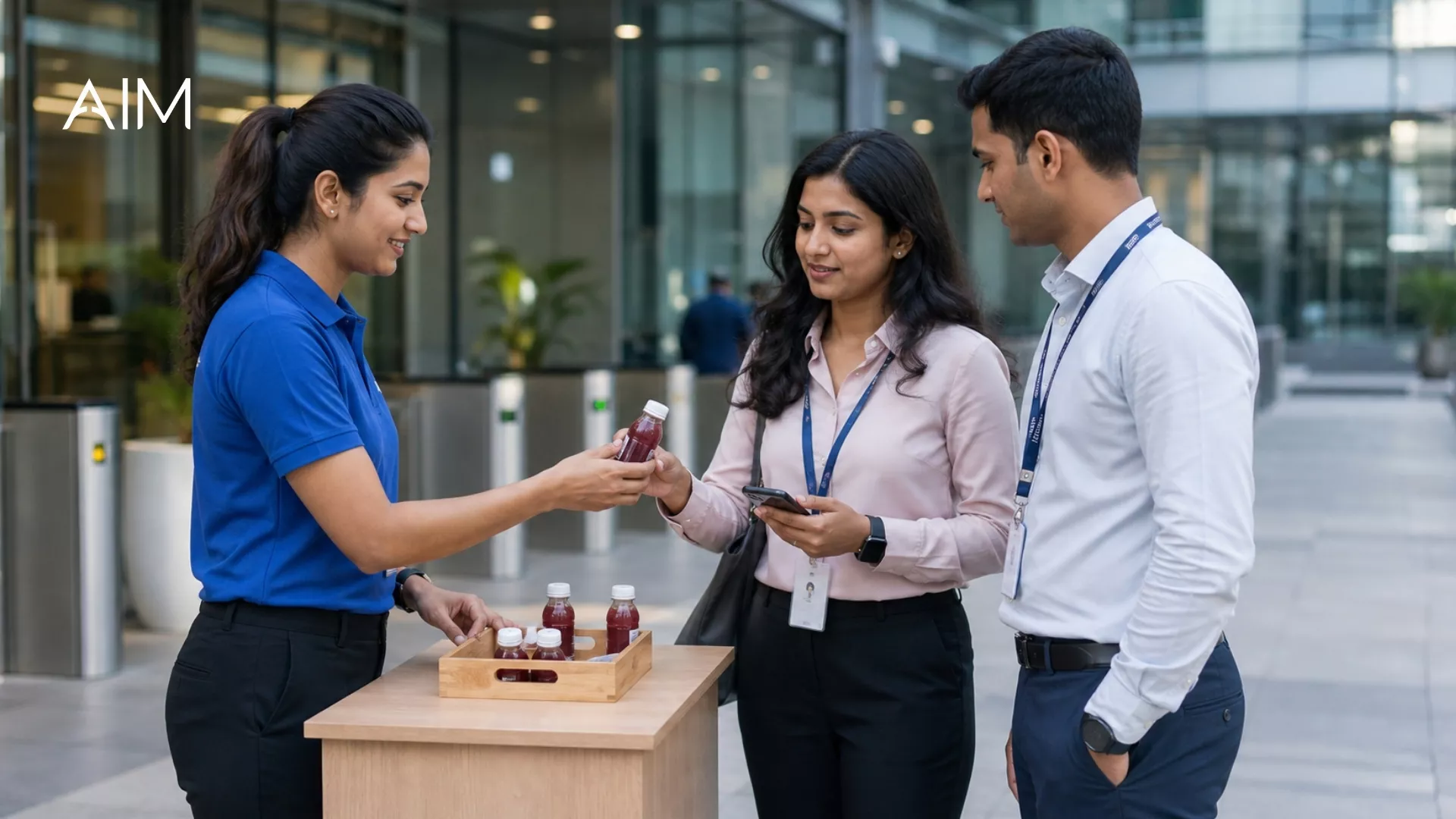
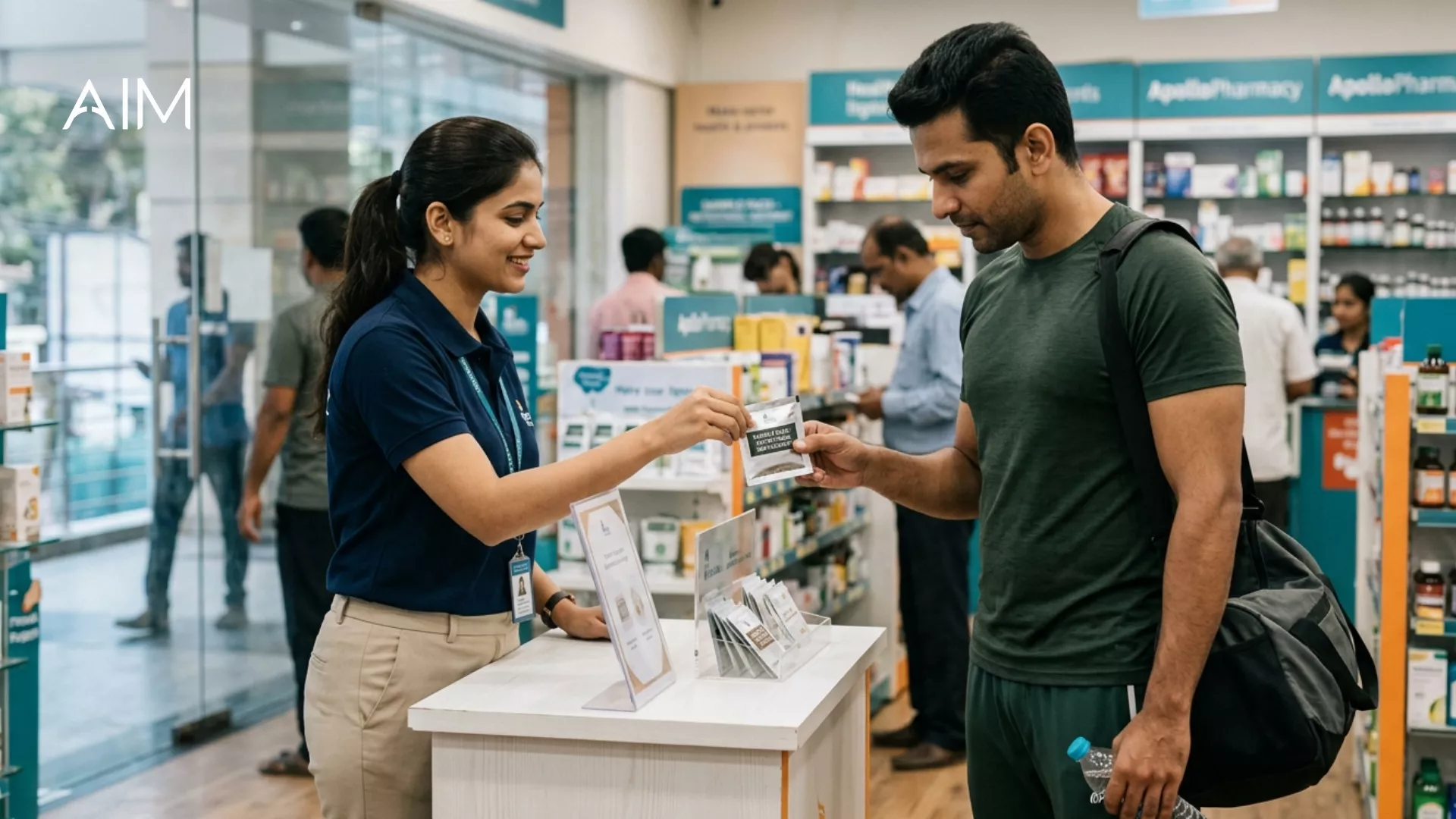
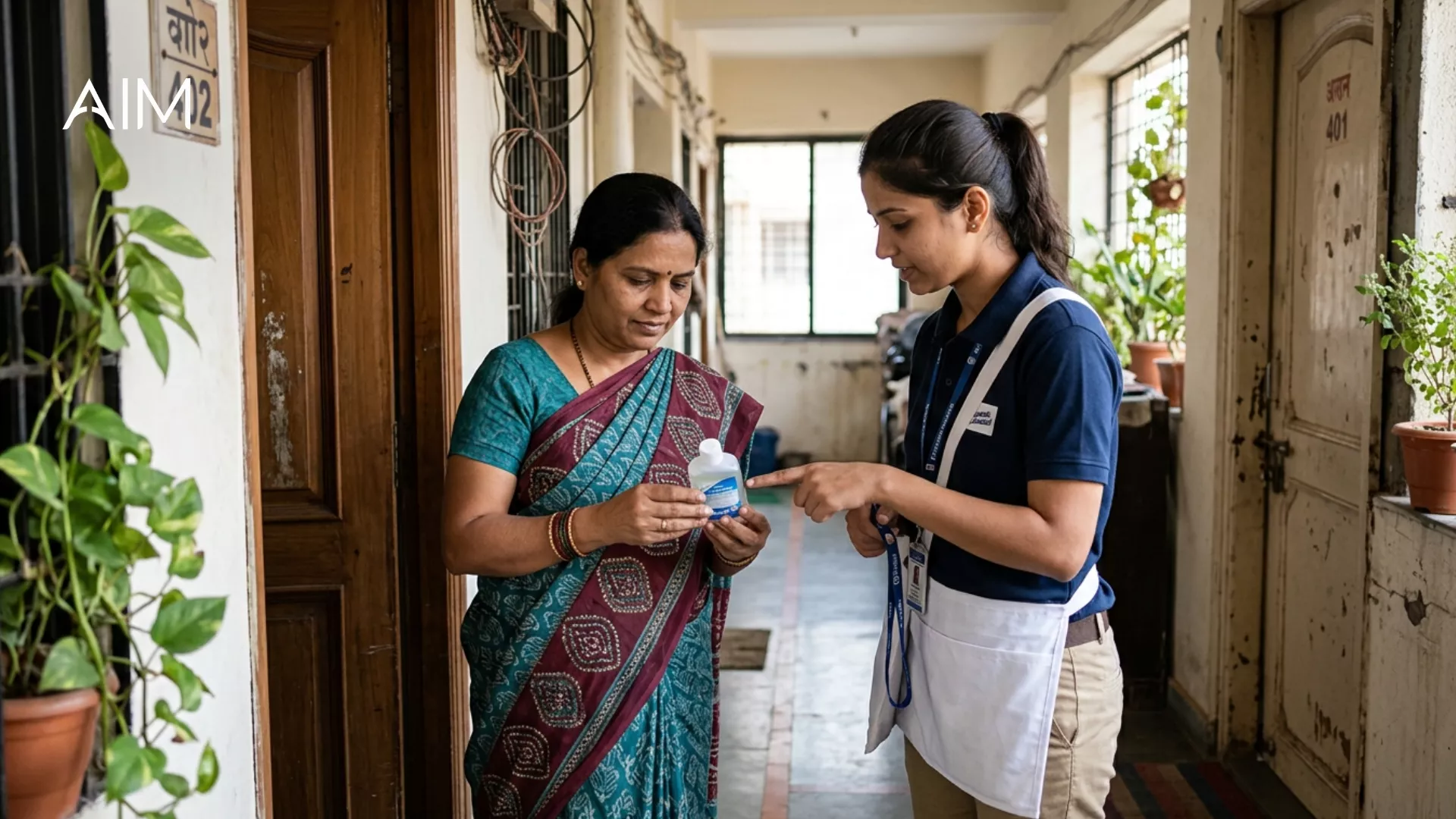
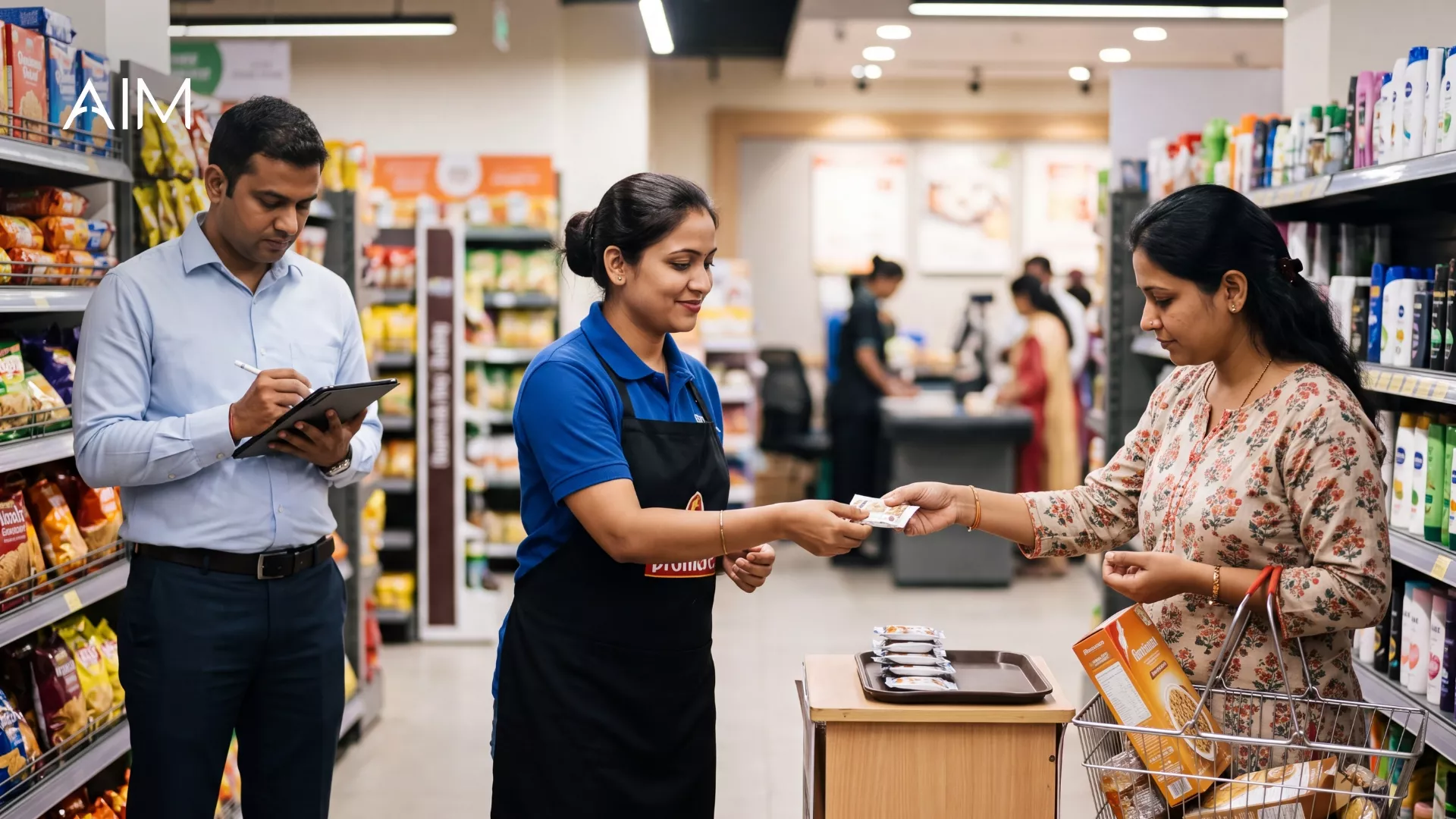
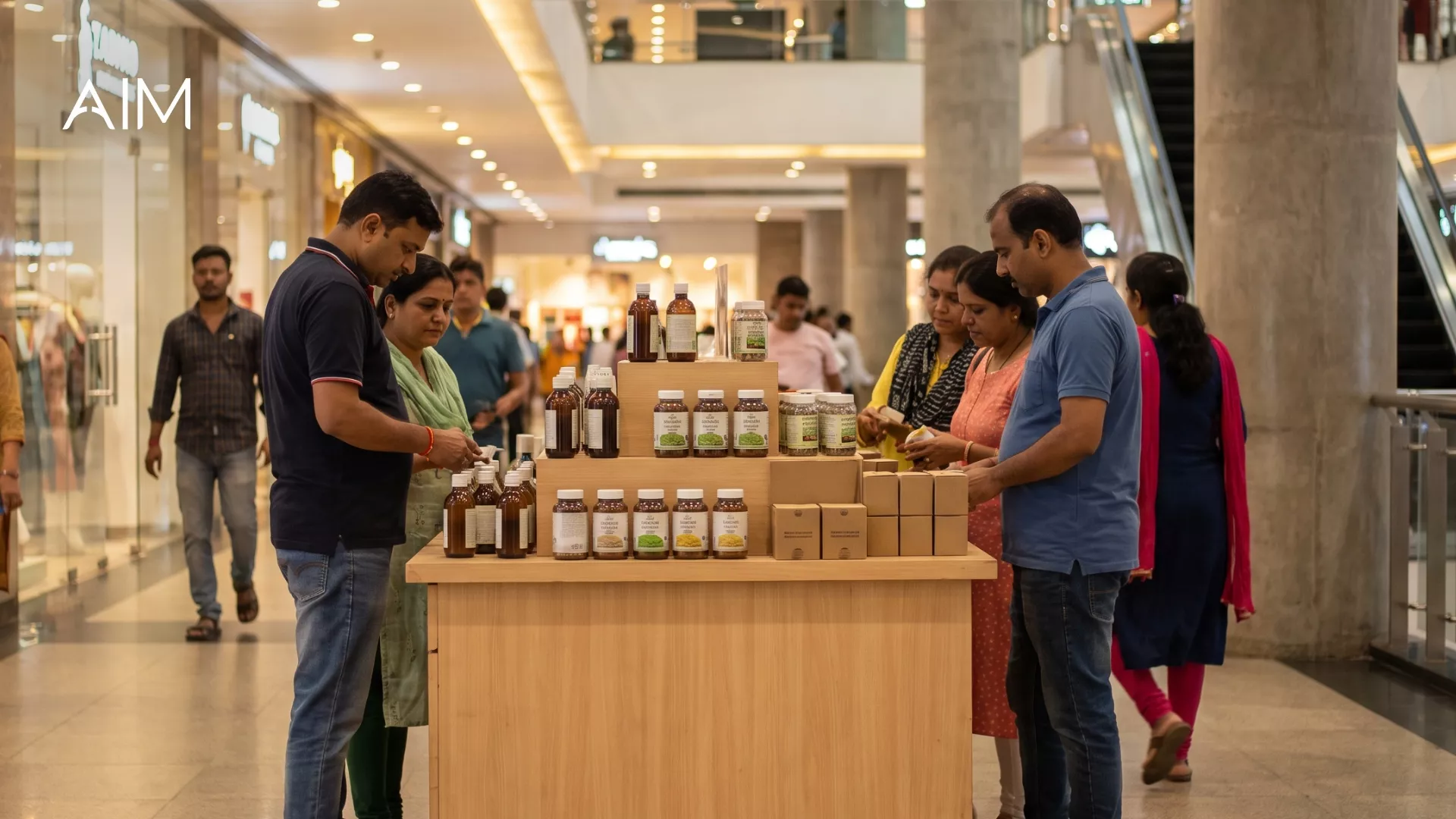
Physical sampling still wins where the live experience is the whole point. A beverage judged on a cold sip, a fragrance judged on the skin, a food judged on a fresh taste, all land harder with a real, in-the-moment experience and a promoter to frame it. Physical sampling also reaches buyers who are not online, in markets, societies, and smaller towns where digital penetration is thinner. And it borrows the trust of a place and a person, a beautician, a store, a society, in a way a digital delivery cannot. When the product must be experienced live, or the buyer is offline, or the trust of a human handover matters, physical sampling remains the better tool.
Digital or Physical: Which to Choose
The honest answer for most brands is not one or the other, but the right mix. Choose digital product sampling when your audience is online, targeting and measurement are priorities, and the product travels well and can be enjoyed at home. Choose physical sampling when the live experience is decisive, the buyer is offline, or the trust of an in-person handover carries the sale. And combine them when you can: physical sampling to deliver the experience where it matters, digital sampling to target precisely, scale, and measure. The two are complementary tools rather than rivals, and the strongest sampling plans use each for the job it does best.
How to Measure Digital Sampling
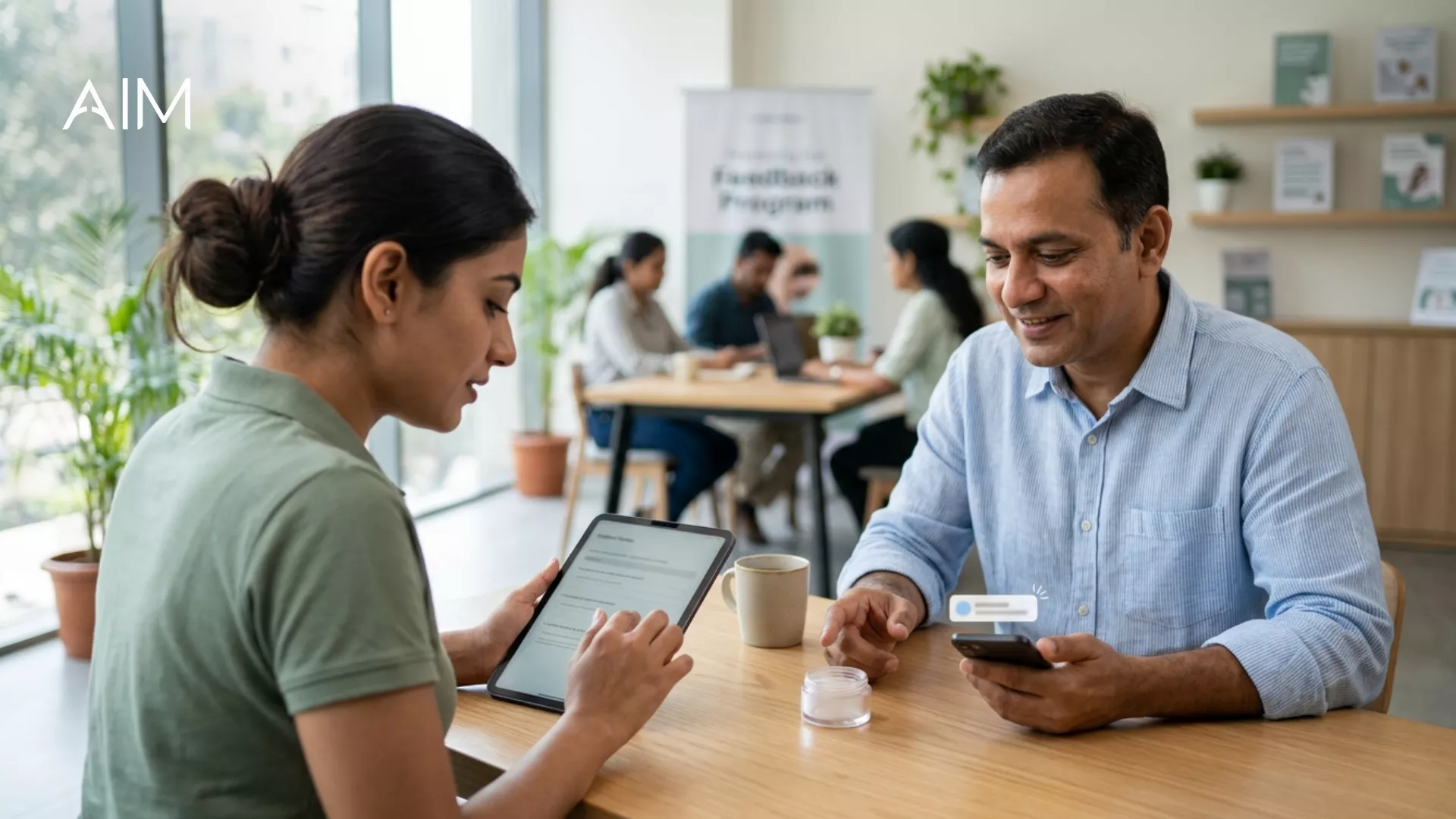
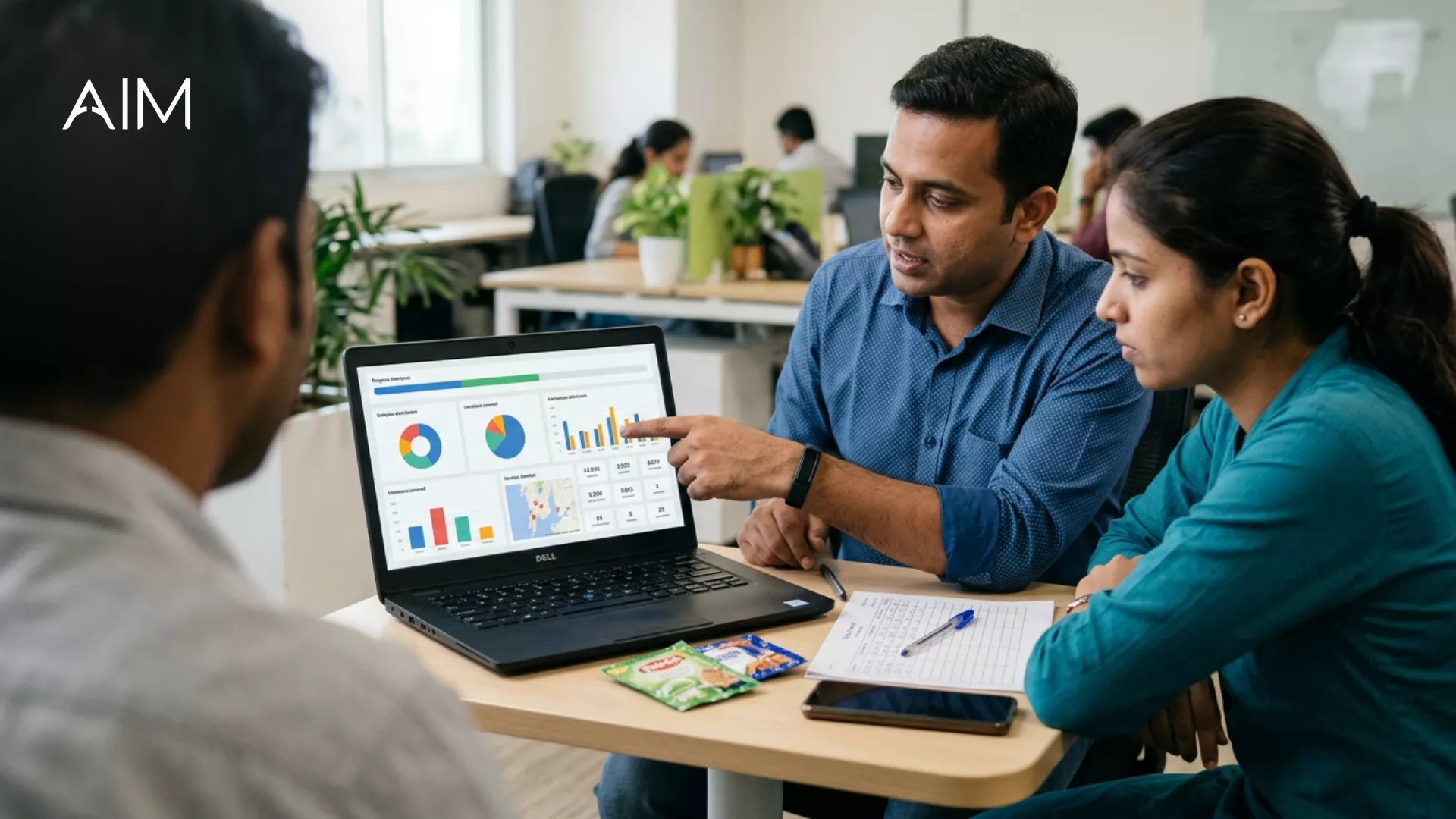
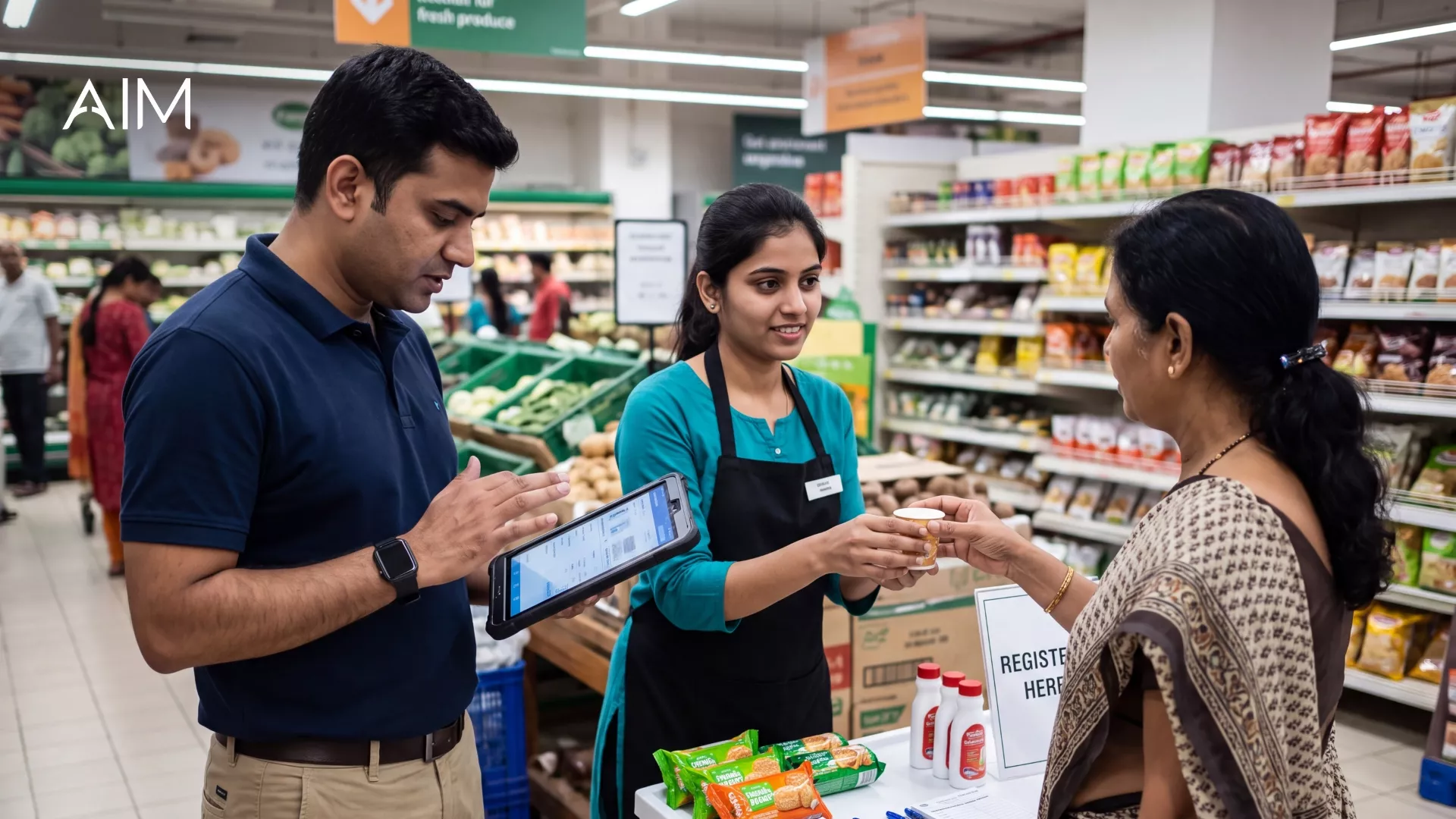
The biggest advantage of digital product sampling is that it is measurable by default. Because delivery and redemption happen through digital channels, each sample can carry a code or link that ties the trial to a first purchase and a reorder. A brand can see which audiences and baskets converted, capture triers as first-party data, and re-engage the people who tried but did not yet buy. Instead of a distribution number and a folder of photos, digital sampling produces a funnel: reached, tried, bought, repeated. That measurement is exactly what lets sampling stand next to other marketing channels and prove what it returned, which is how AIM approaches it, targeted, captured, and tracked from the trial to the sale.
Digital product sampling is not a replacement for the sachet in the hand, it is the same act of trial made targeted, scalable, and measurable through digital channels. Physical sampling delivers the experience; digital sampling delivers the precision and the proof; and the brands that win at trial know when to use each and how to combine them. The question is no longer whether to sample, but whether your sampling is reaching the right buyer and showing you what it did next. That is what separates a campaign that empties boxes from one that builds buyers.







.webp)














.png)