


Hand the same greens powder to ten people and you will please maybe three. One wanted energy, another better sleep, a third was after gut health, a fourth needed protein, and two had no idea what they were looking for at all. Wellness is the one consumer category where the same product is genuinely right for one buyer and genuinely wrong for the next, because it is bought to solve a personal, specific goal. Yet most wellness sampling still treats it like a snack, one product, handed to everyone, and then wonders why conversion is thin. The answer is not more samples. It is matching the sample to the person. Here is how wellness product sampling works when every buyer needs something different.
Quick answer: Personalized wellness product sampling works by matching the sample to the buyer's specific goal and body rather than handing one product to everyone. You segment by need, gut health, sleep, energy, protein, immunity, stress, sample where each need gathers, qualify the person quickly so they get the product that fits, give enough for them to feel or trust a difference, and track who converts. The shift is from volume to fit: fewer samples, each on the right person, which converts far better than the same product pushed at a crowd with a dozen different goals.
What makes wellness sampling different from other categories?
Two things set wellness apart, and both break the mass-sampling model. First, the product is bought for a personal outcome, not a universal appeal. A snack tastes good to almost everyone; a sleep supplement is only relevant to someone who sleeps badly. So the same wellness product is a strong match for a narrow slice of any crowd and irrelevant to the rest. Second, the benefit usually builds over time and is invisible at first, so a single serving rarely proves anything. Put those together and you get a category where handing one product to a mixed crowd guarantees that most of it lands on people it was never for, and most of what remains cannot show its value in one dose. Wellness sampling that ignores this is not sampling, it is expensive scattering.
Why does personalization matter so much in wellness sampling?
Because fit is the whole ballgame. A wellness buyer is not asking is this nice, they are asking is this for me, for my goal, my body, my problem. When the sample matches that goal, the trial is meaningful and the buyer pays attention. When it does not, the trial is noise, however good the product. Personalization is also where the category is heading: buyers increasingly expect wellness to be tailored to them, and a sampling approach that respects that feels current and credible, while a one-size handout feels dated. Matching the sample to the need does two jobs at once. It cuts the waste of sampling to people the product was never for, and it makes the trial land harder for the people it was for, because it arrives as an answer to their specific question.
How do you sample wellness when every buyer needs something different?
The approach is to build the campaign around needs, not around one hero product. Five moves make it work:
- Segment by goal, not by demographic. Organise your sampling around the outcomes buyers actually want, gut health, sleep, energy, protein, immunity, stress, because two people of the same age and income can need completely different products.
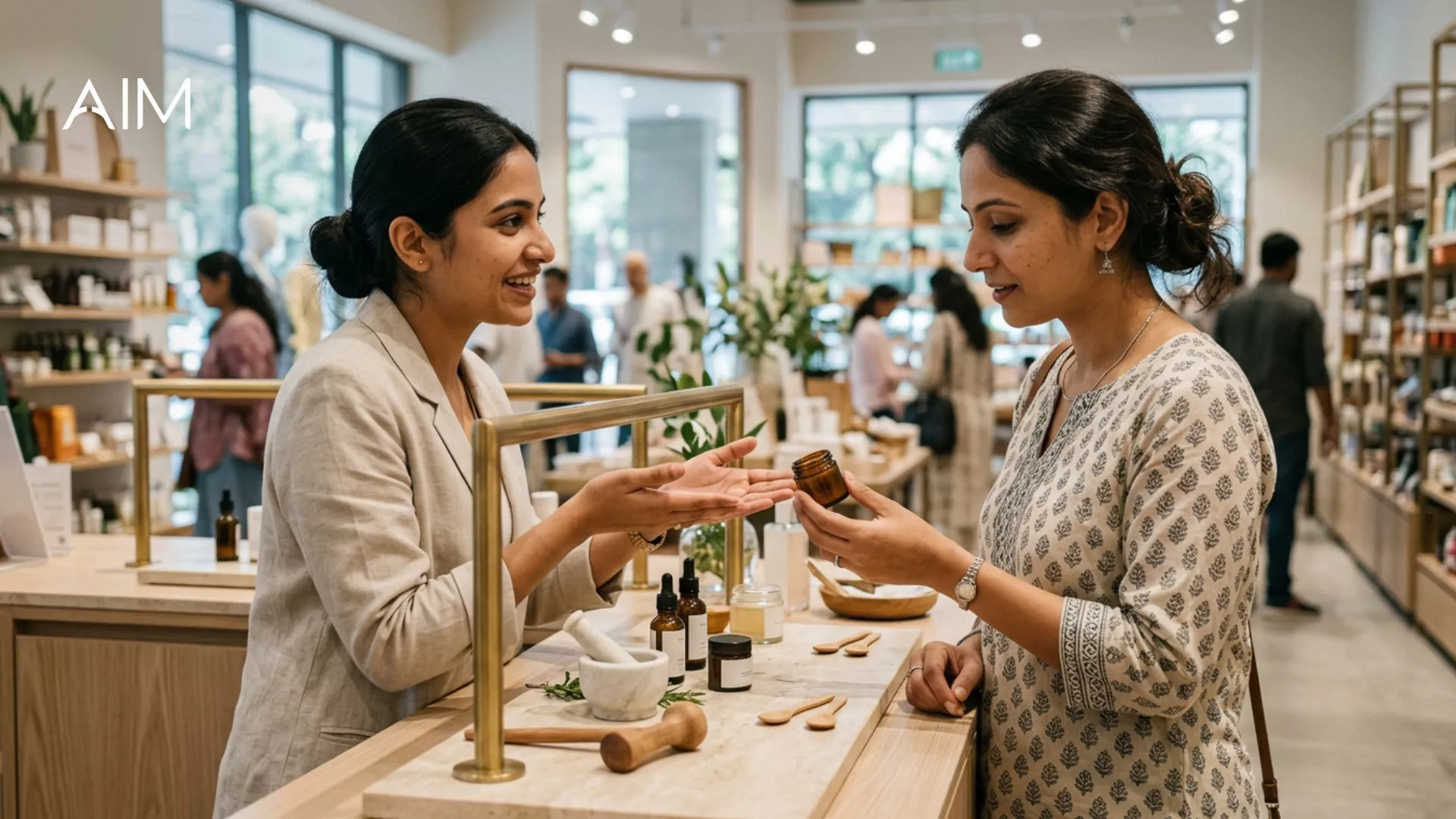
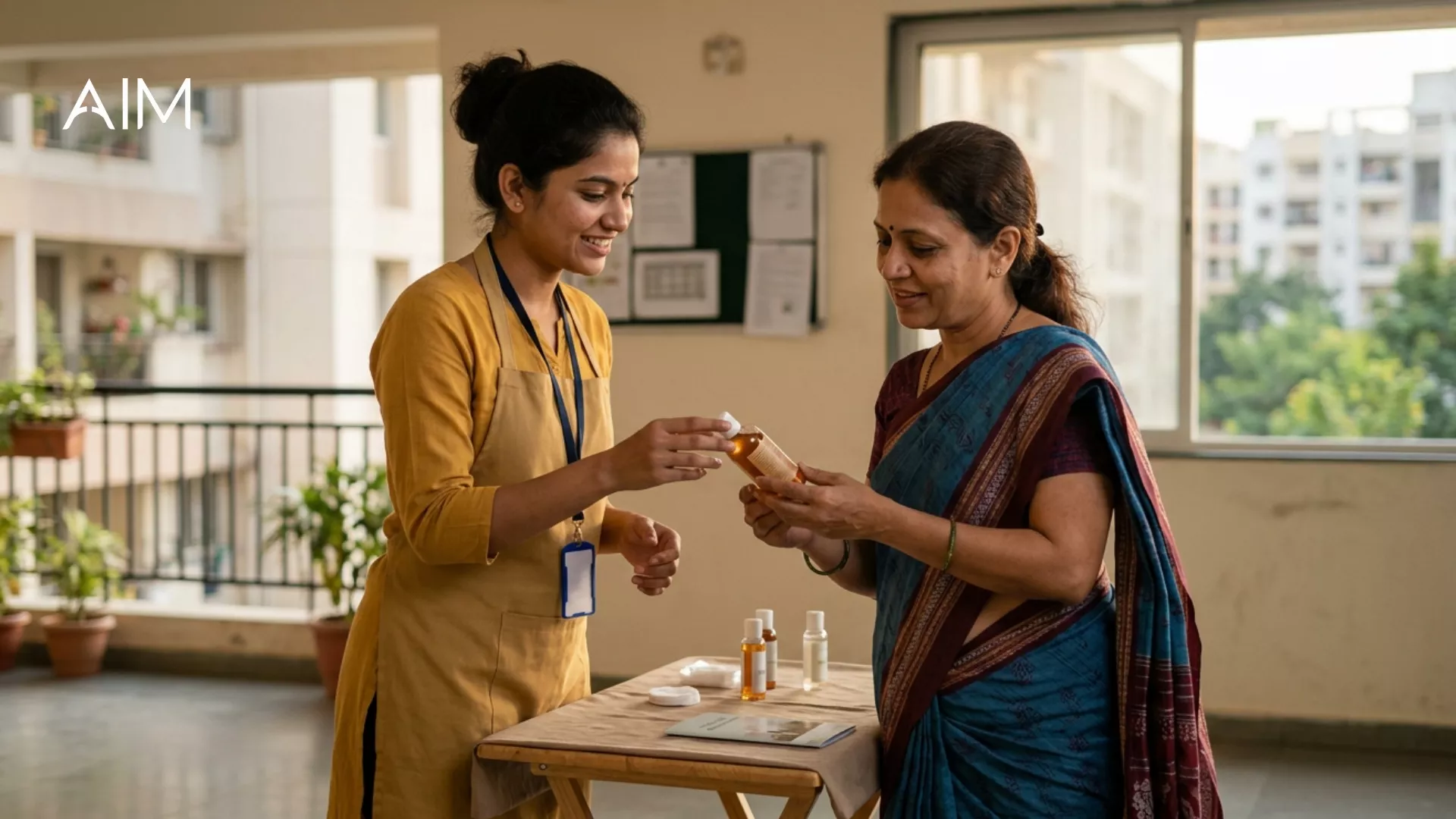
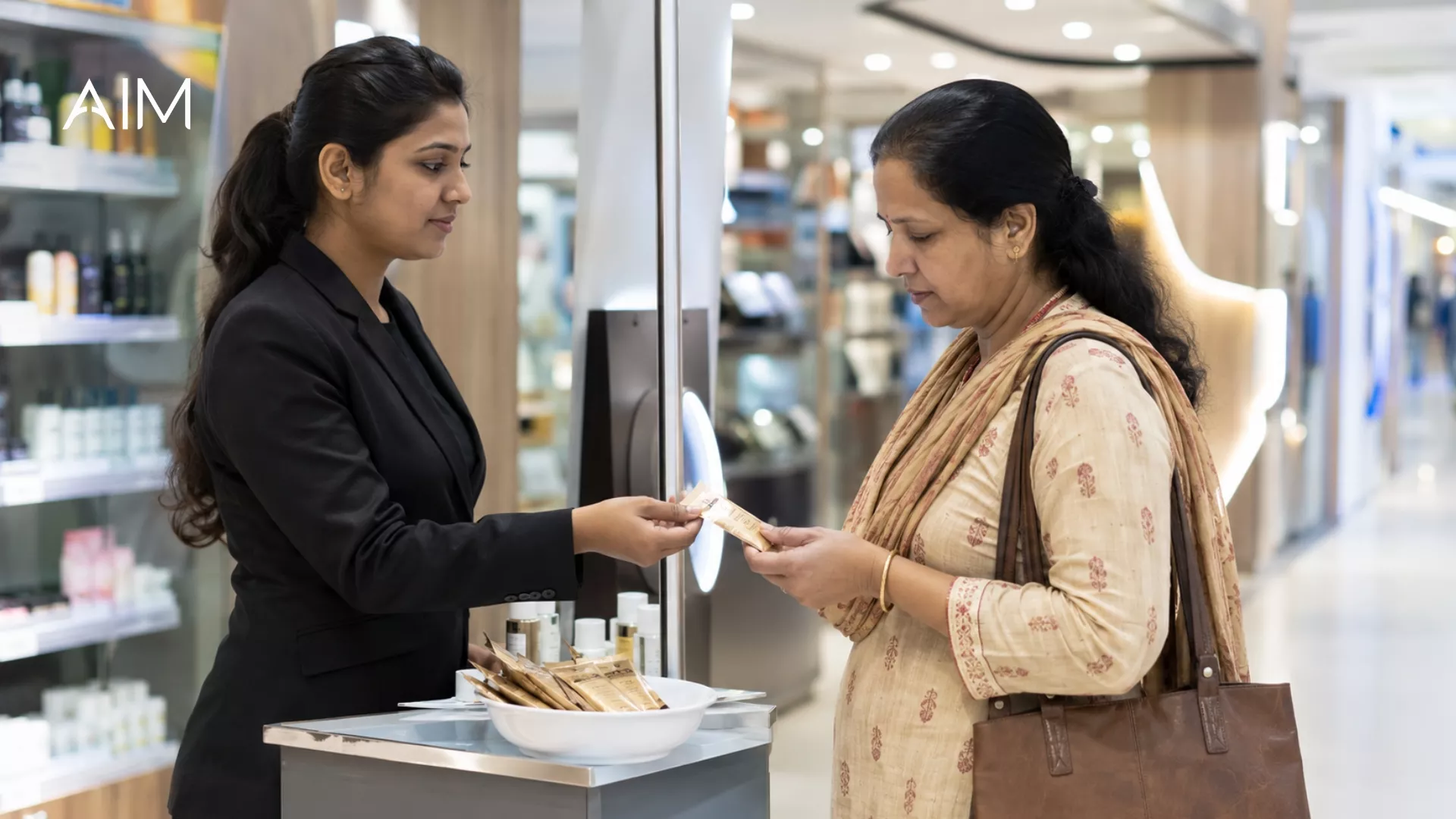
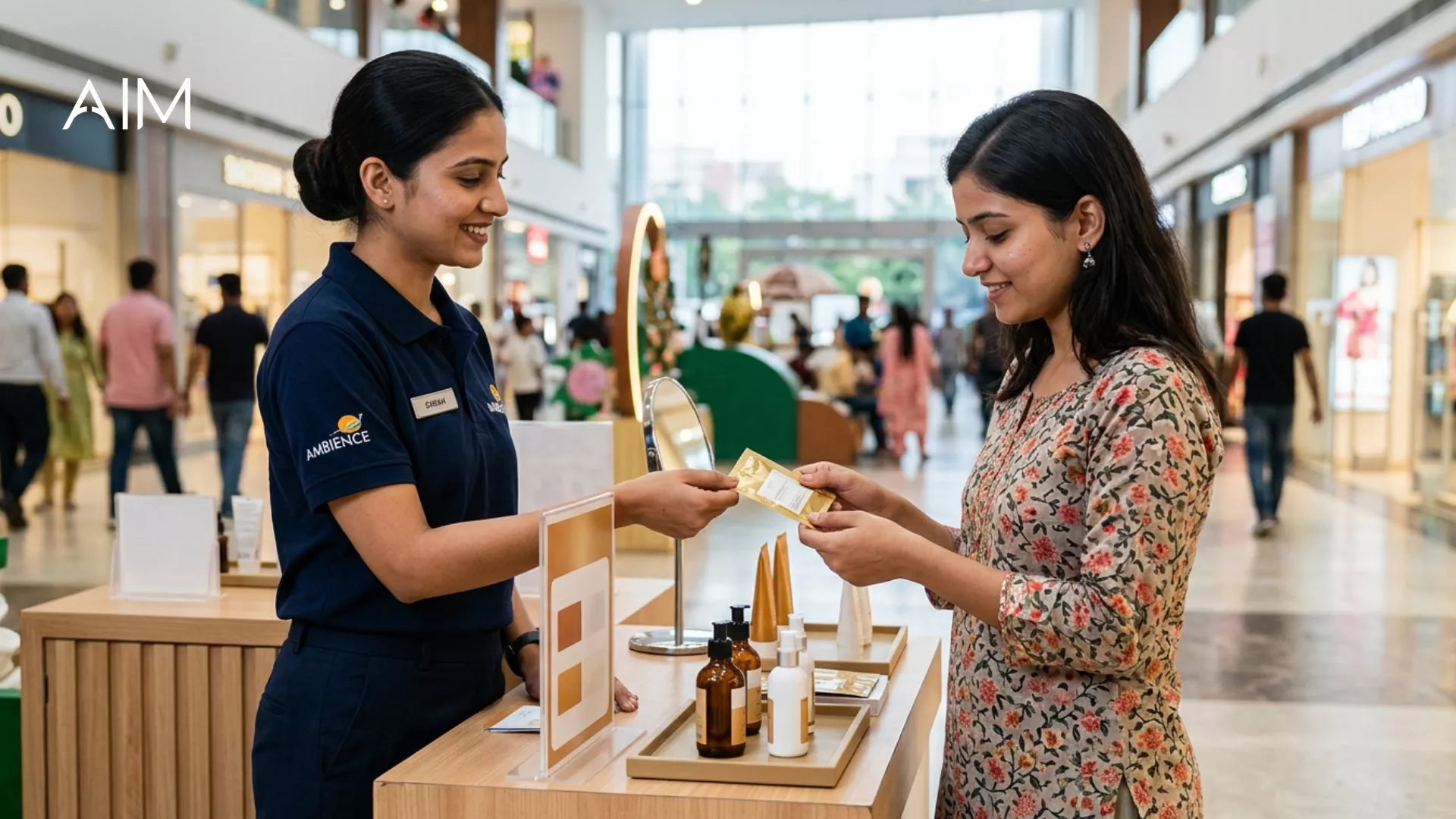
- Match the sample to the person, not the crowd. Carry a small range rather than a single product, and give each buyer the one that fits their stated goal, so every sample is relevant by design.
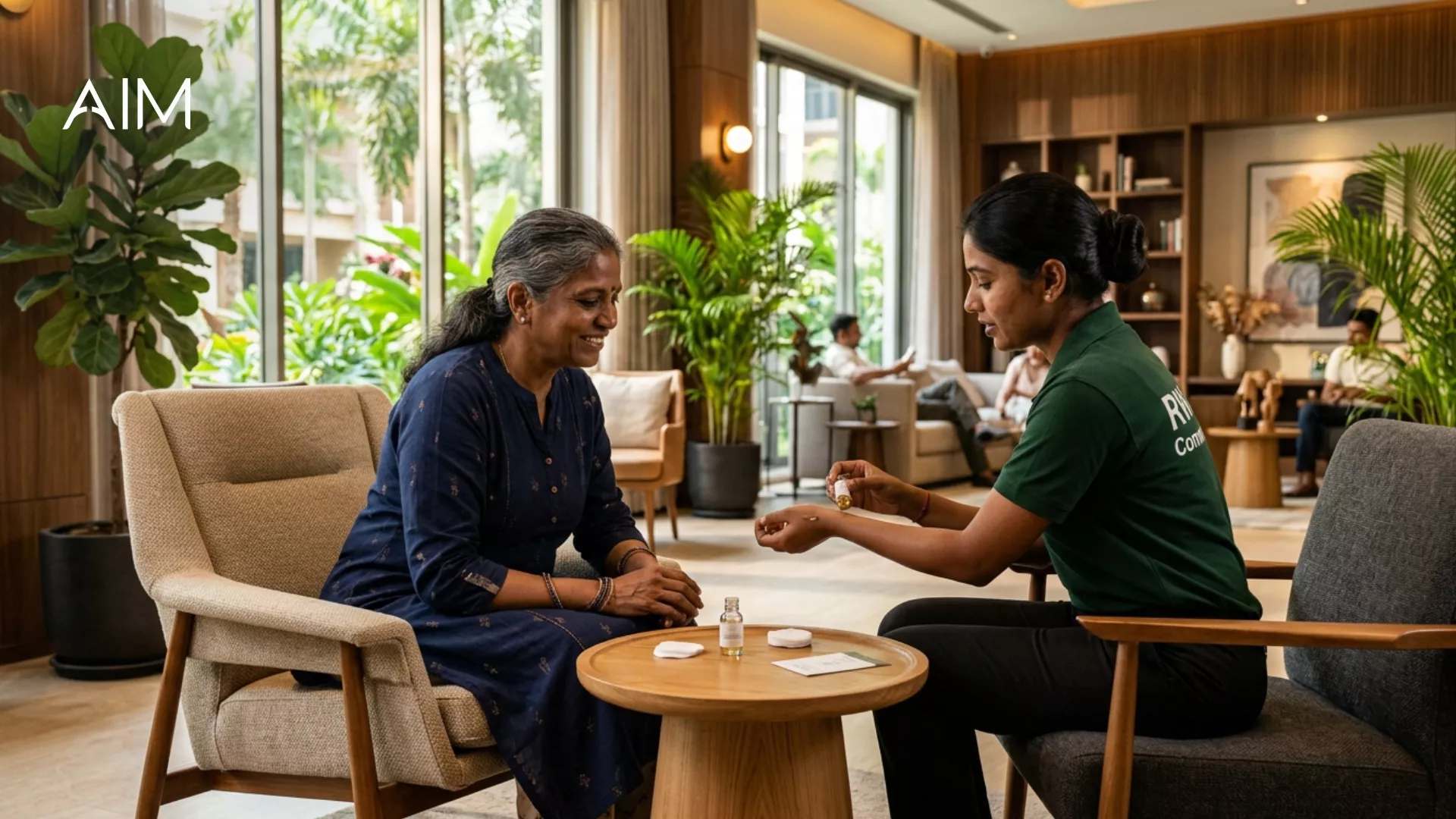
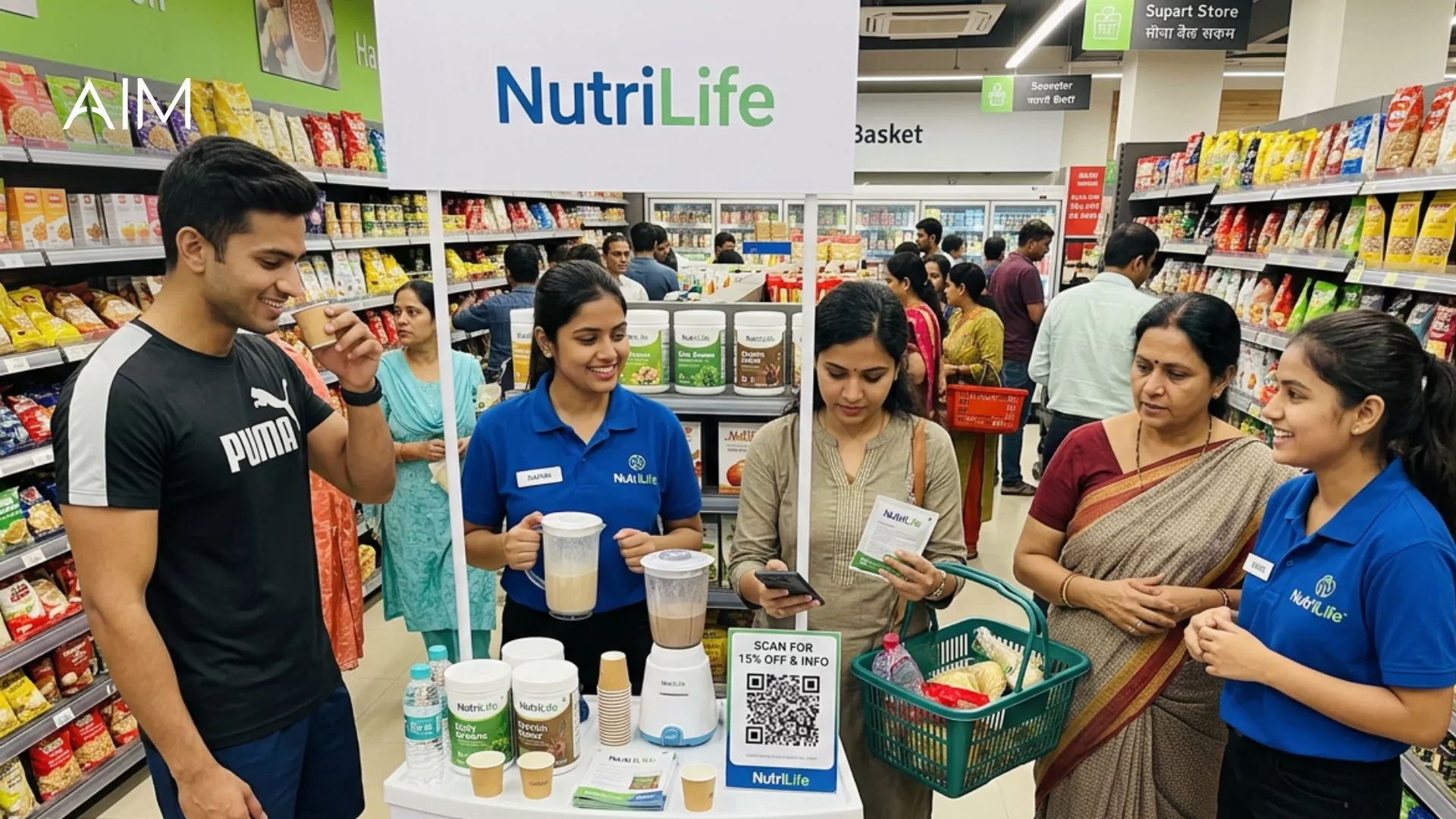
- Qualify quickly at the point of trial. A short question or a quick assessment, what are you working on, sleep, energy, digestion, lets you hand over the right product and captures the buyer's goal at the same time.
- Give enough to feel or trust a difference. Because wellness benefits build over time, size the sample to the product's real timeline where you can, or use it to start a routine and a subscription that delivers the result.
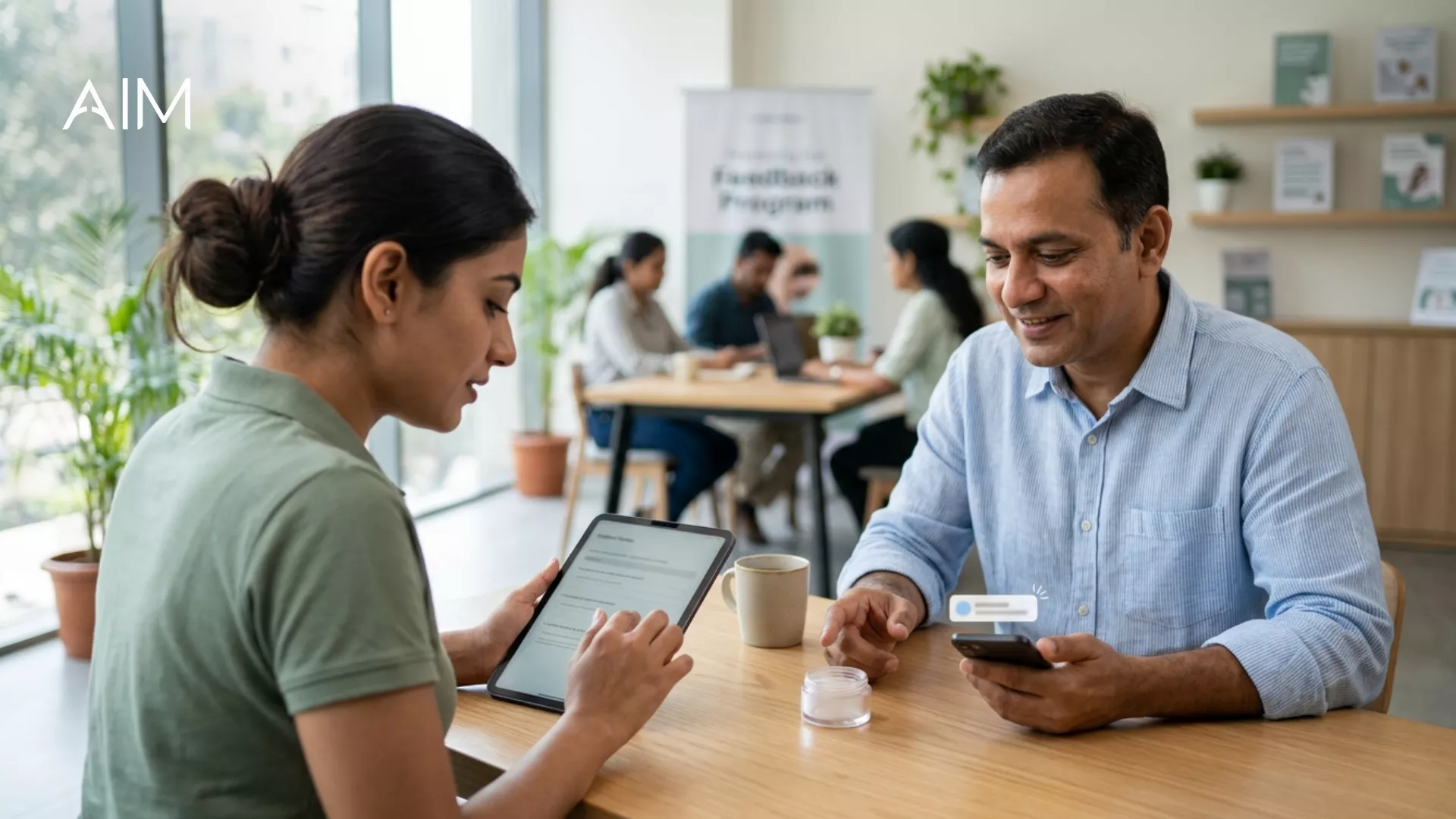
- Capture and track by need. Record who took what and why, so you can follow which goals converted, learn which products fit which buyers, and re-reach each person with the right message.
The quiz approach: matching the sample to the goal
The most powerful move in personalized wellness sampling is a simple diagnostic. A short quiz or a few questions, asked in person, on a QR-linked form, or built into a quick-commerce flow, turns a guess into a match. Ask the buyer what they are trying to improve, and the answer tells you exactly which sample to give and captures their goal for follow-up in one step. This does three things: it makes the trial relevant, because the product now answers the buyer's own stated need; it makes them feel understood, which wellness buyers value highly; and it hands you clean, useful data, a profiled buyer with a known goal, rather than an anonymous handout. A quiz-matched sample is the difference between here, try this and based on what you told me, this is the one for you, and the second converts far harder.
Why one serving rarely proves a wellness product
There is a second reason mass wellness sampling struggles, and it compounds the fit problem: most wellness benefits build over time and are invisible in a single dose. A probiotic does nothing you can feel on day one, a sleep aid needs a run of nights, an energy or focus product shows a subtle change over days, not seconds. So even when a one-size handout happens to reach the right person, a single serving usually cannot prove the very thing that would convince them. Personalized sampling helps here too, because once you know the buyer's goal you can size the trial to what that goal actually needs, a few servings to prove taste and tolerance, or enough to start a routine, paired with an offer on the first pack or subscription that lets the product deliver the result on the buyer's own time. Matching the sample to the person is step one; matching the length of the trial to the benefit is step two, and wellness sampling needs both to convert.
Where should you sample wellness by need?
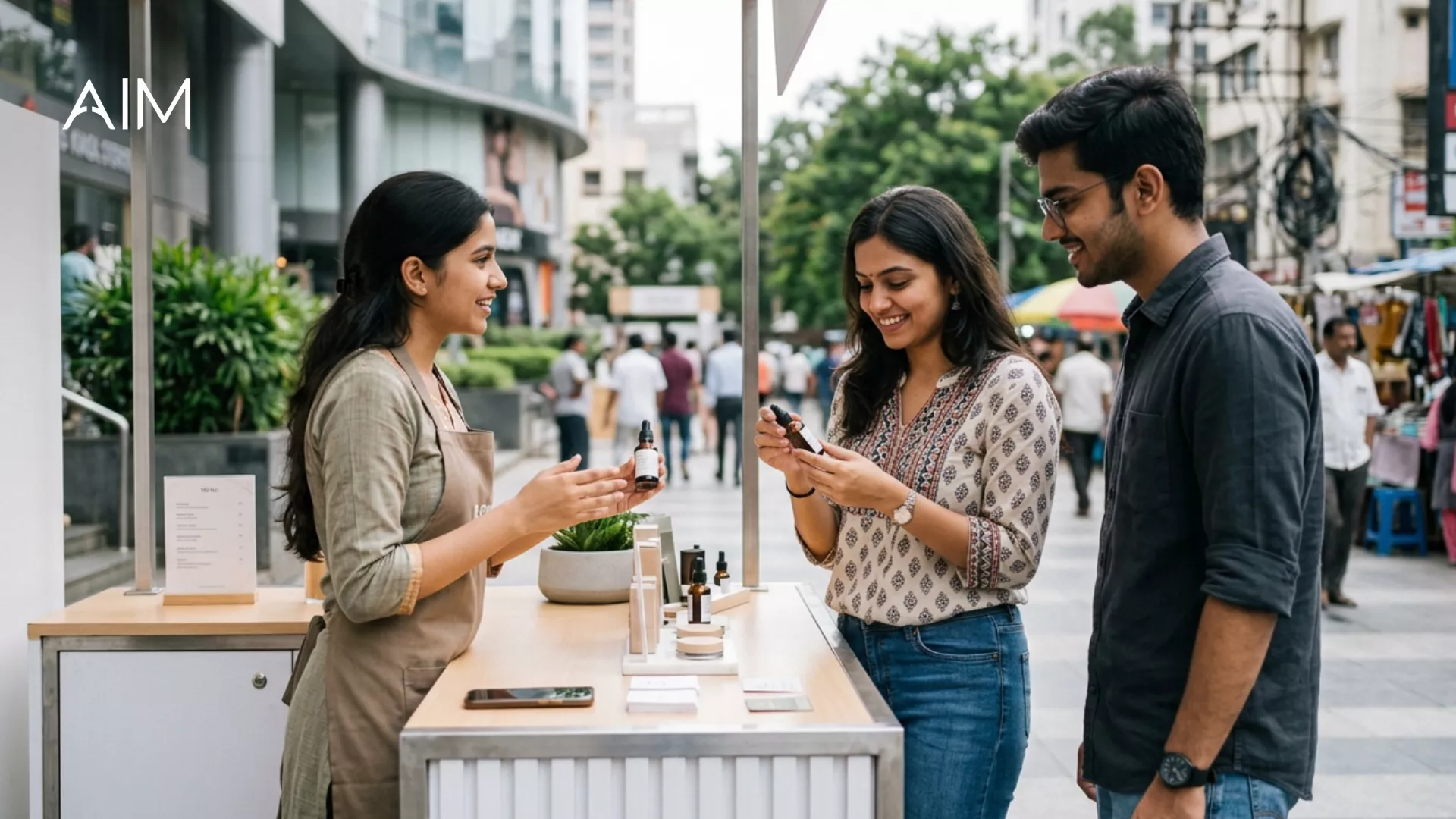
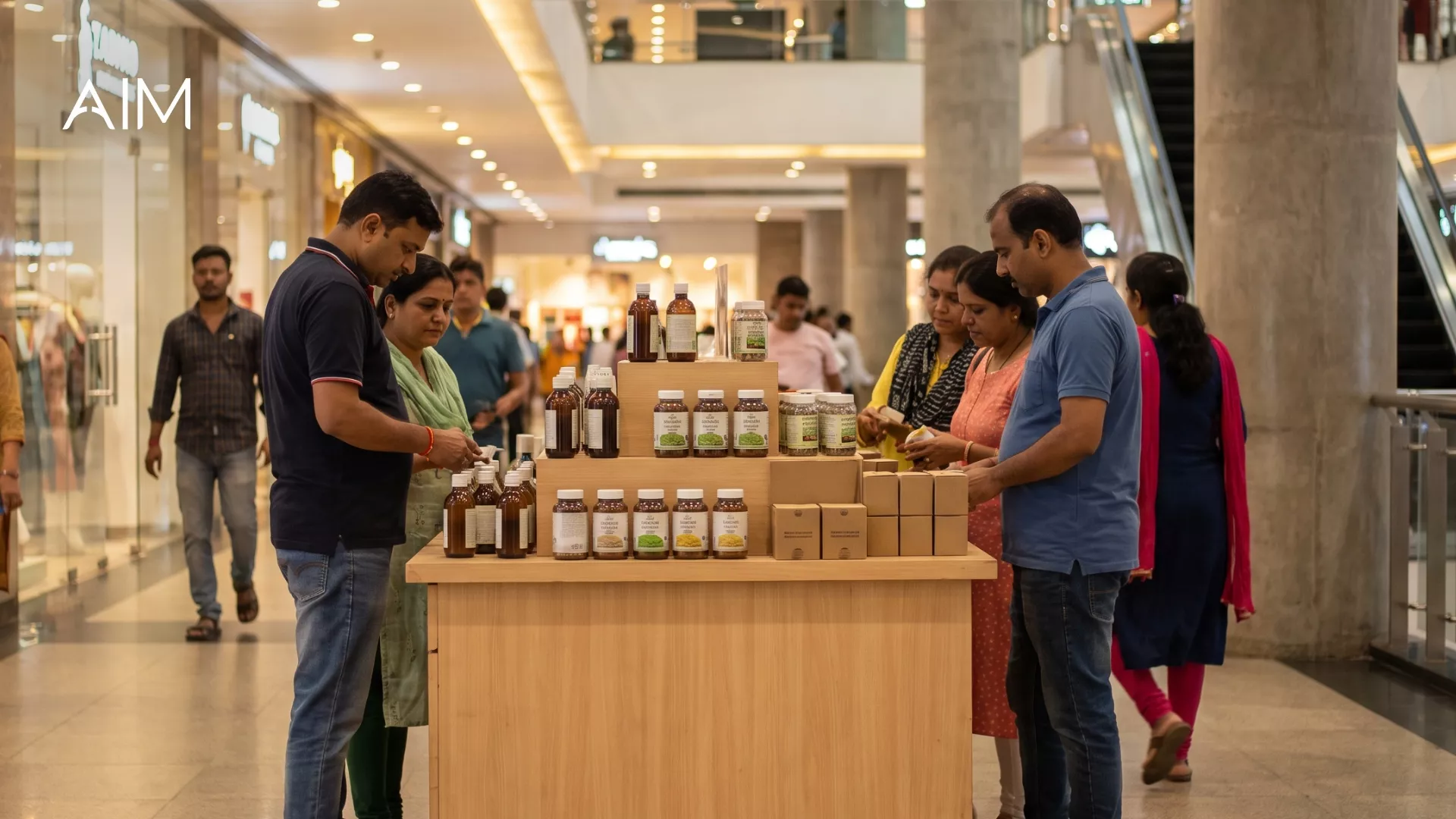
Sample where a specific goal already gathers, because that is where the match is easiest. Gyms and fitness studios concentrate energy, protein, and performance goals. Clinics and pharmacies reach people already thinking about a health concern, with the trust of the setting. Wellness-heavy quick-commerce and e-commerce baskets let you match a sample to what someone is already buying for their health. Corporate and IT parks reach stressed, time-poor professionals open to sleep, energy, and stress support. The point is not to sample everywhere, but to sample where the need you are matching is densest, so the range you carry fits the room. A protein brand belongs where fitness goals gather; a gut-health brand belongs where digestive concerns do, and the two should rarely be sampling the same crowd the same way.
How do you measure personalized wellness sampling?
Because you captured the goal, you can measure far more than a distribution number. Track which needs converted best, so you learn where your product actually fits, sometimes the goal you built the product for is not the one that converts hardest, and that is gold. Track who finished the sample, who moved to a first purchase or subscription, and who repeated, since in wellness the second and third orders are where the value and the proof of fit live. Read it by segment, not only in total, so a strong result in one goal and a weak one in another tells you where to focus. This is how AIM approaches wellness and nutraceutical sampling: matched to the buyer's goal, qualified and captured at trial, sized to prove or to start a routine, and measured by need, so a brand ends up knowing not how many samples it gave out, but which buyers, with which goals, it actually won.







.webp)















.png)