
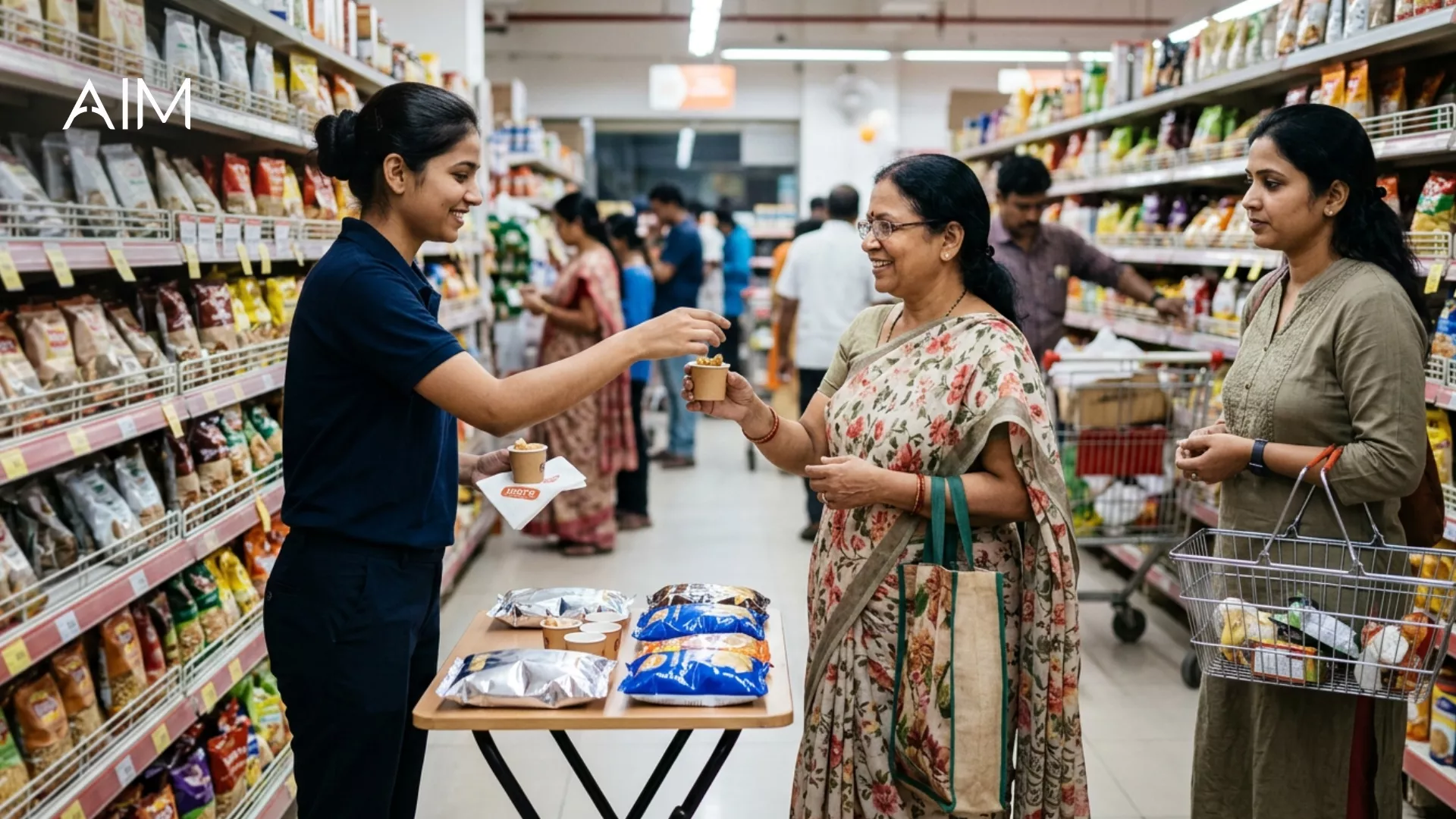


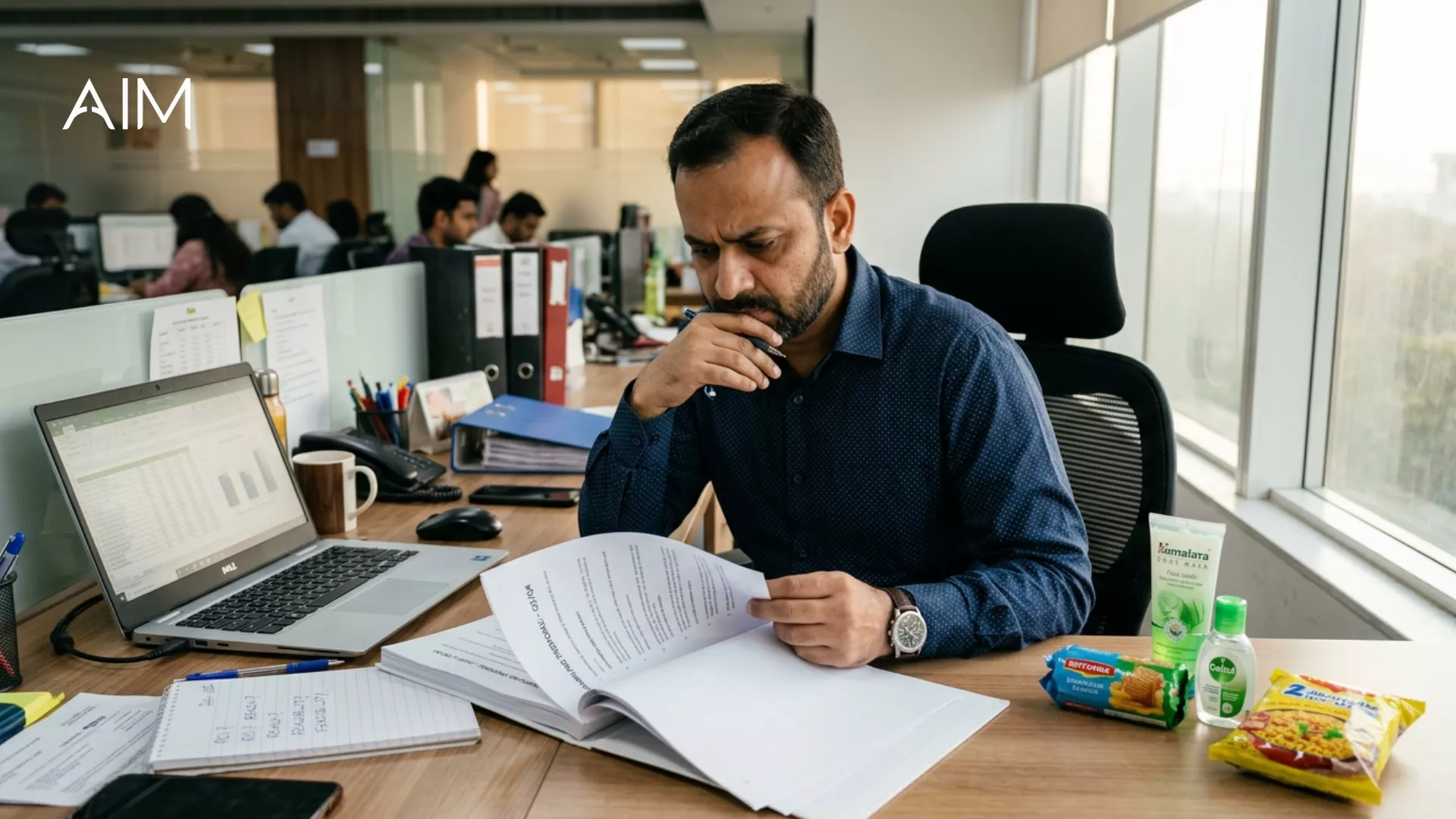
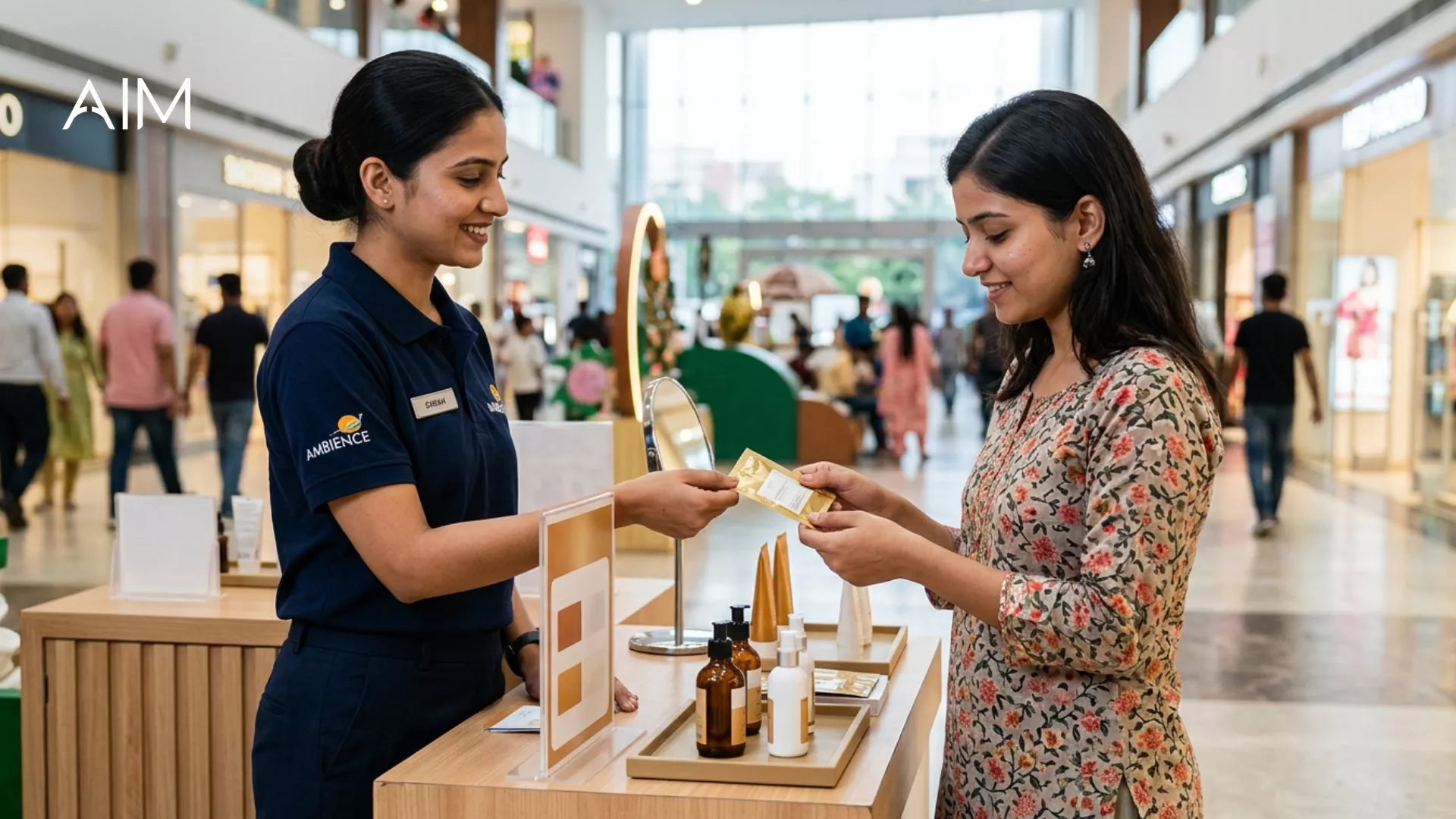
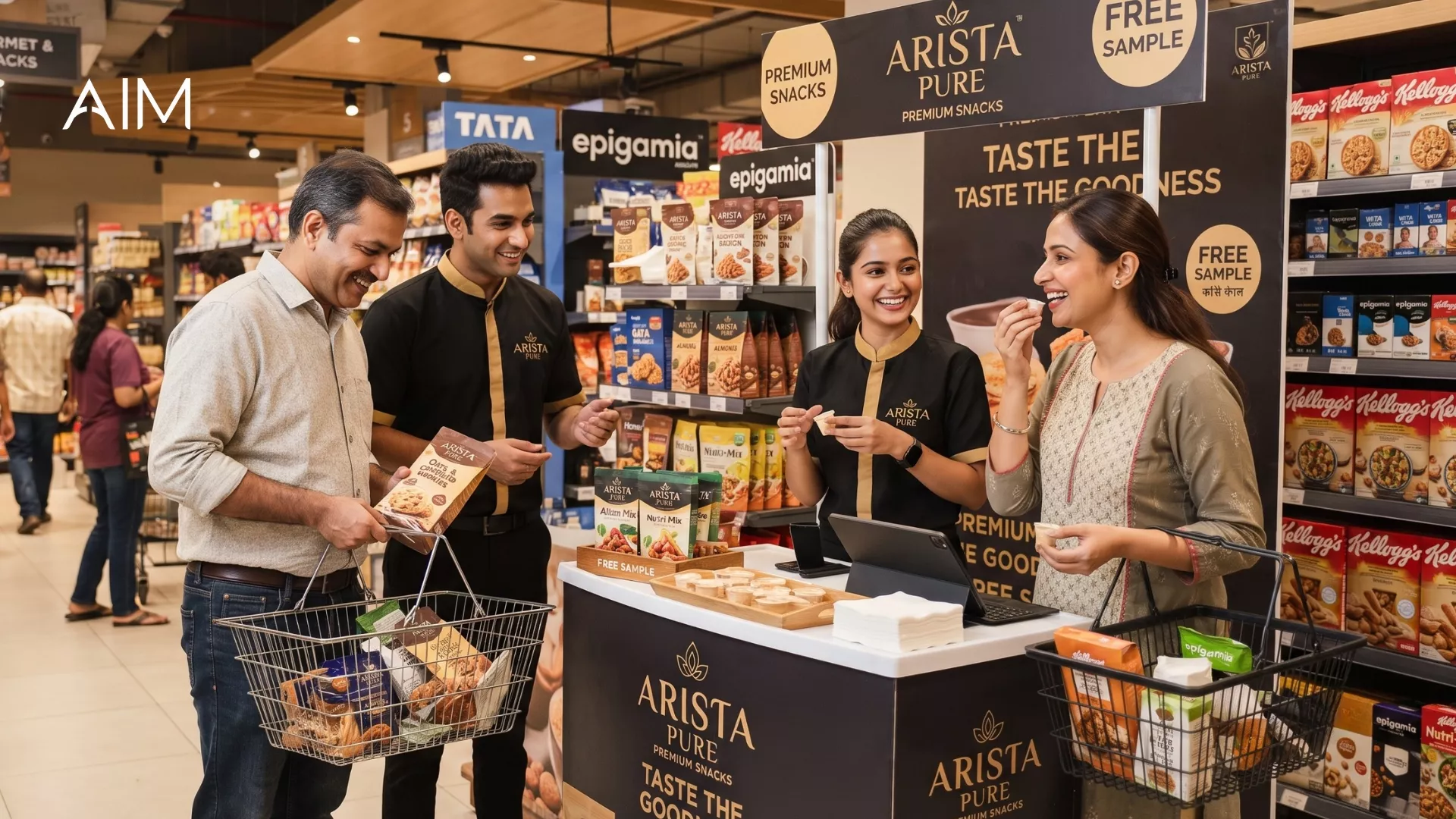
Imagine this. A brand is having a review meeting after a big product sampling event. The folder comes out. Smiling promoters, branded kiosks, a good crowd, fifty thousand samples gone in a week. Everyone nods. Then someone senior asks the only question that matters, how many of them bought, and the room goes quiet. Nobody knows. That silence is what is broken in traditional FMCG product sampling, and it has been broken for a long time.
The strange part is that the sampling itself usually went fine. The samples were made, the team showed up, the product left their hands. What failed was everything the campaign was supposed to teach the brand and never did. Let me walk through why, because once you see it, you cannot unsee it.
It measures activity and calls it a result
Fifty thousand samples distributed sounds like an outcome. It is not. It is an activity. That number tells you the product left the warehouse and ended up in somebody's hand. It says nothing about whose hand, whether that person even buys your category, or what they did next. You can hit that number in full and move zero extra units off the shelf.
Traditional FMCG product sampling lives on this one vanity metric. Samples handed out. And because it looks impressive in a deck, it quietly trains your leadership to measure the wrong thing, which means next year's product sampling campaign gets planned to chase the same empty number all over again. The count grows, the learning does not.
The wrong people reach the sample first
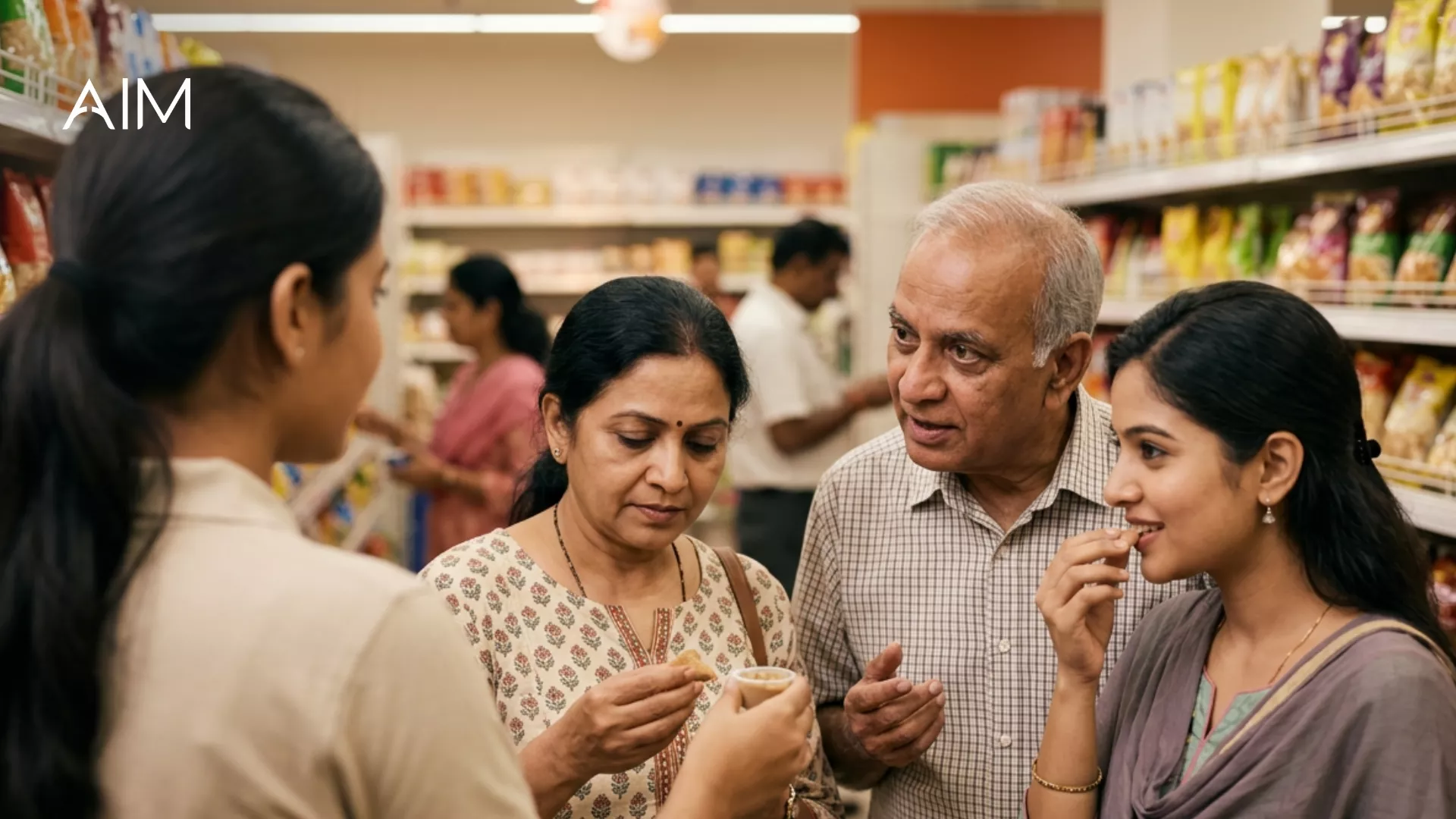
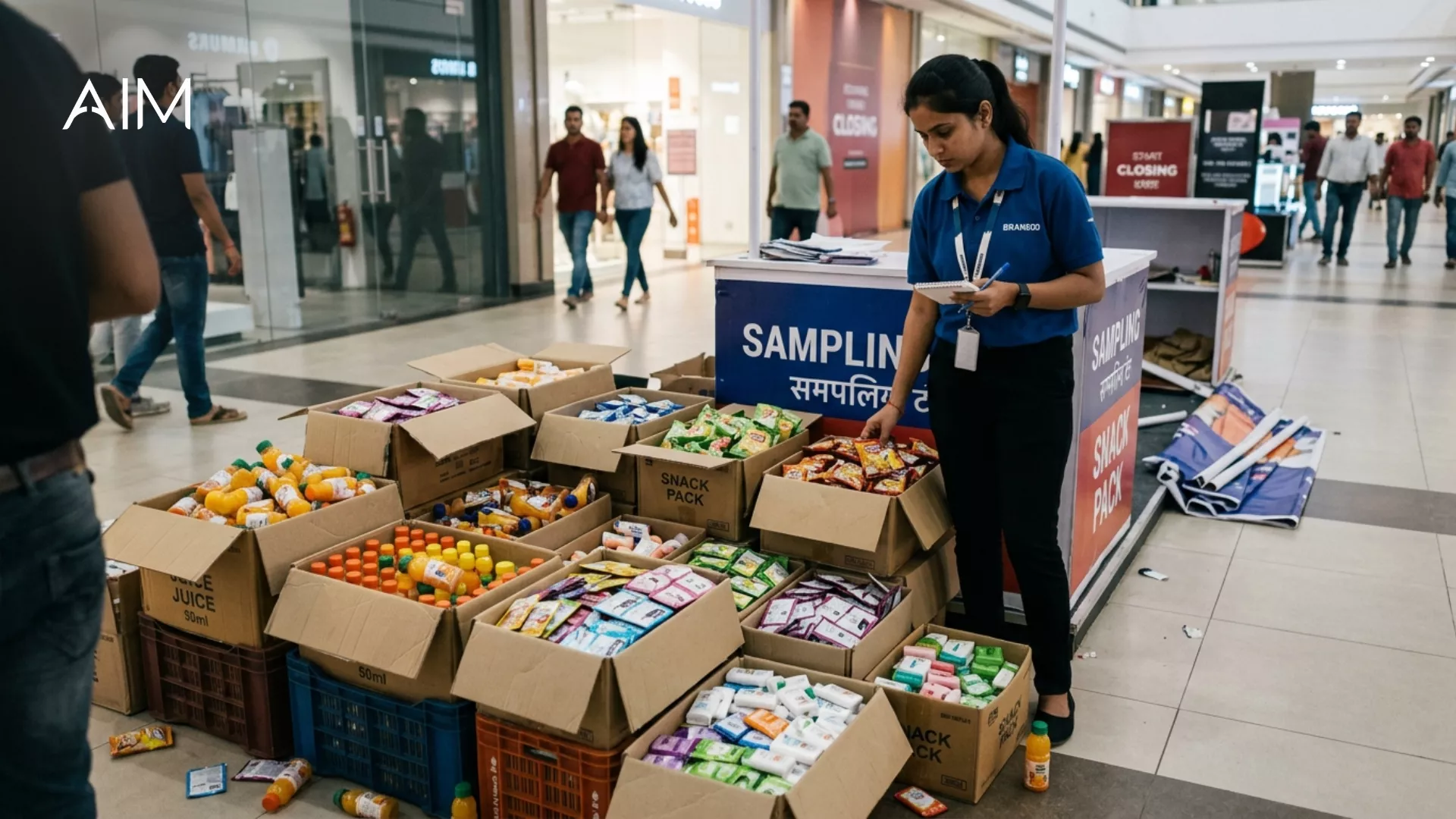
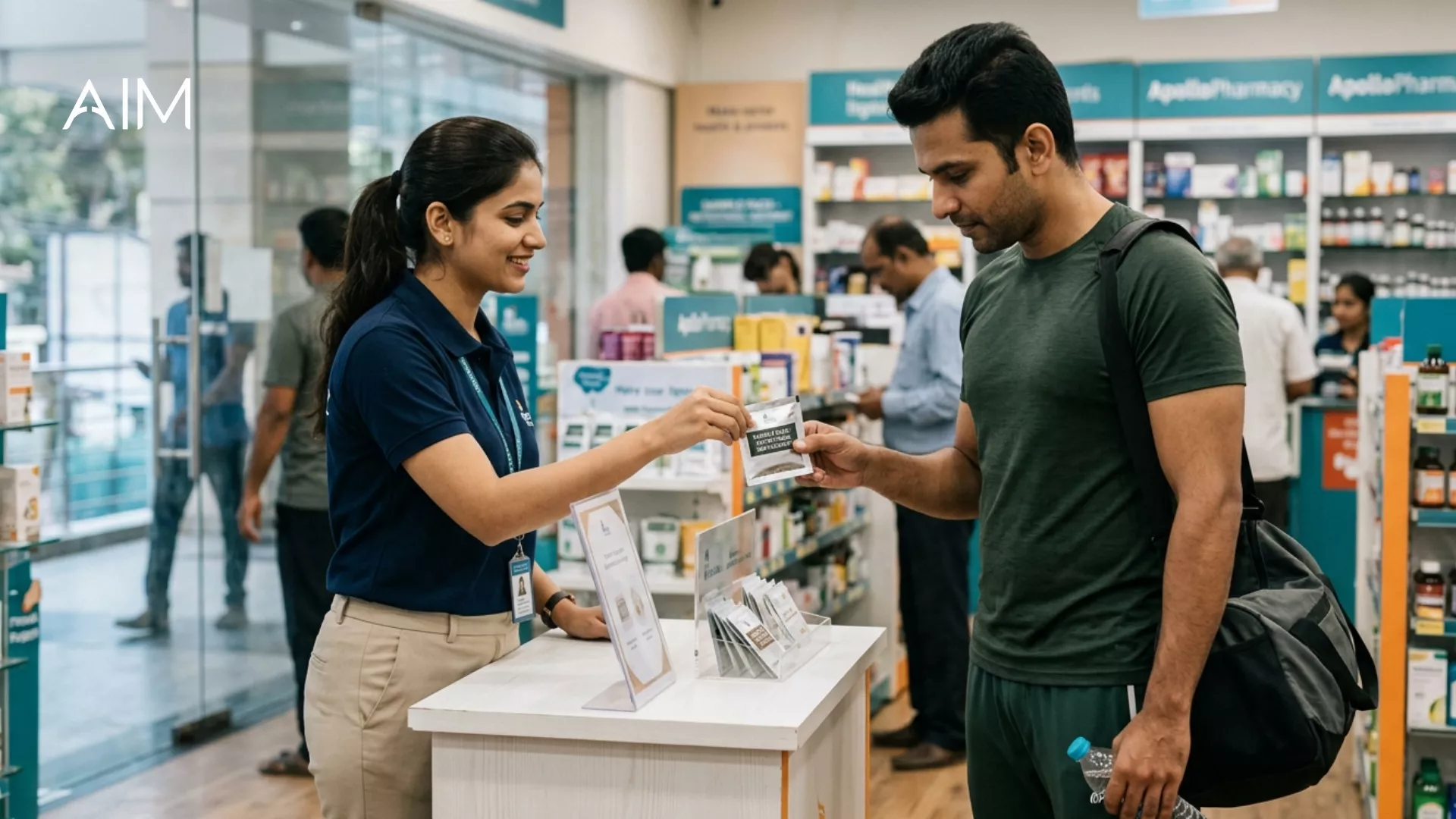
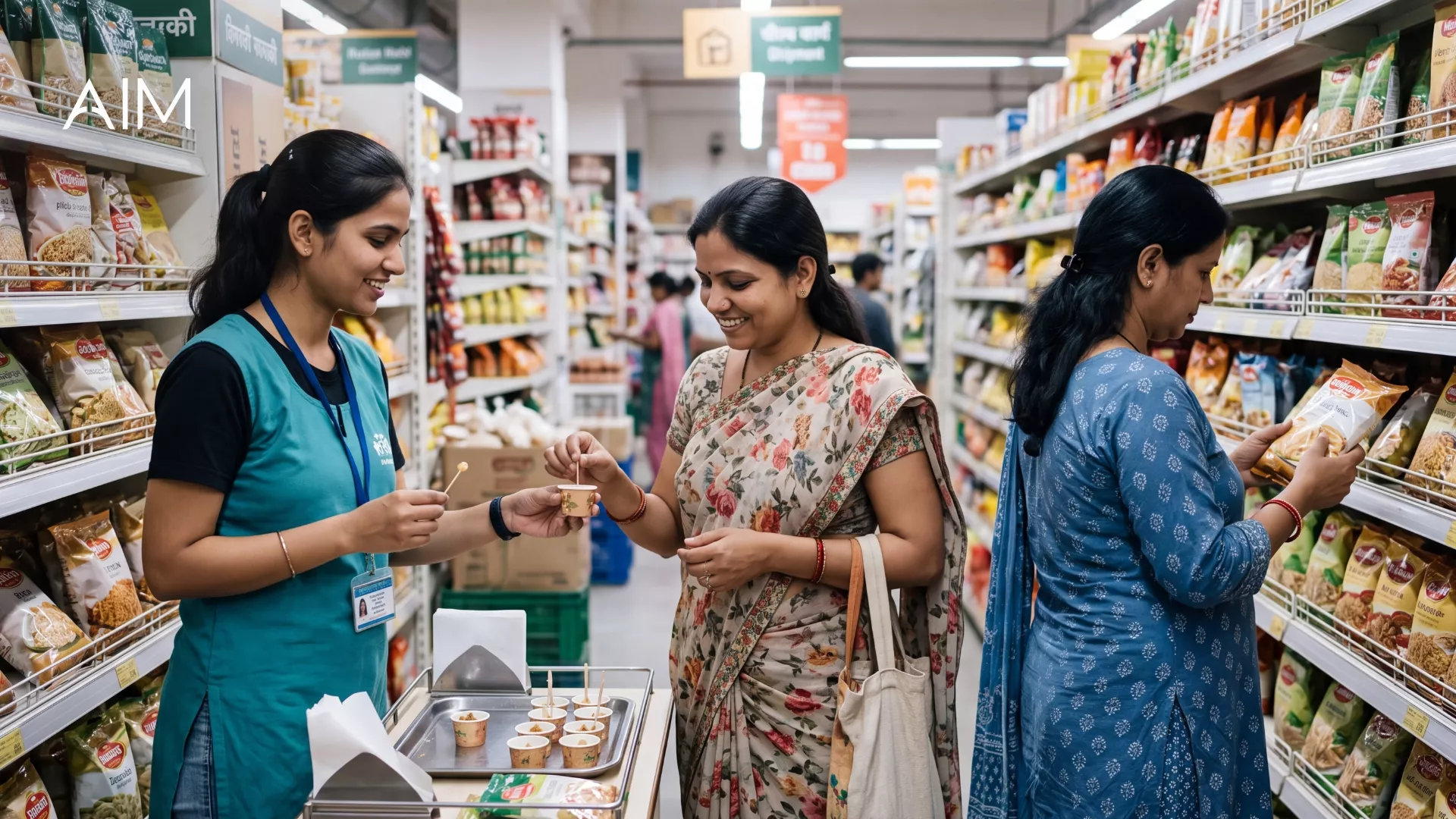
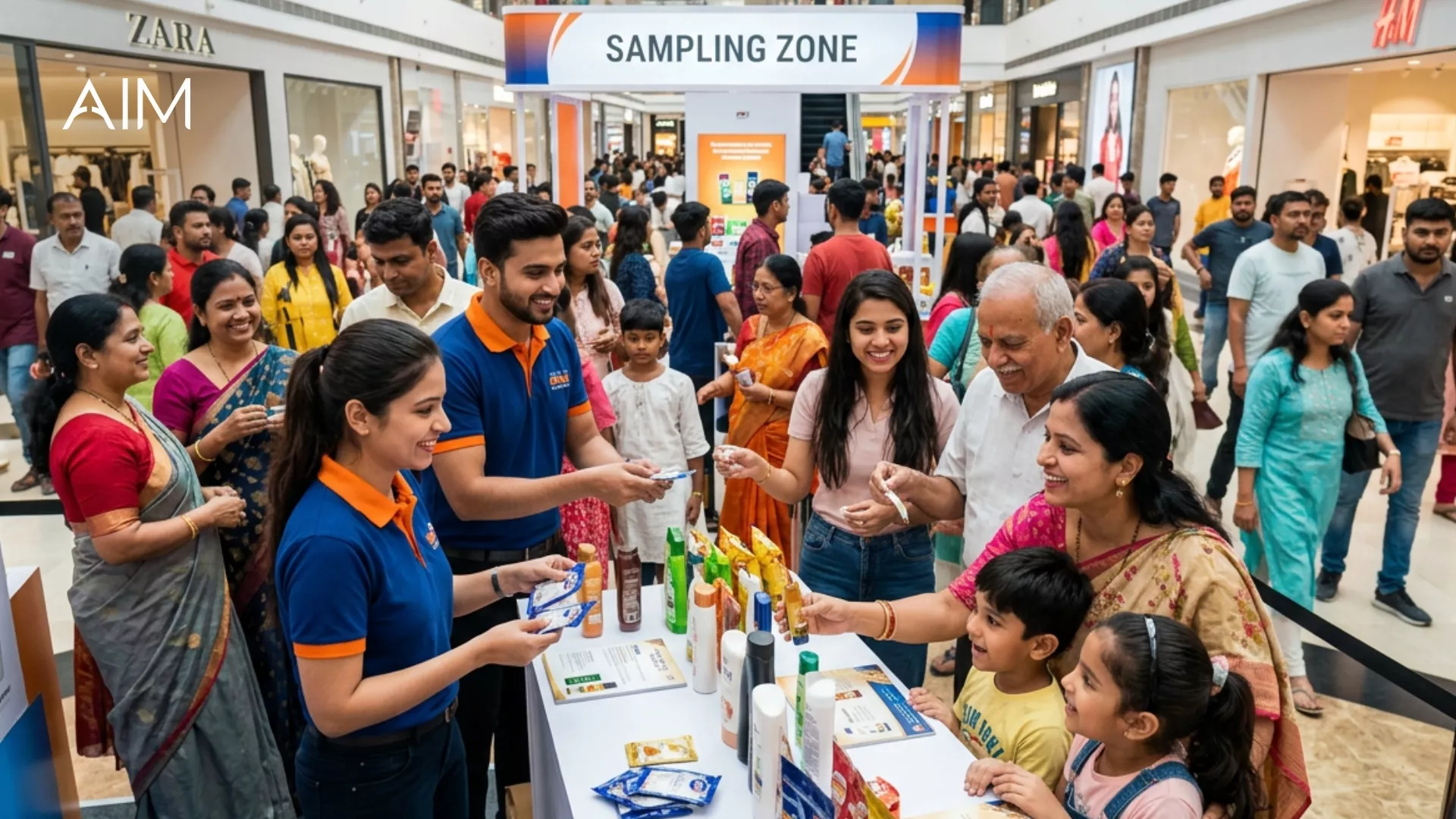
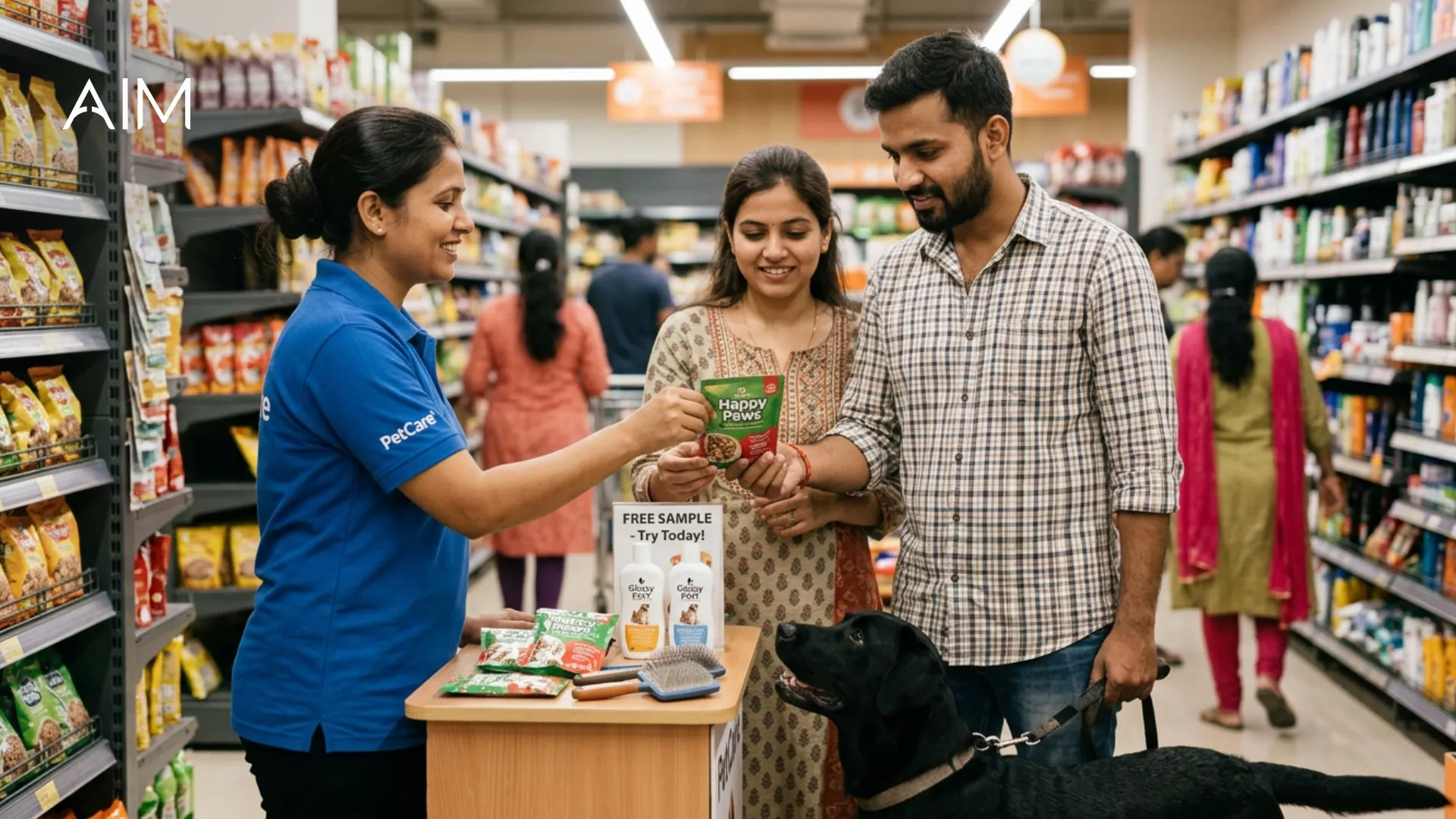
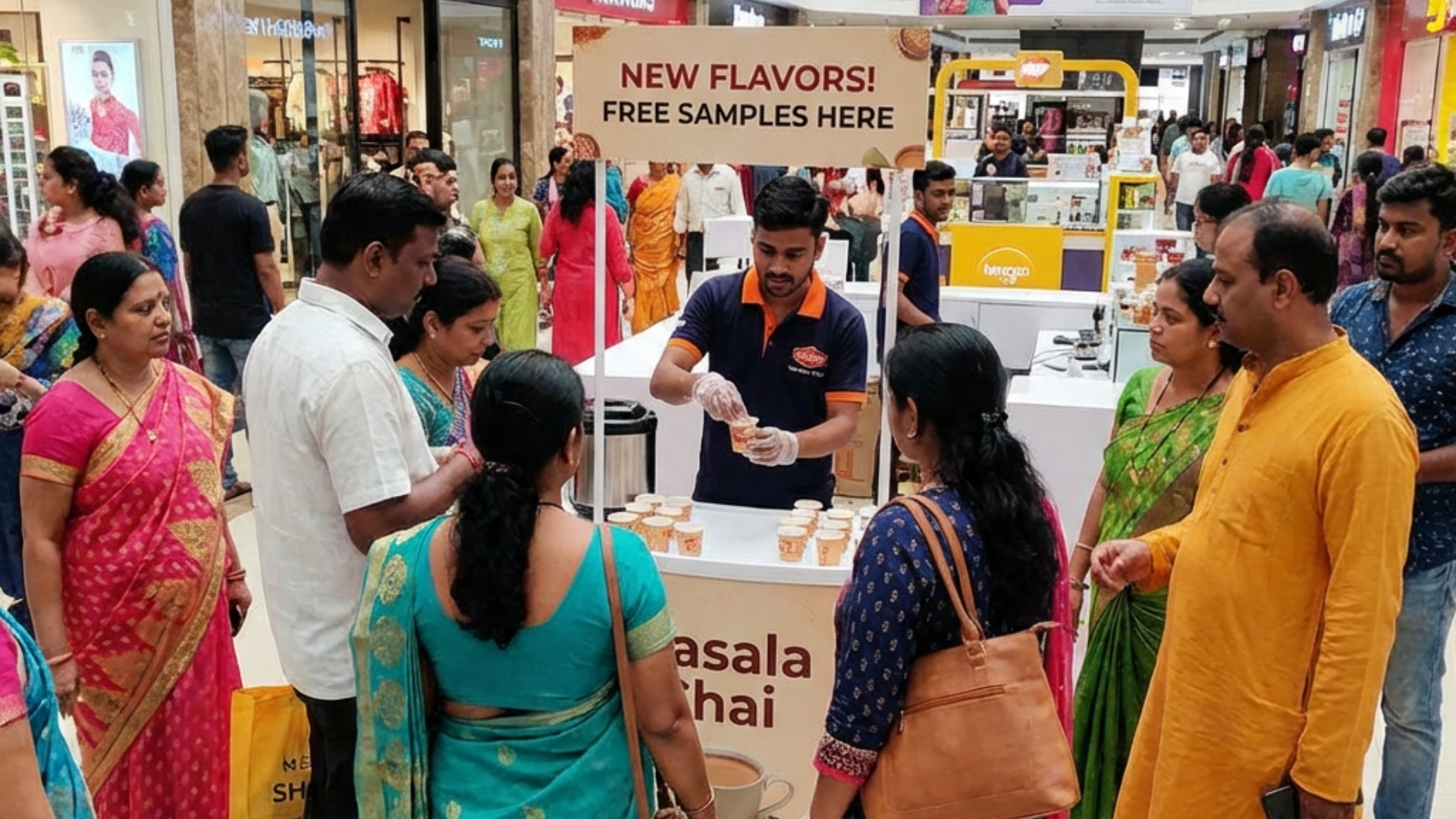
Here is something anyone who has stood at a sampling table knows. When you put out free product in a high-traffic spot, the first hands are almost never your buyer. They belong to the freebie-seeker collecting their sixth sachet, the kid stocking up for the family, the passer-by who will never buy your category at any price. They are quick, they are cheerful, they fill your count, and not one of them is a customer.
Mass sampling is built to attract exactly these people, because it optimises for volume and footfall instead of fit. You wanted category users, young mothers, lapsed buyers, whoever your brief actually named. What you got was a crowd. A crowd is not an audience, and traditional sampling has no way to tell the difference at the moment it matters.
Footfall gets confused with the right buyer
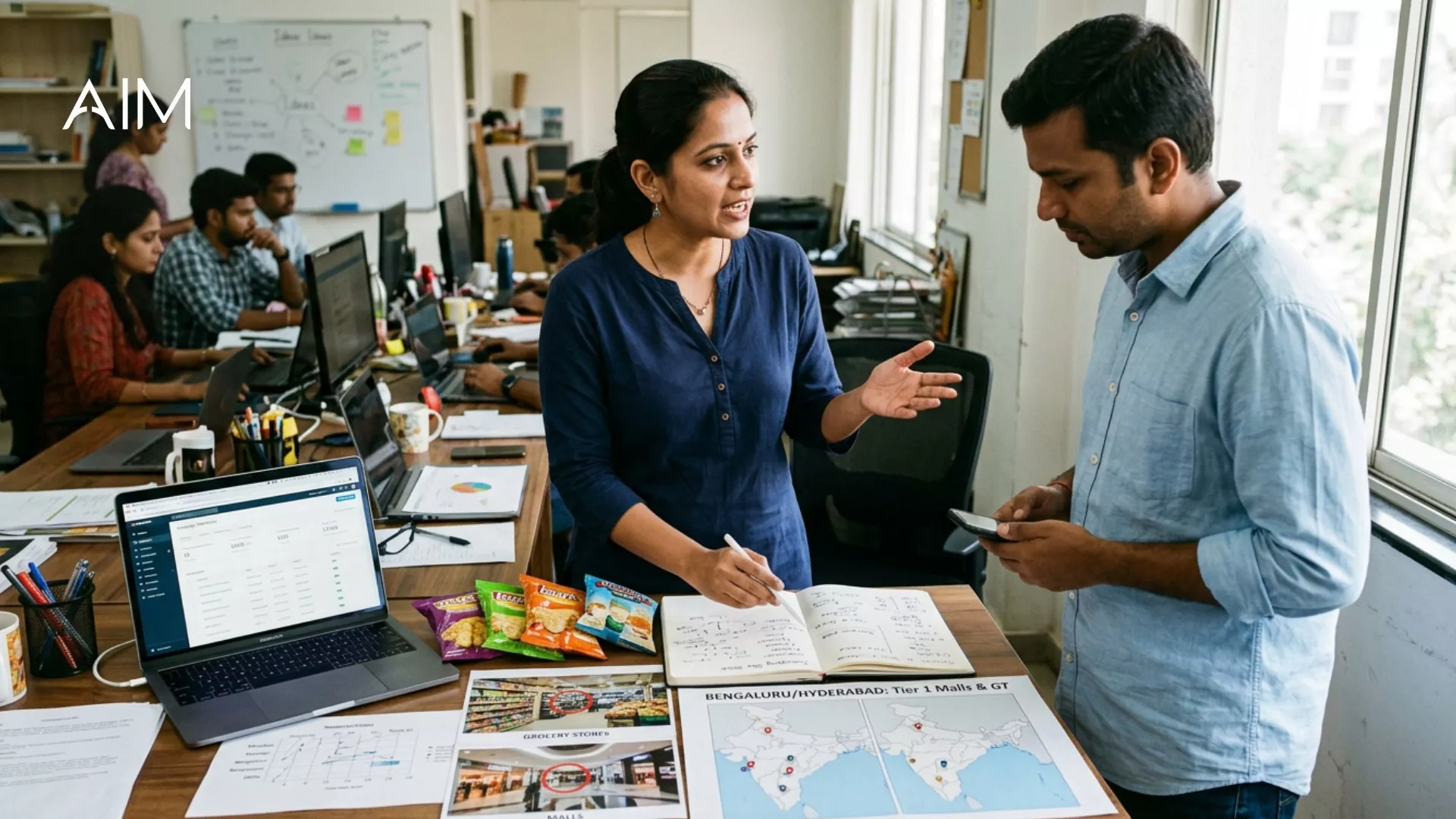
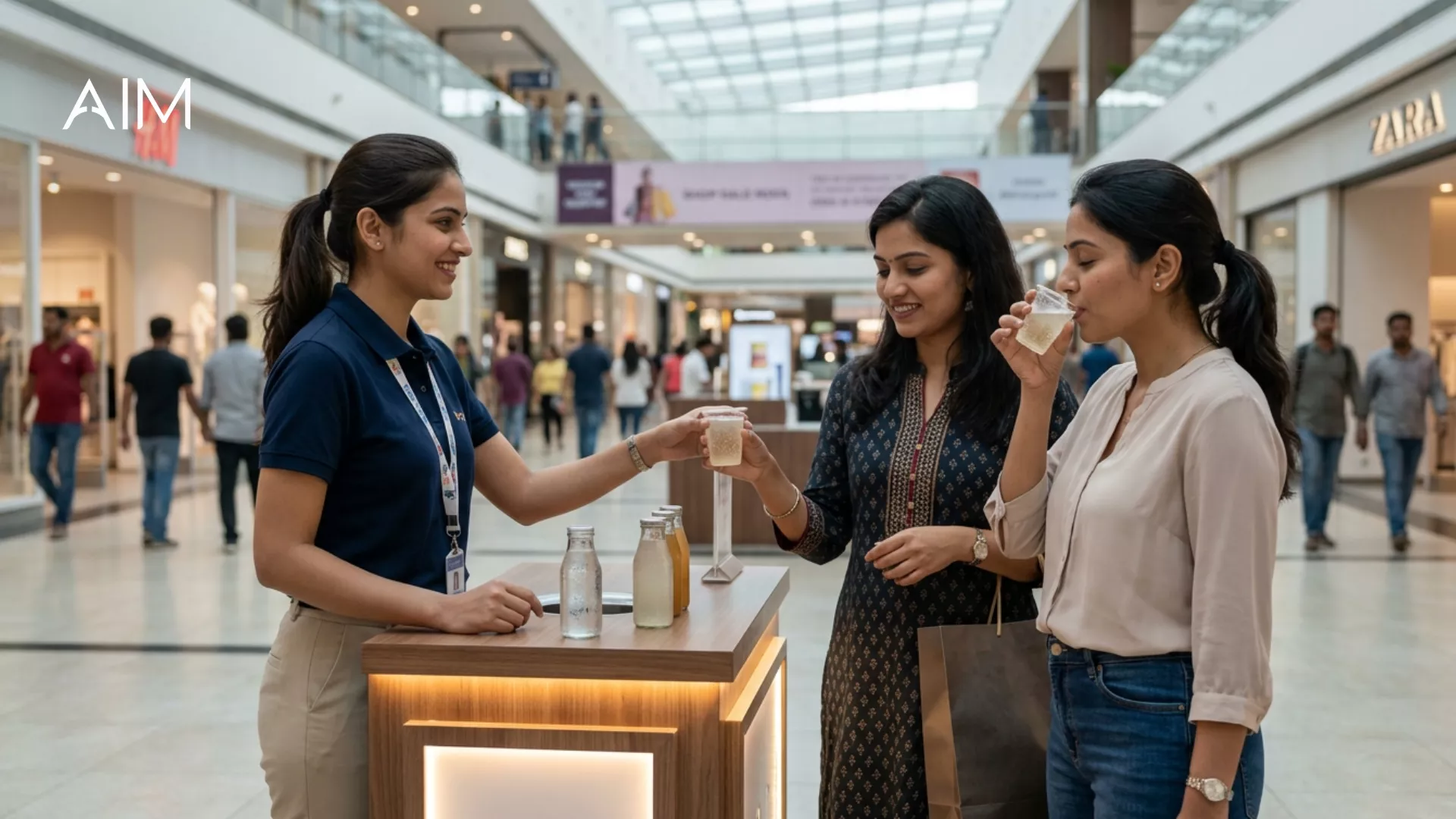
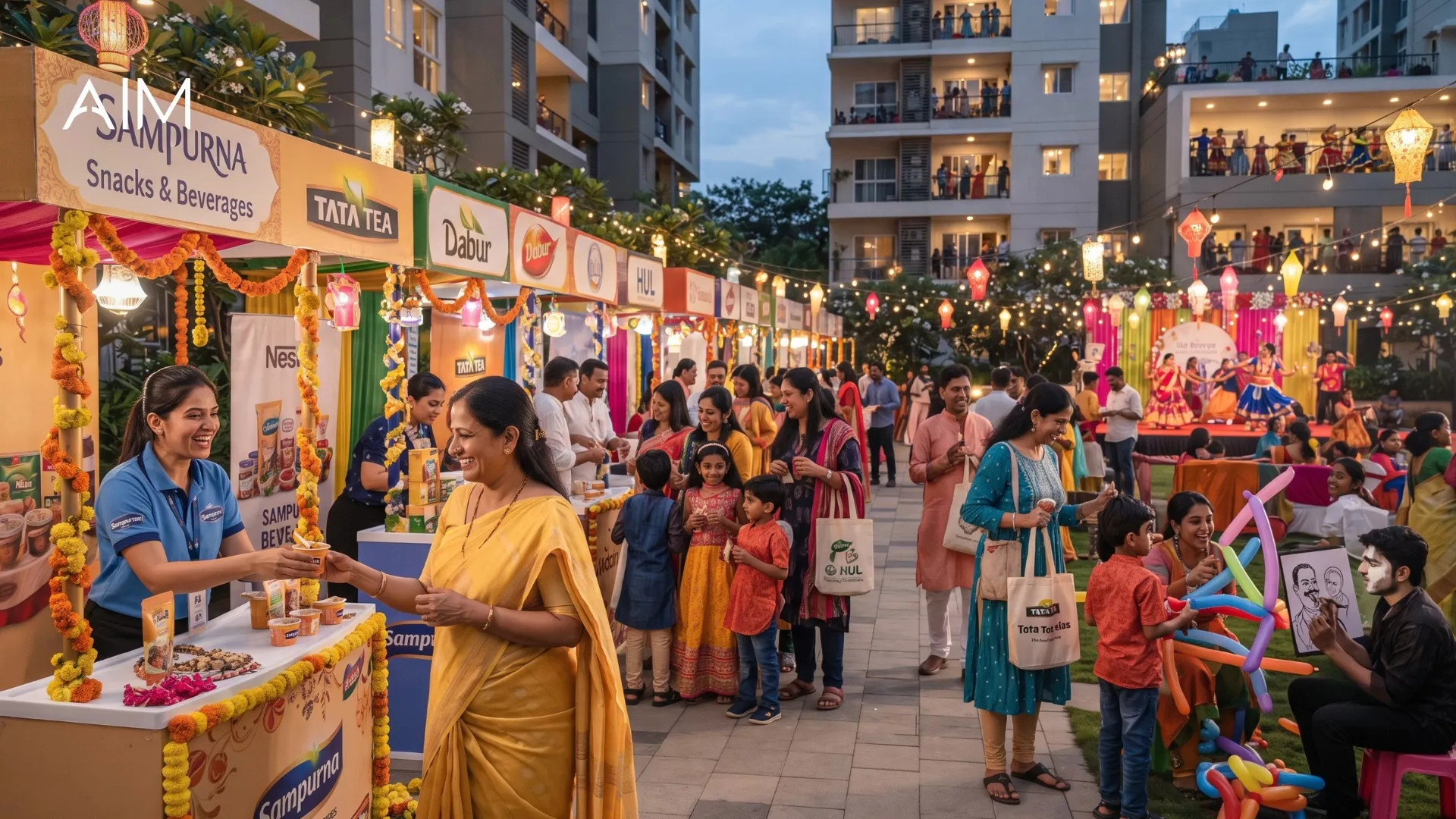
The other habit that breaks these campaigns is picking locations by footfall alone. The biggest mall wins because it feels safe. But footfall is just traffic, and a crowded location with the wrong crowd is still the wrong location. Modern-trade footfall rarely maps cleanly onto your real buyer, and the mismatch gets worse the moment you cross a city line. A catchment that works in Bengaluru can flop in Lucknow, because the shopper, the income band, and the price sensitivity are all different.
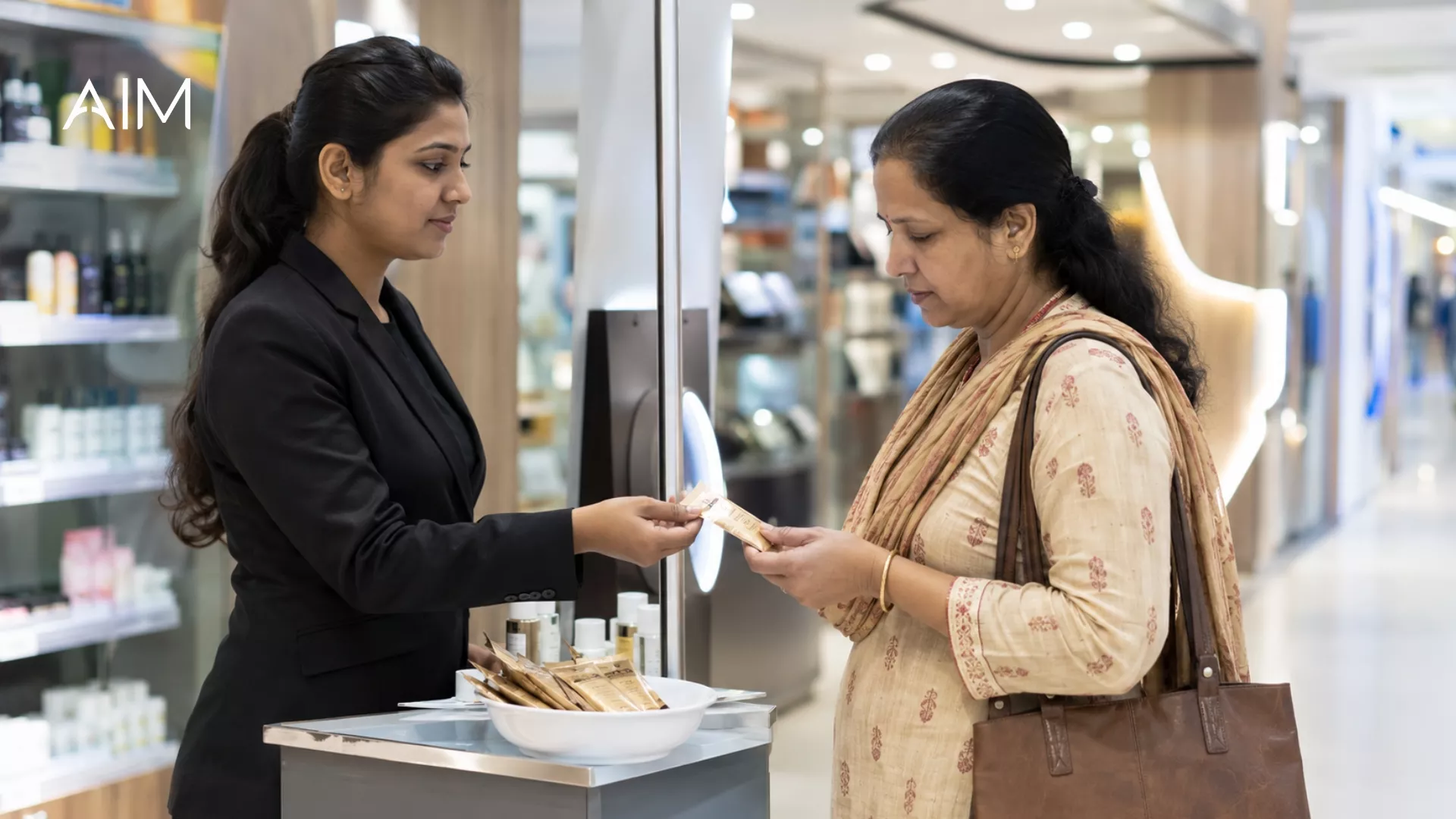
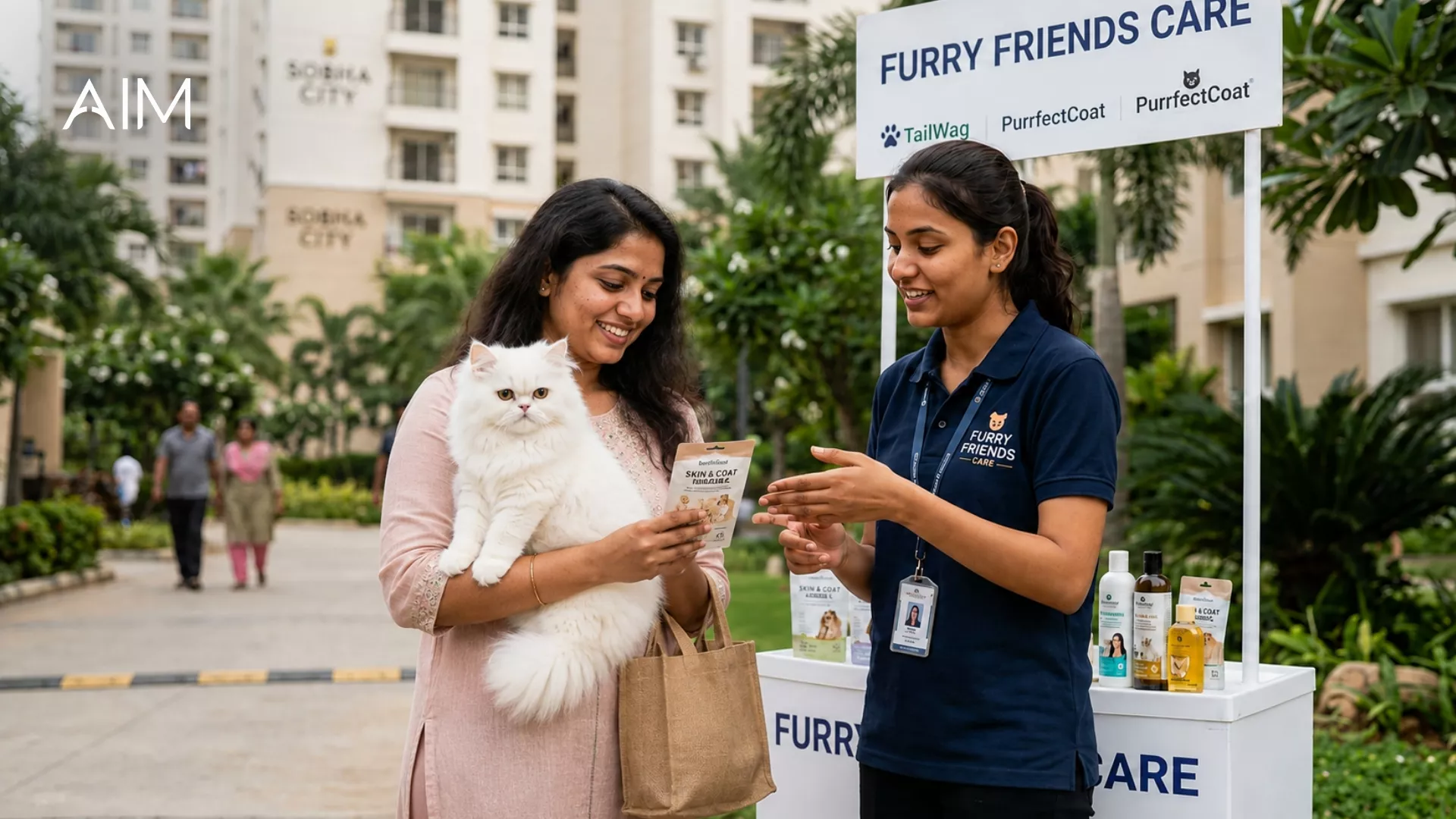
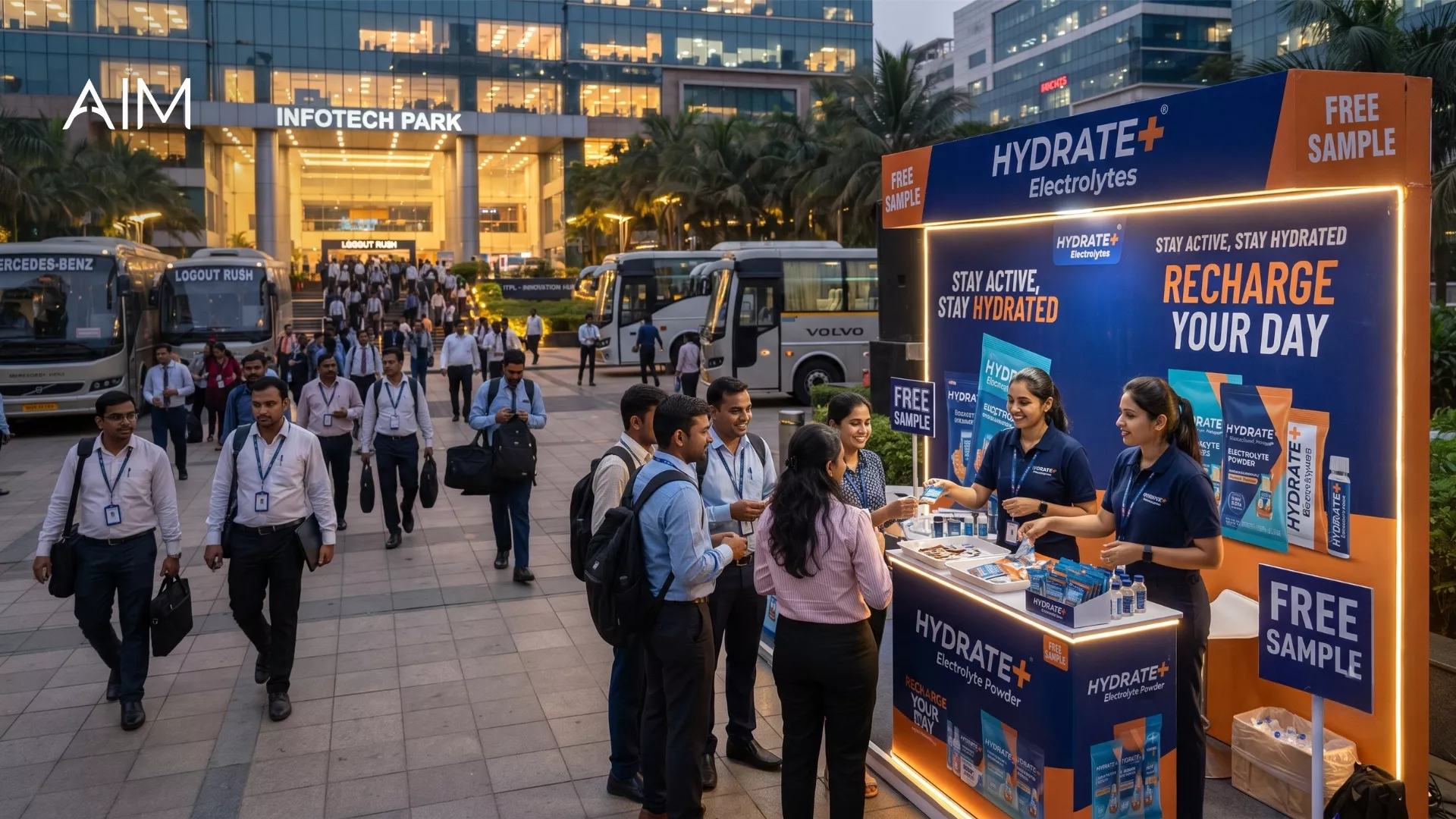
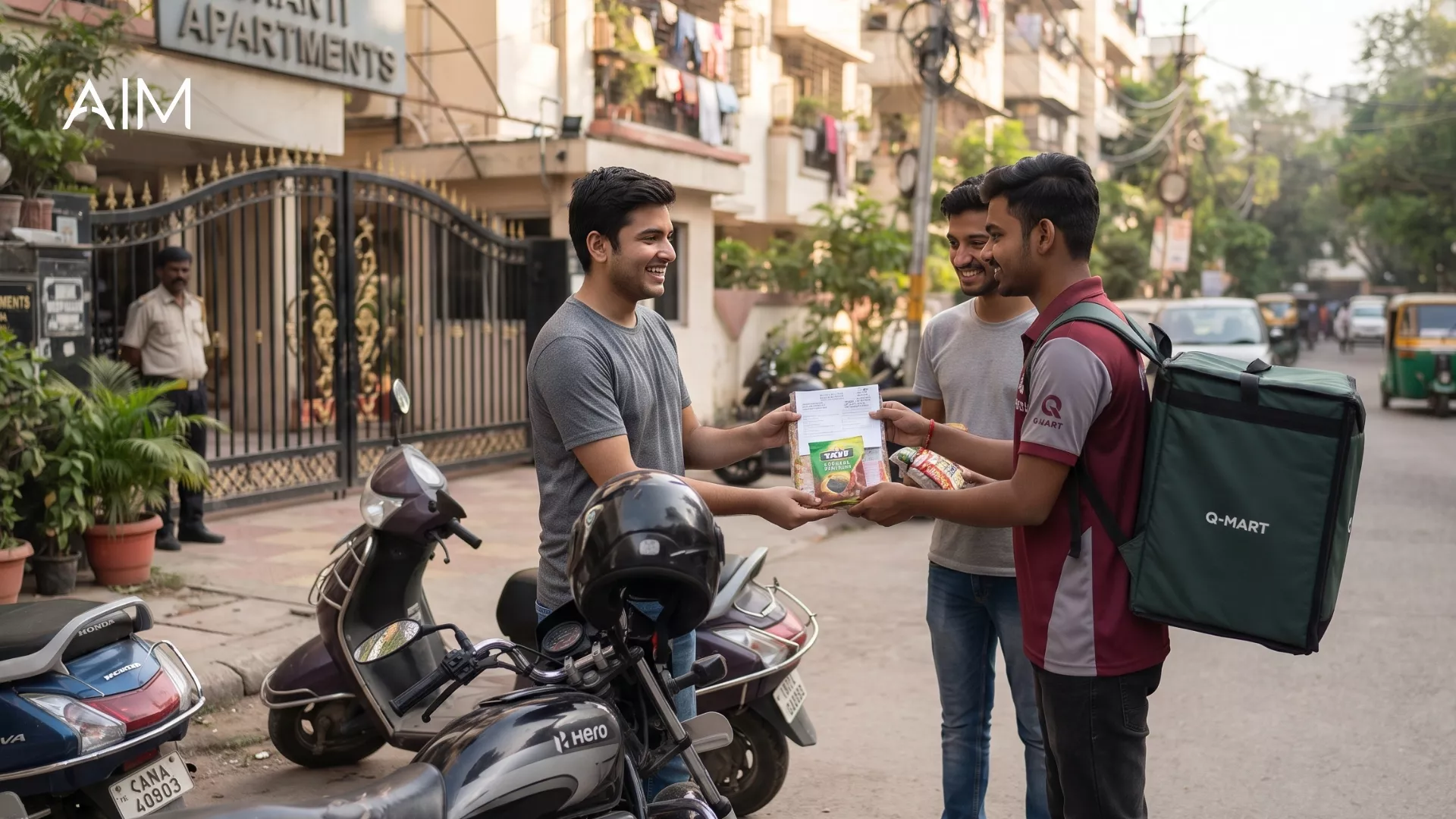
Choose the spot on gut, which is what traditional planning does, and you can miss your buyer by a few kilometres and a whole income bracket without ever realising it. Targeted product sampling starts from the opposite end. Decide who the sample is for first, then go only where those people actually gather, whether that is a specific set of societies, an office cluster, a beauty counter, or an e-commerce basket. The channel follows the buyer, never the other way around.
Nobody captures the person, so the trail goes cold
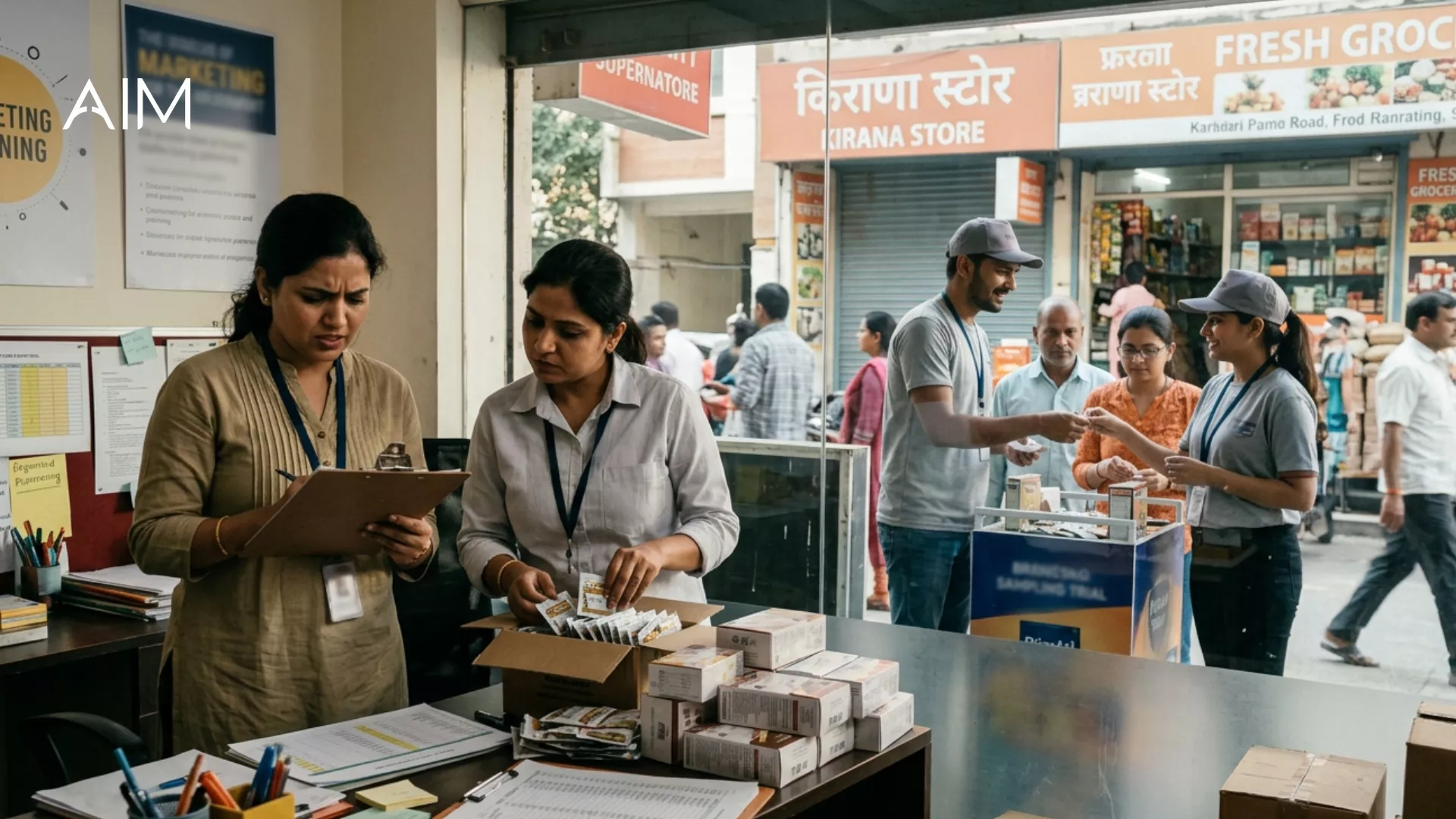
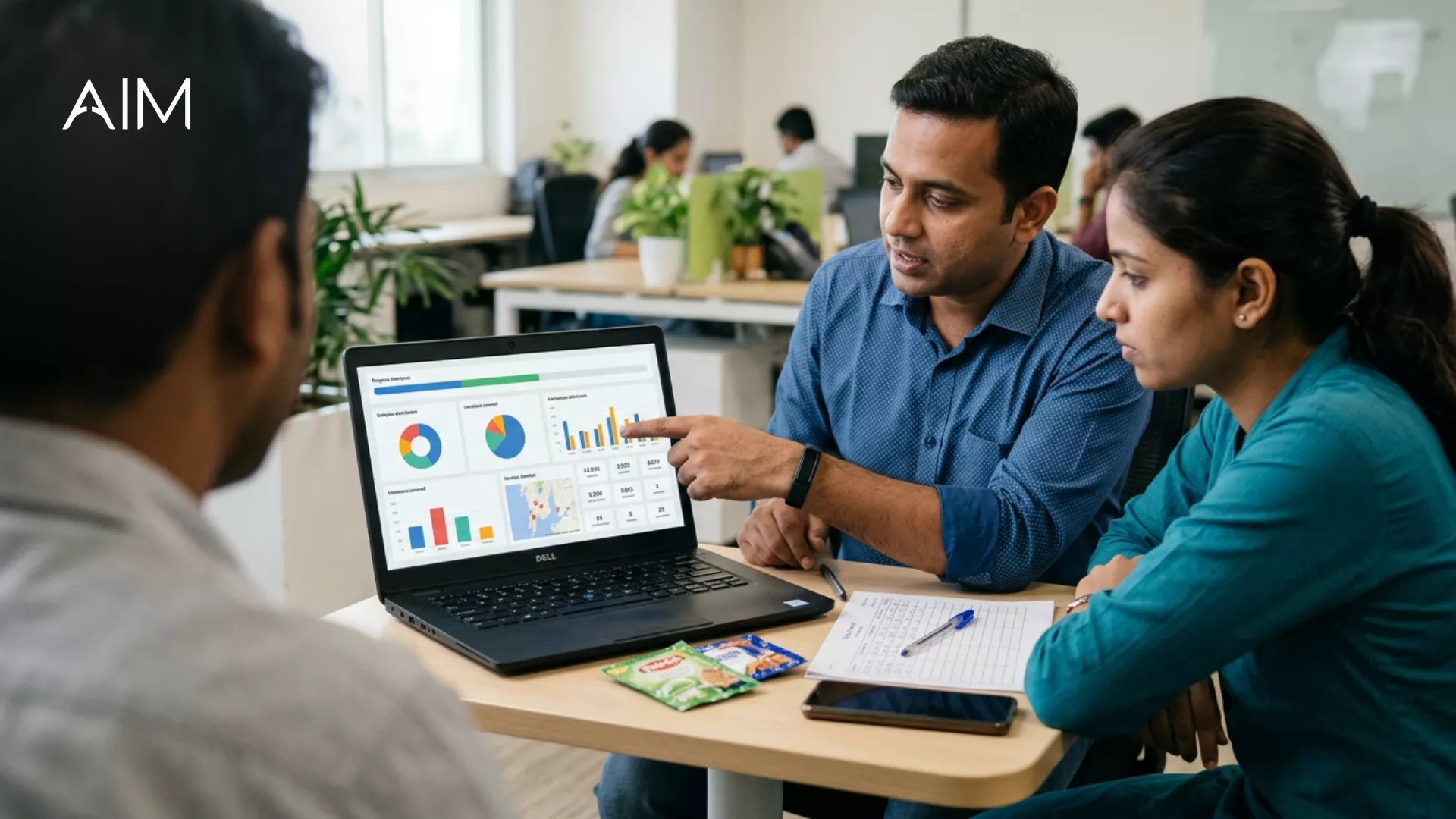
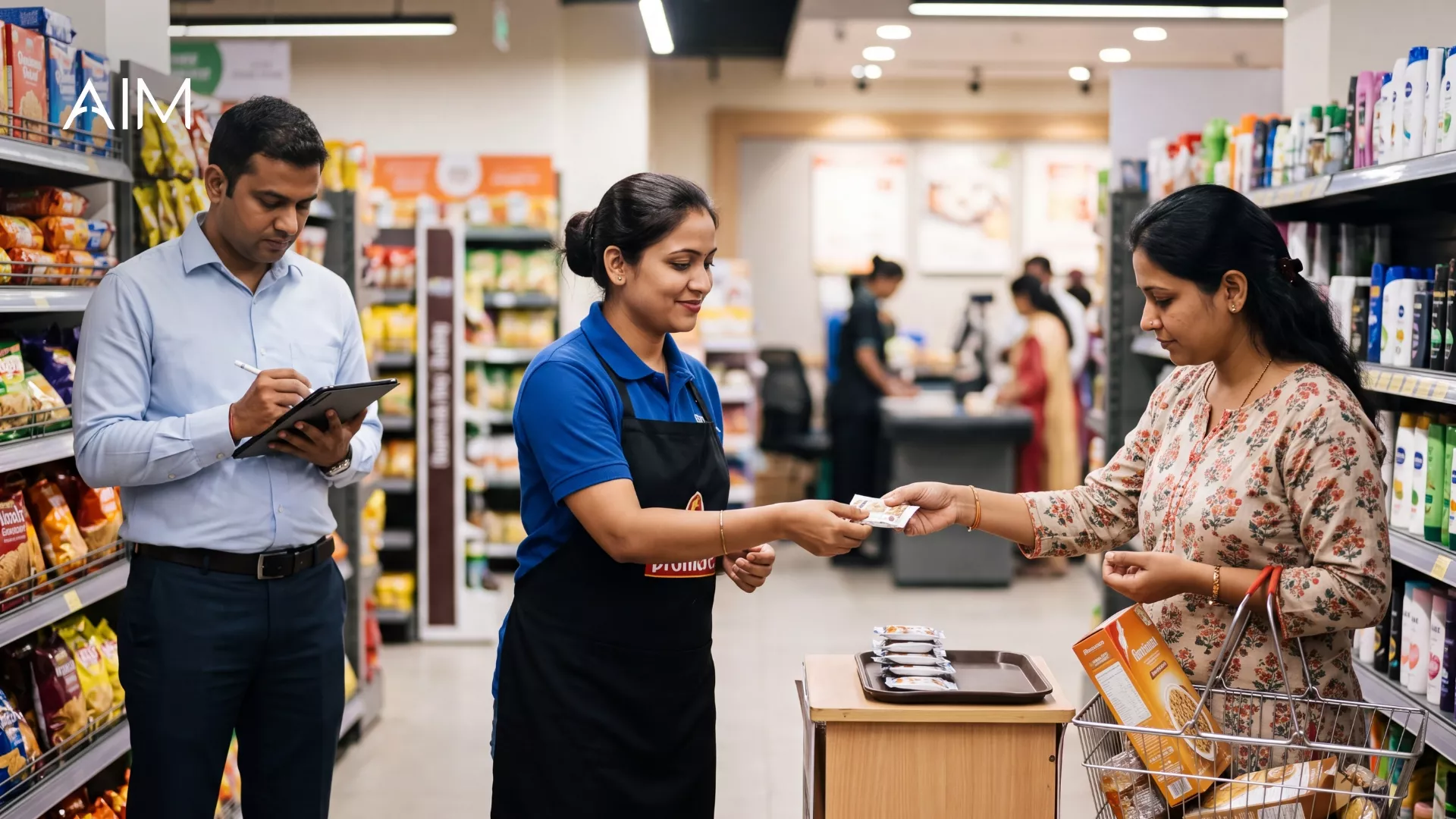
This is the deepest break of all, and it is the one that makes every other problem impossible to fix. In a traditional FMCG product sampling run, the space between handed out and bought captures nothing. No identity on the person who took the sample. No way to reach them again. No link between the trial and any purchase that might follow. So when the buyer question comes up in that review meeting, there genuinely is no answer, because the campaign was never built to have one.
Without capture, there is no sample-to-sale tracking, and without sample-to-sale tracking there is no honest product sampling ROI. You are left guessing whether the sampling worked, and guessing tends to flatter whatever you already believed. If you cannot tie a sample to a person, and that person to a next step, you do not have a sampling campaign. You have a giveaway with good photography, and the two look identical in a photo folder.
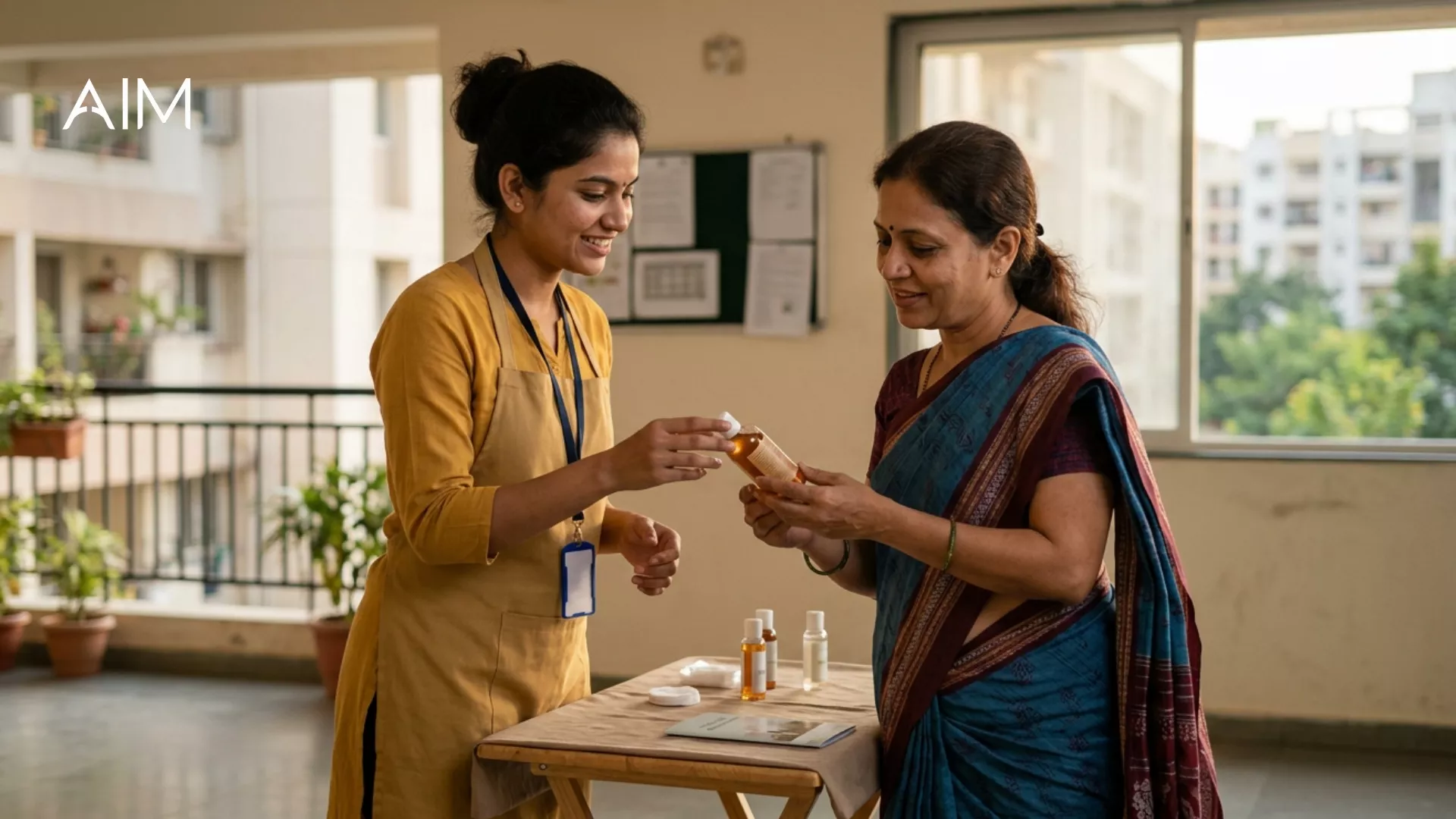
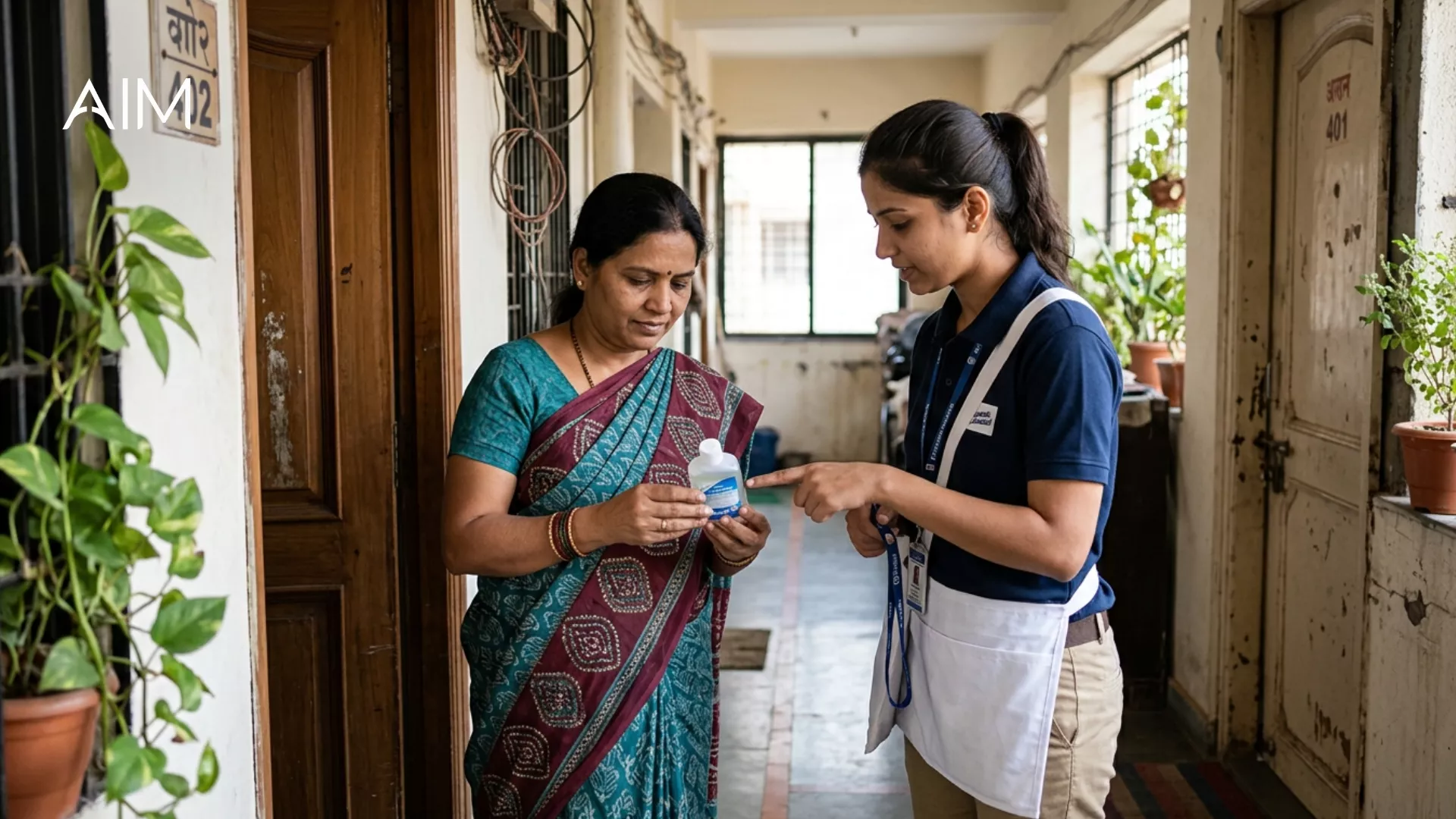
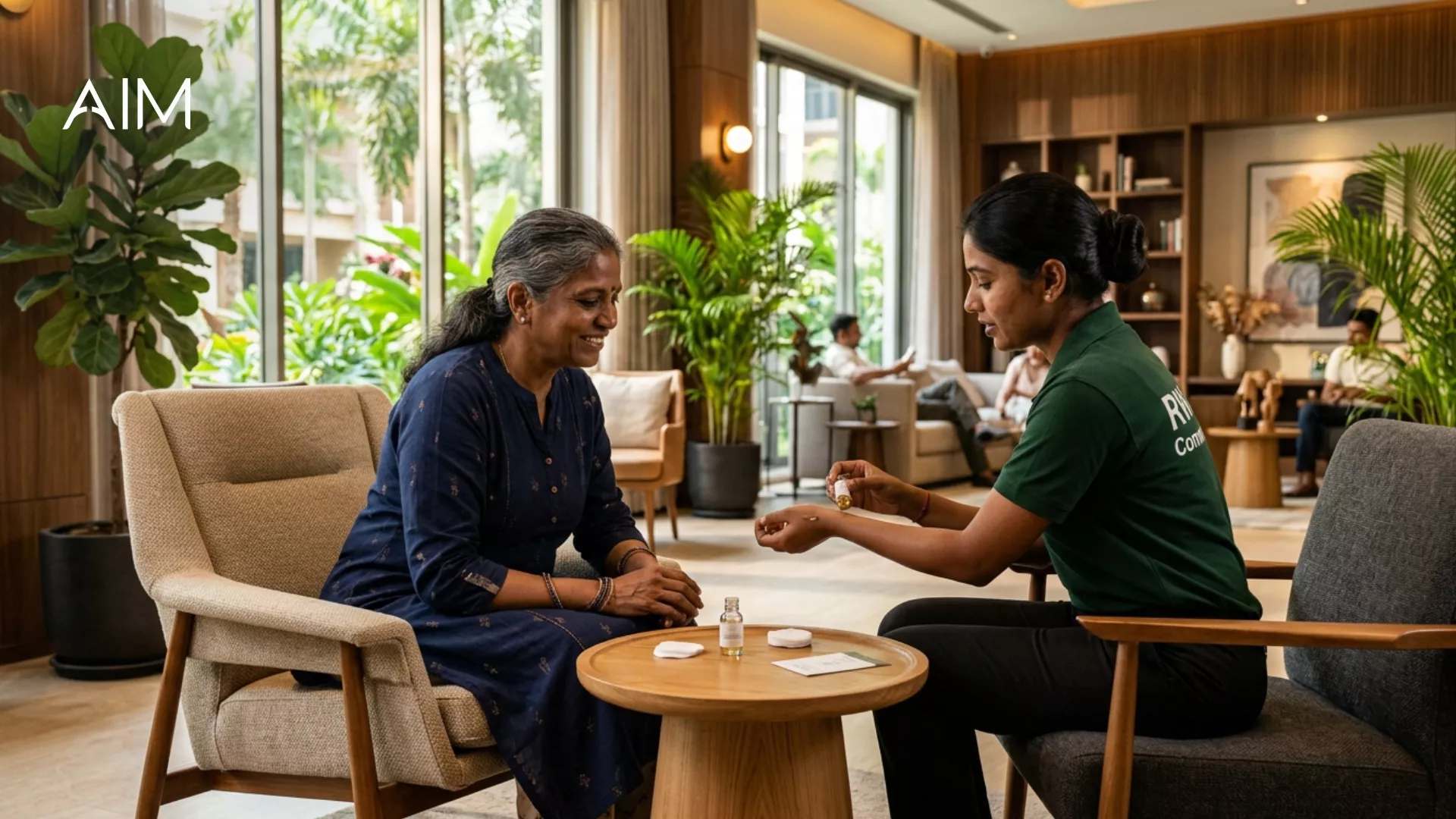
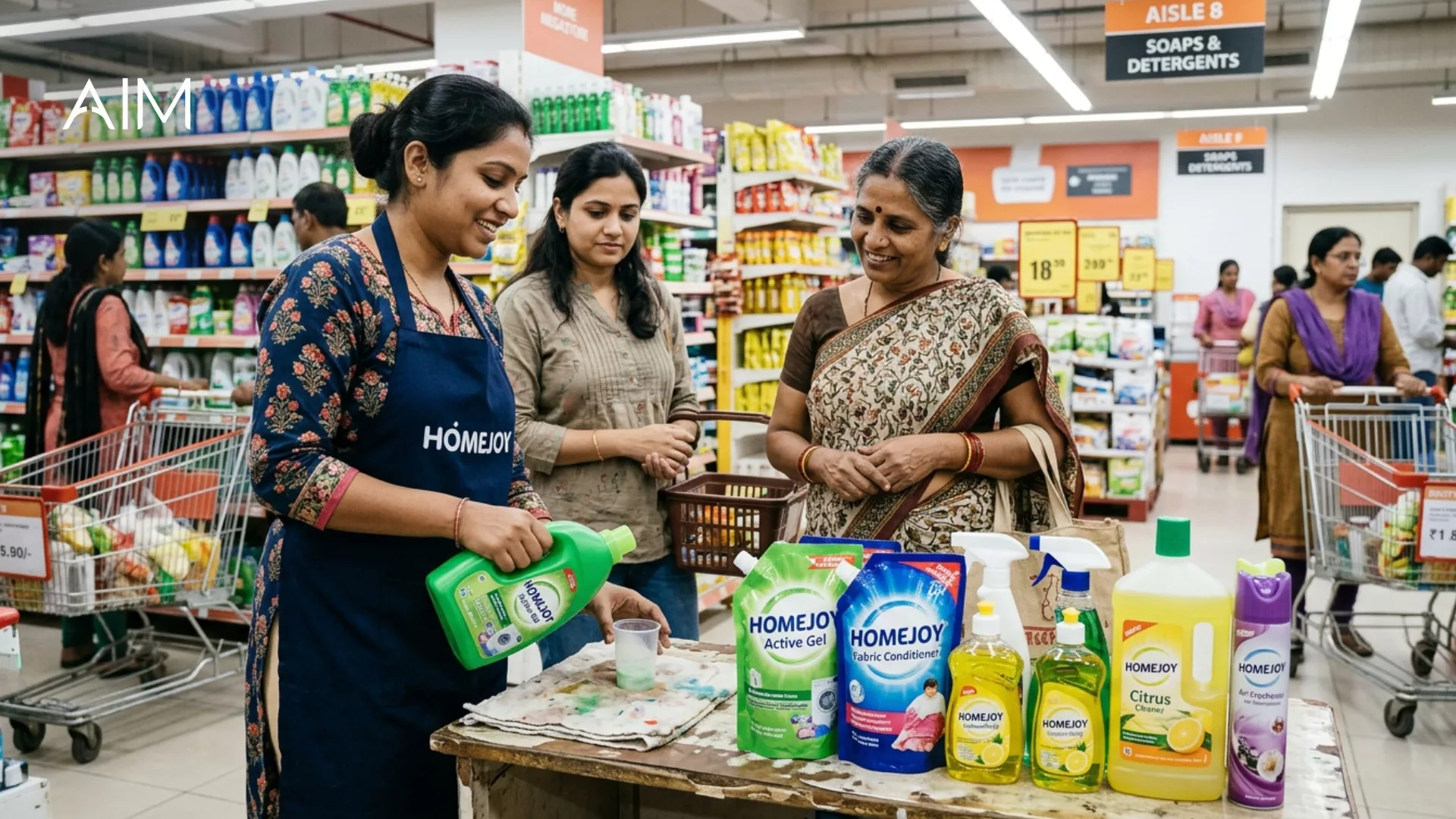
I saw the difference clearly on one home-care campaign we ran across roughly forty societies. When we stopped handing the product to whoever walked past and started putting it in the hands of people who actually used the category, then tracked who bought after, the sample-to-purchase rate climbed from under a fifth to close to half over about six weeks. Nothing magic happened. We just stopped sampling blind. The product had always been fine. The targeting and the tracking were what had been missing, and they are exactly what traditional sampling leaves out.
Awareness becomes the excuse for measuring nothing
Whenever I raise this, someone tells me sampling is a top-of-funnel awareness play, so you cannot measure it like a performance campaign. I understand the instinct, and awareness is a fair objective. But unmeasurable is a different claim, and it simply is not true. You can run for awareness and still qualify who you reached, still tie a coupon to the sample, still learn which audience actually responded and which ignored you.
Reach is worth paying for when it reaches the right people. Cheap reach to the wrong crowd is not efficiency, it is leakage, and calling it awareness does not change what happened to the money. The awareness label has become a comfortable place for traditional sampling to hide from the buyer question, and I think brands deserve better than a comfortable hiding place.
What the break actually costs
Add these up and the cost is bigger than a wasted week. A mistargeted run burns a budget that, in most FMCG teams, is fixed for the quarter, so there is no second attempt. The sales team sees flat secondary sales and blames marketing. Marketing has only a reach number to defend itself with. And the brand walks away having learned nothing about its own buyer, which means the next product sampling campaign is planned just as blind as the last one. The real loss is not the samples. It is the market intelligence you paid for and never collected.
I treat sampling as controlled market learning, not free distribution. Every sample you hand out should teach you something real about a potential buyer. If it cannot, it was wasted, no matter how good the activation looked on the day.
What fixing it actually looks like
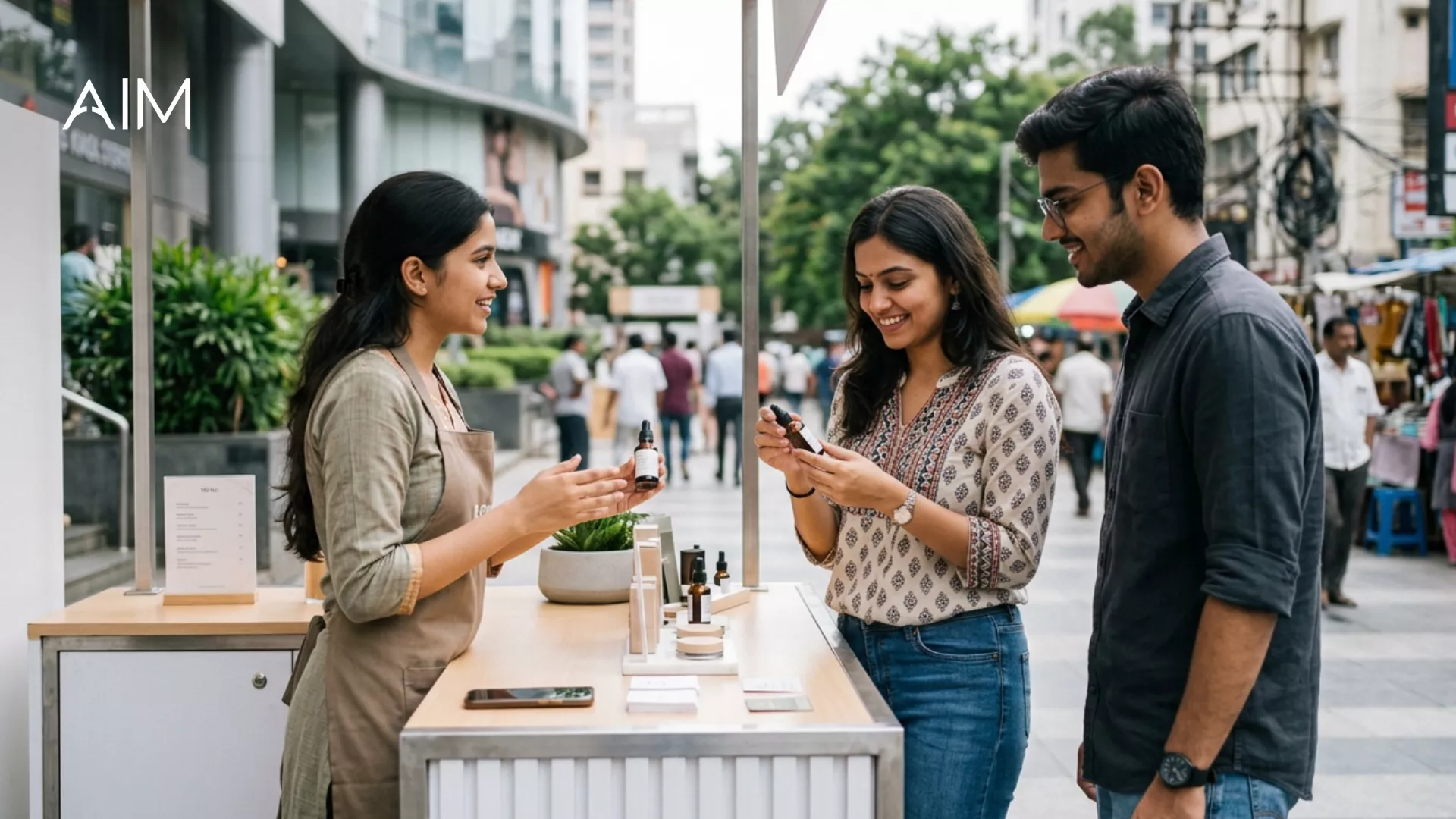
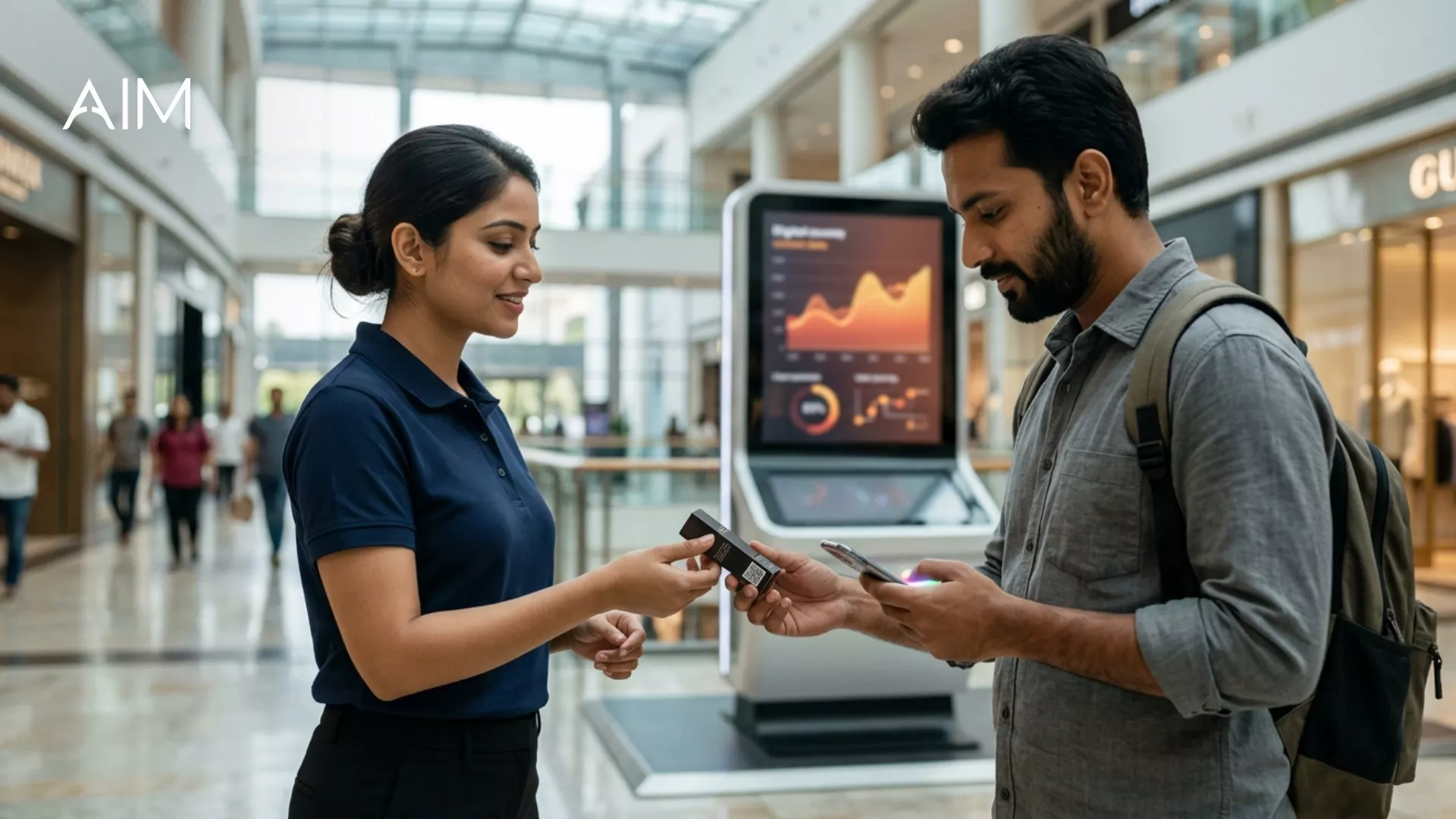
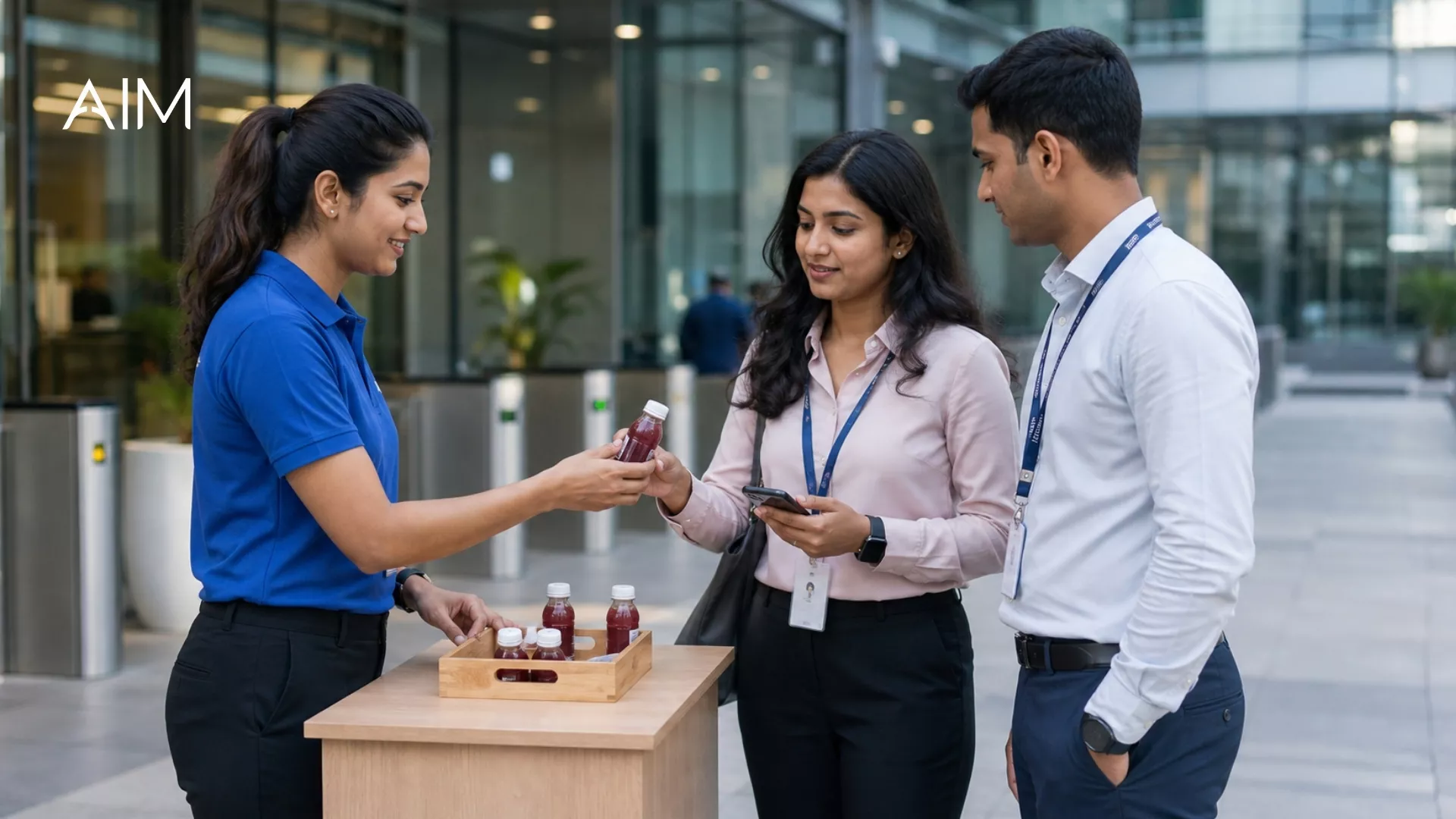
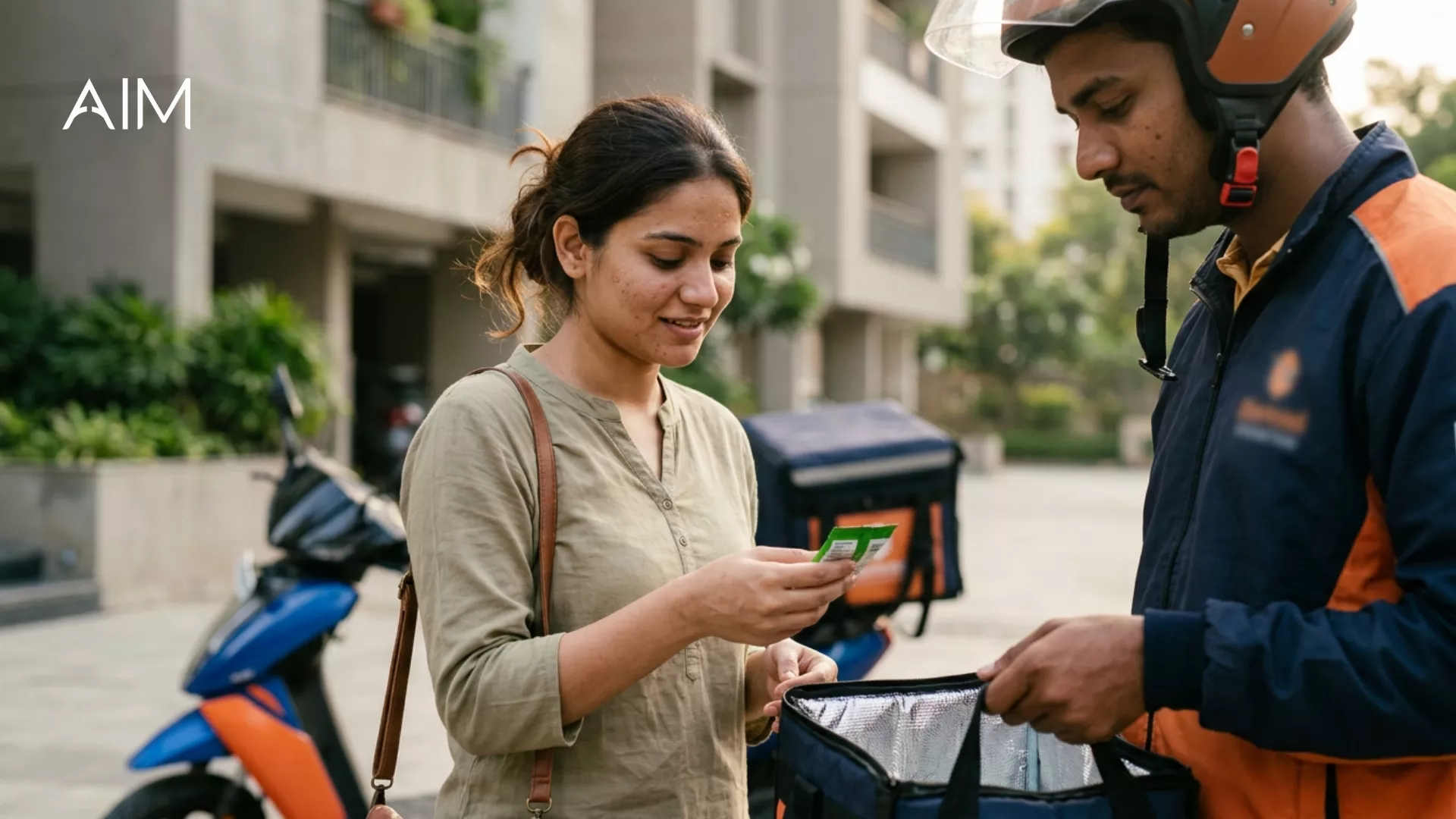
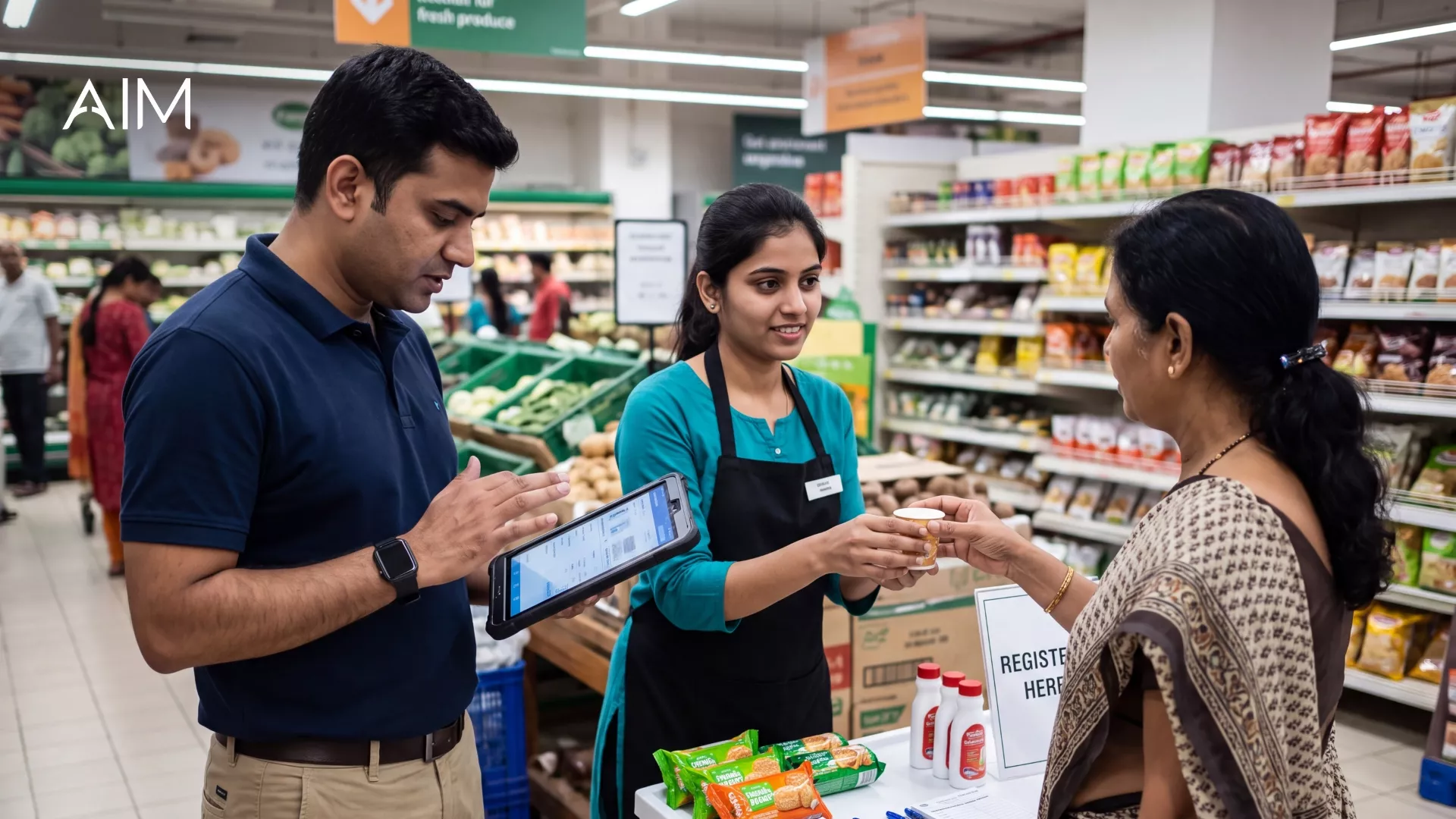
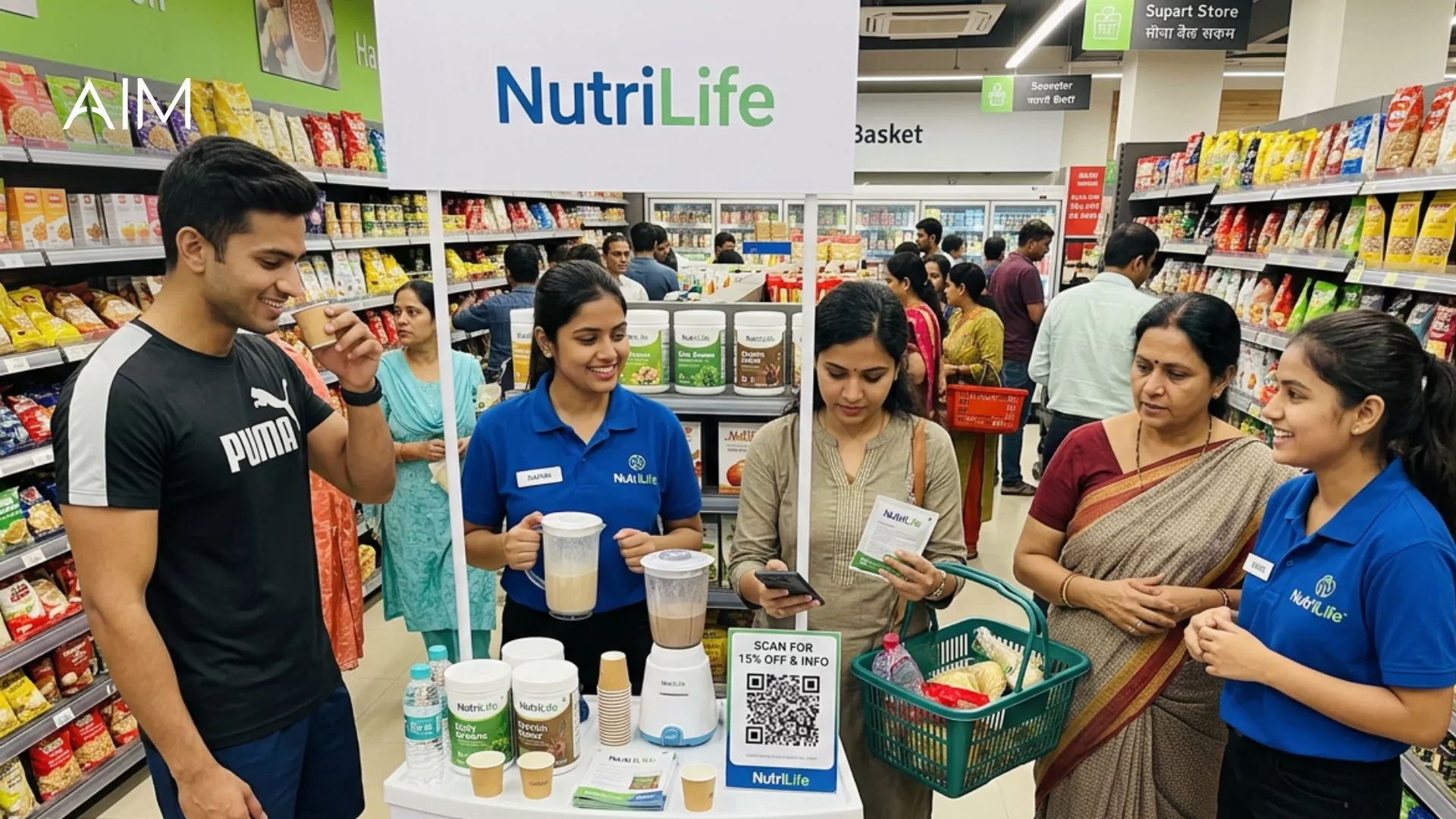
The fix is not to sample less. It is to sample on purpose. Decide who the sample is for before you print it. Choose channels that genuinely hold those people instead of defaulting to the biggest mall. Qualify the person at the moment they take the sample, a quick opt-in or a QR scan and a question or two, so you screen out the serial grabber and know you reached a real category buyer. Then tie every sample to a next step, a coupon or a code that lets you follow that person from trial to purchase, online or in store. That is where in-store sampling and digital sampling stop being separate rituals and start being one measurable system.
Do that and the report at the end changes completely. Instead of we distributed fifty thousand, you can say how many samples reached people in your target profile, how many redeemed, how many bought, what they told you, and which locations converted best. One of those reports survives the buyer question. The other one goes quiet, and you already know which is which.
Traditional FMCG product sampling is not broken because trial does not work. Trial works beautifully, often faster than any other channel, because the proof is in the customer's own hands. It is broken because it was built to hand out product and was never built to learn. Fix that one thing, aim it at the right buyer and track what happens next, and the same fifty thousand samples stop making photos and start making a business case. That, to me, is the whole point of sampling in the first place.


.webp)







.png)