In-store Product Sampling
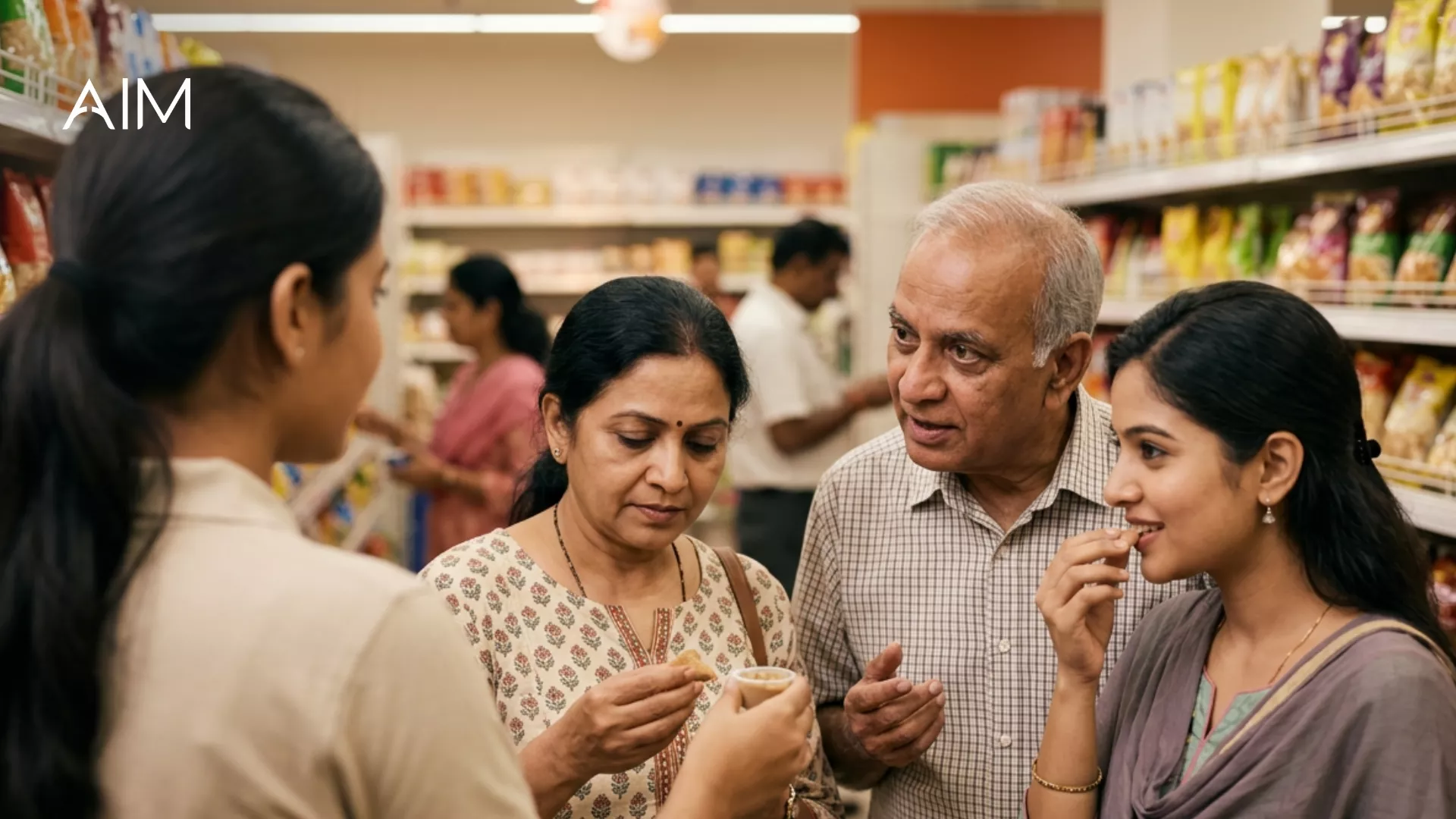
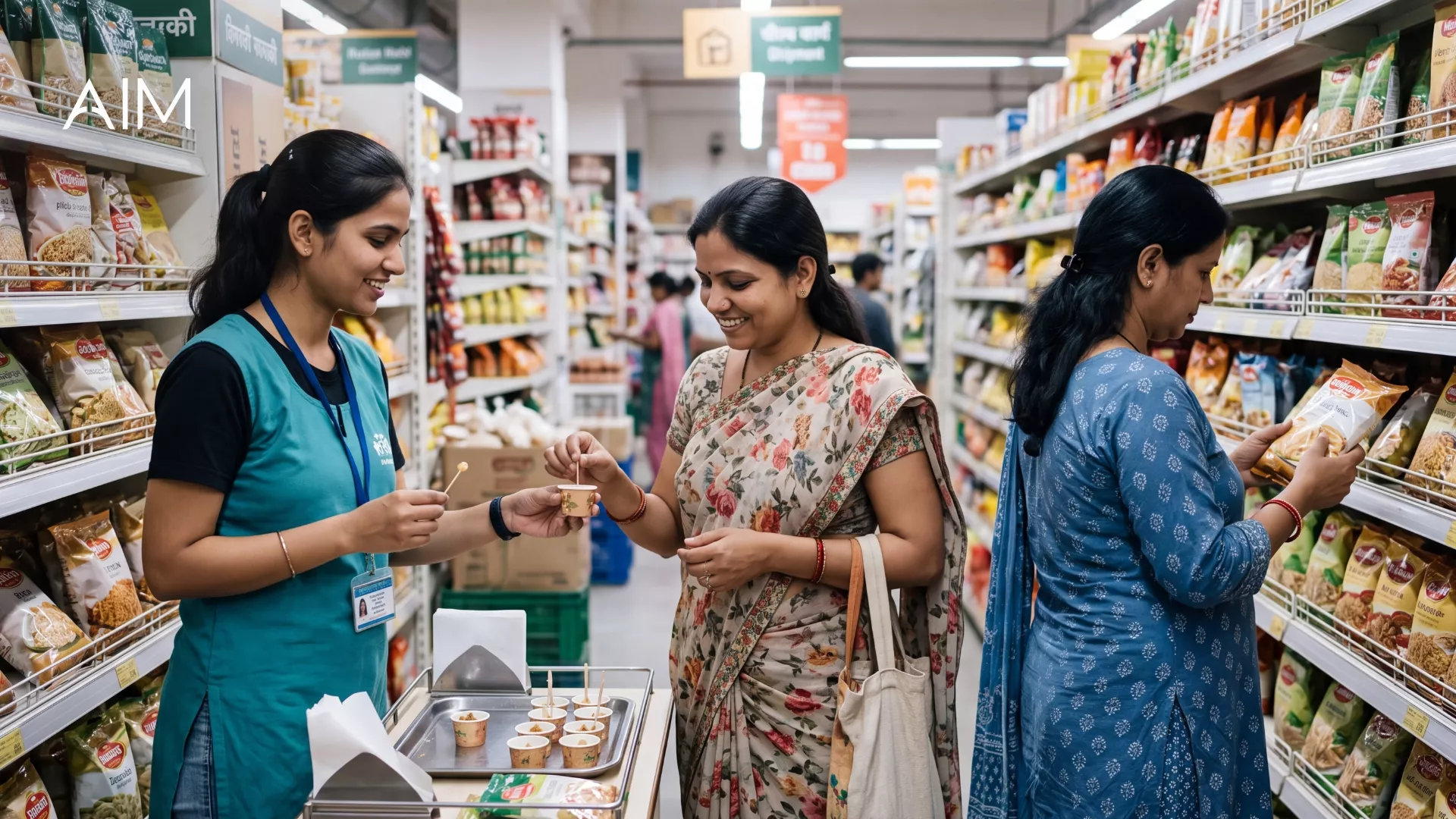
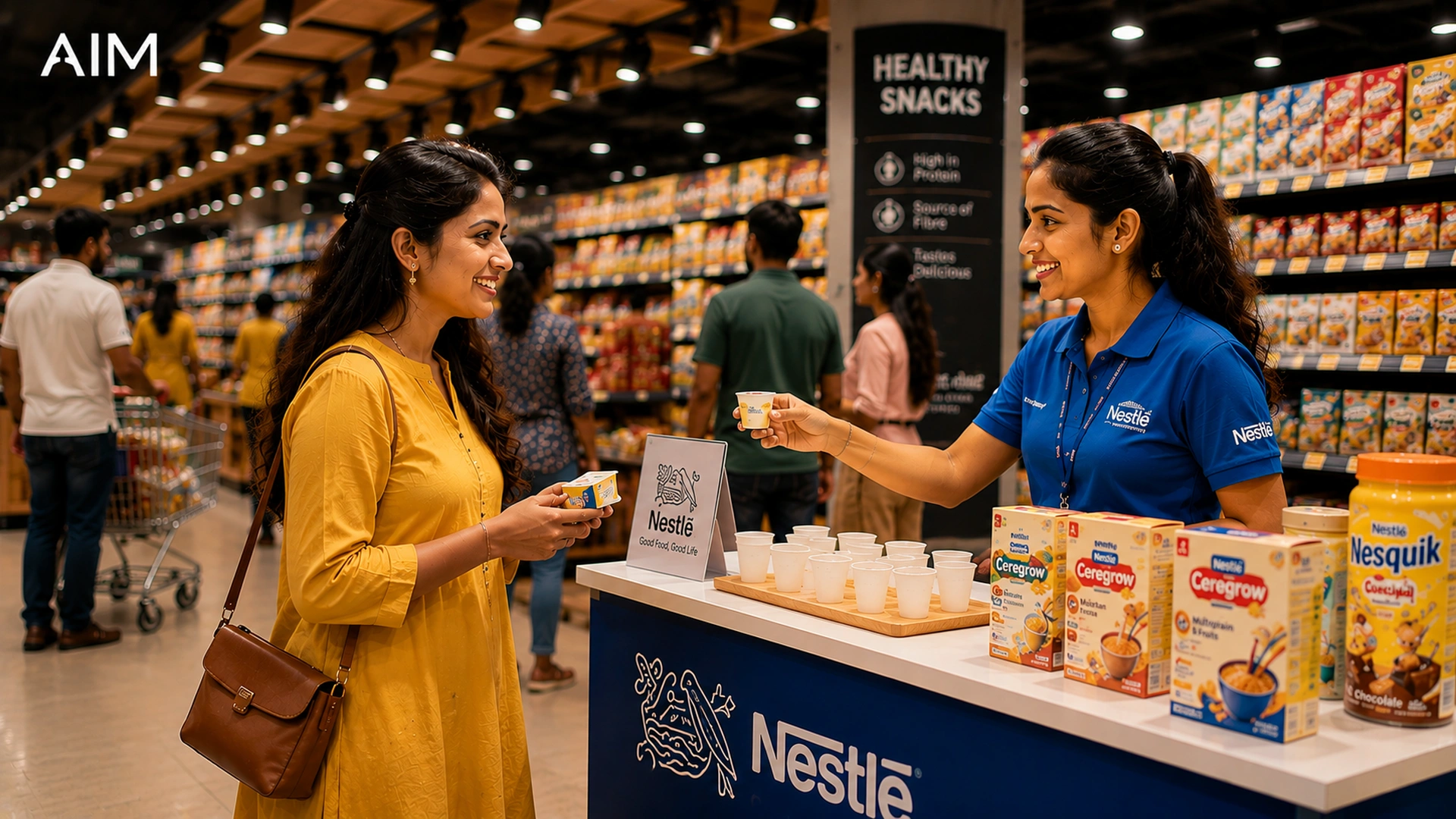
In-store product sampling puts a product directly into shoppers' hands at the moment they're making purchase decisions, across retail outlets, supermarkets, and modern trade.

In-store sampling works when it does more than hand out products at a busy shelf. These guides cover how to pick the right stores, run trials shoppers remember, and track which samples actually turn into sales — so the spend builds knowledge, not empty cartons.
What it is, cost in India, how to measure ROI, which stores to choose, and how to pick an agency.
From dumping samples at the gate to counting societies instead of buyers — and how to fix each one.
Judge them on targeting, qualification, and sample-to-sale tracking — not sample volume.
Sampling that ends in activation photos instead of buyers is just free distribution. How tracking fixes it.
Looking for the best sampling agency in India? Why the brief matters more than the rate card.
A marketing method where a brand gives a free trial of a product to potential customers.
The things brands ask before running their first shelf-side campaign.
It puts your product in a shopper's hands at the shelf, where the decision to buy actually happens. It's right when trial is the barrier — people would buy if they'd just tried once — and your product sells in stores you can staff.
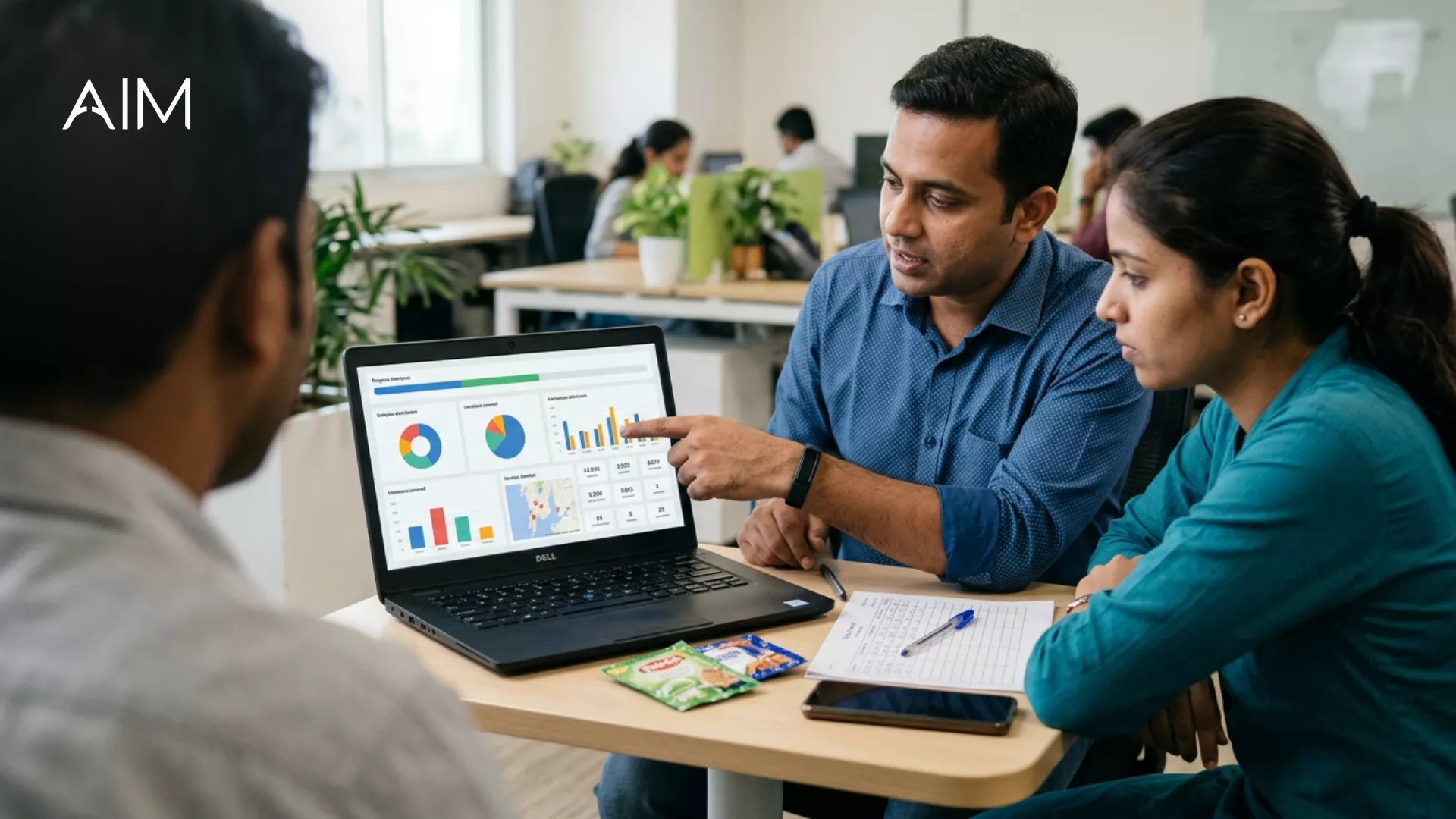
A sample count is an activity number, not a result. We tie sampling to QR capture at the point of trial and follow-up, so you see trials, re-engagement, and movement at the sampled stores — not a photo of a busy stall.
The ones where your buyer already shops, not just the highest-footfall ones. We pick by shopper demographics and conversion potential; a smaller store full of the right people beats a crowded one full of the wrong ones.
Free distribution ends when the samples run out. In-store sampling is controlled learning — every trial should tell you who responds and whether they return — so the spend builds knowledge, not empty cartons.