
How AIM turned a 50,000-sachet Bsure newspaper drop across Mumbai into a measured channel: coded sachets, QR capture, and zone-level sample-to-sale tracking.
British Biologicals wanted more people in Mumbai to try Bsure, their flagship nutritional supplement. The plan reached tens of thousands of homes through the morning newspaper. What made it an AIM campaign rather than a plain distribution drive is what got built into every sachet before it went out: a way to know who took it, and what they did next.
British Biologicals is a respected Indian nutrition company known for science-backed supplements across several therapeutic areas. Bsure sits in its flagship range. In a crowded supplement market, the brand did not want another awareness burst. It wanted real trial, and it wanted to know what that trial was worth.
The brief was simple to say and hard to do well: raise awareness and drive sampling for Bsure among the right Mumbai households. AIM added a second line to the brief. Every sample should come back with data. Reach was the easy half. Knowing who tried it, and whether they bought, was the half most sampling never delivers.
A number that big is easy to be proud of and easy to waste. Hand 50,000 sachets to a newspaper network and you have reach by breakfast. What you usually do not get is any idea who took them, whether they fit the product, or whether one of them ever bought. AIM treats a drop this size as a chance to learn, so measurement went into the sachet first, not as an afterthought once the campaign was done.
Bsure suits a wide base: health-conscious adults, working professionals, homemakers, and senior citizens who think about daily nutrition. Because the product fits many households, geography did the heavy lifting. Rather than spraying the whole city, AIM chose Mumbai zones by household density, income profile, and newspaper penetration, so the samples landed where Bsure buyers actually live.
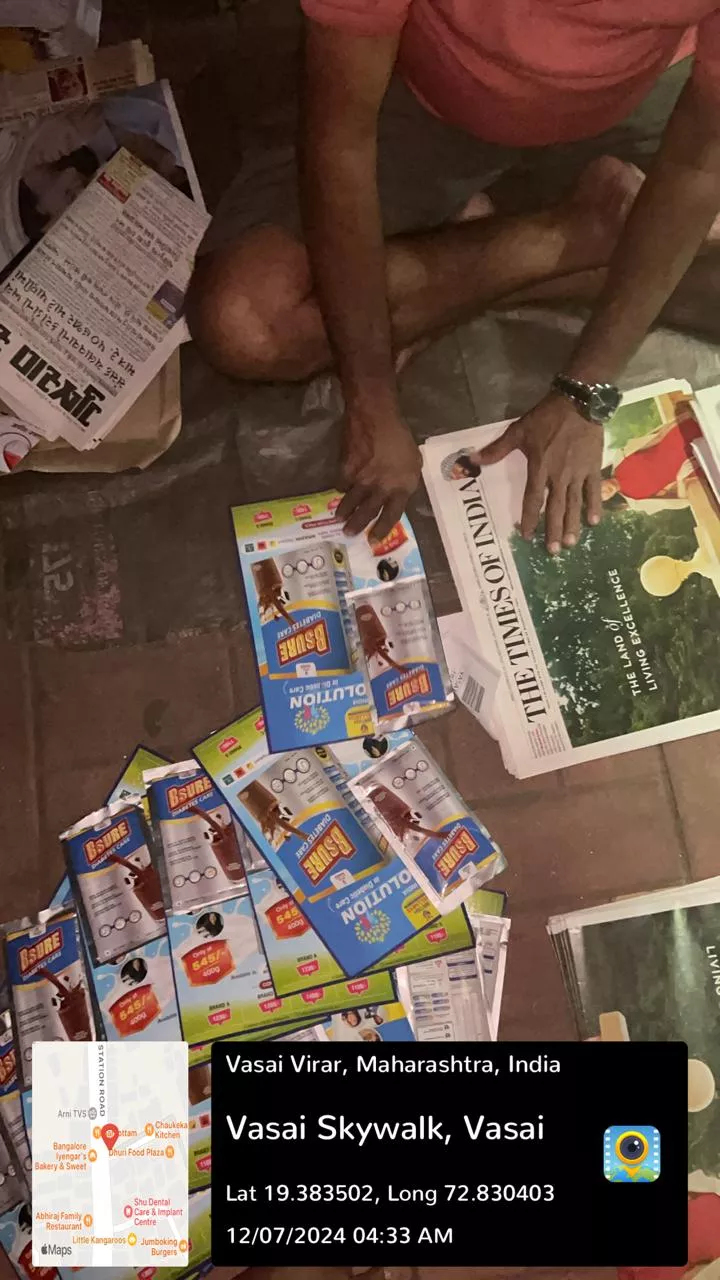
The channel did what it does best: broad reach, fast, at a low cost per household. The difference was everything that came after the sachet left the vendor's hand.
Newspaper sampling gets written off as old and blind. It is old. It does not have to be blind. The same 50,000 sachets, coded and tracked, turned a one-morning reach story into a zone-by-zone map of where Bsure's buyers live. For a brand planning its next campaign, that map is worth more than the reach that produced it. That is the whole idea behind AIM: sample on purpose, capture the person, and let the data tell you where to go next.
Apart from the actual sample counts (Bangalore 550, Cochin 450), the numbers here are illustrative, conservative, and internally consistent, modelled on typical benchmarks for data-driven sampling. They demonstrate AIM's planning and measurement approach; they are not a verified record of this specific campaign. Verify or substitute the modelled figures before publishing.
AIM plans sampling around your buyer, captures every trial, and reports what it did, so your next campaign answers the only question that matters: how many bought.