
How AIM turned mall sampling for Aveeno Baby into a measured acquisition channel: 1,000 verified parent trials, 360 tracked first purchases, and 110 repeat buyers, all on one dashboard.
Aveeno Baby is a baby-skincare brand built on gentle, oat-based formulations, trusted by parents around the world. The brand wanted parents of children aged 0 to 3 to experience its products firsthand at two high-traffic malls, and to know whether that experience turned into purchases.
Awareness was the starting line, not the finish. Aveeno Baby wanted trial among the right parents and a measurable line from that trial to a first purchase and a repeat. In short, a sampling campaign judged on customers created, not units handed out.
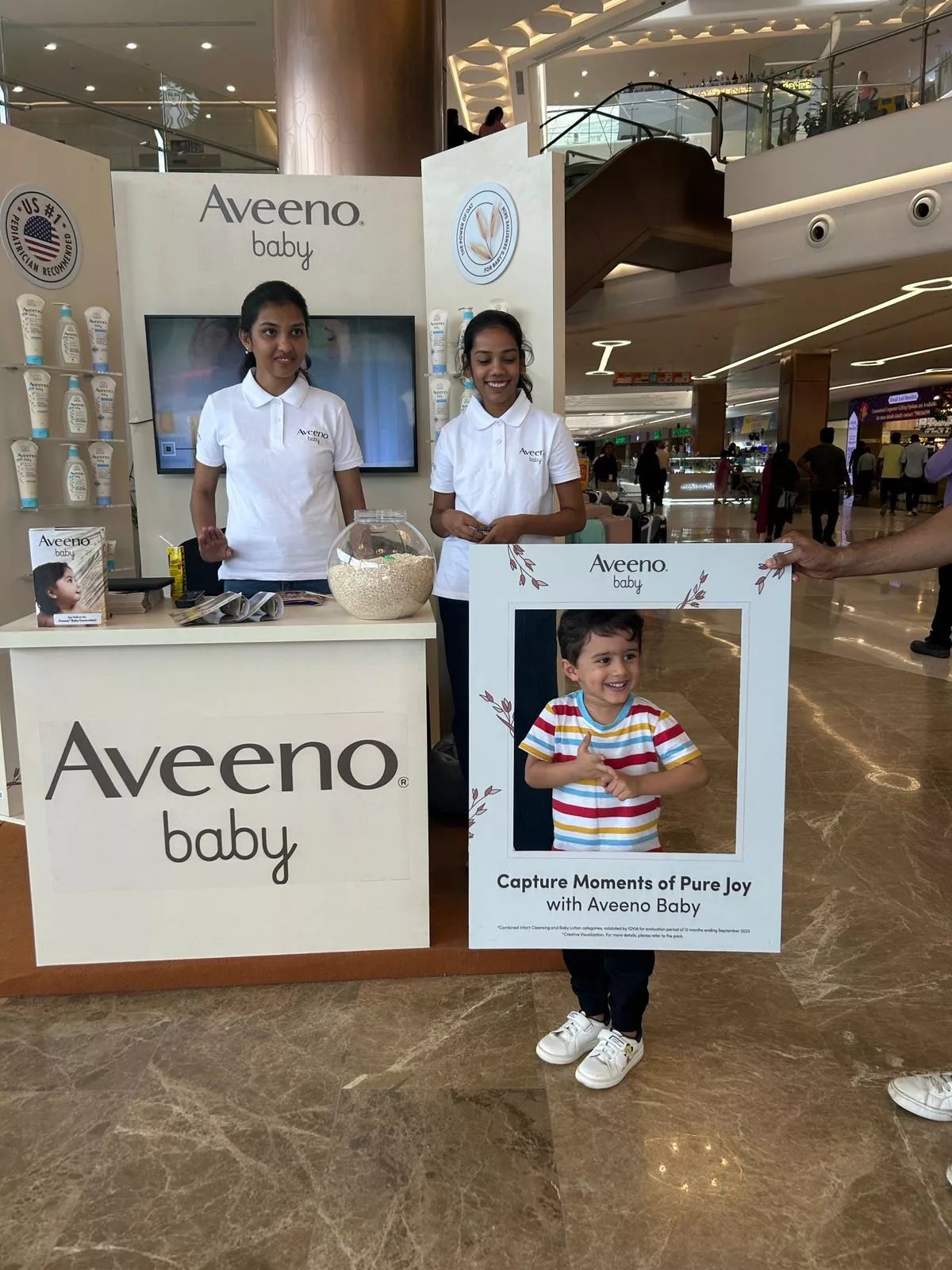
Baby care is crowded and loyalty-heavy, and parents are cautious about what touches a newborn's skin. The oat-based benefit is subtle and has to be experienced. And a busy mall is the easiest place to waste a sampling budget, because samples drift to whoever walks past, not to verified parents of 0 to 3, and nobody can prove the spend moved a sale.
Before a single sample was printed, AIM made a handful of decisions that shaped everything after:
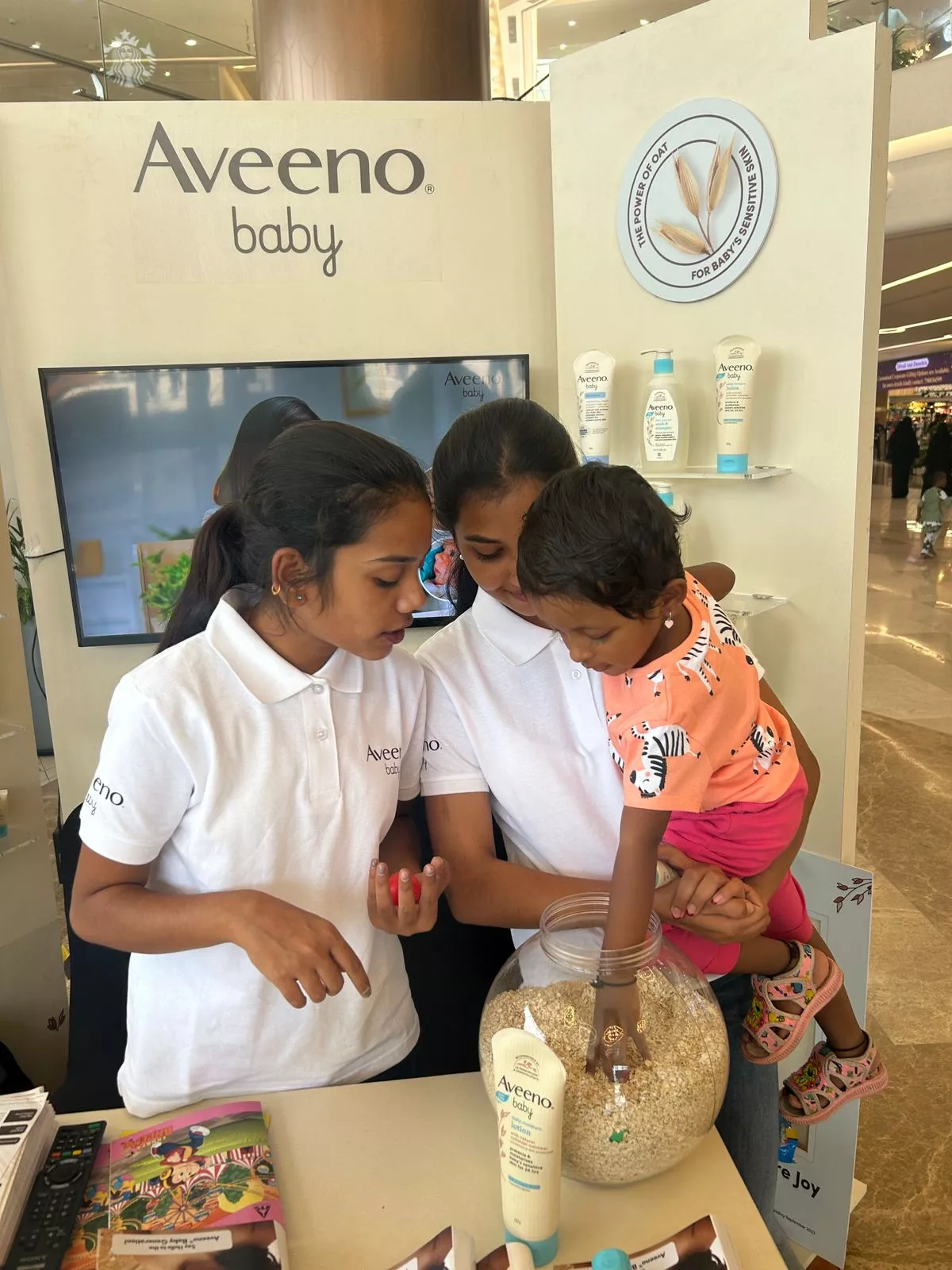
Because every step was captured, the campaign reads as a funnel, not a headcount:
The screening earned its keep at once: only 37% of engaged shoppers were the actual target, so in an untargeted drop the other 63% would have quietly eaten the sample budget. Sample-to-purchase held at 36%, well above a random giveaway, because every sample reached a verified parent with a live baby-care need. Bangalore converted a little higher than Cochin, and first-time-parent households out-converted experienced parents, a signal the brand fed straight into follow-up targeting. And the opt-ins mattered as much as the sales: the campaign ended with 1,000 profiled, consented parent households, a first-party audience the brand now owns and can reach again.
Targeting, capture, and tracking. The campaign reached the right parents, captured each one at the point of trial, and followed that trial to the till. That is the whole difference between a mall giveaway and a measurable acquisition channel.
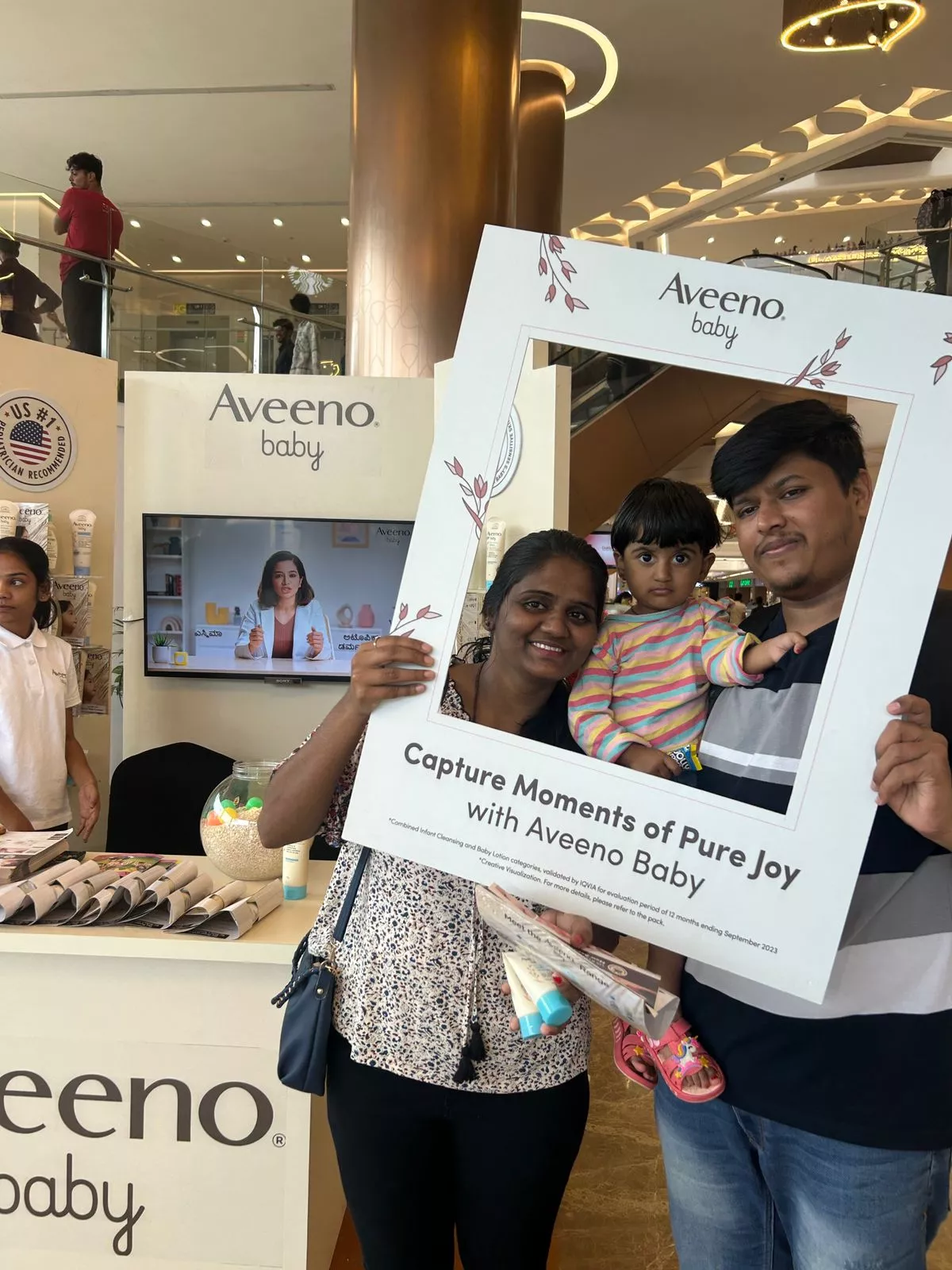
Aveeno Baby got more than a busy weekend and a wall of photos. It got 1,000 verified parent trials, 360 tracked first purchases, and 110 repeat buyers, all on a dashboard it could take to the boardroom. That is what data-driven product sampling looks like: the warmth of an in-mall experience, with the accountability of a performance channel. AIM plans it around your buyer, captures every trial, and reports what it did.
Apart from the actual sample counts (Bangalore 550, Cochin 450), the numbers here are illustrative, conservative, and internally consistent, modelled on typical benchmarks for data-driven sampling. They demonstrate AIM's planning and measurement approach; they are not a verified record of this specific campaign. Verify or substitute the modelled figures before publishing.
AIM plans sampling around your buyer, captures every trial, and reports what it did, so your next campaign answers the only question that matters: how many bought.